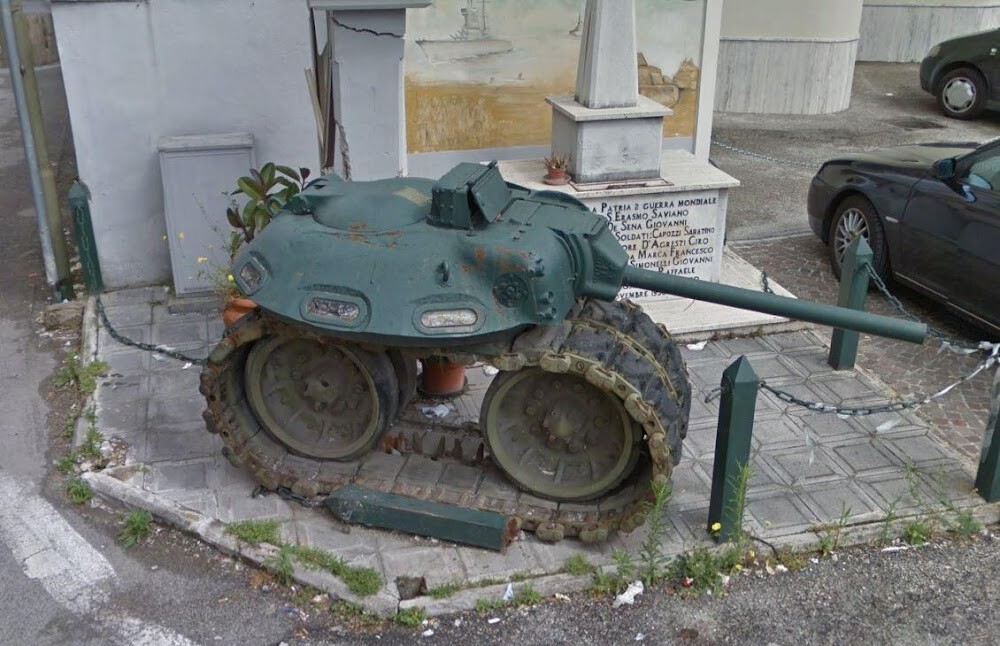
In a small town of 15,000 people, a machine lay dormant by a memorial to Italian soldiers. It has been a subject of online curiosity among armor enthusiasts, who typically pass it by as nothing more than JPEG pixels on their monitors, eliciting laughs and scoffs. However, perhaps such a mysterious being has a deeper history… This is perhaps, but maybe not, a definite historical background of The Tonk.
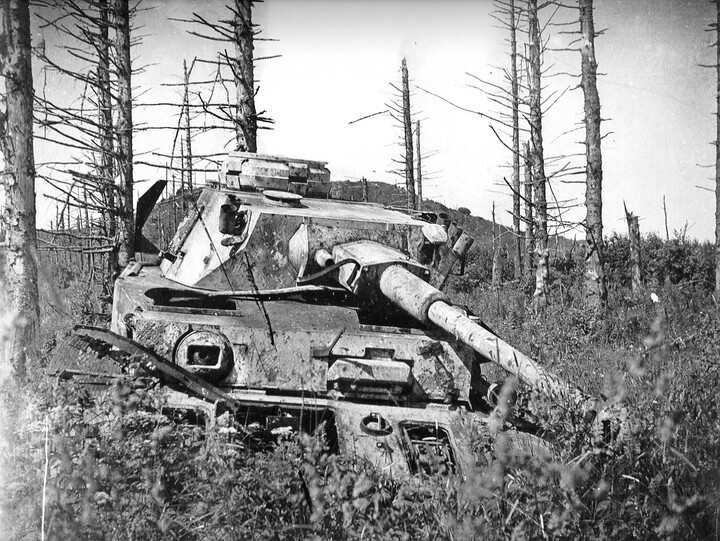
During the Second World War, there is no doubt that Germany led the world in military designs and innovations. However, in the years after the war, a near legendary status has surrounded Germany’s tanks, with names such as the Panther, Tiger I and King Tiger (and, of course, the redoubtable Maus) all coming to mind as nearly indestructable fighting machines. But was this actually the case? Were Panzers as amazing as we have been led to believe, and how have they gained such a formidable reputation?
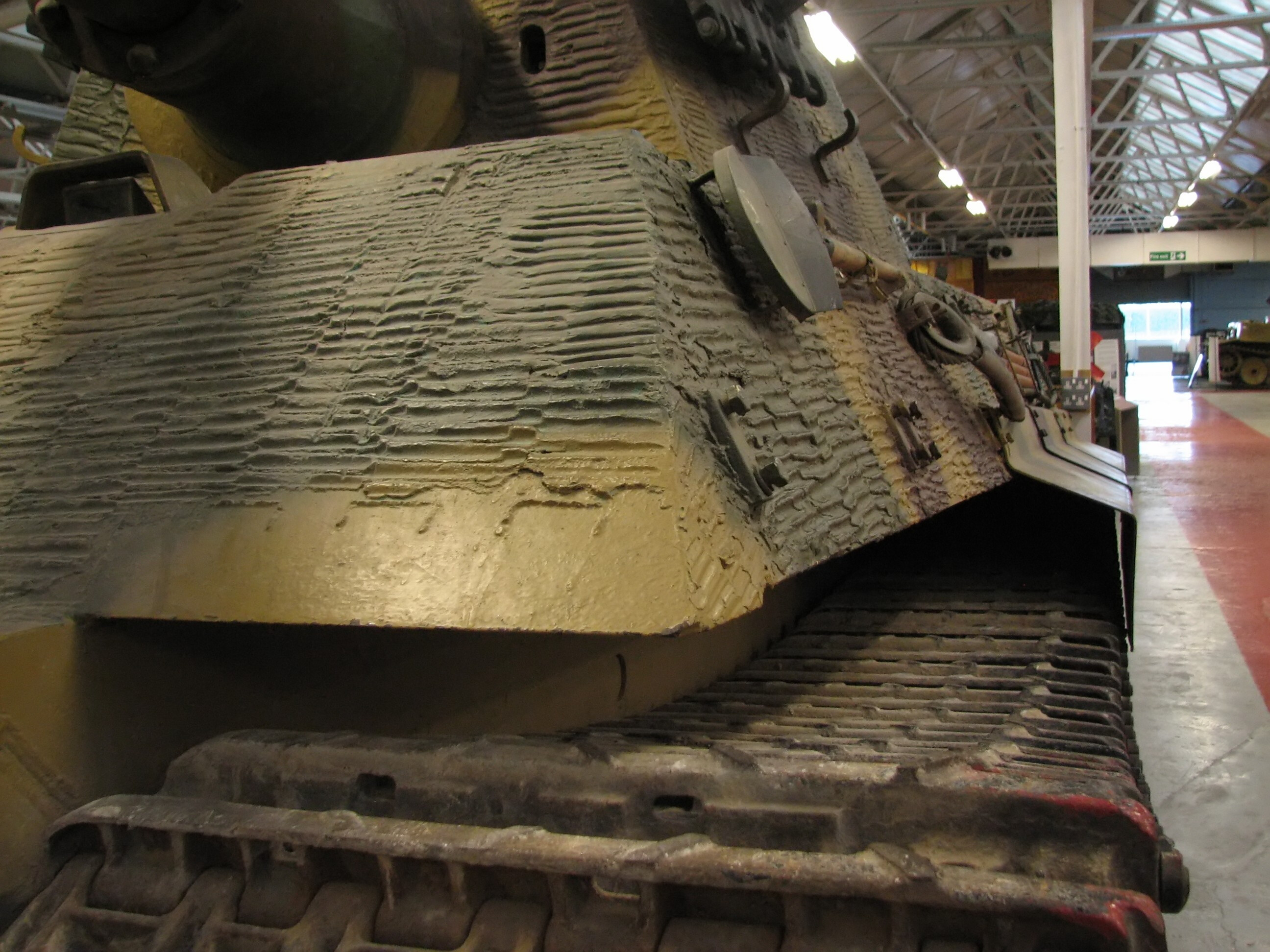
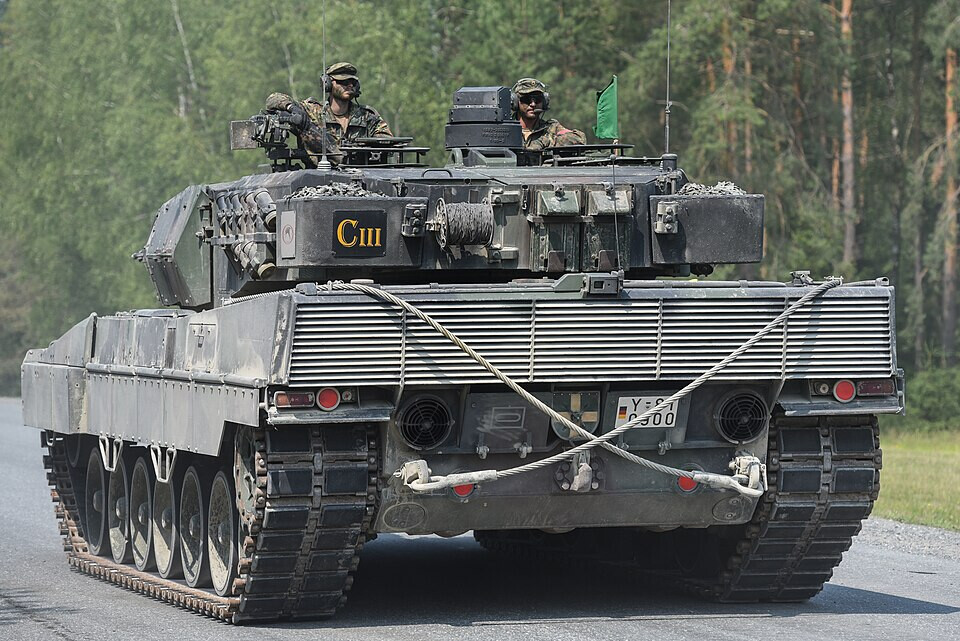
Despite how common this element is, its purpose remains little known. This component is called the Leitkreuz, which translates from German as guide cross. It carries no symbolic weight and is purely a technical device, despite its resemblance to the Balkenkreuz. So, what does it actually do? Read on in the article.

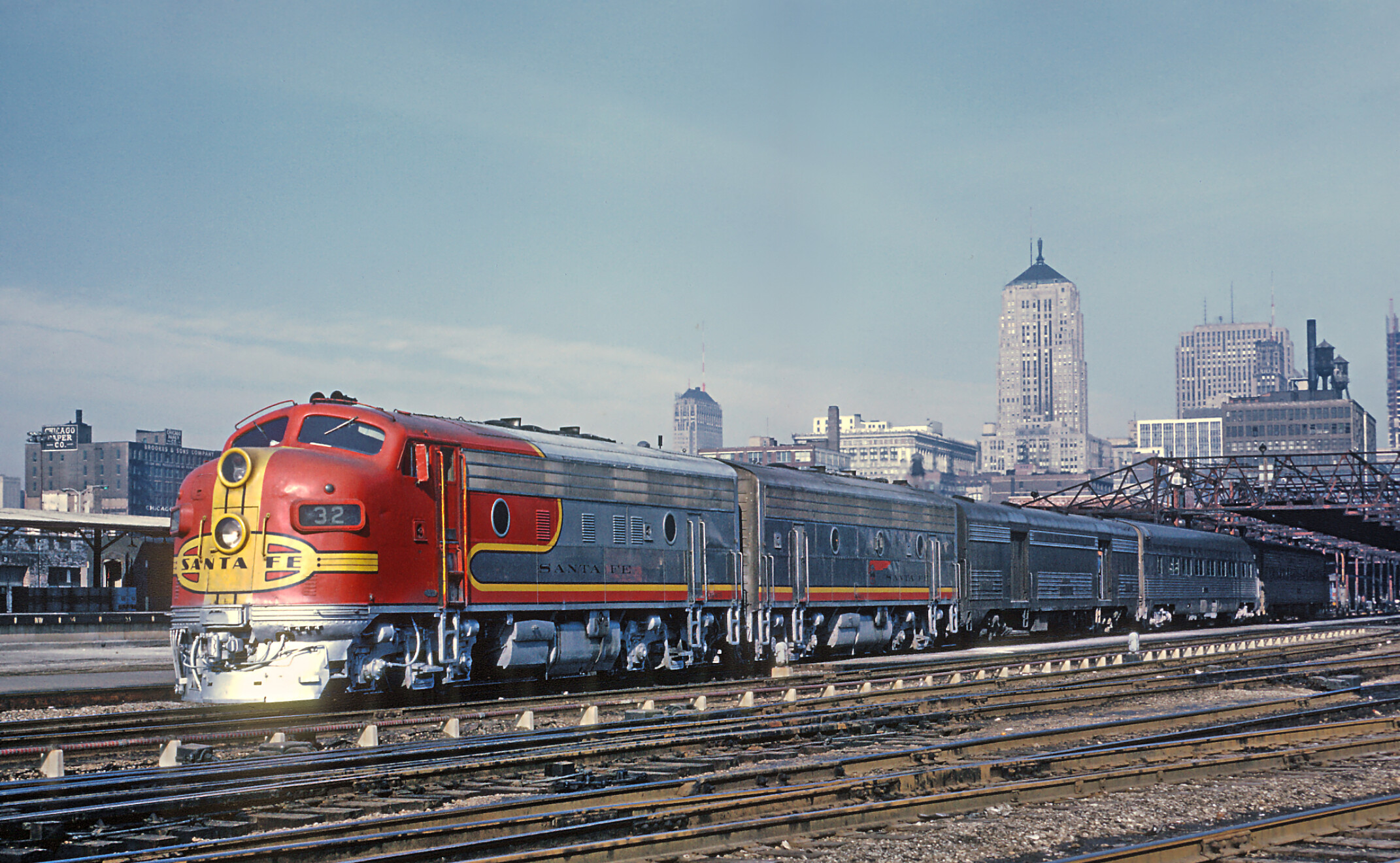
Today I’m going to tell you a little more about trains, but not the Br 52 this time. Today it’s about the EMD F series. The EMD F is an American diesel-electric locomotive from General Motors Electro-Motive Division. It was designed as a heavy freight locomotive, but it was also used for passenger trains. A total of 1,807 units were built between 1945 and 1949: 1,111 of type A and 696 of the cabless units of type B.

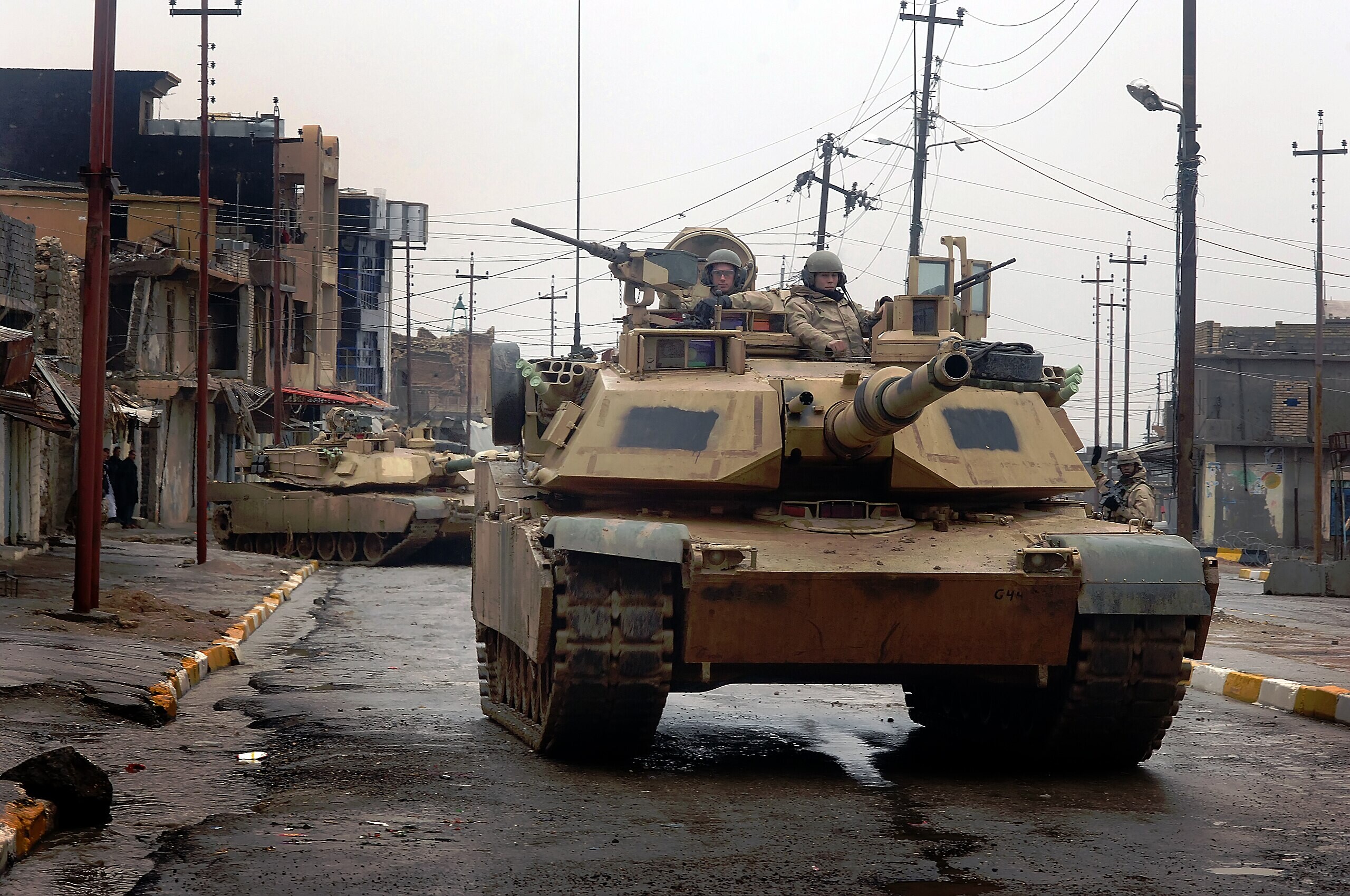
Tanks have been in service for over 100 years, starting in the trenches of WW1 and still fighting today. While the first designs were slow, massive, and under-armed, they were still revolutionary, introducing an entirely new way to fight wars. Many tank designs from many nations aimed to create the fastest, the toughest, and the strongest tanks. However, one of the most famous of them all is the United States' M1 Abrams. First fielded in the 1980s, it has since fought across the world from Europe to Iraq and it has gone through over 40 years of combat and upgrades. Today, we will explore the history of the Abrams and its impact on American tank design.
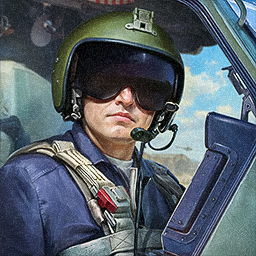
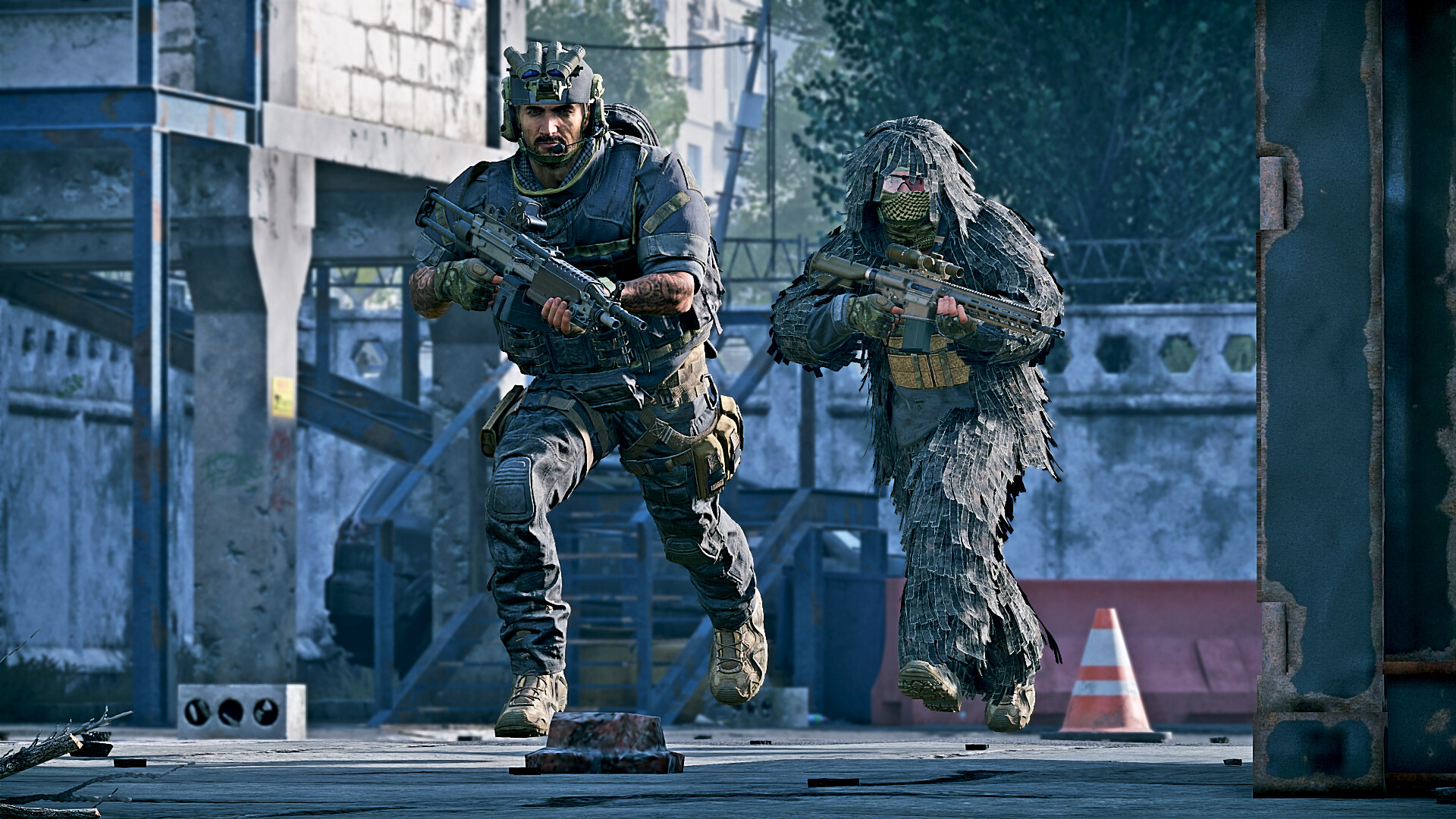
Infantry has joined the ranks of aircraft, tanks, and ships in War Thunder! Engage in urban combat, storm the buildings, and participate in intense firefights and sniper duels. Fight in armored vehicles or aircraft. Be among the first to try the new mode by signing up for the closed beta test.
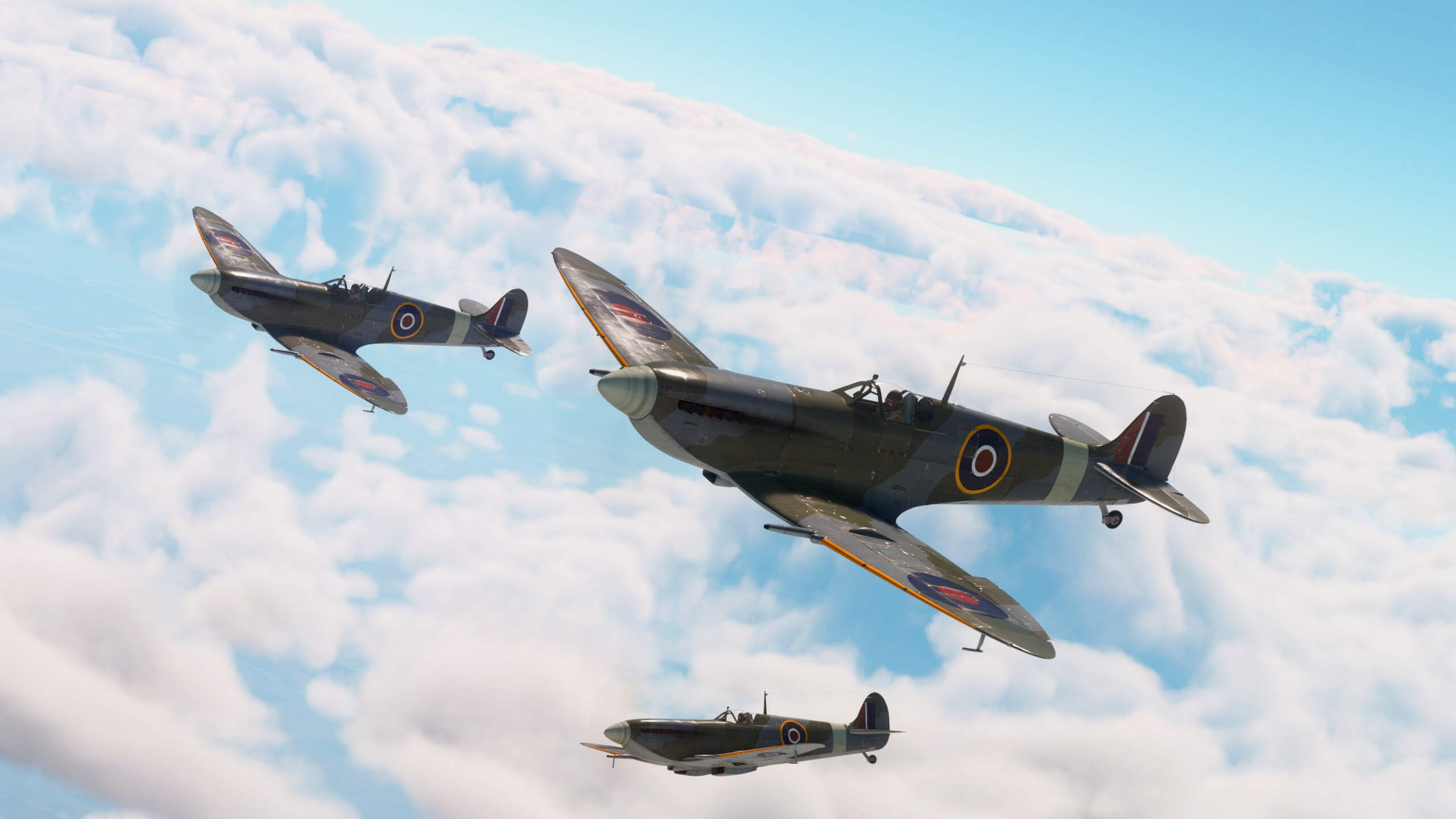
The Supermarine Spitfire is one of the most famous propeller aircraft ever made, and easily one of the best of its time. Initially a high performance, short range interceptor, the Spitfire could be found fighting in every theatre of the World War II. In War Thunder, its high speeds, unparalleled maneuverability, and heavy armament make it a pleasure to fly and a force to be reckoned with. In this article, I will be talking about the two main types of Spitfires, their strengths and weaknesses, as well as tactics, how to fight common enemies, and how to use this plane in battles.

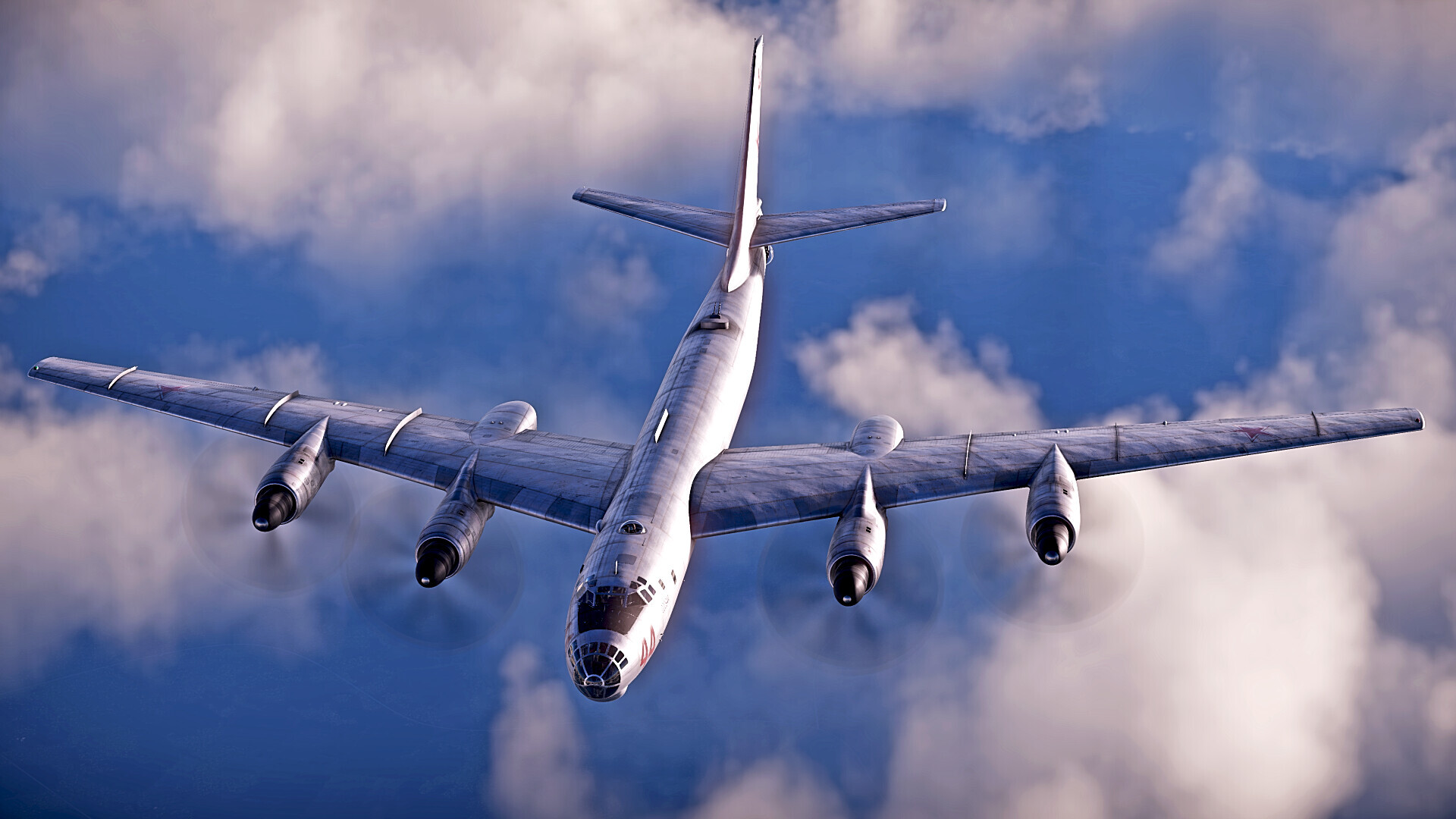
The Tu-95 (NATO reporting name: “Bear”) is a renowned Soviet turboprop strategic bomber. Originally developed as a replacement for the Tu-4, the Bear served as a heavy bomber, capable of carrying various bombs and missiles and even as a carrier for the “Tsar Bomba” — the most powerful nuclear bomb in the world. But how does the Tupolev perform in the game? What is the history of the world’s loudest turboprop bomber? Read the article to find the answers!
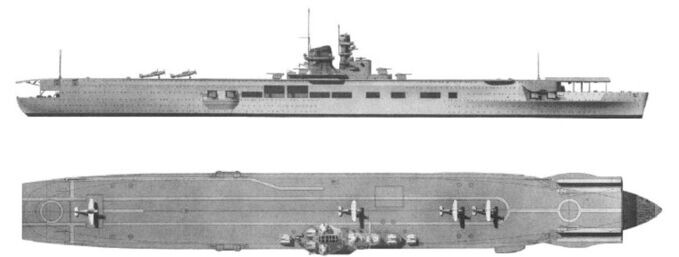
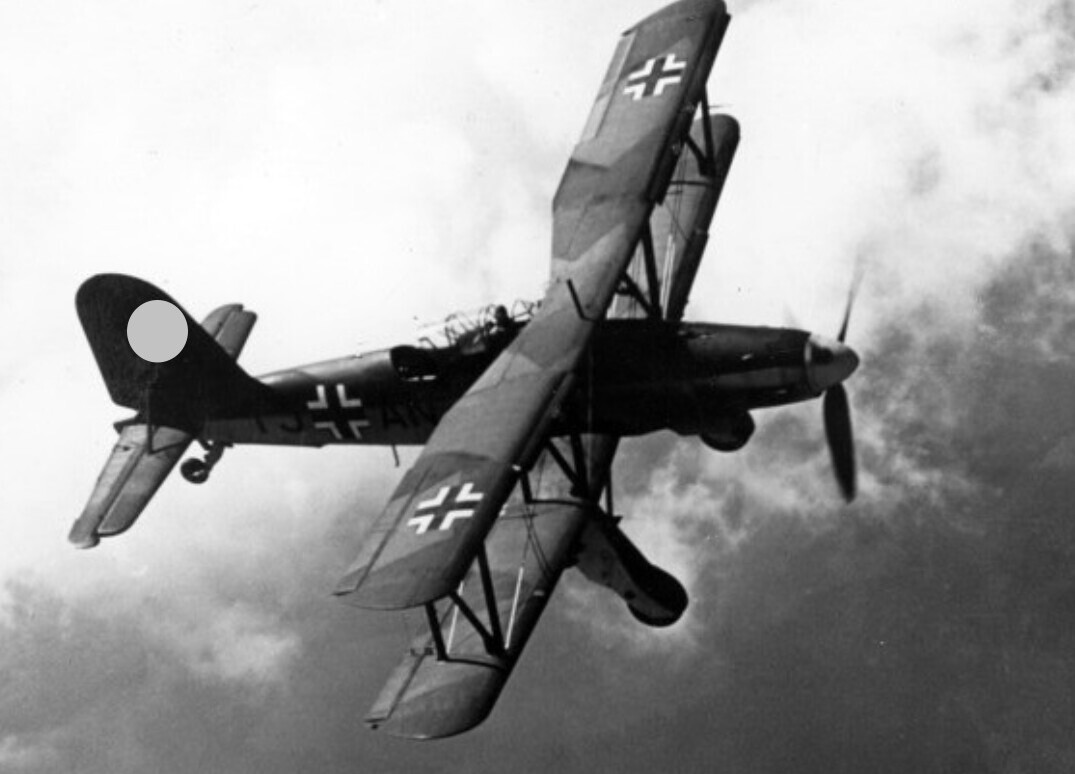
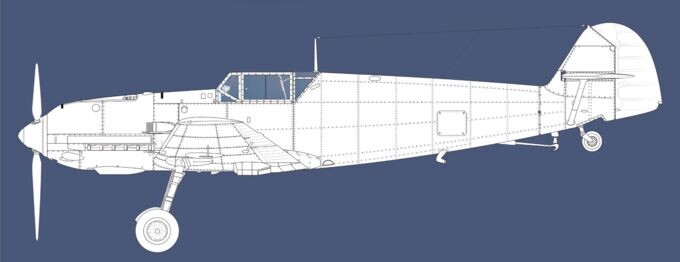
Germany had already toyed with the idea of possessing its own aircraft carrier during the First World War; this was to be called Ausonia, but it was never seriously pursued. However, shortly after the termination of the Treaty of Versailles, a new carrier project was initiated, based on the experience of other major powers such as Japan, the USA, and Great Britain, acquired through exchanges or espionage. Ultimately, not a single aircraft carrier was fully commissioned or built. The Graf Zeppelin was largely completed, but its construction was halted, while its sister ship, Aircraft Carrier B, was abandoned during construction. During the design of the accompanying aircraft, some were built specifically for the project, such as the Arado 197. However, this met with little approval from the Luftwaffe, which is why modifications of existing aircraft like the Bf 109 T, the Ju 87 C or T, or the Fi 167 found more favor.