
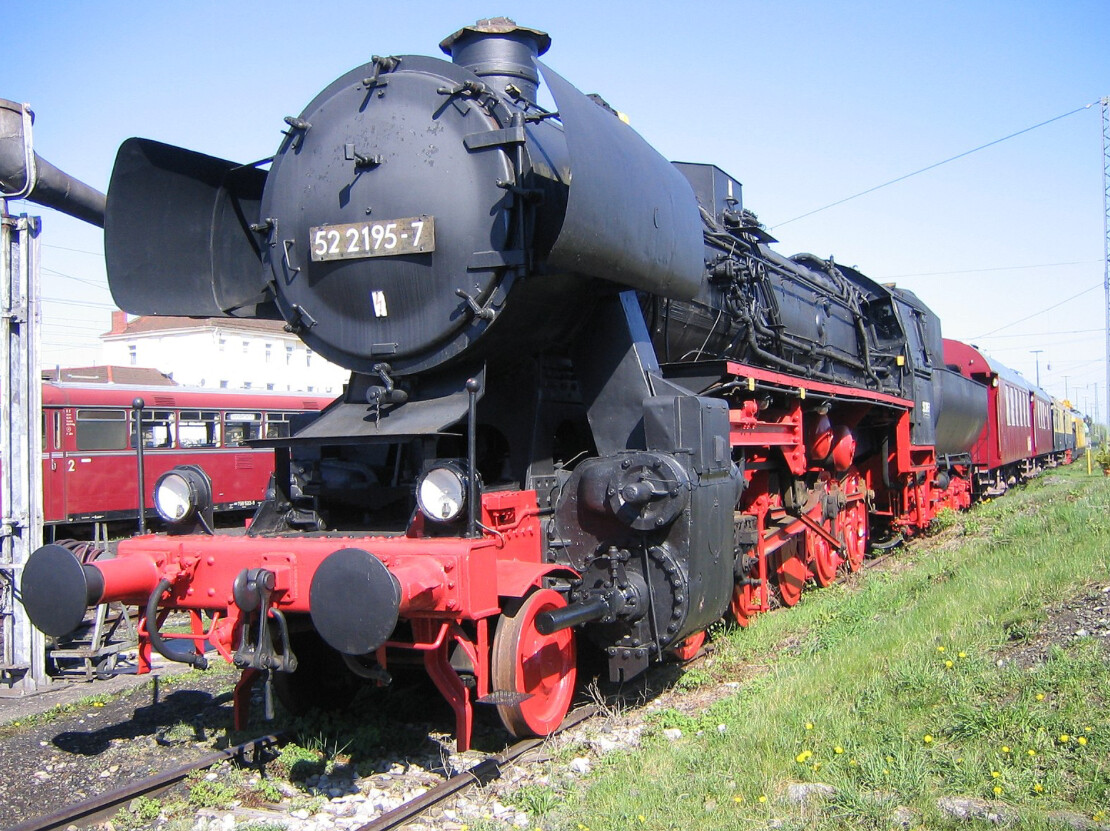
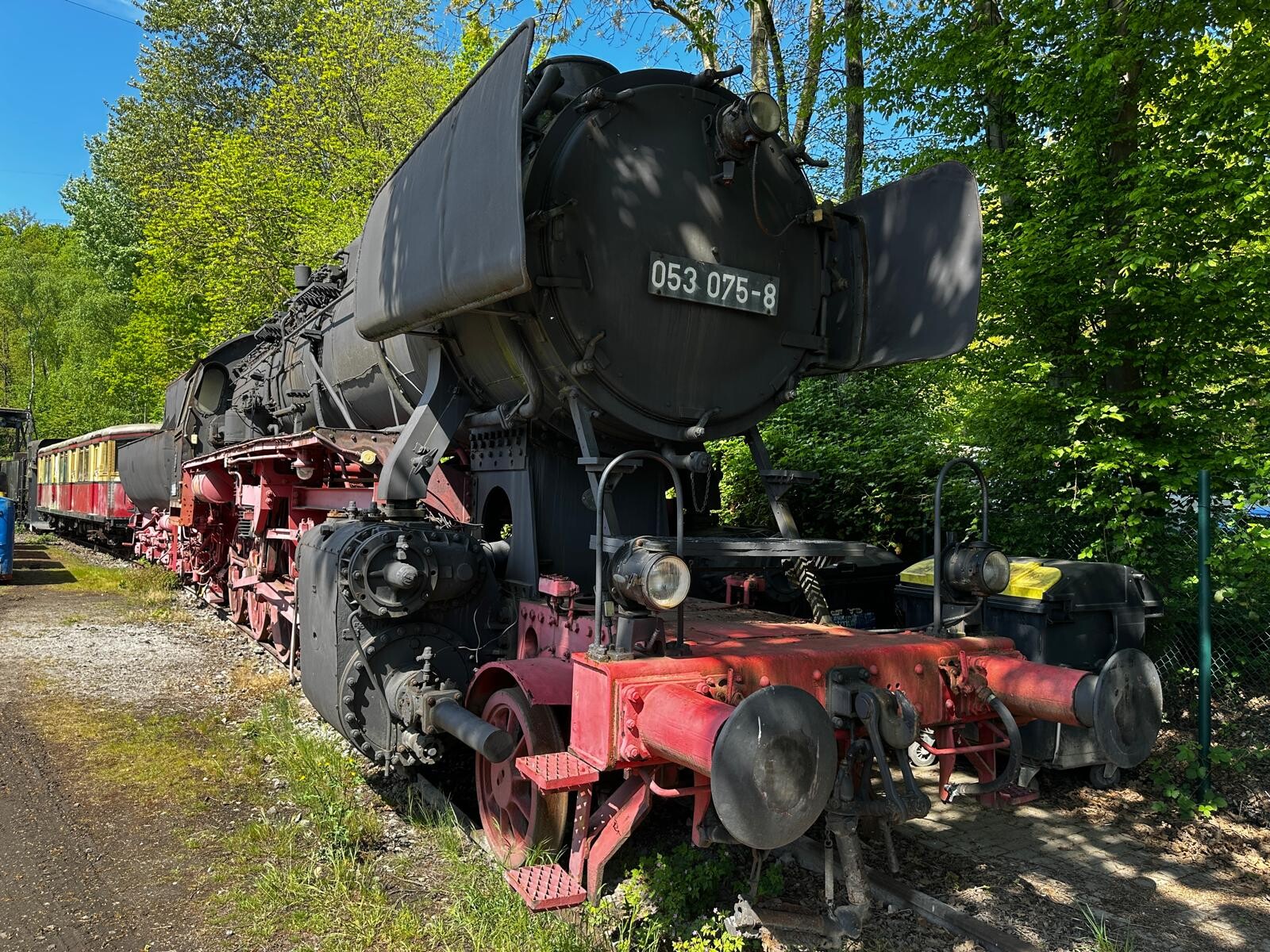
Today I would like to talk about another vehicle, which is in the background of the game but still exists, namely the steam locomotive Br 52, a heavy German freight locomotive, of which more than 7,000 examples were built between 1942 and 1951 by Henschel & Sohn, Krauss Maffei, and Škoda, among others. They were widespread throughout Europe and in operation in more than 10 countries after the Second World War until today.
Note: In Germany there is a system for naming locomotives that works as follows:
| Br = Baureihe (Series) | Locomotive type | 3 Examples |
|---|---|---|
| Br 01 — 99 | Steam locomotives | Br 52 / Br 44 / Br 01 |
| Br 100 — 199 | Electric locomotives | Br 111 / Br 145 / Br 185 |
| Br 200 — 299 | Diesel locomotives | Br 218 / Br 203 / Br 247 |
| Br 300 — 399 | Small locomotives | Br 332 / Br 323 / Br 362 |
| Br 400 — 499 | Electric multiple unit | Br 406 / Br 428 / Br 491 |
| Br 500 — 599 | Battery-powered multiple unit / hydrogen multiple unit | Br 515 / Br 526 / Br 554 |
| Br 600 — 699 | Diesel multiple unit | Br 605 / Br 628 / Br 675 |
| Br 700 — 799 | Railway service vehicles | Br 711.1 / Br 701 / Br 786.0 |
Technical data
| Number | >7000 |
| Length over buffer | 22.975 Meters |
| High | 4.4 Meters |
| Width | 2.65 Meters |
| User States | Germany, Soviet Union, Poland, Austria, Czech Republic, Belgium, Norway, France, Türkiye, Bulgaria, Yugoslavia, Bosnia Herzegovina |
| Years of construction | 1942 — 1951 |
| Wheel arrangement | 1’E h2 |
| Genus | G 56.15 |
| Track gauge | 1435 mm (standard gauge) |
| Empty mass | 75.9 t (without tender) |
| Service mass | 84,0 t (without tender) |
| Top speed | 80 km/h |
| Starting force | ~214 kN |
| Power | ~1182 KW |
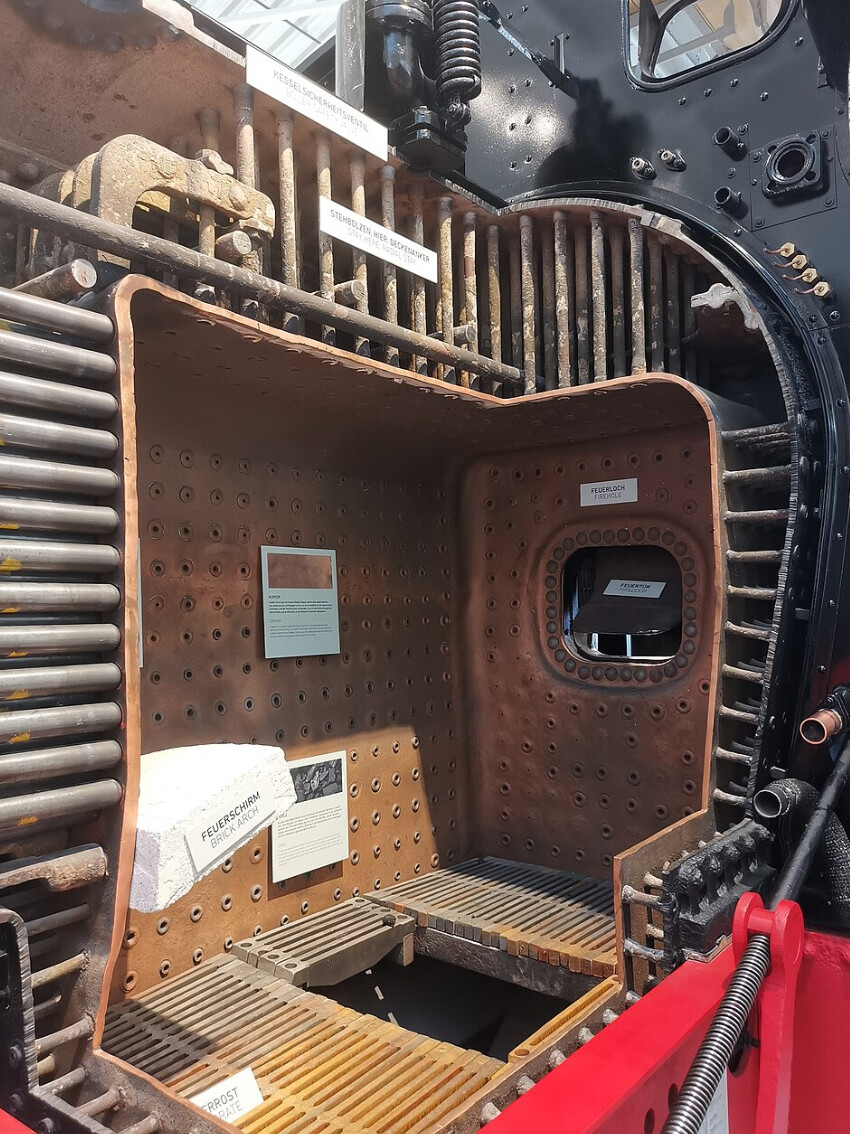
| Number of heating pipes | 114 |
| Number of smoke pipes | 35 |
| Drive wheel diameter | 1400 mm |
| Wheel diameter (front) | 850 mm |
In-game
The Br 52 can be found in the game almost exactly in the middle of the “Flanders” map at low BRs. Here, the Br 52 is depicted as a tank locomotive along with a small armored train.
It is difficult to determine that this is a Br 52, as it looks very similar to the Br 57 tank locomotive. If you look closely at the axles, you can see 5 large drive wheels and a smaller road wheel. The latter is not installed in the normal Br 57.
The driver’s cabin also points to a Br 52. If you look at the access where the tender was supposed to be, you can see a circular opening that gave the stoker the space to shovel coal from the tender into the firebox. A circular opening is typical of the appearance of the Br 52 in comparison to the Br 57, which had a driver’s cab that was open to the rear towards the tender, which was adopted for the tank version.
Another clue, but hardly relevant, is the shape of the chimney. This was installed in the Br 52 but also in the Br 57.
A counter-clue is the length of the locomotive. It seems to be very short, but you have to see this in relation to a tank and with the fact that the locomotive has no tender in the game, which makes it harder to figure out.
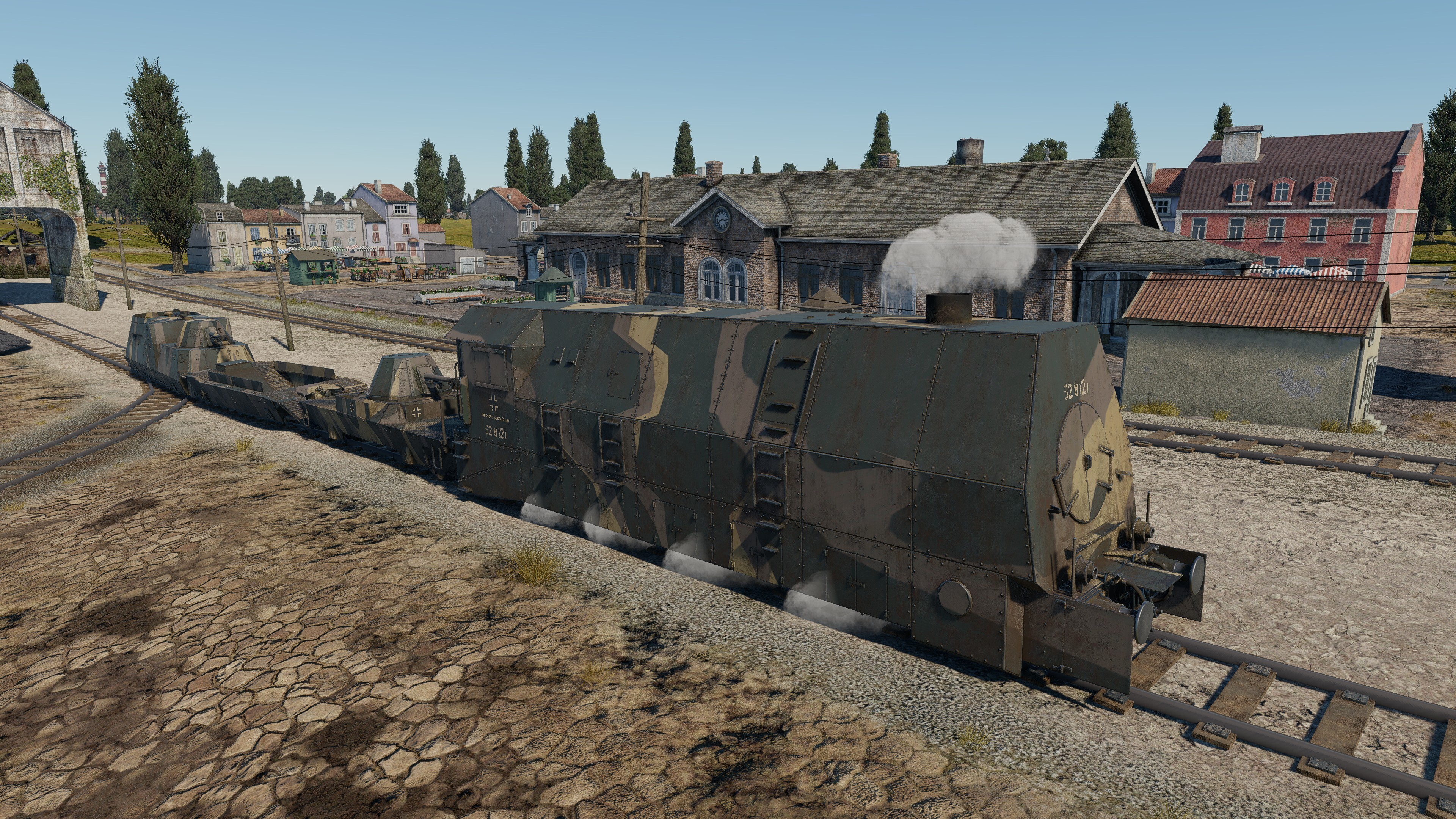
Fun Fact: The Br 52-8121-7 in the game actually existed in reality. This was the DR Br 52-8121-7. It was a re-engineered GDR locomotive that was built in 1958 and 1964 from the Br 52-5585, which was completed on August 26, 1943, and later reconstructed from it. In 1964, after modifications and reconstruction, the Br 52 5585 was renamed the Br 52-8121, and in 1970 it was also renamed the Br 52-8121-7. This was in use by the DR (Deutsche Reichsbahn) and the DB (Deutsche Bahn) until 1999, when it was dismantled on January 14, 2006. Between 1999 and 2006, it served as a spare parts depot for the repair of other locomotives.
Development
The specific design specifications called for a locomotive with an axle load of 15 tons capable of pulling a maximum 1,200-ton train at 65 km/h on level ground. Particular emphasis was placed on rapid production and minimal material consumption. Furthermore, the locomotive had to be robust and low-maintenance.
Borsig completed the first Class 52 locomotive in 1942. Its service weight of 84 tons was 2.9 tons lighter than that of the Class 50, which weighed 86.9 tons. Some of the non-ferrous metal components were replaced with steel parts. Instead of the bar frames manufactured for the Br 50, welded steel frames were now used for the Br 52. However, some already completed bar frames from the Br 50 ÜK (ÜK = ÜbergangsKriegslok / transitional war locomotive) were also used to build the new Br 52.
The axle-bearing wedges were omitted from the new frames, the driving and coupling rods were made from rolled sections, and the drop-forged rod ends were butt-welded. Due to winter operation and the expected high proportion of tender forward travel, the Br 52 and Br 42 locomotives were given the fully enclosed, so-called “Norwegian” cabs for the first time (meaning that the cab and tender were now connected by a round bellows). The ends of the tenders had to be modified for this. The positive aspect was that the cab was better protected against winter weather conditions and thus offered protection from snow and cold. However, exchanging the tenders for other standard locomotive series was not spontaneously possible and had to be carried out by a railway depot that had the necessary spare parts and tools for repairs available.
In addition, instead of the complex pressure-compensating piston valves of the Karl Schultz and Müller types, the Br 52 locomotives were re-equipped with control piston valves and Winterthur pressure compensators mounted on the valve bodies. The result was comparatively poor idling characteristics. A feedwater preheater (used to heat the water before it was fed into the boiler) was also missing, and a second steam jet pump replaced the piston feed pump (which pumped the water from the tenders into the locomotive itself). In the 1940s and 1950s, the locomotives also received simplified Witte smoke deflectors (designed to divert the airflow, steam, and exhaust gases away from the driver’s cab to provide the driver with a better view), after the complete abandonment of smoke deflectors had proven unsuccessful. In 1943, five locomotives (Br 52 3620–3624) were fitted with a corrugated tube boiler, which differ from other boiler types in that they have a larger heat transfer surface and greater stability.
Deployment area
The Br 52 was largely identical in design to the Br 50, which had been reliably used in freight transport since 1939 and was initially continued to be built as a transitional war locomotive at the beginning of World War II. These wartime locomotives were originally designed for a short service life.
During the war, the Br 52, like many other heavy and medium freight locomotives such as the Br 50 and Br 44 series, frequently pulled supply trains for the German Wehrmacht.
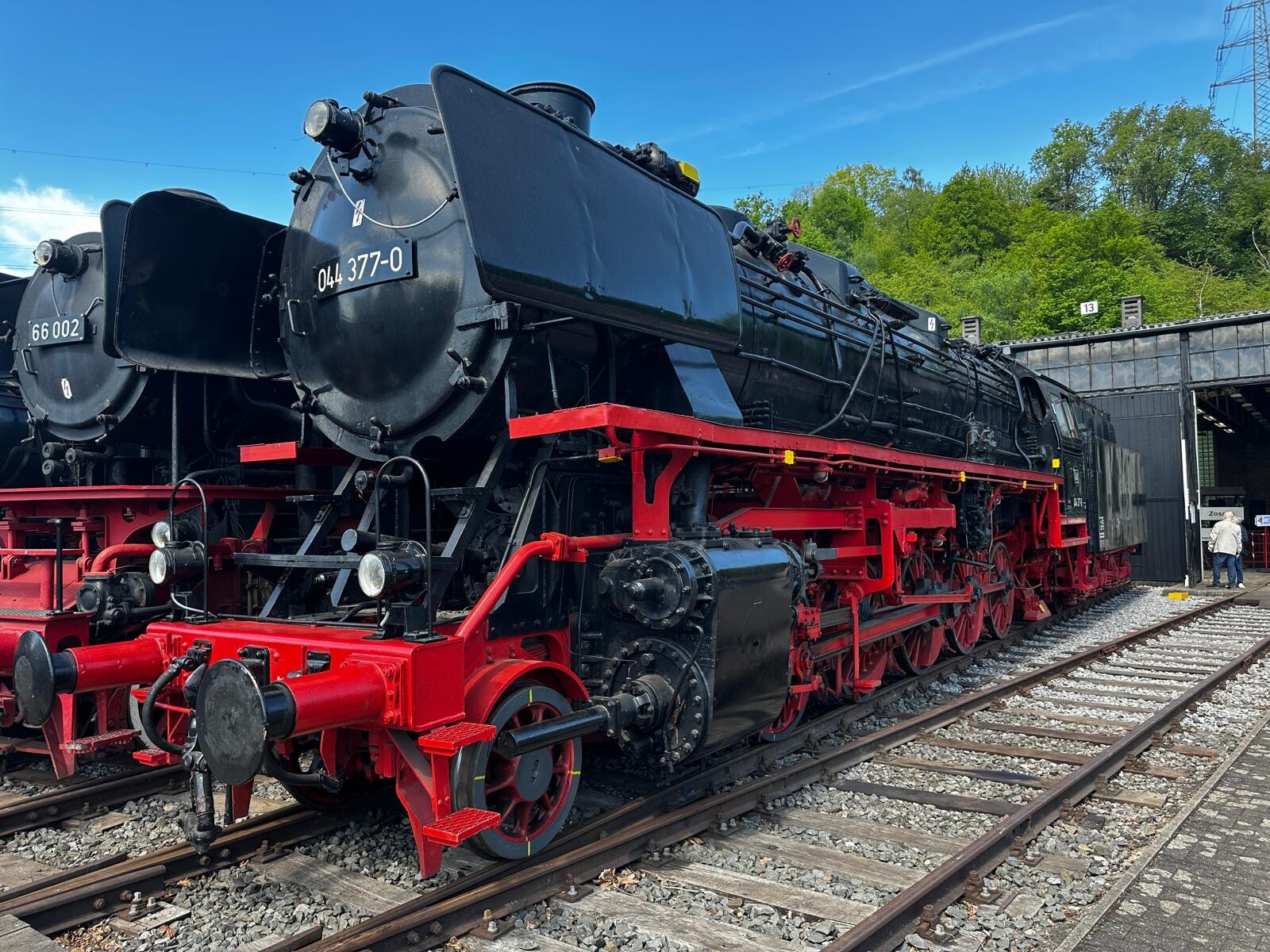
These trains were loaded with tanks, ammunition, food, fuel, and other equipment, supplying troops in both East and West Germany. These locomotives were also used in civilian operations in Germany and the surrounding area. For example, the Br 53 (a modified version of the Br 52), which was specially designed for branch line operation, was intended to partially cover the demand for branch line locomotives. 77 units of the Br 53 were built.
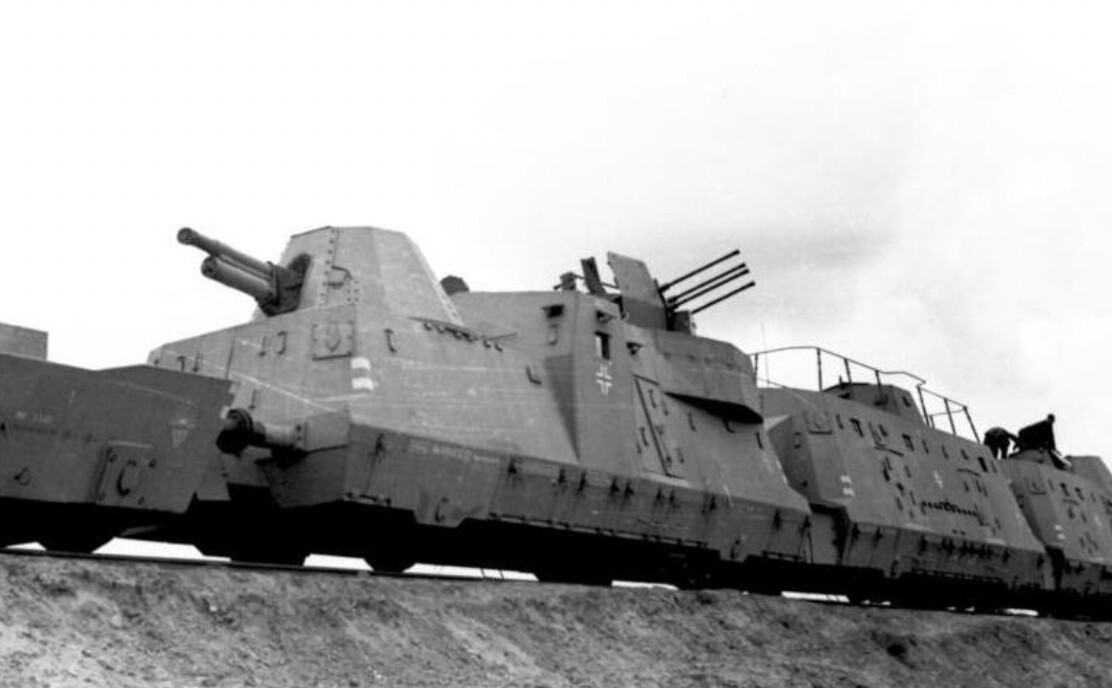
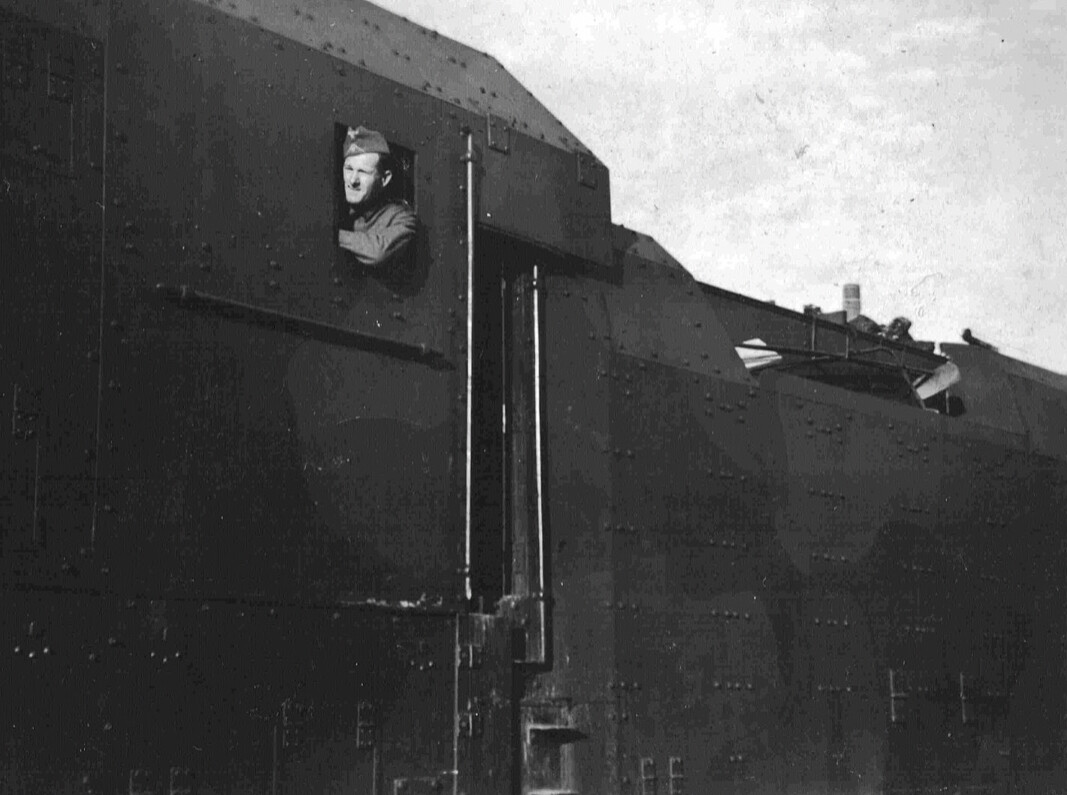
These supply trains, which were pulled by the Br 52, among others, were also partially armed and armored. These trains were called “Panzerzug” (armored trains) in German. A few examples were heavily armored so that they could not be destroyed by direct fire.
Note: If the boiler or its piping is severely damaged by bullets or grenades, a violent explosion can occur. This is known in German as a “Kesselknaller” (boiler explosion).
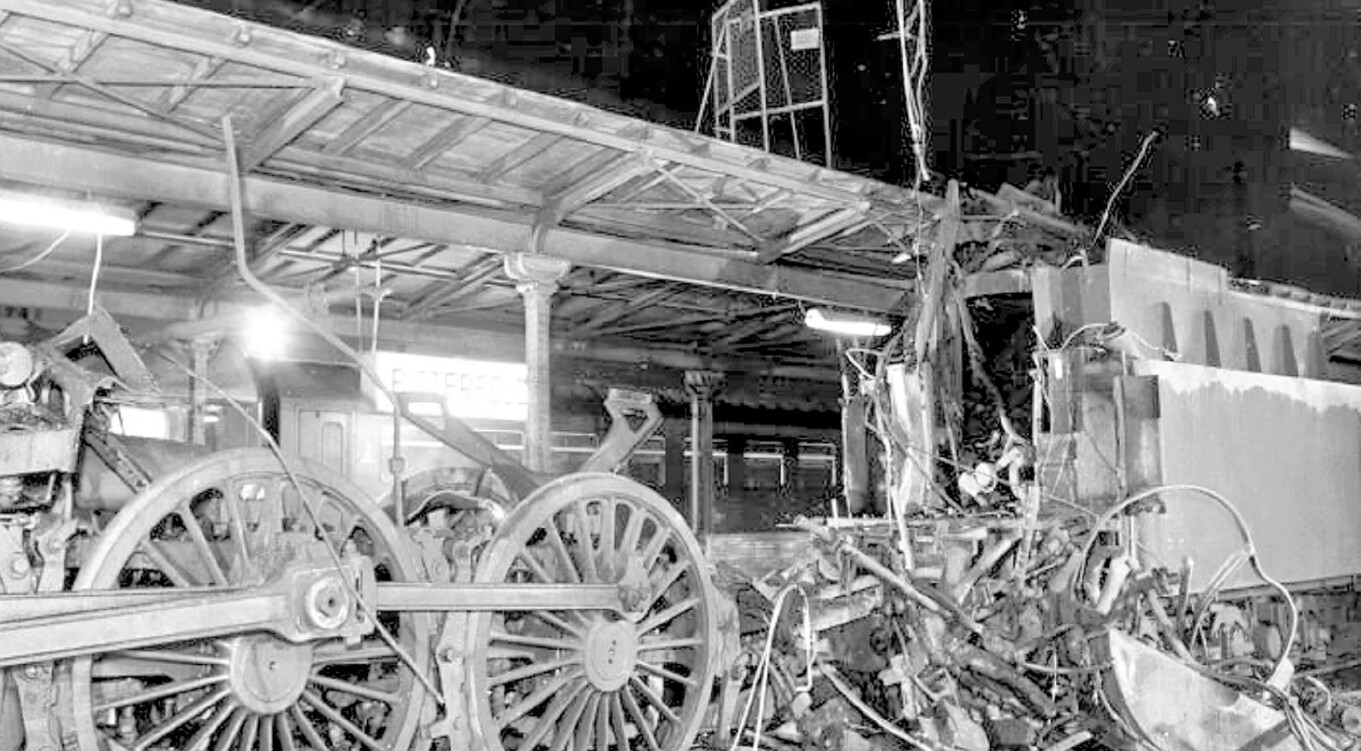
Note: There is no explicit mention of an armored Br 52 so far, but it is very likely that there were some armored examples.
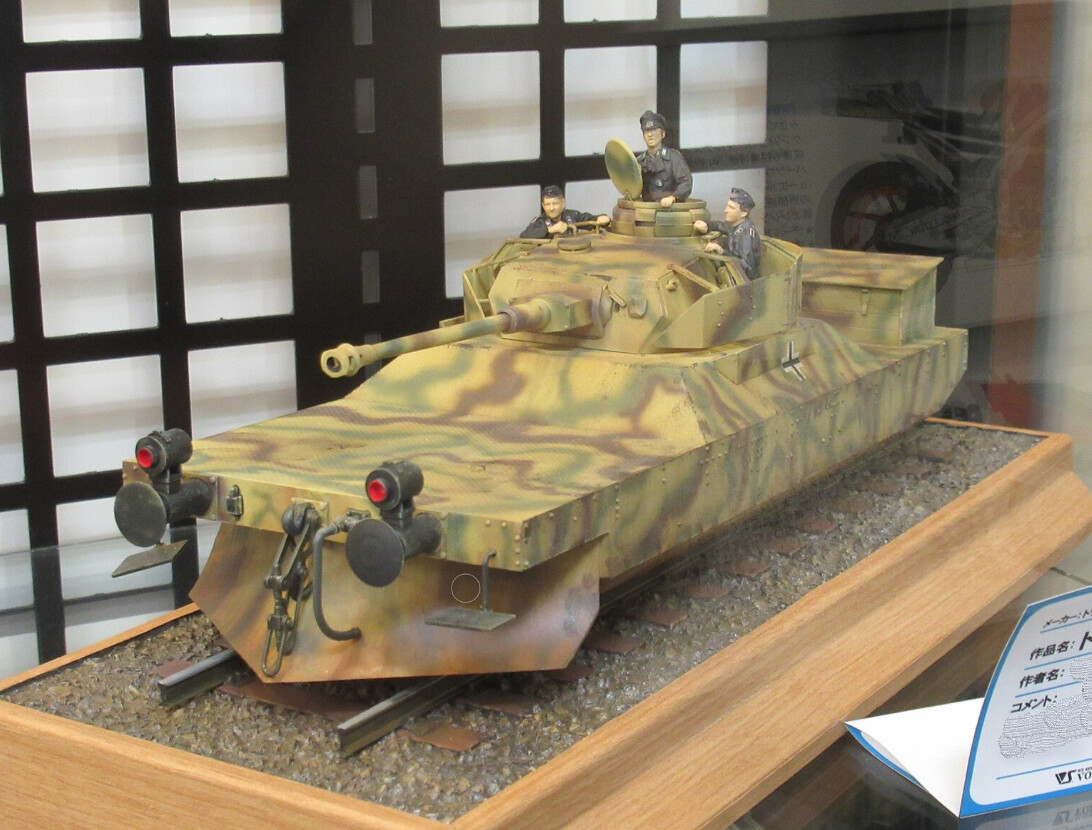
The wagons were also sometimes heavily armored and were armed with machine guns, cannons and, rarely, even entire tank turrets. These served to protect the routes used by supply trains from, for example, commando or resistance actions, which usually consisted of blowing up the tracks while an armored train was crossing them in order to cause as much damage as possible. Accordingly, planning and securing supply routes required an immense effort.
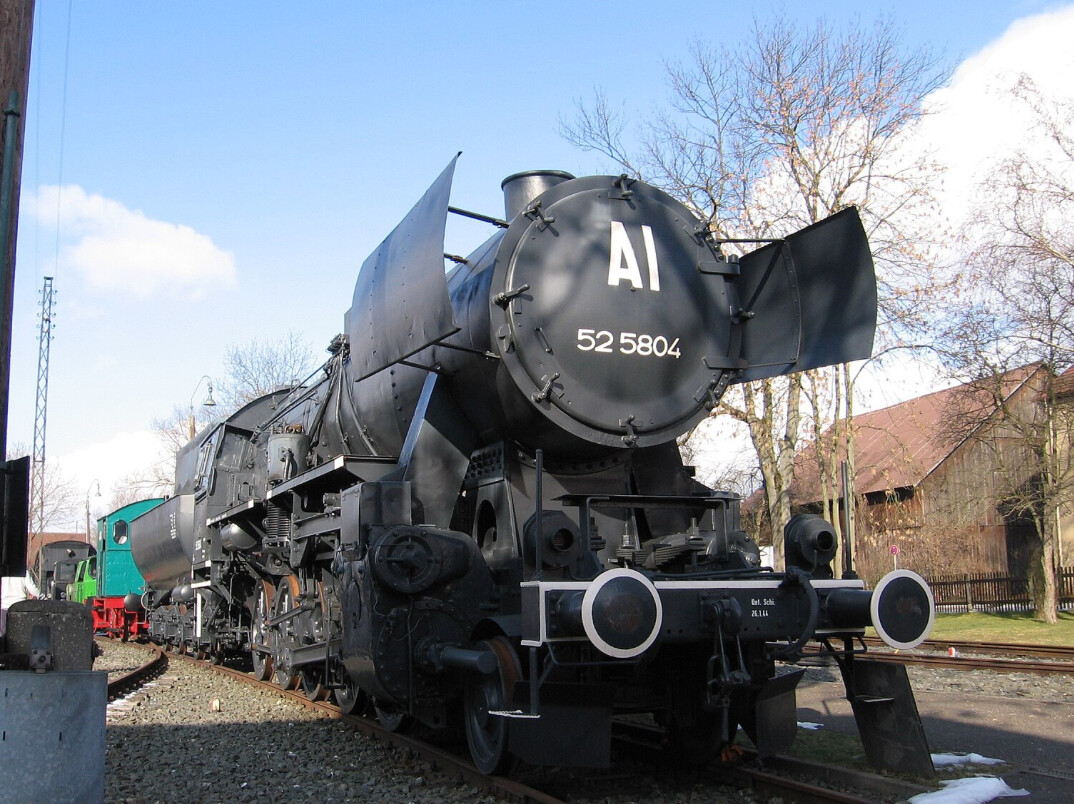
After the end of World War II in Europe in May 1945, demand for everything was high. With large parts of Europe in ruins, locomotives like the Br 52 were indispensable. They played a crucial role in supplying the population in the postwar period. They also made an important contribution to reconstruction by pulling freight trains laden with rubble and transporting the necessary materials. They were also of great importance and irreplaceable for the reconstruction of the rail network and supplying the economy.
In the 1950s and 1960s, the Br 52 was an integral part of many railway companies in Europe, including the DB (Deutsche Bundesbahn = FRG (Bundes Republik Deutschland / Federal Republic of Germany)) and the DR (Deutsche Reichsbahn = DDR (Deutsche Demokratische Republik / German Democratic Republic)), the ÖBB (Austrian Federal Railways), and the ČSD (Československé Státní Dráhy / Czech State Railways), but also in Turkey, Belgium, the USSR, Poland, Norway, France, and Yugoslavia. The Br 52 was in use in passenger, freight, and shunting services in all of these countries.
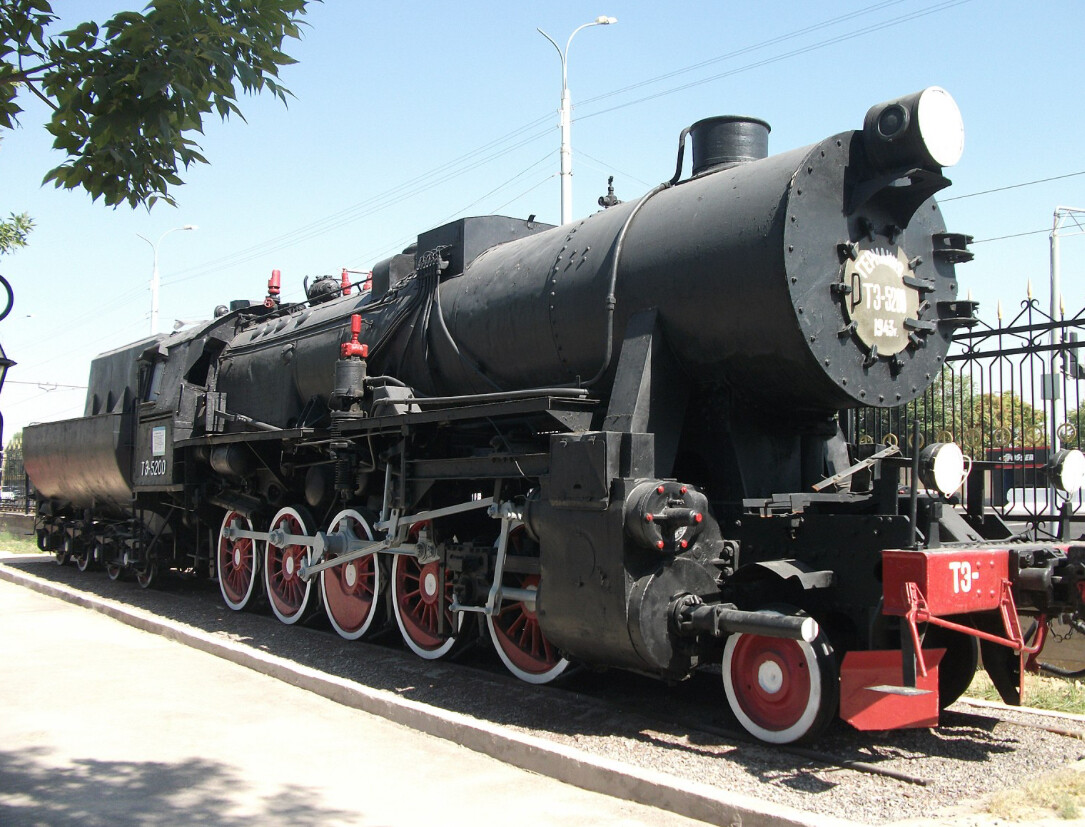
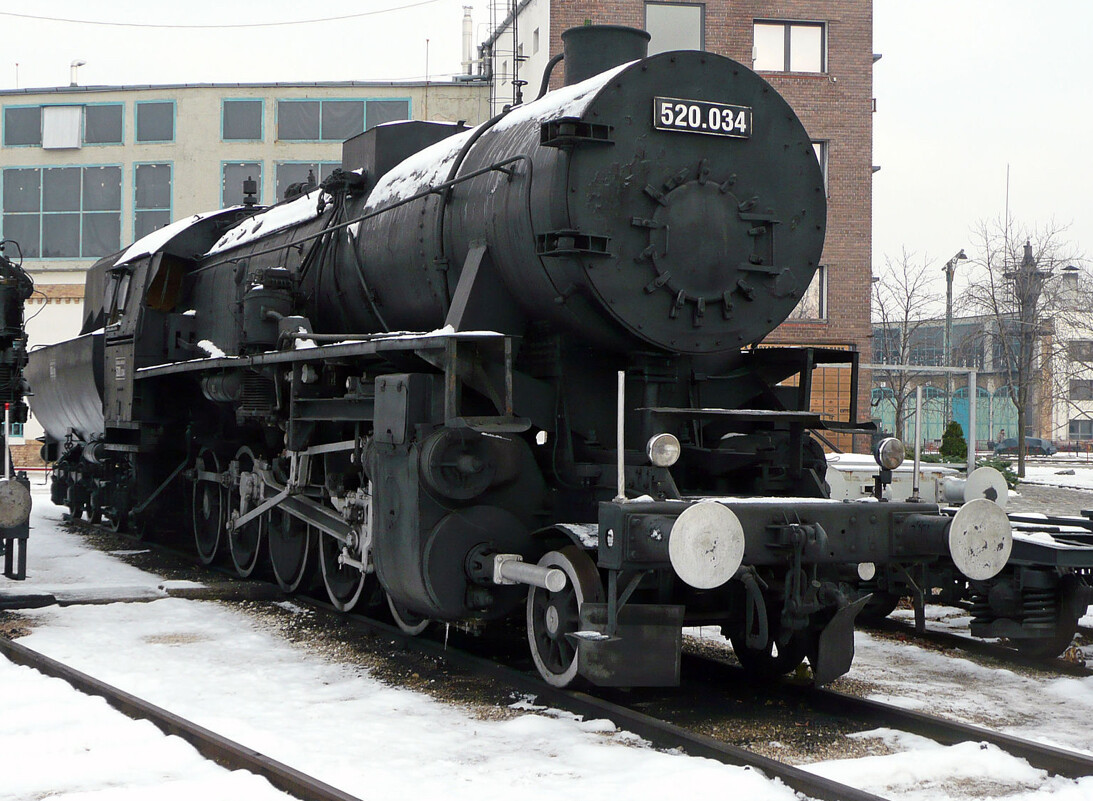
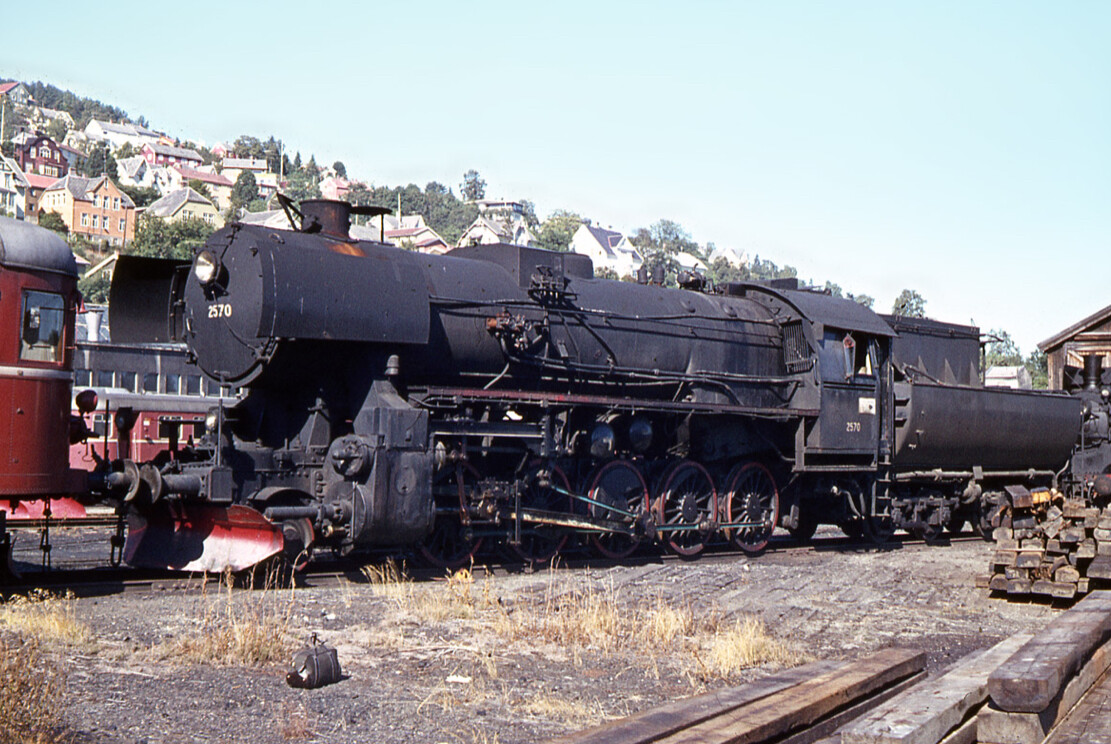
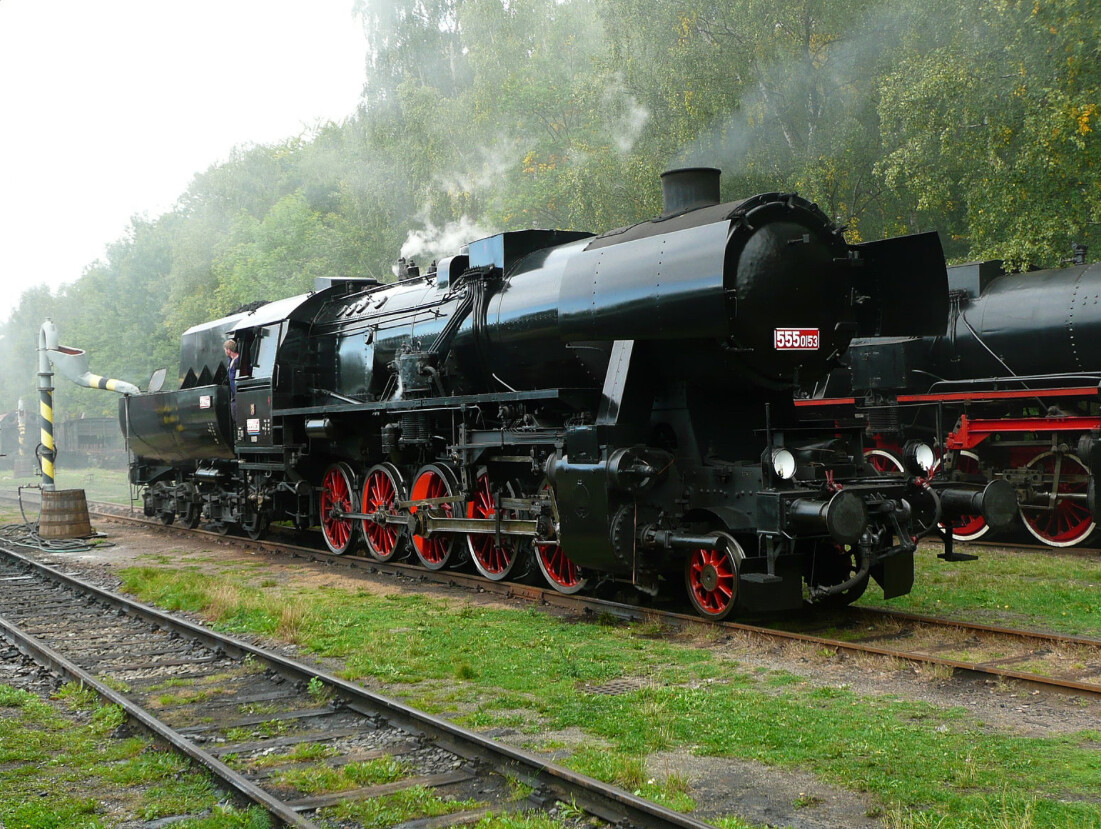
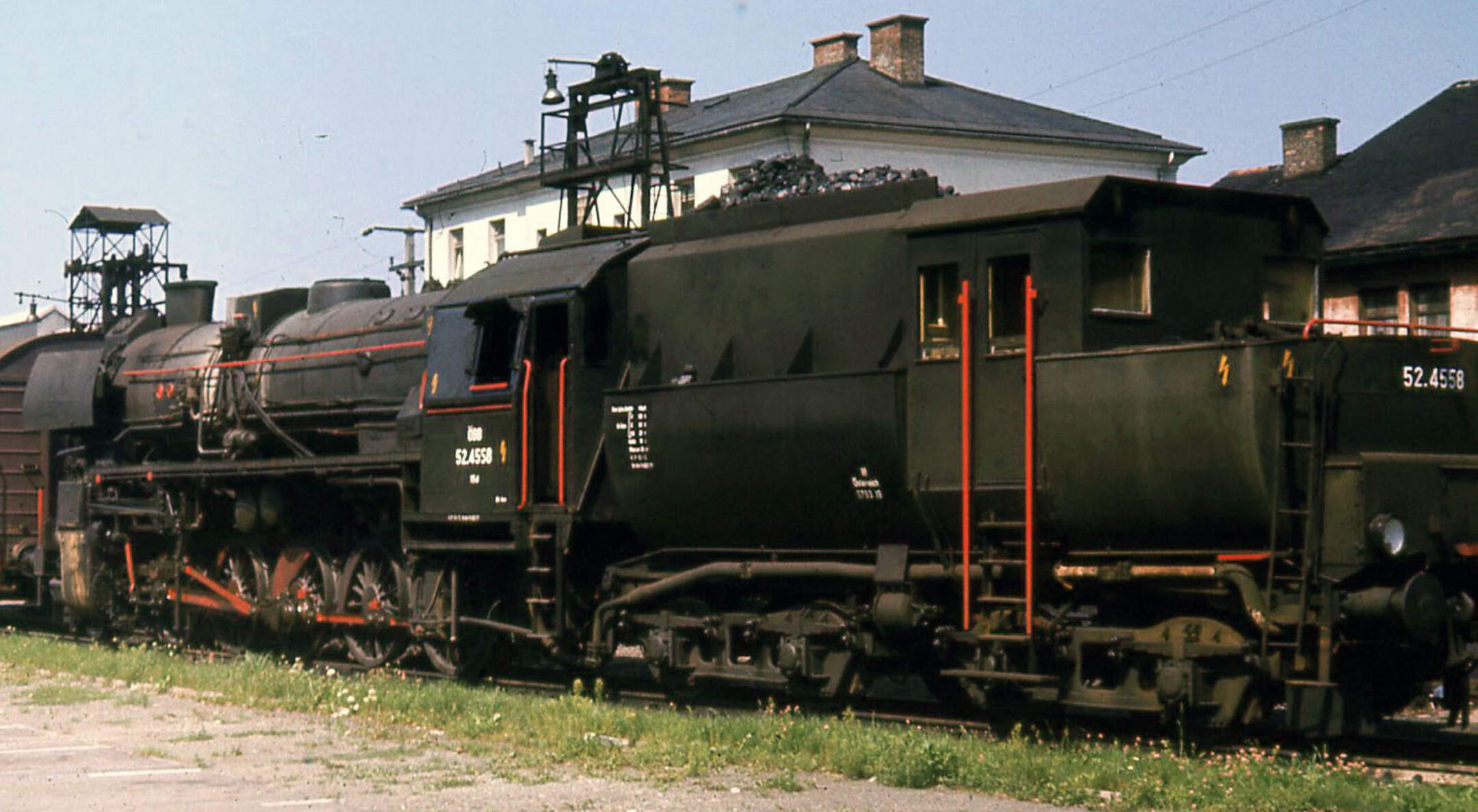
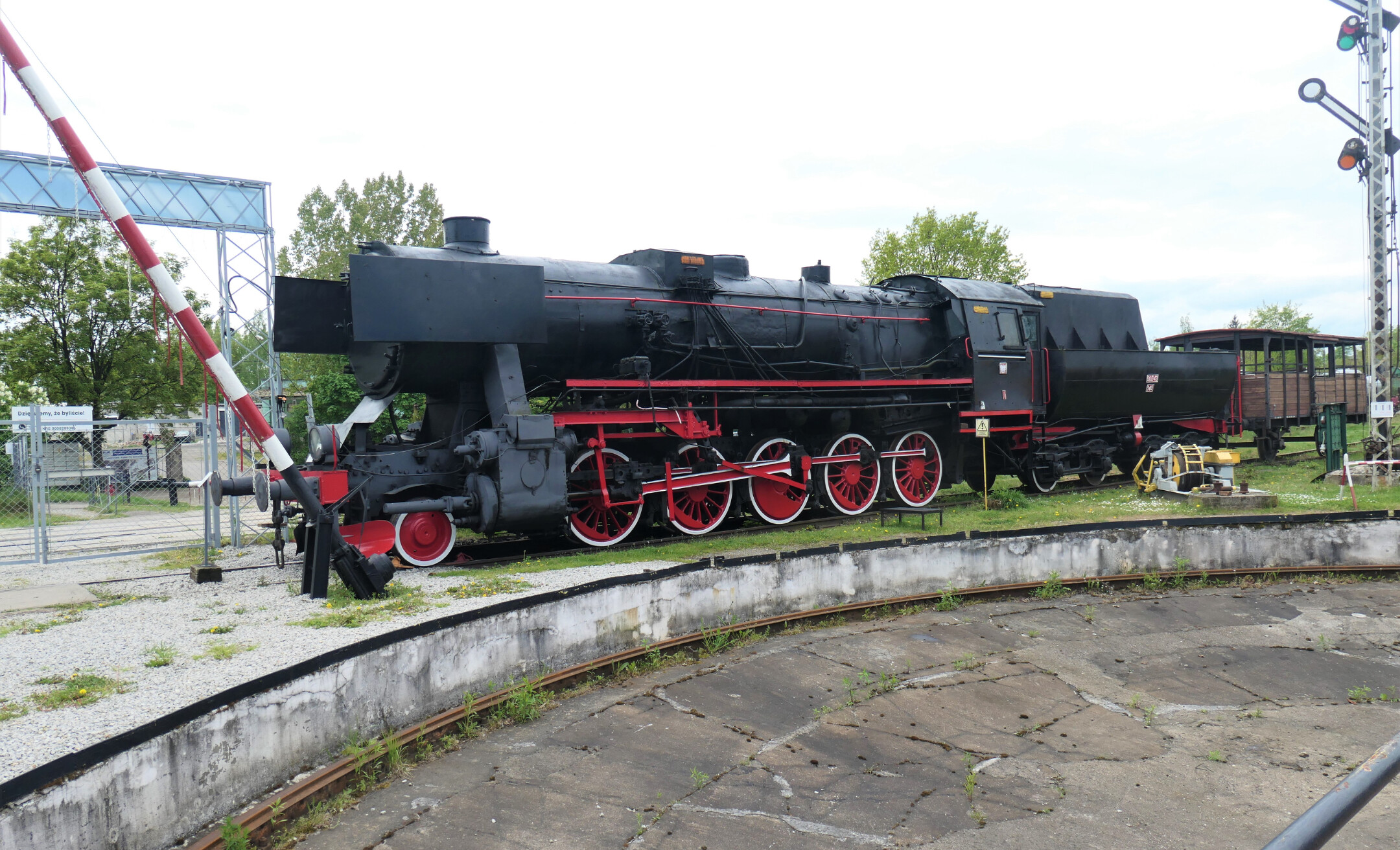
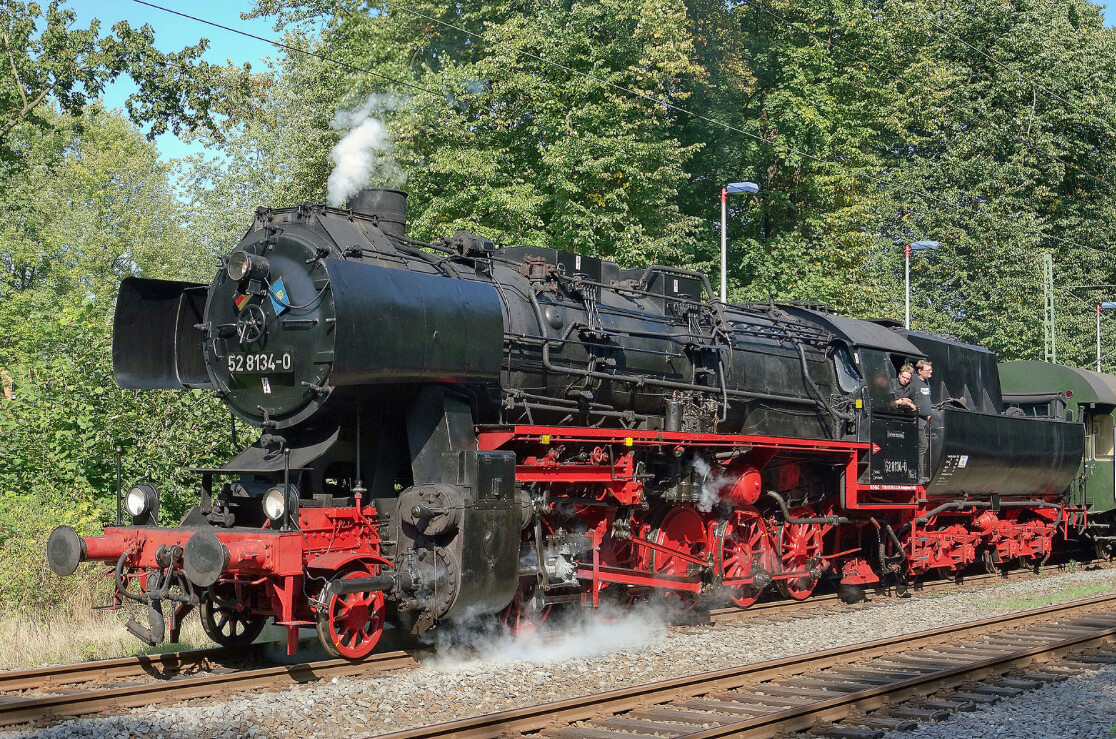
From 1960 onwards, the GDR also produced so-called rebuilt locomotives of the Br 52, known as the Br 52.80. These consisted largely of surplus stock, damaged locomotives, and newly manufactured parts. In addition, a number of technical improvements were made to the Br 52.80. Compared to the standard Br 52, a new boiler, new brakes, and, among other things, a new chassis were installed. The goal was to give the locomotives an even longer service life and make them more powerful.
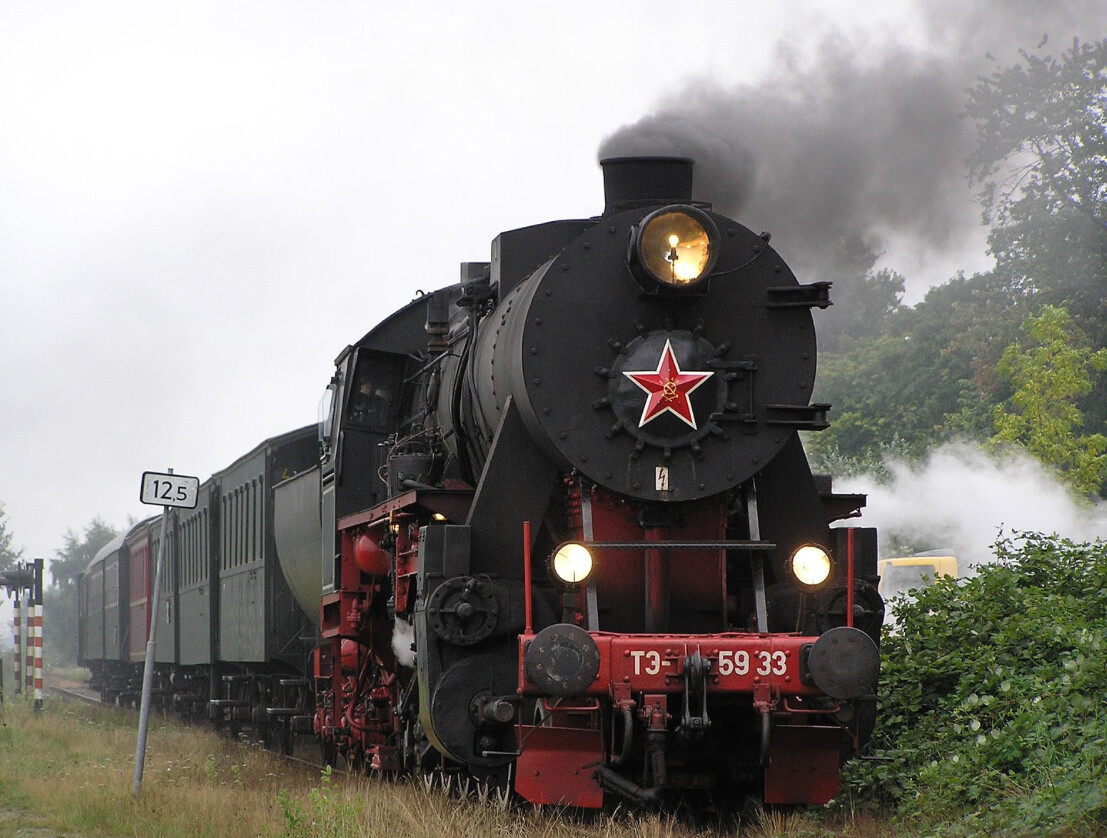
In Central Europe, the Br 52 was in service until the end of the 1980s; in Turkey, the Br 52 was even officially in service with the Turkish state railway TCDD until 1990. Five examples are still in active service today. Five Br 52s, known there as Br 33s, are still in service at the Šikulje coal mine in Bosnia-Herzegovina. They pull coal trains from the power plant to a nearby coal-fired power plant. They are also used as heritage railways in museums, pulling special and museum trains.
Video
Thanks for reading :)
Sources
- [Wiki DE] Br 52
- [Wiki DE] Br 52.80
- [Wiki DE] Br 50
- [Wiki DE] Panzerzug
- [Wiki DE] Deutsche Panzerzüge bis 1945
- [wiki DE] BP 42
- [Wiki DE] Liste der Lokomotiv- und Triebwagenbaureihen der Deutschen Bahn
- [Wiki EN] DRB Claas 52
- [MZ.DE] Vor 45 Jahren explodiert Dampflok am Bahnhof — Bitterfeld — Kommt jetzt eine Gedenkstätte?
- [Eisenbahn-museumfahrzeuge.de] Baureihe 52
- [Reichsbahnlok DE] 52 8121-7
- [Dampflokomotivarchiv DE] 52 5585
- [DB DE] Liste der Elektrischen Triebfahrzeuge der Deutschen Bahn
- [MDR DE] Bosnien: Deutsche “Kriegsloks” in einem bosnischen Bergwerk