Ground Vehicles

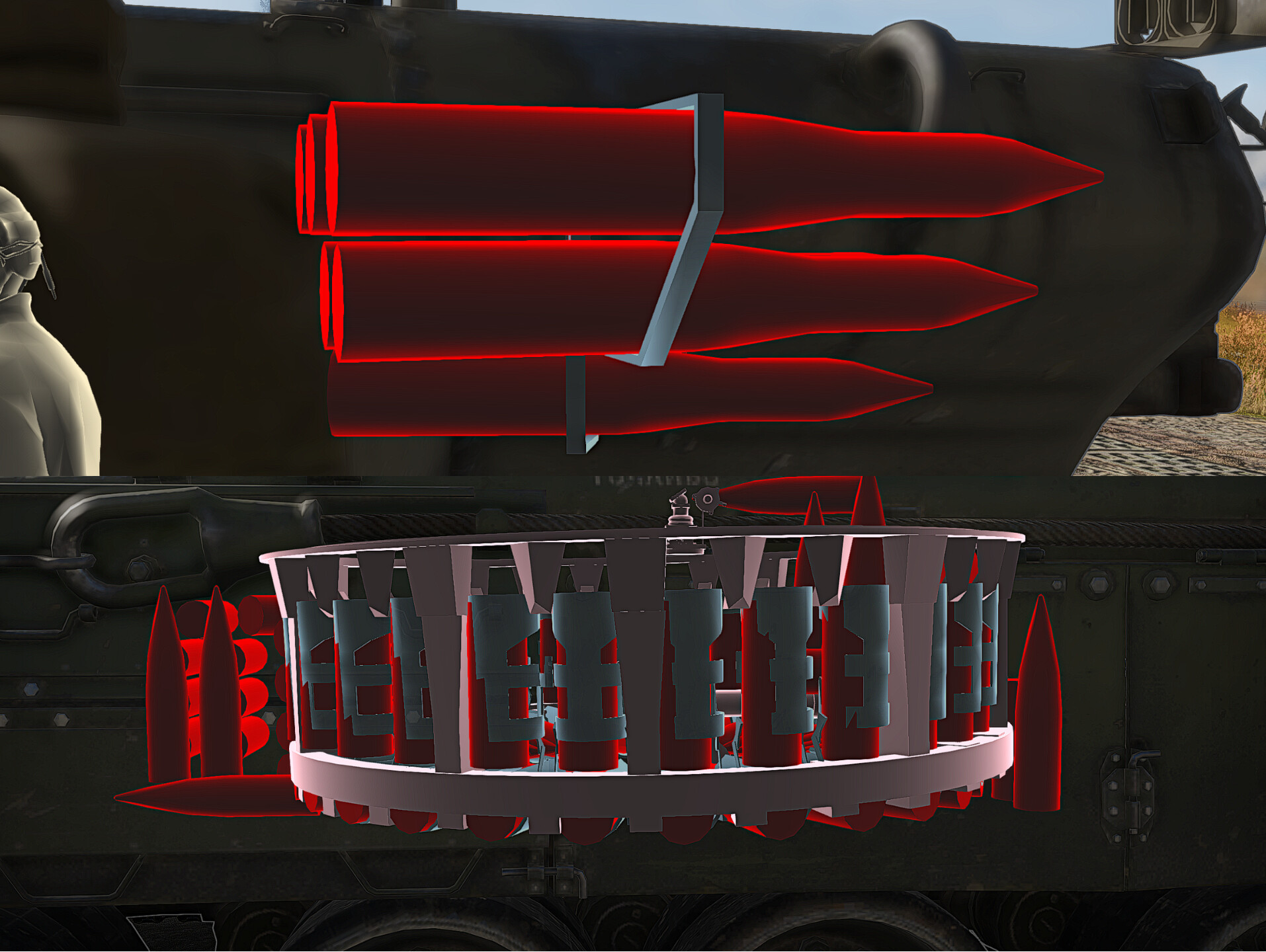
How does this strange mechanic work? Why is my reload suddenly so slow? And what makes this article on game mechanics so special? Here you’ll get a detailed guide on recognizing which vehicles have this reload type, how it changes gameplay, as well as easily finding relevant yet hidden values through datamining. This article is appropriate for both manual or autoloading tanks with “ready racks” and will inform you on how to successfully navigate one of War Thunder’s most widespread reloading systems.

The British ground tech tree recently gained its first Indian-designed tank in War Thunder — the Arjun Mk.1. Its silhouette is immediately reminiscent of other MBTs, just with slightly different proportions. That resemblance isn’t entirely coincidental: during development, India collaborated with the German firm Krauss-Maffei, the company behind the iconic Leopard 2. The German inspiration is especially noticeable in the turret, so that’s where we’ll start.
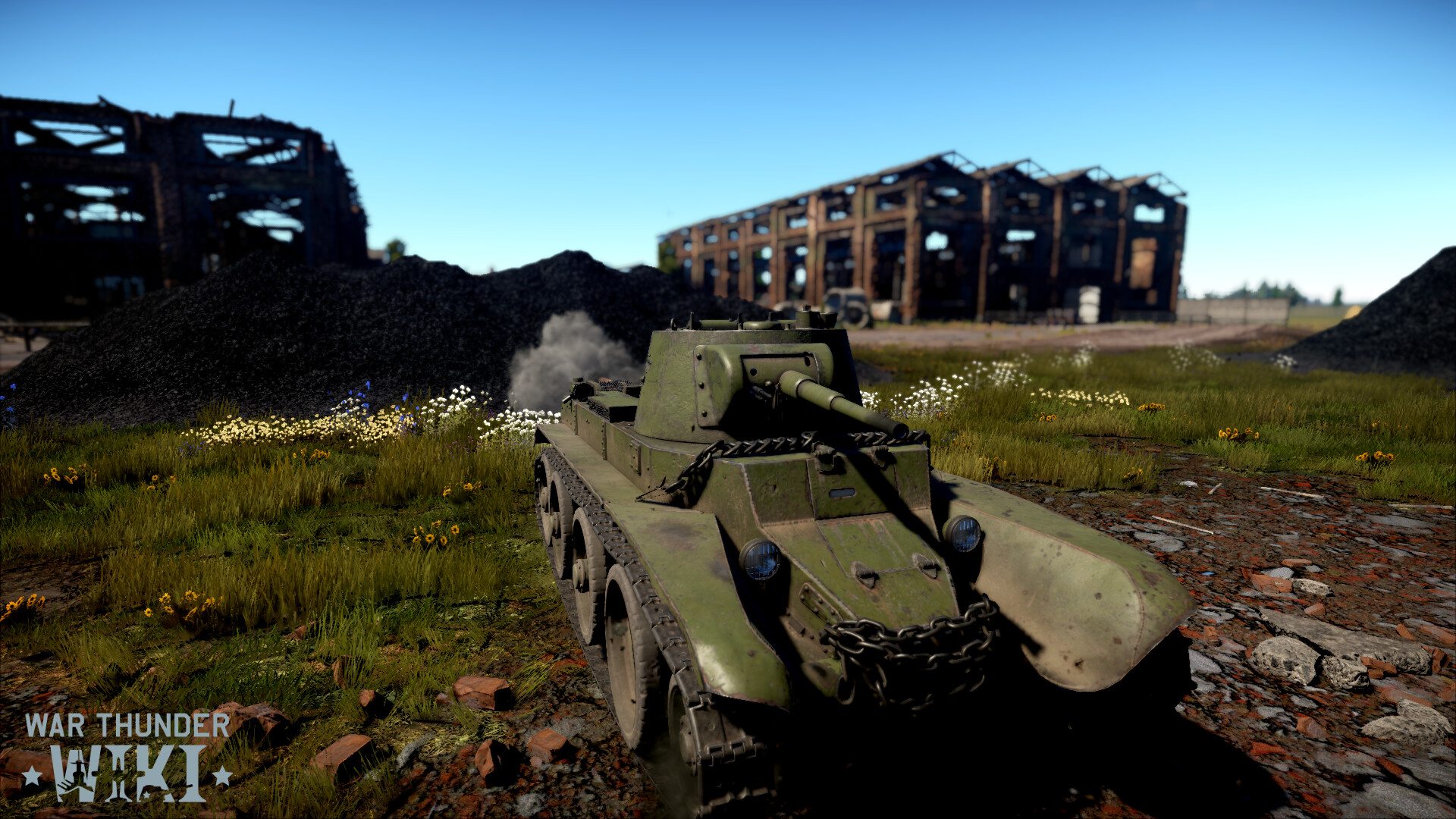
The USSR tree has many fast vehicles, and one such example is the BT-7M. This tank is among the fastest at its BR but has many drawbacks as well. In this article, you will learn all about the BT-7M's strengths and weaknesses, along with how to play it and progress with this speed demon.
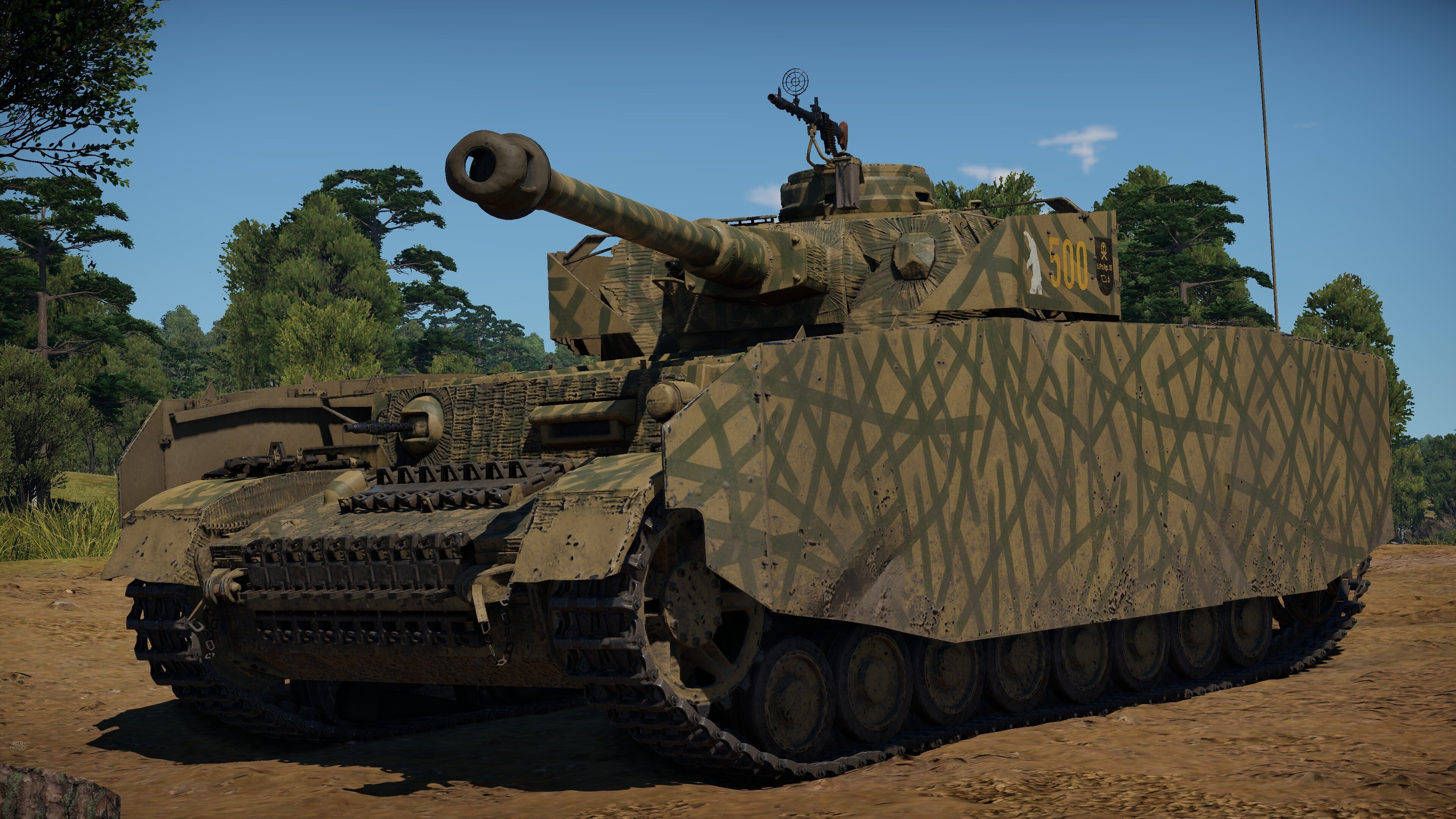
Out of all the tanks in the Panzer IV family, the Panzer IV H is perhaps one of, if not the most famous. With good armament, solid armor, and respectable mobility, the Panzer IV H’s reputation lives on in War Thunder, where it can be quite fun to play. It almost serves as a bridge between the lighter tanks of the early war and the late-war German beasts. In today’s article, we’re going to look at the Panzer IV H’s strengths and weaknesses, which tactics to use, and how to get the most out of playing Germany’s workhorse!

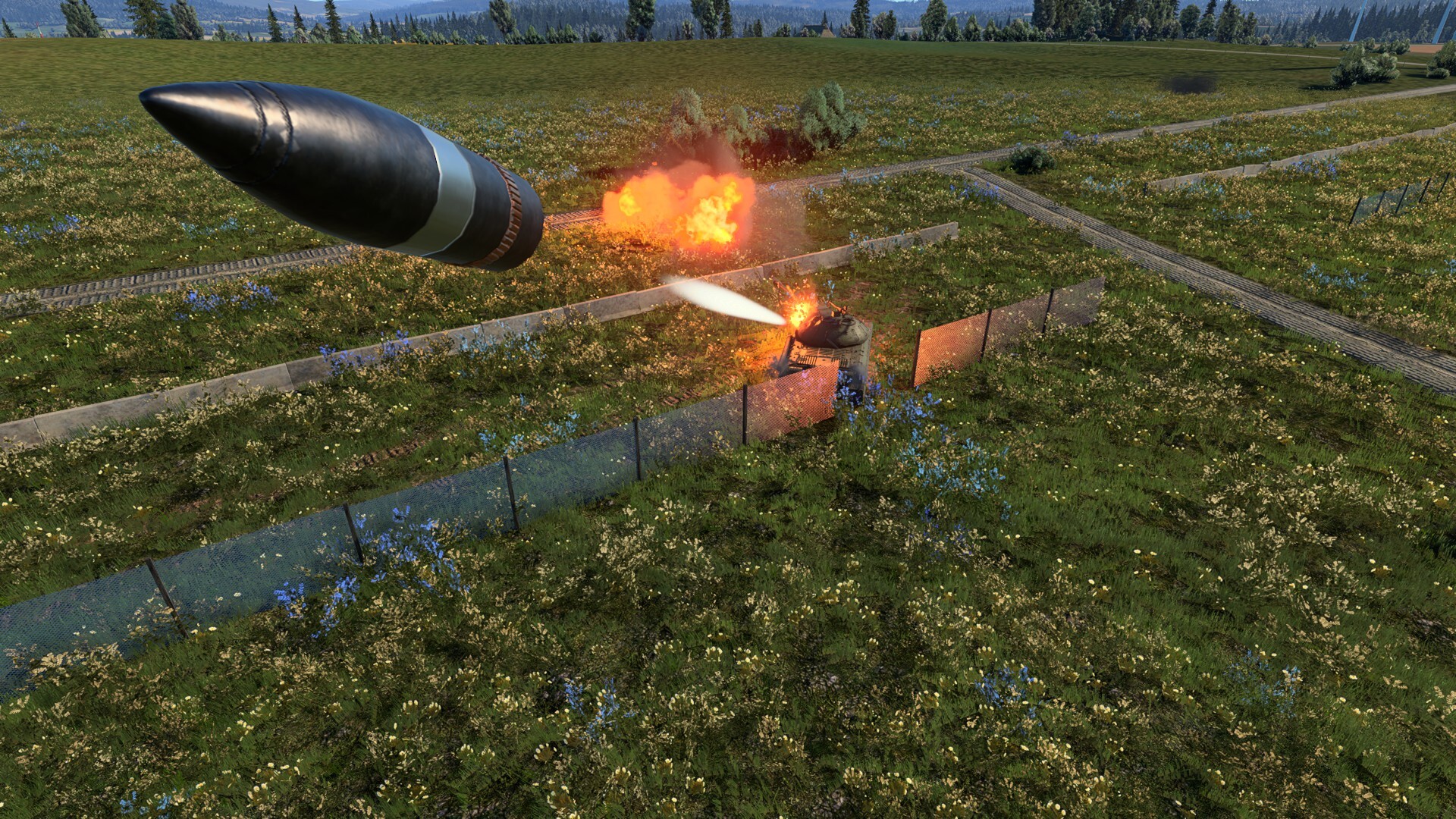
The “Iron Triangle” describes the three most important aspects of a tank’s design: Mobility, Protection, and Firepower. Like most things in this world, you can’t have the best of all worlds, so tradeoffs have to be made in each vehicle. For a more armored tank, mobility will likely be reduced, making it easier for enemies to locate, target, and damage your vehicle. Saying alive can make the difference between victory and defeat, so learning how to protect your vehicle and avoid critical damage is key to lasting longer in battles. With the right techniques, you can increase your chances of survival and lead your team to victory.
During the Second World War, the Soviet Army gained enormous experience in tank warfare. Tanks had to fight from ambushes, destroy fortified firing positions, defend key areas, and assault enemy lines. After the war, particular attention was paid to reducing the silhouette of armored vehicles. A lower tank was easier to conceal, harder to detect, and more difficult to hit.
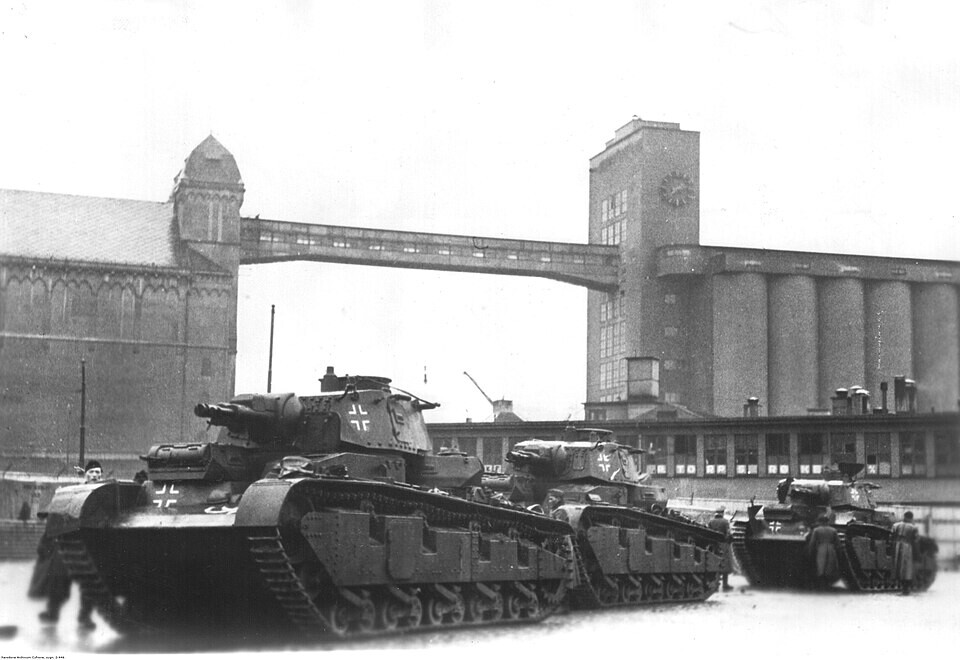
The Panzerkampfwagen Neubaufahrzeug (German for “New Construction Vehicle,” abbreviated Nb.Fz.) was a prototype multi-turreted medium tank developed by Germany in the pre-WWII era. While its service was brief and limited, its history is quite interesting. The Nb.Fz. was an early attempt to develop a German medium tank and was part of the experimentation that accompanied the development of Germany's early armored forces. It also saw limited combat during the early stages of WWII and was used extensively for propaganda purposes, despite never entering full-scale production. In today’s article, we’re going to take a look at the history of the Neubaufahrzeug, from its development and design to its limited combat service and eventual fate.
The British Army has always needed military vehicles capable of operating in remote regions. During World War II, that role fell to AEC armored cars and light tanks, but by the early 1960s the existing fleet was in dire need of replacement. At the same time, the defense budget left designers with very little breathing room.
We’ve already seen plenty of strange military mashups in War Thunder. You’d think experiments like these would’ve been left somewhere in the distant past. But no! European engineers decided to combine two modern MBTs: the German Leopard 2A7 and the French Leclerc S2. And that’s how the EMBT was born. So what came out of this Franco-German tank-building set? Let’s find out.

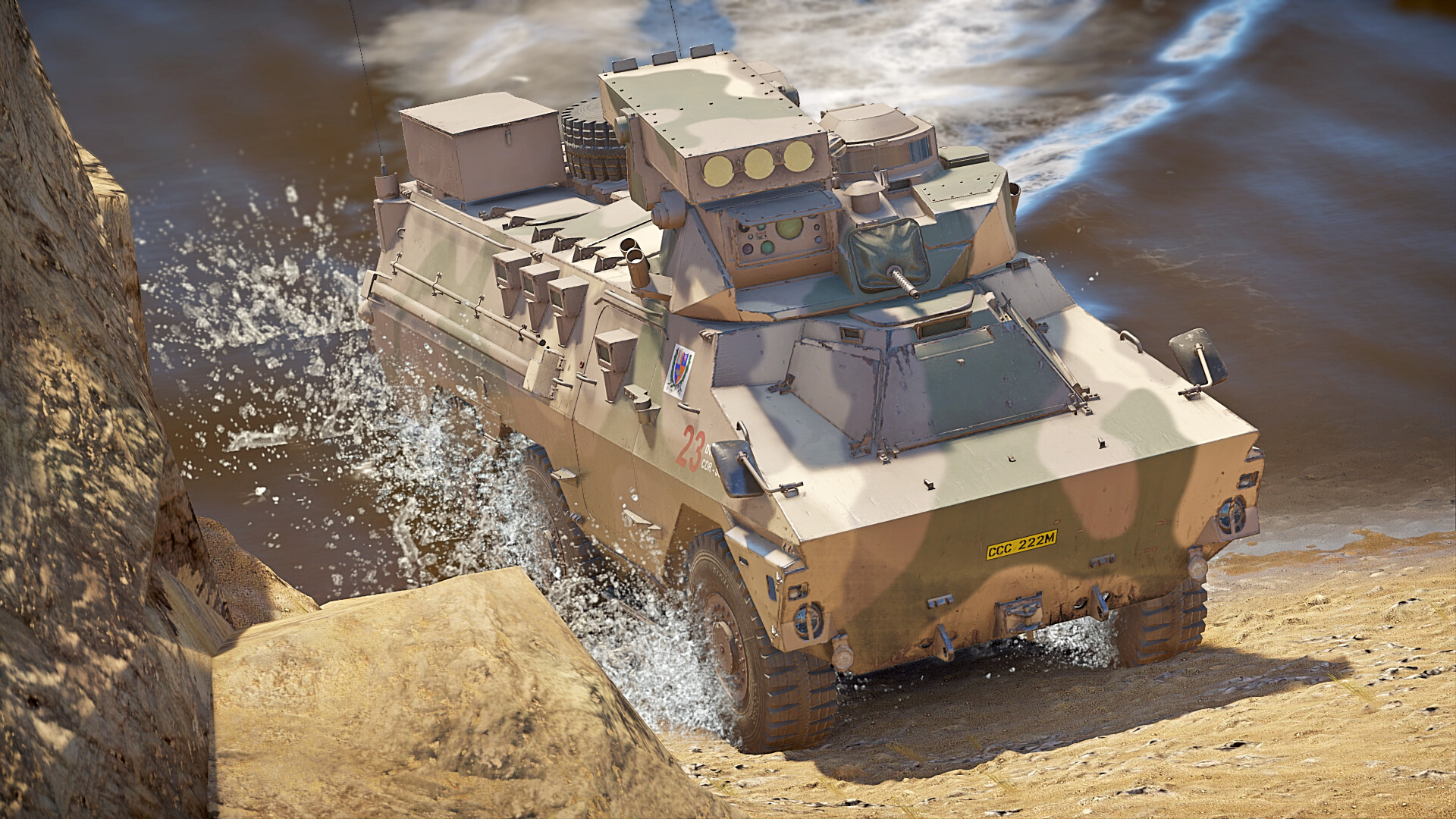
The Ratel ZT3 is a South African tank destroyer in the British tech tree. It is part of the Ratel family of fighting vehicles, a series of 6-wheeled IFVs developed to replace the obsolete Alvis Saracen APC in South African service. The Ratel ZT3 is a later variant of the Ratel platform fitted with the turret that houses a 7.62mm Browning MG4 machine gun and ZT3 ATGMs. With a top speed of 65 mph and the ability to carry a tandem charge ATGM that can penetrate 1000 mm of armour, it is an excellent tank destroyer. However, with minimal armour protection and a large silhouette, the ZT3A2 must be played according to its strengths.