#tank_destroyers
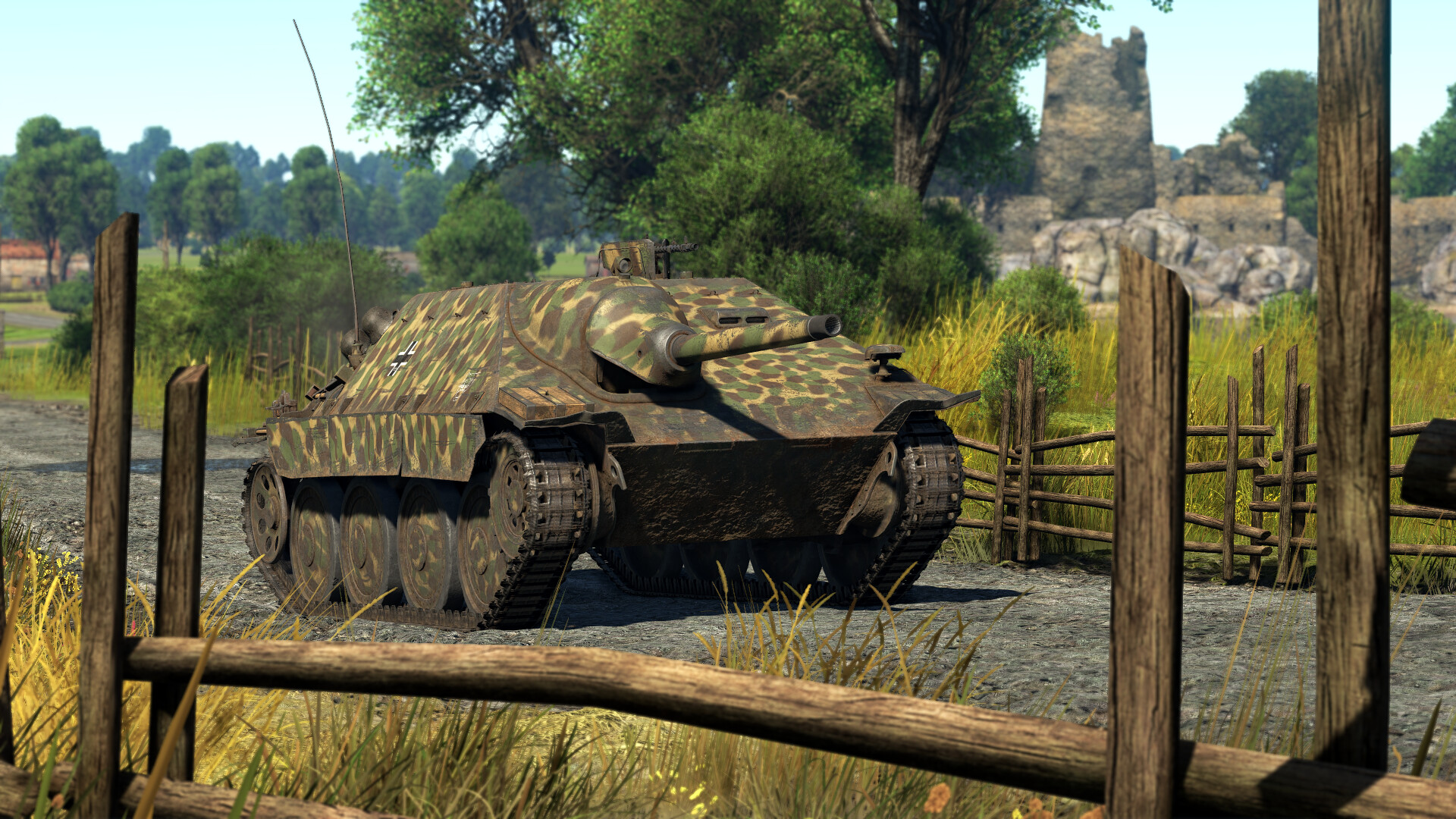
The Jagdpanzer 38(t) “Hetzer” is part of Germany’s formidable tank destroyer line. However, this tank has less armor than most of its fellow German tank destroyers. Because of this, the Jagdpanzer 38(t) has a different playstyle than most German TDs and can truly be a joy to experience if done right. In today’s article, we are going to look at the different strengths and weaknesses of the Jagdpanzer 38(t), what tactics to use, and how to get the most out of this little tank destroyer.

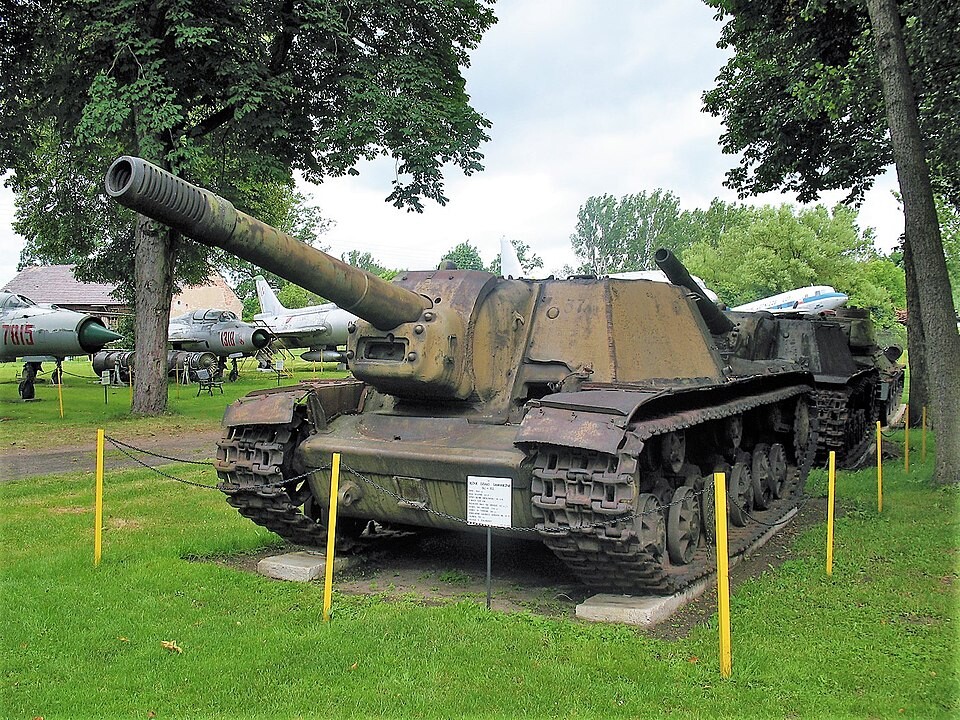
After Operation Uranus, the counteroffensive of the Battle of Stalingrad, it became painfully obvious that the USSR needed mobile heavy guns in order to destroy German fortifications and heavy tanks. The Red Army did have the KV-2 heavy tank for this duty at the time, but mass production of the KV-2 had ceased when the Kirov Plant was moved to Chelyabinsk. The new anti-fortification vehicle had to be faster than the KV-2, with thicker armor, and mount the powerful and more accurate ML-20 howitzer on a less expensive platform. The gun was too long and its recoil too powerful for it to be mounted in a turret, so a casemate structure was opted for. This would result in the soon-to-be-famous SU-152 'Zveroboy'.
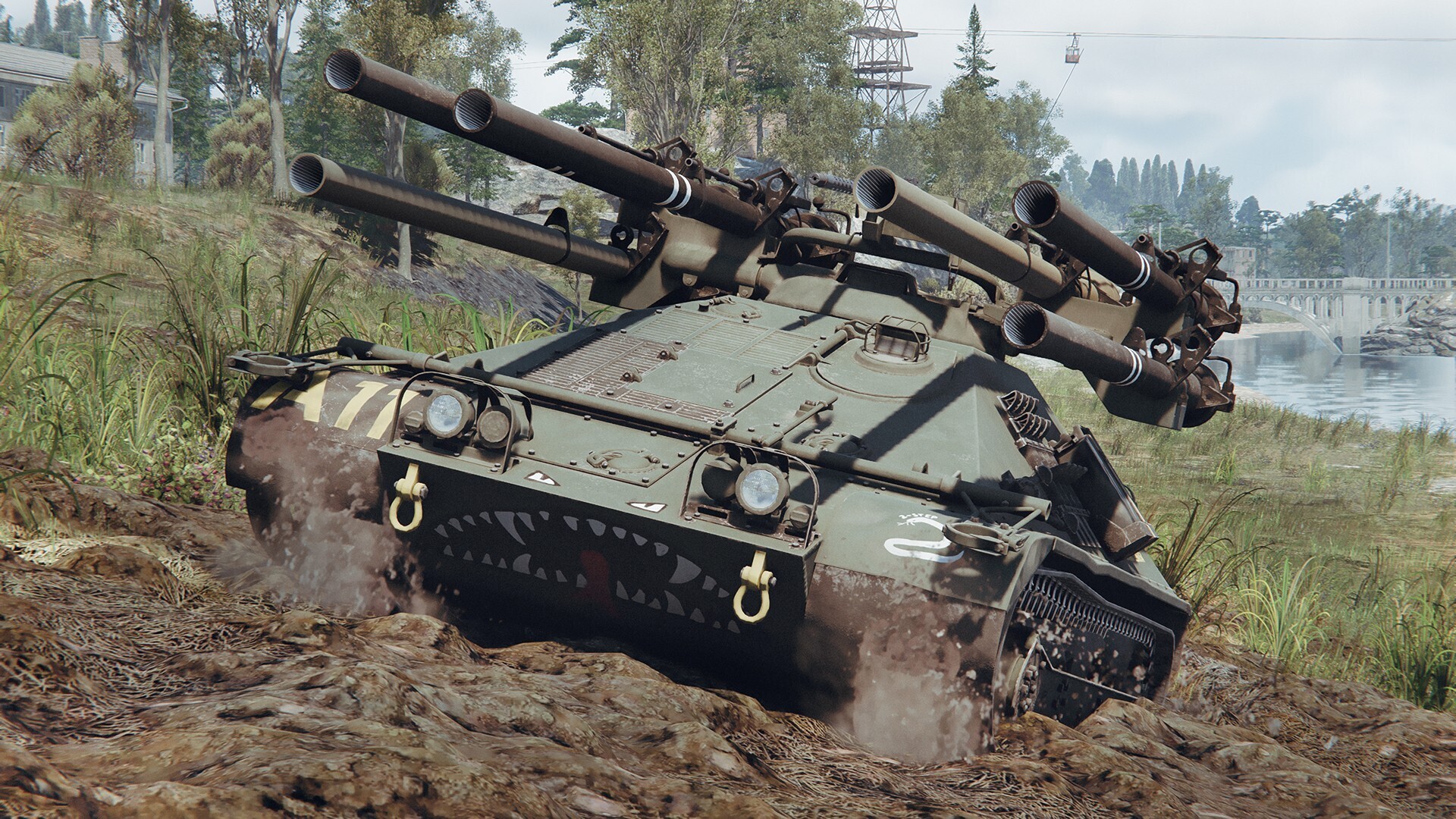
The M50 Ontos is an American tank destroyer, which very interestingly features six 106 mm recoilless rifles, capable of annihilating anything around its rank with ease. Aside from six recoilless rifles, the M50 features four targeting .50 caliber rifles, but they sadly do not have access to armor-piercing ammo, making them all but useless. The M50 can be thrilling to play, with its unique playstyle, but it does take some getting used to. This article aims to explain its strengths and weaknesses, to hopefully help you play it more effectively.

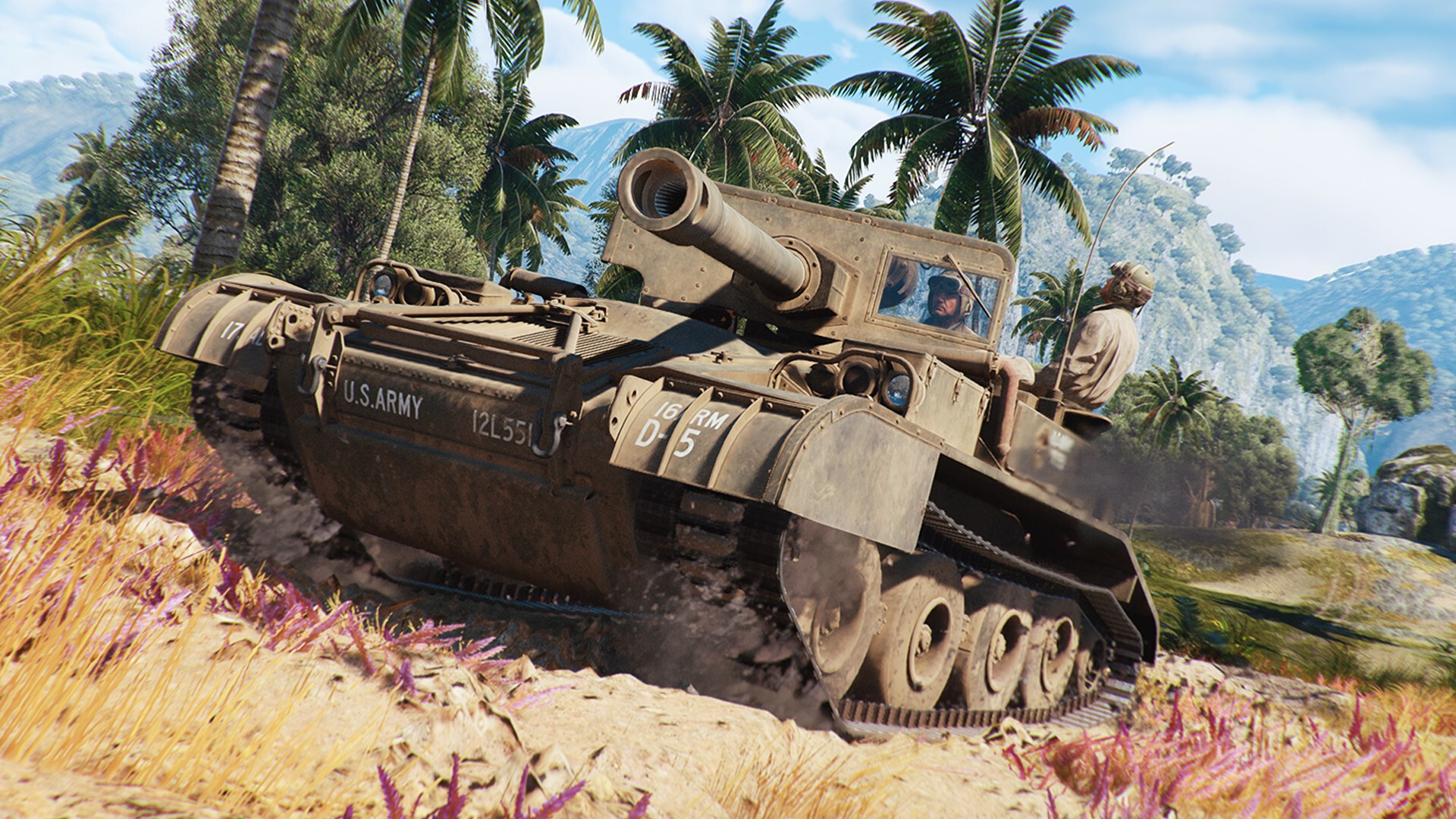
In the years following WWII, the US Airborne units looked to improve their anti-tank capabilities. The result was the M56, an unarmored tank destroyer. When deployed with the 173rd Airborne Brigade, the Scorpion saw combat service in Vietnam, before eventually being replaced by the M551 Sheridan.

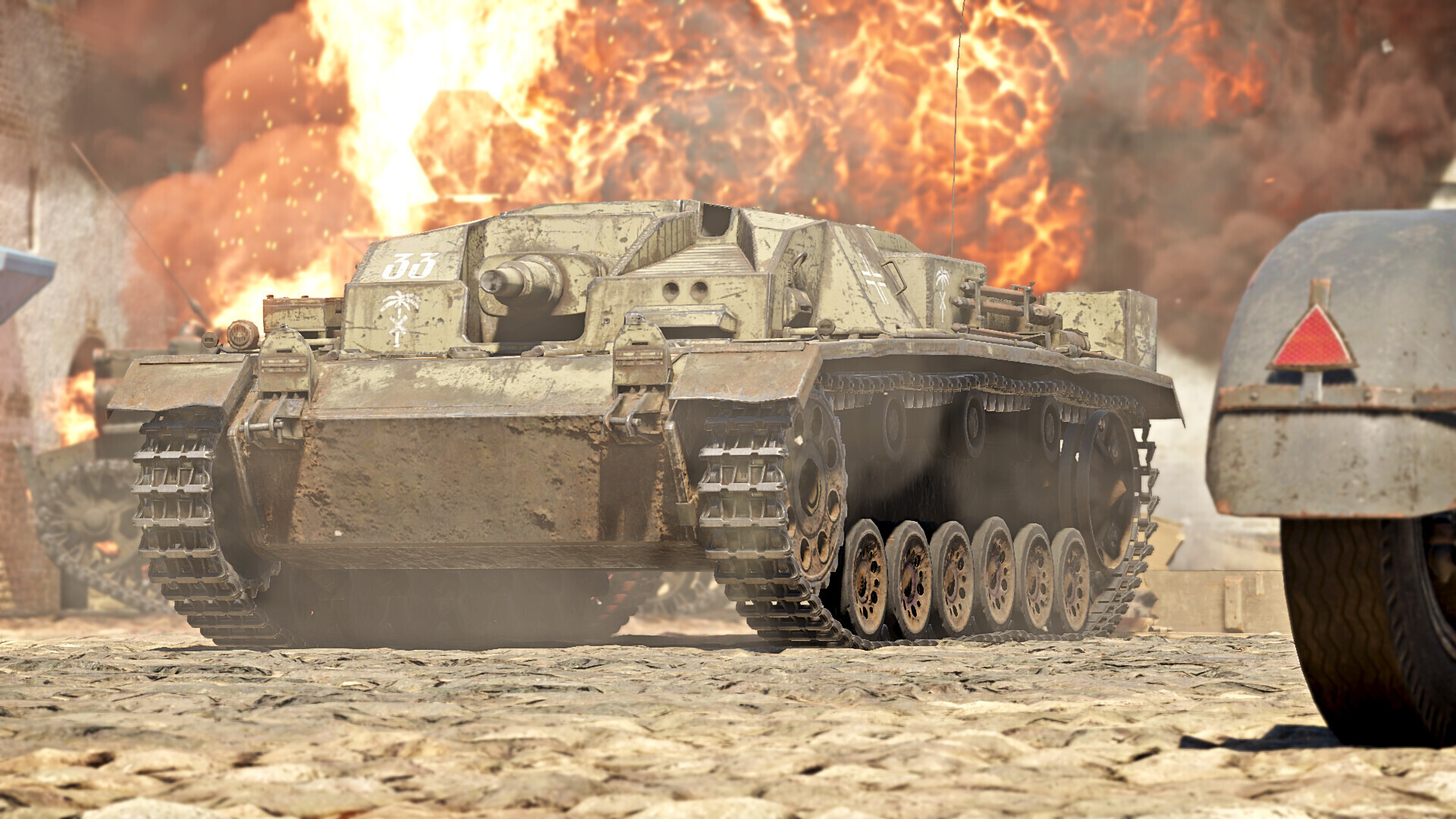
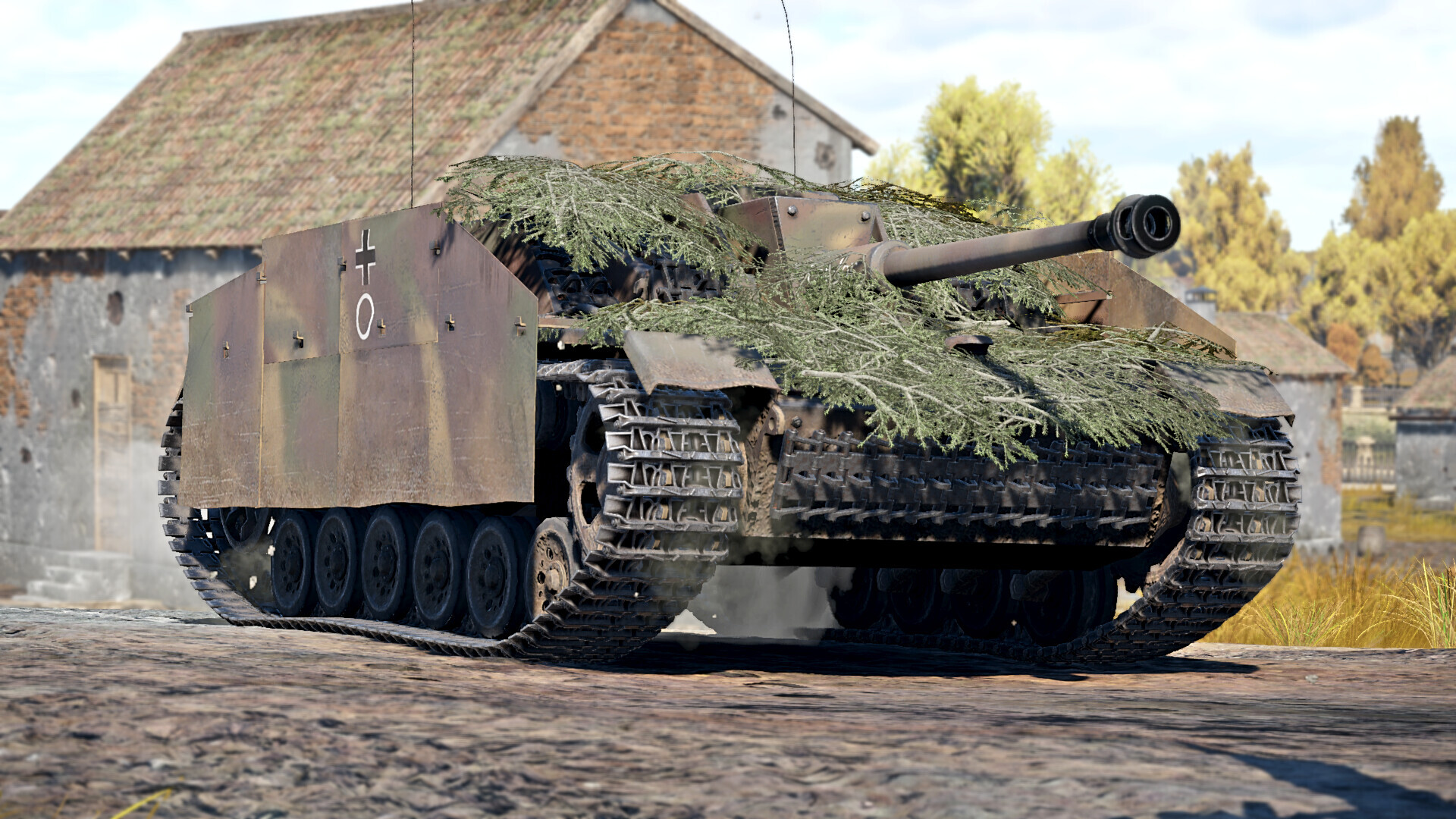
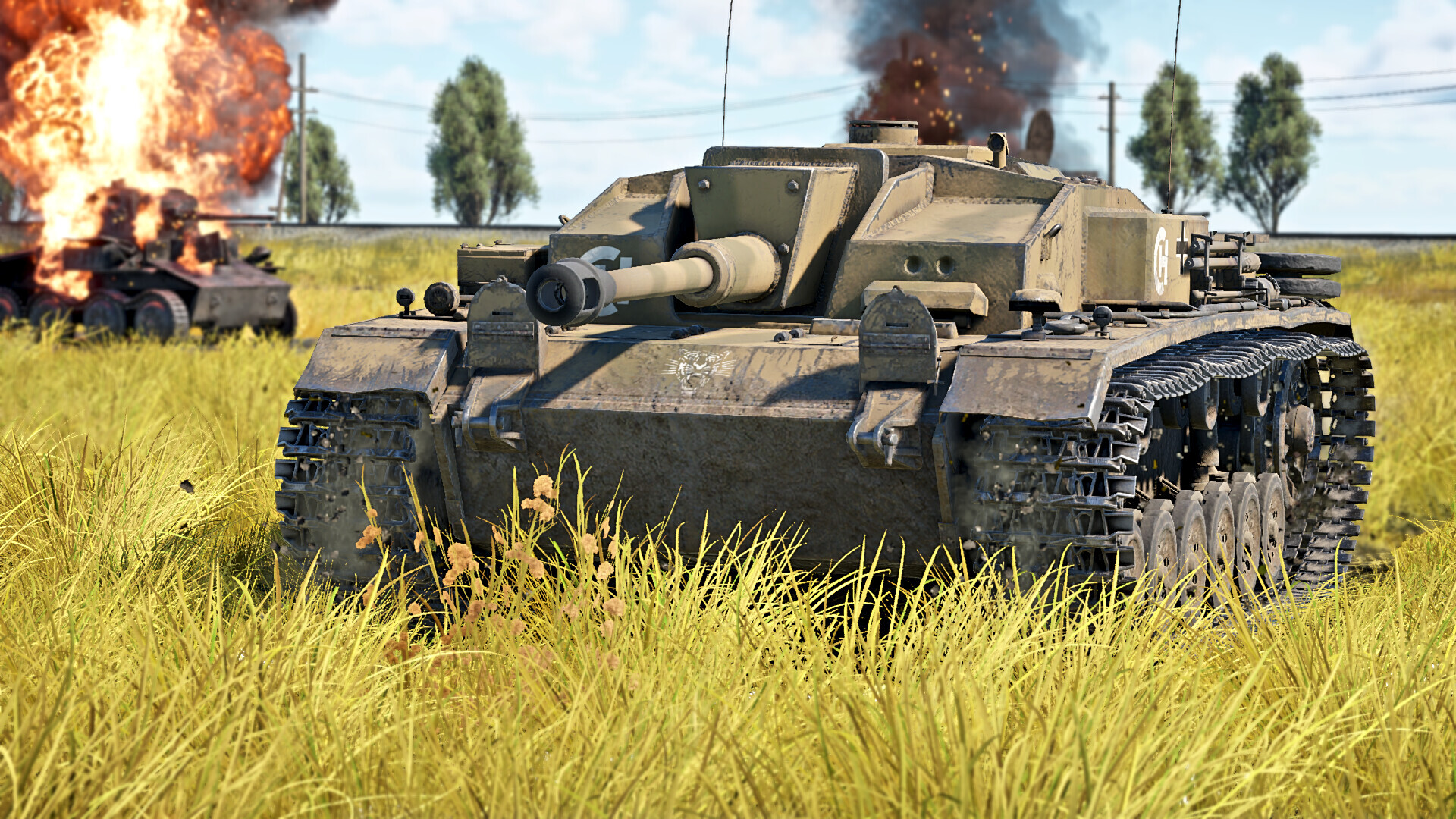
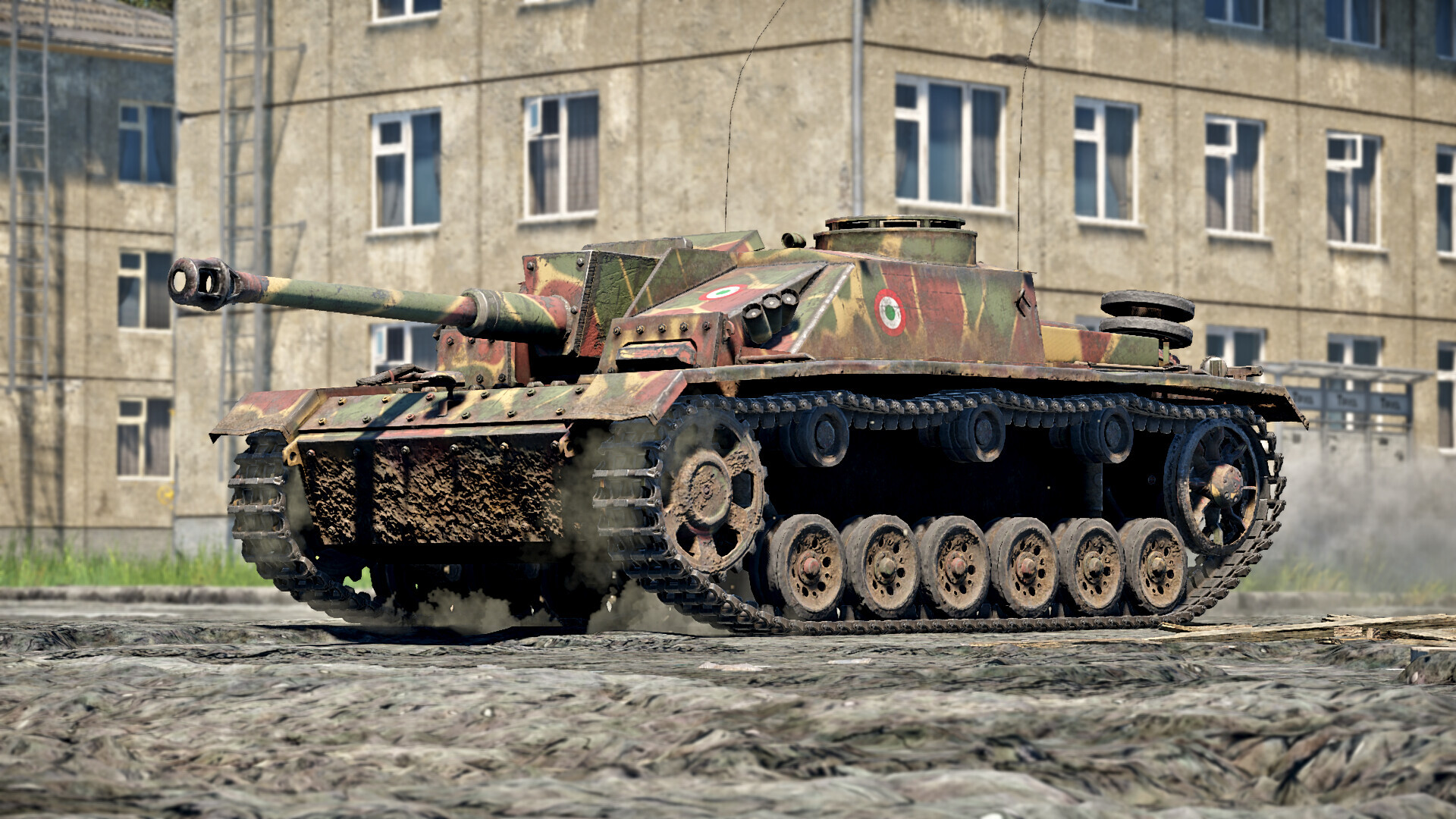
StuG III, or Sturmgeschütz III, was the most-produced self-propelled gun (SPG) of the Wehrmacht, with over 9,000 units built. This legendary SPG, built on the chassis of the Panzer III medium tank, was produced by the German industry from 1940 to 1945, undergoing numerous upgrades and improvements. In addition to Germany, the StuG was used by Italy, Bulgaria, Romania, Hungary, Finland, and the Soviet Union. In the game, four StuG III modifications are available.
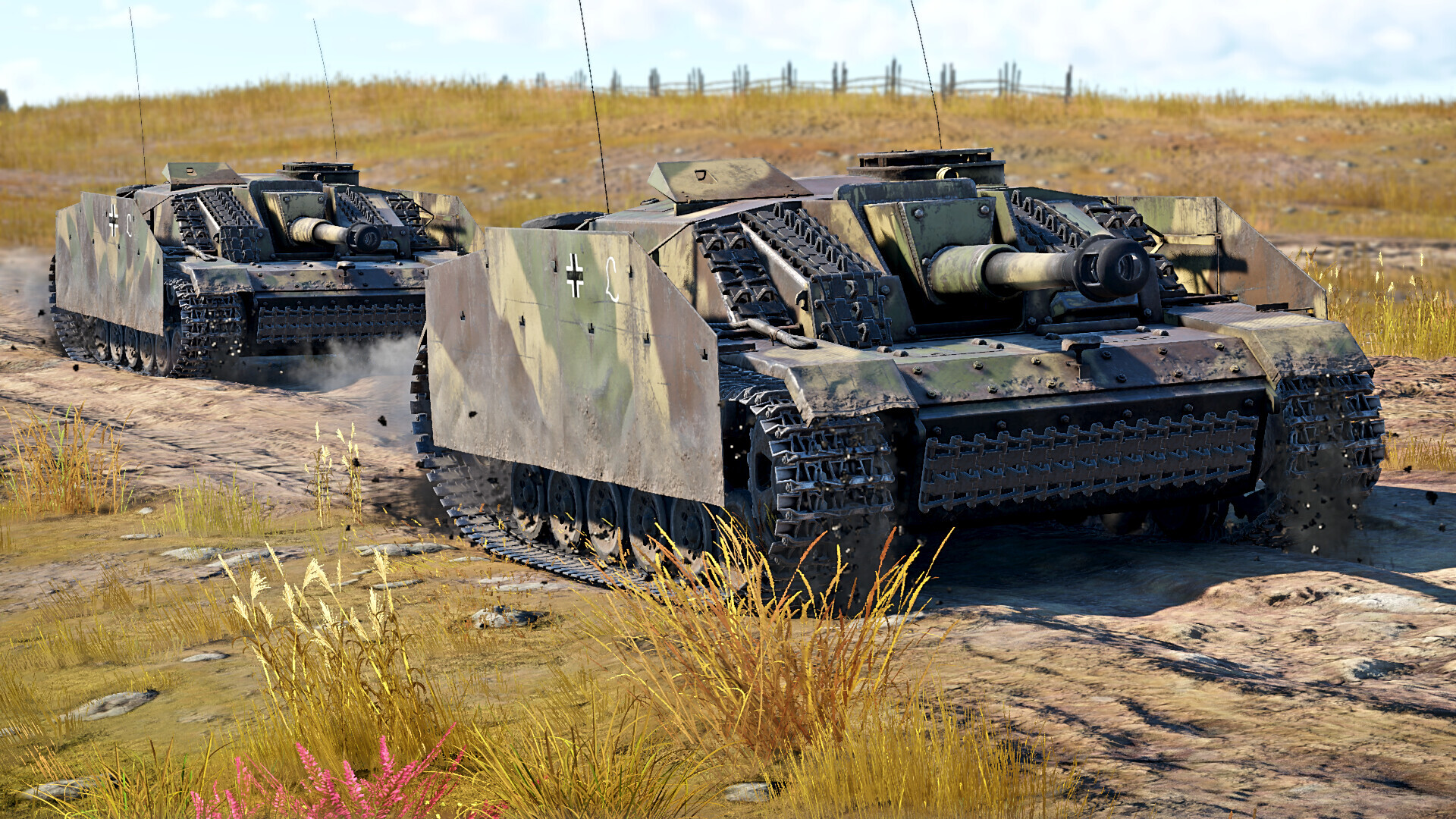
The Sturer Emil is a German tank destroyer designed to engage and destroy enemy heavy tanks. It was equipped with a powerful 12.8 cm cannon, similar to the main guns of the Jagdtiger and Maus. Its armor-piercing shells had excellent penetration and could effectively engage heavily armored vehicles. However, this formidable firepower came with many drawbacks, which limited its production and combat use. So, how is the “Stubborn Emil” like in War Thunder, and how can you make the most of its strengths? Read on to find out.
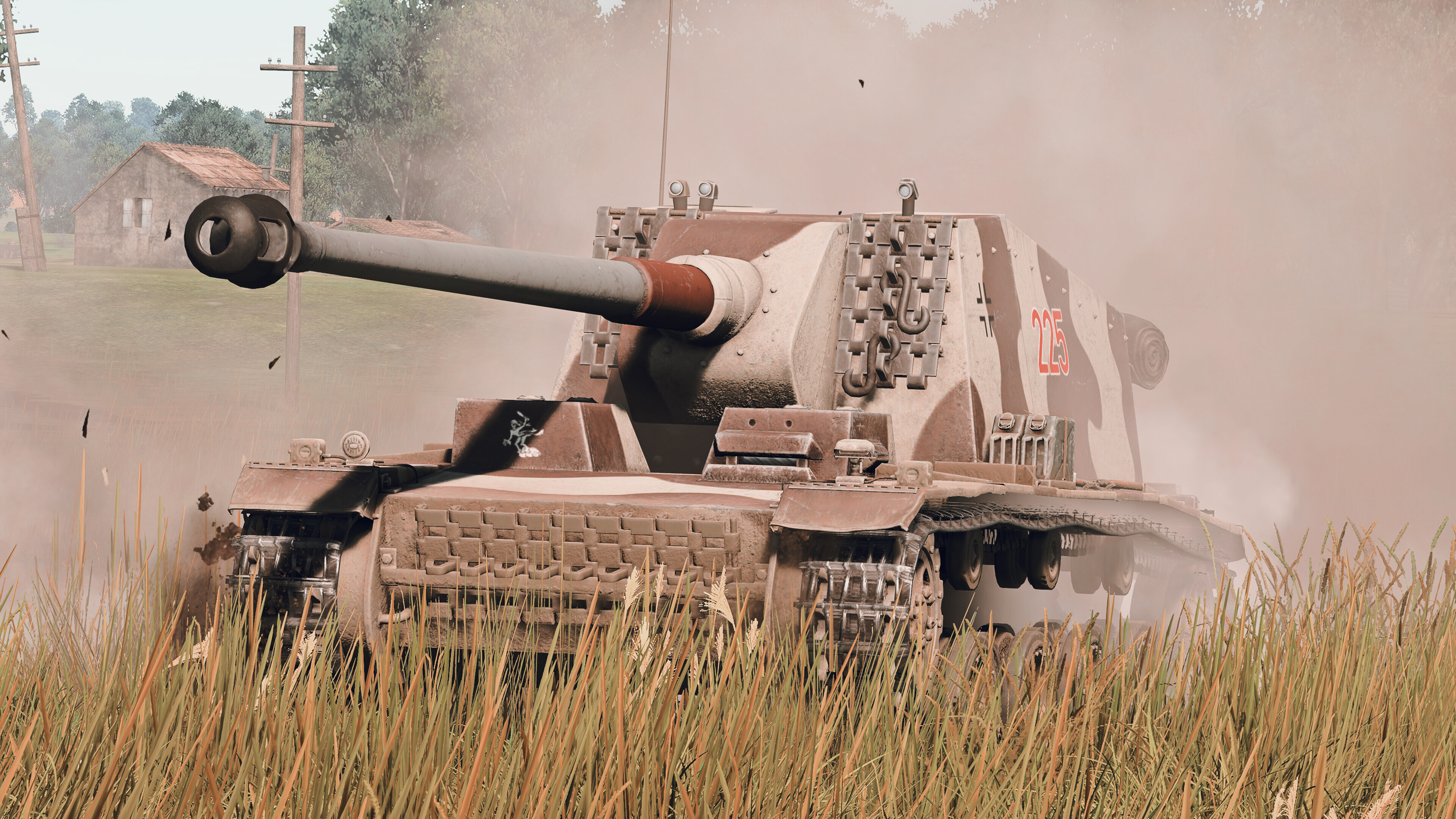
During Operation Barbarossa, Germany’s invasion of the Soviet Union, the Third Reich ran into Russia’s secret weapons: the T-34 and KV-1. While German engineers came up with move advanced tanks to combat Soviet armor, a quick solution was put together to face the Russians on somewhat equal terms. This stopgap would be known as the Marder.
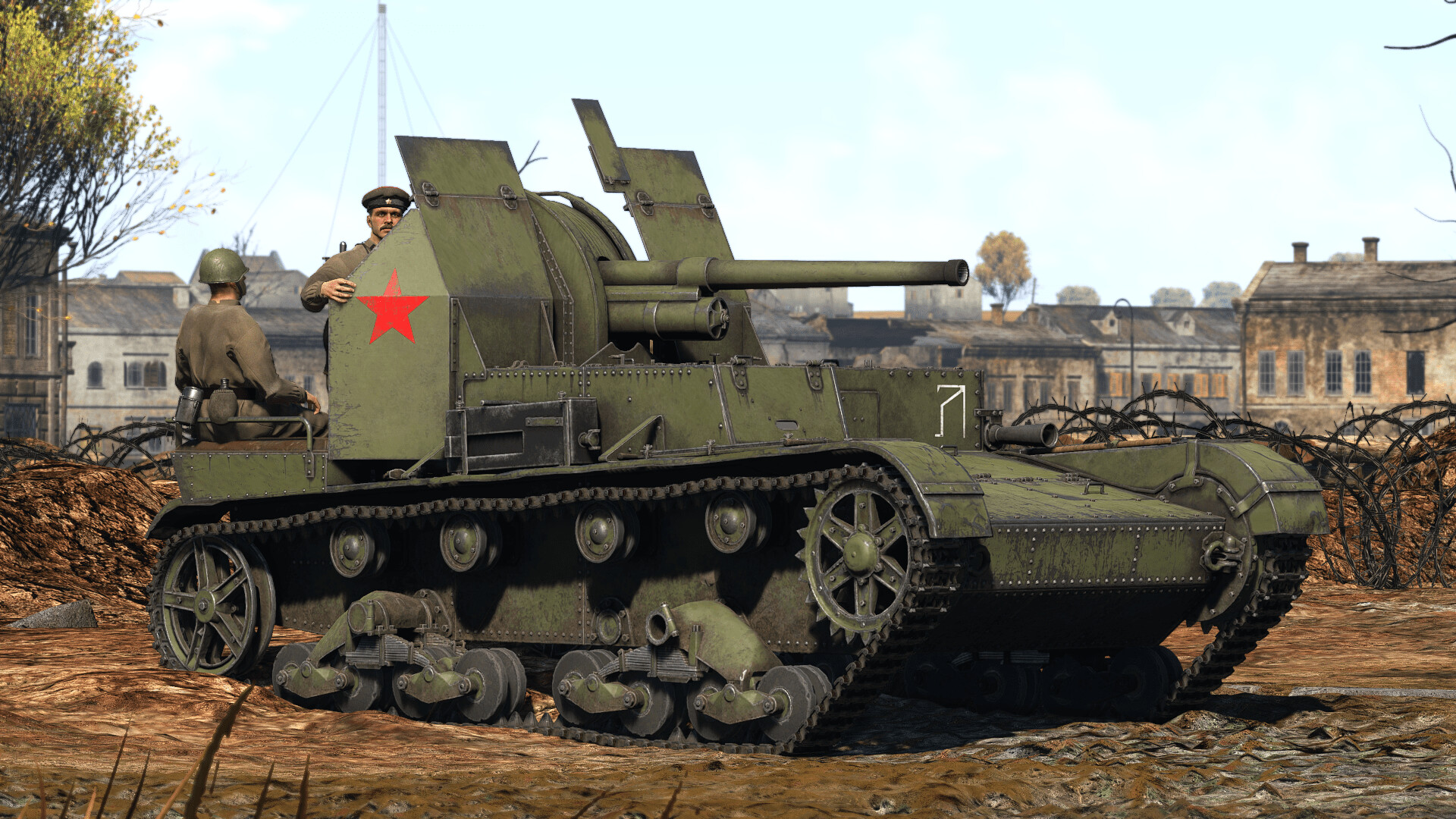
The SU-5-1 is an experimental Soviet tank destroyer. Even though it doesn’t have the best mobility, this tank has formidable firepower. Despite its limitations, the SU-5-1 offers a unique combat experience that every War Thunder player should try at least once.
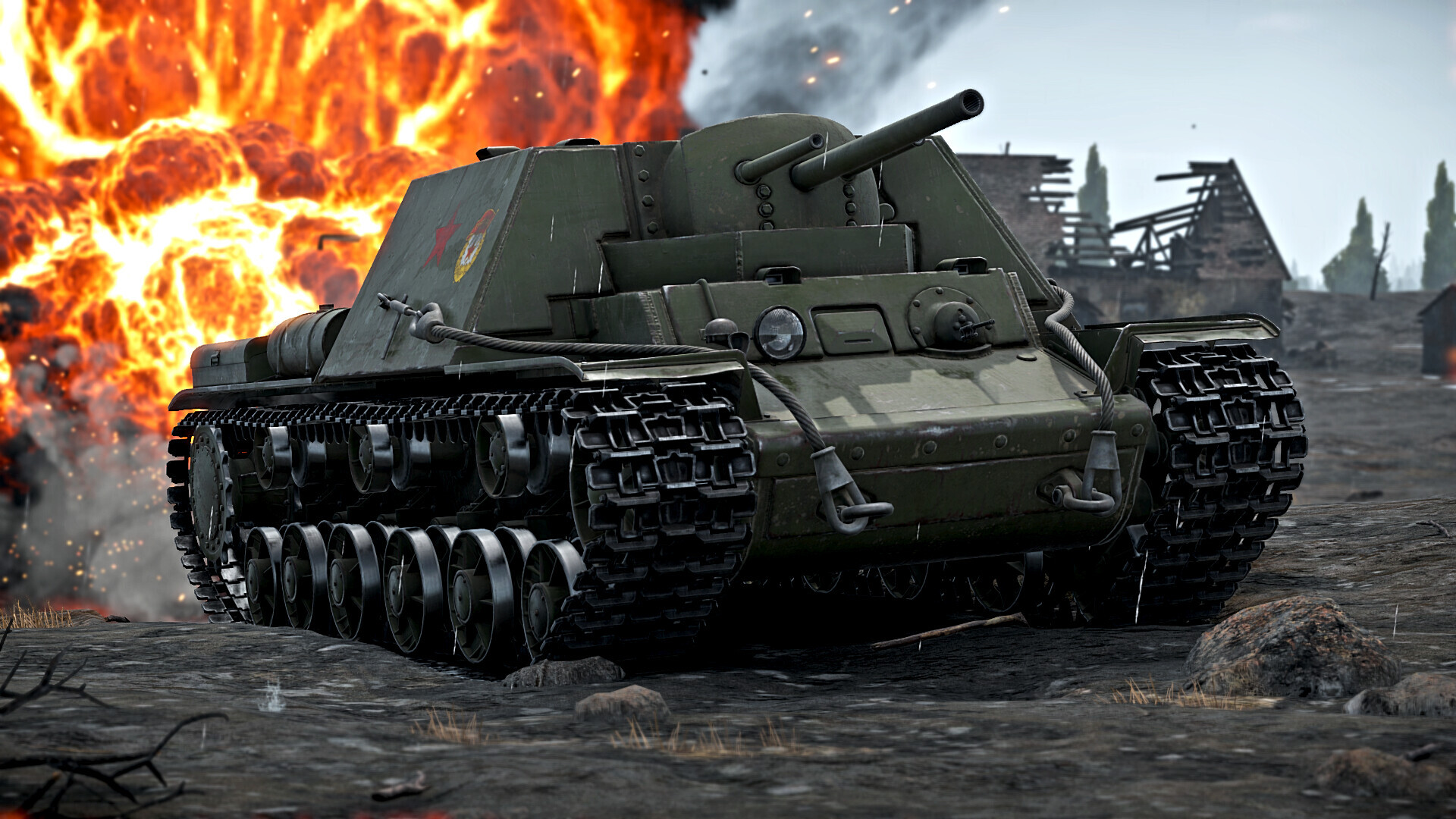
The KV-7 was developed in response to the Red Army’s need for an artillery support vehicle with greater firepower than the T-34 or KV-1. In the game, this self-propelled gun is known for its unique triple-gun arrangement housed in a common mantlet. This setup, combined with its respectable armor, makes it a significant threat to any opponent. But how does one master this machine, considering its distinct characteristics and drawbacks? Let’s find out.

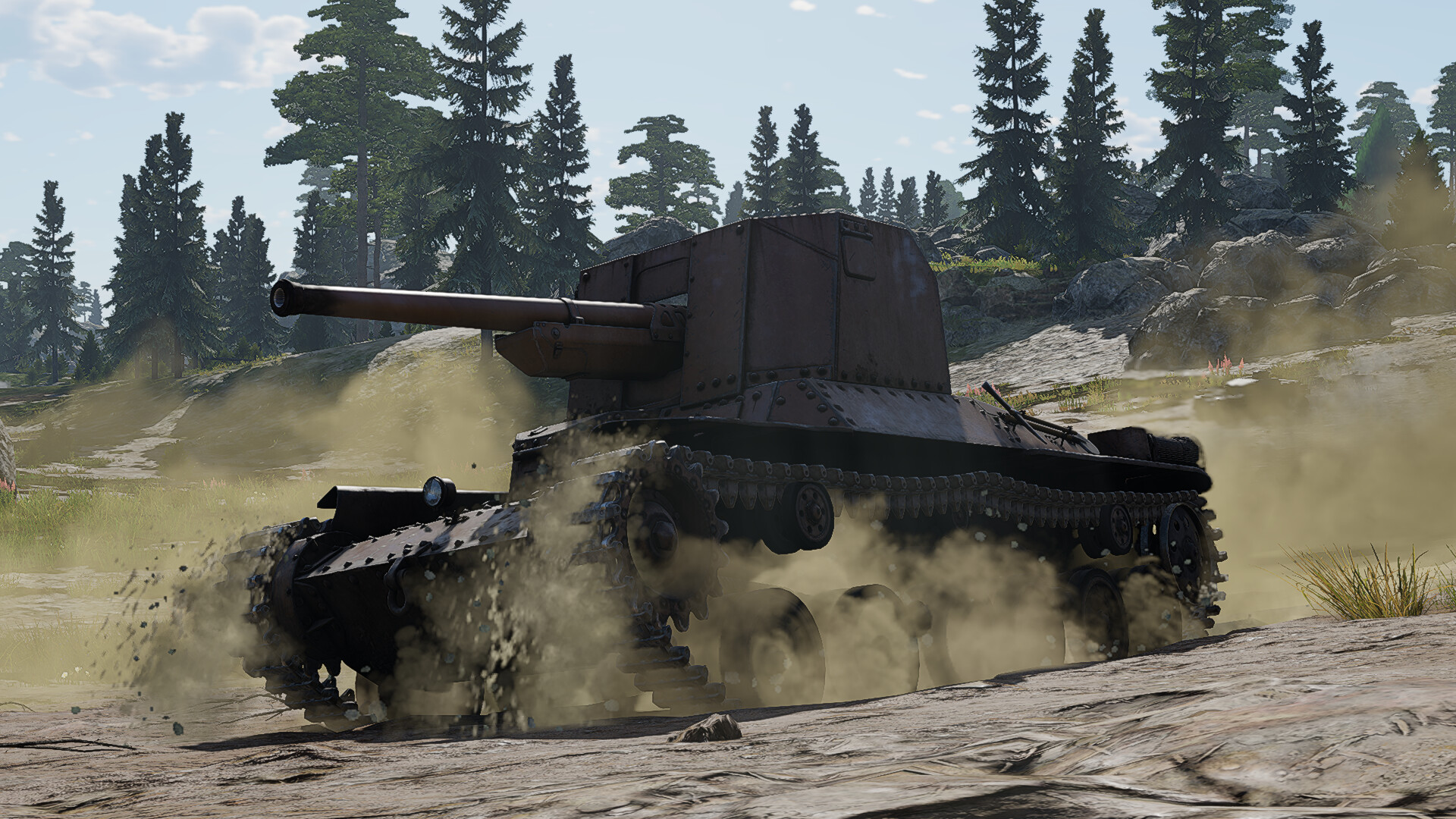
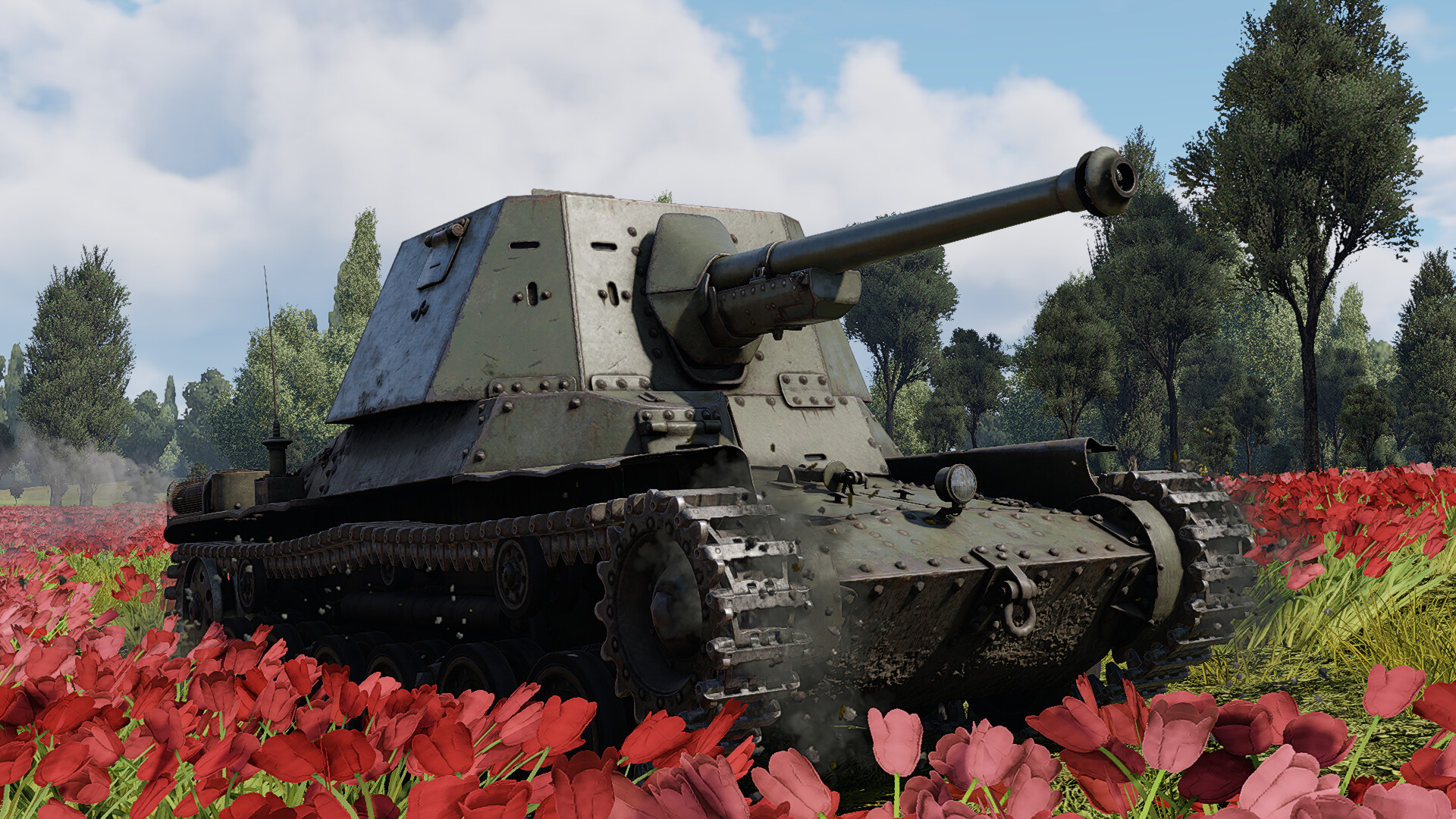
The Ho-Ni family of self-propelled artilleries/tank destroyers were developed in the latter half of the Pacific War to provide tank regiments with fire support and engage Allied designs such as the M4 Sherman, which featured armour that Japanese tanks struggled to pierce. In War Thunder, two versions of this SPG, the Ho-Ni I and the Ho-Ni III, are available in the Japanese tech tree, and can be very powerful if used right.