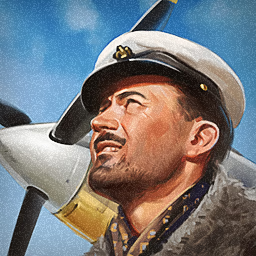
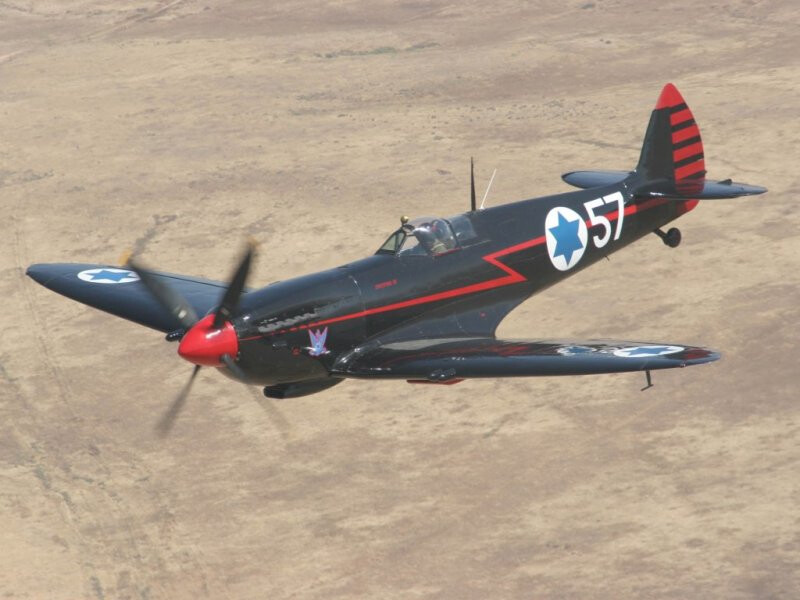
In the history of military aviation, it is rare to find instances of enemy air forces battling each other using the same aircraft. The British withdrawal from Palestine in 1948 is an example of such a rarity: Mustangs, Spitfires and Mosquitoes alike all took part in this conflict, as well as other R.A.F. and I.A.F. aircraft, which will be discussed here as well.
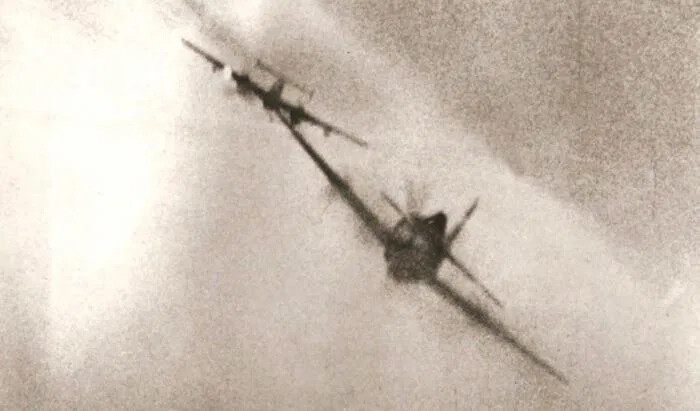
From the first operational jet fighter, to bombers intended to be able to fly to America in one trip, Germany’s Luftwaffe pushed the boundaries of military aviation to its fullest extent during the Second World War. However, from the war’s beginning, the Luftwaffe's leader, Hermann Göring, had avidly believed in the power of a certain aircraft type for ridding the skies of enemy fighter opposition: the 'Zerstörer' ('Destroyer'). But what actually was this design, and how successful was it in combat?
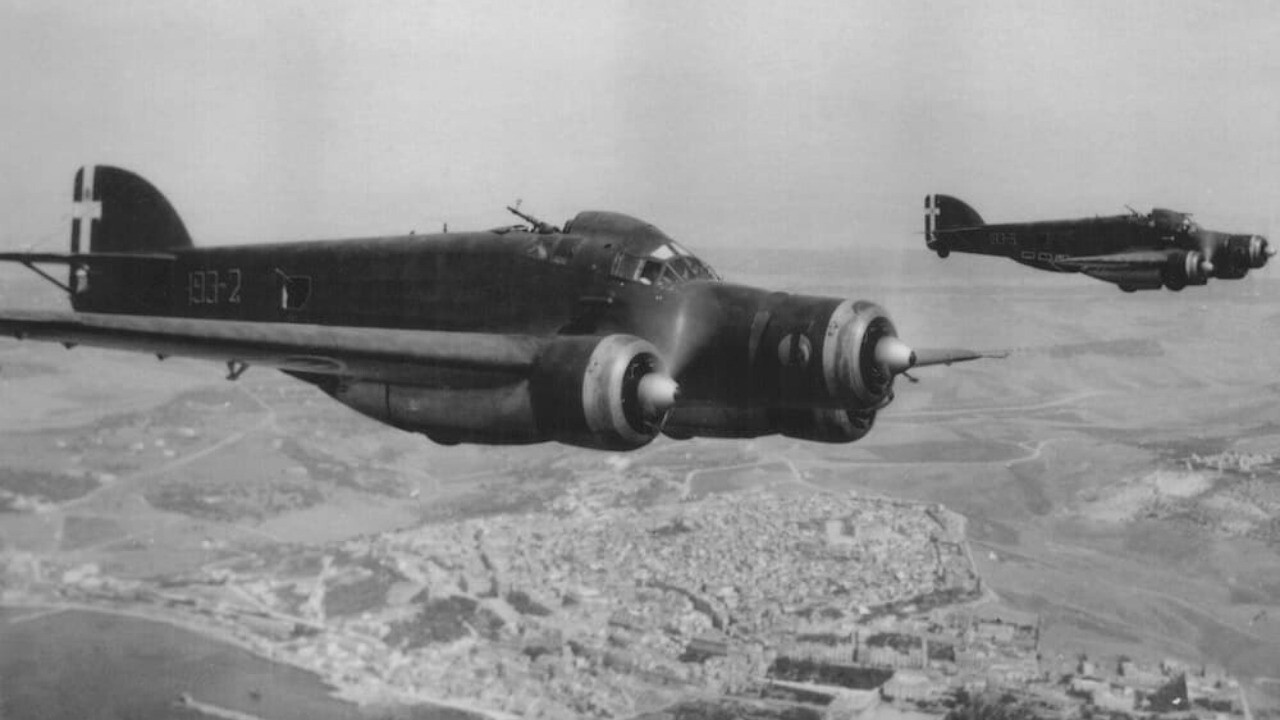
Sleek, powerful, and fast, the 'Sparviero' ('Sparrowhawk') was one of the deadliest warbirds above the Mediterranean when it first entered service in the mid-'30s. However, as the Second World War started to go badly for Italy, the SM.79's shortcomings were quickly exposed by a new generation of fighters, which this aircraft’s designers had not prepared for.
During the Second World War, there is no doubt that Germany led the world in military designs and innovations. However, in the years after the war, a near legendary status has surrounded Germany’s tanks, with names such as the Panther, Tiger I and King Tiger (and, of course, the redoubtable Maus) all coming to mind as nearly indestructable fighting machines. But was this actually the case? Were Panzers as amazing as we have been led to believe, and how have they gained such a formidable reputation?
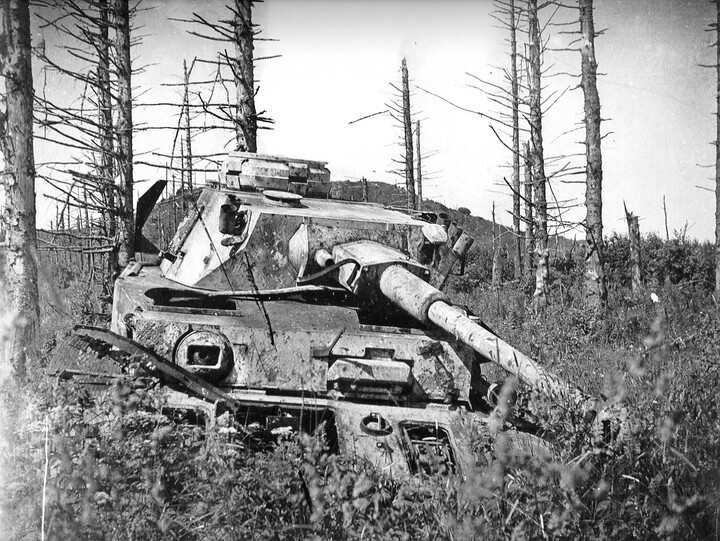
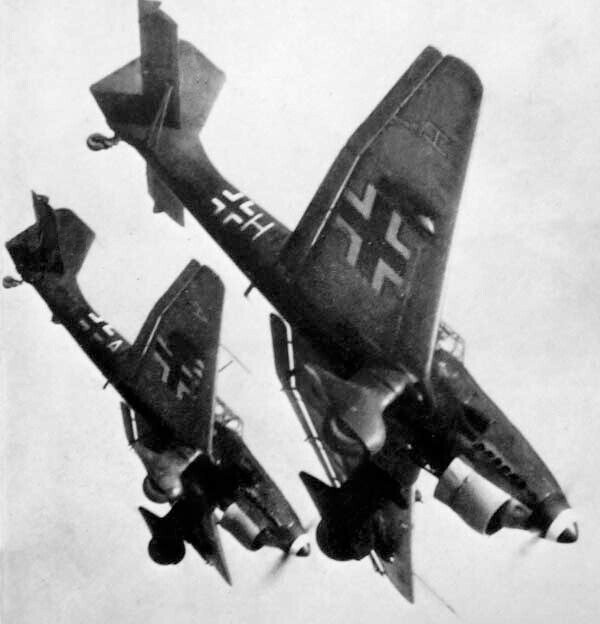
In 1939, a new style of warfare swept across Poland: Blitzkrieg. Utilising an extremely effective balance of speed, organisation and surprise to overcome entire nations, it was revolutionary compared to the slow, brutal First World War mindset of French and British tacticians. In this article, I will discuss how one aircraft, the Ju 87 'Stuka', was central to Blitzkrieg, and how it was perfectly engineered for terror bombing.
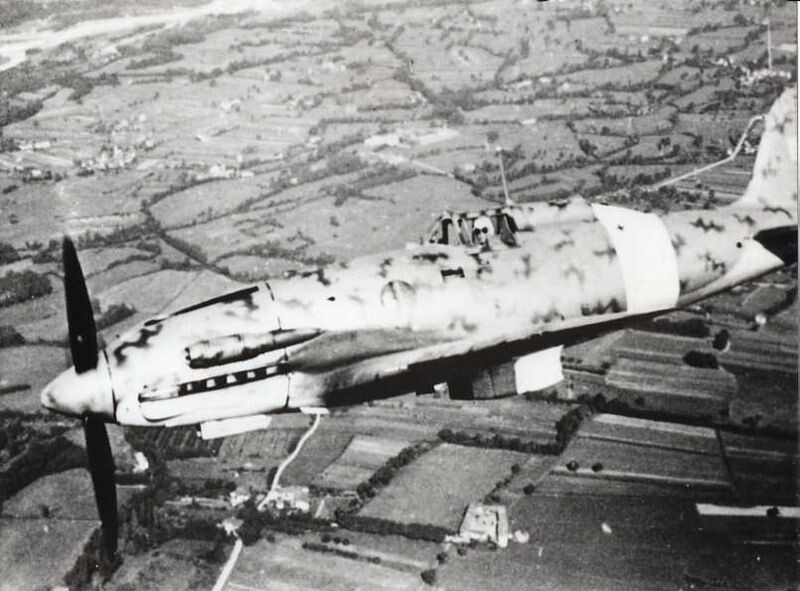
The 'Folgore' (Italian for 'Lightning') is often compared to the Bf 109 in combat efficiency. Boasting a better K/D ratio than its German counterpart, the 'Lightning' produced some of Italy’s greatest aces, such as Adriano Visconti, and Franco Lucchini. Serving everywhere from the dunes of Tobruk to the snow-swept steppes of the USSR, this aircraft, whilst suffering from relatively weak armament when compared to Allied and German designs of the time, was still one of the most widely used aircraft of the Regia Aeronautica.
Neutral Switzerland’s airspace was violated at least 6,501 times during the war, and her main cities were bombed numerous times by the Allies during their bombing campaign on Germany from 1942. This collateral, accidental and sometimes purposeful violation of Swiss neutrality meant that Switzerland needed fast, modern and effective fighters to defend her airspace, and the German ME 109 series proved to be just that.
