#medium_tanks
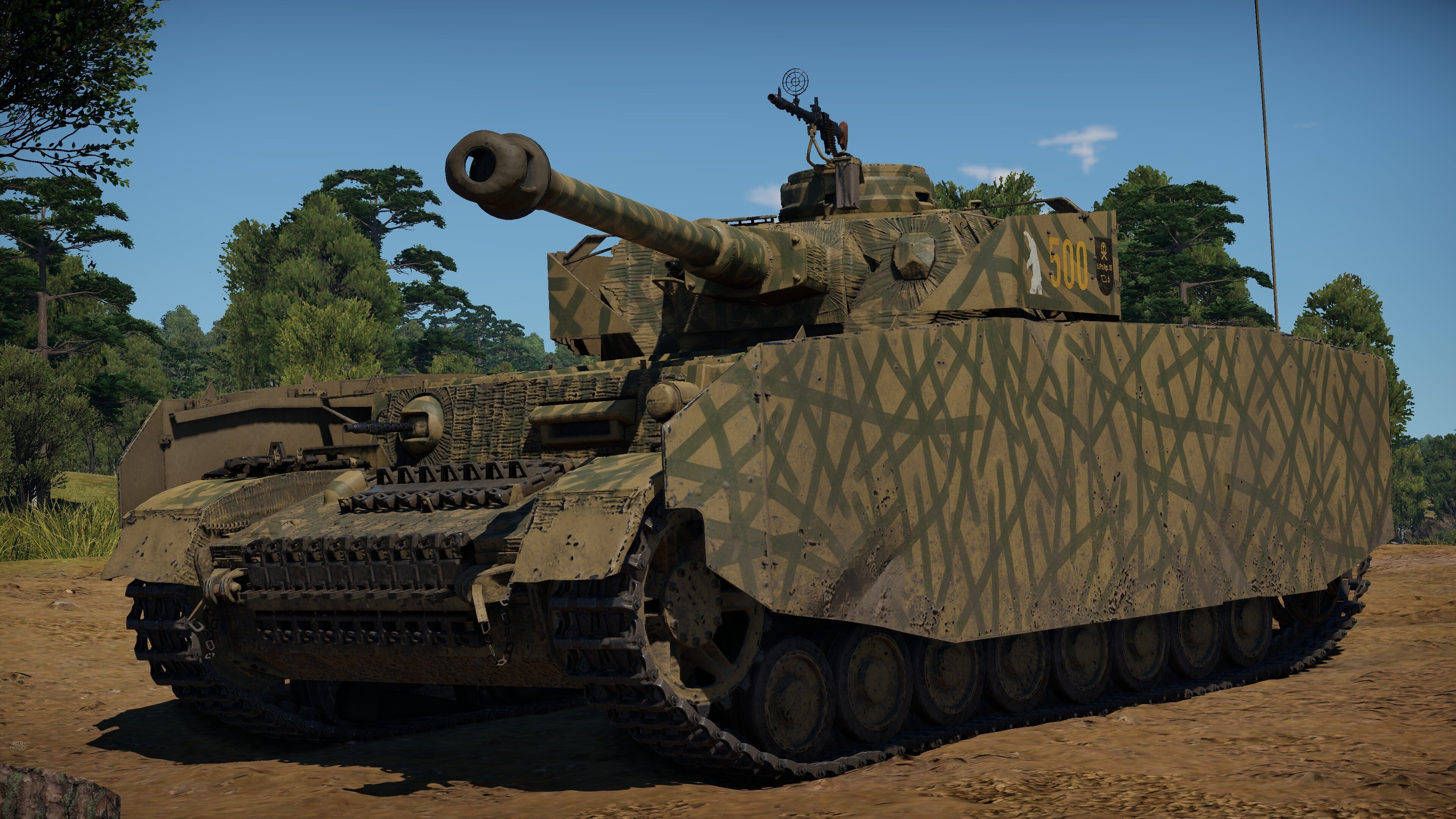
Out of all the tanks in the Panzer IV family, the Panzer IV H is perhaps one of, if not the most famous. With good armament, solid armor, and respectable mobility, the Panzer IV H’s reputation lives on in War Thunder, where it can be quite fun to play. It almost serves as a bridge between the lighter tanks of the early war and the late-war German beasts. In today’s article, we’re going to look at the Panzer IV H’s strengths and weaknesses, which tactics to use, and how to get the most out of playing Germany’s workhorse!
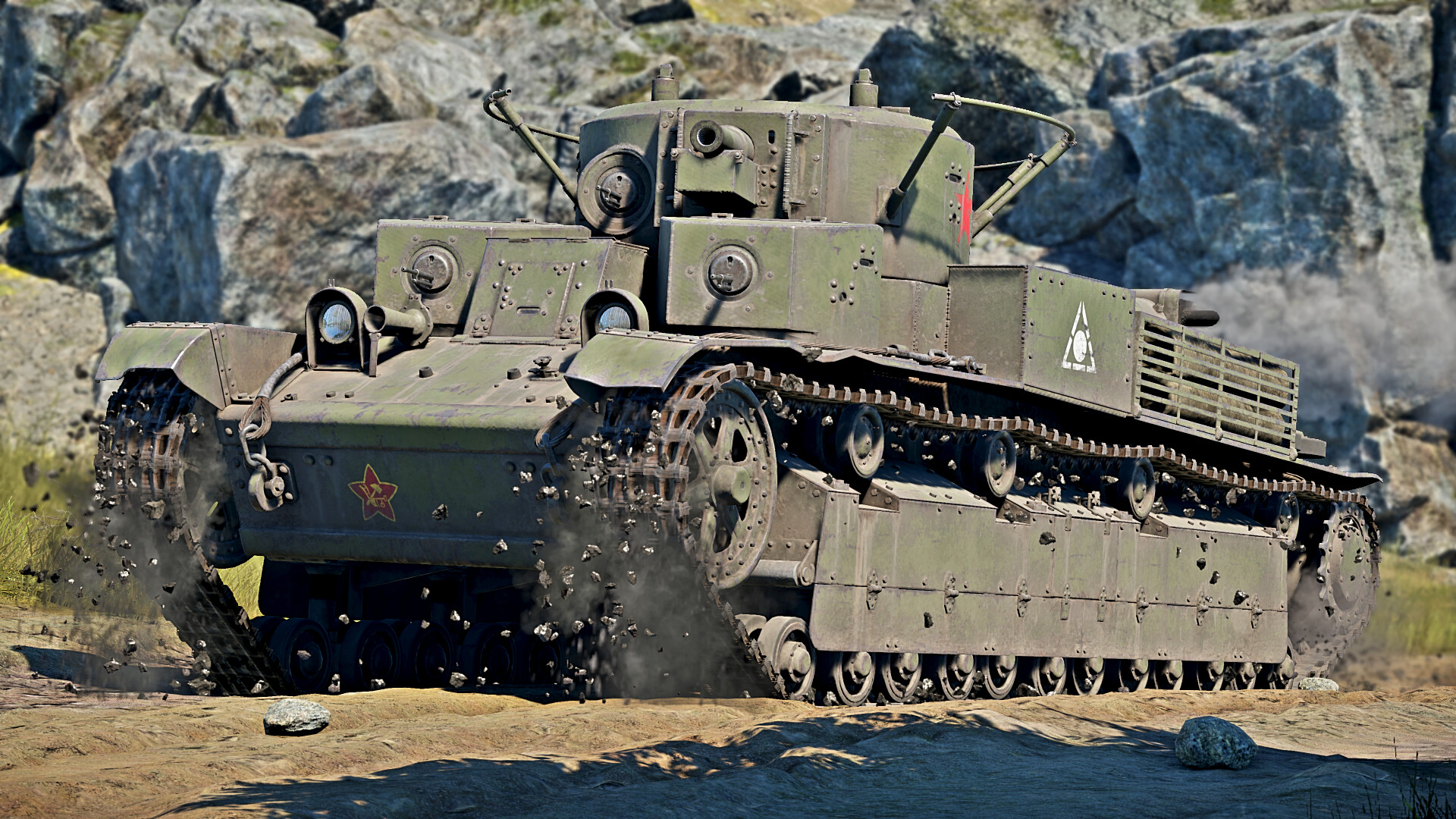
The T-28 is a Soviet medium tank from the USSR tech tree. It has several notable features, including two machine-gun turrets, a potent main cannon, and surprising mobility for a tank of its size. While it does have its limitations, with the right tactics and knowledge of its weaknesses, the T-28 can be a very strong weapon indeed. In this article, I will go over the tank’s best and worst features as well as the best way to play it.

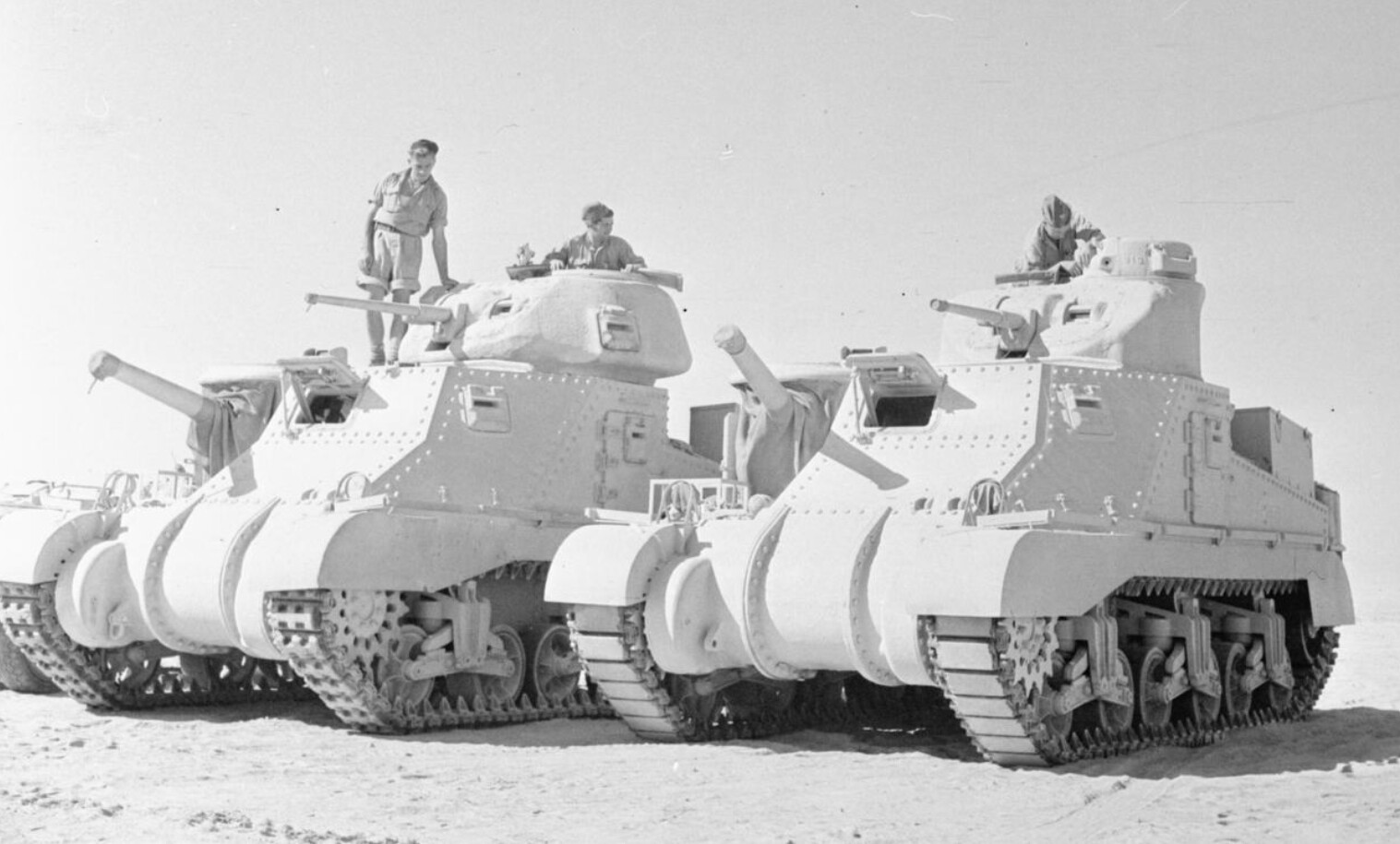
Today, folks, we're going to look at a big hopper, namely the M3 Lee or Grant. These weren't its only names; it was mockingly called the Cathedral by the Americans because of its silhouette, while the Germans called it “Grab für sechs Freunde” (Grave for six friends), making fun of the tank's flammability. However, it not only had many names but also many variations and versions, some of which you've never heard of, are fake, or are among the most famous in the world. It was also operated by a wide variety of users. And that’s not all: Bernard Montgomery (also called “Monty”) even used an M3 Grant as his personal tank; its nickname was also “Monty“.
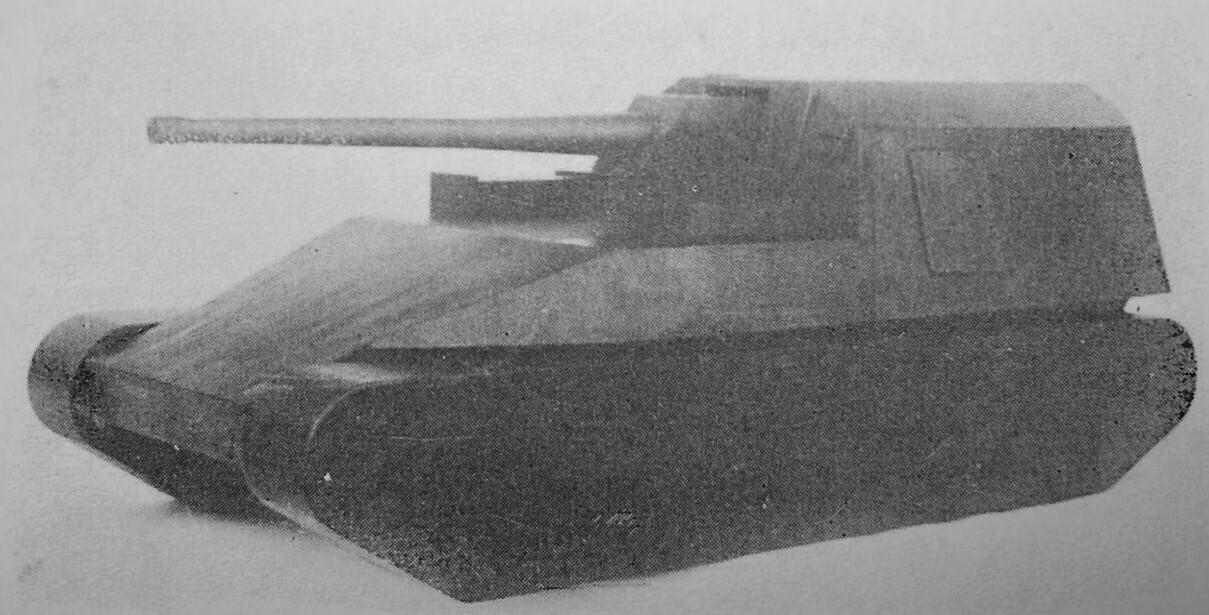
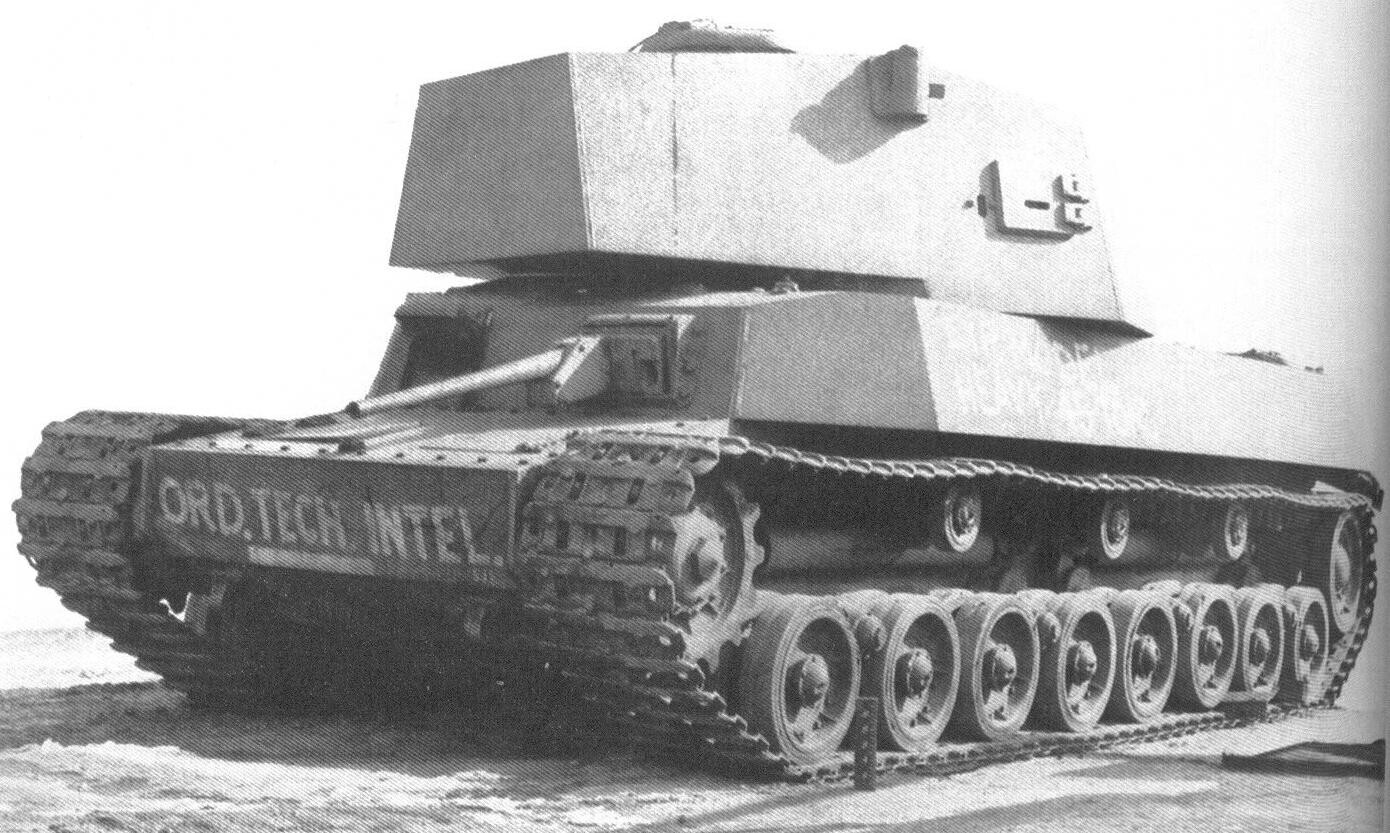
In the Pacific War, it quickly became apparent after the initial deployments of the Japanese Chi-Ha tanks that they lacked sufficient armor and firepower to contend with the American M4 Shermans and M3 Lee/Grant (more in my article on the M3: The M3 Lee / Grant: The Driving Cathedral) Consequently, development of successors began as early as 1940; one of these was the Type 5 Chi-Ri (五式中戦車 チリ / Medium Tank Type 5 Chi-Ri). Parallel to this, the Ho-Ri, intended to serve as a heavy tank destroyer, was designed based on the Type Chi-Ri. However, due to a shortage of raw materials, which were allocated to the Type 4 Chi-To rather than the Chi-Ri, it never entered serial production; only a single unfinished Chi-Ri prototype was built, while the Ho-Ri project was abandoned entirely, with only a scale model ever being constructed.
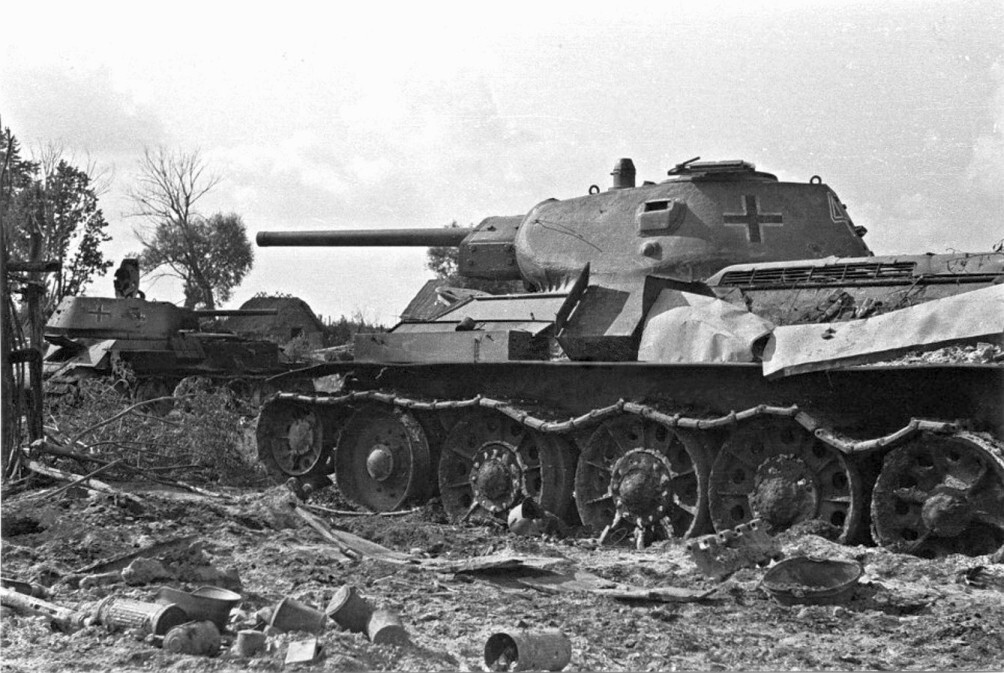
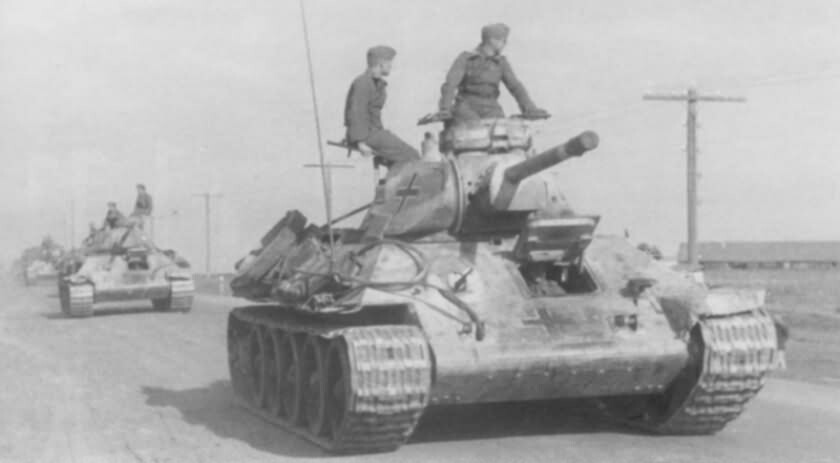
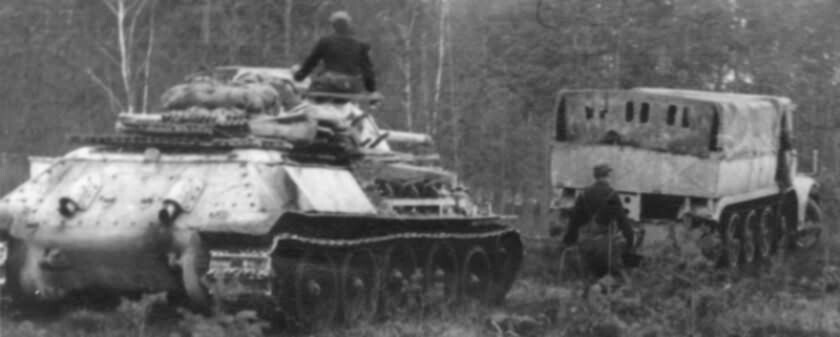
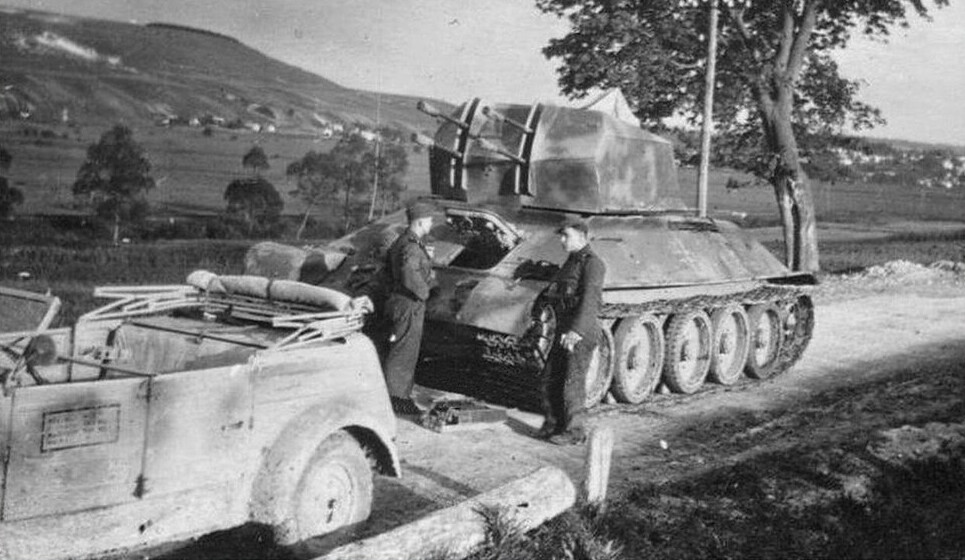
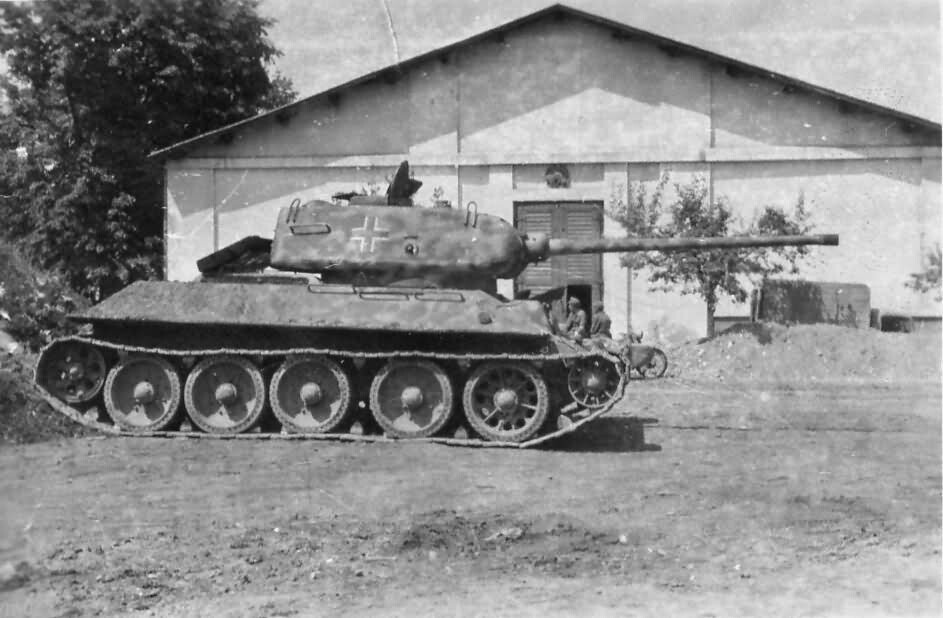
Throughout the Second World War, the Wehrmacht captured large numbers of Soviet T-34s on the Eastern front, many of which were repaired and returned to service, under the designation Panzerkampfwagen 747(r). While most of these examples remained largely unchanged apart from the addition of German radios and paint schemes, etc, a fair number were converted into various vehicles capable of fulfilling roles far beyond that of a medium tank.
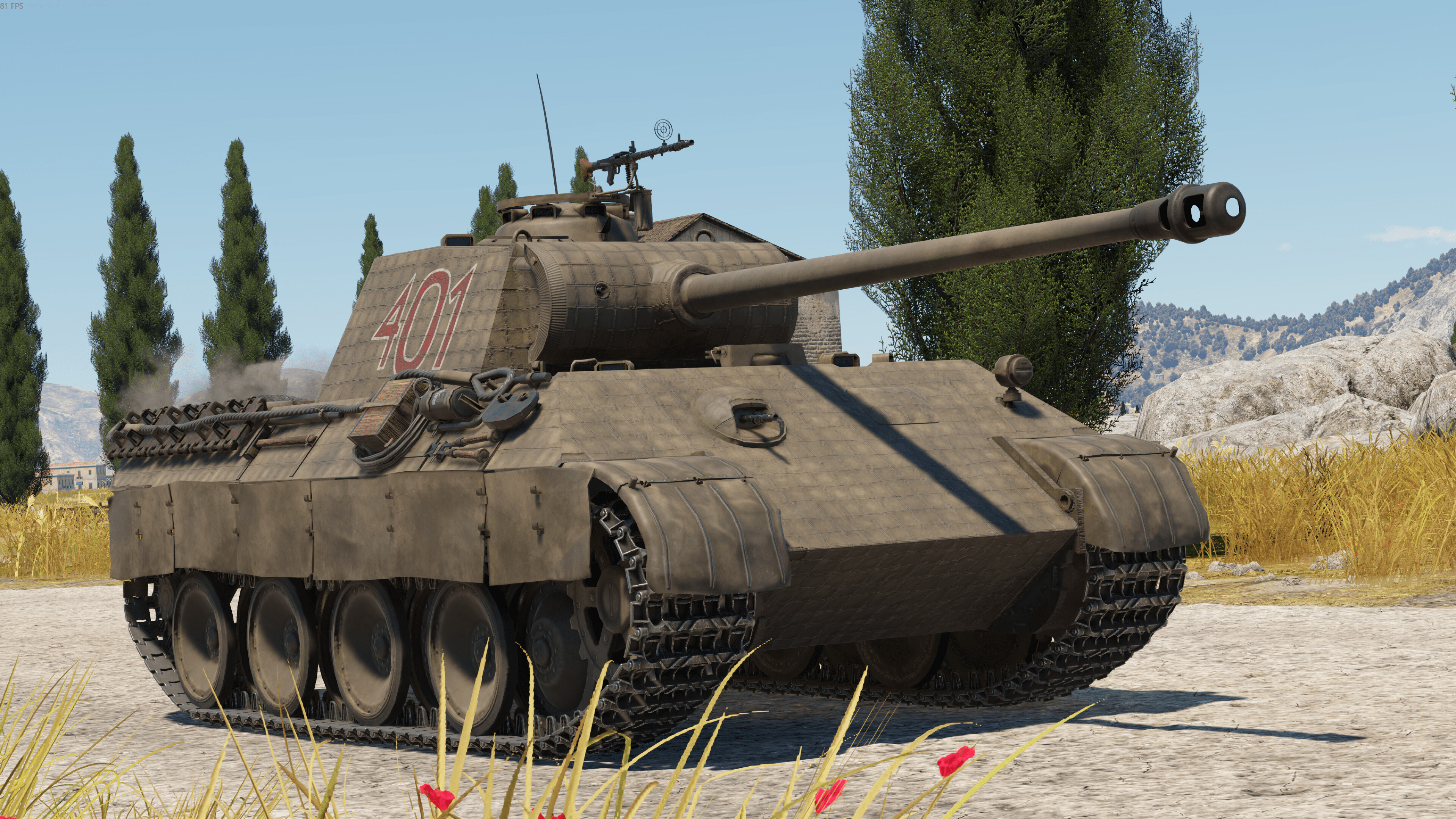
The Panther series is one of the most iconic tank lineages in history, and its reputation lives on in War Thunder. Fast, well-armed, and well-armored, the Panther is an absolute joy to play. It’s also one of the few tanks in the German tech tree that doesn’t heavily sacrifice armor for speed, giving it a playstyle that stands out from many of its German counterparts. In today’s article, we’ll take a look at the Panther’s strengths and weaknesses, the tactics that suit it best, and how to get the most out of one of Germany’s most iconic cats.

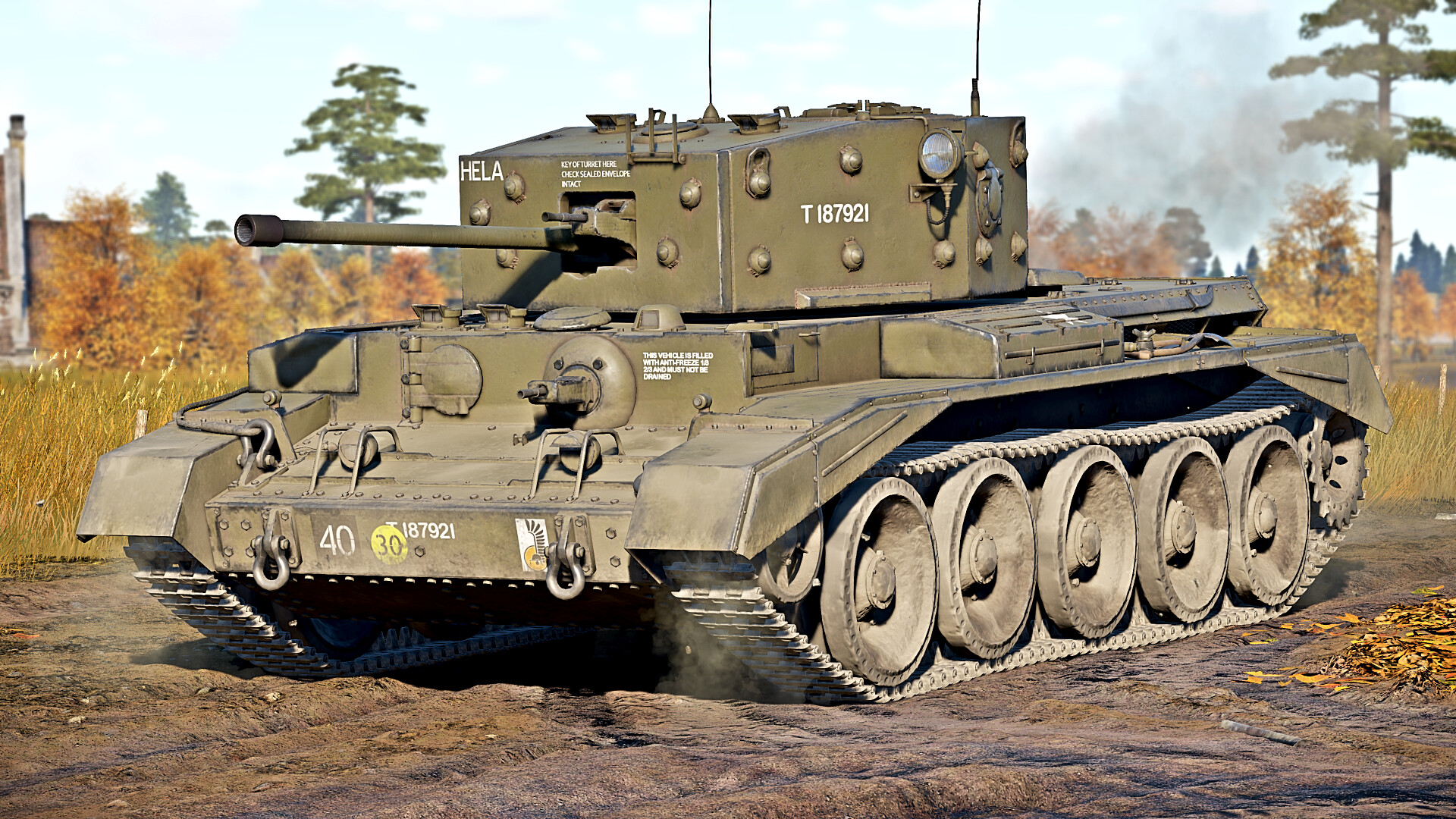
The Cromwell I is a British Medium tank in the British Tech tree. It is part of the Cromwell family of tanks and is named after the Roundhead Cavalry Officer and 'Lord Protector' of England between the end of the English Civil War and the Restoration of the Monarchy. It boasts a high top speed and a powerful 57mm gun, but is let down by its mediocre armour and dreadful reverse speed.

The “Iron Triangle” describes the three most important aspects of a tank’s design: Mobility, Protection, and Firepower. Like most things in this world, you can’t have the best of all worlds, so tradeoffs have to be made in each vehicle. For a tank to be more mobile, the protection of the crew and essential components may have to be sacrificed. This mobility, though it makes direct engagement riskier, can make long-range and guerilla combat easier…

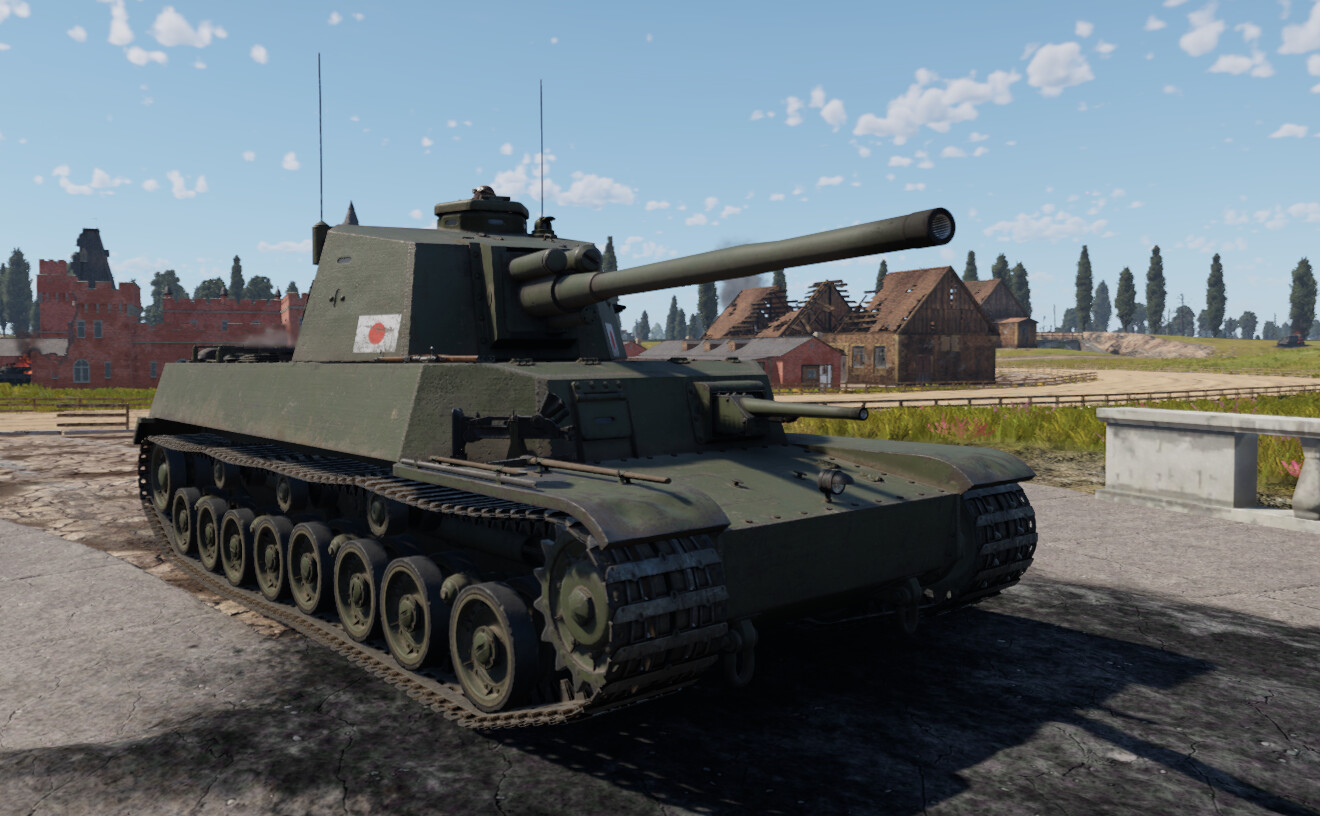
As America began to push towards mainland Japan, the Imperial Army began prototyping the Type 5 Chi-Ri tank. Although the tank never saw combat and all prototypes were destroyed, you’re able to play this tank in War Thunder and simulate the battles it could’ve fought. Despite its similarities to the Type 4 Chi-To, it requires a different approach to defeat enemies and emerge victorious in battles.
During the Second World War, there is no doubt that Germany led the world in military designs and innovations. However, in the years after the war, a near legendary status has surrounded Germany’s tanks, with names such as the Panther, Tiger I and King Tiger (and, of course, the redoubtable Maus) all coming to mind as nearly indestructable fighting machines. But was this actually the case? Were Panzers as amazing as we have been led to believe, and how have they gained such a formidable reputation?