

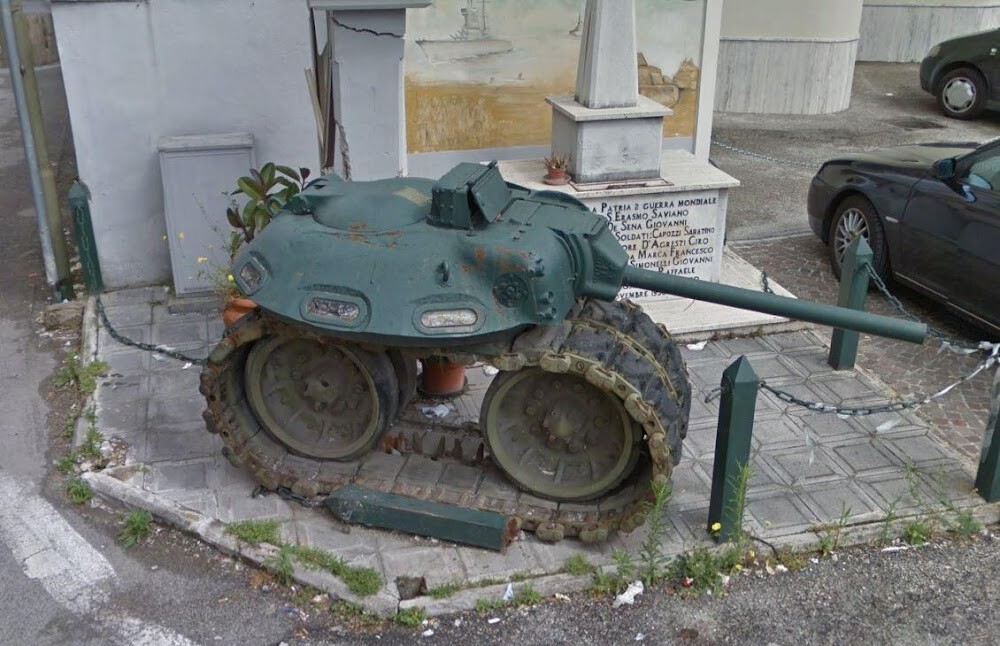
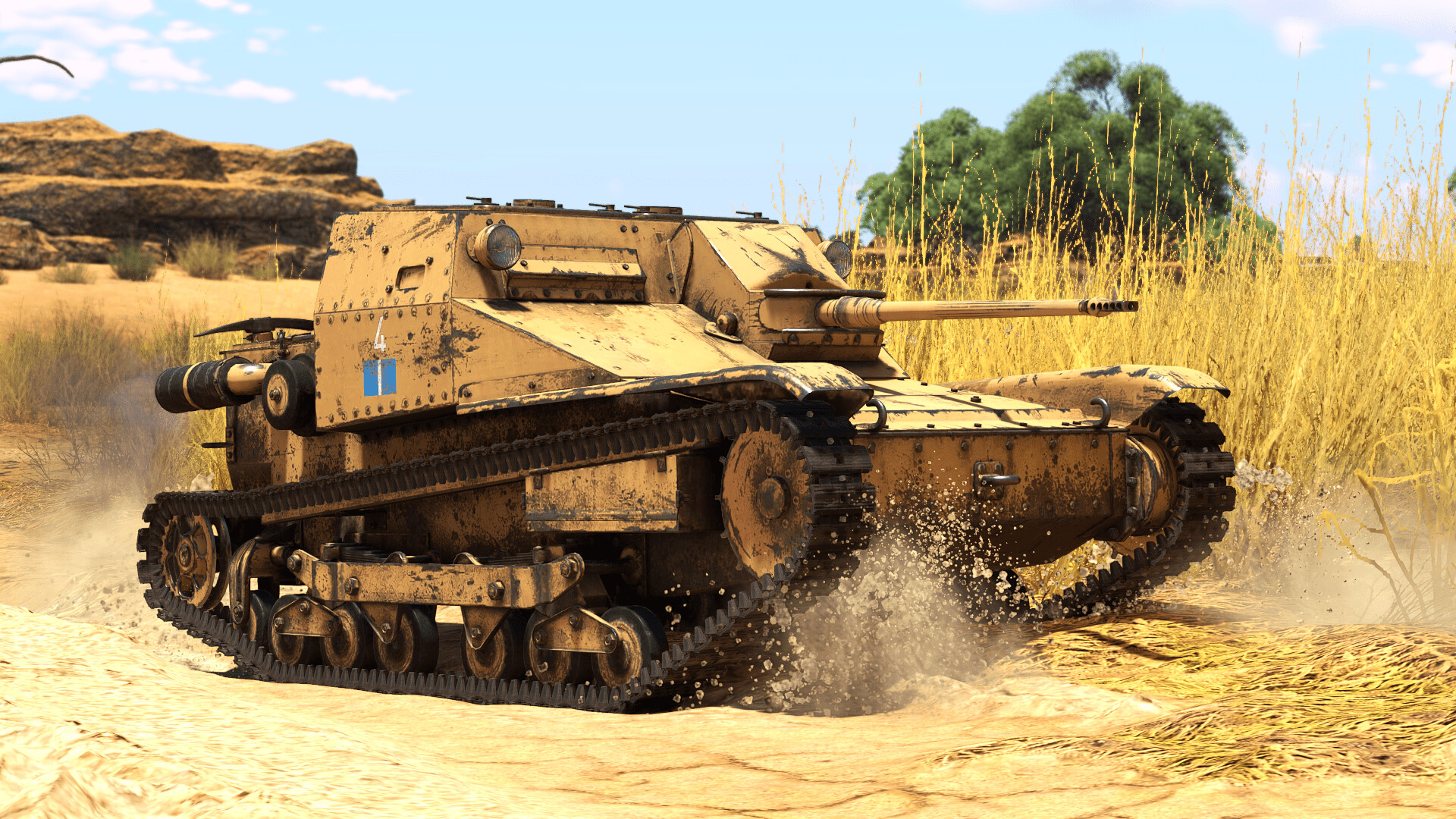
In a small town of 15,000 people, a machine lay dormant by a memorial to Italian soldiers. It has been a subject of online curiosity among armor enthusiasts, who typically pass it by as nothing more than JPEG pixels on their monitors, eliciting laughs and scoffs. However, perhaps such a mysterious being has a deeper history… This is perhaps, but maybe not, a definite historical background of The Tonk.
It's been underestimated. It's been involuntarily towed around. It's been crushed by many Mauses. It's been made a meme by the War Thunder community, but at the same time, it's a fan favorite. However, when has anyone actually played it competitively? In today's post, I'm going to explain to you how to actually play the venerable L3/33 CC, a Rank I Italian tank destroyer. I'll go over its performance, strengths and weaknesses, and give you some pointers on how to play it in Ground RB.


Video game burn-out is common, and it happens to the best of us. War Thunder, like any other game, can get repetitive, for noobs and experienced players alike. Dying to the same meta vehicles becomes stale, especially if you are just trying to grind to your favorite plane, tank, or ship. In today’s post, I’m going to go over 8 ways to keep you motivated and wanting to keep playing War Thunder.
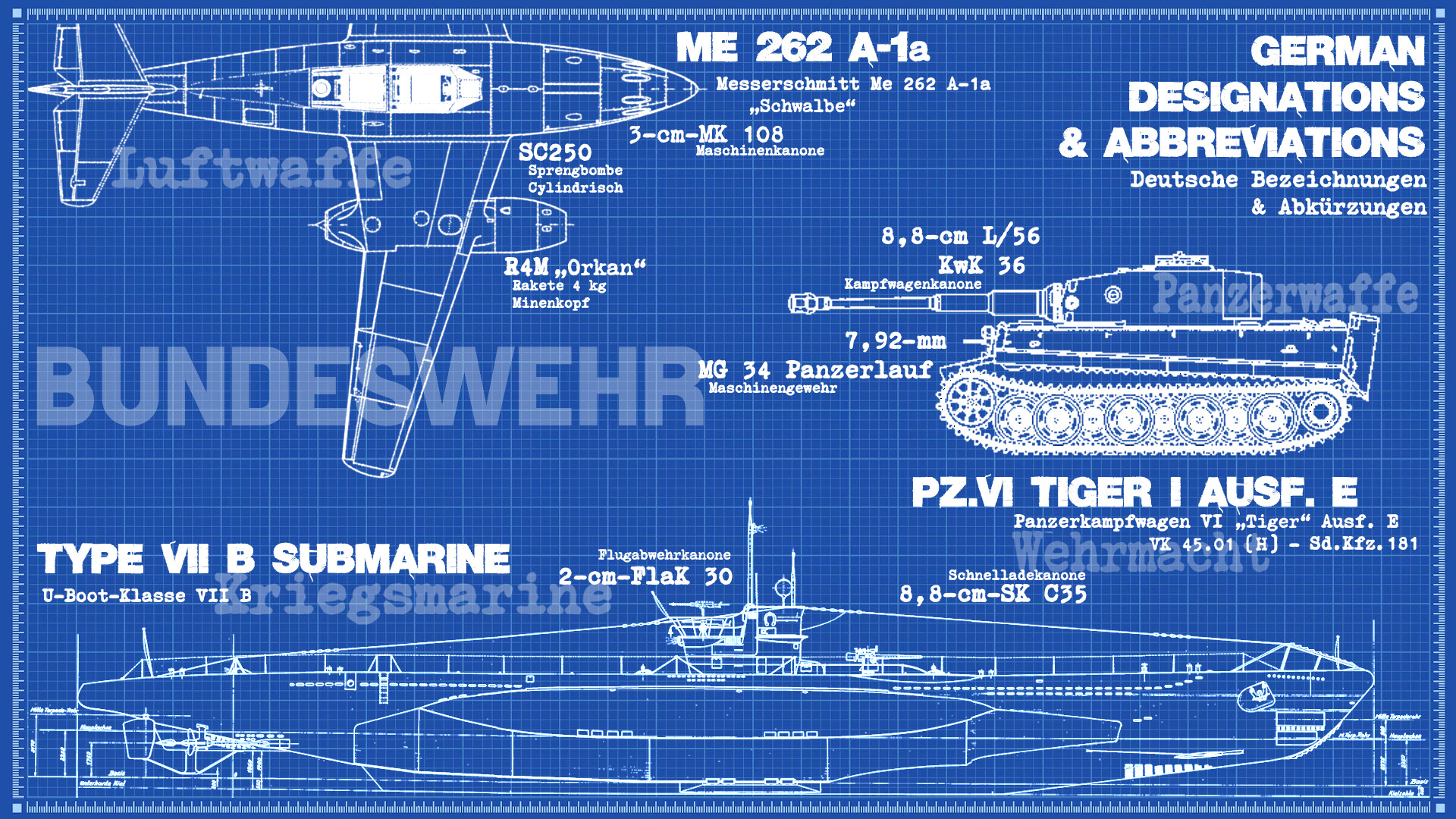
During the Second World War, there is no doubt that Germany led the world in military designs and innovations. However, in the years after the war, a near legendary status has surrounded Germany’s tanks, with names such as the Panther, Tiger I and King Tiger (and, of course, the redoubtable Maus) all coming to mind as nearly indestructable fighting machines. But was this actually the case? Were Panzers as amazing as we have been led to believe, and how have they gained such a formidable reputation?
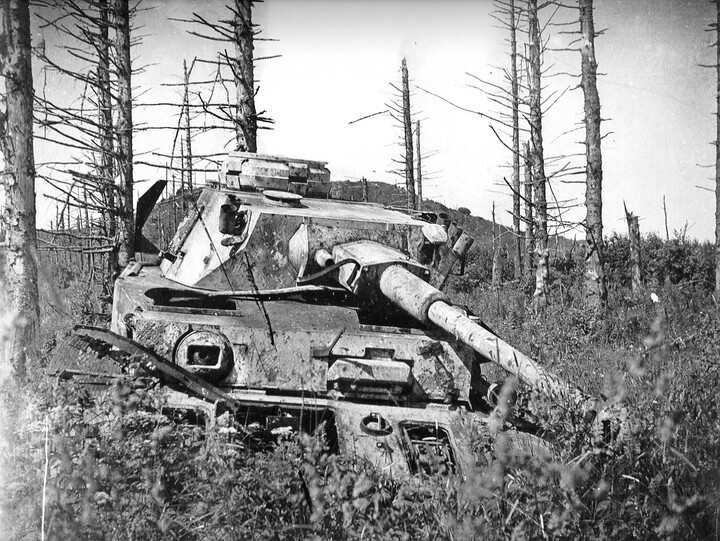
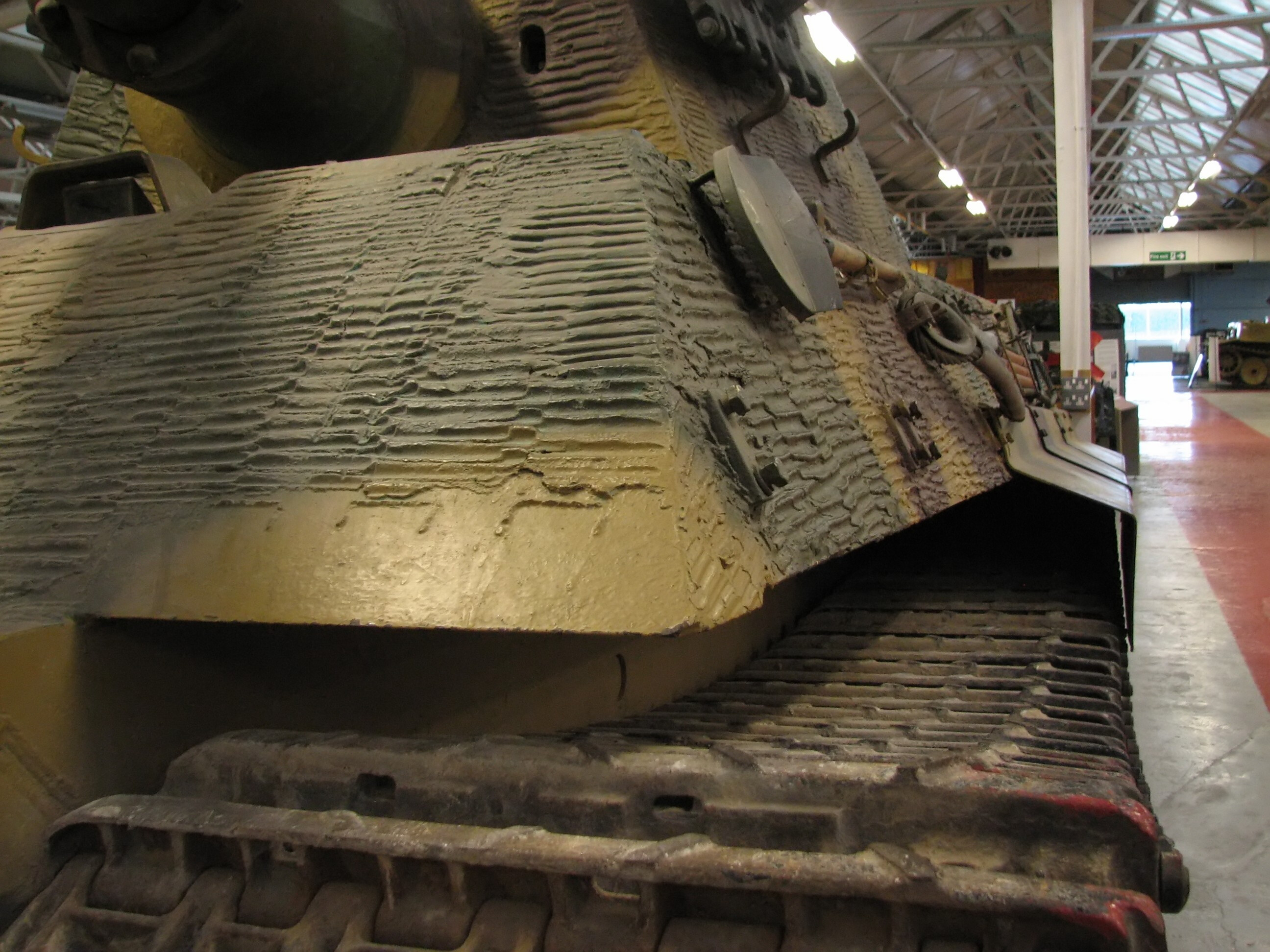
Despite how common this element is, its purpose remains little known. This component is called the Leitkreuz, which translates from German as guide cross. It carries no symbolic weight and is purely a technical device, despite its resemblance to the Balkenkreuz. So, what does it actually do? Read on in the article.
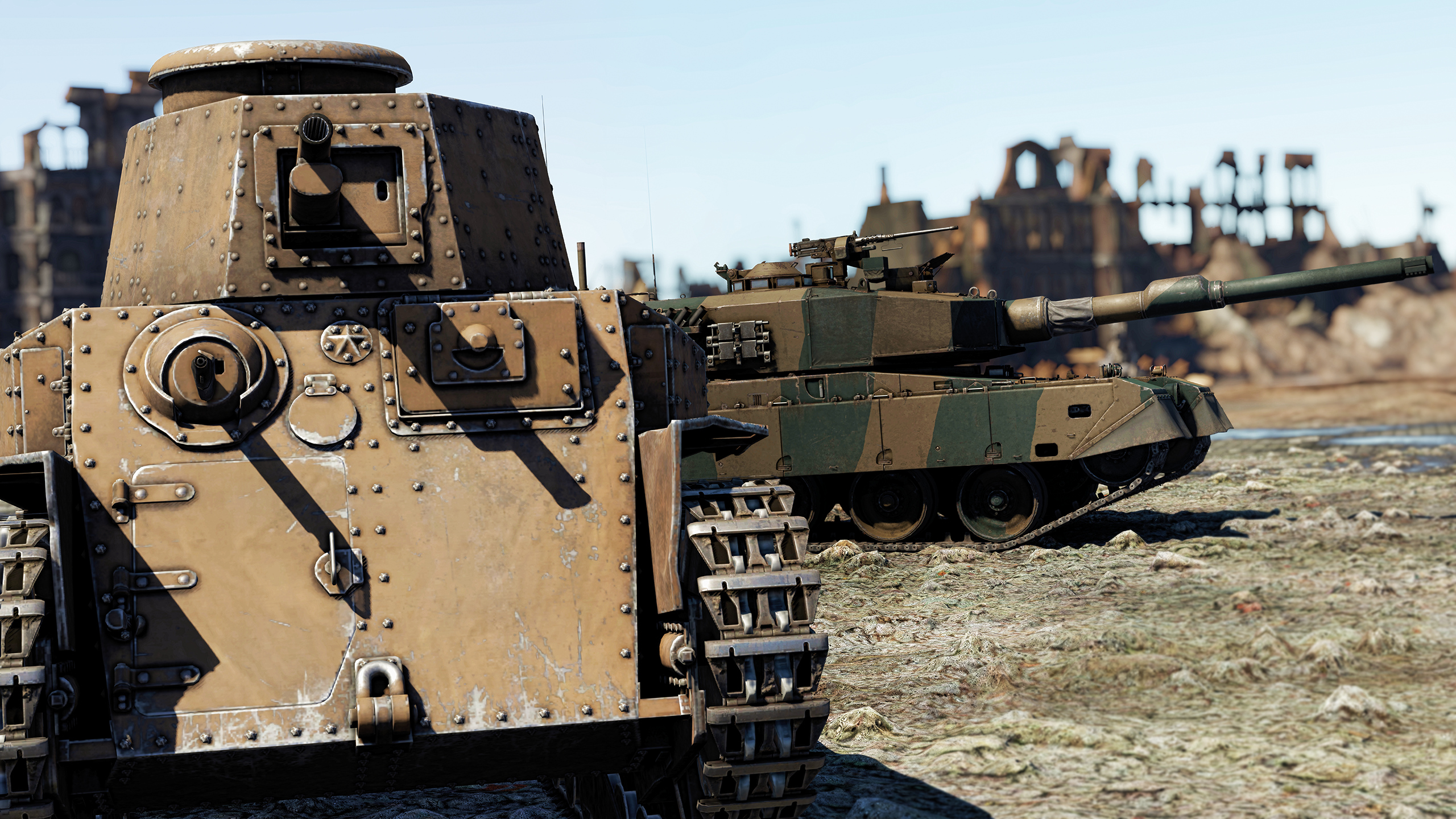
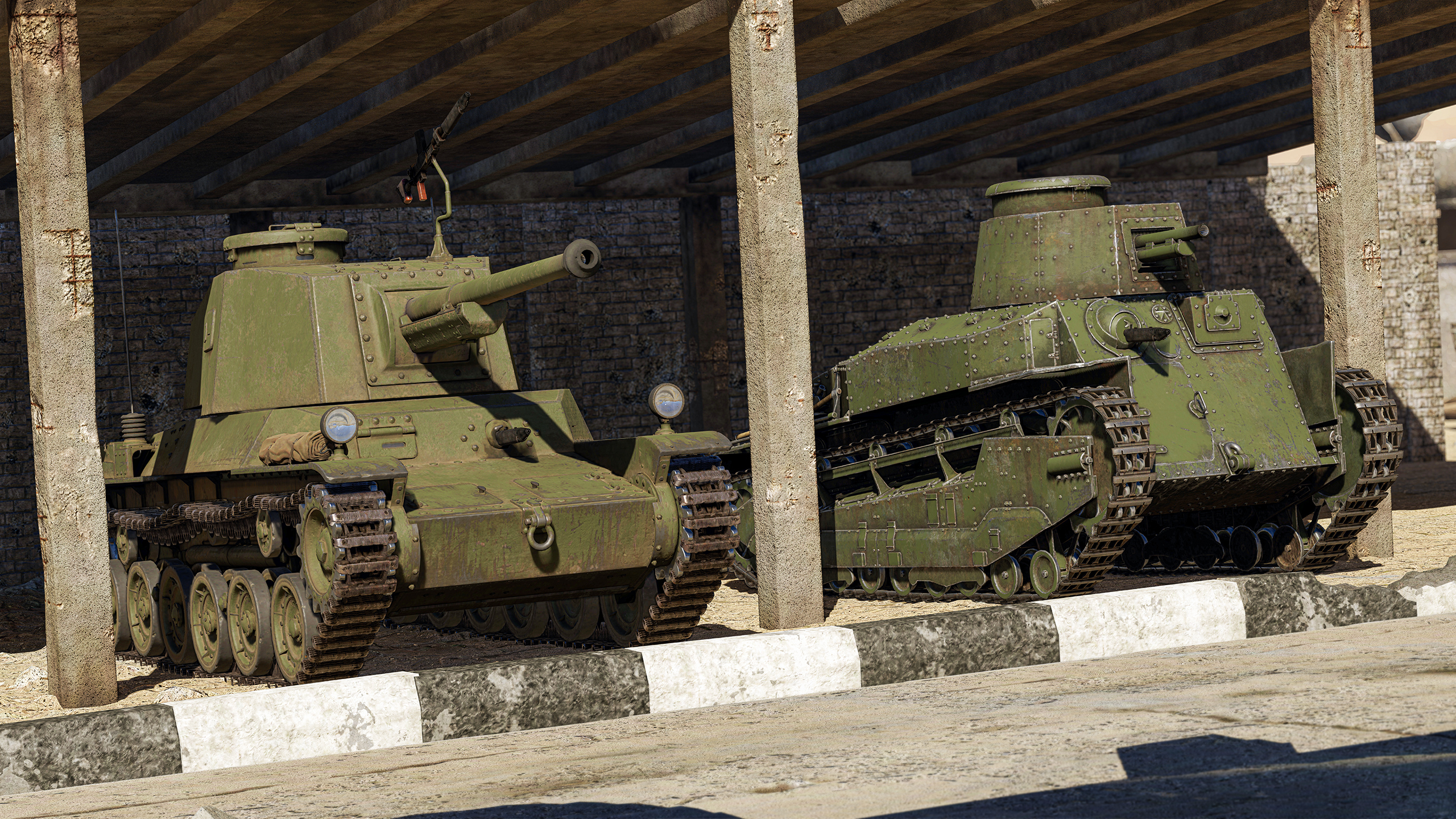
The development of Japanese armoured vehicles began like many other industrial nations, inspired by the pioneering tanks of World War I. Domestic production started in the late 1920s, with Japan's tanks battle-tested during the Sino-Japanese conflict and the early Pacific campaigns of the 1930s. However, stagnation set in due to budget cuts and turmoil in tactics, leaving Japan's tank forces outdated by World War II. Development in the 1940s was largely defensive, and the tanks on the frontlines were from the 1930s, giving a false impression of Japan’s capabilities. After the war, Japan relied on U.S. equipment until regaining sovereignty, when development resumed. Since the 1950s, Japanese tanks have embraced NATO principles while incorporating unique innovations, focusing on advanced, defence-oriented designs to maintain a robust self-defence force.