


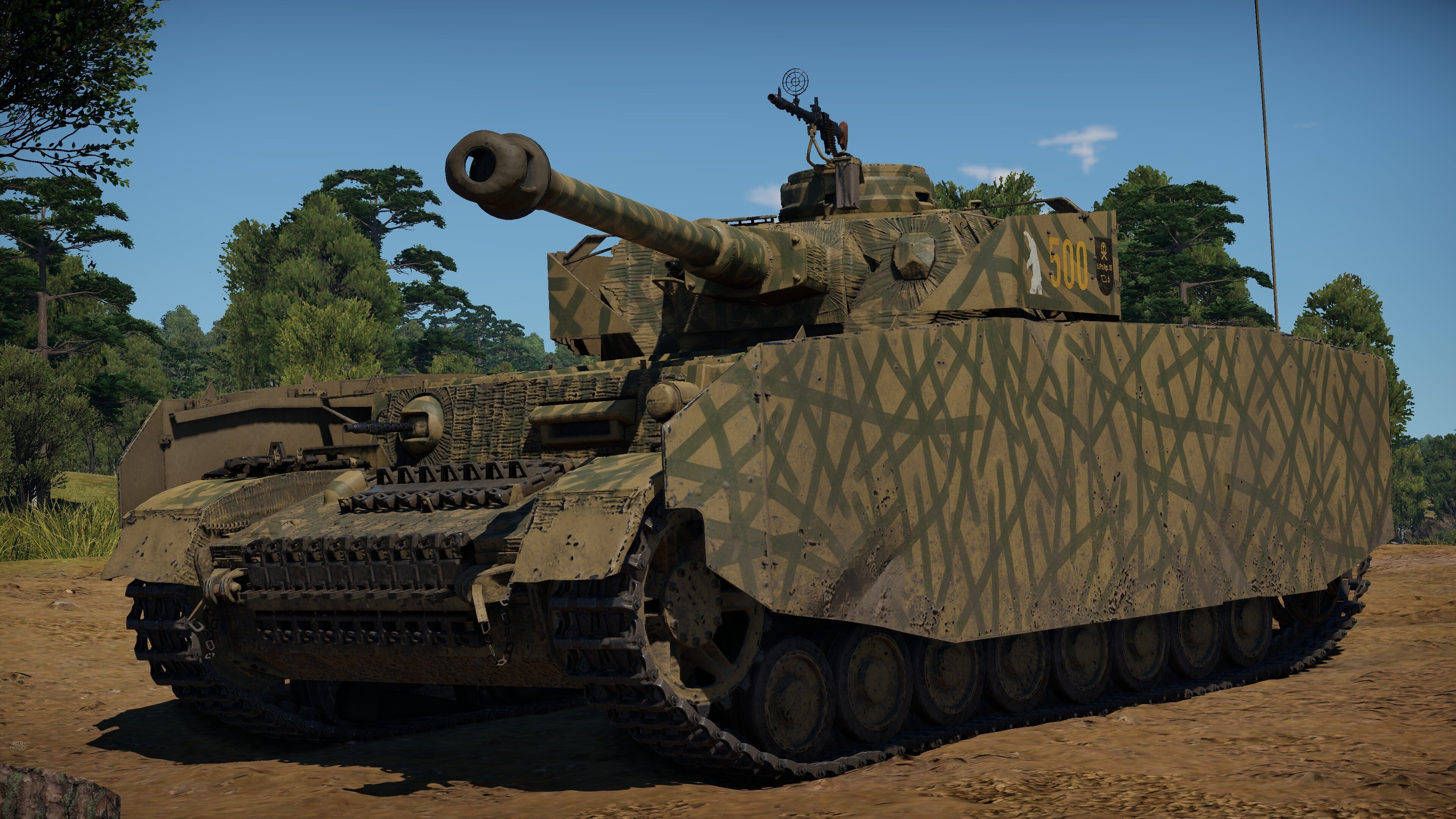
Out of all the tanks in the Panzer IV family, the Panzer IV H is perhaps one of, if not the most famous. With good armament, solid armor, and respectable mobility, the Panzer IV H’s reputation lives on in War Thunder, where it can be quite fun to play. It almost serves as a bridge between the lighter tanks of the early war and the late-war German beasts. In today’s article, we’re going to look at the Panzer IV H’s strengths and weaknesses, which tactics to use, and how to get the most out of playing Germany’s workhorse!

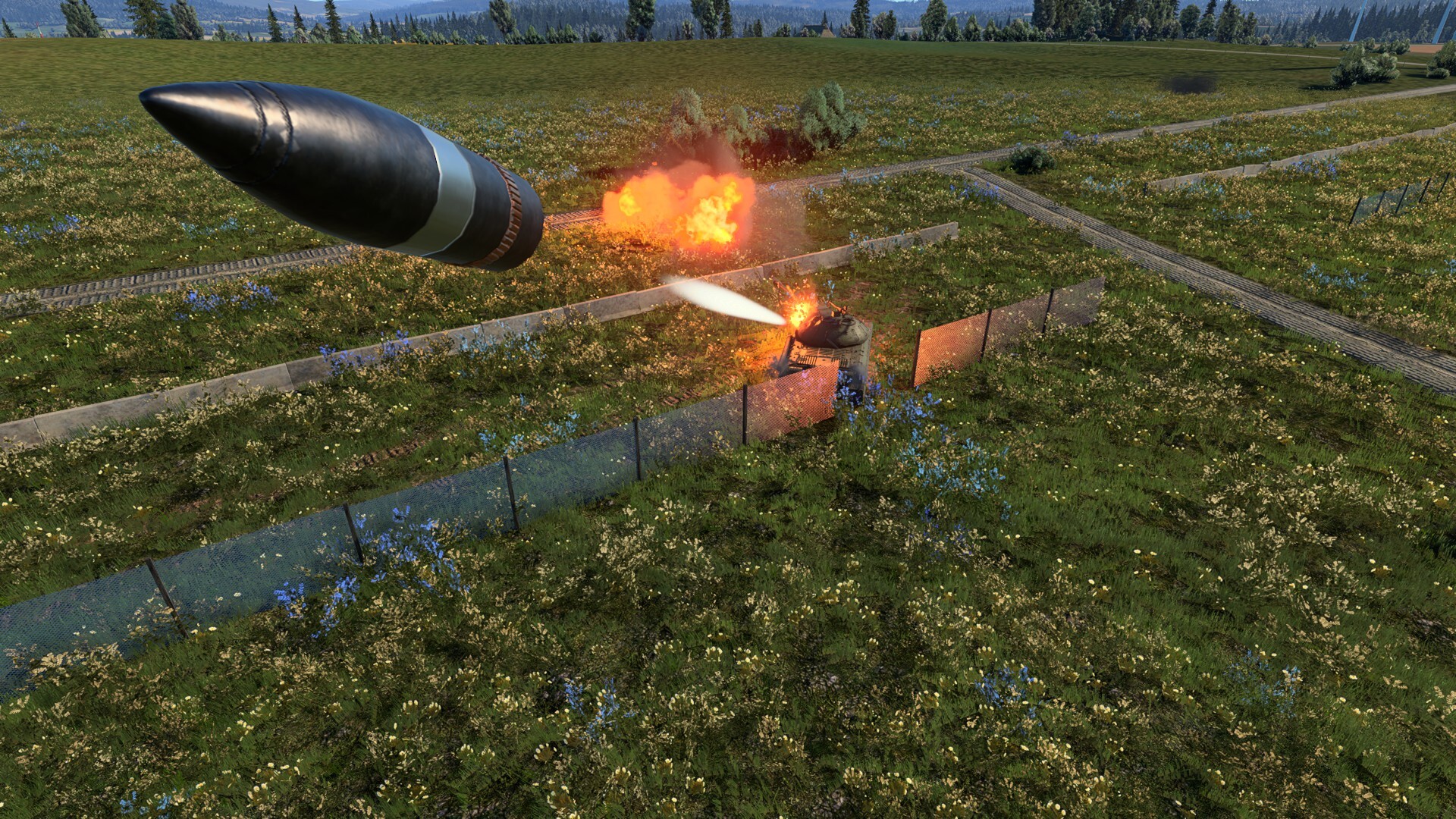
The “Iron Triangle” describes the three most important aspects of a tank’s design: Mobility, Protection, and Firepower. Like most things in this world, you can’t have the best of all worlds, so tradeoffs have to be made in each vehicle. For a more armored tank, mobility will likely be reduced, making it easier for enemies to locate, target, and damage your vehicle. Saying alive can make the difference between victory and defeat, so learning how to protect your vehicle and avoid critical damage is key to lasting longer in battles. With the right techniques, you can increase your chances of survival and lead your team to victory.
During the Second World War, the Soviet Army gained enormous experience in tank warfare. Tanks had to fight from ambushes, destroy fortified firing positions, defend key areas, and assault enemy lines. After the war, particular attention was paid to reducing the silhouette of armored vehicles. A lower tank was easier to conceal, harder to detect, and more difficult to hit.
China's lineup of domestic planes that were inspired by the aircraft of the Soviet Su-27 series, has gained another fighter. And this time it's not a carrier-based one like the J-15T. What we have here is the land-based multirole J-16 — a big, powerful, heavy, and very well armed multirole strike fighter.
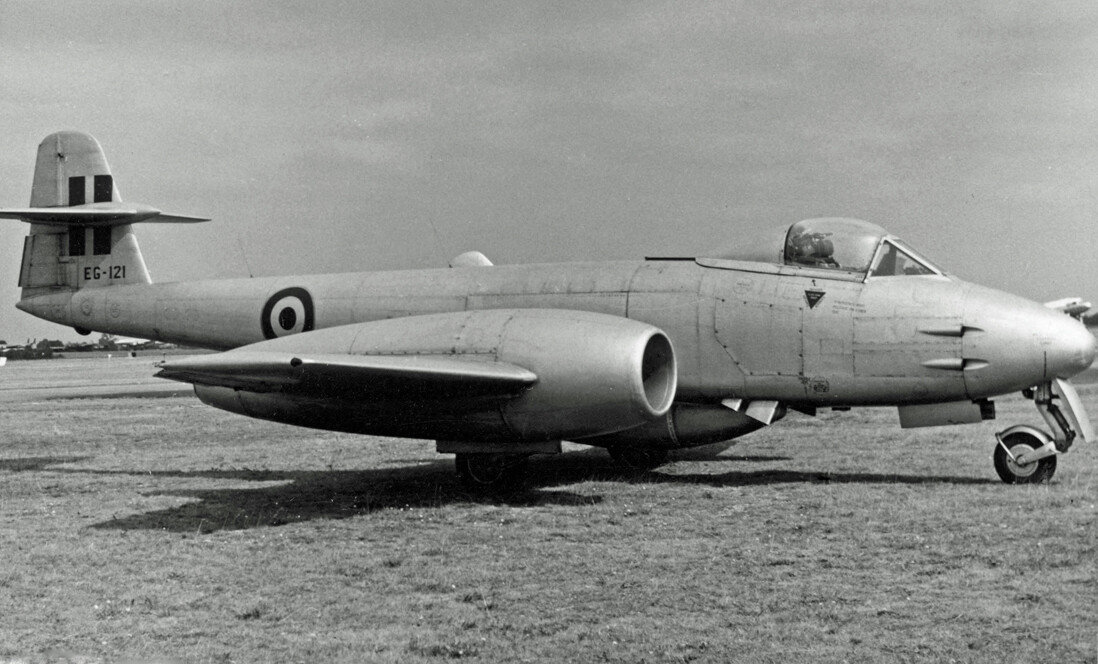
The Gloster Meteor was the first operational jet fighter to enter Allied service, marking the United Kingdom’s transition into the jet age during the final phase of the Second World War. In Belgian service, it played a central role in the post-war reconstruction and modernization of the Belgian Air Force, equipping the nation’s first generation of jet fighter squadrons from the late 1940s through the early 1960s and forming the backbone of its emerging Cold War air defense capability. The Meteor operated both at home and abroad, most notably seeing combat during the Korean War. Although it was rapidly overtaken by more advanced swept-wing designs, the aircraft proved invaluable as a transitional platform, enabling Belgian pilots to develop proficiency in jet operations, air defense, and ground attack, while establishing the doctrinal and operational foundations for later aircraft such as the Hawker Hunter and SABCA F-104G Starfighter.
British battleship names typically referenced monarchs and historical figures, various corners of the empire, mythological characters, and naval traditions. In 1911, the lead ship of a new class — an evolution of the Orion — was laid down at Portsmouth. She was named King George V in honor of the recently crowned king.
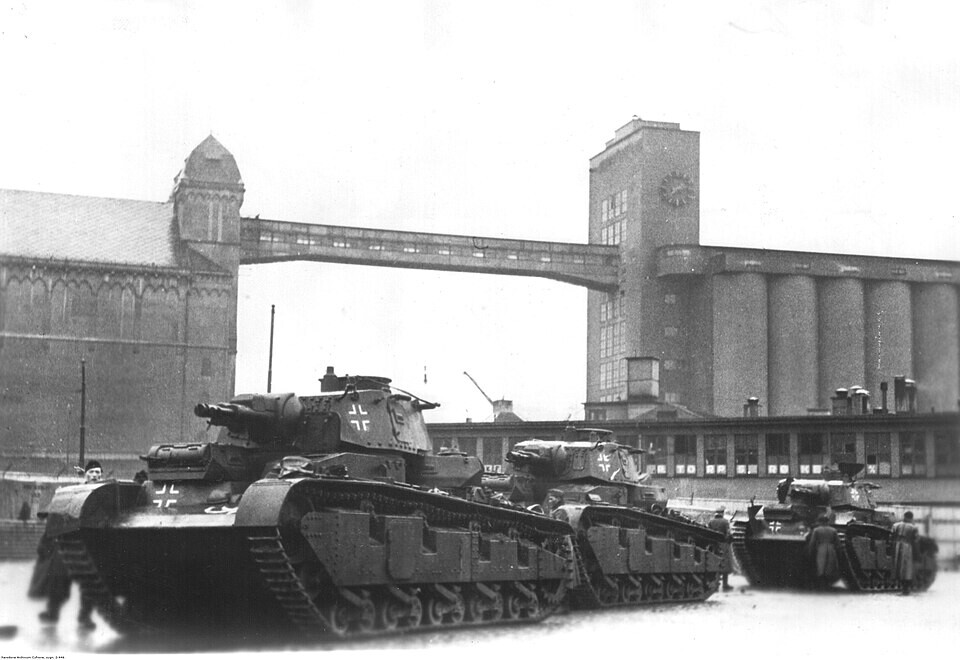
The Panzerkampfwagen Neubaufahrzeug (German for “New Construction Vehicle,” abbreviated Nb.Fz.) was a prototype multi-turreted medium tank developed by Germany in the pre-WWII era. While its service was brief and limited, its history is quite interesting. The Nb.Fz. was an early attempt to develop a German medium tank and was part of the experimentation that accompanied the development of Germany's early armored forces. It also saw limited combat during the early stages of WWII and was used extensively for propaganda purposes, despite never entering full-scale production. In today’s article, we’re going to take a look at the history of the Neubaufahrzeug, from its development and design to its limited combat service and eventual fate.

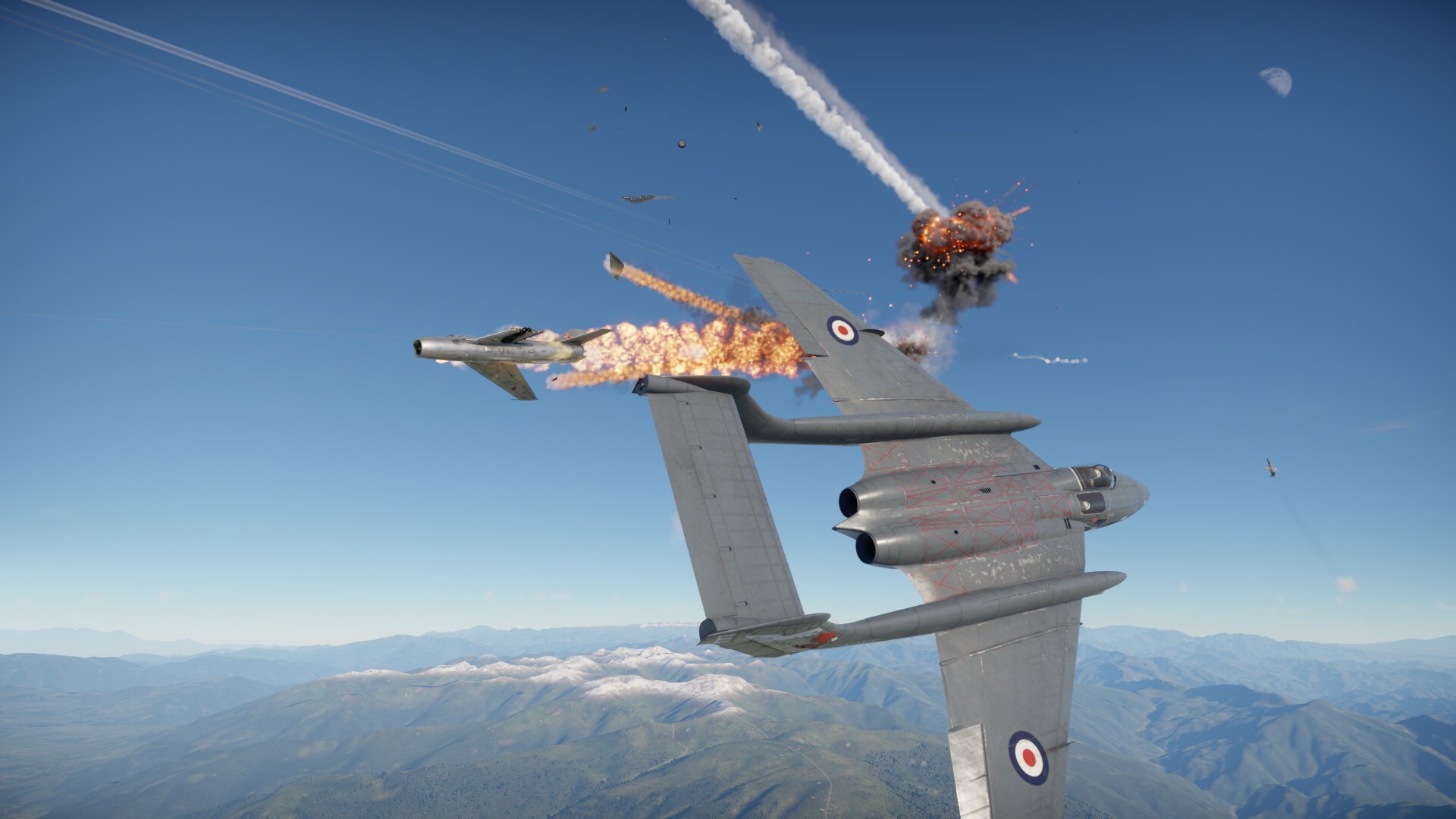
The de Havilland Sea Vixen is considered one of the most bizarre-looking aircraft ever employed by the Royal Navy, with an asymmetric side-by-side cockpit, no cannon armament, and a twin-boom design. In War Thunder, the Sea Vixen is one of the first examples many players will experience gunless jet combat with, and it introduces a completely new playstyle that throws the fundamentals of early jet combat out the window.
The British Army has always needed military vehicles capable of operating in remote regions. During World War II, that role fell to AEC armored cars and light tanks, but by the early 1960s the existing fleet was in dire need of replacement. At the same time, the defense budget left designers with very little breathing room.
By the mid-1930s, Europe was once again caught up in an arms race. Before long, it spread to other parts of the world as well. The United States could not remain on the sidelines either. Events in Europe and Asia were making it increasingly clear that geographic isolation alone was no guarantee of security.