#ussr
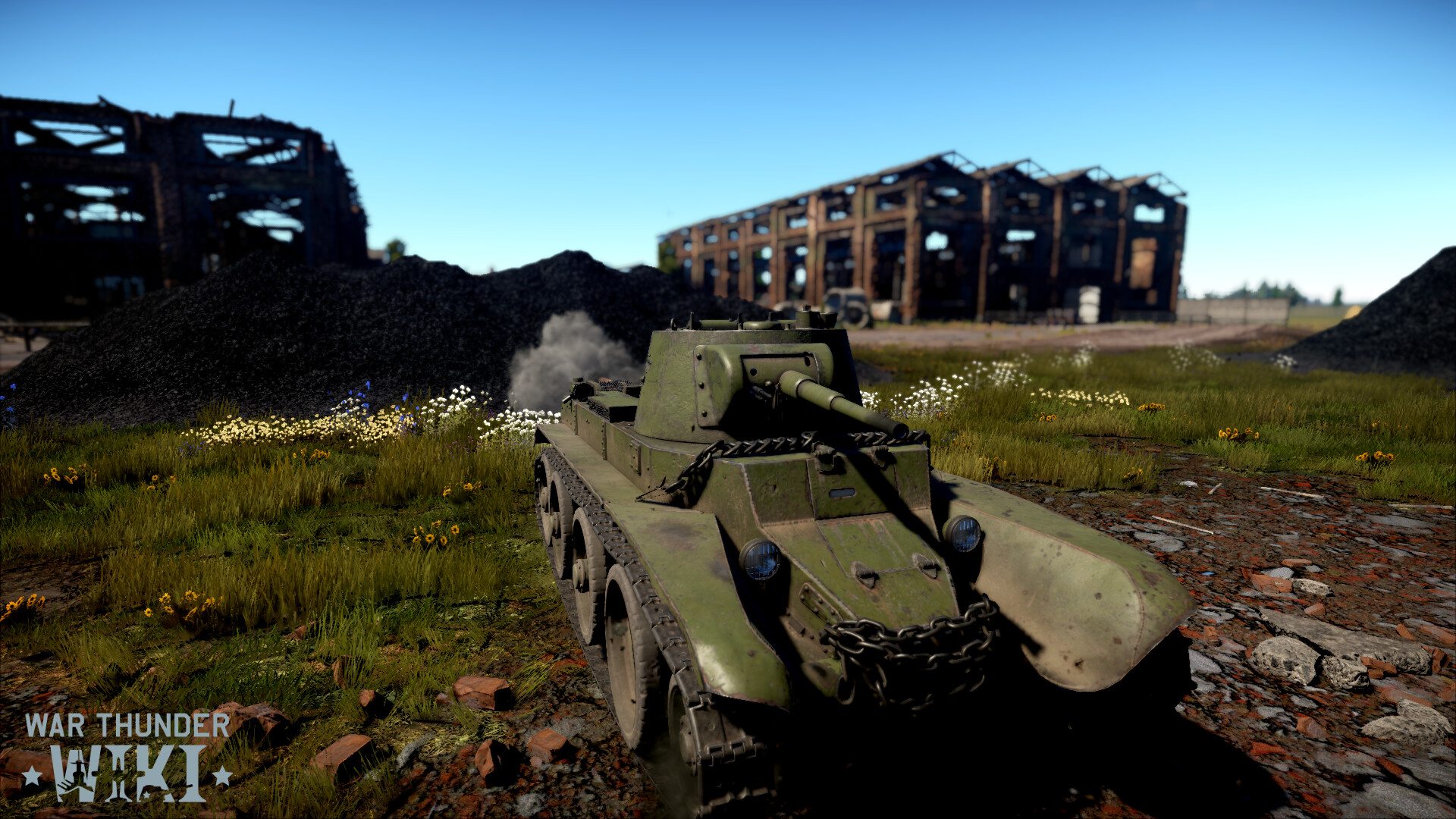
The USSR tree has many fast vehicles, and one such example is the BT-7M. This tank is among the fastest at its BR but has many drawbacks as well. In this article, you will learn all about the BT-7M's strengths and weaknesses, along with how to play it and progress with this speed demon.
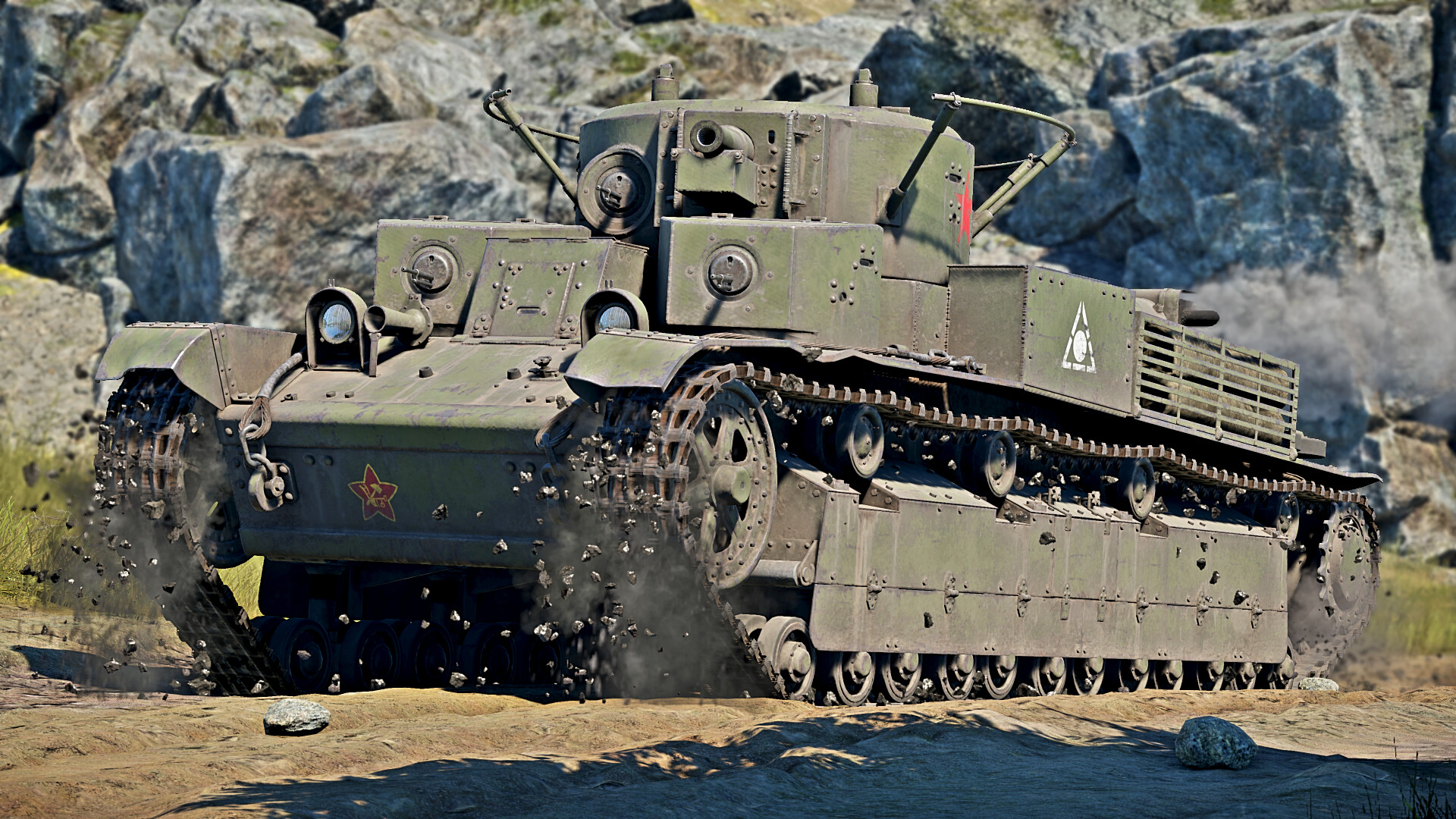
The T-28 is a Soviet medium tank from the USSR tech tree. It has several notable features, including two machine-gun turrets, a potent main cannon, and surprising mobility for a tank of its size. While it does have its limitations, with the right tactics and knowledge of its weaknesses, the T-28 can be a very strong weapon indeed. In this article, I will go over the tank’s best and worst features as well as the best way to play it.
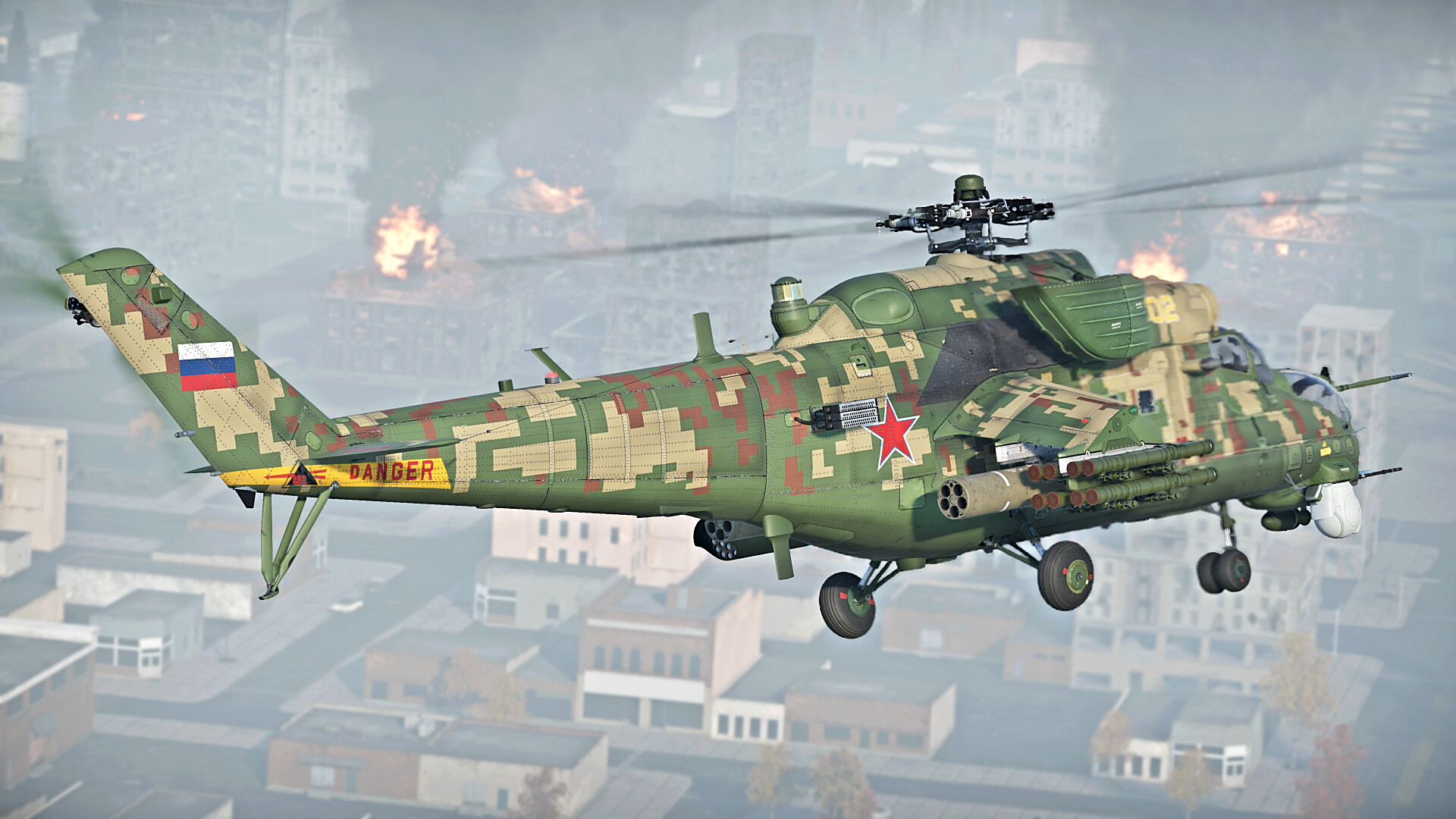
The Mi-35M is one of the helicopters produced by the Mil Design Bureau, borrowing the design from the legendary Mi-24 “Hind” with a number of positive changes. Although the “Crocodile” has lost two hardpoints of its armament, it has been replaced with advanced electronics, excellent optics, and new external weapons. How does the successor to the legendary Mi-24 perform in combat? Read the article to find out!

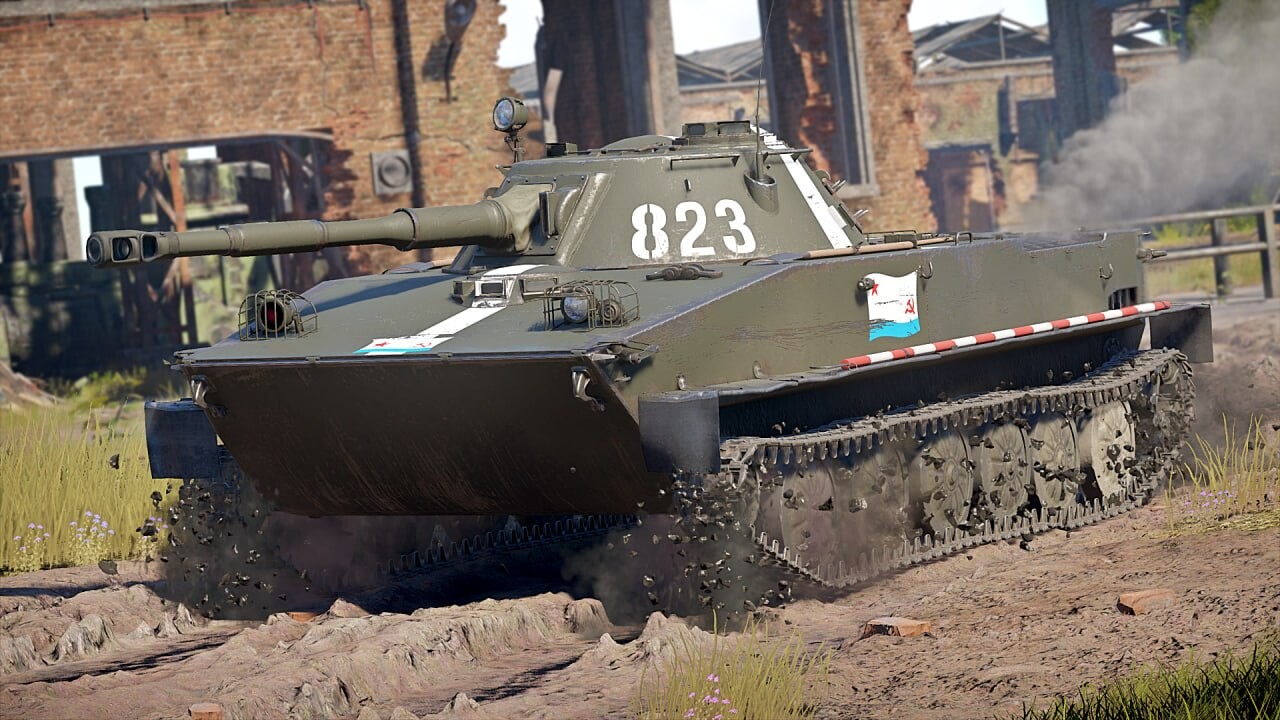
The PT-76 is a legendary amphibious combat vehicle designed by Soviet engineers specifically to cross Europe’s rivers and other water obstacles. Unfortunately, in the game, its amphibious capability is rarely useful, and this comes at the cost of extremely thin armor. On the other hand, this machine has a two-plane stabilizer and HEAT shells that can punch through almost any armor. So, how can you make the most of this unusual “swimmer”? Read on!
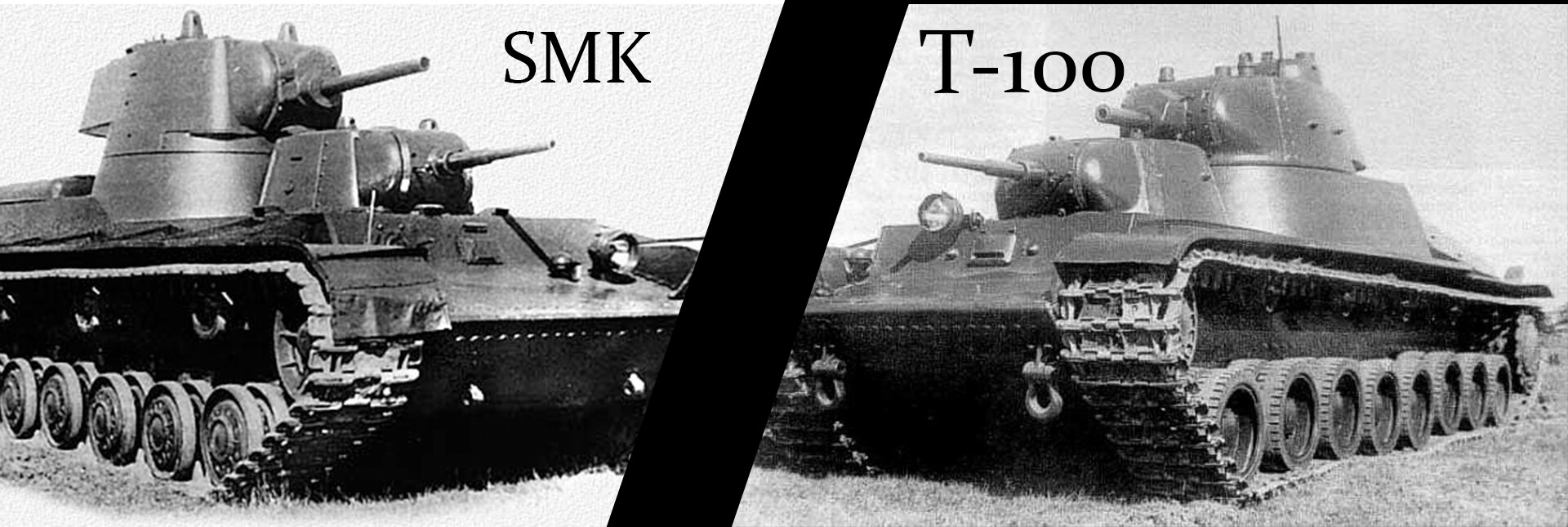
After WW1, a new type of tank emerged: the “Land Battleship”. This type of tank would be developed by multiple nations and in multiple forms. The Soviet Union was particularly keen on this design and continued work on it into WW2. This obsession would lead to two tanks in WW2, the SMK and T-100. Their complex development history would involve other well-known tanks that you may not know were linked.

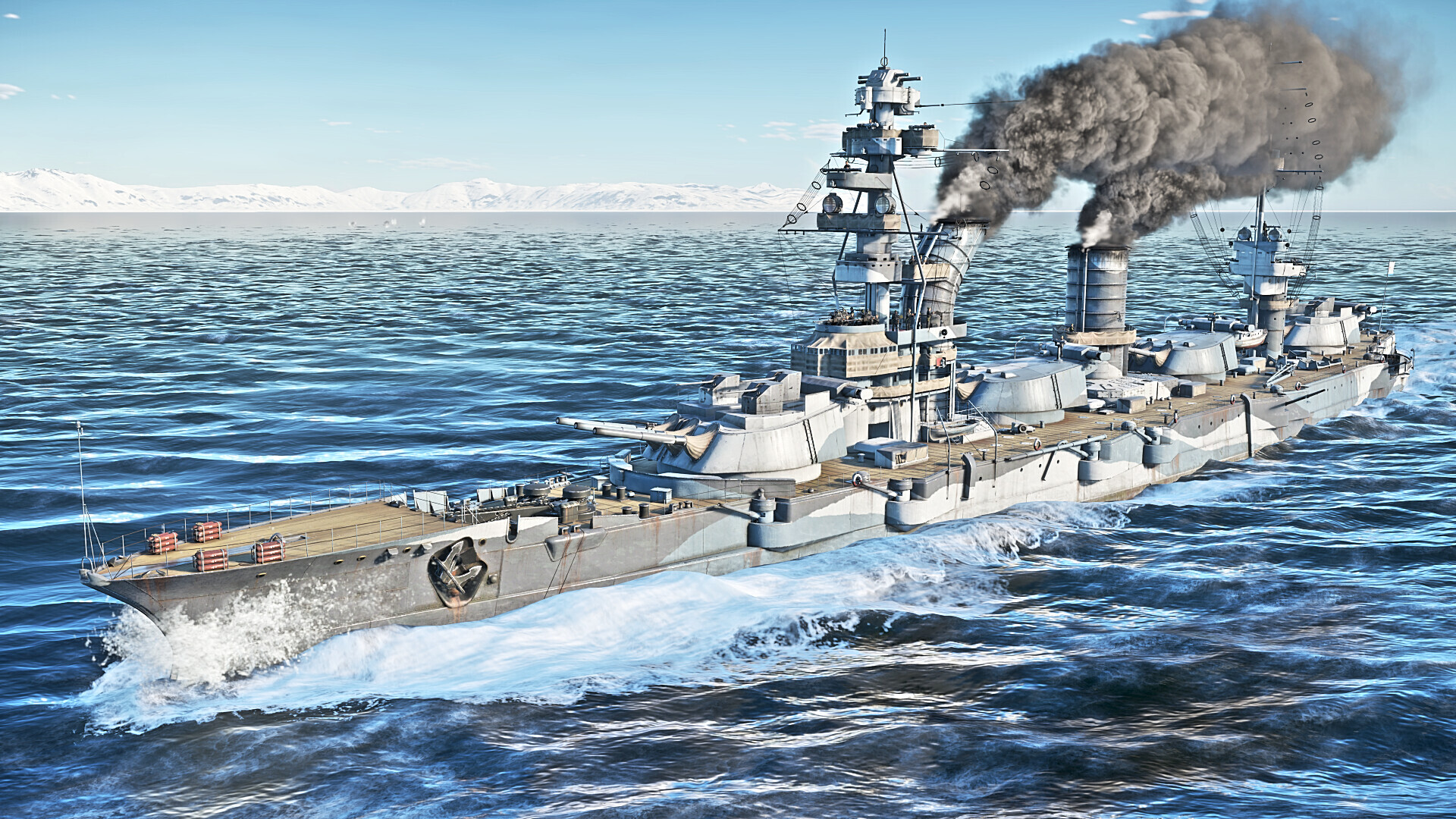
Marat was a Soviet battleship of the Sevastopol class. Between 1928 and 1931, it underwent a major modernization, acquiring a modified silhouette and enhanced air defense, as well as improved living conditions for the crew. During World War II, Marat played a significant role in the defense of Leningrad; even after sustaining serious damage and partial flooding, it continued to shell enemy positions until the end of the siege. You can read more about this fearless veteran in the article!
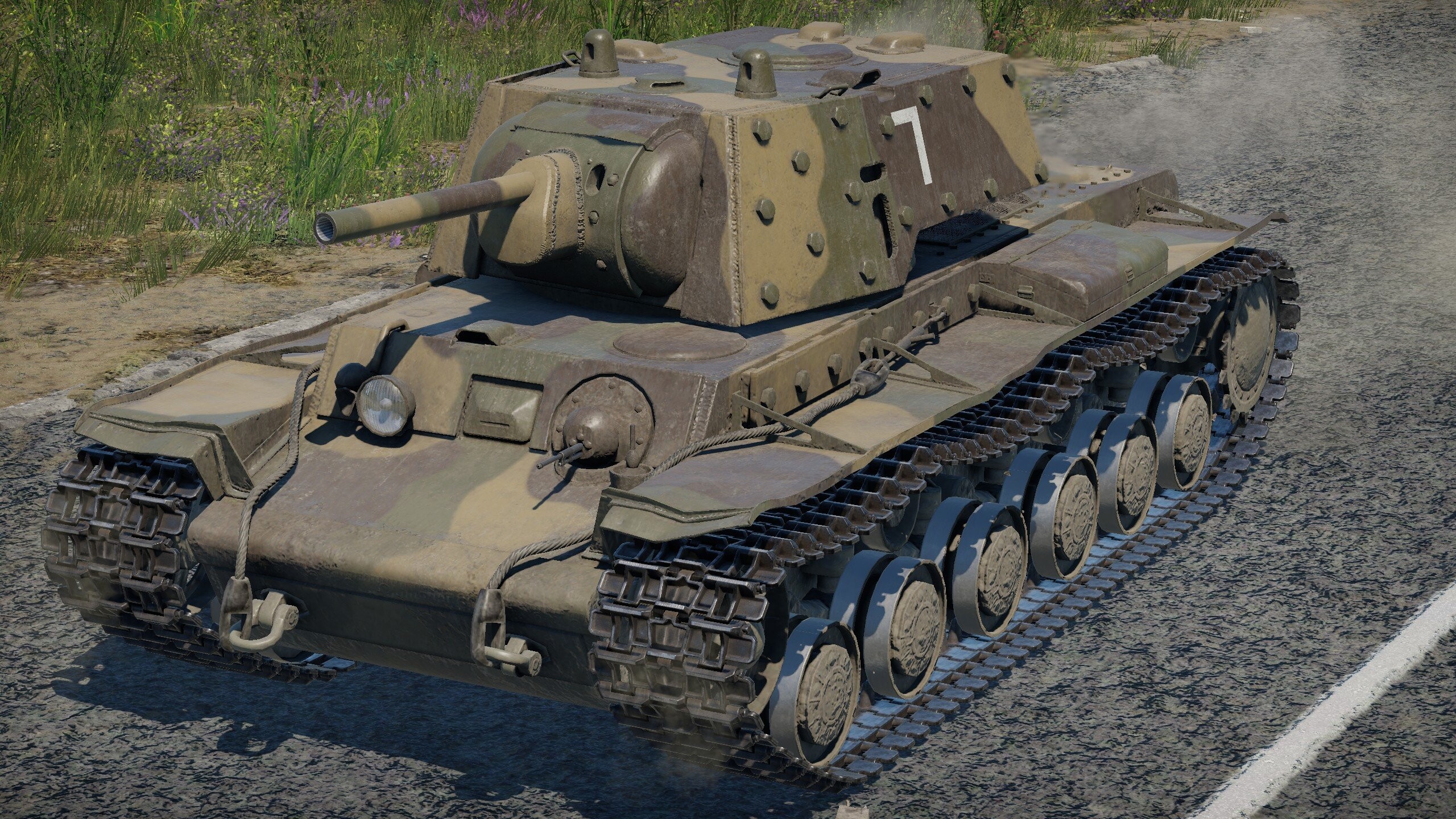
While somewhat rare, the KV-1E is extremely annoying to face, primarily due to its incredibly thick armor, which allows it to block shells from tanks that are above its level. While similar to the other KV-1s, the KV-1E still has a different playstyle that can be a joy to experience if done right. In today’s article, we are going to look at the different strengths and weaknesses of the KV-1E, which tactics to use, and how to get the most out of this Soviet bunker.
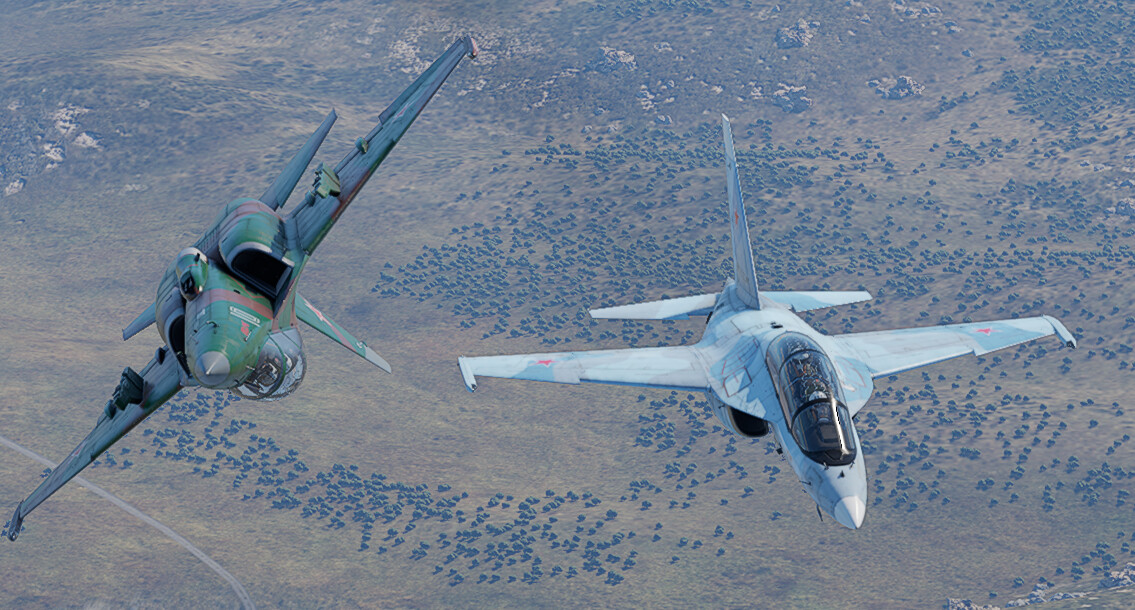
The Yak-130 is a modern two seat Russian trainer with powerful engines and an ordnance loadout that packs a punch. Made to prepare future pilots for the complexity and maneuverability of 4th, and even 5th generation fighters, it is a real force to be reckoned with due to its high tech and supermaneuverable nature. Not only is the Yak-130 a menace in War Thunder, but this powerful trainer also has a unique history full of complications and many interesting partnerships.

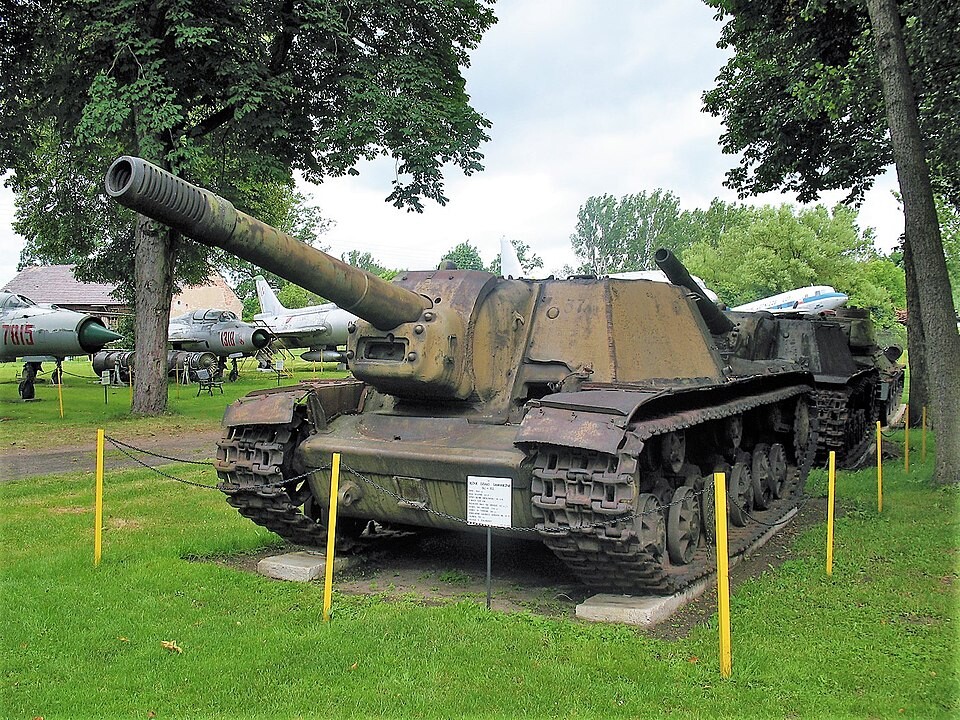
After Operation Uranus, the counteroffensive of the Battle of Stalingrad, it became painfully obvious that the USSR needed mobile heavy guns in order to destroy German fortifications and heavy tanks. The Red Army did have the KV-2 heavy tank for this duty at the time, but mass production of the KV-2 had ceased when the Kirov Plant was moved to Chelyabinsk. The new anti-fortification vehicle had to be faster than the KV-2, with thicker armor, and mount the powerful and more accurate ML-20 howitzer on a less expensive platform. The gun was too long and its recoil too powerful for it to be mounted in a turret, so a casemate structure was opted for. This would result in the soon-to-be-famous SU-152 'Zveroboy'.

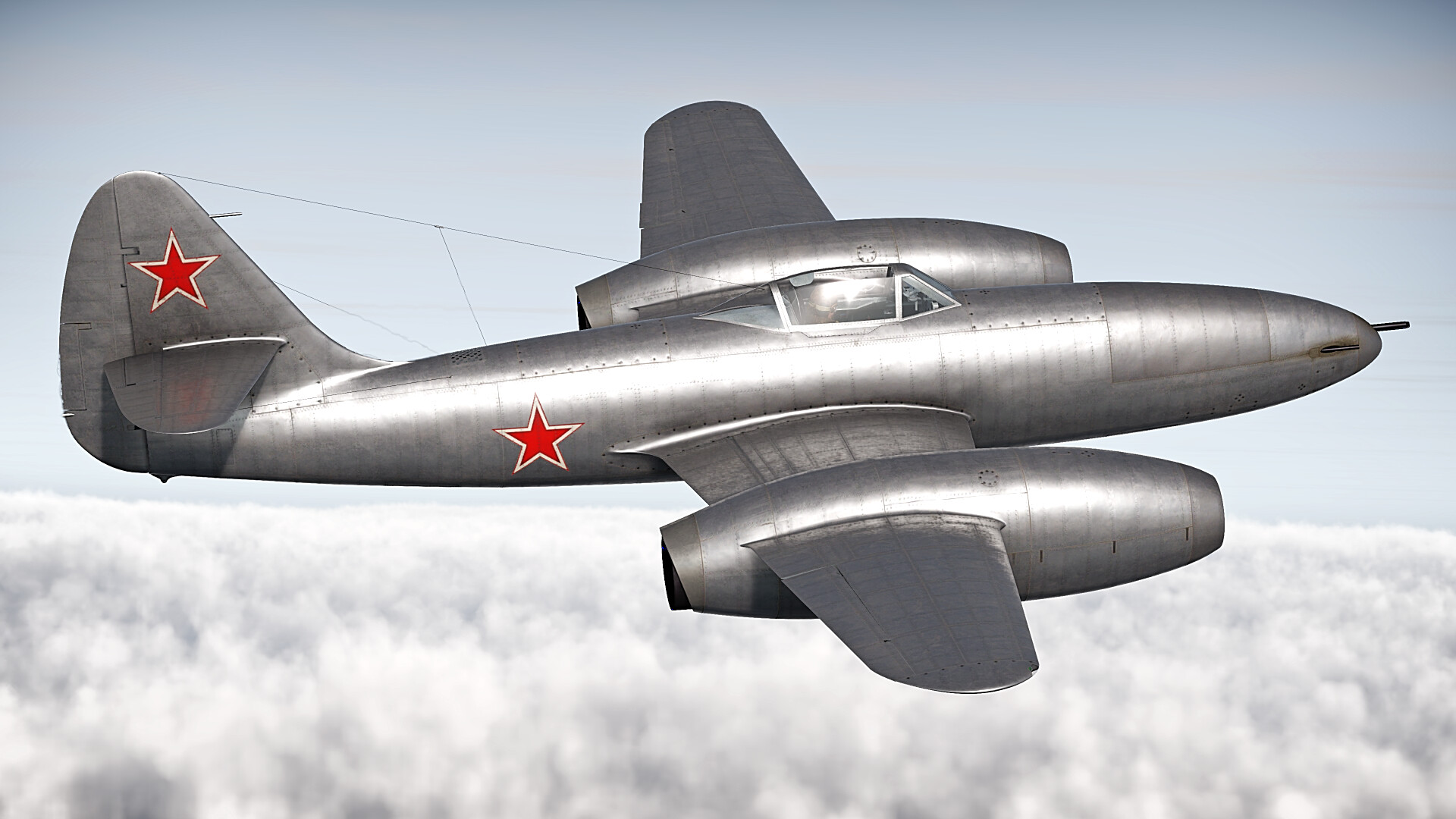
In 1944, the Sukhoi Design Bureau started working on a new twin-engine fighter. The design process was slow, but the bureau soon acquired a captured German Me 262 Schwalbe ("Swallow"), which profoundly influenced the project's subsequent development. This culminated in the Su-9 in 1947, which retained the Me 262’s layout but had a different fuselage and wing design. Soon after, the Su-11 was created based on the Su-9, featuring more powerful TR-1 engines. However, in the game, the Su-11’s performance is much superior than that of the Su-9 or the Me 262. It stands out for its excellent acceleration and incredible energy conservation. Is it really that good?