#history
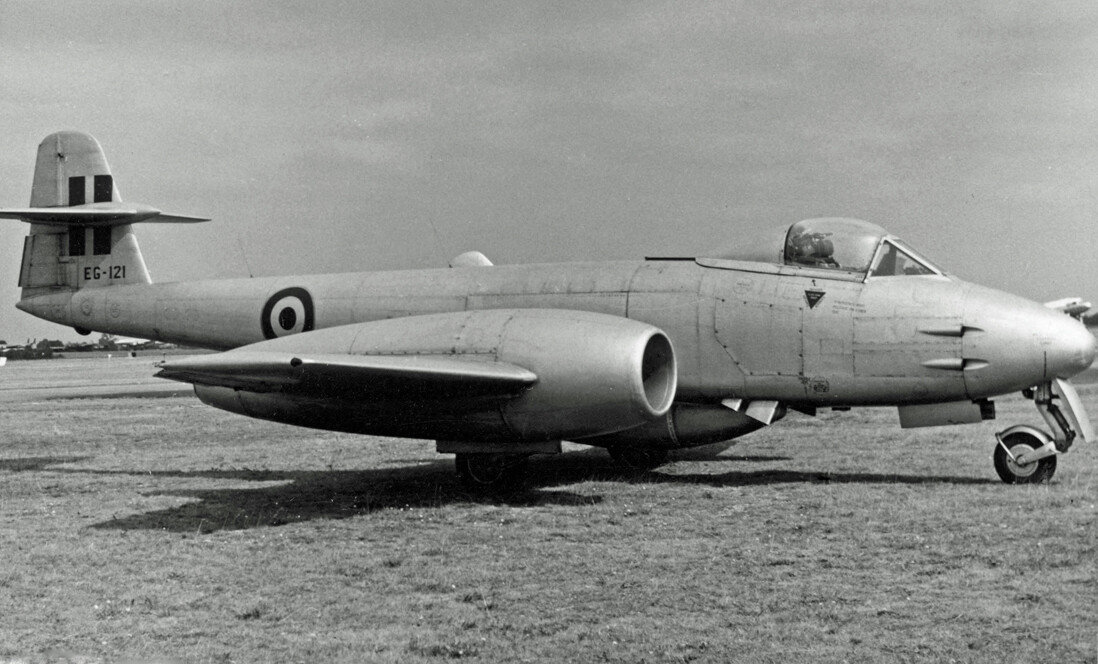
The Gloster Meteor was the first operational jet fighter to enter Allied service, marking the United Kingdom’s transition into the jet age during the final phase of the Second World War. In Belgian service, it played a central role in the post-war reconstruction and modernization of the Belgian Air Force, equipping the nation’s first generation of jet fighter squadrons from the late 1940s through the early 1960s and forming the backbone of its emerging Cold War air defense capability. The Meteor operated both at home and abroad, most notably seeing combat during the Korean War. Although it was rapidly overtaken by more advanced swept-wing designs, the aircraft proved invaluable as a transitional platform, enabling Belgian pilots to develop proficiency in jet operations, air defense, and ground attack, while establishing the doctrinal and operational foundations for later aircraft such as the Hawker Hunter and SABCA F-104G Starfighter.
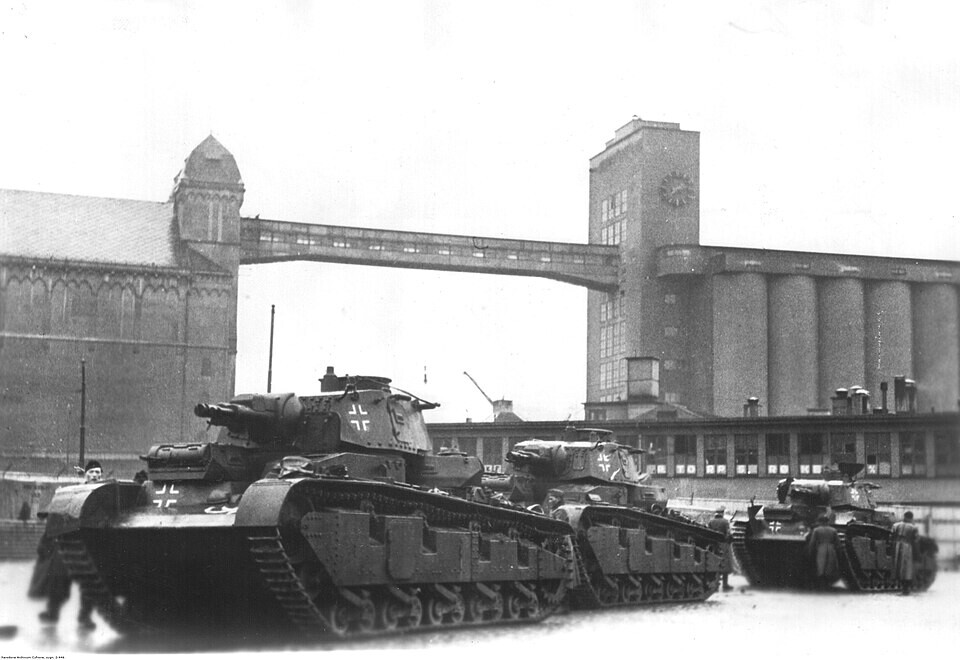
The Panzerkampfwagen Neubaufahrzeug (German for “New Construction Vehicle,” abbreviated Nb.Fz.) was a prototype multi-turreted medium tank developed by Germany in the pre-WWII era. While its service was brief and limited, its history is quite interesting. The Nb.Fz. was an early attempt to develop a German medium tank and was part of the experimentation that accompanied the development of Germany's early armored forces. It also saw limited combat during the early stages of WWII and was used extensively for propaganda purposes, despite never entering full-scale production. In today’s article, we’re going to take a look at the history of the Neubaufahrzeug, from its development and design to its limited combat service and eventual fate.
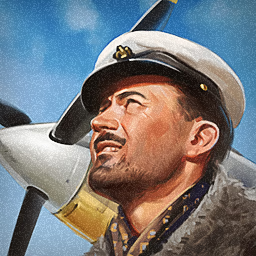
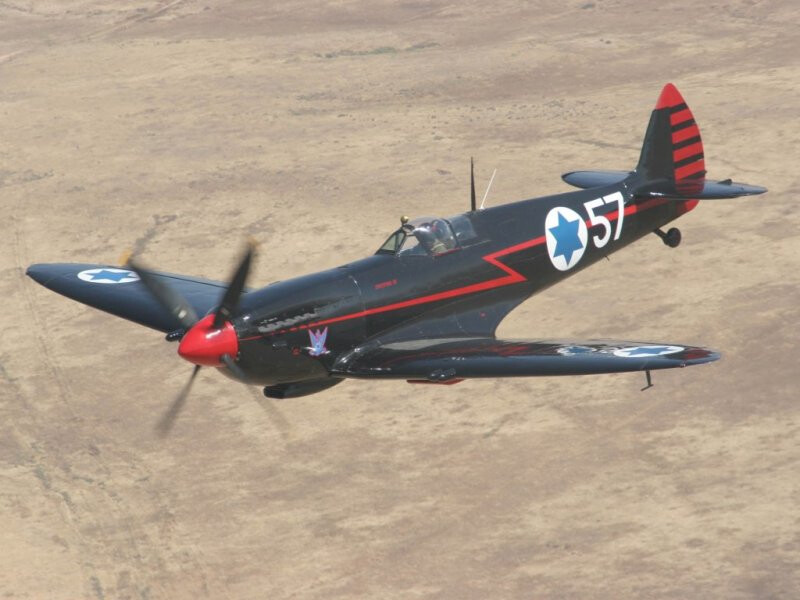
In the history of military aviation, it is rare to find instances of enemy air forces battling each other using the same aircraft. The British withdrawal from Palestine in 1948 is an example of such a rarity: Mustangs, Spitfires and Mosquitoes alike all took part in this conflict, as well as other R.A.F. and I.A.F. aircraft, which will be discussed here as well.

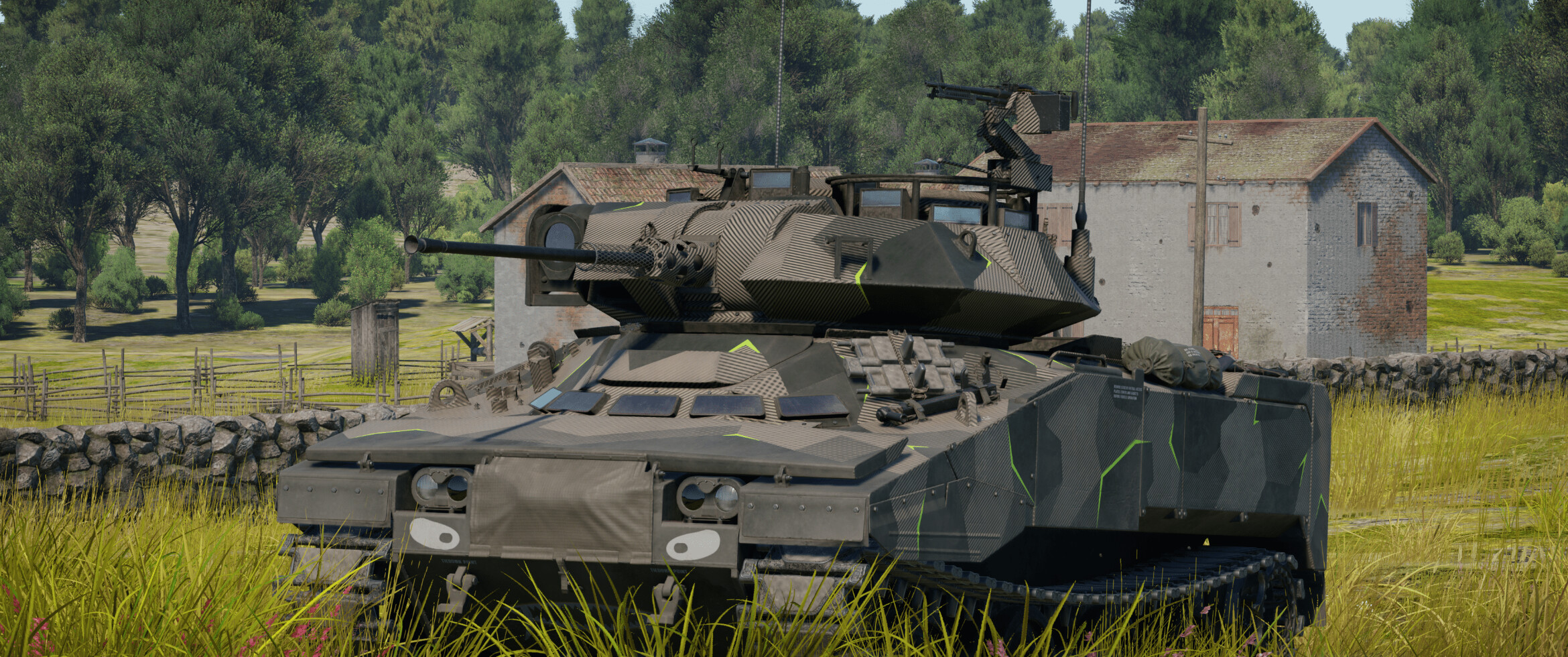
The XM800T is an ARSV, developed in the 1970s by Chrysler, FMC Corp., and Teledyne Continental. It was meant to replace the M114 but never entered production, although the experience gained was used in the M2 Bradley later on. However, this tank combines weak armor with a gun that can’t even penetrate 70mm of armor up close. So how to play this exceptional light tank? Find out in this article!

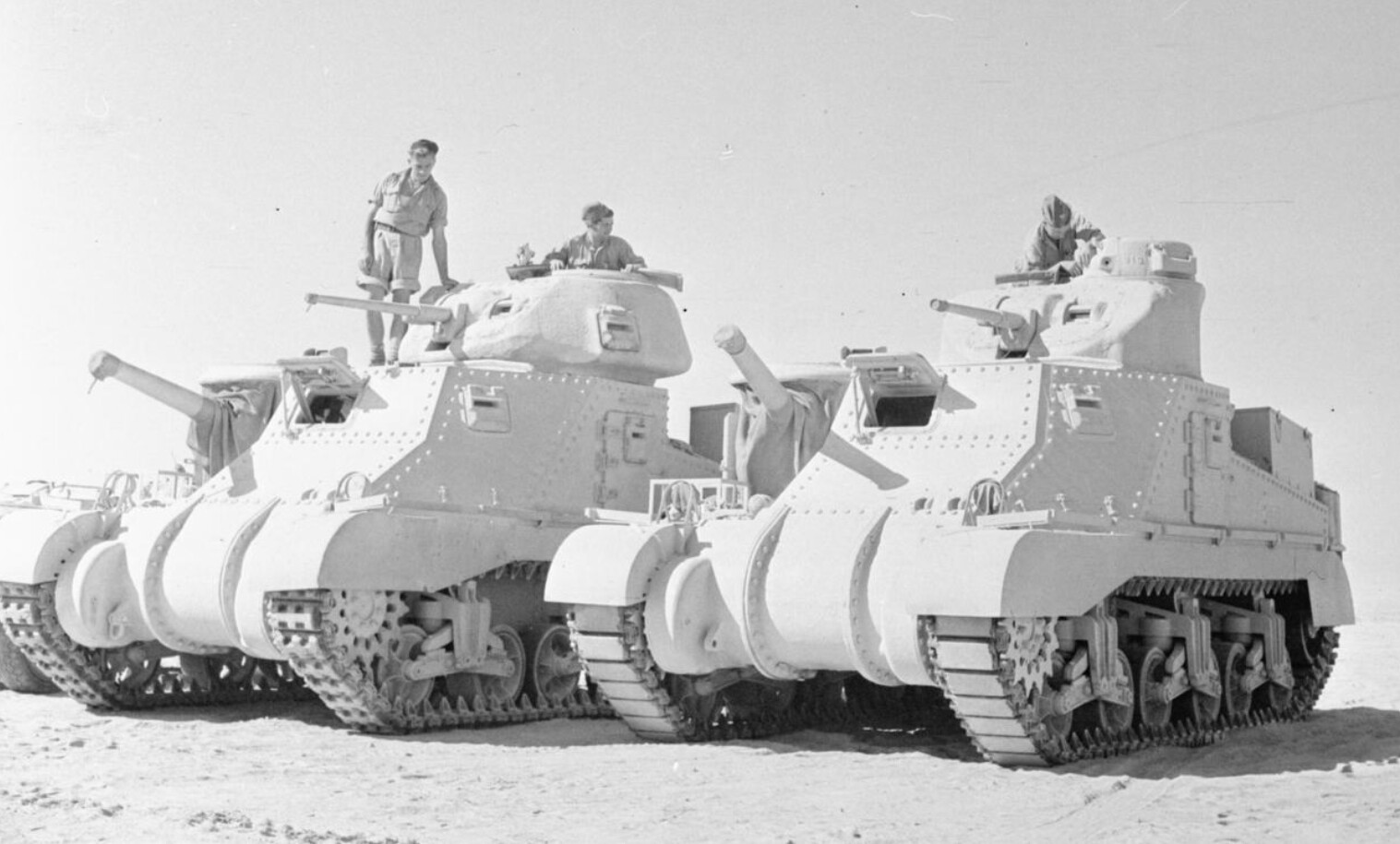
Today, folks, we're going to look at a big hopper, namely the M3 Lee or Grant. These weren't its only names; it was mockingly called the Cathedral by the Americans because of its silhouette, while the Germans called it “Grab für sechs Freunde” (Grave for six friends), making fun of the tank's flammability. However, it not only had many names but also many variations and versions, some of which you've never heard of, are fake, or are among the most famous in the world. It was also operated by a wide variety of users. And that’s not all: Bernard Montgomery (also called “Monty”) even used an M3 Grant as his personal tank; its nickname was also “Monty“.

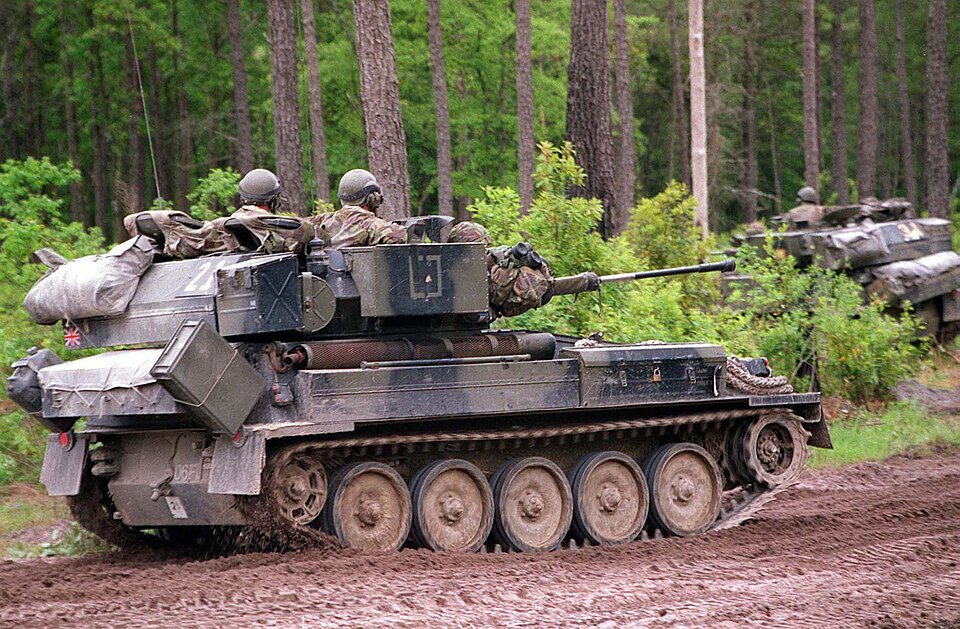
The diminutive Scimitar armed reconnaissance vehicle is one of the more famous British armoured vehicles from the Cold War. It is one of the members of the versatile Combat Vehicle Reconnaissance (Tracked) or CVR(T) family and has seen service in all corners of the globe. Its small and almost endearing shape has been flown the British flag in conflicts all across the world for 50 years, and has become something of a favourite among its crews and the wider public.

The Soko J-22 Orao (Yugoslavia) and the IAR-93 Vultur (Romania) were twin-engine, subsonic ground-attack and reconnaissance aircraft. Jointly developed in the 1970s, they represented the industrial and military independence of both nations from the Soviet bloc; Yugoslavia and Romania signed an agreement to share costs and engineering under the codename “Project YuRom” (Yugoslavia-Romania) with the shared objective of creating a light tactical fighter capable of replacing Soviet ground-attack aircraft and operating from short or improvised dirt runways.

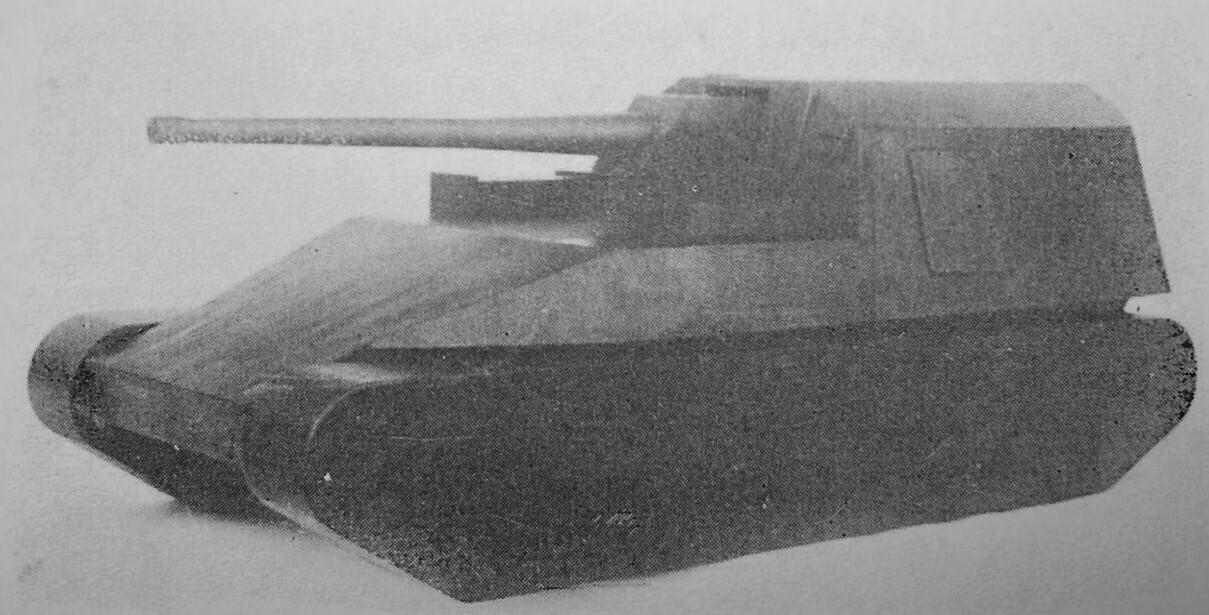
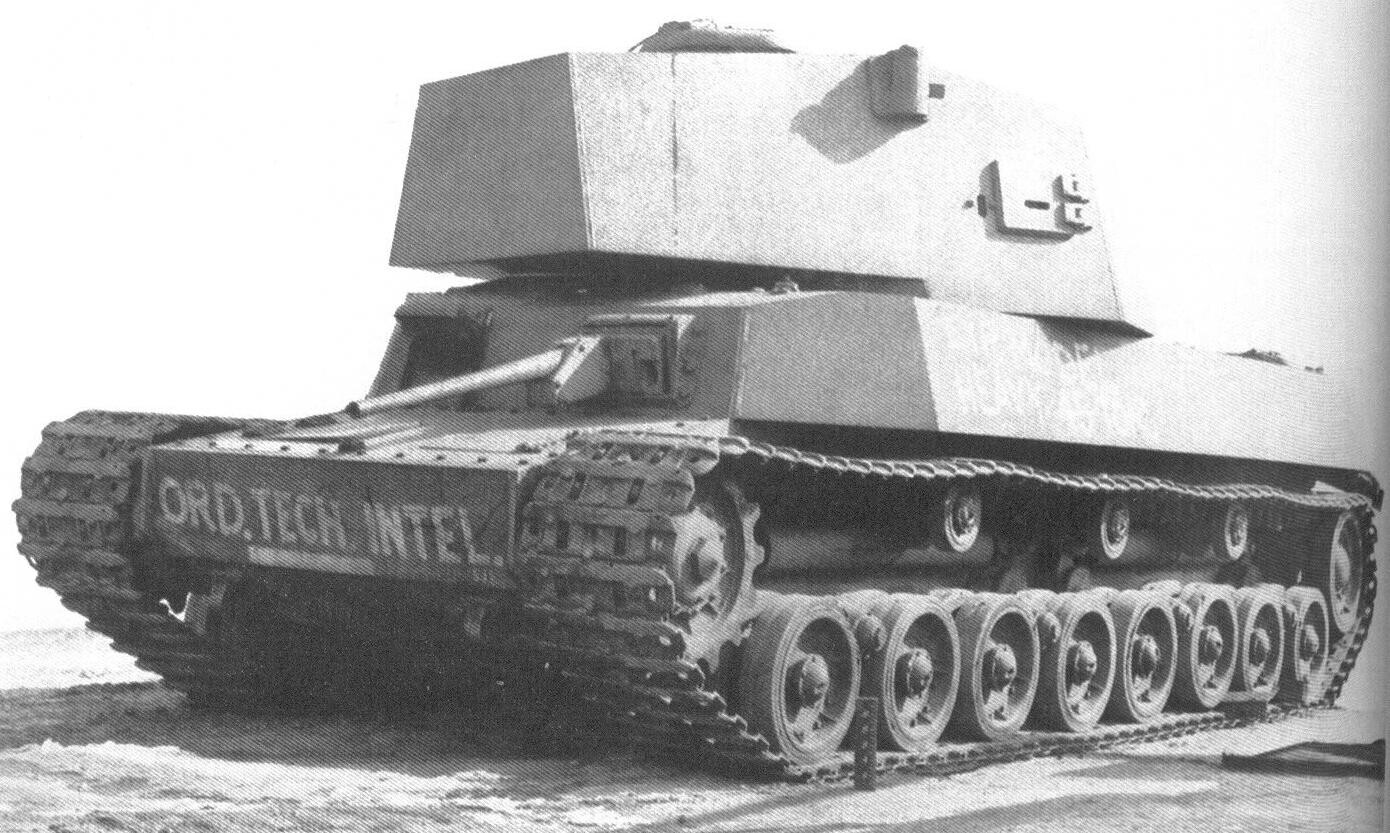
In the Pacific War, it quickly became apparent after the initial deployments of the Japanese Chi-Ha tanks that they lacked sufficient armor and firepower to contend with the American M4 Shermans and M3 Lee/Grant. Consequently, development of successors began as early as 1940; one of these was the Type 5 Chi-Ri (五式中戦車 チリ / Medium Tank Type 5 Chi-Ri). Parallel to this, the Ho-Ri, intended to serve as a heavy tank destroyer, was designed based on the Type Chi-Ri. However, due to a shortage of raw materials, which were allocated to the Type 4 Chi-To rather than the Chi-Ri, it never entered serial production; only a single unfinished Chi-Ri prototype was built, while the Ho-Ri project was abandoned entirely, with only a scale model ever being constructed.
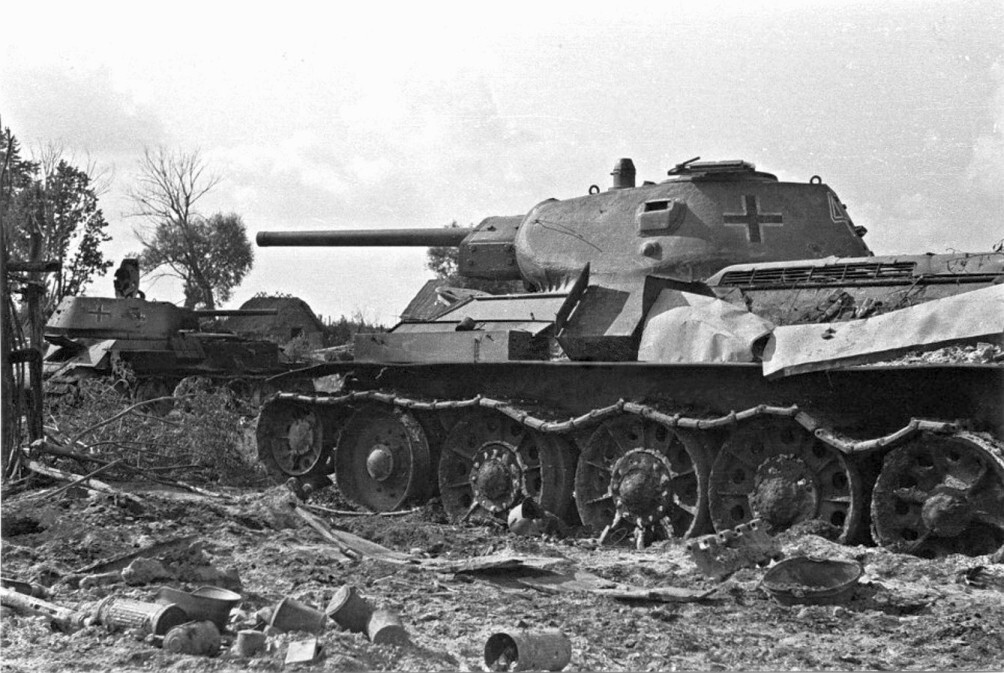
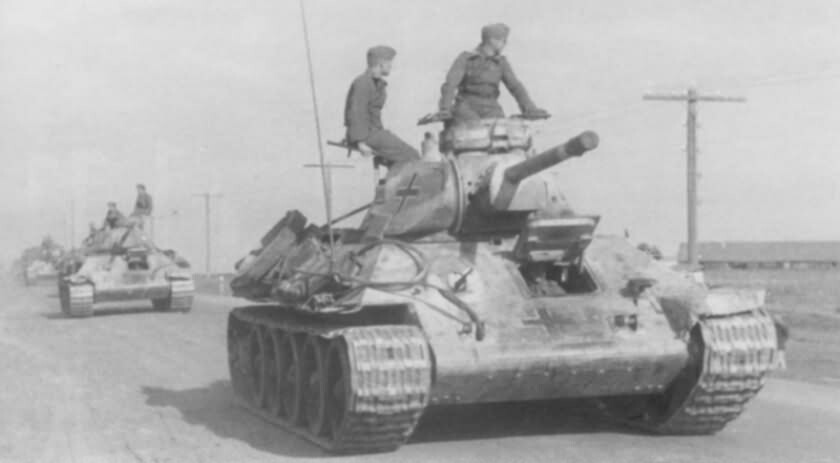
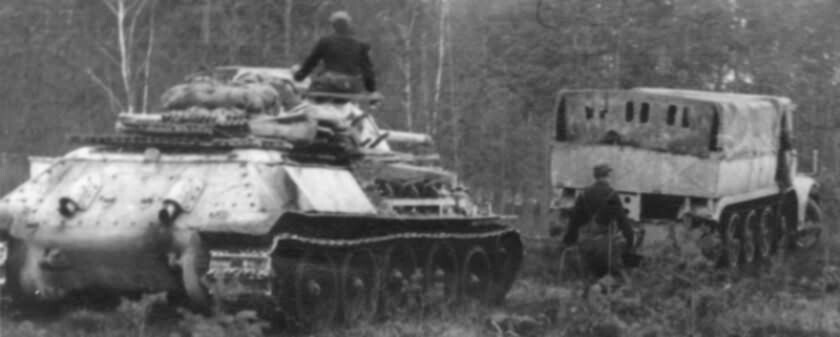
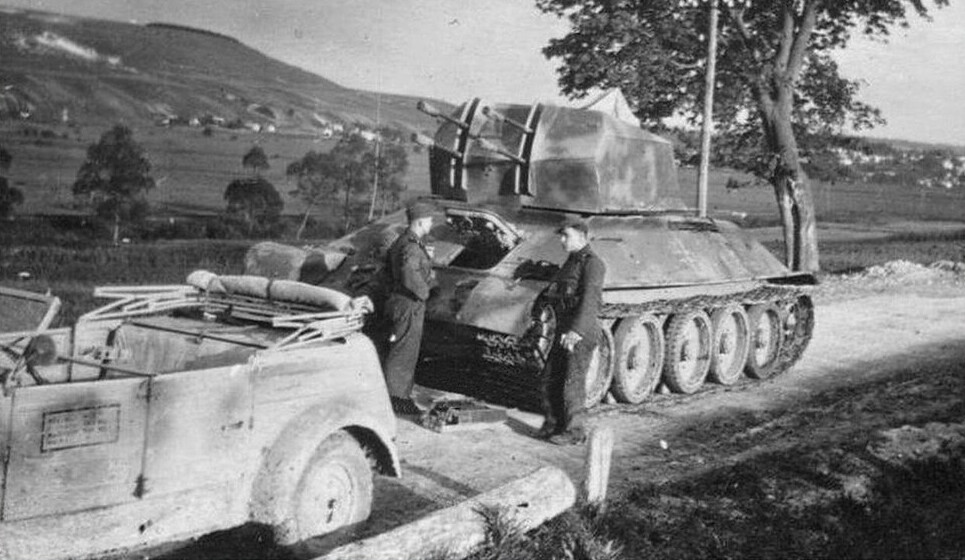
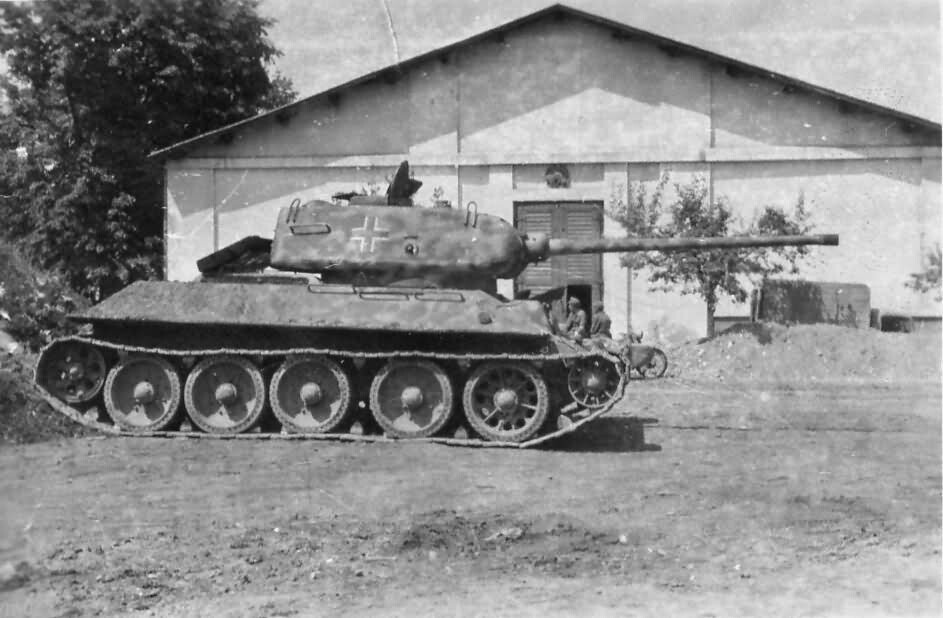
Throughout the Second World War, the Wehrmacht captured large numbers of Soviet T-34s on the Eastern front, many of which were repaired and returned to service, under the designation Panzerkampfwagen 747(r). While most of these examples remained largely unchanged apart from the addition of German radios and paint schemes, etc, a fair number were converted into various vehicles capable of fulfilling roles far beyond that of a medium tank.
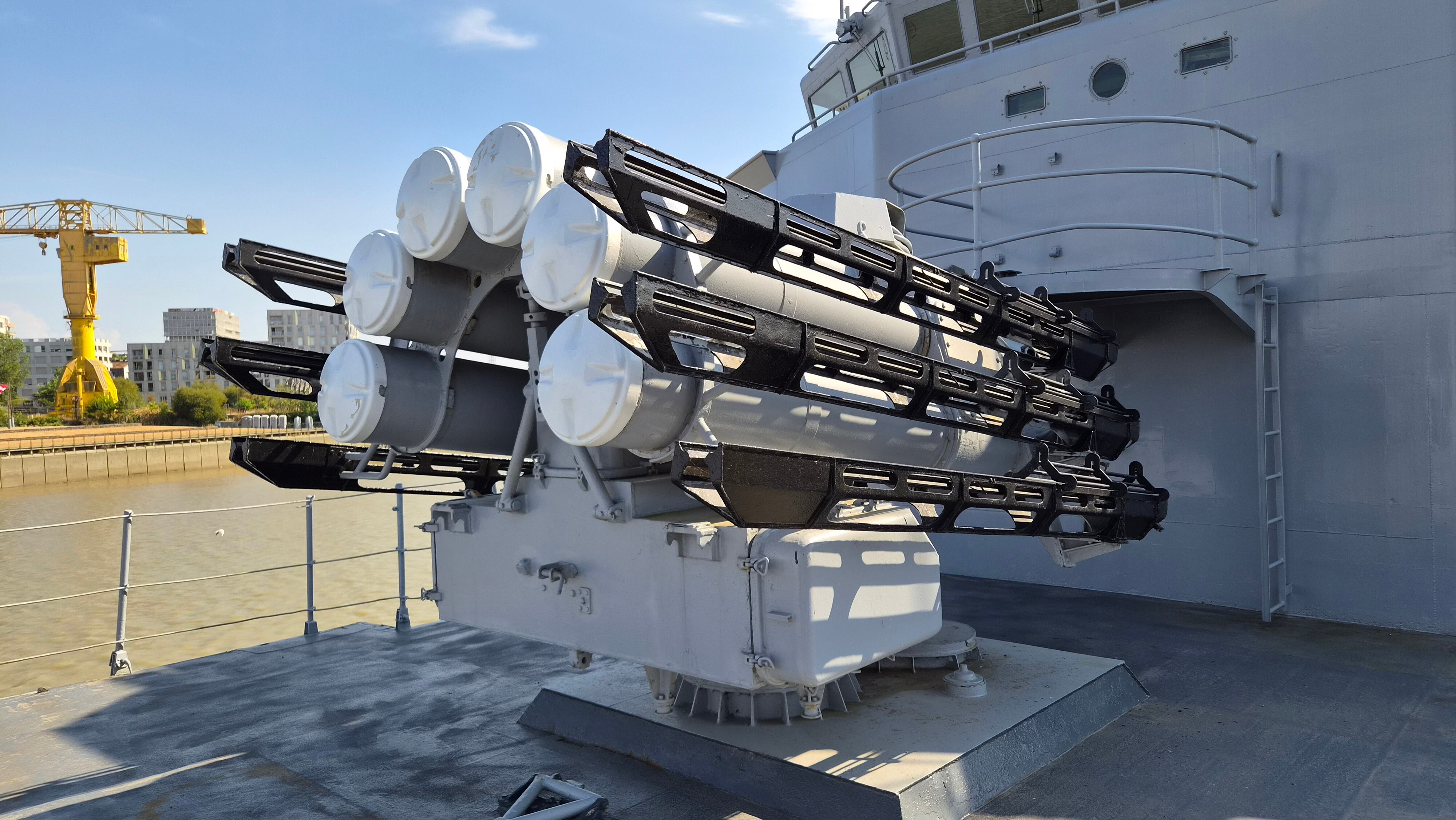
Anti-submarine warfare began soon after the first armed submarines appeared. In WW1, the main weapons were depth charges and mines. Then the first active sonars began to appear, along with a new type of weapon: anti-submarine mortars, with its prime example being the British Hedgehog. These mortars would later be improved into rocket launchers, which had considerably greater range and could launch much larger explosive charges. Bofors would develop one of the first such launchers: the 375 mm M/50 anti-submarine rocket launcher. Adopted by many countries and installed on numerous ships, it revolutionized close-range anti-submarine warfare and is still in use today.