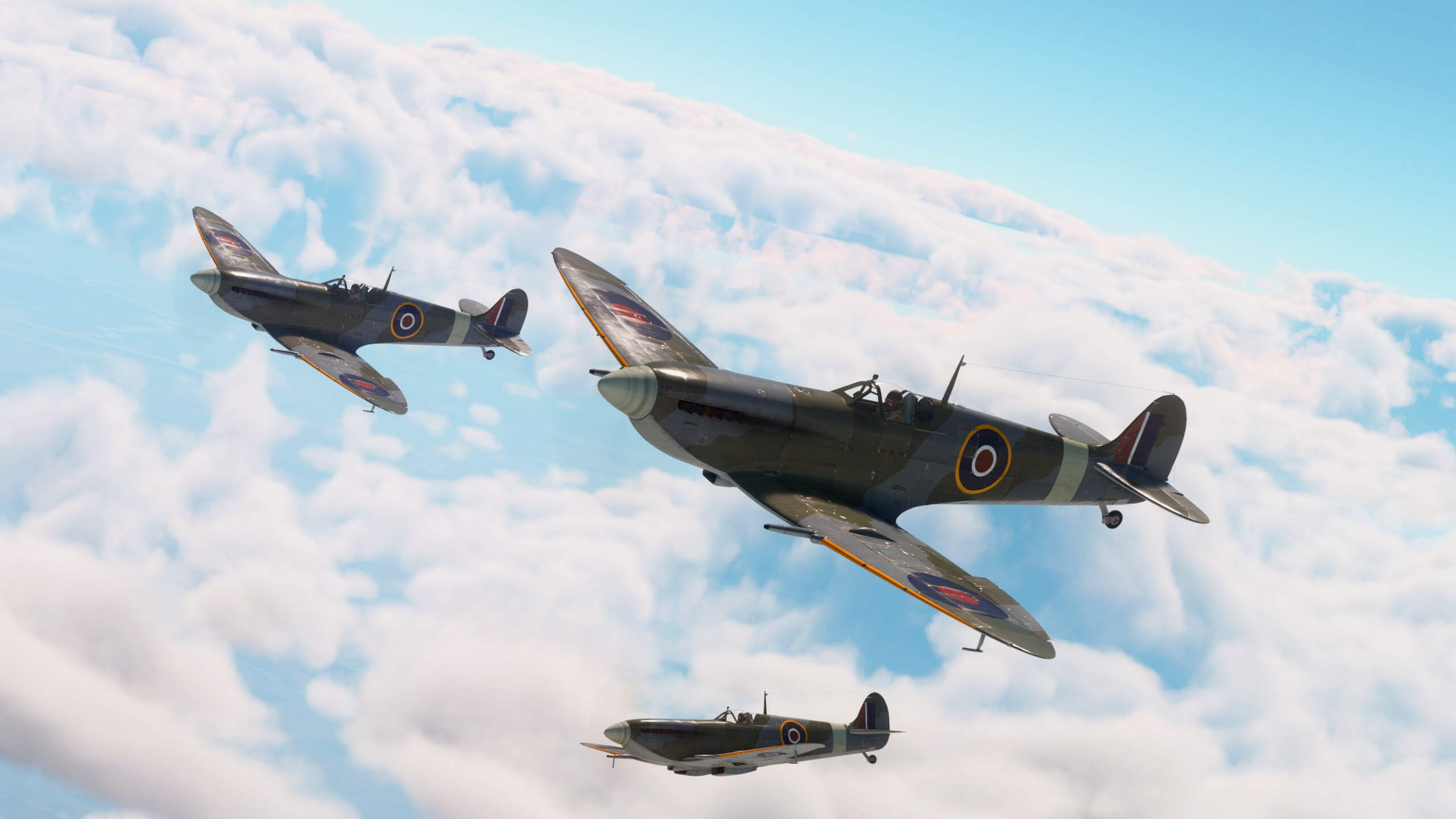
The Supermarine Spitfire is one of the most famous propeller aircraft ever made, and easily one of the best of its time. Initially a high performance, short range interceptor, the Spitfire could be found fighting in every theatre of the World War II. In War Thunder, its high speeds, unparalleled maneuverability, and heavy armament make it a pleasure to fly and a force to be reckoned with. In this article, I will be talking about the two main types of Spitfires, their strengths and weaknesses, as well as tactics, how to fight common enemies, and how to use this plane in battles.
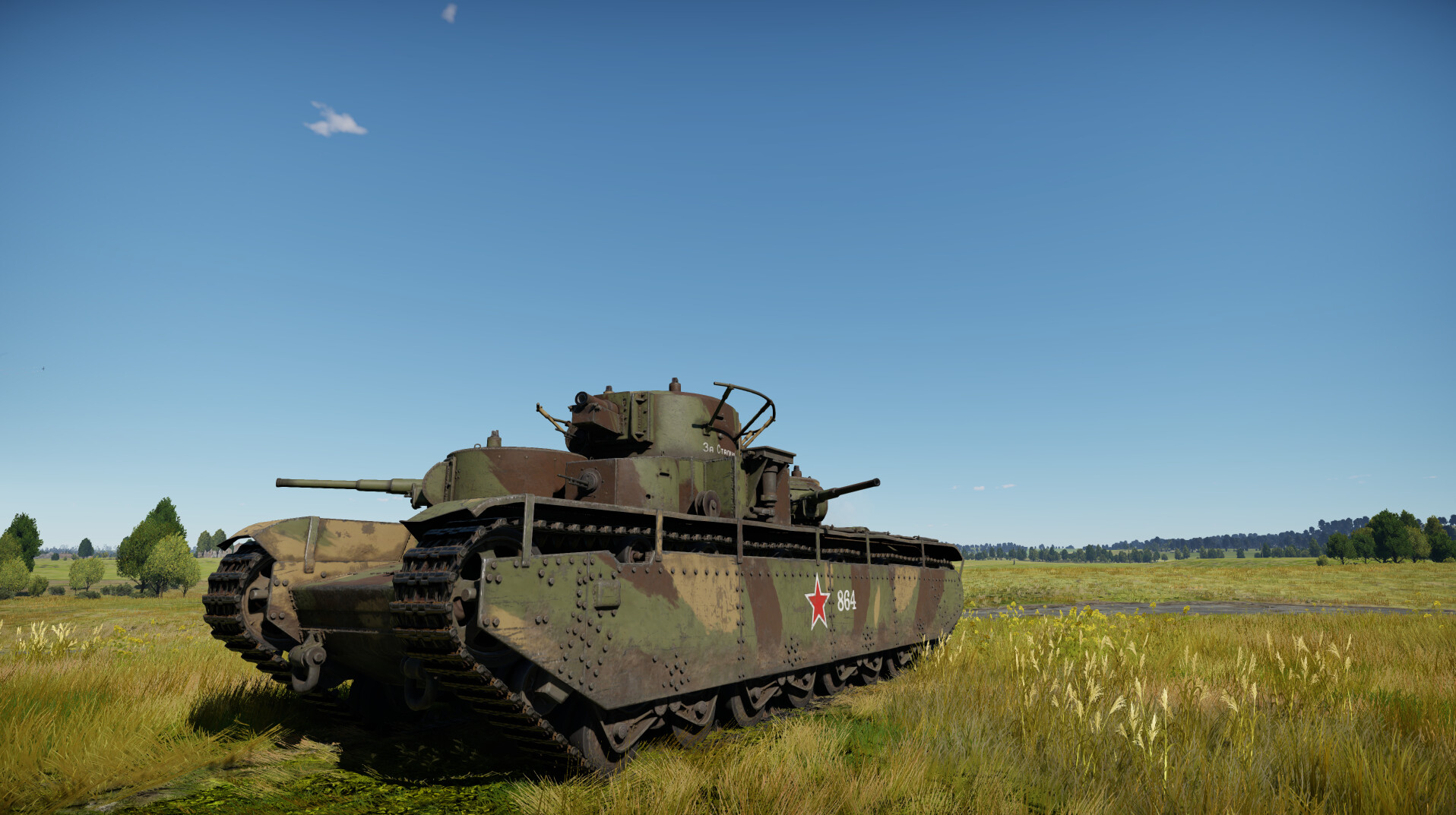
A ten-meter long behemoth with five turrets and three cannons. A fever dream? Possibly. But also the Soviet T-35 heavy tank. While awe-inspiring for both enemies and allies alike, the thin armor and slow speed of this monster make its playstyle somewhat trickier than just holding W and occasionally clicking your left mouse button. This article thus seeks to provide some clarity on all aspects of this heavy tank, to make it easier to grasp for its new owners.

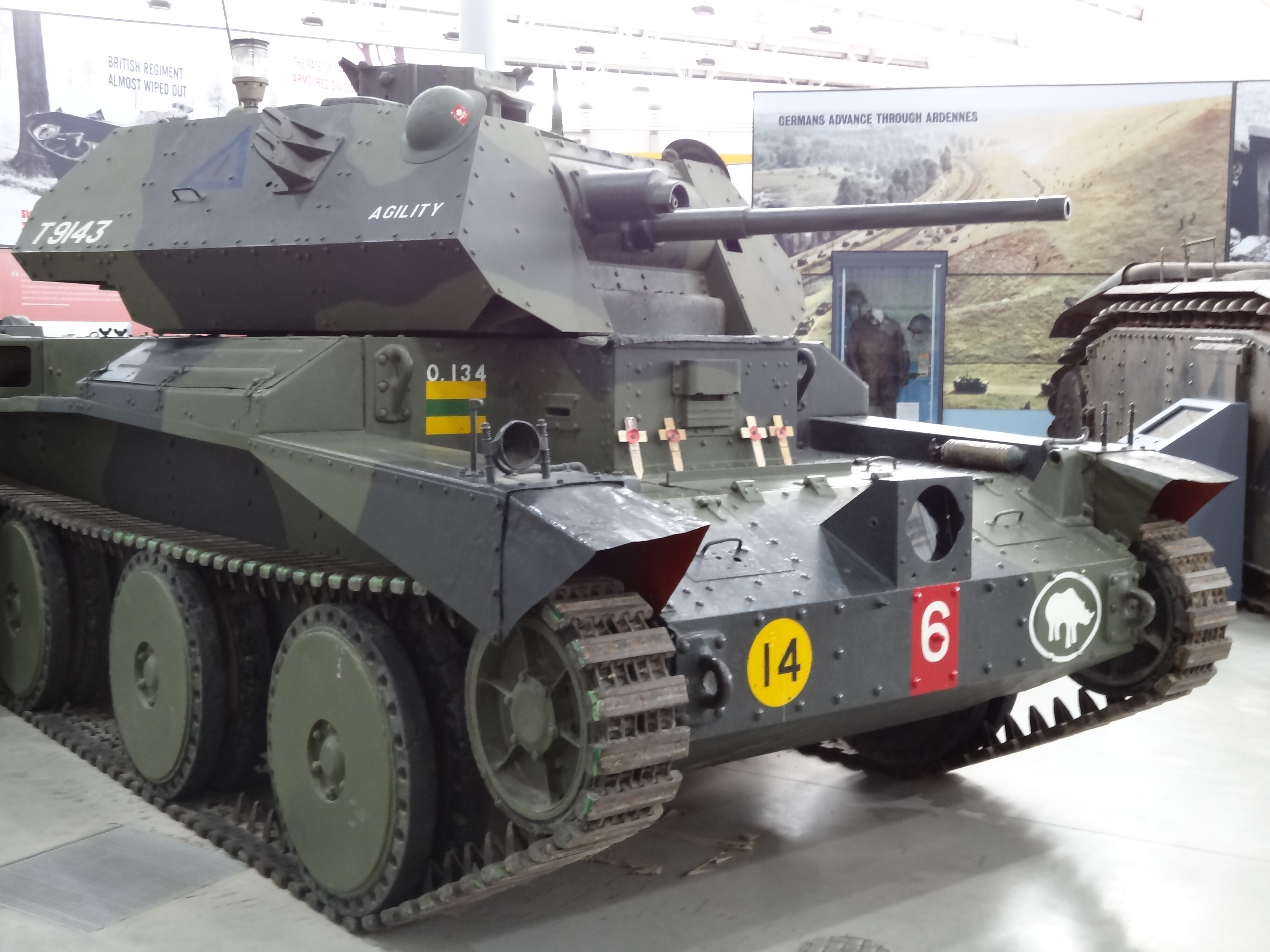
The A13 series of tanks was a range of similar British cruiser tanks produced just before, and for the first few years of, the Second World War. They adhered almost single-mindedly to the doctrine of speed and mobility above all else, meaning they were quickly outclassed by newer designs on both sides. Despite this they had a strong impact on the development of British tanks for several years and were a mainstay of the British Army’s tank units in the opening years of the war.
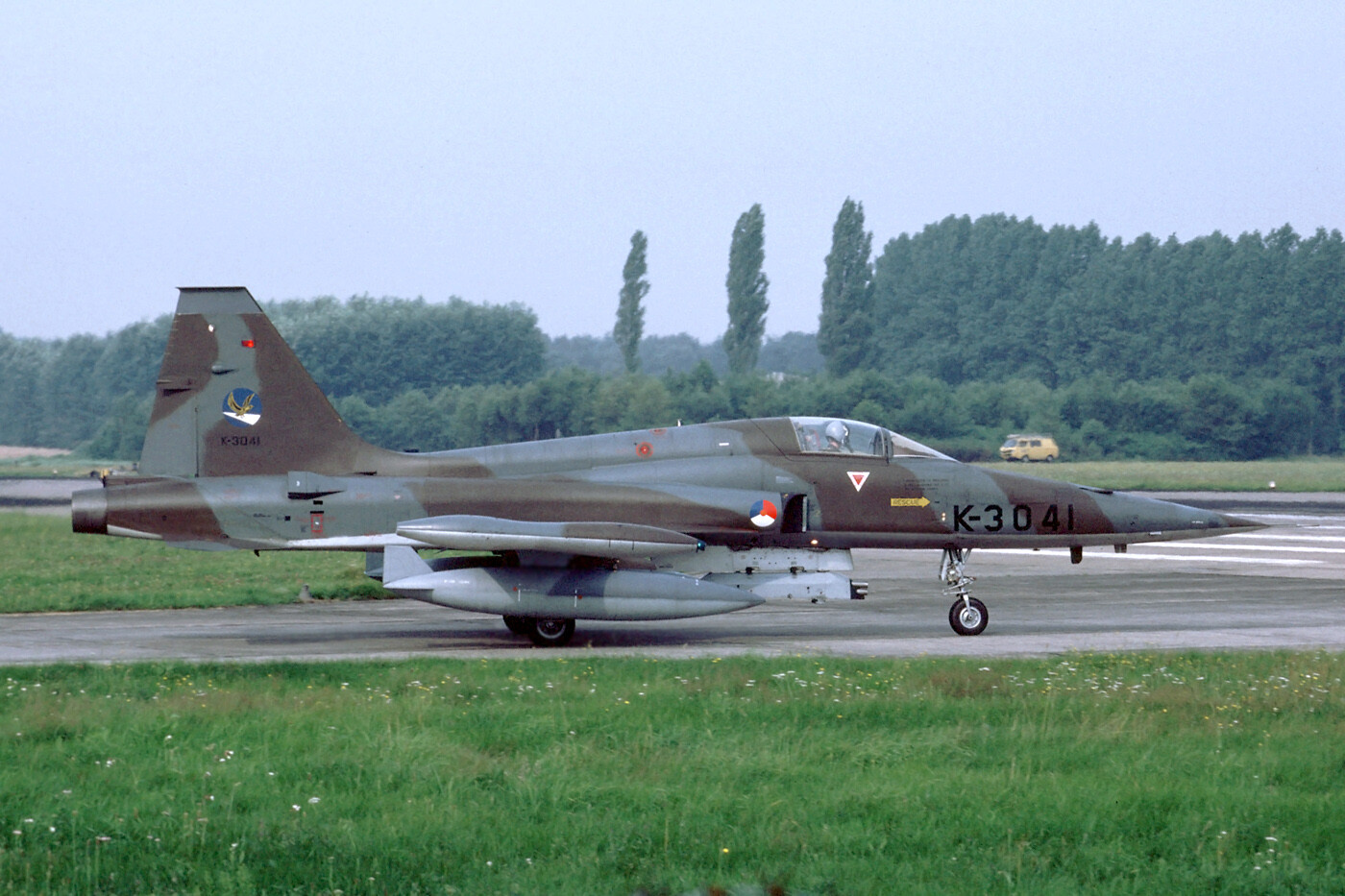
The NF-5A aircraft were acquired by the Netherlands in the late 1960s to replace the ageing F-84F Thunderstreaks that were still serving in the strike and close-support role within the Royal Netherlands Air Force (KLu). The Netherlands initially considered multiple fighter-bomber options, including the Mirage III, but ultimately selected the F-104G for interceptor duties. A second procurement program was then launched to find a more affordable tactical fighter to support ground forces, leading to the choice of a uniquely Dutch variant of the F-5 Freedom Fighter.
Hydropneumatic suspension, or controlled suspension, is a wheel suspension system that allows a vehicle’s ground clearance to be adjusted. With these types of systems, vibrations are dampened by specially designed hydropneumatic shock absorbers, while the compression force is transmitted by fluid to each shock absorber’s pneumatic receiver chamber.

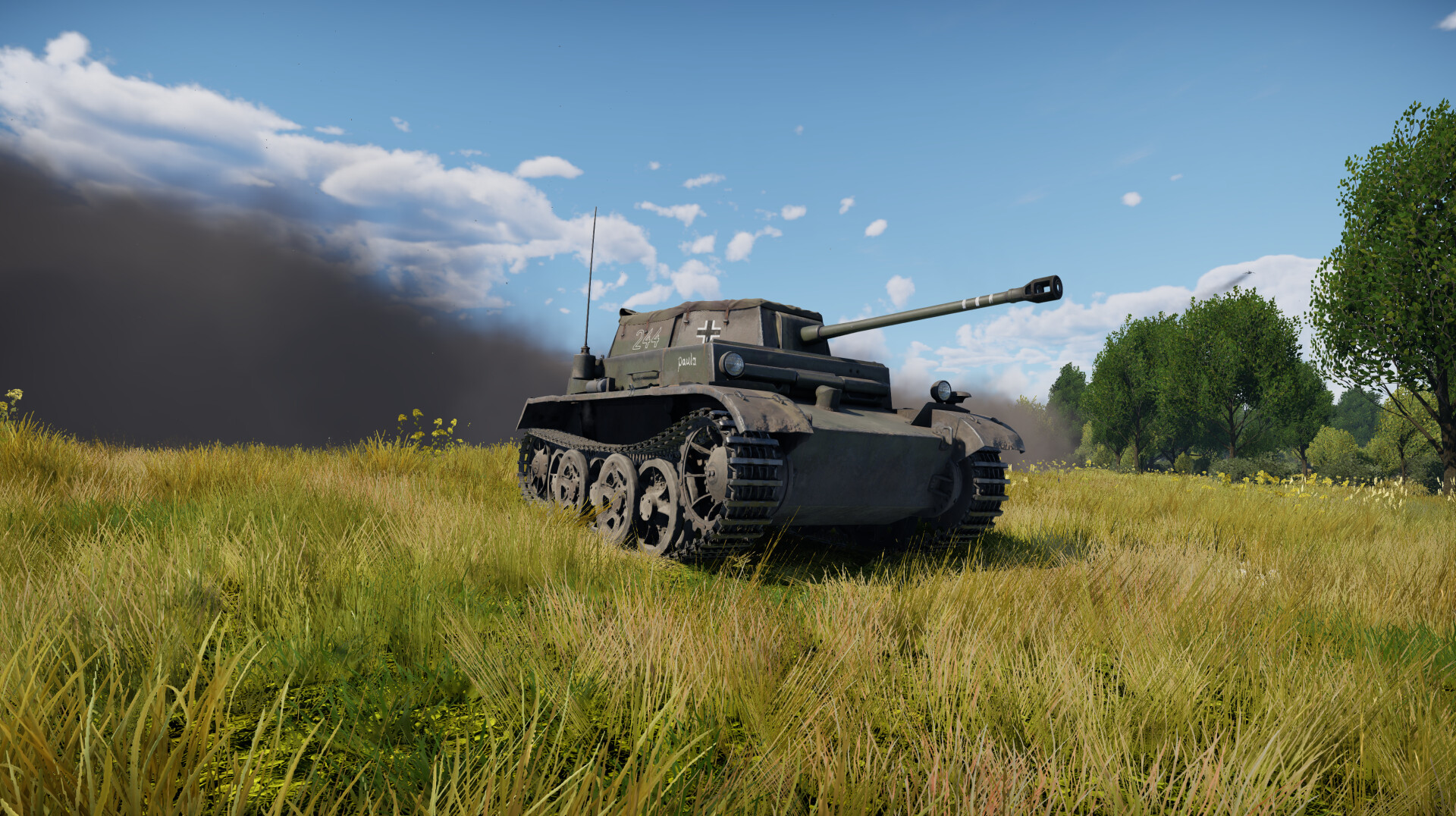
As a fast, nimble yet fragile tank armed with a deadly cannon, the Pz.Sfl.Ic (likely known to veterans under its previous name, the Pz. II H) may prove challenging to master for those used to the more traditional, simpler playstyle of most other tanks at its Battle Rating. Nonetheless, should one put in the effort, they will find this little vehicle to be a true beast, capable of dominating the battlefield and knocking out most targets with a single hit.
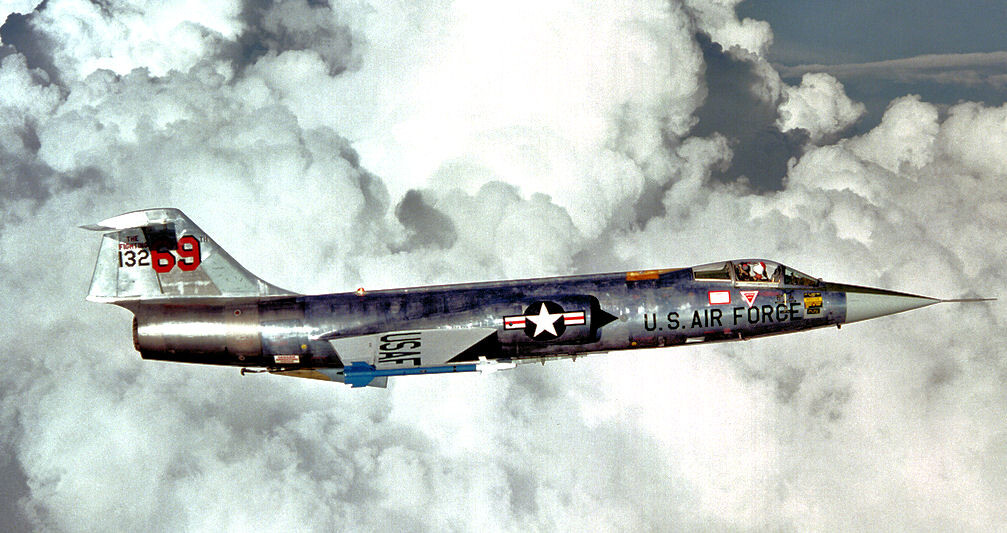
The Starfighter, the Lawn Dart, the Widowmaker, the Missile with a Man it it; regardless of what you may know it as, it’s impossible to deny its influence on military aviation. The first mass-production airframe to ever reach Mach 2, the F-104 was, and still is, used across the globe by both numerous national air forces and private owners alike. Its design echoed the role it was made for, trading complexity and a wide selection of ordnance for a simple design, made for raw speed. While its many nicknames earned it the dubious honor of being an accident-prone aircraft in popular media, it was still an incredibly unique and capable fighter for its time, only being roughly matched in speed by the MiG-21 a few years later.
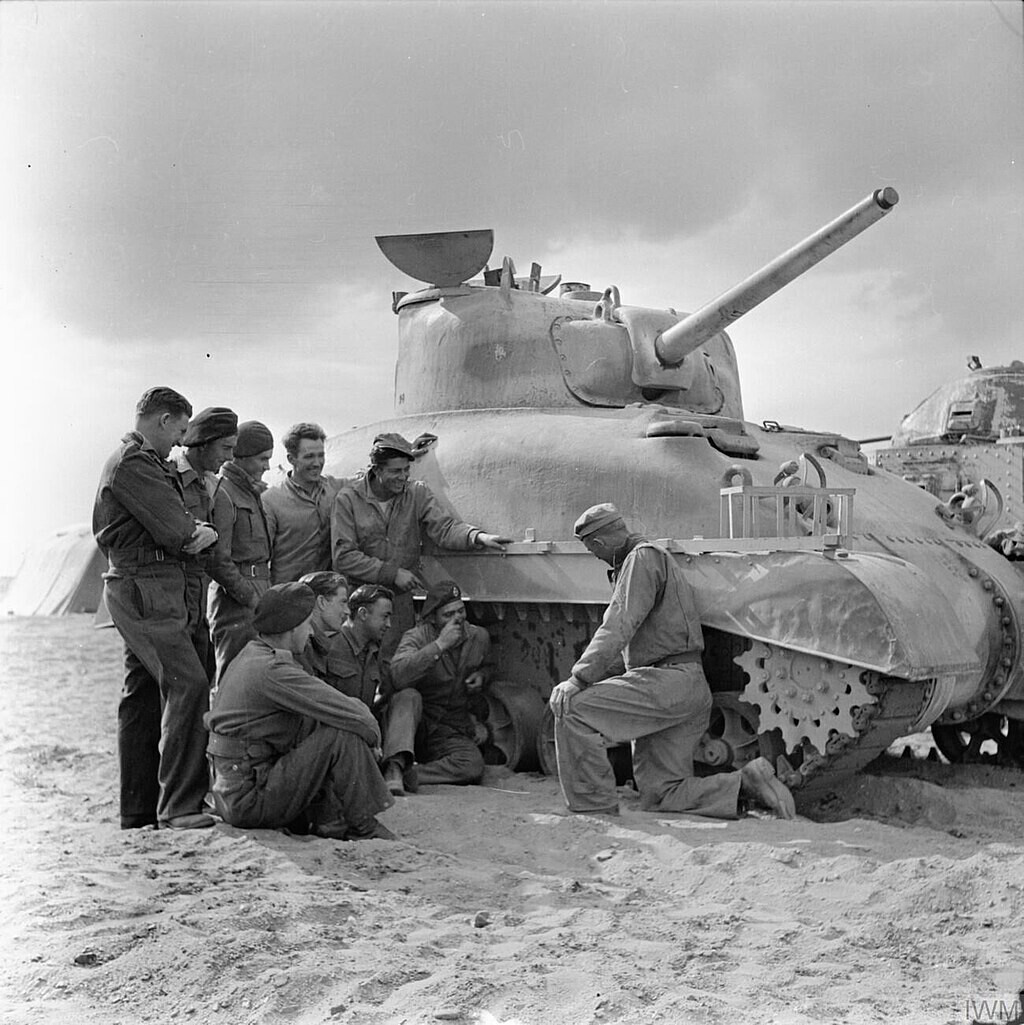
During the Second World War, Britain found itself in a pickle. Domestic factories were unable to produce enough suitable tanks fast enough for the British Army to be able to fight in North Africa and beyond. Similarly, the lessons of the Fall of France, as well as the enormous loss of heavy equipment — albeit somewhat obsolete anyway; meant that the Ministry of Defence was forced to look across the pond to the United States for support.

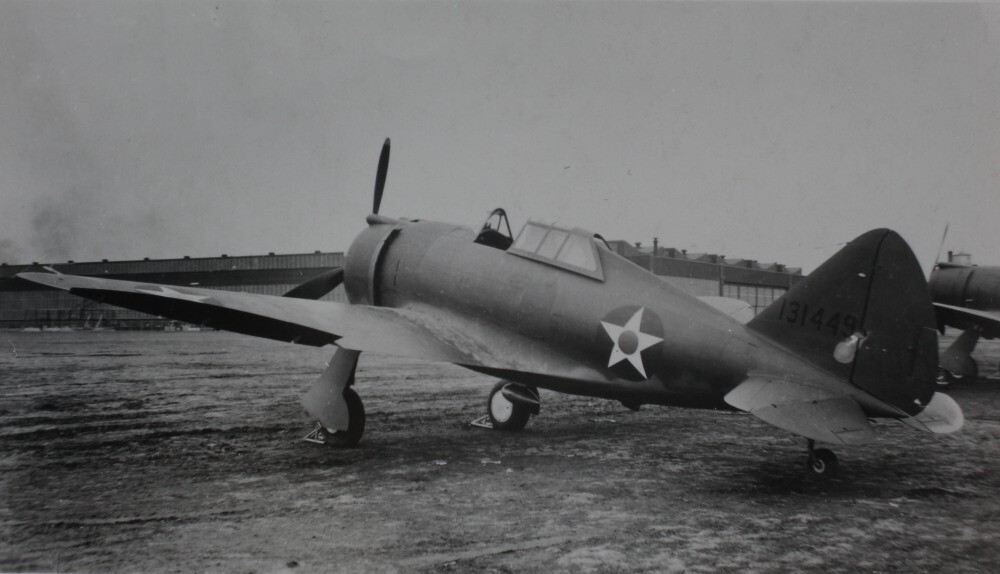
The Republic P-43 Lancer, introduced in 1940, was a transitional American fighter that bridged the gap between prewar designs and the more advanced aircraft of World War II. It offered respectable high-altitude performance for its time, along with decent armament, similar to its more popular successor, the P-47 Thunderbolt. The P-43 provided valuable experience in high-altitude operations and combat testing, with some serving in China under the American Volunteer Group and later the Chinese Air Force.