


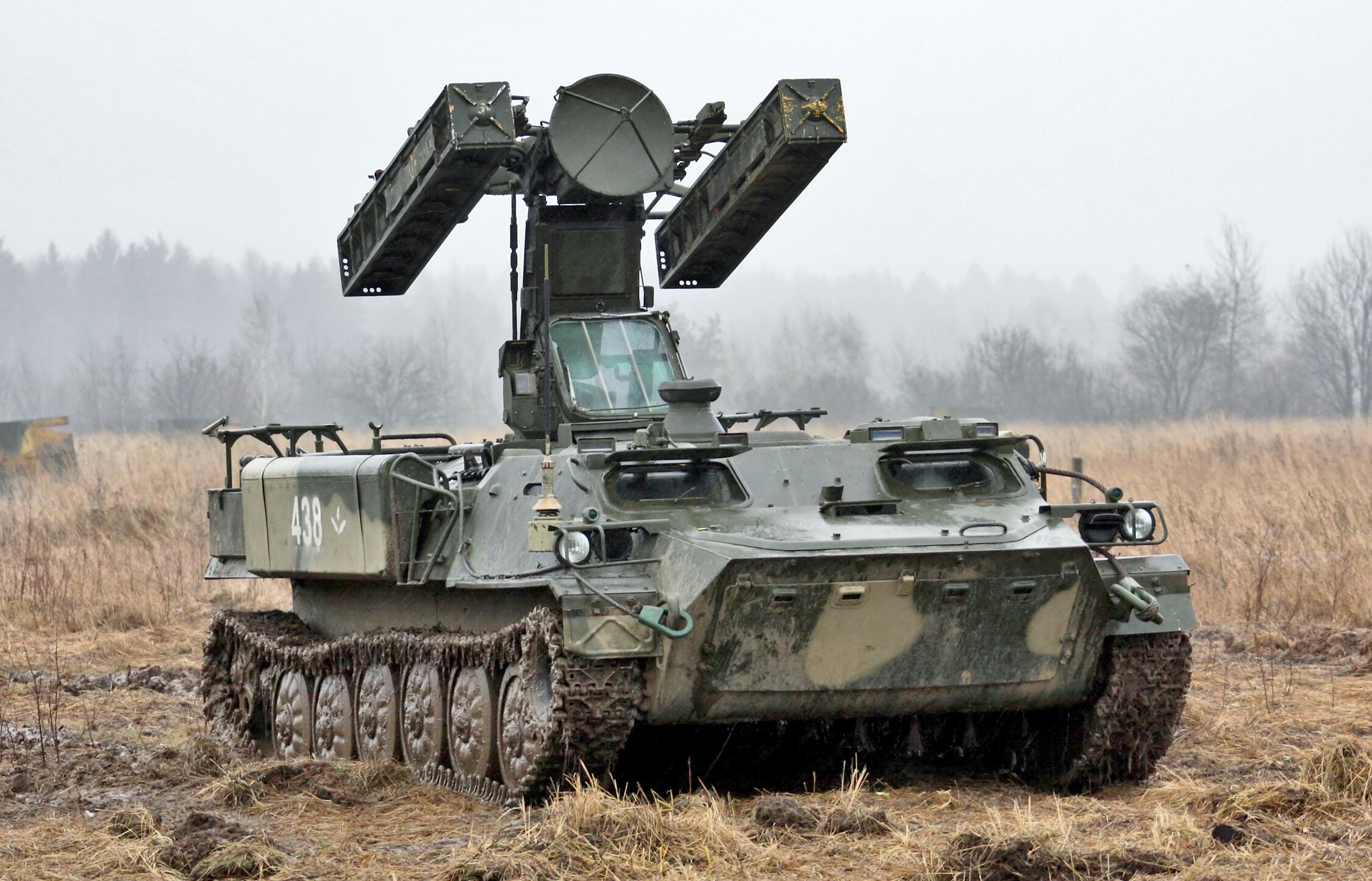
The 9K35 Стрела-10 (Arrow-10) “Gopher” is a Soviet-made, mobile surface-to-air missile launcher conceived in the late 1960s and 1970s. It utilizes the 9M37 and 9M333 surface-to-air missiles. The launcher system is mounted onto a modified amphibious MT-LB chassis. Despite being put into service in the 1970s, the Strela-10 is still in service today in over 10 countries!

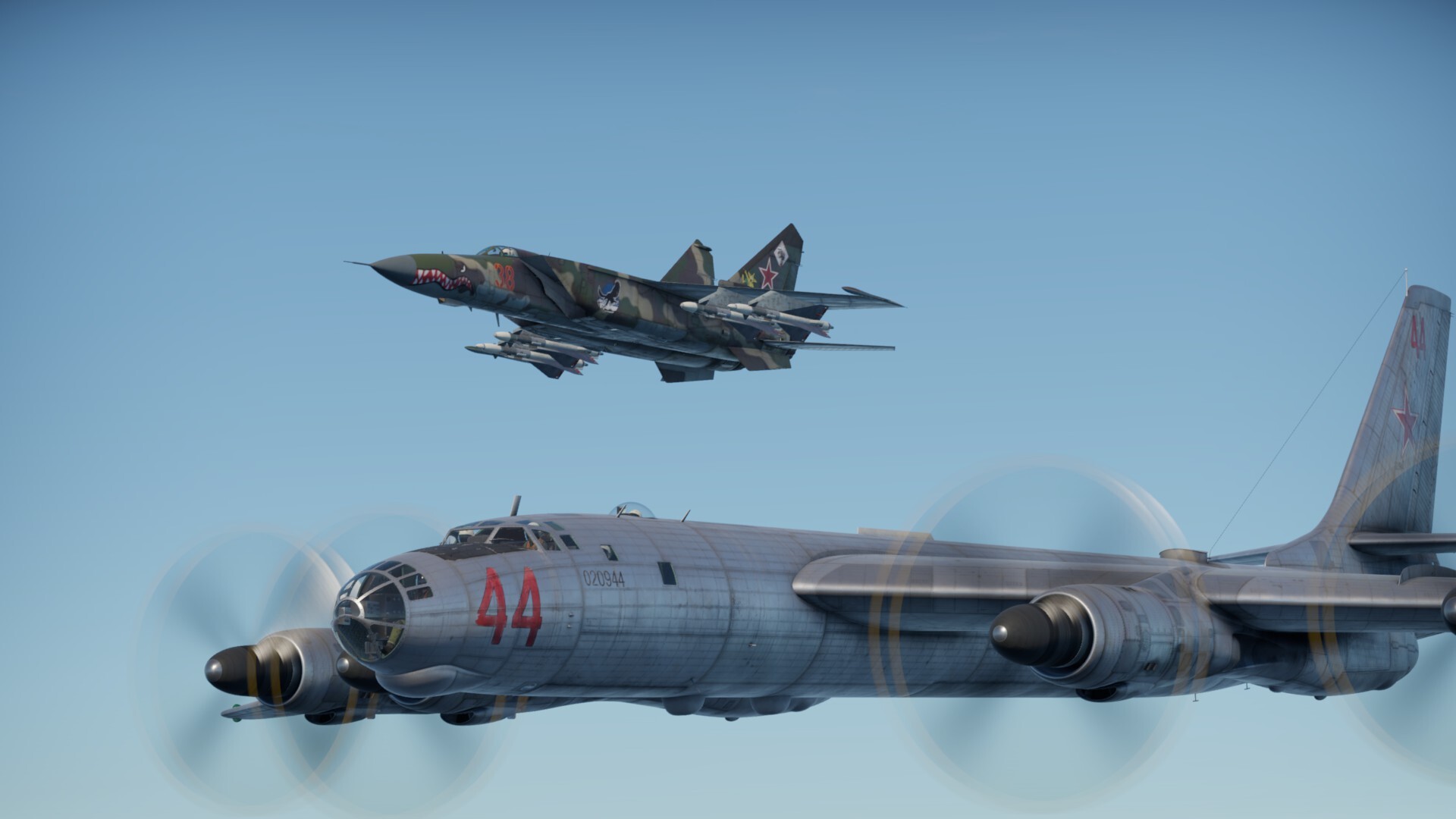
The MiG-25PD “Foxbat-E” was the Soviet Union’s brute-force answer to the blistering pace of technological advances in speed as the United States worked to produce Mach 3-capable aircraft. While the threat of Mach 3-capable nuclear bombers never came to fruition with the advent of ICBMs, the Lockheed A-12 and later SR-71 Blackbird presented a threat to the USSR’s national security sufficient to justify the production of a unique, record-breaking Mach 3-capable interceptor. In War Thunder, the MiG-25PD presents itself as a very unique aircraft that doesn’t fit the playstyle many players at Rank VII are accustomed to, but when played to its strengths, it becomes one of the most fun and enjoyable aircraft to fly in all of War Thunder.

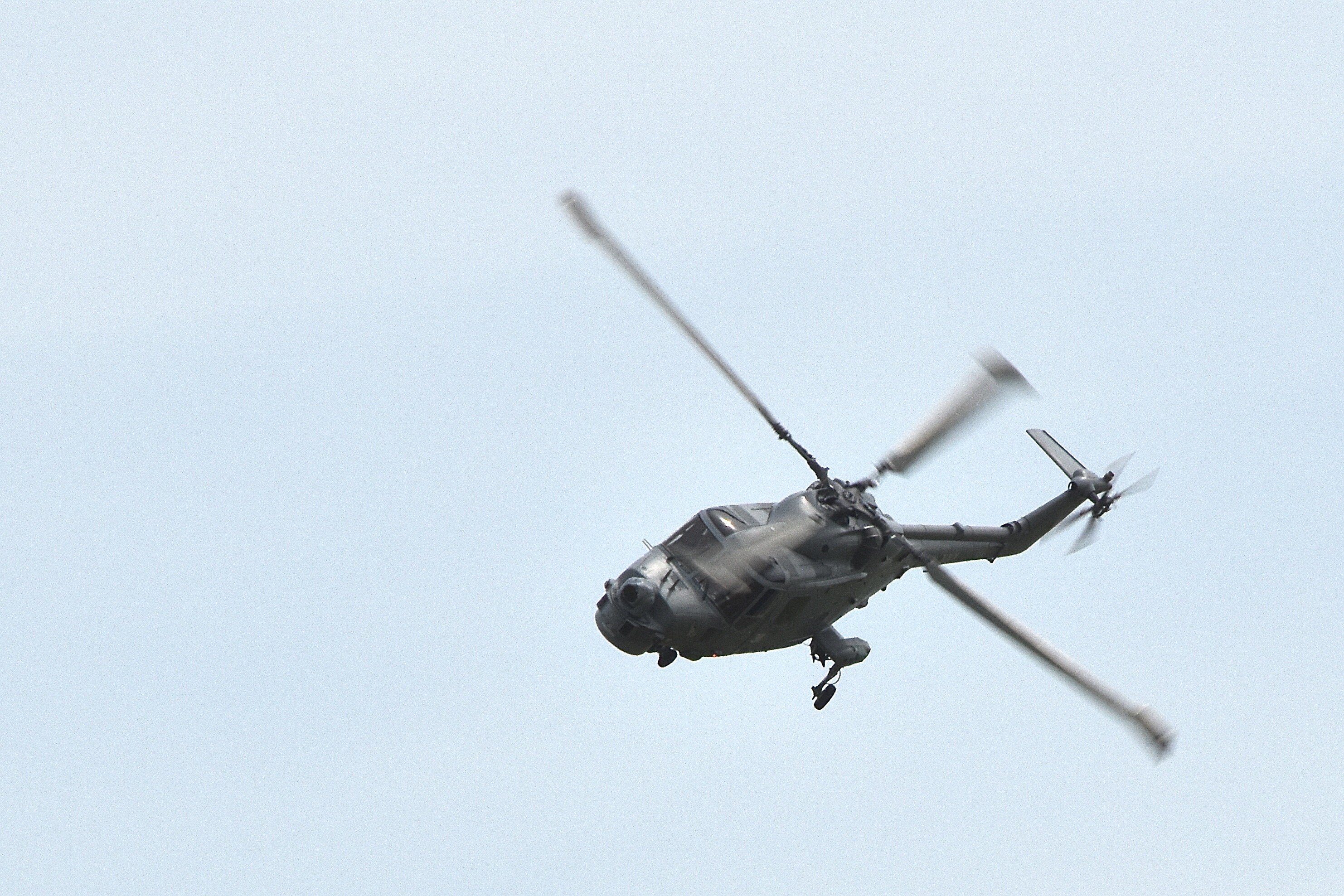
The Westland Lynx is a British multi-purpose twin-engine military helicopter. Designed and built by Westland Helicopters. As a multi-purpose helicopter, it served both military and civilian purposes, being put into service since 1977 and being still in use in many nations. It is a leading example of a utilitarian craft in both civilian, naval, and military scenarios.
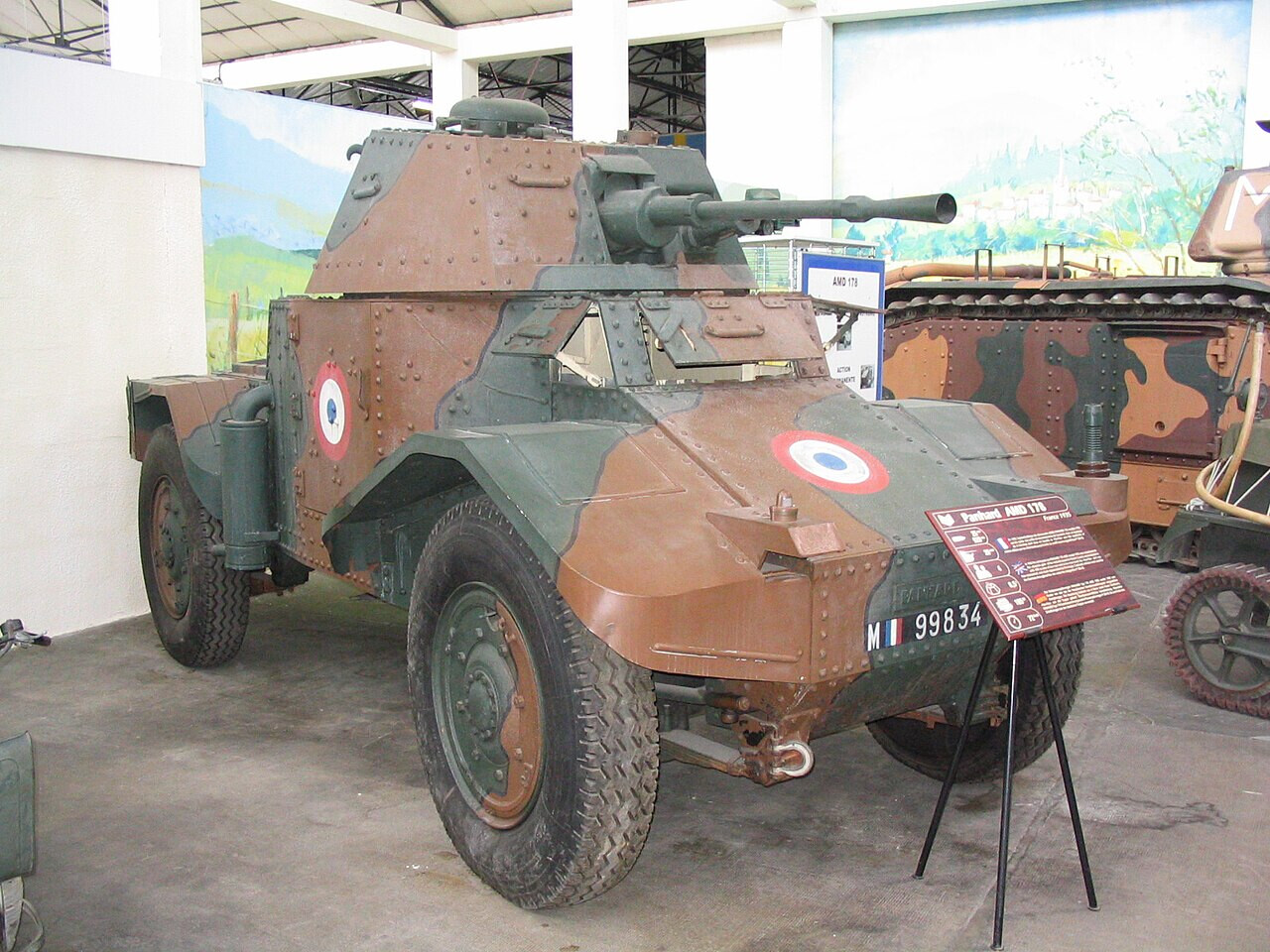
The Panhard 178, officially designated the Automitrailleuse de Découverte Panhard modèle 1935, also known in the game primarily as the AMD.35, was a French 4×4 armoured car designed for French Army Cavalry units. The AMD.35, alongside being equipped with various cannons, was also used by Nazi Germany and converted to use the 5 cm KwK 38 L/42 (used as the main armament of the Panzer III) or the 5 cm PaK 38 L/60 (primarily used as a towed anti-tank gun). The Pz.Sp.Wg.P204(f) KwK 39/1 is fitted with the 5 cm KwK 39. The AMD.35 became the first mass-produced 4×4 armoured car for a major country and was considered very advanced for its time, with its variants, including the Panhard 178B, remaining relevant until the 1970s.

World War I left a lasting mark on military doctrine. Breaking through trenches and networks of fortified positions proved to be a very important but incredibly difficult challenge, and for a long time, no one could find the perfect solution. There was artillery, there was air power, there were other long-range strike options, but what the reality of the battlefield really demanded was a protected, reasonably mobile vehicle that could punch through enemy lines. Over time, that need gave rise to the idea of the super-heavy tank, a kind of “mobile fortress”. One such vehicle was the Tortoise, a true moving bunker wrapped in thick armor and armed to the teeth.
Most late heavy tanks in War Thunder are found at the same battle rating. Different nations bring their “final forms” of the class here — vehicles that, one way or another, represent the ceiling of what heavies can do. And among them, one French machine stands out: the AMX-50 Surbaissé. Why? Because it breaks the usual heavy-tank stereotype on pretty much every point. Watch this...

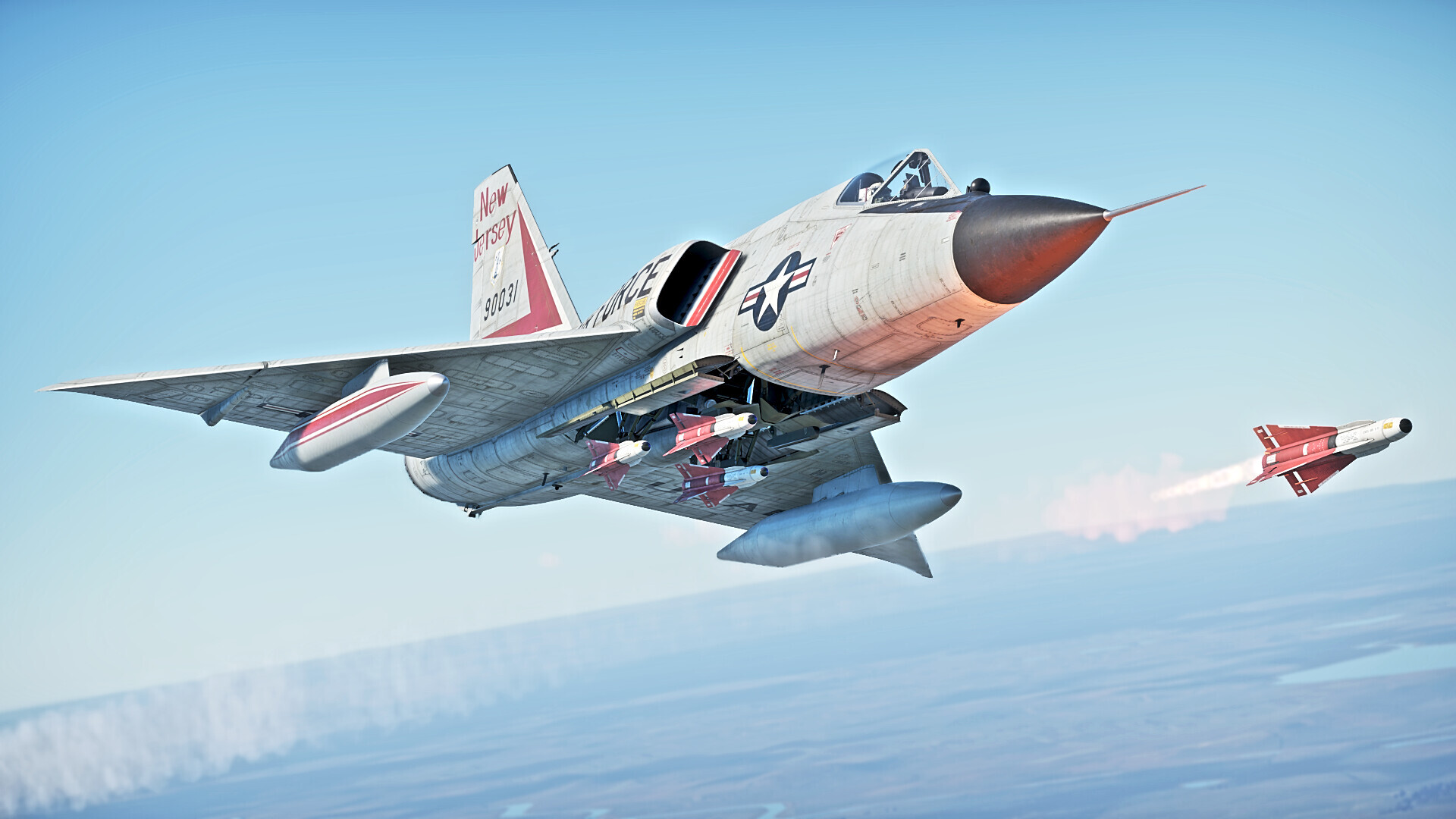
The development of jet aviation brought the world such famous deltas as the MiG-21 and the Mirage. However, their American counterparts did not enjoy similar success. The Air Force was left with only a failure of F-102 and an attempt to improve it, the F-106. This attempt was successful, and after the aircraft entered service in 1959, pilots deeply loved it for its excellent performance. In the game, the Delta Dart lives up to that love. It's a fast aircraft with powerful air-to-air weapons and an unusual missile layout in the bomb bay. So, what's the catch?

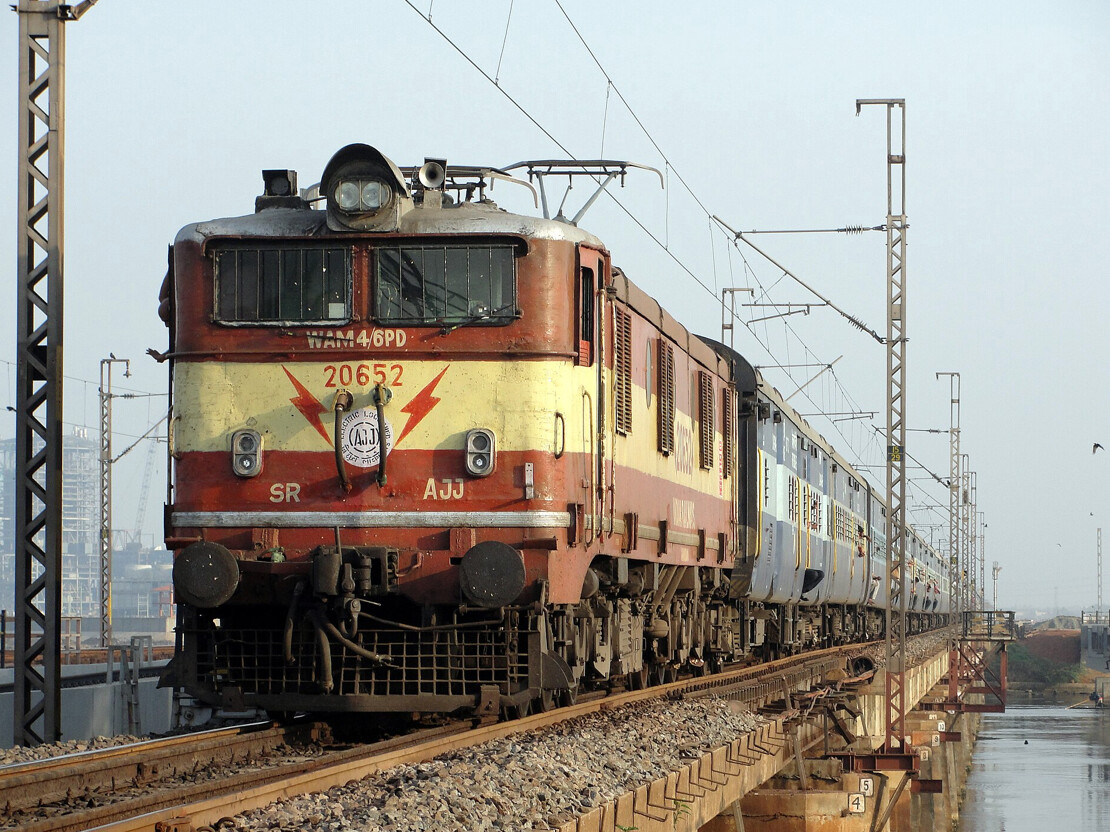
The WAM-4 is an Indian locomotive. It was developed and built by the Indian manufacturer Chittaranjan Locomotive Works (for short: CLW) and the Research Design and Standards Organization (for short: RDSO) between 1970 and 1983, with 500 units produced. Its name is composed of W for wide gauge, A for alternating current, and M for mixed, indicating that it can be used for both freight and passenger trains, just like the Br 52 and the EMD. Finally, the 4 indicates that it is the 4th generation of the WAM series, similar to the EMD. She served with the Indian Railways for almost fifty years until she was retired between 2005 and 2020; nevertheless, she was one of the most successful Indian locomotives.
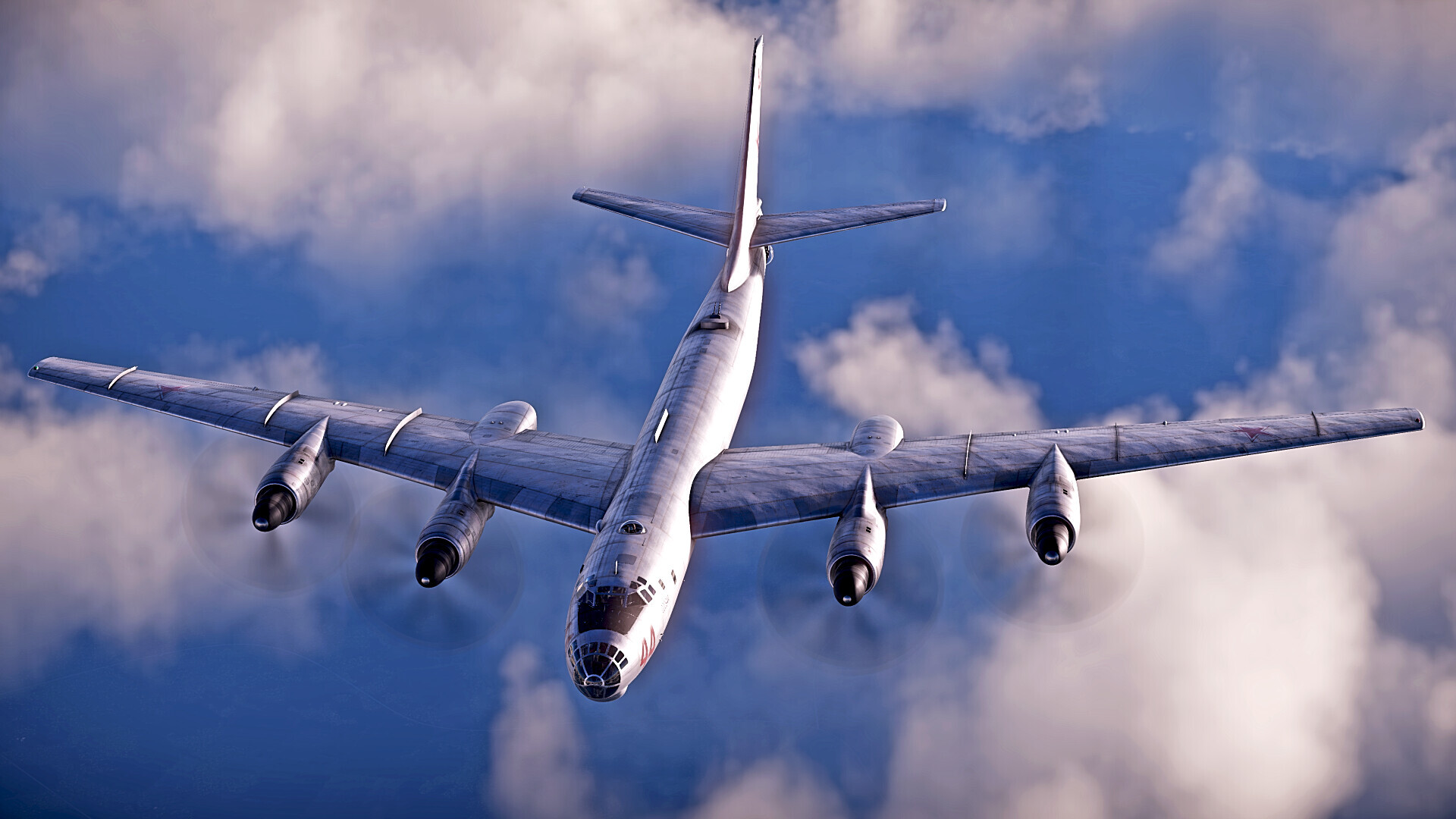
The Tu-95 (NATO reporting name: “Bear”) is a renowned Soviet turboprop strategic bomber. Originally developed as a replacement for the Tu-4, the Bear served as a heavy bomber, capable of carrying various bombs and missiles and even as a carrier for the “Tsar Bomba” — the most powerful nuclear bomb in the world. But how does the Tupolev perform in the game? What is the history of the world’s loudest turboprop bomber? Read the article to find the answers!
It is often assumed that the history of combat helicopters began in the second half of the 20th century. The images that usually come to mind are from Vietnam: formations of transport Hueys coming in to land under enemy fire, or swarms of attack Cobras escorting troops above the jungle canopy. Later, another war came to be symbolized by the Soviet Mi-24: the famous “Crocodile” flying over the mountains of Afghanistan.