#review
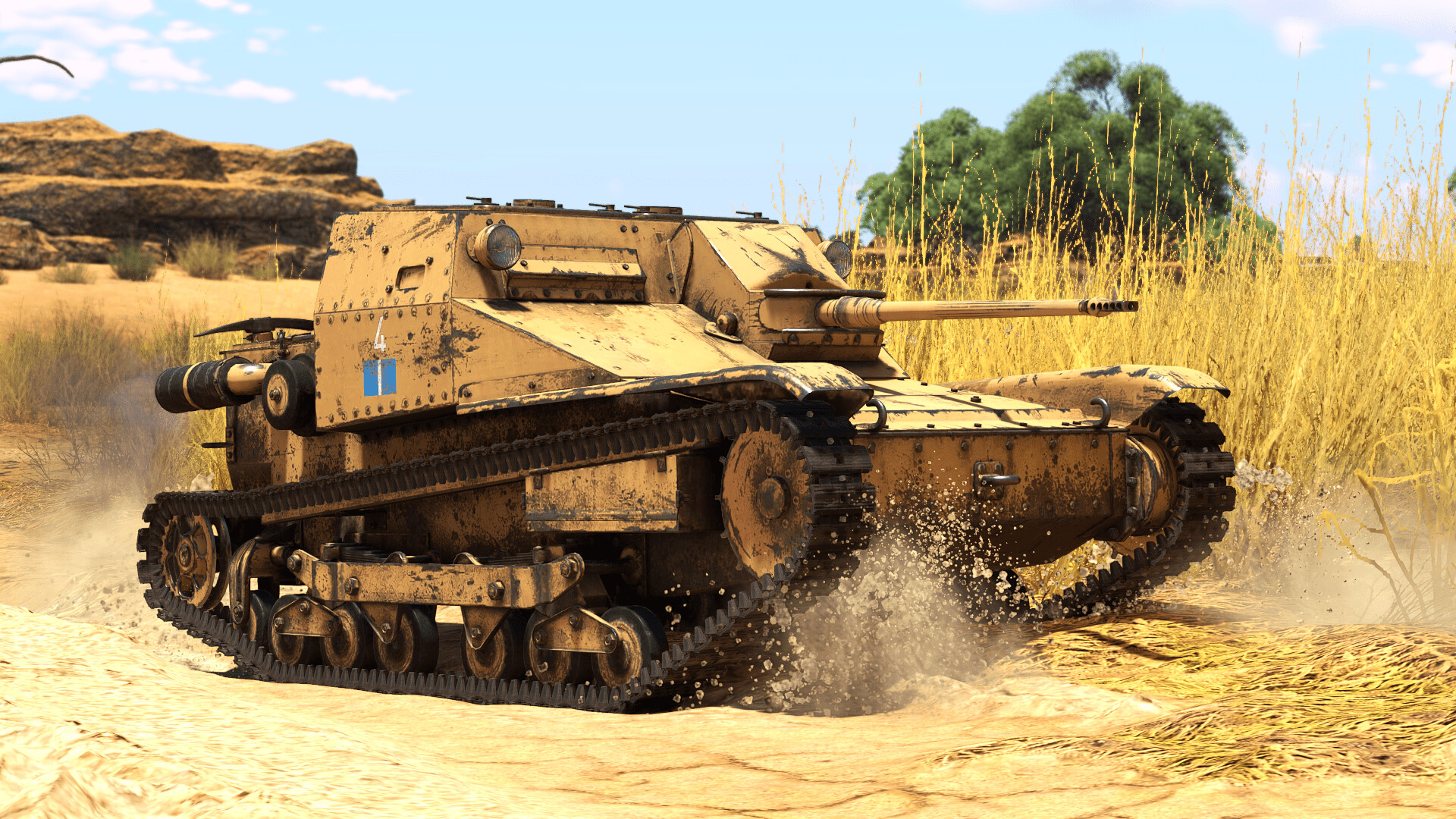
It's been underestimated. It's been involuntarily towed around. It's been crushed by many Mauses. It's been made a meme by the War Thunder community, but at the same time, it's a fan favorite. However, when has anyone actually played it competitively? In today's post, I'm going to explain to you how to actually play the venerable L3/33 CC, a Rank I Italian tank destroyer. I'll go over its performance, strengths and weaknesses, and give you some pointers on how to play it in Ground RB.

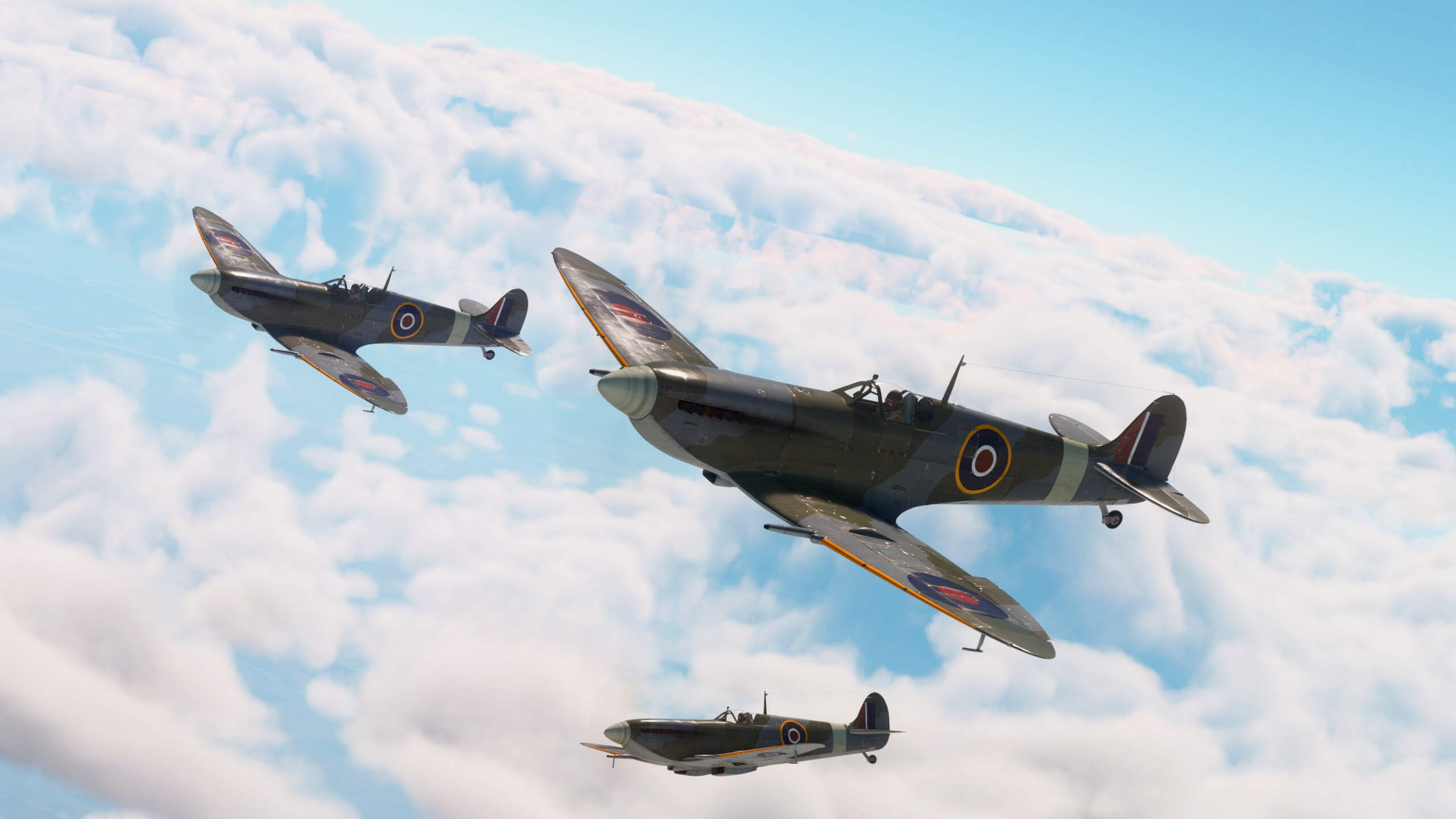
The Supermarine Spitfire is one of the most famous propeller aircraft ever made, and easily one of the best of its time. Initially a high performance, short range interceptor, the Spitfire could be found fighting in every theatre of the World War II. In War Thunder, its high speeds, unparalleled maneuverability, and heavy armament make it a pleasure to fly and a force to be reckoned with. In this article, I will be talking about the two main types of Spitfires, their strengths and weaknesses, as well as tactics, how to fight common enemies, and how to use this plane in battles.

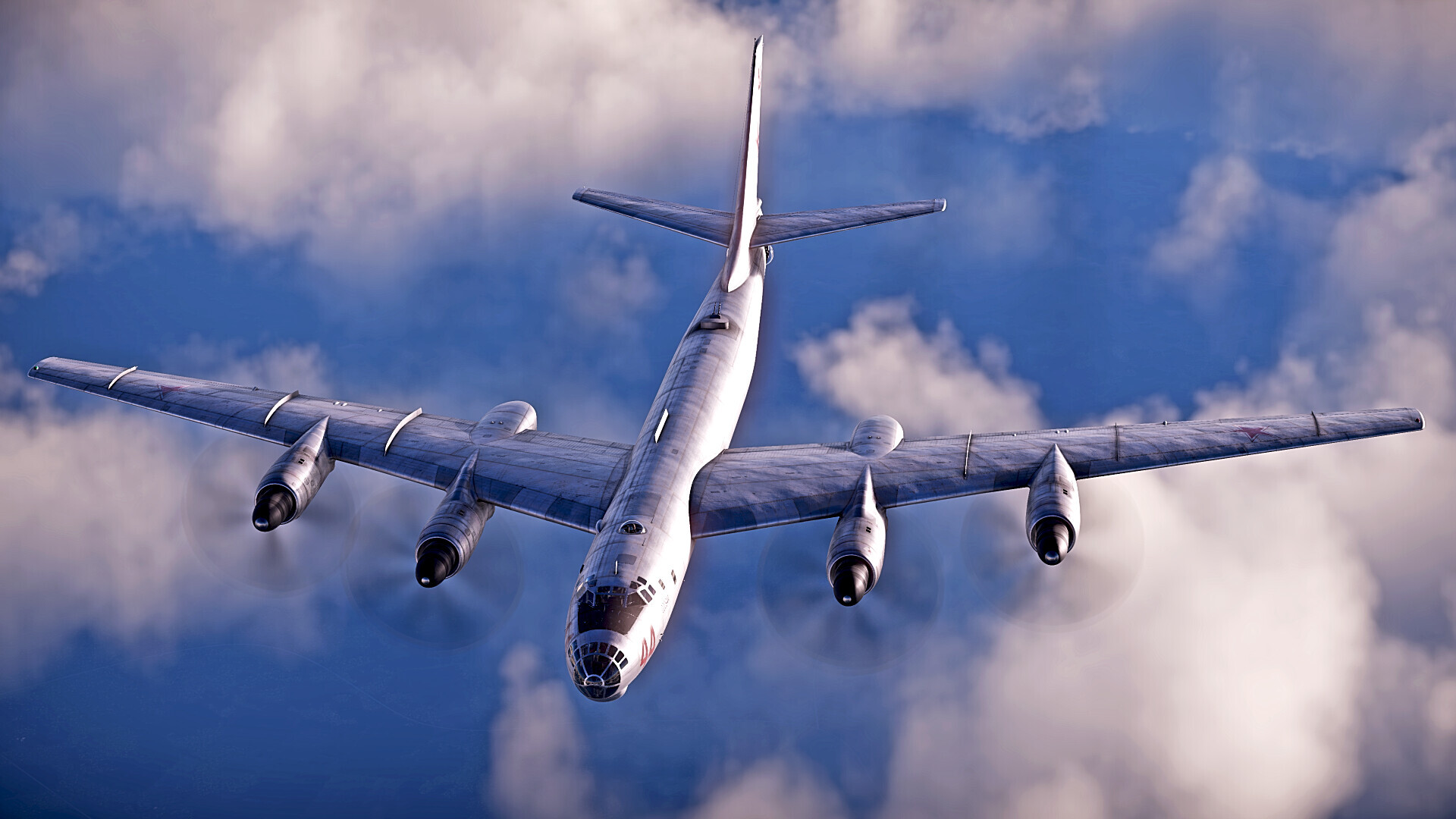
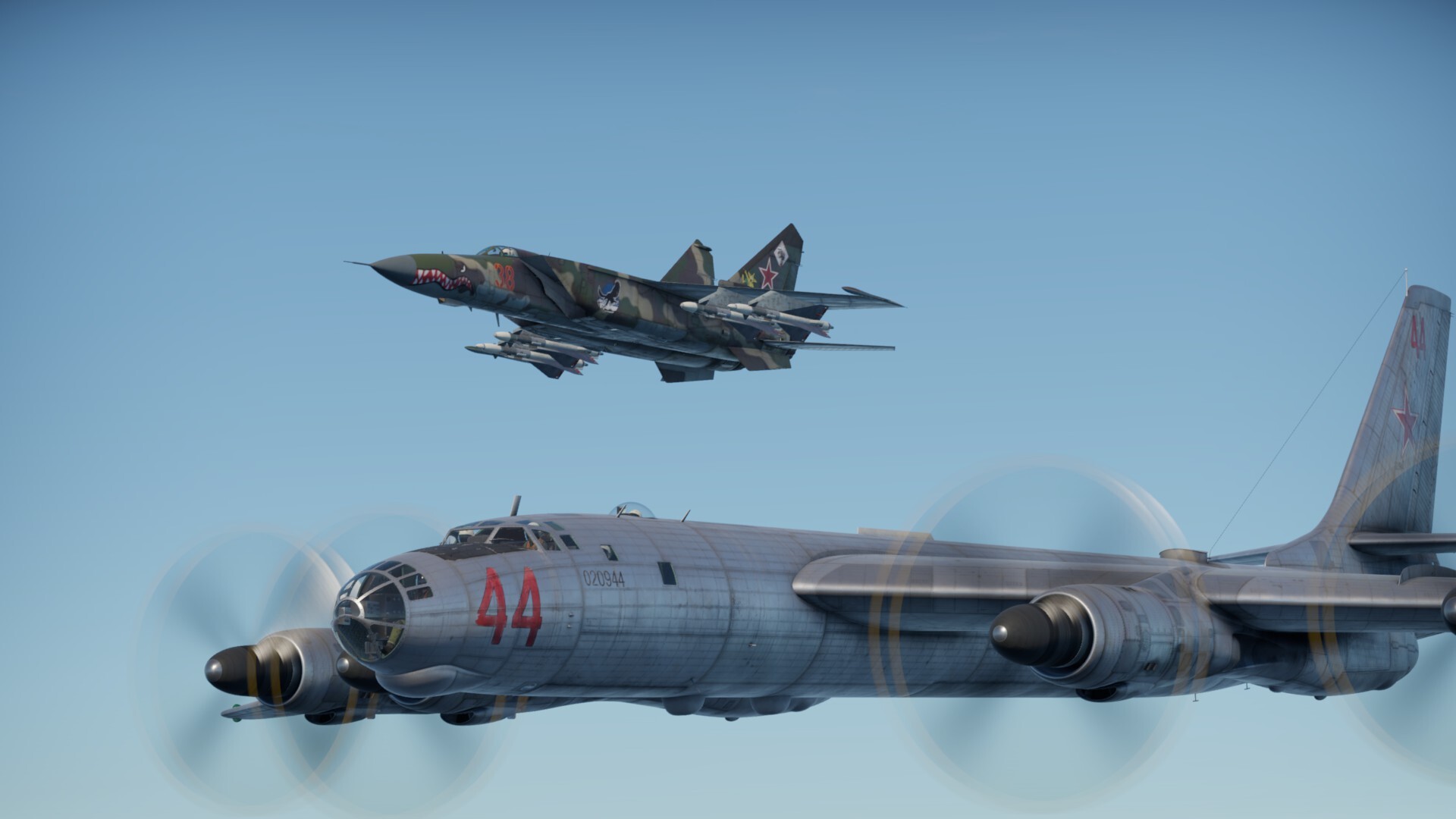
The Tu-95 (NATO reporting name: “Bear”) is a renowned Soviet turboprop strategic bomber. Originally developed as a replacement for the Tu-4, the Bear served as a heavy bomber, capable of carrying various bombs and missiles and even as a carrier for the “Tsar Bomba” — the most powerful nuclear bomb in the world. But how does the Tupolev perform in the game? What is the history of the world’s loudest turboprop bomber? Read the article to find the answers!
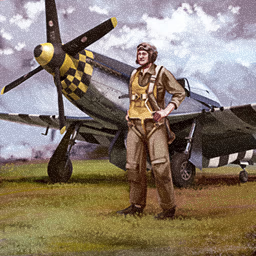
The Bf 109 (or Me 109) really needs no introduction. It is one of the most famous and popular aircraft of the Second World War, and the fighter with the most aerial victories ever. In my previous article, I wrote about the history of the Messer’s development. This one will focus on these fighters in War Thunder (primarily in Air RB), their performance, strengths & weaknesses, tactics, recommendations, and some fancy graphs.


The MiG-25PD “Foxbat-E” was the Soviet Union’s brute-force answer to the blistering pace of technological advances in speed as the United States worked to produce Mach 3-capable aircraft. While the threat of Mach 3-capable nuclear bombers never came to fruition with the advent of ICBMs, the Lockheed A-12 and later SR-71 Blackbird presented a threat to the USSR’s national security sufficient to justify the production of a unique, record-breaking Mach 3-capable interceptor. In War Thunder, the MiG-25PD presents itself as a very unique aircraft that doesn’t fit the playstyle many players at Rank VII are accustomed to, but when played to its strengths, it becomes one of the most fun and enjoyable aircraft to fly in all of War Thunder.

The Panzerkampfwagen Tiger Ausf. B, otherwise known as the Königstiger, King Tiger, and Tiger II, marks the end of Germany’s heavy tank line. Equipped with the “long eighty-eight” and exceptionally thick frontal armor, this 70-ton behemoth can make quick work of most opponents on the battlefield and, in the hands of a skilled player, can prove to be a deciding factor in any conflict.


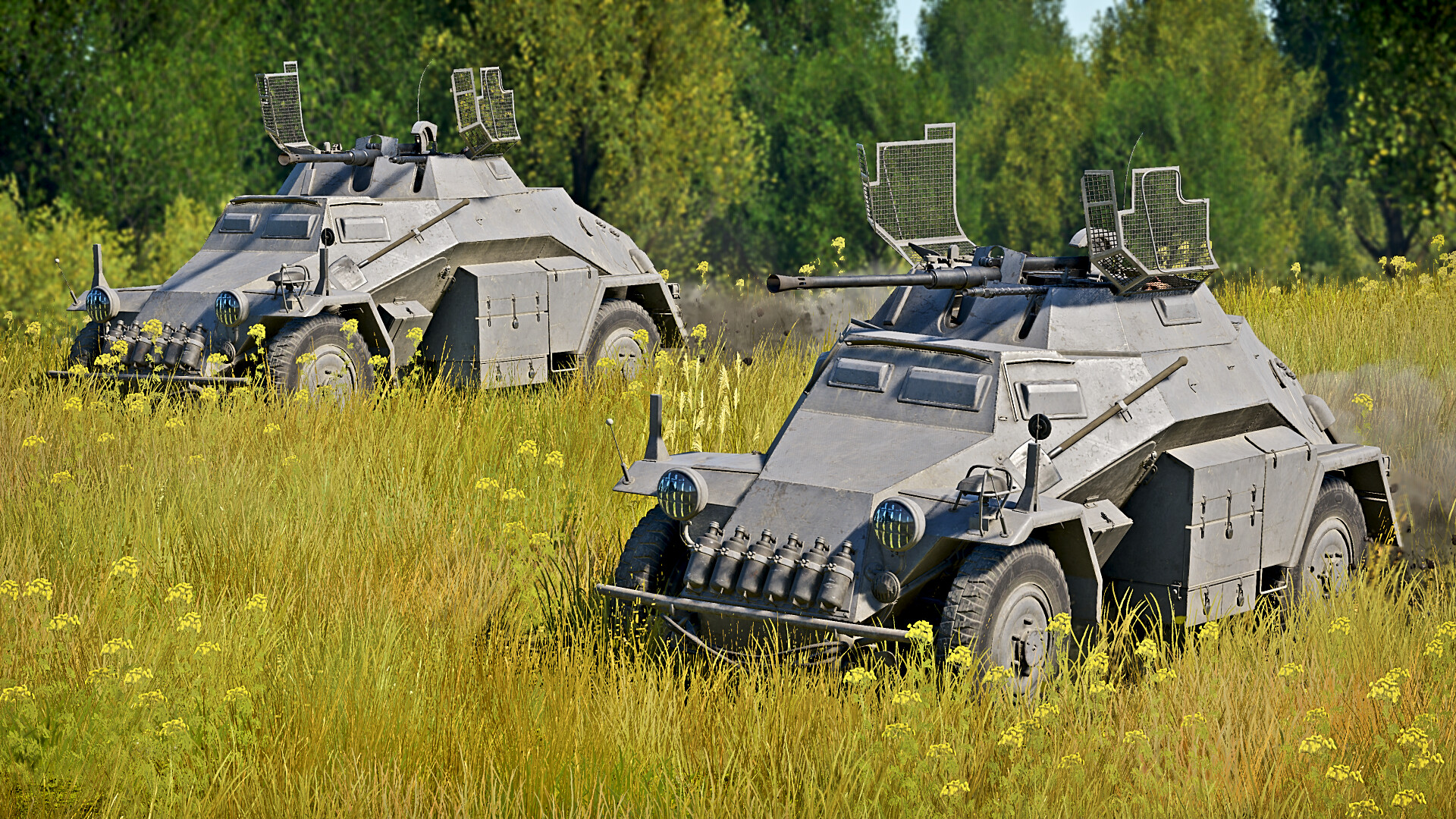
The Sd.Kfz.222 was a German armoured car used during the Second World War. This vehicle had a great deal of history and was deemed very useful during the early years of World War II. With its very high speeds and effective 20 mm cannon, this vehicle was very useful for quick close-combat situations. This article will explain this armoured vehicle’s history, armaments, mobility, and gameplay.

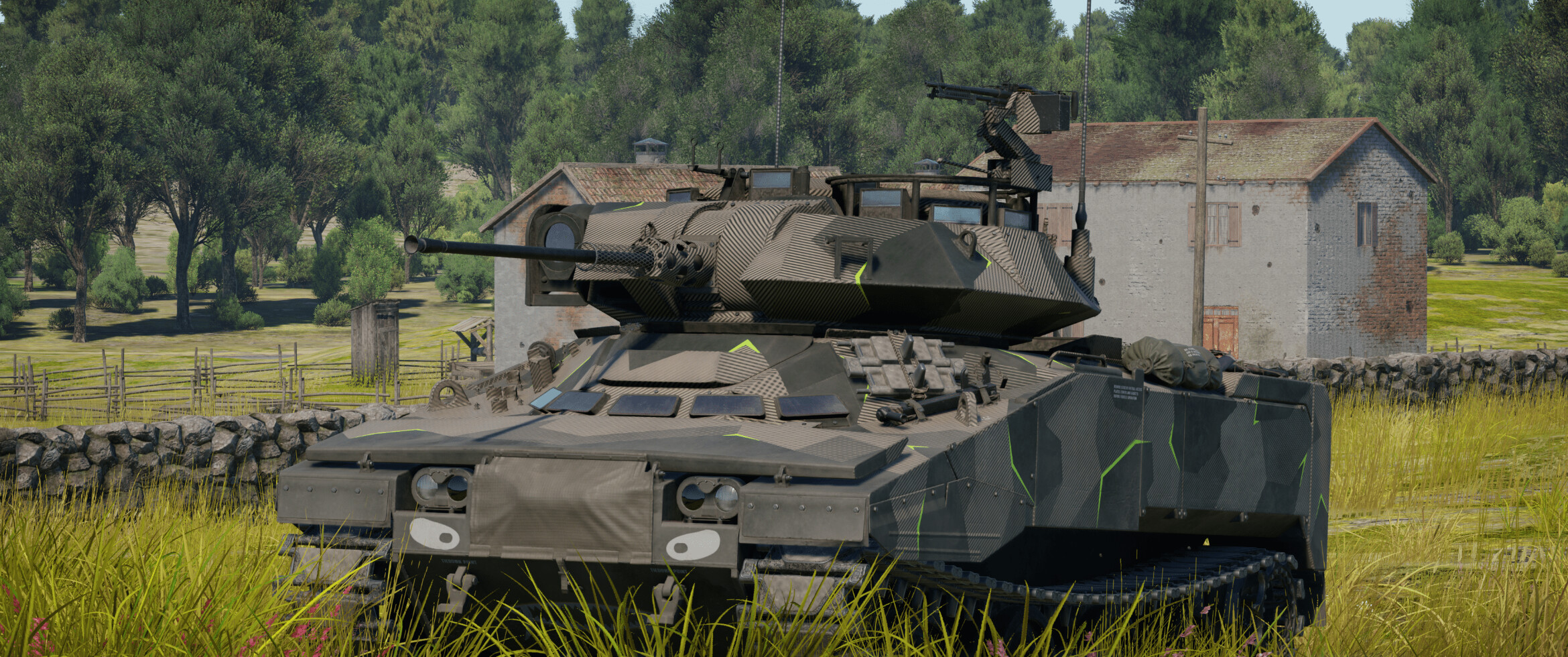
The XM800T is an ARSV, developed in the 1970s by Chrysler, FMC Corp., and Teledyne Continental. It was meant to replace the M114 but never entered production, although the experience gained was used in the M2 Bradley later on. However, this tank combines weak armor with a gun that can’t even penetrate 70mm of armor up close. So how to play this exceptional light tank? Find out in this article!