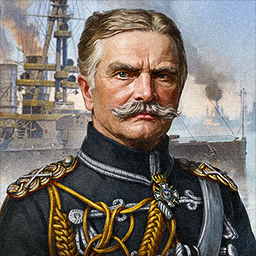
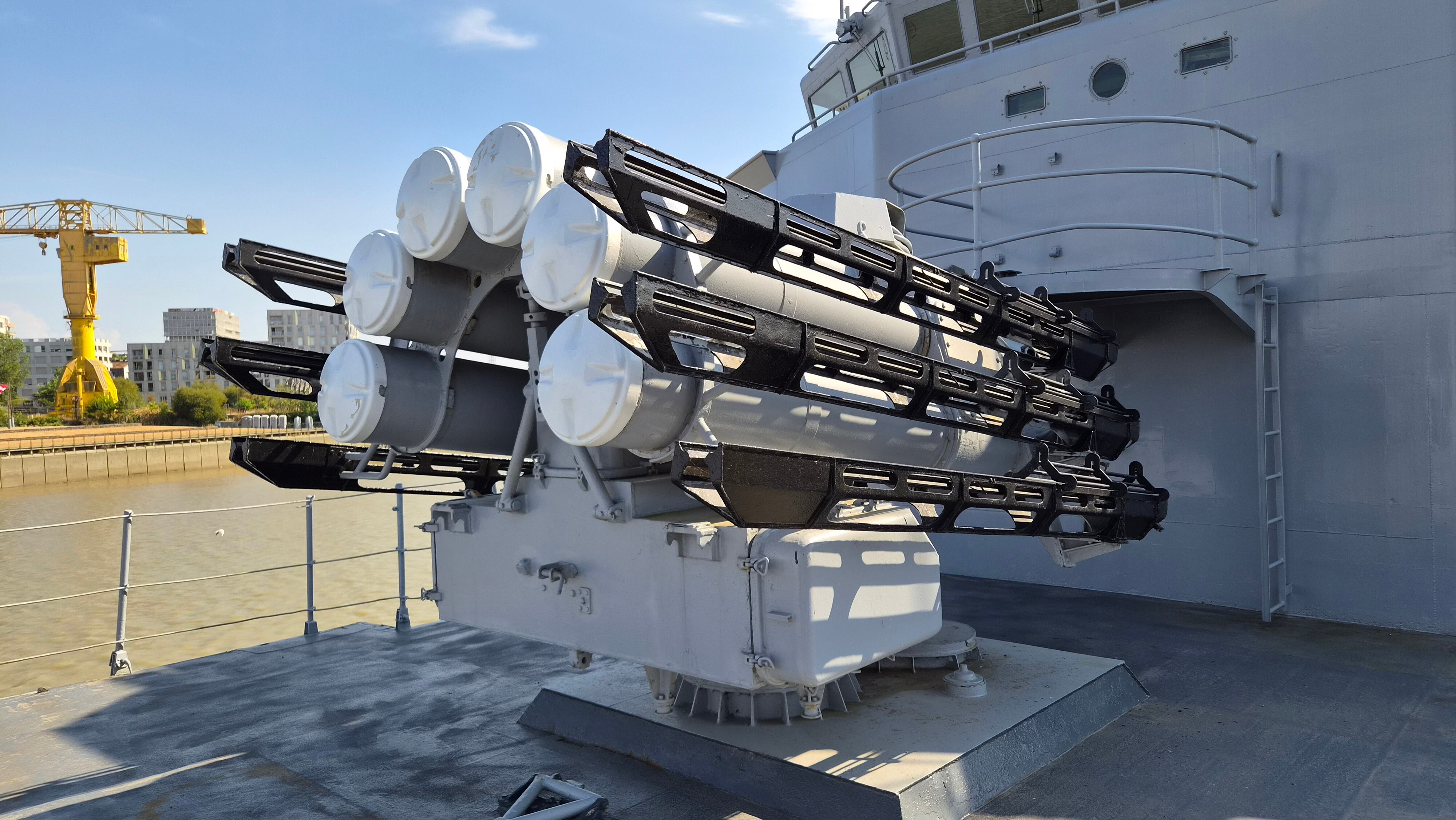
Anti-submarine warfare began soon after the first armed submarines appeared. In WW1, the main weapons were depth charges and mines. Then the first active sonars began to appear, along with a new type of weapon: anti-submarine mortars, with its prime example being the British Hedgehog. These mortars would later be improved into rocket launchers, which had considerably greater range and could launch much larger explosive charges. Bofors would develop one of the first such launchers: the 375 mm M/50 anti-submarine rocket launcher. Adopted by many countries and installed on numerous ships, it revolutionized close-range anti-submarine warfare and is still in use today.
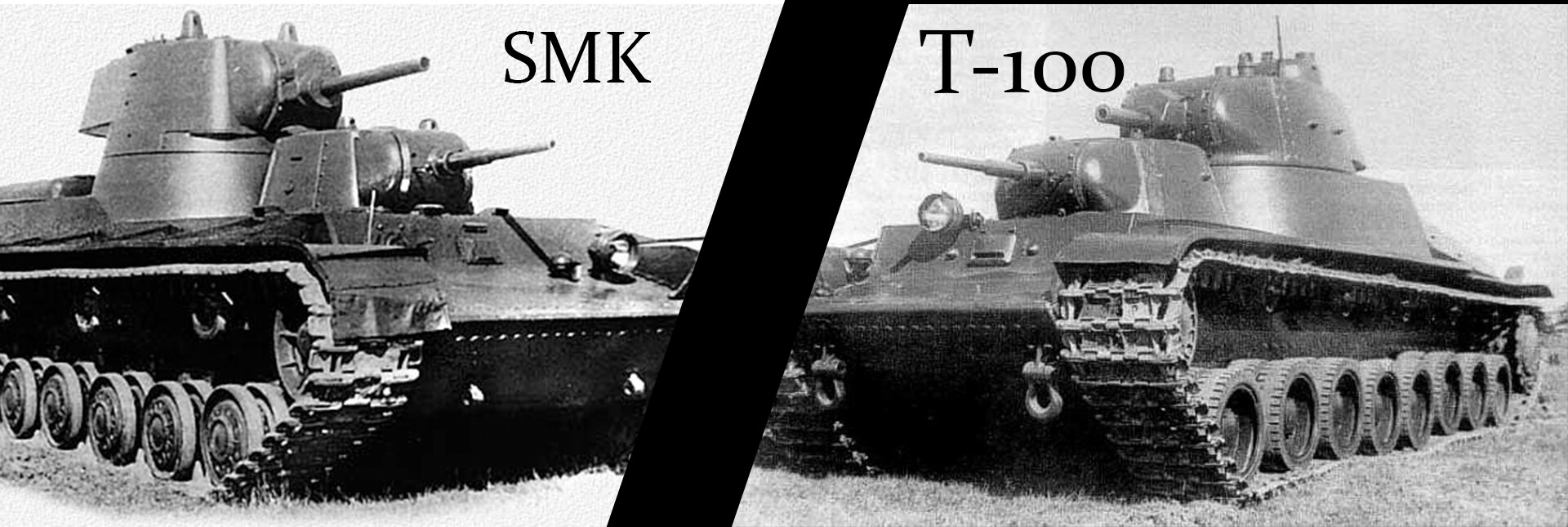
After WW1, a new type of tank emerged: the “Land Battleship”. This type of tank would be developed by multiple nations and in multiple forms. The Soviet Union was particularly keen on this design and continued work on it into WW2. This obsession would lead to two tanks in WW2, the SMK and T-100. Their complex development history would involve other well-known tanks that you may not know were linked.
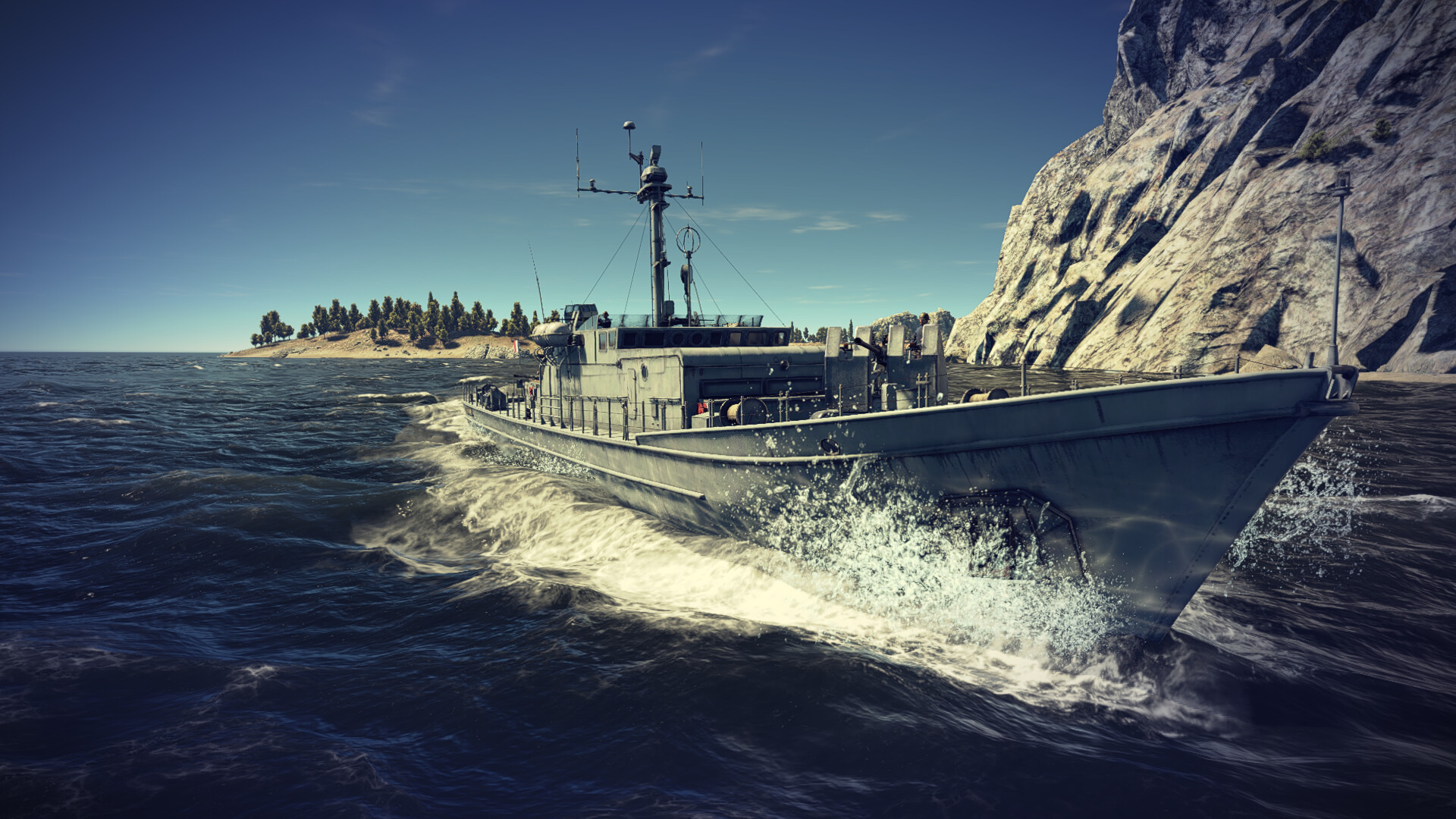
La Combattante was an experimental French coastal ship for the next generation of boats commissioned in 1964. During its service it saw many changes to its armament, mounting SS.11, SS.12, a 30 mm cannon, a 40 mm cannon and even the Exocet anti-ship missile. After being transferred to the Gendarmerie Maritime, it was later decommissioned in 1994. Added in the Dance of Dragons update, La Combattante is the only naval vessel armed with HEAT missiles. It offers similar gameplay to its predecessor the VLT-1 with its twin 40 mm but with a twist.
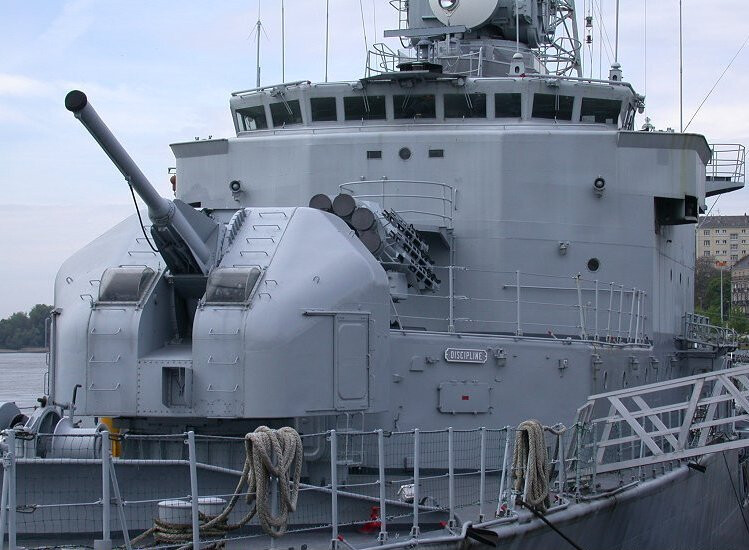
After WW2, most French vessels were armed with 5” guns, similar to the American 5"/38 Mk.12 cannon, and Bofors 57 mm guns. However, in 1953, a new gun was developed that would replace both of them and deal with anti-air and anti-surface duties. This led to the development of the 100 mm/55, a cannon that would equip all French vessels, from frigates to aircraft carriers, all the way to the modern day. In game, the 100 mm/55 is among the best French naval guns, combining an excellent fire-rate, great damage, and both anti-air and anti-ship capabilities. Found in both the German and French tech trees, it is the ultimate reward for coastal forces and offers great success in your engagements.
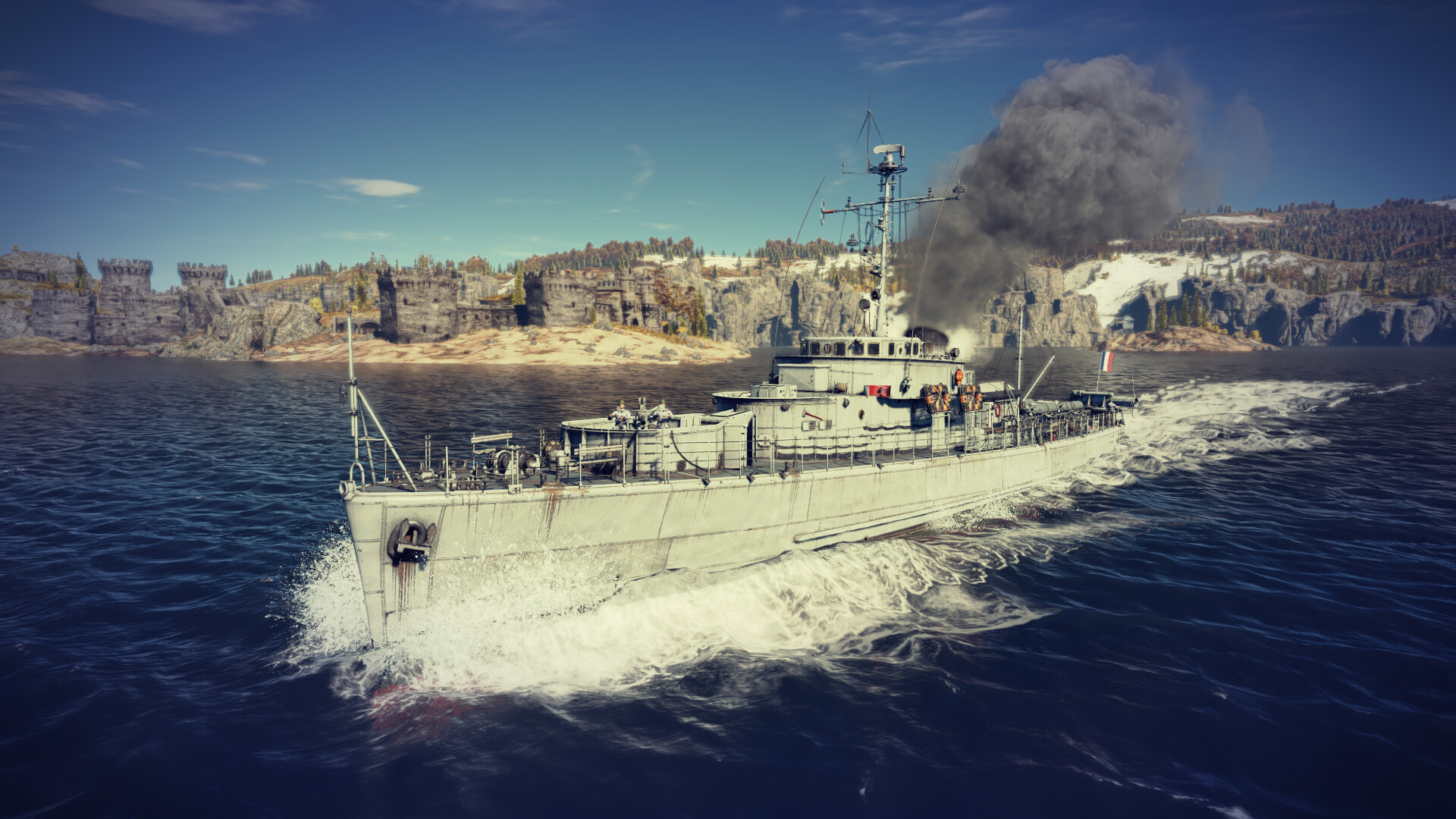
After World War II, the Marine Nationale urgently needed to rebuild its fleet with domestic ships. By 1950, it still relied on pre-war vessels and Allied loans, pushing France to restore naval independence. Alongside major ships like the T 47-class destroyers, smaller patrol vessels such as the Fougueux and Adroit classes were designed. Intrépide, one of eleven Adroit-class ships, stood out for testing an experimental stern-mounted torpedo launcher. Introduced in the Tusk Force update, the Intrépide brings a unique coastal asset to France with a mix between the size of large frigates like the Marne and the armament of smaller patrol boats like the VLT-1.
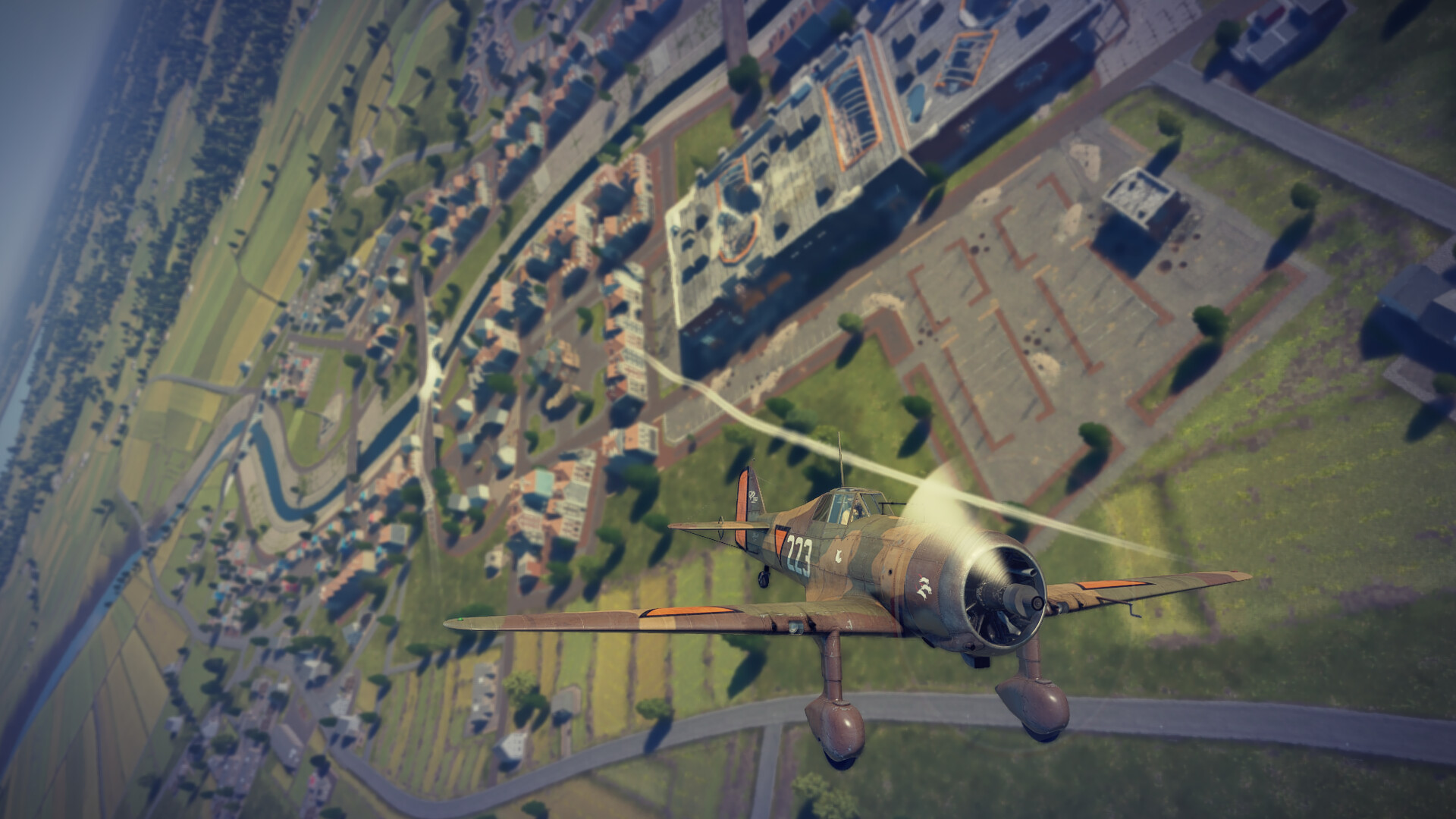
The N.V. Koninklijke Nederlandse Vliegtuigenfabriek Fokker was among the best aircraft manufacturers in WW1, producing some of the most famous planes such as the Fokker Dr.I or the Fokker D.VII. The Fokker D.XXI came on the eve of WW2 and Fokker decided to go the opposite of other aircraft manufacturers and went with a much simpler monoplane design that would do wonders in Finnish hands. The Fokker D.XXI provides an excellent introduction to monoplane fighters after biplane designs and will need you to work around its flaws to achieve its best performance.
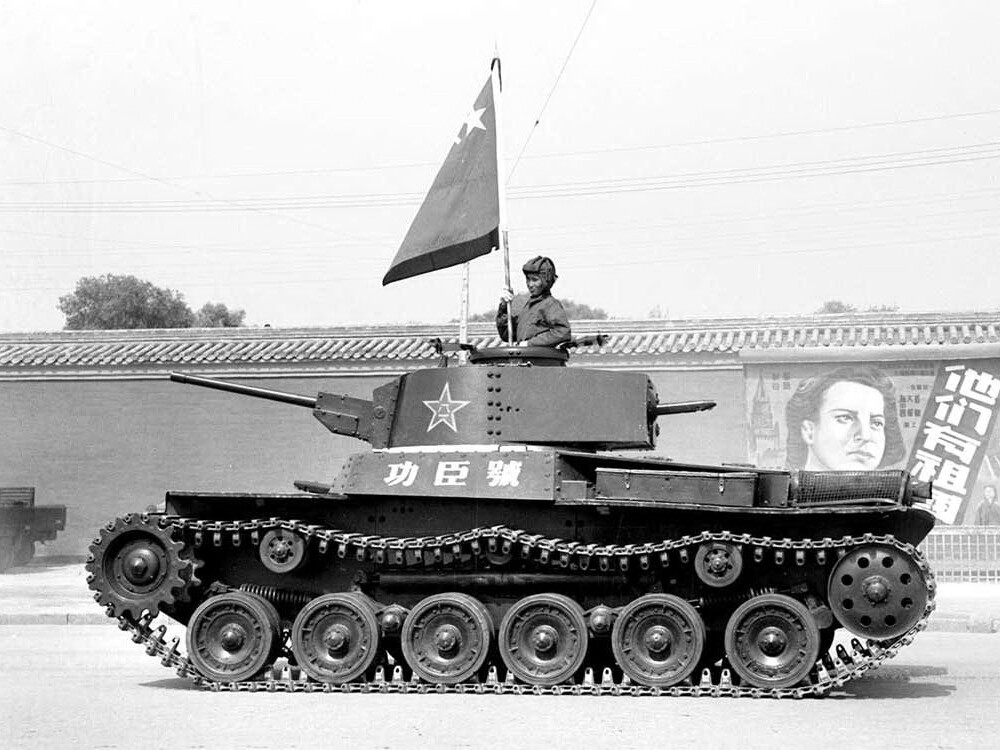
The Gongchen tank would become the first tank in service with the People’s Liberation Army. It helped the army of the Chinese Communist Party in numerous battles, including the siege of Jinzhou. A symbol of the PLA’s humble beginnings and its triumphant, hard-fought revolutionary spirit, paving the way for a modern armored force.
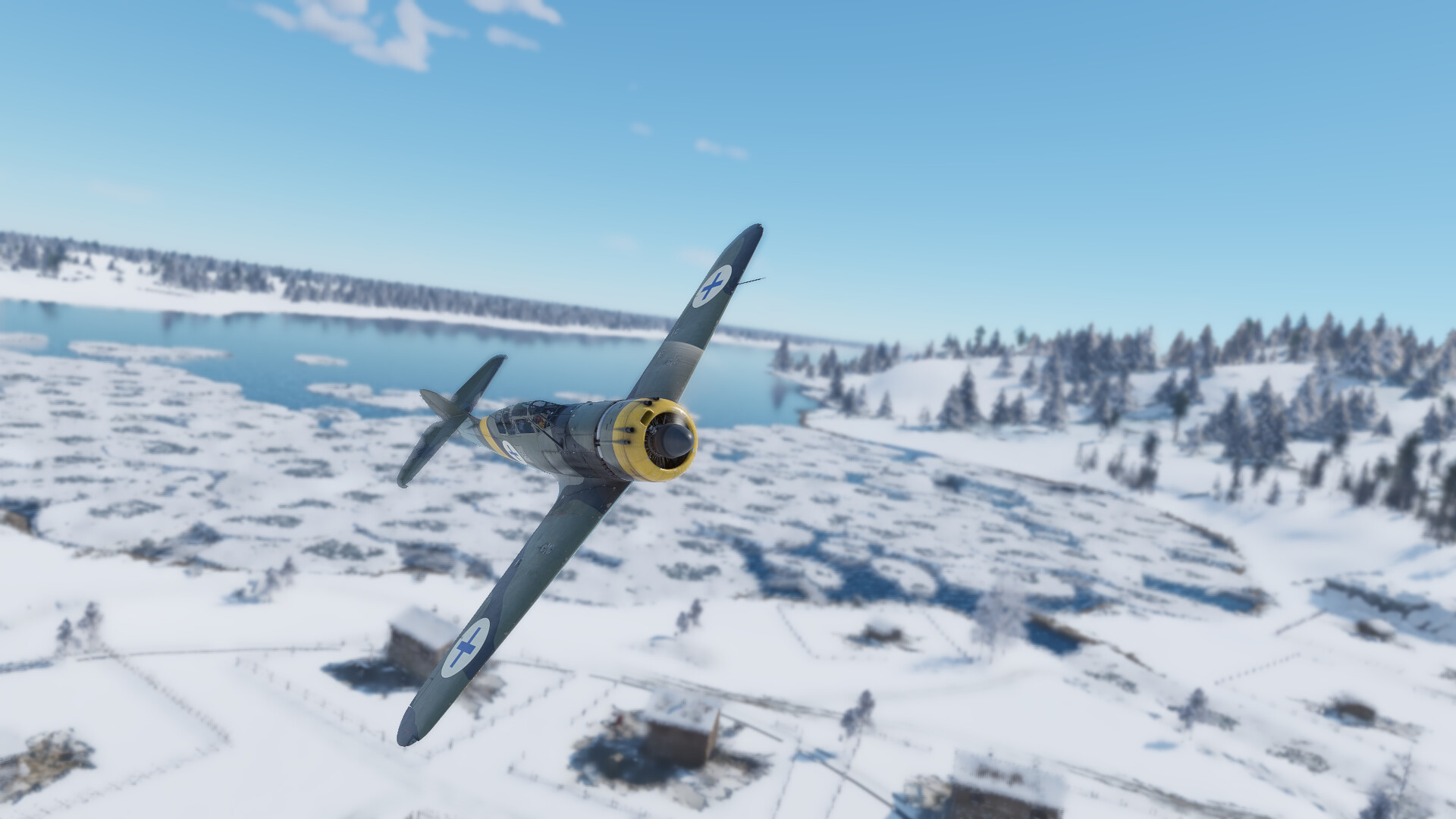
Back in WW2, the Finnish air force had to rely on foreign planes for the war such as the Fokker D.XXI, F2A, Bf 109Gs and Fiat G.50. Although using these planes was cheaper, the Defense Council decided to produce a local fighter in order to lessen reliance upon foreigners. This led to the VL Myrsky (translates as Storm), the first domestically produced Finnish fighter. Although the VL Myrsky had worse performance than other contemporary aircraft such as the Yak-9s and Bf 109Gs, the VL Myrsky still served in the Finnish air force with reconnaissance and ground attack missions. Added in the Summer Landing 2021 event, the VL Myrsky II remains a rare example of the few Finnish aircraft in the game.
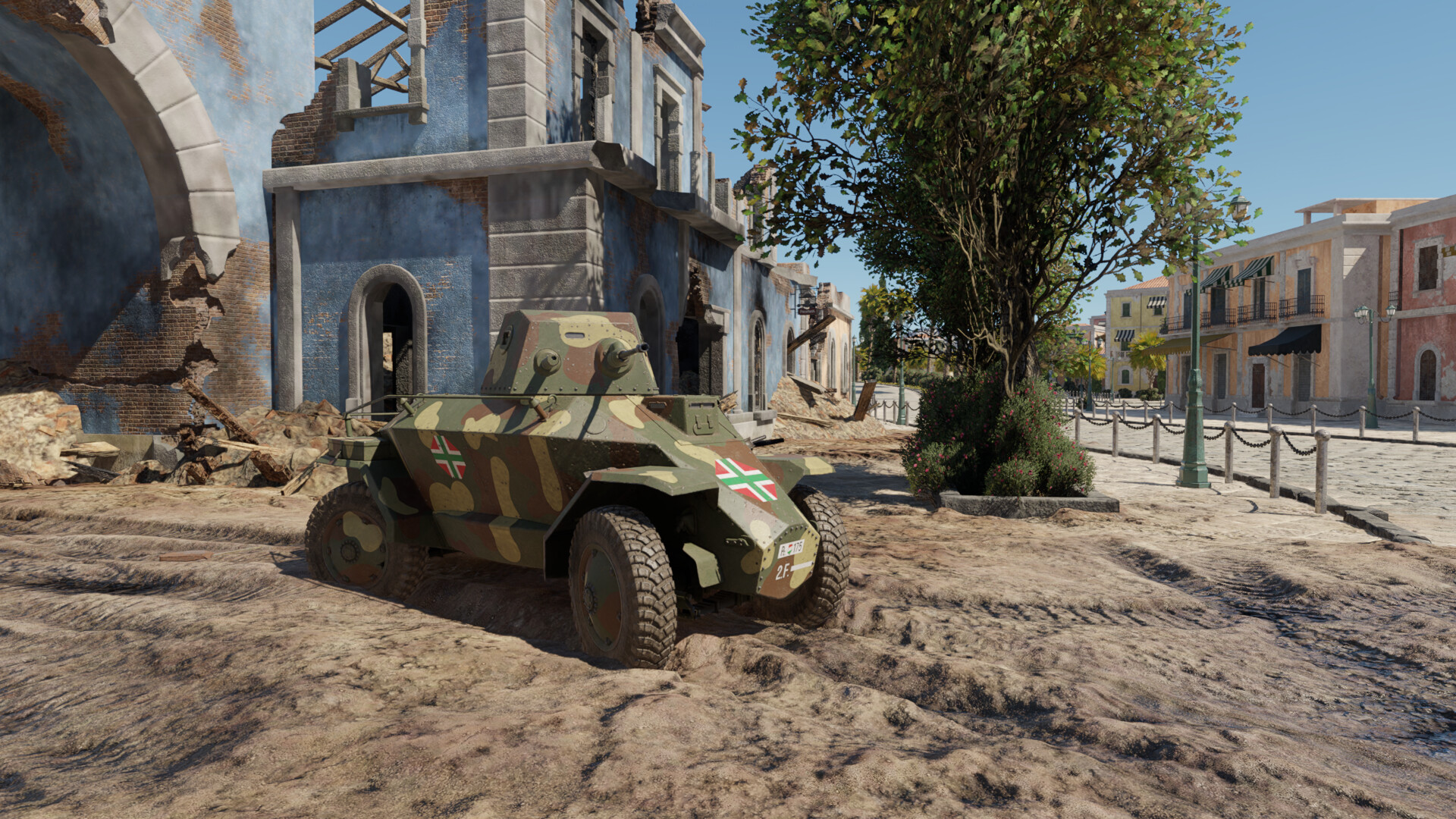
After the Hungarian peace treaty of World War I (Treaty of Trianon), Hungary was not allowed to maintain any armored vehicles in the small authorized Hungarian Army. When tension began to rise in Europe, Hungary decided to modernize its army by acquiring new tanks and armored cars. This new tank development program resulted in the 40.M Turán, while the armored car program resulted in the 39.M Csaba. Added in the Sons of Attila update, the Csaba is often neglected compared to the Italian L3/33C or the German Sd.Kfz.222, but it remains an interesting option in the Italian tech tree, as well as having an interesting history.
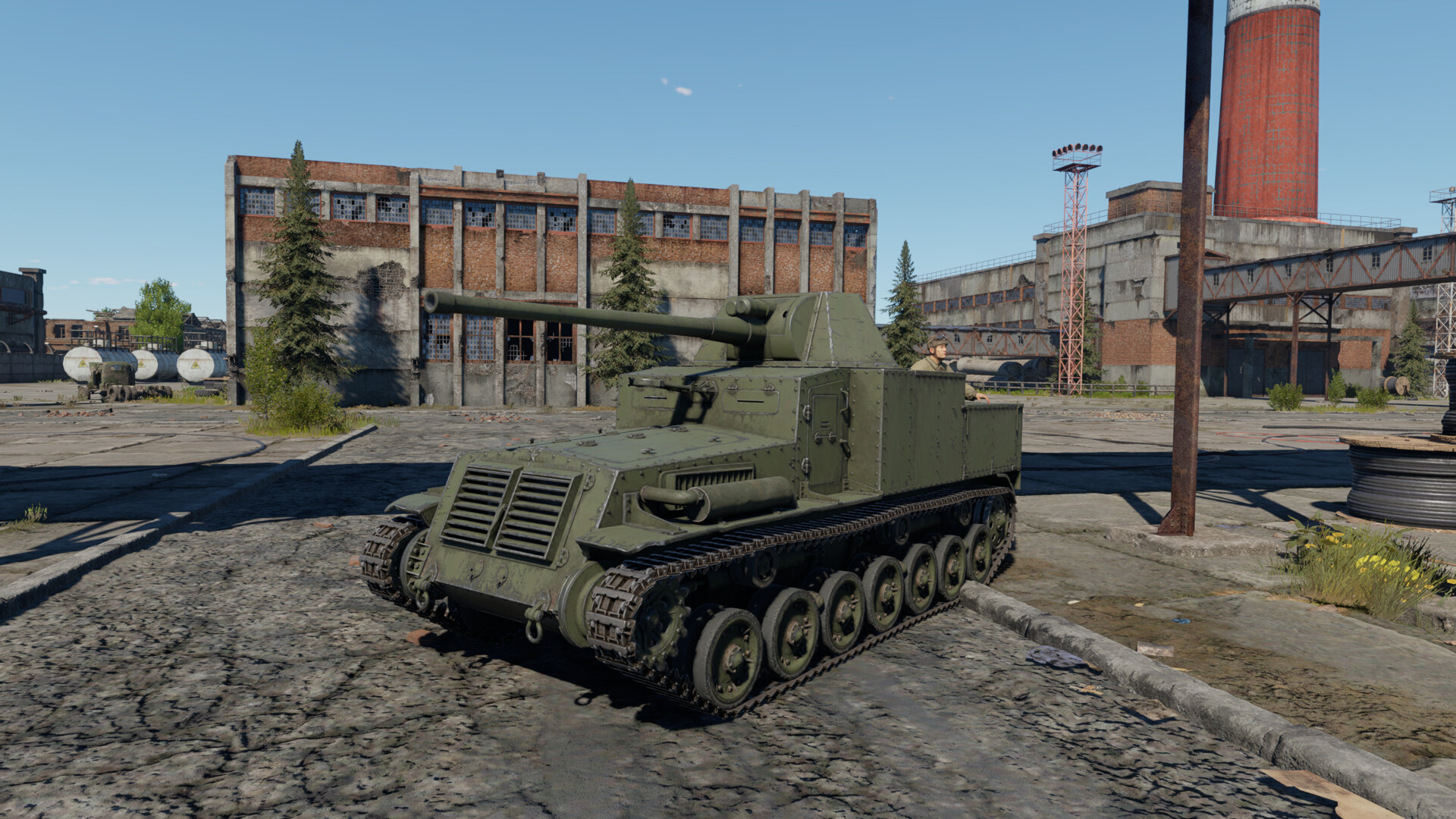
During the Pacific War, Japanese tanks severely lacked anti-tank capabilities. Guns such as the Type 94 37 mm gun and short-barreled 57 mm gun had very low penetration. Japanese officials started the development of a new anti-tank gun that would be capable of dealing with American tanks such as the M3 Light Tank and M4 Medium Tank. The development of this new gun resulted in the Type 5 Na-To, an SPG prototype using an experimental 75 mm anti-tank gun, a rather obscure and forgotten tank from the Japanese army and in War Thunder.