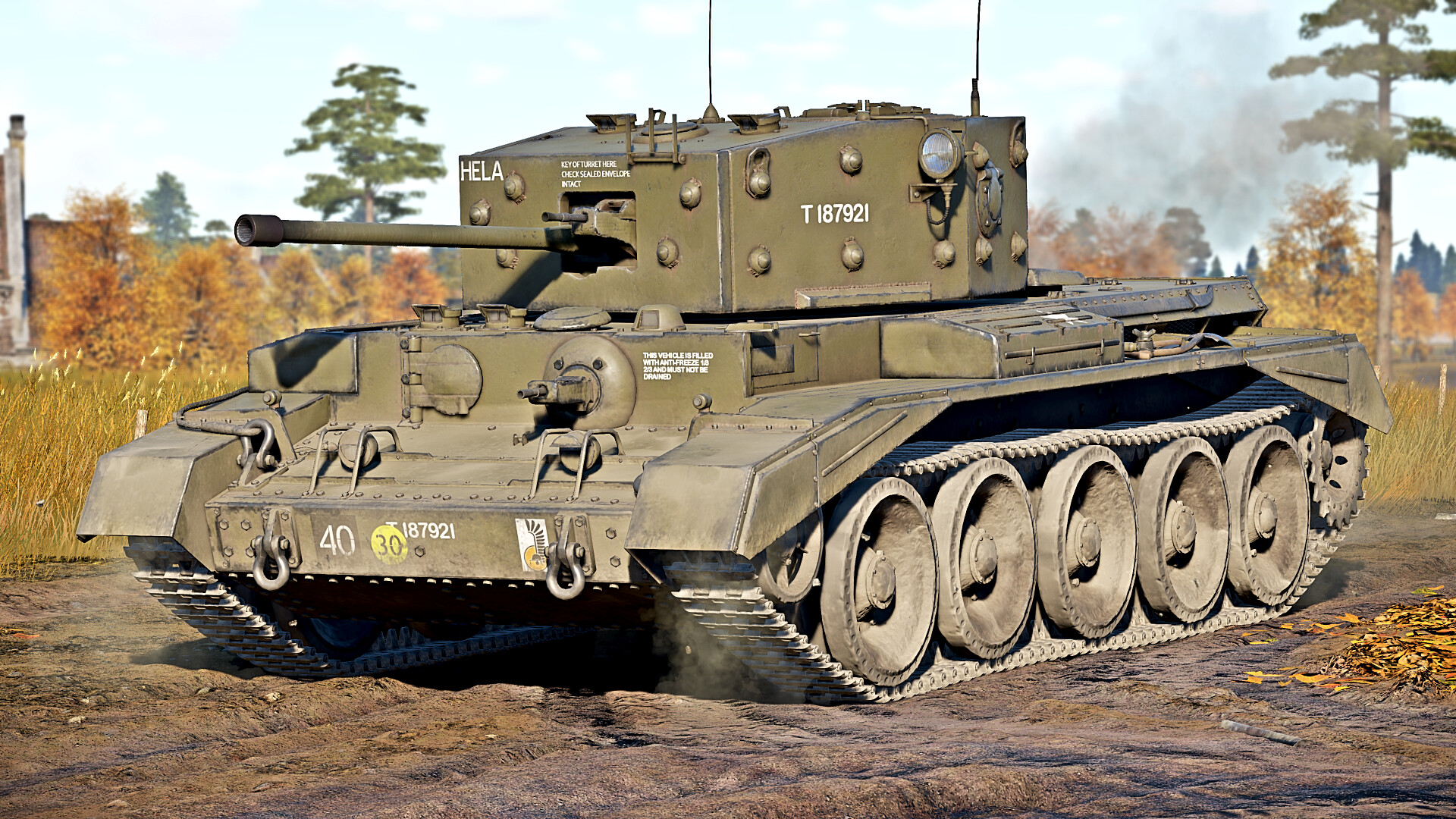
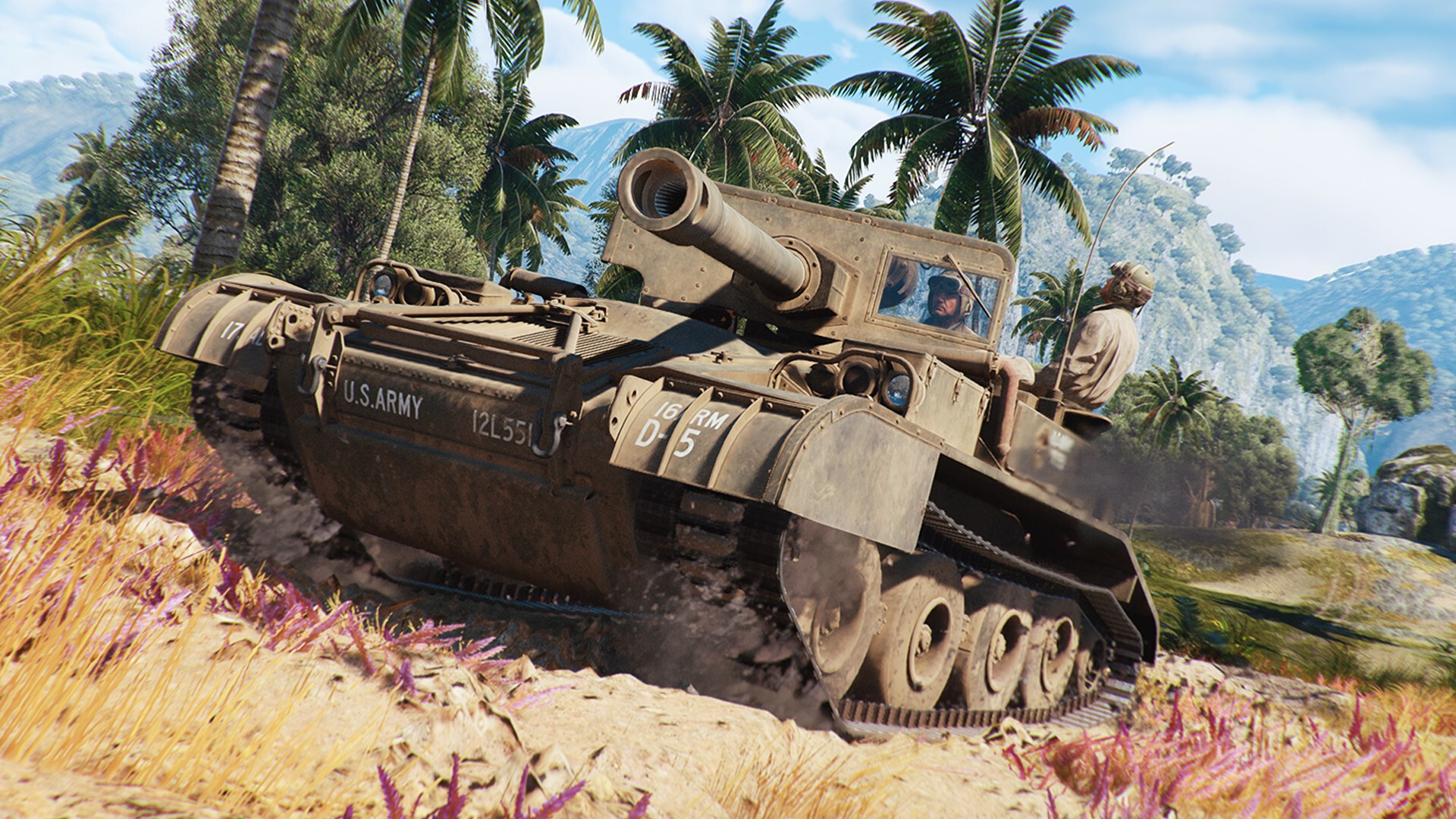
The Cromwell I is a British Medium tank in the British Tech tree. It is part of the Cromwell family of tanks and is named after the Roundhead Cavalry Officer and 'Lord Protector' of England between the end of the English Civil War and the Restoration of the Monarchy. It boasts a high top speed and a powerful 57mm gun, but is let down by its mediocre armour and dreadful reverse speed.
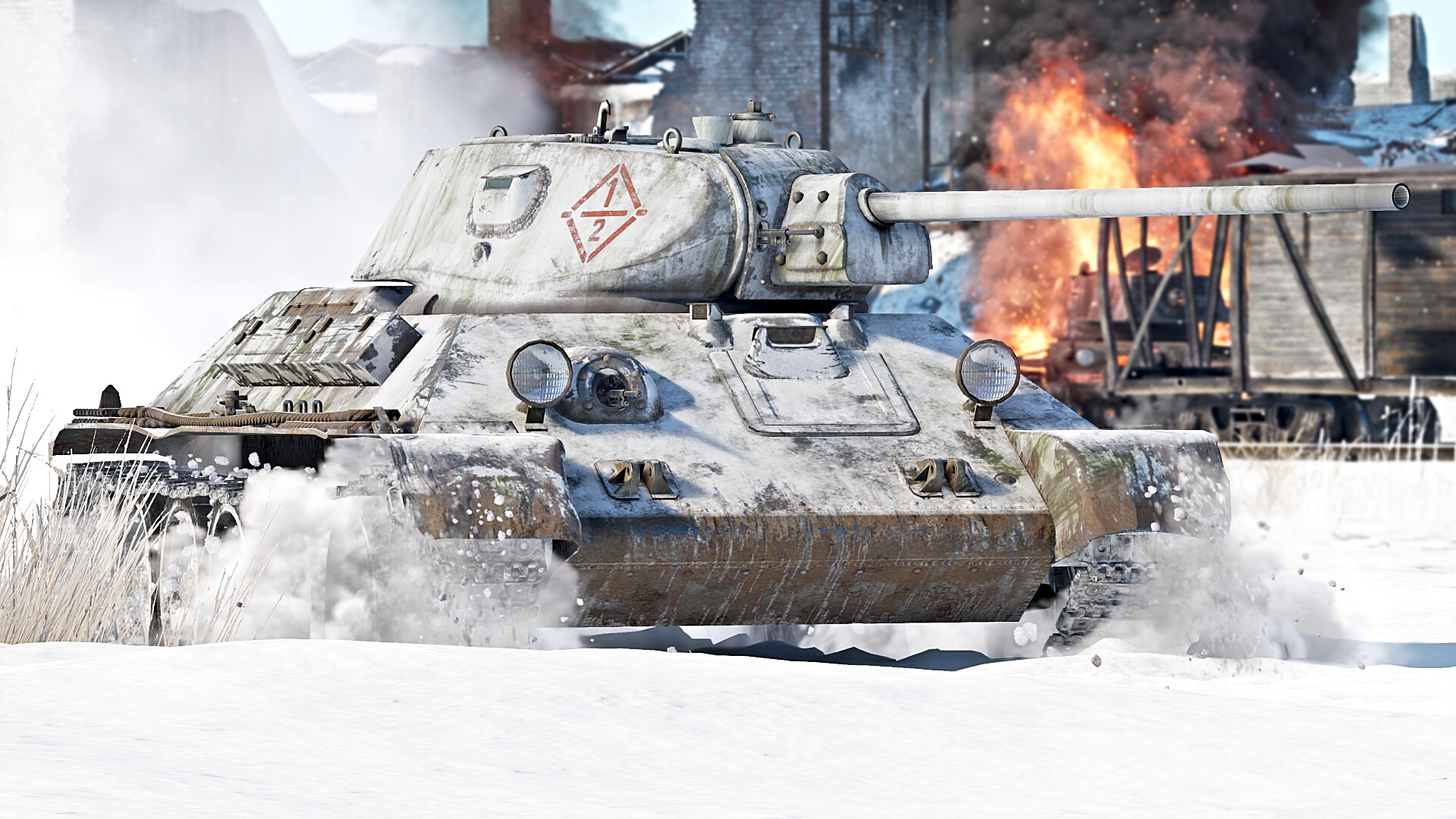
The T-34-57 was developed as a specialized tank destroyer capable of going head-to-head with the Wehrmacht’s new armored vehicles. In the game, this vehicle is valued for its powerful 57 mm gun, which can penetrate virtually any opponent. However, this firepower comes at the cost of weak armor and a cramped layout. So, how should this vehicle be used in the game, taking all its pros and cons into account?
The Battle of 73 Easting, fought on the 26th of February, 1991, during the Gulf War, is often called the last great tank battle of the 20th century. It was there that next-generation technology collided with outdated ideas about warfare, and in conditions that seemed almost unsuitable for modern combat.

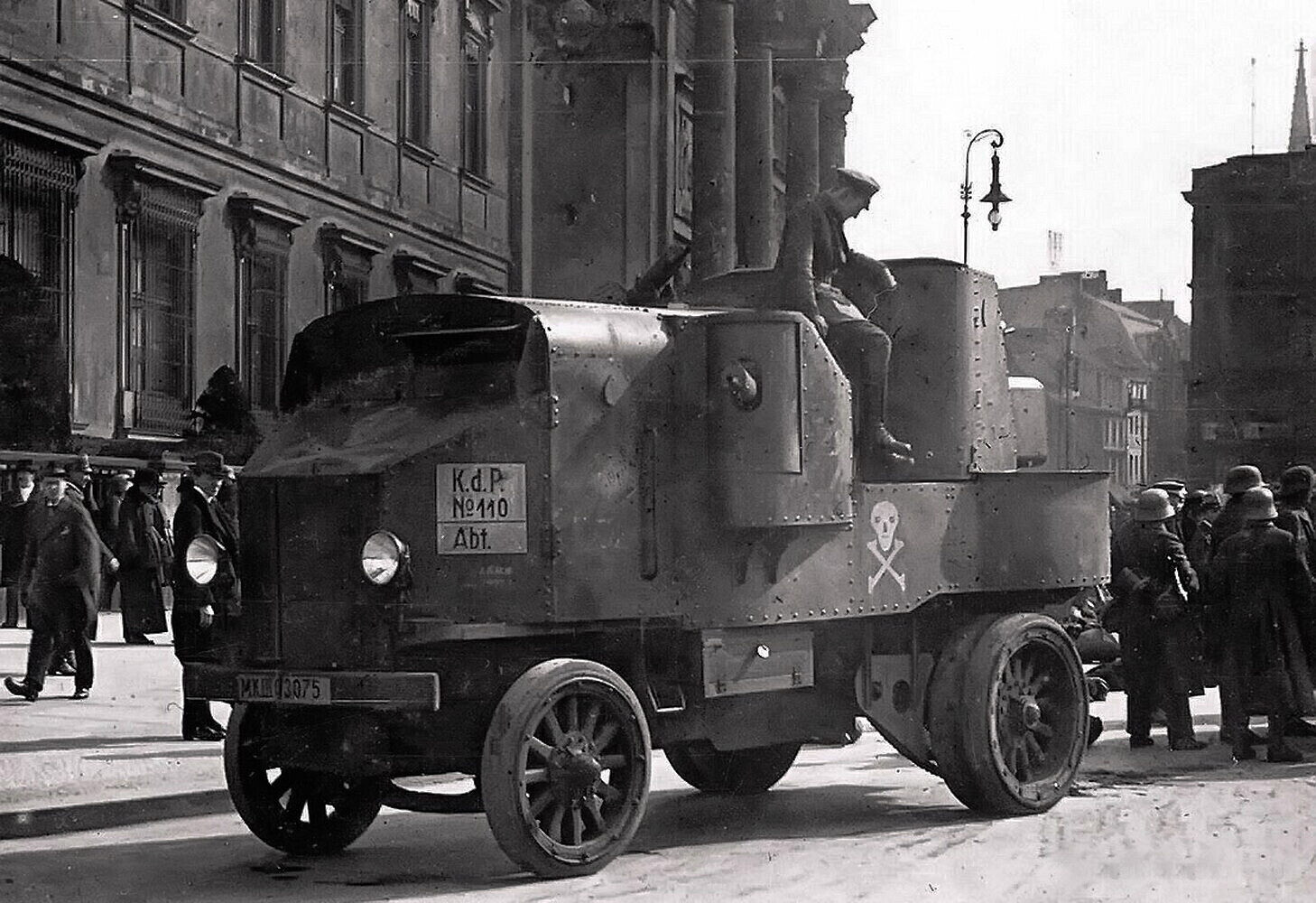
Many Garfords remained to take part in the Russian Civil War after suffering relatively few losses in World War I. Some others were captured by the Germans, Czechs, and Balts, among others. After the war ended, they continued to serve in the Red Army and in states that could not afford new armored vehicles.


The jet age did not arrive overnight. In the first half of the 1940s, aircraft designers were eagerly exploring new technologies, trying to put them into practice as quickly as possible. It was during this period that many unusual aircraft appeared. In Swedish aviation, one of the clearest examples of this spirit of innovation was the Saab 21: first, a piston-engined fighter, and later, a jet-powered one.
In the years following WWII, the US Airborne units looked to improve their anti-tank capabilities. The result was the M56, an unarmored tank destroyer. When deployed with the 173rd Airborne Brigade, the Scorpion saw combat service in Vietnam, before eventually being replaced by the M551 Sheridan.
Today we’re flying two aircraft that look very similar... and yet could hardly be more different. Their story is almost a family one: in the 1990s, Russia and Italy worked together on a next-generation combat trainer. Near the finish line, their paths split, and instead of one aircraft, two were born. Their names are the Yak-130 and the M-346.
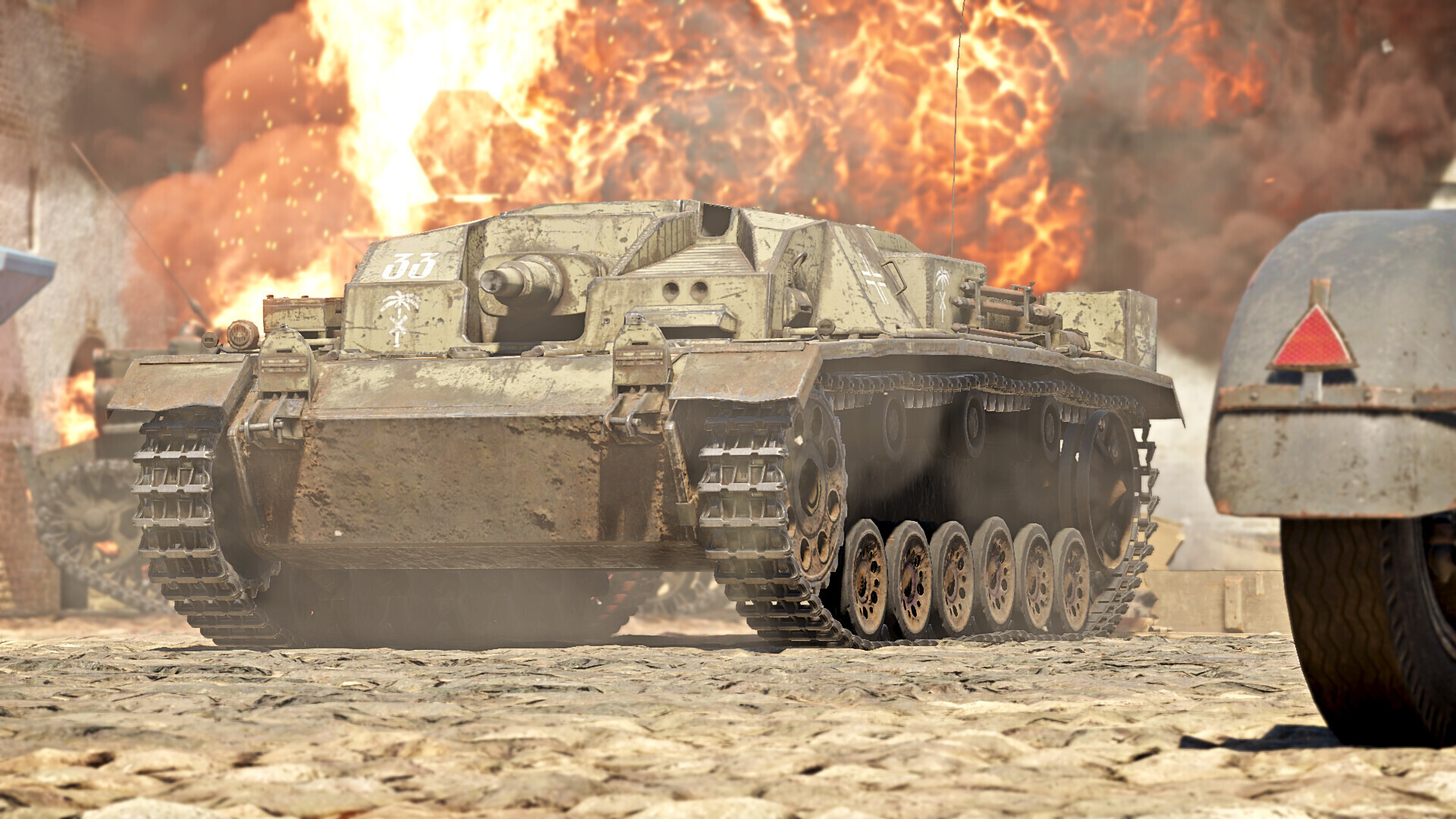
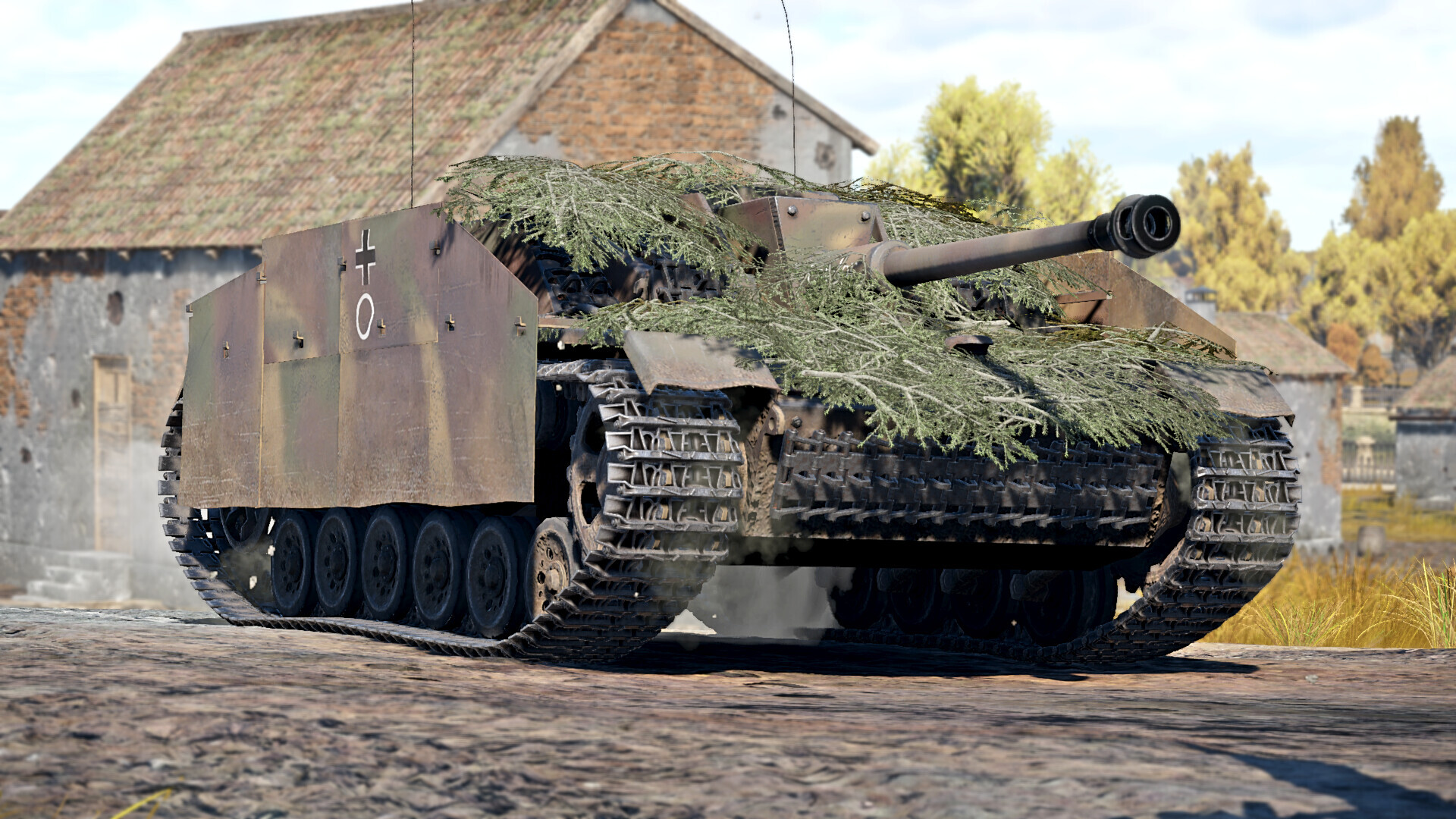
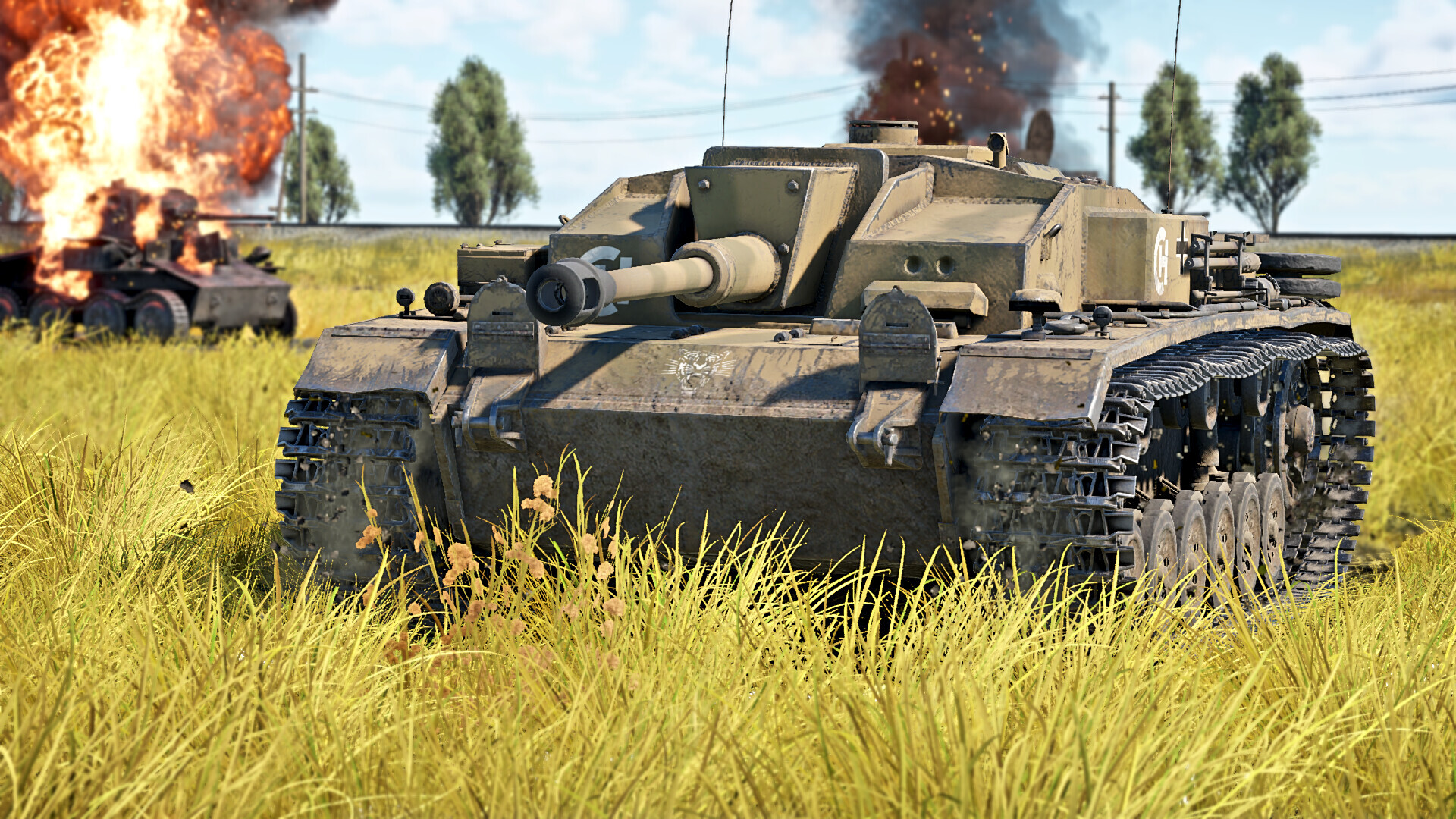
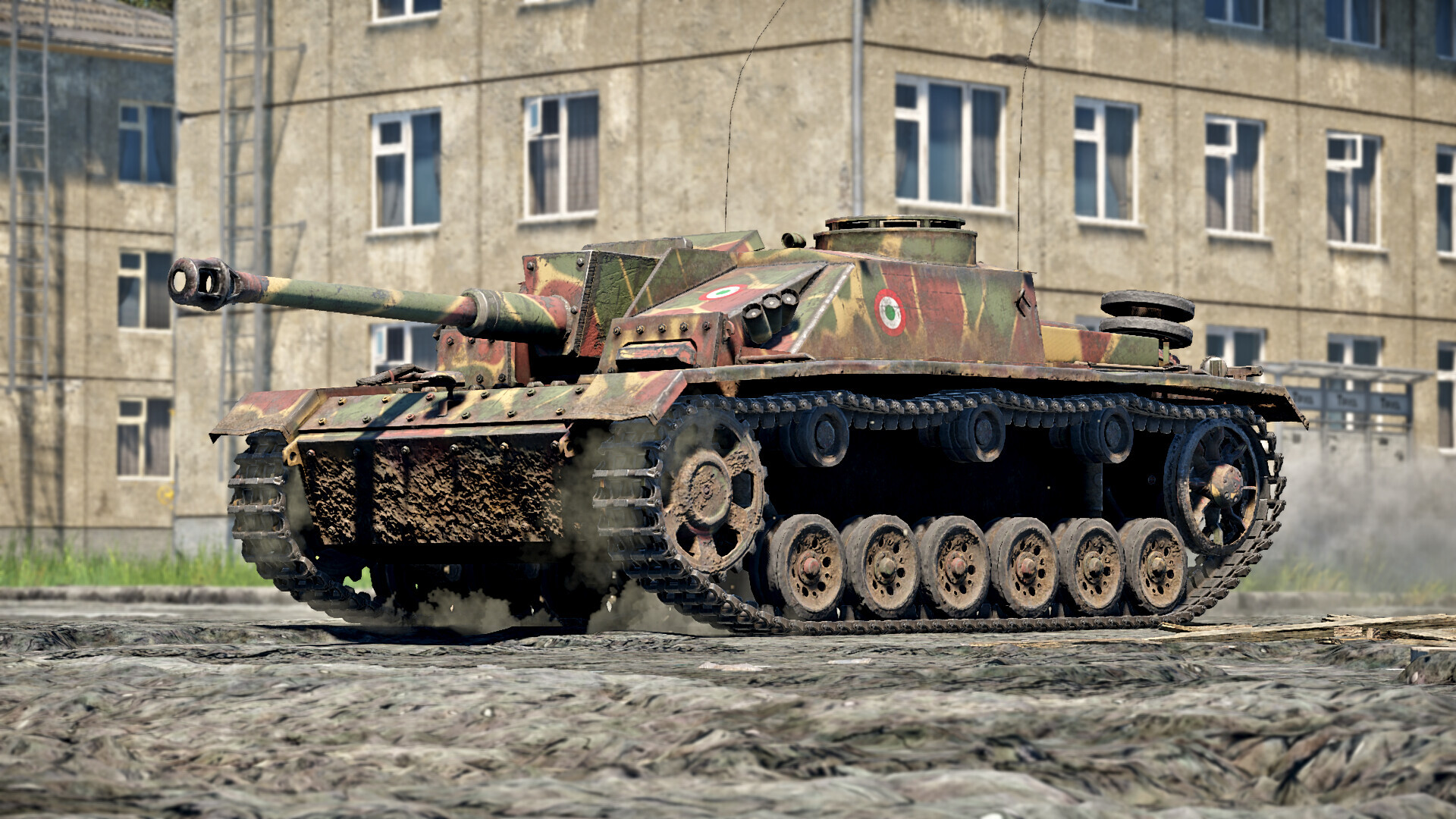
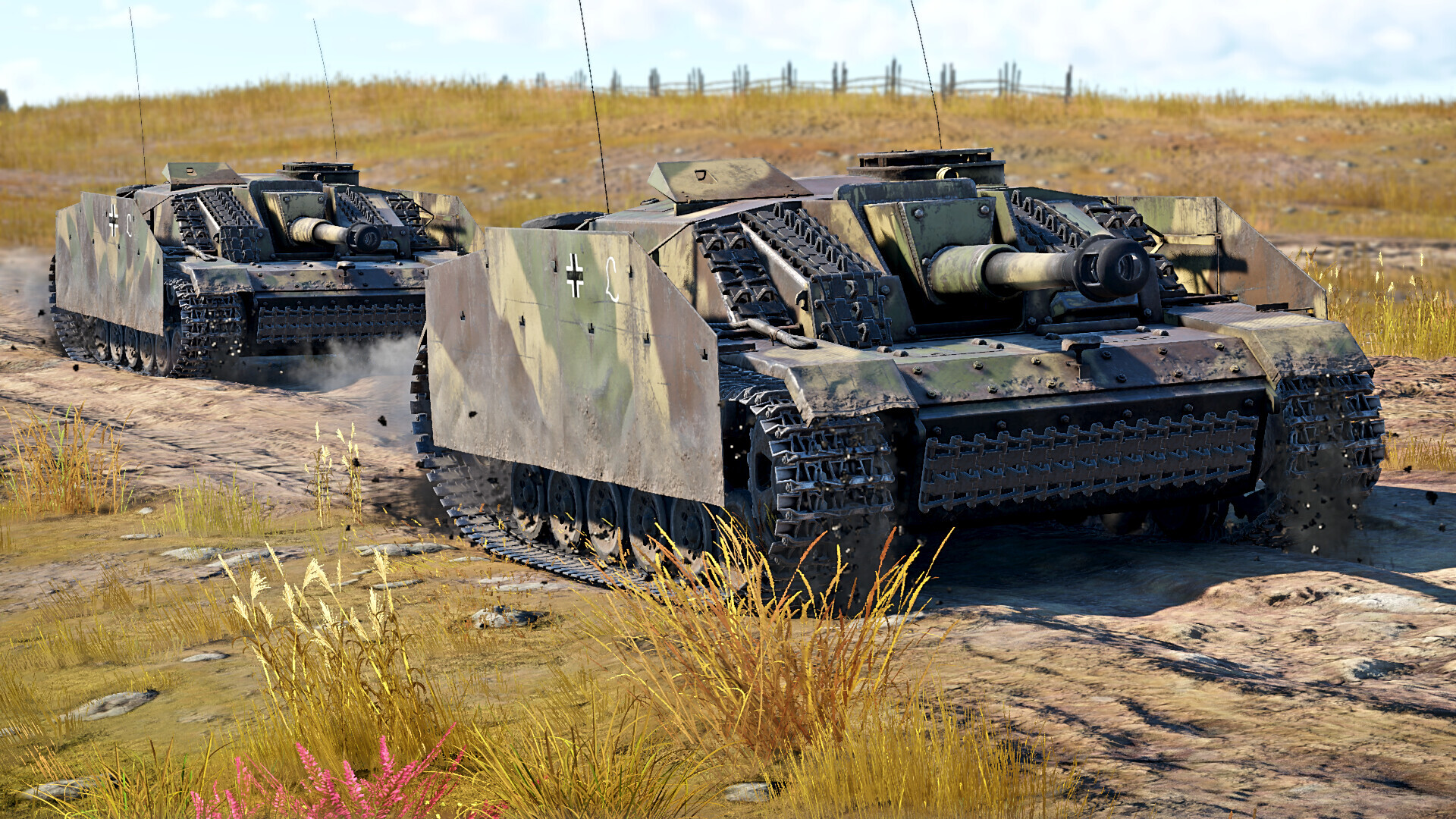
StuG III, or Sturmgeschütz III, was the most-produced self-propelled gun (SPG) of the Wehrmacht, with over 9,000 units built. This legendary SPG, built on the chassis of the Panzer III medium tank, was produced by the German industry from 1940 to 1945, undergoing numerous upgrades and improvements. In addition to Germany, the StuG was used by Italy, Bulgaria, Romania, Hungary, Finland, and the Soviet Union. In the game, four StuG III modifications are available.