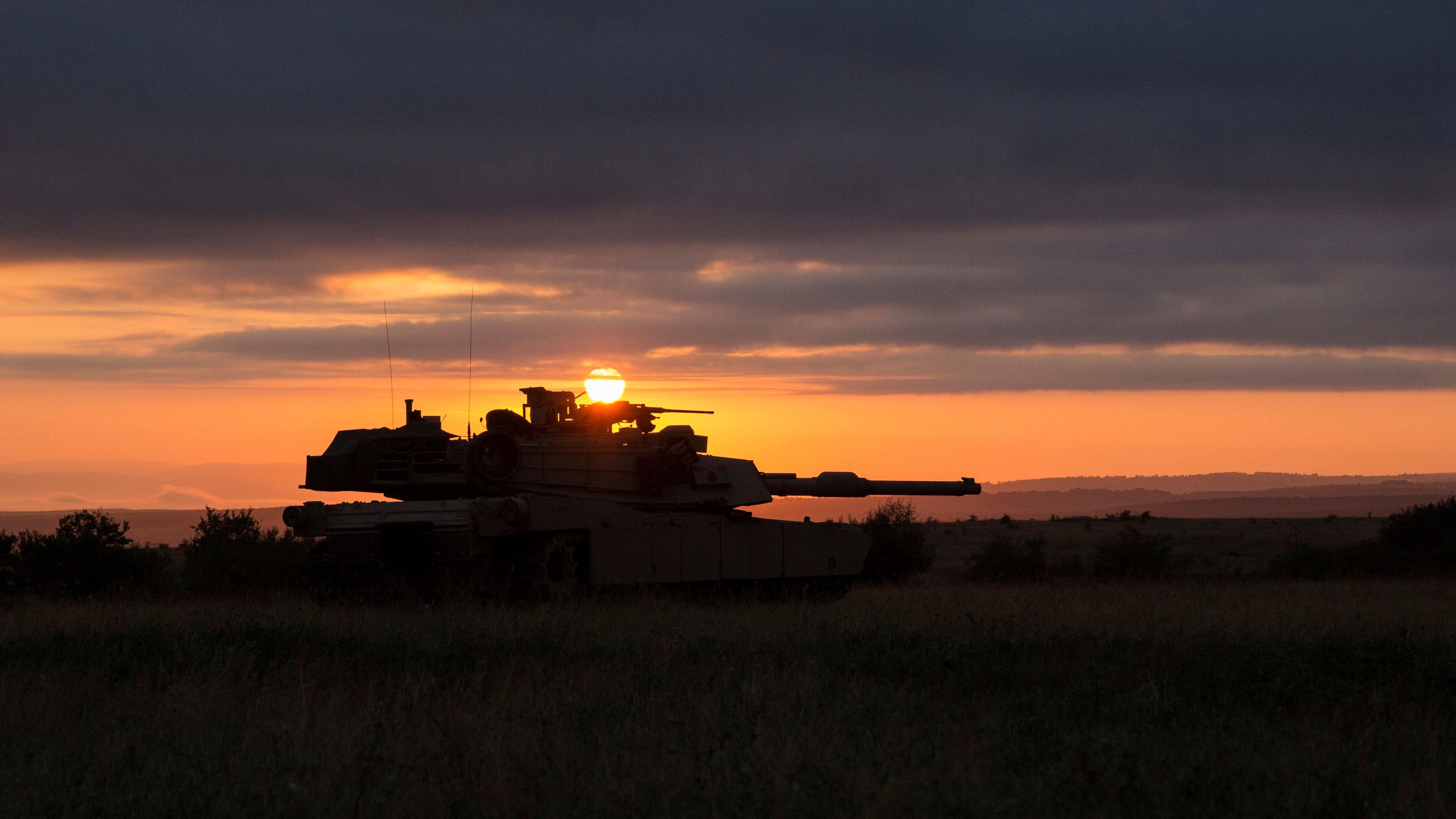
Tanks have been in service for over 100 years, starting in the trenches of WW1 and still fighting today. While the first designs were slow, massive, and under-armed, they were still revolutionary, introducing an entirely new way to fight wars. Many tank designs from many nations aimed to create the fastest, the toughest, and the strongest tanks. However, one of the most famous of them all is the United States' M1 Abrams. First fielded in the 1980s, it has since fought across the world from Europe to Iraq and it has gone through over 40 years of combat and upgrades. Today, we will explore the history of the Abrams and its impact on American tank design.
Background
In the 1960s, NATO had many concerns, but the chief amongst them was with their armored force. Analysis of the time pointed to the Soviet T-64 and T-72 tanks potentially being both better armored and better armed than their Western Leopard 1 and M60 counterparts, which was all the more concerning considering the numbers the Soviets could mass-produce these tanks in. This fear led to the United States and West Germany at the time aiming to produce a next-generation, 'common' MBT that could be both mass produced and technologically superior to what the Soviets were fielding at the time, which led to the MBT-70 project.
The MBT-70 (in Germany, the KPZ-70) was a revolutionary tank incorporating a driverless hull, hydro-pneumatic suspension, and a 152mm autoloaded gun-launcher capable of firing both APFSDS and the Shillelagh ATGM. However, the project quickly spiralled out of control due to rising development costs and fickle bleeding edge technologies, and the Germans eventually pulled out of the project. The US tried to salvage what remained and build a 'cheaper' MBT out of the MBT-70 known as the XM-803, but that project was also short-lived as Congress was skeptical of the future of the project.
After this ordeal, the United States was left without a next-generation main battle tank to combat the Soviet armored hordes, no closer to where they were compared to a few years prior. However, American engineers would leverage the embers of the MBT-70 project, and combined with new technologies that had emerged during that time, managed to develop one of the most well known and capable tanks in the world: the M1 Abrams.
Development
In January of 1972, the US Army began work on the XM-1, a prototype of what would become the M1 Abrams. After the disaster that was the MBT-70 project, the Pentagon was looking to procure a much cheaper and better-armored tank, and utilized elements from British Chobham composite armor to give the new vehicle effective armor against HEAT rounds and missiles. It was to also be armed with a 105 mm M68 cannon and a 20 mm version of the Bushmaster, although the latter requirement was scrapped before the Abrams entered production.
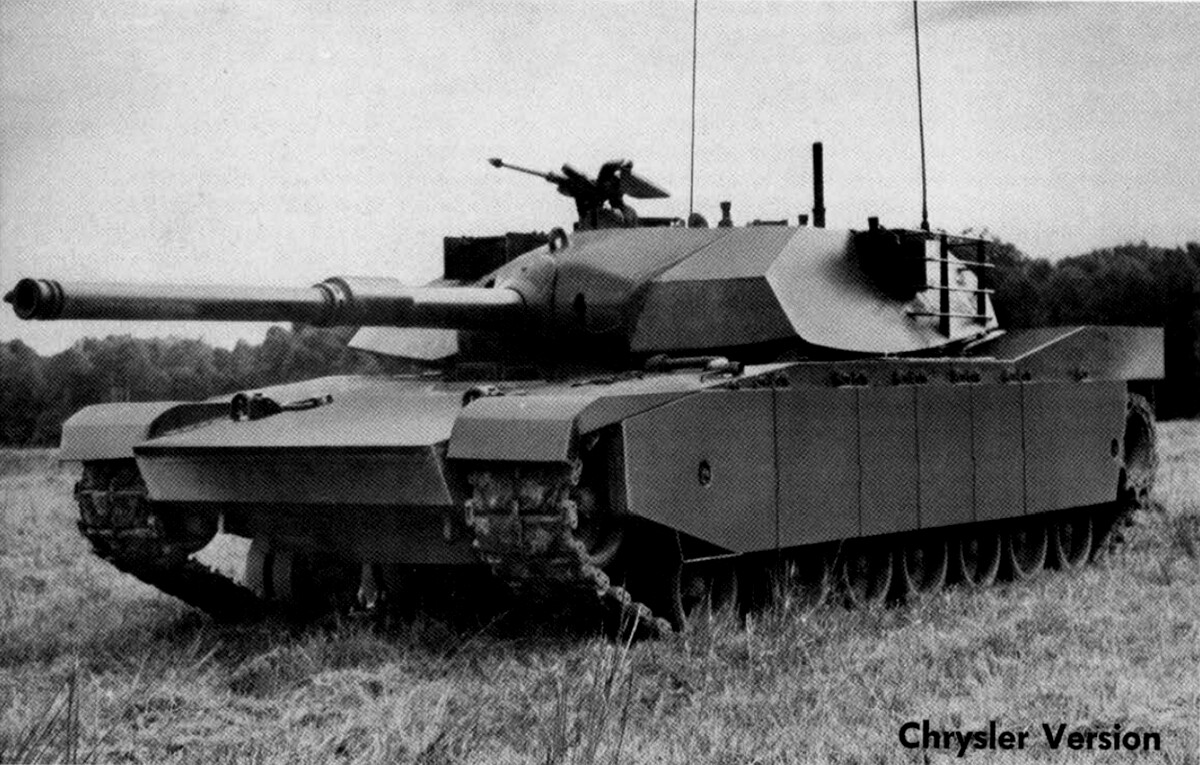
Soon after announcing the vehicle’s requirements, the US army issued a request for an XM-1 prototype, in which two companies, Chrysler Defense and General Motors, participated. Chrysler’s design had a 1,500 HP AGT1500 turbine engine while General Motors had a 1,500 HP diesel engine, similar to the one on the MBT-70. The prototypes were delivered to the Aberdeen Proving Grounds in Maryland in 1976. Both prototypes had numerous issues, and the Army was not impressed with the performance of Chrysler’s design as its turbine engine was excessively fuel-hungry, and they also judged that GM’s design had better overall performance. However, in July 1976, the project was extended by four months, and in this time Secretary of Defense Donald Rumsfeld also added a requirement to the design that it must be equipped with a turbine engine, meaning only Chrysler’s design would qualify.
Meanwhile, Chrysler had removed the expensive parts of the XM-1 and replaced them with cheaper ones, and also added the option to use a classic diesel engine in case the Army changed their minds. General Motors, on the other hand, integrated a turbine engine into their design, and redesigned the turret so it would be able to mount both 105mm and 120mm guns. However, these efforts would be in vain as the Defense Department awarded the contract to Chrysler, and further work was developed to improve their design and produce the first Abrams tanks.
Production begins and the M1A1
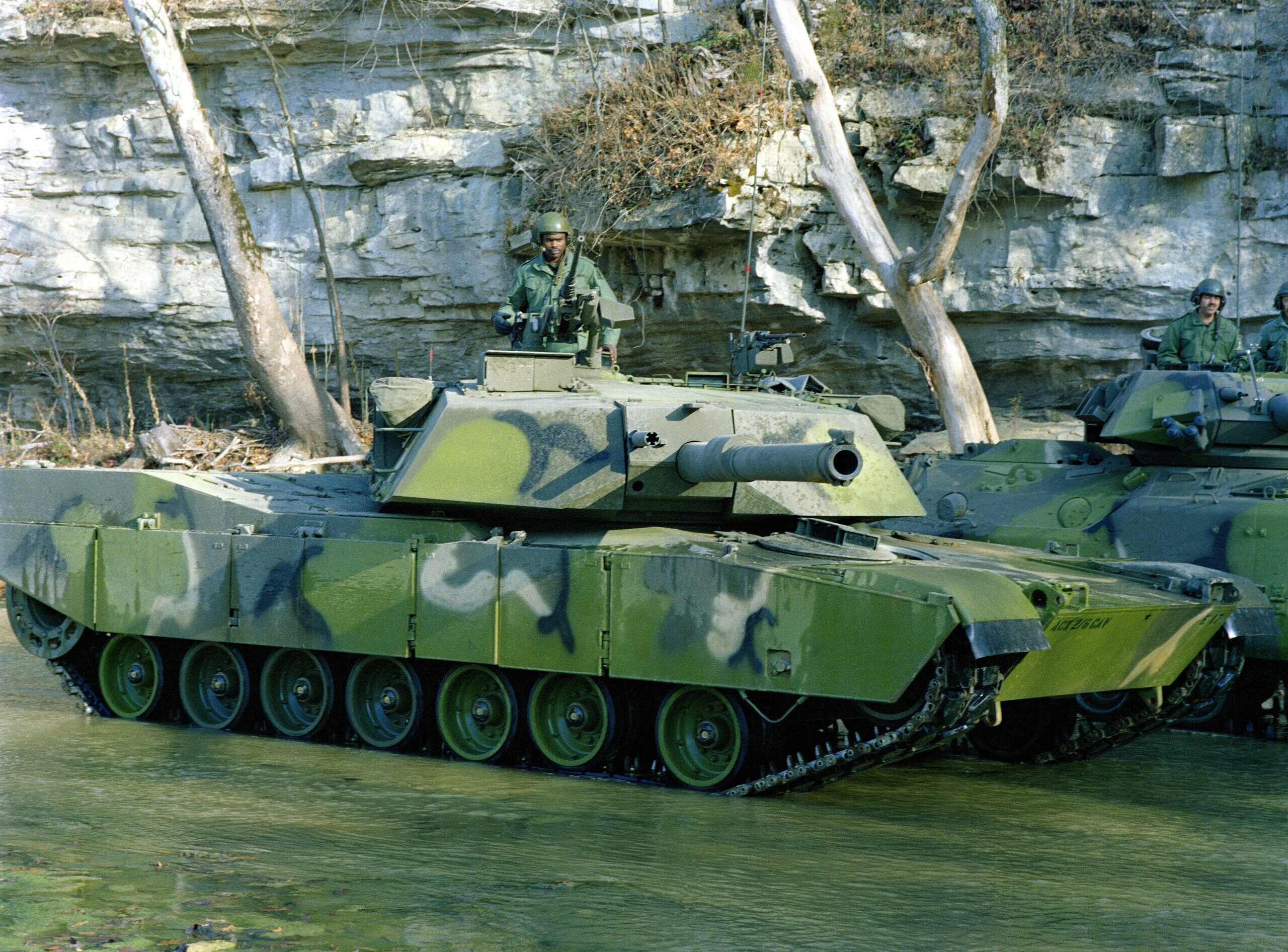
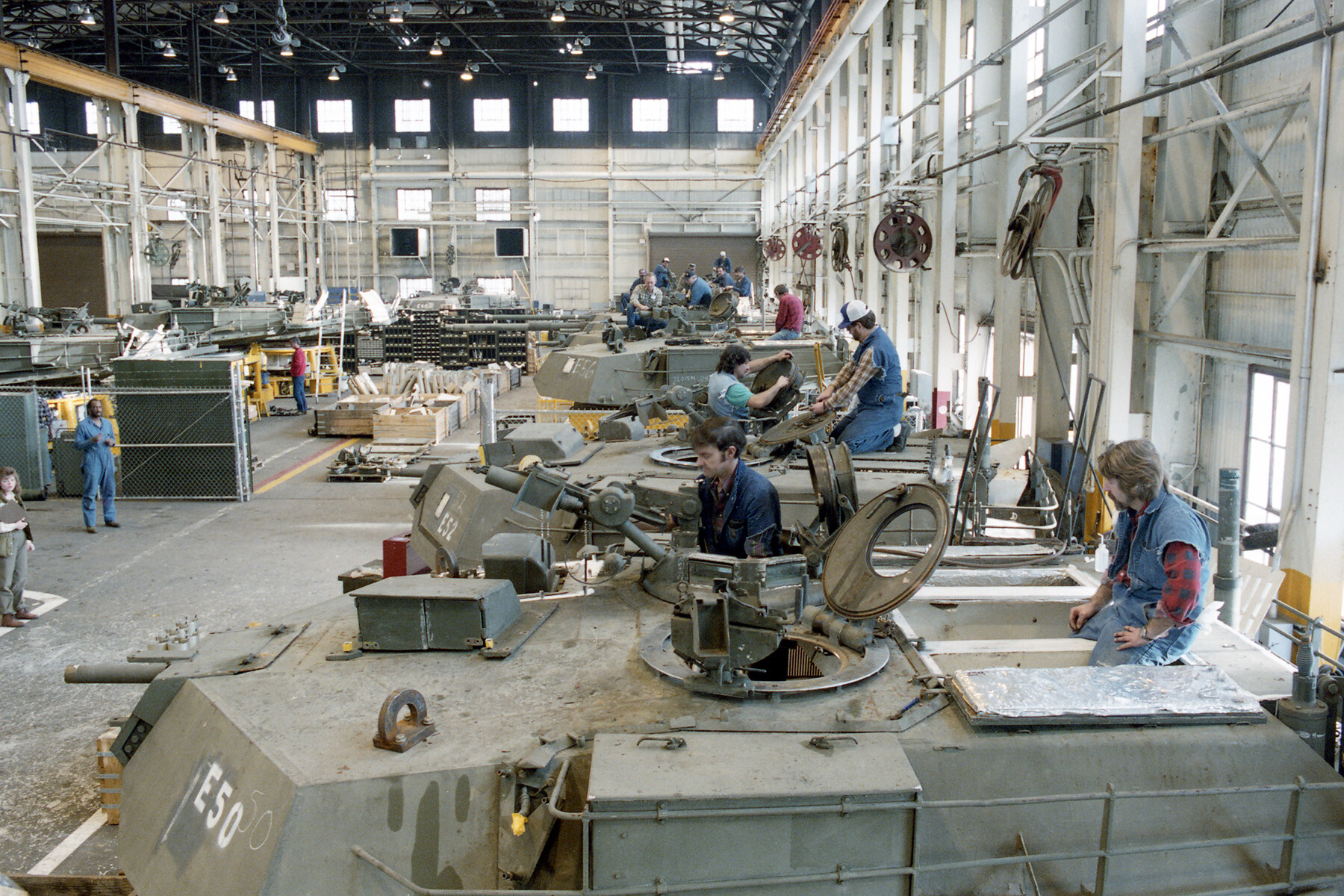
In 1979, production was commenced on the M1 Abrams. These Abrams tanks were fitted with blowout panels, which directed the force of an ammo explosion upwards away from the crew compartment allowing the crew to escape unharmed. By 1982, Chrysler was purchased by General Dynamics Land Systems after they had already built over 1,000 M1s. Between 1979 and 1985, about 3,273 Abrams tanks had already been produced, but the Army knew that the 105mm gun had to be replaced if it were to go to combat against Soviet armor. It was determined to be underpowered and was believed to not be able to penetrate Soviet armor. However, there were good reasons to choose the 105mm in the first place. Almost every tank in the NATO alliance used the same exact gun at the time, improving standardization, and further development in the M1's gun would mean all the other NATO tanks would also get the new ammo upgrades. The US also had warehouses full of 105mm ammo at the time, as the previous M60 also used an older version of the 105mm M68 cannon while a 120mm would require entirely new ammunition to be produced to make M1s combat ready. It was decided that the Abrams would retain its 105mm gun while engineers worked on a newer, more powerful, and larger cannon.
Eventually, the M1 Abrams would receive a 120mm gun. The Army chose the Rheinmetall 120mm gun design, also used on the German Leopard 2, and produced licensed versions known as the M256. The M1A1s equipped with the new 120s began production in 1986, and 5,000 were produced until 1992.
First Combat Engagements
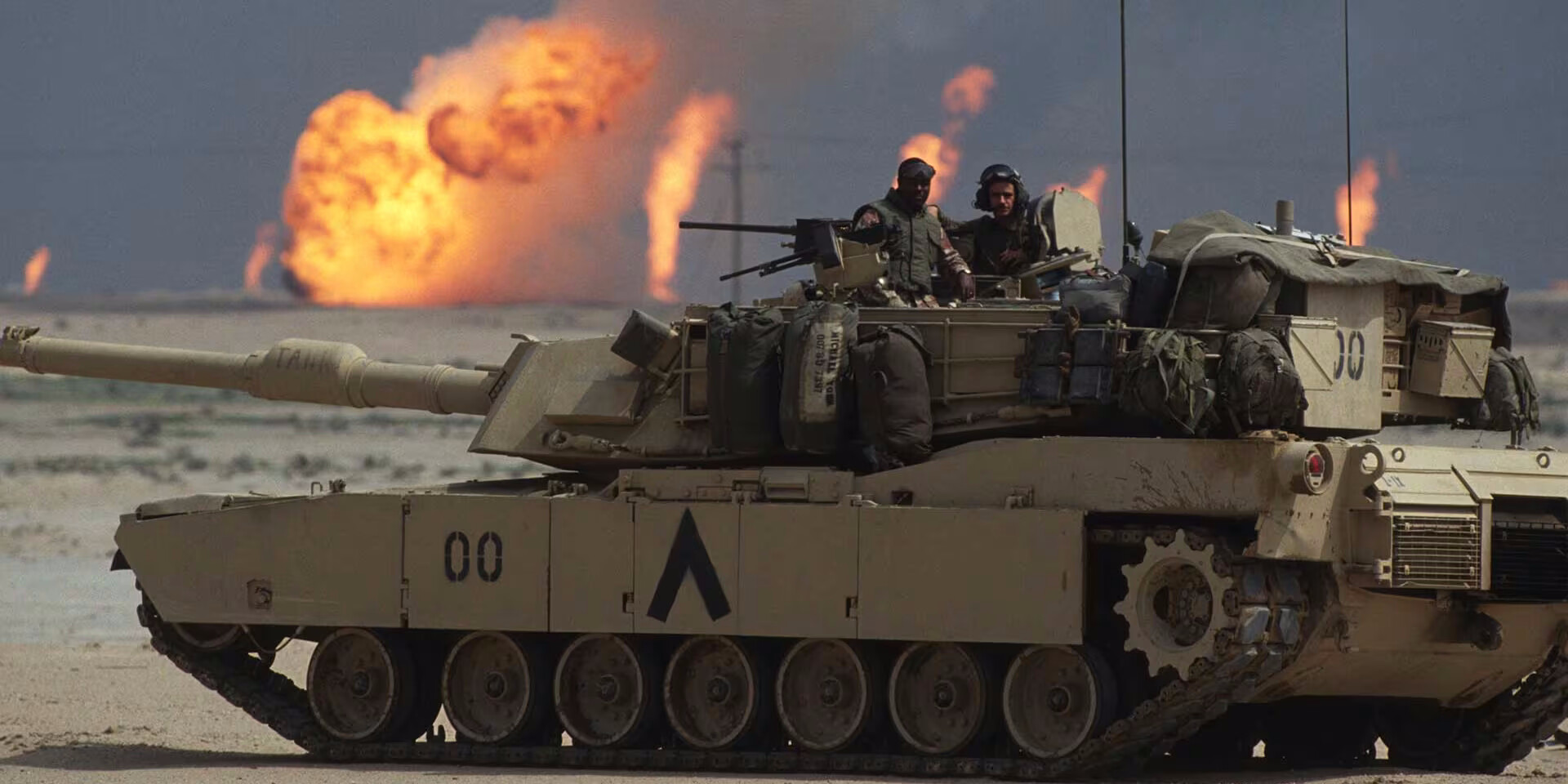
The M1 Abrams, while taking part in numerous combat exercises in Germany and South Korea, did not see combat until 1991. Iraq had invaded Kuwait, drawing international condemnation by doing so. Saudi Arabia feared that they would be the next target of the Iraqi regime, and a coalition was formed between numerous countries to send armies to Saudi Arabia for Operation Desert Shield. The first Abrams tanks to arrive were the 105mm M1 and IPM1, but all but 2 battalions of 105mm armed Abrams tanks were pulled out, and a total of 1,956 M1A1s would be deployed to the Middle East. The Marine Corps also received some M1A1s, and upgraded them with deep-water forging kits but also kept many parts similar to keep commonality with the Army Abrams.
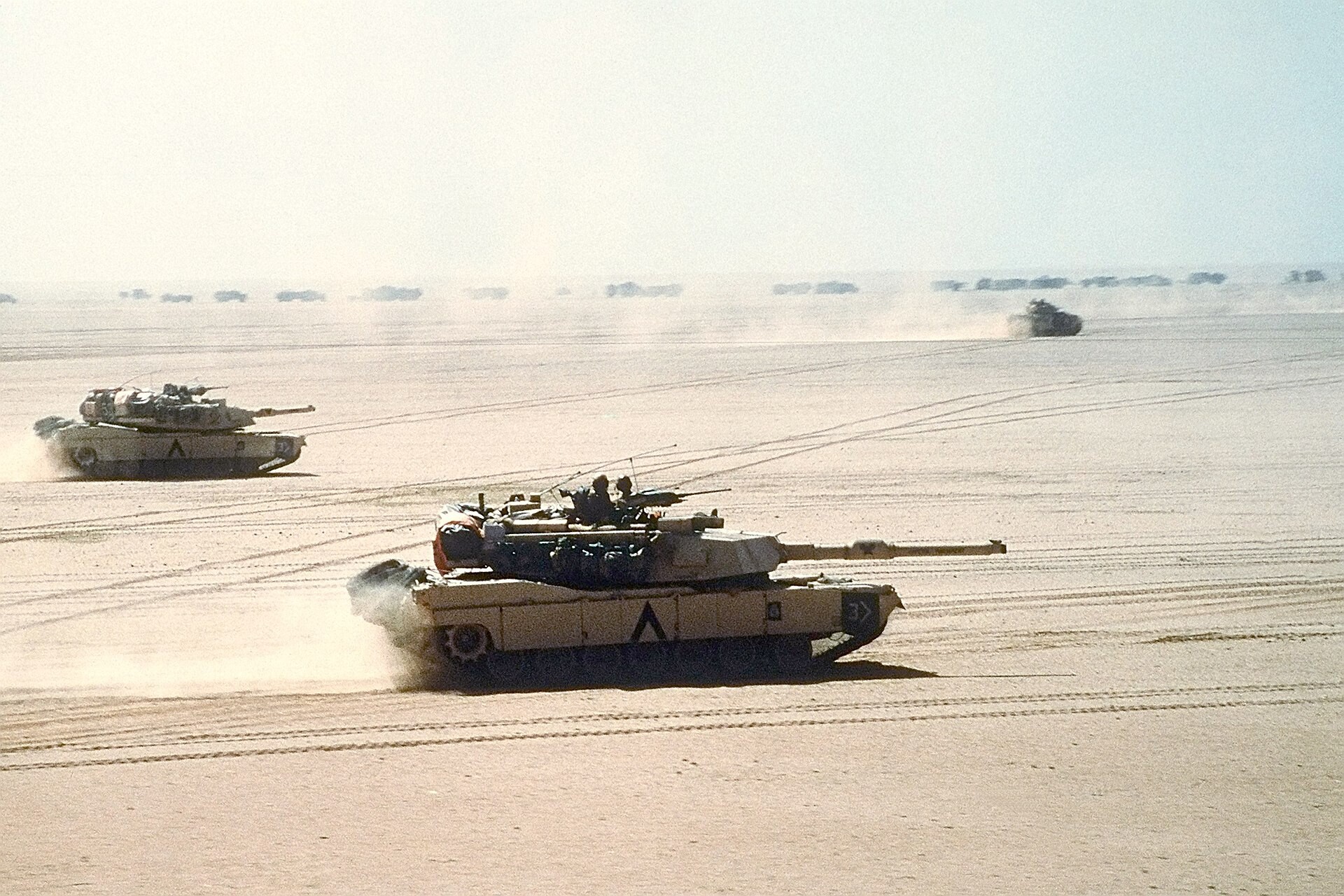
The M1A1 performed exceptionally in combat, suffering no direct losses from enemy fire, and the only M1A1 losses in the Gulf War were from friendly fire incidents by other Abrams tanks and strikes from Apaches and other aircraft. The use of an advanced night vision system was crucial for the Abrams' success in the war, and, coupled with the fact that Iraqi T-72s were poorly equipped, led to many great victories for the Abrams in the war. Famous battles like 73 Easting, Norfolk, and Medina Ridge all saw the Abrams put to great use, destroying many enemy vehicles while suffering very few losses in return. The M1A1's armor was so strong it was also found to be able to resist shots from the front by friendly Abrams tanks in certain friendly-fire incidents, although, predictably, its side and rear armor was not as durable. Overall, the First Gulf War showed that the Abrams was a more-than-capable tank, but also taught the US many hard lessons that would be utilized in the development of the M1A2 Abrams.
M1A2 Abrams and further combat in Iraq
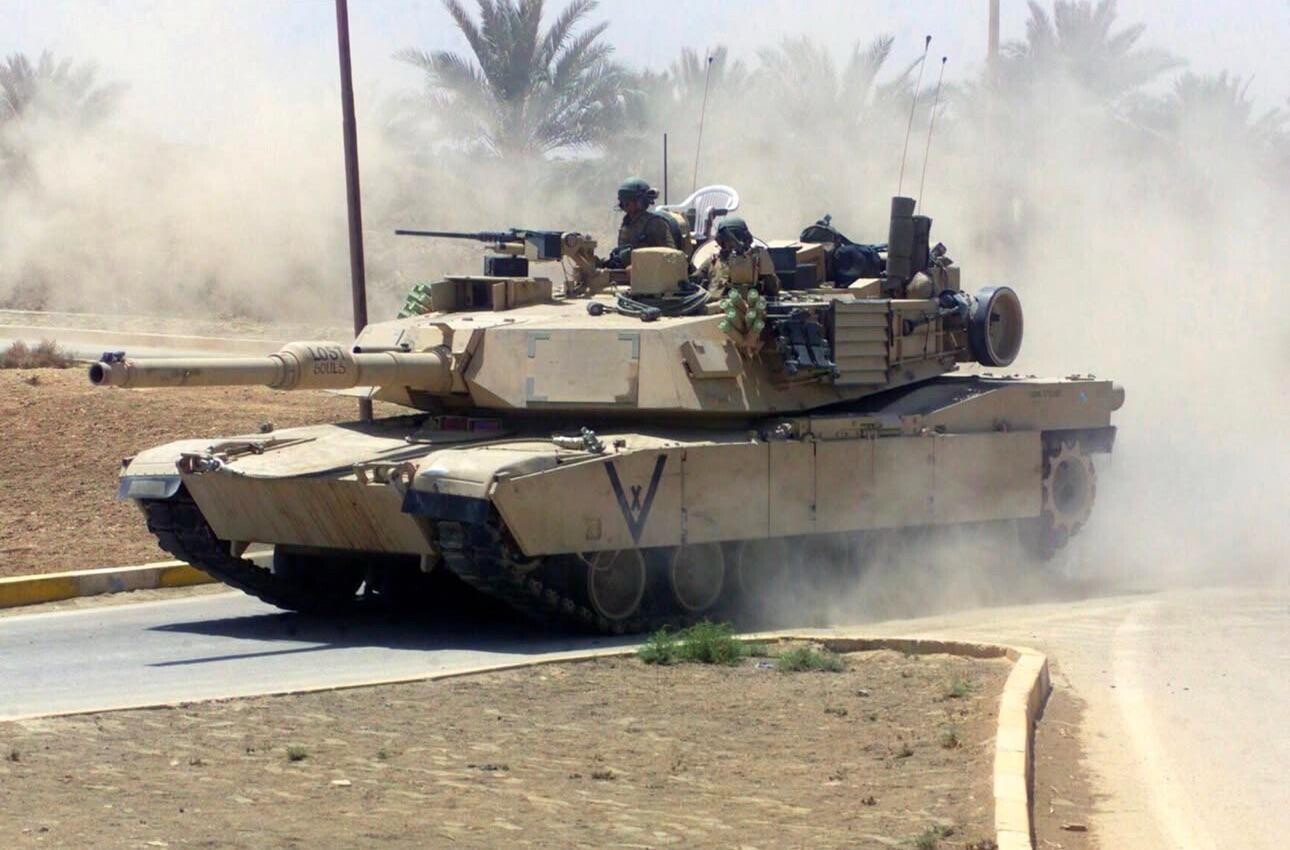
After the Gulf War, work began on further upgrades of the M1A1, resulting in the M1A2. To improve upon the protection of the M1A1, additional armor packages were installed, while an independent commander thermal view, an improved fire control system and communication systems integration with the Apache and Bradley gave the Abrams much better situational awareness on the battlefield. Further upgrades were introduced with the M1A2 SEP (System Enhancement Package) that added digital maps, advanced cooling systems and support for the M104 Wolverine heavy assault bridge. Both were also fitted with Combat Identification Panels that produced a unique thermal signature that would let other friendly units identify them as friendlies easily. The M1A2s would not have to wait long for their trial by fire, however, as a tragic incident threw the US back into war.
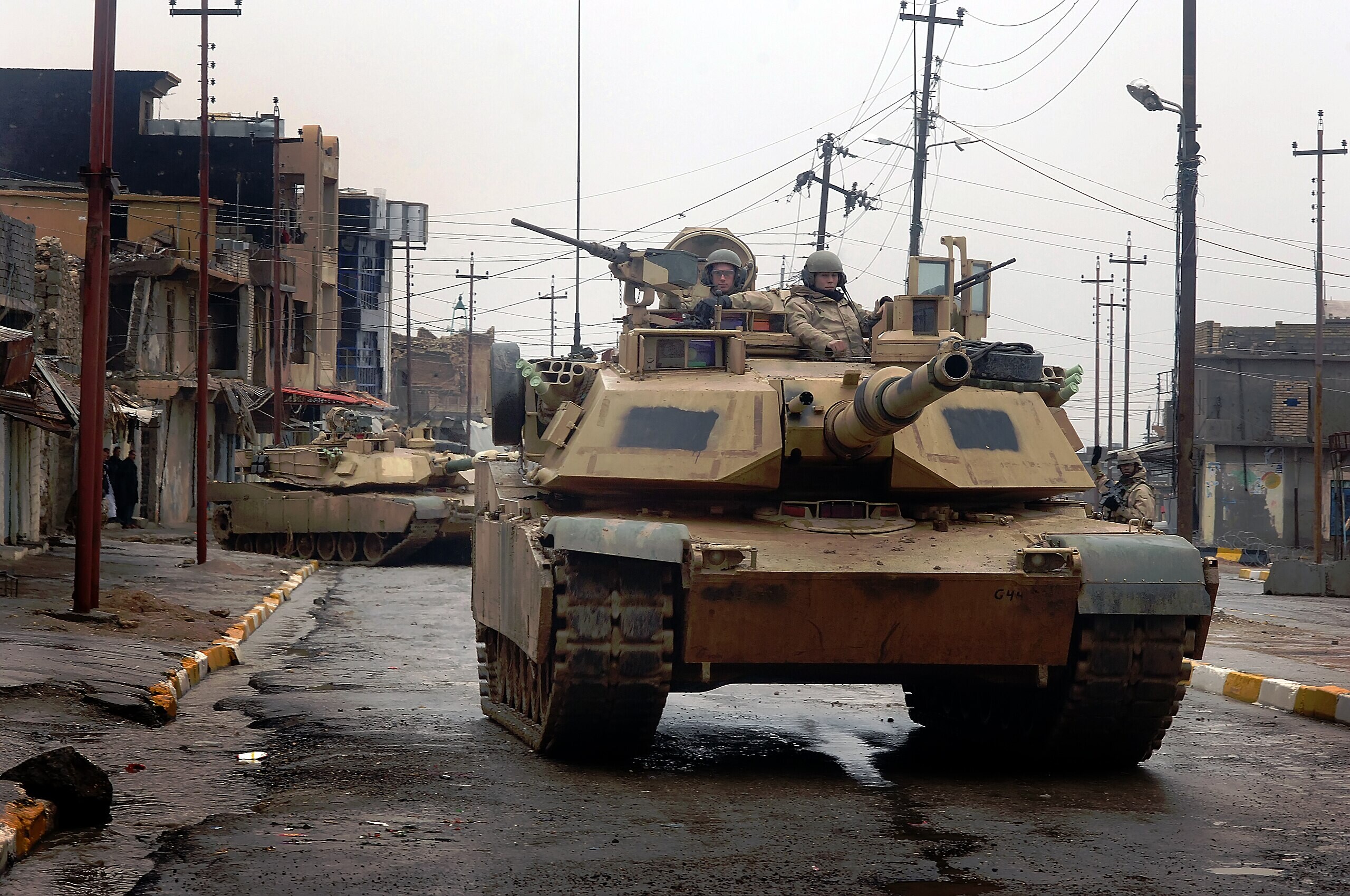
On September 11th, 2001, a terrorist attack hit the United States causing devastation, the loss of 2,976 lives, and irreversibly changing the lives of many, many more. The United States declared a global war on terror, and shortly after invaded Iraq and Afghanistan. The Abrams was sent to the front lines in Iraq, but multiple vulnerabilities were discovered. In urban combat, the Abrams was very vulnerable to ambushes as Iraqi infantry would pop out from unexpected places to attack the tank’s weakspots; However, crew fatalities were rare thanks to the Abrams' focus on crew survivability and tough armor. To address the M1's urban vulnerabilities, the Abrams would soon be fitted with a TUSK (Tank Urban Survival Kit) upgrade that added ERA to the sides and extra protection to the rear of the tank.
By March 2005, over 80 Abrams tanks were forced out of action, and 17 were damaged beyond repair. Overall, however, the Abrams performed well in Iraq, taking part in the famous “thunder runs” throughout Baghdad and destroying Iraqi armor with ease. There were several tank-on-tank engagements as well, including one battle where Abrams tanks destroyed several Iraqi T-72s at point blank range without taking any hits of their own. Marine Corps M1A1s saw limited action in the war in Afghanistan, providing fire support to soldiers, but the terrain limited their usage.
Other theaters of war and exports
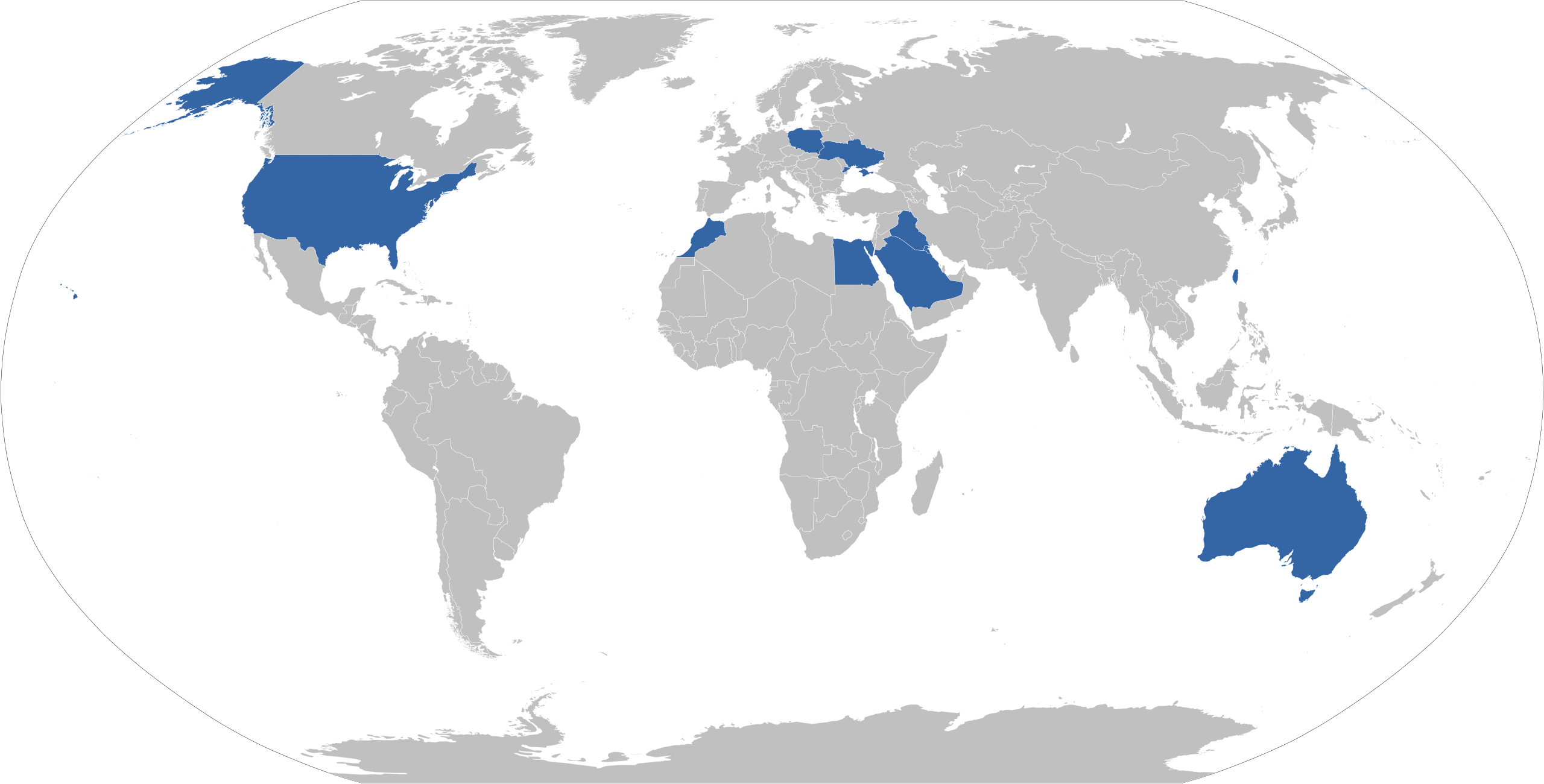
The Abrams was exported to many nations all over the globe, including:
- Morocco
- Egypt
- Saudi Arabia
- Post-war Iraq
- Australia
- Taiwan / Republic of China
- Poland
- Ukraine
Abrams tanks sent abroad are stripped of all sensitive technologies or advanced features in case of capture by enemy forces, and the ones sent to other nations are as a result much less capable than the American variants. These export tanks have, regardless, seen much combat in numerous theaters of war. The Iraqi Army had deployed several of its Abrams tanks in counter-insurgency operations where it saw limited effectiveness due to inexperienced tank crews and hidden ambushes by insurgents. Saudi Arabia also used its Abrams tanks in its fight against Yemeni insurgents, but the US Army had to send “20 battle damage replacements” to Saudi Arabia soon afterwards, which indicates several M1s were damaged or destroyed in combat.
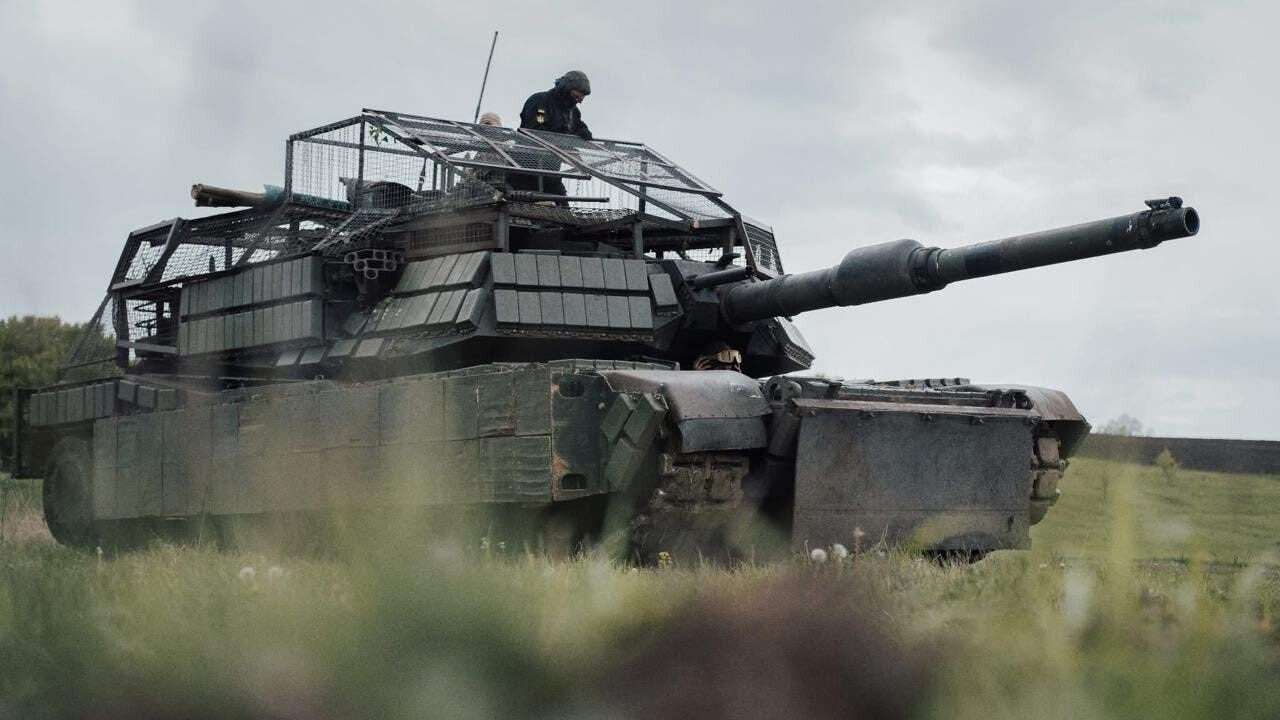
In 2023, the United States promised to send Ukraine older M1A1s to aid in their defense, and 31 were sent to the war over in Europe. However, unlike other conflicts the Abrams did not perform particularly well. As of December 2025, 22 Abrams tanks have been confirmed damaged, destroyed or lost due to various causes, namely threats such as loitering munitions, crews abandoning damaged vehicles in no-man’s land, and one was even reported to have been destroyed in one shot by a skilled T-72B3 crew. Australia has also promised to send its old M1A1s to Ukraine as it receives newer export M1A2s from the United States, but as of now the Abrams is a rare sight on Ukrainian battlefields due to dwindling numbers. The Abrams tanks performed somewhat poorly in Ukraine, but lessons learned from the war will most certainly help the US improve upon its current Abrams design.
The Future of the Abrams
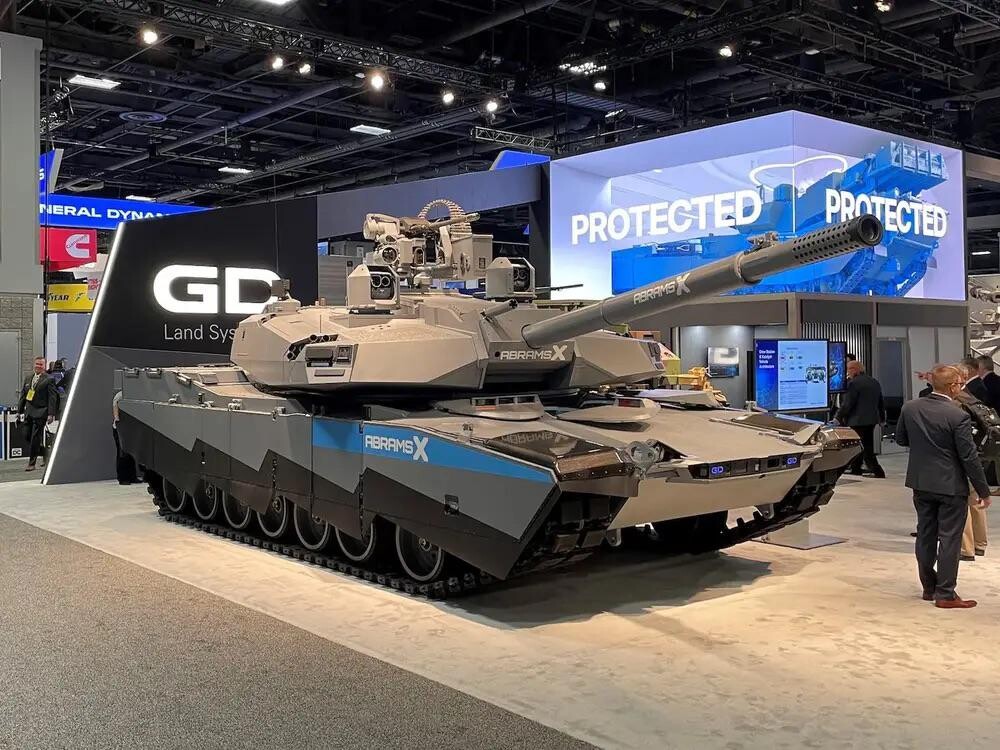
Unfortunately, the M1 Abrams is becoming outdated as it is a 40 year old design that is beginning to show its age. The US Army has already begun work on procuring an improved Abrams and even replacements, but many 'replacement' projects to the M1 have been canceled or shelved indefinitely. Currently, the Abrams is in its SEPv3 configuration, which, along with its SEPv2 brothers, allows the use of the Trophy APS system, alongside improved protection compared to previous variants. The US Army is said to be developing an M1E3 variant, also sometimes known as the AbramsX (which is a concept tank to demonstrate possible M1E3 Abrams features, but not the M1E3 itself), with a crewless turret, an autoloader, anti drone-protection, a 30mm M230 chain gun RCWS, and most importantly a reduced weight profile estimated to be ~10 tons lighter than current M1s in service despite these improvements. The first M1E3s are expected to be in service by 2026, although this is always subject to change in the future.
Conclusion
The Abrams is a well-decorated tank with exceptional combat performance and a rich history. Although it had a troubled start marked by cost overruns and politics, it quickly rose through the ranks and proved itself in combat operations, exercises and crew survivability. Today, it’s regarded as one of, if not one of the best tanks in the world as a result of that illustrious history, and for good reason. Its history has taught American engineers numerous important lessons that would define how America builds its tanks for generations to come, and until the next generation of US tanks becomes a reality, the Abrams will be at the tip of the spear of the United States' arsenal for many years to come.