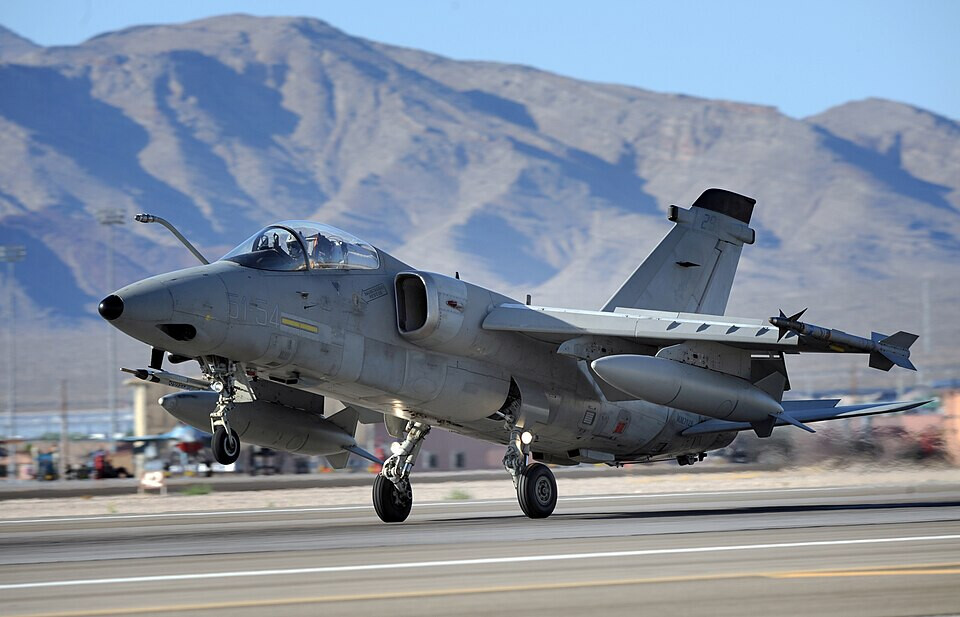
The Cold War provided the backdrop for the emergence of many strategic partnerships, as smaller nations pursued to maintain a degree of autonomy in a world dominated by two global superpowers. While some of these collaborations proved short-lived, others endured, including the partnership between Brazil and Italy. Over time, both countries developed long-standing strategic ties across several sectors, including the military sphere. The AMX emerged from a shared requirement to replace aging aircraft, emphasizing pragmatism and operational effectiveness while prioritizing mature and reliable technologies.
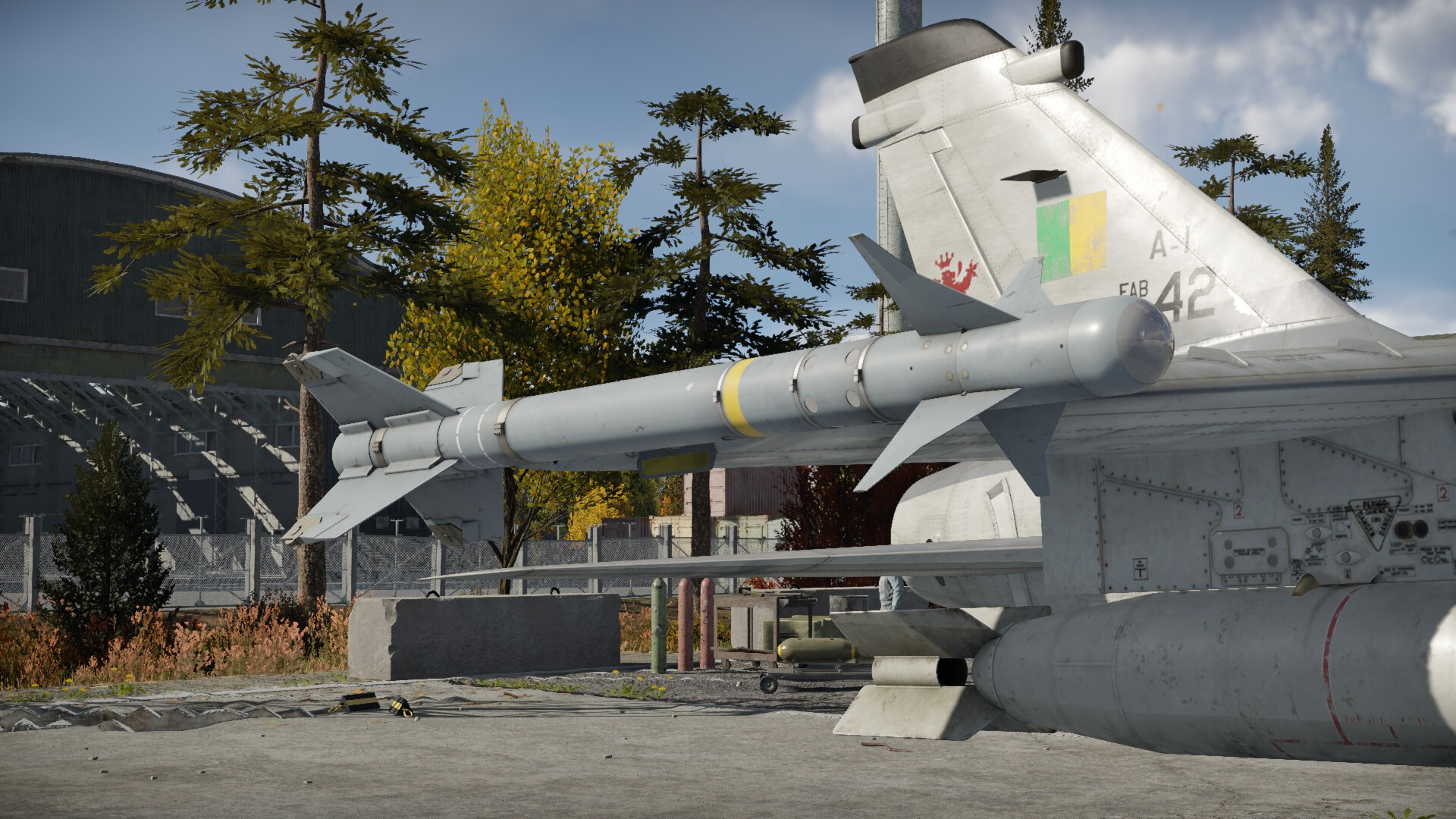
This article examines the history of the MAA-1 Piranha, the first Brazilian domestic air-to-air missile, tracing its conception, development, testings, and the various setbacks and historical contexts that shaped the program. The Piranha was a bold project for its time, that sought to elevate Brazil into the small group of countries that were capable of producing domestic air-to-air missiles, a group which, at the time, consisted of France, the USA, the USSR, Israel, South Africa, the United Kingdom, China, Taiwan, and Japan.