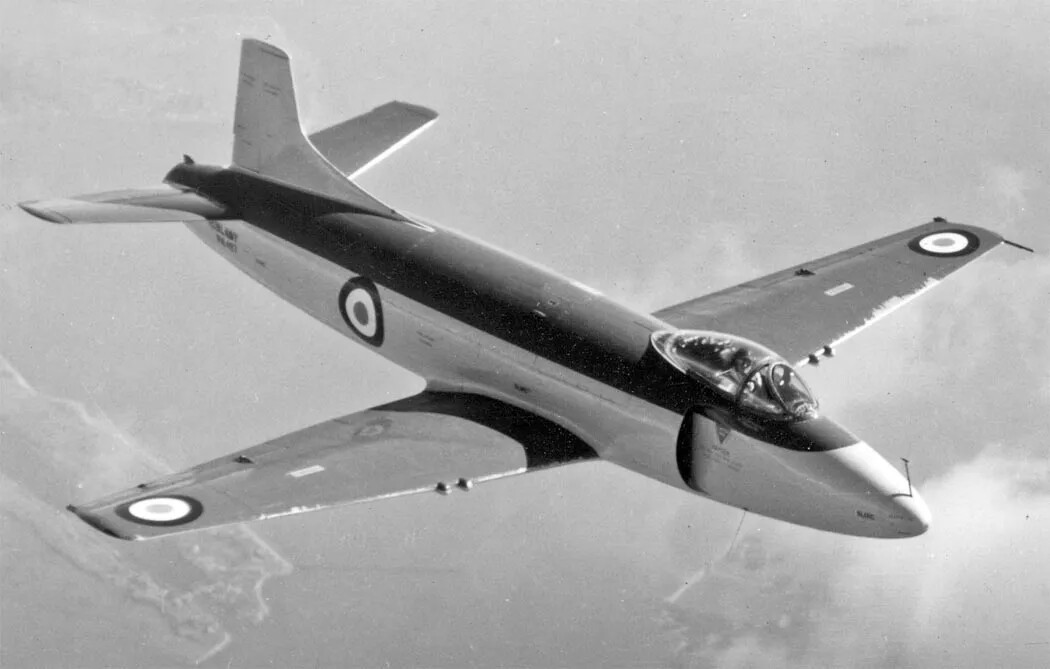
The Supermarine Attacker was a fighter that emerged in the 1940s with the aim of replacing the legendary Gloster Meteor, the UK’s first jet fighter, which had already made aviation history, and simultaneously becoming the Royal Navy’s first frontline jet fighter. The Attacker failed to achieve its primary objective: the introduction of a modern, efficient single-engine jet aircraft for the Royal Air Force, and its service life was short due to poor overall performance and maintenance issues. Its history and service, spanning from 1950 to 1964, reflects the challenges of the transition to the jet age in the United Kingdom and the introduction of the first jet aircraft of the Royal Pakistan Air Force (RPAF). Throughout its 14 years of service, the aircraft never took part in any conflict or combat.

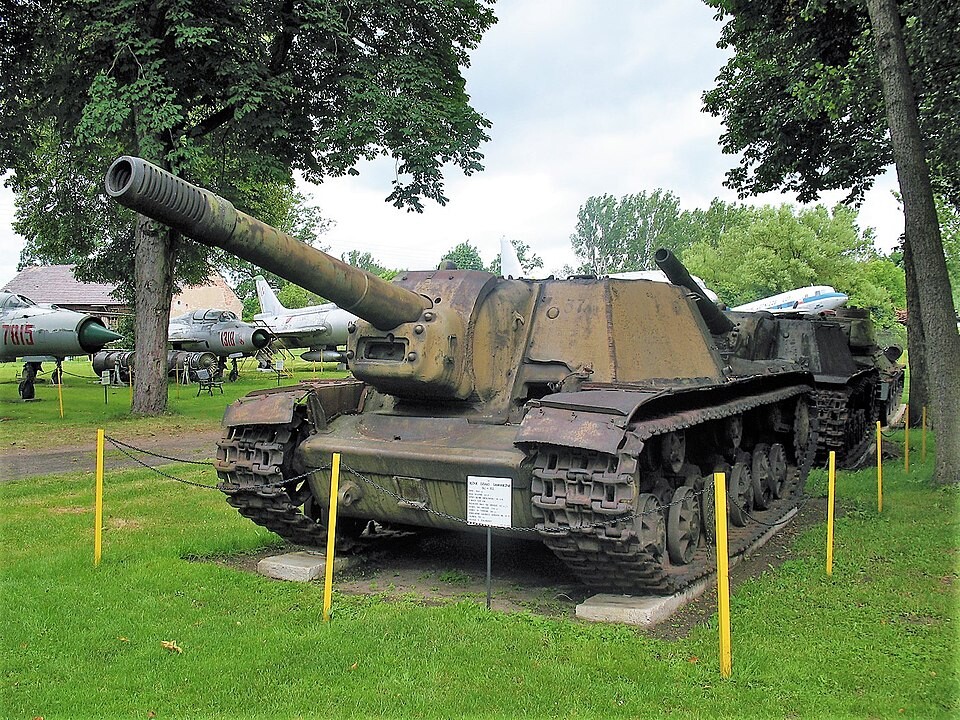
After Operation Uranus, the counteroffensive of the Battle of Stalingrad, it became painfully obvious that the USSR needed mobile heavy guns in order to destroy German fortifications and heavy tanks. The Red Army did have the KV-2 heavy tank for this duty at the time, but mass production of the KV-2 had ceased when the Kirov Plant was moved to Chelyabinsk. The new anti-fortification vehicle had to be faster than the KV-2, with thicker armor, and mount the powerful and more accurate ML-20 howitzer on a less expensive platform. The gun was too long and its recoil too powerful for it to be mounted in a turret, so a casemate structure was opted for. This would result in the soon-to-be-famous SU-152 'Zveroboy'.
The name Khalkhin Gol entered military history on the eve of the Second World War. In the summer of 1939, Soviet-Mongolian and Japanese-Manchukuoan forces clashed along the river. Known in Japan as the Nomonhan Incident, the conflict grew far beyond an ordinary border skirmish: tens of thousands of soldiers took part, supported by hundreds of aircraft and tanks. Its outcome forced the Japanese military to reconsider the development of its armored forces and became one of the factors that pushed Japan toward expansion to the south rather than another war with the Soviet Union.
We often talk about versatile aircraft that feel equally capable in almost any situation. But War Thunder also has highly specialized machines built for one very specific job. Today’s aircraft is exactly that. The British Welkin F.Mk.I is neither a multirole fighter nor a master of close-range dogfights
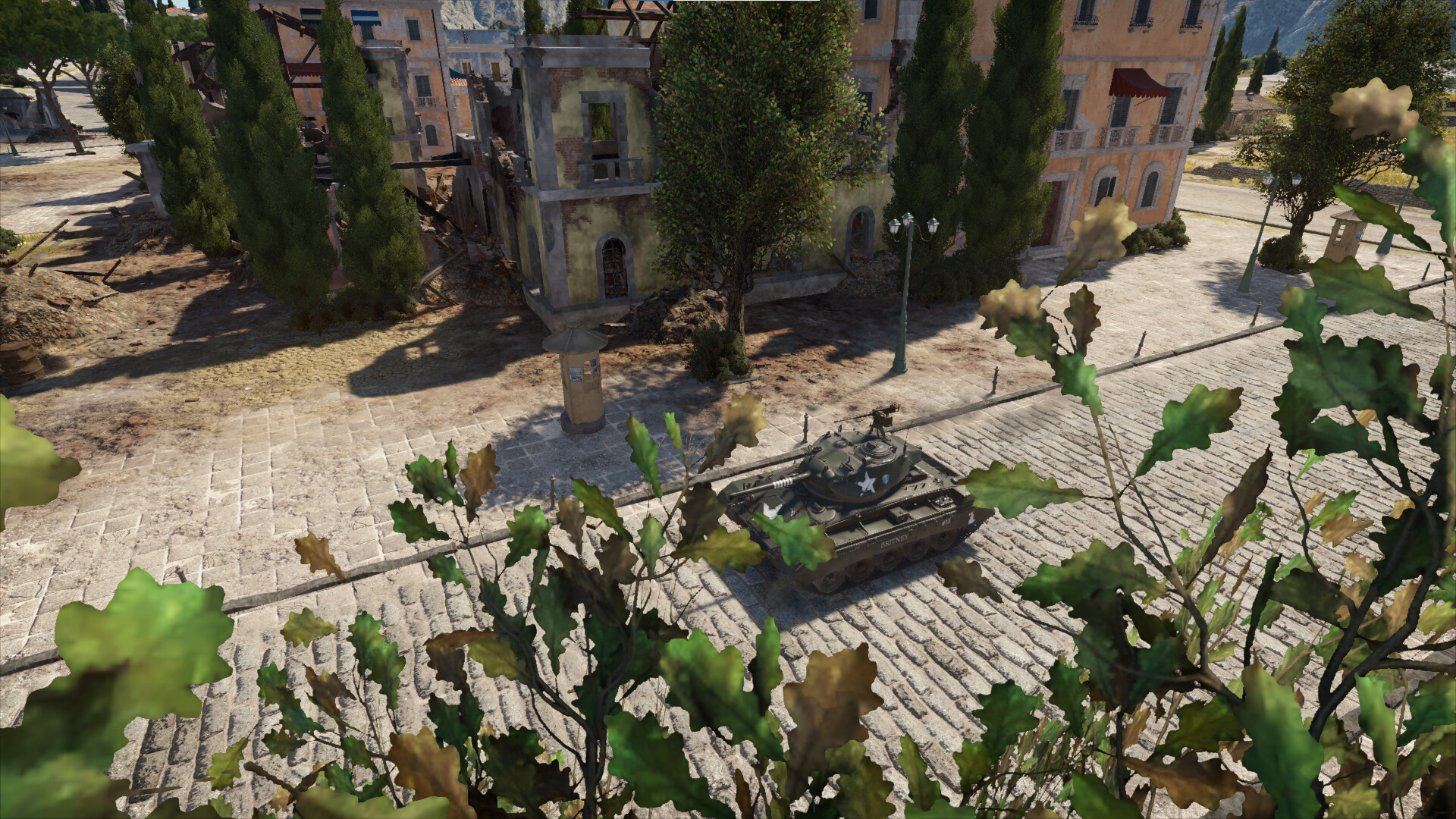
The M24 Chaffee was a light tank originating from WW2 and fought in numerous wars, cementing its legacy as a powerful light tank. The M24 Chaffee in War Thunder, much like in real life, serves with many different countries and is also an extremely very good vehicle. This vehicle has an extremely rewarding playstyle once learned and this article will teach you how to play it to its strengths and mitigate its weaknesses.

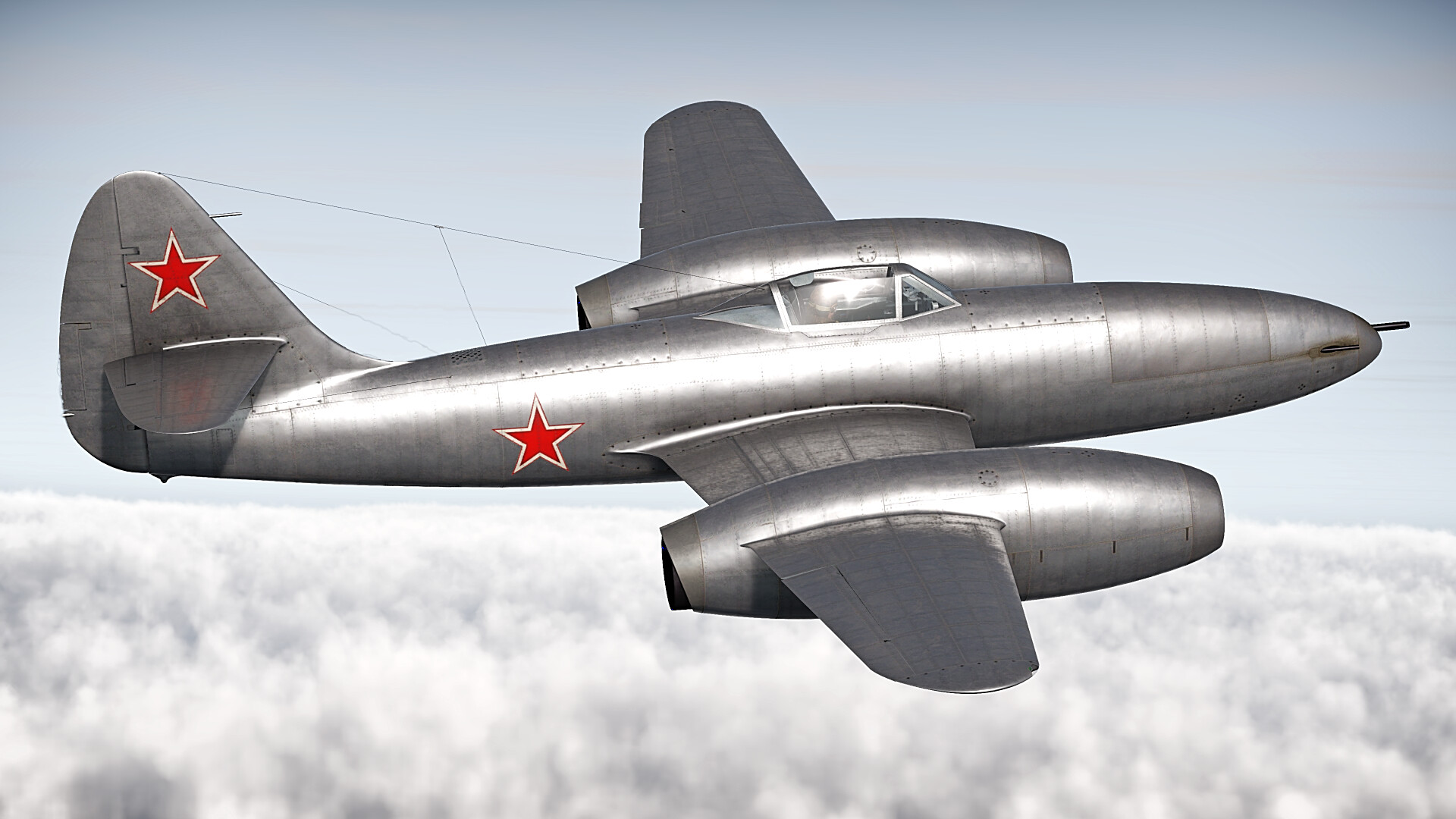
In 1944, the Sukhoi Design Bureau started working on a new twin-engine fighter. The design process was slow, but the bureau soon acquired a captured German Me 262 Schwalbe ("Swallow"), which profoundly influenced the project's subsequent development. This culminated in the Su-9 in 1947, which retained the Me 262’s layout but had a different fuselage and wing design. Soon after, the Su-11 was created based on the Su-9, featuring more powerful TR-1 engines. However, in the game, the Su-11’s performance is much superior than that of the Su-9 or the Me 262. It stands out for its excellent acceleration and incredible energy conservation. Is it really that good?
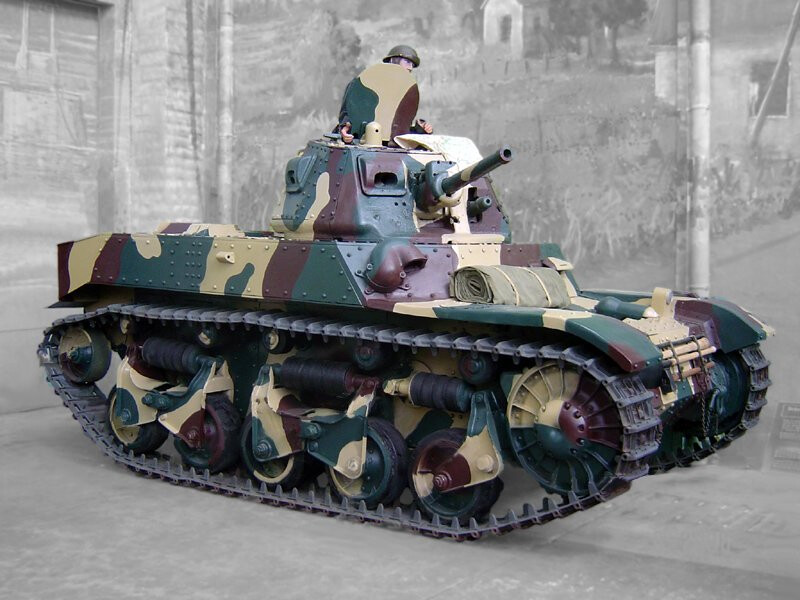
The Renault YR and Renault ACG, officially designated the AMC.34 and AMC.35 respectively, were a pair of French medium tanks designed in series. Initially conceived for the 1931 French Army Cavalry plans for the Automitrailleuse de Combat (AMC) role as a light tank, both were essentially dead on arrival.
The Richelieu-class battleships were the swan song of France’s heavy surface fleet and among the most advanced warships of their time. Their story is more than a chronicle of armor, guns, and speed. It is the story of the ordeals faced by a once-great naval power on the eve of the Second World War. French engineers did not try to follow the path taken by the designers of Japan’s Yamato, nor did they chase record-breaking size. Instead, they placed their faith in a carefully judged balance of characteristics. That is why the Richelieu class is still often regarded as perhaps the most successful European battleship design of its generation.
The Hunter AFV is one of the most unusual vehicles introduced in the Heavy Cavalry update. On paper, it’s simply a Singaporean infantry fighting vehicle designed to replace the M113. Its appearance in the Israeli tech tree is no accident, however: the combat module was developed by the Israeli company Rafael. It’s an intriguing international project — so let’s see how it performs in War Thunder.

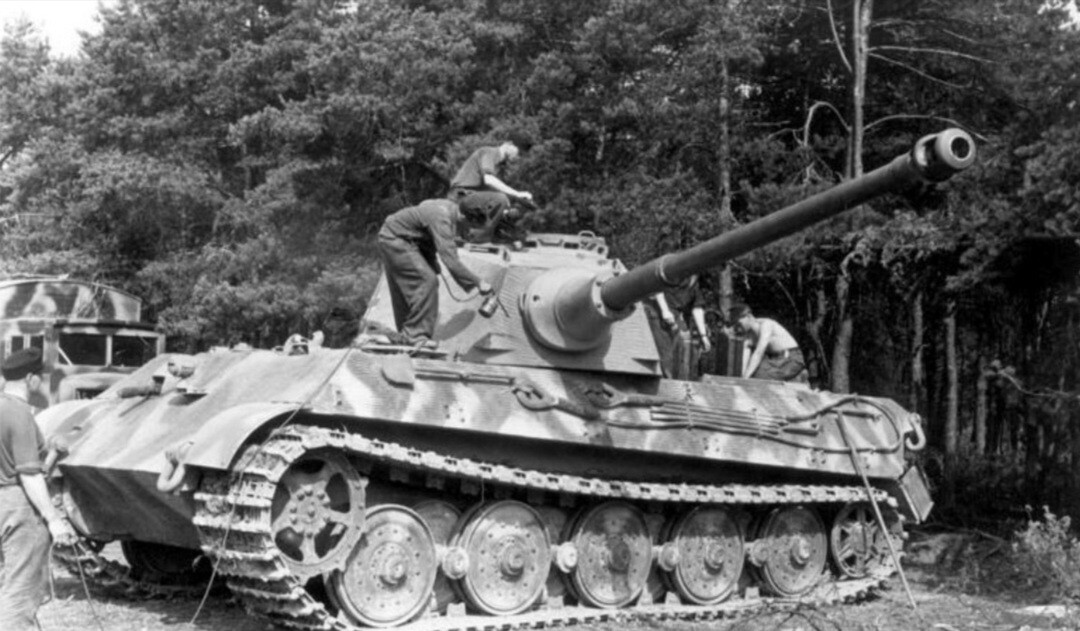
The King Tiger is one of the most famous tanks known today, which is very impressive considering its age, but there are many misinterpretations, myths, and misunderstood facts going around, as well as a few blurry lines here and there, which I will aim to dismiss.