#finland
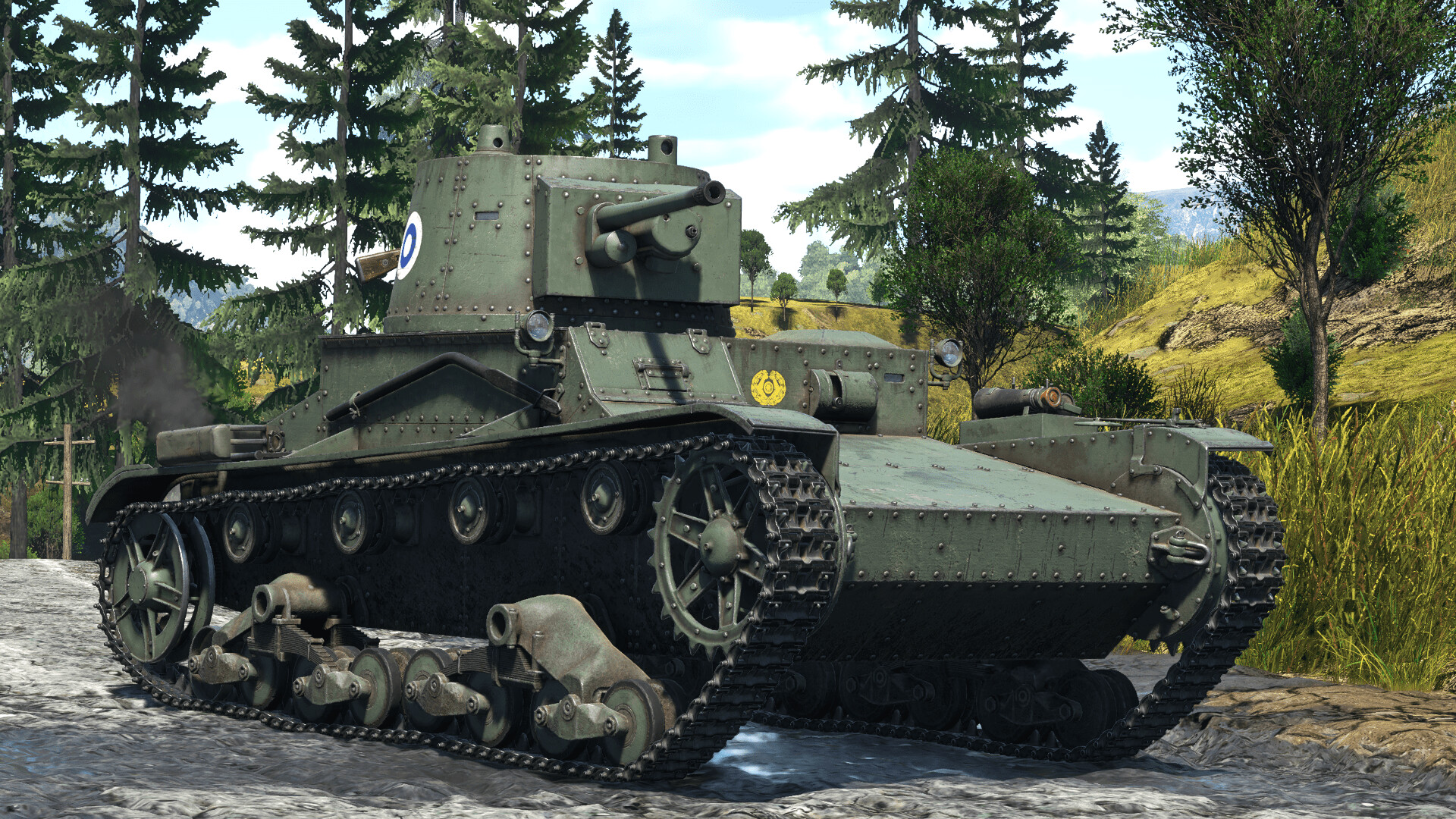
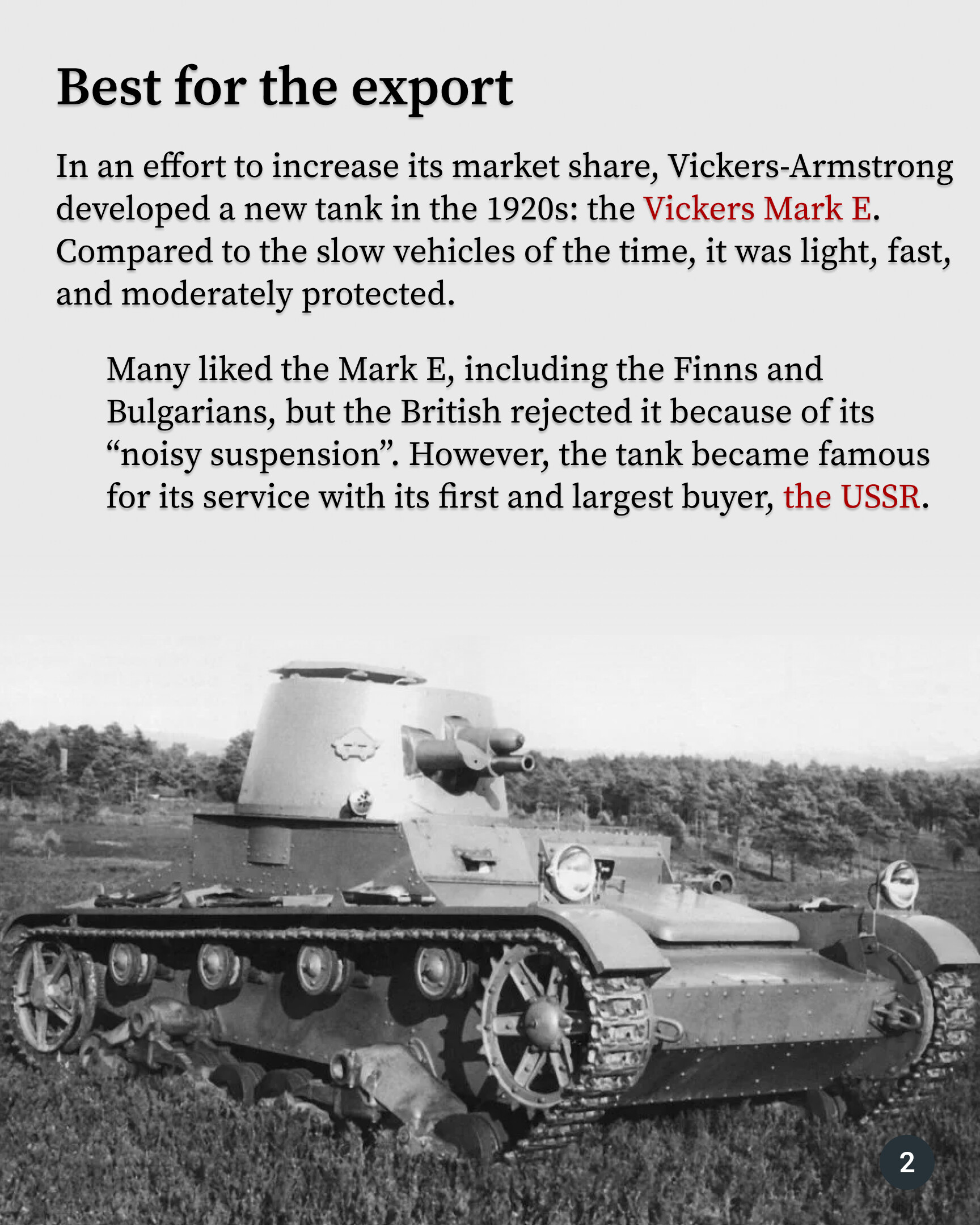
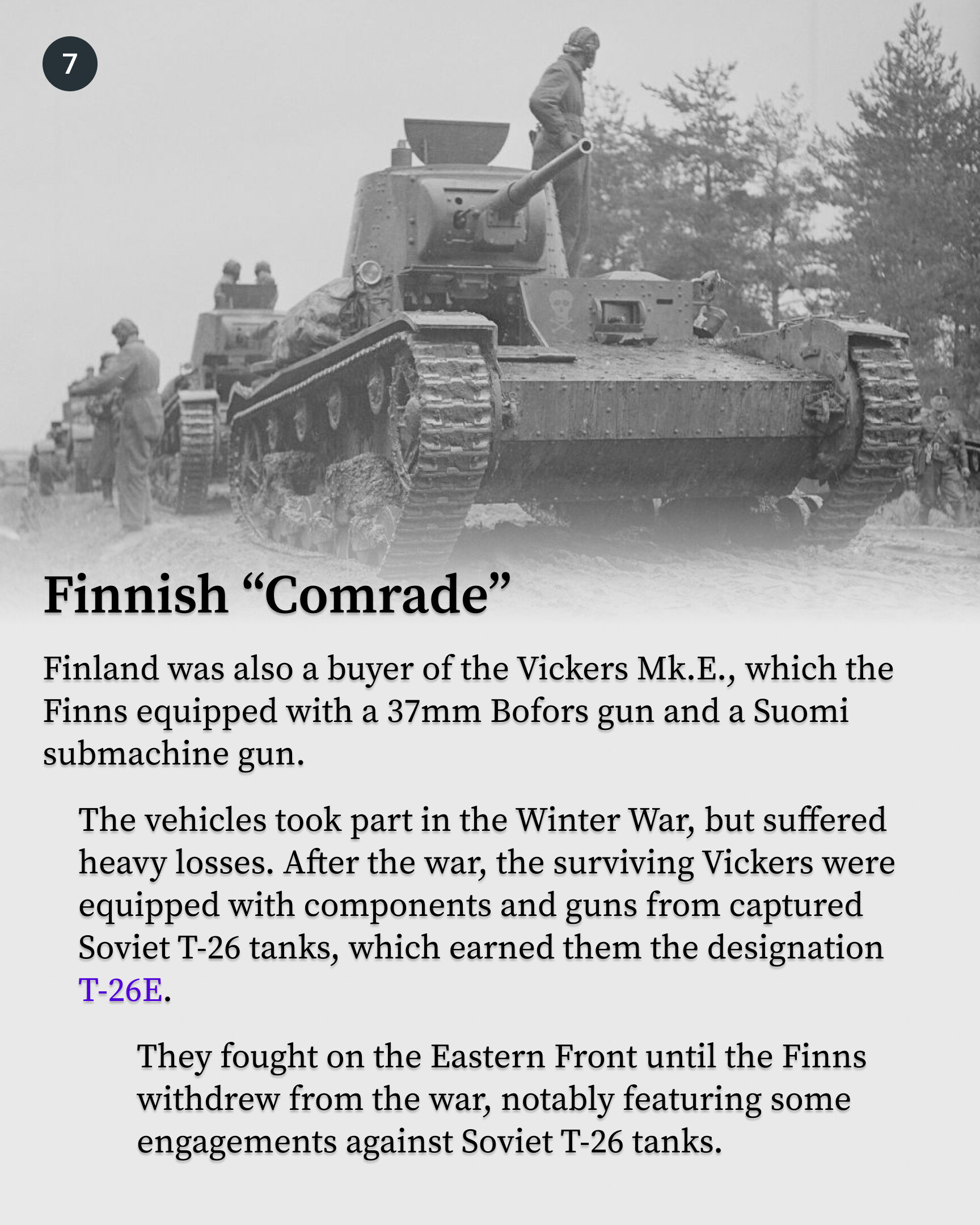
The Vickers Mk. E, also known as the Vickers 6-ton, was a tank developed in Britain during the Interwar period. Although it did not enter service in the UK, it was used by numerous countries, including Finland, Poland, and the USSR (where it became the T-26). In War Thunder, this tank can be found in the Finnish sub-tree. It is in many ways similar to the T-26, but it also has several differences, such as an extra crew member and a different gun.
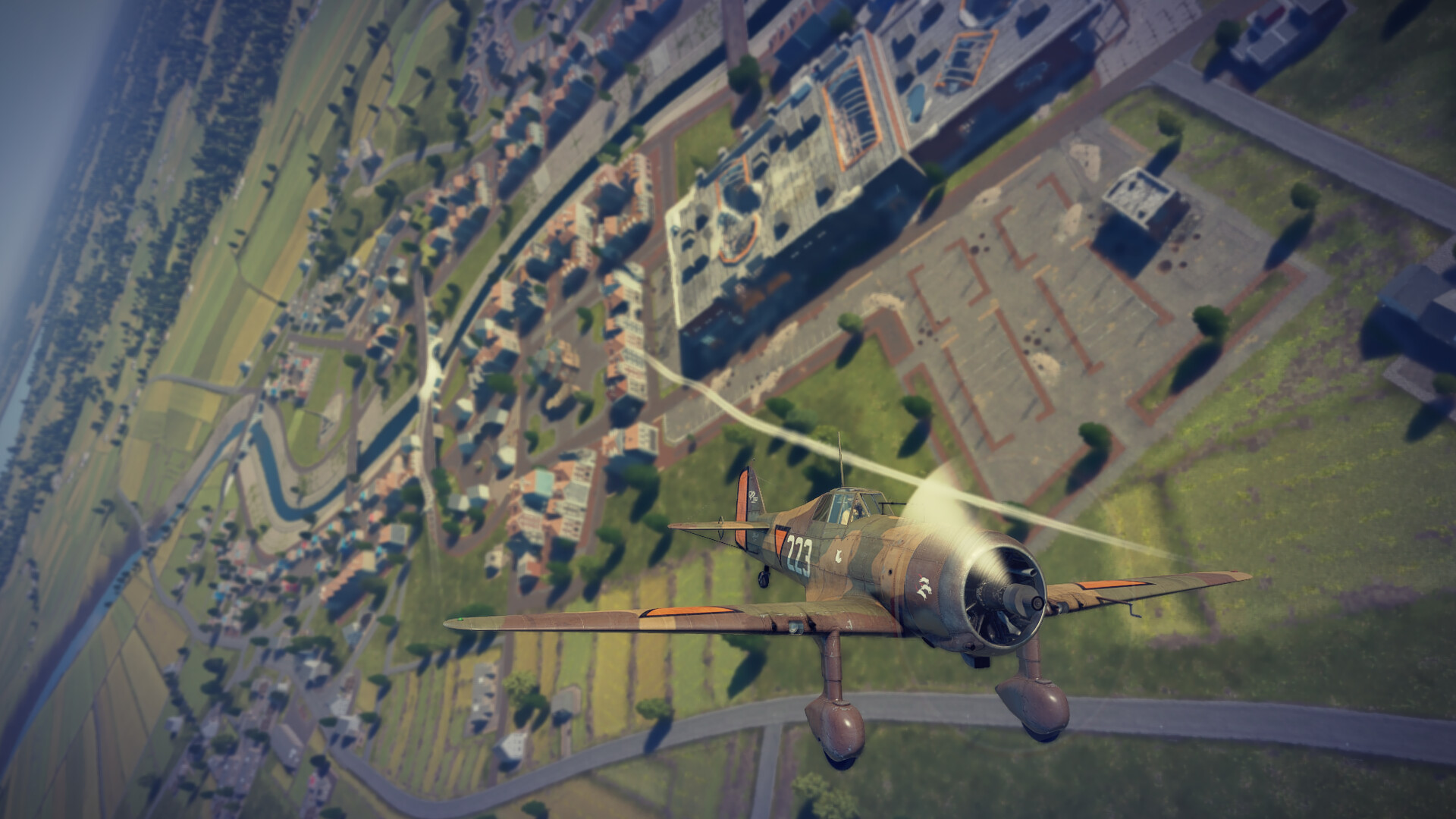
The N.V. Koninklijke Nederlandse Vliegtuigenfabriek Fokker was among the best aircraft manufacturers in WW1, producing some of the most famous planes such as the Fokker Dr.I or the Fokker D.VII. The Fokker D.XXI came on the eve of WW2 and Fokker decided to go the opposite of other aircraft manufacturers and went with a much simpler monoplane design that would do wonders in Finnish hands. The Fokker D.XXI provides an excellent introduction to monoplane fighters after biplane designs and will need you to work around its flaws to achieve its best performance.

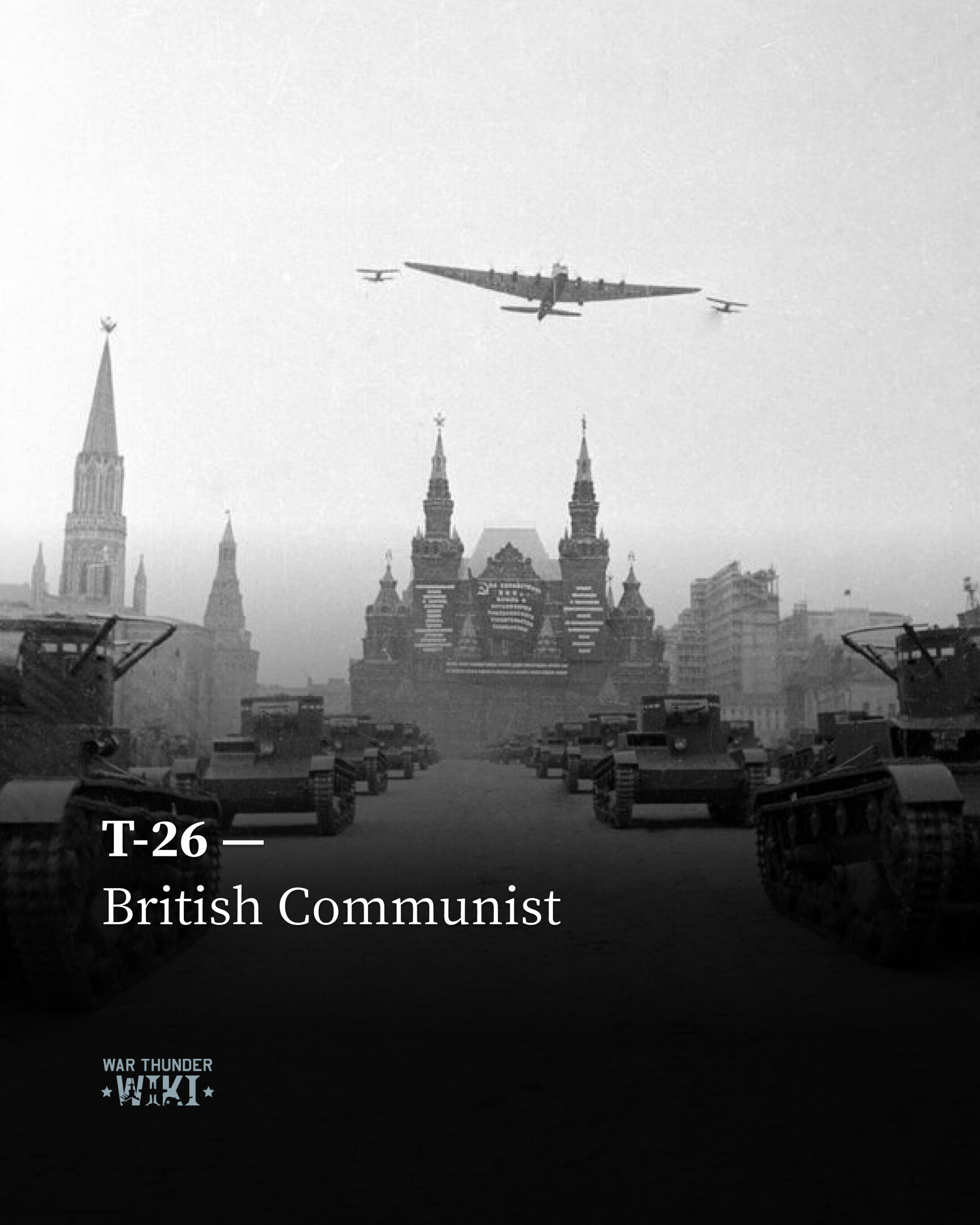
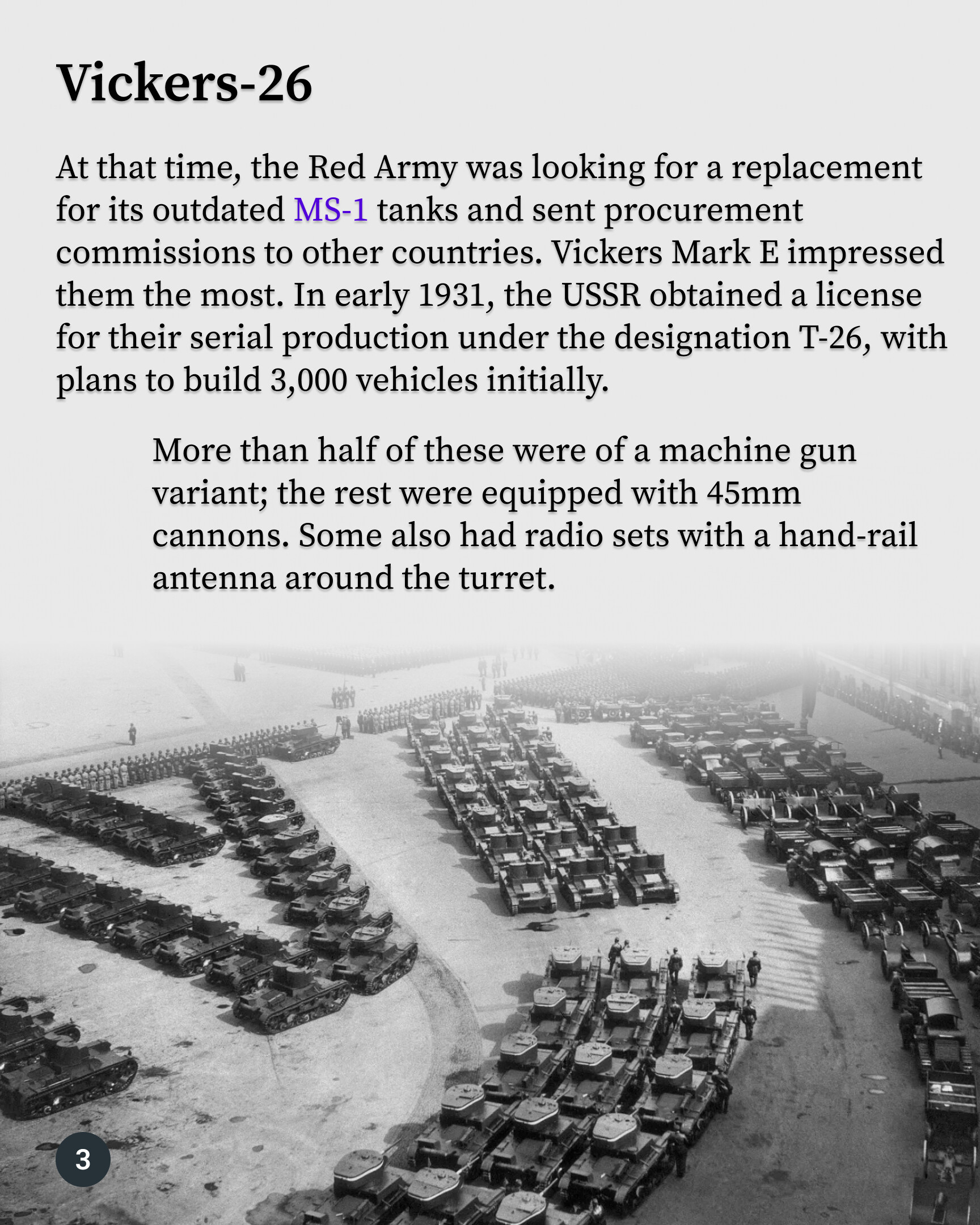
The British Vickers Mk. E had an unusual fate. In its home country, it never entered service or was produced in significant quantities. However, it became known as one of the best tanks of its time thanks to its production in the USSR under the designation T-26. Soviet tanks saw action in Spain, Finland, and China, and more than 10,000 were produced.
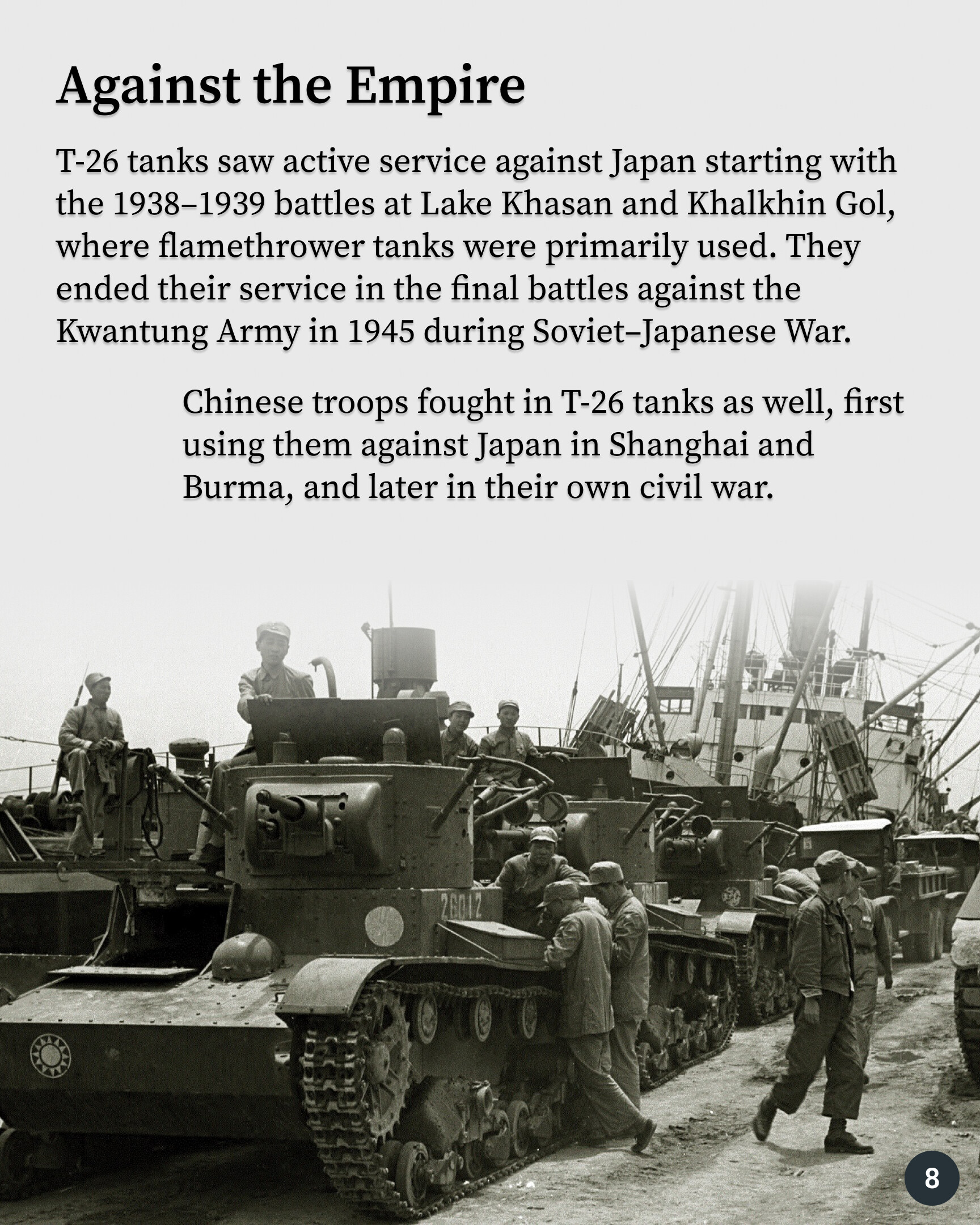

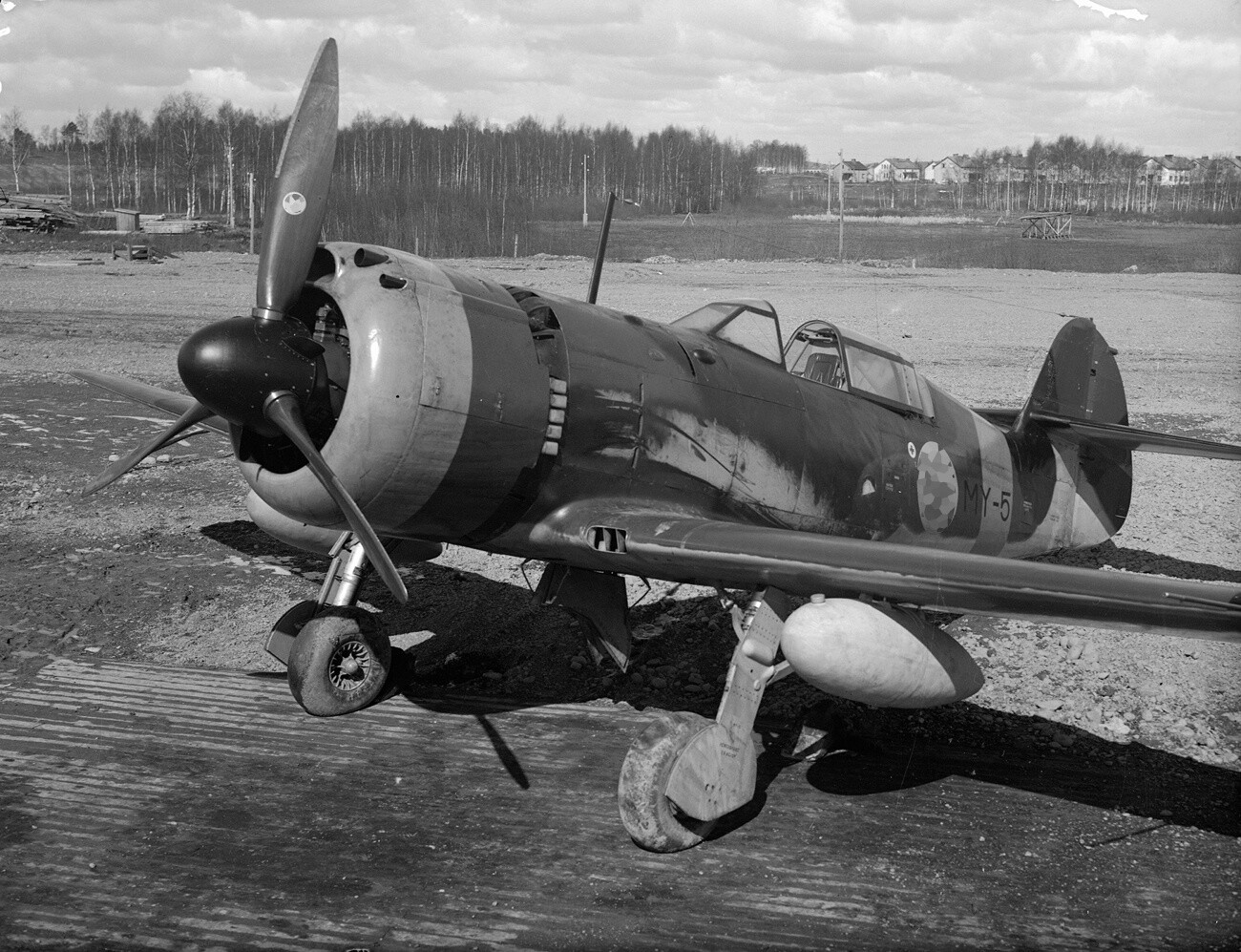
The VL Pyörremyrsky (“VL Hurricane”), also known as VMT Pyörremyrsky, is a Finnish Second World War-era fighter aircraft designed and built by Valtion Lentokonetehdas (“the State Aircraft Factory”). It was an attempt to produce a capable fighter locally for use in the late war period. It was to incorporate newly developed technologies and use locally available resources in its construction. However, the end of the war brought this ambitious project to a close, with only one prototype constructed.
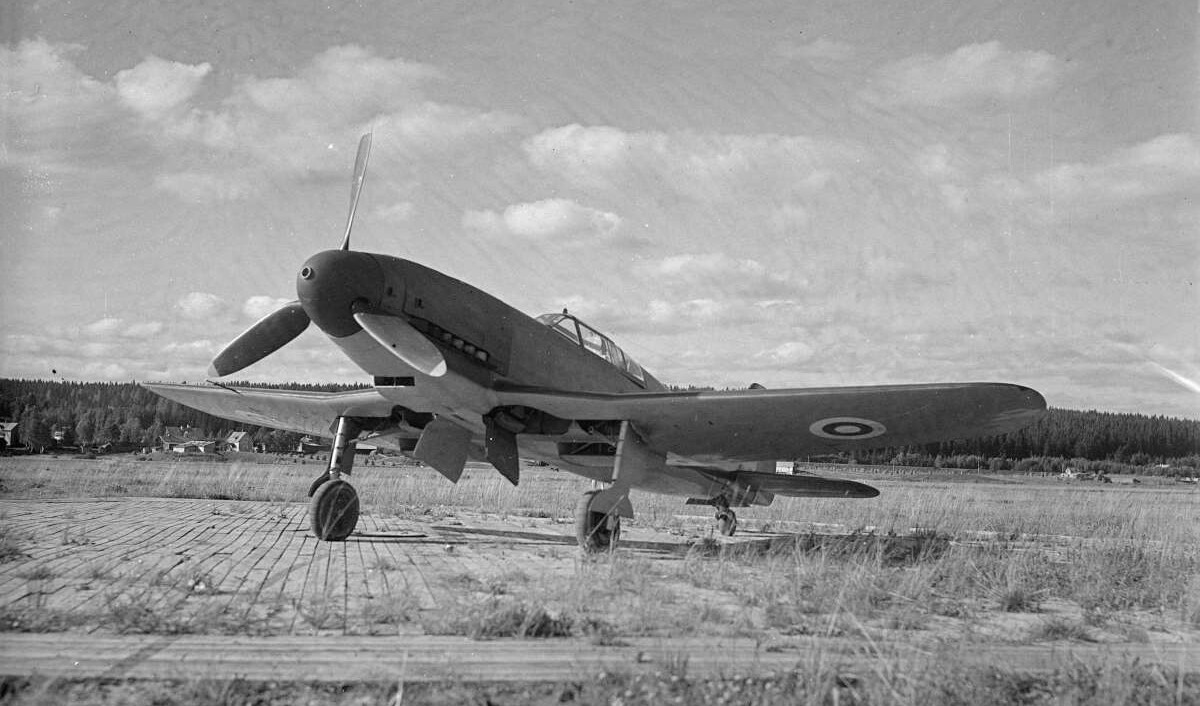
Mörkö-Morane (“Bogeyman-Morane” or “Ghost-Morane”), also known by its official designation MSv, was a Finnish modification of the French Morane-Saulnier M.S.406 and M.S.410 fighter aircraft serving in the Finnish Air Force during the Second World War. It was an attempt to improve the obsolete Morane fleet for use during the late war period and to help retain the capabilities of the Finnish Air Force. Designed and converted by Valtion Lentokonetehdas (“The State Aircraft Factory”), Mörkö-Morane was considered to be the second most capable fighter aircraft operated by the FAF during the Second World War, though it arrived too late to have any significant impact.
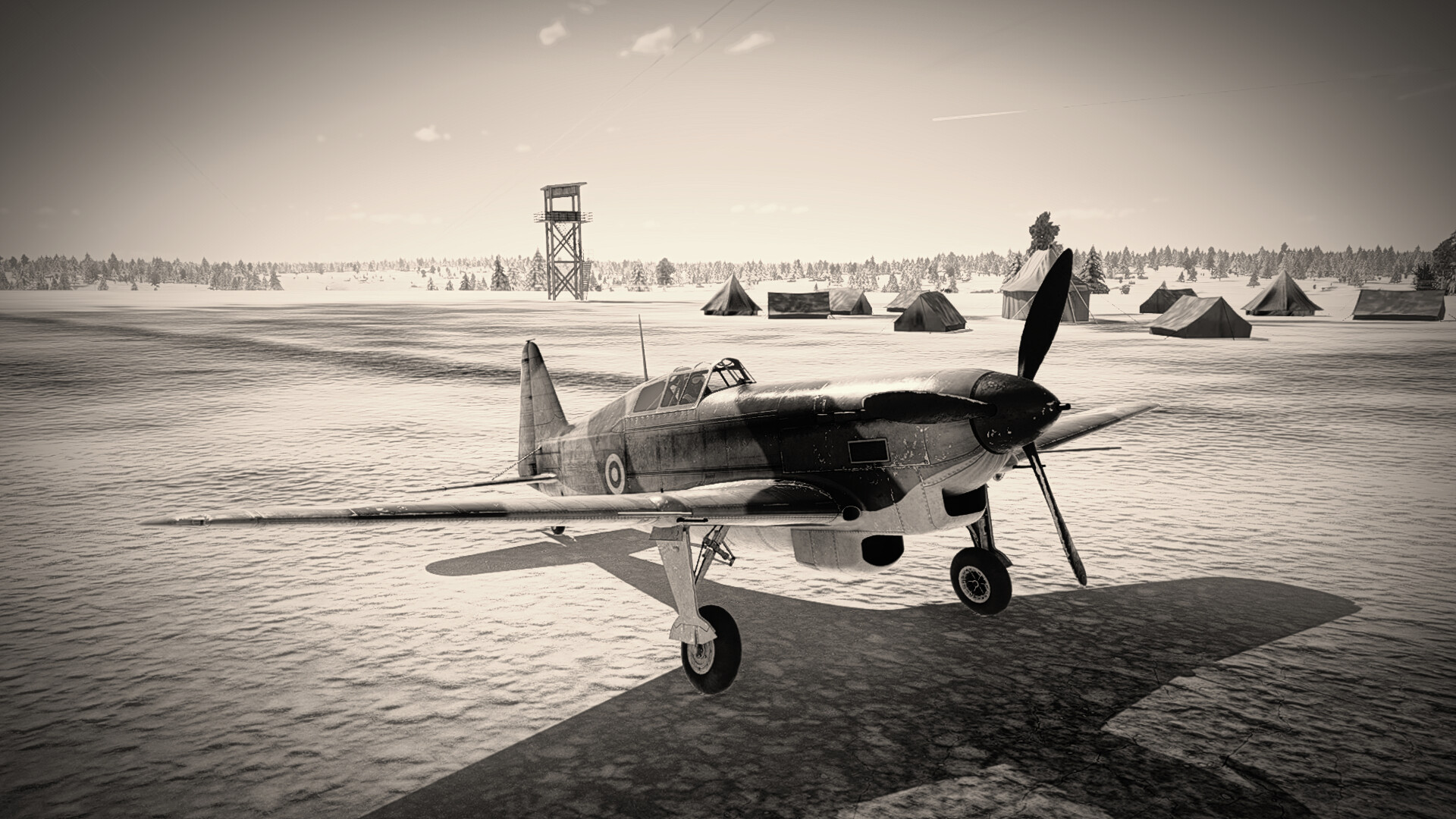
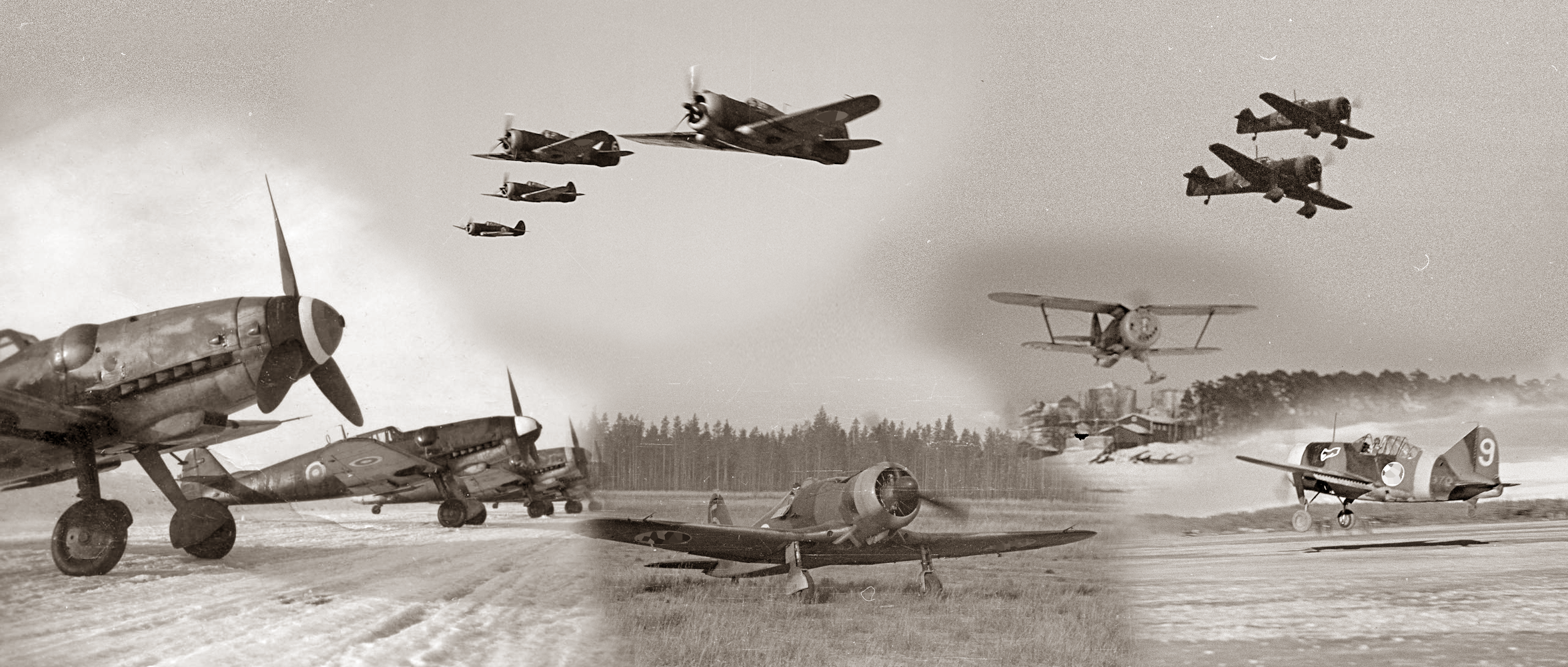
During the Second World War, the Finnish Air Force was very diverse when it came to equipment. This was the result of multiple procurement programs, donations from other nations, and the continuous process of pushing captured or even downed enemy aircraft back into service on the home front. In this article, we’ll go through all the aircraft classified as fighters that served in the Finnish Air Force during this period, how they ended up in Finnish service, and what their service was like.
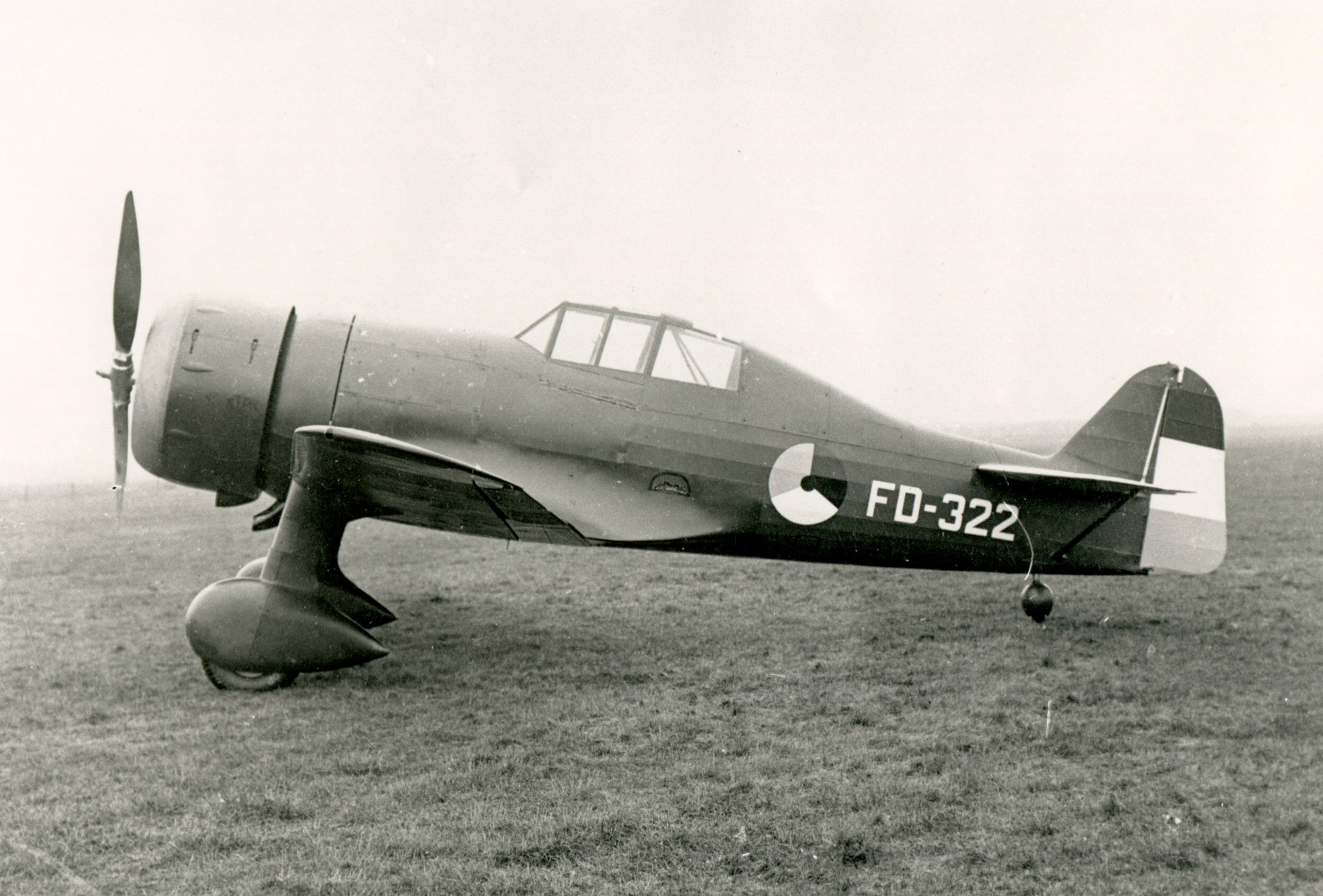
The Fokker D.XXI was a single-seat fighter aircraft designed and manufactured by the Dutch aviation company Fokker. It served primarily with the Netherlands’ Luchtvaartafdeeling (LVA) (Aviation Department) during the late 1930s, the Finnish Air Force in the Winter War and played a notable role during the opening phase of the Second World War. Although already obsolescent by the standards of 1940, the D.XXI demonstrated surprising effectiveness in combat, particularly in Dutch and Finnish service, where skilled pilots exploited its strengths to compensate for its technical shortcomings. This article focuses chiefly on the Dutch and Finnish variants and their operational history, while also addressing foreign use, like Danish variants.
Back in WW2, the Finnish air force had to rely on foreign planes for the war such as the Fokker D.XXI, F2A, Bf 109Gs and Fiat G.50. Although using these planes was cheaper, the Defense Council decided to produce a local fighter in order to lessen reliance upon foreigners. This led to the VL Myrsky (translates as Storm), the first domestically produced Finnish fighter. Although the VL Myrsky had worse performance than other contemporary aircraft such as the Yak-9s and Bf 109Gs, the VL Myrsky still served in the Finnish air force with reconnaissance and ground attack missions. Added in the Summer Landing 2021 event, the VL Myrsky II remains a rare example of the few Finnish aircraft in the game.
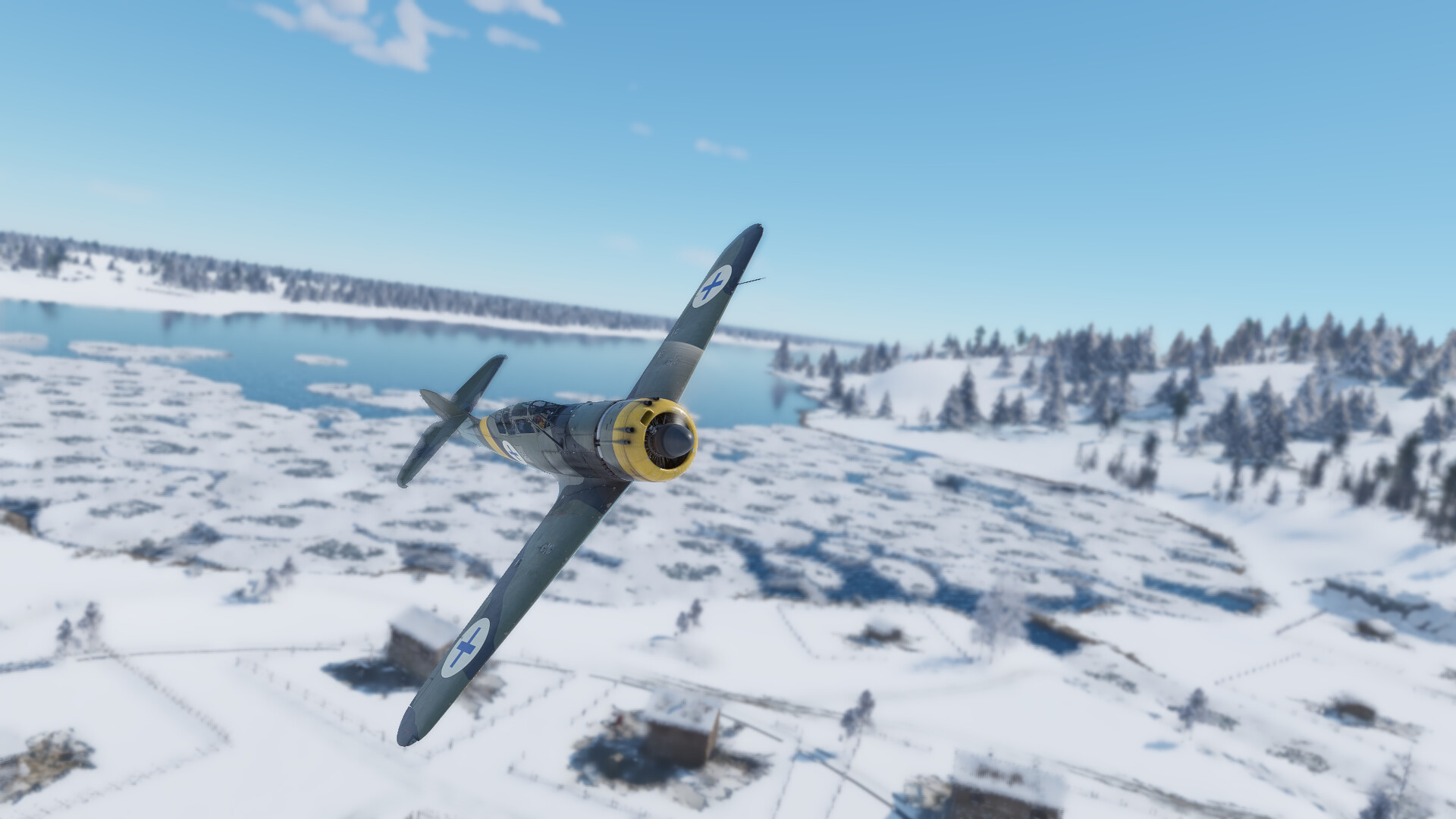

VL Myrsky (“VL Storm”) is a Second World War-era Finnish fighter aircraft, designed and built by Valtion Lentokonetehdas (“the State Aircraft Factory”). It is the only domestically designed fighter aircraft to enter mass production, and was an attempt to modernize and increase the capabilities of the Finnish fighter fleet to better prepare for the war looming around the corner. Ultimately, the entire aircraft experienced considerable delays caused by world politics and difficulties in obtaining proper engines, making it a “too little, too late project” to protect the skies over Finland during the war years.