#fokker

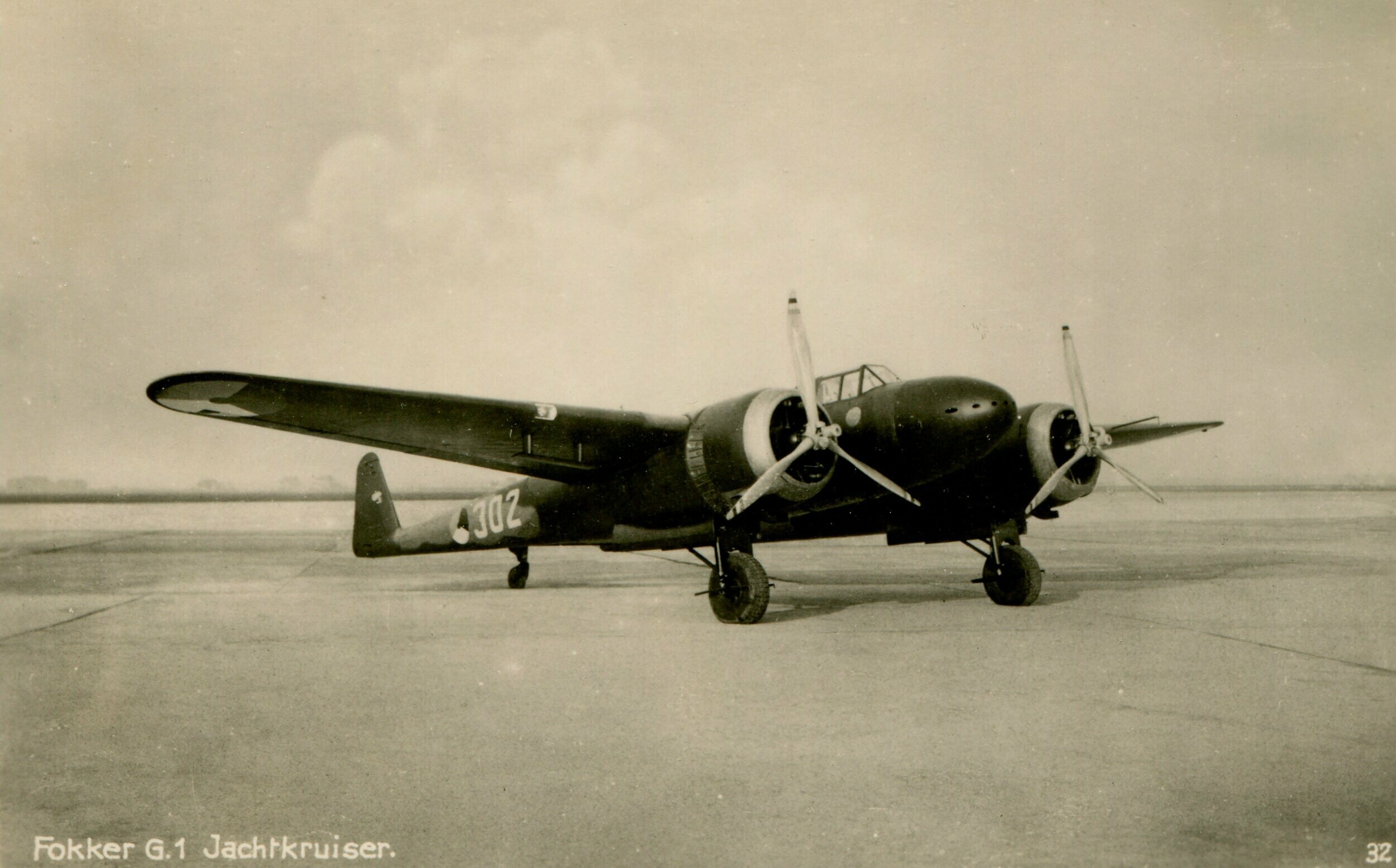
The Fokker G-1 Jachtkruiser was one of the most ambitious aircraft ever developed for the Dutch armed forces in the years preceding the Second World War. Designed in 1934 by engineers Marius Beeling and Erich Schatzki at Fokker, the twin-engined, twin-boom fighter was conceived as a heavily armed multi-role “fighter-cruiser” capable of bomber interception and ground attack. Its distinctive configuration and concentration of nose-mounted firepower made it a technological statement for Dutch aviation. Adopted by the Luchtvaartafdeling (LVA) as the G-1 Mercury variant powered by Bristol Mercury engines, the aircraft entered service only months before the German invasion in May 1940, where it would briefly but fiercely demonstrate its combat potential.

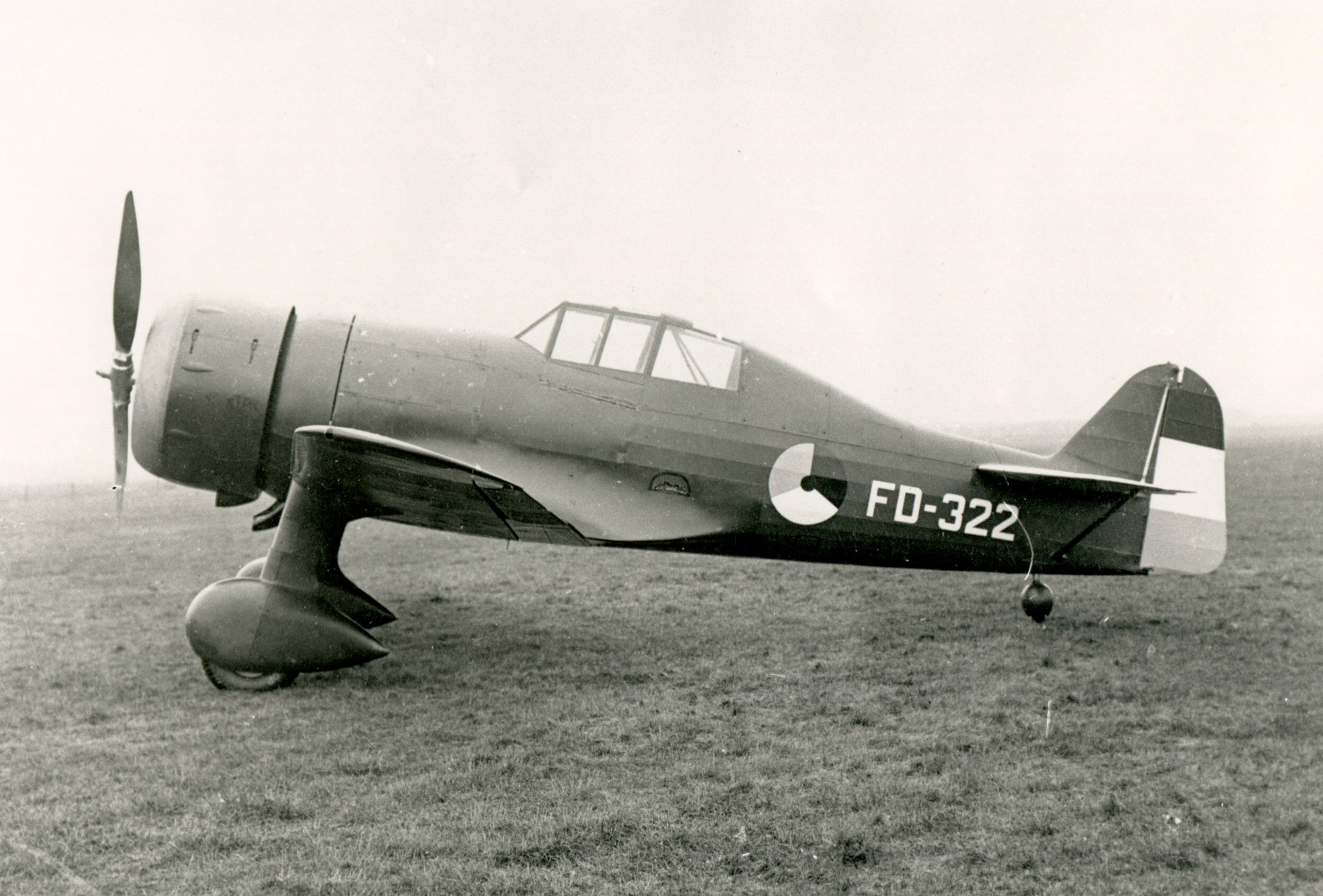
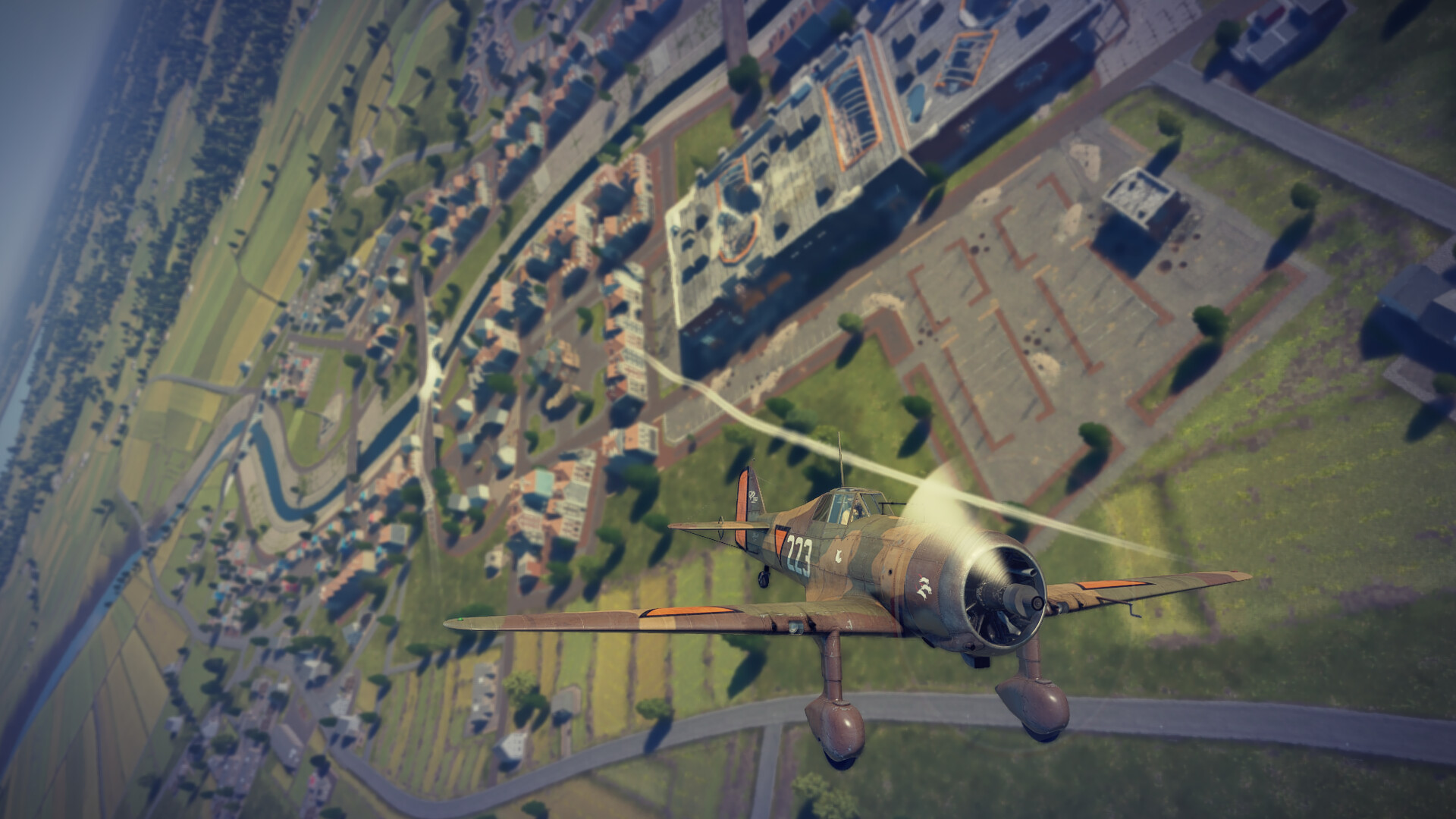
The N.V. Koninklijke Nederlandse Vliegtuigenfabriek Fokker was among the best aircraft manufacturers in WW1, producing some of the most famous planes such as the Fokker Dr.I or the Fokker D.VII. The Fokker D.XXI came on the eve of WW2 and Fokker decided to go the opposite of other aircraft manufacturers and went with a much simpler monoplane design that would do wonders in Finnish hands. The Fokker D.XXI provides an excellent introduction to monoplane fighters after biplane designs and will need you to work around its flaws to achieve its best performance.
The Fokker D.XXI was a single-seat fighter aircraft designed and manufactured by the Dutch aviation company Fokker. It served primarily with the Netherlands’ Luchtvaartafdeeling (LVA) (Aviation Department) during the late 1930s, the Finnish Air Force in the Winter War and played a notable role during the opening phase of the Second World War. Although already obsolescent by the standards of 1940, the D.XXI demonstrated surprising effectiveness in combat, particularly in Dutch and Finnish service, where skilled pilots exploited its strengths to compensate for its technical shortcomings. This article focuses chiefly on the Dutch and Finnish variants and their operational history, while also addressing foreign use, like Danish variants.