#medium_tanks
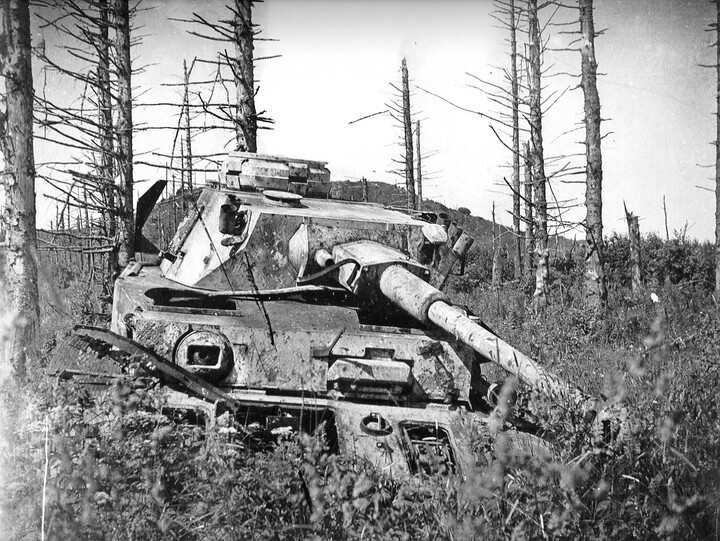
During the Second World War, there is no doubt that Germany led the world in military designs and innovations. However, in the years after the war, a near legendary status has surrounded Germany’s tanks, with names such as the Panther, Tiger I and King Tiger (and, of course, the redoubtable Maus) all coming to mind as nearly indestructable fighting machines. But was this actually the case? Were Panzers as amazing as we have been led to believe, and how have they gained such a formidable reputation?

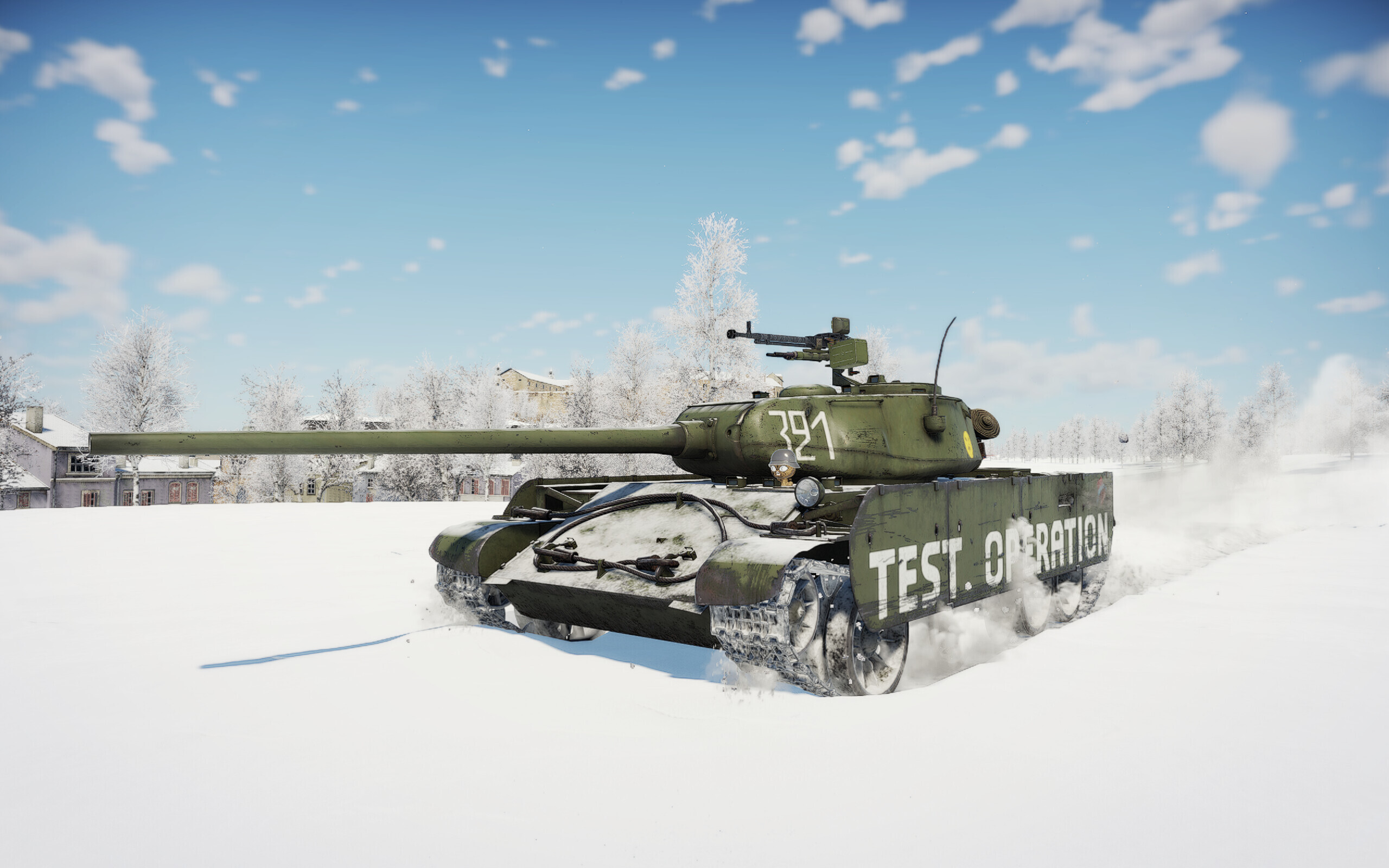
The T-44-100 is a late WWII-era Soviet medium tank. It features a well-rounded armor profile that is comparable to the later T-54 series of tanks, and sports a heavy armament that is roughly equivalent to the US T15E1 and the German KwK43. Surprisingly, it even has mobility better than its predecessor, the T-34-85! These features grant the T-44-100 great sniping and flanking abilities, letting it excel in all situations regardless of engagement ranges. However, its poor turret armor can often be exploited by attentive enemies, and it has a somewhat poor suspension/vertical drive which makes return shots take noticeably longer than in most other vehicles as the gun can take a while to stabilize. Regardless, even with these flaws, the T-44-100 is exceptionally well-rounded and can take on almost any threat it faces from any range — something that can’t be said for many other tanks at its BR.
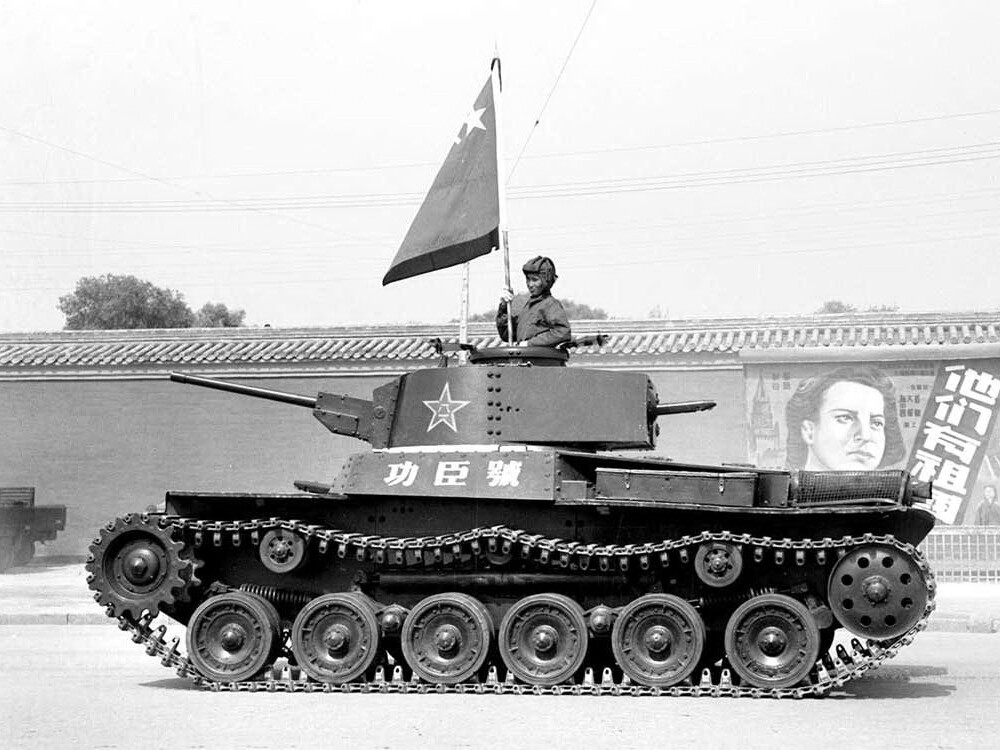
The Gongchen tank would become the first tank in service with the People’s Liberation Army. It helped the army of the Chinese Communist Party in numerous battles, including the siege of Jinzhou. A symbol of the PLA’s humble beginnings and its triumphant, hard-fought revolutionary spirit, paving the way for a modern armored force.

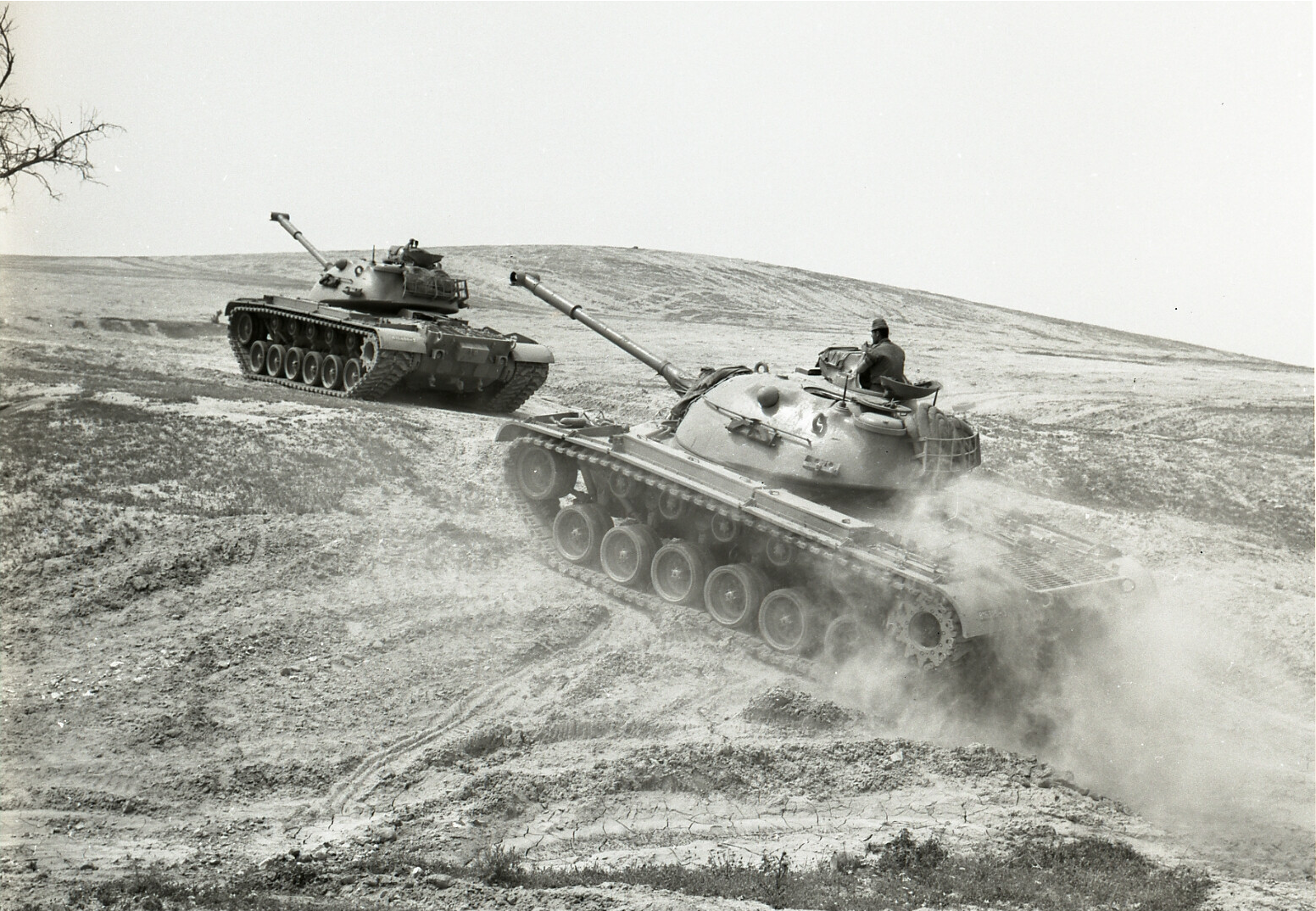
The Magach 1 was one of the first, modern, US-made main battle tanks to enter into the Israeli armored corps during the second half of the 1960s. Despite not taking part directly in the conflicts that occurred in those years, the Magach 1 was instrumental in bolstering the numbers and effectiveness of the IDF (Israeli Defense Force). This article aims to offer the reader a brief overview of its history before its retirement and conversion to the Magach 3.
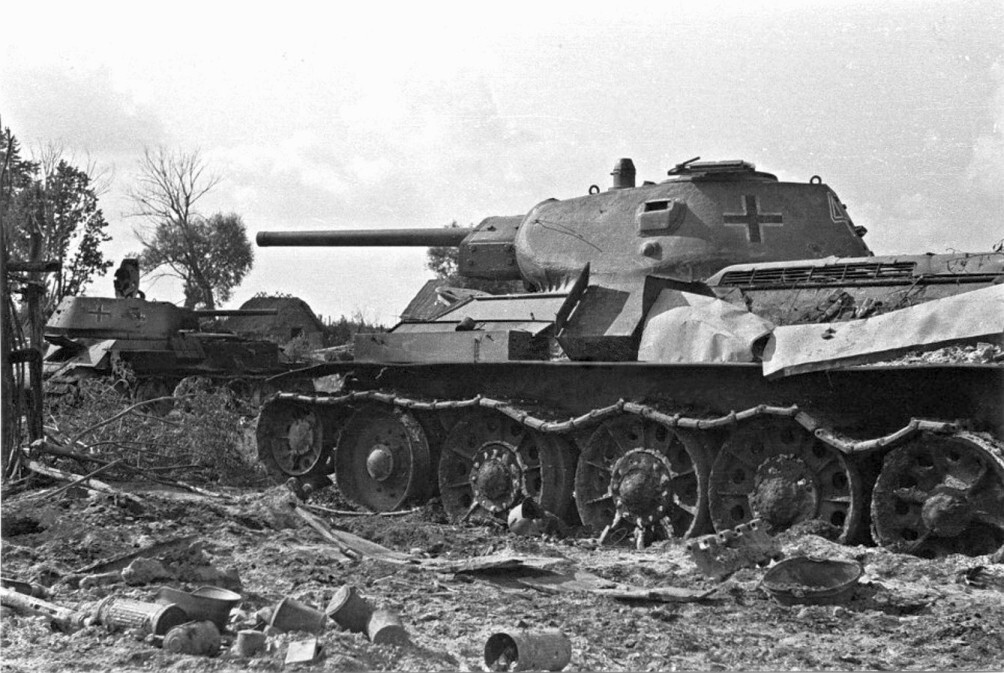
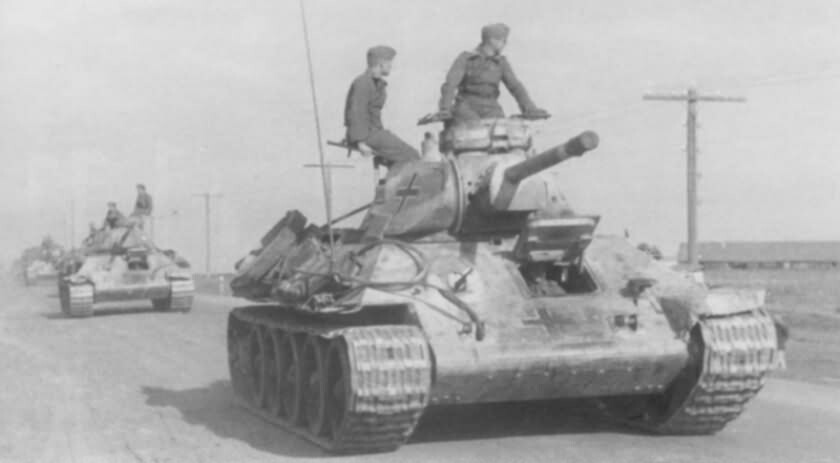
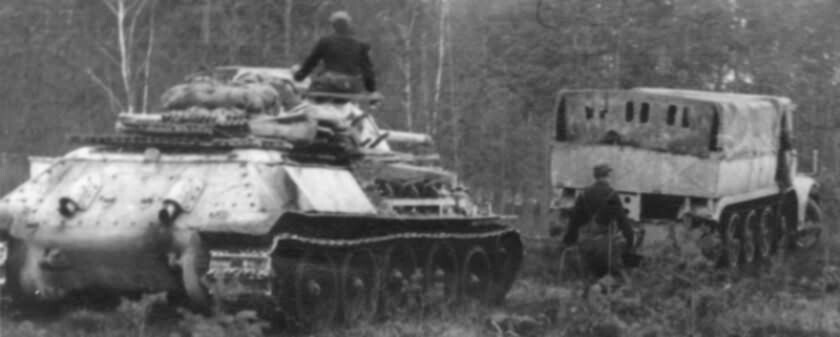
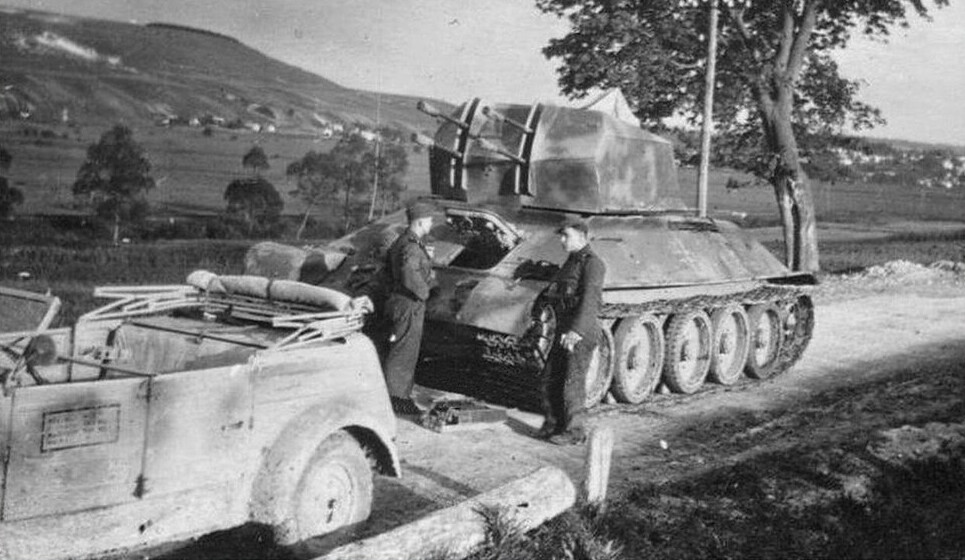
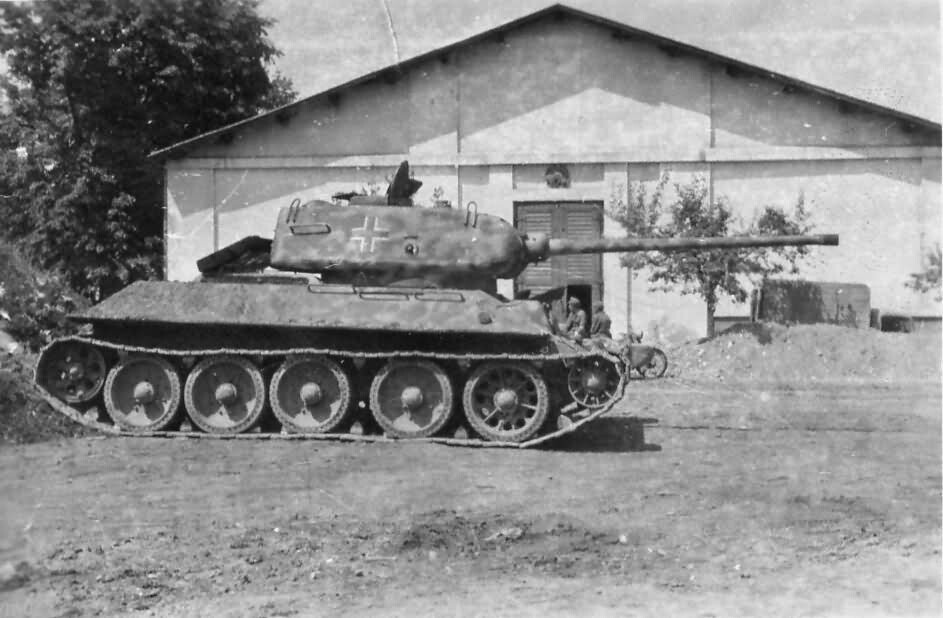
Throughout the Second World War, the Wehrmacht captured large numbers of Soviet T-34s on the Eastern front, many of which were repaired and returned to service, under the designation Panzerkampfwagen 747(r). While most of these examples remained largely unchanged apart from the addition of German radios and paint schemes, etc, a fair number were converted into various vehicles capable of fulfilling roles far beyond that of a medium tank.

This article will summarize the history of the German Panzerkampfwagen IV medium tank and its variants, including their development, production, and service history. The Pz.Kpfw. IV was one of the most produced fully tracked German armoured vehicles of the Second World War, second only to the Sturmgeschütz III assault gun. In addition to its original role as a medium tank, the chassis of the Pz.Kpfw. IV served as a versatile platform for many self-propelled weapon designs.


Named after John J. Pershing, General of the Armies and mentor to many of the Generals that led America to victory during the Second World War, the M26 Pershing was the U.S. Army’s first heavy tank to see frontline service during the conflict. Although its service was limited, the Pershing proved to be one of the most important vehicles in U.S. military history for other reasons than its combat performance.

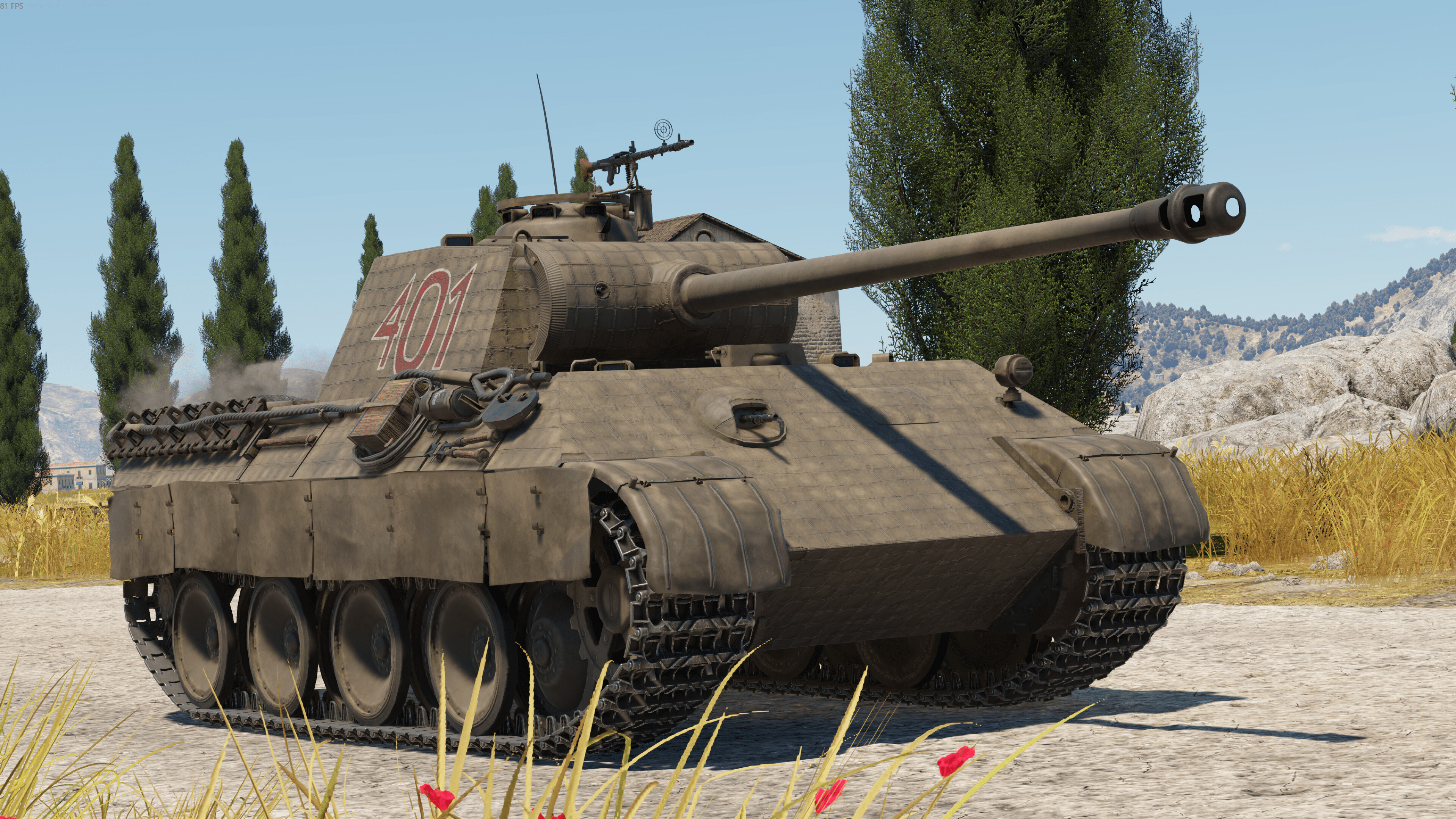
The Panther series is one of the most iconic tank lineages in history, and its reputation lives on in War Thunder. Fast, well-armed, and well-armored, the Panther is an absolute joy to play. It’s also one of the few tanks in the German tech tree that doesn’t heavily sacrifice armor for speed, giving it a playstyle that stands out from many of its German counterparts. In today’s article, we’ll take a look at the Panther’s strengths and weaknesses, the tactics that suit it best, and how to get the most out of one of Germany’s most iconic cats.

The Ersatz M10 was an attempt during the Ardennes Offensive in 1944, with the help of Operation “Greif,” to break through the Allied lines and disrupt their supply lines, as well as to take over and occupy strategic points such as bridges in order to secure the advance of the German troops. For this purpose, five Panther Ausf. G tanks were converted with thin sheet metal to resemble the M10 Wolverine, thus deceiving the Allied soldiers.

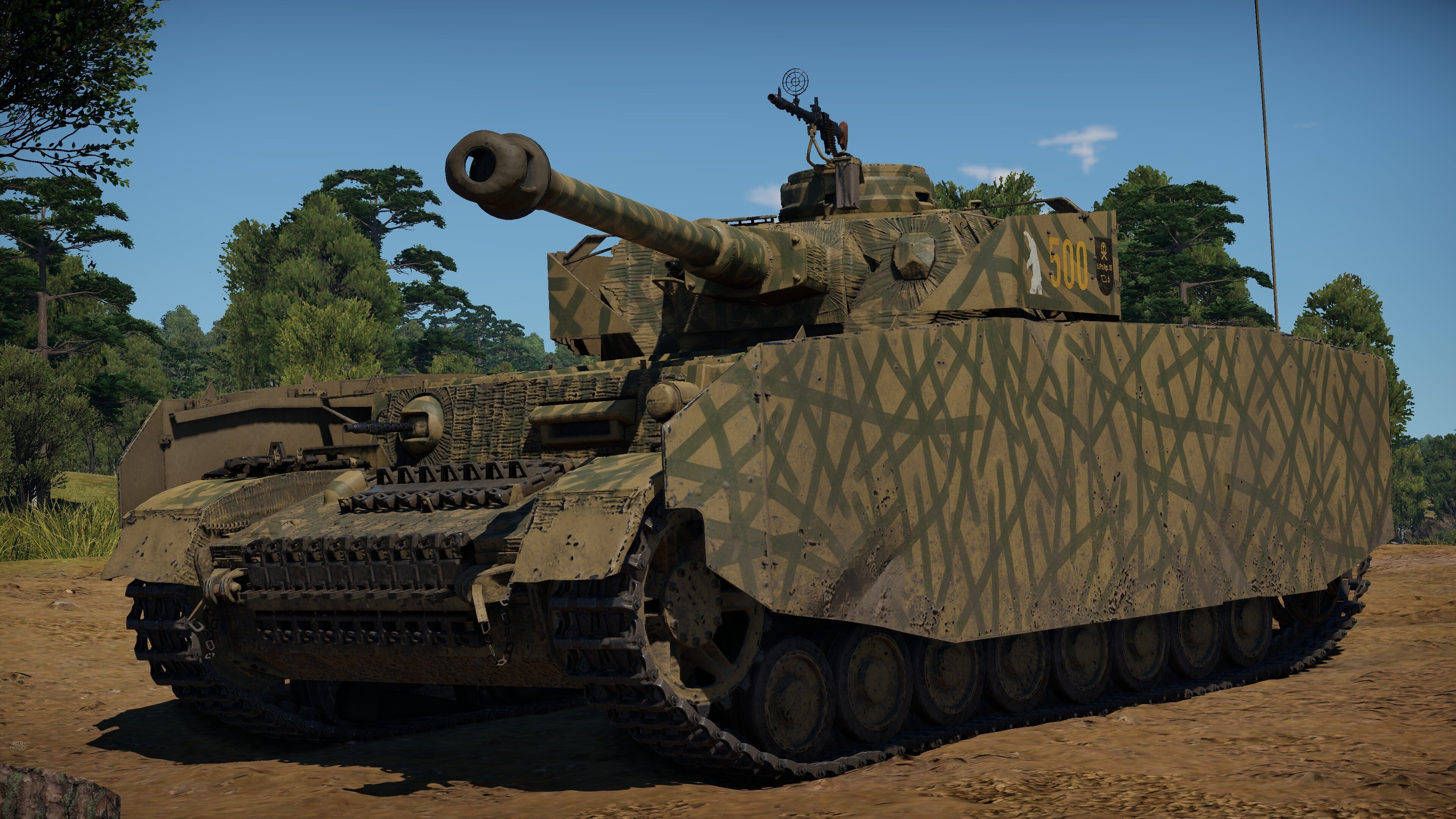
Out of all the tanks in the Panzer IV family, the Panzer IV H is perhaps one of, if not the most famous. With good armament, solid armor, and respectable mobility, the Panzer IV H’s reputation lives on in War Thunder, where it can be quite fun to play. It almost serves as a bridge between the lighter tanks of the early war and the late-war German beasts. In today’s article, we’re going to look at the Panzer IV H’s strengths and weaknesses, which tactics to use, and how to get the most out of playing Germany’s workhorse!