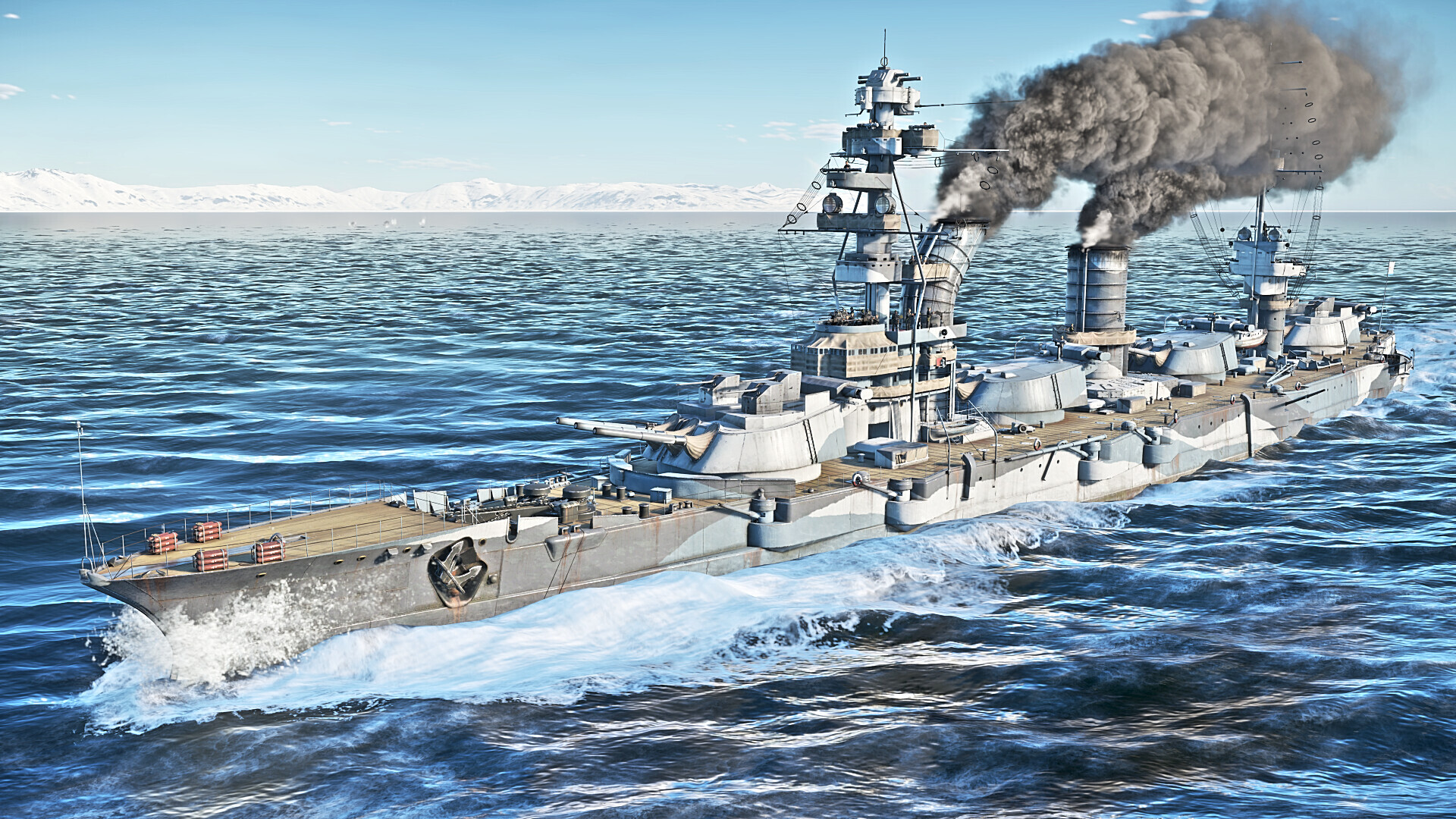
Marat was a Soviet battleship of the Sevastopol class. Between 1928 and 1931, it underwent a major modernization, acquiring a modified silhouette and enhanced air defense, as well as improved living conditions for the crew. During World War II, Marat played a significant role in the defense of Leningrad; even after sustaining serious damage and partial flooding, it continued to shell enemy positions until the end of the siege. You can read more about this fearless veteran in the article!
| Pros | Cons |
| Impressive broadside of 12 main battery guns | Mediocre maneuverability and a huge turning radius |
| Dense and effective short-range AA defense for its tier | Weak horizontal armor protection |
| Excellent ballistics and high accuracy of 305 mm HE and AP shells | Low reverse speed |
| Low silhouette and reliable citadel armor protection along the waterline | Centerline turret layout limits firing angles directly forward and astern |
| Large crew size | Practical absence of dedicated anti-torpedo protection |
Armor and survivability
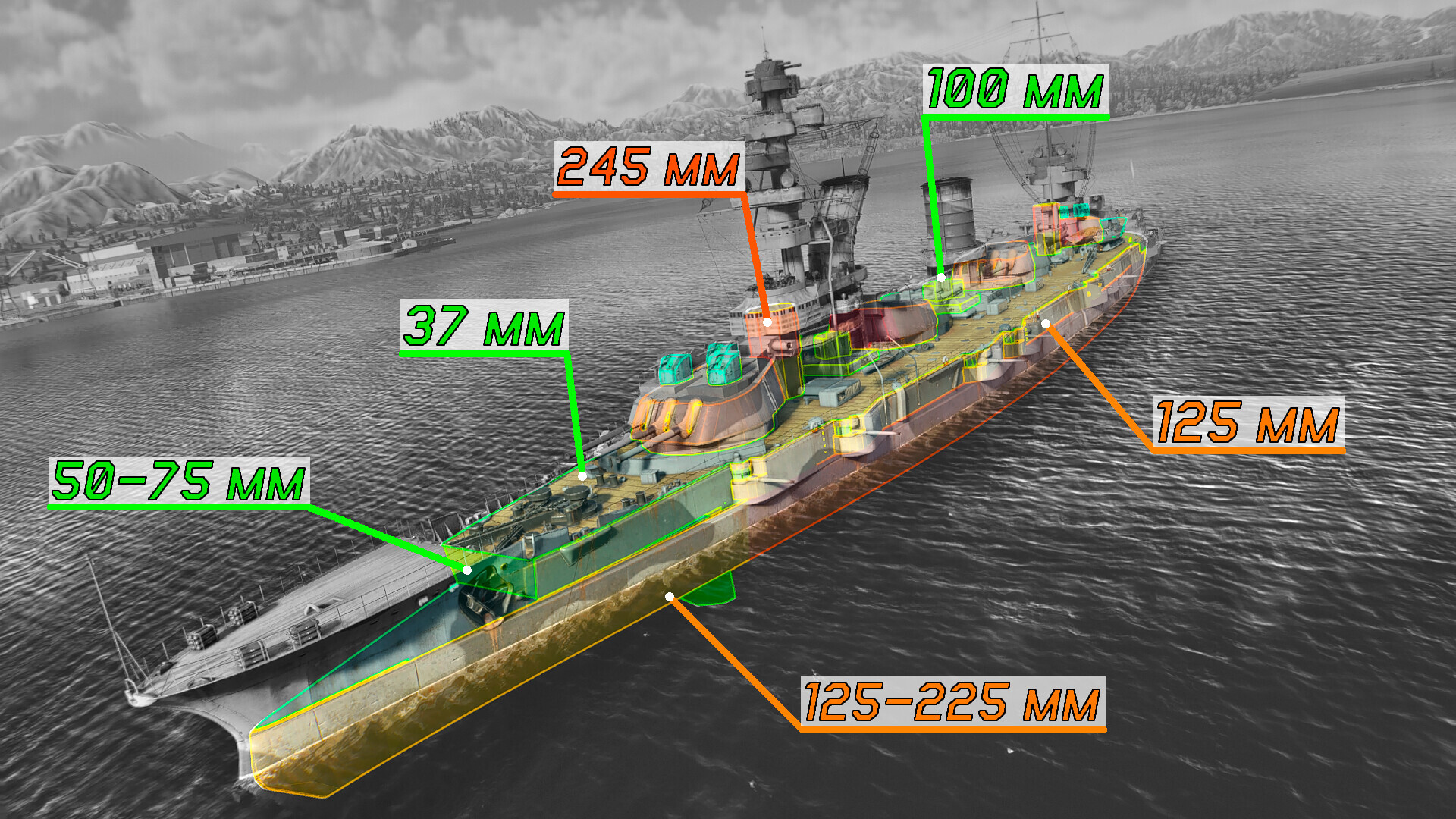
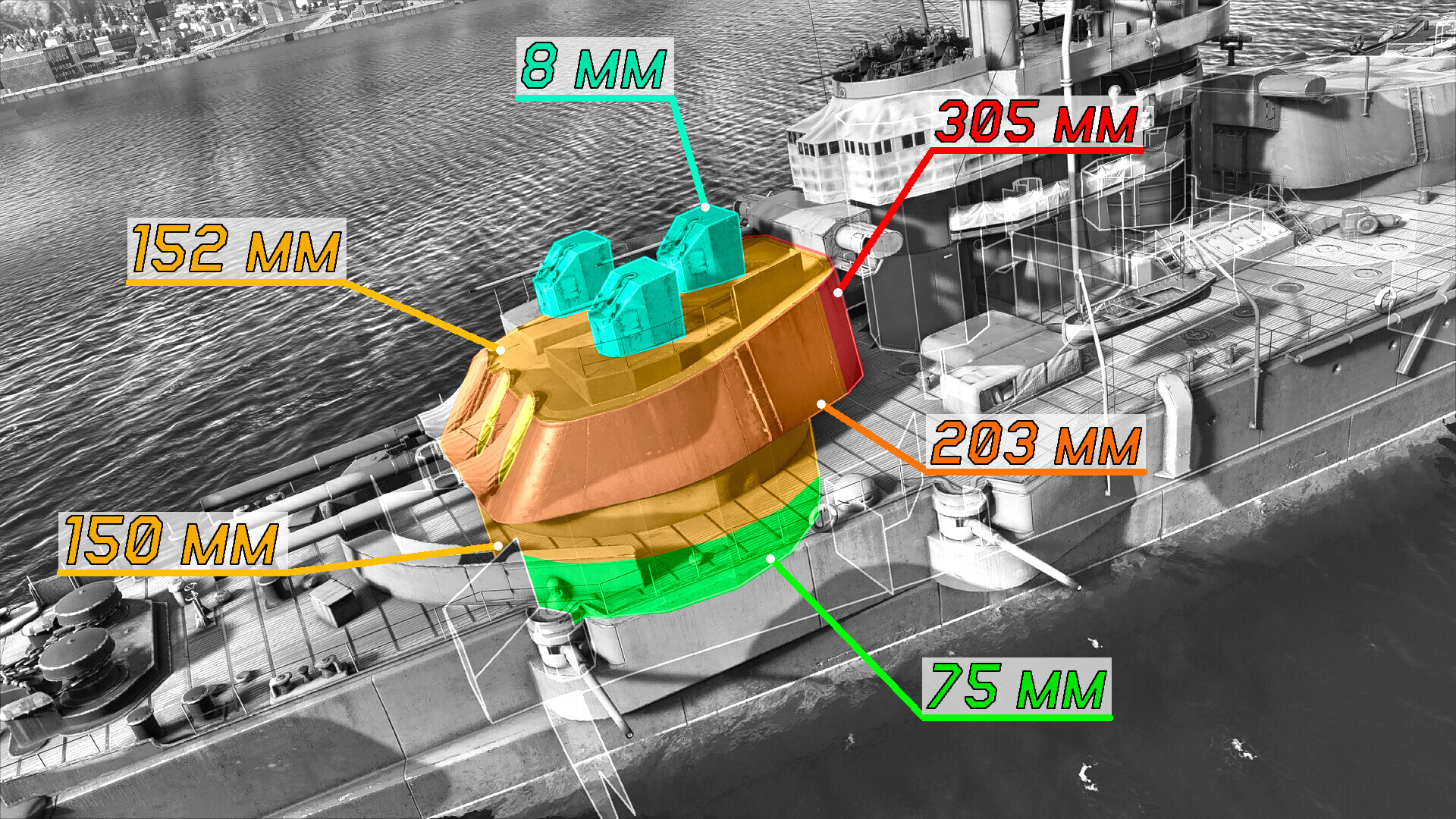
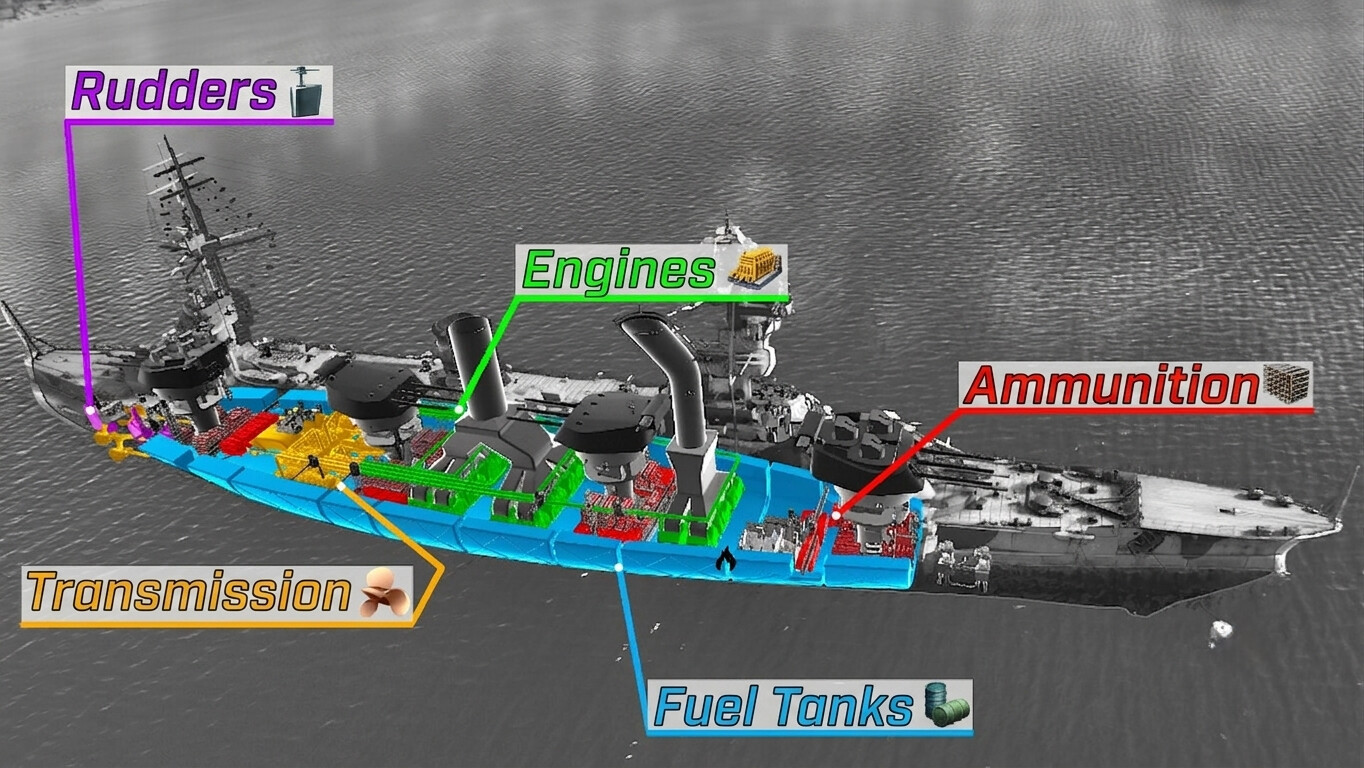
3. Location of the modules of the battleship.
The armor scheme of Marat was designed around early 20th-century concepts, providing protection predominantly against flat-trajectory fire at close to medium ranges.
- Vertical Armor: The main armor belt is 225 mm thick, covering nearly the entire waterline length and extending almost 2 meters underwater. Towards its bottom edge, it tapers to 125 mm. Above the main belt lies an upper belt of 125 mm designed to protect against medium-caliber HE shells. Citadel and turret bulkheads range from 100 to 125 mm.
- Horizontal Armor: The ship’s most vulnerable aspect under high-altitude bombing. The combined thickness of its three armored decks totals approximately 75 mm (lower deck: 12 mm, middle deck: 25 mm, upper deck: 37.5 mm).
- Main Turrets & Conning Tower: Main battery turrets feature 203 mm front and side plates, with a 305 mm rear plate (for counterweight balance). The conning tower is protected by 245 mm all-round armor.
The armor provides a high level of protection against light and heavy cruisers armed with guns from 127–152 mm up to 203 mm. It can partially protect against 305 mm fire from early dreadnoughts, but is easily penetrated by 356 mm and 380/381 mm naval guns. Battleships equipped with these larger calibers can penetrate Marat’s ammunition magazines, causing catastrophic damage. Survivability is supported by a 1,286-man crew, allowing long-term fire and flood control as long as magazines are not directly detonated.
Mobility
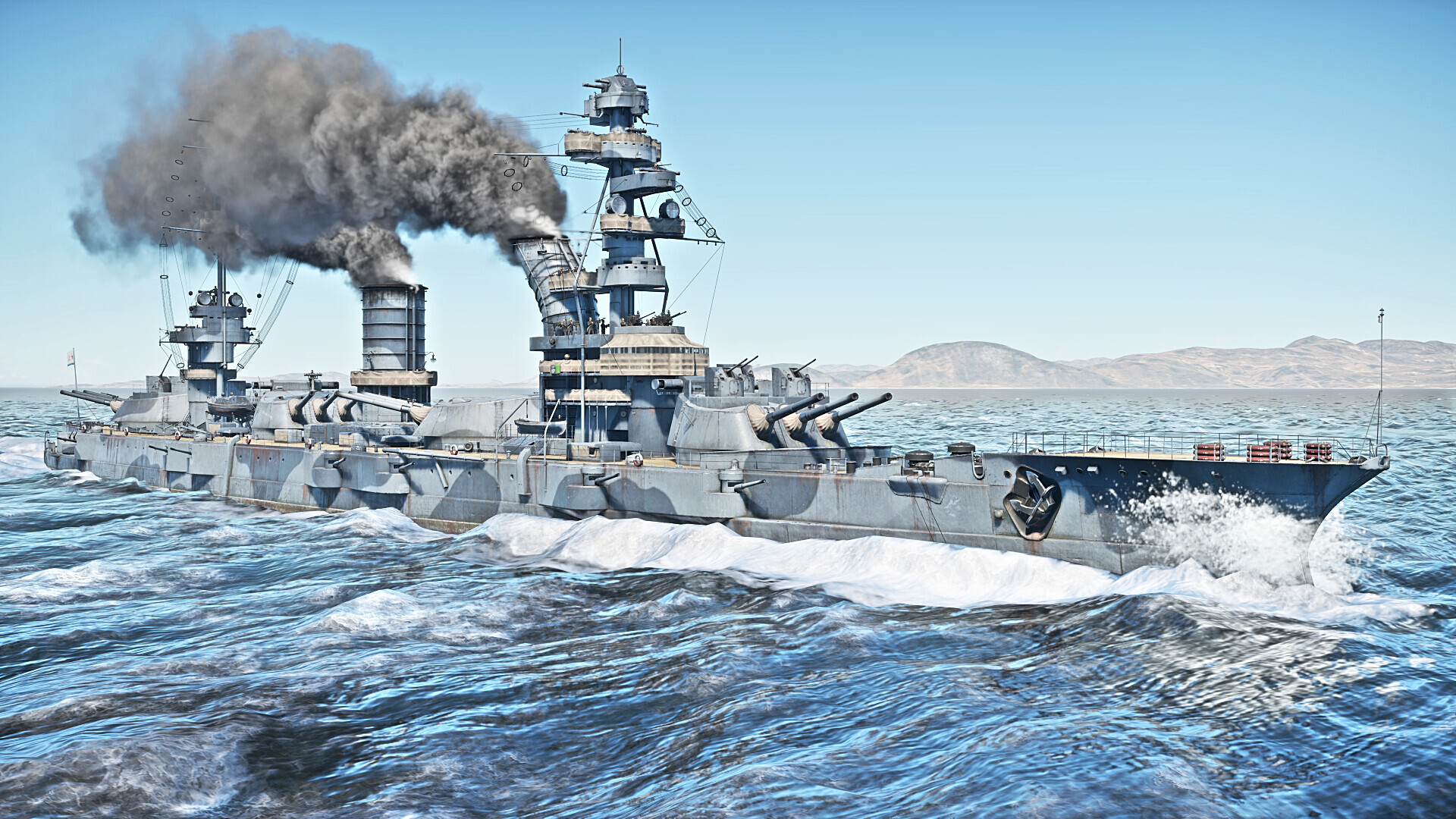
For a dreadnought of its original era, Marat was originally quite fast, but by World War II standards, its performance is modest:
- Speed: In Realistic Battles, maximum forward speed is approximately 42 km/h (22.5 knots), with a reverse speed of only 11 km/h.
- Maneuverability: The turning radius is huge due to the long and narrow hull. The ship responds slowly to the rudder, requiring anti-torpedo maneuvers to be planned well in advance. Acceleration and deceleration rates are average.
Armament
Main Battery
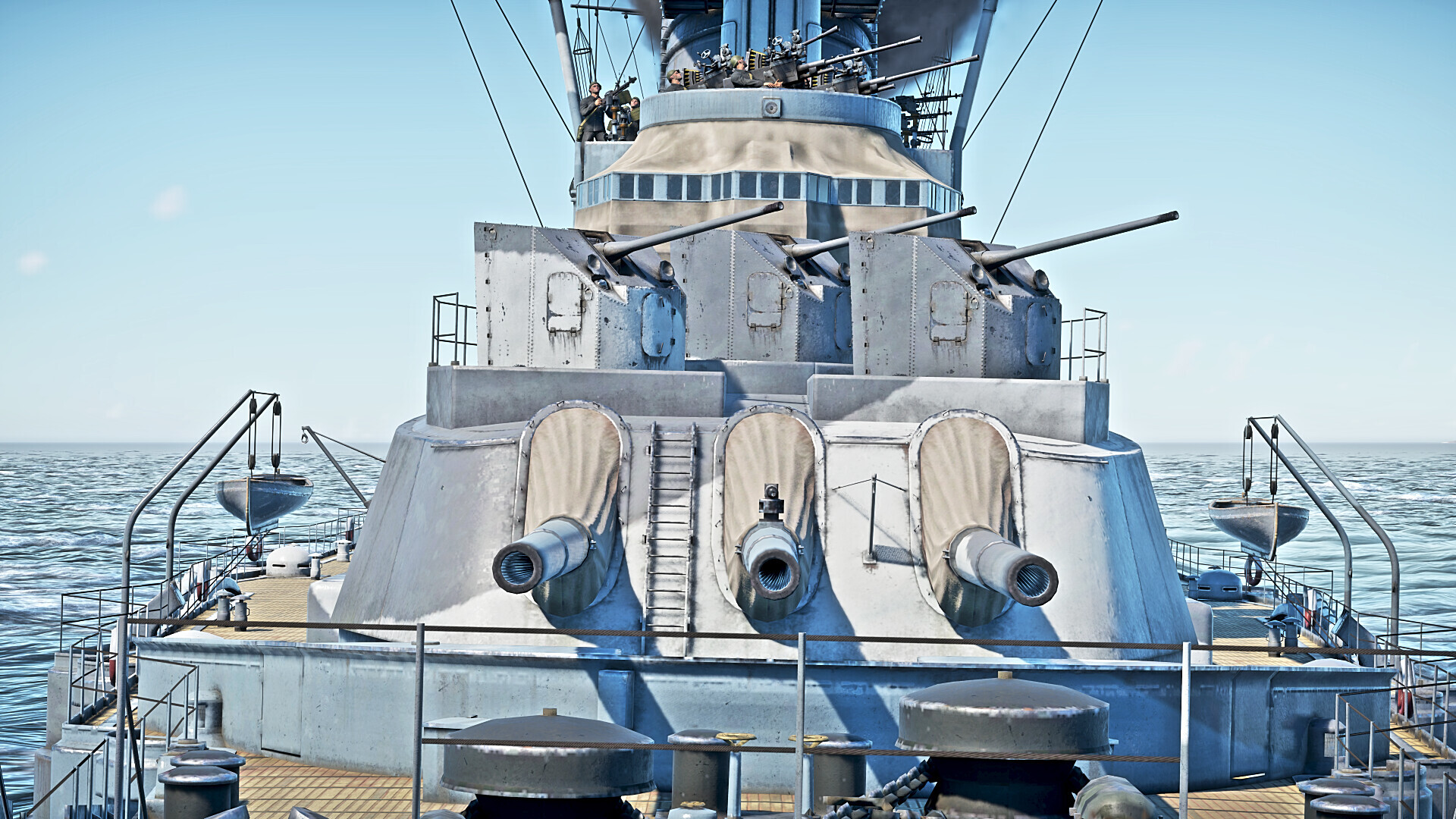
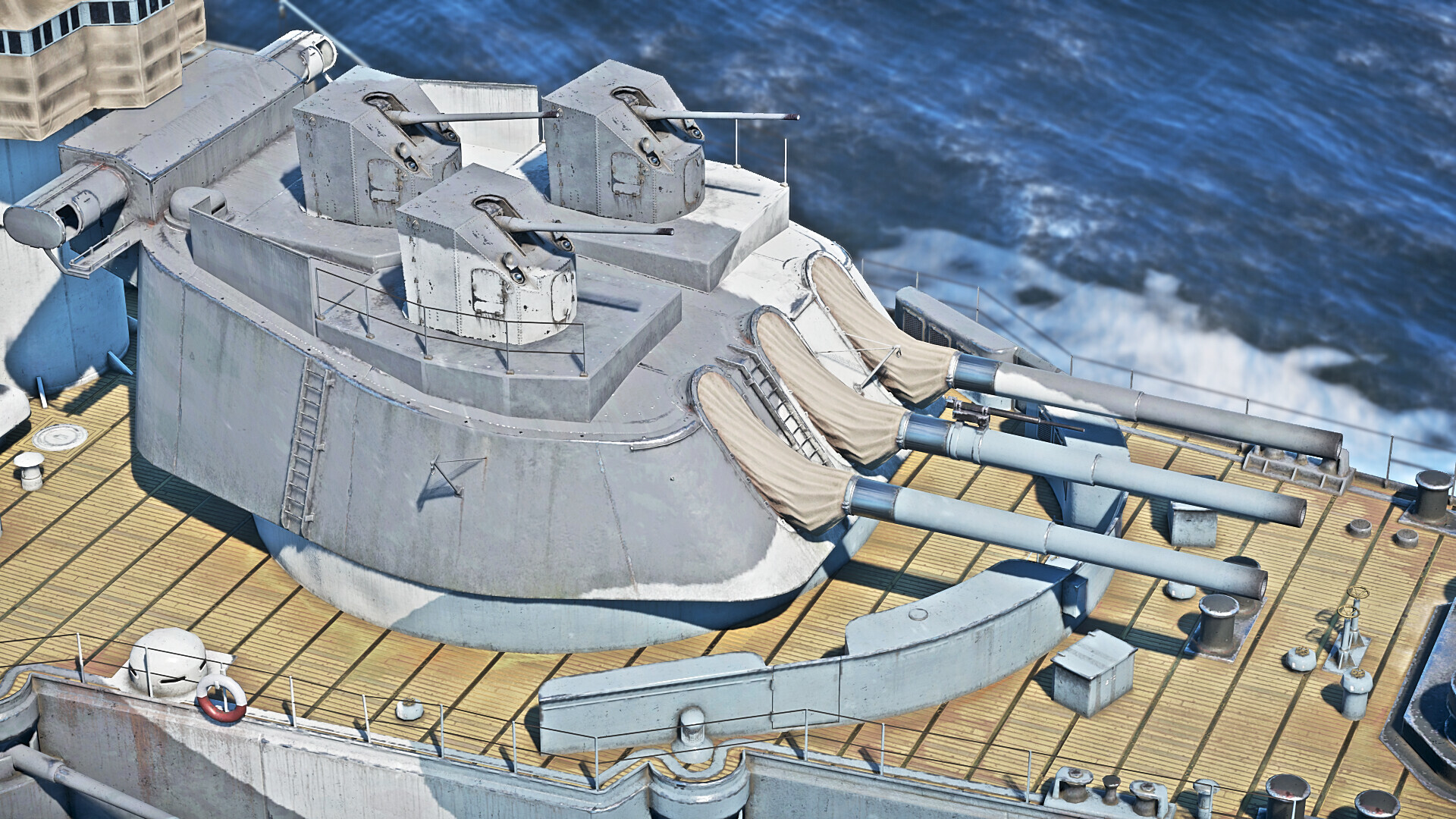
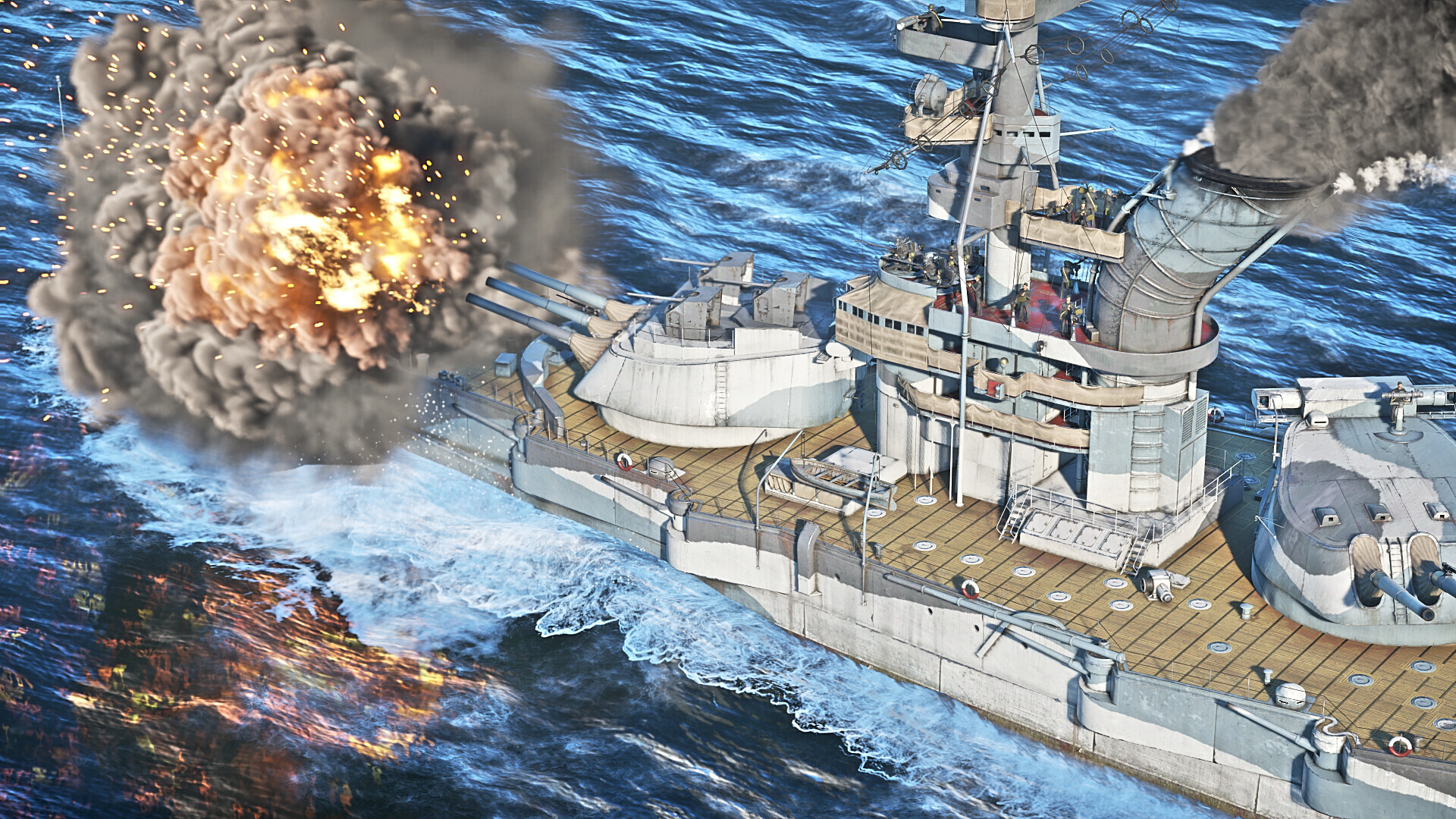
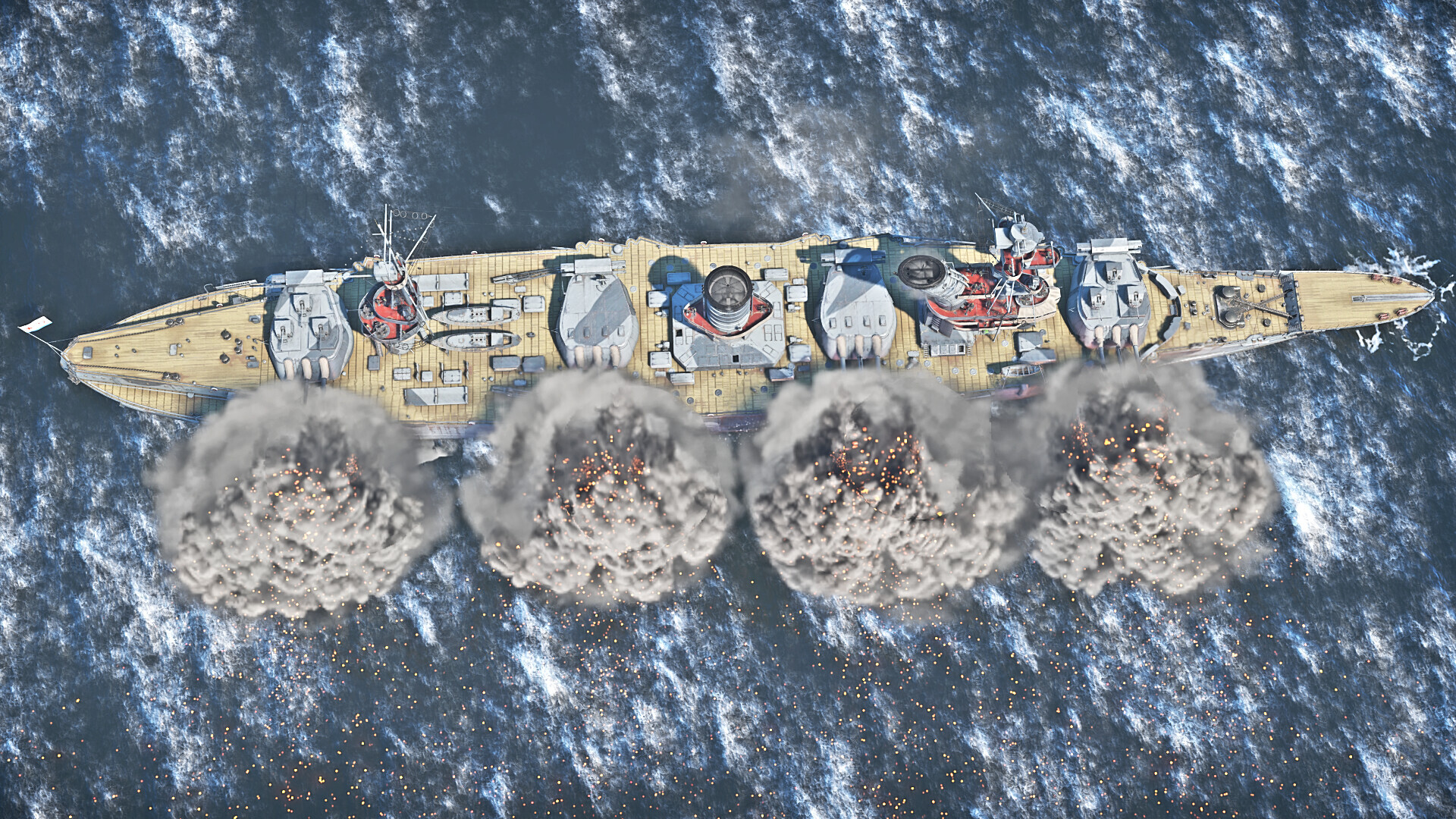
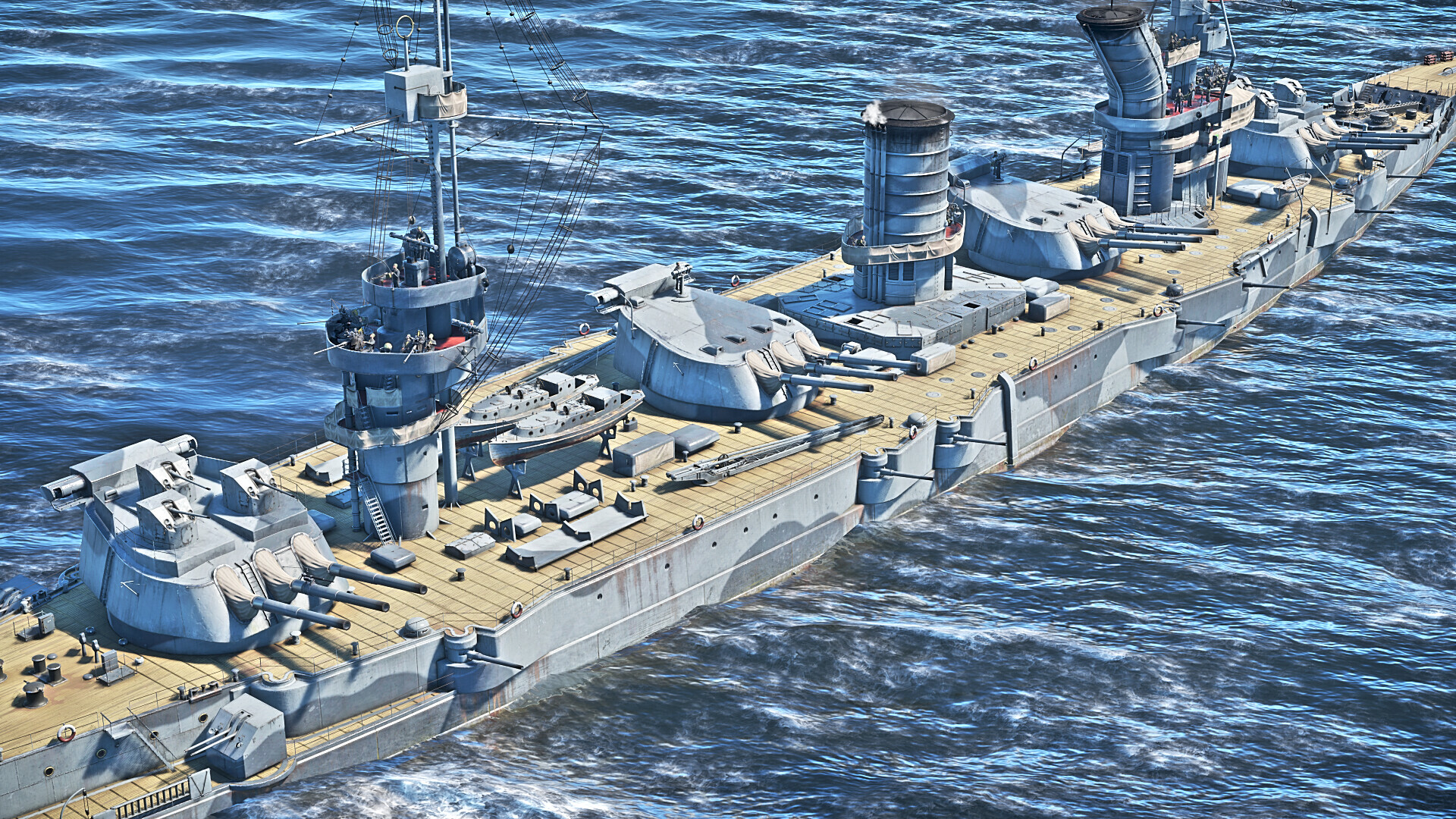
The main firepower of a battleship is provided by twelve 305 mm 1907 guns with a 52-caliber barrel length, located in 4 three-gun turret along the longitudinal axis of the ship. This arrangement enables a maximum volley from all 12 cannons on either side of the vessel.
The following types of shells are available for the guns:
- HE patt.1911 — 762 m/s, 470.9 kg/47.5 kg of TNT, armor penetration — 71 mm at all ranges;
- AP patt.1911 — 762 m/s, 470.9 kg/13 kg of TNT, armor penetration — 526 mm at a distance of 1000 m, 479 mm/2.5 km, 411 mm/5 km, 354 mm/7.5 km, 306 mm/10 km, 233 mm/15 km;
- SAP patt.1911 — 762 m/s, 470.9 kg/55.2 kg of TNT, armor penetration — 398 mm at a distance of 1000 m, 362 mm/2.5 km, 311 mm/5 km, 268 mm/7.5 km, 231 mm/10 km, 177 mm/15 km;
- HE patt.1928 — 950 m/s, 314 kg/55.4 kg of TNT, armor penetration — 72 mm at all ranges.
The rate of fire is approximately 2 rounds per minute, with a trained crew. The flat ballistics make aiming at medium range easier, but firing over islands is difficult. Because three of the four types of shells have the same mass and velocity, changing between them doesn’t require re-adjusting. The HE patt.1928 is lighter and quicker, making it ideal for long-distance target engagement, although it requires adjustments to the sight settings.
The main types of ammunition include SAP, AP and HE shells. These three types of ammunition provide significant tactical flexibility in combat conditions: high‑explosive shells are effective against boats, destroyers, and cruiser superstructures; semi‑armor‑piercing shells turn the internal components of destroyers into burning wreckage; and a successful hit with an armor‑piercing shell can lead to the detonation of an artillery magazine.
Secondary Armament
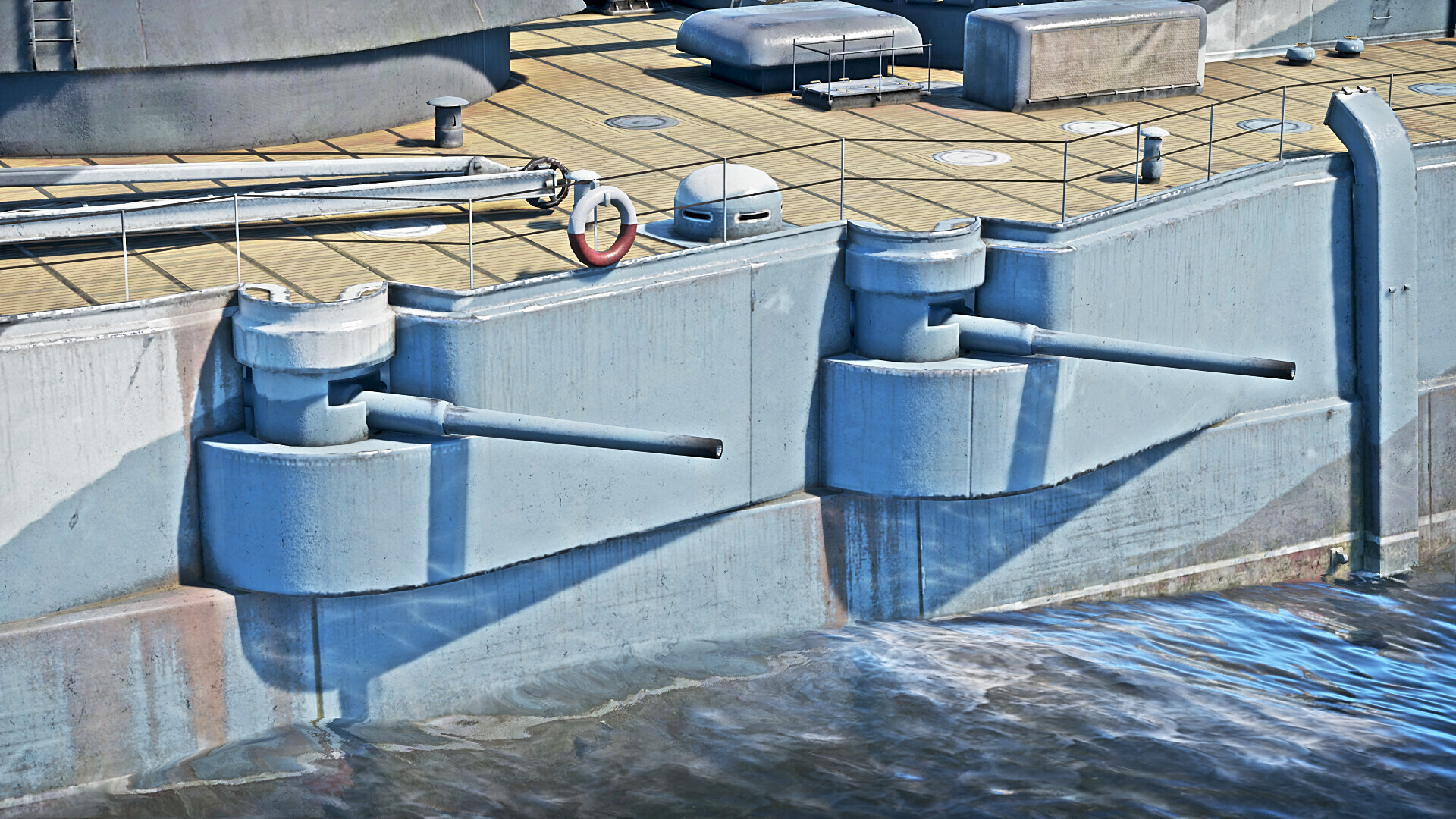
The auxiliary caliber of the battleship consists of sixteen 120 mm/50 cannons of the 1905 design. All these cannons are located on the side sponsons on the second level and are protected by armour of 12.5 cm. Each cannon has horizontal angles ranging from -28° to +90°, depending on their location, and vertical angles of elevation from -4 to +20. The horizontal traverse rate is 8° per second and the vertical rate is 3.5° per second. Rate of fire is seven rounds per minute and ammunition capacity is two hundred and fifty rounds per barrel. Various types of ammunition are available:
- patt.1911 HE: 732 m/s, 29 kg/3.16 kg of TNT, armor penetration of 35 mm at all ranges;
- patt.1911 SAP: 792 m/s, 28.97 kg/3.73 kg of TNT, armor penetration of 143 mm at 1 km, 125/2.5, and 100/5.
Although the shells have similar masses, their ballistic characteristics differ significantly. Therefore, changing to a different type of shell requires adjusting the sights. However, SAP shells are superior to high-explosive shells in terms of their initial velocity and destructive power. Light cruisers and destroyers can become targets for artillery. If they unexpectedly appear among the islands, SAP shells will be sufficient to destroy them.
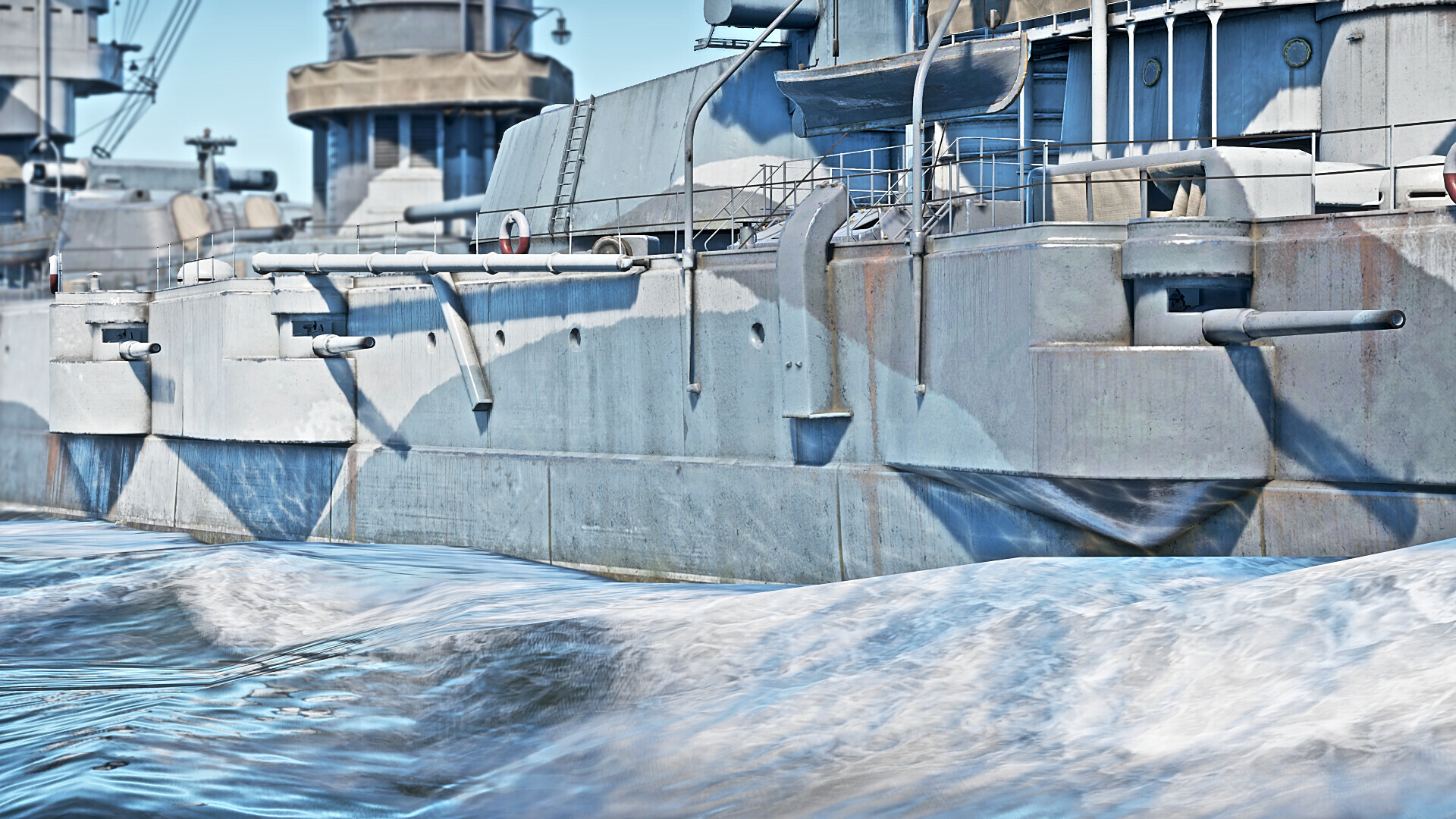
Anti-Aircraft Armament
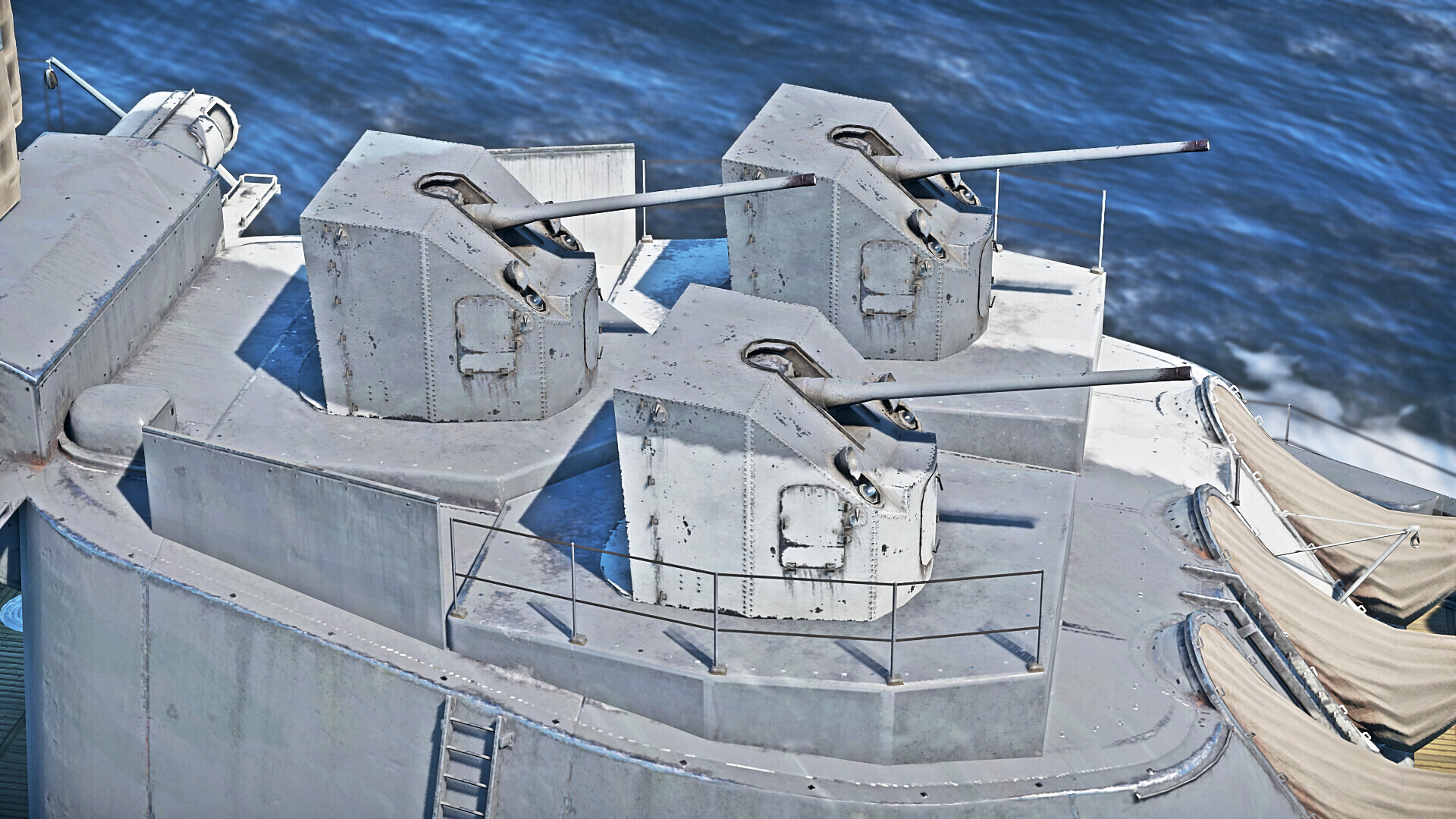
Six 76 mm 34-K guns. The guns can be rotated horizontally up to ±180° and vertically from -5° to +85°. They can be rotated horizontally at a speed of 12 degrees per second and vertically at a speed of 8 degrees per second. They have a rate of fire of 27 rounds per minute and a ammunition capacity of 300 rounds per gun. The ammunition includes HE-TF rounds.
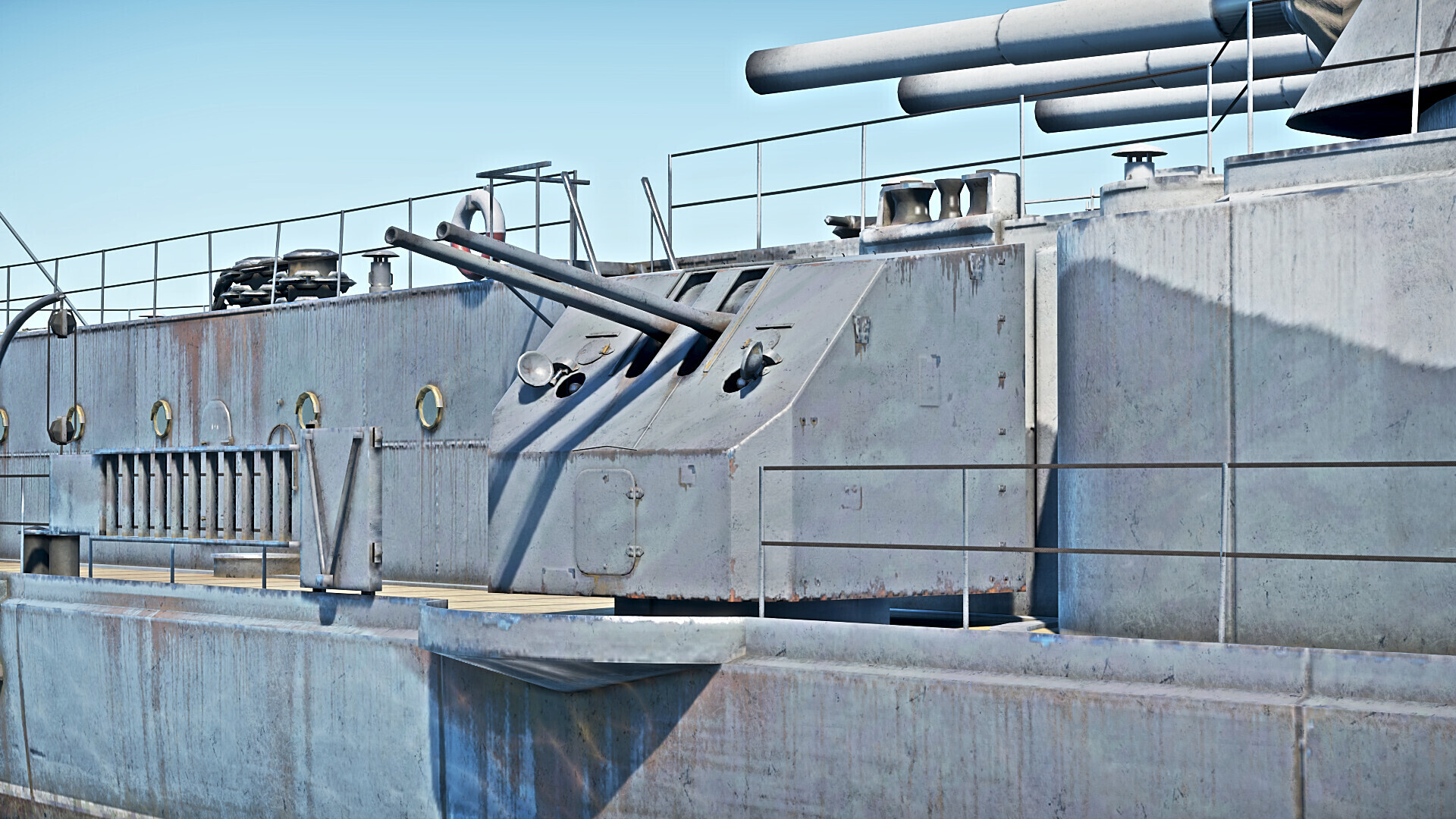
Two twin 39-K 76 mm anti-aircraft guns. These guns can be rotated horizontally from -170° to +10° and vertically from -5° to +85°. They can be rotated horizontally at a speed of 18 degrees per second and vertically at a speed of 11 degrees per second. They have a rate of fire of 20 rounds per minute and a ammunition capacity of 300 rounds per gun. There is an HE-TF among the shells in the ammunition package.
Six 37-mm/67 70-K automatic guns are located on the superstructures of the mainmast. These guns allow for horizontal aiming within a range of ±130° and vertical aiming from -5° to 85°. The horizontal aiming speed is 19.6°/s, and the vertical aiming speed is 15°/s. The guns are loaded with clips. The rate of fire reaches 170 rounds per minute. Each barrel has an ammunition capacity of 2,000 rounds. The magazines are loaded with a universal belt: HEF-T/AP-T/HEF-T/HEF-T/AP-T.
Thirteen 12.7 mm DShK machine guns are mounted on single pedestal mounts. The mount allows for horizontal adjustment within ±145 degrees (depending on the installation location) and vertical adjustment from -5 to +65 degrees. The horizontal guidance speed is 75 degrees per second, and the vertical guidance speed is 65 degrees per second. The weapon is fed using a belt that holds 50 rounds. Each barrel has a total capacity of 2,000 rounds. The weapon uses the universal AP-I/API-T/AP-I/IAI belts.
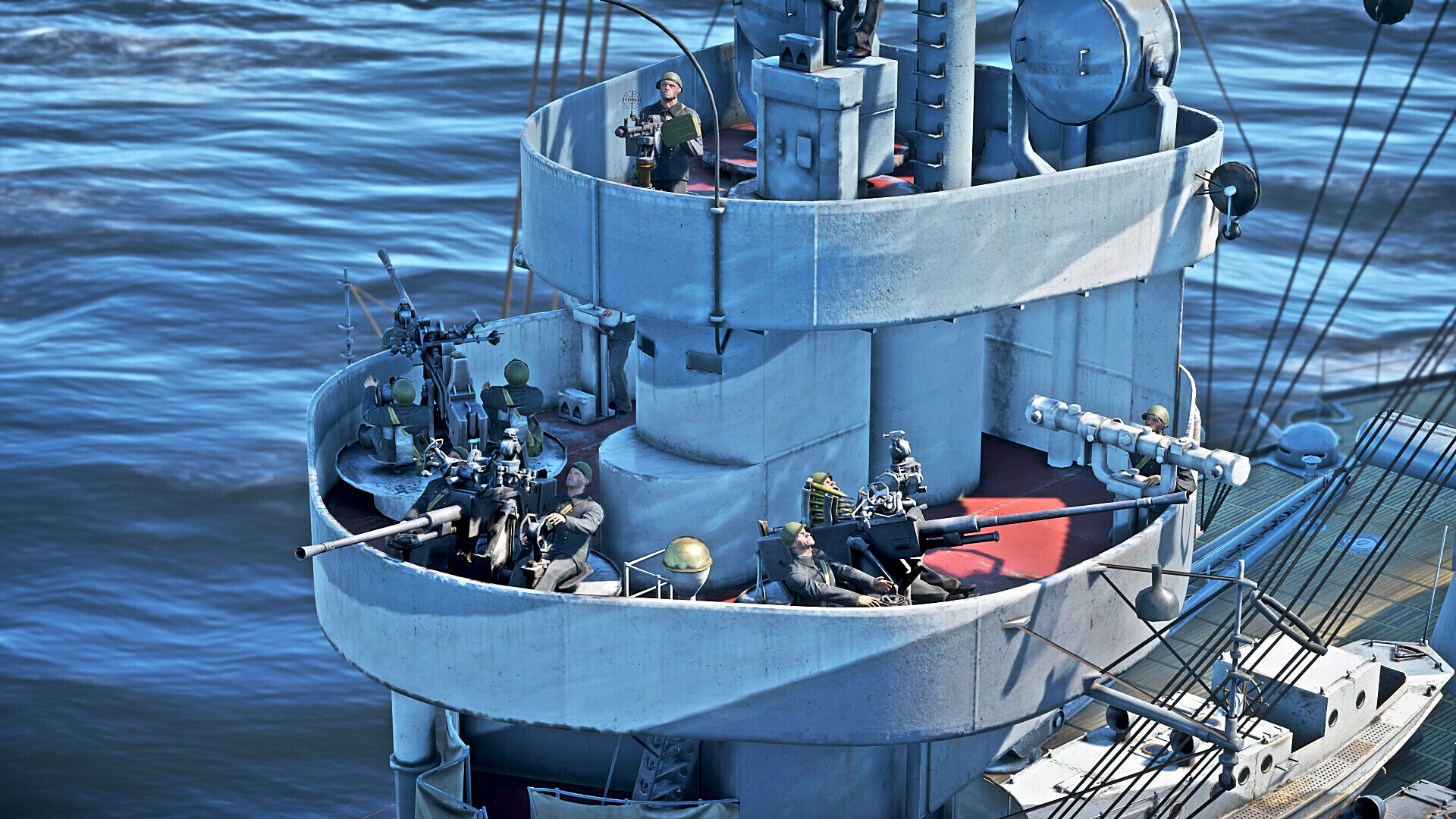
The anti‑aircraft artillery complement leaves no unprotected areas and creates a dense barrier, which almost always shoots down an attacking aircraft or a boat that has come too close.
Additional Armament
Four fixed submerged 450 mm torpedo tubes (two per side near the forward and aft main magazines) for Mod. 1912 steam-gas torpedoes, with 3 torpedoes per tube. In short-range mode: 2 km range at 80 km/h; long-range mode: 6 km range at 58 km/h. Being fixed submerged tubes, they cannot be traversed, requiring maneuver of the ship to aim. It is recommended to either use torpedoes in “short‑range” mode as a “last‑resort weapon” or to refrain from bringing them altogether in order to reduce the amount of explosives on board.
Use in combat
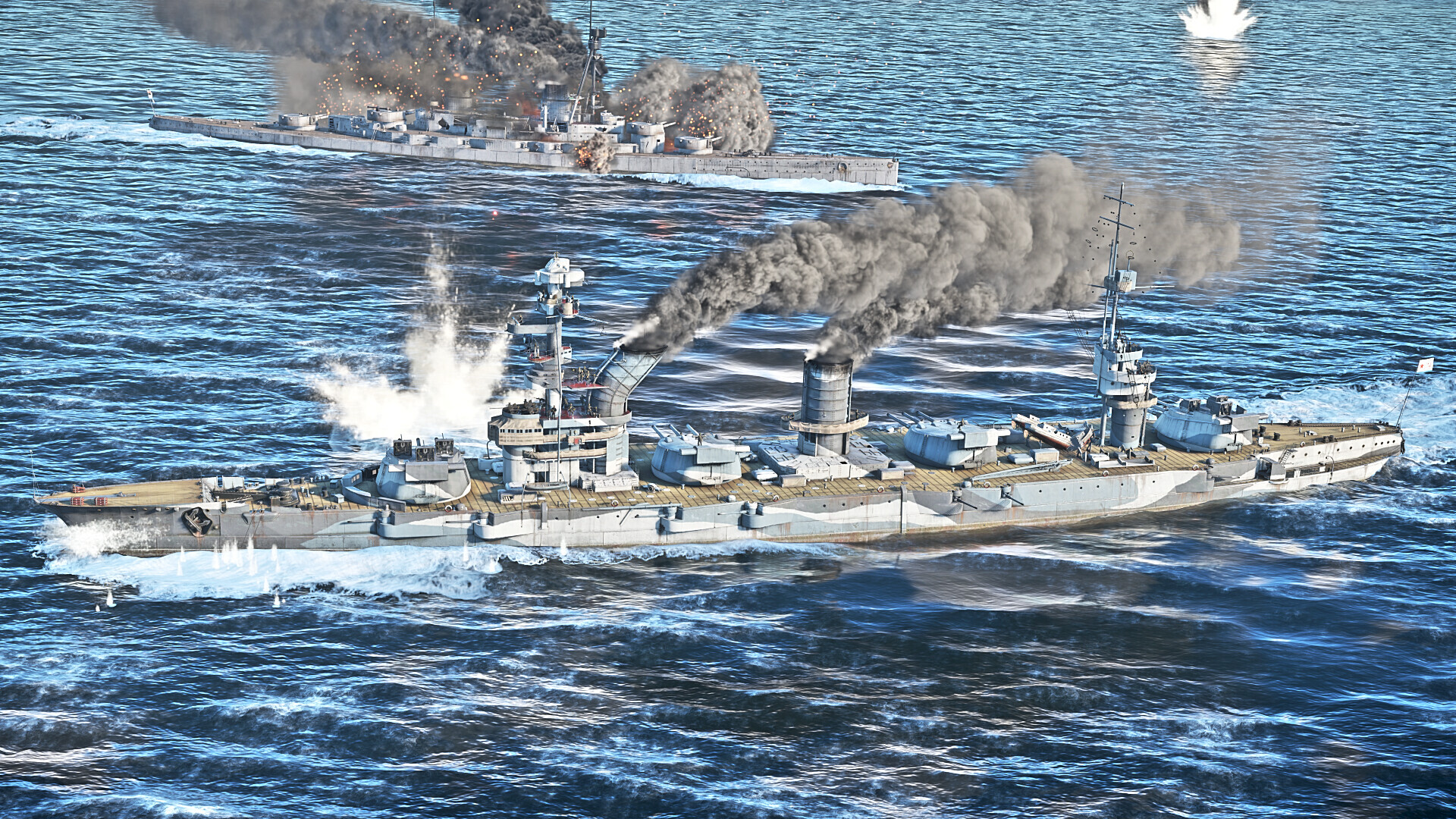
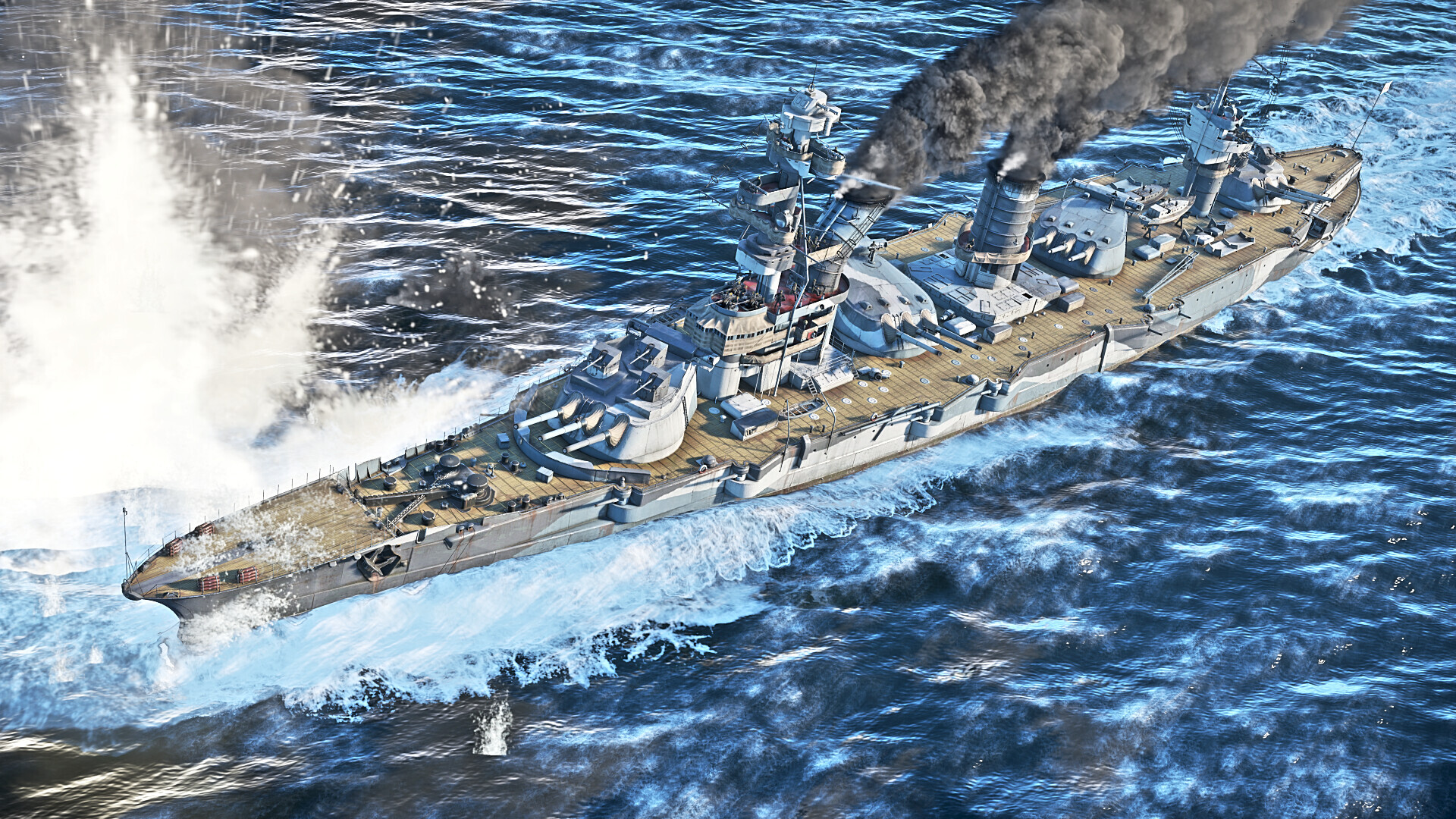
The Marat is a specialist in hunting cruisers, including light and heavy cruisers. It feels confident in battles with such targets, as its protection can withstand their fire, and its 305-millimeter guns can disable any cruiser. However, the situation changes when it comes to battles with battleships. The Marat can withstand duels with first-generation dreadnoughts and even emerge victorious due to the high penetration power of its 52-caliber guns.
However, World War II-era battleships pose a significant threat to the Marat. When encountering such powerful adversaries, it is crucial to avoid drawing their attention prematurely, utilize cover if available, and rely on the support of more modern ships. The Marat’s air defense system is quite effective. Although it may not be as advanced as those found on later battleships and battlecruisers, it can still protect the ship from a single aircraft attack. This allows for various tactical maneuvers, such as daring to independently penetrate important areas, even in the absence of nearby allies capable of providing additional air defense.
Historical background
Design and construction
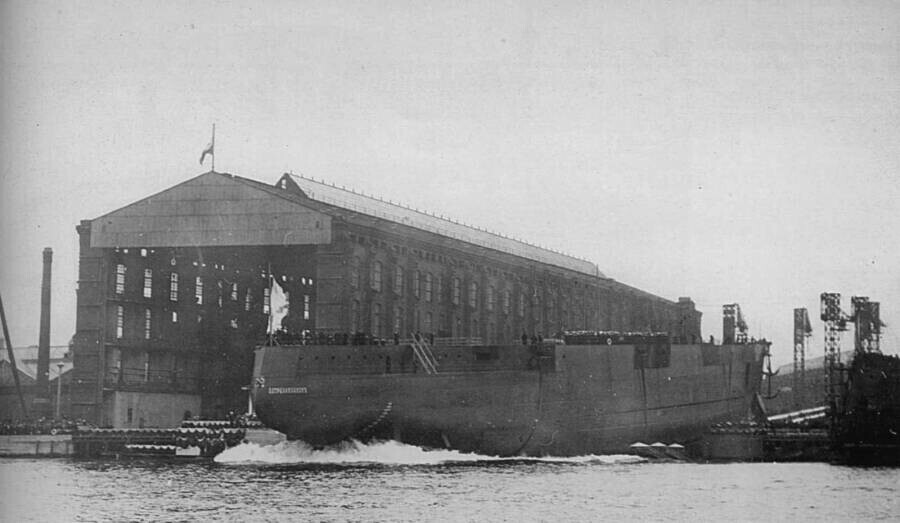
On June 16, 1909, the construction of four Sevastopol-class battleships began in St. Petersburg. The dreadnought project was developed in the capital of the Russian Empire under the supervision of Professor I. G. Bubnov of the Naval Academy, with the participation of renowned naval engineer A. N. Krylov. By 1906, after two years of combat in the Russo-Japanese War, the Russian Navy had been virtually destroyed. The appearance of the British Dreadnought in 1907 was a turning point in shipbuilding: battleships, which had recently been considered a formidable force at sea, quickly became obsolete.
In this context, as part of the “Small Shipbuilding Program,” a competition was announced in Russia in 1906 for the best design of a Dreadnought-class battleship for the Baltic Fleet. The competition was attended by 21 foreign shipbuilding companies, 6 Russian factories, and private individuals. The project of the German company Blom und Voss was recognized as the winner, but for political reasons, the project of the Baltic Shipyard in St. Petersburg, developed by I. G. Bubnov and A. N. Krylov, was chosen.
The ships were planned to be armed with new 12-inch (305 mm) guns with a barrel length of 52 calibers, which were produced at the Obukhov Factory in St. Petersburg. The guns were placed in four turrets, three per turret, located at the same level along the entire length of the ship. The project provided for the reservation of the maximum surface area of the ship, but because of this, the total thickness of the armor was relatively small compared to other ships of the same class.
On June 3, 1909, the battleships Sevastopol and Petropavlovsk were laid down at the Baltic Shipyard. On June 16, the battleships Gangut and Poltava were launched at the Novo-Admiralty Shipyard.
The construction of the battleships, which began after the 1909 ceremony, was not completed until the end of 1914 or the beginning of 1915. There were numerous obstacles that hindered the project’s progress, including financial difficulties, logistical challenges, difficulties with new turret systems, and the need for modernization of production facilities. This period marked a significant milestone in Russian shipbuilding, as it showcased the country’s ability to construct ships on a much larger scale.
Petropavlovsk was launched on August 27, 1911, and joined the Baltic Fleet on December 20, 1914.
The fate of the ship
Surprisingly, during the entire period of the war, the Petropavlovsk did not take part in any significant naval battles. At that time, the Russian naval strategy was predominantly defensive, and the presence of such powerful battleships had a deterrent effect on the enemy. The ship was primarily based in Helsingfors (now Helsinki), but occasionally ventured out to sea to lay minefields. One notable operation was the joint voyage of the Petropavlovsk and the battleship Gangut to the island of Gotland in late November 1915. According to historians, this was the last combat operation of World War I involving Russian dreadnoughts, but the artillery was never used against enemy vessels.
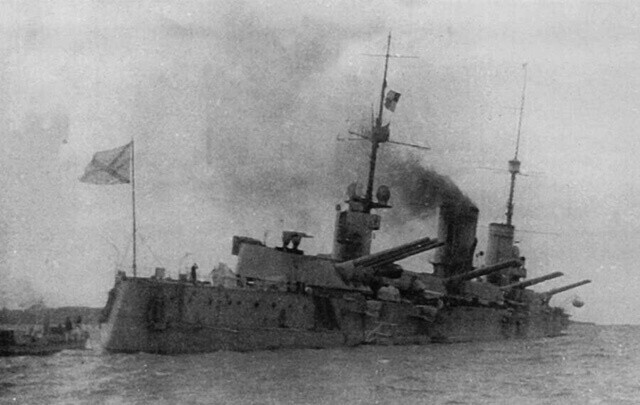
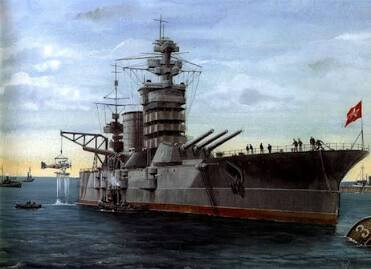
On March 31, 1921, Petropavlovsk received a new name — Marat. This renaming was dedicated to the French revolutionary Jean-Paul Marat. In April of the same year, the Marat became the flagship of the Baltic Sea Naval Forces. In the autumn of 1928, it was decided to modernize the Marat. During the work, the number of boilers of the power plant was reduced, and anti-aircraft artillery cellars, navigation and artillery posts, energy and survivability posts, a radio center and a hydroacoustics post were placed in the vacated space. The main turbines were also repaired, the outer skin was riveted, and the sheets of the waterproof compartments were replaced. New superstructures and masts changed the appearance of the ship. In 1937, the Marat represented the USSR at the International Naval Parade in Spithead (Great Britain) on the occasion of the coronation of George VI.
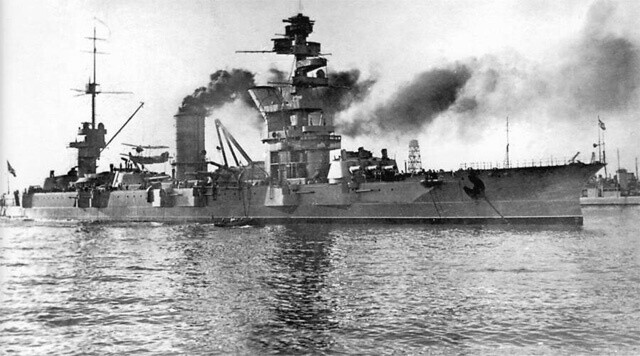
Tragedy and Heroism in World War II
On 19 December 1939, the Marat fired at a Finnish battery during the Soviet-Finnish War. By the beginning of 1941, the battleship had travelled over 75,000 miles and had a crew of 1,286. However, due to delays in repairs caused by the outbreak of the Great Patriotic War, the repairs were not completed until June 1942. From 22 June 1941 onward, the Marat engaged enemy aircraft and bombarded German troops defending Leningrad, but on 14 September it sustained its first major damage and was attacked by 27 enemy aircraft on 15 September. Anti-air weapons and the main gun turret were damaged, and 25 crew members were killed, but they managed to shoot down three enemy planes. After this incident, the ship was transferred to Kronstadt for repairs, but it was still under constant air attack.
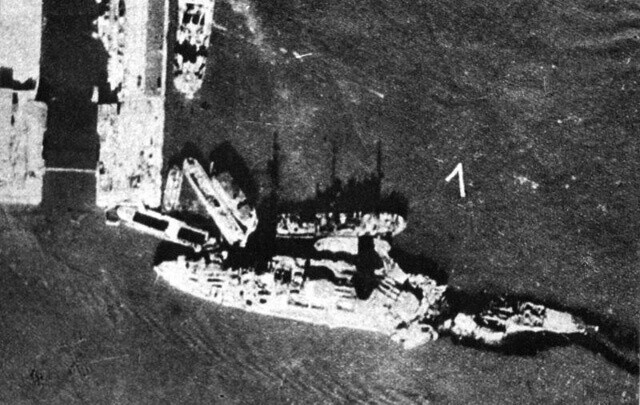
On the morning of September 23, 1941, German reconnaissance aircraft took photographs of Kronstadt and the ships stationed there. Dive-bombers from the 2nd Assault Squadron attacked the battleships Marat and Oktyabrskaya Revolyutsiya, as well as the cruisers Kirov and Maksim Gorky, from the Tirkovo airfield. At 11 a.m., bombers were spotted over Peterhof, and the crew of the Marat prepared to repel the attack. Oberleutnant Hans-Ulrich Rudel, flying a Ju 87, attacked the Marat. A 1,000-kilogram bomb hit the ship’s bow, causing the ammunition to detonate. The explosion destroyed the ship’s tower, superstructure, and funnel. 324 people were killed, including the ship’s commander and first officer. The Marat lost its propulsion and power supply. The crew attempted to save the ship by flooding the port side compartments to correct the ship’s list, but these measures were unsuccessful. The water continued to flood the compartments, and by the evening of September 24, the battleship had finally sunk.
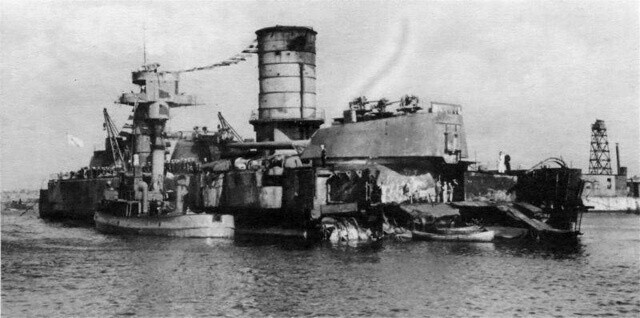
By the end of September 1941, German forces had blockaded Leningrad. The battleship Marat became a floating battery, with its third and fourth turrets intact. After pumping out water and repairing the ship, it opened fire on German positions on October 31, 1941. Over the course of the year, the battleship’s artillery destroyed 18 batteries and shot down six aircraft. Due to fuel shortages, repairs to the second turret were postponed until the summer of 1942. Despite the shelling, the Marat actively participated in the city’s defense. In December 1941, shell hits revealed deficiencies in the ship’s armor, prompting the reinforcement of the deck with granite. This reinforced deck protected the battleship from further hits until 1943.
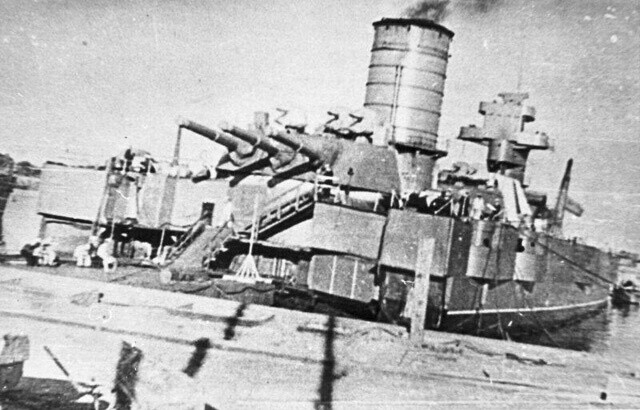
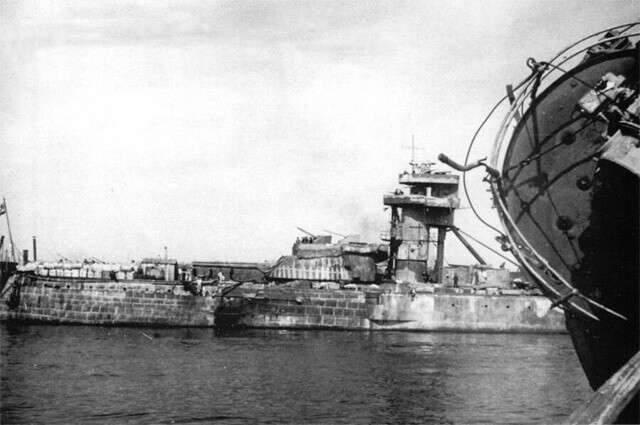
The Marat continued to bombard German positions until the blockade was lifted in 1944. During the 2nd Army’s offensive, it fired 17 tons of ammunition. After the war, the battleship was not restored. In 1943, it was renamed the Petropavlovsk, and in 1950, it was converted into the training ship Volkhov. In 1953, the battleship was dismantled for scrap metal.
Sources
Note: some links may not work because of their Russian domains.