#battleships

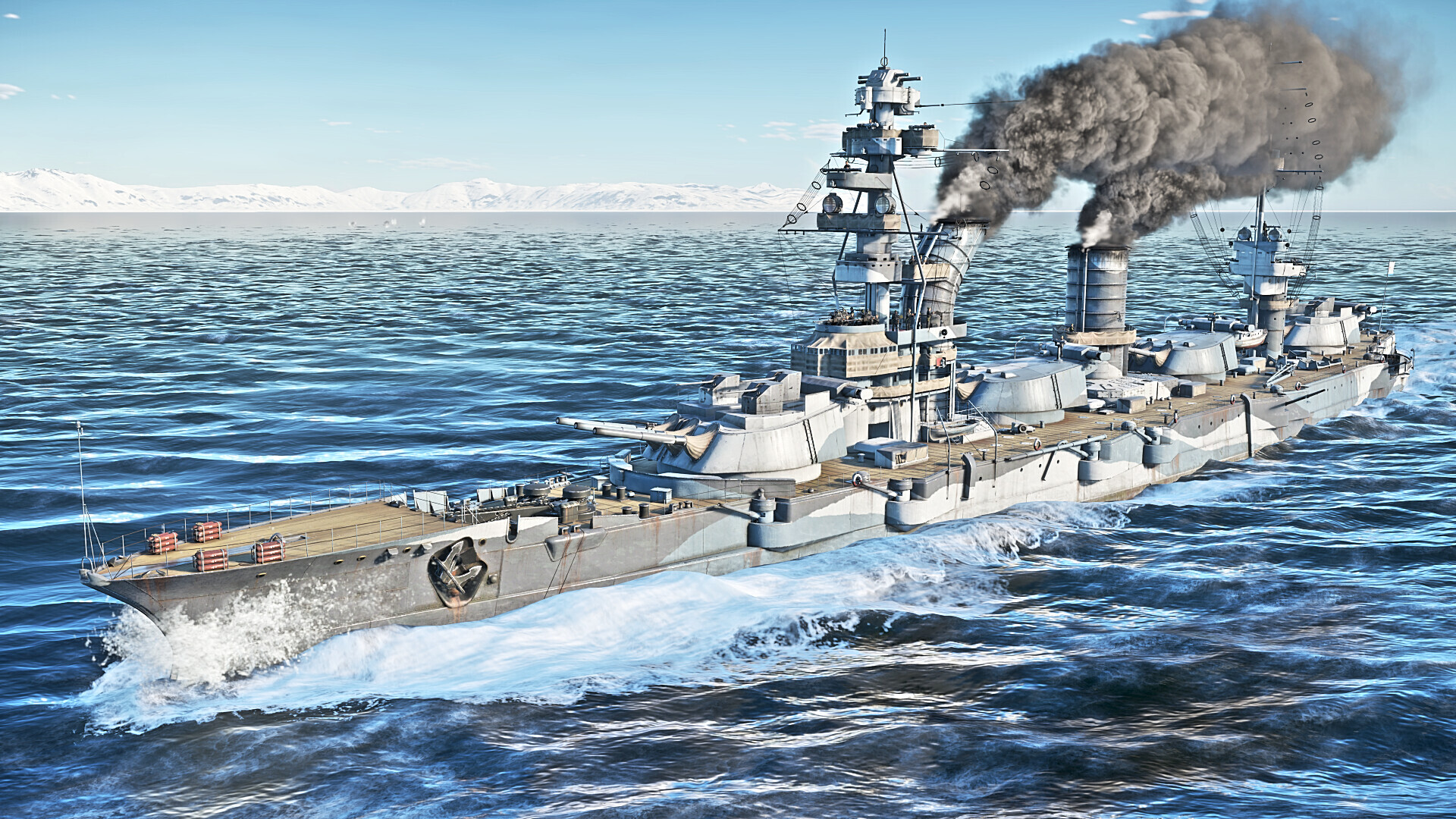
Marat was a Soviet battleship of the Sevastopol class. Between 1928 and 1931, it underwent a major modernization, acquiring a modified silhouette and enhanced air defense, as well as improved living conditions for the crew. During World War II, Marat played a significant role in the defense of Leningrad; even after sustaining serious damage and partial flooding, it continued to shell enemy positions until the end of the siege. You can read more about this fearless veteran in the article!

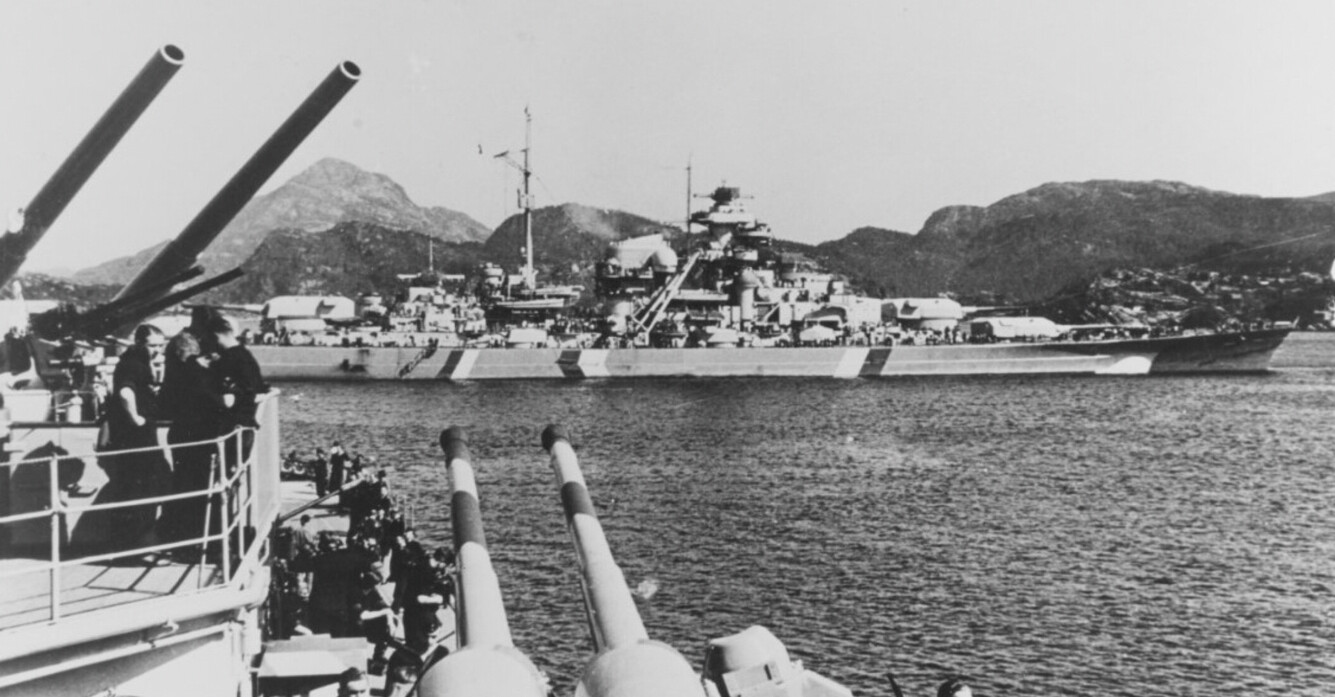
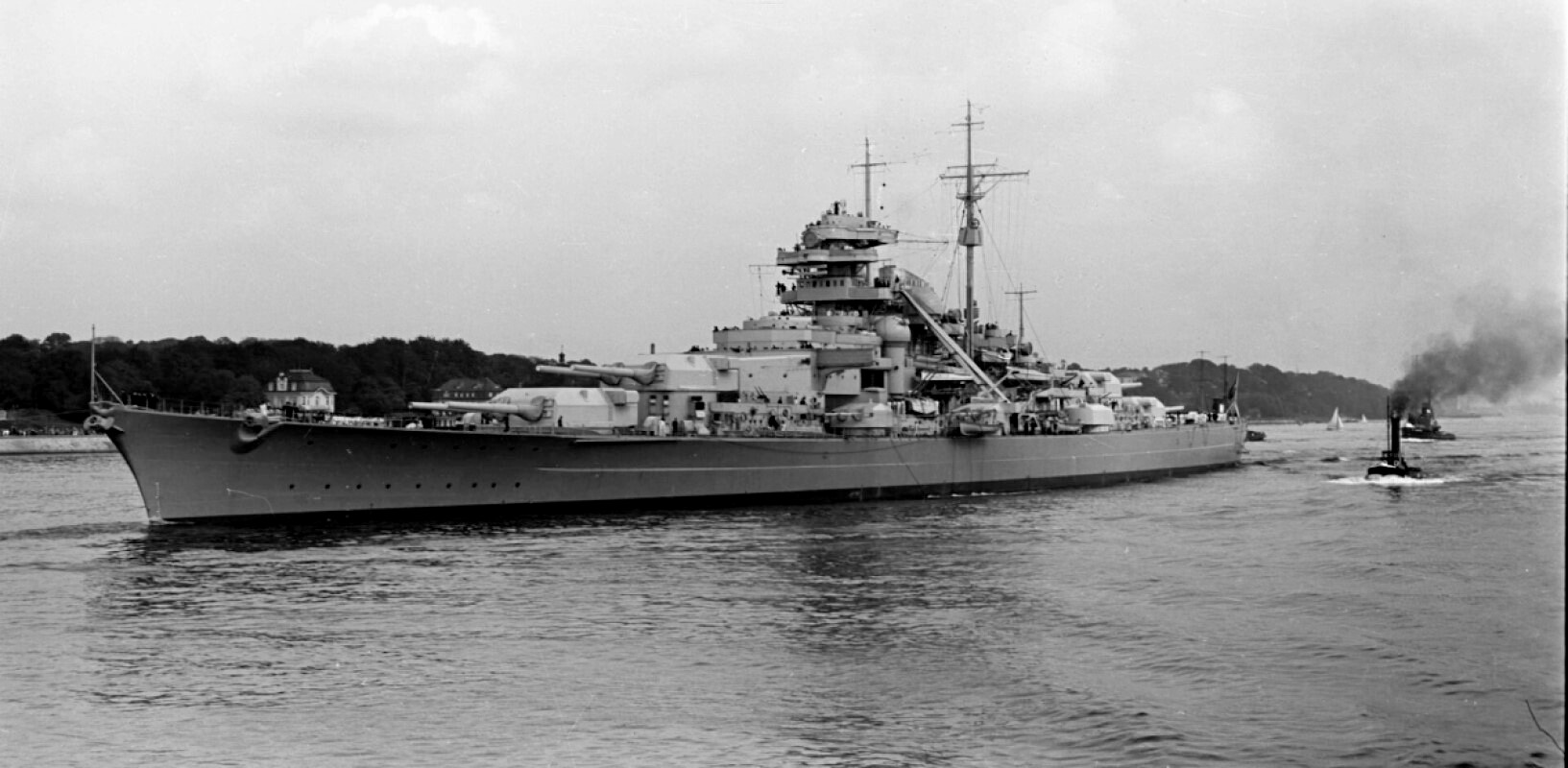
833 days, that was the lifespan of the Bismarck, from her launch to her scuttling on May 27, 1941. She was one of the largest and most famous battleships in the world like the Japanese Yamato and the American Missouri. The Bismarck belonged to the Bismarck class, which also included her sister ship, the Tirpitz. The Bismarck rose to fame by sinking HMS Hood on May 24, 1941, earning a worldwide reputation as one of the deadliest battleships ever built. In just five minutes, the HMS Hood was destroyed. Afterwards, the British Royal Navy hunted the Bismarck across the North Atlantic. Following a torpedo attack by a squadron of Swordfish torpedo bombers, she lost her rudder and became unable to maneuver. On May 27, 1941, her crew finally scuttled the Bismarck in the Atlantic Ocean, while the ship continued to engage numerous British battleships, cruisers, and destroyers.

The Yamato-class battleships were two Japanese battleships, Yamato (大和) and Musashi (武蔵), constructed during World War II and operated by the Imperial Japanese Navy (IJN). They were armed with nine 46 cm naval guns and over 150 anti-aircraft guns, and had a displacement of more than 72,000 tons, making them the largest and most powerfully armed battleships in history. While the Yamato and Musashi had a truly stupendous level of firepower and armor, both ships met their fates at the hands of American carrier aircraft and never participated in the massive battleship-on-battleship engagements that they were designed for.


The Battleship Bismarck is without a doubt the most iconic vessel ever built by the German Navy. Measuring an impressive 250.5 meters (822 feet) in length and 36 meters (118 feet) in width, with a maximum displacement of over 50,000 tons, it carried a crew of more than 2,000 sailors. Armed with eight 380 mm (15-inch) main guns and protected by heavy armor, the Bismarck was regarded as the most powerful battleship afloat at the time of its launch. She was also the lead ship of the Bismarck-class and, along with her sister ship Tirpitz, the largest German battleship ever.

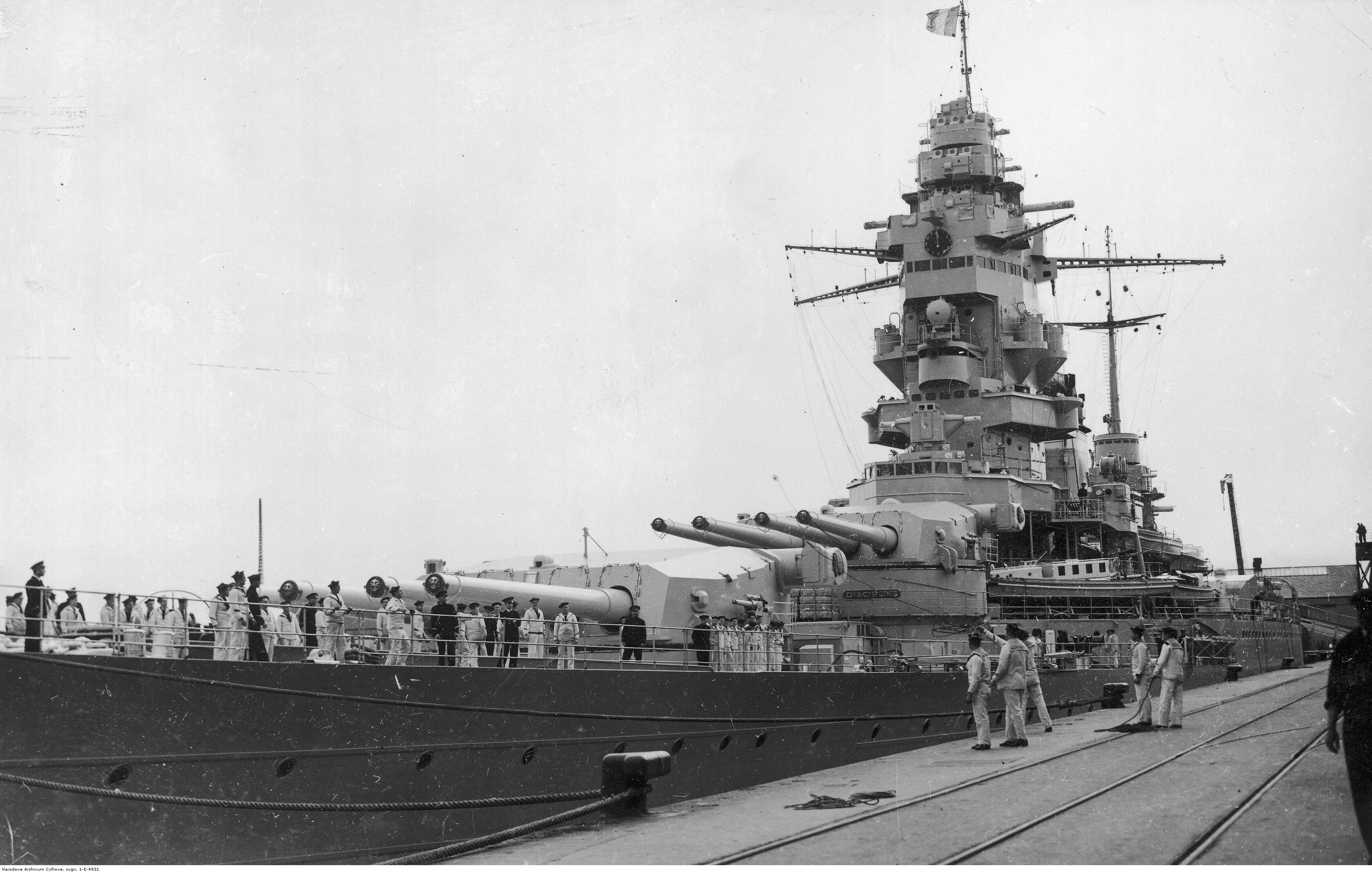
Dunkerque can best be described as a ship that excels in downtiers but struggles significantly in uptiers. While she may be an exciting vessel to unlock, being the ultimate French ship in the game at the time of her release, it is important to moderate expectations. Like all other vessels at BR 6.7, she finds herself in a challenging position, where many top-tier ships can penetrate her magazines, while she cannot retaliate effectively.
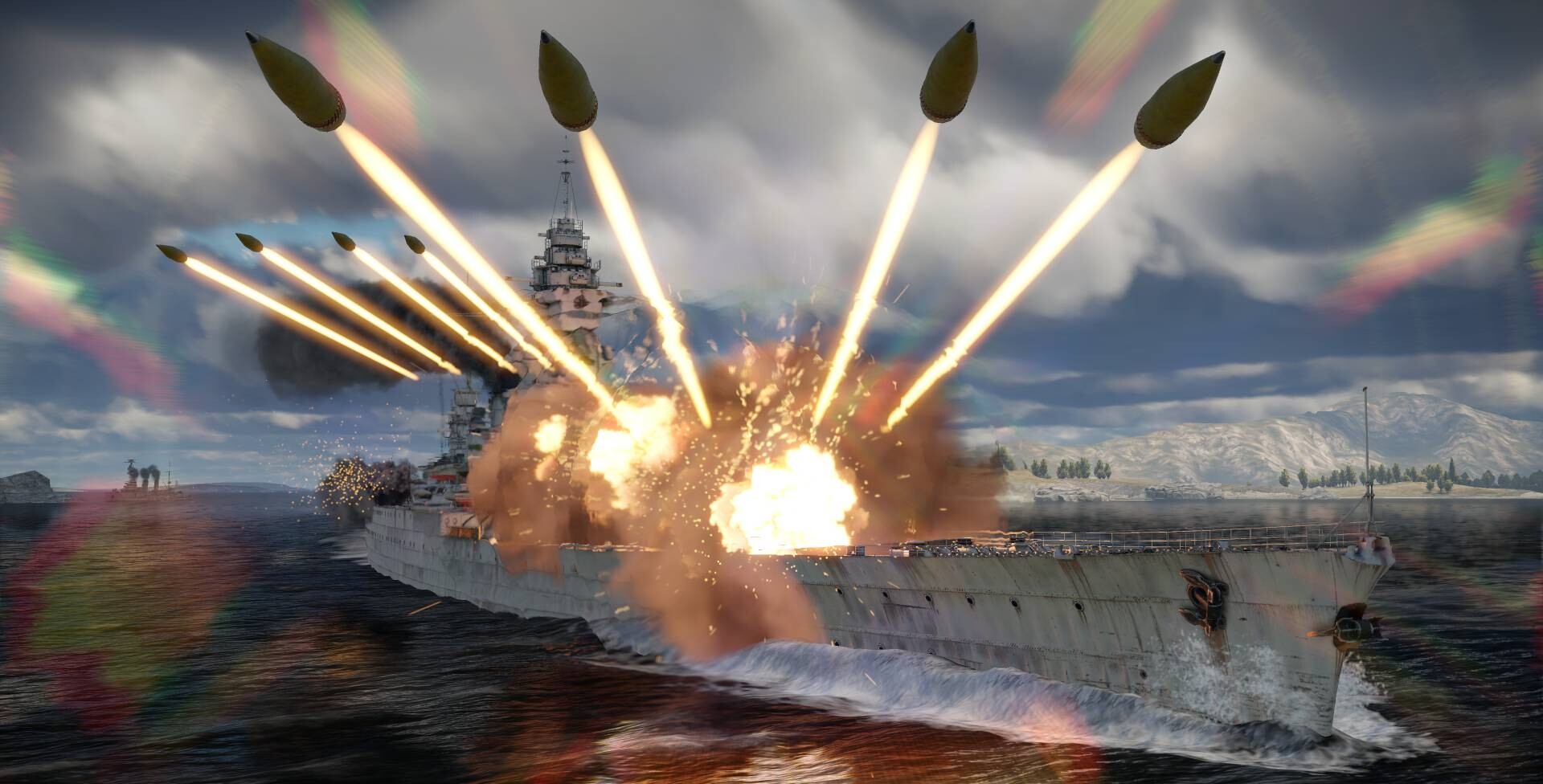
Dunkerque's history was not filled with epic victories in combat or spectacular achievements; nonetheless, she participated in two major historic events that changed the balance of power in the Mediterranean, making her an important vessel from an historical perspective, even if she did not sink any hostile vessels in anger.

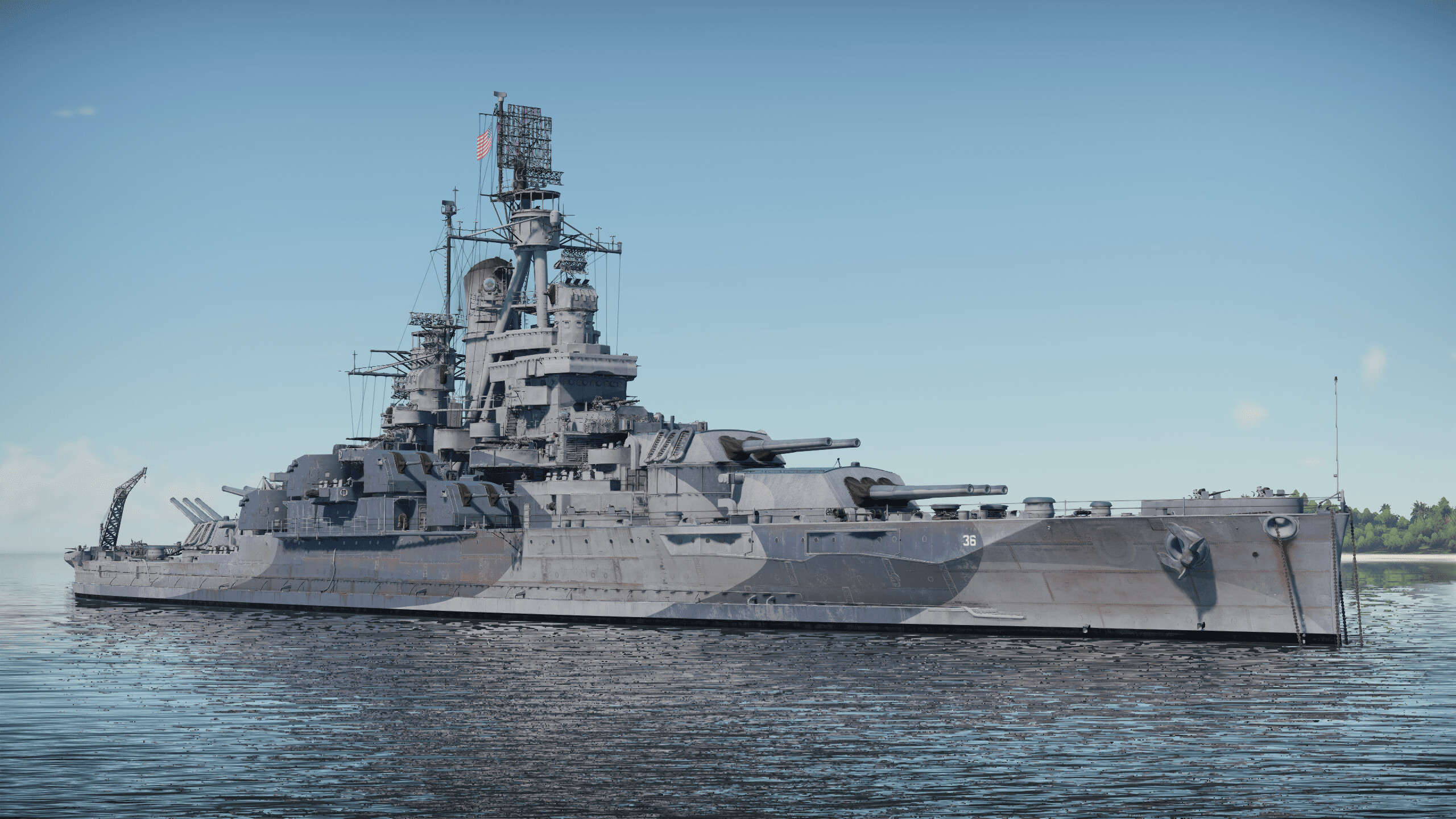
What comes to mind when one thinks of the word "battleship?" For many, it means the strongest vessels in the fleet, with the greatest firepower yes, but also with the greatest armor. Designed to combat enemy capital ships, that of course comes with the certainty that the battleship itself will also come under heavy fire from ships near, or perhaps even beyond its own strength. The continuous search of battleship architects to increase protection within the tonnage that they were given during the Dreadnought arms race led to the USS Nevada.