Britain’s relationship with tea had been something of a running joke for many years. In 2025, a joke on social media convinced many people (mostly Americans) that the Brits have a mandatory tea-time, that is marked with an air-raid siren. While this is far from the truth, it is true that many Britons, including those in the Armed Forces, enjoy a cuppa. As such, every British tank since the Second World War has included a little extra luxury — the boiling vessel.
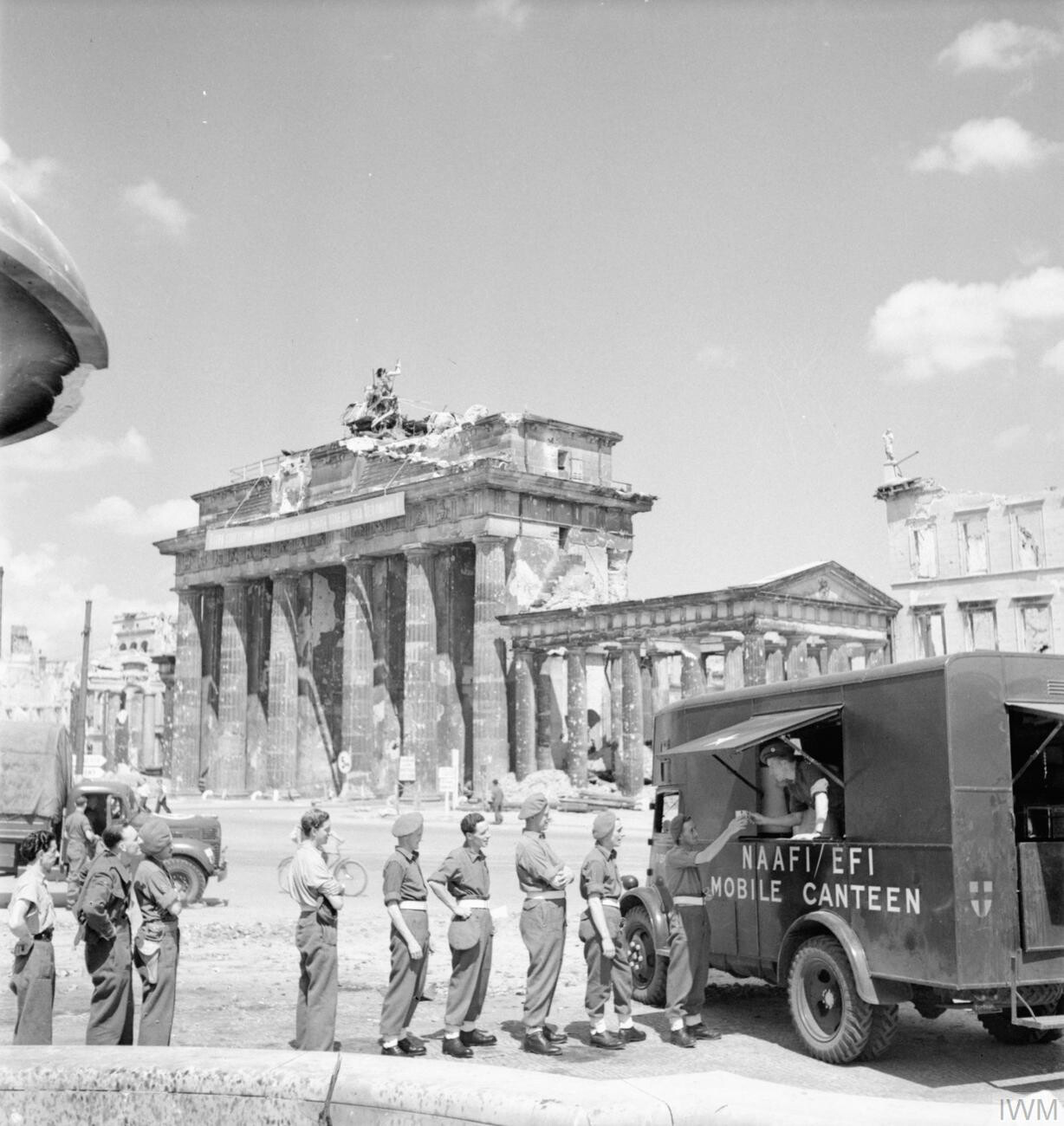

The end of the Cold War and the collapse of the Soviet Union came as an unpleasant surprise for the defense industries of many countries. Former Soviet republics inherited large amounts of outdated military equipment, along with a pile of ambitious projects that were no longer affordable. Western states, meanwhile, entered the new reality with oversized armies. Their arsenals were packed with vehicles built for a global conflict that, fortunately, never happened.

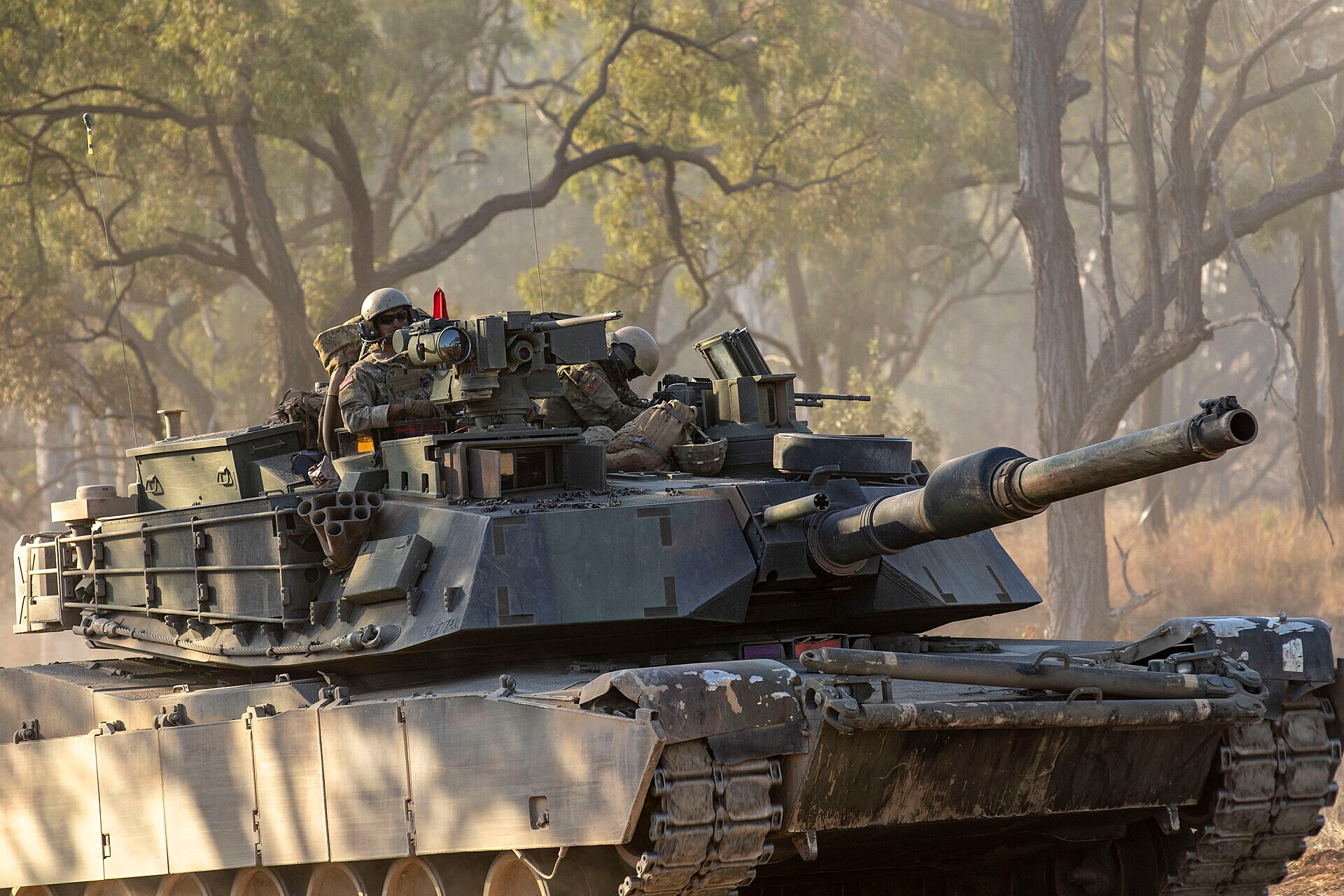
Australia’s use of tanks has generally been shaped by practicality rather than large-scale industrial ambition. The country never developed a major domestic tank industry, instead relying on allied designs and adapting them to suit their unique local conditions. However, Australia’s history with tanks is still extremely interesting, as Australia’s combat terrain is vastly different from that of its allies.

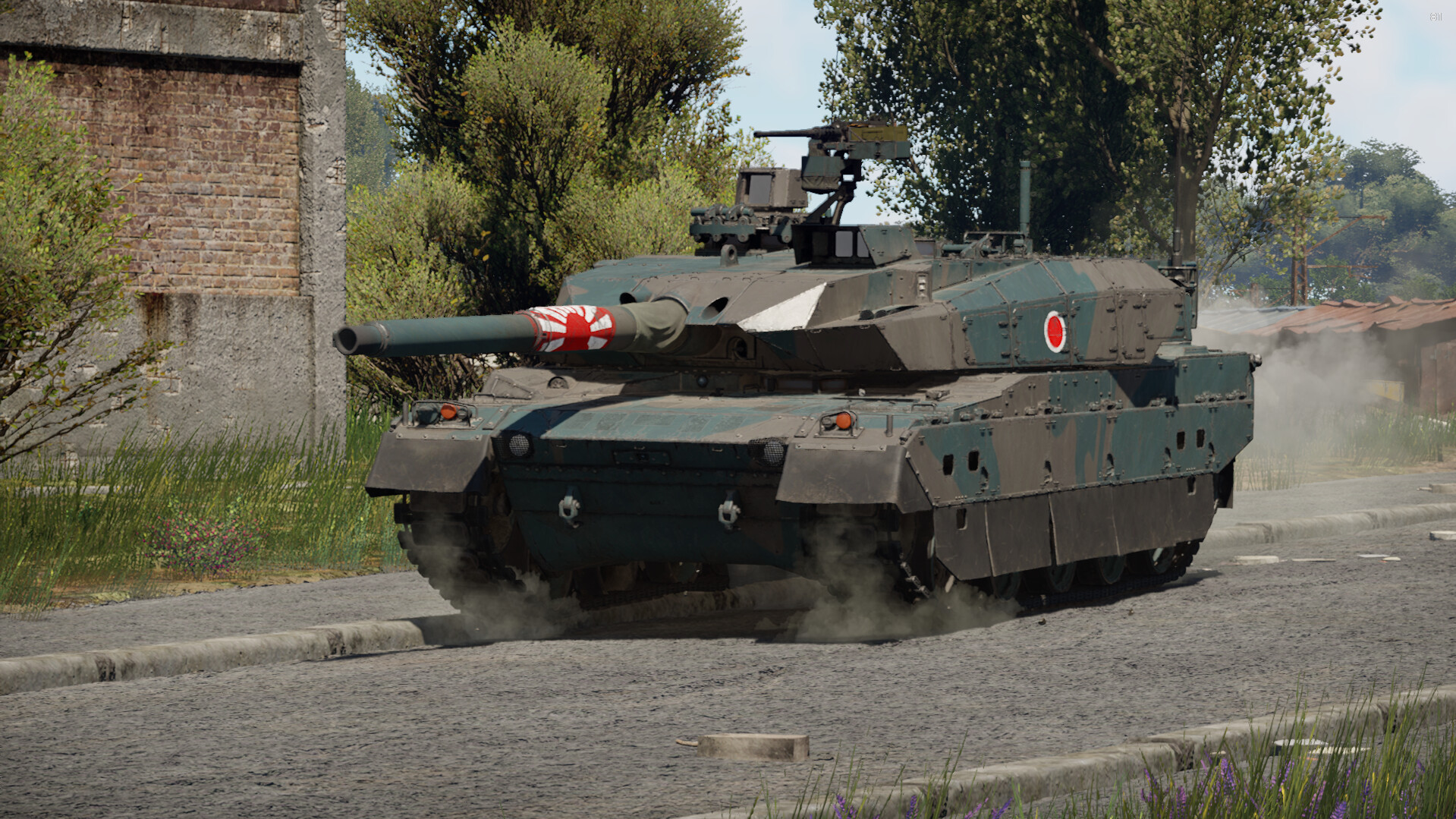
The pinnacle of Japanese engineering, the Type 10, is one of the last vehicles you’ll unlock in the Japanese tech tree. The amazing autoloader and cannon allow for absolute domination in top-tier battles, but you’ll probably struggle when you first unlock it. Despite its many weaknesses and shortcomings, the Type 10 can be one of the best vehicles at its battle rating if played correctly.
The F-14 Tomcat, an American carrier-based fighter, was rightly considered one of the most advanced aircraft of the Cold War. Even its early variants boasted a powerful radar and long-range Phoenix missiles. At high speeds, the Tomcat’s engines retained tremendous thrust, and combined with its variable-sweep wing, this gave the aircraft outstanding flight performance by the standards of carrier aviation.
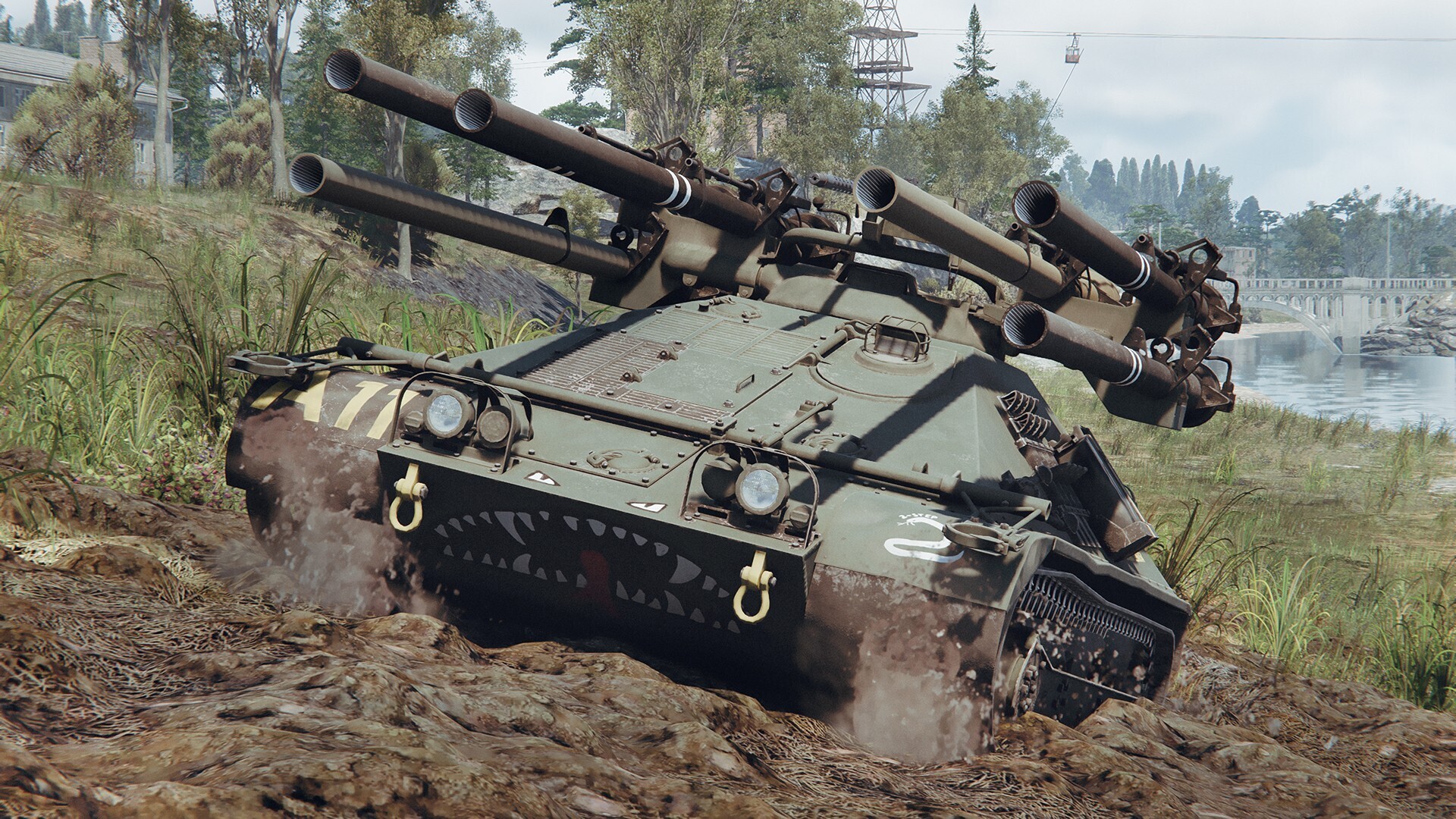
The M50 Ontos is an American tank destroyer, which very interestingly features six 106 mm recoilless rifles, capable of annihilating anything around its rank with ease. Aside from six recoilless rifles, the M50 features four targeting .50 caliber rifles, but they sadly do not have access to armor-piercing ammo, making them all but useless. The M50 can be thrilling to play, with its unique playstyle, but it does take some getting used to. This article aims to explain its strengths and weaknesses, to hopefully help you play it more effectively.
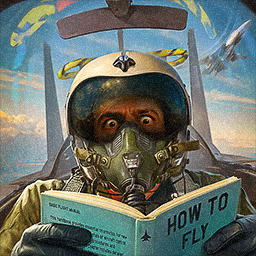
The Albatros combat trainer is already familiar to War Thunder players thanks to its premium Czech version. But the summer update adds another modification: the Thai L-39ZA/ART, available to research in the Japanese tech tree. At first glance, it barely differs from the basic L-39. But in reality, the Thai modernization received several very welcome upgrades that make it noticeably more interesting to play.

For many, helicopters are the most frustrating vehicles to spade, especially if all you get is a few rockets. Modifications are expensive, progress is slow, and you feel as fragile as a balloon. But worry no more, as in this article you’ll learn the best methods for grinding these flying wonders based on my experience going through the helicopter tech trees!

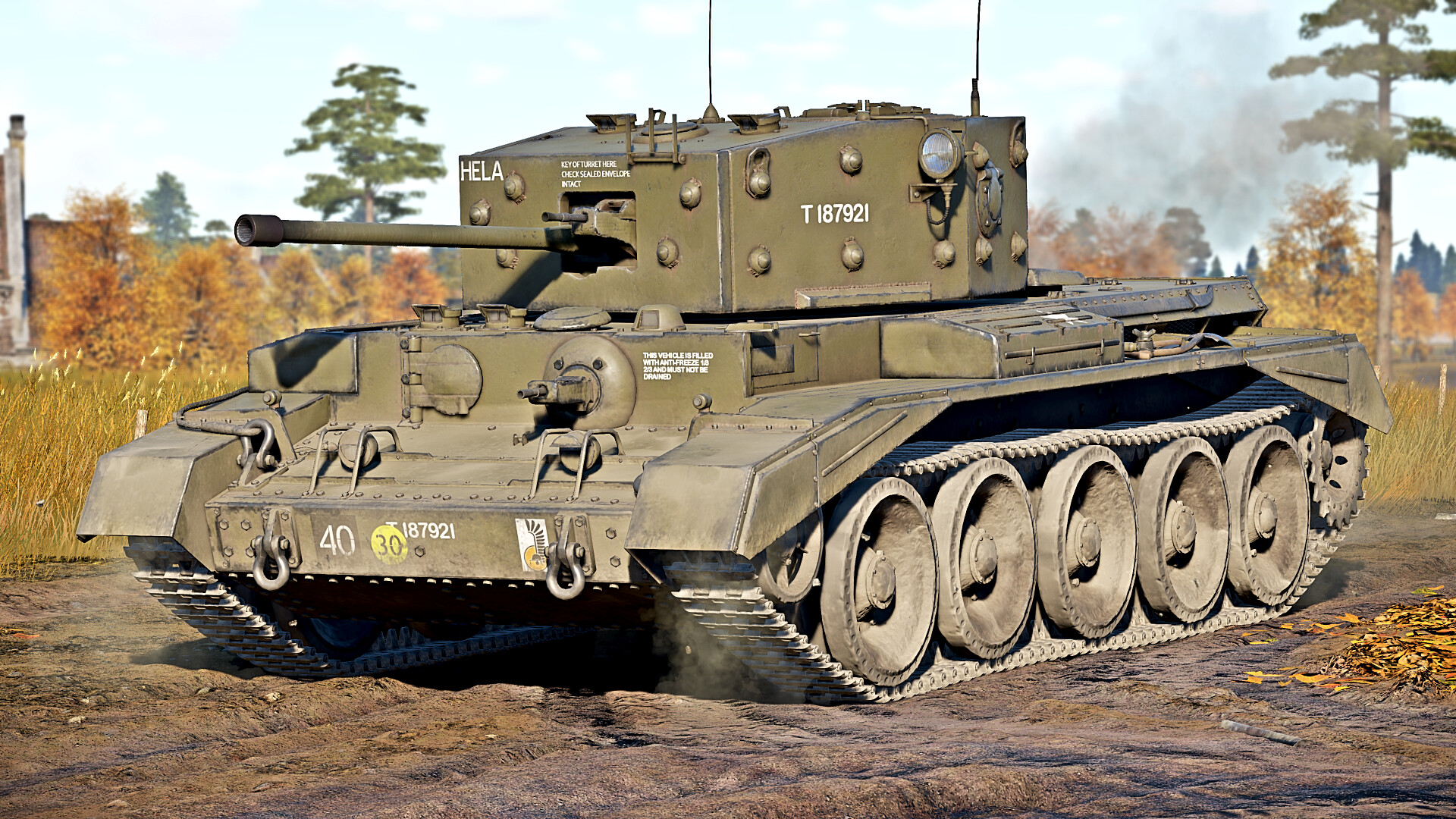
The Cromwell I is a British Medium tank in the British Tech tree. It is part of the Cromwell family of tanks and is named after the Roundhead Cavalry Officer and 'Lord Protector' of England between the end of the English Civil War and the Restoration of the Monarchy. It boasts a high top speed and a powerful 57mm gun, but is let down by its mediocre armour and dreadful reverse speed.

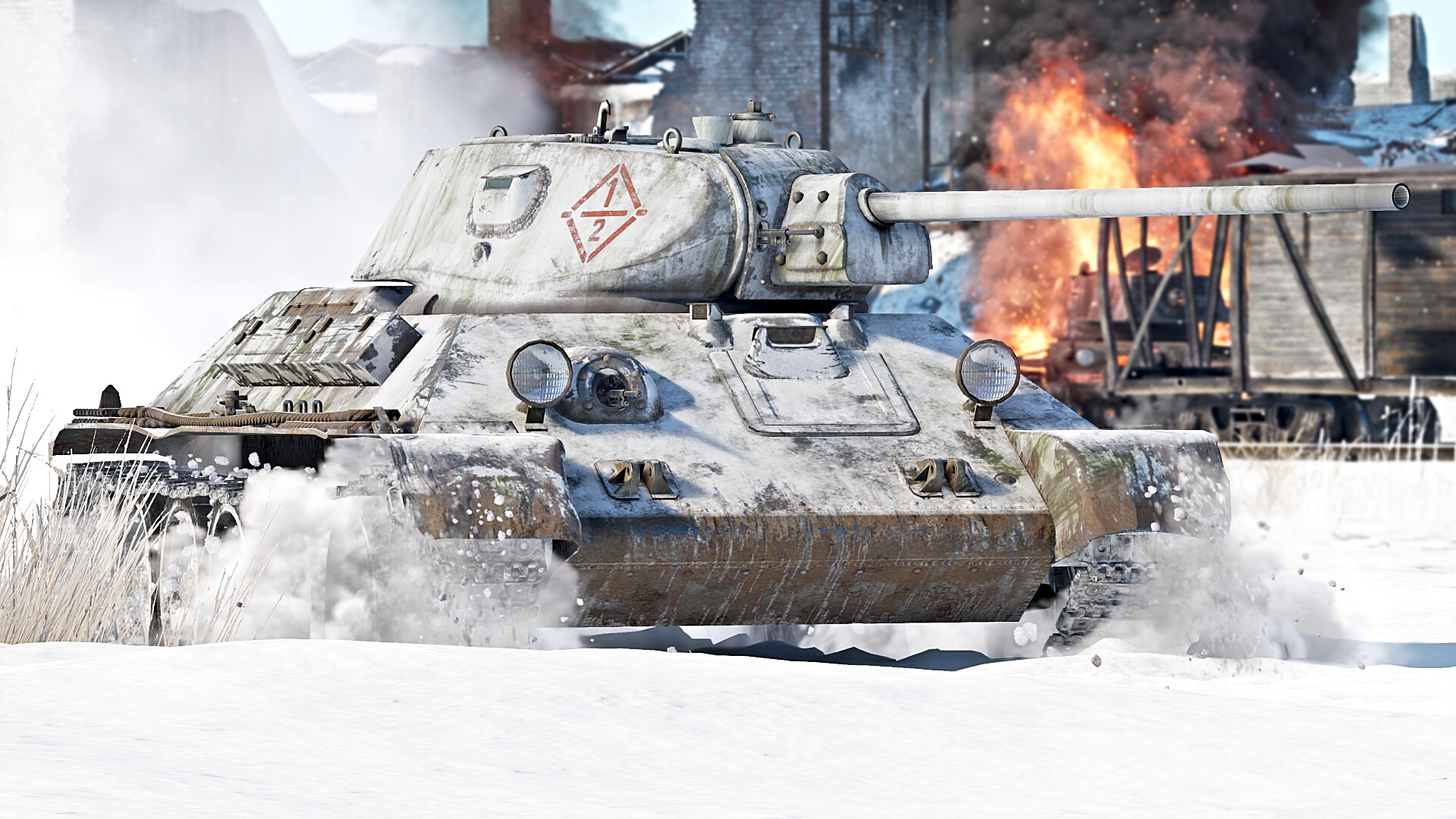
The T-34-57 was developed as a specialized tank destroyer capable of going head-to-head with the Wehrmacht’s new armored vehicles. In the game, this vehicle is valued for its powerful 57 mm gun, which can penetrate virtually any opponent. However, this firepower comes at the cost of weak armor and a cramped layout. So, how should this vehicle be used in the game, taking all its pros and cons into account?