#light_tanks
During the Second World War, there is no doubt that Germany led the world in military designs and innovations. However, in the years after the war, a near legendary status has surrounded Germany’s tanks, with names such as the Panther, Tiger I and King Tiger (and, of course, the redoubtable Maus) all coming to mind as nearly indestructable fighting machines. But was this actually the case? Were Panzers as amazing as we have been led to believe, and how have they gained such a formidable reputation?

The LT vz.38 was a light tank originally from Czechoslovakia and built by Škoda and ČKD. A total of at least 6,919 examples were built, including pre-war and licensed models in every imaginable configuration. Following the German occupation of Czechoslovakia in 1939, the German Reich captured plans, production equipment, and some examples of the LT vz.38 that had not yet been deployed in the Czech army and renamed them the Pz. 38(t). Later, a licensed version, along with some examples, was sold to Sweden, who renamed it the Stridsvagn m/41 and slightly modified it. The Pz. 38(t) was used by Germany throughout World War II and also influenced several other tank designs, including the German E-series.


The XM800T is an ARSV, developed in the 1970s by Chrysler, FMC Corp., and Teledyne Continental. It was meant to replace the M114 but never entered production, although the experience gained was used in the M2 Bradley later on. However, this tank combines weak armor with a gun that can’t even penetrate 70mm of armor up close. So how to play this exceptional light tank? Find out in this article!
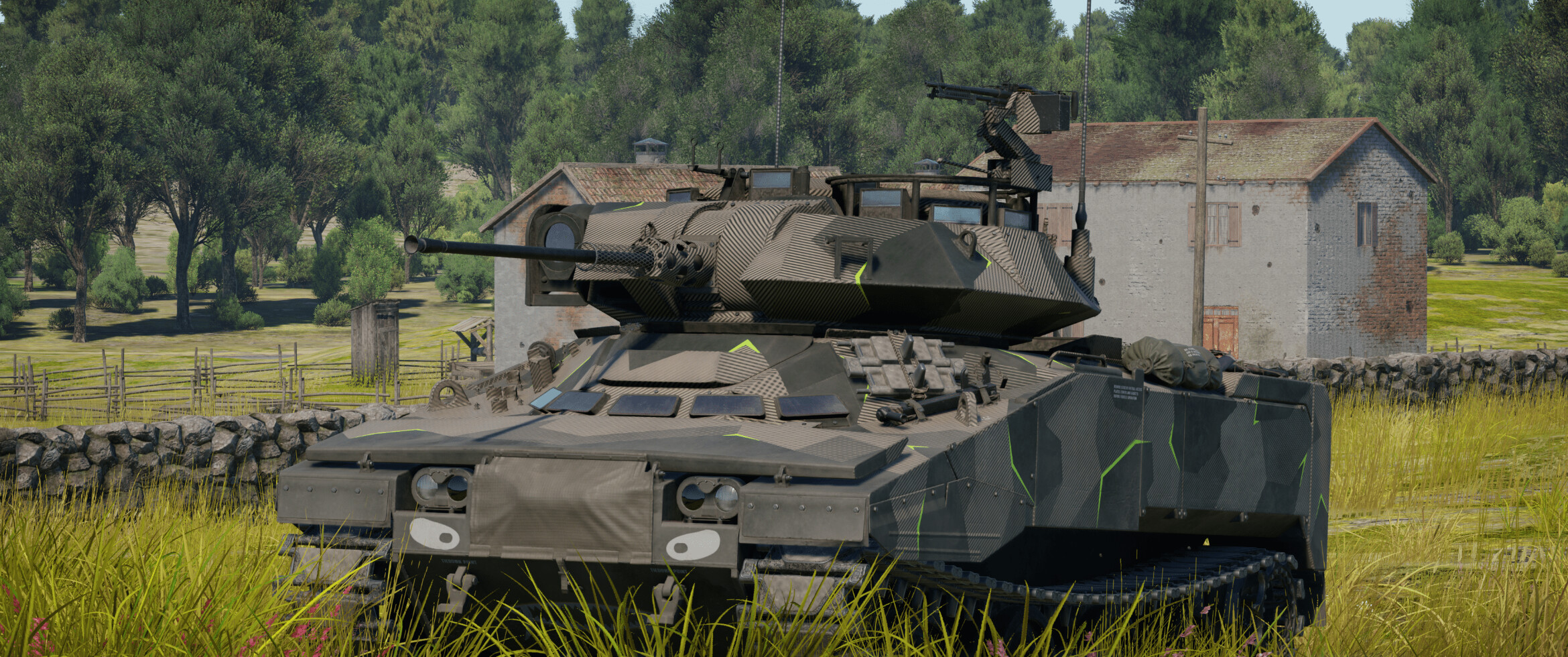
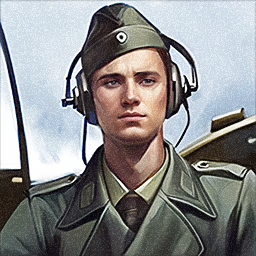
The 2S38 is a premium Soviet light vehicle based on the BMP-3 platform and intended as a potential replacement for the 2S6 Tunguska SPAA. With its punchy 57 mm autocannon, great mobility, and excellent multirole capabilities, the 2S38 is a deadly vehicle in ground battles, making it loved and hated by War Thunder players alike. However, the 2S38's various strengths are balanced out by its overall lack of armor and limited survivability, which makes it somewhat of a glass cannon.


The unusual Rarden cannon found on a few British light vehicles is something of a Marmite weapon. It is either loved or loathed by most who use it and by those who face it in battle. In this article I’ll cover the history behind this unusual piece of equipment and share a few tips on its use in War Thunder.
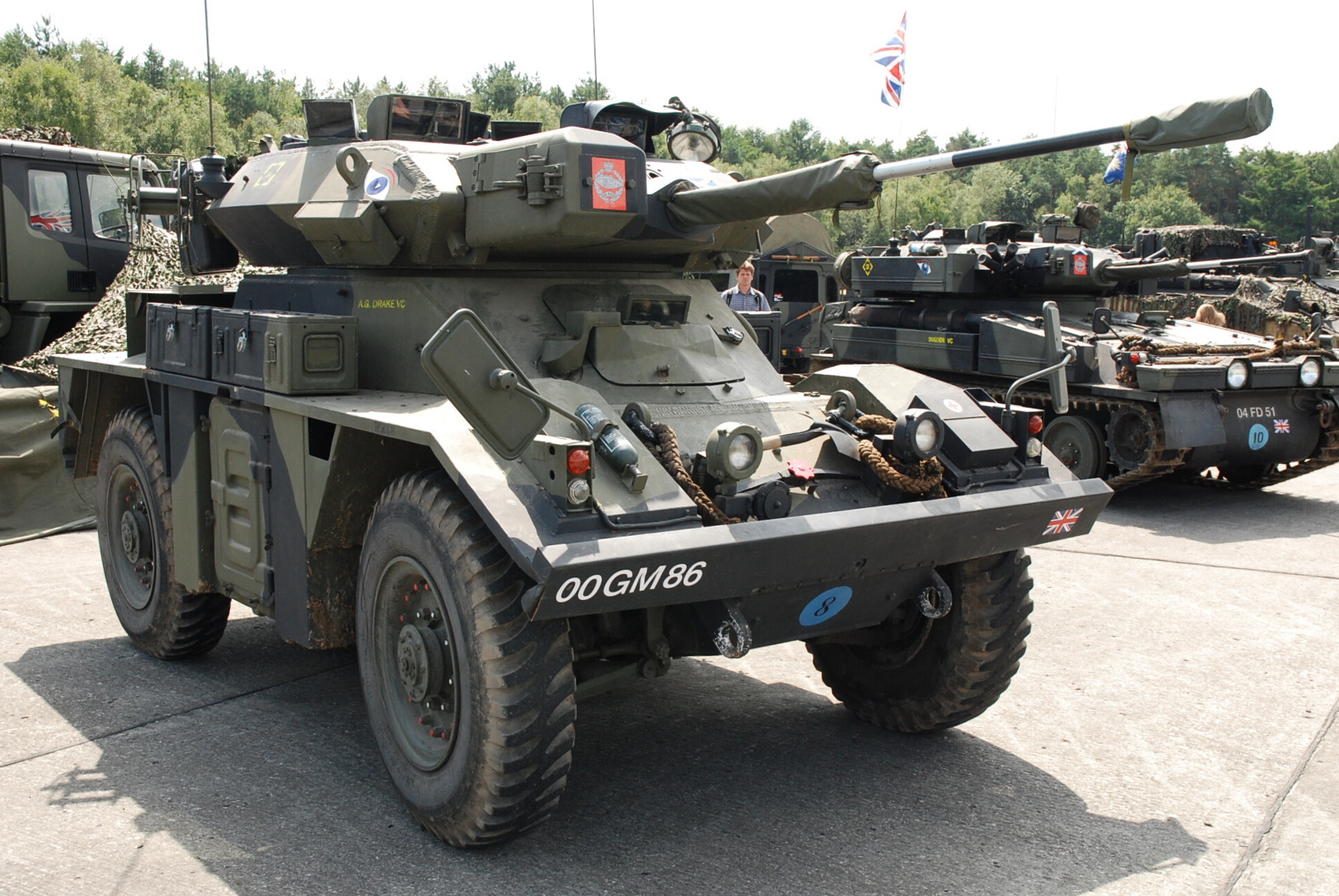

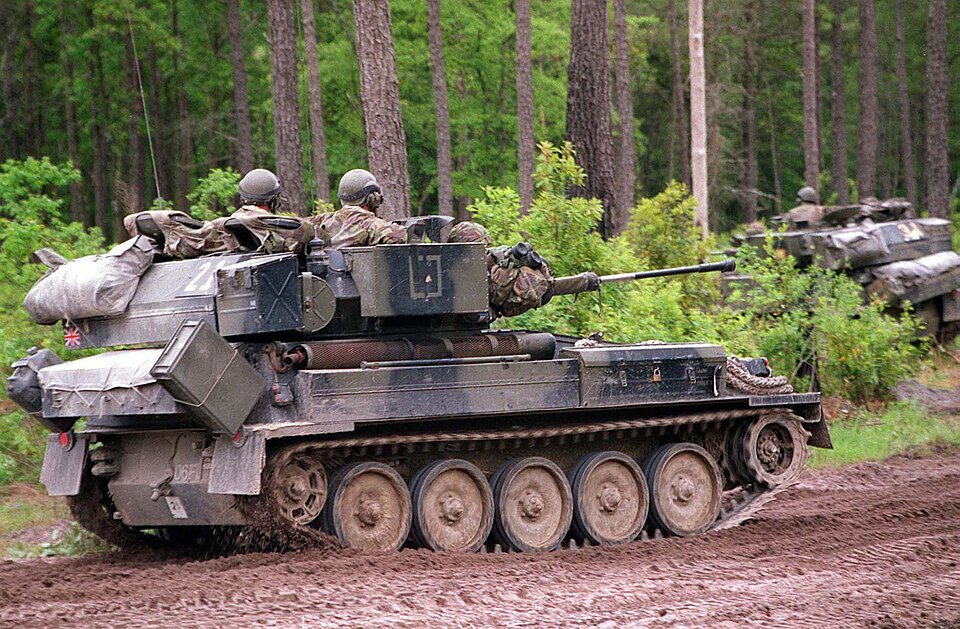
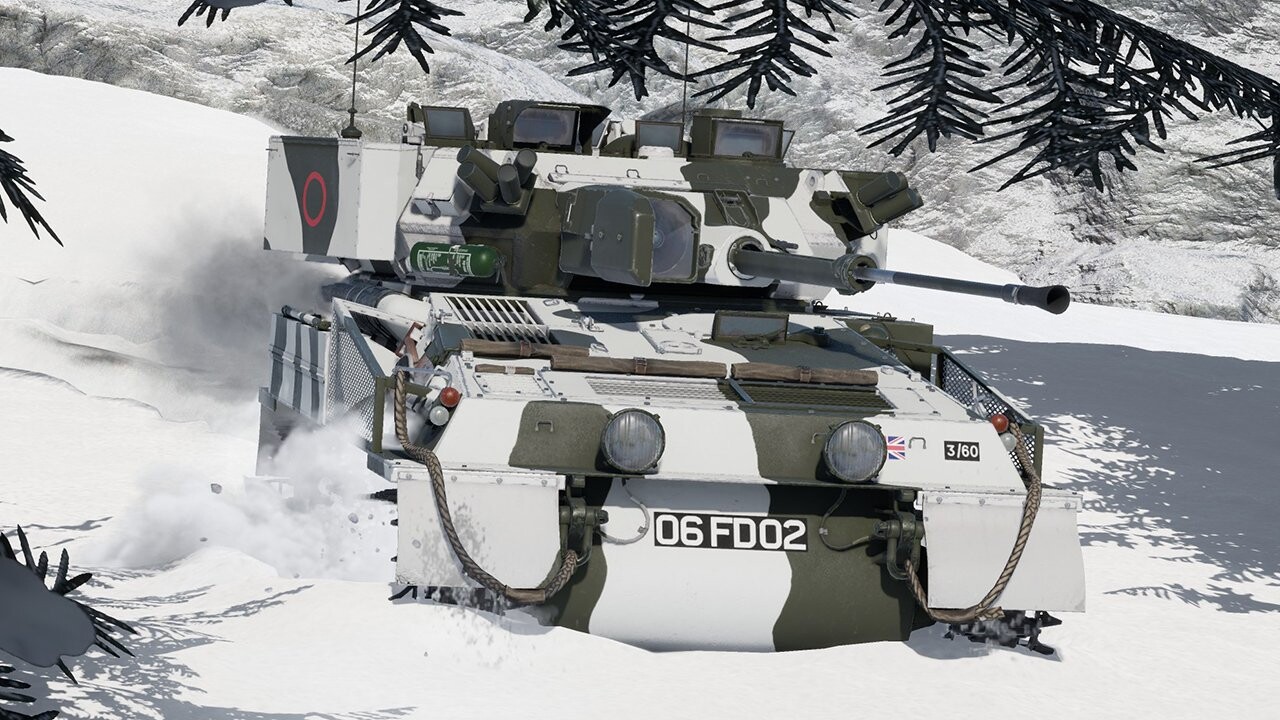
The Scimitar is a Cold War Light Tank in the British tech tree. It is part of the CVR (T) series of vehicles. The Scimitar is a variant of the CVR (T) platform fitted with the 30 mm L21A1 autocannon, also known as the RARDEN, and was utilized in the role of an armed reconnaissance vehicle, and as a light tank. With a top speed of 50 mph, a reverse gearbox, an APDS-firing autocannon that can penetrate up to 110mm of armour, along with its small size, it is a master of flanking and fast, precision strikes. However, a slow fire rate and a exceptionally high fixed zoom for the gunner’s sight, combine to make it difficult to use against fast moving targets at close range.
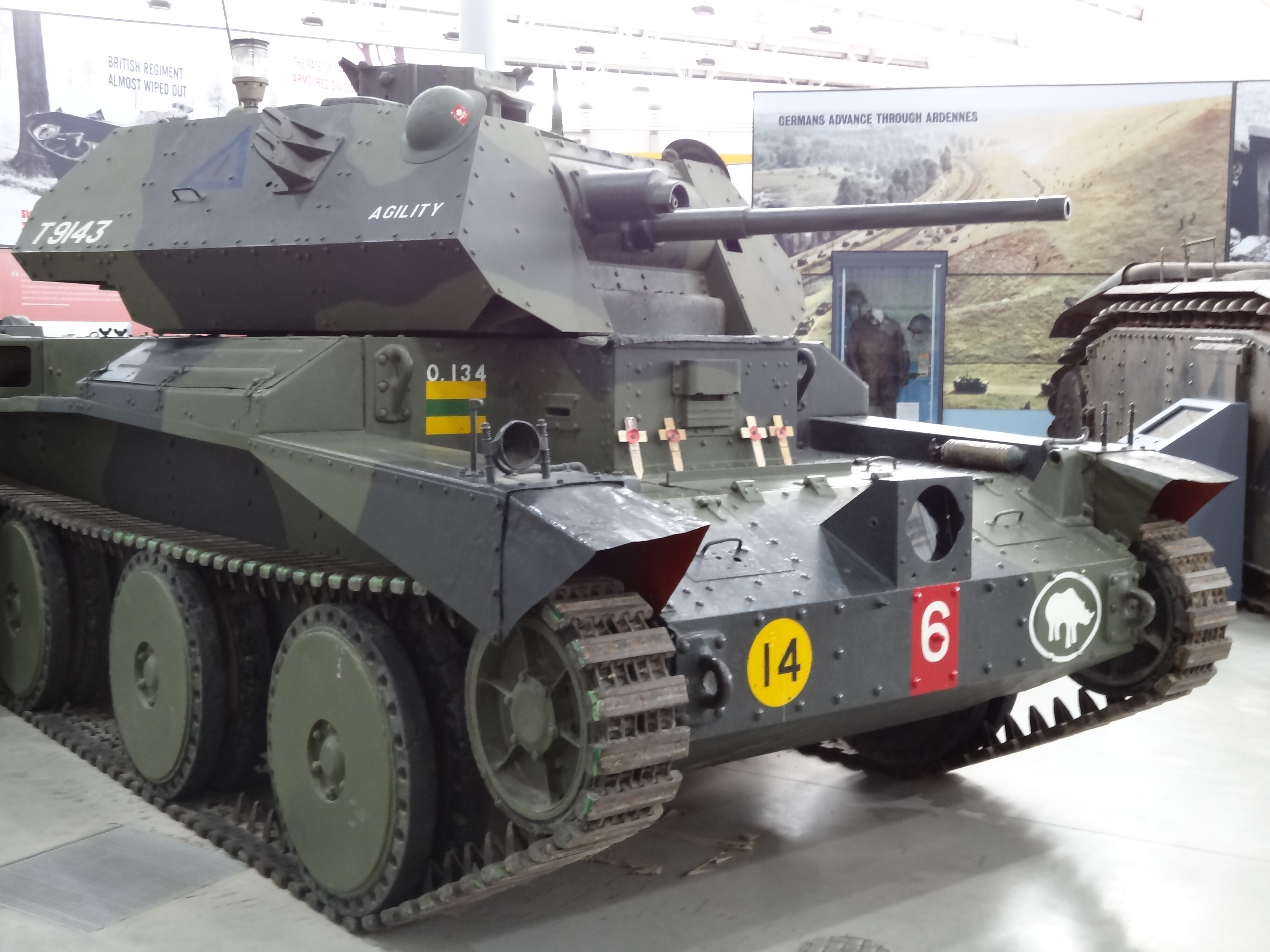
The A13 series of tanks was a range of similar British cruiser tanks produced just before, and for the first few years of, the Second World War. They adhered almost single-mindedly to the doctrine of speed and mobility above all else, meaning they were quickly outclassed by newer designs on both sides. Despite this they had a strong impact on the development of British tanks for several years and were a mainstay of the British Army’s tank units in the opening years of the war.
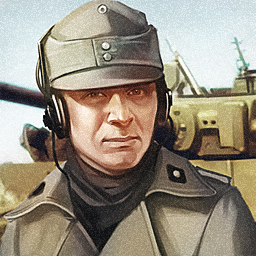
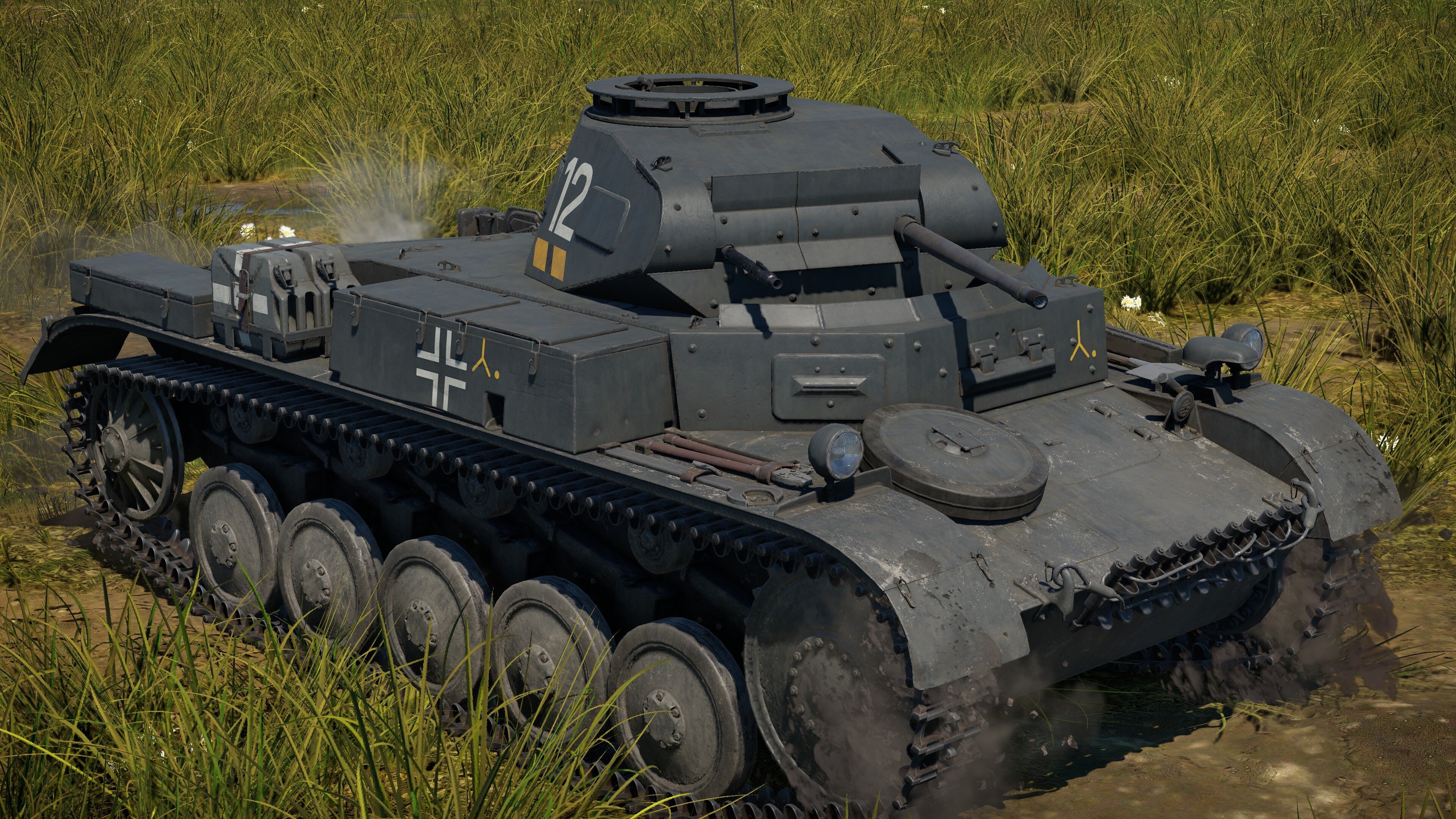
The Panzer II is one of Germany’s first tanks and can be found early in the German tech tree. While often overshadowed by the later German tanks, the Panzer II doesn’t always get the attention it deserves. However, the Panzer II is quite the joy to play. In today’s article, we’re going to look at the strengths and weaknesses of the Panzer II, which tactics to use, which enemies to keep an eye out for, and how to get the most out of one of Germany’s early smaller Panzers.
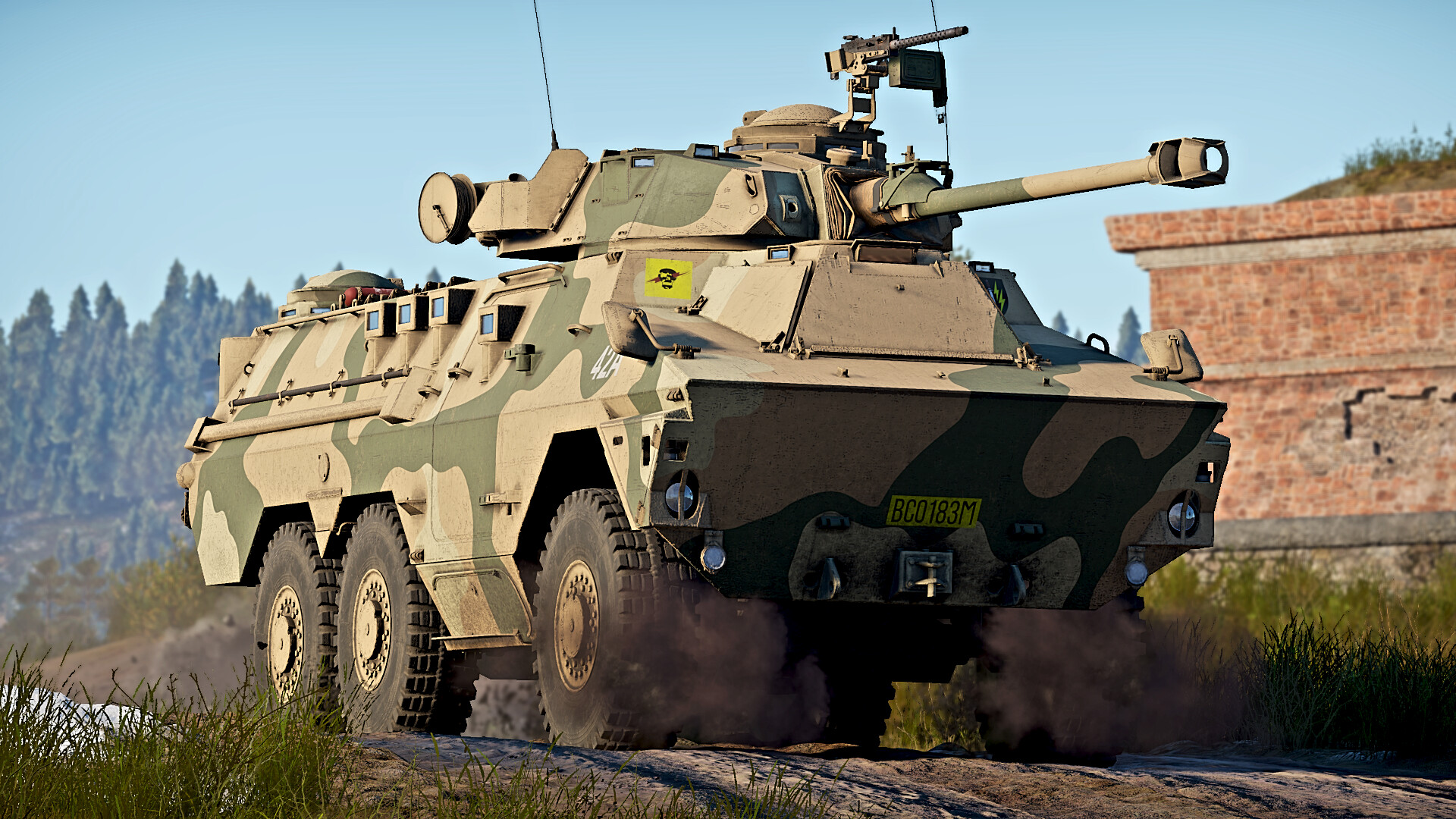
The Ratel 90 is an South African Light Tank in the British Tech tree. It is part of the Ratel family of fighting vehicles, a series of 6 wheeled IFV’s developed to replace the obsolete Alvis Saracen APC in South African Service. The Ratel 90 is a variant of the Ratel platform fitted with the turret of the Eland 90, and was utilized in the direct fire support role against enemy armour and fortifications. With a top speed of 65 mph, and a main armament that can penetrate 350mm of armour, it is a fairly decent light tank. However, with minimal armour protection, and a large silhouette, the Ratel 90 can be difficult to use effectively.
The diminutive Scimitar armed reconnaissance vehicle is one of the more famous British armoured vehicles from the Cold War. It is one of the members of the versatile Combat Vehicle Reconnaissance (Tracked) or CVR(T) family and has seen service in all corners of the globe. Its small and almost endearing shape has been flown the British flag in conflicts all across the world for 50 years, and has become something of a favourite among its crews and the wider public.