#germany

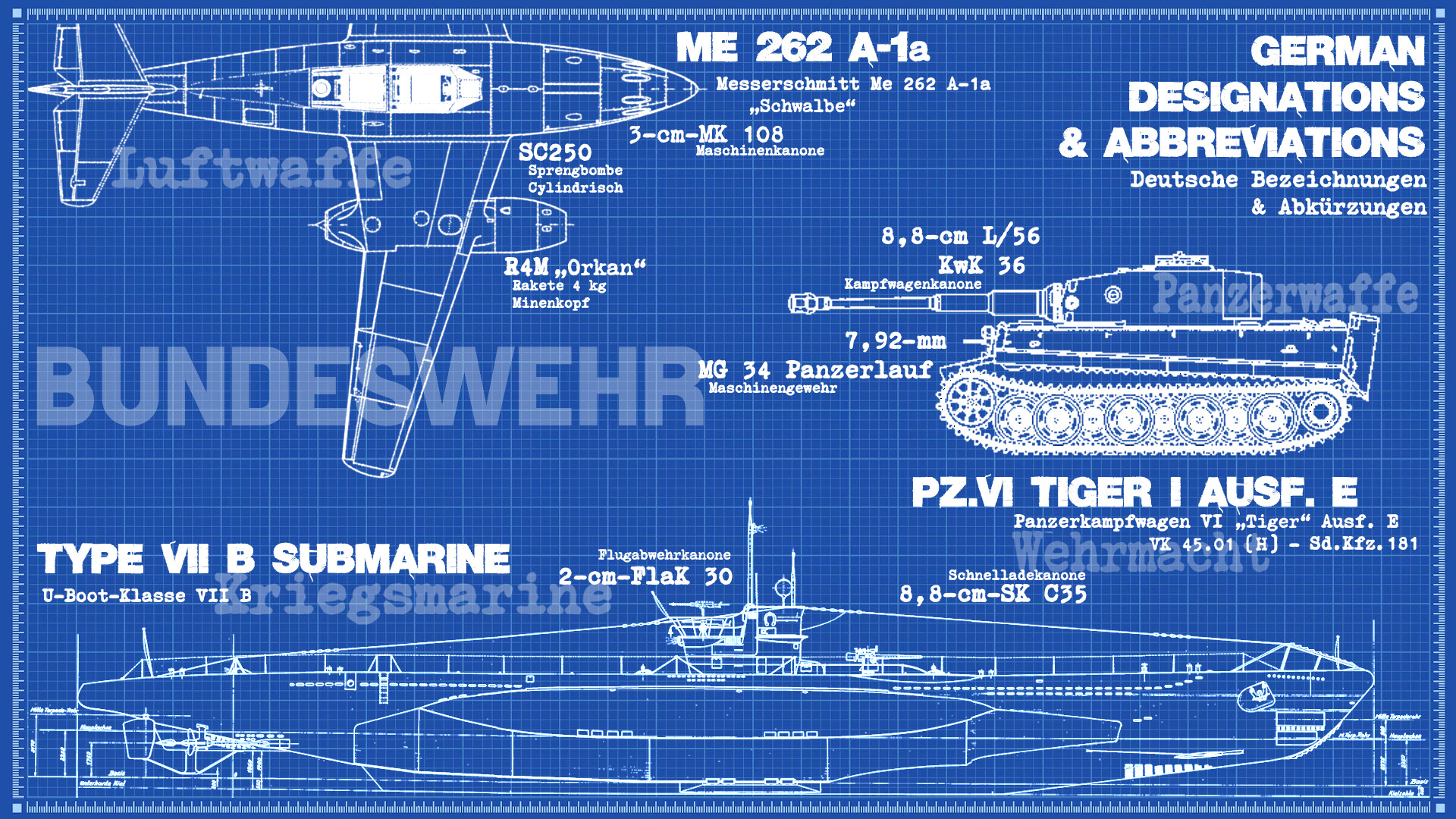
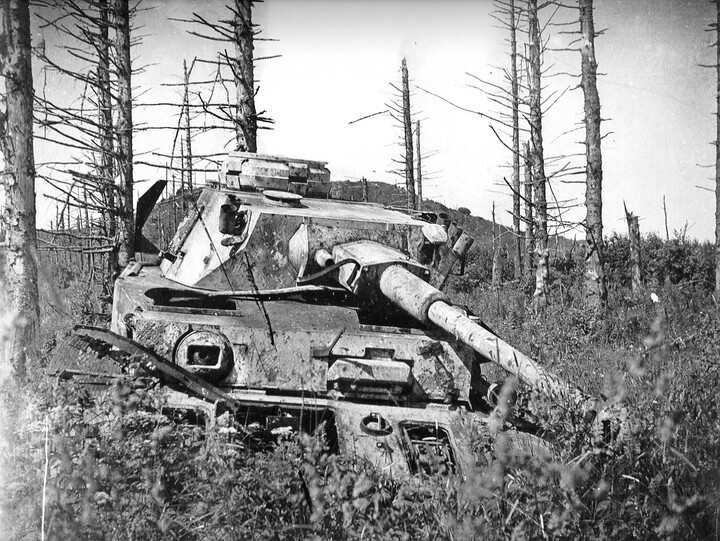
During the Second World War, there is no doubt that Germany led the world in military designs and innovations. However, in the years after the war, a near legendary status has surrounded Germany’s tanks, with names such as the Panther, Tiger I and King Tiger (and, of course, the redoubtable Maus) all coming to mind as nearly indestructable fighting machines. But was this actually the case? Were Panzers as amazing as we have been led to believe, and how have they gained such a formidable reputation?
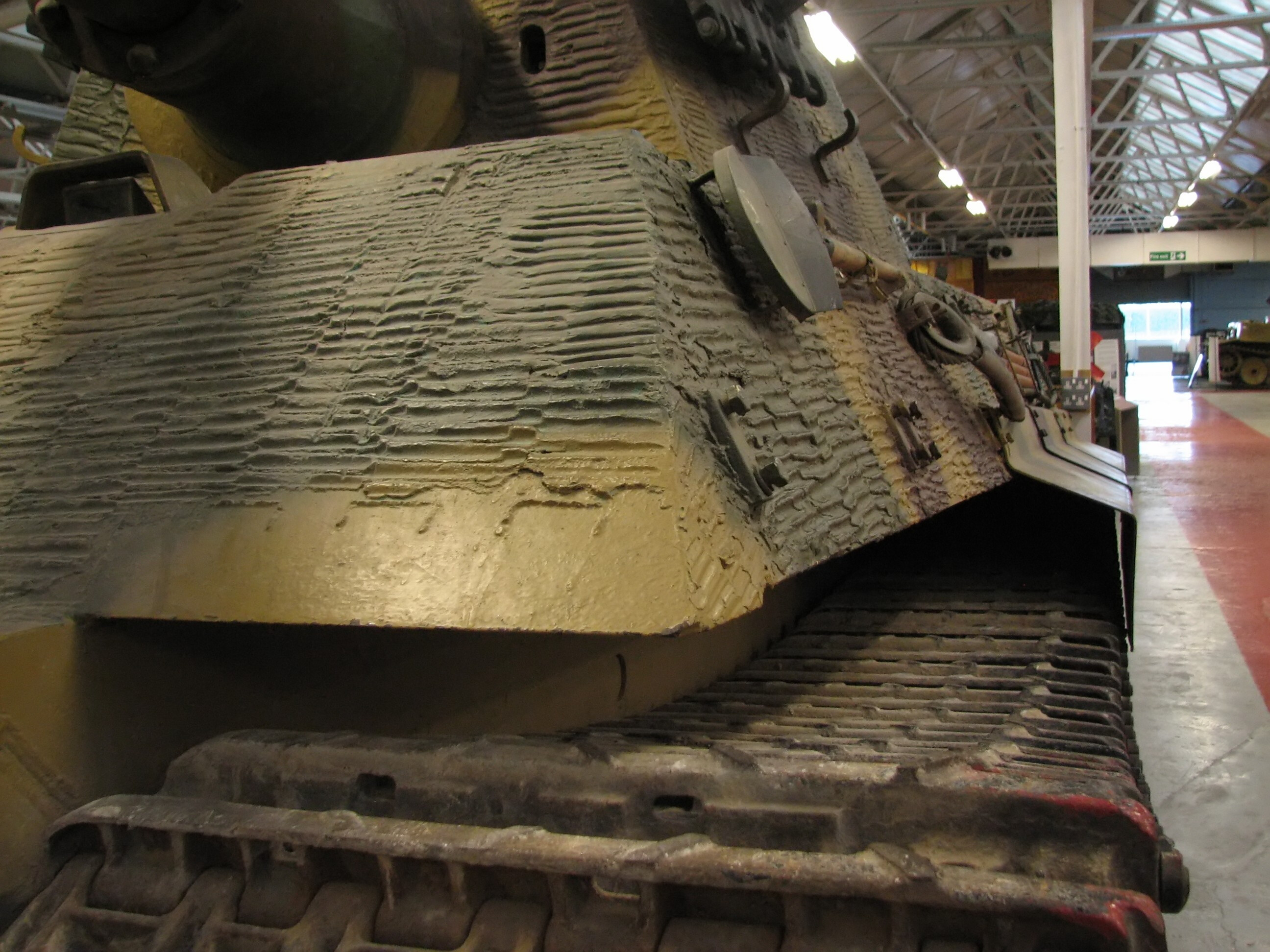
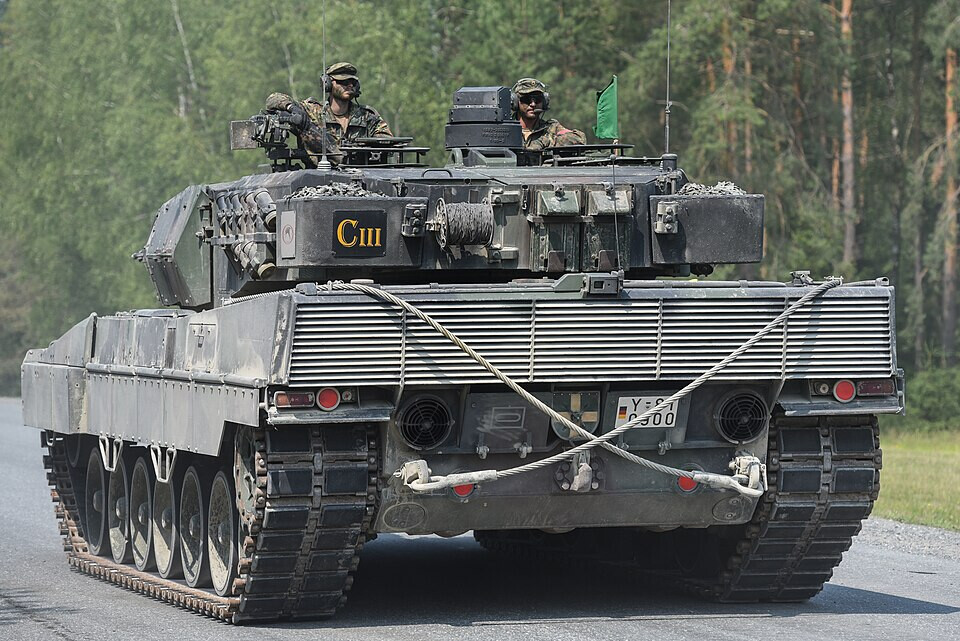
Despite how common this element is, its purpose remains little known. This component is called the Leitkreuz, which translates from German as guide cross. It carries no symbolic weight and is purely a technical device, despite its resemblance to the Balkenkreuz. So, what does it actually do? Read on in the article.

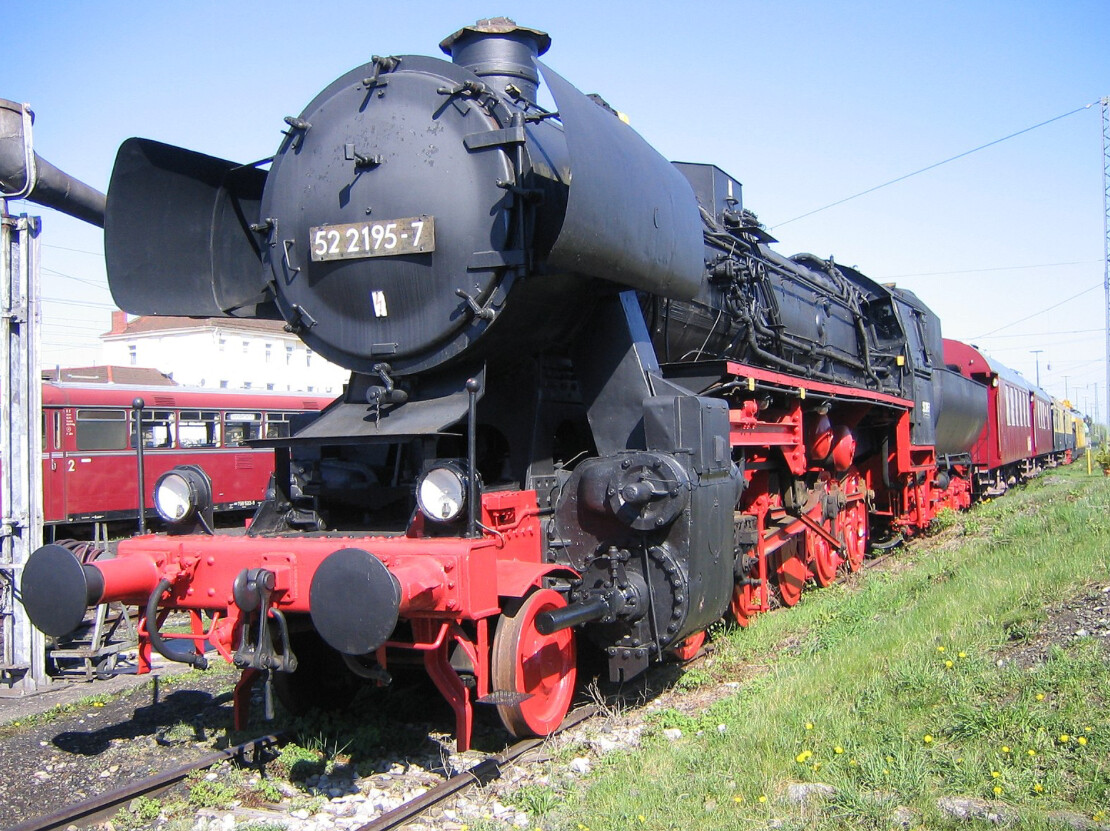
Today I would like to talk about another vehicle, which is in the background of the game but still exists, namely the steam locomotive Br 52, a heavy German freight locomotive, of which more than 7,000 examples were built between 1942 and 1951 by Henschel & Sohn, Krauss Maffei, and Škoda, among others. They were widespread throughout Europe and in operation in more than 10 countries after the Second World War until today.
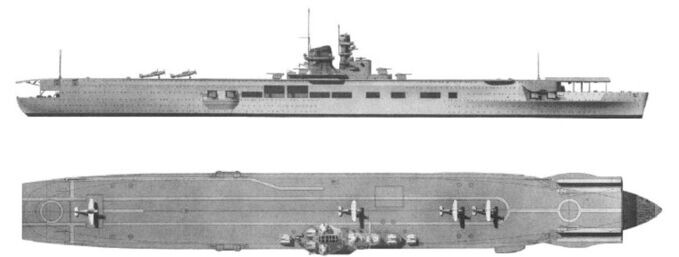
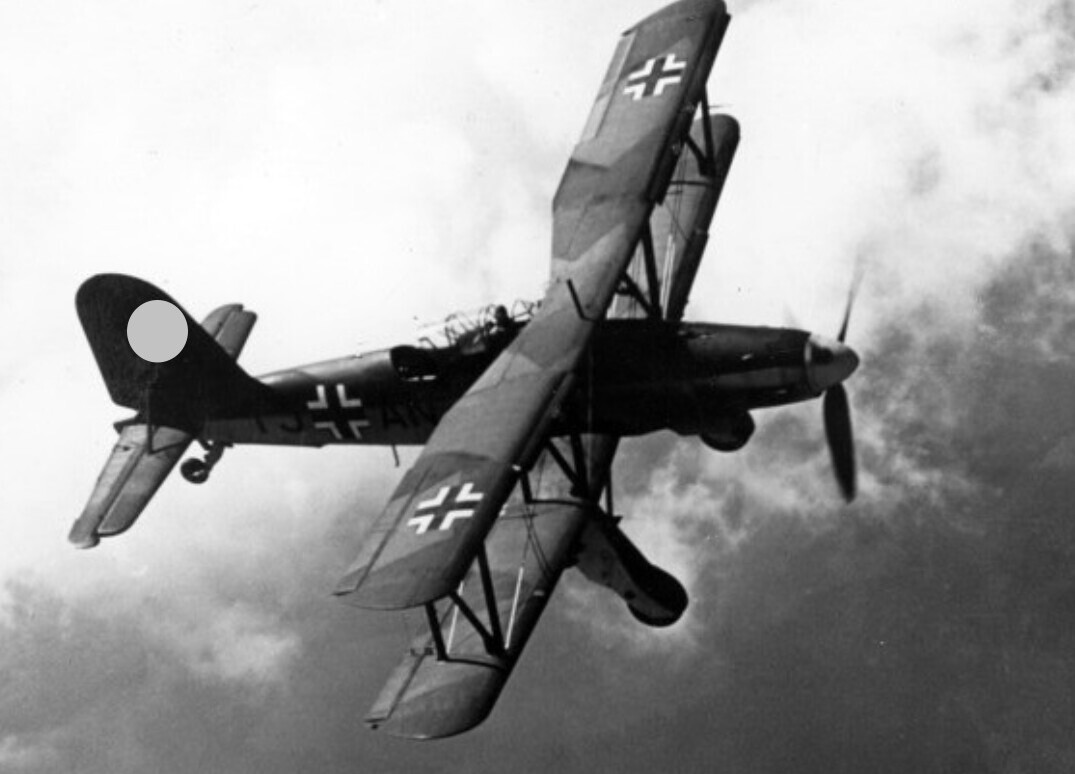
Germany had already toyed with the idea of possessing its own aircraft carrier during the First World War; this was to be called Ausonia, but it was never seriously pursued. However, shortly after the termination of the Treaty of Versailles, a new carrier project was initiated, based on the experience of other major powers such as Japan, the USA, and Great Britain, acquired through exchanges or espionage. Ultimately, not a single aircraft carrier was fully commissioned or built. The Graf Zeppelin was largely completed, but its construction was halted, while its sister ship, Aircraft Carrier B, was abandoned during construction. During the design of the accompanying aircraft, some were built specifically for the project, such as the Arado 197. However, this met with little approval from the Luftwaffe, which is why modifications of existing aircraft like the Bf 109 T, the Ju 87 C or T, or the Fi 167 found more favor.
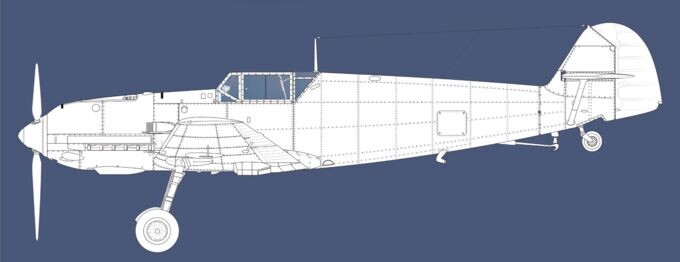
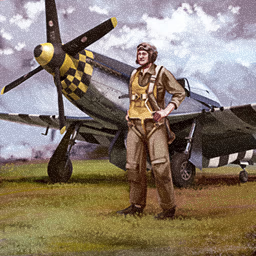
The Bf 109 (or Me 109) really needs no introduction. It is one of the most famous and popular aircraft of the Second World War, and the fighter with the most aerial victories ever. In my previous article, I wrote about the history of the Messer’s development. This one will focus on these fighters in War Thunder (primarily in Air RB), their performance, strengths & weaknesses, tactics, recommendations, and some fancy graphs.

The LT vz.38 was a light tank originally from Czechoslovakia and built by Škoda and ČKD. A total of at least 6,919 examples were built, including pre-war and licensed models in every imaginable configuration. Following the German occupation of Czechoslovakia in 1939, the German Reich captured plans, production equipment, and some examples of the LT vz.38 that had not yet been deployed in the Czech army and renamed them the Pz. 38(t). Later, a licensed version, along with some examples, was sold to Sweden, who renamed it the Stridsvagn m/41 and slightly modified it. The Pz. 38(t) was used by Germany throughout World War II and also influenced several other tank designs, including the German E-series.

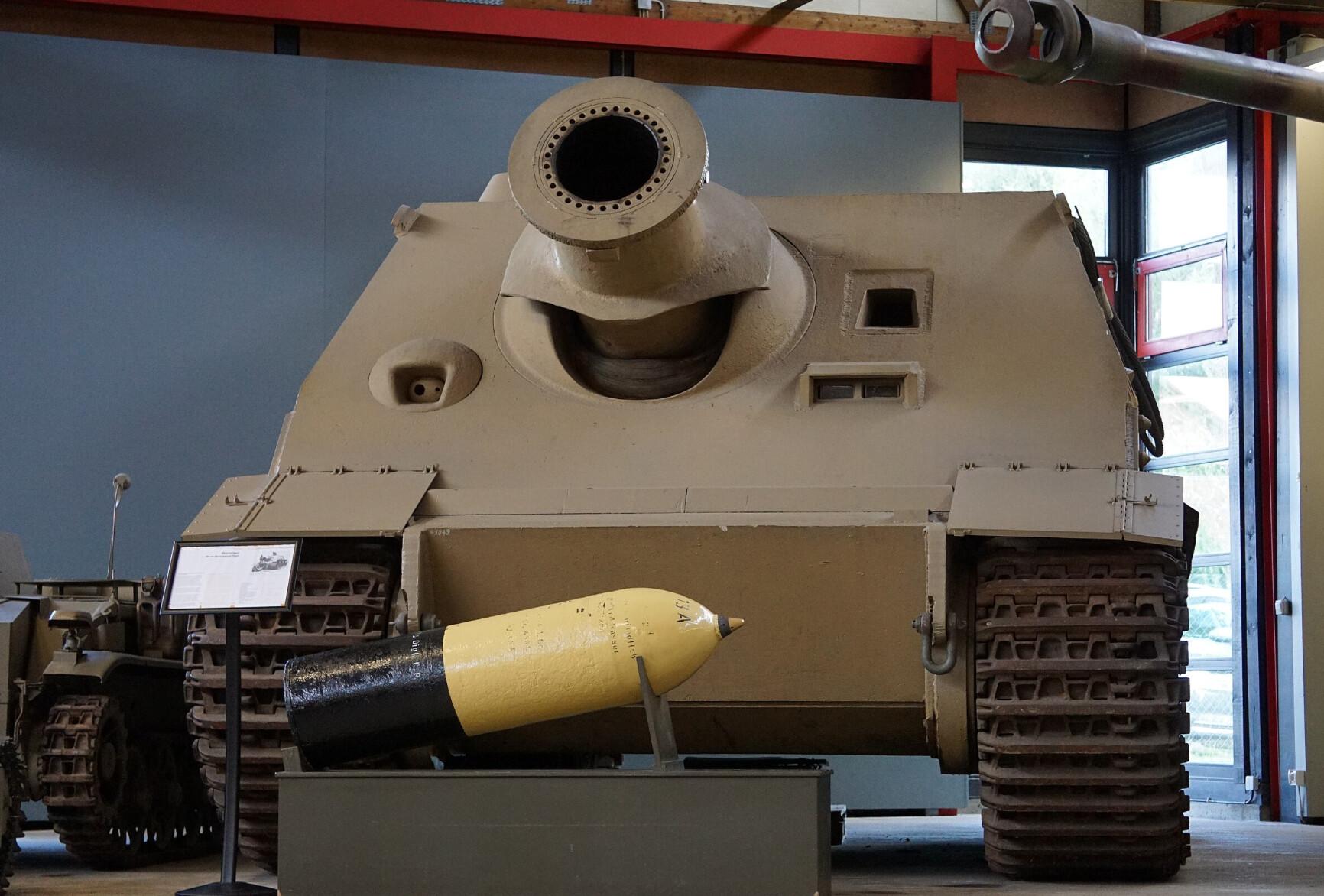
The Sturmtiger (lit. 'Assault Tiger') was a heavy German self-propelled gun from World War II, developed on the basis of the Tiger I heavy tank. Its main armament consisted of the 38 cm RW61 rocket launcher. This rocket launcher was capable of firing massive explosive shells weighing 350 kg with a range of up to 5,000 meters. The Sturmtiger was primarily developed to destroy heavily fortified enemy positions, such as bunkers or occupied buildings. Its first battle was during the Warsaw Uprising in August 1944, where it successfully destroyed insurgent buildings and barricades. Other missions included the Battle of the Bulge, the Battle of the Reichswald (Kleve/Germany) and the Battle of Remagen. Due to its specific role and the limited production number of only 18 units, the Sturmtiger did not have a decisive influence on the course of the war.
The Mauser 20 mm MG 151/20 is a German 20 mm aircraft cannon converted from the 15 mm MG 151/15 cannon to a 20 mm after combat evaluation proved a larger high-explosive shell to be more effective than a high-velocity shell.
