#fighters
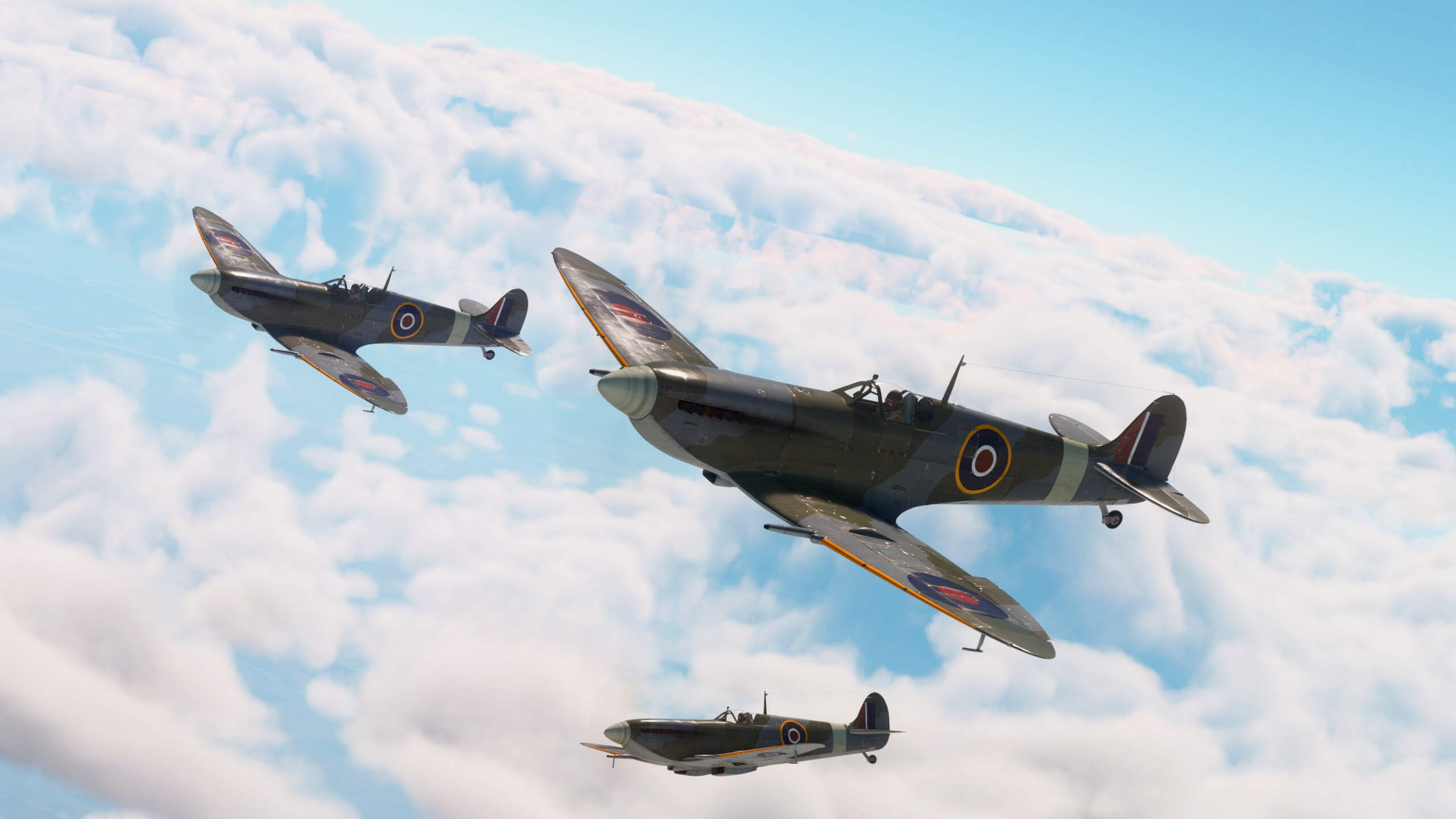
The Supermarine Spitfire is one of the most famous propeller aircraft ever made, and easily one of the best of its time. Initially a high performance, short range interceptor, the Spitfire could be found fighting in every theatre of the World War II. In War Thunder, its high speeds, unparalleled maneuverability, and heavy armament make it a pleasure to fly and a force to be reckoned with. In this article, I will be talking about the two main types of Spitfires, their strengths and weaknesses, as well as tactics, how to fight common enemies, and how to use this plane in battles.
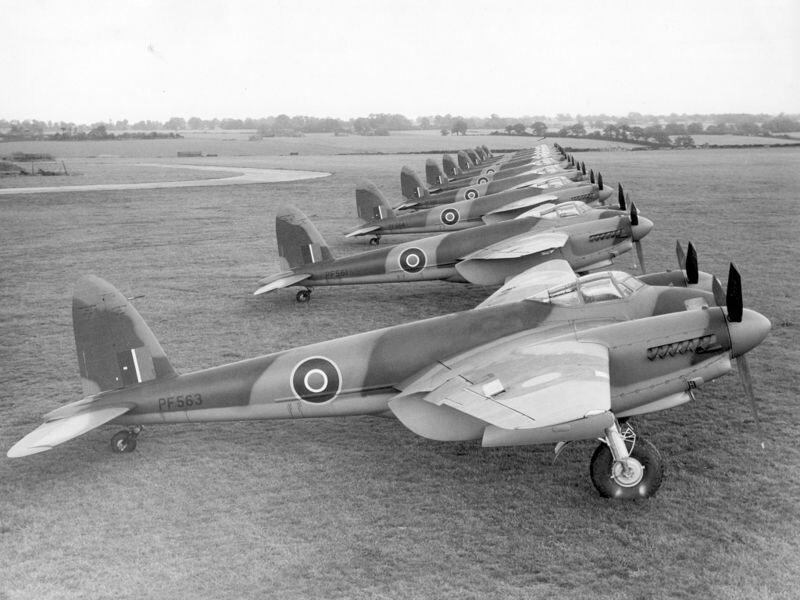
The story of the Mosquito begins with the founding of Geoffrey de Havilland’s aircraft company which bore his namesake, de Havilland. Around 1908, de Havilland designed his first aeronautical engine, which he then used to power his first aircraft — a small biplane. In 1920, when the aircraft company he worked for — Airco — shut down, he was able to create his own company, de Havilland Aircraft Company Limited, more commonly known as de Havilland.
The Bf 109 (or Me 109) really needs no introduction. It is one of the most famous and popular aircraft of the Second World War, and the fighter with the most aerial victories ever. In my previous article, I wrote about the history of the Messer’s development. This one will focus on these fighters in War Thunder (primarily in Air RB), their performance, strengths & weaknesses, tactics, recommendations, and some fancy graphs.


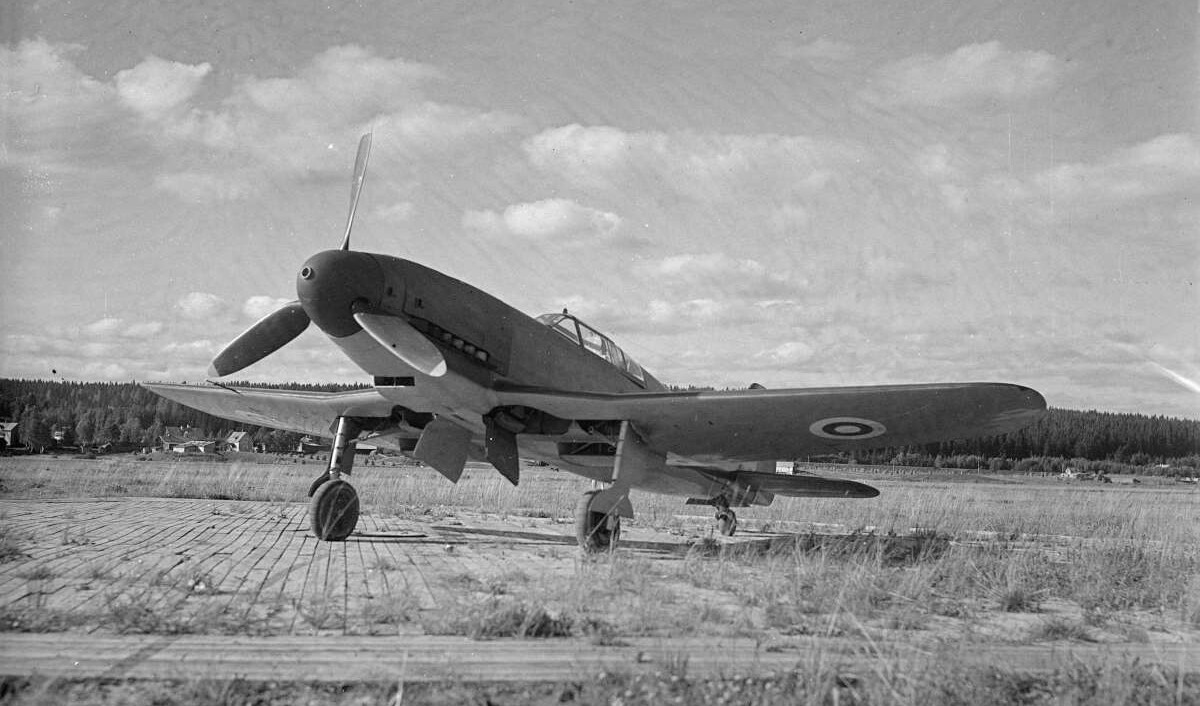
The VL Pyörremyrsky (“VL Hurricane”), also known as VMT Pyörremyrsky, is a Finnish Second World War-era fighter aircraft designed and built by Valtion Lentokonetehdas (“the State Aircraft Factory”). It was an attempt to produce a capable fighter locally for use in the late war period. It was to incorporate newly developed technologies and use locally available resources in its construction. However, the end of the war brought this ambitious project to a close, with only one prototype constructed.
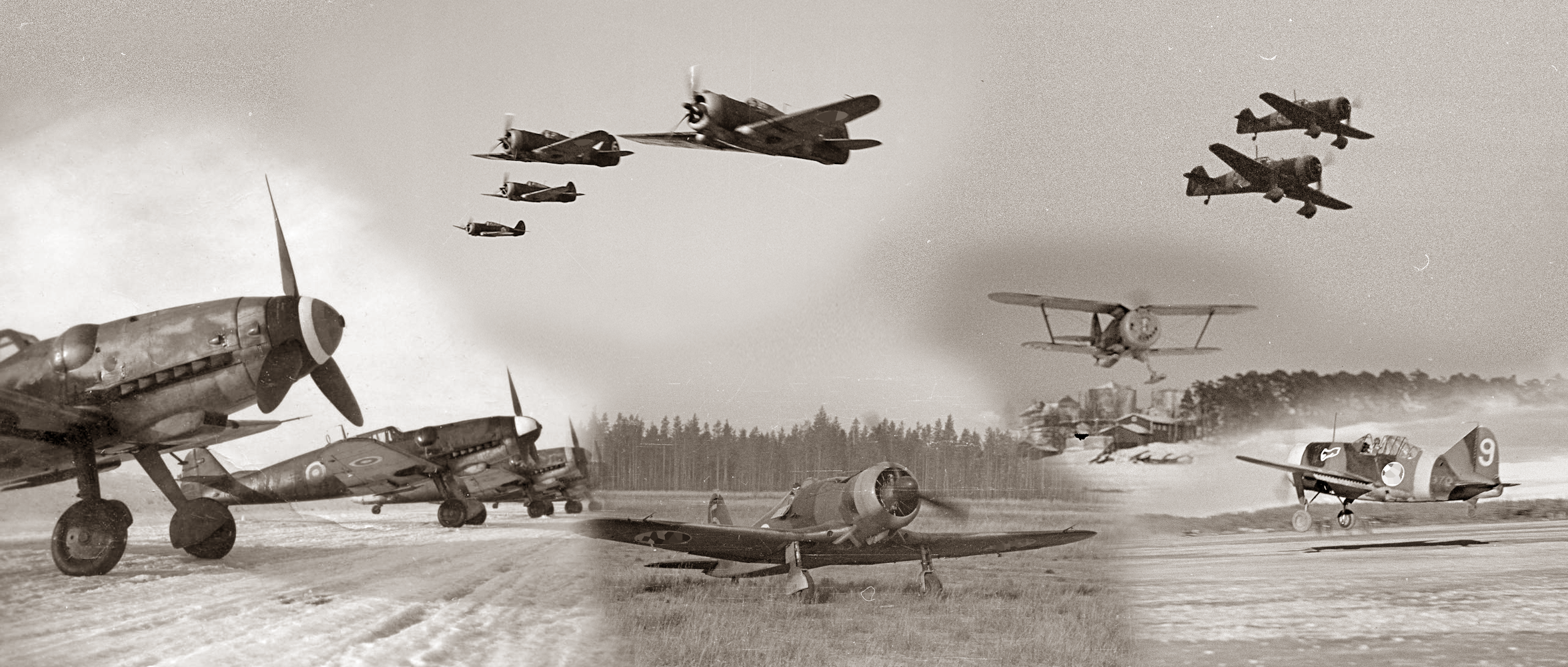
During the Second World War, the Finnish Air Force was very diverse when it came to equipment. This was the result of multiple procurement programs, donations from other nations, and the continuous process of pushing captured or even downed enemy aircraft back into service on the home front. In this article, we’ll go through all the aircraft classified as fighters that served in the Finnish Air Force during this period, how they ended up in Finnish service, and what their service was like.
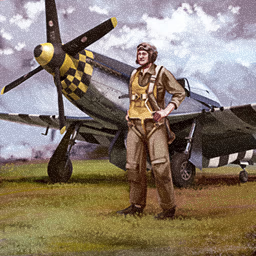
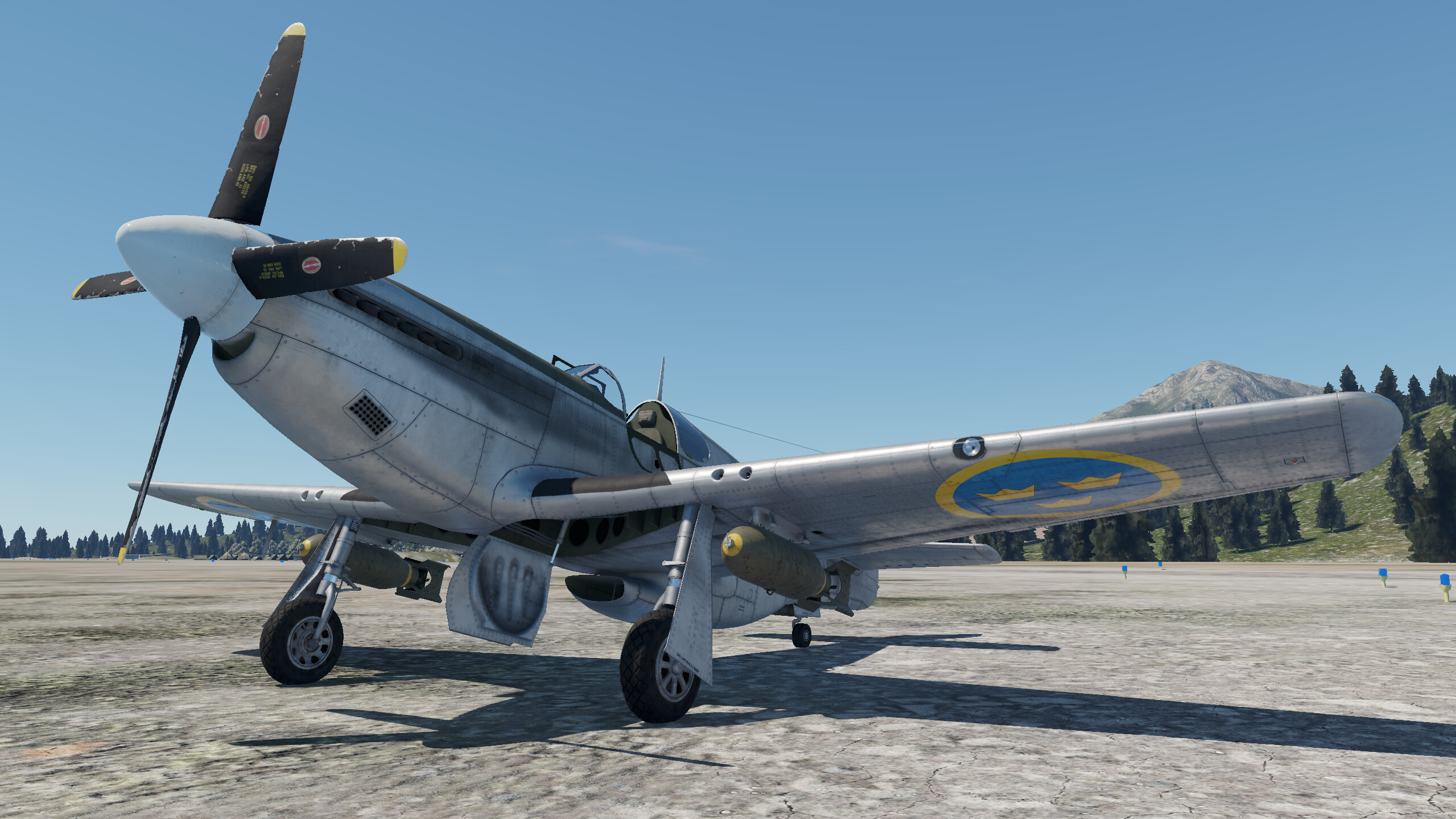
The P-51B Mustang was one of the first true long range fighters developed by the U.S. during World War 2. The following is a guide using official USAAF documentation. In order to simplify gameplay, many of these steps are currently impossible to be completed in game and the startup procedure is fully automated by the instructor.

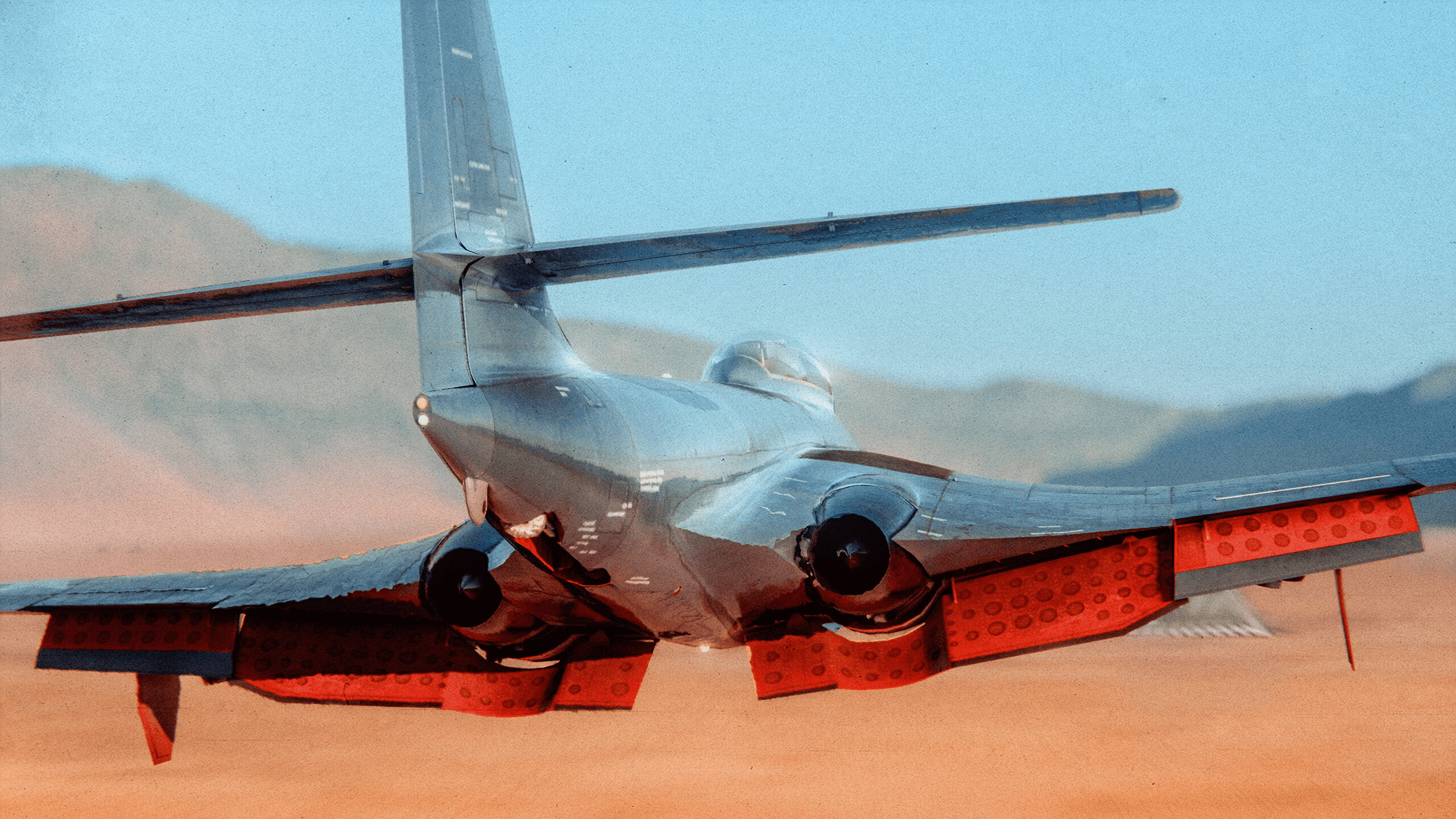
The F2H-2 Banshee, is an early American jet fighter produced from 1947 to 1953 to be used by the US Navy. This aircraft was surprisingly good in real life and in game, and this article will cover how to use it in battle and a history on its real life usage, variants, and development.

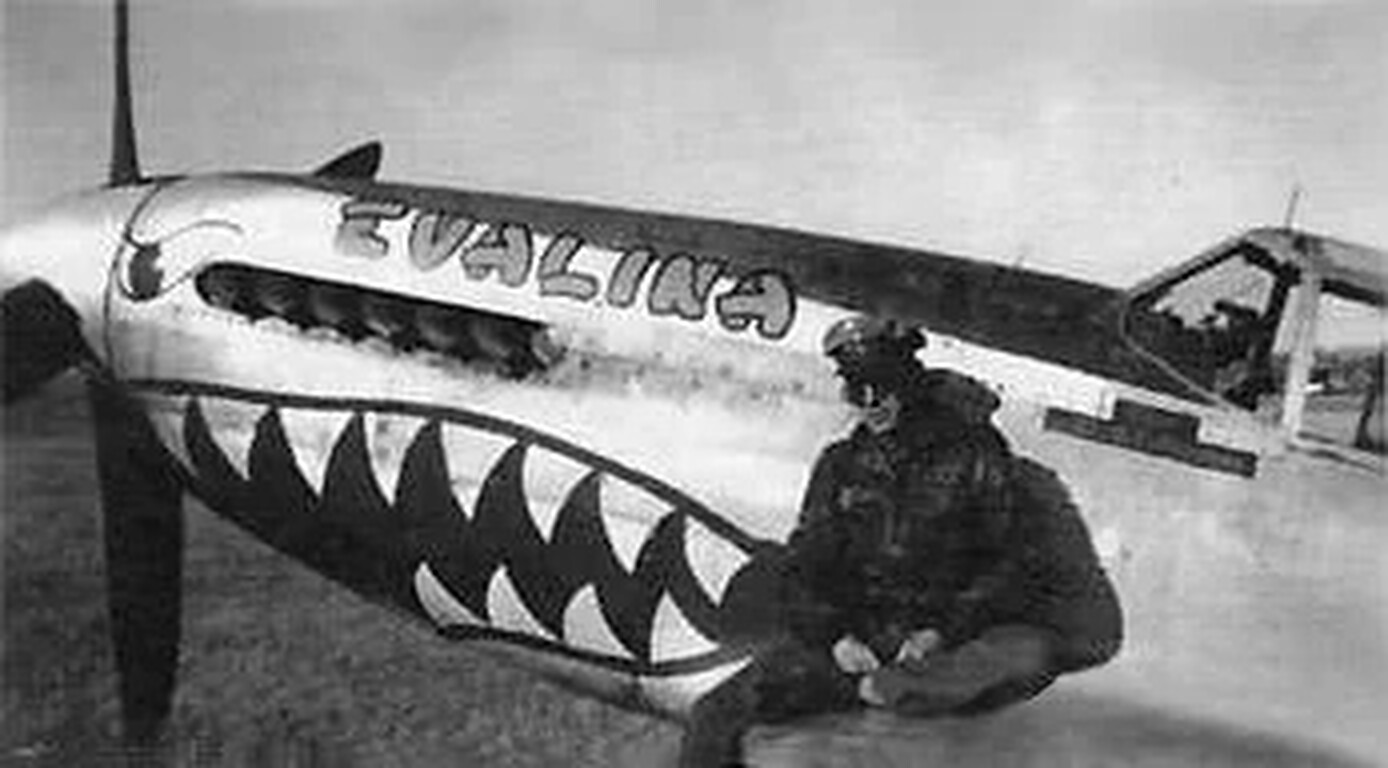
The P-51C-11 “Evalina”, named after the girlfriend of 1st Lt. Oliver E. Strawbridge, was captured by Japanese forces in China on 16 January 1945 while being flown by 2nd Lt. Sam McMillan. As the first fully functional P-51 to fall into Japanese hands, it was quickly repaired and transported to Japan for extensive evaluation, including performance trials and mock dogfights against domestic fighters. Evalina became a valuable tool for developing counter-strategies against the Mustang, one of the few Allied aircraft tested this thoroughly by Japan. Eventually, her generator failed during training, and with no replacement parts available, she was abandoned and reportedly bulldozed into a lake before the war’s end.
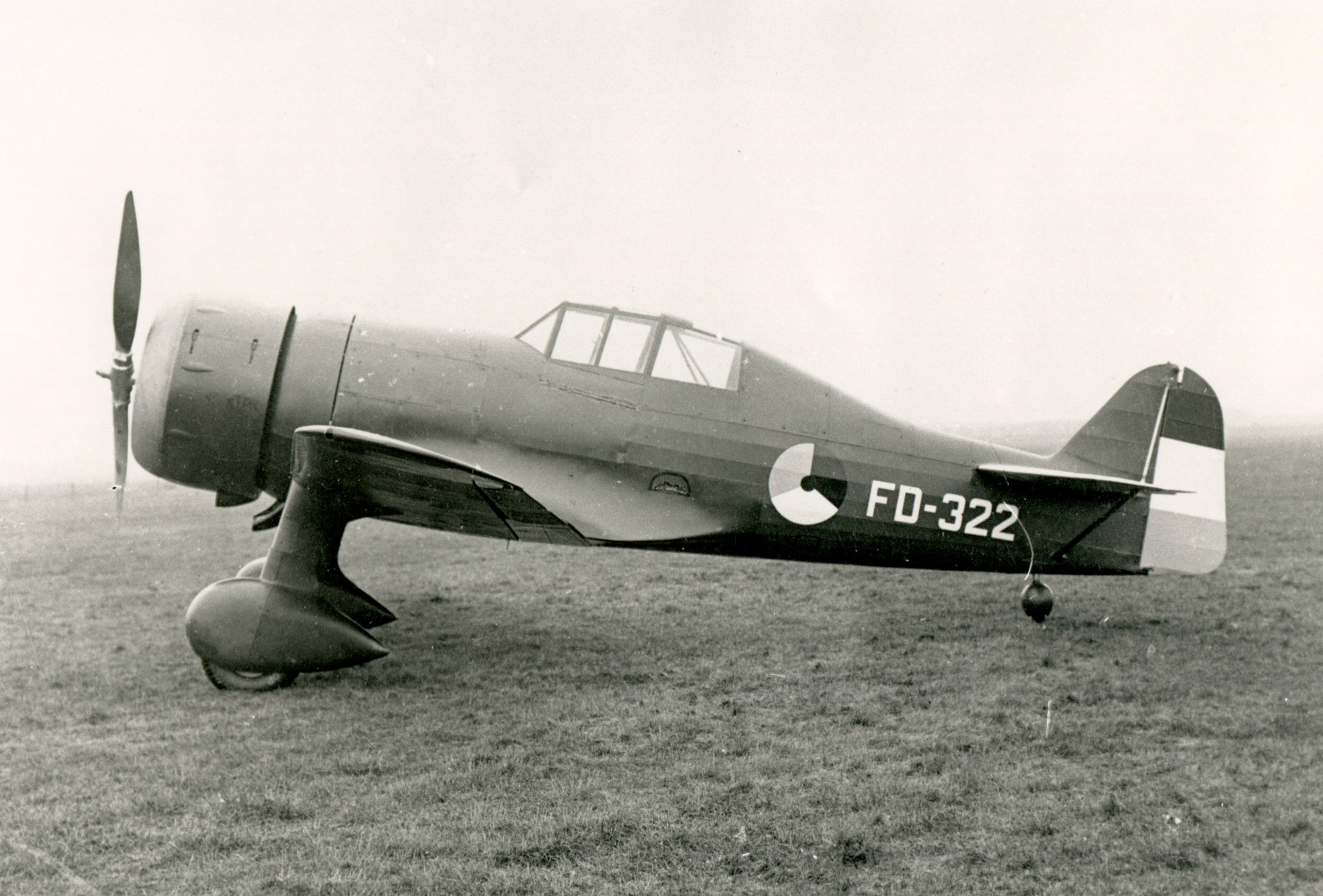
The Fokker D.XXI was a single-seat fighter aircraft designed and manufactured by the Dutch aviation company Fokker. It served primarily with the Netherlands’ Luchtvaartafdeeling (LVA) (Aviation Department) during the late 1930s, the Finnish Air Force in the Winter War and played a notable role during the opening phase of the Second World War. Although already obsolescent by the standards of 1940, the D.XXI demonstrated surprising effectiveness in combat, particularly in Dutch and Finnish service, where skilled pilots exploited its strengths to compensate for its technical shortcomings. This article focuses chiefly on the Dutch and Finnish variants and their operational history, while also addressing foreign use, like Danish variants.
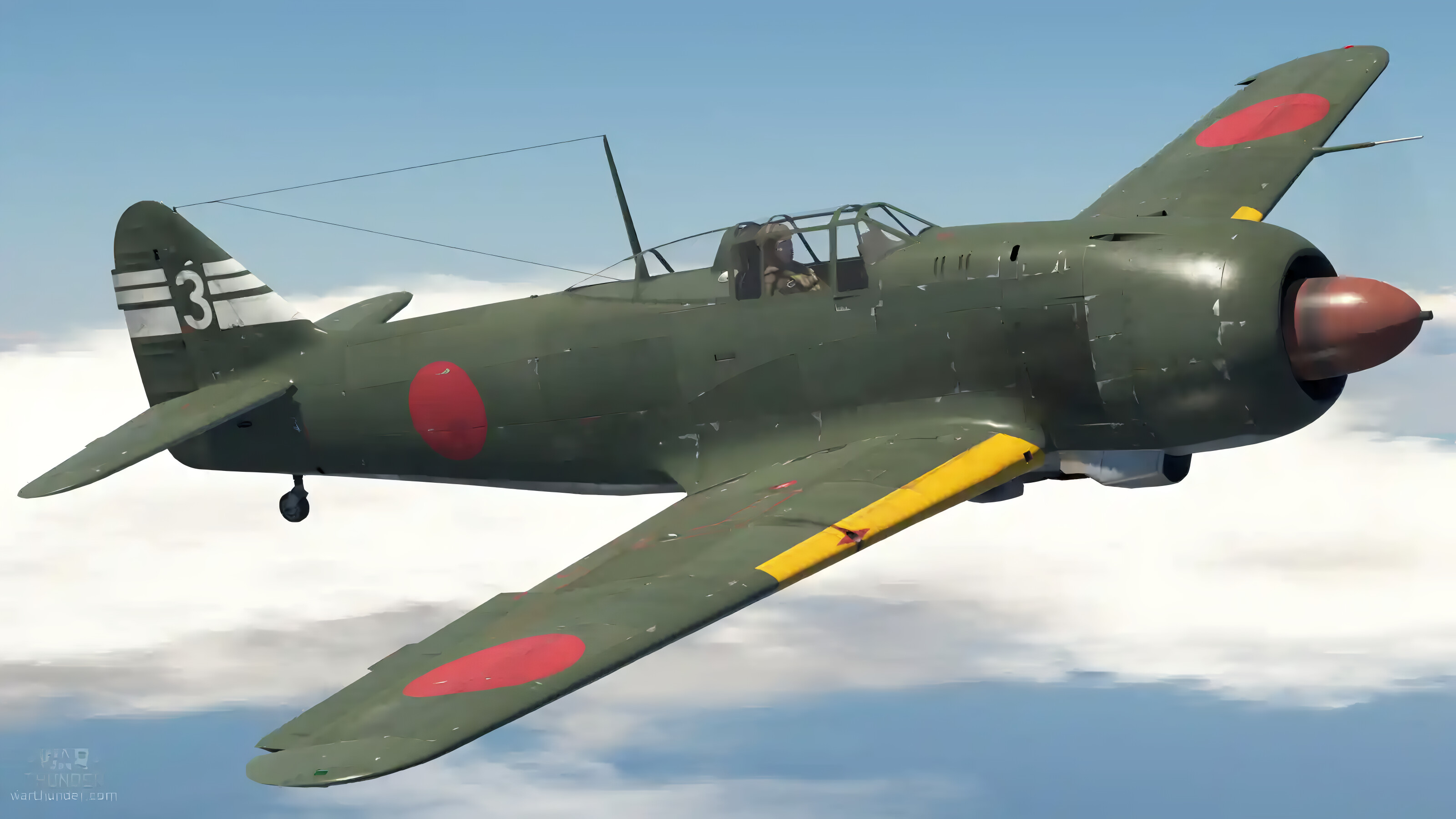
The Ki-100 (including the premium Ki-100-II) is a fighter-bomber found in the Japanese air tree. It may look similar to the Ki-61, because it is! It’s essentially a Ki-61 with a Ha-112 radial instead of a Ha-40 inline engine. It is known for its unique playstyle, which is a blend of energy and turn fighting. It can be equipped with some ordnance for Ground Battles. The Ki-100 and Ki-100-II are similar, the only differences being that the 100-II has a turbocharger under the engine. During the Second World War, it was introduced far too late, at a time when Japan was being bombed daily by B-29 Superfortresses.