
During the Second World War, the Finnish Air Force was very diverse when it came to equipment. This was the result of multiple procurement programs, donations from other nations, and the continuous process of pushing captured or even downed enemy aircraft back into service on the home front. In this article, we’ll go through all the aircraft classified as fighters that served in the Finnish Air Force during this period, how they ended up in Finnish service, and what their service was like.
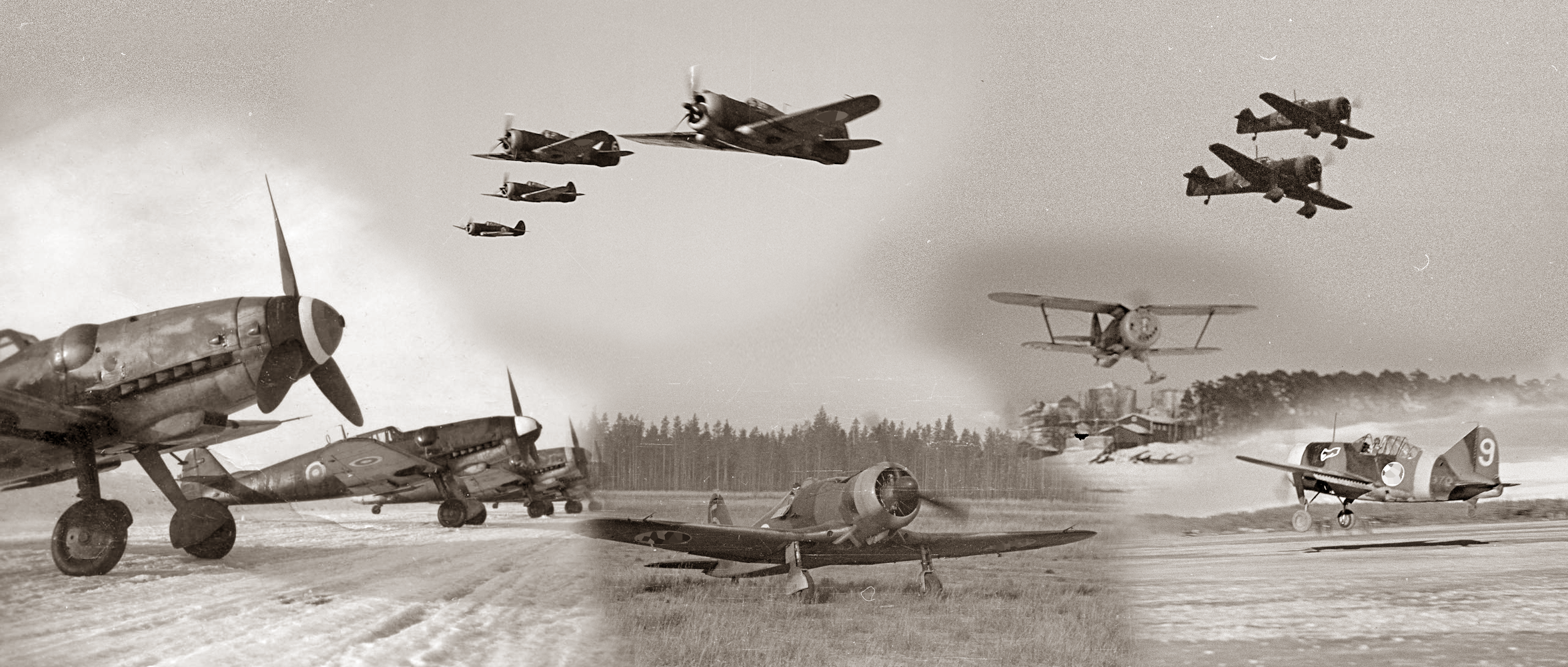
- Gloster Gamecock II/II
- Gloster Bulldog IVA/IIA
- Fokker D.XXI
- Fiat G.50
- Jaktfalken II J6 A/B
- Gloster Gladiator II
- Morane-Saulnier M.S.405/410
- Brewster Model 239
- Polikarpov I-15bis
- Polikarpov I-16
- Hawker Hurricane I/II
- Gloster Gauntlet II
- Polikarpov I-153
- Caudron-Renault C.R.714
- Curtiss Hawk 75
- Petlyakov Pe-3
- Lavochkin LaGG-3
- Messerschmitt Bf 109 G
- VL Myrsky
- Koolhoven F.K.52
- Curtiss P-40M-10 Kittyhawk
- VL Humu
- VL Pyörremyrsky
Introduction
Prior to 1930, the Finnish Air Force was still very young and modest in size. The focus had primarily been on naval reconnaissance aircraft that could operate from the thousands of lakes painting the Finnish landscape. This changed in the 1930s when Finland was able to acquire licence production rights for the British Gloster Gamecock fighters, which played a significant role in shaping the Finnish fighter doctrine.
The biggest changes began after 1936, when the sense of tension in the world made the Finnish military command start numerous procurement programs for fighters, bombers, liaison aircraft, and other types to prepare for a potential war. These procurements were not in vain, as the Second World War kicked off in 1939, and, for the Finns, the Soviet invasion on November 30, 1939. This came to be known as the Winter War and marked the starting point for the increasingly diverse array of aircraft within the Finnish Air Force.
The Aircraft
First, I’ll lay out the specific requirements for an aircraft to be covered in the following list:
- It must have served or been used in any capacity by the Finnish Air Force (FAF) between September 1939 — September 1945
- Its primary designed role must have been a fighter or have served in the role of a fighter within the FAF
Aircraft operated by the German units stationed in Finland are not counted, despite having conducted missions alongside FAF aircraft.
I will often use the different wars fought on the Finnish front as time references, so I’ll list them here for clarification:
- The Winter War (November 1939 – March 1940)
- The Continuation War (June 1941 — September 1944)
- The Lapland War (September 1944 — April 1945)
I will also list all the aircraft, their quantity, and service time on a separate spreadsheet at the end of the article to provide a clear overview of the numbers.
Gloster Gamecock II/III
The Gloster Gamecock II was a British biplane fighter which entered service in the FAF in 1927 after a single example was bought for evaluation. One additional Gamecock III was purchased together with licence production rights for 15 units in 1928. A total of 17 units served within the FAF between 1927 and 1944.
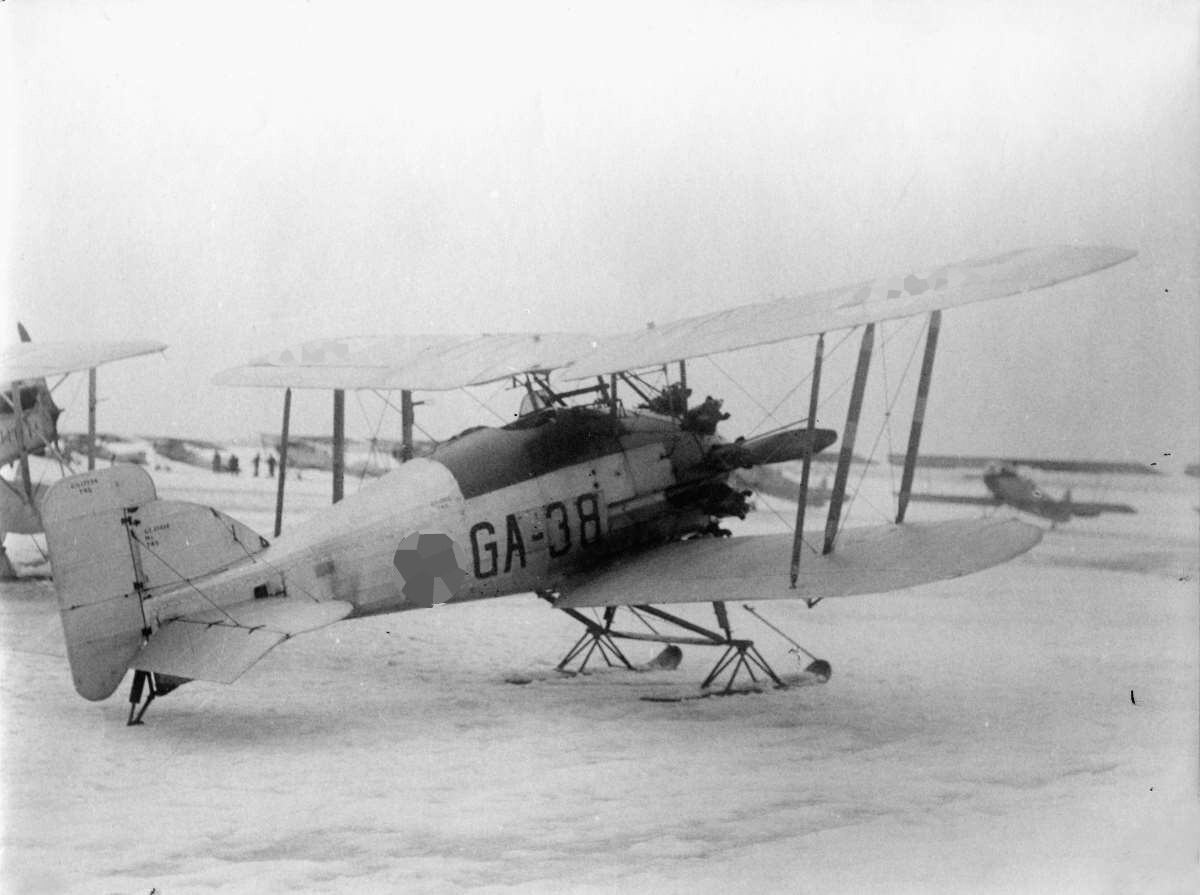
These fighters were the first ever to be produced in series in Finland and were very influential to the development of the Finnish fighter doctrine. The aircraft were very much liked, though the engines were somewhat troublesome. Locally nicknamed Kukko (“Rooster”), they served as fighters until 1938, after which they were primarily used as trainers due to their obsolescence.
During the Winter War, the aircraft were used for reconnaissance tasks. One aerial victory was recorded against a Soviet DB-3 bomber when a FAF Gamecock proceeded to strafe one that had mistakenly landed on Finnish soil, forcing the crew to abandon the aircraft and escape on a different DB-3 that had also landed. The last flight took place on July 22, 1944, after which the remaining units were taken out of service.
Bristol Bulldog IVA/IIA
The Bristol Bulldog was a British biplane fighter that served in the FAF between 1935–1944. 17 of these aircraft were purchased from the UK in 1934, all of which were IVA variants. During the Winter War, Sweden donated two IIA variants of the fighter to the FAF.
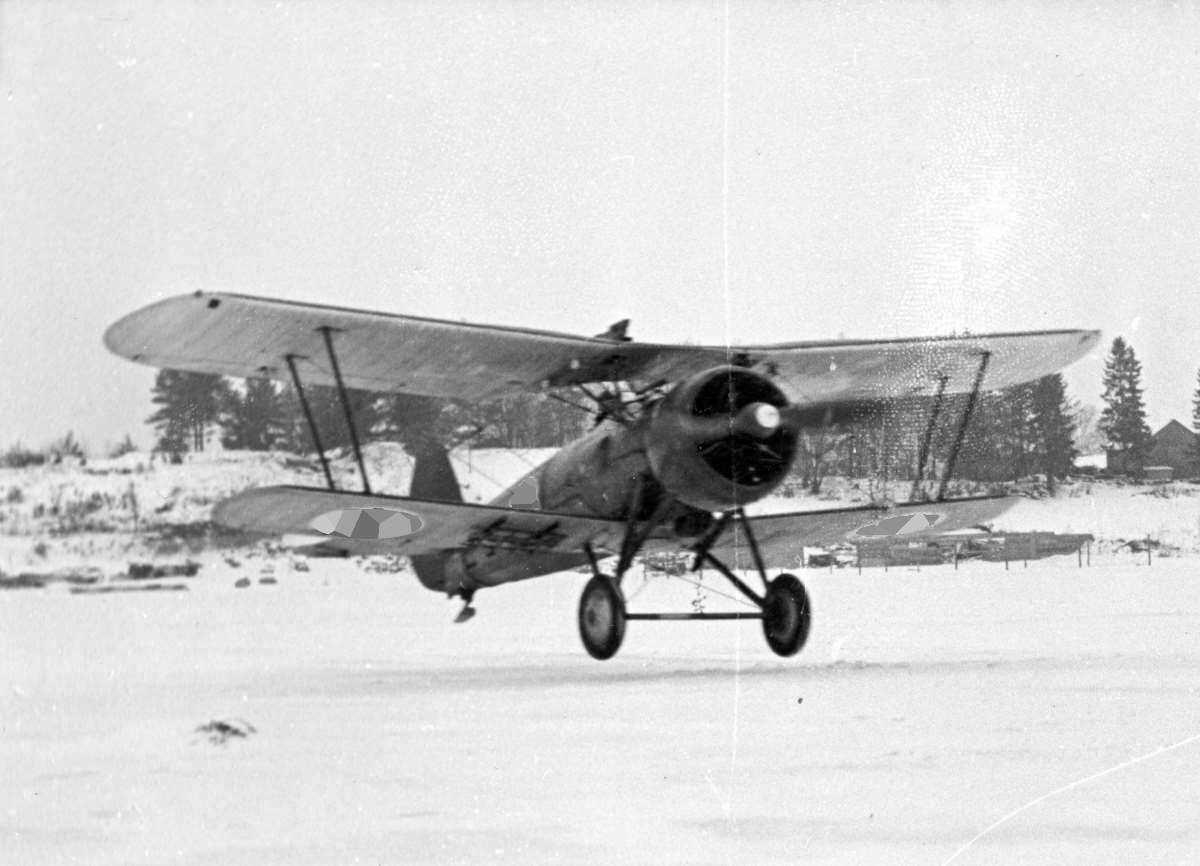
The aircraft were the first in Finland to surpass 300 km/h (188 mph) in horizontal flight speed and served as fighters until the end of the Winter War. The aircraft were considered good to fly, but troubles with structural integrity caused some issues.
The aircraft scored a total of six aerial victories during the Winter War after which they were only used for training due to their obsolescence. A total of 19 units served within the FAF and the last flight took place on February 22, 1944.
Fokker D.XXI
The Fokker D.XXI was a Dutch fighter, 7 of which were purchased by the FAF in 1937 along with licence production rights. A total of 90 aircraft were produced under licence between 1937–1944, during which many modifications were applied to the design.
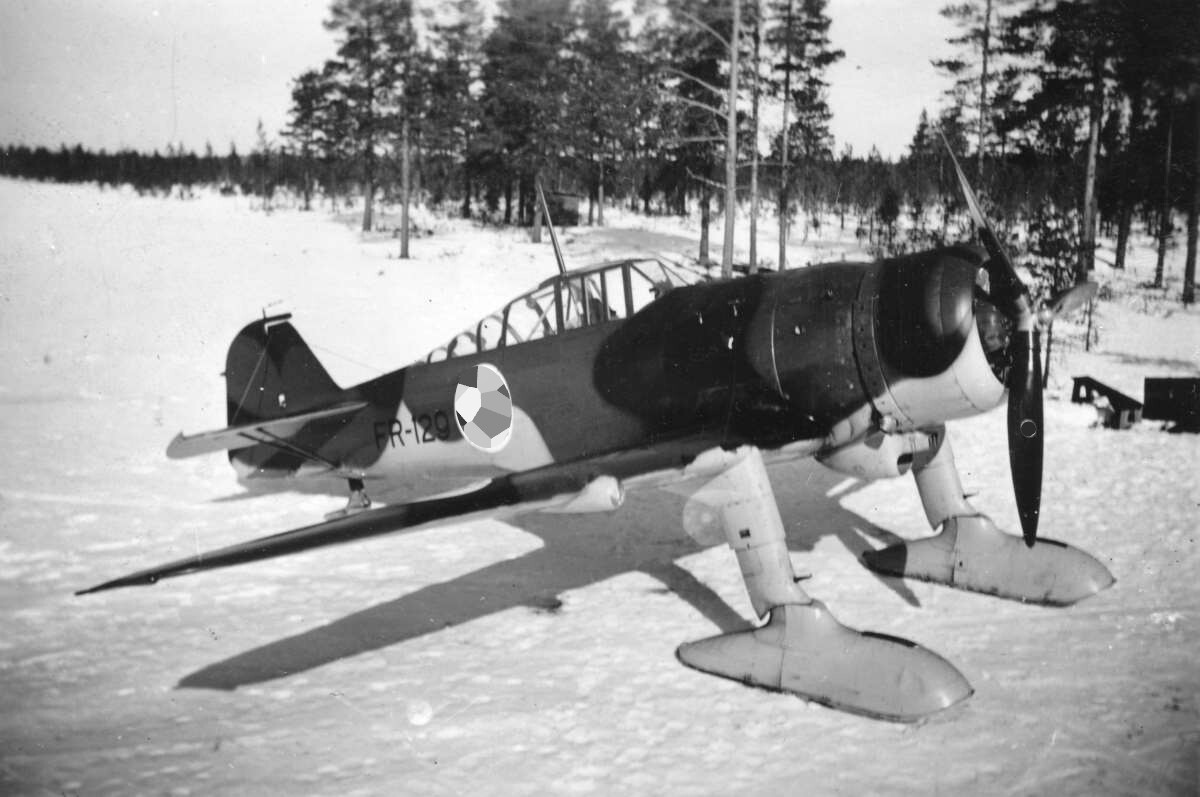
The Fokker D.XXI fighters formed the backbone of the FAF fighter fleet and were the most capable and important aircraft during the Winter War. The aircraft also played an important role during the Continuation War, despite being primarily used as recon and training aircraft by the war’s end.
During the Winter War, Fokker D.XXIs shot down 127 Soviet aircraft and a further 60 during the Continuation War. A total of 97 Fokker D.XXIs were operated by the FAF and the final units were removed from service in September 1948.
Fiat G.50
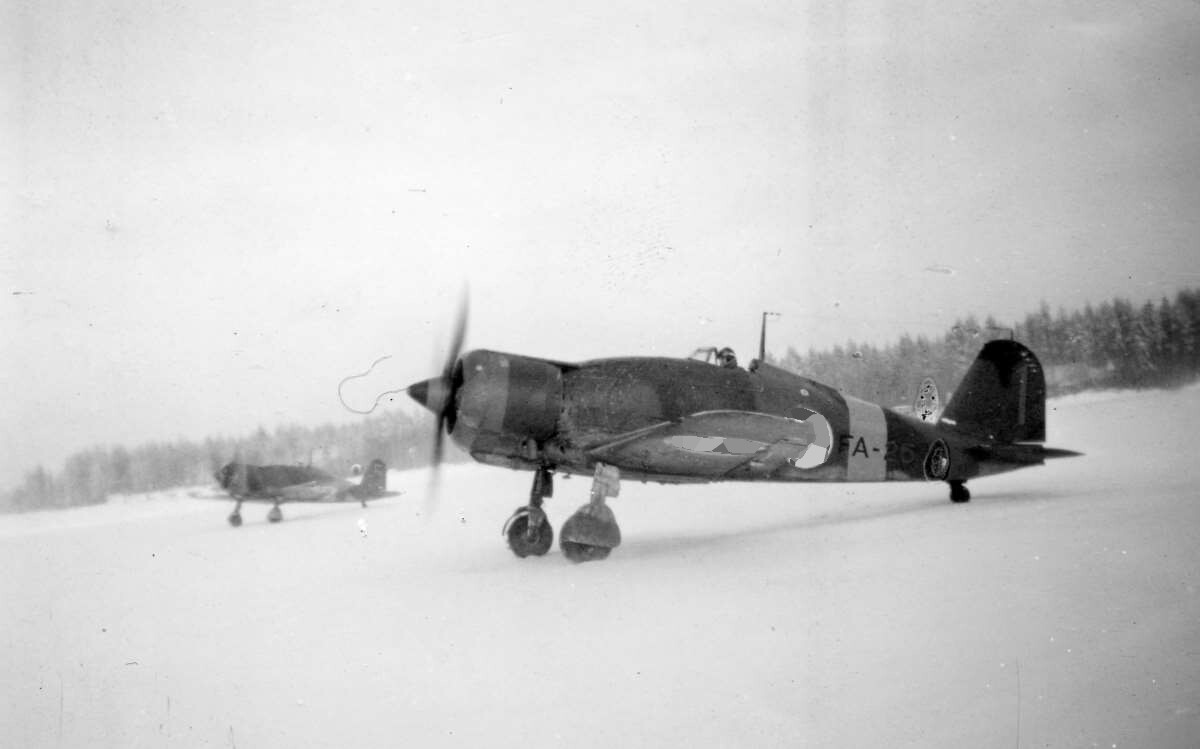
26 of the aircraft arrived before the end of the Winter War and they were given the nickname Fiiu (personification of Fiat). The aircraft were considered excellent in flight characteristics, but lightly armed for a fighter. Despite this, the aircraft shot down 11 Soviet aircraft during the Winter War and a further 88 during the Continuation War.
In 1944, the aircraft were redesignated as trainers due to their obsolescence. The last flight took place on December 13, 1946, after which the remaining units were removed from service.
Jaktfalken II J6 A/B
The Jaktfalken II was a Swedish biplane fighter, of which 3 were donated by Sweden in December 1939 after the outbreak of the Winter War. The aircraft arrived in 1940 and were primarily used as trainers.
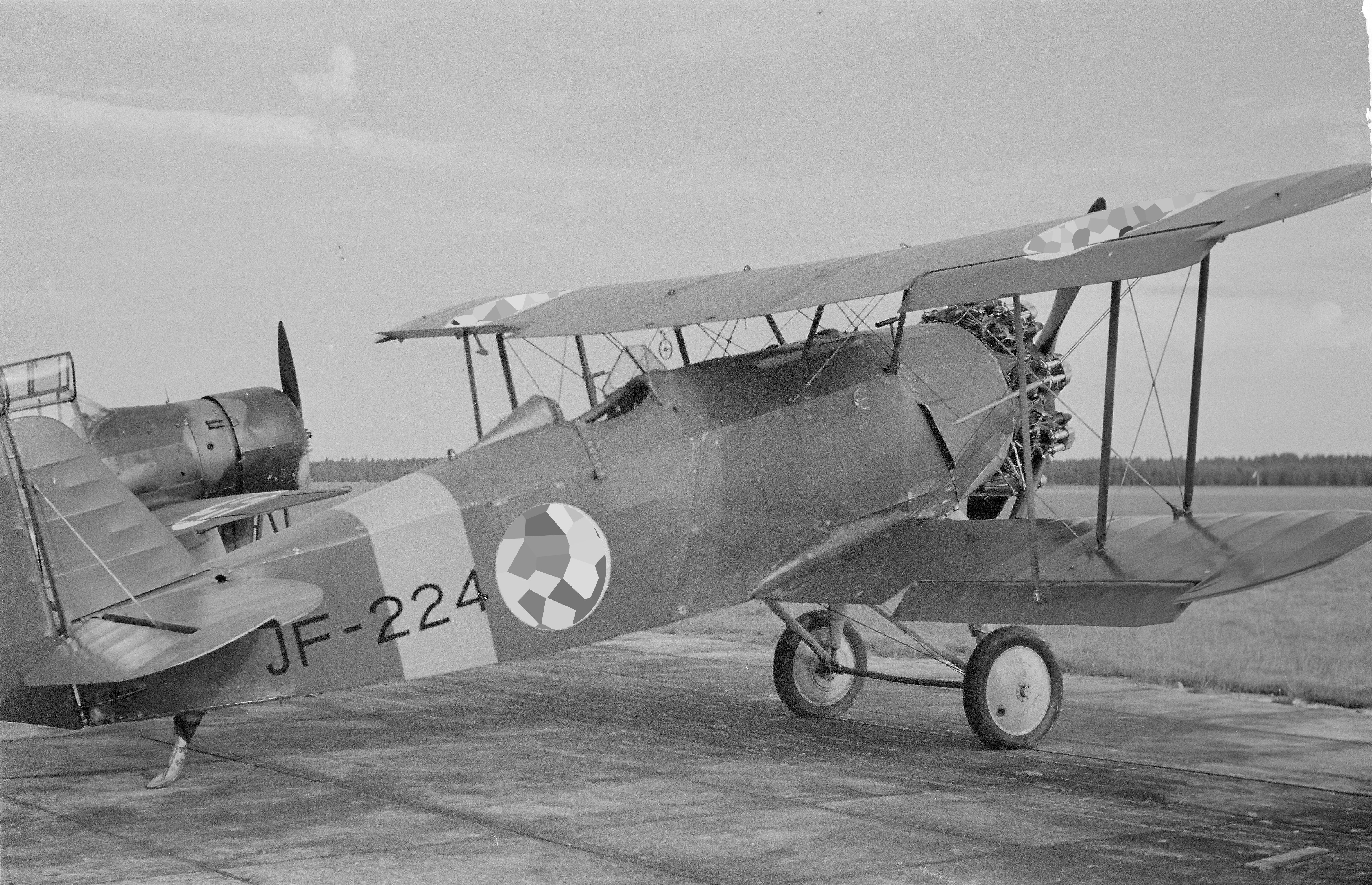
Two of the delivered aircraft were of J6 B variant, and one was J6 A. Due to their obsolescence, the aircraft didn’t see much action and served solely as trainers. The last flight was conducted on February 20, 1945.
Gloster Gladiator II
The Gloster Gladiator II was a British biplane fighter that served in the FAF between 1940–1945. During the Winter War, 20 of these aircraft were purchased from the UK, after which a further 10 were donated by them as well.
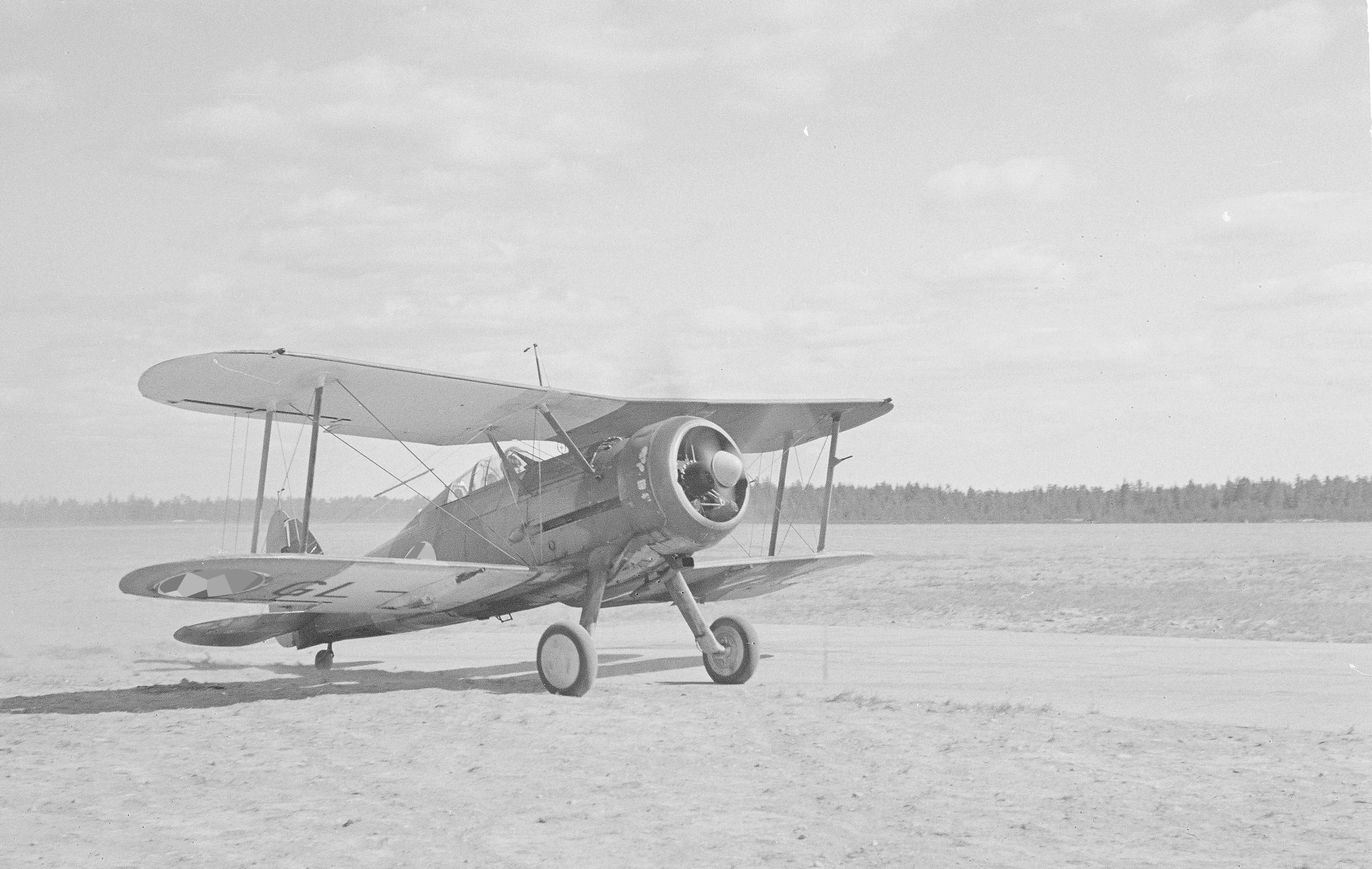
The aircraft arrived in Finland between January and February 1940, after which they served as fighters until the end of the Winter War. They were nicknamed Gelli and were considered very good and nimble aircraft to fly. However, the aircraft were already obsolete at the time and suffered heavy losses during operations. For this reason, the aircraft were reduced to only reconnaissance missions at the start of the Continuation War.
During the Winter War, Gloster Gladiators scored 37 aerial victories, with one additional victory during the Continuation War. A total of 30 Gloster Gladiators served in the FAF, with the last flight conducted on February 20, 1945.
The Swedish voluntary Flight Regiment 19 also participated in operations during the Winter War using their 12 Gloster Gladiator I fighters painted with FAF roundels. (These are not counted in the final list, as they returned to Sweden after the Winter War.)
Morane-Saulnier M.S.406/410
The Morane-Saulnier M.S.406 and 410 were French fighters that entered service in the FAF in February 1940. 30 M.S.406 fighters were donated to Finland by France during the Winter War and a further 57 were purchased from Germany and Vichy France in the following years, including at least 10 upgraded M.S.410 variants.
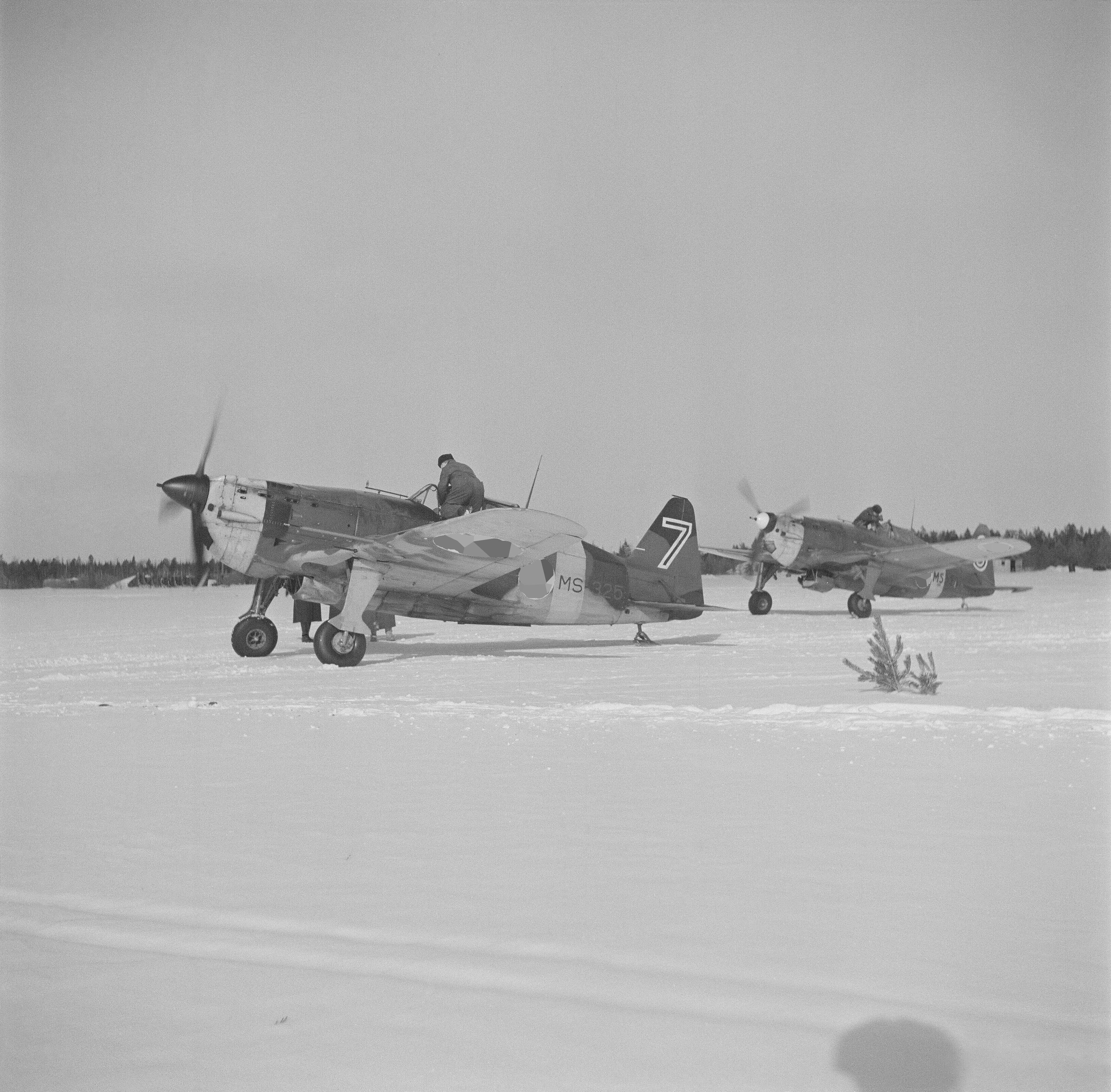
The donated aircraft arrived by the end of February 1940 and were quickly pressed into service as fighters. Nickname Moraani was used for the aircraft. The aircraft’s flight characteristics were good and especially the maneuverability was considered excellent. However, the weak powerplant and severe reliability issues with the armament and other components made the aircraft unpopular with most airmen.
Many improvements were made locally to the aircraft during their service life, with the most ambitious upgrade program installing a more powerful Klimov M-105 engine in the aircraft among other modifications. 41 Moranes were upgraded with the new powerplant, and became known by their new nickname Mörkö-Morane (Bogeyman-Morane or Ghost-Morane).
Despite being inferior and obsolete fighters compared to their Soviet counterparts, the Morane-Saulniers became an important asset for the FAF during the Continuation War because of their quantity. A total of 87 units served in the FAF, making it the third most common aircraft in use. During the Winter War, Moranes scored 14 aerial victories and a further 138 during the Continuation War. The last flight took place on September 13, 1948, on an upgraded Mörkö-Morane.
Brewster Model 239
The B.239 was a US-made naval fighter, an export version of the F2A-1 “Buffalo”, of which 44 were purchased by Finland during the Winter War. The first units arrived in the last weeks of the Winter War and the rest by May 1940.
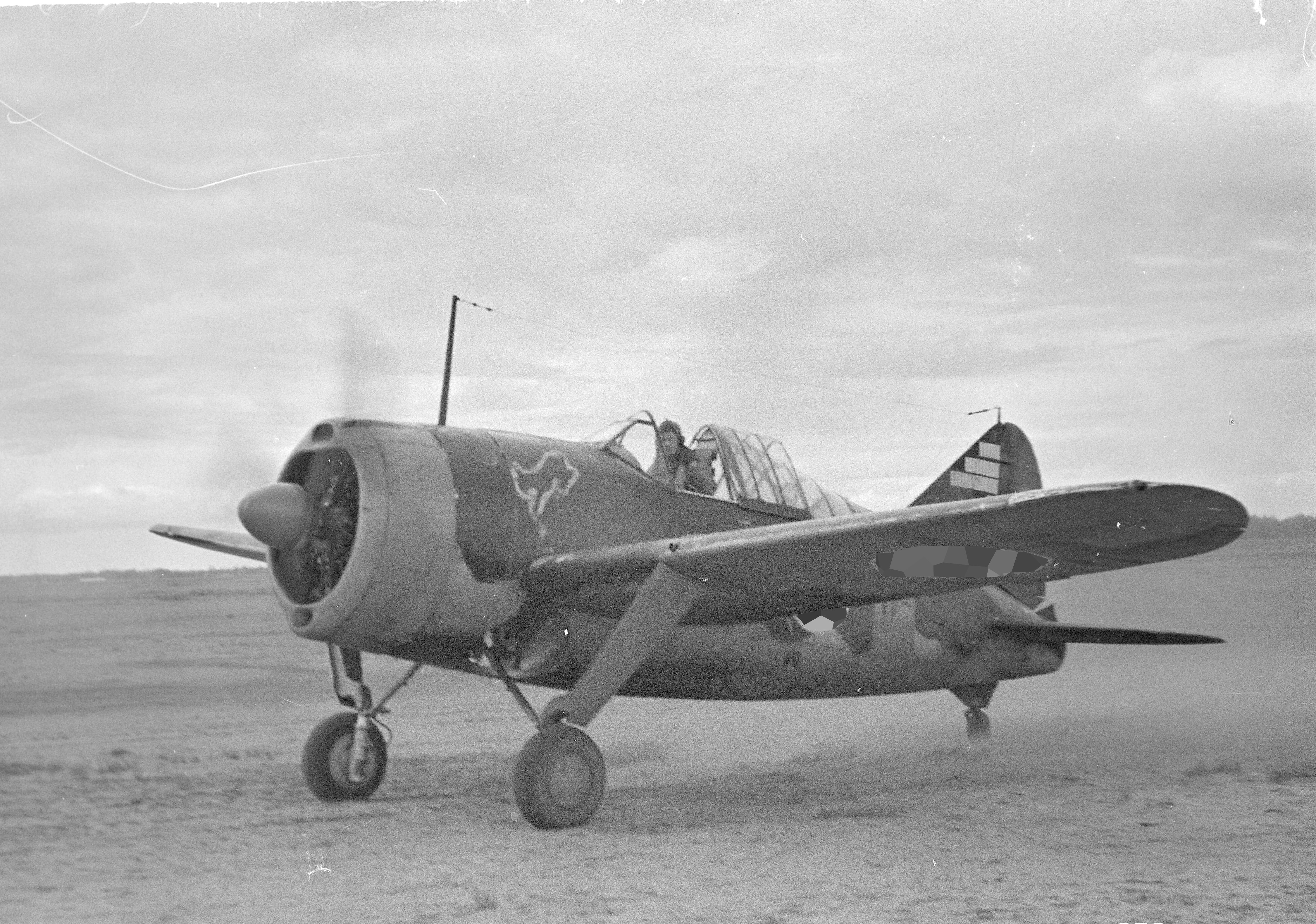
The Brewsters were considered the best aircraft in the Finnish service at the start of the Continuation War. Their flight characteristics were excellent, armament was good, and the aircraft were reliable. They formed the backbone of the Finnish fighter fleet after the Winter War and earned many nicknames such as Pylly-Valtteri (“butt-Walter”), Taivaan helmi (“Sky pearl”), and Lentävä kaljatynnyri (“Flying beer barrel”) due to their popularity. They remained the most important fighters of the FAF until the arrival of the German-made Messerschmitt Bf 109 fighters.
During the Continuation War, the Brewsters scored 477 aerial victories, with an additional 2 unconfirmed kills during the Lapland War. Many fighter aces were created on these aircraft, some achieving dozens of kills. Postwar, they served primarily as liaison aircraft due to their obsolescence and the last flight took place on September 14, 1948, before their removal from service.
Polikarpov I-15bis
The Polikarpov I-15bis was a Soviet-made biplane fighter. The Finns were able to capture 5 of these aircraft during the Winter War, after they had made an emergency landing. The aircraft were then repaired and pressed back into service.
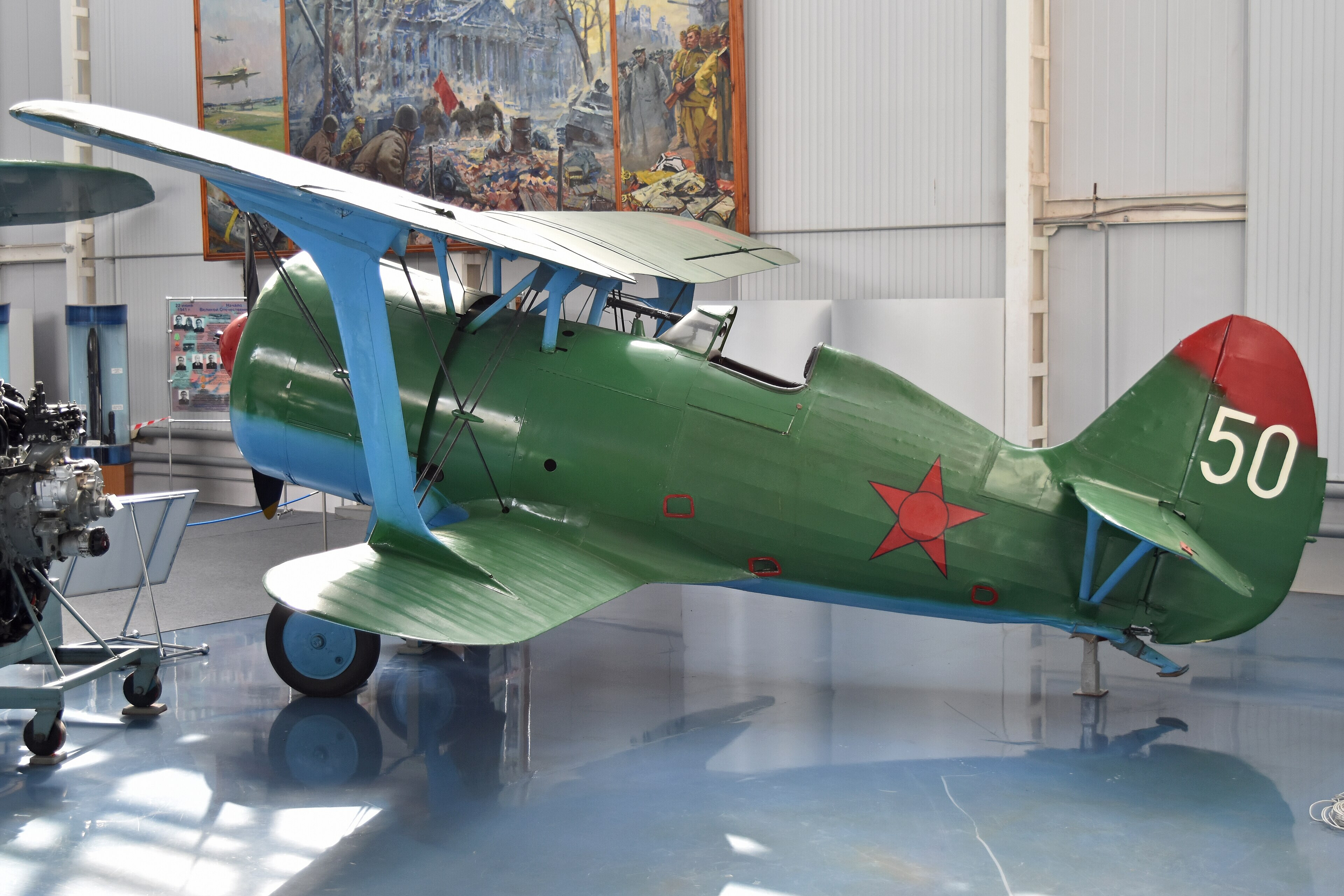
Due to their obsolescence, the aircraft were only ever used as trainers and target tugs in the FAF. Their flight characteristics were considered good, which made them ideal for the role. The last flight took place on March 12, 1945, after which they were removed from service.
Polikarpov I-16
The Polikarpov I-16 was a Soviet-made fighter, of which many were shot down by the Finns during the Winter War and the Continuation War. Six were captured as trophies, though only two of them were ever restored to airworthy condition.
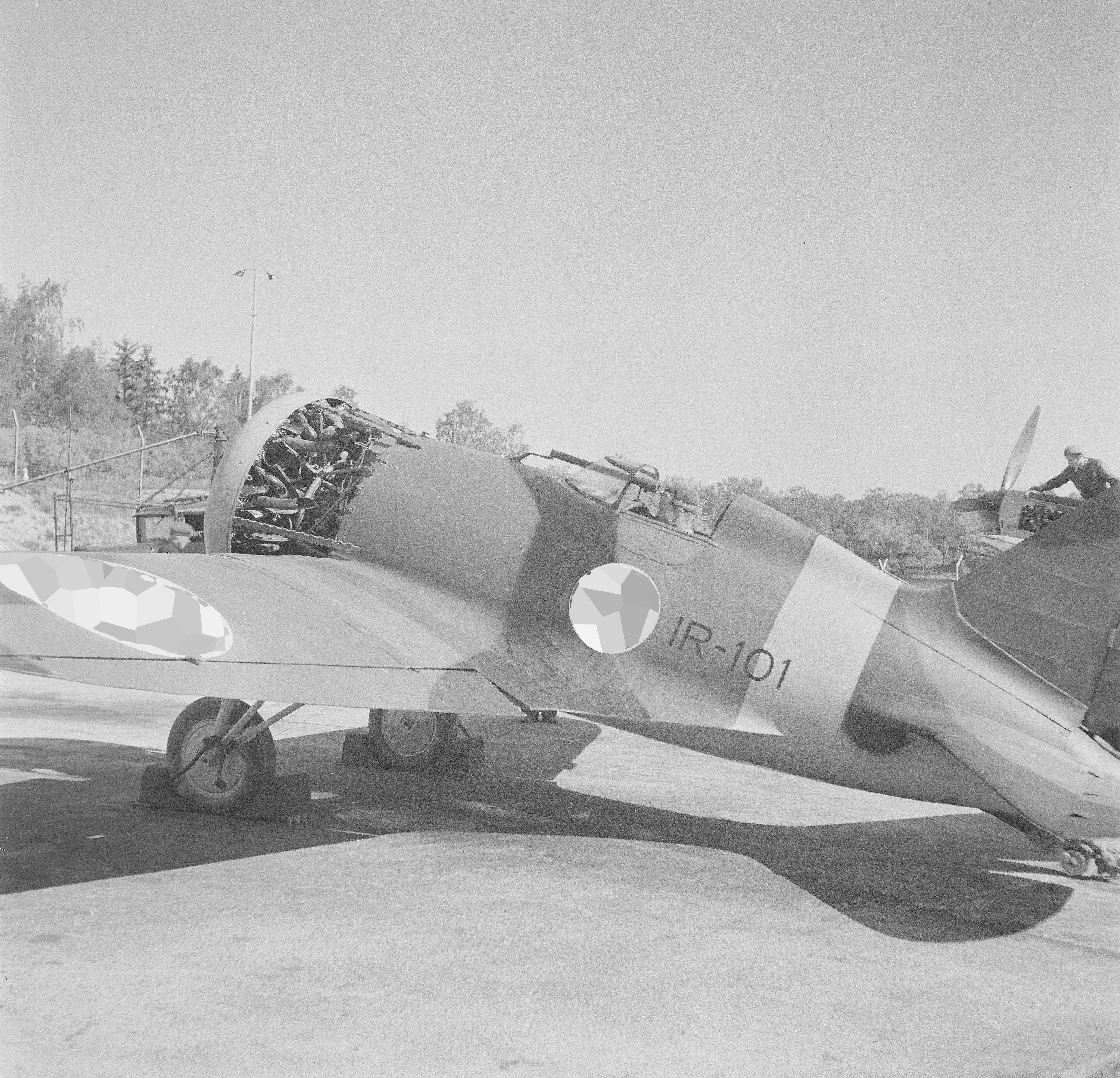
The repaired aircraft were of type 27 and type 5 sub-variants and the first one was put into service in the FAF in 1940. They saw little use, as the first unit was soon sent to Germany for evaluation, from where it never returned. The second unit (type 5) was tested in fleet use, but was soon returned and eventually removed from service in 1943. They were able to log only 6.5 hours of flight time in FAF service.
Hawker Hurricane I/II
The Hawker Hurricane was a British fighter, of which 12 were purchased by Finland during the Winter War. All were of the Mk.I variant and most arrived during the last week of the war. During the Continuation War, one downed Soviet Hurricane Mk.II was captured and put into service after repairs.
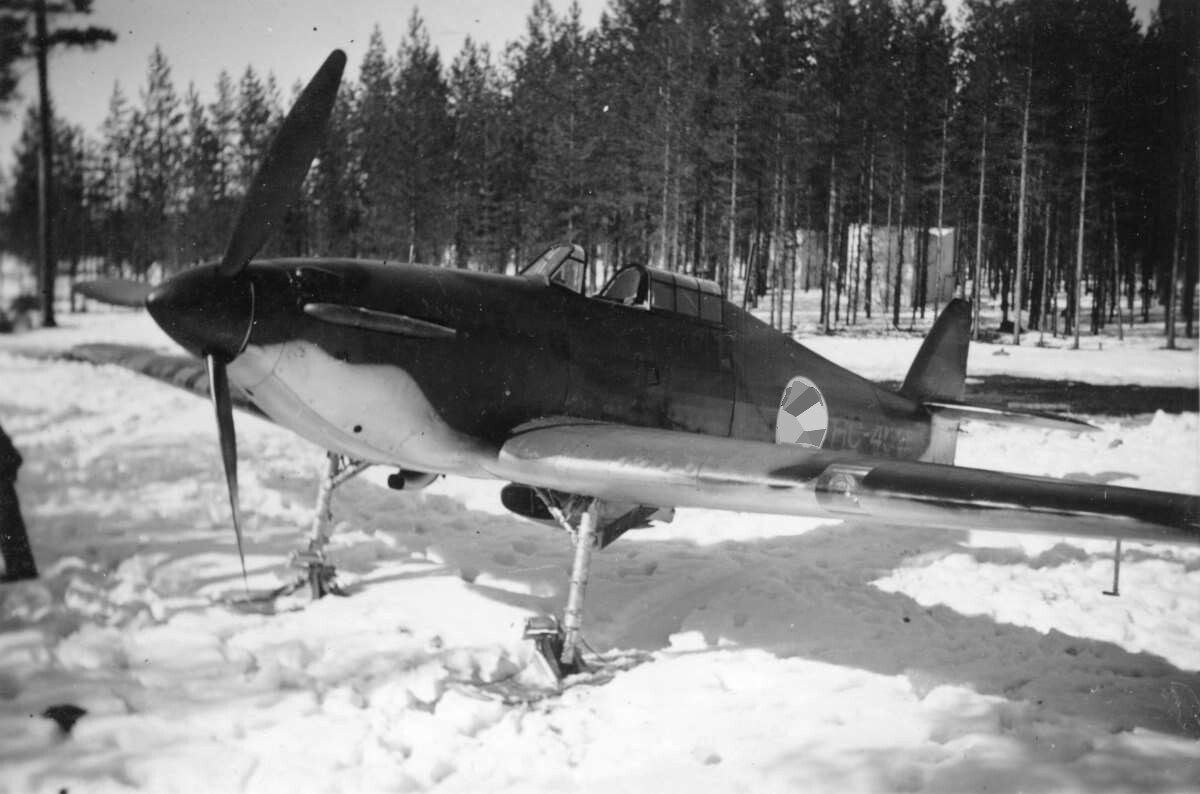
The Hurricanes were the first ever to surpass 500 km/h (310 mph) in horizontal flight speed in Finland and handled relatively well in the skies. The Hurricanes were used as fighters until 1943, when the lack of spare parts forced the remaining units to be moved to the rear.
The Hurricanes were credited with 5½ aerial victories during their service in the FAF. The last flight took place in September 1944, after which they were removed from service.
Gloster Gauntlet II
The Gloster Gauntlet II was a British biplane fighter which entered service in the FAF in March 1940. 29 of these aircraft were donated to Finland by South Africa during the Winter War, though only 25 of them ever arrived. One was never repaired to airworthy condition.
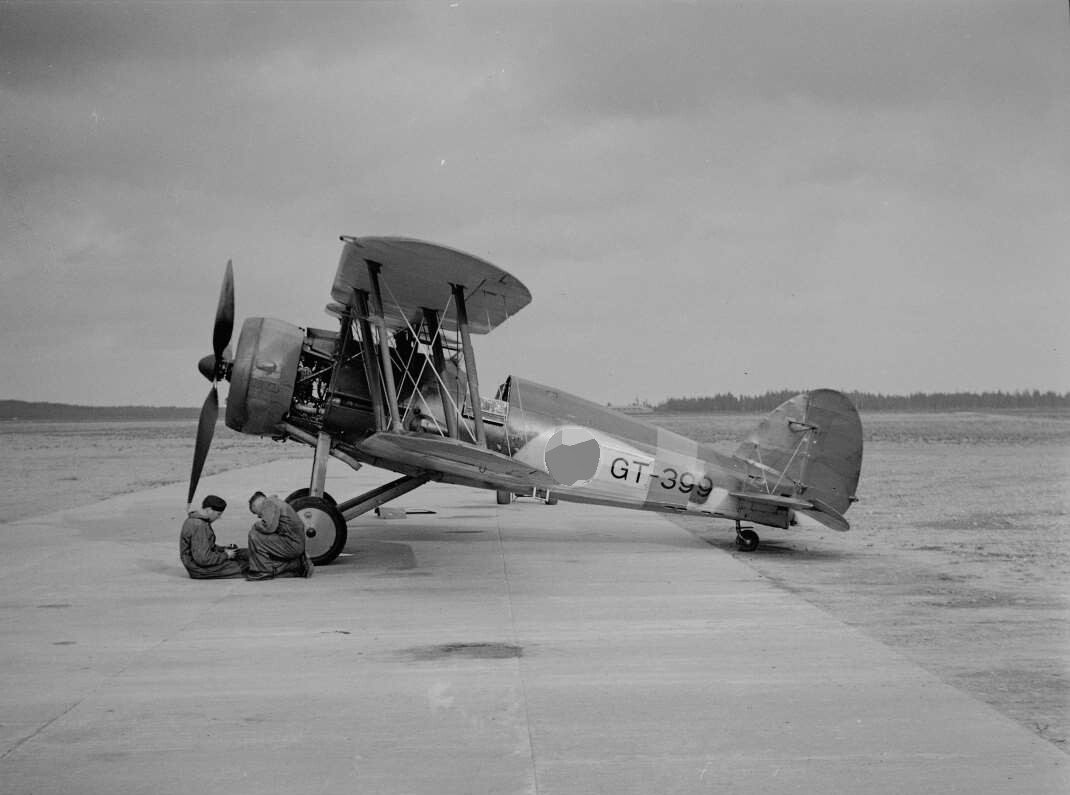
The Gauntlets were hopelessly obsolete as fighters when they arrived and were instead used as reconnaissance and trainer aircraft in the FAF during the Continuation War. The nickname used for these aircraft was Kotletti (“Gauntlet”). In June 1942, all the remaining Gauntlets that were performing reconnaissance tasks were moved to the rear to serve as trainers. The last flight was conducted on February 15, 1945, after which they were removed from service.
Polikarpov I-153
The Polikarpov I-153 was a Soviet biplane fighter, many of which were captured by the Finns during the Winter War. 8 of these shot-down aircraft were repaired and put into service in the FAF. A further 3 were captured and put into service along with 11 units purchased from the German trophy collections during the Continuation War.
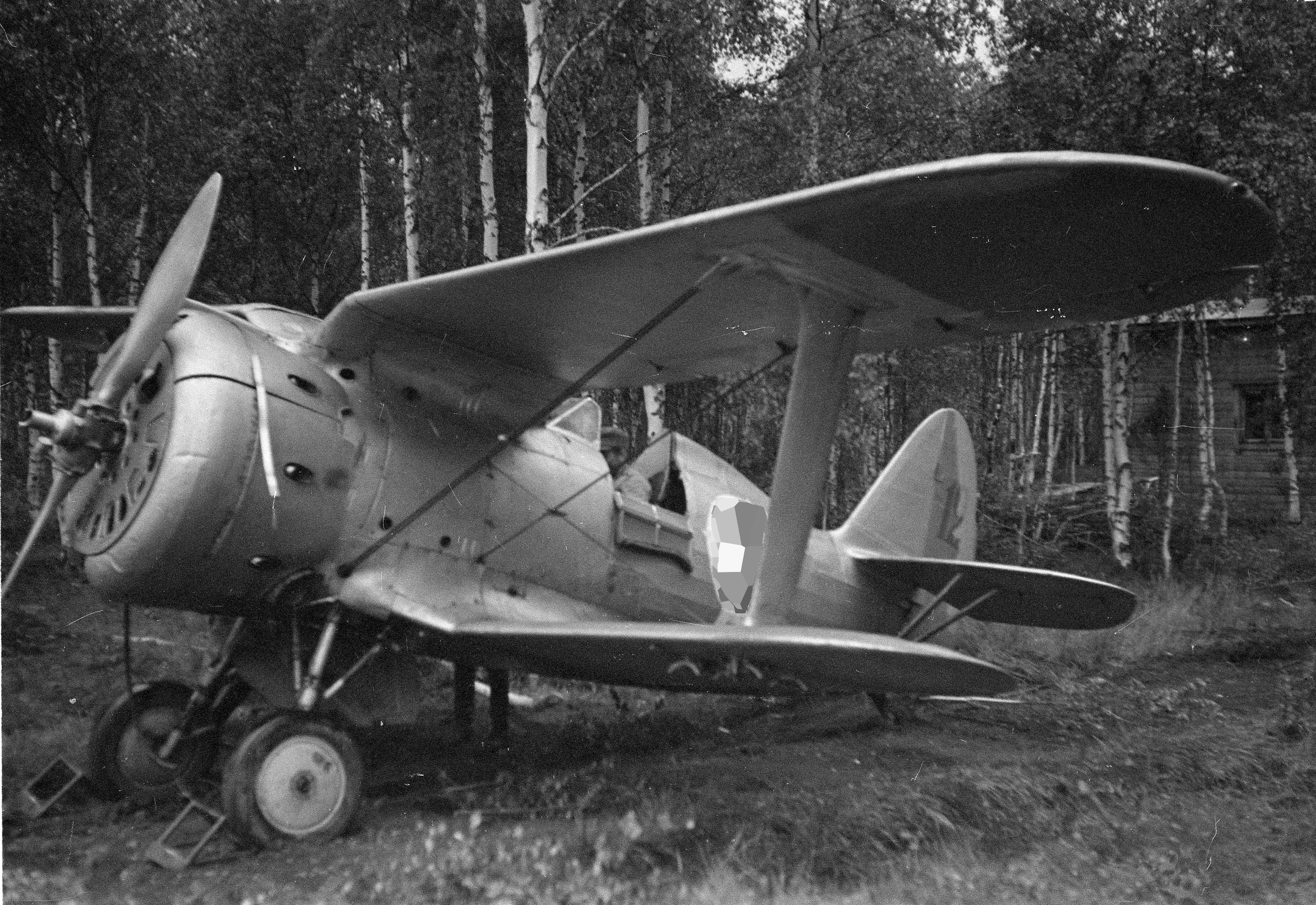
Tsaikat (“Chaikas”) were extremely nimble aircraft, but poorly armed and protected by the time they entered FAF service in 1940. For this reason, the aircraft were primarily used for reconnaissance only. They served in this role until 1945, after which they were removed from service.
Caudron-Renault C.R.714
The C.R.714 was a French fighter which entered service in the FAF in 1940. During the Winter War, France promised to donate 80 of these aircraft to Finland, though only 6 of them arrived after the war in May 1940.
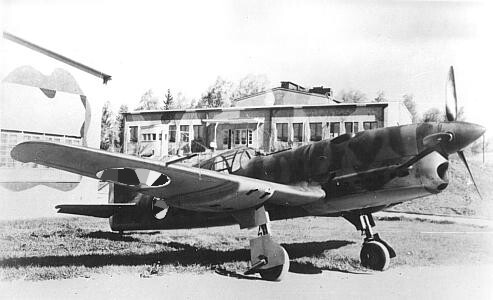
It was quickly realized that the aircraft performed terribly as fighters. The engine was weak, and the aircraft lost speed quickly when maneuvering. The climb rate was poor, and the armament was very light. Many structural weak points were identified on the airframes and the aircraft were banned from flying in September, only four months after their arrival. They were eventually removed from service in 1941, having never seen combat in the FAF.
Curtiss Hawk 75
The Curtiss Hawk 75 was a US-made fighter which entered service in the FAF in 1941. After the Winter War, Finland was able to procure weapons from German trophy collections and purchased a total of 29 Curtiss Hawk 75 A-1, A-4 and A-6 fighters. A further 15 units of A-2 and A-3 variants were purchased in 1943.
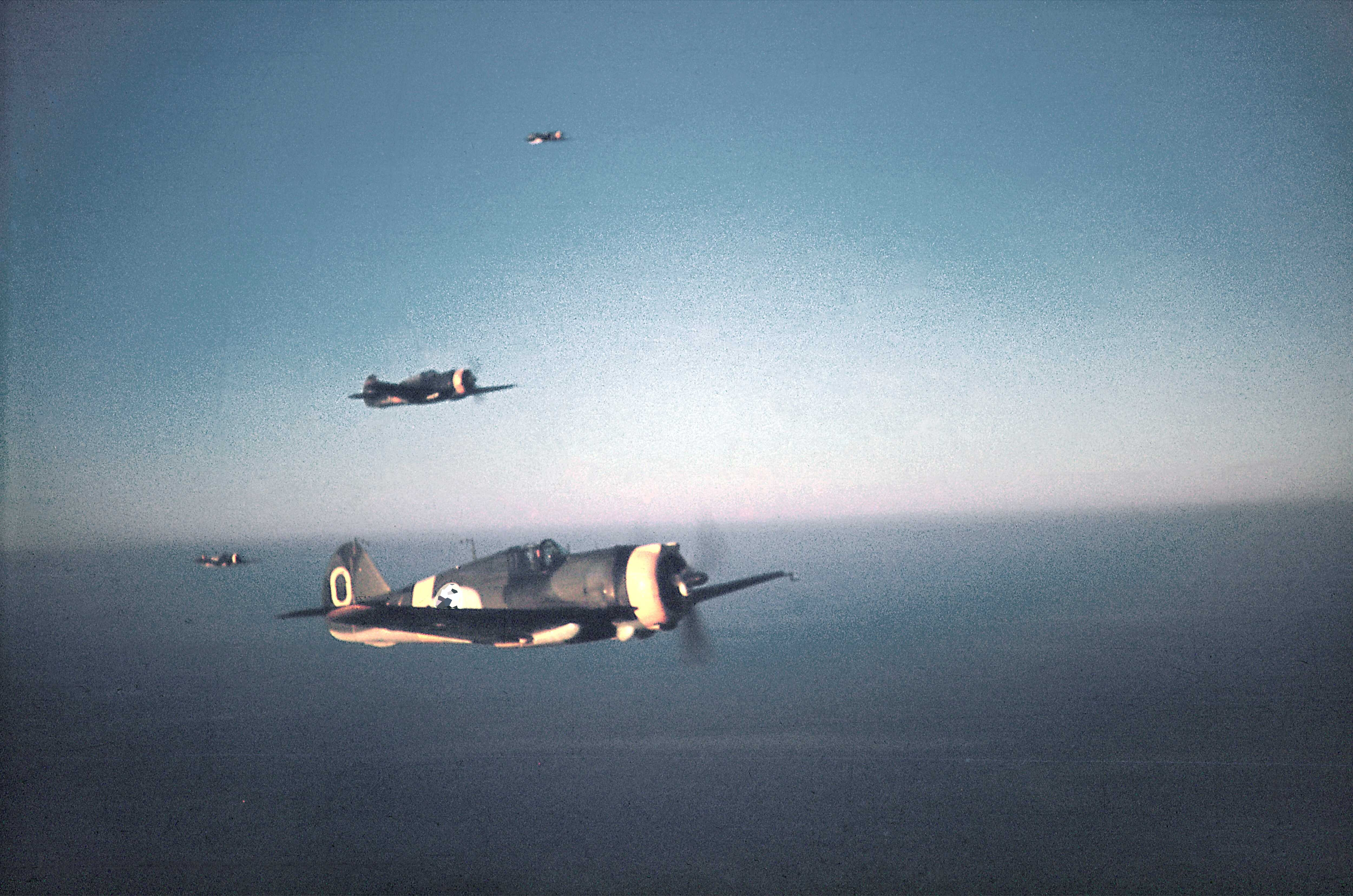
The first units arrived in Finland in June 1941. The aircraft were deemed nimble and easy to fly, but their overall performance was lacking for a fighter. The many variants of the aircraft used different Twin Wasp engines, and some were equipped with more powerful yet unreliable Wright Cyclone engines. The original armament was also deemed insufficient.
To improve the aircraft, many local modifications were made during their service life, including the standardization of Twin Wasps as their powerplant and the installation of higher-caliber armament.
A total of 45 Curtiss Hawks served as fighters in the FAF and the aircraft were nicknamed Sussu. During the Continuation War, the Hawks were credited with 190 aerial victories. Postwar, the aircraft served primarily as trainers and were eventually removed from service in 1948. The last flight was conducted on August 30, 1948.
Petlyakov Pe-3
The Petlyakov Pe-3 was a Soviet heavy fighter derived from the Pe-2 dive bomber. The Finns were able to capture one in November 1942, after forcing it to do an emergency landing. The aircraft was repaired and pressed into service as a reconnaissance aircraft in August 1943.
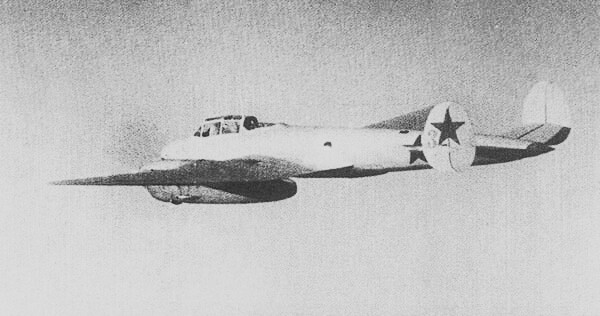
The aircraft was referred to as Pekka-Eemeli (letters “PE” spelled out) and was used for photo reconnaissance. It was used in this role rather than as a fighter because a number of nearly identical Pe-2s were already serving in the same role within the FAF.
The aircraft was deemed good to fly, but heavy to control at low airspeeds. The lack of spare parts limited the use of the aircraft and it remained mostly grounded. Its service was cut short when it was destroyed in a Soviet bombing raid on its home airfield on July 2, 1944. By then, it had clocked in 72 hours of flight time in the FAF.
Lavochkin LaGG-3
The Lavochkin LaGG-3 was a Soviet fighter aircraft. Many of these were captured by the Finns during the Continuation War and three were restored to airworthy condition and put to service in the FAF.
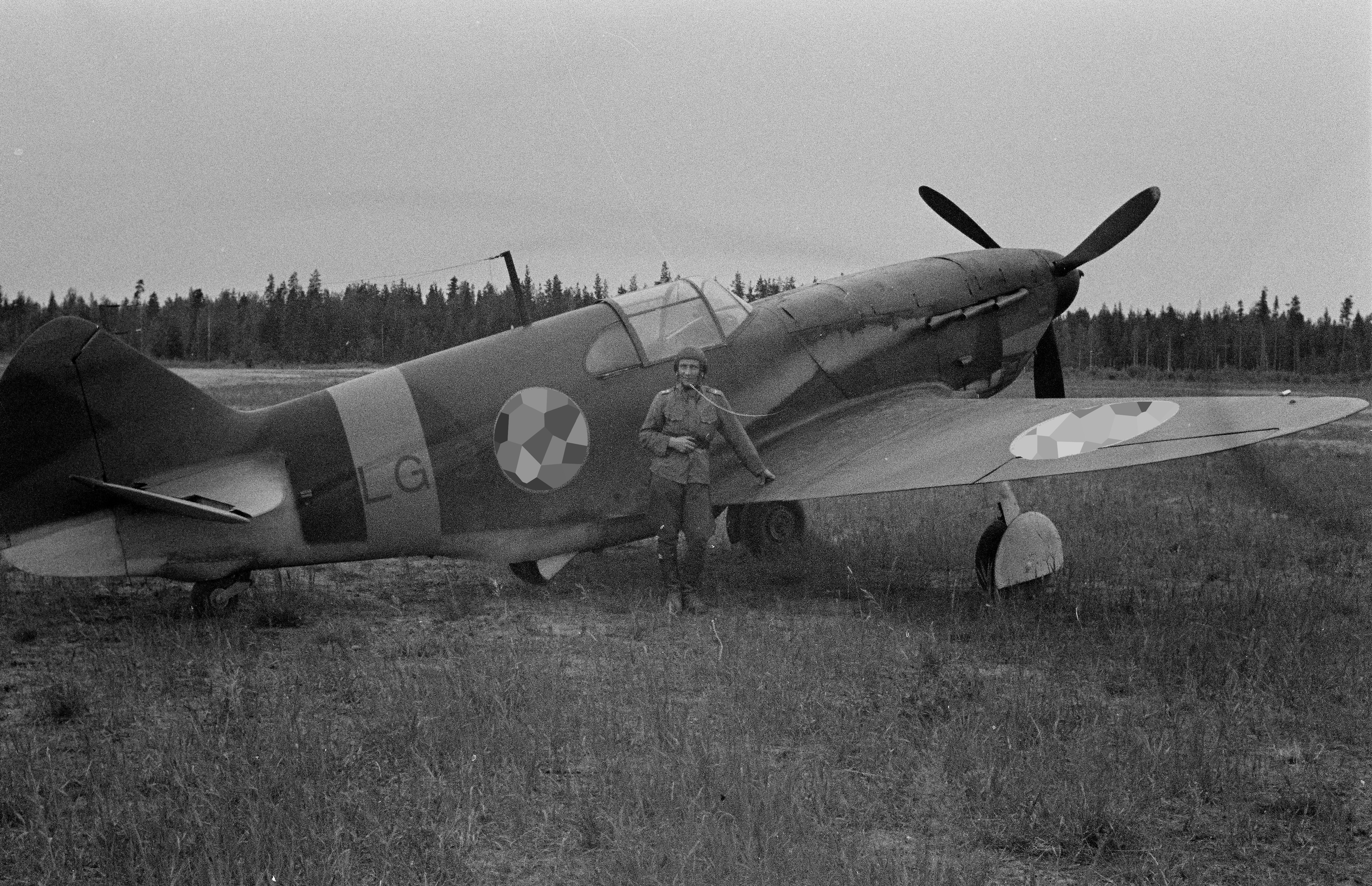
The LaGG-3s were among the fastest aircraft in the FAF after they had been repaired in early 1943. They were primarily used against Soviet Pe-2 bombers, which were able to outrun most other fighters in FAF service.
LaGG-3s flew a total of 45 sorties in FAF service and were able to shoot down one enemy aircraft. The last flight took place on January 29, 1945, soon after which they were removed from service.
Messerschmitt Bf 109 G
The Messerschmitt Bf 109 G was a German fighter which was used by the FAF for the first time in March 1943. This was the result of long negotiations with German officials, who finally agreed to sell 30 Bf 109 G-2 fighters to Finland in December 1942. As part of the agreement, Germany also promised to replace any Bf 109s lost in action.
Additional Bf 109 G fighters were purchased from Germany in 1944, which resulted in the FAF having operated a total of 164 Messerschmitt Bf 109 fighters, including 49 G-2, 109 G-6, 3 G-6AS, and 3 G-8 sub-variants.
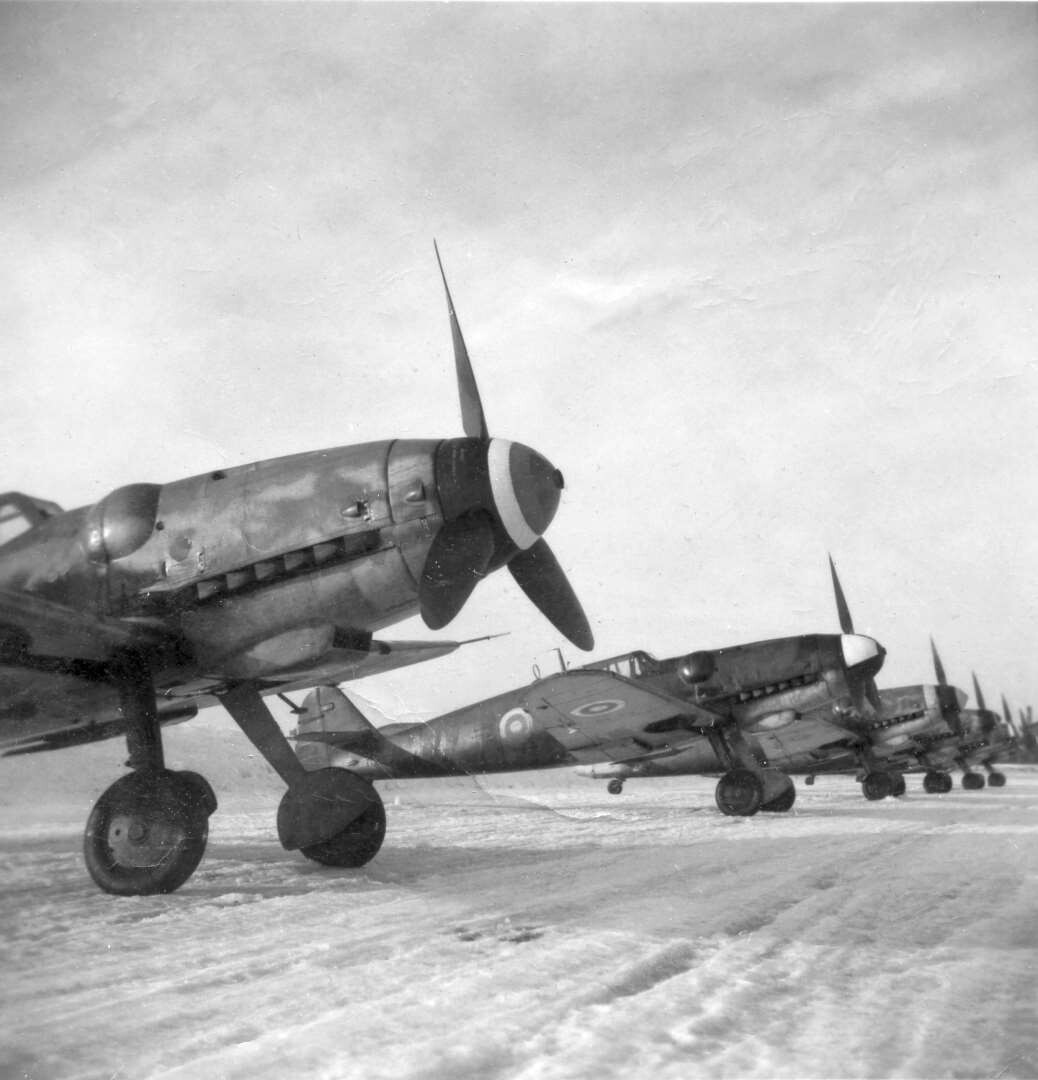
The Messerschmitt Bf 109s were the most modern and capable aircraft operated by the FAF when they entered service in 1943, thus becoming the most important fighter in the FAF fleet. These aircraft were a much-needed aid for the FAF, as all other fighters were struggling with spare parts, inadequate performance, or other similar issues.
Nicknamed Mersu, the aircraft performed with great success during the Continuation War. An aerial victory count of 663 was recorded for the aircraft, though this number has been disputed. 102 aircraft survived the war and were used as the primary fighters in postwar FAF service. This number was later reduced to 60 as the Paris Peace Treaties limited the active combat aircraft within the FAF to this level.
The Messerschmitt Bf 109s remained the primary fighter in the FAF until their replacement in 1954 by de Havilland Vampires. The last flight was conducted on March 13, 1954, making it the last WW2-era fighter type operated by the FAF.
VL Myrsky
VL Myrsky was a product of the domestic Finnish aviation industry. Work on the aircraft was ordered from Valtion Lentokonetehdas (the State Aircraft Factory) before the Second World War had begun, but significant delays in the design and prototype phase delayed the delivery of most fighters until near the end of the Continuation War or after it.
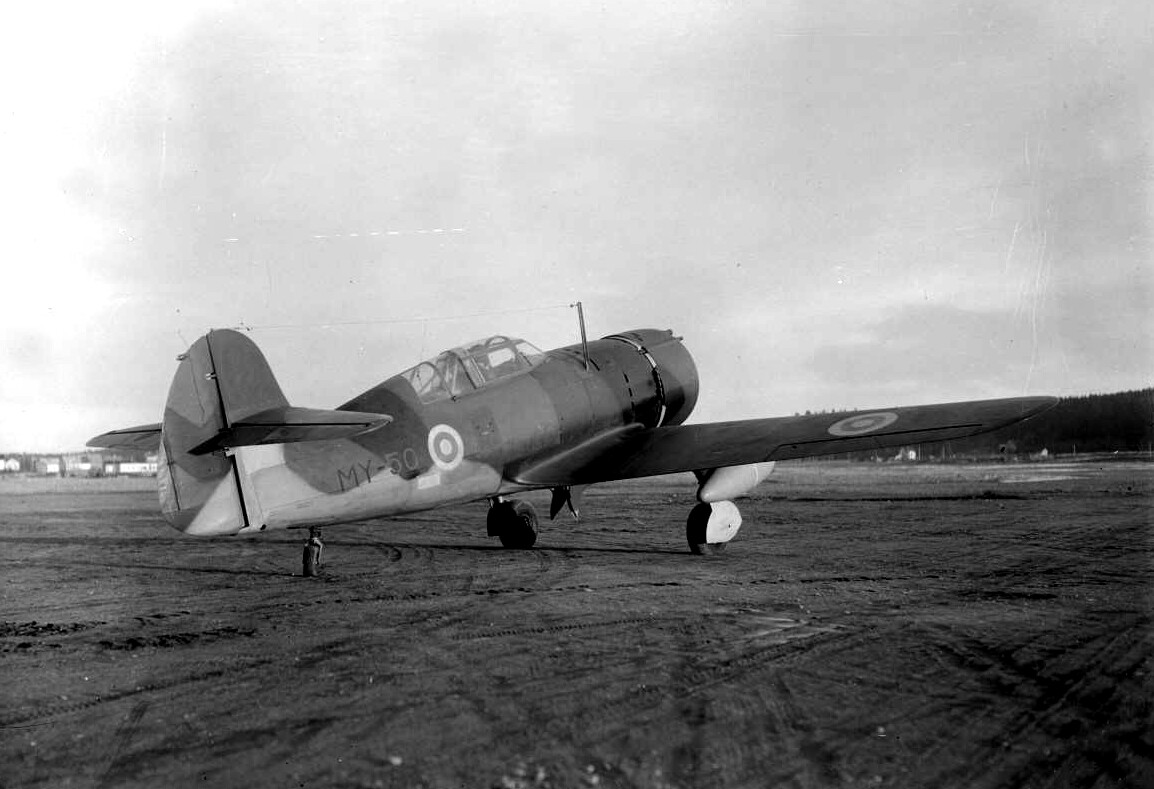
The service of the VL Myrsky in the FAF began in December 1941, when the prototype aircraft took to the skies for the first time. However, it was only used by the factory for evaluation and further development of the design. Three pre-production VL Myrsky I fighters were completed in 1943, one of which was briefly used by a fighter squadron in early 1944. A total of 47 VL Myrsky II fighters followed, with first deliveries to frontline service starting in July 1944.
The aircraft handled well, but the lack of speed and firepower reduced them to being used primarily for reconnaissance tasks. They were credited with one air kill during the Continuation War. After the Lapland War, the VL Myrsky IIs were used as trainers until they were grounded in 1947 after concerns about their structural integrity grew. The last flight took place on February 10, 1948, under a special permit, after which the aircraft were soon removed from service.
Koolhoven F.K.52
The Koolhoven F.K.52 was a Dutch two-seat biplane reconnaissance fighter. Swedish Count Carl Gustav von Rosen came across these aircraft and purchased two of them while visiting the Netherlands on a voluntary mission for the FAF. He then donated the fighters to Finland, where they arrived in January 1940.
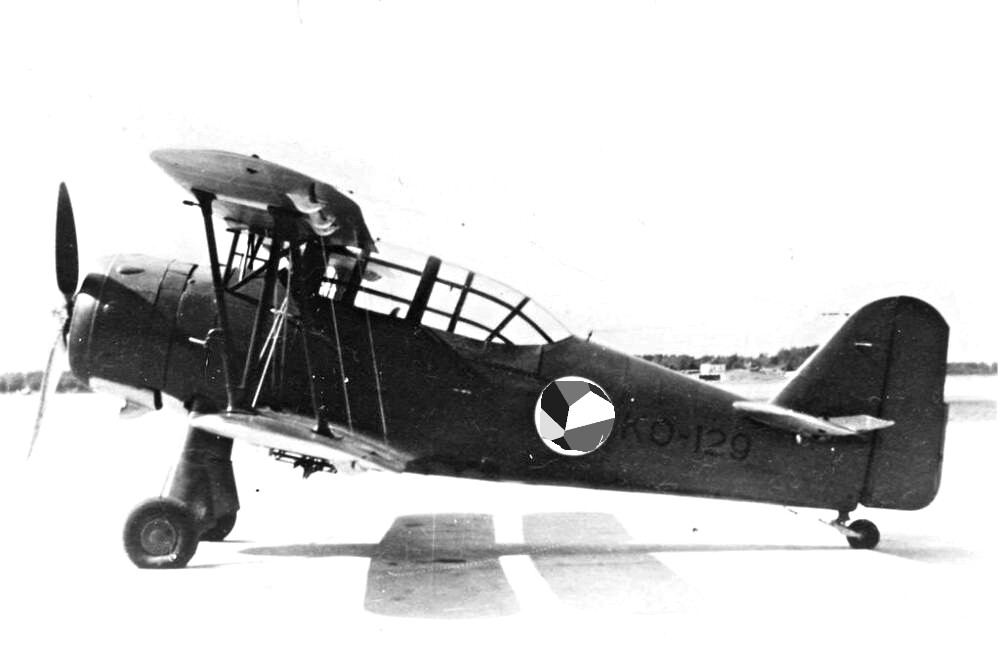
After arriving in Finland, the aircraft were first fitted with extensive equipment and then delivered for use as attack and recon aircraft during the Winter War. The aircraft saw relatively little use during the Continuation War, as one of them was lost early on in August 1941 and the second one remained mostly grounded until it was transferred for use as a trainer in September 1942.
The aircraft were considered nimble but not well-liked due to various technical issues that complicated their use. The second Koolhoven was destroyed in an accident in February 1943, cutting the type’s service short within the FAF.
Curtiss P-40M-10 Kittyhawk
The Curtiss P-40 Warhawk was a US-made fighter known in the UK and Soviet Union as the Kittyhawk. A few of these Soviet Kittyhawks were shot down and captured by the Finns during the Continuation War, with one P-40M-10 repaired and restored to flying condition in 1944.
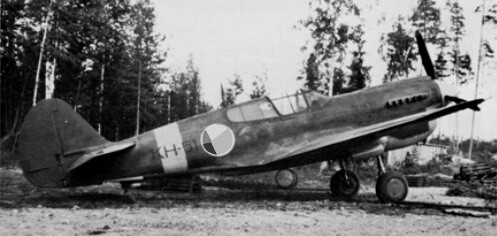
The P-40M’s service within the FAF was very brief. The aircraft lacked all the spare parts and the sole Kittyhawk had been repaired without the support of the FAF high command. The aircraft was used only for a few evaluation flights in 1944, after which it was quickly removed from service.
VL Humu
VL Humu was a Finnish clone of the US-made Brewster Model 239 fighter. It was to utilize as many locally available resources in its construction as possible, primarily wood. The aircraft was a result of the ever-increasing need to supply the existing B.239 fleet with spare parts, which first had to be reverse-engineered and then manufactured locally from scratch, as the parts could not be obtained from abroad. Eventually, so much of the aircraft had been reverse-engineered that local production of complete aircraft could be initiated if necessary.
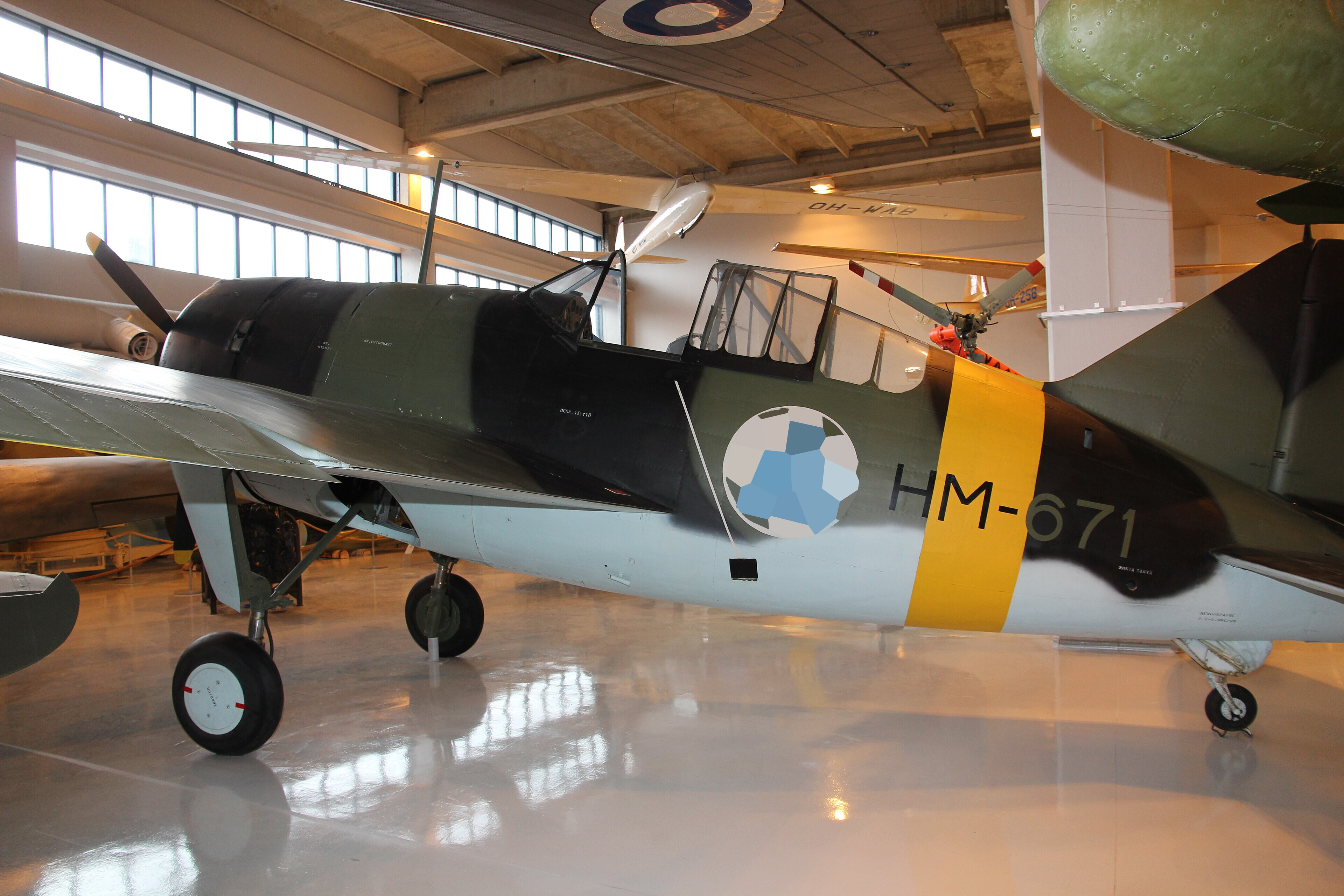
The original idea was to produce 90 of these aircraft, and the FAF placed an order with Valtion Lentokonetehdas for a prototype in October 1942 and 89 production aircraft in November 1943. However, these orders were put on hold in June 1944, as the FAF was able to purchase modern Messerschmitt Bf 109 fighters from Germany in large numbers and test runs on B.239s with wooden VL Humu wings had shown poor results. Work on the prototype was allowed to continue.
The prototype was completed in August 1944 and the following test flights concluded that the aircraft had multiple design issues which would have required a significant amount of additional time to resolve. This, along with the fact that the B.239 it was meant to match was already mostly obsolete by that time, resulted in the cancellation of all orders for VL Humu fighters. Only 20 hours of flight time was recorded on the prototype, and it was removed from service in 1945.
VL Pyörremyrsky
VL Pyörremyrsky was an attempt to locally design and produce a fighter that could match the Messerschmitt Bf 109 in performance. It was to be made almost entirely of wood, and two prototypes were ordered from Valtion Lentokonetehdas in April 1943.
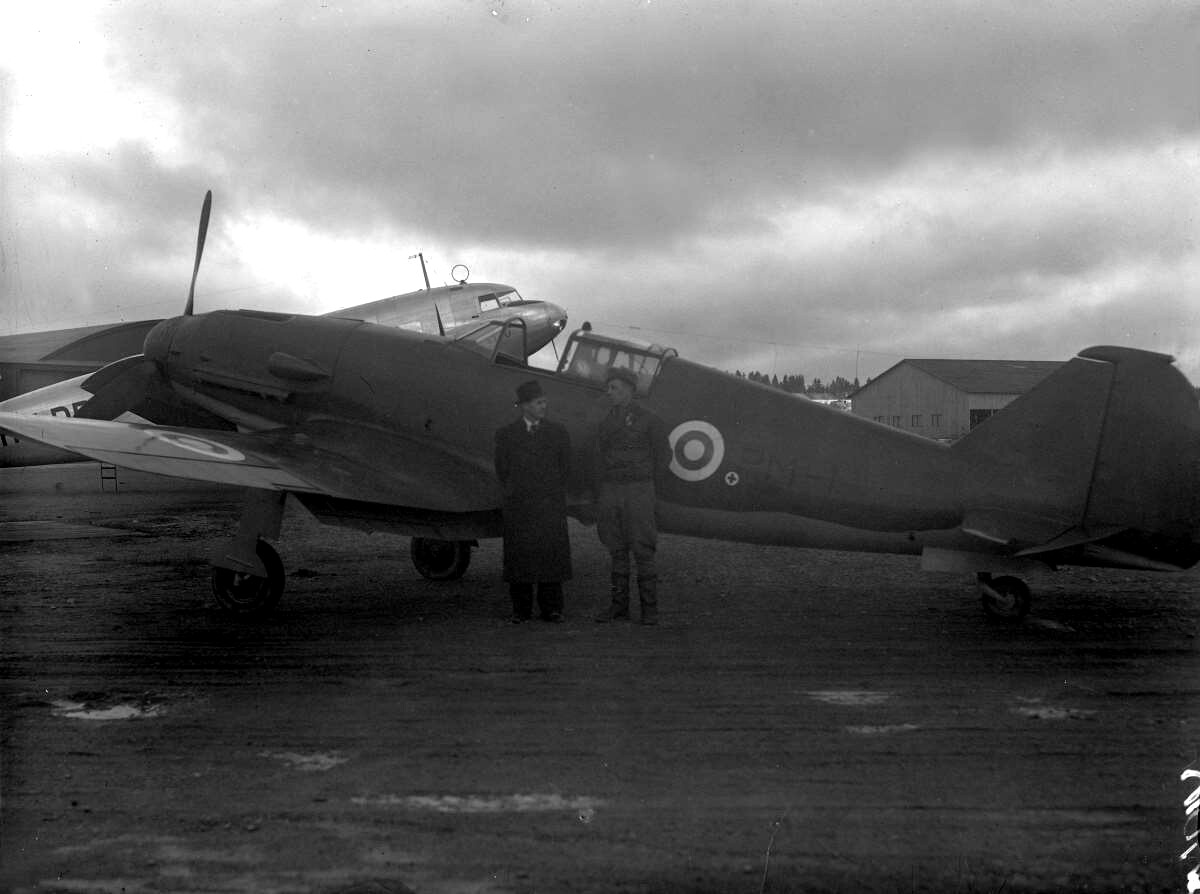
As the requirements were updated in the following months, the work dragged on further. Nearing the end of the Continuation War, Valtion Lentokonetehdas was operating over capacity and projects had to be prioritized. This left the VL Pyörremyrsky a low-priority task, which resulted in the first prototype being completed in November 1945, months after the Second World War had ended. The order for the second prototype was cancelled when the Continuation War ended.
VL Pyörremyrsky was in service with the FAF between 1945 and 1947 and was used only for evaluation flights. The fighter was considered great in flight characteristics, surpassing even the Messerschmitt Bf 109 G in some areas. It would have required further refining in some parts of the aircraft, but the end of the war put an end to its development. The last flight was conducted on July 22, 1947, soon after which it was removed from service.
The complete list
The aircraft are in order by quantity
| Aircraft | FAF Type Code | Quantity | Entered Service | Left Service |
| Messerschmitt Bf 109 G | MT | 164 | 1943 | 1954 |
| Fokker D.XXI | FR | 97 | 1937 | 1948 |
| Morane-Saulnier M.S.406/410/ Mörkö-Morane | MS | 87 | 1940 | 1948 |
| VL Myrsky | MY | 51 | 1941 | 1947 |
| Curtiss Hawk 75 | CU | 45 | 1941 | 1948 |
| Brewster Model 239 | BW | 44 | 1940 | 1948 |
| Fiat G.50 | FA | 35 | 1939 | 1946 |
| Gloster Gladiator II | GL | 30 | 1940 | 1945 |
| Gloster Gauntlet II | GT | 24 | 1940 | 1945 |
| Polikarpov I-153 | IT | 22 | 1940 | 1945 |
| Gloster Bulldog IVA/IIA | BU | 19 | 1935 | 1944 |
| Gloster Gamecock II/III | GA | 17 | 1927 | 1944 |
| Hawker Hurricane I/II | HC | 13 | 1940 | 1944 |
| Caudron-Renault C.R.714 | CA | 6 | 1940 | 1941 |
| Polikarpov I-15bis | IH | 5 | 1940 | 1945 |
| Jaktfalken II (J 6) | JF | 3 | 1940 | 1945 |
| Lavochkin LaGG-3 | LG | 3 | 1943 | 1945 |
| Polikarpov I-16 | IR | 2 | 1940 | 1943 |
| Koolhoven F.K.52 | KO | 2 | 1940 | 1943 |
| Petlyakov Pe-3 | PE | 1 | 1943 | 1944 |
| Curtiss P-40M-10 Kittyhawk | KH | 1 | 1944 | 1944 |
| VL Humu | HM | 1 | 1944 | 1945 |
| VL Pyörremyrsky | PM | 1 | 1945 | 1947 |
| = | 23 | 673 |
Conclusion
As we now have seen, the range of fighter aircraft operated by the FAF was surprisingly diverse despite its small size, though about half of the types were never used in their designated role by the FAF. Another pattern arises when looking at the years most of these aircraft left service: between 1944 and 1945, or 1948.
Why was this? The simple answer is that the Continuation War came to a close in September 1944, after which air activities were significantly reduced. This allowed the release of conscripted reservists back home and left many aircraft without the necessary crews. As most of the aircraft were already beyond obsolete or lacked spare parts, they were simply removed from service once they were no longer needed.
In 1948, the Paris Peace Treaties were ratified by Finland, limiting the active combat aircraft in Finnish service to 60. The most capable fighters operated by the FAF, the Messerschmitt Bf 109s, were chosen to fill this quota, which naturally led to the removal of all other types from service the same year.
And that does it for this article! There is much more to cover regarding the aircraft the FAF has operated, as only the fighters from the Second World War have been listed here. Those, however, are for a story another time!
- Ilmavoimat: Suomen Ilmavoimien Historia
- Ilmavoimat: List of aircraft in use during the war years
- Ilmailumuseot.fi: Gloster Gamecock
- Wikipedia: Gloster Gamecock
- Wikipedia: Gloster Bulldog
- Wikipedia: Fokker D.XXI
- Ilmailumuseot.fi: Fokker D.XXI
- Wikipedia: Fiat G.50
- Wikipedia: Svenska Aero Jaktfalken
- Wikipedia: Gloster Gladiator
- Jukka Raunio: “Mörkö-Morane — Pula-ajan korvike, vai menetetty mahdollisuus?”. Suomen Ilmailuhistoriallinen Lehti, Erikoisnumero 7, 2023.
- Wikipedia: Brewster F2A
- Ilmailumuseot.fi: Polikarpov I-15bis
- Wikipedia: Polikarpov I-16
- Wikipedia: Hawker Hurricane
- Wikipedia: Gloster Gauntlet
- Wikipedia: Caudron C.714
- Wikipedia: Curtiss P-36 Hawk
- Wikipedia: Petljakov Pe-2
- Wikipedia: Lavotskin LaGG-3
- Altervista.org: LaGG-3
- Wikipedia: Messerschmitt Bf 109
- Myllymäki Reino: “VL Myrsky. Osa 1, Kehittäminen ja käyttö 1939-1948”. Ilmailumuseoyhdistys ry, Ketterät Kirjat, 2021.
- Wikipedia: Koolhoven F.K.52
- Wikipedia: Curtiss P-40
- Wikipedia: VL Humu
- Wikipedia: VL Pyörremyrsky
Images
- Soviet I-15bis on display at the Moscow Central Air Force museum, 2017 — Alan Wilson (Flickr)
- Different fighters in the Finnish Air Force service during the Second World War — (Image is a collection of snippets from other images) Me Bf 109s: Tuomikoski Kauko (Suomen Ilmailumuseo) — Other aircraft: SA-kuva (Snippets have been edited by censoring swastikas off the roundels)
- FAF Gloster Gamecock GA-38, 1928 — Suomen Ilmailumuseo (Image has been edited by censoring swastikas off the roundels)
- FAF Bristol Bulldog IV — Puhakka Olli (Suomen Ilmailumuseo) (Image has been edited by censoring swastikas off the roundels)
- FAF Fokker D.XXI, 1941 — Immonen Martti (Suomen Ilmailumuseo) (Image has been edited by censoring swastikas off the roundels)
- FAF Fiat G.50s preparing for takeoff, 1942 — Paronen Onni (Suomen Ilmailumuseo) (Image has been edited by censoring swastikas off the roundels)
- FAF Jalktfalken II, 1943 — SA-Kuva (Image has been edited by censoring swastikas off the roundels)
- FAF Gloster Gladiator II, 1941 — SA-Kuva (Image has been edited by censoring swastikas off the roundels)
- FAF M.S.406 fighters preparing for takeoff, 1942 — SA-Kuva (Image has been edited by censoring swastikas off the roundels)
- FAF B.239 preparing for takeoff, 1943 — SA-Kuva (Image has been edited by censoring swastikas off the roundels)
- FAF Polikarpov I-16 — SA-Kuva (Image has been edited by censoring swastikas off the roundels)
- FAF Hawker Hurricane I, 1941 — Immonen Martti (Suomen Ilmailumuseo) (Image has been edited by censoring swastikas off the roundels)
- FAF Gloster Gauntlet II — Suomen Ilmailumuseo (Image has been edited by censoring swastikas off the roundels)
- FAF Curtiss Hawk 75s in flight, 1943 — SA-Kuva (Image has been edited by censoring swastikas off the roundels)
- FAF LaGG-3, 1944 — SA-Kuva (Image has been edited by censoring swastikas off the roundels)
- FAF Messerschmitt Bf 109 G fighters postwar — Tuomikoski Kauko (Suomen Ilmailumuseo)
- VL Myrsky II, 1945 — Valtion lentokonetehdas (Suomen Ilmailumuseo)
- VL Pyörremyrsky in 1945 — Valtion lentokonetehdas (Suomen Ilmailumuseo)
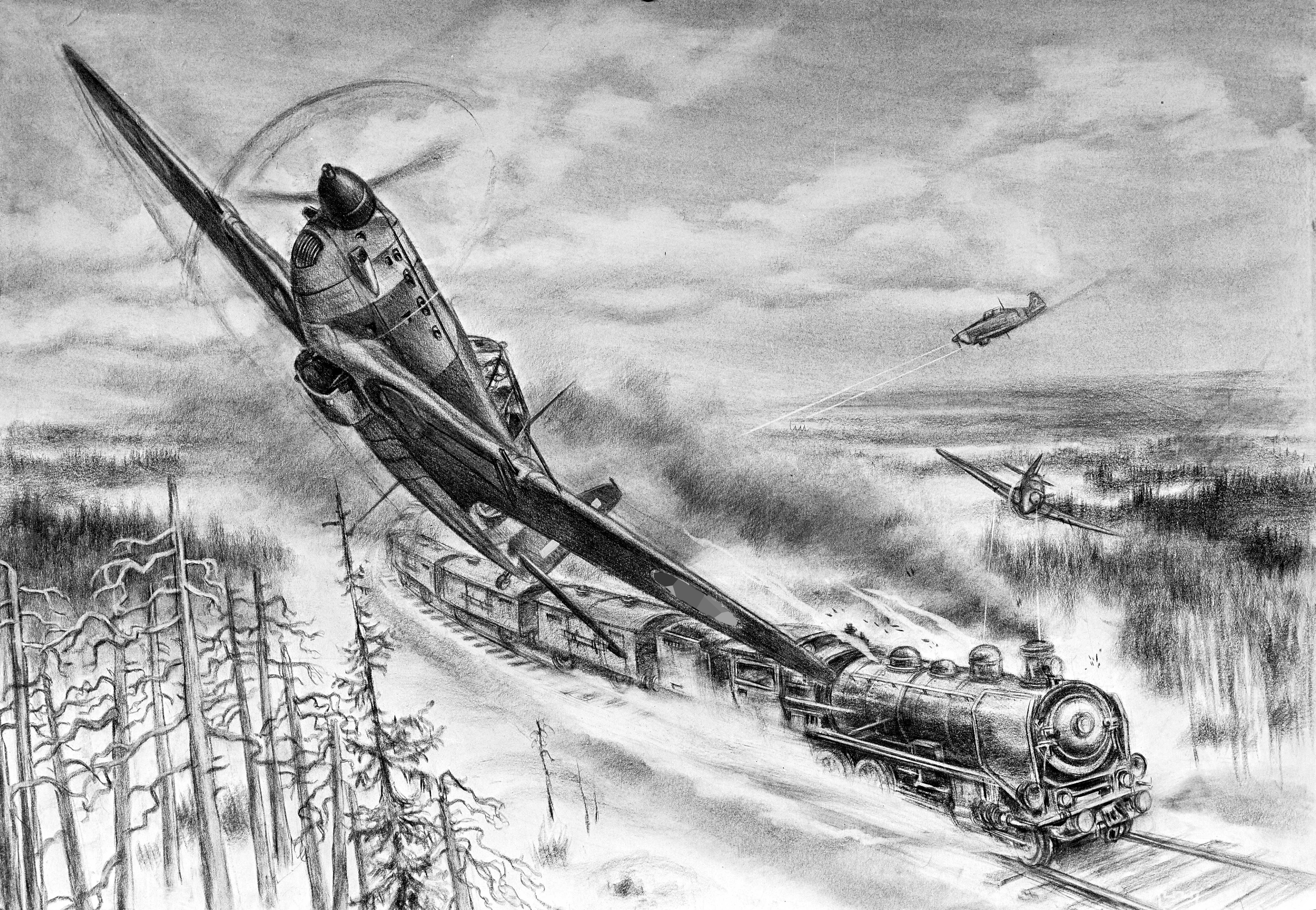
- Drawing by Alexander Lindeberg depicting FAF M.S.406 attacking a train, 1944 — SA-Kuva (Image has been edited by censoring swastikas off the roundels)
— Public Domain
- FAF Caudron-Renault C.R.714 — MoRsE; Wikipedia (Image has been edited by censoring swastikas off the roundels)
- Soviet Petlyakov Pe-3 in flight — Nanabaka; Wikipedia
- FAF Koolhoven F.K.52 — Tracesofwar.nl (Image has been edited by censoring swastikas off the roundels)
- FAF P-40M Kittyhawk, 1944 — Wikipedia (Image has been edited by censoring swastikas off the roundels)
- VL Humu on display in the Finnish Air Force Museum, 2012 — MKFI; Wikipedia (Image has been edited by censoring swastikas off the roundels)