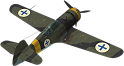
VL Myrsky (“VL Storm”) is a Second World War-era Finnish fighter aircraft, designed and built by Valtion Lentokonetehdas (“the State Aircraft Factory”). It is the only domestically designed fighter aircraft to enter mass production, and was an attempt to modernize and increase the capabilities of the Finnish fighter fleet to better prepare for the war looming around the corner. Ultimately, the entire aircraft experienced considerable delays caused by world politics and difficulties in obtaining proper engines, making it a “too little, too late project” to protect the skies over Finland during the war years.
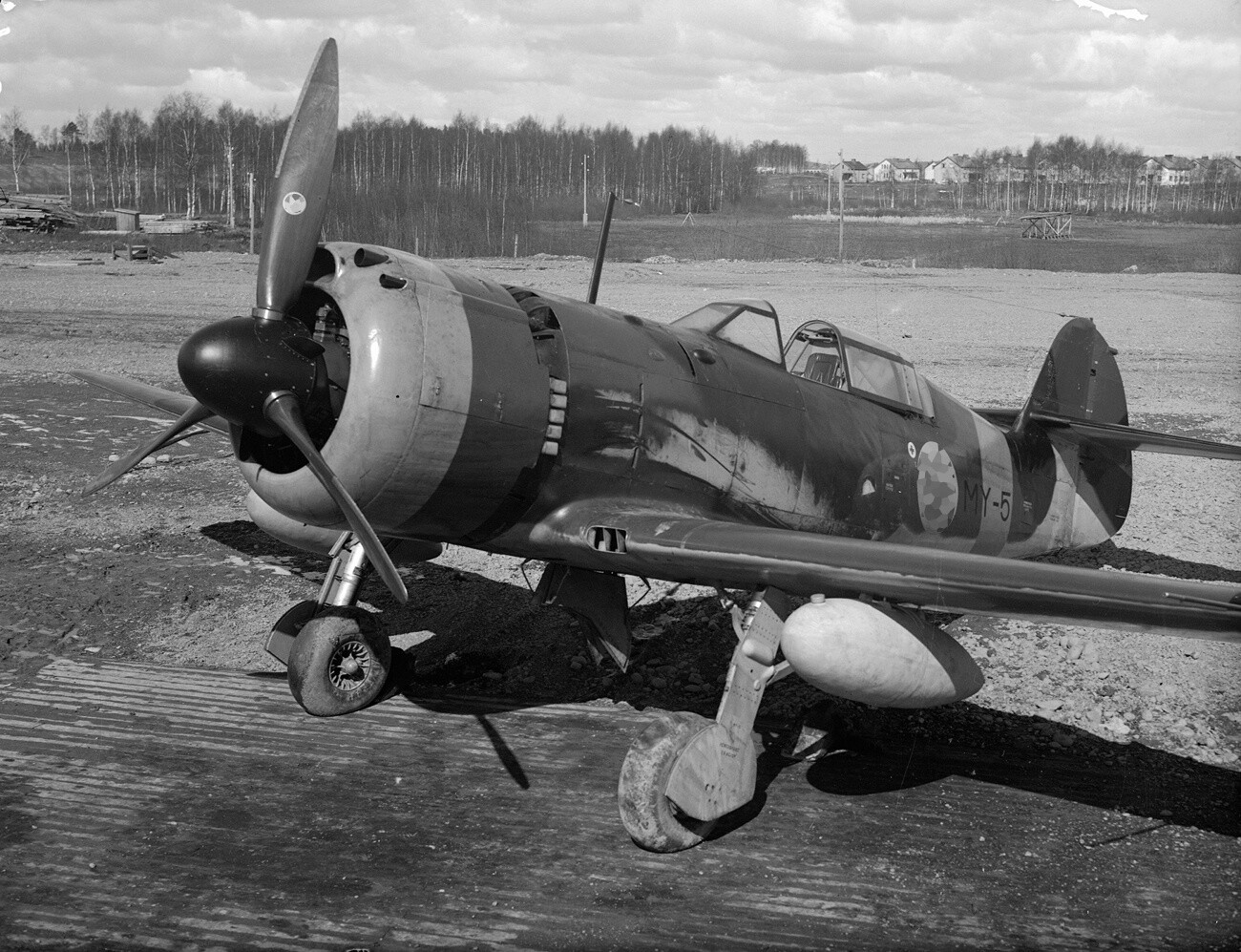
Quick Facts
| Configuration | Low wing monoplane fighter of mixed construction |
| Construction | Steel tubing frame, front sections cladded with duralumin and rear sections with plywood and fabric. Wings made of plywood and control surfaces cladded with fabric |
| Designers | Arvo Ylinen, Martti Vainio, Torsti Verkkola, Edward Wegelius. |
| Manufacturer | Valtion Lentokonetehdas |
| Unit cost | 2 200 000 mk (~$640,000 USD) per VL Myrsky II |
| Production Years | 1941 — 1945 |
| Number Built | 1 × VL Myrsky, 3 × VL Myrsky I, 47 × VL Myrsky II |
| First Flight | December 23, 1941 |
| Operator | Finnish Air Force |
| Years Active | 1944 — 1947 |
Technical Data
| Variant | VL Myrsky (Prototype) | VL Myrsky I (MY-2) [MY-3] {MY-4} | VL Myrsky II |
|---|---|---|---|
| Length | 8.27 m (27.13 ft) | (?) 8.44 m (27.69 ft) | 8.35 m (27.4 ft) |
| Height | 3.1 m (10.17 ft) | (?) 3.2 m (10.5 ft) | 3.00 m (9.84 ft) |
| Wingspan | 10 m (32.81 ft) | 11 m (36.09 ft) | 11 m (36.09 ft) |
| Wing area | 16.7 m^2 (179.75 sq ft) | 18.00 m^2 (193.75 sq ft) | 18.00 m^2 (193.75 sq ft) |
| Empty weight | 2 360 kg (5 202.91 lb) | (2 150 kg (4 739.94 lb)) [2 240 kg (4 938.35 lb)] {2 210 kg (4 872.22 lb)} | 2 337 kg (5 152.20 lb) |
| Maximum weight | 3 240 kg (7 142.98 lb) | ? | 3 213 kg (7 083.45 lb) |
| Engine | Pratt & Whitney R-1830 S3C3-G Twin Wasp with 1 115 hp | Pratt & Whitney R-1830 SC3-G Twin Wasp with 1065 hp | Pratt & Whitney R-1830 SC3-G Twin Wasp with 1065 hp |
| Maximum speed | 479 km/h at 3 700 Meters (298 mph at 12 140 ft) (518 km/h at 3 250 meters (322 mph at 10 660 ft) for stage 4) | ? | 535 km/h at 3 300 Meters (332 mph at 10 800 ft) |
| Rate of climb | 13 m/s (stage 4) | ? | 15 m/s (49.2 ft/s) |
| Service ceiling | ? | ? | 9 500 m (31 170 ft) |
| Armament | 2 × 12.7 mm mg in fuselage 4 × 7.7 mm mg in wings (2 × 12.7 mm mg for stage 2 and+) | 3 × VKT 12.7 mm LKk/42 in fuselage {4 × VKT 12.7 mm LKk/42 in fuselage} | 4 × VKT 12.7 mm LKk/42 in fuselage |
| Payload | - | ? | 2 × 100 kg (220 lb) bombs or 2 × 150 l (40 gal) drop tanks carried under the wings |
Design and development
In 1938, the Finnish fighter fleet was looking acceptable, operating the Bristol Bulldog IVs and the modern Fokker D.XXIs. However, in September of the same year, Marshal Mannerheim, who was also the Chairman of the Defense Council, proposed the purchase of more modern fighter aircraft from abroad to bolster the Finnish Air Force (FAF) and prepare it for a potential war, which he felt was soon to come.
The FAF thus began a procurement process to find a suitable fighter aircraft abroad. The main requirements for the aircraft were to reach a maximum speed of at least 530 km/h (329 mph), which would be enough to catch Soviet bombers of the time, and to fit skis on the landing gear for use during wintertime. It was then quickly realized that most of the modern fighters deemed suitable were not available or were simply not for sale to Finland.
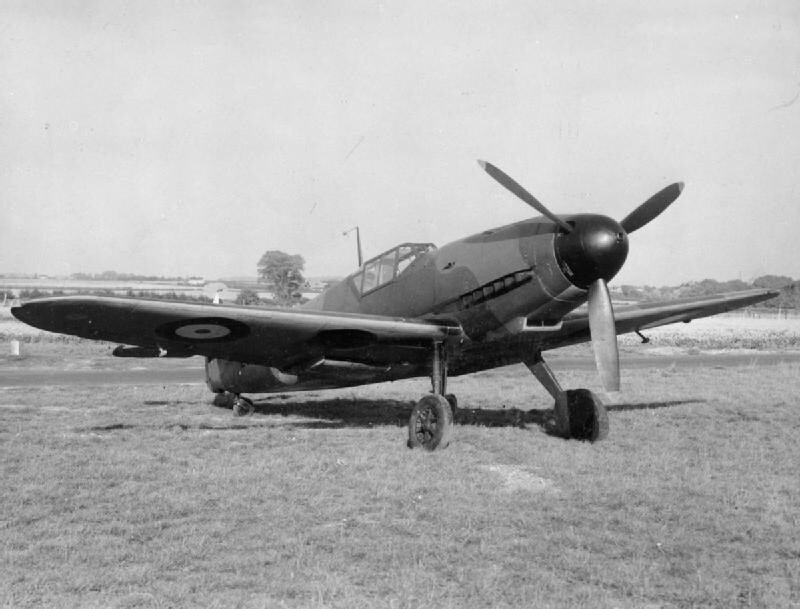
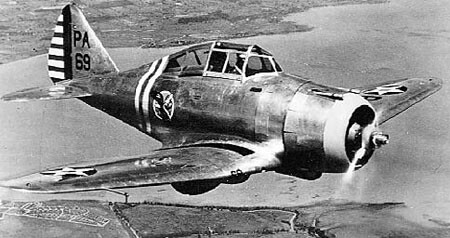
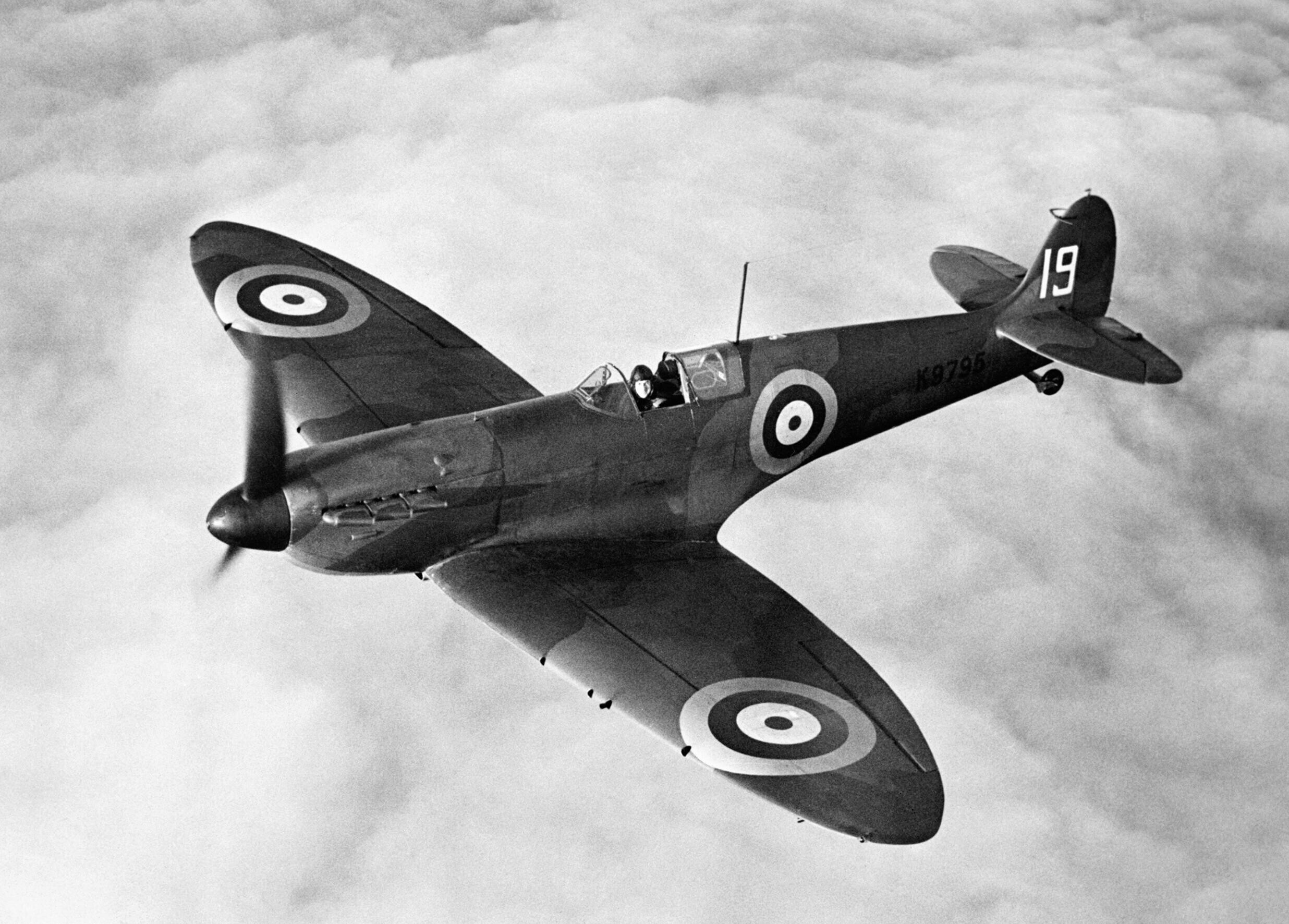
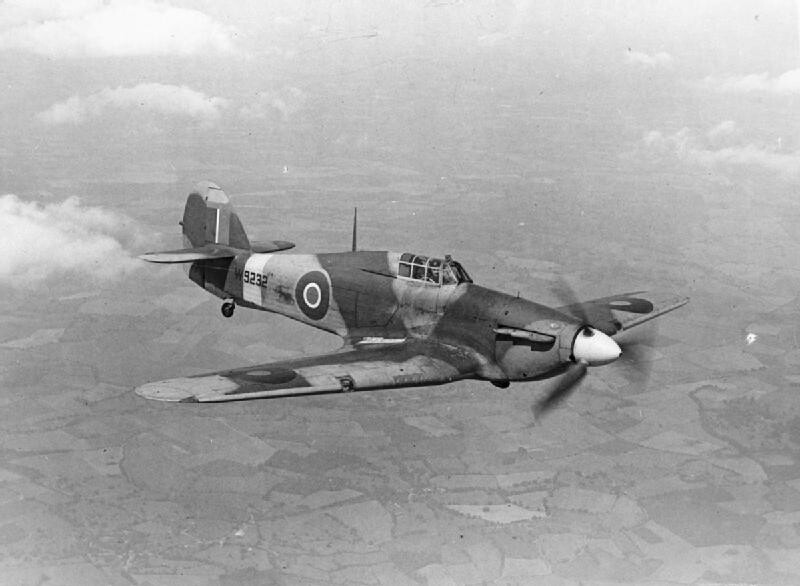
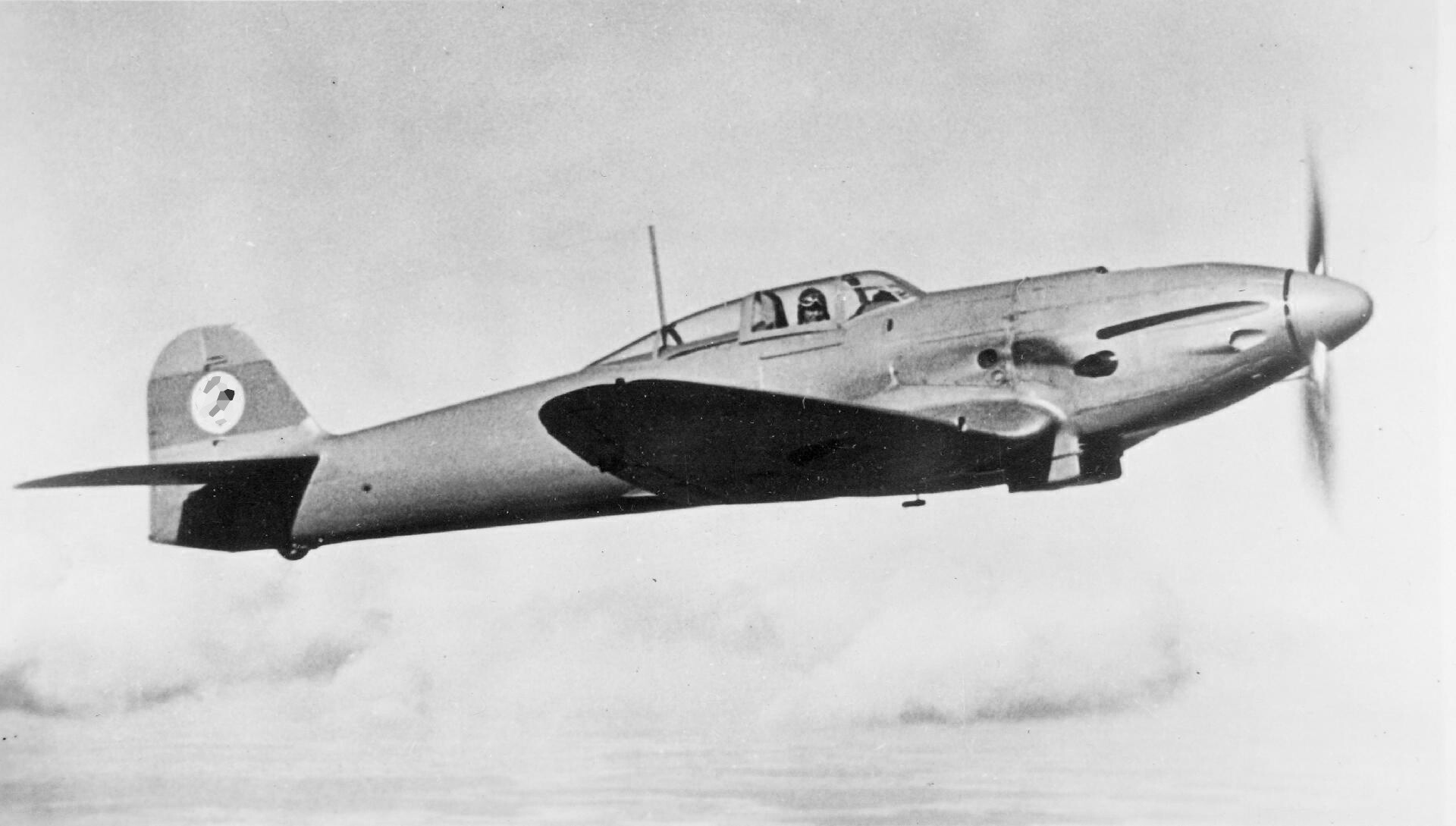
From this list, only Hawker Hurricanes would see service with the FAF in limited numbers. The Bf 109s also played a major role later on, after Germany allowed the sale of fighters to Finland following its defeat in the Battle of Stalingrad.
Amidst all this, in April 1939, Valtion Lentokonetehdas (“the State Aircraft Factory”), in short VL, was asked to design proposals for a fighter that would meet the performance requirements set out for the procurement process. And so work on a new domestically designed fighter began with Technical Director Arvo Ylinen overseeing the project. As a result, five designs, labeled A–E, were proposed to the Finnish Defense Ministry.
In June 1939, after realizing that acquiring modern fighters from abroad had become almost an impossible task, the Finnish Defense Ministry ordered design work on one of the five proposals. With this, VL proceeded to properly design a fighter that was to have half-elliptical wings, retractable landing gear, and to be powered by a Bristol Taurus III engine. For this project, VL made use of their past experience in designing aircraft and especially the studies made on flown prototypes such as the VL Pyry.
Troubles were quick to emerge, as the Second World War broke out only three months later, causing Great Britain to ban all exports of war munitions. This meant the Bristol Taurus III engines were no longer available for the production aircraft, as they were manufactured in Britain. As a temporary measure, the designs were updated to fit the U.S.-made Pratt & Whitney R-1830 S3C3-G Twin Wasp engines, which were heavier but also more powerful. The engines were mechanically similar, which meant few changes to the overall design.
The worst was yet to come in December 1939, when the Soviet Union invaded Finland and started the Winter War. This forced the government to make difficult decisions in all fields of the economy, mostly prioritizing critical war production. An order was sent to VL on December 8 to cease all work on the new fighter, which by this point had been given the name VL Myrsky (“VL Storm”). Despite the direct order, evidence shows that some work on the project was still done even during the war.
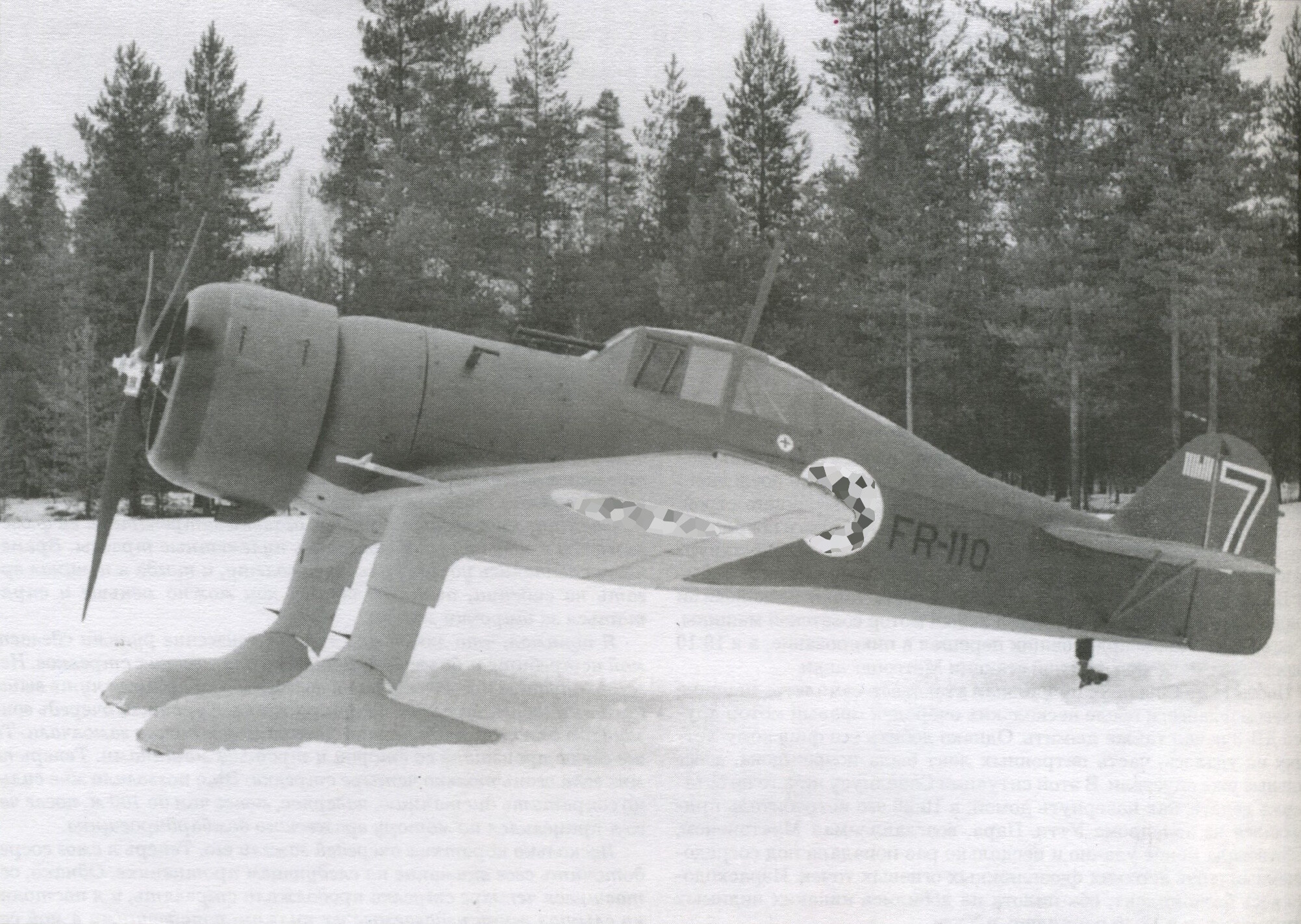
FAF Fokker D.XXI parked on a snowy field
At the outbreak of the Winter War, the FAF fighter fleet was hopelessly underequipped to face the Soviet Air Force, possessing only 46 aircraft, most of which were Fokker D.XXI fighters. One of the primary reasons for ceasing all work on the VL Myrsky project was to increase the production capacity of Fokker fighters at VL, as they were already being manufactured under license.
The Winter War came to a close in March 1940, and with that, peacetime returned to Finland. For VL Myrsky, this meant the design work could resume, but with a new priority for speed over other flight characteristics—a decision based on the lessons learned during the war. This decision caused more delays for the design phase, and attempts were made to obtain more powerful engines for the aircraft, but without success.
Yet another major setback occurred in July of the same year, when the U.S. imposed a ban on exporting military munitions, which crushed any hopes of obtaining more powerful engines for the VL Myrsky. All work on the project was then halted with the hope that the FAF would obtain new and powerful fighters from Germany. This soon proved to be futile, as it became clear that the Germans were only willing to sell older trophy aircraft.
Only after this in September, it was decided to recommence work on the VL Myrsky project, retaining the Twin Wasp engine as the power source. As a way to increase the maximum speed, a difficult decision was made to shorten the wingspan at the cost of maneuverability. Changes were also made to the wing profile, which was now trapezoidal instead of half-elliptical.
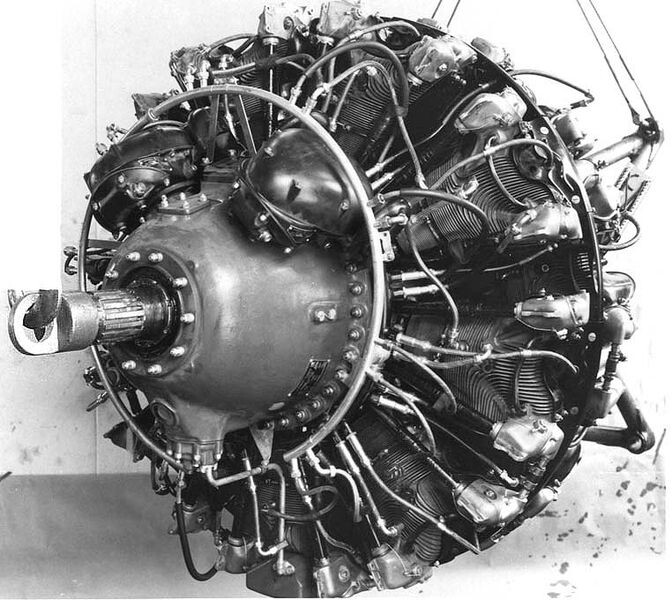
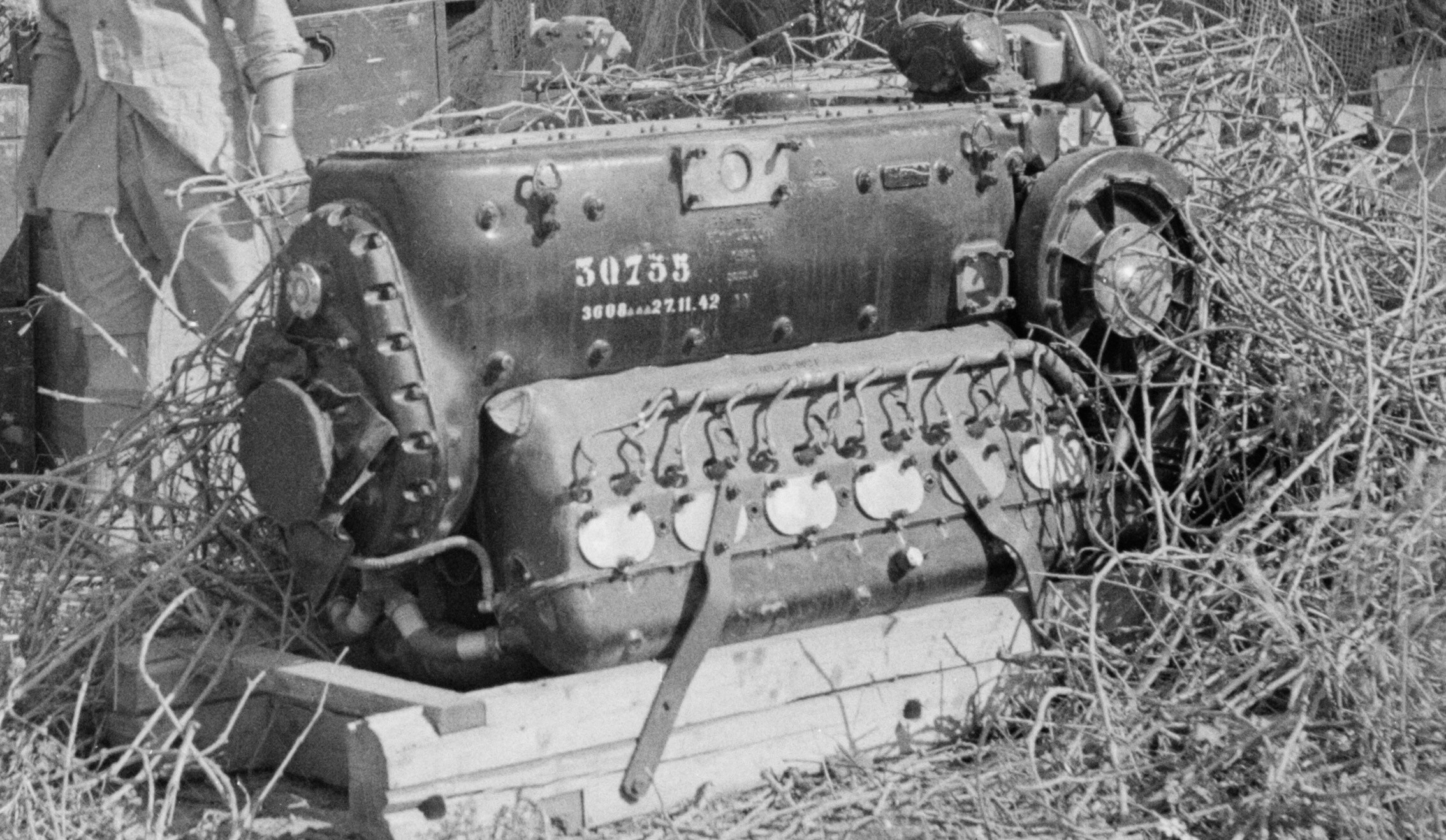
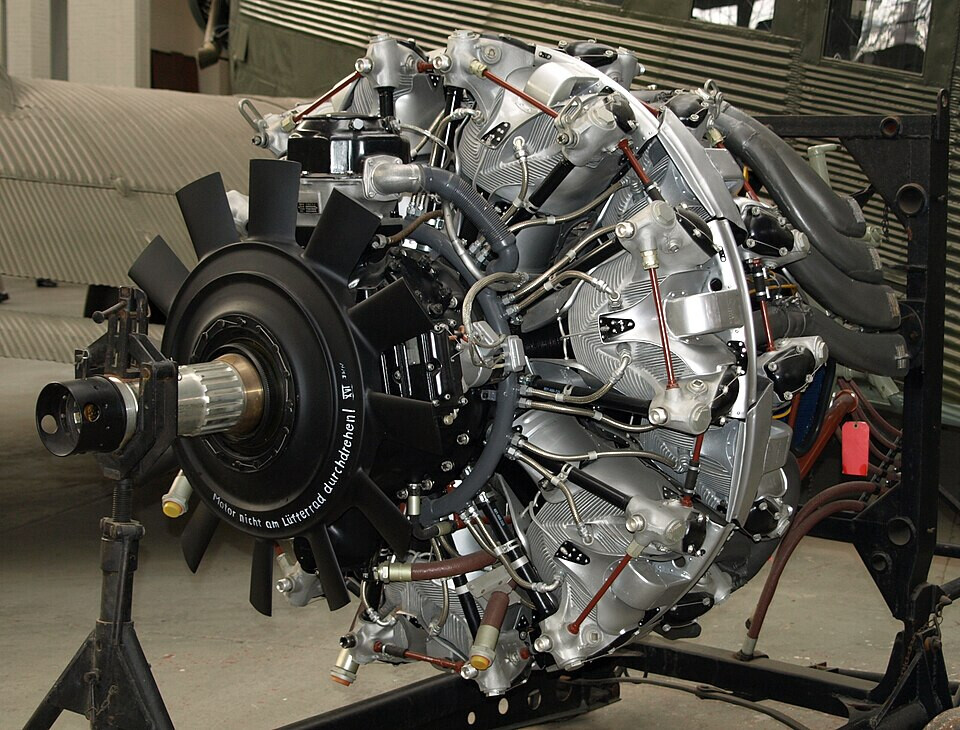
As the BMW 801 engines were considered too susceptible to overheating, an attempt was made to acquire license production rights for the DB 605s with Sweden. This attempt ultimately failed despite Sweden acquiring the license in 1941. It wasn’t until mid-1942 that Finland obtained these engines from Germany, but by then the development of the VL Myrsky had progressed to a point where it was no longer considered feasible to switch from radial to V-engines. This actually prompted the development of a new aircraft to serve as a DB 605-powered VL Myrsky, the VL Pyörremyrsky (“Hurricane”).
The Prototype (VL Myrsky)
By the end of 1940, the main design work on the aircraft was nearing completion, and on December 20, an order was placed for one prototype to be built. This order was accepted on February 3, 1941, marking the start of detailed planning for the prototype. The goal was to construct the prototype and set its first flight by July. As the power source, it would use the single R-1830 S3C3-G Twin Wasp engine that had been purchased from the U.S. prior to the export ban.
This phase of the project would not be spared from delays either, as in June, only a month shy of the scheduled completion, Operation Barbarossa began. This eventually led to the Continuation War on the Finnish front, causing significant delays for the project.
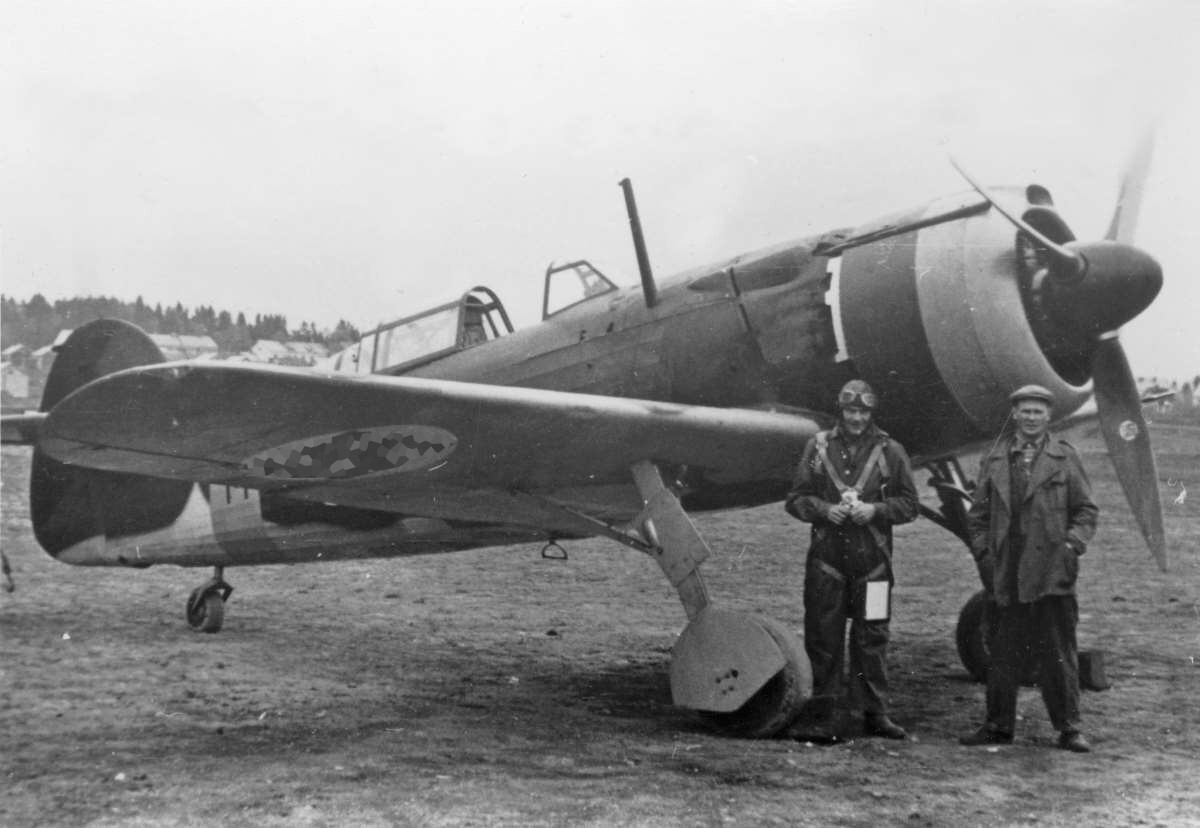
After a total of 137 000 work hours, including the planning and construction put on the prototype alone, it was completed in December 1941. The new aircraft, designated MY-1, flew for the first time on December 23, 1941, with Lt. Erkki Itävuori on the stick. The flight was conducted at Pyhäjärvi and lasted for 25 minutes.
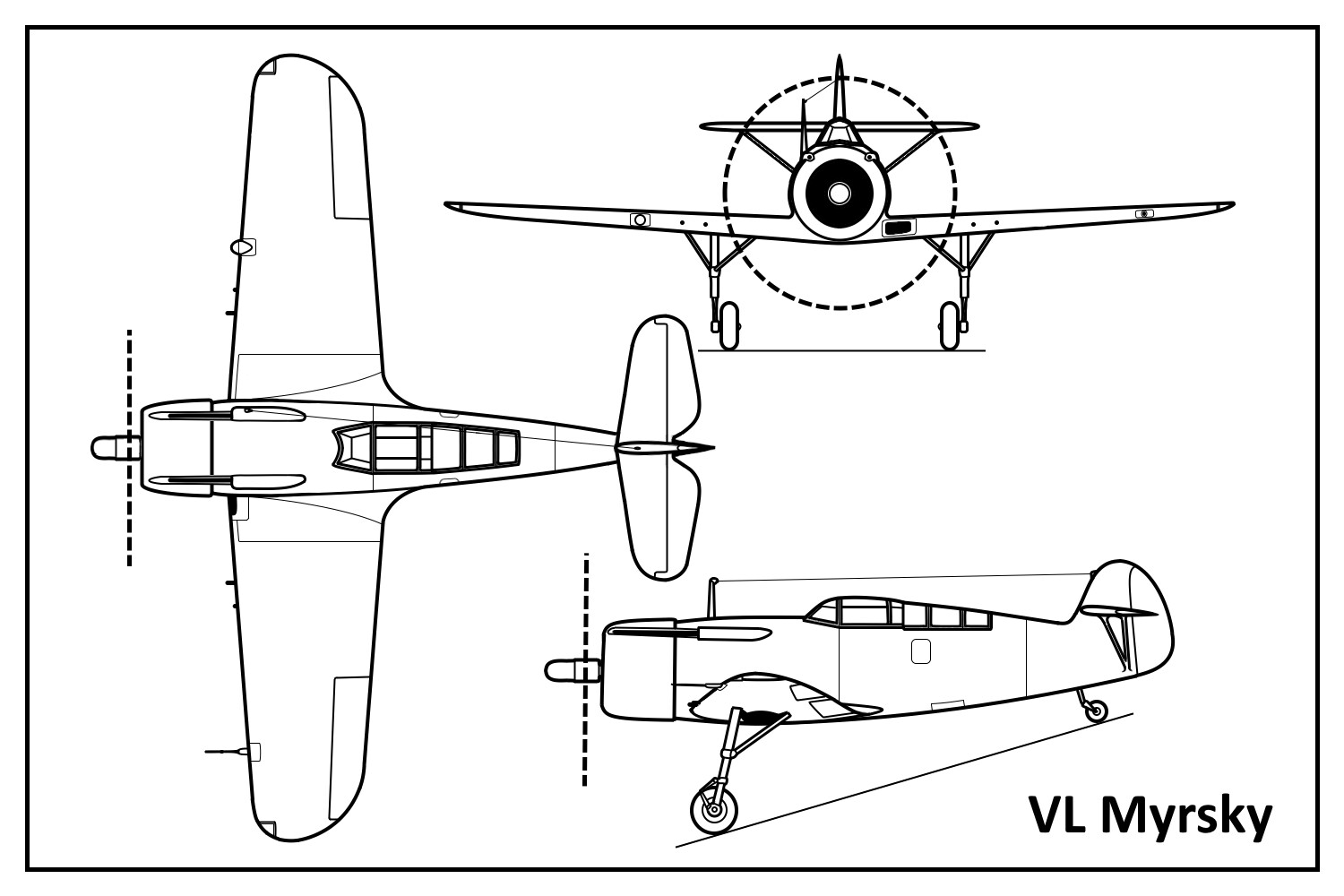
Some problems immediately surfaced with the prototype, as it was found to be 300 kilograms (661.4 lb) heavier than expected, causing high wing loading and thus a reduction in maneuverability. The prototype also experienced issues with engine jolting, cockpit temperatures, center of gravity, and surface controls. Despite these issues, its handling was noted to be good while maneuvering or firing, and it took off easily.
For the following two years, the prototype saw extensive modifications in four primary stages, with the goal of fixing the aforementioned issues. Much of this work ended up happening in parallel with the designing and construction of the main production variant, as the solutions made early on for the prototype were deemed good enough for VL to feel comfortable proceeding with full production of the aircraft.
Despite the extensive modifications to the prototype, even in its final stage, it suffered from issues mostly related to flight characteristics. During test flights, this final modification was able to reach maximum speeds of 468 km/h (291 mph) at sea level and 518 km/h (322 mph) at 3 250 meters (10 660 ft). The prototype made its last flight on November 26, 1943, after a total of 142 flight hours, and was scrapped the following year. This was because it was a custom-built prototype and would have lacked all the spare parts if it had been sent for operational use.
The Production Series (VL Myrsky I & II)
In January 1942, VL received news that the FAF could purchase Pratt & Whitney R-1830 SC3-G Twin Wasp engines from Germany, which could be fitted to the VL Myrskys. These engines originated from Curtiss Hawk 75 trophy fighters captured in France, many of which Germany possessed. The engine was slightly less powerful than the S3C3-G variant originally planned, but it was deemed sufficient.
With the prototype showing promising improvements and a source of aircraft engines, VL made an offer to the government on April 30, 1942, to produce 50 VL Myrsky fighters. This was later specified to start with a 3-aircraft pre-series of VL Myrsky I fighters to gain experience for the 47 full production models, which were to be designated VL Myrsky II. The armament was also specified as 3 VKT 12.7 mm LKk/42 machine guns, but this would later be increased to four. This offer was accepted a month later, and work on the pre-series aircraft commenced immediately.
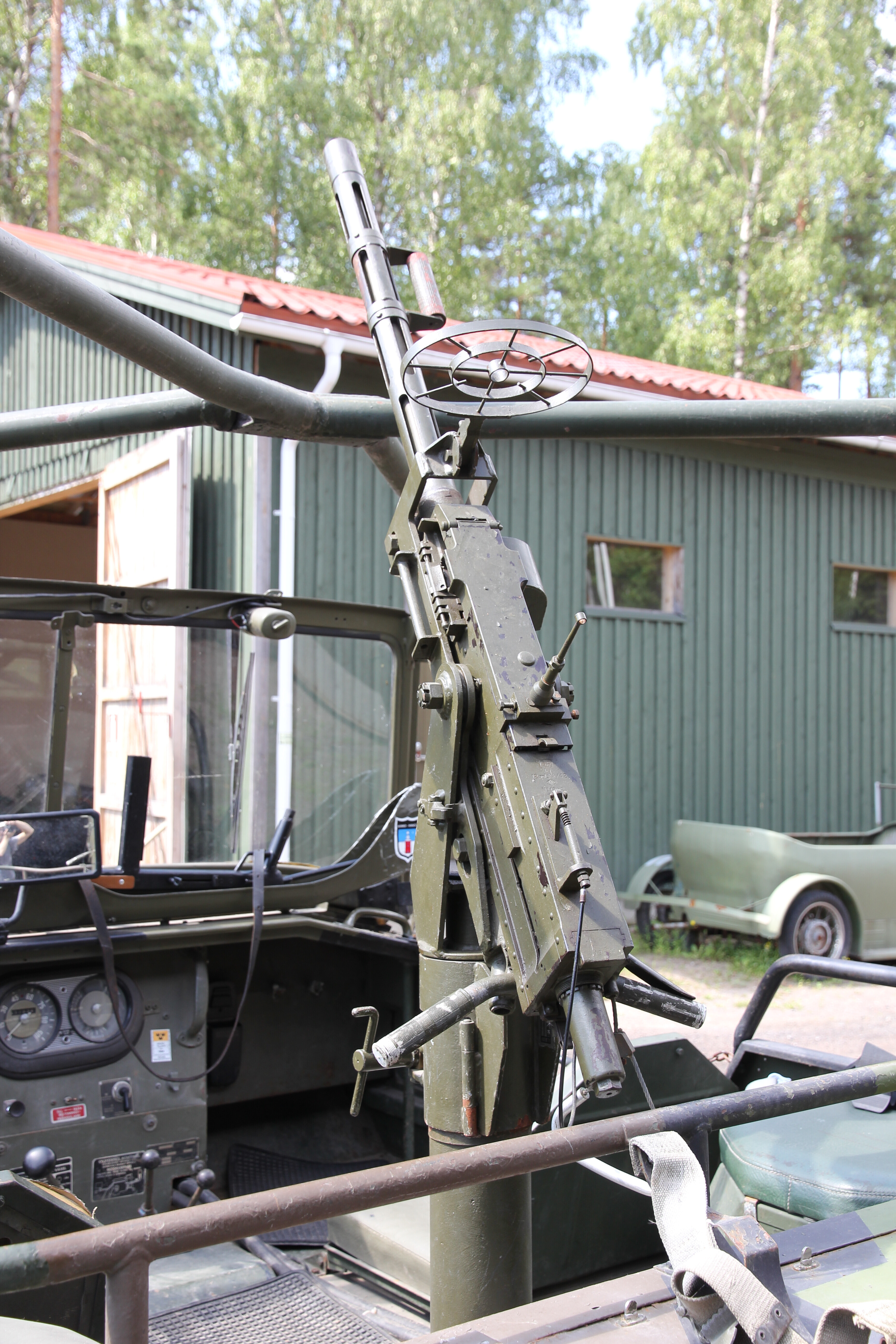
VKT 12.7 mm LKk/42 installed on a Volvo
The primary reason for choosing this caliber of weaponry for the VL Myrsky came from the Winter War. It was quickly realized that the 7.7 mm machine guns on the Fokker D.XXI fighters were too weak to penetrate the armor used in Soviet aircraft. The perfect solution came from the Brewster 239 fighters that the FAF acquired soon after the war, whose 12.7 mm machine guns proved to be highly effective.
The main purpose of the pre-series aircraft was to determine the best construction for the airframe while minimizing weight and refining the design, using experience gained with the prototype as assistance.
The design phase reached such a level of sophistication that during weighing, measurements were taken of even single bolts to calculate the center of mass with gram-level precision to help with weight reduction and further refinements.
Eventually, the construction phase was ready to begin, but it wasn’t without problems. Many parts and materials usually bought abroad were no longer available and had to be locally manufactured, resulting in further delays and more work. Especially the low-quality glues and varnish that had to be used were consequential for the aircraft.
A serious staff shortage didn’t help either, as the current workforce was already stretched thin with other projects such as the VL Pyörremyrsky and VL Humu. Some help was provided by releasing men from the frontlines, but it wasn’t enough.
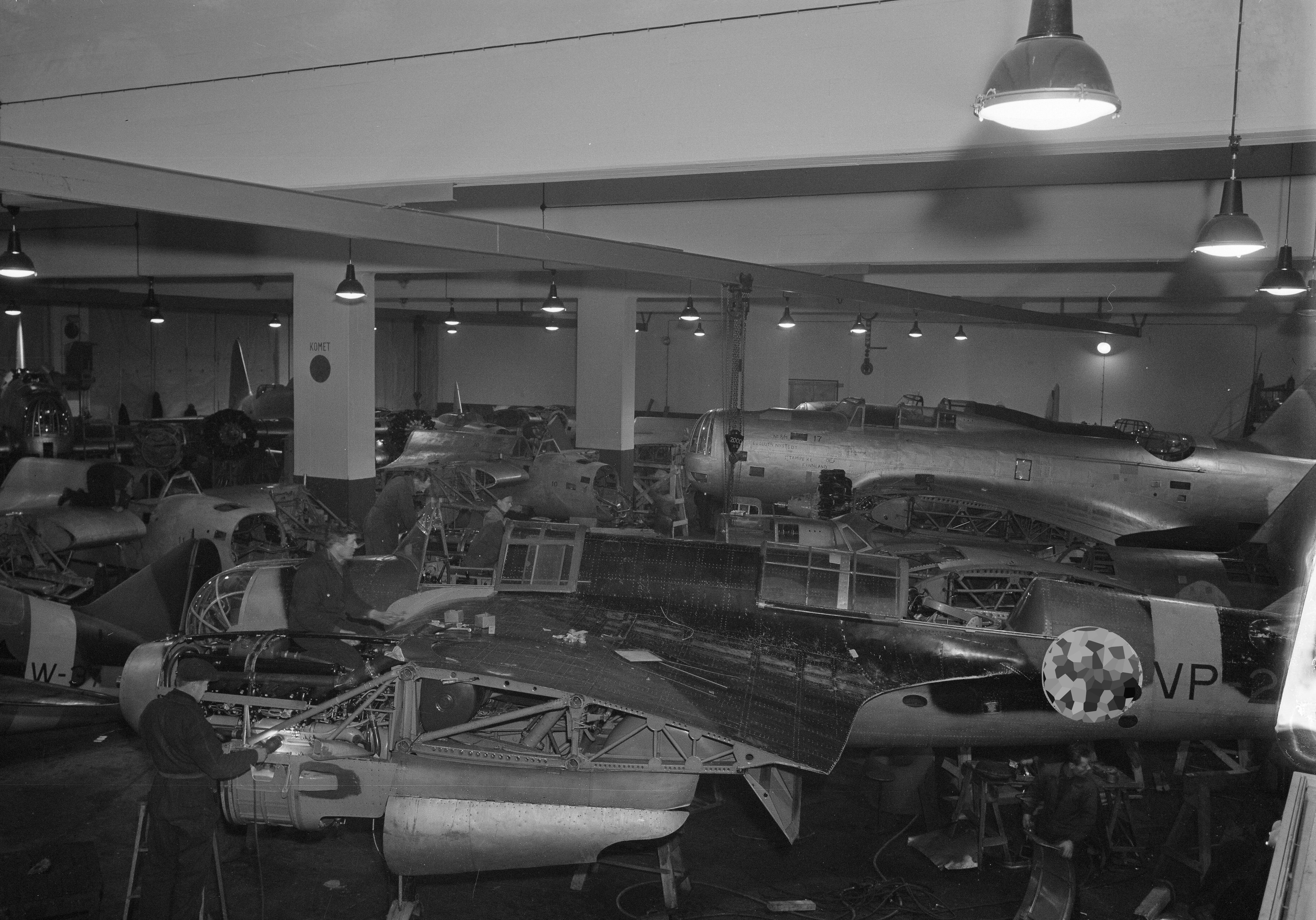
VL workshop in Tampere, 1941
This image puts the challenging conditions faced at VL during the war years well into perspective. The already overworked staff can be seen repairing and refurbishing captured Soviet bomber aircraft. Notice the tail section of a Brewster fighter on the very left too. In addition to repairing, VL was responsible for manufacturing license-production aircraft and their own designs.
Eventually, the first pre-series VL Myrsky I, MY-2, was completed on March 30, 1943, followed by MY-4 in June and MY-3 in July. All of these aircraft varied slightly in their design, with features such as thicker wings, different propellers, hydraulic systems, etc., to help determine the best technical solutions for the main production series.
The remainder of the year was mostly spent conducting flight trials on these aircraft, offering valuable new data about their flight characteristics. A new invention called Mata-Hari, which is considered to be the world’s first modern flight data recorder, was also used for the first time on them. Overall, the aircraft showed a significant improvement in their handling and usability compared to the prototype.
Unfortunately, MY-2 was destroyed in a crash landing only a week after its completion due to running out of fuel. MY-3 was destroyed in a fatal crash on November 19, 1943, during dive trials, revealing a lethal fluttering flaw in the design. This was believed to be caused by weak wing construction, an issue that would have already been fixed on the MY-4, as it had been constructed with thicker wings. Based on this information, in February 1944, VL gave a green light for the main production series to start construction.
With the VL Myrsky II production underway, MY-4 was assigned to Hävittäjälentolaivue 26 (“26th Fighter Squadron”) for testing. This unit had been operating hopelessly obsolete Fiat G.50 fighters, so receiving any form of an upgrade was warmly welcomed. Unfortunately, less than a month later in March, MY-4 was destroyed in a fatal crash very similar to that of MY-3 during a fam flight. This, along with the prior mishaps, damaged the aircraft’s reputation, making it unpopular particularly among the fighter pilots of the FAF.
After investigating, VL once more determined that the main cause of the crash was weak wing construction, prompting a redesign of the wings to make them even stronger. This caused further delays to the VL Myrsky II production, and by then, only two examples had been manufactured.
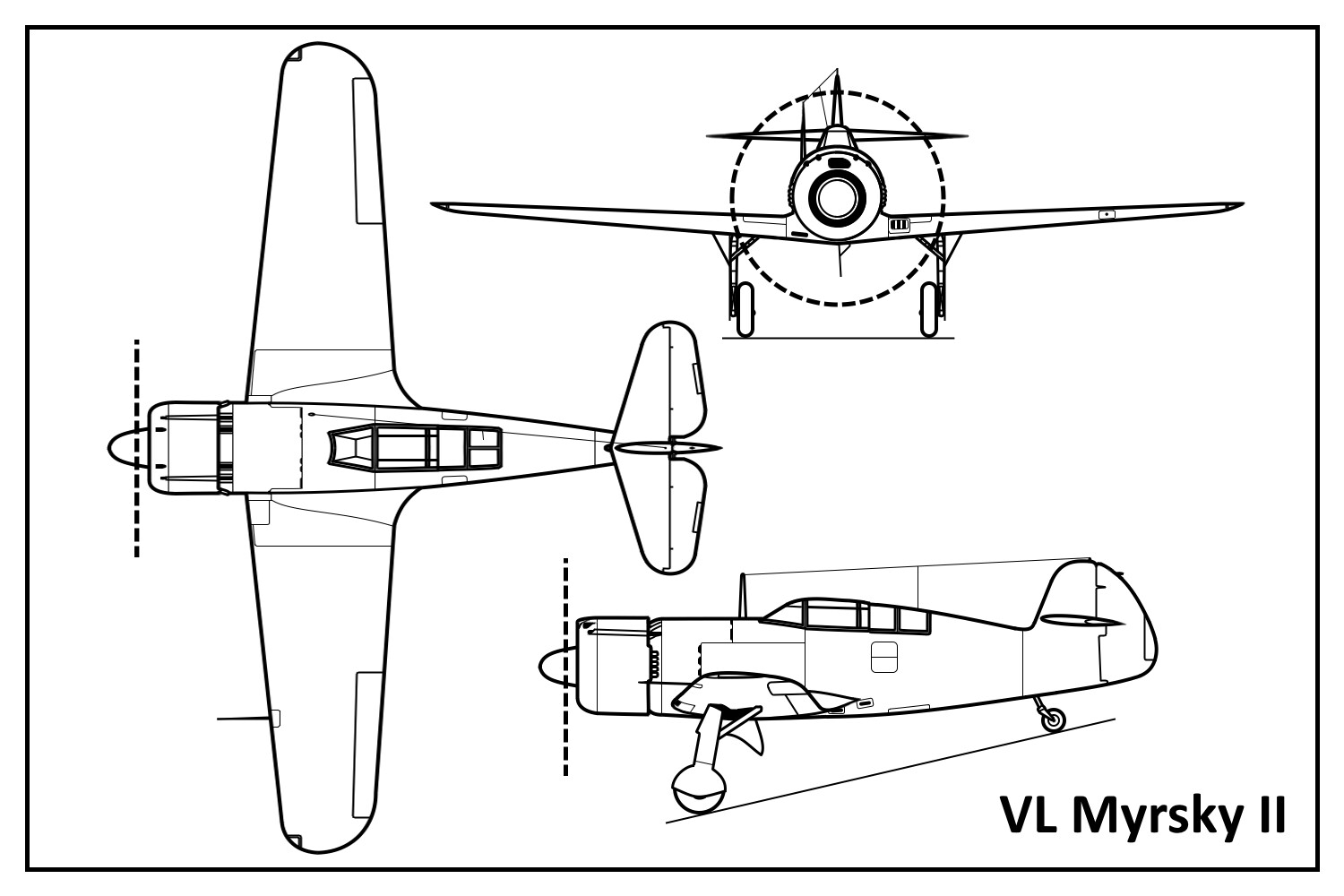
With a stronger wing design, the test flights recommenced with the two VL Myrsky II fighters produced. In June 1944, MY-6 suffered a close call during dive trials when half a horizontal stabilizer broke off mid-dive. This repeated the next week, after which VL launched a new investigation. This investigation concluded that the horizontal stabilizers were the source of the flutter, which was believed to have caused all the prior crashes except that of MY-2. Following this, the horizontal stabilizers were improved, and the new design was applied to all existing examples of the VL Myrsky II.
The first deliveries of the fighter for frontline use happened in July 1944. As the fighter units had by now been upgraded with modern German Bf 109 fighters, and the reputation of VL Myrsky was questionable at best, the first unit to operate the aircraft became Tiedustelulentolaivue 12 (“12th Reconnaissance Squadron”). This unit was the only one to use VL Myrskys in combat during the Continuation War, and received 20 units by the war’s end. Another unit, Tiedustelulentolaivue 16 (“16th Reconnaissance Squadron”), also received 6 VL Myrsky II fighters before the war’s end, but they arrived too late to participate in any combat.
In total, 51 VL Myrsky fighters were produced, consisting of 1 VL Myrsky, 3 VL Myrsky I, and 47 VL Myrsky II variants. All the production aircraft were assigned to Lentorykmentti 1 (“Flying Regiment 1”), which the aforementioned 12th- and 16th RS were part of for operational use, except for MY-50, which remained at VL for testing purposes. The last VL Myrsky II, MY-51, was handed over on May 25, 1945.
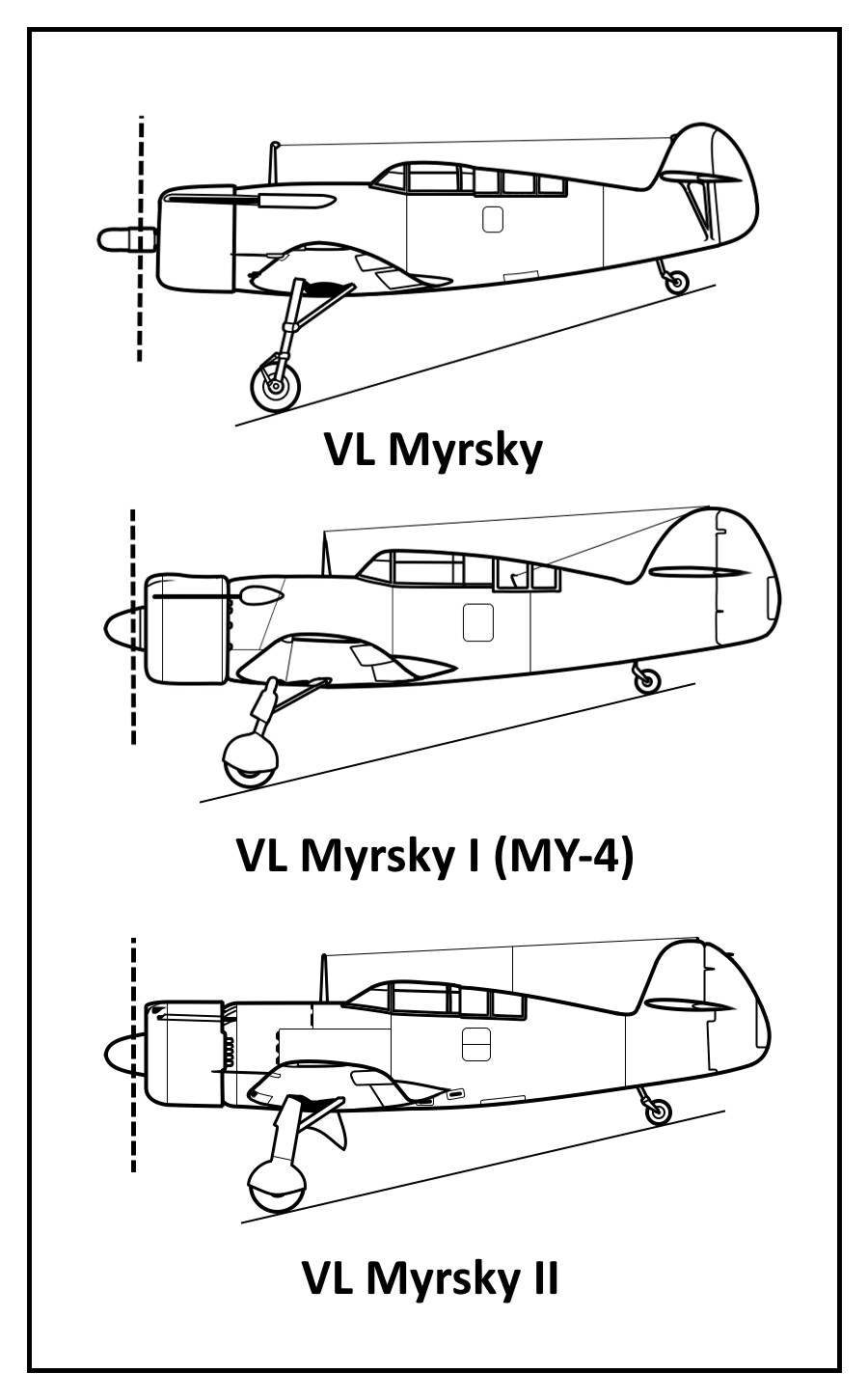
Side profile of the three variants for comparison
Despite looking nearly identical, all variants were slightly different in their design. Even the main production series saw numerous small changes during their construction, as the designs were further refined.
VL Myrsky III
In September 1942, Finland had been at war for approximately 15 months, and the FAF’s fighter fleet had been suffering minor but steady losses throughout. The number of operational fighters was now reaching alarmingly low, and the most capable fighters the FAF possessed, the U.S.-made Brewster 239s, were facing a severe shortage of spare parts and engines. This created serious concerns for the FAF high command, as solving this issue meant that more domestic fighters would have to be produced than were being worked on. Procuring capable fighters from abroad was also not a viable option, as Finland was now closed off from much of the global market for fighting alongside the Axis powers, and Germany still refused to offer any of theirs.
A quick solution was needed. Ideally, more fighters would be produced at home, but a lack of a domestic aero-engine manufacturer meant engine availability was a major limiting factor. It quickly became clear that procuring more captured engines from Germany would be the best option, but since the Twin Wasps were now in short supply, an alternative had to be found.
The perfect solution was the Soviet-made Shvetsov M-63, which was an improved version of a license-produced Wright R-1820 Cyclone engine used in the Brewster 239 fighters. These engines were numerous in the German stockpiles and had already been retrofitted into a few Brewsters a couple of months earlier to ease the spare engine shortage.
By October 1942, VL had managed to reverse-engineer much of the Brewster 239 to produce spare parts for it, and an order was placed for a prototype of a fully reverse-engineered version, designated VL Humu. Anticipating mass production of the VL Humu, the FAF placed an order for 200 M-63 engines from Germany, so they could be fitted on the fighters.
After hearing about the engine purchase, VL also produced designs for an M-63-powered version of the VL Myrsky, designated VL Myrsky III. The FAF placed an order for 10 examples to be built in March 1944, with a price of 2 100 000 mk (~$610 000 USD) per unit. This order was later canceled in May 1945 without a single example built, as the war had ended and the FAF had been able to purchase modern Bf 109 fighters from Germany.
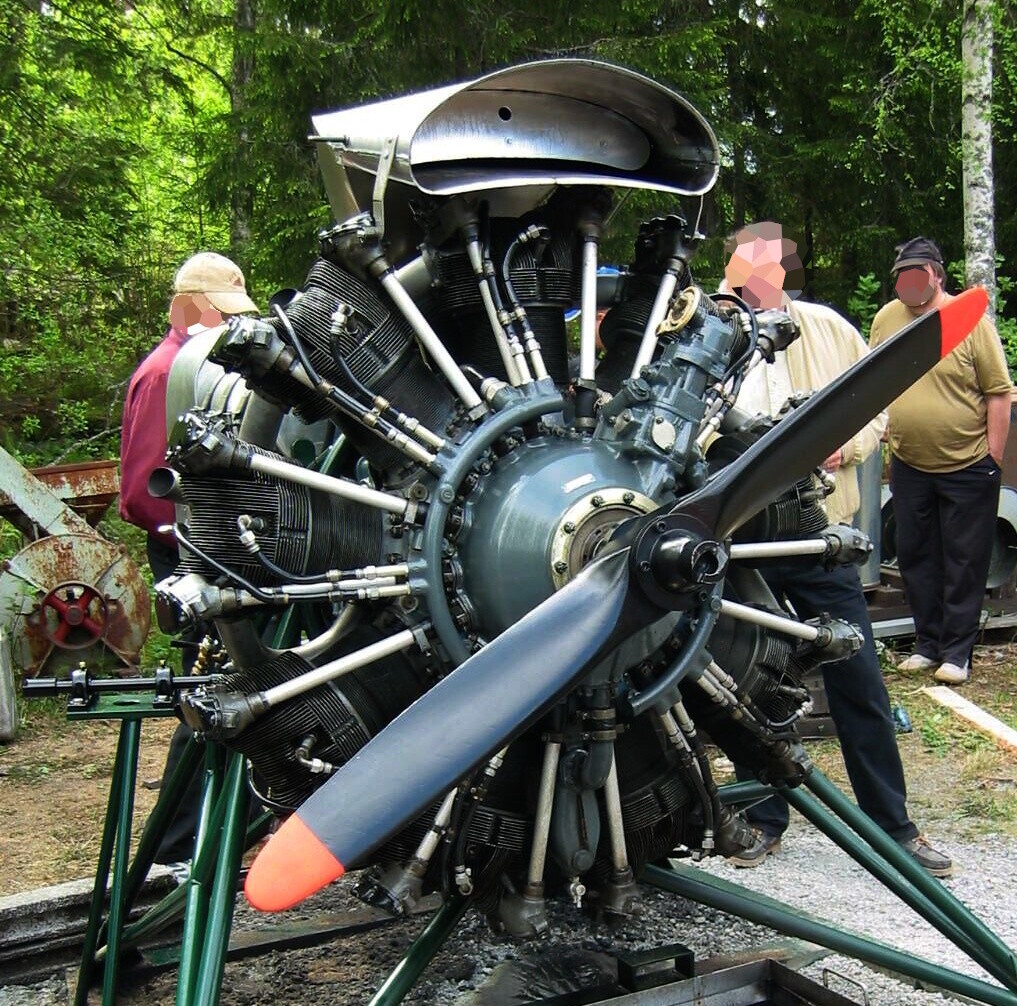
Shvetsov M-63 engine on a stand in Vesilahti, Finland
These engines were mostly used in the Soviet Polikarpov I-16 fighters, from which Germany and Finland captured a large majority of their stockpiles. As the Shvetsov M-63 was an upgraded variant of the Wright R-1820 Cyclone engine used in Brewster 239s, it was the ideal replacement to retrofit. However, this process was not without difficulties, as the Finns lacked the manuals to properly use these engines. As a result, they produced less power than the original Wright R-1820 engines. In 1943, the Germans provided the necessary manuals, which allowed the engines to be properly tuned and used to their full potential.
Operational History
Due to the considerable delays suffered by the VL Myrsky project, the aircraft entered active frontline service only by the second half of 1944. Designed to be a capable fighter aircraft by 1939 standards, the aircraft was largely obsolete by 1944 standards. Thus, the aircraft were only assigned to the 12th and 16th reconnaissance squadrons to conduct primarily recon missions in the Ladoga Karelia region.
Continuation War
The first VL Myrskys delivered for operational use were assigned to the 12th reconnaissance squadron, based in Mensuvaara in July 1944, as the unit had become nearly depleted of aircraft. Despite the fact that the VL Myrskys were obsolete by 1944 standards, many of the squadron’s pilots liked this aircraft as it was considered enjoyable to fly with good visibility from the cockpit. The main criticisms focused on its weak armament and a lack of speed.
The 16th reconnaissance squadron, based in Värtsilä, also received its first VL Myrskys in late August, and a total of six before the armistice on September 4. However, these aircraft arrived too late to participate in any combat.
Despite the reconnaissance role, a few aerial combats ensued during operations. On August 9, during a routine patrol flight, the Myrskys encountered a Soviet Yak-7 fighter and attempted to intercept it but were unsuccessful.
On August 22, during a recon mission, three Yak-9s came upon a formation of six VL Myrskys and a brief dogfight ensued. One of the Yaks was hit, but not shot down. After the encounter, the Myrsky formation began its return flight, during which they spotted two La-5 fighters and chose to intercept. One Myrsky scored hits on one of them, but the La-5s managed to flee. Postwar, it was later found that the damaged Yak made an emergency landing, resulting in its destruction. The La-5 only suffered damaged pressure systems and returned to base without further incident.
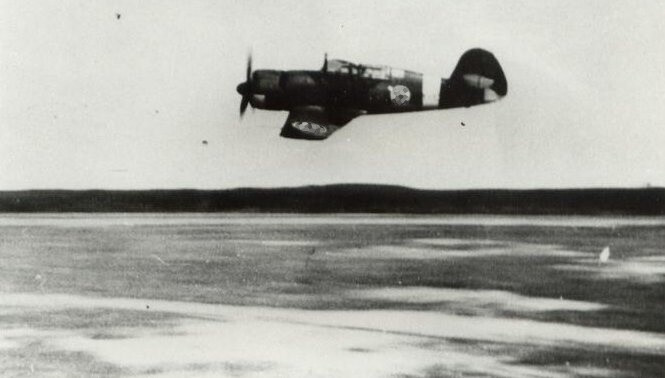
On September 3, one day before the armistice, a formation of six VL Myrskys, each equipped with two 100-kilogram (220 lb) bombs, was sent on a bombing mission against a presumed Soviet 7th Army Corps headquarters, approximately 40 kilometers (25 miles) behind the front lines. After locating the headquarters, the Myrskys closed in and successfully deployed 11 of the 12 bombs. After the strike, the Myrskys started their return flight to avoid interception. This mission was the second-to-last for the Myrskys in the war.
By the time of the armistice on September 4, 1944, the two reconnaissance squadrons had received a total of 26 VL Myrsky II fighters, and the 12th RS had conducted 68 sorties with them, losing none in combat. However, one Myrsky from the 16th RS was lost on the day of the armistice due to a technical failure that resulted in a fatal crash.
Lapland War
One condition of the armistice, effective on September 4, 1944, was to expel all German forces from Finnish soil by September 15. Despite all efforts, this condition was not met. Therefore, to avoid further Soviet intervention in Finland, war was declared against the German units stationed in Finland.
VL Myrskys saw little action during this period, as most of the operational tasks were assigned to units with more capable equipment. However, one detachment operating seven VL Myrskys, called lento-osasto Tylli (“detachment Tylli”), was formed from the 12th RS and was subordinated to Hävittäjälentolaivue 26 (“26th Fighter Squadron”) to participate in the war. The detachment was deployed to Kemi in October 1944 to conduct recon missions in the Lapland region. The rest of the Myrskys focused on moving to their new home base stationed in Pori.
After arriving in Kemi, problems with the Myrskys soon appeared. The poor-quality glue and varnish used in their construction degraded quickly in Lapland’s harsh weather, and keeping the airframes airworthy became a challenge. Often, nails or screws were necessary to prevent the plywood panels from falling off. This prompted the premature withdrawal of detachment Tylli back to its unit at Pori in January 1945, which was the last use of VL Myrsky IIs during the war.
During their deployment in Lapland, the small detachment conducted a total of 15 sorties, all of which were recon missions conducted before December 1944. A total of 38.5 flight hours were logged, during which one Myrsky was lost in an accident. Another Myrsky was also lost during a ferry flight to Pori.
In total, the VL Myrsky fighters logged approximately 3 000 flight hours in both wars combined, conducted 83 sorties, and were credited with one air kill. No Myrskys were shot down, but six were lost in accidents.
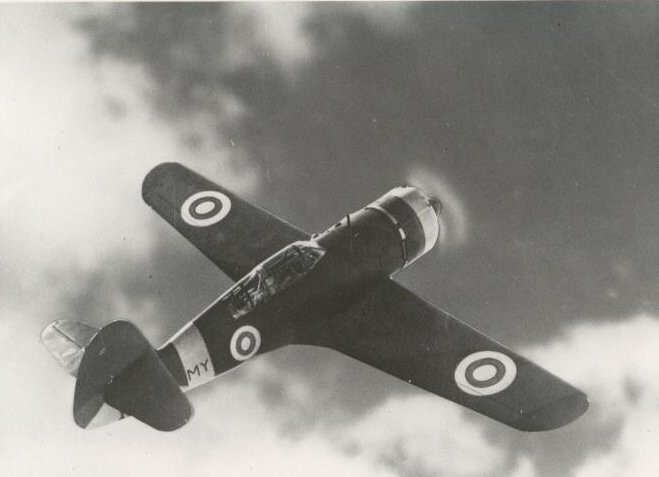
Postwar
Soon after the Continuation War, the FAF underwent reforms. As a result, the 1st Air Regiment had its new home base set in Pori, and the 12th RS and 16th RS were renamed Hävittäjälentolaivue 11 and 13 (“11th and 13th Fighter Squadron”), with VL Myrsky II fighters as their primary equipment. During the Lapland War, all the VL Myrskys were flown to their new home base, and the last units arrived by March 1945.
The Myrsky fleet remained grounded for the most part during their first months at the new base due to a flight ban imposed by the armistice agreement on all air traffic, except for ferry and Lapland War–related flights. During this period, the final VL Myrsky II, MY-51, was delivered to its unit in May. This brought the total to 43 Myrskys in service, one remaining at VL for testing purposes, six lost in accidents, and MY-1 scrapped.
The Lapland War ended in April 1945, and the flight ban was lifted in late July 1945. Following this, the 1st Air Regiment could begin its peacetime operations in the skies. This didn’t go smoothly for the Myrskys, as most of the pilots, especially those of the 13th FS (former 16th RS), were inexperienced with the aircraft and a nearly eleven-month period without flying led to many accidents during the following months. Moreover, because the airframes were of war production and made with lower-quality materials, doubts about the aircraft’s airworthiness rose constantly.
These doubts resulted in the VL Myrsky fleet being grounded three times in a two-year period. Two of those instances followed crashes that resulted from critical structural failure, and the latter grounding also became permanent. This was because the unit commander no longer considered the Myrskys airworthy, and after losing a pilot in the crash, he refused to recall his order despite a request from high command. As a result, the entire Myrsky fleet was moved to storage in May 1947, which marked the end of VL Myrsky IIs in active service. MY-16 was an exception, as it was moved to Kauhava for use in maintenance training at the Air Force technical school.
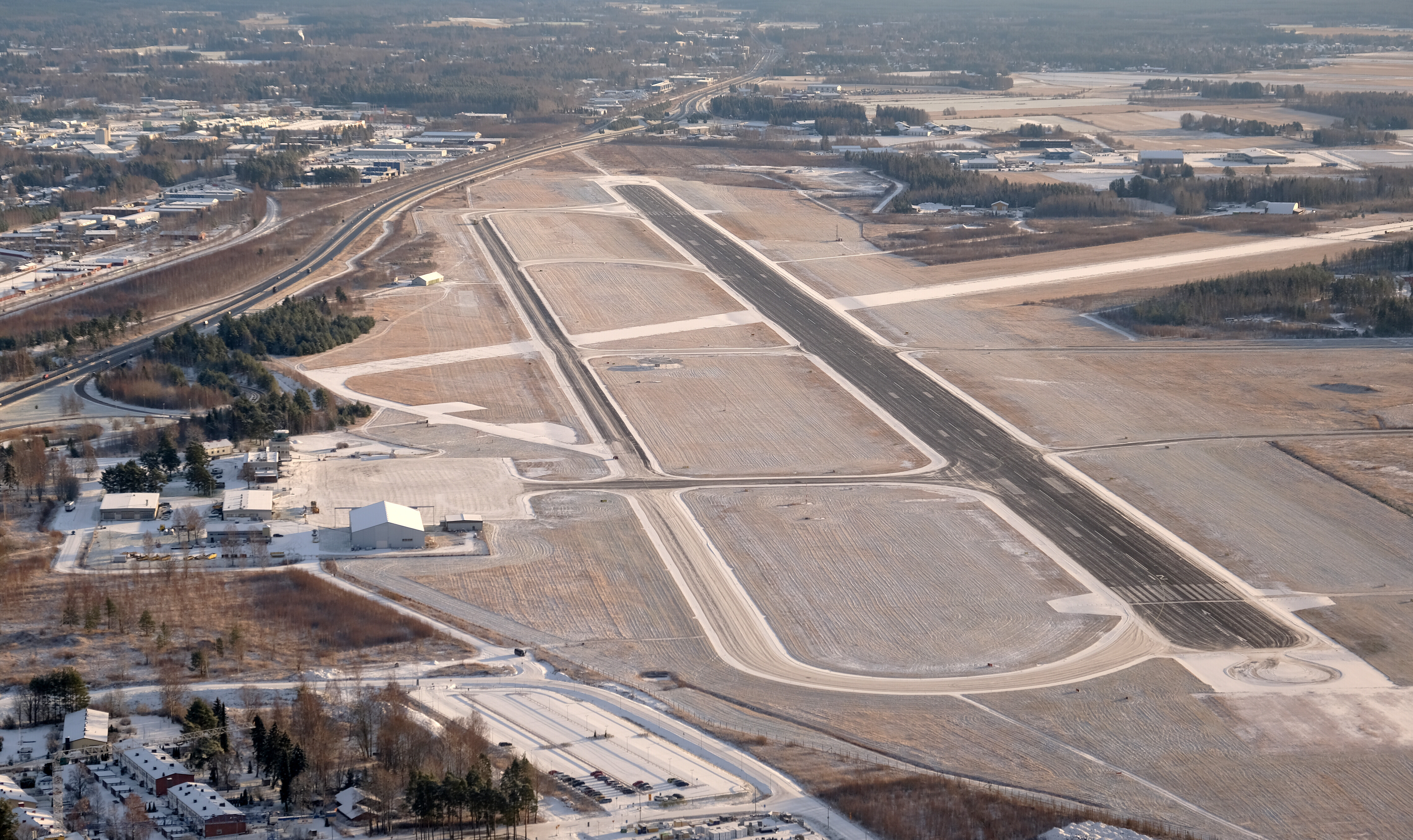
Pori Airport pictured in 2021
This location served as the new home base for the 1st Air Regiment. For many of the VL Myrskys, it became their last. After the flight ban ended in 1945, it was possible to see Myrskys conducting patrol and training flights in the surrounding areas until their permanent grounding in May 1947.
The last flight of VL Myrsky II happened on February 10, 1948, when MY-50, operated by VL, conducted a ferry flight from Kauhava to Tampere with a special permit. This flight ultimately ended in a crash while landing, resulting in its destruction. The crash was caused by operator error, but it ultimately sealed the ill-fated reputation of the VL Myrsky.
With the remaining VL Myrsky fleet having been stored and the Paris Peace Treaties limiting the FAF to 60 active combat aircraft, it was decided to scrap the entire VL Myrsky fleet. The process began with an order to dismantle any valuable components from the airframes in 1949, after which the airframes were auctioned off to scrapyards in batches. Some wing and tail structures were saved for use in target drones, but naturally these were also destroyed in use. The last of the Myrskys sent for scrapping met their fate by the end of 1953.
The last surviving VL Myrsky was MY-16 in Kauhava, as it had avoided the scrapping process and was taken out of service as late as 1953. Afterward, it was abandoned on the side of the airfield, where it slowly decayed until its removal and eventual scrapping in 1964.
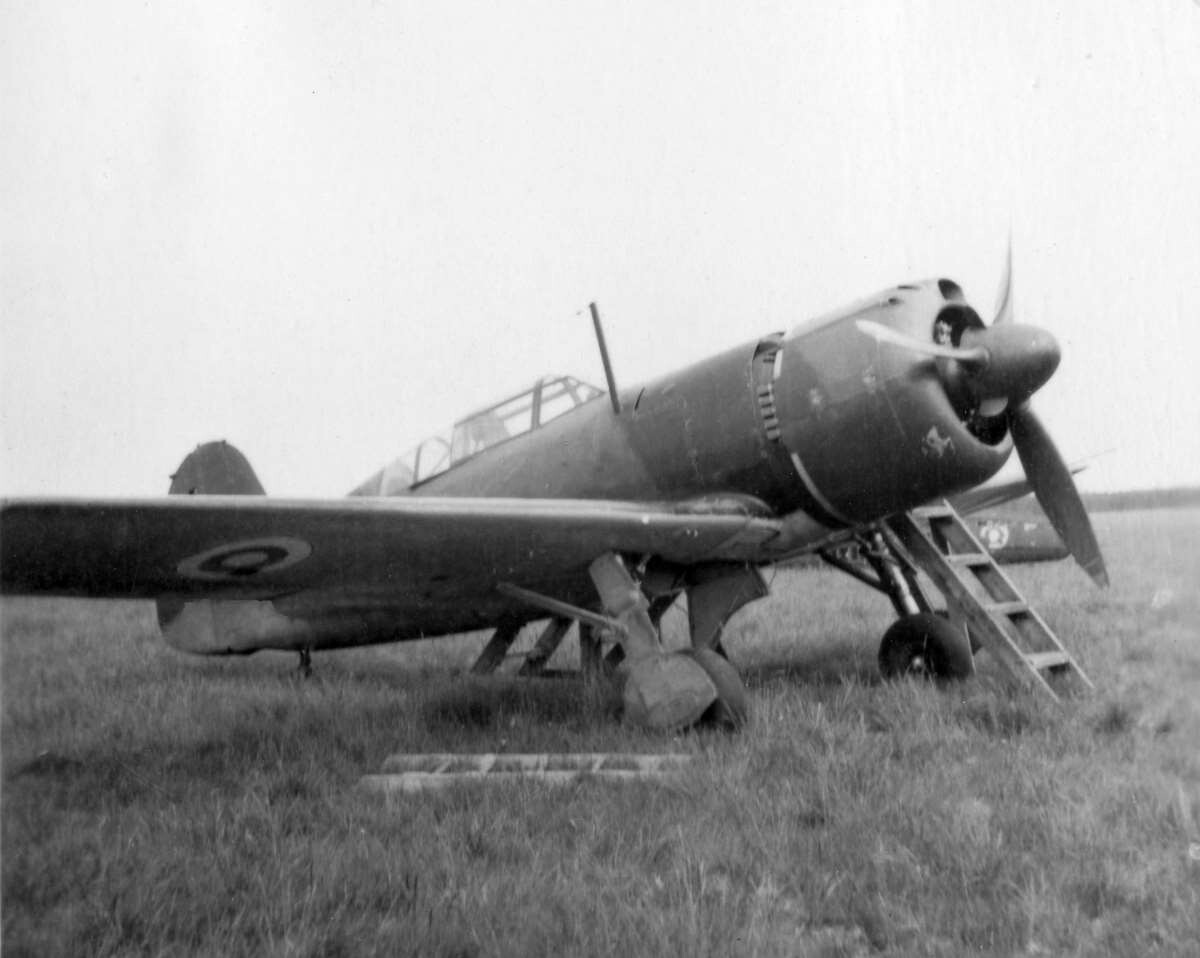
This mostly unfortunate history of the VL Myrsky shows the aircraft was a useful tool in the right and well-trained hands, but even then it eventually proved susceptible to failure as the wartime-quality materials gave way under pressure. Consequently, 48 accidents were recorded, 10 of which resulted in the loss of the aircraft, and four of which cost the life of the pilot. These accidents ultimately stained the aircraft’s reputation and gave the impression that it caused more trouble than good during its service life.
Legacy
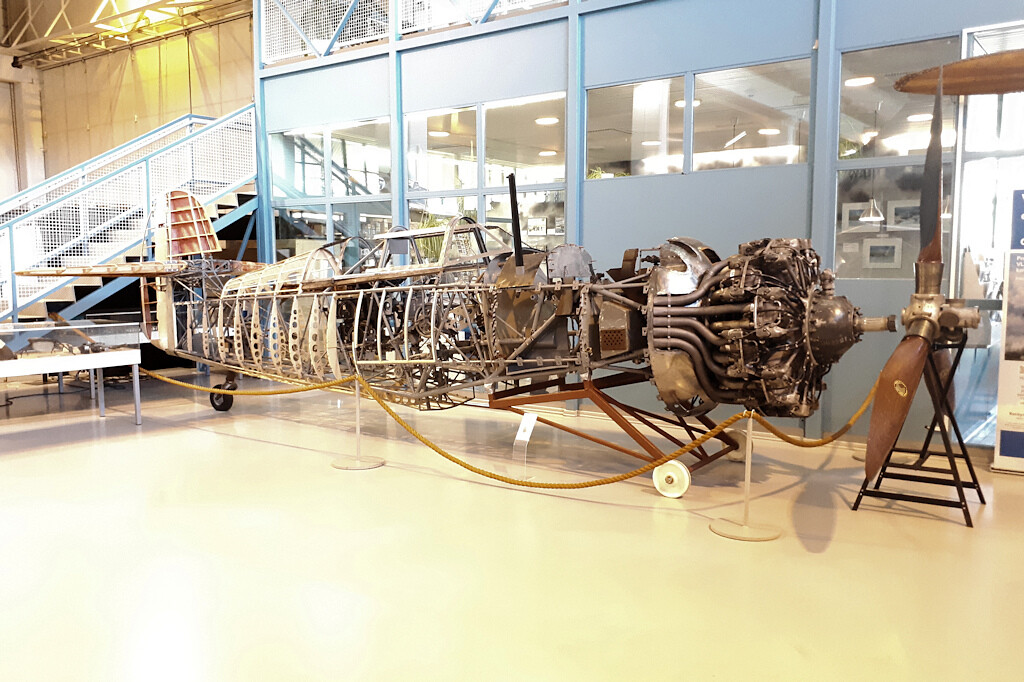
Today, no complete example of the VL Myrsky exists, but many individual parts, including three frames and many photographs, have survived. One of these frames (MY-14) is, at the time of writing, under restoration by volunteers to create a complete example of this fighter for museum exhibition.
As a Finnish fighter plane, it holds great historical value for the Finnish aviation and its industry. It serves as an example of how a small nation, during a challenging period, was able to domestically design and mass-produce fighter aircraft despite the many challenges the project faced. Hopefully soon, one complete example of this historic aircraft will be on display in Finnish air museums.
- Jukka Raunio: “Myrsky — suomalaisen hävittäjälentokoneen tarina”. Suomen Ilmailuhistoriallinen Lehti, Erikoisumero 1, 2002.
- Iltalehti: Myrsky nousee taas
- vlmyrsky.fi: history
- vlmyrsky.fi: construction
- Myllymäki Reino, Vertanen Kari: “VL Myrsky: historia ja entisöinti 2015”. Ilmailumuseoyhdistys, 2015.
- Myllymäki Reino, Autio Tuire: “VL Myrsky: historia ja entisöinti 2019”. Ilmailumuseoyhdistys, 2018.
- Myllymäki Reino: “VL Myrsky: historia ja entisöinti 2020”. Ilmailumuseoyhdistys, 2019.
- Kalevi keskinen, Kari Stenman, Klaus Niska: “Suomen Ilmavoimien Historia 14 — Suomalaiset Hävittäjät”. AR-kustannus, 1990.
Images:
- VL Myrsky II MY-5, 1944 — Finnish Aviation Museum; Flickr (Image has been edited by censoring swastikas off the roundels)
- Shvetshov M-63 on a stand — Leo-setä; Flickr (from Wikipedia) (Image has been edited by cencoring peoples faces)
- BMW 801 Engine — Nimbus227; Wikipedia
- VL Myrsky MY-1 in its final form — Suomen Ilmailumuseo (Image has been edited by censoring swastikas off the roundels)
- MY-16 at Kauhava Airfield, 1952 — Törhönen; Kajamäki, Veijo (Suomen Ilmailumuseo)
- VL workshop in Tampere, 1941 — SA-kuva; Wikipedia (Image has been edited by censoring swastikas off the roundels)
- MY-14 under restoration in 2018 — Flyernzl; Wikipedia. (Image has been edited by censoring swastikas off the roundels)
- Pori Airport pictured in 2021 — kallerna; Wikipedia
- Public domain:
- Messerschmitt Bf 109 — Wikipedia
- Seversky AP-1 (P-35) — Wikipedia
- Supermarine Spitfire — Wikipedia
- Hawker Hurricane — Wikipedia
- Heinkel He 112 — Wikipedia (Image has been edited by censoring swastikas off the roundels)
- Fokker D.XXI parked on a snowy field — Wikipedia (Image has been edited by censoring swastikas off the roundels)
- Pratt & Whitney R-2800 Double Wasp — Wikipedia
- Daimler-Benz DB 605 — Wikipedia
- VKT 12,7 mm LKk/42 installed on a Volvo — Wikipedia
- VL Myrsky II in flight — Wikipedia (Image has been edited by censoring swastikas off the roundels)
- VL Myrsky II in flight postwar — Wikipedia
- Own Work:
- Line Drawings VL Myrsky
- Line Drawings VL Myrsky II
- Line Drawings side profiles comparison
All own work based on original drawings