#coldwar

France might have won World War Two on paper, but in reality it had suffered a massive defeat. The Germans, of course, had steamrolled them at the start of the war. Showing the ineffectiveness of their tactics, tanks, and leadership. It was the lessons they learned there, that mobility and the ability to react to unforeseen threats quickly and effectively, that shaped the entire French armoured forces to this day.

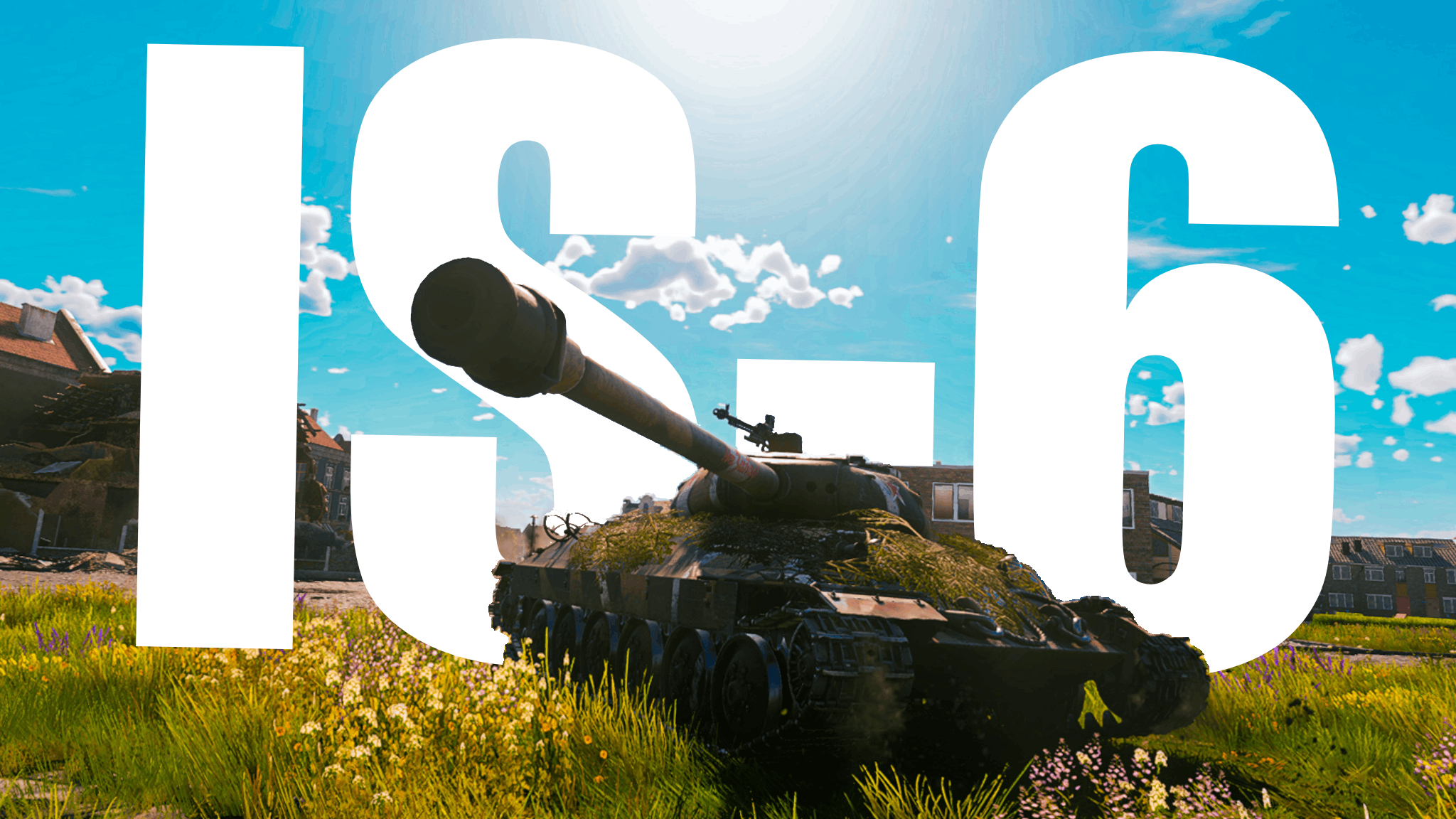
The IS-6, also known as Object 252, was a Soviet heavy tank developed during the final years of World War II. Designed in 1944, it was a revolutionary step in tank development, introducing advanced sloped armour that influenced the future of heavy tank design. Despite its promising features, mechanical design flaws led to the IS-4M replacing it in production. Only two prototypes of the IS-6 were ever built, both of which were scrapped at the war’s end.

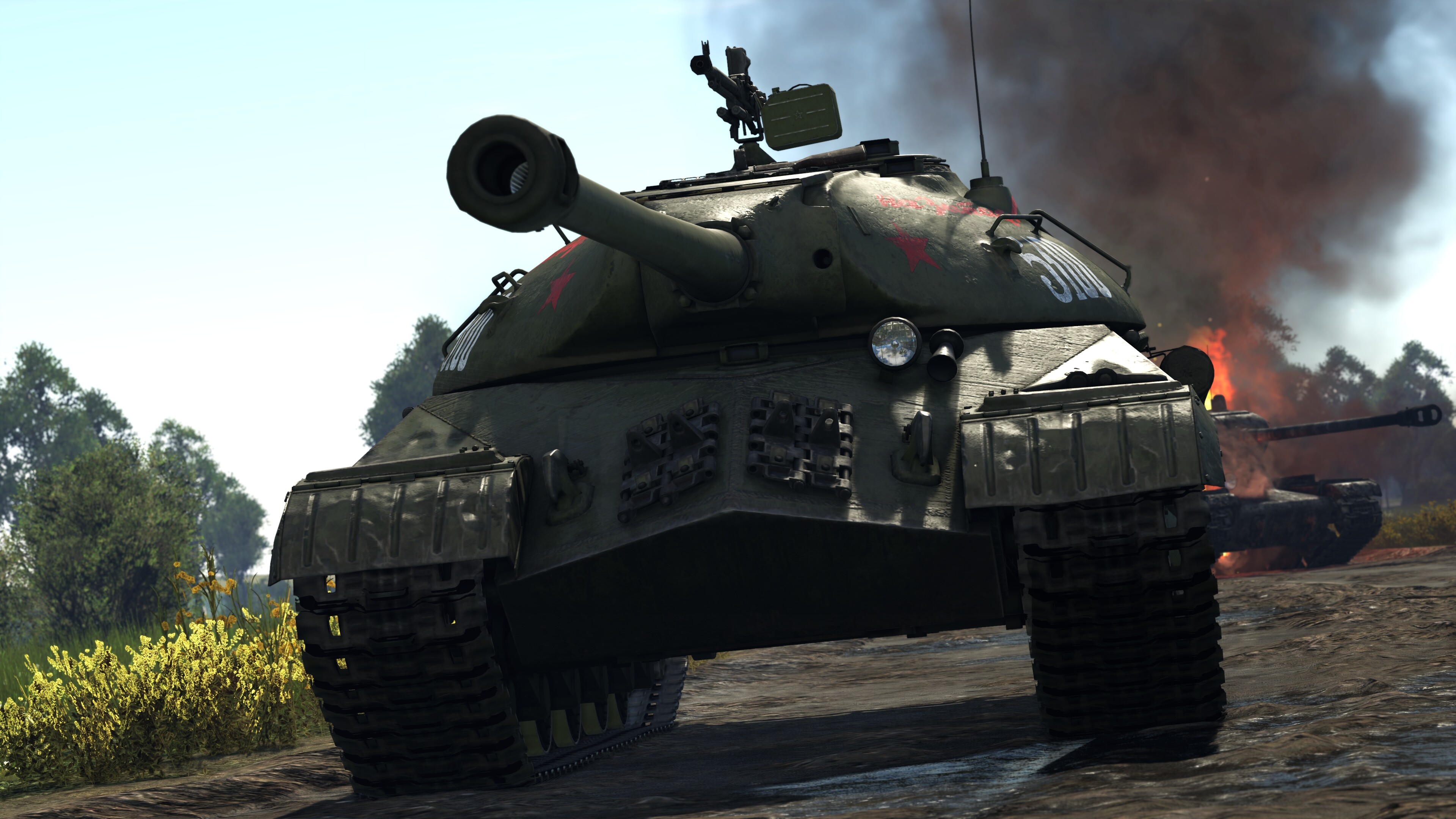
The IS-3 is the third tank in the IS series. It retains the same 122mm cannon, gets a dome-shaped turret, and most famously - the armour has been heavily upgraded. Able to tank hits from most foes, it has gained an infamous reputation for being hard to kill. It also faces many tanks with the similar characteristic of a big gun with a slow reload. However - how do you get in those situations? And how is it played?

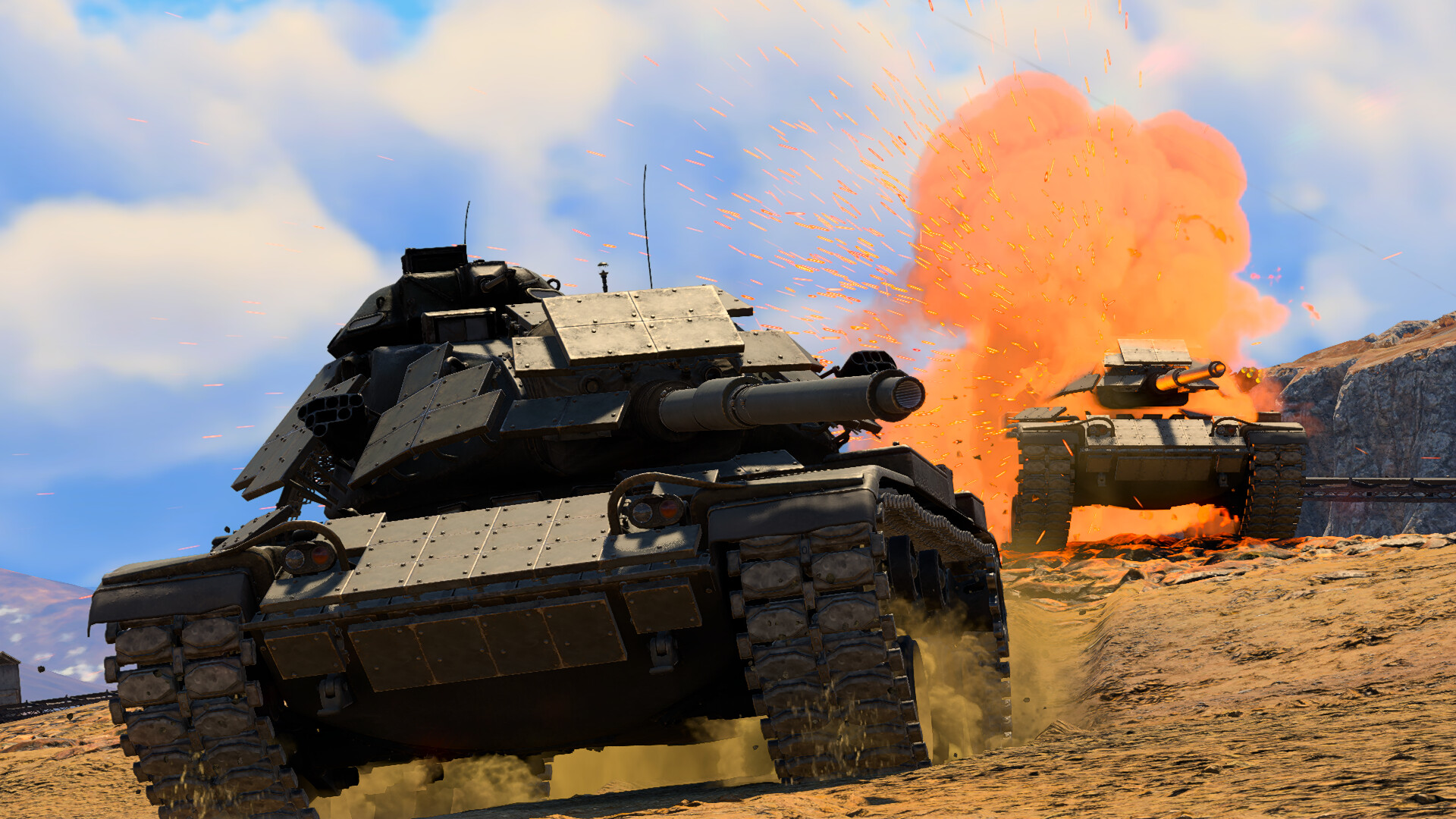
The M60A1 (AOS) represents an important evolutionary step in the American main battle tank lineage. Introduced as an improvement over the standard M60, the AOS (Add-On Stabilization) variant features a two-plane gun stabilizer, significantly enhancing its ability to fire accurately on the move. While it retains the powerful 105 mm M68 cannon of its predecessor, it also introduces an improved turret design with better-angled armor compared to the hemispherical turret of the standard M60. However, its large silhouette and underwhelming mobility make it vulnerable in fast-paced engagements. In the right hands, though, it can be a highly effective frontline vehicle.


During the Berlin Victory Parade, the IS-3 was first observed by the western allies. Among the British, fear grew about its armour and the fact that only the 17-pounder, firing the scarce APDS (Armour Piercing Discarding Sabot) stood a chance at penetrating it. As a result, a British program began to develop a gun capable of accomplishing the feat of penetrating the IS-3 frontally. When doubts arose about the planned vehicle, FV215, coming into service before cold war hostilities in sufficient numbers, a stopgap order was issued in 1950. This utilised the Centurion MK3 hull and mounted a 183mm anti-tank gun. This was named the FV4005.


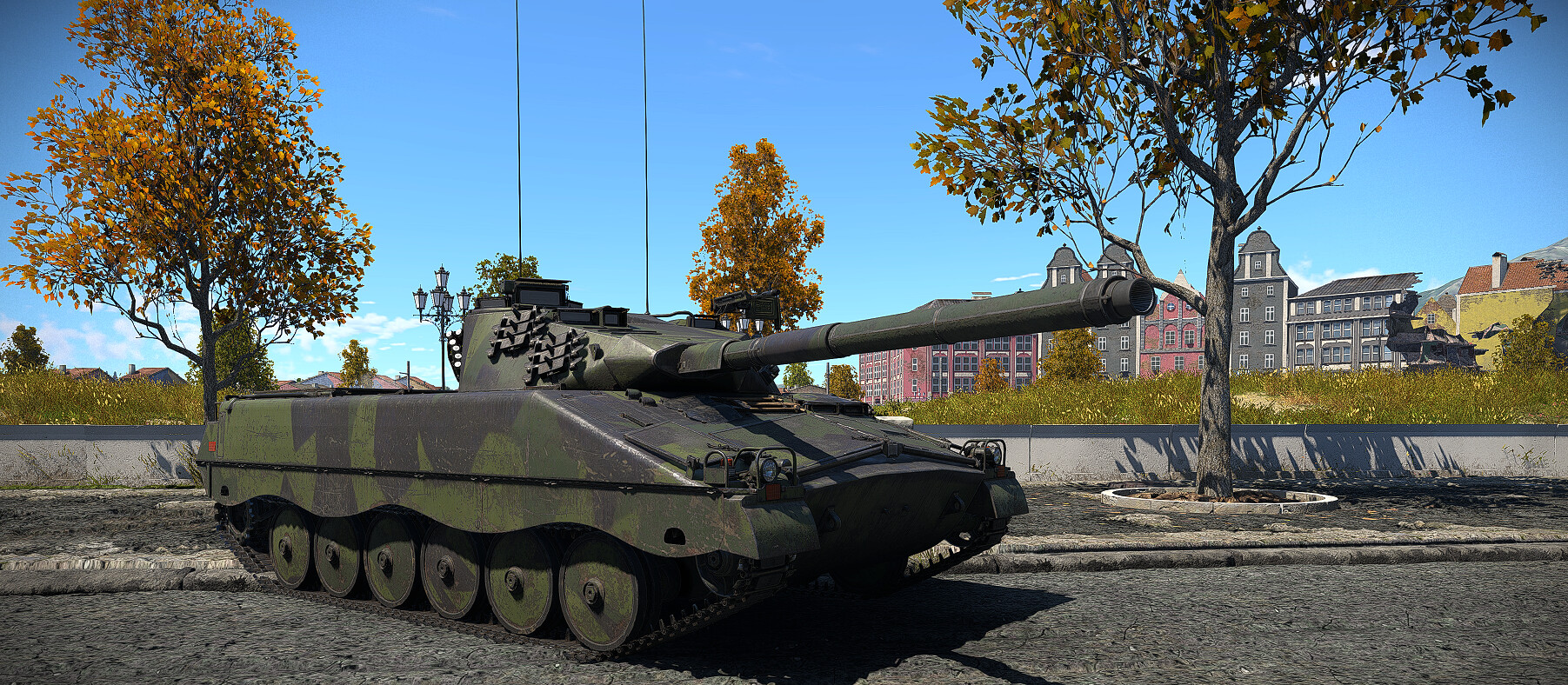
The Ikv 91 is a light infantry fighting and support vehicle developed by Hägglunds. This tank was designed to fill a similar role as the Russian PT-76 tanks. The first prototypes of this vehicle were delivered in 1969 and underwent in-depth testing by the armed forces. The first prototypes did not feature an automatic transmission and also were only equipped with an optical rangefinder, which required the commander’s cupola to be notably bigger. In 1972, the Swedish army ordered 200 Ikv 91 tanks, with another 12 being ordered in 1975. After several modernization attempts, this vehicle was ultimately retired in 2002.
The M60A3 TTS (Tank Thermal Sight) is the final evolution of the legendary M60 Patton series. Equipped with advanced optics, improved firepower, and enhanced survivability features, the M60A3 TTS remains a formidable force on the battlefield. While it may lack the speed and cutting-edge technology of modern MBTs, its robust armor and powerful 105mm cannon ensure it can still hold the line against contemporary threats.
The T95E1 represents a bold step forward in American tank design. Developed during the early years of the Cold War, the T95E1 was engineered to tackle the challenges posed by emerging armored threats. With a focus on advanced firepower, this experimental tank was designed to push the boundaries of what was possible in future armored warfare. In-game, the T95E1 has a 90mm smoothbore gun capable of firing APFSDS with excellent ballistics and angled penetration. Though the T95E1 has less impressive mobility and even worse armor, good positioning and capitalizing on the firepower can make the most out of this prototype tank.

The J 35A Draken is a second-generation Swedish jet fighter that was manufactured by SAAB from 1955 until 1974. This legendary aircraft had its maiden flight in 1955 and was designed to replace the aging J 29 Tunnan and J 32 Lansen as an all-weather fighter-interceptor. Further, the Draken was the first West European jet fighter to breach the sound barrier and is well known for its very unique looks and shape. In War Thunder, this unique aircraft is a premium jet fighter that used to be in the Swedish air tree but has since been removed to only appear on special occasions. It was introduced with the update “Direct Hit”.

The XM803 stands as a daring experiment in American tank design, conceived from the ambitious MBT-70 program. Initially envisioned as a next-generation main battle tank to replace the aging M60 family, the XM803 was engineered to combine overwhelming firepower with exceptional mobility. Outfitted with a cutting-edge 152 mm XM150E6 gun/launcher, advanced targeting systems, and a two-plane gun stabilizer paired with an autoloader, it promised to redefine battlefield engagement. Yet, in its quest to balance performance and cost, the XM803 sacrificed armor protection and crew survivability making it a high risk, high reward vehicle that rewards skilled, hit-and-run tactics with its incredible mobility and firepower.
