#bombers
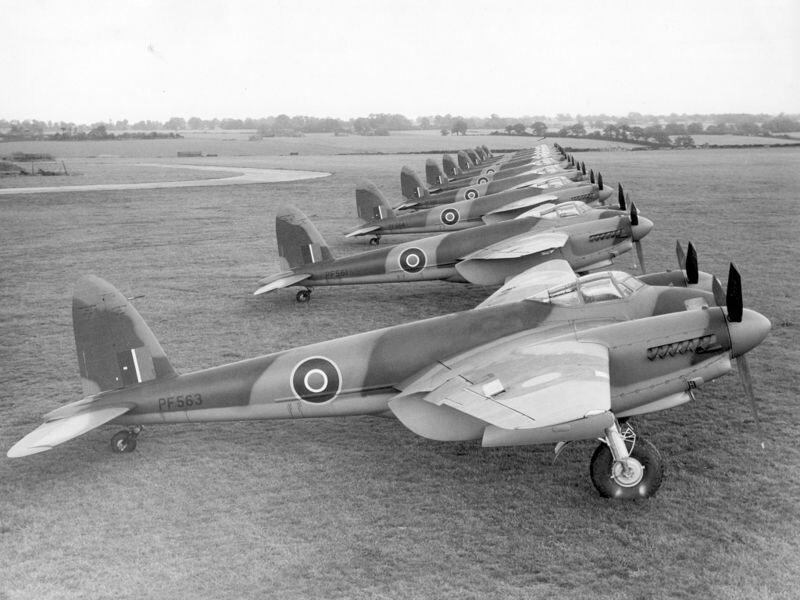
The story of the Mosquito begins with the founding of Geoffrey de Havilland’s aircraft company which bore his namesake, de Havilland. Around 1908, de Havilland designed his first aeronautical engine, which he then used to power his first aircraft — a small biplane. In 1920, when the aircraft company he worked for — Airco — shut down, he was able to create his own company, de Havilland Aircraft Company Limited, more commonly known as de Havilland.

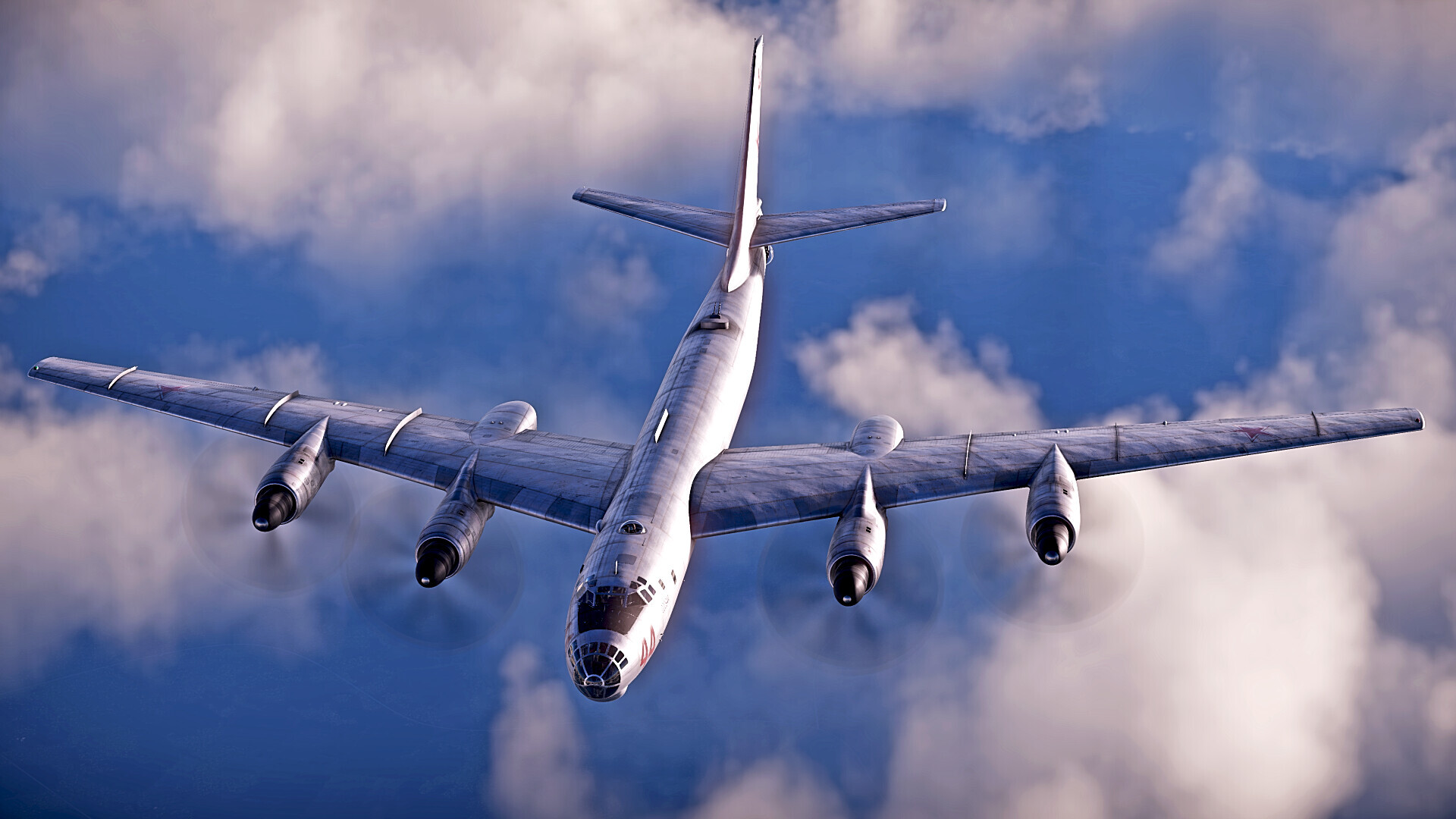
The Tu-95 (NATO reporting name: “Bear”) is a renowned Soviet turboprop strategic bomber. Originally developed as a replacement for the Tu-4, the Bear served as a heavy bomber, capable of carrying various bombs and missiles and even as a carrier for the “Tsar Bomba” — the most powerful nuclear bomb in the world. But how does the Tupolev perform in the game? What is the history of the world’s loudest turboprop bomber? Read the article to find the answers!

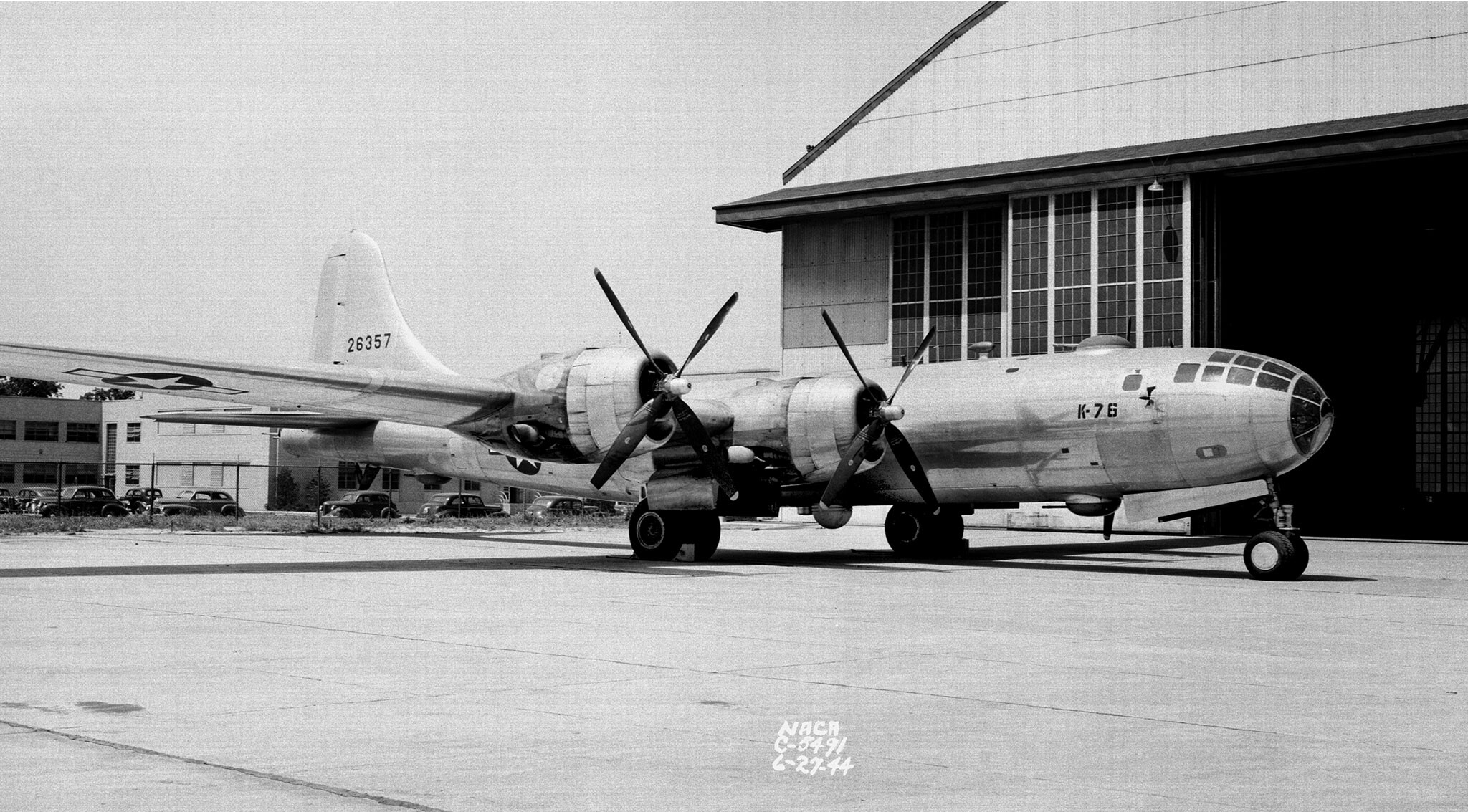
The Boeing B-29 Superfortress was a revolutionary aircraft that redefined bomber aircraft and engineering during World War II. Designed as a long-range heavy bomber, it became synonymous with strategic bombing campaigns in the Pacific Theater, including the historic missions over Hiroshima and Nagasaki. With its advanced pressurized cabin, remote-controlled turrets, and ability to reach unimaginable altitudes and distances, the B-29 represented the peak of wartime aviation technology.
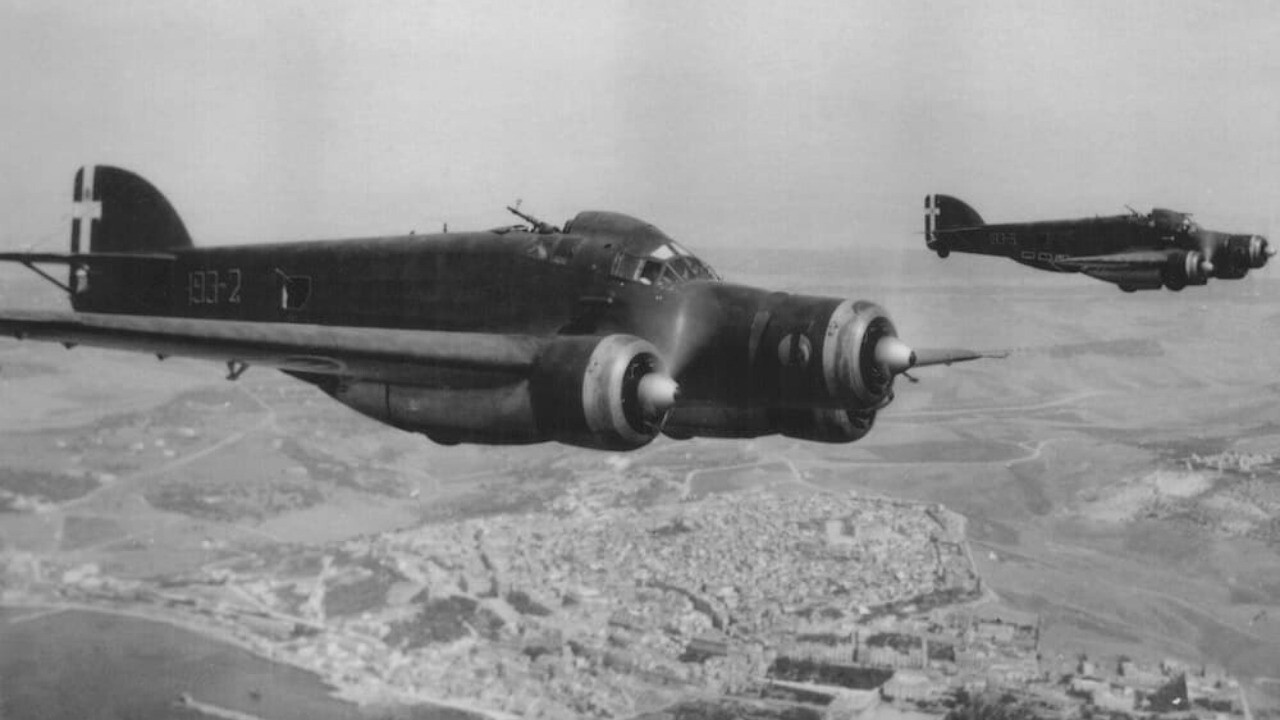
Sleek, powerful, and fast, the 'Sparviero' ('Sparrowhawk') was one of the deadliest warbirds above the Mediterranean when it first entered service in the mid-'30s. However, as the Second World War started to go badly for Italy, the SM.79's shortcomings were quickly exposed by a new generation of fighters, which this aircraft’s designers had not prepared for.

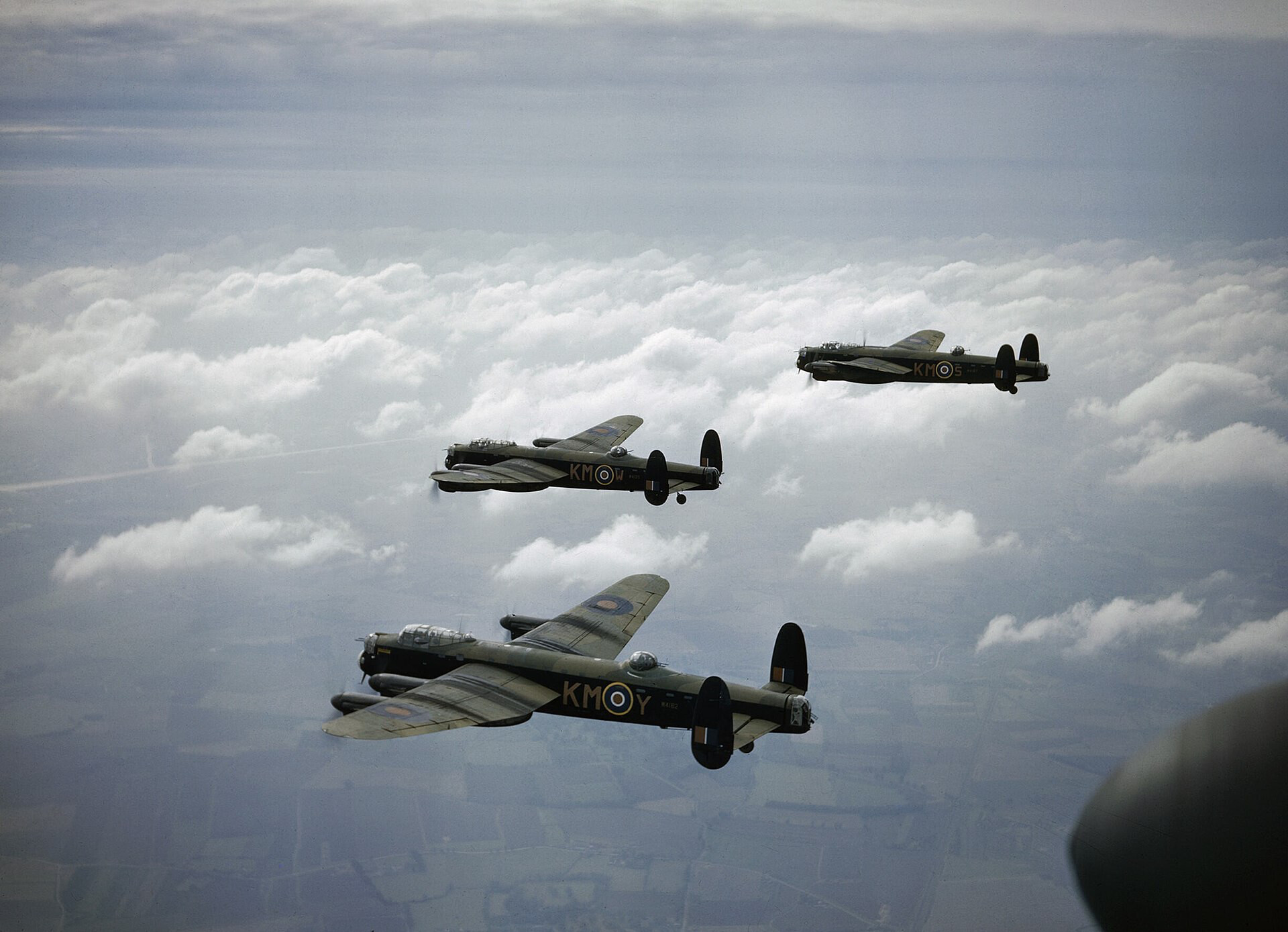
If someone mentions bomber aircraft, chances are a lot of people — particularly Britons — will immediately think of the Lancaster. It was so ubiquitous and performed so many unique and famous actions, that it will always be remembered as one of the most successful bomber designs of the Second World War.

The BV 238 is known for a number of things. It is the largest plane in WT for one, is a human fireworks display, and is very fun to use. Even though it is a meme, it is slow, turns and handles like a stuck pig, and is the XP-50's favorite lunchtime snack. So how is it played?

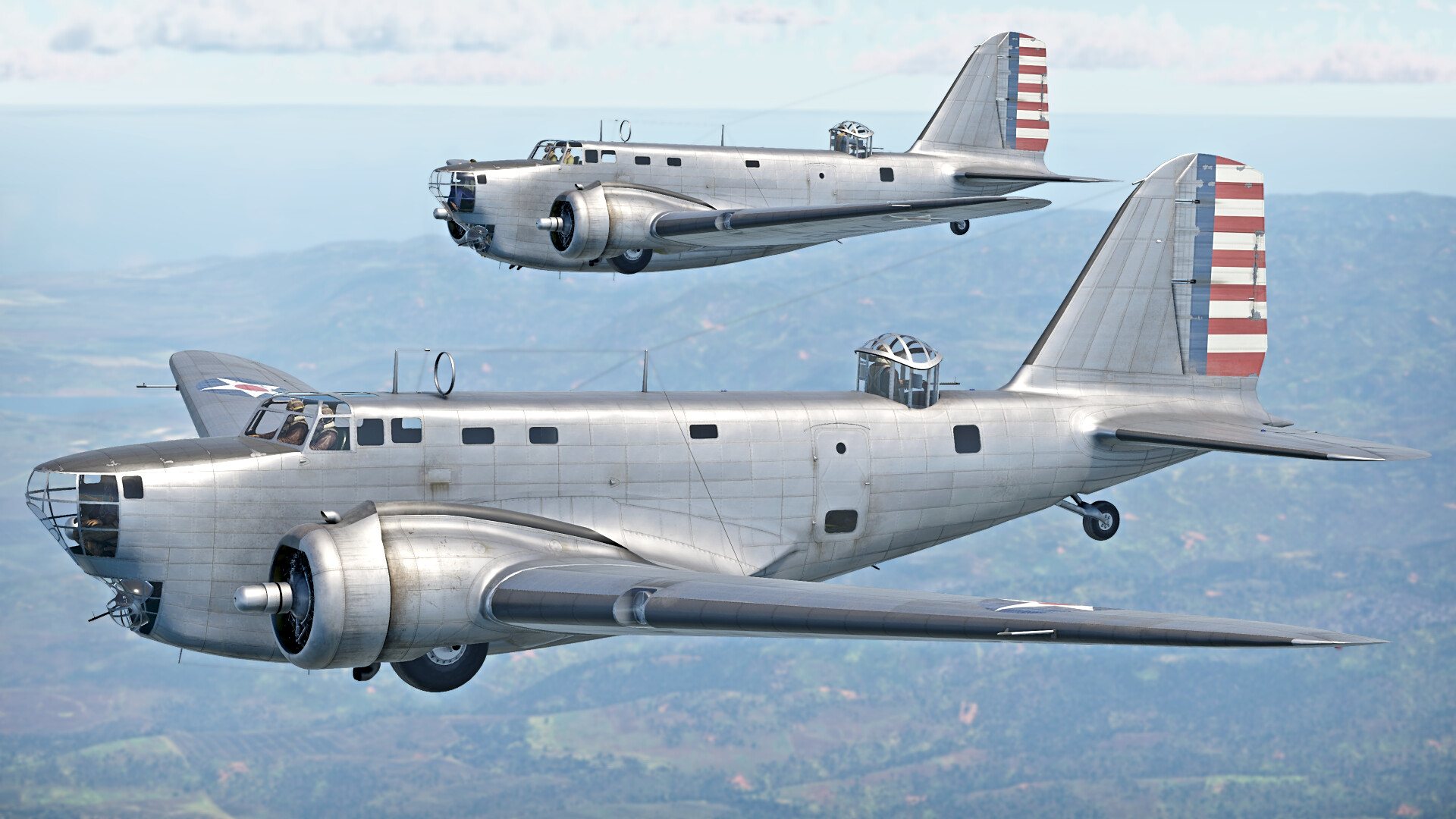
The B-18A Bolo is an American medium bomber designed in the interwar period, developed from the Douglas DC-2 civilian airliner. It is the first medium bomber available in the American aviation tech tree, and despite its somewhat low top speed, weak defensive armament and rather poor manoeuvrability, its bomb capacity is actually pretty adequate for different missions and allows players to obtain satisfying results when using this aircraft.

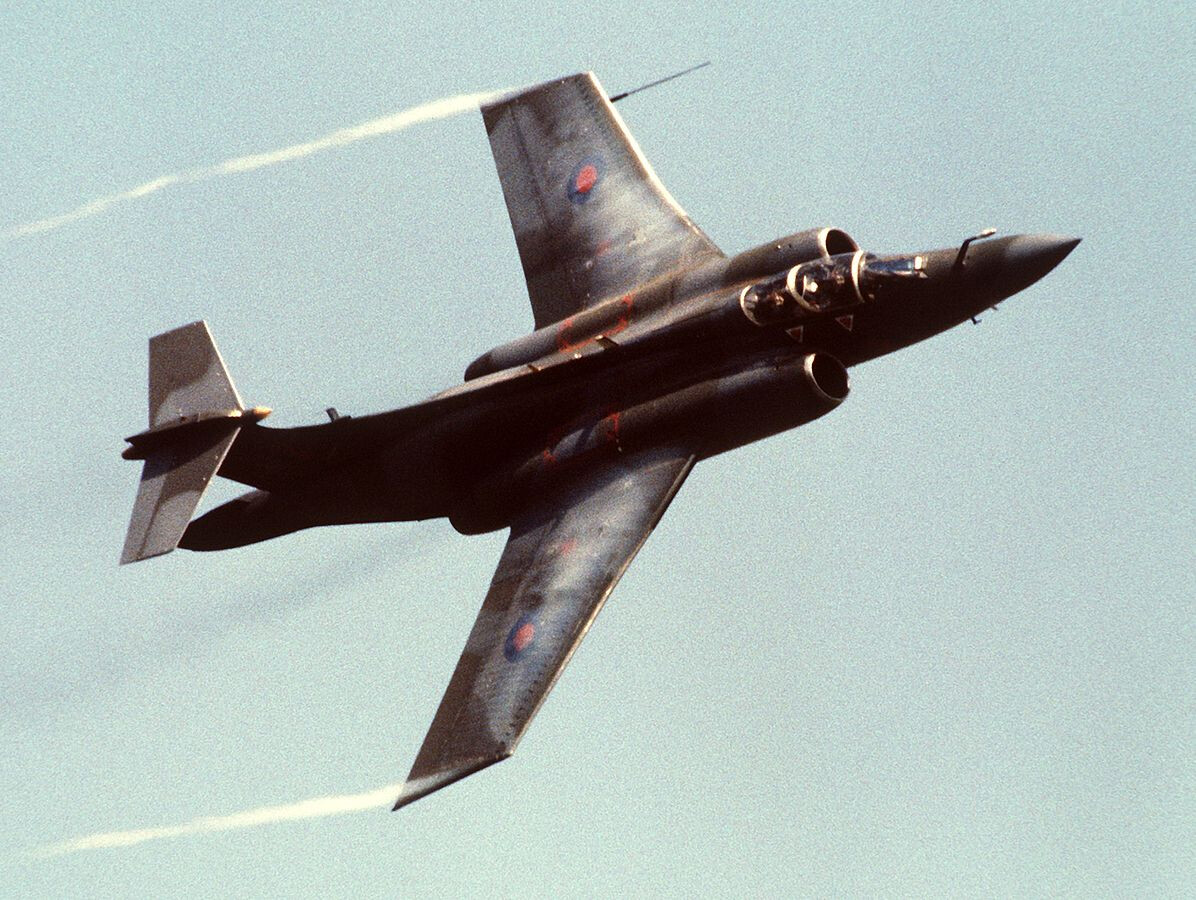
The Blackburn Buccaneer was a British carrier-borne, high-speed, low-level strike aircraft, designed by Blackburn Aircraft in the 1950s for the Royal Navy in response to the USSR’s Sverdlov-class ships. 209 planes and 2 prototypes were ever created.
The Yokosuka D4Y Suisei (彗星, “Comet”), called “Judy” by the Allies, are a collection of three Rank II light bomber aircraft that can be found in the Japanese air tree. While called bombers in the game description, these planes play more like heavy strike fighters, due to their great speed and agility.

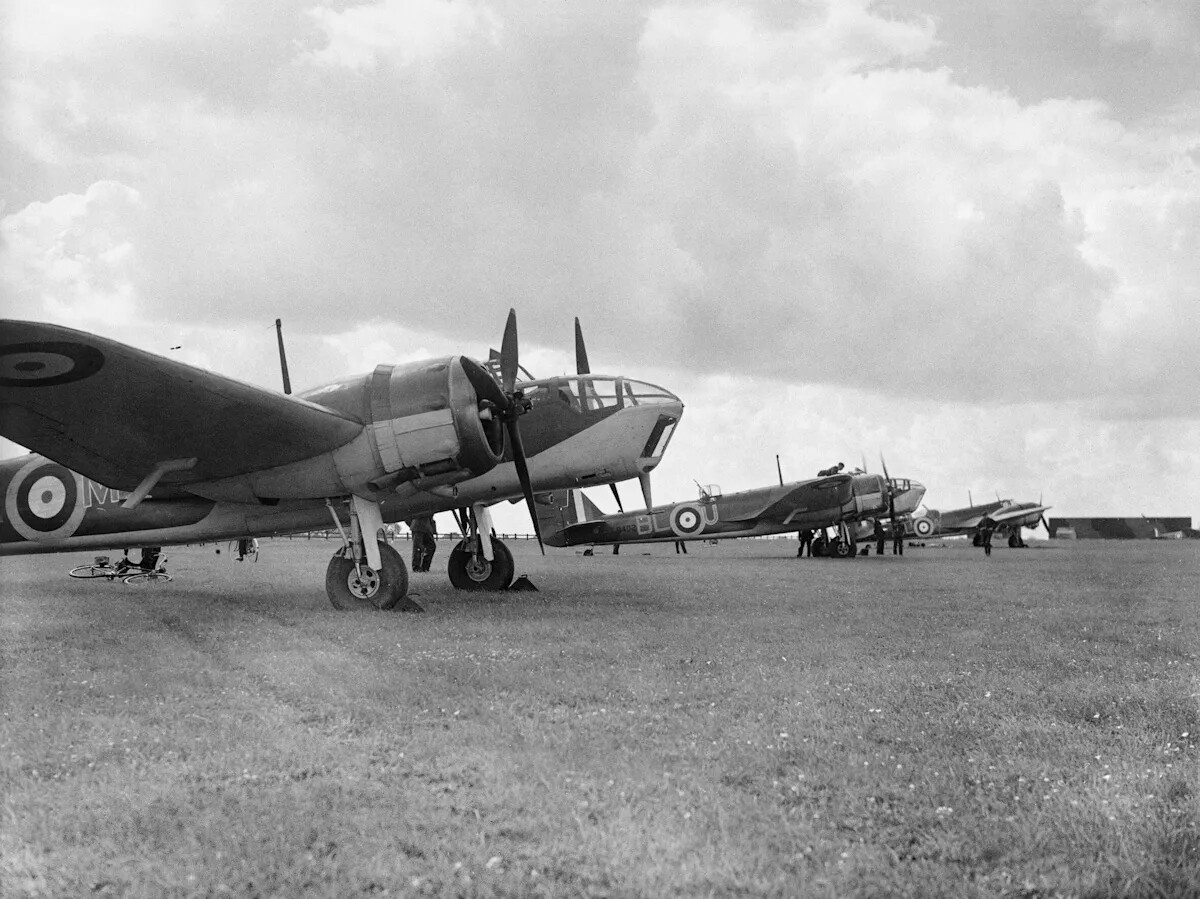
The Bristol Blenheim is a very important piece of British aviation. It was the first all-metal monoplane aircraft of the RAF, the fastest combat aircraft in the world when introduced and the aircraft on which many future crews of more famous bomber aircraft learnt their trade.