
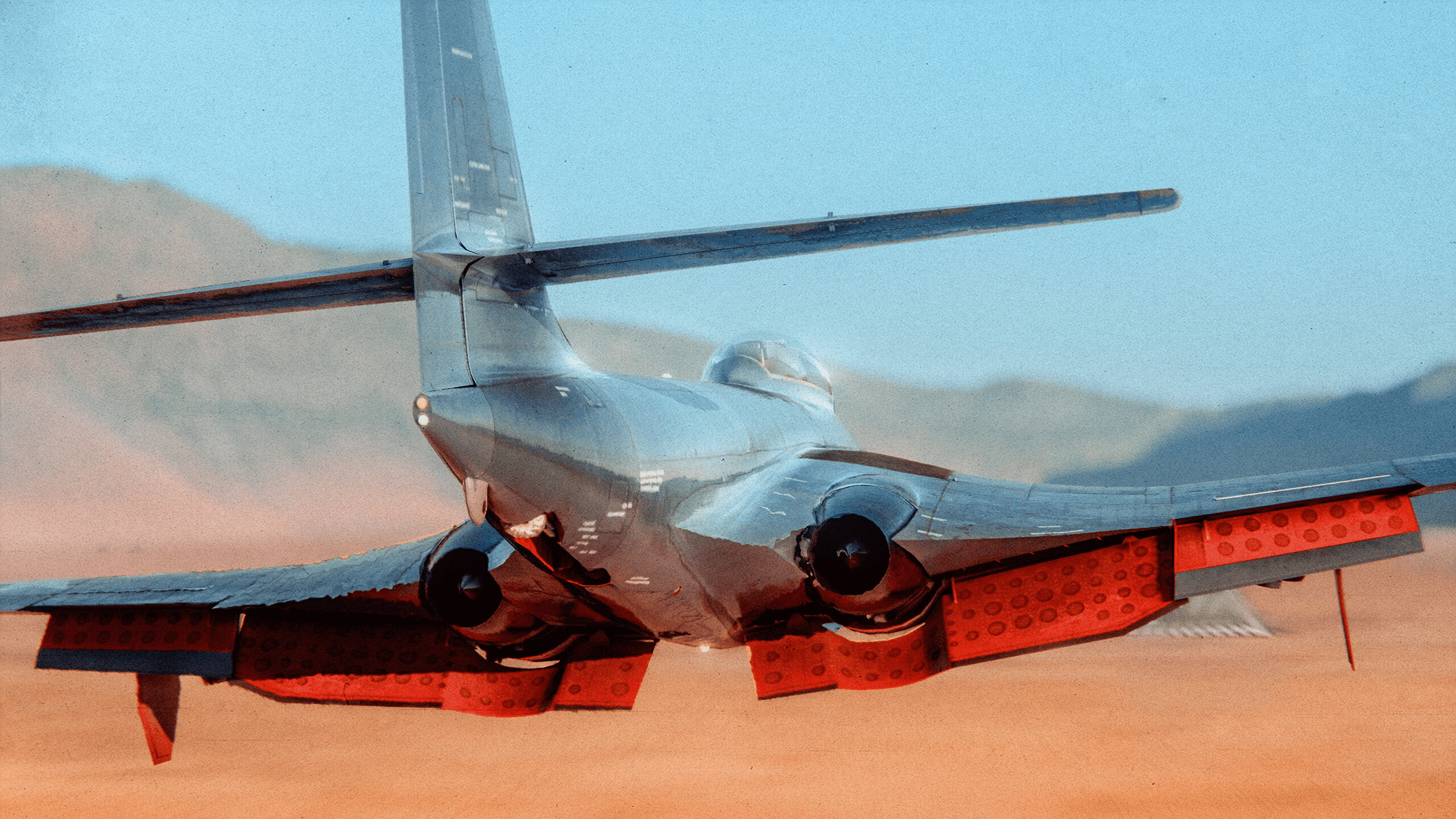
The F2H-2 Banshee, is an early American jet fighter produced from 1947 to 1953 to be used by the US Navy. This aircraft was surprisingly good in real life and in game, and this article will cover how to use it in battle and a history on its real life usage, variants, and development.
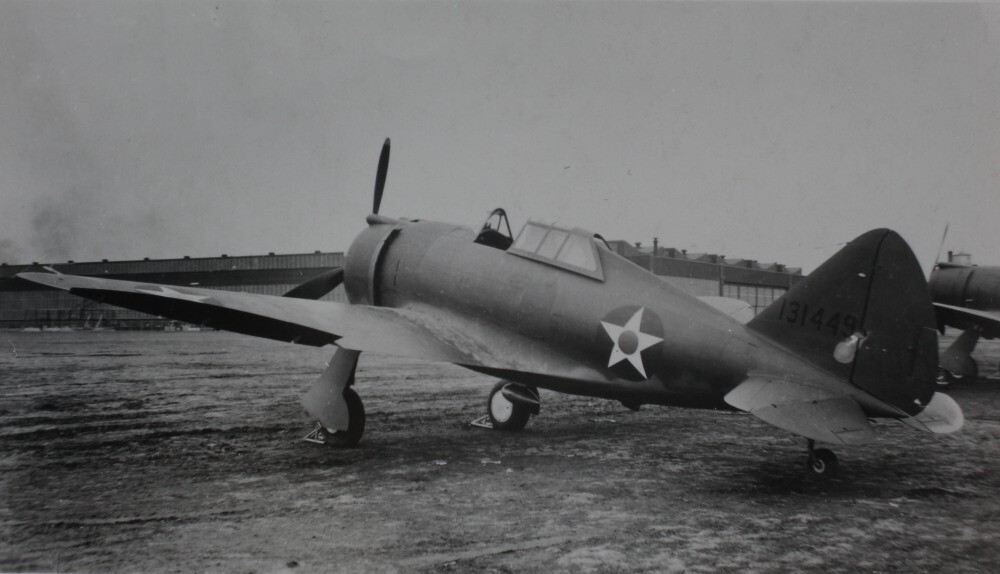
The Republic P-43 Lancer, introduced in 1940, was a transitional American fighter that bridged the gap between prewar designs and the more advanced aircraft of World War II. It offered respectable high-altitude performance for its time, along with decent armament, similar to its more popular successor, the P-47 Thunderbolt. The P-43 provided valuable experience in high-altitude operations and combat testing, with some serving in China under the American Volunteer Group and later the Chinese Air Force.
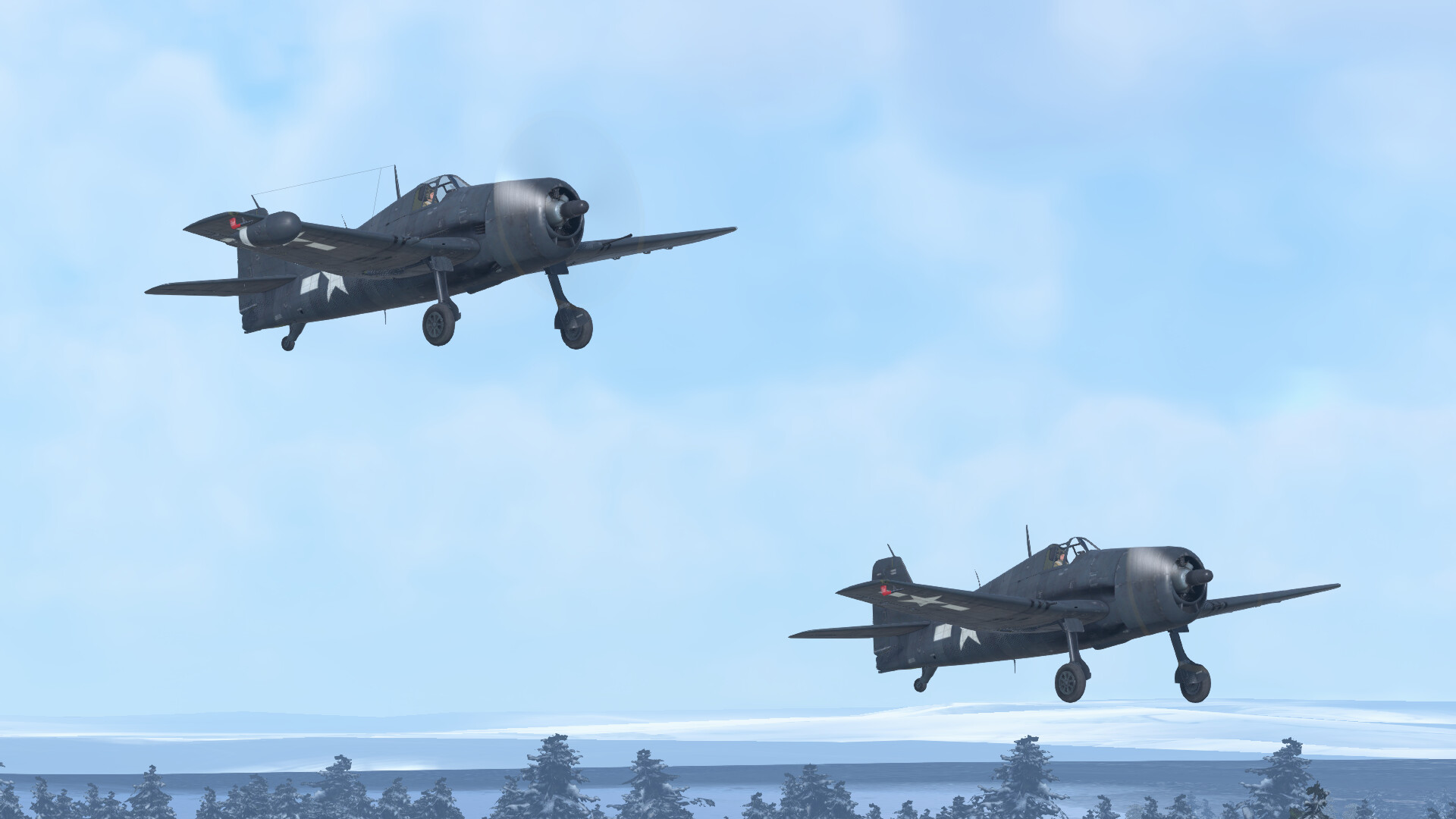
The Grumman F6F-5 Hellcat, introduced in 1944, marked the peak of the Hellcat’s development, featuring a more powerful R-2800-10W engine, aerodynamic refinements, and the ability to carry bombs and rockets in addition to its six .50 caliber machine guns. Renowned for its durability and combat effectiveness, it secured Allied air superiority in the Pacific. Its night-fighter variant, the F6F-5N, carried the AN/APS-6 radar in a wing-mounted radome and paired four .50 caliber machine guns with two 20 mm cannons, giving U.S. forces the ability to hunt enemy aircraft at night and extending the Hellcat’s dominance into night operations.
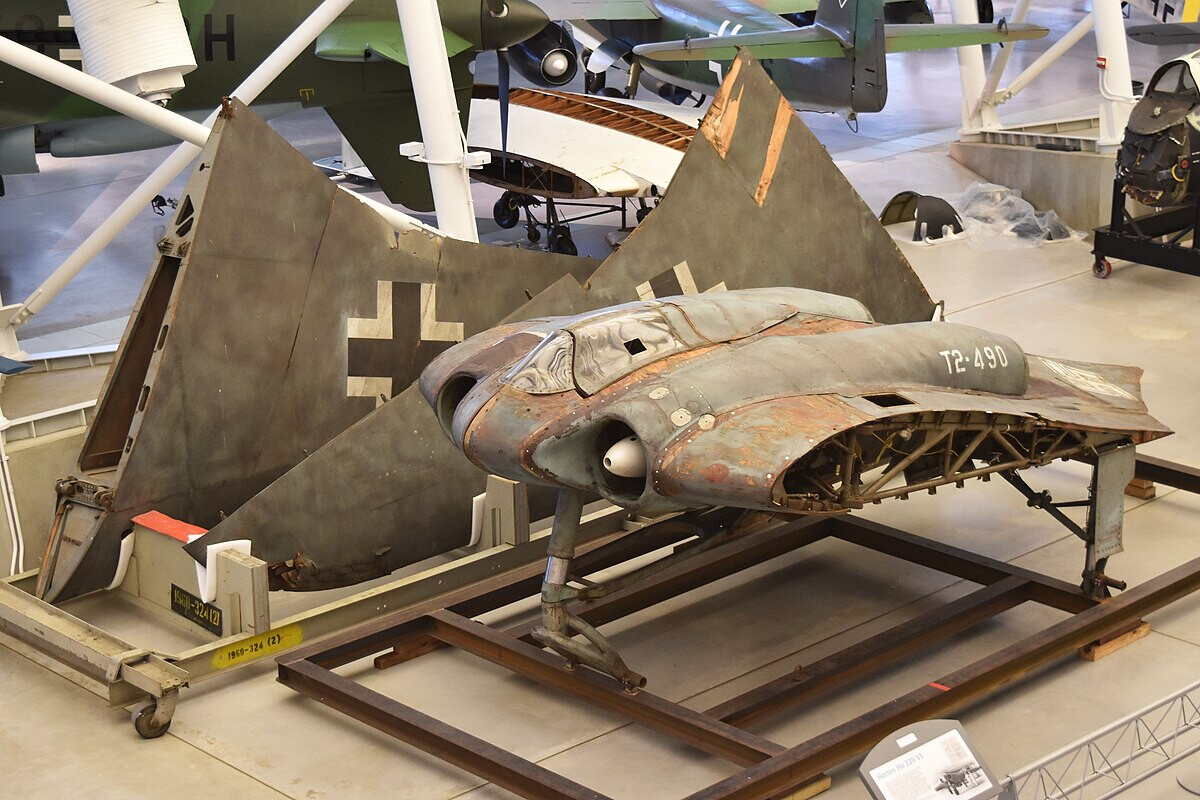
The Horten Ho 229, also known as the Gotha Go 229, was yet another German wonder weapon developed during World War II in an attempt to save Germany in the final months of the war. It is well known for its sleek, tailless design, minimizing drag and improving aerodynamics. It was one of the earliest jet-powered flying wing aircraft, designed to meet Hermann Göring’s “3 × 1000” requirement.
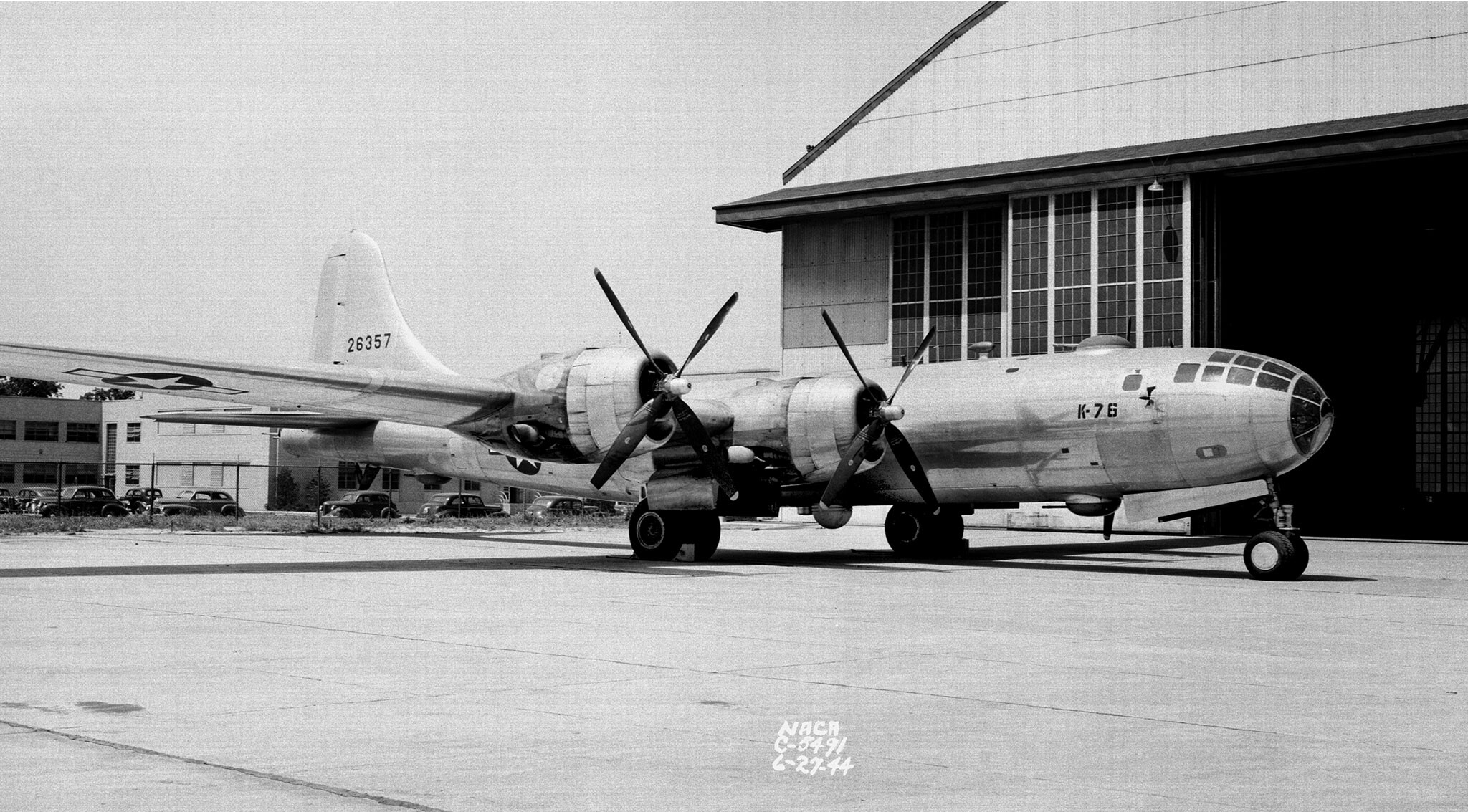
The Boeing B-29 Superfortress was a revolutionary aircraft that redefined bomber aircraft and engineering during World War II. Designed as a long-range heavy bomber, it became synonymous with strategic bombing campaigns in the Pacific Theater, including the historic missions over Hiroshima and Nagasaki. With its advanced pressurized cabin, remote-controlled turrets, and ability to reach unimaginable altitudes and distances, the B-29 represented the peak of wartime aviation technology.
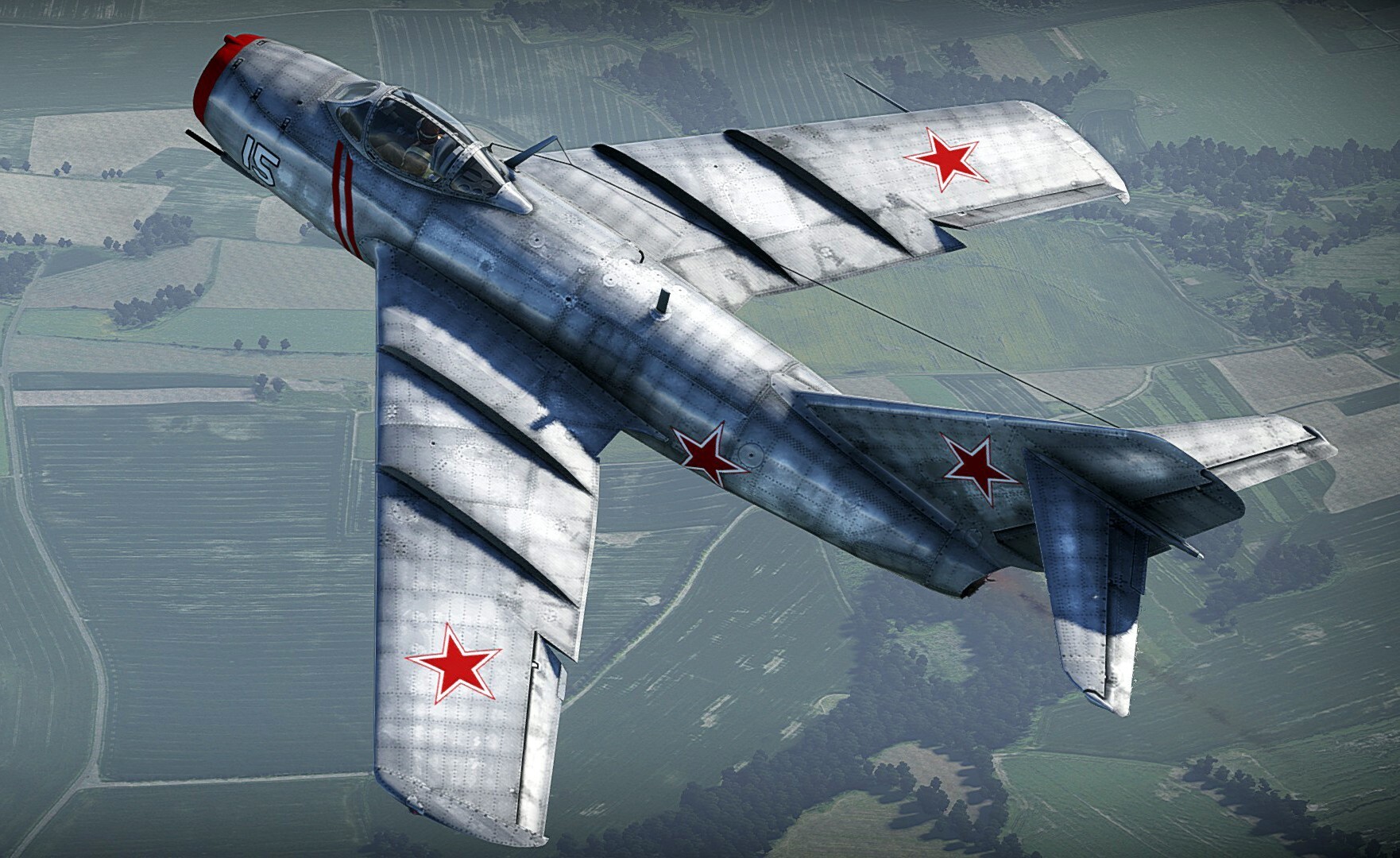
The MiG-15 aircraft are successors to the MiG-9 and are rather good planes for their battle ratings. They use swept wings which provide better performance at transonic speed. Another difference compared to the MiG-9 is the use of a single, powerful engine, the Klimov RD-45F. The plane is able to reach 1050 km/h at sea level and 994 km/h at 9,000 m, it makes the plane’s speed very comparable with other jets at a similar battle rating. It also has other variants in multiple nations which play similarly.
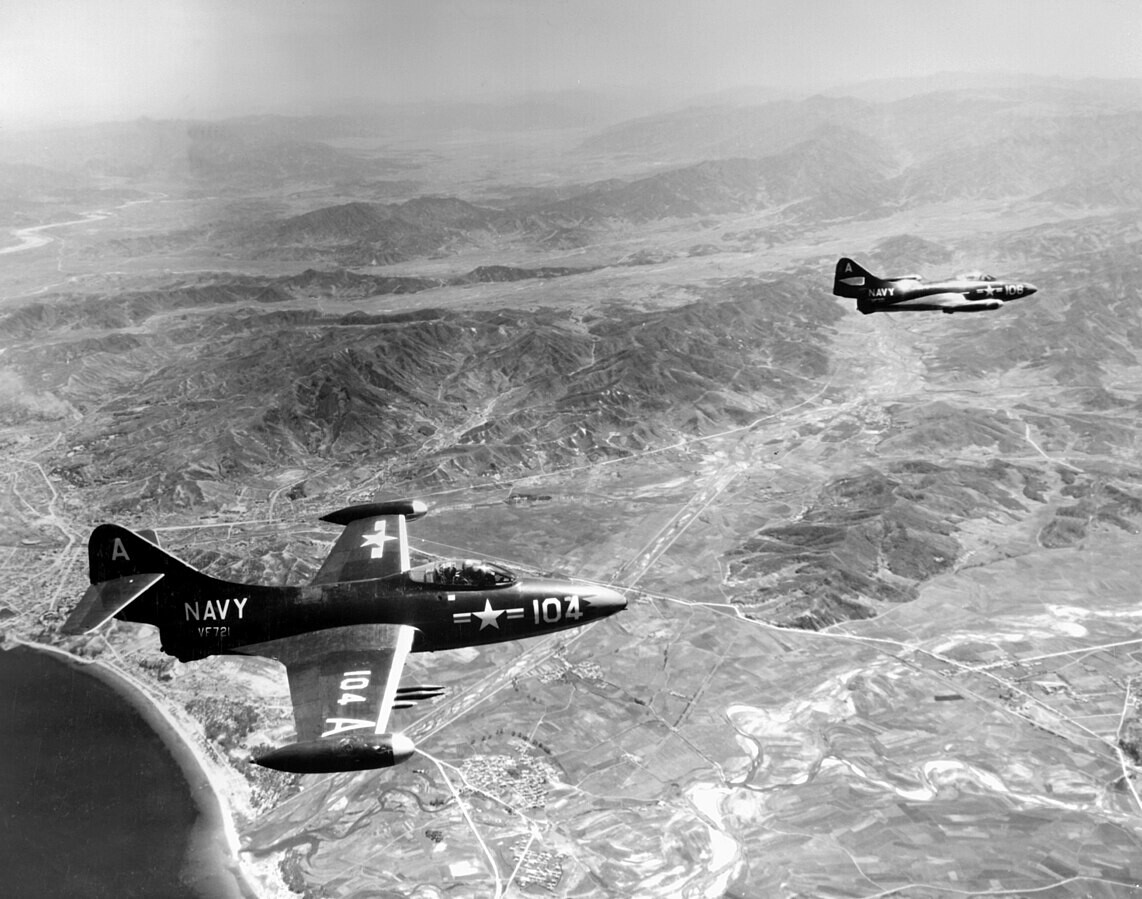
The F9F family was an extensive series of American Navy jet aircraft made up of many variants. These aircraft were well praised during their service, in total flying 78,000 sorties. They also were the first jet fighter aircraft to see air-to-air combat with the US Navy and played a big part in the war over Korea. After their service they would even be seen flying with the Blue Angels.
The Sherman Firefly was a British modification of the American M4 Sherman. By fitting it with a powerful anti-tank gun, the Firefly could effectively take on heavily armored German tanks like the Panther and Tiger. This upgrade made the Firefly a crucial asset for the Allies, helping to take on the strong German armour.
