#SPAA

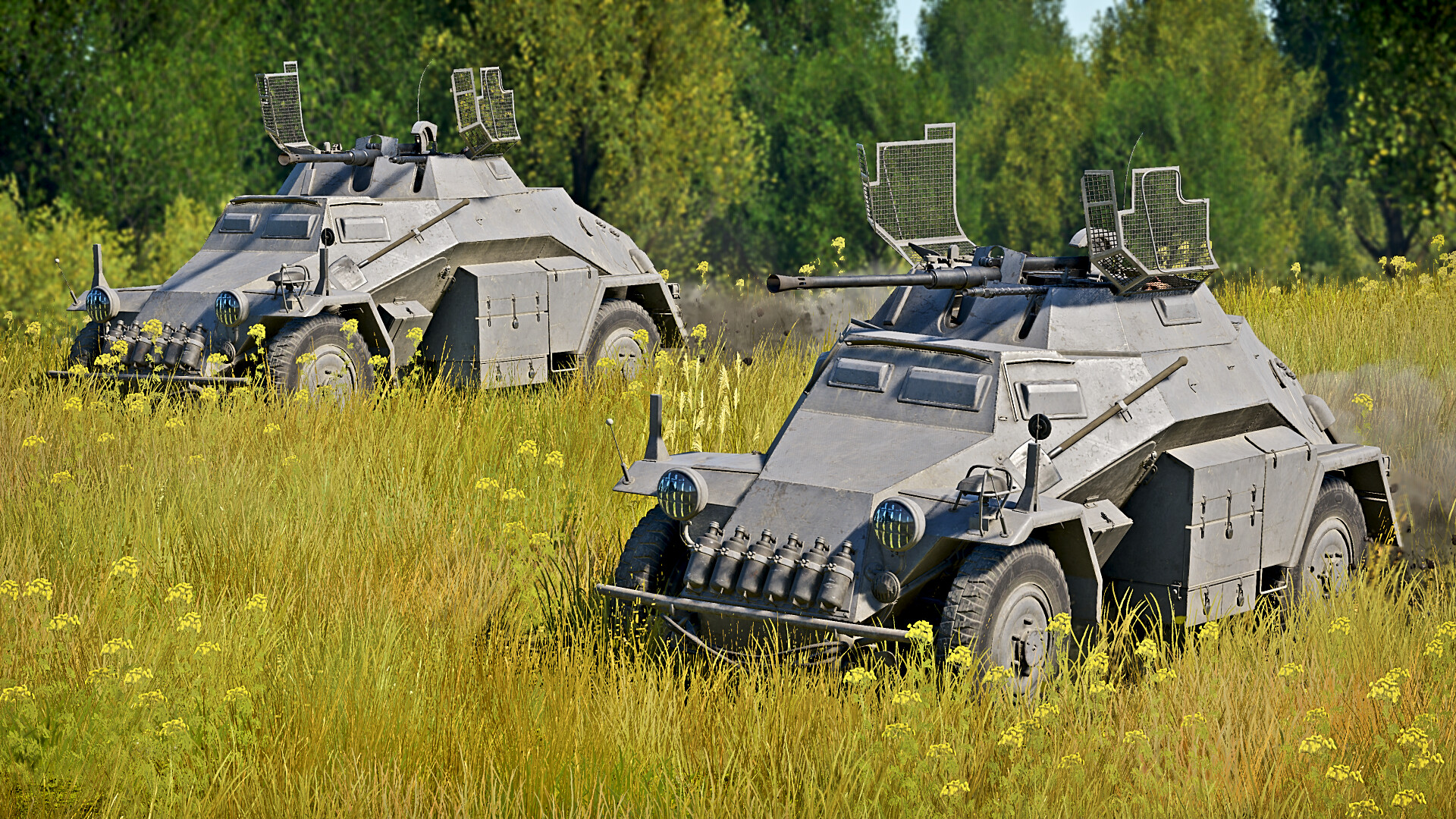
The Sd.Kfz.222 was a German armoured car used during the Second World War. This vehicle had a great deal of history and was deemed very useful during the early years of World War II. With its very high speeds and effective 20 mm cannon, this vehicle was very useful for quick close-combat situations. This article will explain this armoured vehicle’s history, armaments, mobility, and gameplay.

This article will summarize the history of the German Panzerkampfwagen IV medium tank and its variants, including their development, production, and service history. The Pz.Kpfw. IV was one of the most produced fully tracked German armoured vehicles of the Second World War, second only to the Sturmgeschütz III assault gun. In addition to its original role as a medium tank, the chassis of the Pz.Kpfw. IV served as a versatile platform for many self-propelled weapon designs.


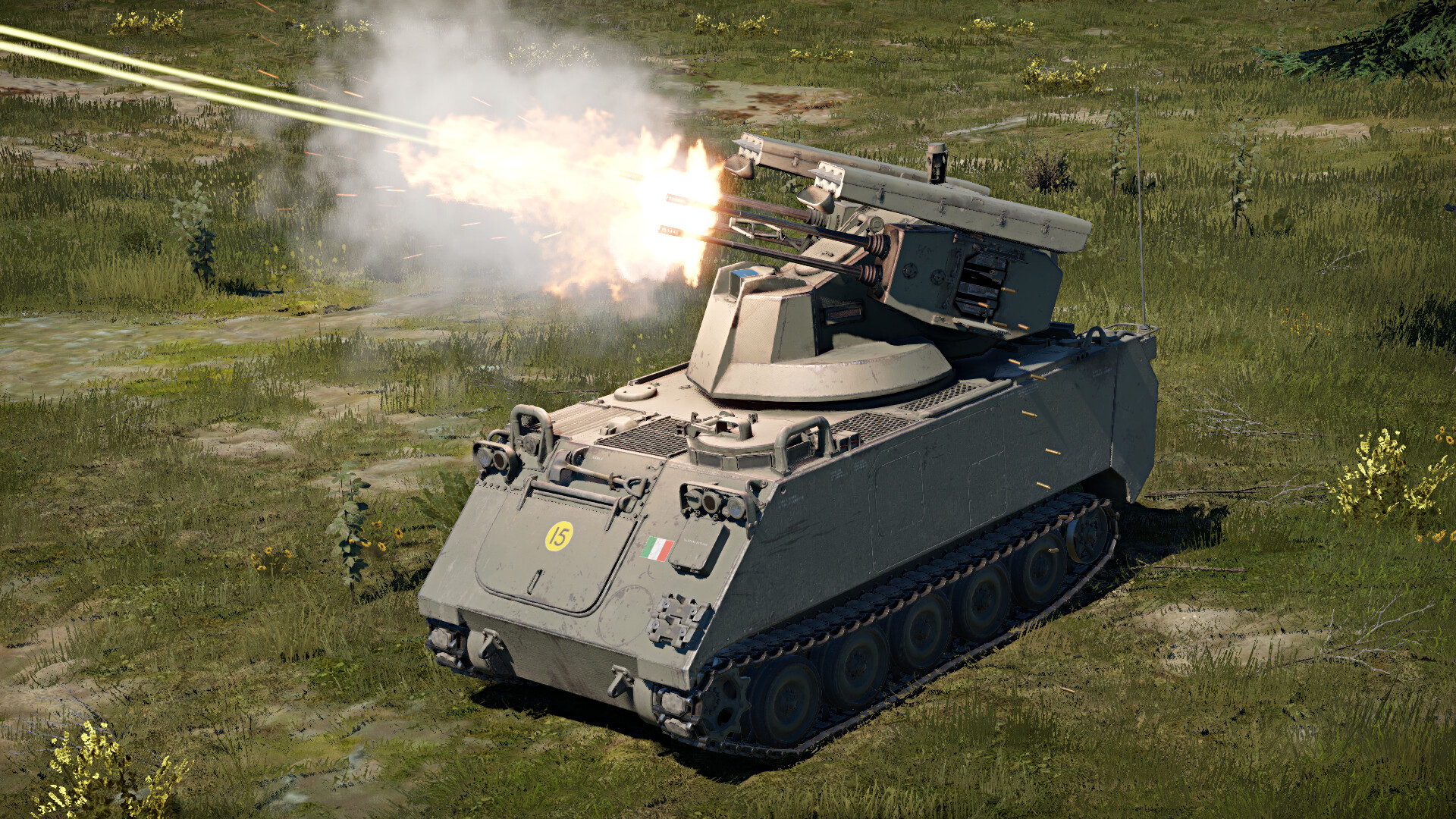
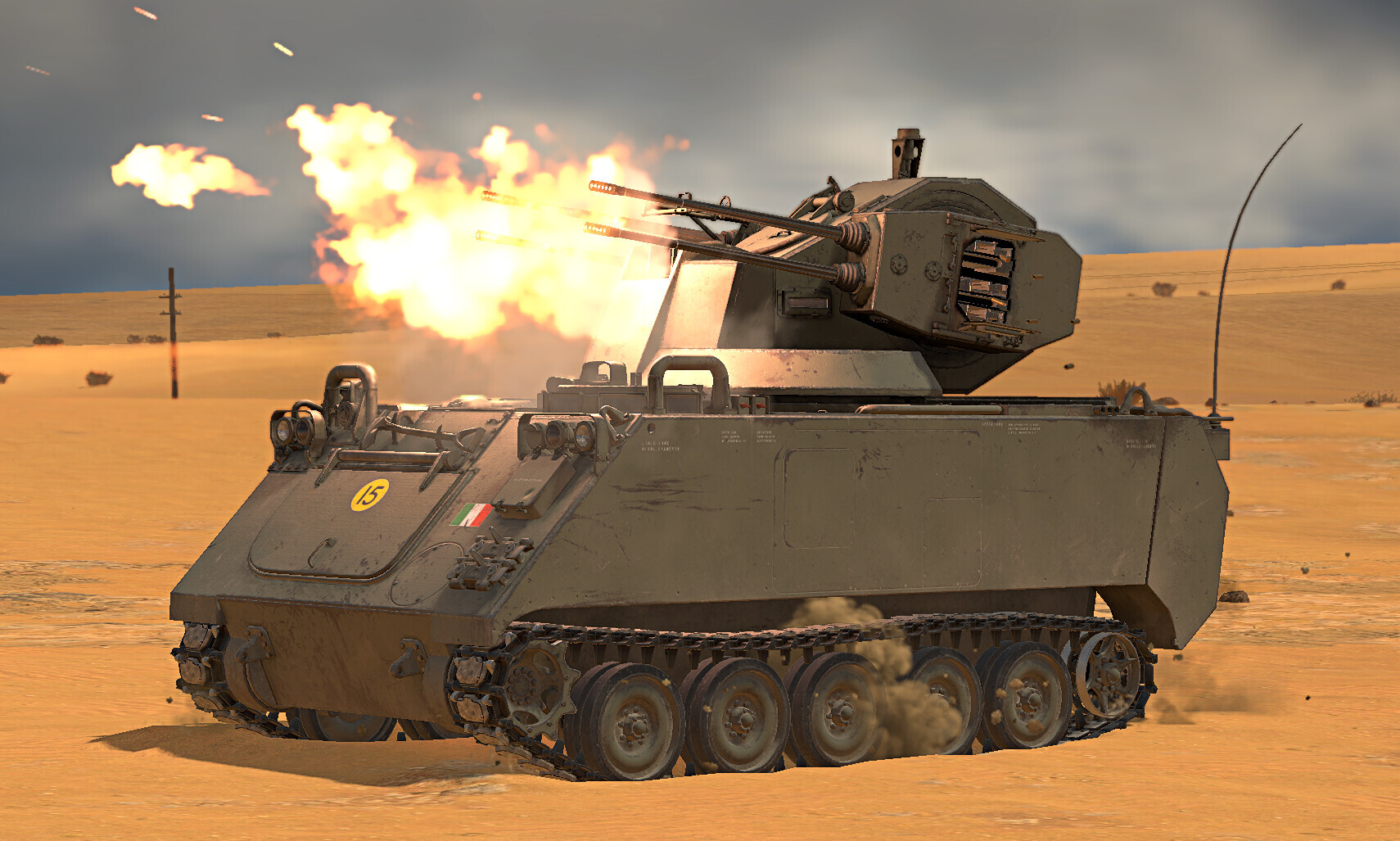
The SIDAM 25 (Sistema Italiano Difesa Aerea Mobile 25) was an Italian SPAA produced by Otobreda and operated by the Italian Army. It entered into service in 1987 and kept serving with the Italian armed forces until the early 2000s. This vehicle was based on the M113 chassis with a new turret and gun system. The SIDAM 25 was armed with four 25 mm Oerlikon KBA cannons and a modern optronic system. In War Thunder, the SIDAM 25 is an anti-aircraft system capable of obliterating low-flying aircrafts thanks to the firepower of its four cannons. Sadly, it struggles against air targets beyond 2 km, and it is equipped with limited anti-tank capabilities.


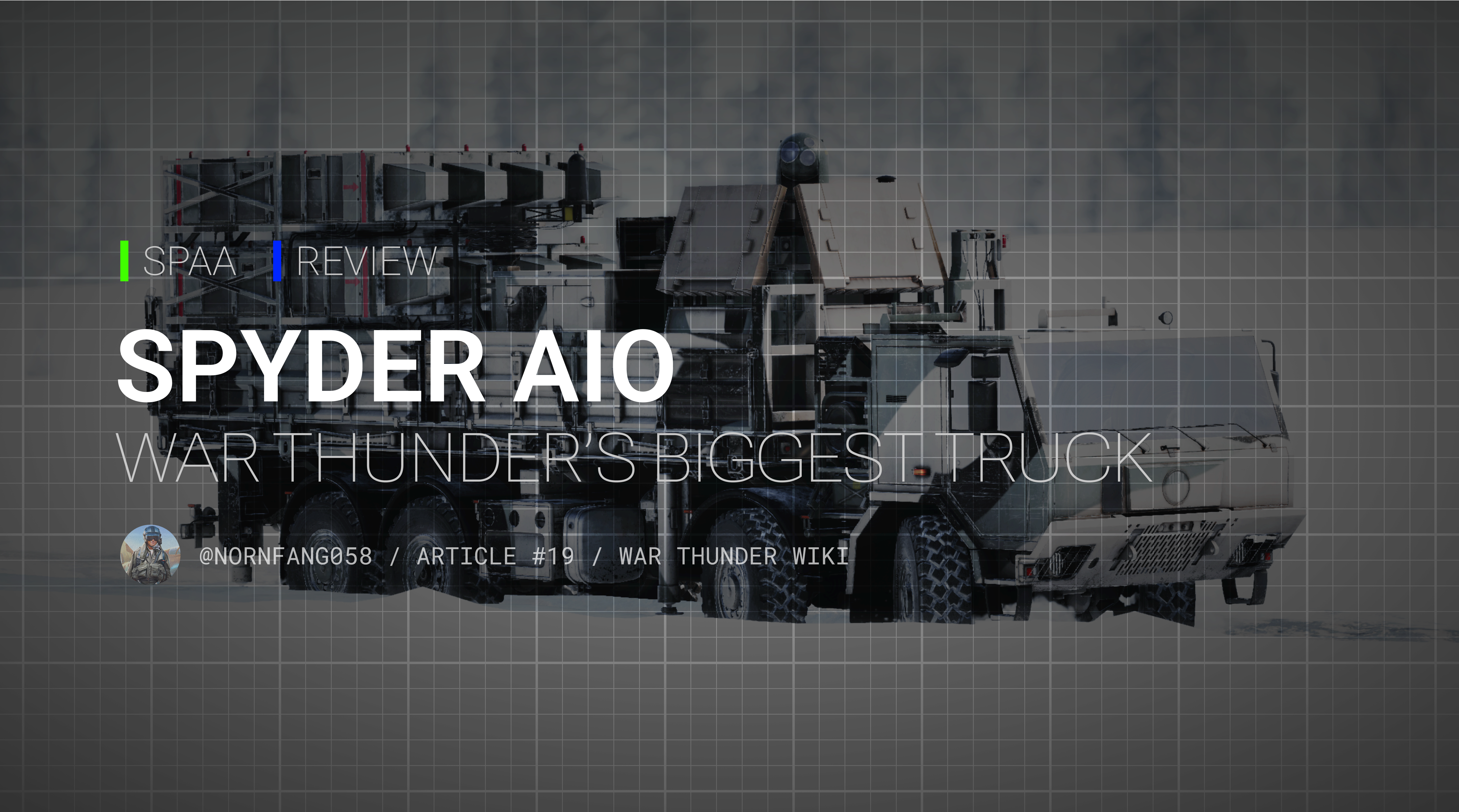
The SPYDER AIO is an Israeli air defense system manufactured by Rafael. Unlike other anti-air units such as the IRIS-T SLM and CLAWS which utilize separate radar and missile-launching vehicles, the SPYDER AIO integrates a radar and launcher on a single 8×8 truck. Its sole armaments are the Python 5 and I-DERBY-SR missiles, which can be used to combat all types of aircraft. While it does have less offensive capability than other air defense systems due to its somewhat short-ranged missiles, the SPYDER AIO is an excellent addition to Israel’s toptier ranks and a worthy successor to the antiquated Drakon.

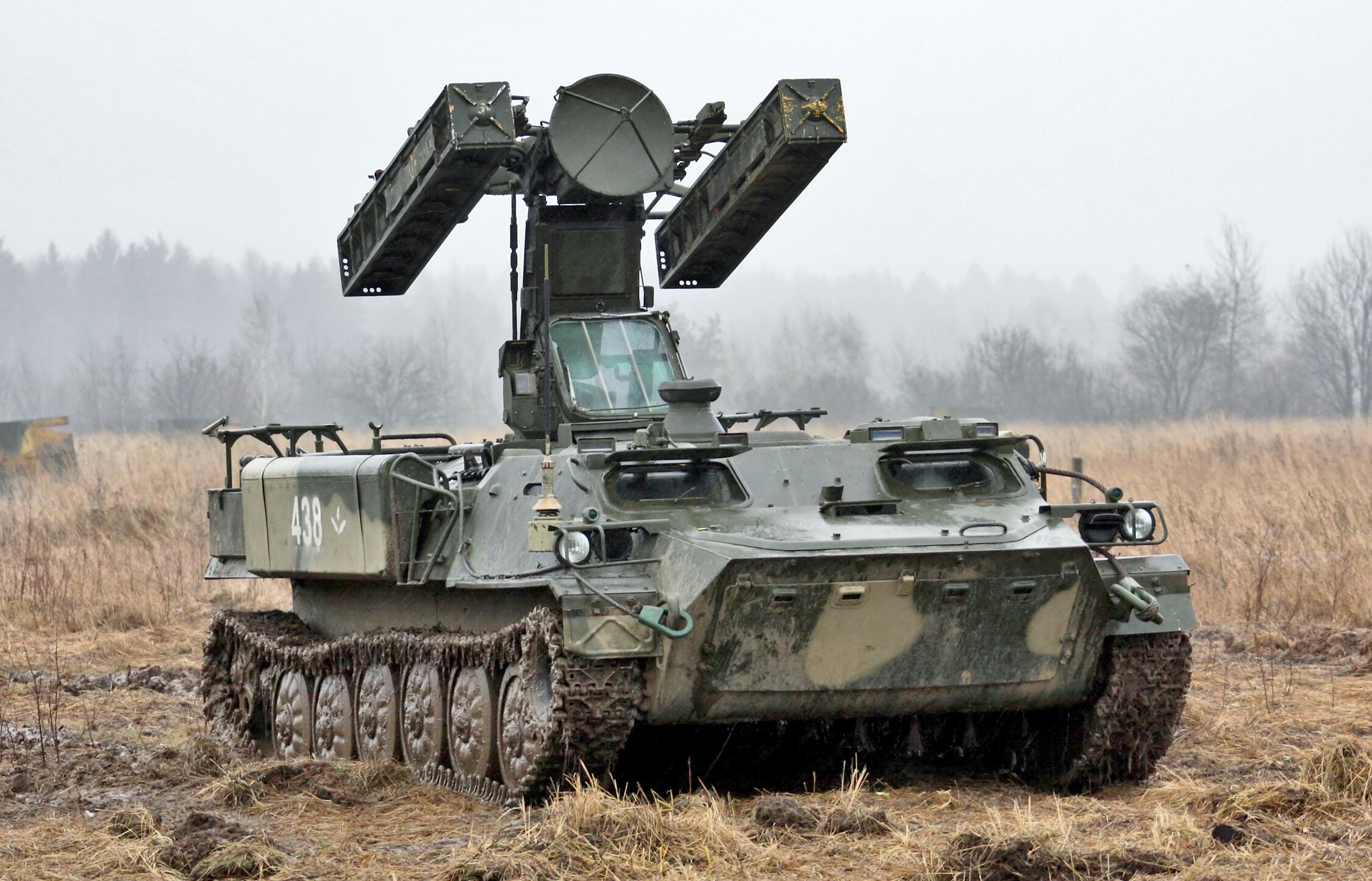
The 9K35 Стрела-10 (Arrow-10) “Gopher” is a Soviet-made, mobile surface-to-air missile launcher conceived in the late 1960s and 1970s. It utilizes the 9M37 and 9M333 surface-to-air missiles. The launcher system is mounted onto a modified amphibious MT-LB chassis. Despite being put into service in the 1970s, the Strela-10 is still in service today in over 10 countries!

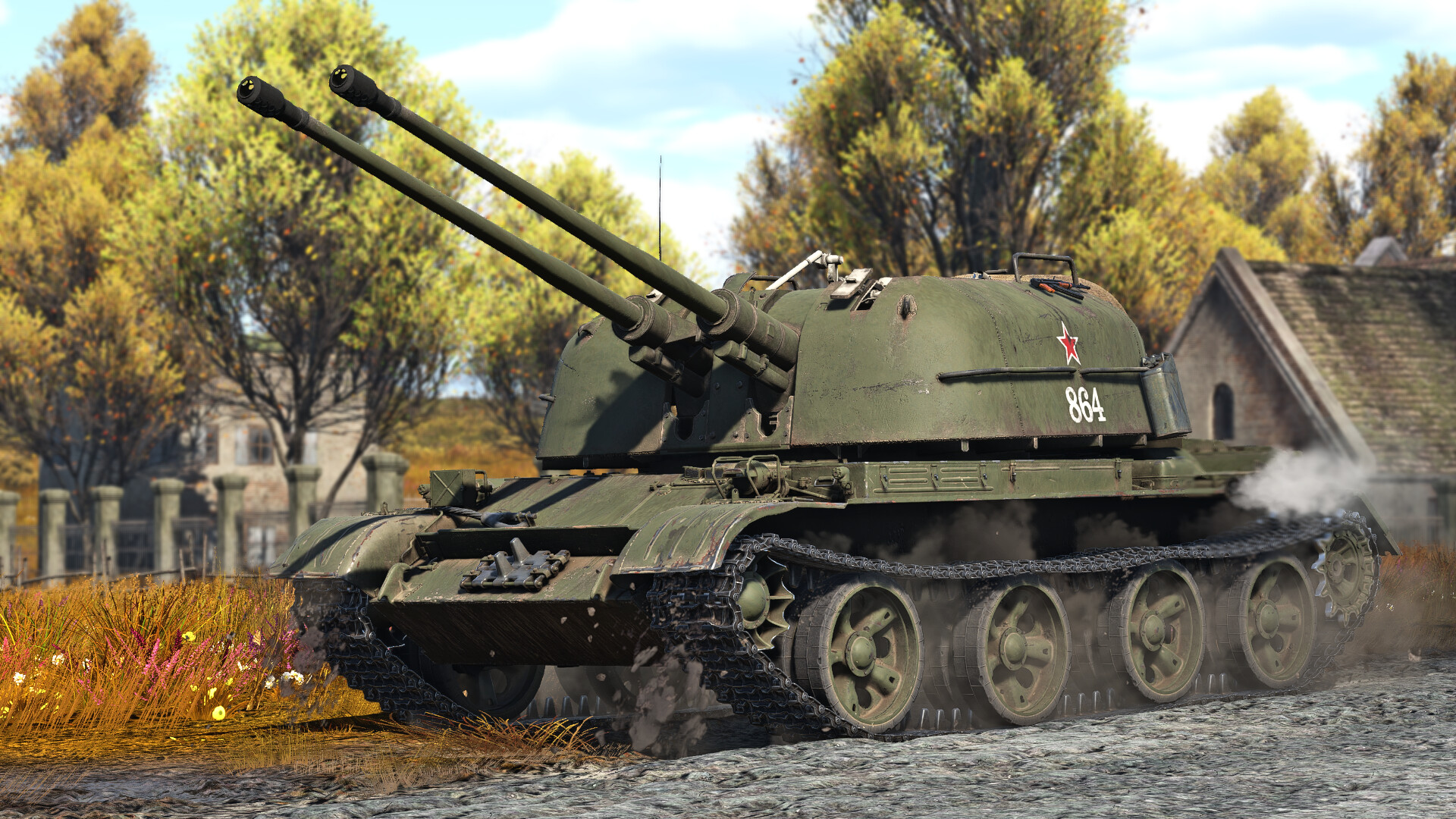
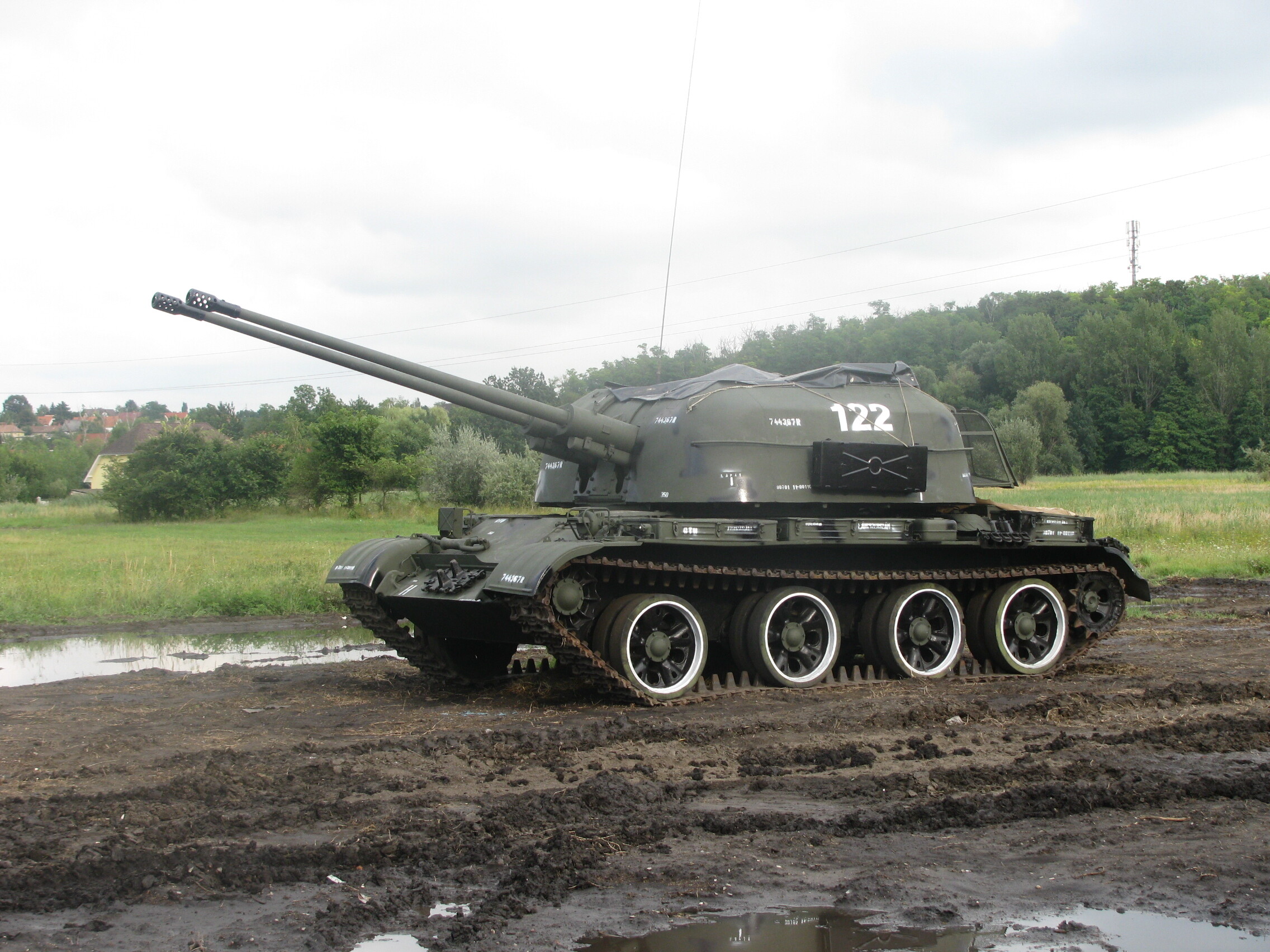
The ZSU-57-2 “Sparka” is a Soviet SPAAG (Self Propelled Anti Aircraft Gun). It featured 2 57mm clip-fed autocannons and no radar or IRST. It was manned by a crew of 6 (Driver, gunner, 2 loaders, commander and sight adjuster). It entered service in 1955 and is still in service with some nations (and armed insurgencies) in its original form today, the most notable users being Egypt, Cuba and Hezbollah. Over 2,000 were built in the USSR alone, with more built in North Korea and as a modified variant, the Type 80, in China.

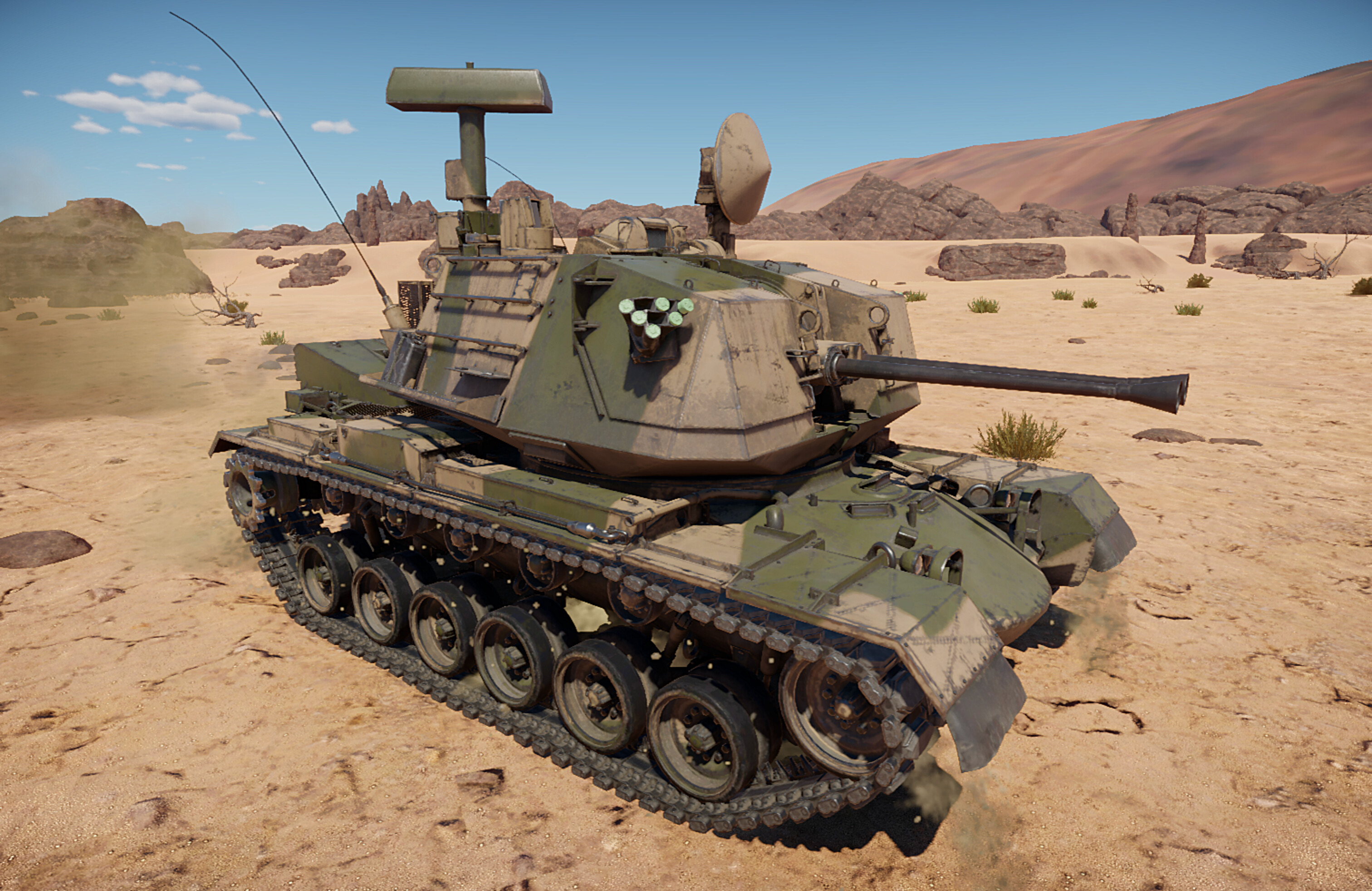
The M247 is a SPAAG in the US tech tree at Rank VI and is arguably one of the best anti-air vehicles within its BR range. With devastating firepower and good electronics, it is the nightmare of all CAS pilots. However, this power comes at the cost of poor mobility, protection, and armour penetration, which makes it particularly vulnerable to enemy ground forces.

The ZSU-37 (not to be confused with the ZSU-37-2) is a SPAAG built by the USSR that was based on the chassis of the SU-76M in late 1943–44 but never saw service due to its late introduction. The 37-millimeter gun can fire clips of either high-penetrating AP-T/HVAP-T anti-armor belts, or a very powerful HEFI-T* anti-aircraft belt. With this vehicle, the main issue is not downing planes in one shot but hitting planes in the first place.

The SIDAM 25 Mistral was an attempt by Otobreda to improve upon the SIDAM 25 by adding two Mistral surface-to-air missile pods to the platform, with the goal of increasing the maximum range of engagement against air targets. Despite this effective solution to a crippling problem, the new SIDAM 25 Mistral was not adopted by any military, not even the Italian Army, which was the main and only user of the SIDAM 25. In War Thunder, the SIDAM 25 Mistral finally becomes a capable SPAA, with the ability to hit targets several kilometers away, while still retaining its four powerful 25 mm Oerlikon KBA cannons to deal with foes who get too close.