#jet_fighters

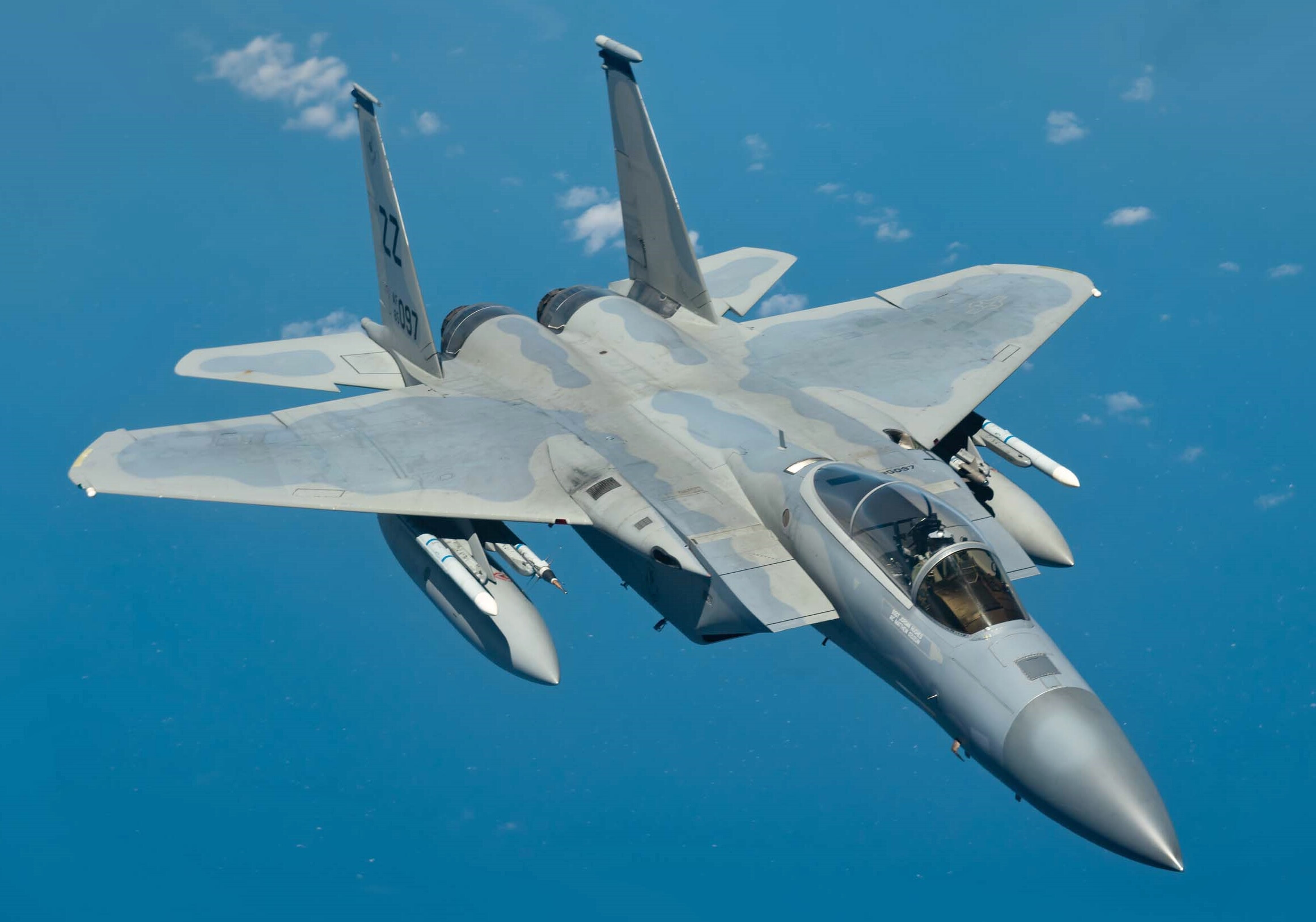
The F-15 Eagle was made to combat the growing national threat of the USSR, and the MiG-25 Foxbat. The F-15 can carry a variety of useful munitions, and is still being used today by the US military. To this day, there isn’t a clear date for when all F-15s will retire.
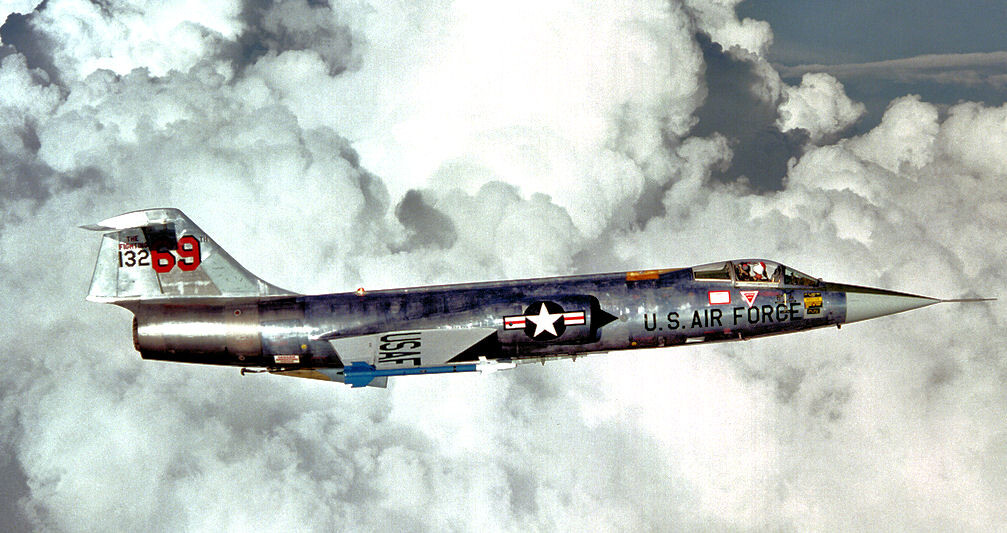
The Starfighter, the Lawn Dart, the Widowmaker, the Missile with a Man it it; regardless of what you may know it as, it’s impossible to deny its influence on military aviation. The first mass-production airframe to ever reach Mach 2, the F-104 was, and still is, used across the globe by both numerous national air forces and private owners alike. Its design echoed the role it was made for, trading complexity and a wide selection of ordnance for a simple design, made for raw speed. While its many nicknames earned it the dubious honor of being an accident-prone aircraft in popular media, it was still an incredibly unique and capable fighter for its time, only being roughly matched in speed by the MiG-21 a few years later.

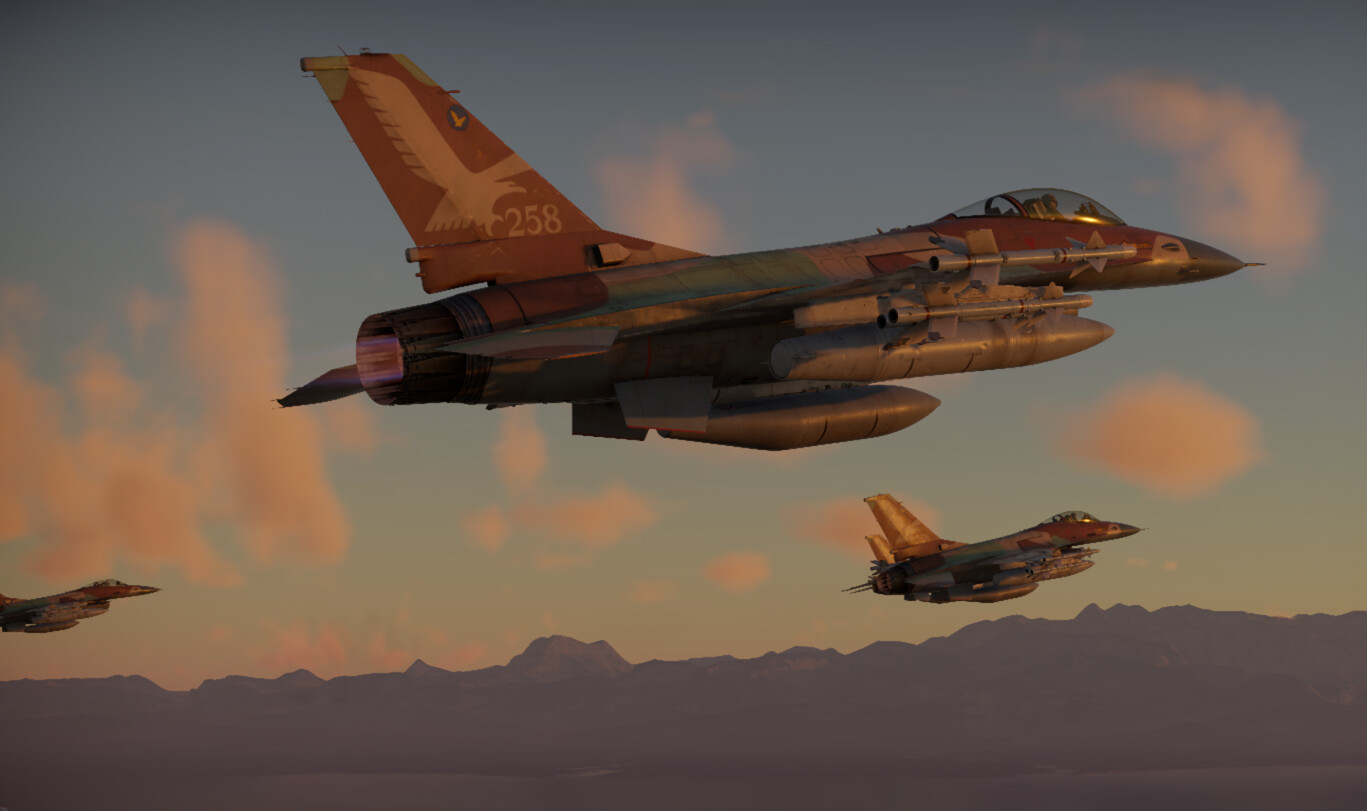
The Netz (נץ, or Hawk) is the dedicated Israeli export version of the feared F-16A Block 10 single-seat fighter aircraft. With its large plethora of both air-to-air and air-to-ground ordnance options ranging from the mighty Python to the AGM-65B, it has a loadout for most situations you will come across at this BR. Additionally, its 20 mm M61A1 Vulcan autocannon is a force to be reckoned with, being able to shred any air target it faces with ease. Thanks to its agility and strong thrust-to-weight ratio, the Netz also shines in dogfights, able to hold energy well and out-turn many opponents.

The Rafale, developed by Dassault Aviation, is the centerpiece of the French Armée de l’Air et de l’Espace (Air and Space Force), and is arguably one of the best multirole aircraft in service today. However, developing such an advanced machine was no easy task. France chose to create a combat aircraft that could replace a wide array of legacy platforms, from reconnaissance and nuclear deterrence to air superiority and naval operations. The Rafale embodies the concept of, as Dassault calls it, an “omnirôle” aircraft, designed to excel in every mission, performing multiple roles in a single flight, and doing so without requiring major modifications to the aircraft itself. In this article, I will explore the history of its development, from the prototypes to the pre-production models.


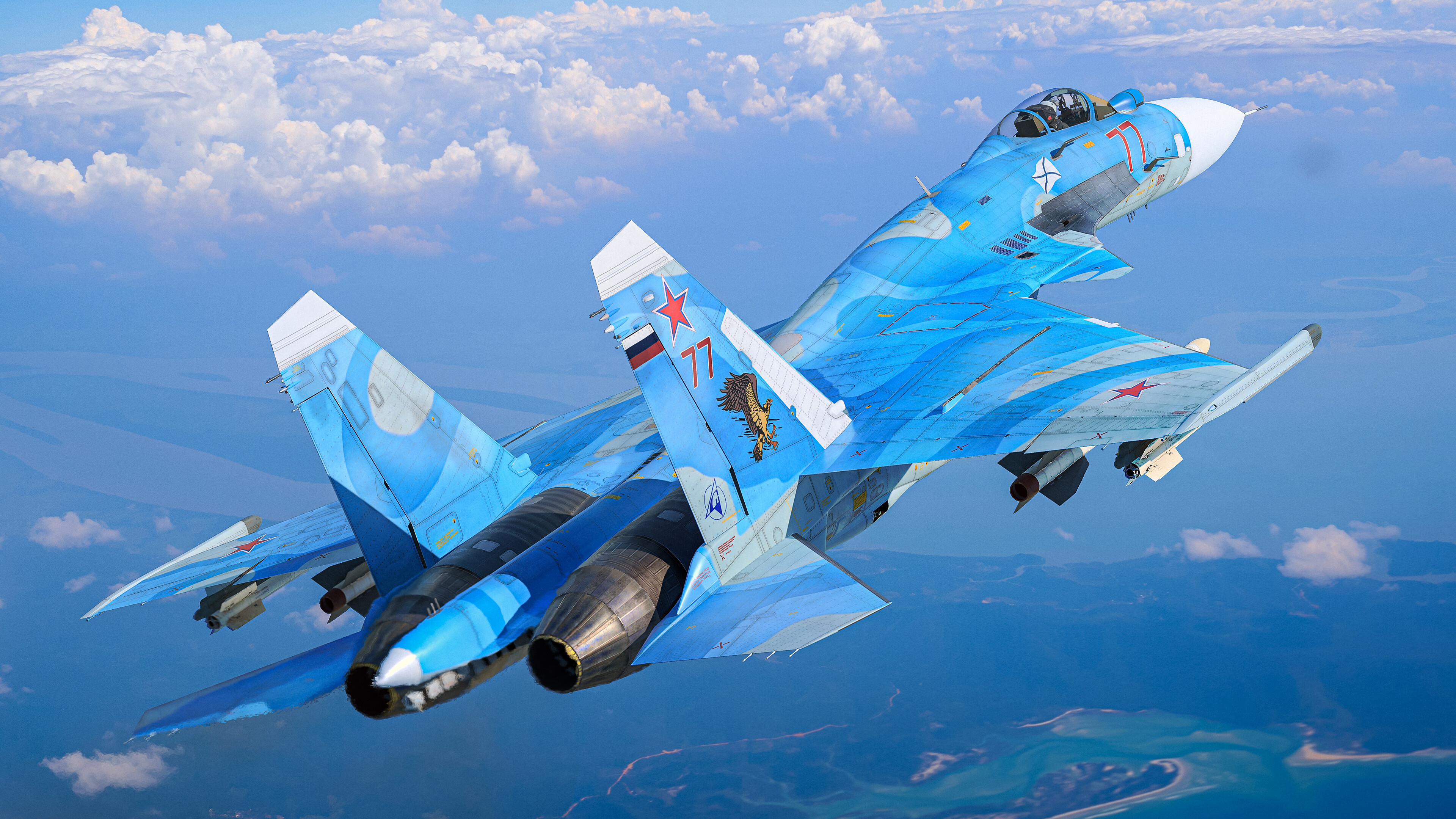
The Su-33 is a carrier-based air superiority fighter developed from the Su-27 to meet the needs of the Soviet Navy. It features reinforced landing gear, folding wings, an arrestor hook, and canards to improve low-speed handling during carrier operations. Designed for operations aboard the Admiral Kuznetsov, the Su-33 is optimized for long-range interception and high-maneuverability combat. Despite its increased weight, the Su-33 maintains decent maneuverability and is capable of employing a wide range of air-to-air missiles, making it one of the most capable carrier-based fighters of its era.
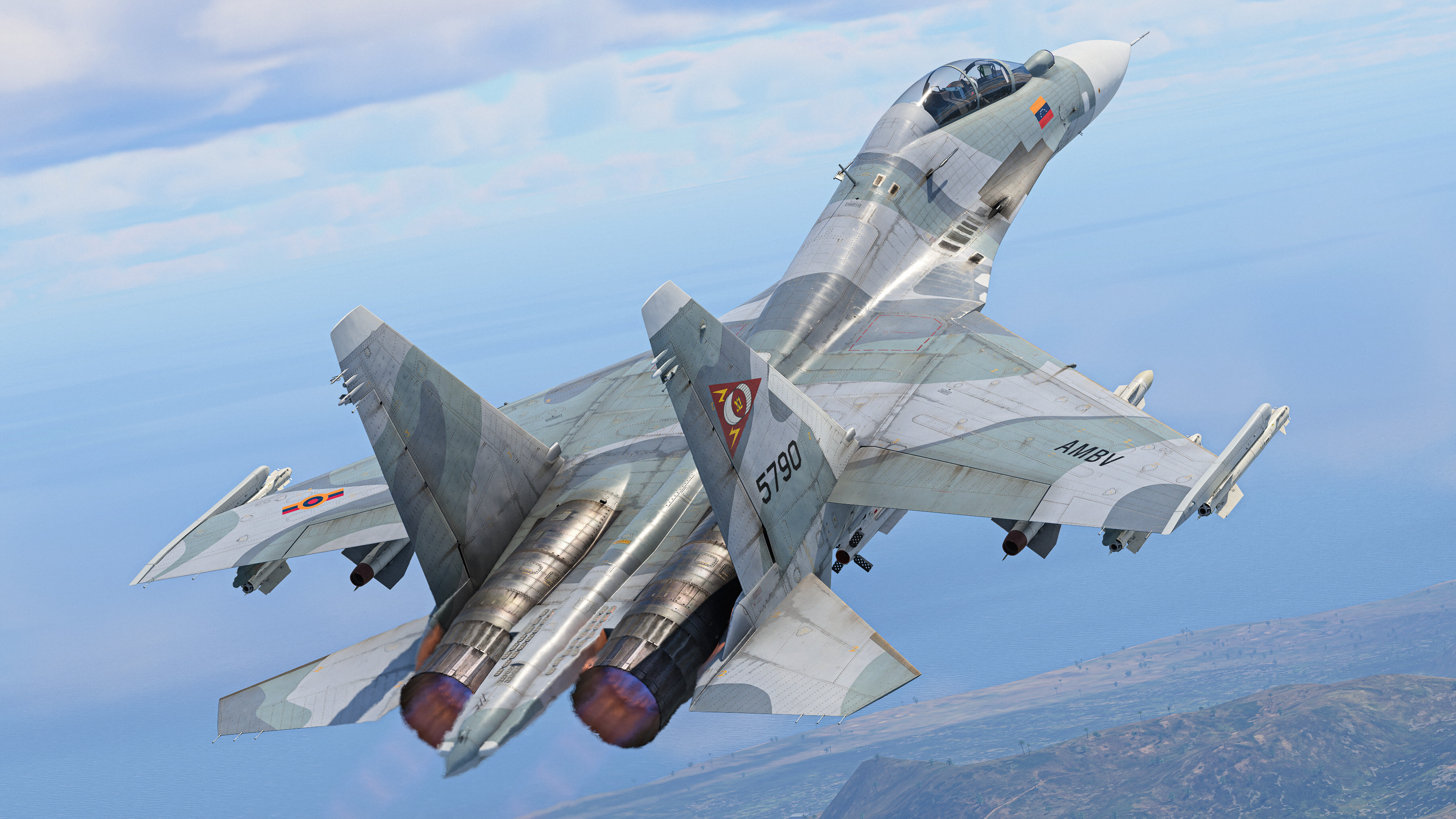
The Su-30MK2 AMV is an export variant of the Su-30, a twin-seat multirole combat aircraft capable of performing both air superiority missions and close air support. Based on the Su-30MK2 produced by the KnAAPO plant, this variant does not feature canards or thrust-vectoring engines. To avoid confusion with the Su-30MK2 operated by Vietnam, the Venezuelan version was designated Su-30MK2 AMV, standing for Aviación Militar Venezolana (Venezuelan Air Force). In War Thunder, the Su-30MK2 AMV is a strong option thanks to its wide selection of air-to-air and air-to-ground weaponry. Although heavier than the Su-27, the aircraft retains respectable maneuverability and benefits from excellent missile payload capacity, allowing it to remain effective throughout extended engagements.

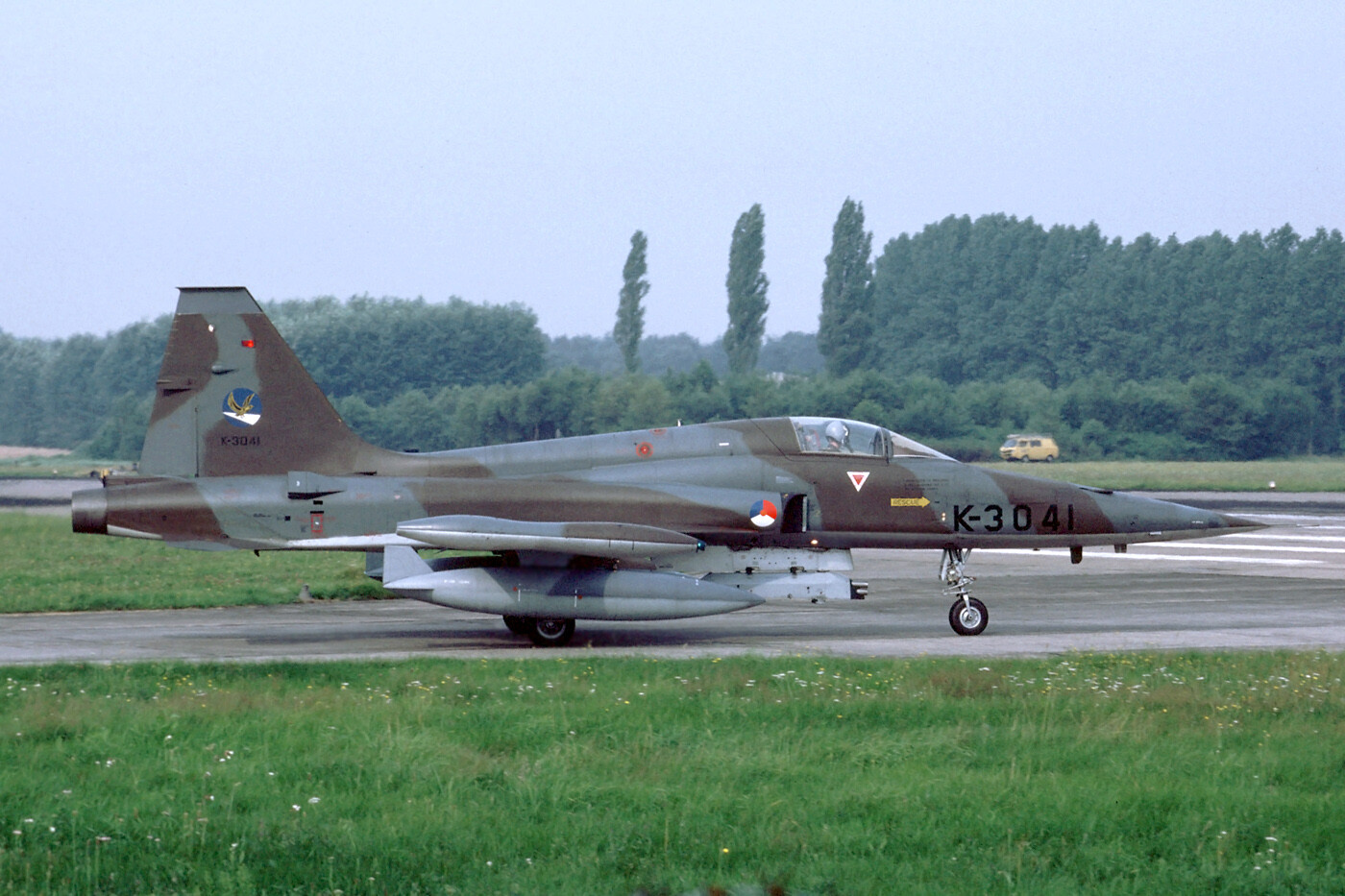
The NF-5A aircraft were acquired by the Netherlands in the late 1960s to replace the ageing F-84F Thunderstreaks that were still serving in the strike and close-support role within the Royal Netherlands Air Force (KLu). The Netherlands initially considered multiple fighter-bomber options, including the Mirage III, but ultimately selected the F-104G for interceptor duties. A second procurement program was then launched to find a more affordable tactical fighter to support ground forces, leading to the choice of a uniquely Dutch variant of the F-5 Freedom Fighter.

The F-4E is an American 3rd generation fighter jet built to address the significant flaws found in the earlier F-4C, most notably its lack of a built-in cannon armament and countermeasures. The upgrades it received gave the F-4E a very wide appeal with export customers and made it the baseline for the vast majority of export variants to the air forces of Western-aligned nations. While many of these exports, like those to Germany and Japan, would receive downgraded avionics, a lack of radar-guided missiles, or reduced flight performance, Israel’s F-4E “Kurnass” fighters are almost identical to their American counterparts, excluding the switch to AIM-9D/G Sidewinder missiles used by the United States Navy. Regardless, American and Israeli players can benefit from the F-4E’s very user-friendly playstyle, with a very high skill ceiling that provides all the tools necessary for success when flying it.


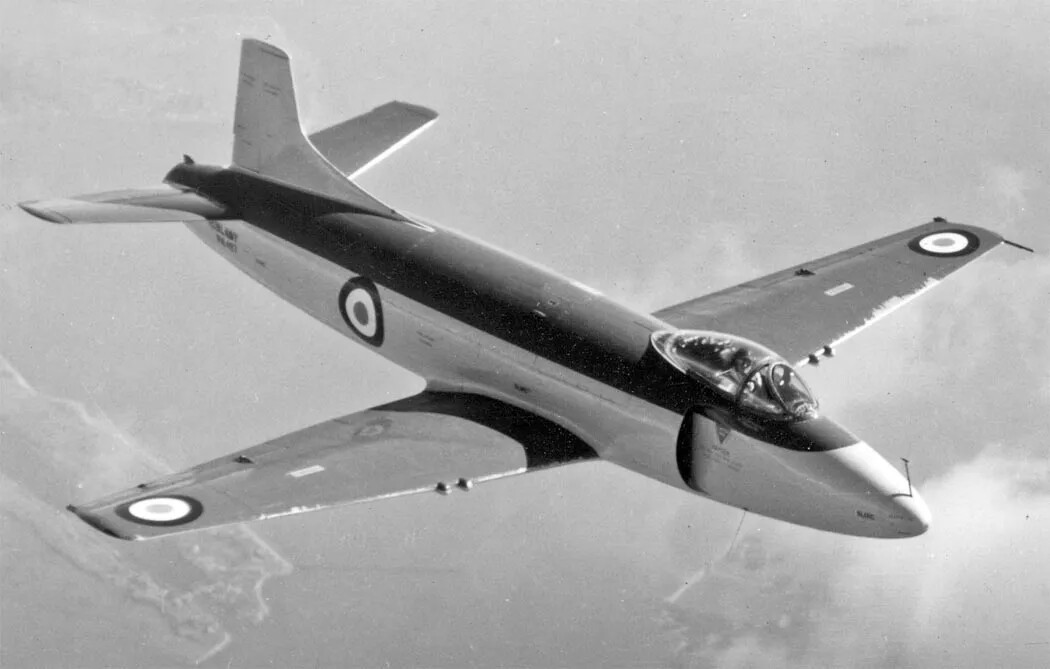
The Supermarine Attacker was a fighter that emerged in the 1940s with the aim of replacing the legendary Gloster Meteor, the UK’s first jet fighter, which had already made aviation history, and simultaneously becoming the Royal Navy’s first frontline jet fighter. The Attacker failed to achieve its primary objective: the introduction of a modern, efficient single-engine jet aircraft for the Royal Air Force, and its service life was short due to poor overall performance and maintenance issues. Its history and service, spanning from 1950 to 1964, reflects the challenges of the transition to the jet age in the United Kingdom and the introduction of the first jet aircraft of the Royal Pakistan Air Force (RPAF). Throughout its 14 years of service, the aircraft never took part in any conflict or combat.

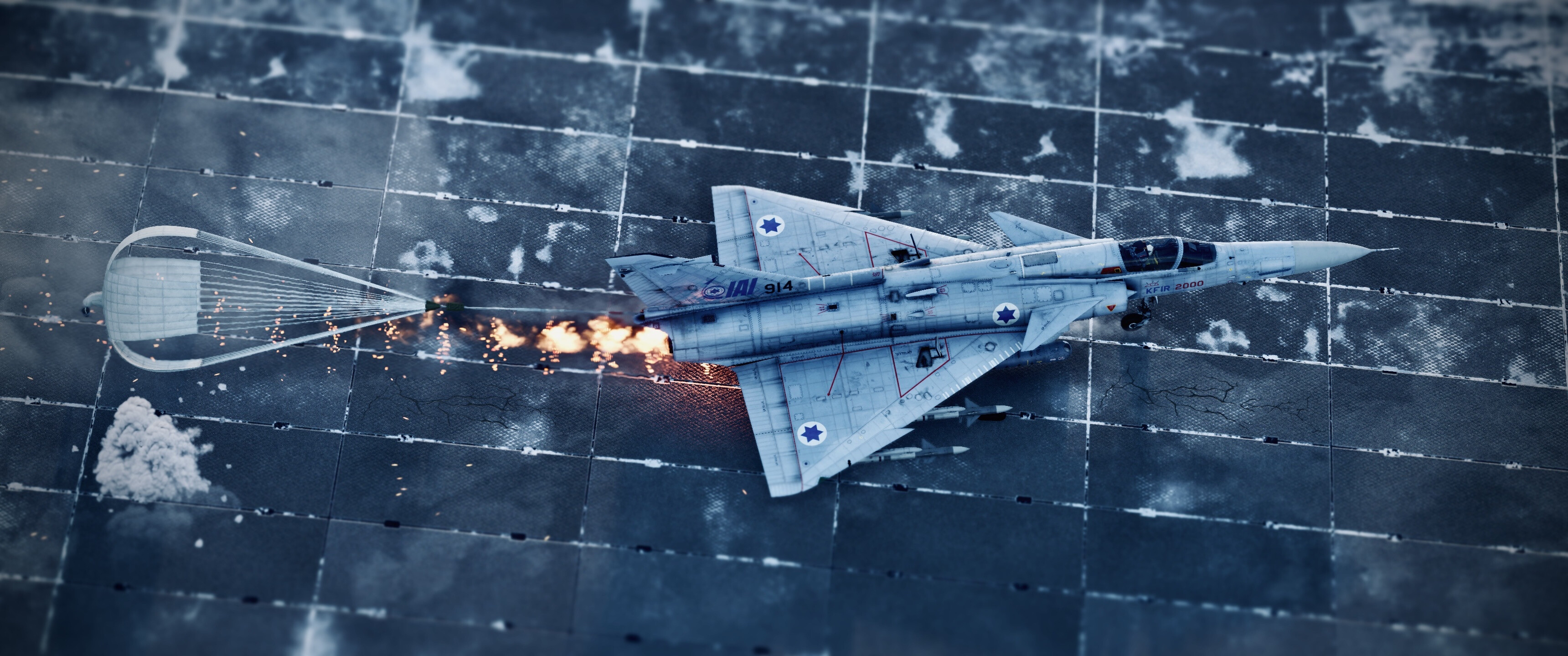
The Kfir C.10 (Block 60) is a modernized variant of the Israeli Kfir multirole combat aircraft, which is in turn a derivative of the French Dassault Mirage 5. With the addition of four DERBY active radar-homing missiles and a top-of-the-line avionics suite, combined with the excellent airframe of the Kfir C.7, the Kfir C.10 is a force to be reckoned with in air battles, and it excels in medium to close range engagements. However, a small missile payload limits the Kfir C.10's ability to engage multiple targets simultaneously.