#sabca
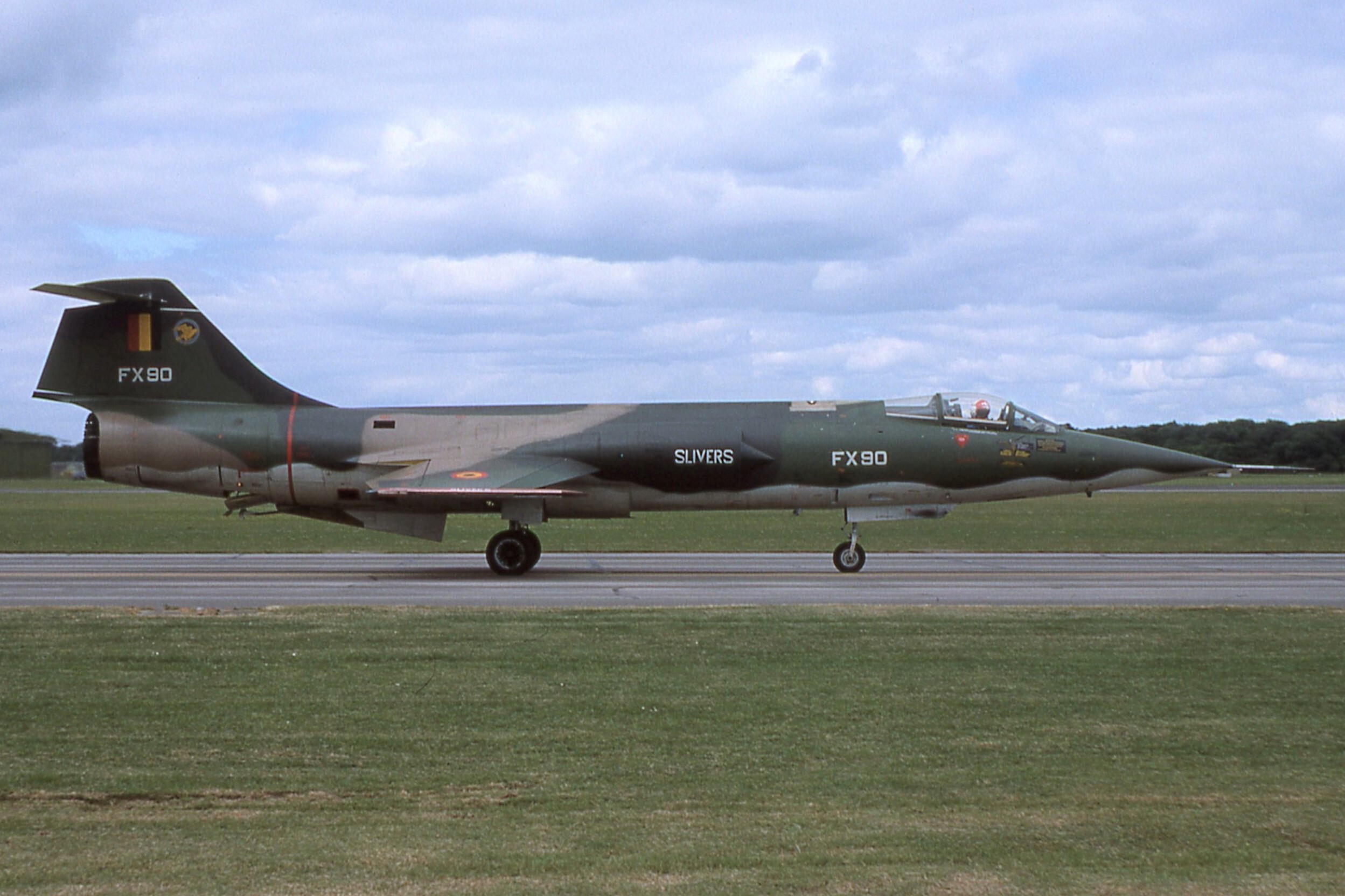
In the early Cold War era, the Belgian Air Force (Force Aérienne Belge, FAB) faced the challenge of modernizing its fighter fleet to meet escalating NATO air defence demands. During the 1950s, Belgium operated subsonic fighters such as the Republic F-84F Thunderstreak and the Hunter F.6, which were increasingly seen as inadequate against emerging high-speed threats. In response, NATO initiated a coordinated effort to equip several of its European members with a supersonic multi-role platform capable of both interception and tactical strike duties. Belgium opted to join this programme by selecting the Lockheed F-104G Starfighter, a derivative of the original Lockheed F-104 designed with enhancements tailored for European operations.
The Belgian Armed Forces—known as Defensie (NL), La Défense (FR), and Belgische Streitkräfte (DE)—serve as the national military of the Kingdom of Belgium. The monarch, the King or Queen of the Belgians, acts as the commander-in-chief. Belgium operates a professional military force, as conscription was officially suspended on February 5, 1995.

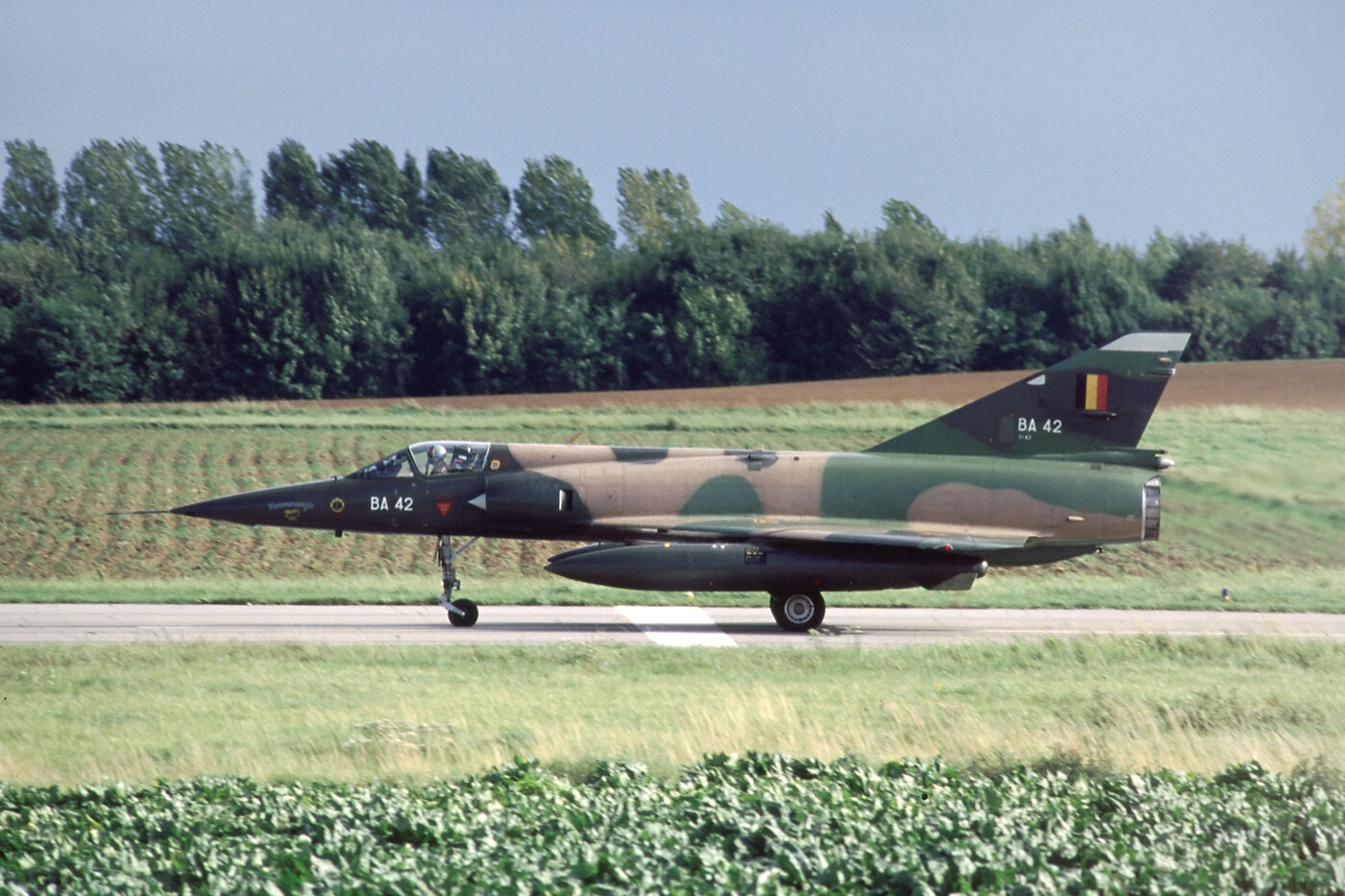
The Mirage 5BA aircraft were procured by Belgium in the late 1960s to replace the outdated (R)F-84Fs, which were serving primarily as fighter-bombers in the Belgian Air Force. The Mirage was selected from a range of options, including the F-5A, A-4E, and Draken. Belgium became the largest user of the Mirage 5 in history, with over 100 of the type in its inventory.