#heavy_tanks
During the Second World War, there is no doubt that Germany led the world in military designs and innovations. However, in the years after the war, a near legendary status has surrounded Germany’s tanks, with names such as the Panther, Tiger I and King Tiger (and, of course, the redoubtable Maus) all coming to mind as nearly indestructable fighting machines. But was this actually the case? Were Panzers as amazing as we have been led to believe, and how have they gained such a formidable reputation?
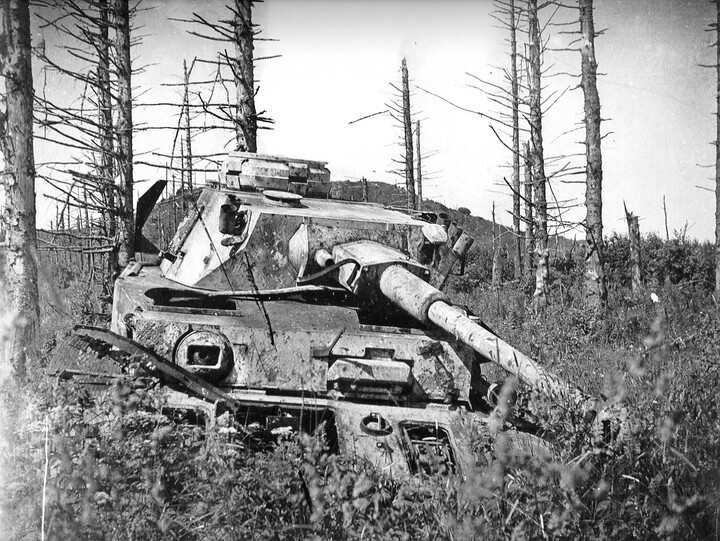

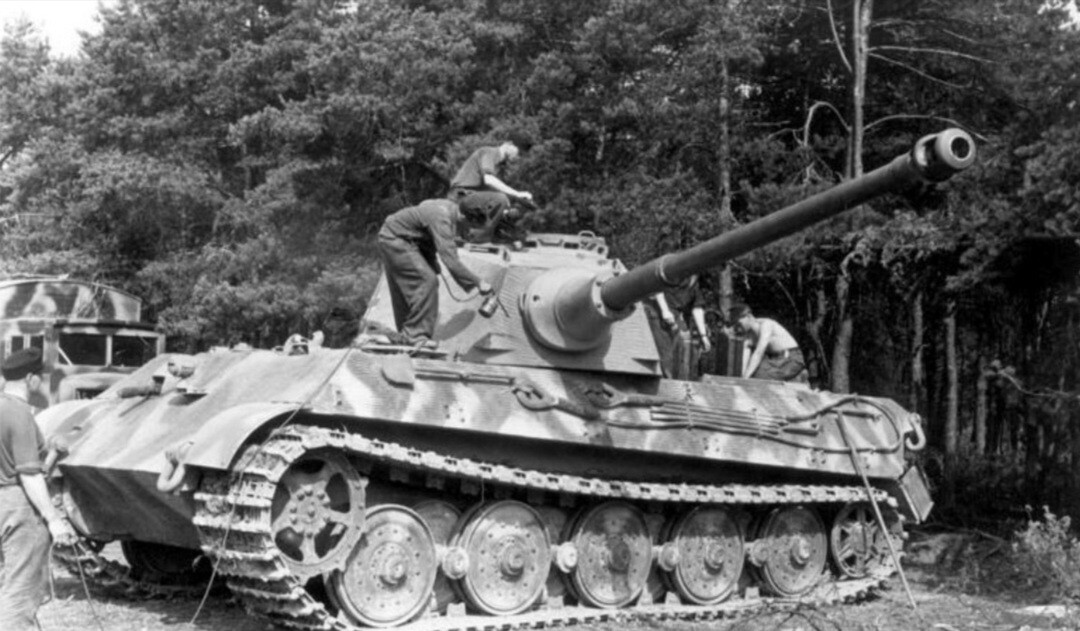
The Panzerkampfwagen Tiger Ausf. B, otherwise known as the Königstiger, King Tiger, and Tiger II, marks the end of Germany’s heavy tank line. Equipped with the “long eighty-eight” and exceptionally thick frontal armor, this 70-ton behemoth can make quick work of most opponents on the battlefield and, in the hands of a skilled player, can prove to be a deciding factor in any conflict.


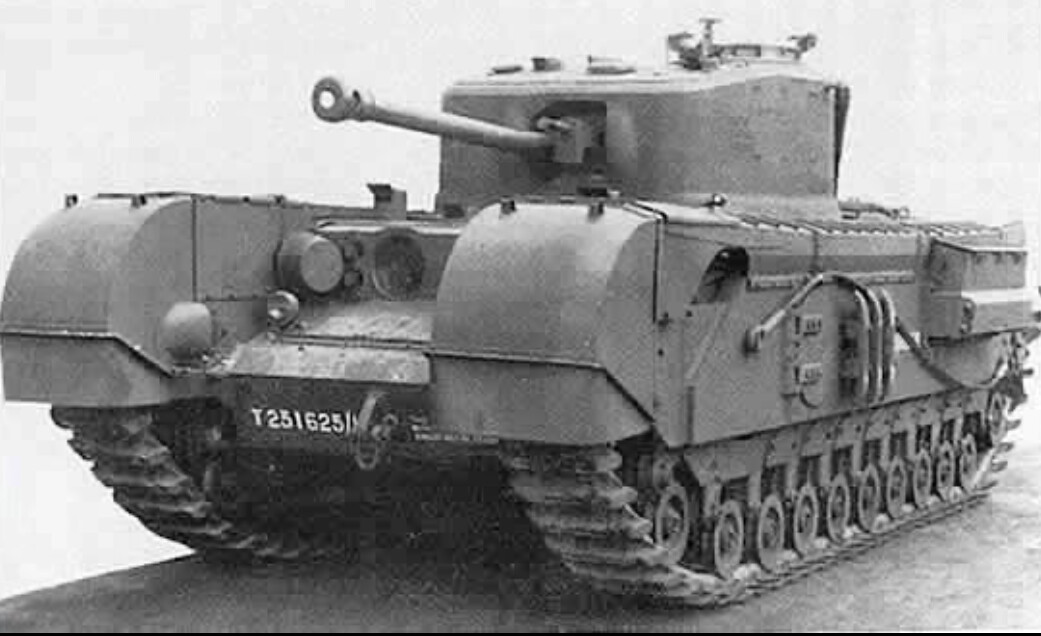
The Churchill or A22 was a British heavy infantry tank named after British Prime Minister Winston Churchill. It was used by Allied troops during World War II from 1942 onward and, in small numbers, by the Soviet Union. The vehicle remained in use until the Korean War. A total of more than 5,640 units were produced in various versions and modifications.

The Maus is arguably one of the if not most polarizing vehicles in the game. While other vehicles generally focus on one or two traits from the proverbial “iron triangle” of survivability, mobility and firepower, the Maus is what you get when you drag two of the sliders to the absolute limit. With an imposing silhouette, slow speed, a monstrous cannon and the thickest raw armor plate in the game, the Maus commandeers the attention of both your allies and your enemies alike.

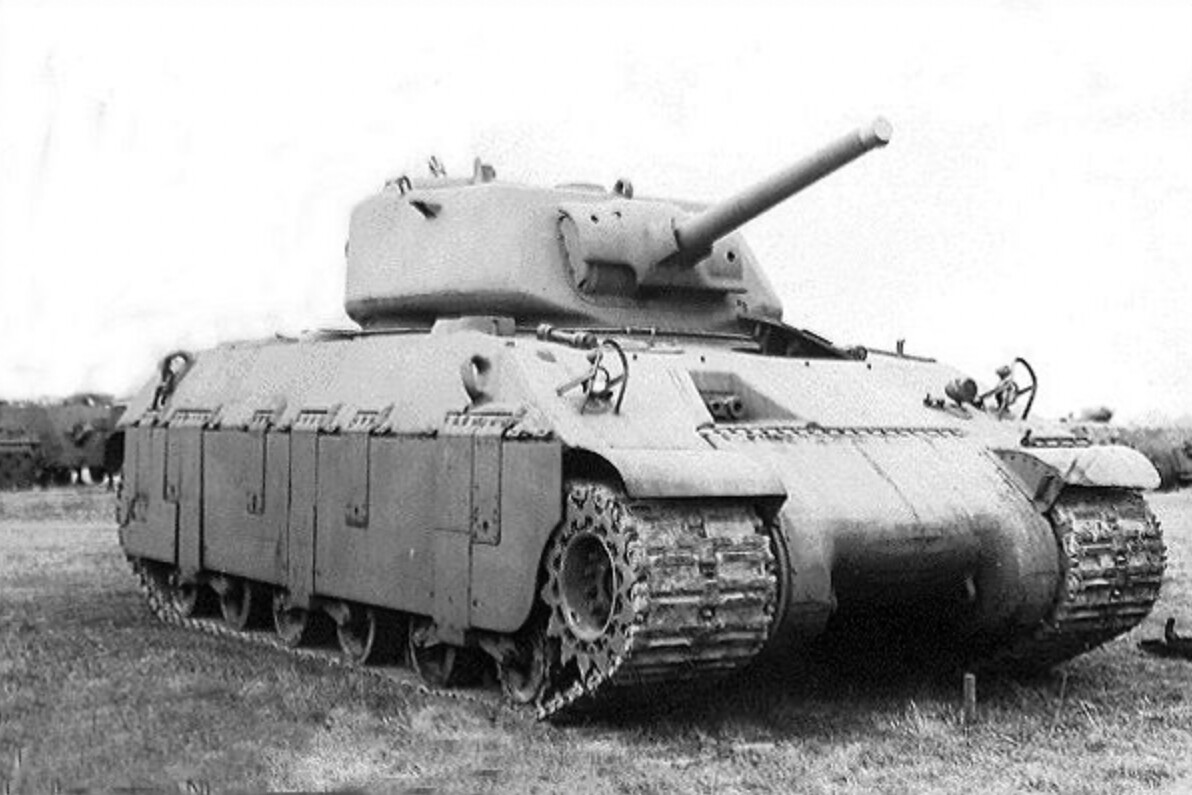
The T14 was a heavy tank that was the result of a joint American and British project aimed at developing a universal heavy infantry tank. The United States built two prototypes, one of which was sent to Great Britain for testing and the other was tested in the United States. They never entered serial production and never saw combat.

The King Tiger is one of the most famous tanks known today, which is very impressive considering its age, but there are many misinterpretations, myths, and misunderstood facts going around, as well as a few blurry lines here and there, which I will aim to dismiss.
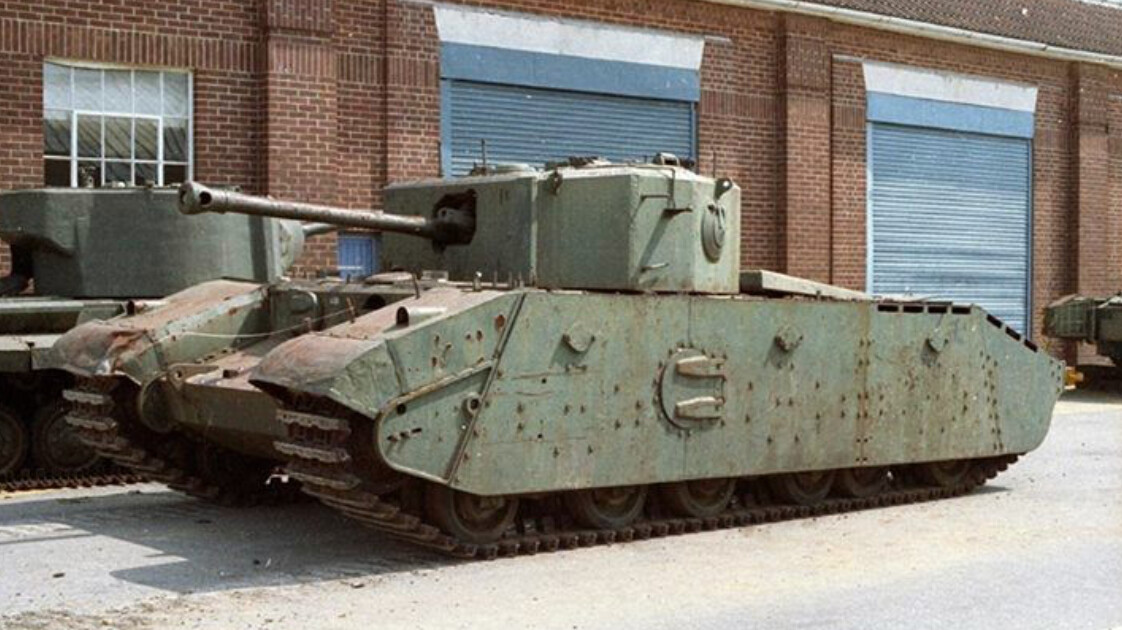
We’ve already discussed the T14 (more about the T14 here in my article: T14: The Super Heavy Sherman). Now we want to take a closer look at its British counterpart, the Excelsior. Like the American T14, the Excelsior resulted from the same development project, although the Excelsior also never went into serial production; only two prototypes were built.
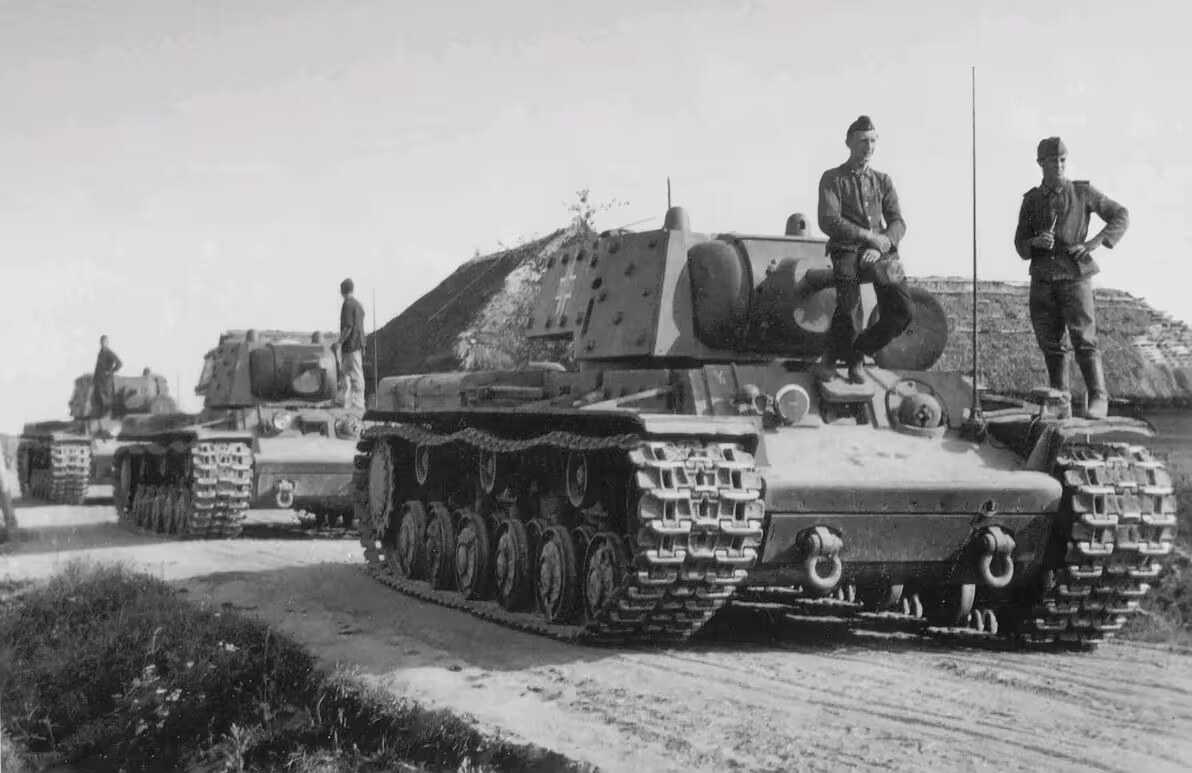
The Soviet KV series, most notably the KV‑1 and KV‑2, were among the heaviest tanks of the early war. When they were put to operational use during the midst of Operation Barbarossa, German forces found most of their anti‑tank weapons far too weak against the thick armor; even a single KV could stall an advance and demonstrate capabilities the Germans themselves lacked. That display of strength made captured examples highly prized. Yet the tanks were far from perfect. They consumed fuel at alarming rates, broke down often, and were difficult to supply, and as such many were left behind in retreat or captured intact. The Wehrmacht quickly put these tanks to use, repainting their insignia and assigning them new designations as Beutepanzer (lit. loot tank).
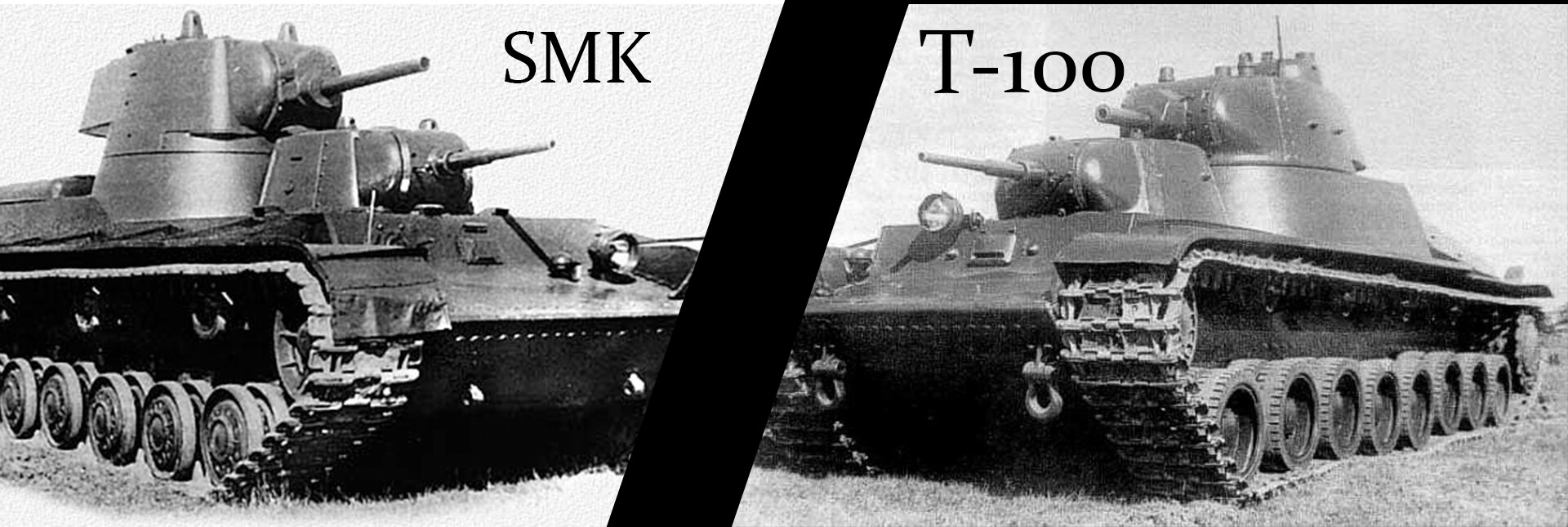
After WW1, a new type of tank emerged: the “Land Battleship”. This type of tank would be developed by multiple nations and in multiple forms. The Soviet Union was particularly keen on this design and continued work on it into WW2. This obsession would lead to two tanks in WW2, the SMK and T-100. Their complex development history would involve other well-known tanks that you may not know were linked.