#MBTs

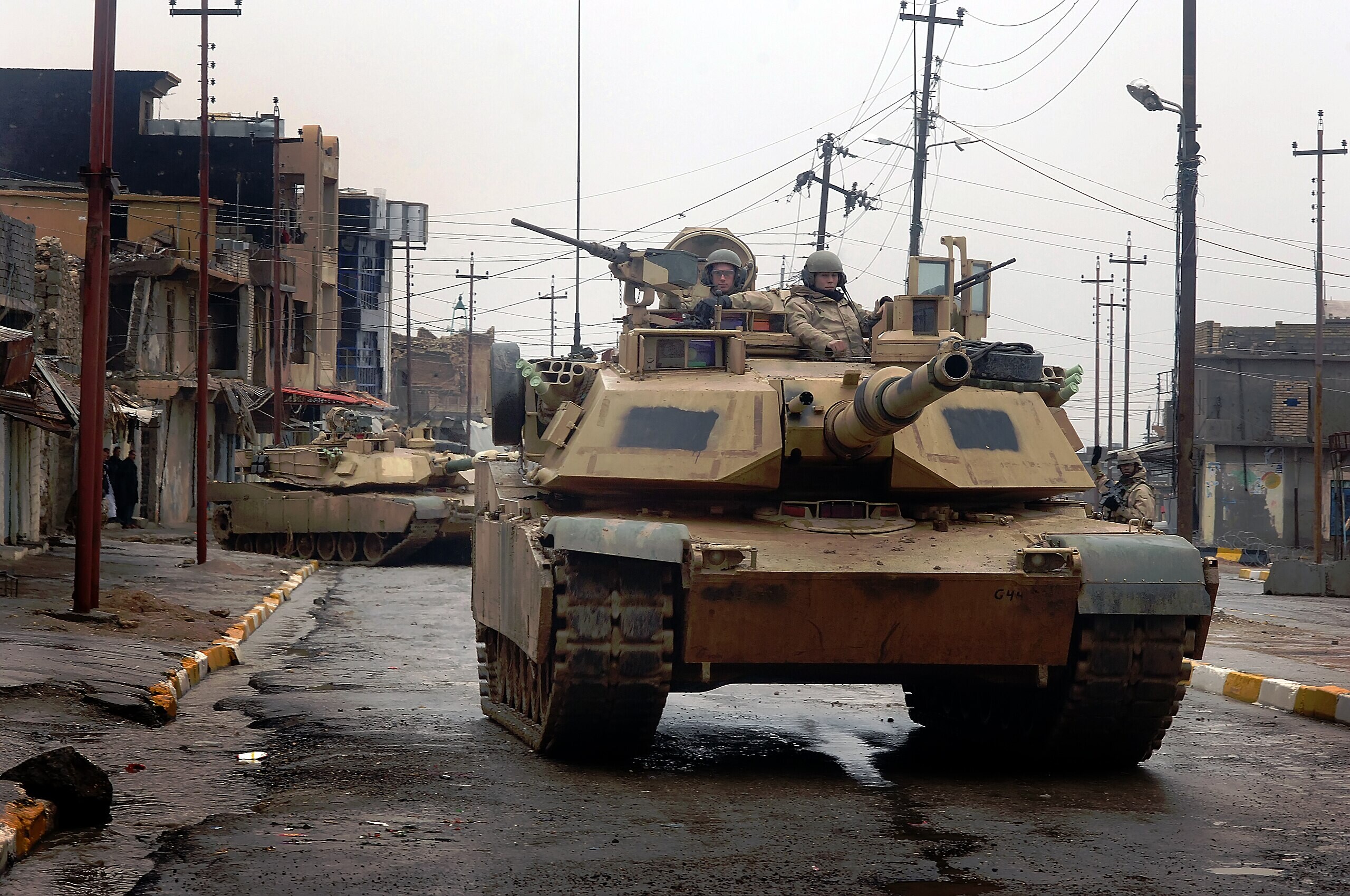
Tanks have been in service for over 100 years, starting in the trenches of WW1 and still fighting today. While the first designs were slow, massive, and under-armed, they were still revolutionary, introducing an entirely new way to fight wars. Many tank designs from many nations aimed to create the fastest, the toughest, and the strongest tanks. However, one of the most famous of them all is the United States' M1 Abrams. First fielded in the 1980s, it has since fought across the world from Europe to Iraq and it has gone through over 40 years of combat and upgrades. Today, we will explore the history of the Abrams and its impact on American tank design.

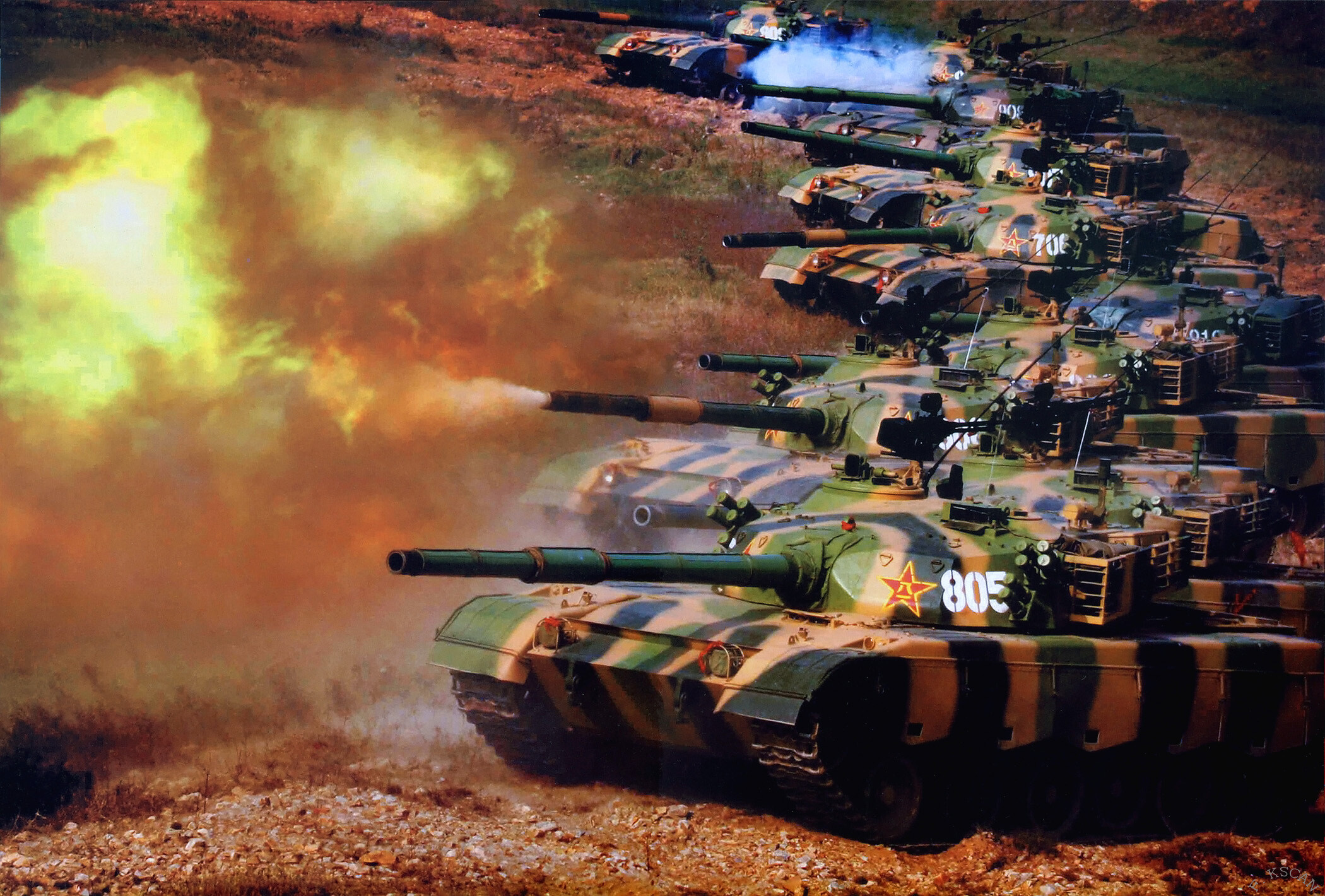
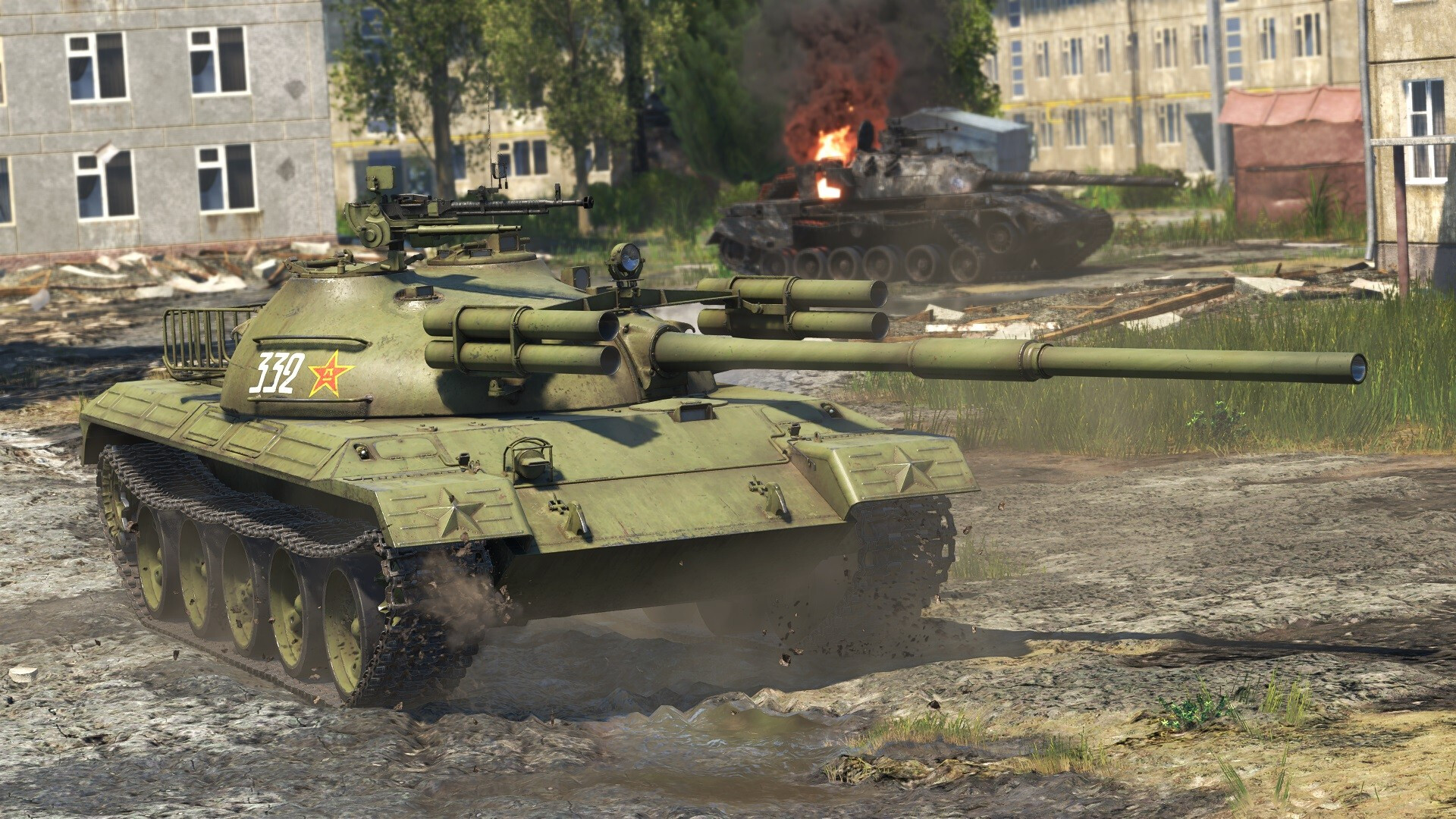
The ZTZ96 is China’s most advanced second generation main battle tank (MBT). But its history actually extends well before the ZTZ96 actually appeared and its development history is extremely messy (not that any tank development project is ever neat), filled with several weird prototypes and secretive vehicles. So, let’s take a look at the history of this tank’s development, its main variants, and all of those weird 1-off prototypes that never made it to production.
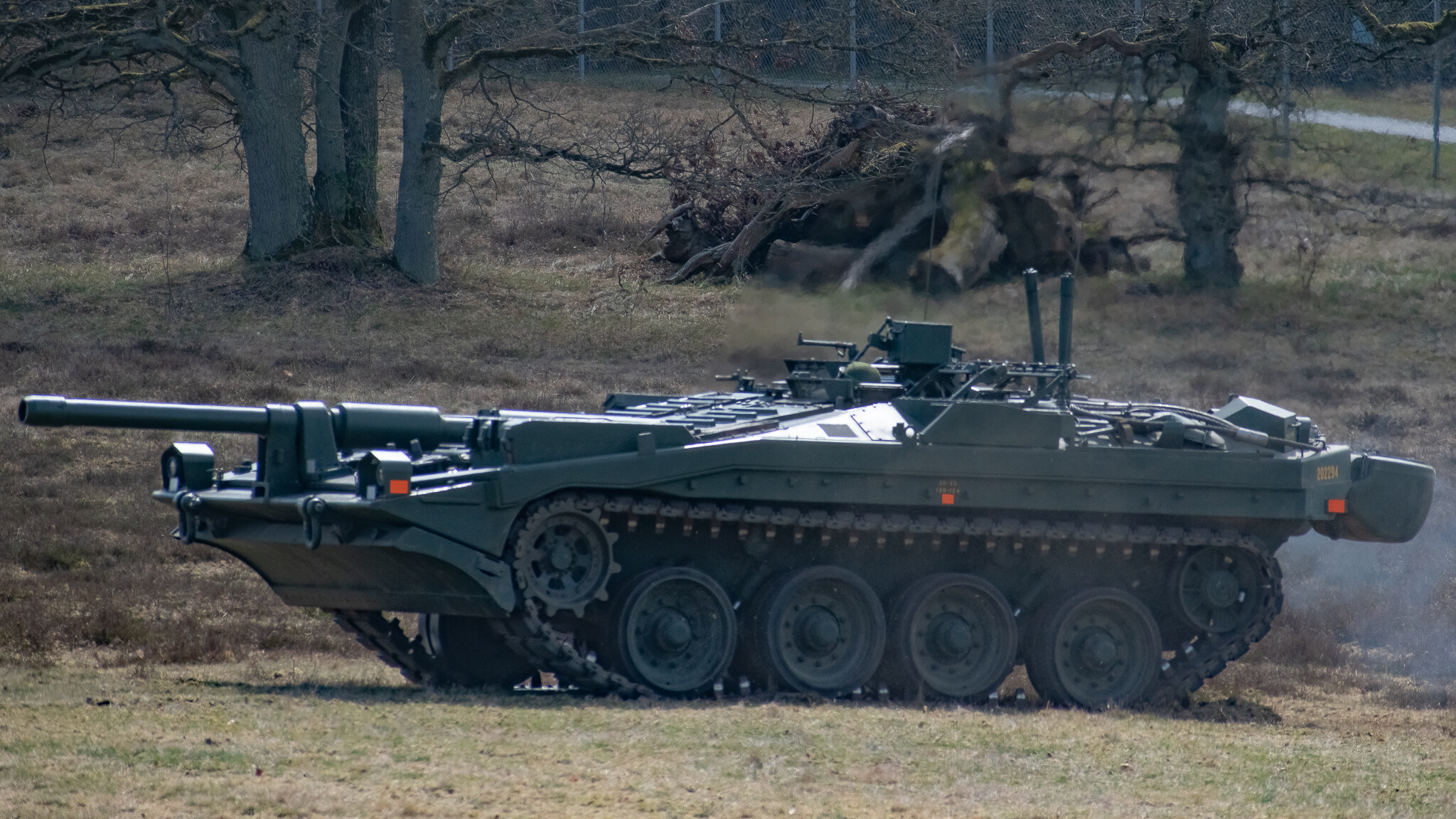
The Stridsvagn 103 (Strv 103), also referred to as the S-tank or Stridsvagn S, was a Swedish MBT manufactured by Bofors AB. It was in service during the Cold War, at a time where tank technology was rapidly advancing. The tank is instantly recognizable by its flat, turretless profile, and is frequently referred to as a cheese wedge or doorstop.

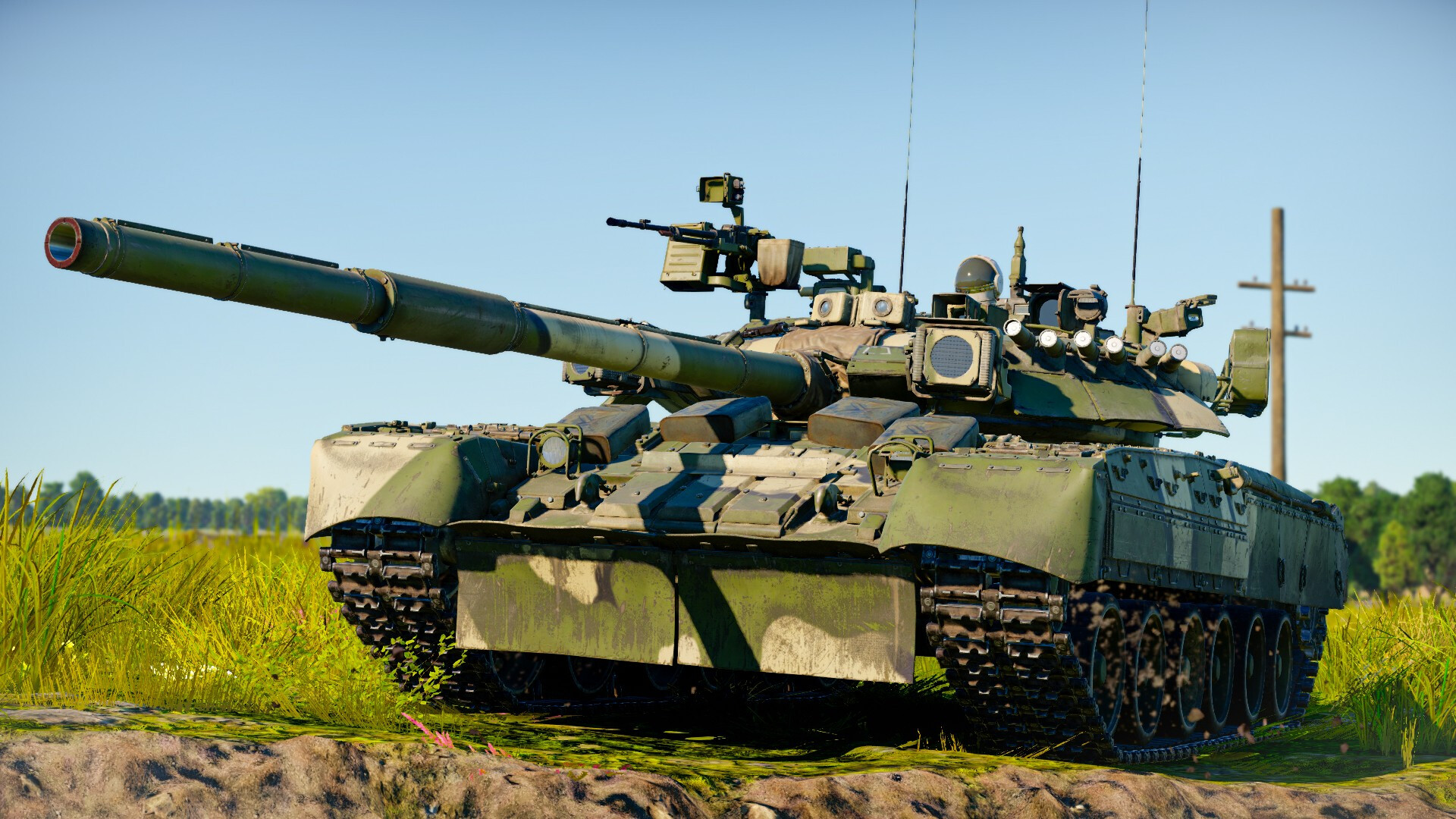
The T-80UK is a modified command and control variant of the T-80, equipped with multiple systems not present on some other T-80s, such as Shtora-1 soft kill APS, and a laser warning system. This, like many other T-80s, makes the T-80UK a dangerous opponent; however, it has a few fatal flaws that render it ineffective in certain situations. Being a squadron vehicle it means you have to research it and stock grind it. So, how is it played, and what modifications should be prioritised?

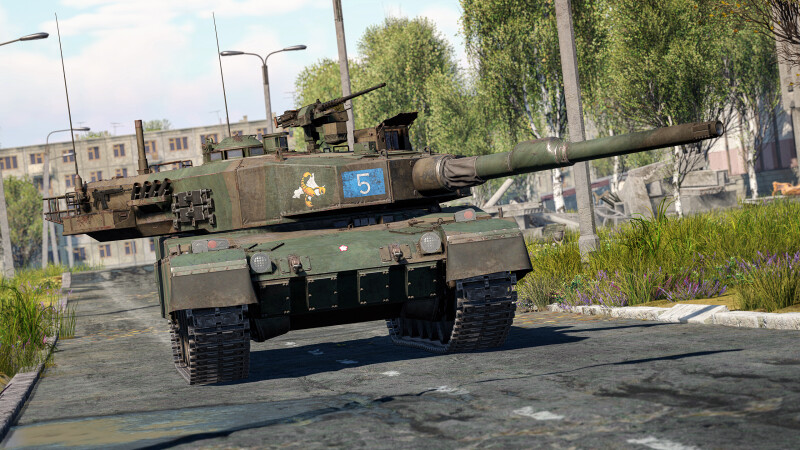
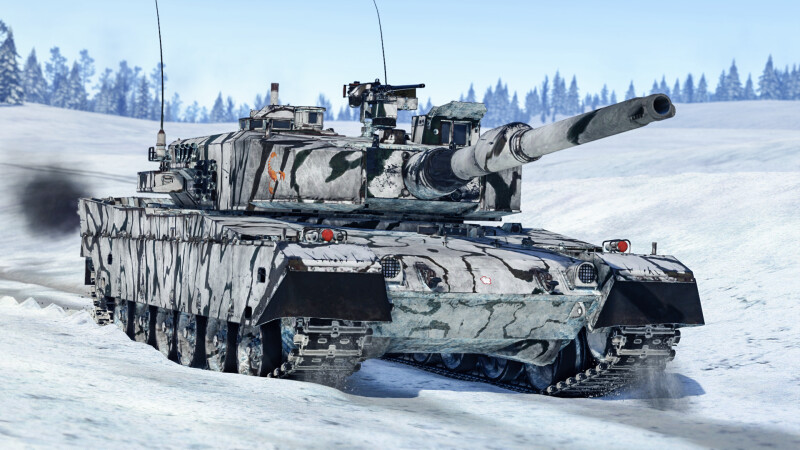
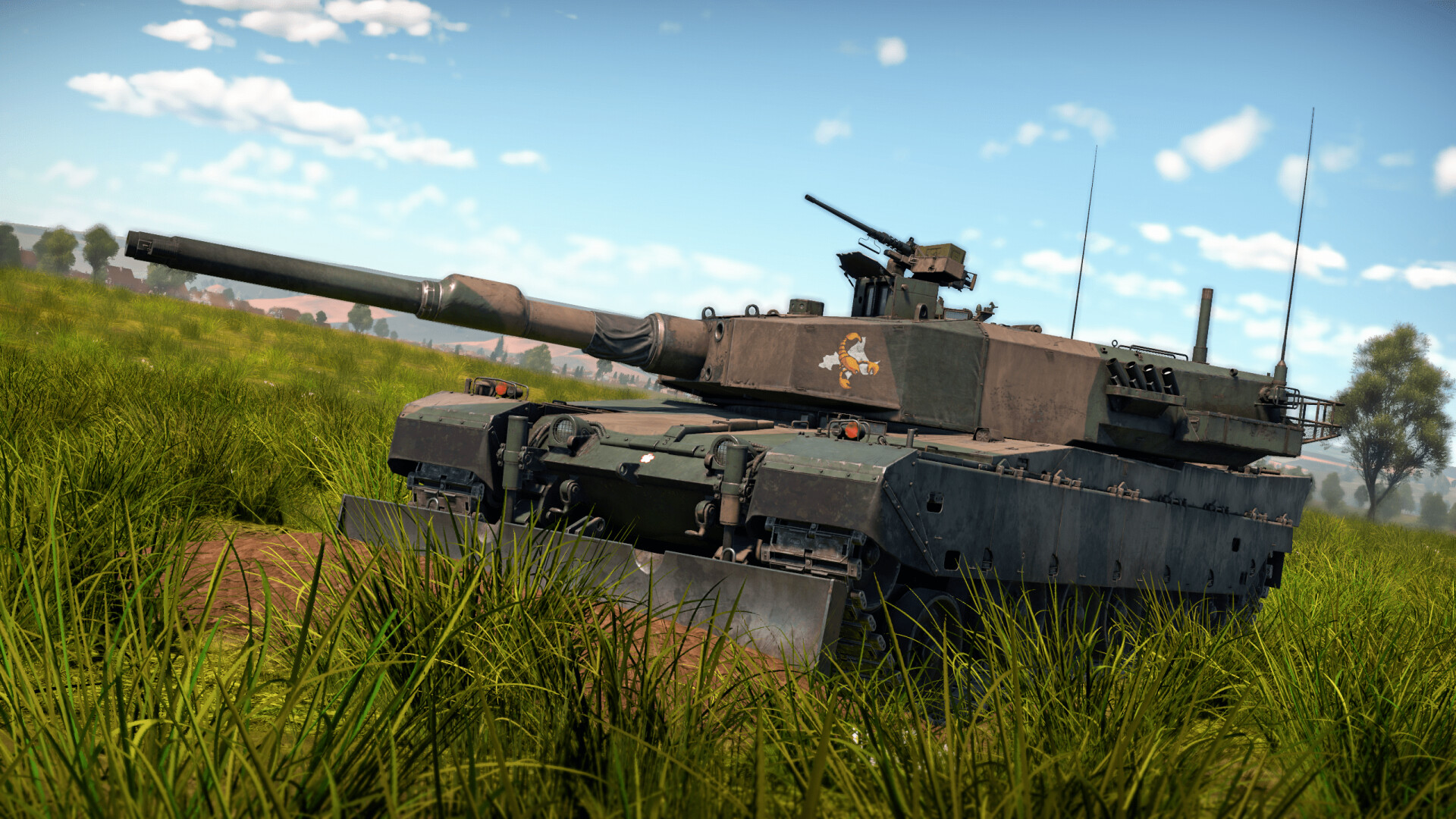
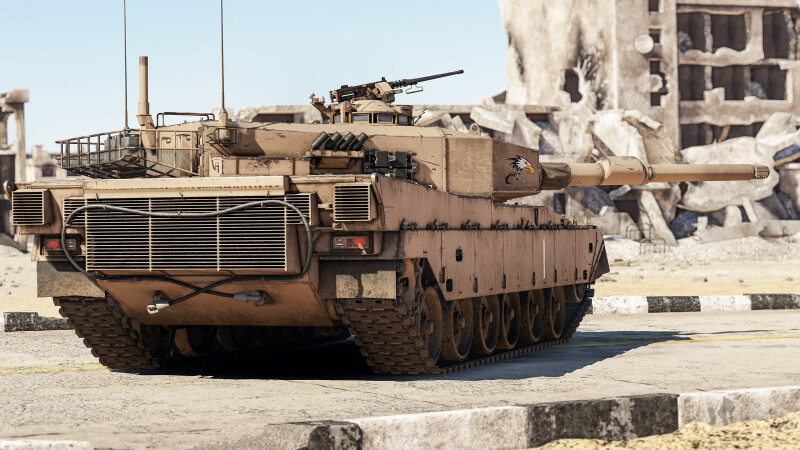
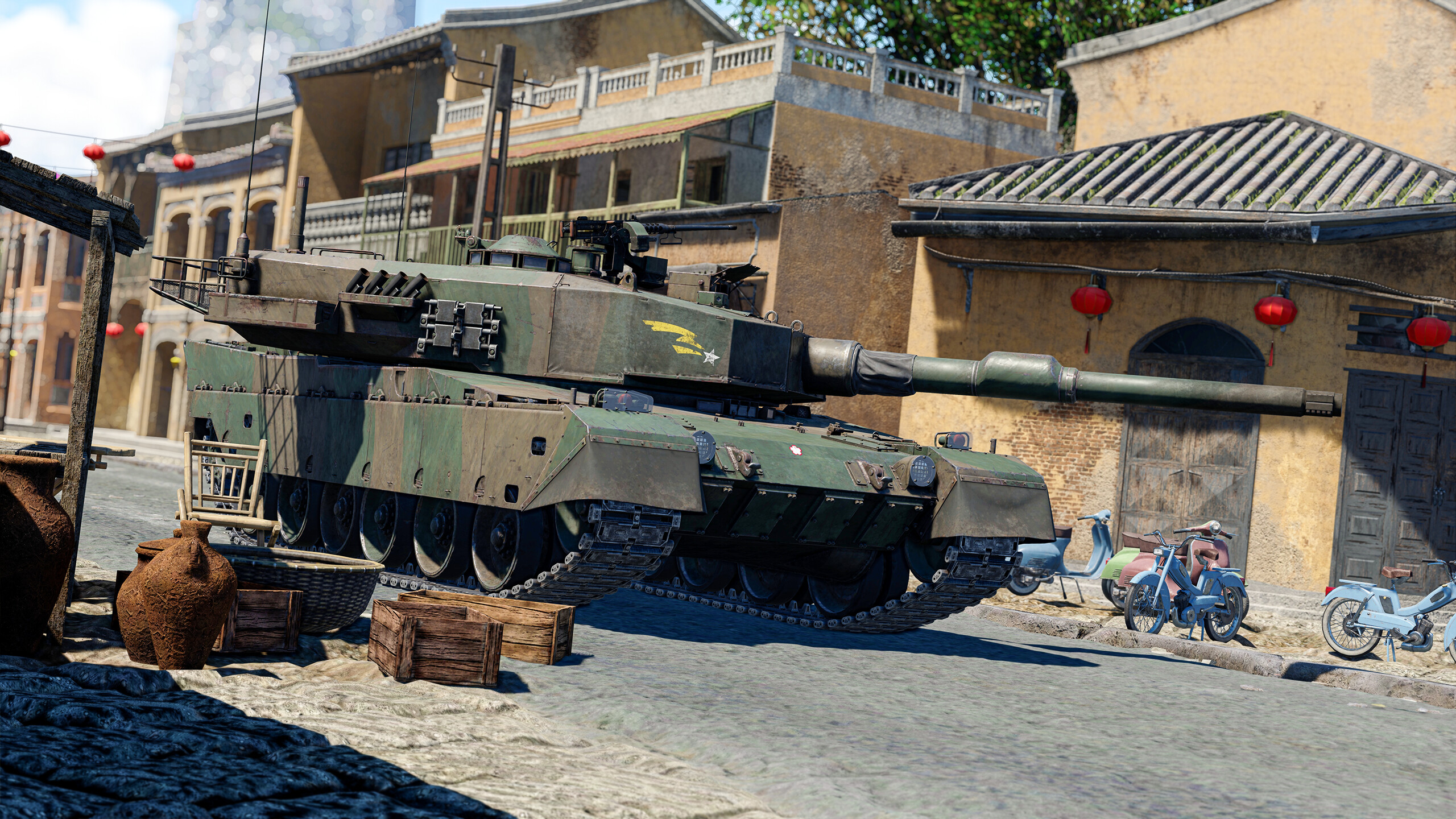
The Type 90 (90式戦車) is a third-generation main battle tank (MBT) developed by Mitsubishi Heavy Industries for the Japanese Ground Self-Defense Force (JGSDF). Introduced in 1990 to replace the ageing Type 61 and Type 74, it was designed to counter modern Soviet tanks like the T-72 and compete with Western MBTs such as the M1 Abrams and Leopard 2. Armed with a 120 mm L/44 smoothbore gun, it reflects the standard firepower of Gen 3 tanks. Though still in service, the Type 90 is being supplemented & gradually phased out in favour of the lighter yet more advanced Type 10, shifting as the Japanese Gen 3.5 MBT.
The Object 122MT “MC” is a unique tank that perhaps unfortunately, often flies under the radar for many players. While similar to the Russian T-62, the Object 122 provides a lethal combination of guided missiles and a 120mm cannon, making this tank a truly unique experience to play. In today’s article, we are going to look at the strengths and weaknesses of the Object 122, the best tactics to use in it, and other tips and tricks to get the most out of playing this tank.

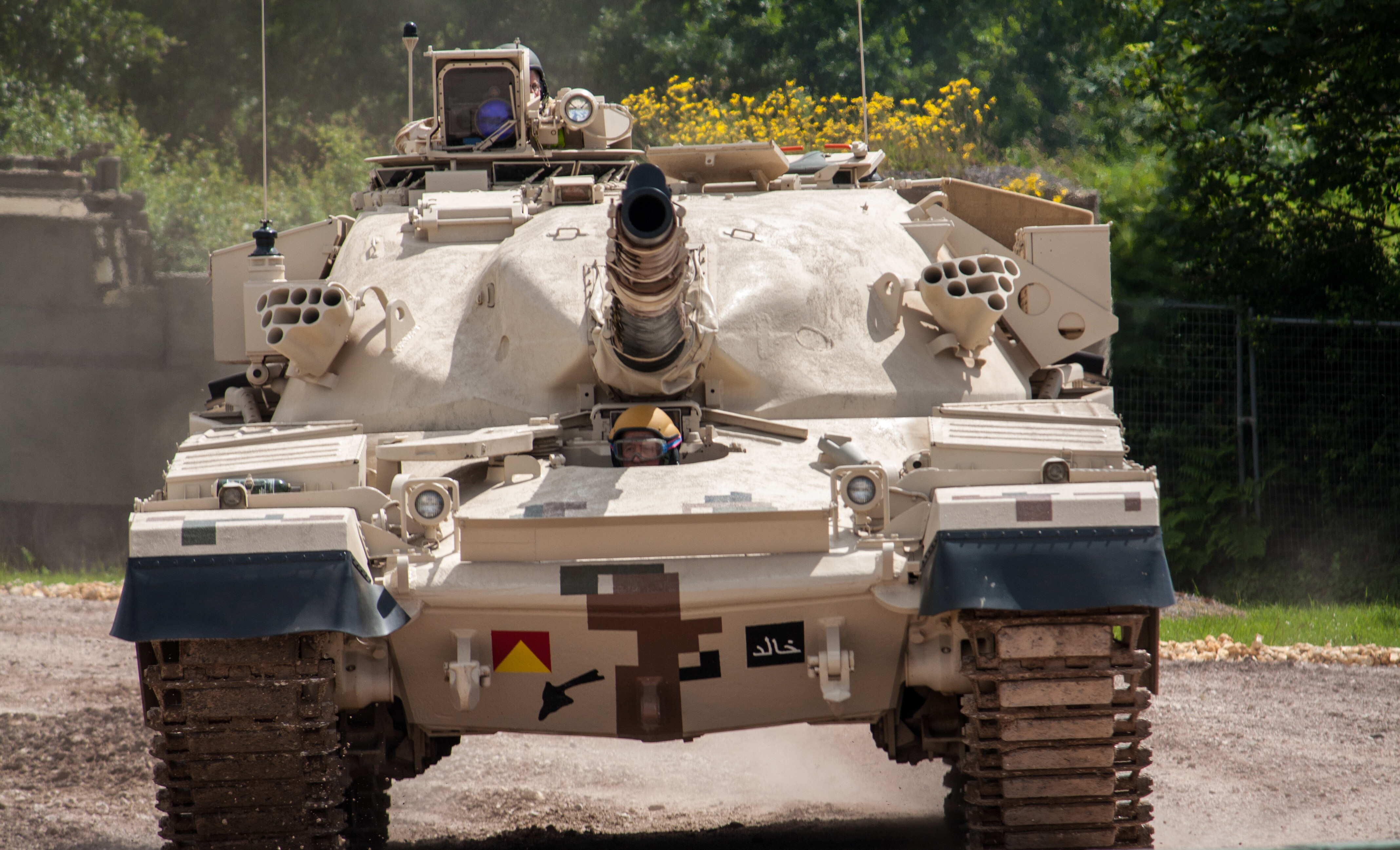
The history of armored warfare is filled with vehicles born from shifting geopolitical landscapes, and few exemplify this better than the Khalid (Arabic for “Eternal or Immortal”). Officially designated the FV4030/2, the Khalid represents a vital evolutionary link between the Chieftain and the Challenger 1. Originally designed to fulfill a massive Iranian defense contract under the Shah, the project was abruptly derailed by the 1979 Islamic Revolution, leading the British government to repurpose the tanks for the Royal Jordanian Army.

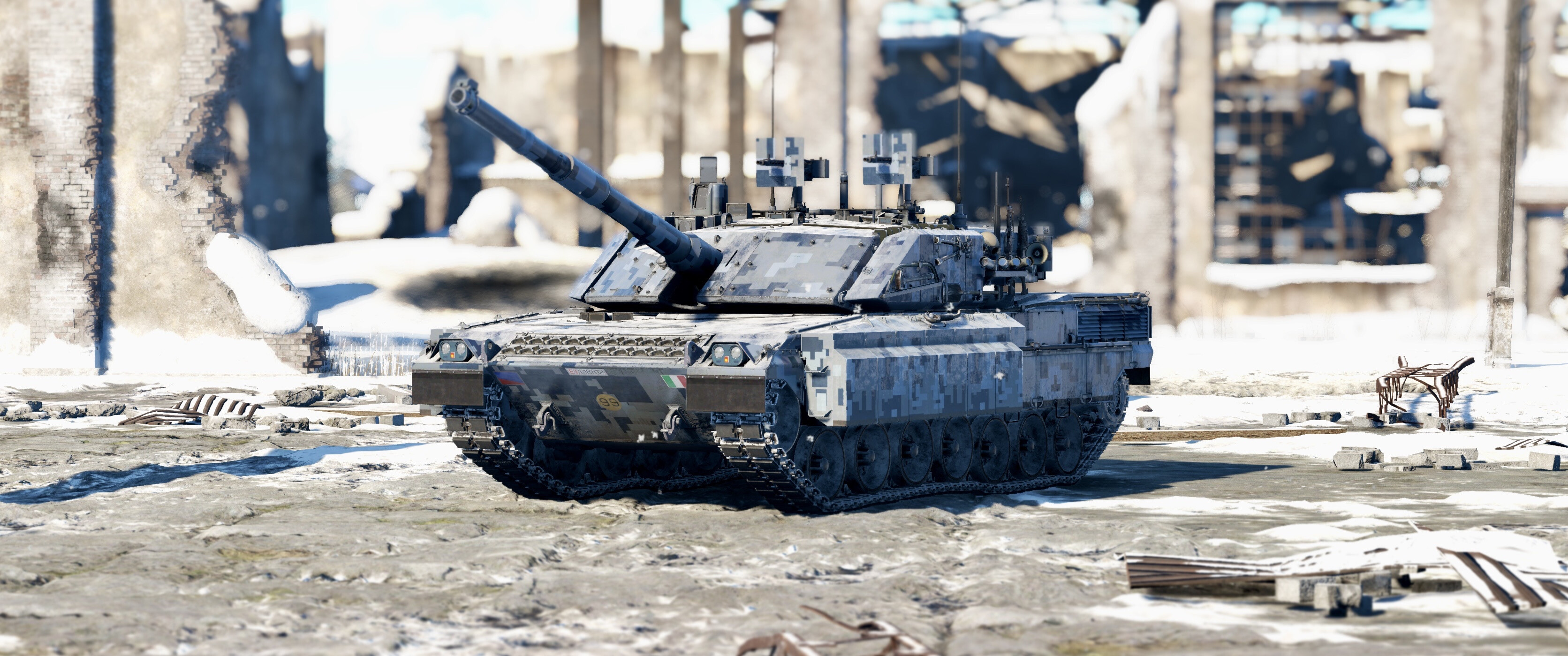
The Ariete PSO is a lesser-known variant of the Italian C1 Ariete MBT modified for peace support operations. Rather than being fitted with the standard WAR armor package, the Ariete PSO is equipped with specialized composite armor designed to increase survivability against RPG attacks in low-intensity combat environments. Like the standard Ariete and the more modern Ariete AMV, the Ariete PSO lacks any meaningful protection against kinetic rounds and is extremely unforgiving to use when compared to other MBTs like the Leopard 2A7V. However, players who can work around the Ariete’s various weaknesses will be able to utilize the full potential of the Ariete’s excellent offensive armament, making it a formidable opponent when in the hands of a skilled tanker.

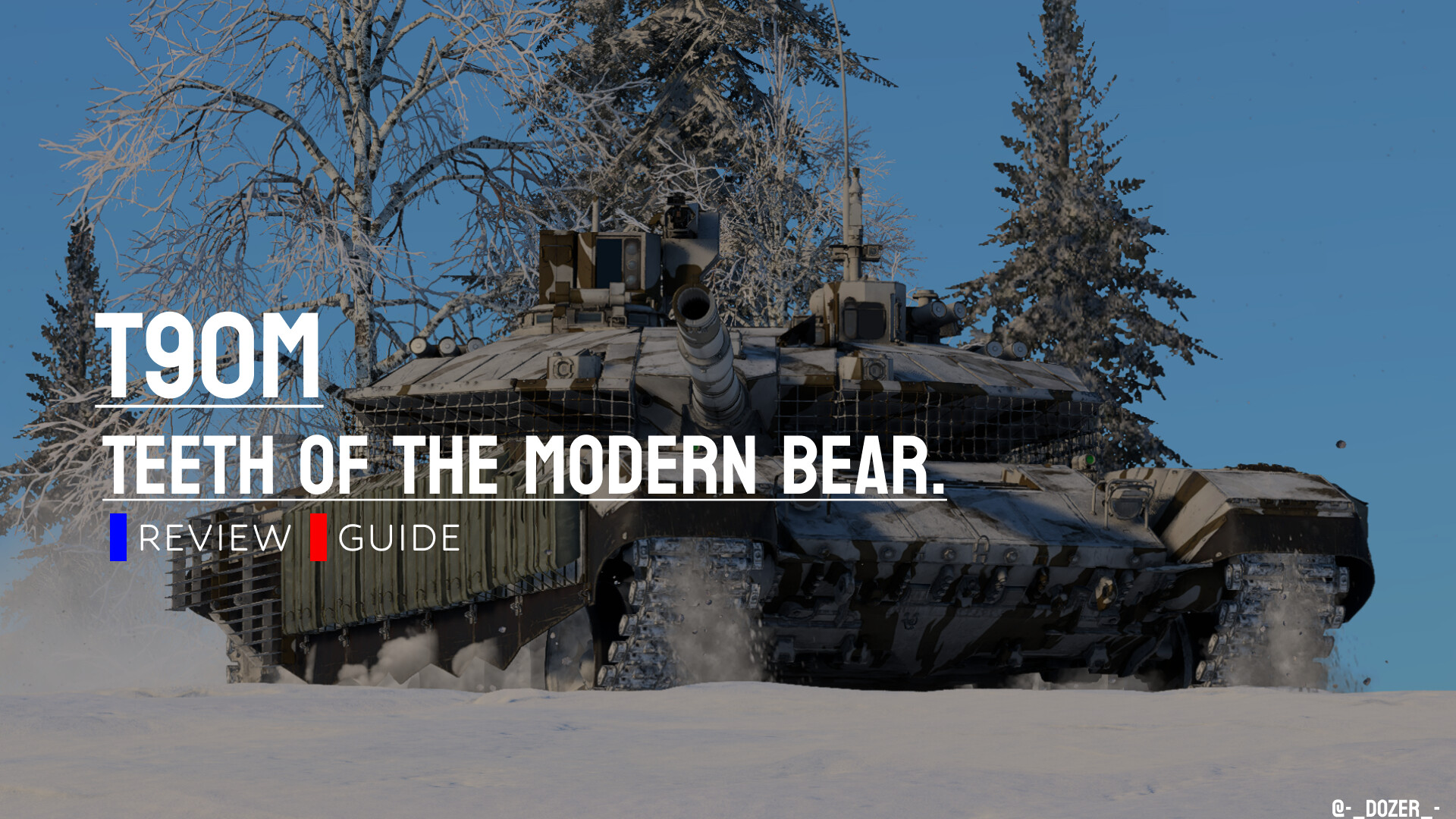
Emerging from the T‑72/T‑90 lineage, the T‑90M “Proryv” blends proven Soviet design with targeted modernizations. Relikt ERA and composite modules reinforce its low‑profile turret and sloped glacis, reducing incoming damage. At its heart sits the 125 mm 2A46M‑5 cannon with an autoloader, capable of launching APFSDS, HEATFS, HE, or tandem‑warhead ATGMs offering adaptable firepower at all ranges. Though its –6° gun depression and 4 km/h reverse speed limit certain hull‑down and withdrawal maneuvers, the T‑90M excels when used to dictate engagements from hull‑down positions, supporting advances and punishing overextended foes.
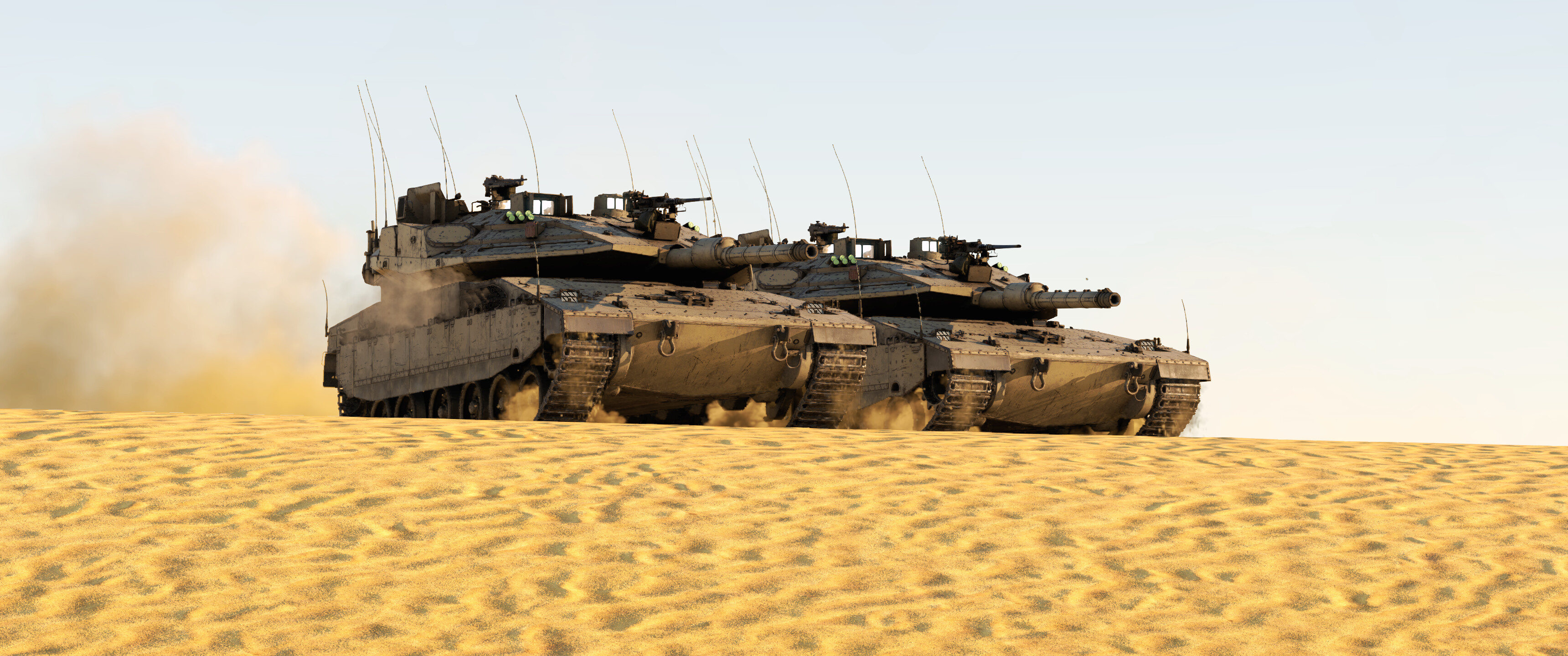
The Merkava Mk.4M "Meil Ru'ach" is an Israeli indigenous MBT, designed and manufactured by Mantak and the IDF Ordinance Corps. Prioritizing crew protection and survivability over all other aspects, the tank has a frontally mounted engine to shield the crew and a well-balanced armor layout. When compared to the preceding Merkava Mk.4B/LIC, the Merkava Mk.4M is upgraded to use the venerable Trophy APS to protect the tank from ATGMs and other guided munitions. The Merkava has the potential to be a formidable weapon in the hands of a skilled player, but it demands more expertise from players to achieve success compared to other MBTs, primarily due to its weak armor.