#sweden

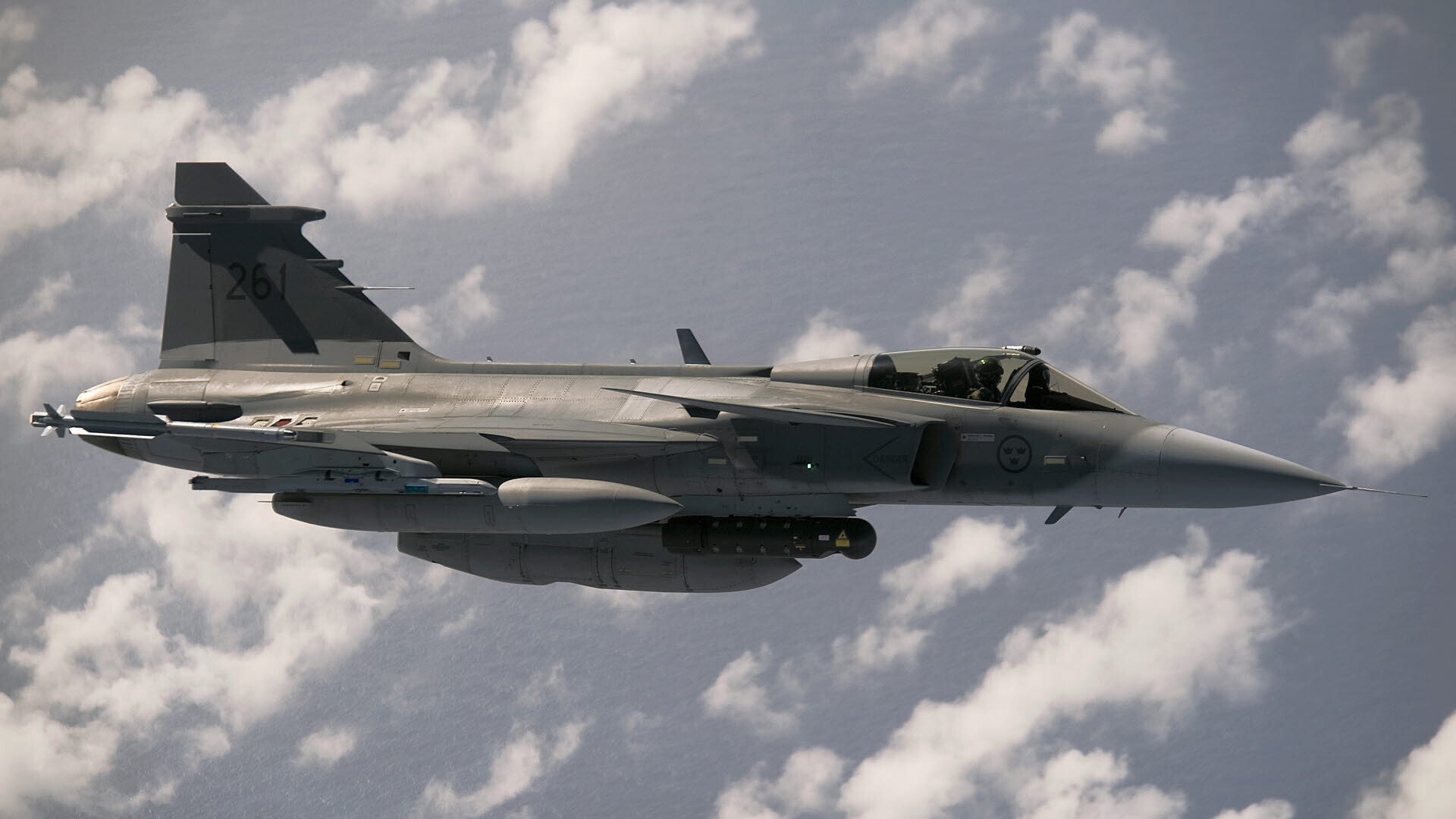
The Saab 39 Gripen, often called the JAS 39 Gripen, is a highly capable multirole fighter aircraft renowned for its exceptional maneuverability, advanced avionics, and cost-efficient operation. Since its first flight in 1988 and subsequent introduction into service in 1996, Gripen has become the cornerstone of the Swedish Air Force and has since been adopted by several other nations around the world.

The LT vz.38 was a light tank originally from Czechoslovakia and built by Škoda and ČKD. A total of at least 6,919 examples were built, including pre-war and licensed models in every imaginable configuration. Following the German occupation of Czechoslovakia in 1939, the German Reich captured plans, production equipment, and some examples of the LT vz.38 that had not yet been deployed in the Czech army and renamed them the Pz. 38(t). Later, a licensed version, along with some examples, was sold to Sweden, who renamed it the Stridsvagn m/41 and slightly modified it. The Pz. 38(t) was used by Germany throughout World War II and also influenced several other tank designs, including the German E-series.

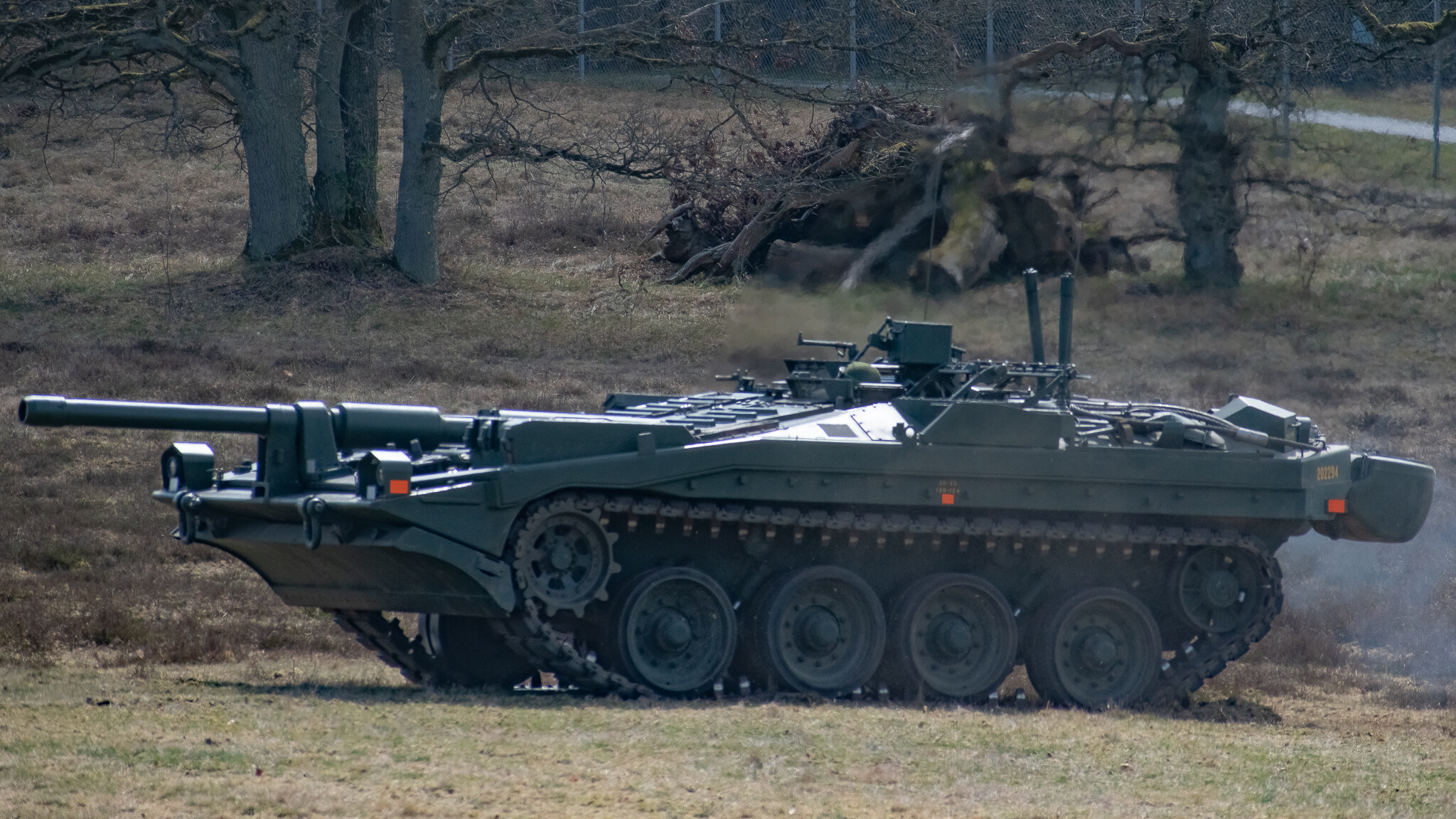
The Stridsvagn 103 (Strv 103), also referred to as the S-tank or Stridsvagn S, was a Swedish MBT manufactured by Bofors AB. It was in service during the Cold War, at a time where tank technology was rapidly advancing. The tank is instantly recognizable by its flat, turretless profile, and is frequently referred to as a cheese wedge or doorstop.

The SAV 20.12.48 is a Swedish tank destroyer at rank III, featuring a 120mm automatic cannon. This large-caliber cannon has an incredible reload speed of only 1.2 seconds, making this tank very unique. Not only does this cannon reload quickly, but the APCBC round holds 890g of explosive filler, (for reference the Jagdtiger’s best APCBC round holds 786g), making this APCBC act almost like a HE. The amazing firepower isn’t the only thing the SAV boasts though, it also features great maneuverability, and when paired with its firepower, this tank becomes the ultimate flanker.
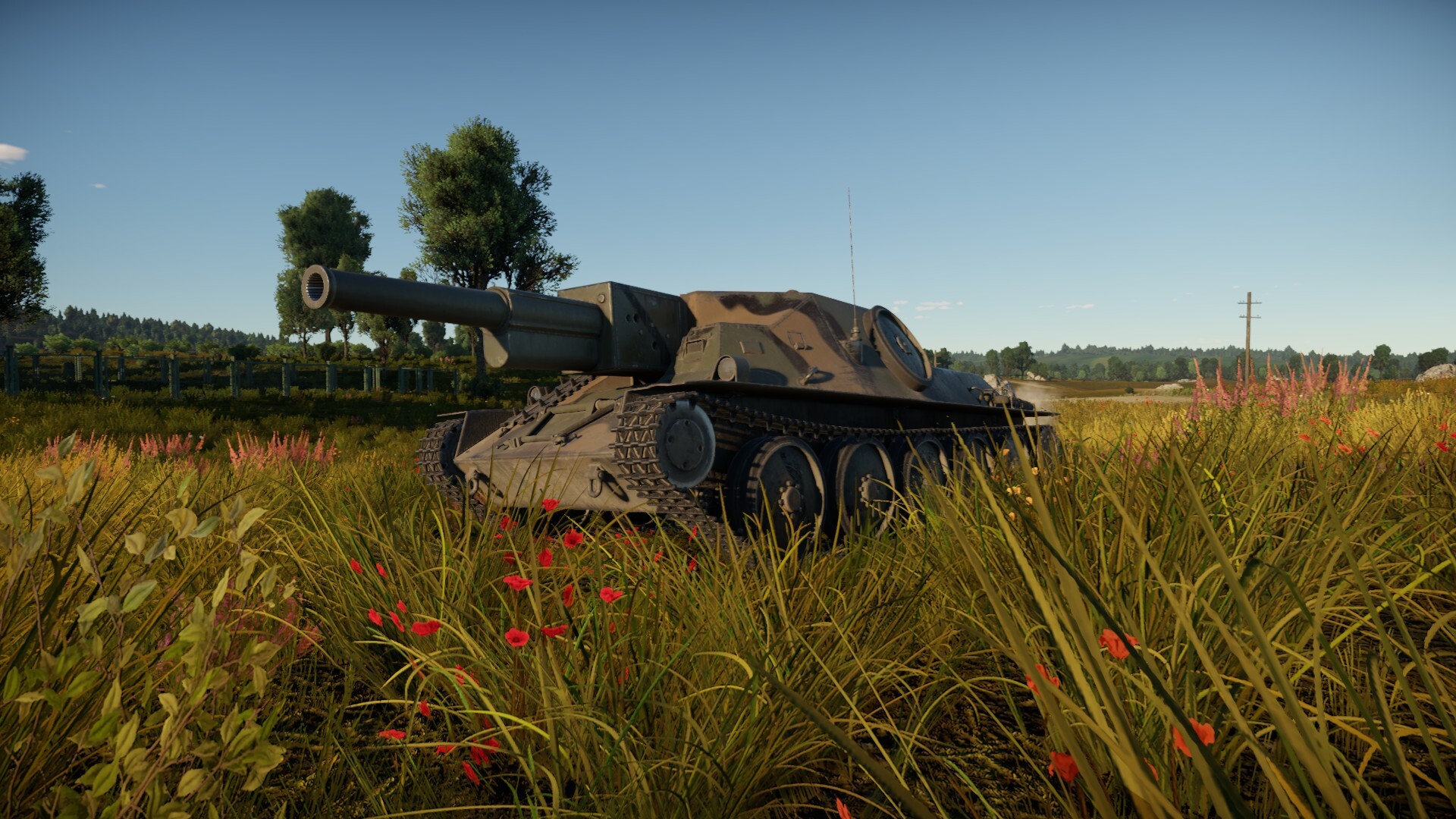

The Lago series refers to Landsverk’s production designation of the Stridsvagn m/42, which served as Sweden’s standard medium tank during the end of World War II, which began as an export product and ended up in the use of the Swedish Army where it would serve for decades to come. This article provides an overview of the vehicle’s history and fate.
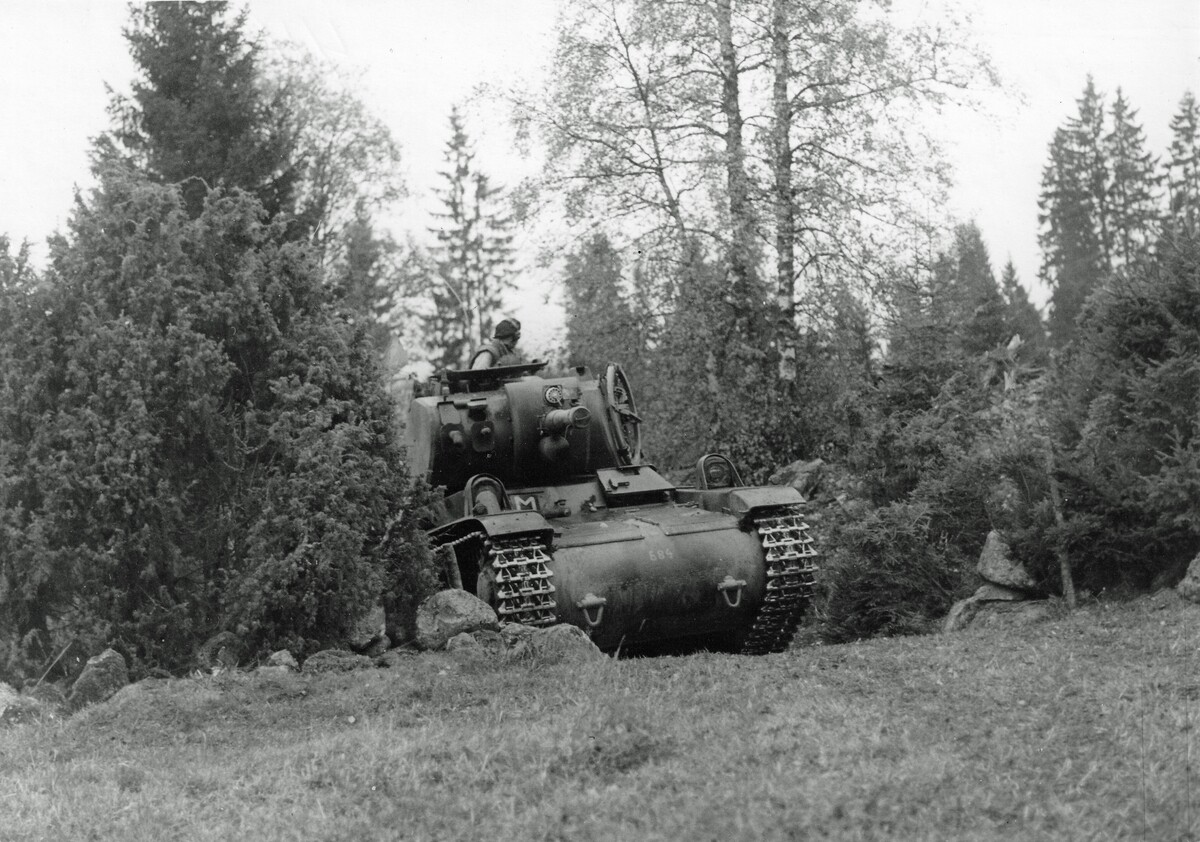
The SAAB 29, commonly known as the "Flygande Tunnan" or "Flying Barrel", was Sweden's first mass-produced jet fighter. Developed in the aftermath of World War II as Europe's first swept-wing jet fighter, its remarkable performance, adaptability, and family of variants extended its operational life from the early 1950s into the late 1970s, and propelled Sweden to the forefront of jet fighter development in the years to come.
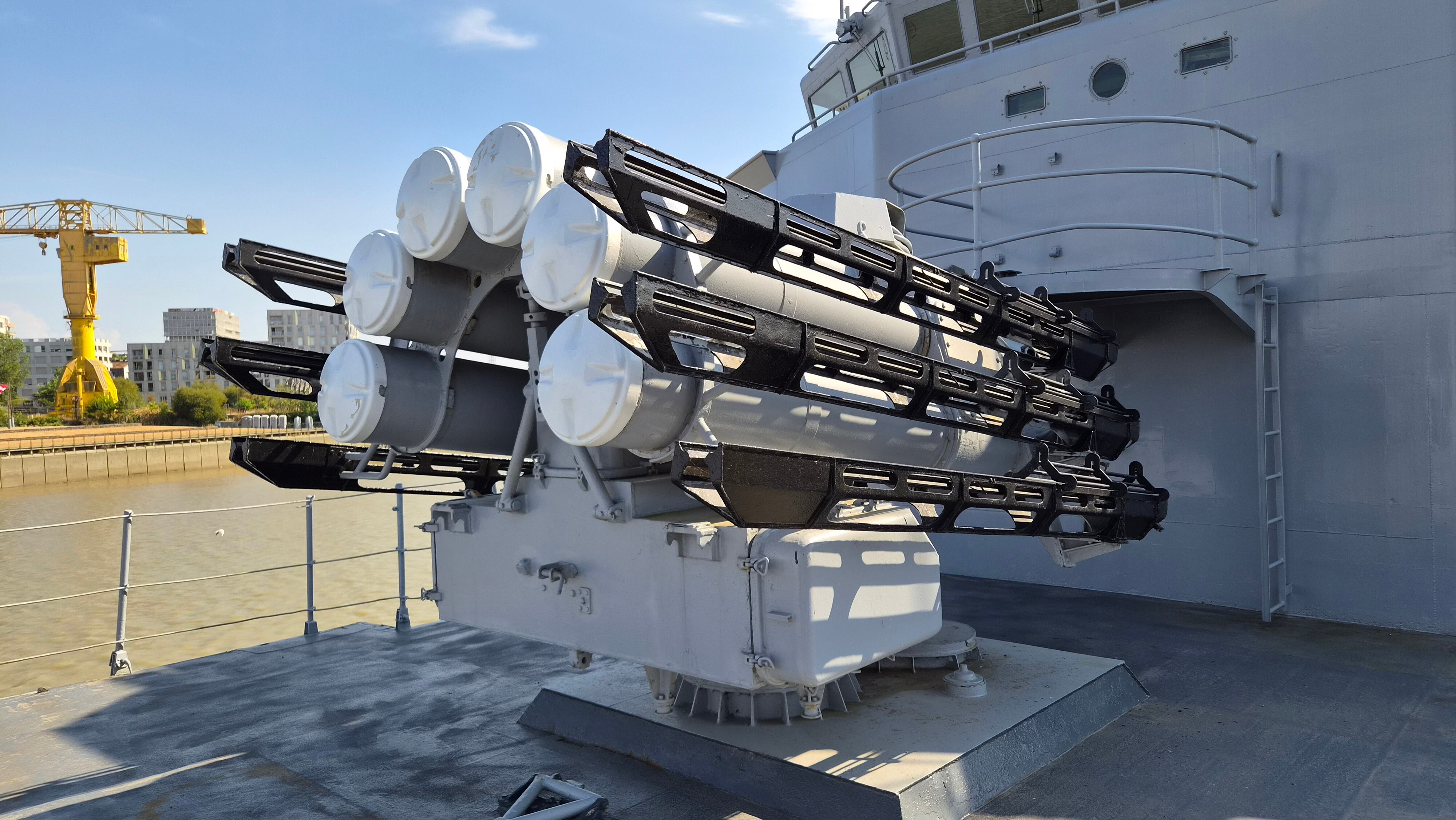
Anti-submarine warfare began soon after the first armed submarines appeared. In WW1, the main weapons were depth charges and mines. Then the first active sonars began to appear, along with a new type of weapon: anti-submarine mortars, with its prime example being the British Hedgehog. These mortars would later be improved into rocket launchers, which had considerably greater range and could launch much larger explosive charges. Bofors would develop one of the first such launchers: the 375 mm M/50 anti-submarine rocket launcher. Adopted by many countries and installed on numerous ships, it revolutionized close-range anti-submarine warfare and is still in use today.
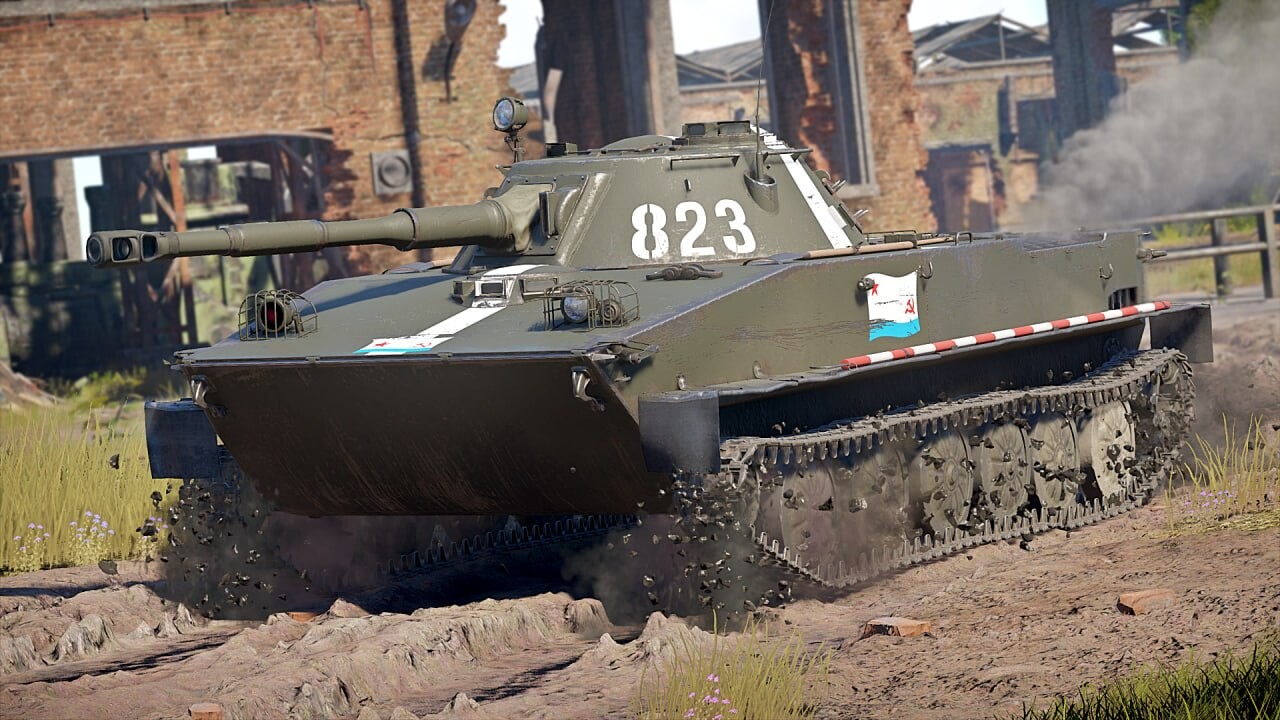
The PT-76 is a legendary amphibious combat vehicle designed by Soviet engineers specifically to cross Europe’s rivers and other water obstacles. Unfortunately, in the game, its amphibious capability is rarely useful, and this comes at the cost of extremely thin armor. On the other hand, this machine has a two-plane stabilizer and HEAT shells that can punch through almost any armor. So, how can you make the most of this unusual “swimmer”? Read on!

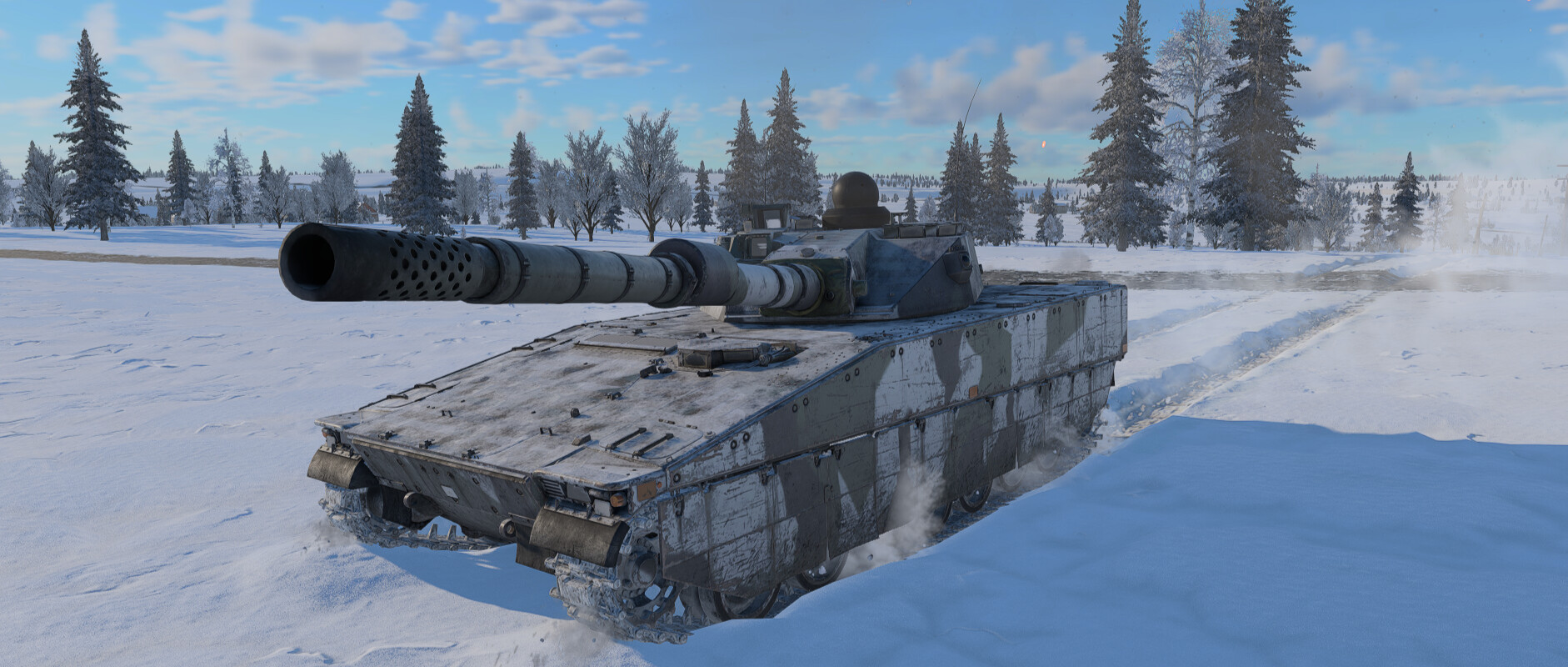
The CV 90105 TML was a conceptualized light tank that resulted from a cooperation between Hägglunds and GIAT on the basis of the CV 90 platform while using various already existing components. The vehicle was showcased at Eurosatory in 1994 and was meant to show the multirole usage and capabilities of the CV 90 chassis. The vehicle underwent in-depth testing, but ultimately no country ever showed interest in the tank, and the project was abandoned.
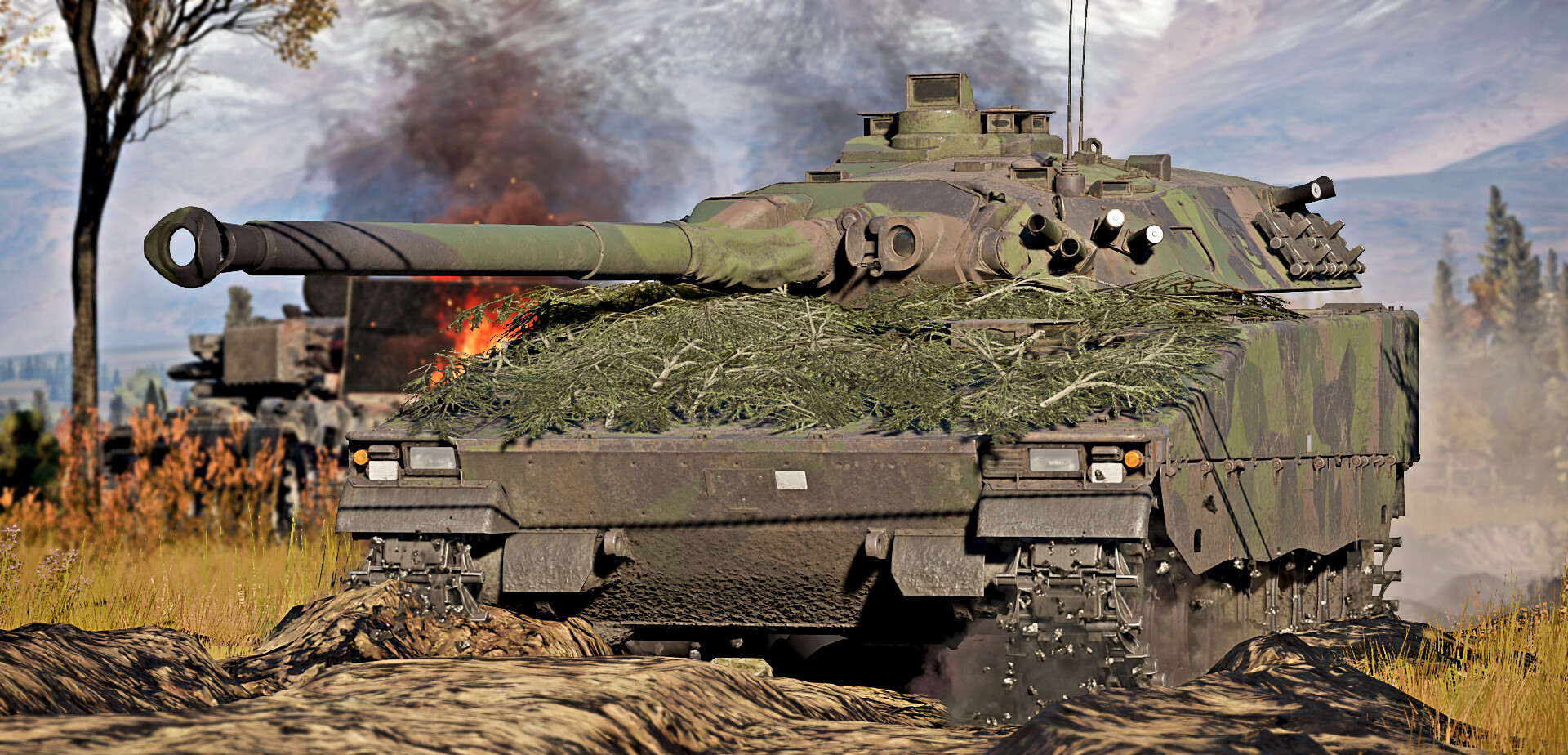
The Combat Vehicle 90120 is a Swedish light tank built on the CV 90 chassis, combining high mobility with formidable firepower. Designed to offer a cost-effective alternative to main battle tanks, it features a powerful 120mm gun and advanced systems to enhance battlefield performance.