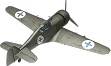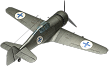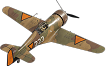
The Fokker D.XXI was a single-seat fighter aircraft designed and manufactured by the Dutch aviation company Fokker. It served primarily with the Netherlands’ Luchtvaartafdeeling (LVA) (Aviation Department) during the late 1930s, the Finnish Air Force in the Winter War and played a notable role during the opening phase of the Second World War. Although already obsolescent by the standards of 1940, the D.XXI demonstrated surprising effectiveness in combat, particularly in Dutch and Finnish service, where skilled pilots exploited its strengths to compensate for its technical shortcomings. This article focuses chiefly on the Dutch and Finnish variants and their operational history, while also addressing foreign use, like Danish variants.
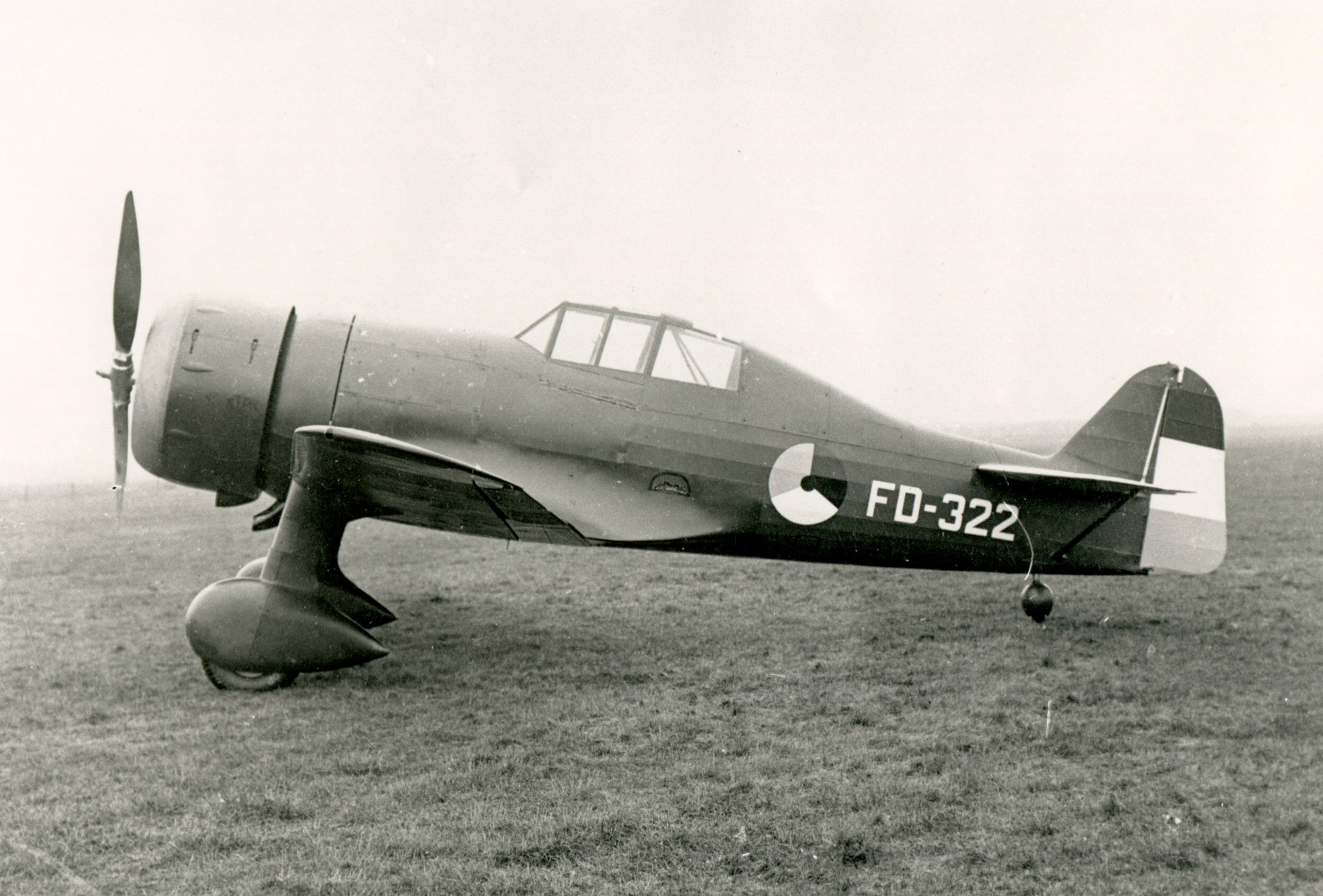
- Prototype: D.XXI (FD-322)
- D.XXI-1: Danish pattern and license-built aircraft
- D.XXI-2: Dutch production model
- D.XXI-3: Finnish Mercury-powered license production
- D.XXI-4: Twin Wasp-powered Finnish variant
- D.XXI-5: Late Finnish assembly from spares
- Spanish license production attempt
- Proposed advanced derivatives
Development
The development of the Fokker D.XXI marked a significant moment in interwar aviation, reflecting the Netherlands’ efforts to modernize its air defenses amid limited budgets and an increasingly unstable international environment. During the early 1930s, the Dutch aviation industry, dominated by Fokker, faced the challenge of transitioning from biplane fighters to modern monoplanes while maintaining a policy of political neutrality. The immediate catalyst for the D.XXI was a 1934 specification issued by the Dutch Department of Colonies, which sought a replacement for the aging Curtiss P-6 Hawk operated by the Royal Netherlands East Indies Army Air Force (ML-KNIL). The requirement emphasized durability, affordability, and the ability to operate from poorly prepared airfields in tropical climates with minimal logistical support.
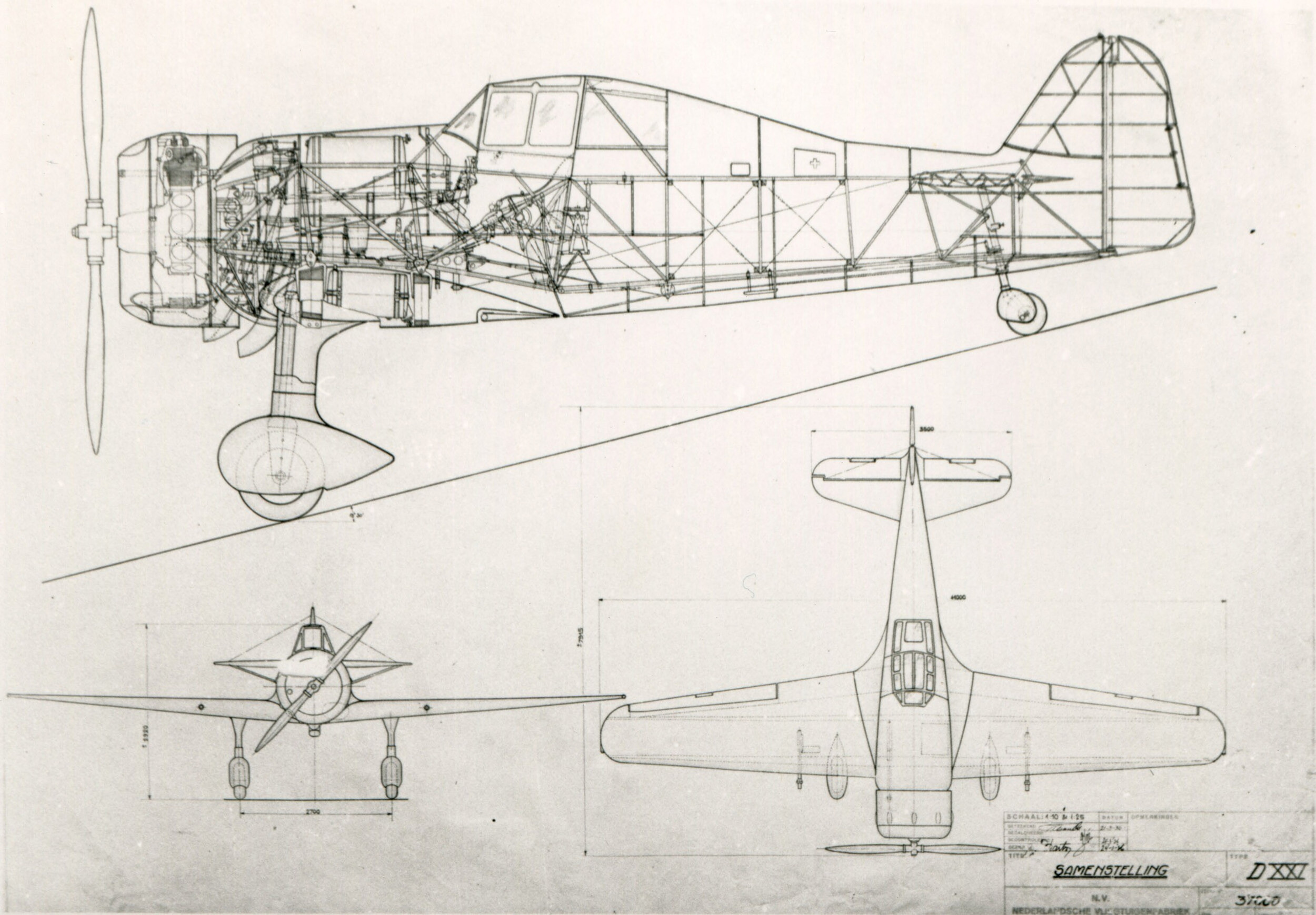
Design responsibility was assigned to Erich Schatzki, a German-born engineer who had joined Fokker after fleeing Nazi Germany. Under his leadership, the project, initially designated Fokker No. 112, drew heavily on Fokker’s long-standing experience with mixed-construction aircraft. Schatzki combined a steel-tube fuselage with fabric and metal coverings and paired this with a modern low-wing monoplane layout. Early design proposals, submitted on 14 November 1934, envisioned a fighter powered by a liquid-cooled Rolls-Royce Kestrel IV engine, with projected performance figures that included a top speed of 420 km/h at 4,350 meters, a range of 888 km, and a service ceiling of 10,000 meters. Planned armament ranged from rifle-caliber machine guns to optional 20 mm cannons, reflecting the desire for flexibility in colonial defense roles.
Engine selection soon shifted, however. The design team opted for the Bristol Mercury radial engine, valuing its reliability, ease of maintenance, and suitability for austere operating conditions. The prototype, registered FD-322, was constructed at Fokker’s Amsterdam facilities and powered by a 645 hp Bristol Mercury VI-S. It made its maiden flight on 27 March 1936 from Welschap airfield near Eindhoven, flown by Fokker’s chief test pilot Emil Meinecke. Initial flight testing revealed favorable handling qualities, good maneuverability, and excellent dive characteristics. Nonetheless, early trials exposed shortcomings in spin recovery, which were addressed by enlarging the rudder, lengthening the aircraft by approximately 20 cm, and replacing the original two-bladed Hamilton propeller with a three-bladed Ratier constant-speed propeller, improving climb performance.
Despite these improvements, the ML-KNIL ultimately declined to procure the aircraft, choosing instead to prioritize bomber acquisitions within constrained budgets. In April 1937, the prototype was shipped to the Dutch East Indies for further evaluation at Andir airfield on Java, where it performed well but again failed to secure an order. Attention subsequently turned to the Luchtvaartafdeeling (LVA) in the Netherlands, which conducted extensive trials between November 1936 and January 1937 at Soesterberg. While the LVA praised the aircraft’s ruggedness and relatively low cost, it also criticized the fixed landing gear and mixed construction, which were already being eclipsed by emerging all-metal fighters such as the Messerschmitt Bf 109 and Hawker Hurricane.
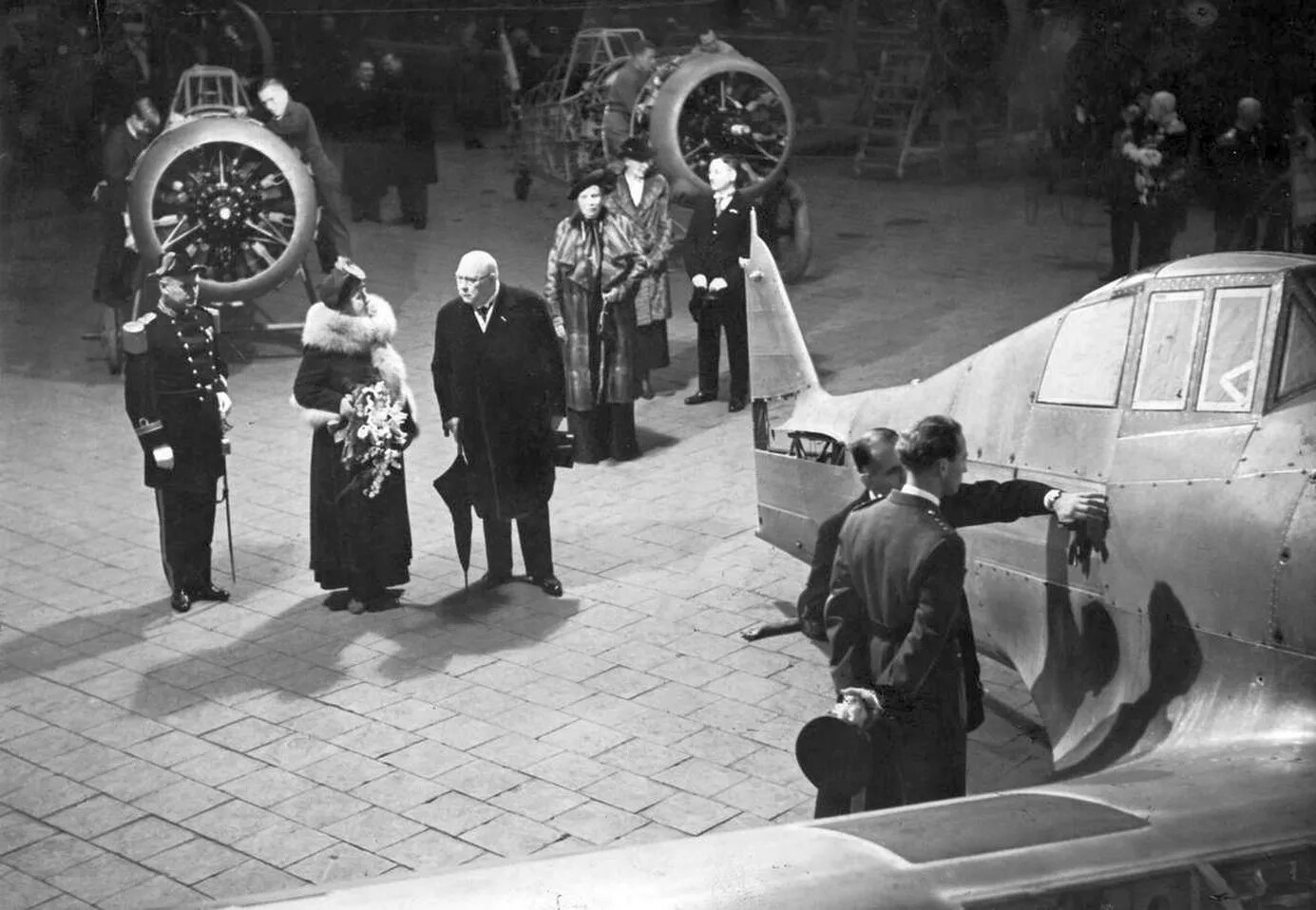
Foreign interest ultimately proved decisive. Finland, seeking to strengthen its air force in response to the growing Soviet threat, ordered seven D.XXIs in November 1936 and negotiated a license for domestic production. This prompted the LVA to reassess the design’s potential, leading to a December 1937 contract for 36 aircraft, serialed 212–247, at a unit cost of approximately 87,000 guilders. These aircraft were powered by the more powerful Bristol Mercury VIII engine and incorporated several Finnish-inspired improvements, including a three-bladed Hamilton Standard propeller, adjustable pilot seating, and an armament of four synchronized FN-Browning 7.9 mm machine guns.
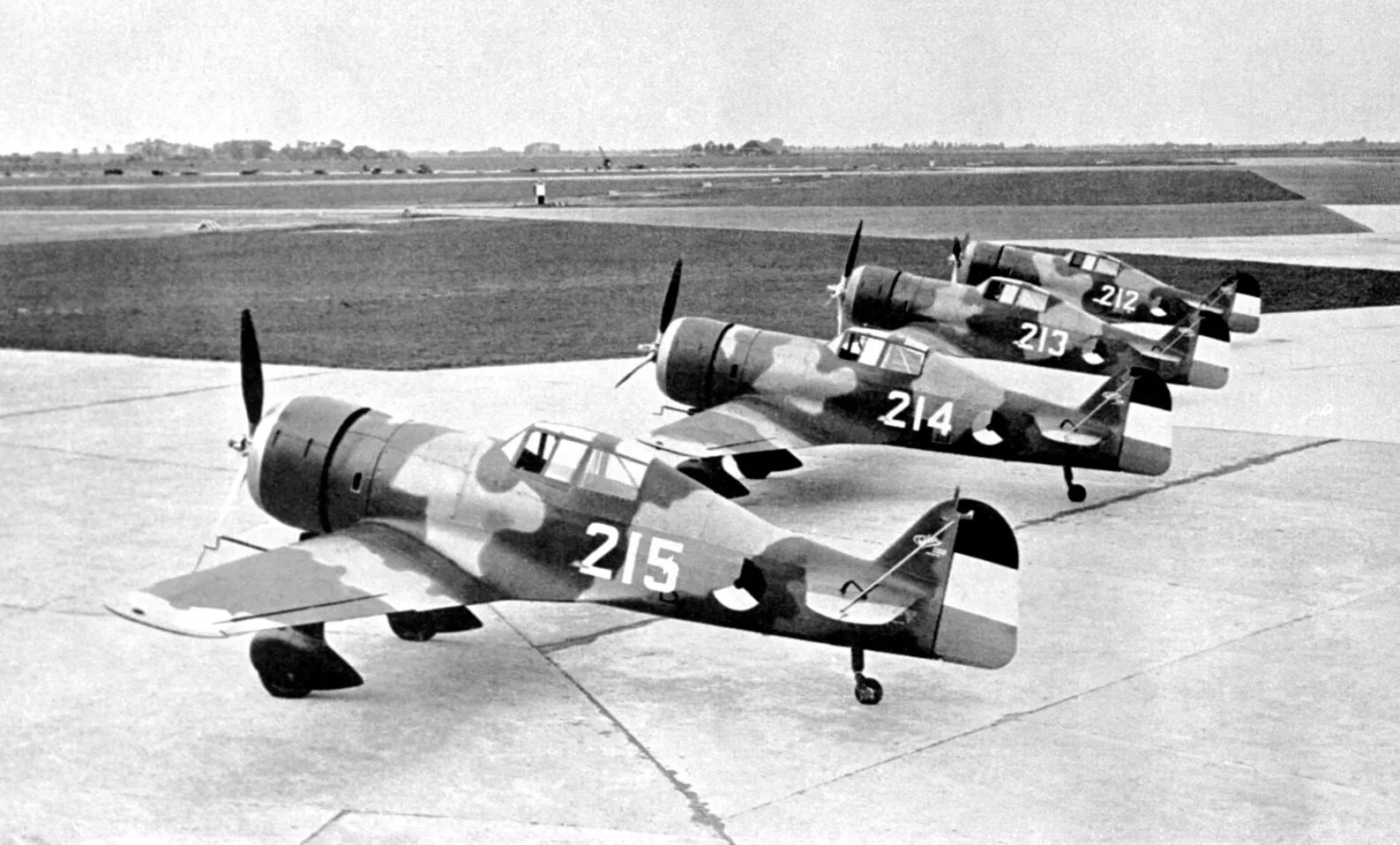
Deliveries to the LVA began in July 1938, with the final aircraft accepted in April 1939. During this period, Denmark acquired two pattern aircraft and a license for ten more, while Spain’s Republican government licensed production of fifty airframes—although the Spanish Civil War prevented their completion. Fokker also explored several improved derivatives, including Project 150 with a Bristol Hercules engine and retractable landing gear, Project 151 with a Rolls-Royce Merlin, and Project 152 with a Daimler-Benz DB 600H. These designs aimed to address the D.XXI’s limitations in speed and altitude performance, with projected top speeds of up to 520 km/h, but none progressed beyond the drawing board due to wartime disruptions.
Licensed production in Finland ultimately yielded 93 aircraft by 1944, while Denmark’s Royal Army Aircraft Factory completed ten examples. Spain produced approximately fifty fuselages before Nationalist forces captured the facilities. In total, 148 D.XXIs were built, including all license-produced aircraft.
The development of the D.XXI reflected the broader realities faced by a neutral nation balancing technological ambition against economic and political constraints. Although its mixed-construction design was already becoming outdated by the outbreak of war, the aircraft nevertheless achieved a notable milestone when test pilot T. H. Leegstra set a Dutch altitude record of 11,353 meters on 3 September 1938 in aircraft No. 217. As Europe moved inexorably toward conflict, the Fokker D.XXI stood as a testament to pragmatic engineering, soon to be tested in combat far beyond its original expectations.
Design and variants
The Fokker D.XXI was designed as a rugged, economical fighter aircraft that combined modern monoplane aerodynamics with conservative construction techniques. Across all variants, the aircraft retained a consistent structural philosophy: a welded steel-tube fuselage with fabric covering aft of the cockpit and removable duralumin panels forward, paired with wooden wings built around twin box spars. This mixed-construction approach prioritized durability, ease of repair, and low production cost, making the D.XXI particularly suitable for nations operating under financial and industrial constraints.
Despite remaining externally similar throughout its life, the D.XXI evolved through several distinct variants, primarily differentiated by engine type, armament configuration, and operator-specific modifications. These changes reflected both operational experience and the growing pressures of wartime material shortages.
Prototype: D.XXI (FD-322)
The sole prototype, registered FD-322, represented Fokker project number 112 and was completed in early 1936. Powered by a 645 hp Bristol Mercury VI-S radial engine, it drove a three-bladed, two-pitch propeller and was intended to meet a colonial fighter requirement issued by the Dutch Department of Colonies. The aircraft first flew on 27 March 1936 from Welschap Airfield near Eindhoven, with Fokker chief test pilot Emil Meinecke at the controls.
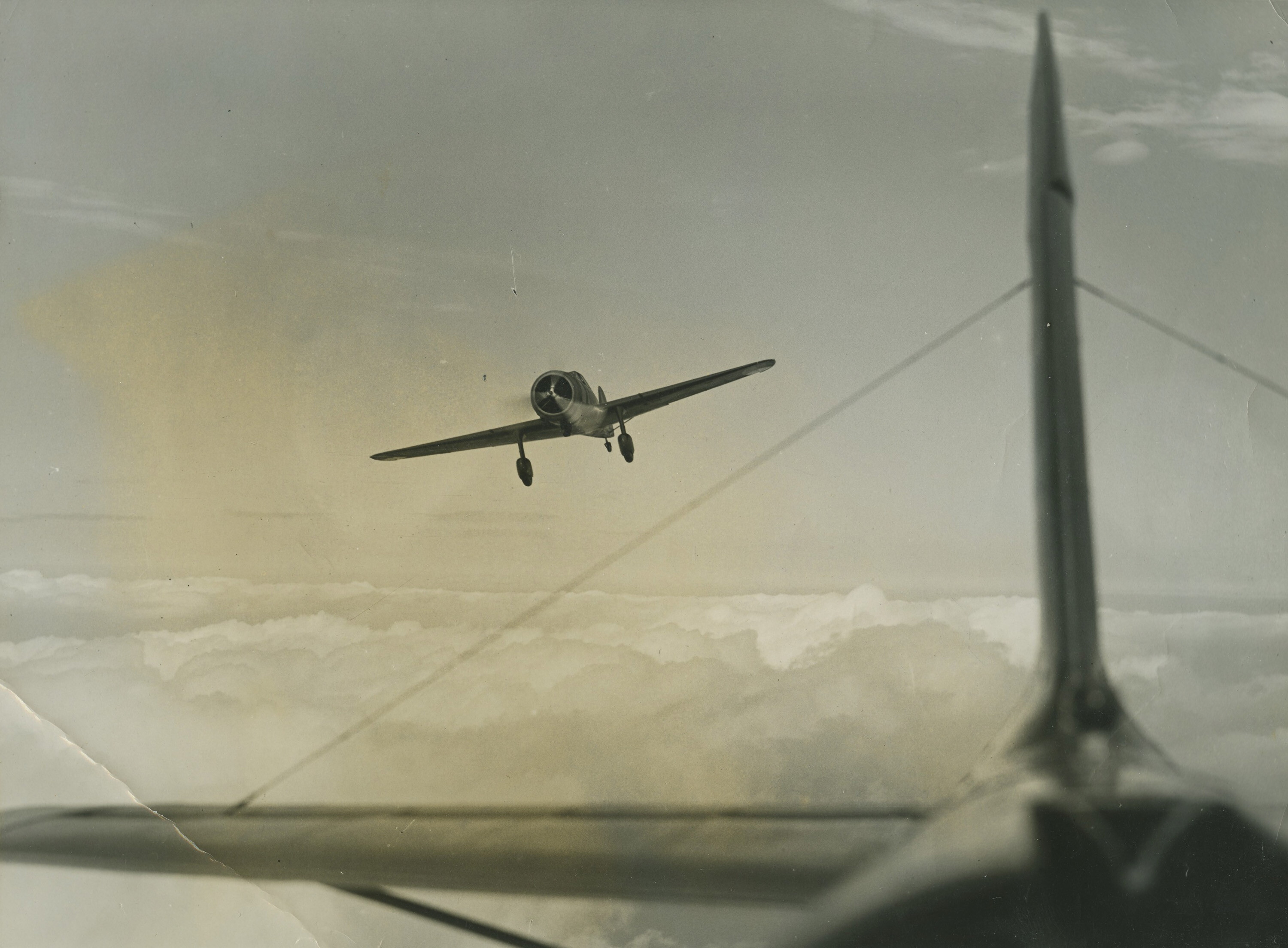
Initial flight testing demonstrated stable handling, strong dive performance, and good maneuverability at low and medium altitudes. However, poor spin recovery characteristics were identified, leading to the installation of an enlarged rudder—an important change that became standard on all subsequent production aircraft. Armament was not permanently installed on the prototype, though provisions existed for rifle-caliber machine guns or 20 mm cannons.
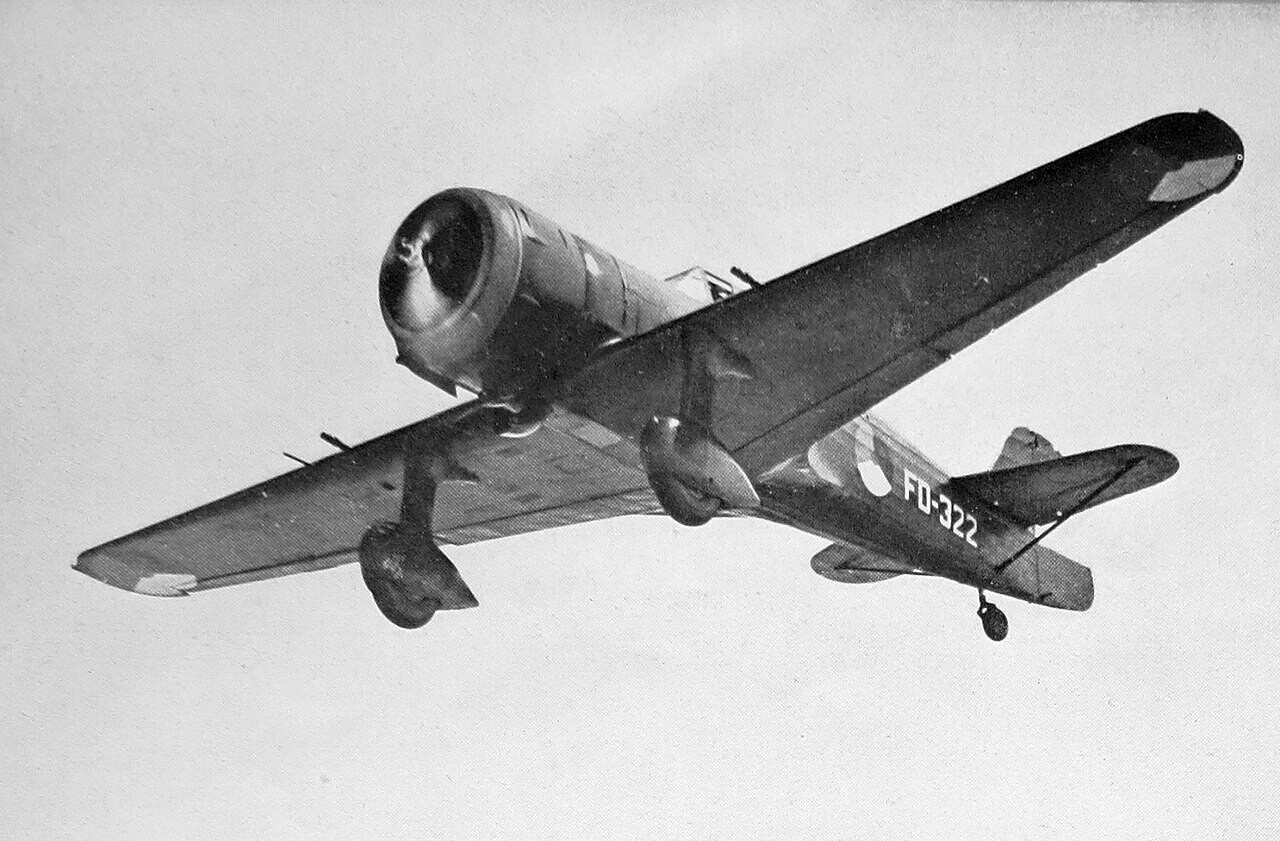
After evaluation in the Netherlands, the prototype was shipped to the Dutch East Indies in 1937 for tropical trials. Although performance proved satisfactory, no production order followed, and the aircraft was ultimately destroyed during a Japanese air attack in 1942.
D.XXI-1: Danish pattern and license-built aircraft
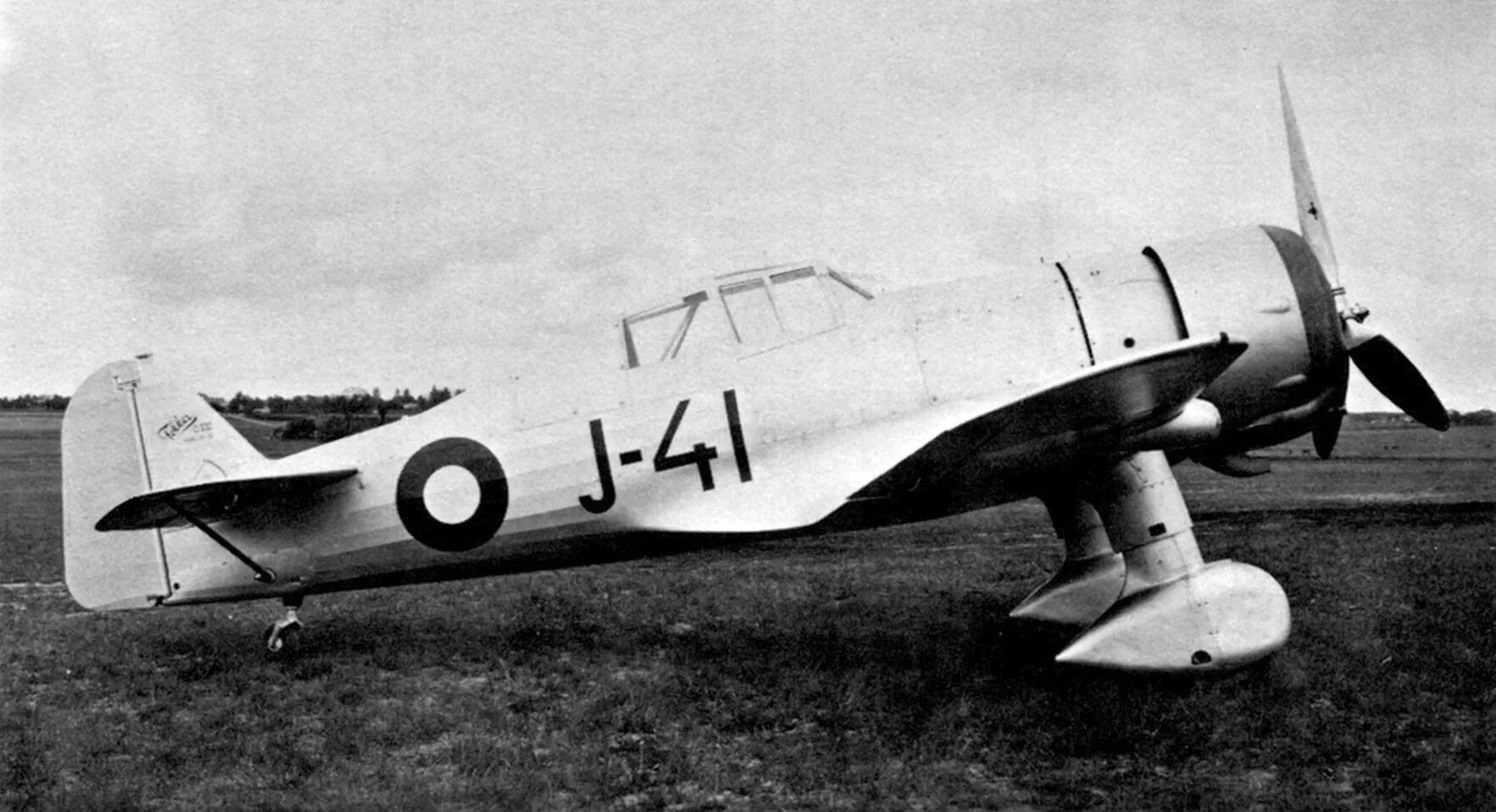
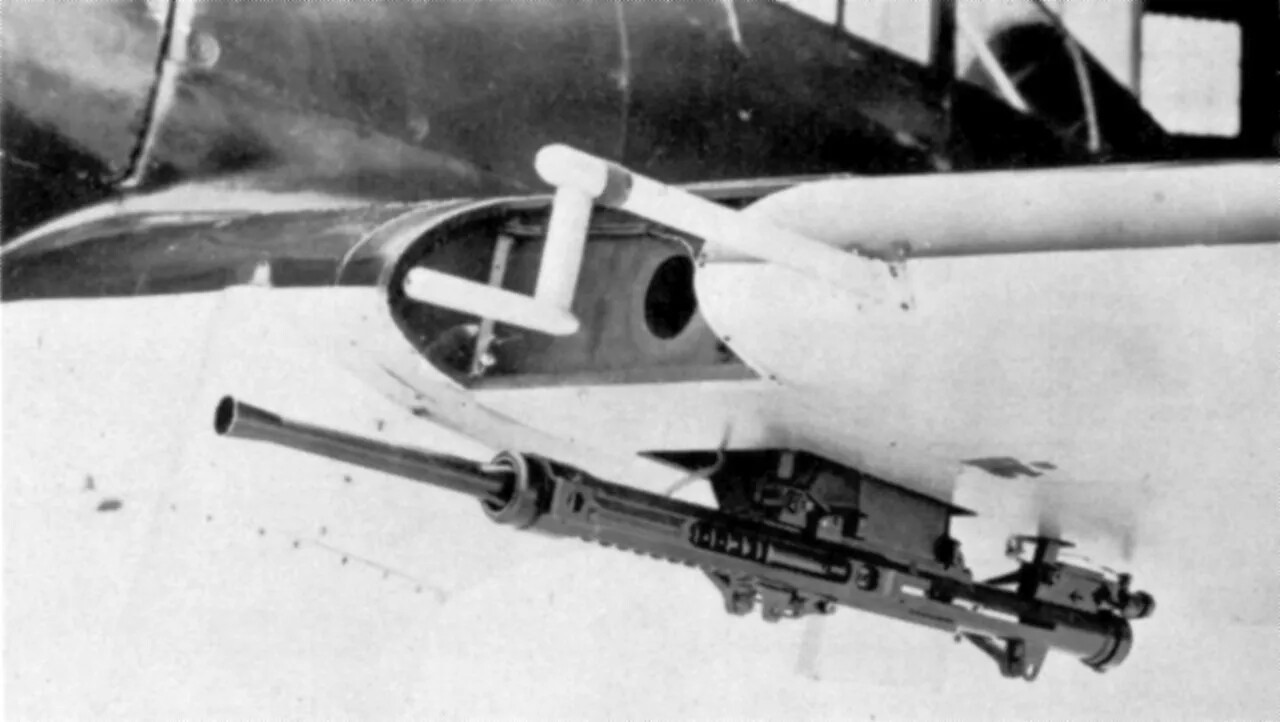
The first production-standard D.XXIs were supplied to Denmark, beginning with a small number of pattern aircraft intended to support local license production. These aircraft were powered by the Bristol Mercury VI-S and differed from Dutch machines primarily in their armament, which consisted of two 8 mm machine guns and two 20 mm Madsen cannons, the latter mounted in underwing pods. This heavy armament reflected Danish tactical doctrine, which emphasized bomber interception.
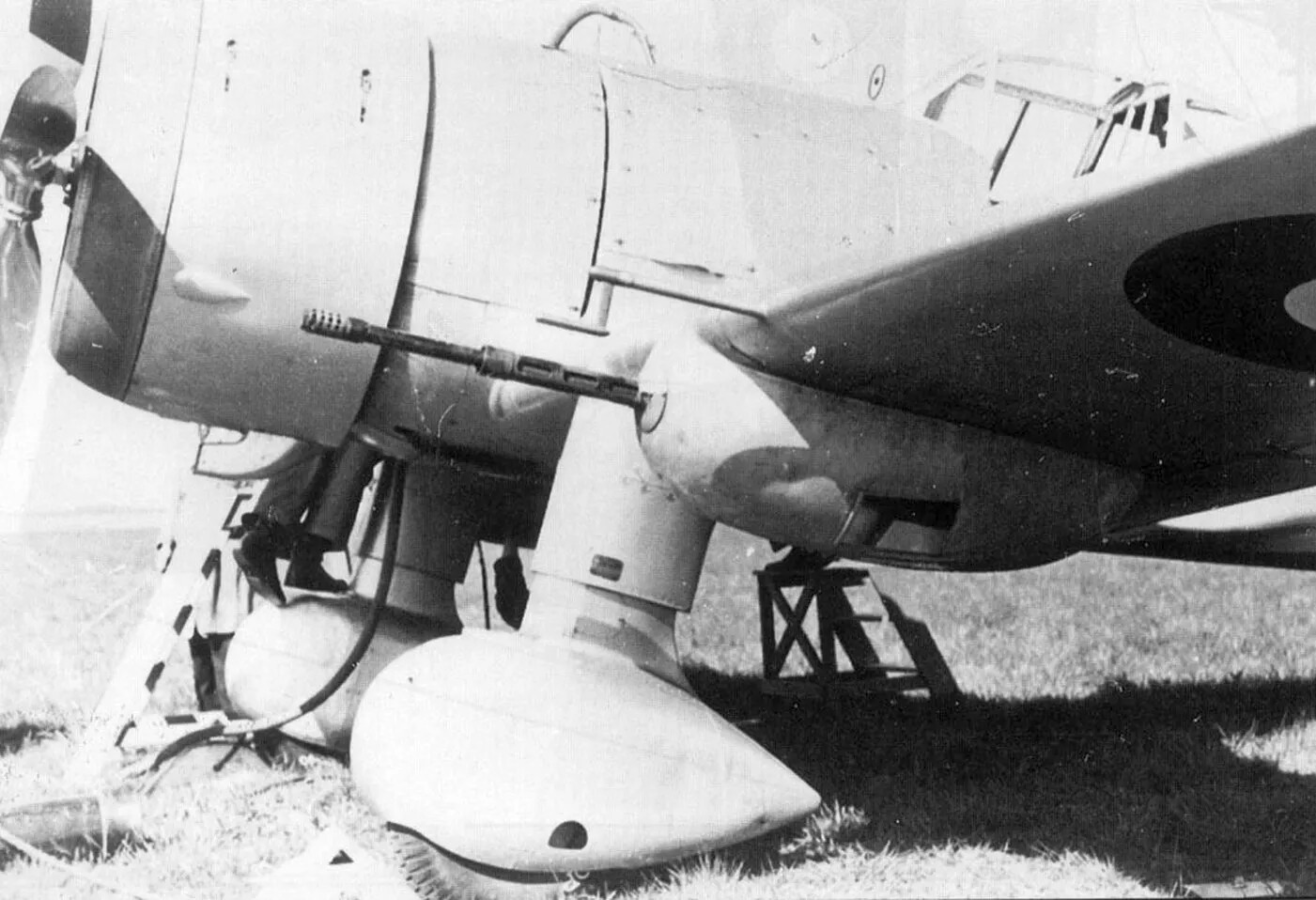
Denmark subsequently produced ten aircraft under license at the Royal Army Aircraft Factory in Copenhagen. These later machines adopted the more powerful 830 hp Mercury VIII engine but retained the same mixed armament layout. Although fully operational by early 1940, none of the Danish D.XXIs saw combat, as Denmark capitulated within hours of the German invasion on 9 April 1940. Captured aircraft were later flown by the Luftwaffe for training and familiarization duties.
D.XXI-2: Dutch production model
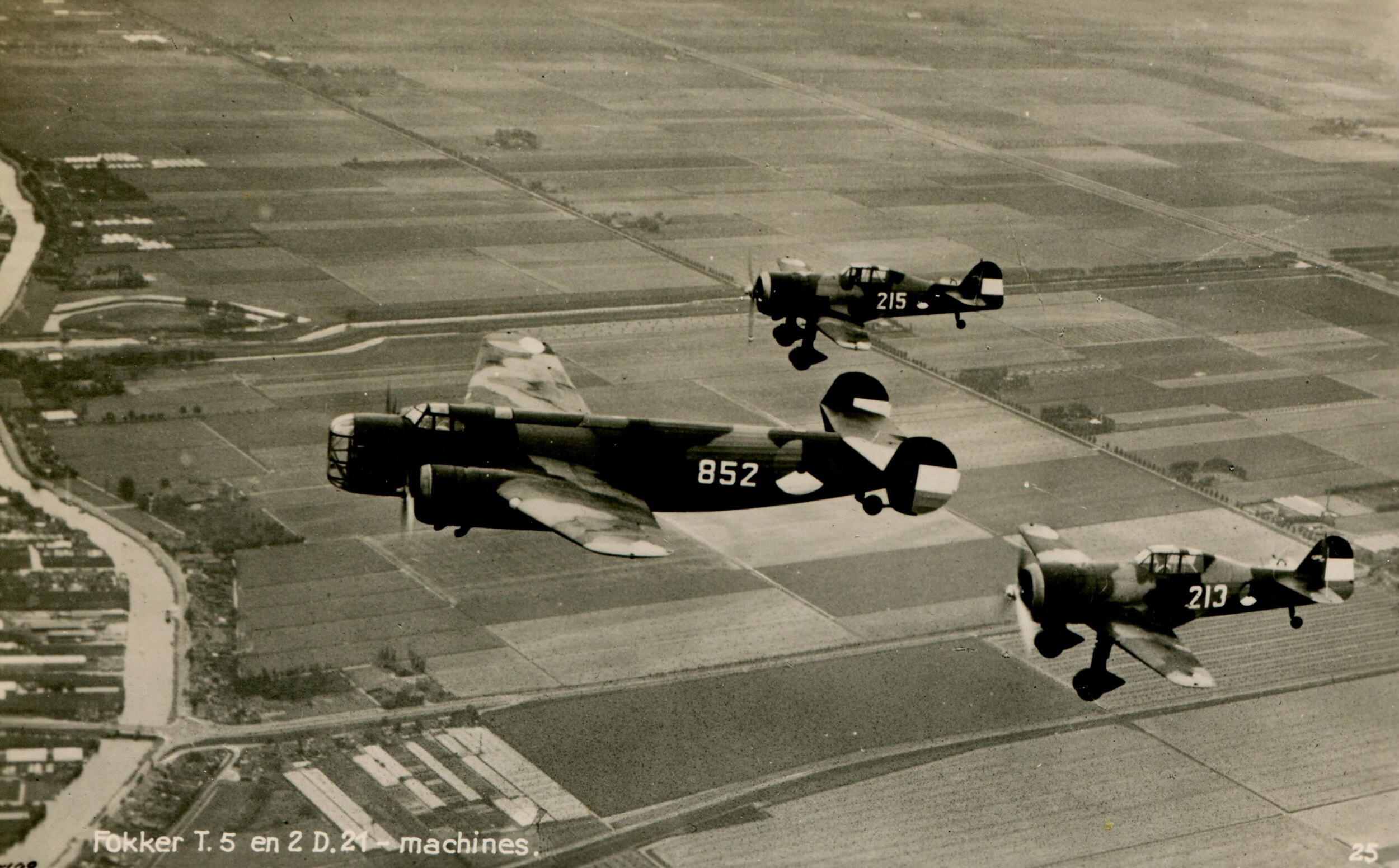
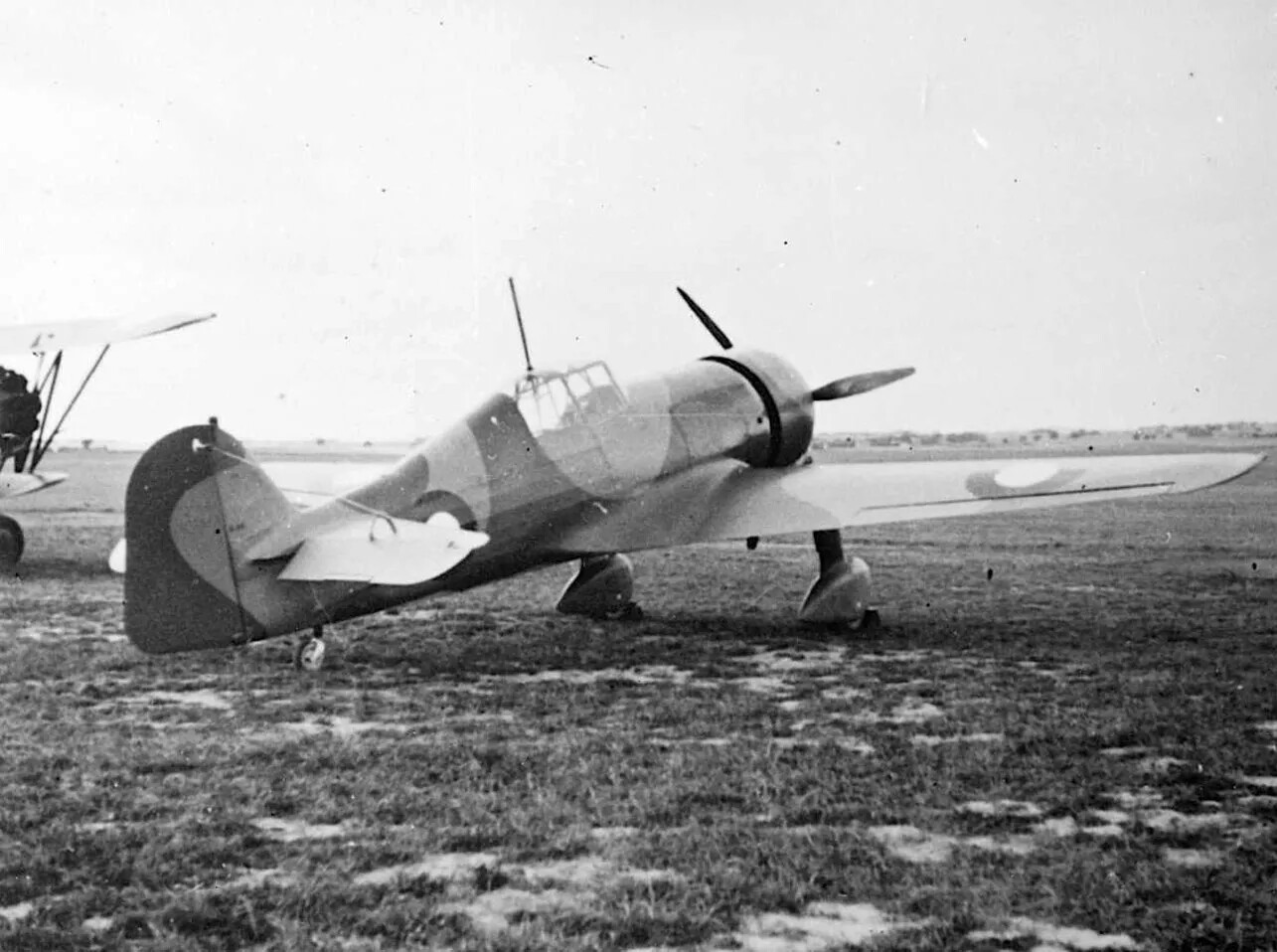
The D.XXI-2 was the definitive production variant for the Netherlands and formed the core of Dutch fighter strength on the eve of the Second World War. A total of 36 aircraft, serialed 212–247, were delivered to the Luchtvaartafdeeling (later Militaire Luchtvaart) between July 1938 and April 1939. These aircraft were powered by the Bristol Mercury VII or VIII, delivering up to 830 hp.
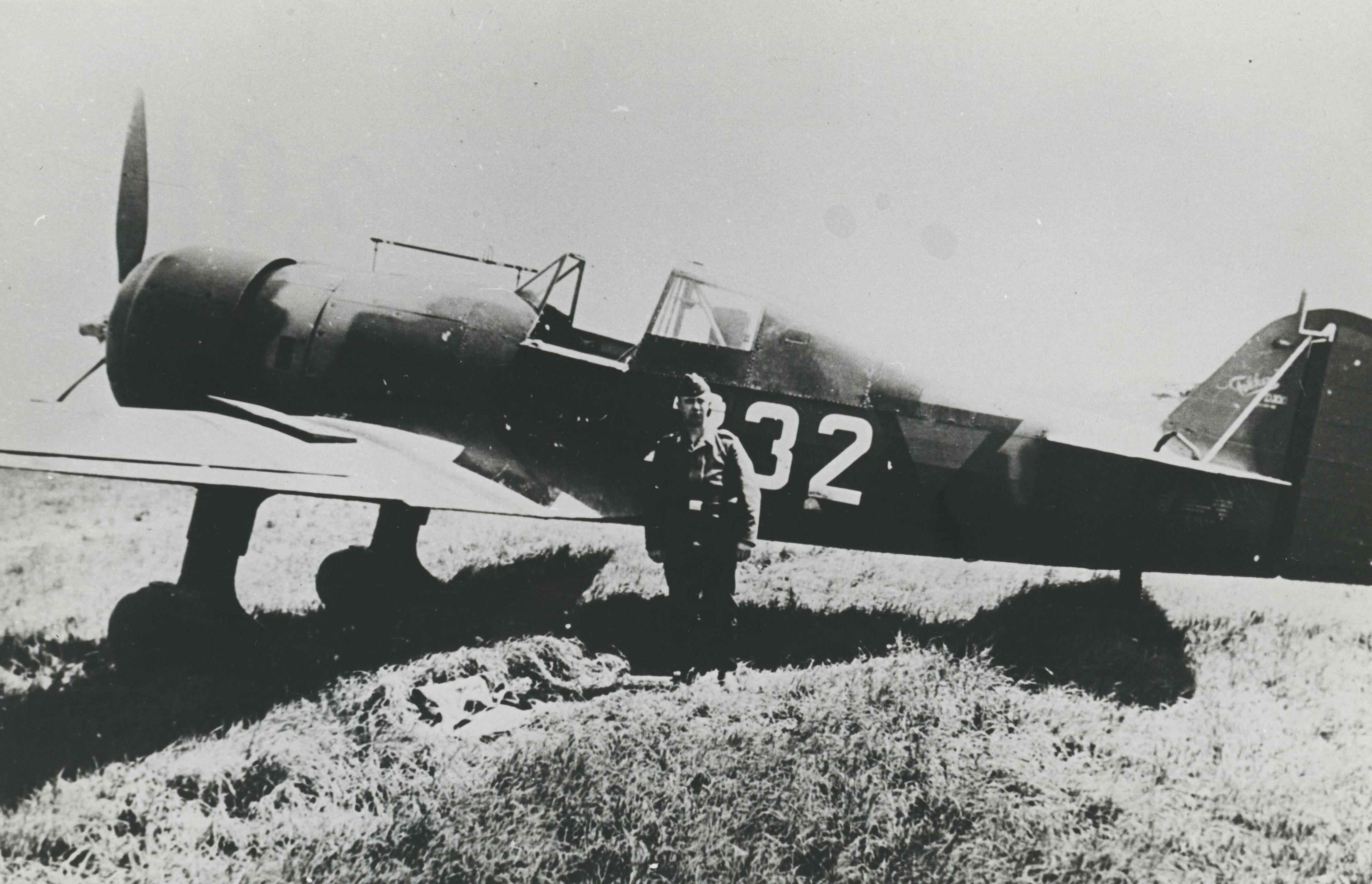
Armament was standardized as four 7.7 mm FN-Browning M.36 No.3 machine guns, with two synchronized in the fuselage and two mounted in the wings. While this configuration lacked the hitting power of contemporary cannon-armed fighters, it proved effective against bombers and transport aircraft during the early stages of the war. Dutch aircraft initially lacked radios and modern sights, though Göertz reflector sights and limited radio installations were later introduced.
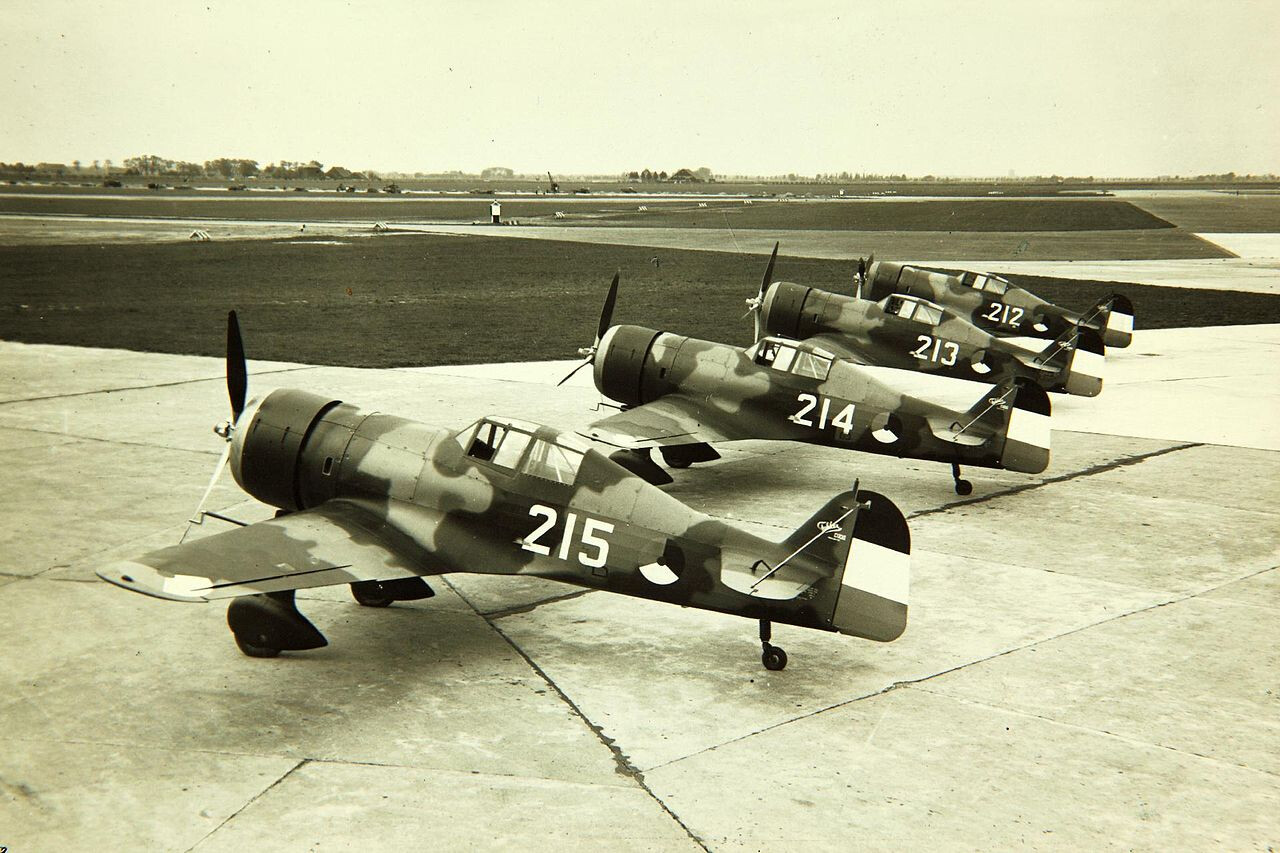
The D.XXI-2’s fixed undercarriage and radial engine imposed aerodynamic penalties, but its ruggedness, forgiving handling, and tight turning radius allowed Dutch pilots to exploit low-altitude maneuvering during the May 1940 campaign, where the type achieved a surprisingly high number of confirmed victories.
D.XXI-3: Finnish Mercury-powered license production
Finland became the D.XXI’s most prolific and successful operator. Following the delivery of seven Dutch-built aircraft, Finland initiated license production at Valtion Lentokonetehdas. Of 90 D.XXIs built under license in Finland, 35 used Bristol Mercury engines and 55 Pratt & Whitney Twin Wasp engines. The resulting D.XXI-3 closely followed the D.XXI-2 configuration, retaining the Mercury VIII engine and four-machine-gun armament.
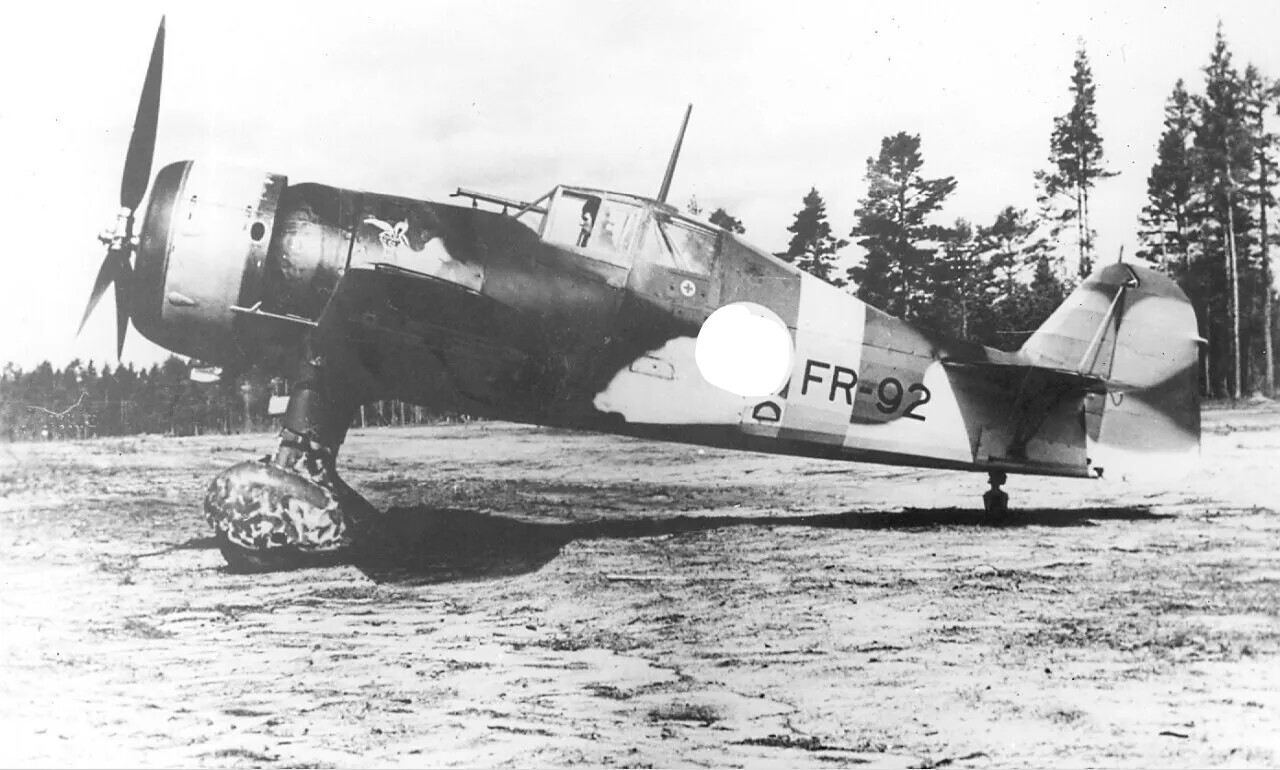
Finnish-built aircraft incorporated numerous local adaptations, including ski undercarriages for winter operations, improved cockpit heating, and additional rear glazing to enhance visibility. These modifications proved crucial during the Winter War, where D.XXI-3s operated from frozen lakes and improvised forest airstrips in extreme sub-zero conditions. In Finnish service, the Mercury-powered D.XXI gained an exceptional reputation for reliability, agility, and survivability.
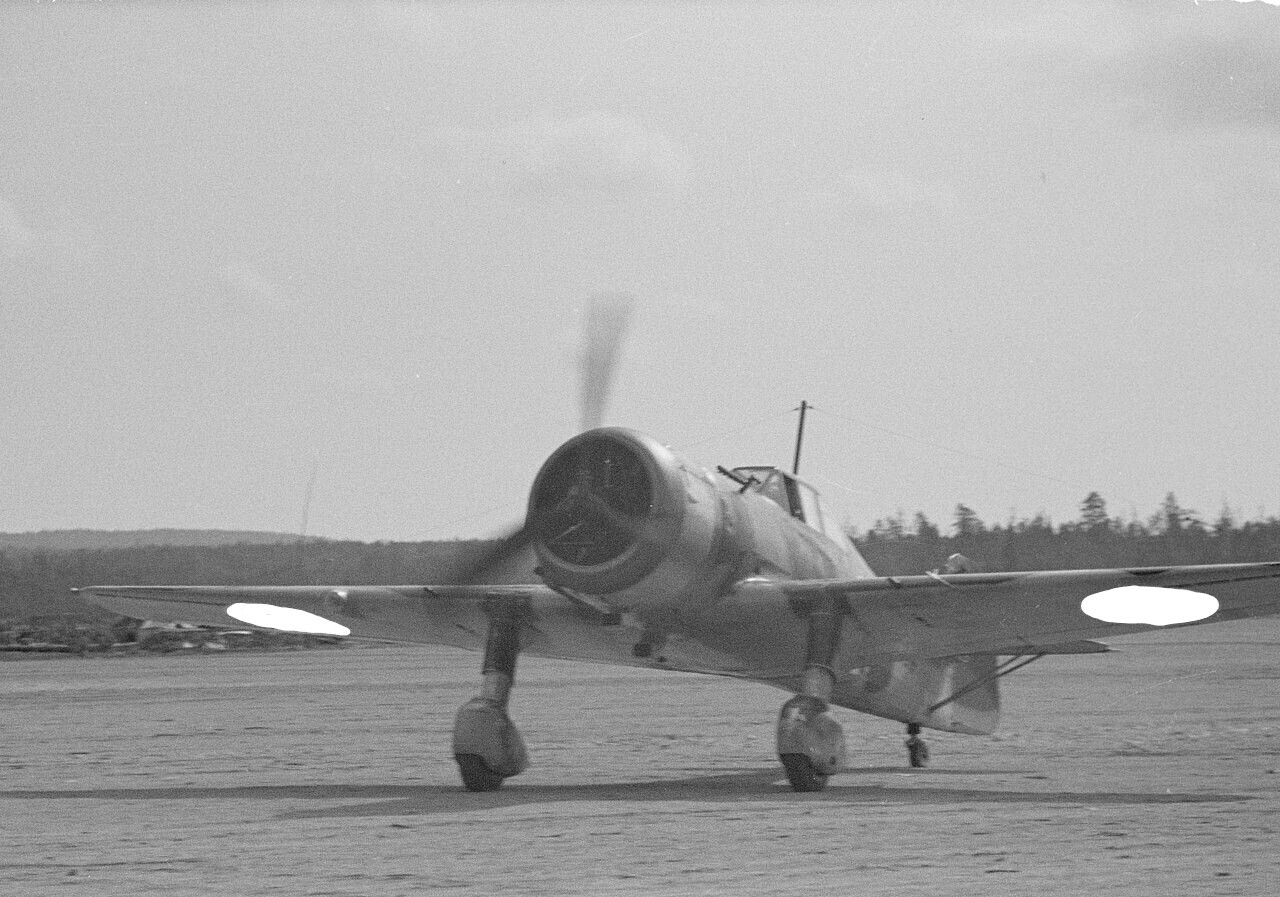
Some Fokker D.XXI-3's were modified with additional 20mm’s, one under each wing, these Fokker D.XXI-3's improved the killing potential against bomber formations, although photo’s of these aircraft remain rare.
D.XXI-4: Twin Wasp-powered Finnish variant
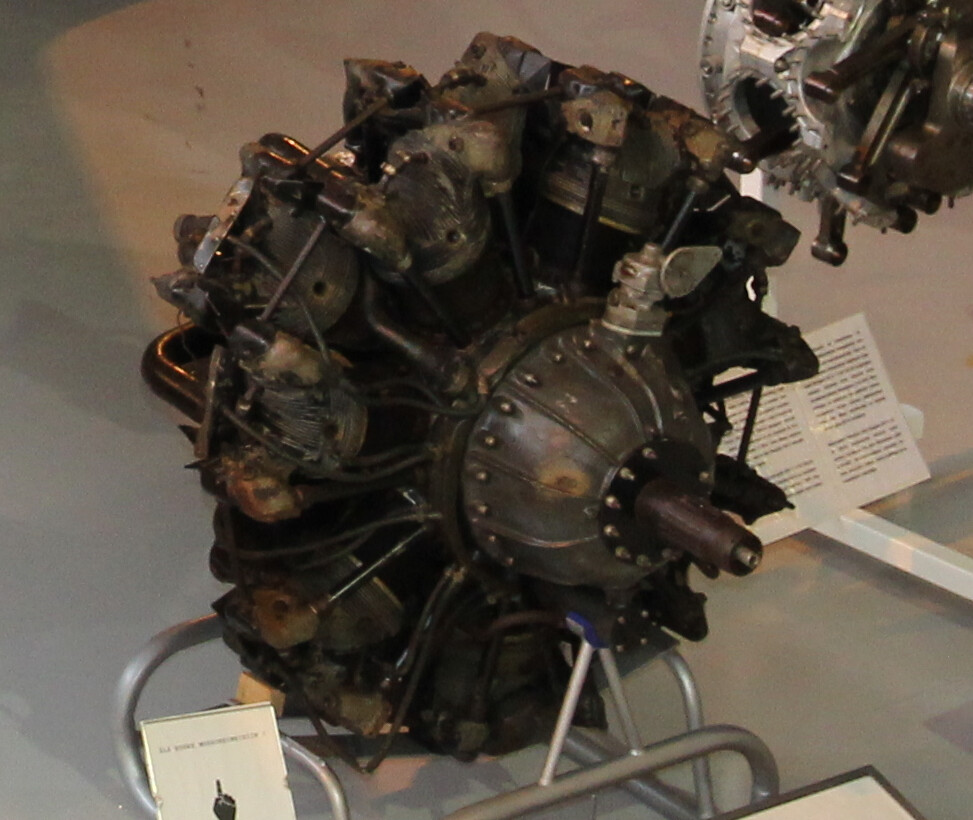
As Bristol Mercury engines became increasingly difficult to obtain, Finland developed the D.XXI-4, powered by the Pratt & Whitney R-1535 Twin Wasp Junior. This variant featured a lengthened fuselage, redesigned engine cowling with a large ventral intake, and an enlarged vertical tail to counteract increased torque. Armament arrangements were revised, with some aircraft reduced to two wing-mounted machine guns.
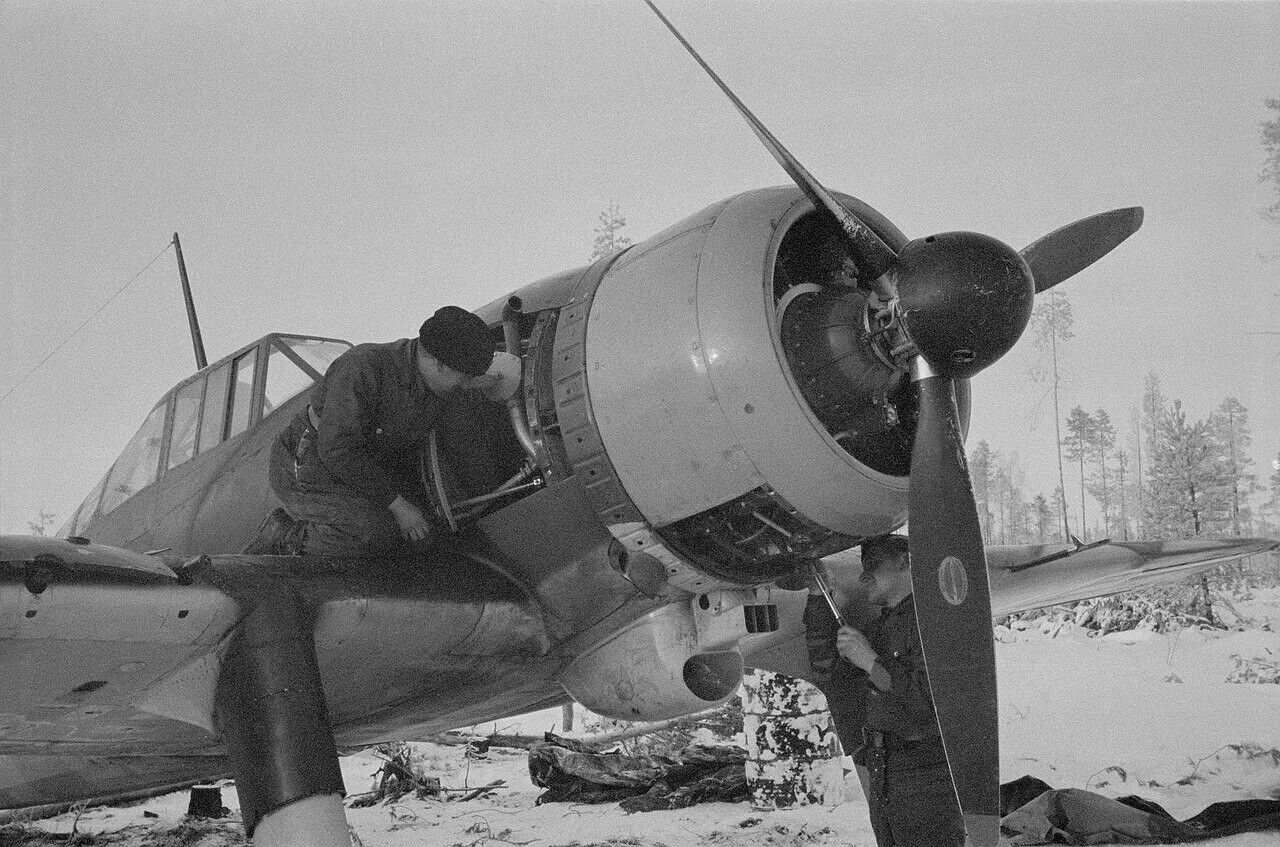
Although more powerful on paper, the D.XXI-4 was heavier and exhibited inferior handling compared to the Mercury-powered variants. Finnish pilots generally regarded it as less agile and less pleasant to fly, though it remained serviceable and was employed extensively during the Continuation War in escort, interception, and secondary combat roles.
D.XXI-5: Late Finnish assembly from spares
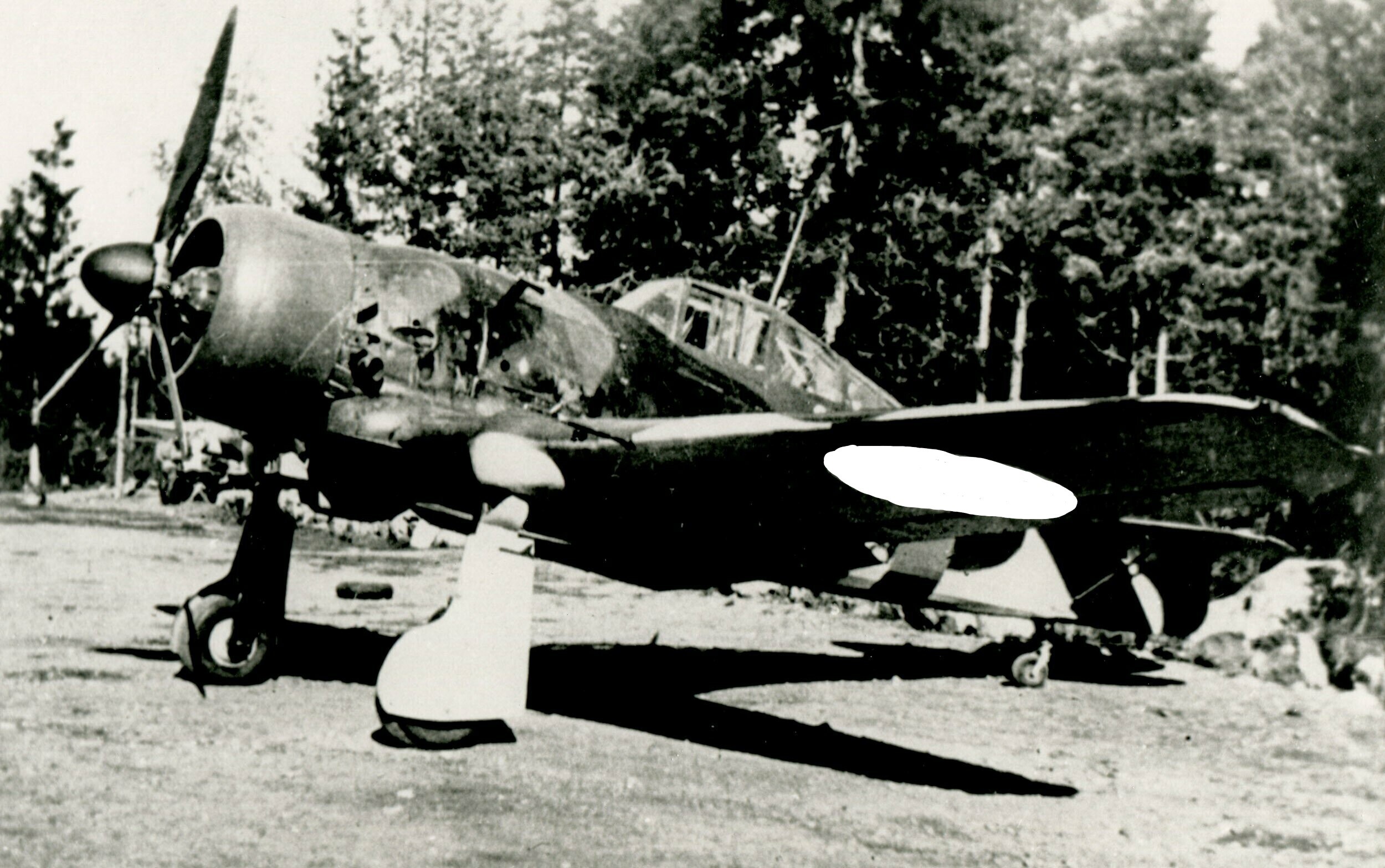
In 1944, Finland assembled a final small batch of five aircraft from available spare components, commonly referred to as the D.XXI-5. These machines were powered by the Bristol Pegasus X, providing marginally increased power but further degrading handling qualities. To try and overcome some of these degrading handling qualities they tried to install one D.XXI-5 with retractable landing gear. Their operational use was limited, and they primarily served in training and secondary roles before the D.XXI was withdrawn from frontline service by the late 1940s.
Spanish license production attempt
The Spanish Republican government acquired a license to produce the D.XXI through Hispano Aviación, intending to power the aircraft with the Shvetsov M-25 engine. Approximately 50 fuselages were manufactured at the SAF-15 facility near Alicante. However, the collapse of the Republican war effort halted production before completion. The unfinished airframes were captured by Nationalist forces and later repurposed, and no Spanish D.XXIs entered operational service.
Proposed advanced derivatives
Fokker explored several advanced derivatives aimed at correcting the D.XXI’s aerodynamic limitations. Project 150 proposed a Bristol Hercules-powered variant with retractable landing gear (later trialed on the Fokker D.XXI-5), while Projects 151 and 152 envisioned liquid-cooled fighters powered by the Rolls-Royce Merlin and Daimler-Benz DB 600H, respectively. These designs promised speeds in excess of 500 km/h but remained paper studies due to shifting priorities and wartime disruptions.
Summary
In total, 148 Fokker D.XXIs were built across all variants and license programs. While technically obsolete by the outbreak of the Second World War, the aircraft’s evolutionary path demonstrates how a conservative yet well-executed design could remain operationally relevant through adaptability, pilot skill, and thoughtful local modification.
Operational history
Dutch operational history
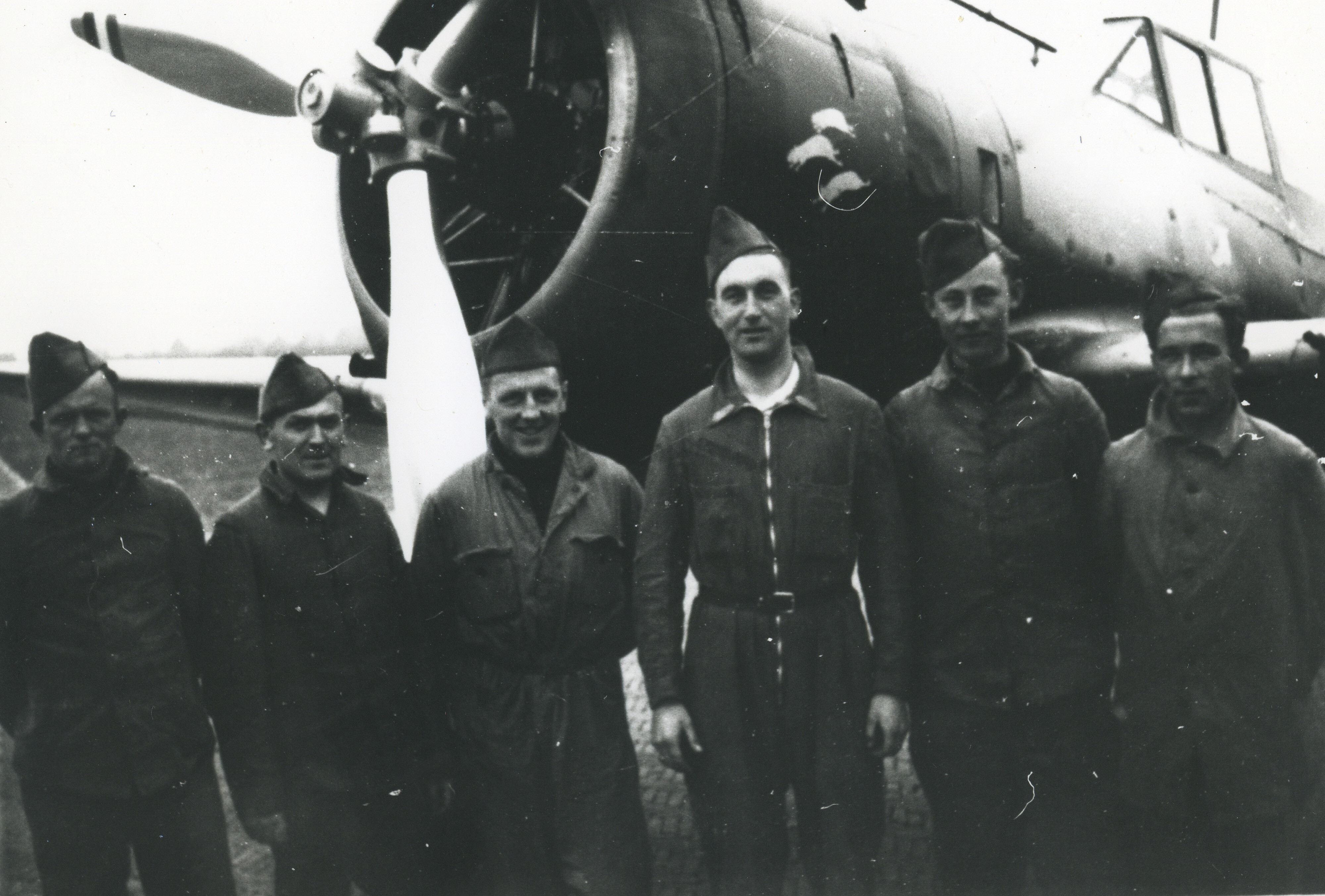
The Fokker D.XXI-2 entered operational service with the Luchtvaartafdeeling (LVA), later redesignated Militaire Luchtvaart (ML), during a period of mounting international tension. Between July 1938 and April 1939, thirty-six aircraft, serialed 212–247, were delivered and assigned to frontline fighter units. These equipped the 1st and 2nd Jachtvliegtuig Afdelingen (JaVA) at De Kooy and Schiphol, as well as the 1st Afdeling of the Jachtgroep Veldleger at Ypenburg.
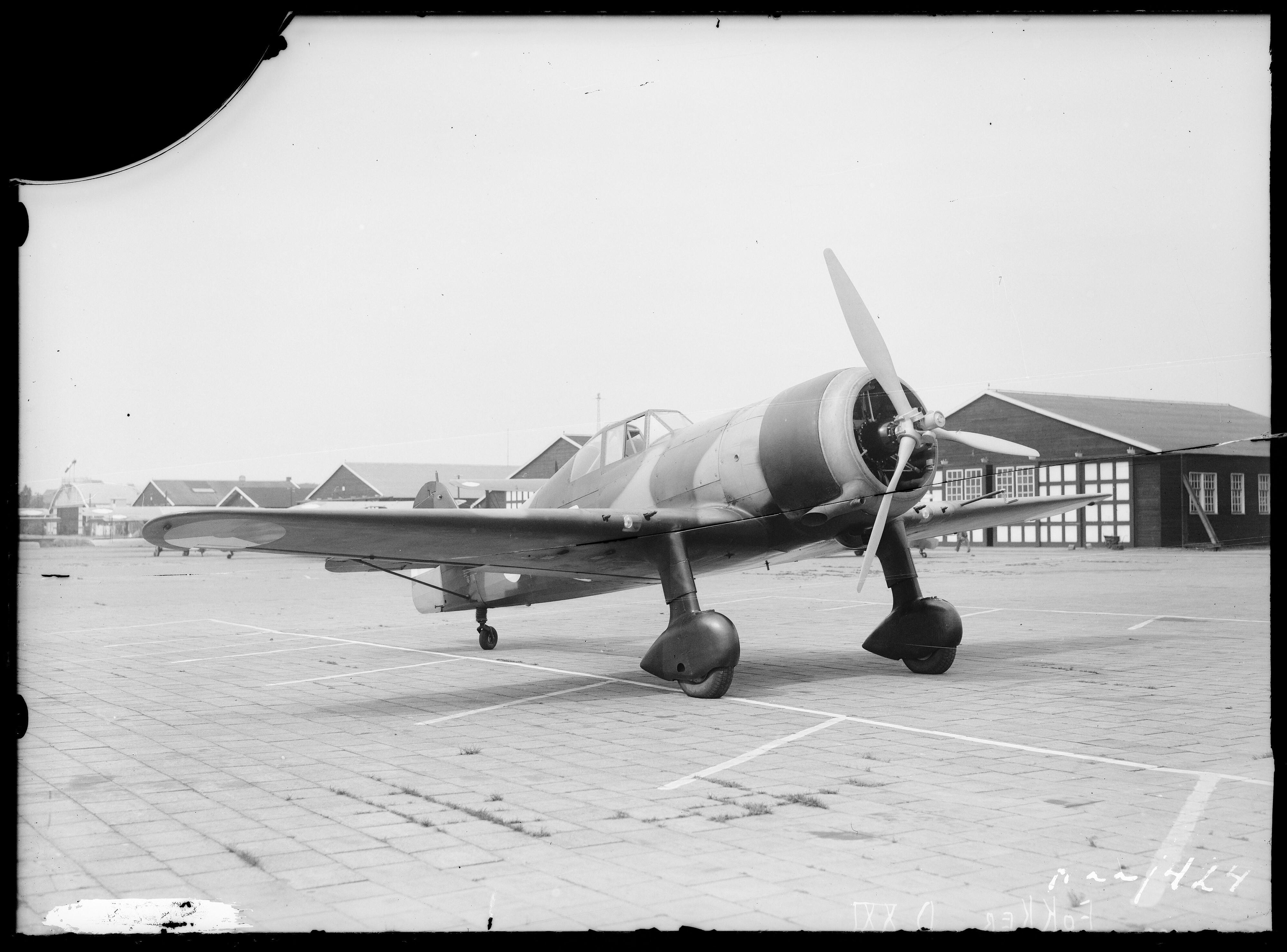
During peacetime service, D.XXI-2s were primarily employed in air-defense exercises, interception drills, formation flying, and readiness training. Pilots generally praised the aircraft’s handling characteristics, particularly its agility and forgiving nature. However, operational shortcomings quickly became apparent. Most aircraft lacked radios, only three examples (Nos. 212, 219, and 221) were initially equipped, and early aircraft were delivered without modern reflector sights, limiting coordinated operations. Despite intensive flying, non-combat losses remained relatively low. One notable accident occurred on 22 November 1939, when aircraft No. 230 crashed near Hillegersberg, killing its pilot.
The German invasion, May 1940
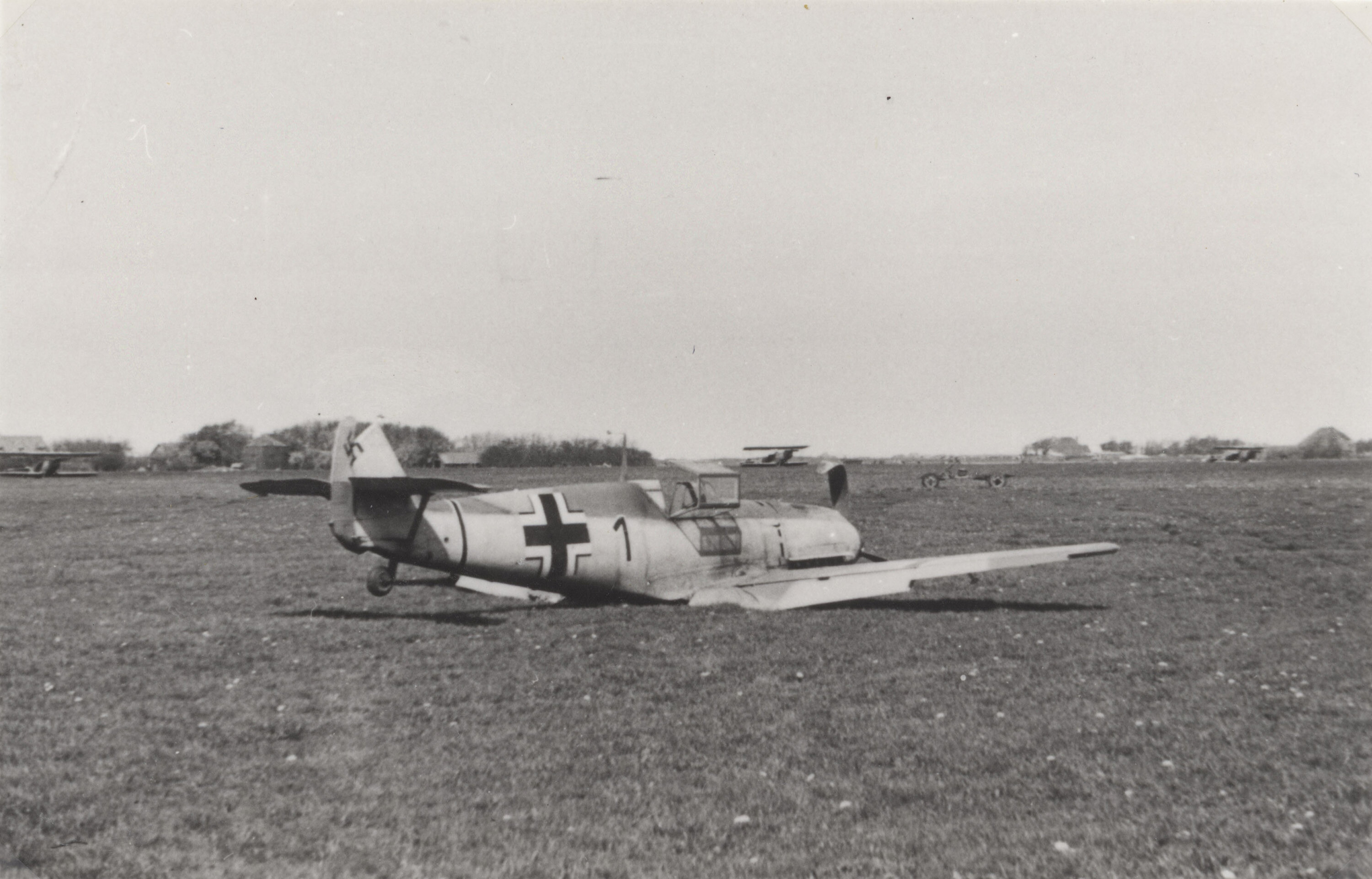
At De Kooy, 11 aircraft scrambled around 04:00 to intercept incoming formations. One D.XXI pursued a Heinkel He 111 but was shot down near Wassenaarse Slag. Another aircraft successfully destroyed a Junkers Ju 88 near Noordwijkerhout. Upon returning to base, the surviving fighters encountered nine Bf 109s, leading to an intense dogfight. Dutch pilots claimed three Bf 109s destroyed and one forced landing, though several D.XXIs sustained heavy damage. Subsequent strafing attacks by Bf 109s and Bf 110s destroyed additional aircraft on the ground, with incendiary bombs claiming further losses. The remaining serviceable fighters withdrew to the auxiliary field at Buiksloot.
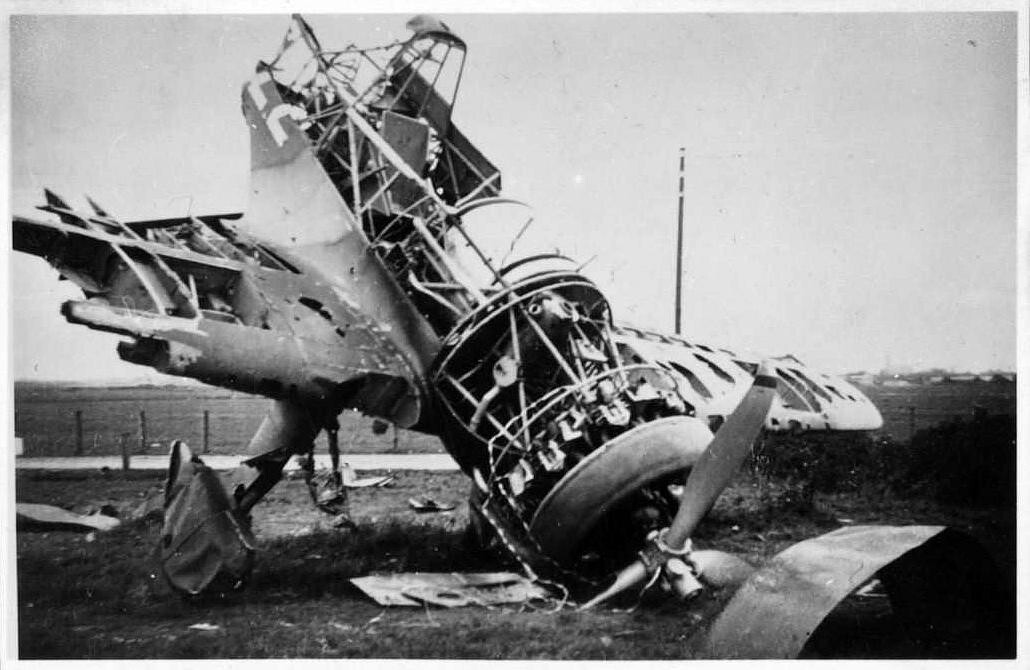
At Schiphol, nine D.XXI-2s managed to take off under bombing attack. They engaged enemy bombers, shooting down a Ju 88, and later relocated five aircraft to Ruigenhoek. During an attack near Stolwijk, a Ju 52 transport was destroyed, though one D.XXI-2 was lost in the Hollandse IJssel. Later that day, six D.XXI-2s escorted three Fokker T.V bombers to Waalhaven, engaging nine Bf 109s. Dutch pilots claimed one Bf 109 and another Ju 52, but one escort fighter was shot down. By evening, six aircraft remained operational and joined the regrouped force at Buiksloot.
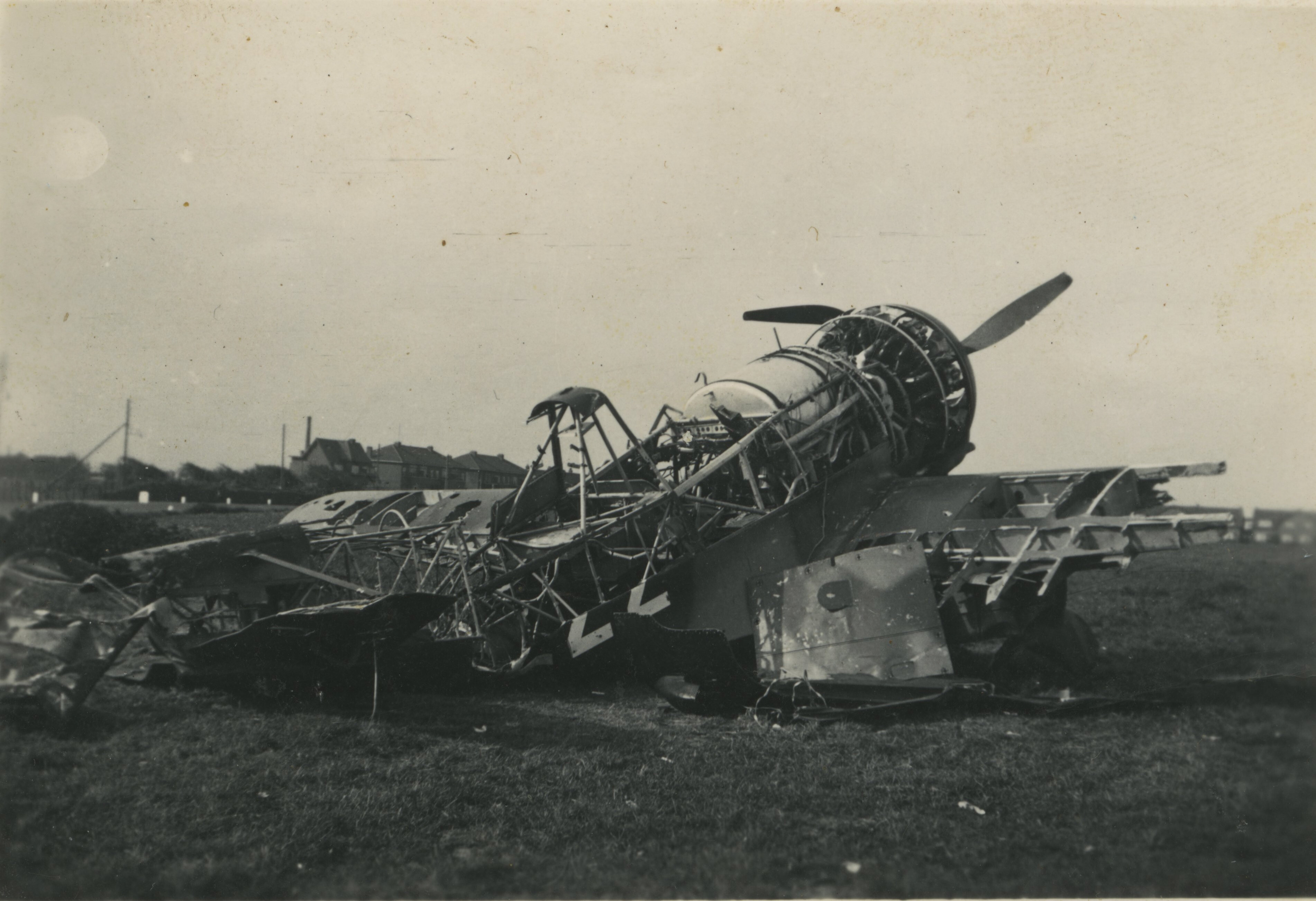
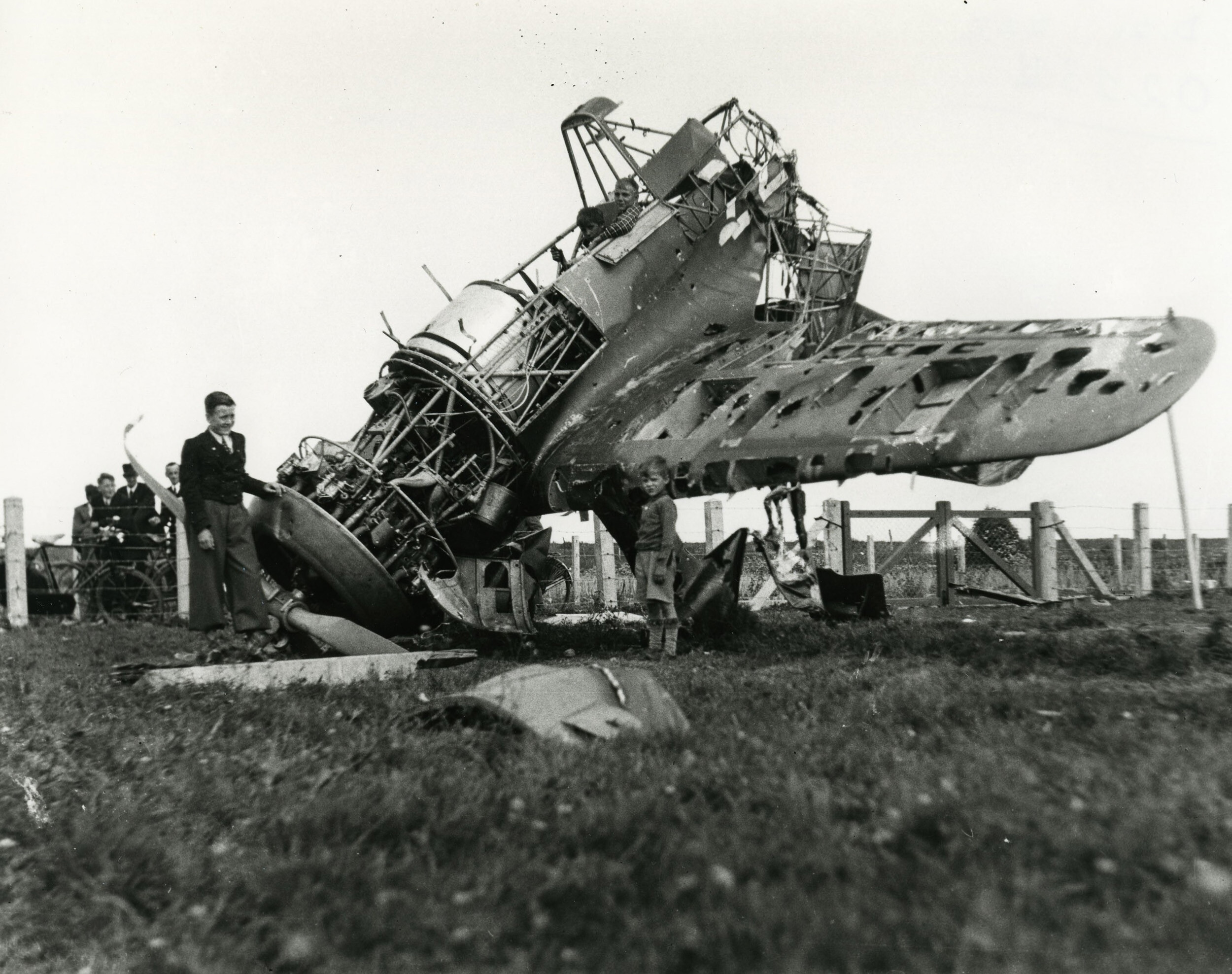
At Ypenburg, eight D.XXI-2s took off amid intense bombardment. Scattering to avoid destruction, they engaged Ju 52 transports and their escorts. Confirmed claims included a Ju 52 near The Hague and a Dornier Do 17 over De Kaag. However, shortages of fuel and ammunition, combined with sustained attacks by Bf 110s, rapidly overwhelmed the unit. Within 90 minutes, the afdeling effectively ceased to exist.
Continued operations and withdrawal
From 11 to 14 May, surviving D.XXIs operated from Buiksloot, conducting escort and patrol missions despite dwindling numbers. Missions included abortive escorts of Fokker C.V reconnaissance aircraft to Arnhem, multiple escort attempts with Fokker T.V bombers to the Maas bridges, and patrols over contested areas. During one engagement near Leiden, a D.XXI-2 reportedly destroyed two Bf 110s before crashing; another evaded six enemy fighters and claimed at least one victory near Moerkapelle.
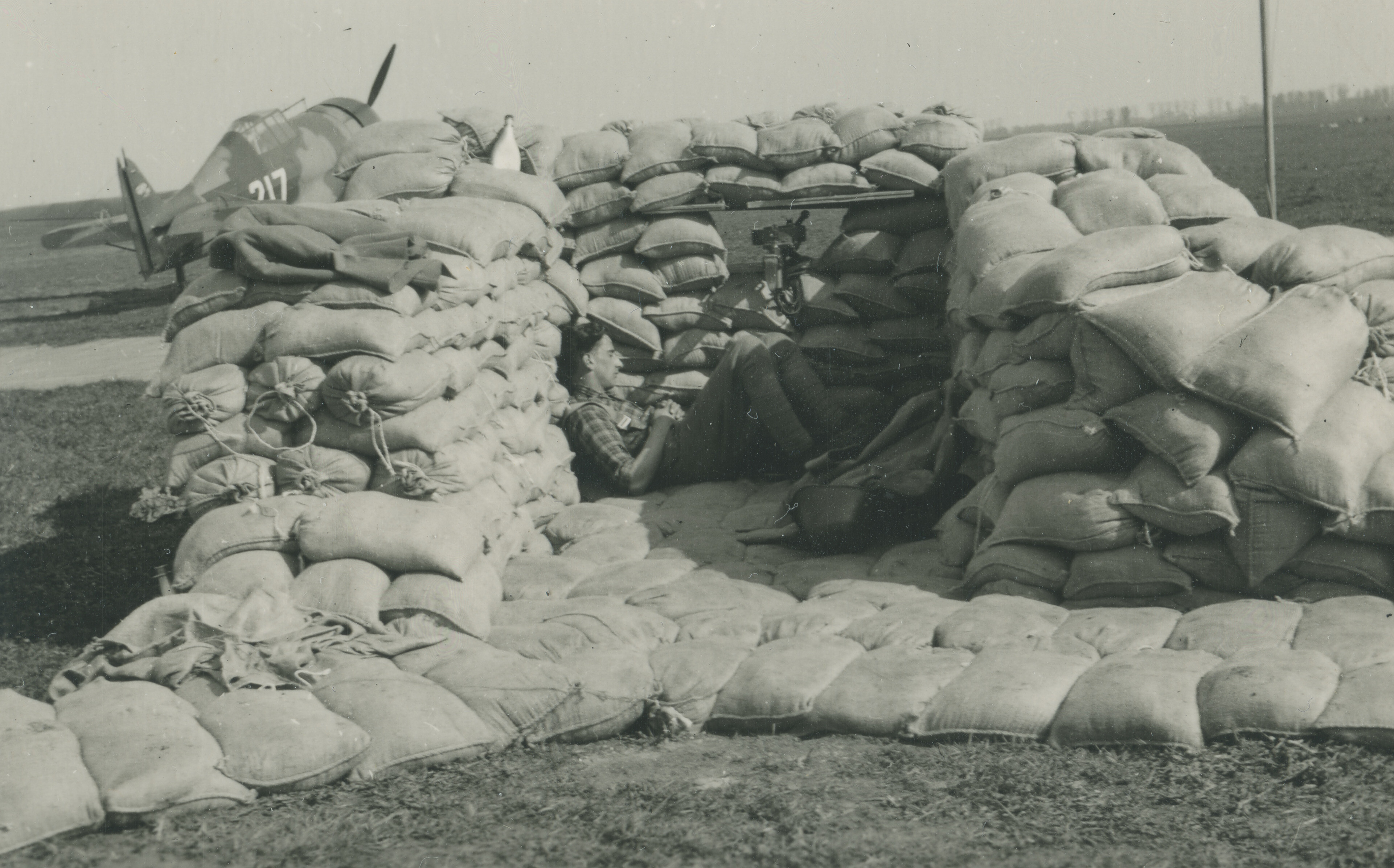
Operations continued on 12 and 13 May, including attacks on Waalhaven and patrols over the Grebbeberg, though several aircraft were damaged by friendly anti-aircraft fire. Overnight, the remaining force withdrew to Schiphol. On 14 May, with just nine aircraft remaining, a final patrol encountered no enemy aircraft. Following the Dutch capitulation at 16:50, the remaining D.XXI-2s were deliberately destroyed to prevent capture.
Overall losses included five aircraft destroyed on the ground, eleven lost in combat, and four lost to accidents or other causes. Dutch pilots claimed at least 38 German aircraft destroyed, an impressive figure given the circumstances and highlighting the aircraft’s maneuverability when flown aggressively.
Pilot accounts
Numerous individual actions stood out during the brief campaign. 1st Lieutenant Nicolaas Sluyter, flying aircraft No. 225, severely damaged a Ju 88 over Schiphol. Sergeant Marinus Drost shot down a Ju 52 transport during the defense of The Hague. Sergeant Gerard Bruggink destroyed a Dornier Do 17 and managed to return his heavily damaged aircraft. One of the most dramatic engagements involved Sergeant Koos Roos, who evaded three Bf 110s before being forced down, surviving the encounter.
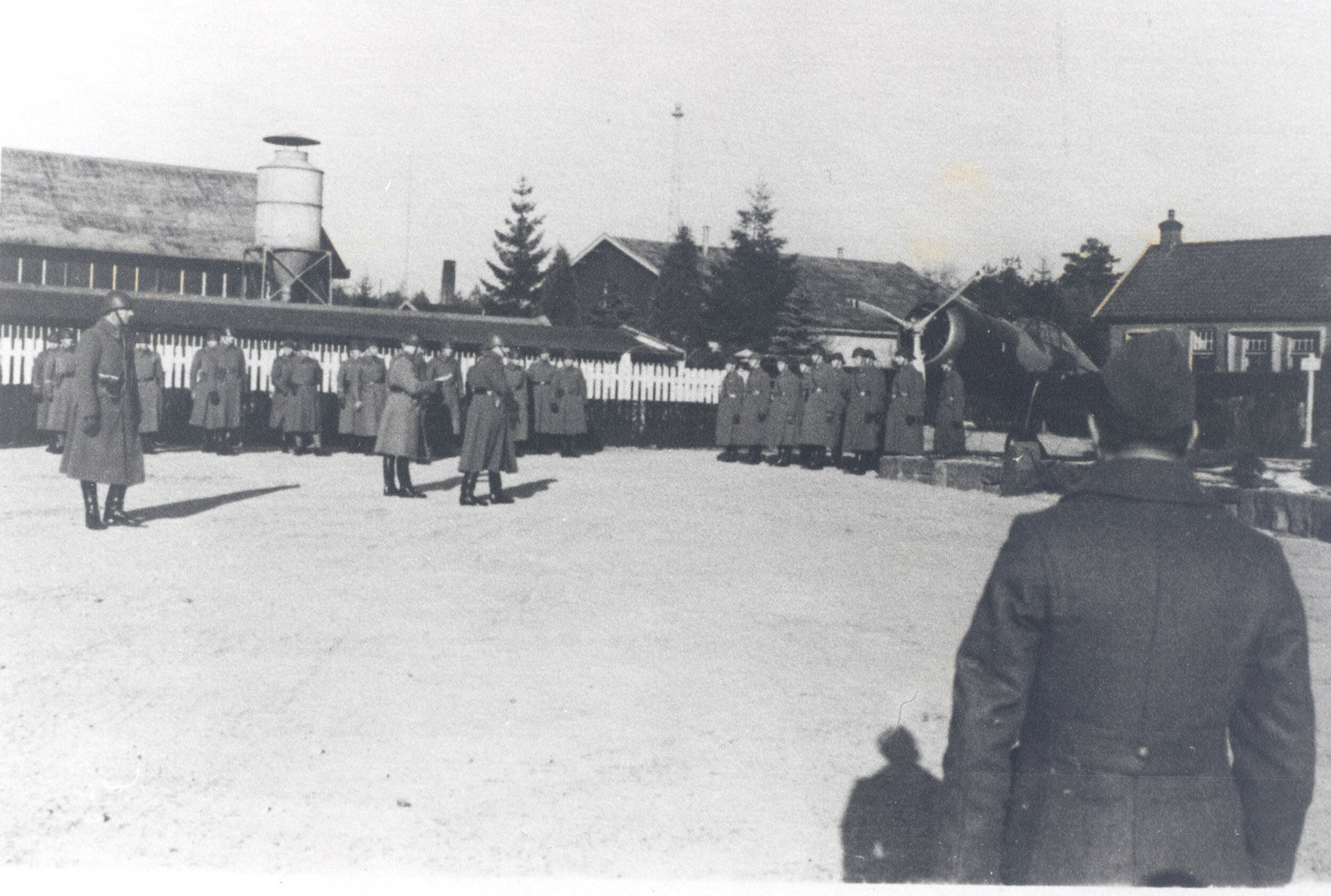
Several surviving D.XXI-2s were captured and evaluated by the Luftwaffe at Rechlin, with some later used for training. The prototype FD-322, still in the Dutch East Indies, was destroyed during a Japanese air attack in 1942. Although its Dutch service was brief, the Fokker D.XXI-2 earned a reputation for resilience and courage under impossible odds.
Finnish variants and operational history
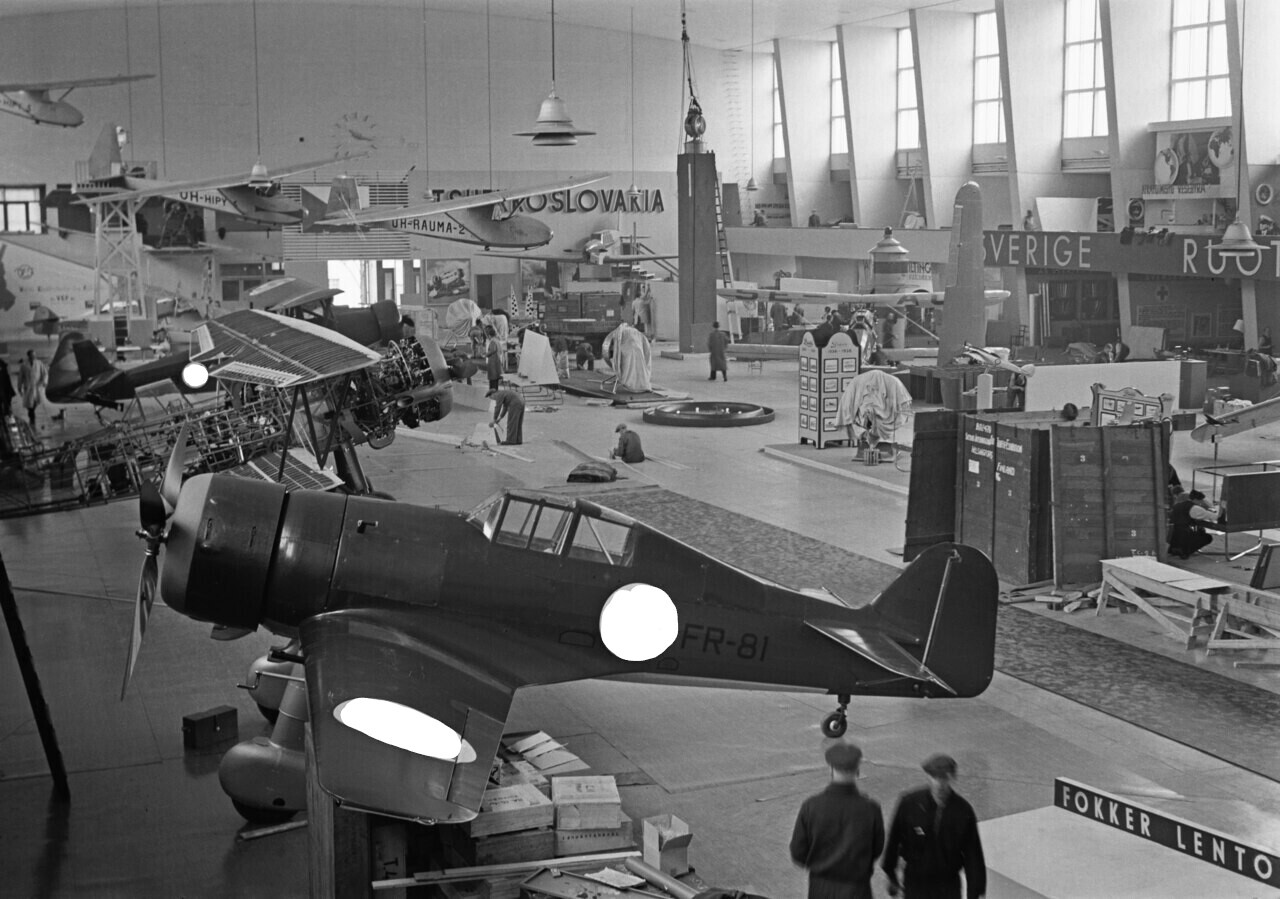
Finland’s adoption of the Fokker D.XXI marked the type’s most extensive and successful service career, spanning three interconnected conflicts with the Soviet Union: the Winter War (1939–1940), the Continuation War (1941–1944), and the Lapland War (1944–1945). Finland’s initial order, placed in November 1936, comprised seven Mercury-powered aircraft (serials FR-76 to FR-82), accompanied by a license for domestic production at Valtion Lentokonetehdas (VL). Over subsequent years, Finland expanded its inventory through several series: D.XXI-2 (38 Mercury-powered examples completed by 1938), D.XXI-3 (35 license-built aircraft), D.XXI-4 (approximately 50 aircraft powered by Pratt & Whitney R-1535 Twin Wasp Junior engines built from 1940–41), and a small D.XXI-5 series of five more assembled from spares in 1944.
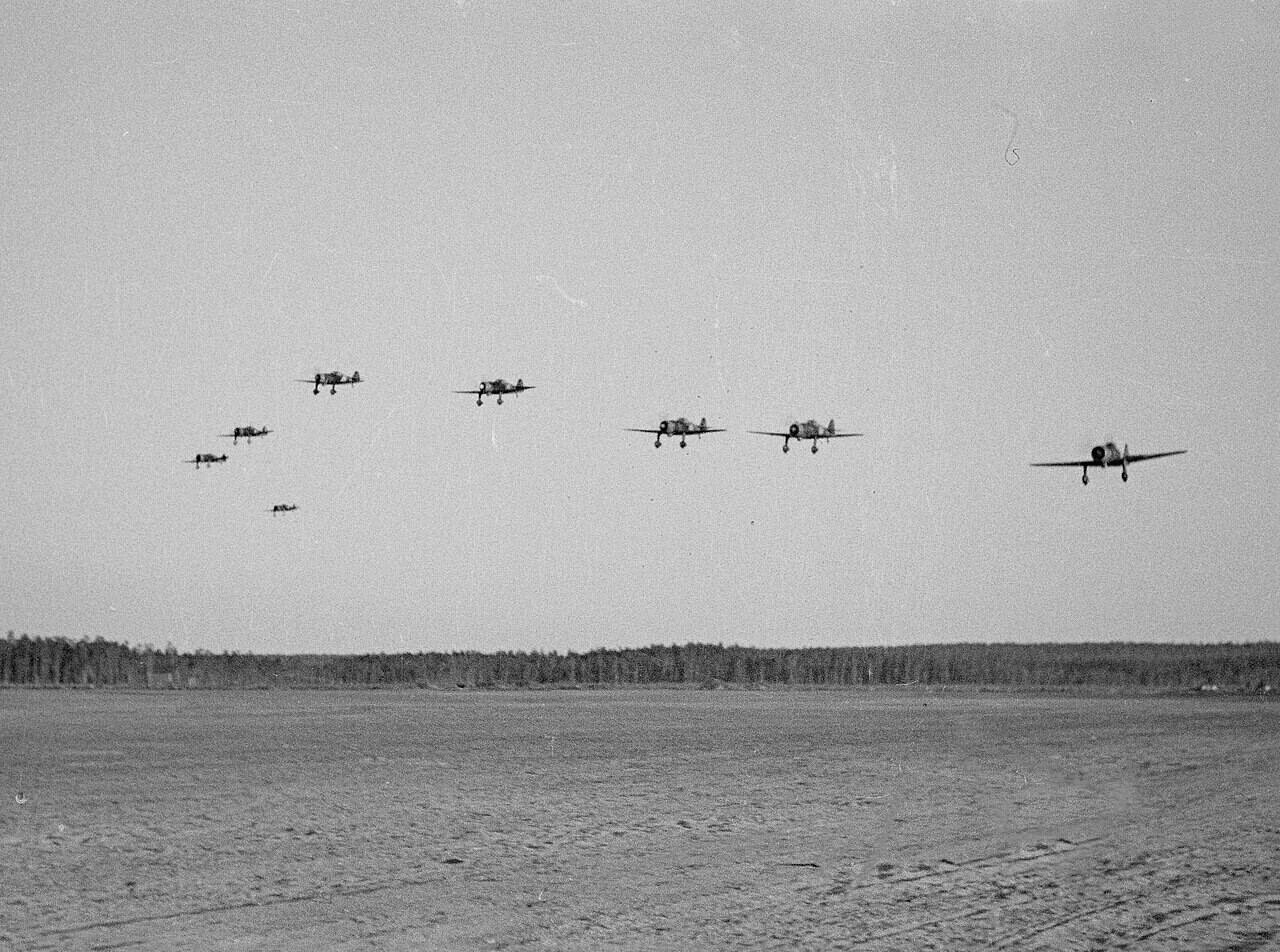
When hostilities began with the outbreak of the Winter War on 30 November 1939, around 41 D.XXIs of several variants formed the backbone of Finland’s frontline fighter force. These aircraft, especially those equipped with the reliable Bristol Mercury VIII engine, were widely regarded as rugged and well-suited to Finnish conditions, owing to their radial engine, fixed undercarriage, and ability to operate from improvised fields and skis during winter operations.
The first Finnish aerial victory by a D.XXI occurred on 1 December 1939, when a Mercury-powered fighter shot down a Soviet Tupolev SB medium bomber. Despite being outpaced in outright speed by Soviet Polikarpov I-16 fighters, the D.XXI’s maneuverability, high diving speed, and adaptability to widespread Finnish airfields allowed experienced pilots to leverage tactical advantages, often disengaging or positioning for attack on more vulnerable bomber formations.
Operationally, the D.XXI was concentrated within No. 24 Squadron (LLv 24), Finland’s principal fighter unit during the Winter War, which mounted frontline fighter defense against Soviet air offensives. This squadron would go on to become one of the most successful in the Finnish Air Force, credited with hundreds of aerial victories over the course of the war.
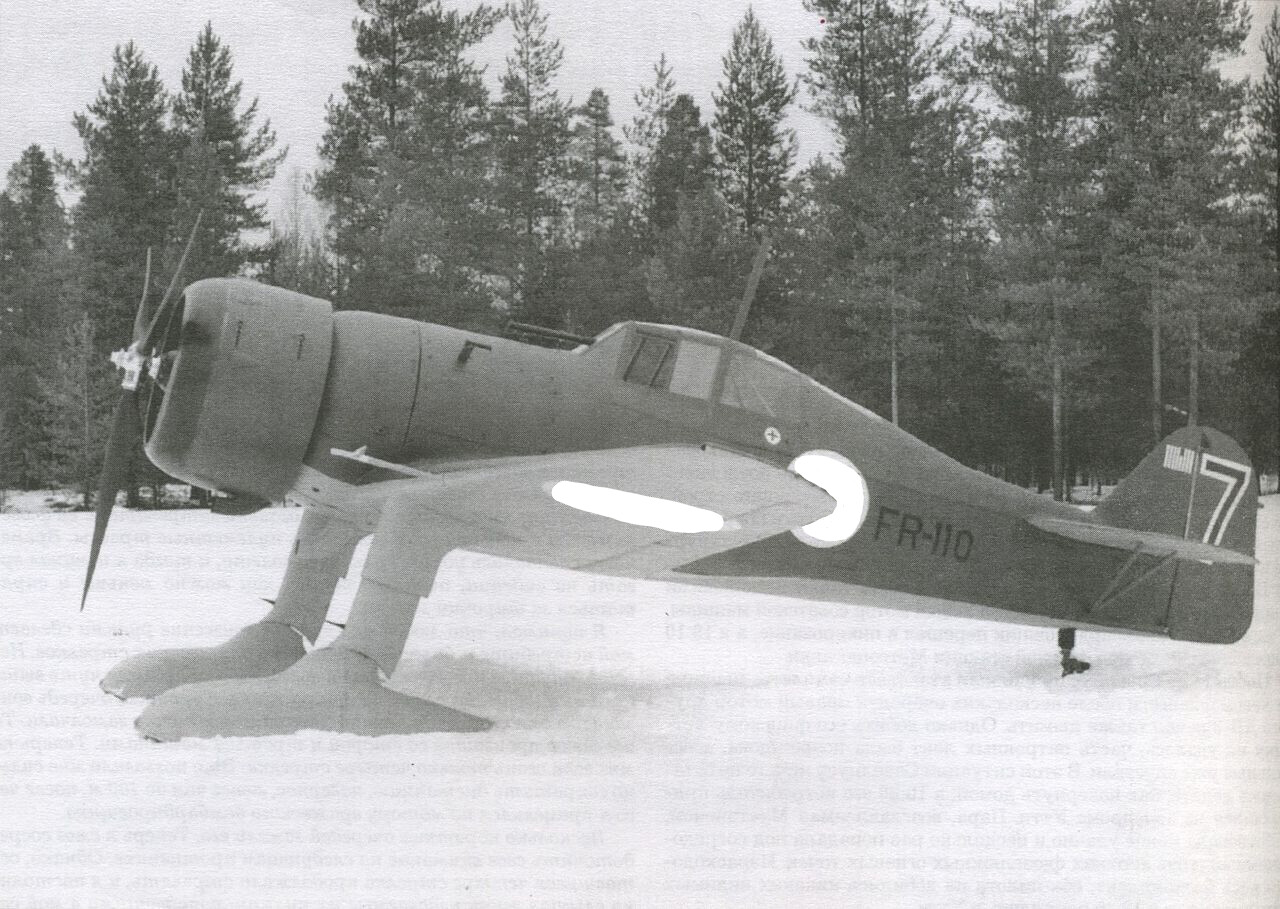
During the Winter War, Finnish D.XXIs claimed approximately 130 aerial victories, with most Soviet losses inflicted on bombers and reconnaissance aircraft where D.XXI pilots could exploit their aircraft’s dive performance and turning ability. In total, the type accounted for roughly 191 victories over the entire conflict, with twelve aircraft lost, half of them due to accidents rather than enemy fire.
Finnish pilots flying D.XXIs included several of the nation’s most celebrated aces. Lieutenant Jorma “Zamba” Sarvanto became internationally renowned when, on 6 January 1940, he achieved six victories in under four minutes during an interception of a formation of Soviet Ilyushin DB-3 bombers near Utti, a feat widely touted as a war record. Sarvanto finished the Winter War with 13 confirmed D.XXI victories and earned senior leadership roles thereafter.
Another noted pilot, Sergeant Major Viktor Pyötsiä, scored 7.5 confirmed victories, often engaging at low altitudes along the Karelian Isthmus, where the D.XXI’s ruggedness paid dividends. Lieutenant Tatu Huhanantti added six confirmed kills, including an SB-2 bomber over Lake Ladoga on 23 December 1939, demonstrating effective employment even under intense antiaircraft fire.
Eino Ilmari Juutilainen, later Finland’s top ace with 94 victories overall, began his combat career in the D.XXI, scoring his first aerial victories, a DB-3 on 19 December 1939 and an SB-2 on 31 December 1939, in Fokker fighters. Juutilainen’s early success highlighted the D.XXI’s value as a training ground for exceptional pilots, despite its limitations when faced with newer Soviet fighters.
Other D.XXI aces included Kelpo Virta, Veikko Karu, and Per-Erik Sovelius, among many Finnish pilots who achieved multiple victories with the type. Collectively, D.XXI pilots formed a significant portion of Finland’s ace cadre documented in historical records.
Continuation War (1941–1944)
During the Continuation War (1941–1944), the D.XXI continued to serve, though newer aircraft such as the Brewster Buffalo and Messerschmitt Bf 109 gradually assumed frontline roles. In the early months of the conflict, Fokker fighters contributed to patrols, bomber escorts, and ground-support missions, claiming an additional 60–70 aerial victories against Soviet forces, often against larger and better-equipped formations.
Later in the war, the D.XXI was increasingly relegated to reconnaissance, training, and secondary roles, as its fixed undercarriage and light armament, typically four 7.92/7.7 mm machine guns, were outclassed by more modern enemy and allied fighters. Nonetheless, the type remained in operational use through 1944, with Finland flying the D.XXI even during the Lapland War against retreating German forces following the Moscow Armistice.
Post-war
After the war, the D.XXI served briefly with Finland’s Air Fighting School until September 1948, training a final generation of pilots before being retired and ultimately scrapped by 1952.
The wartime exploits of Finnish D.XXIs and their pilots underscored the importance of tactical employment and pilot skill in achieving success with an otherwise modest aircraft. Their victories against numerically superior Soviet forces, often in challenging winter conditions, elevated the Fokker D.XXI into a symbol of Finnish resilience and ingenuity throughout World War II.
Danish variants and operational history
Denmark ordered two D.XXIs in 1937, followed by licensed production of ten additional aircraft. Armed with a combination of machine guns and 20 mm Madsen cannons, eight were operational when Germany invaded on 9 April 1940. No combat missions were flown, as Denmark capitulated within hours. Captured aircraft were later used by the Luftwaffe for training purposes until 1944.
Spanish variants and operational history
Spain’s Republican government licensed production of 50 D.XXIs through Hispano Aviación, intending to power them with Shvetsov M-25 engines. Approximately fifty fuselages were produced before Nationalist forces captured the facilities. No completed aircraft entered operational service.
Survivors and replicas
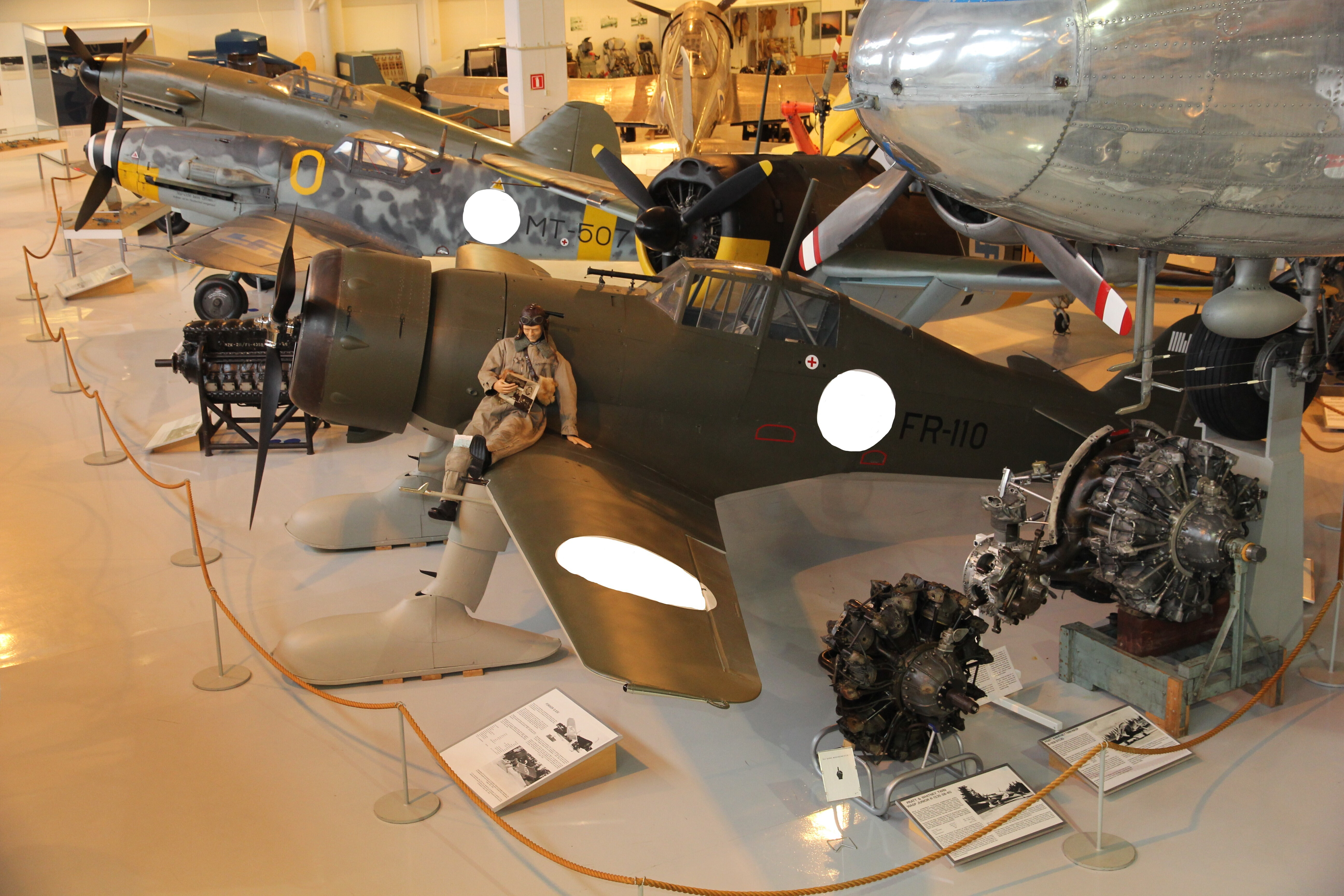
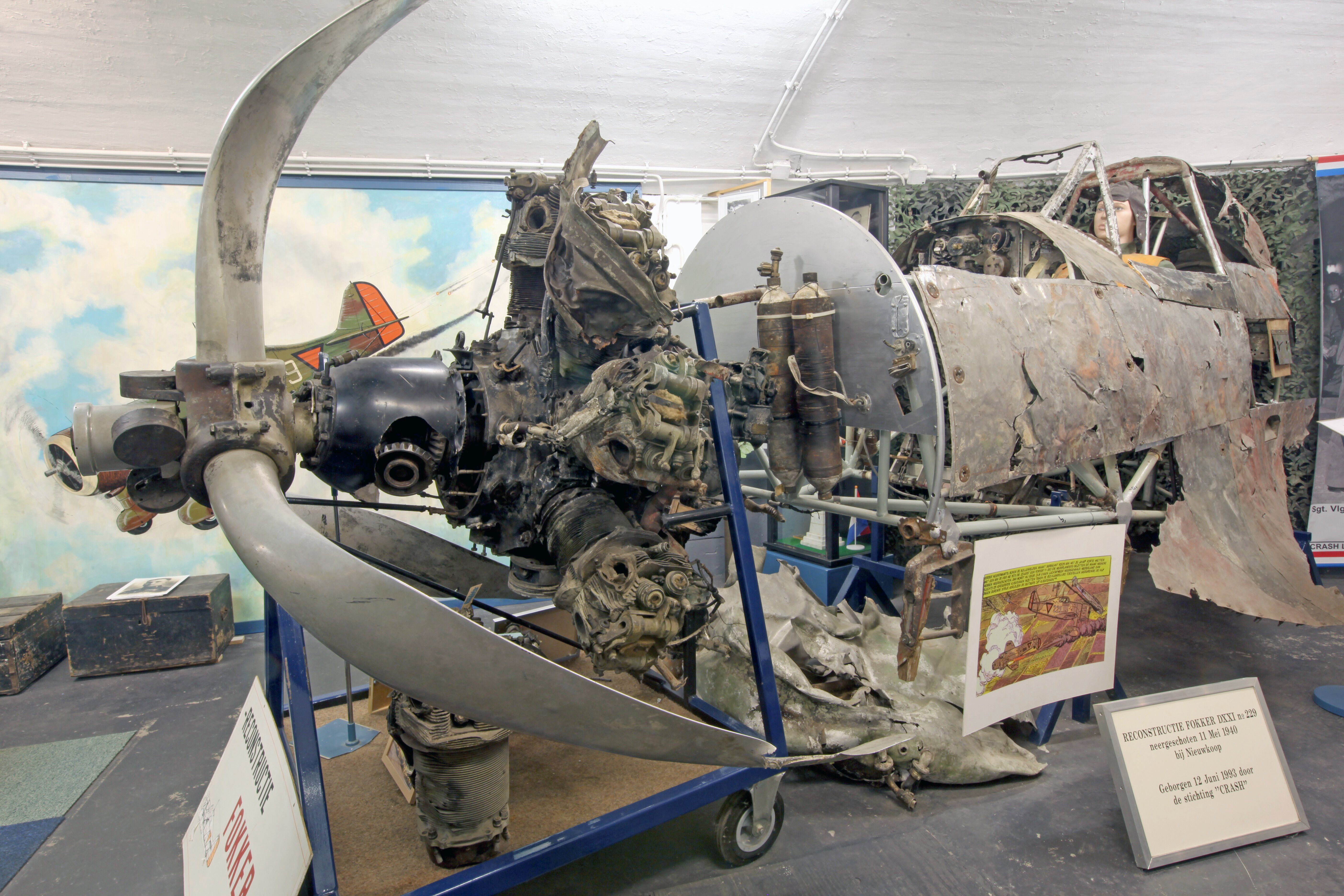
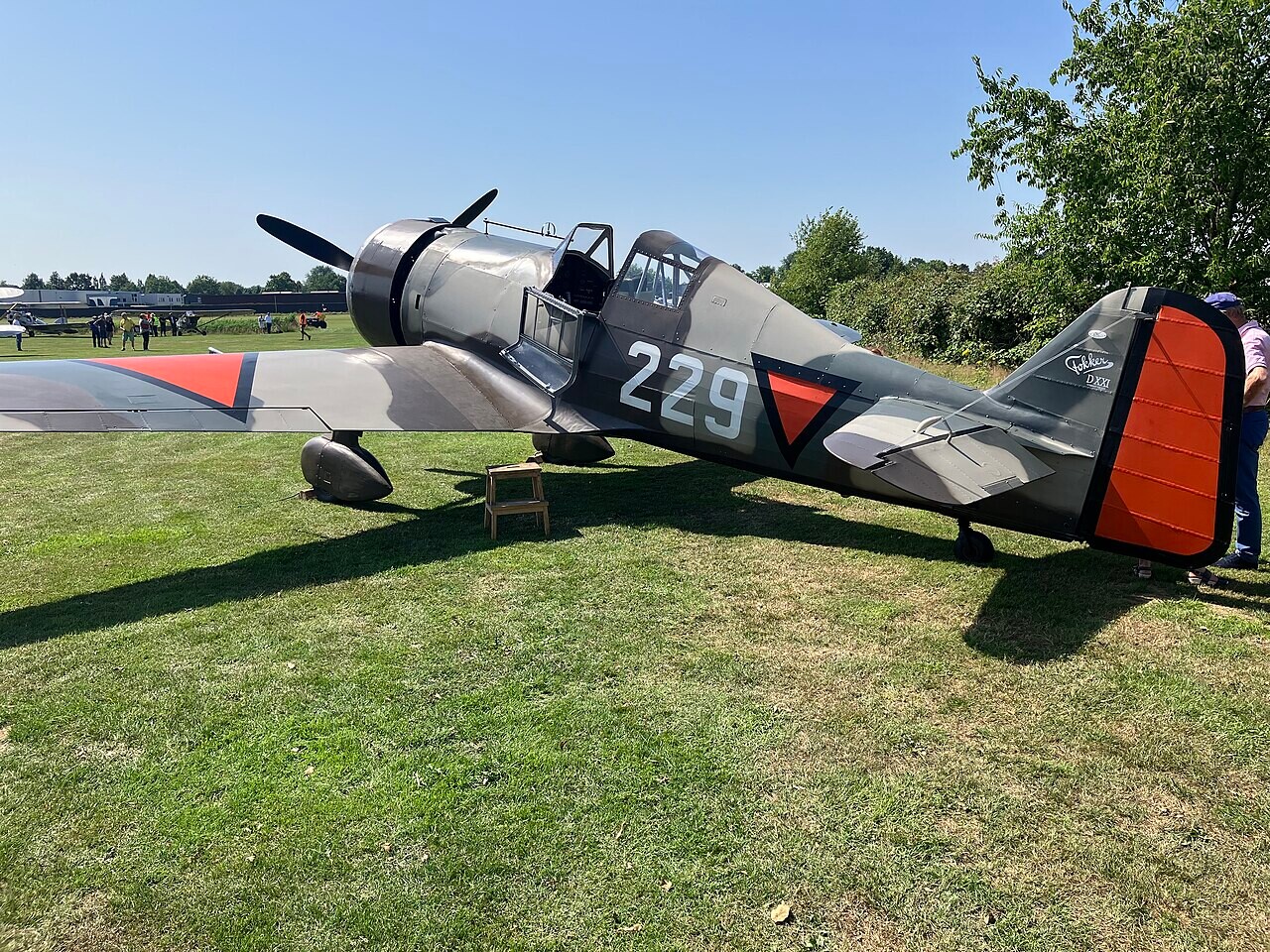
No fully original Dutch-built D.XXIs survive today, but several reconstructions and composite aircraft preserve the type’s legacy. A Finnish composite aircraft, FR-110, assembled from multiple wrecks, is displayed at the Finnish Air Force Museum in Jyväskylä. Remains of Dutch aircraft No. 229 are preserved at the Crash 40–45 Museum in Aalsmeer.
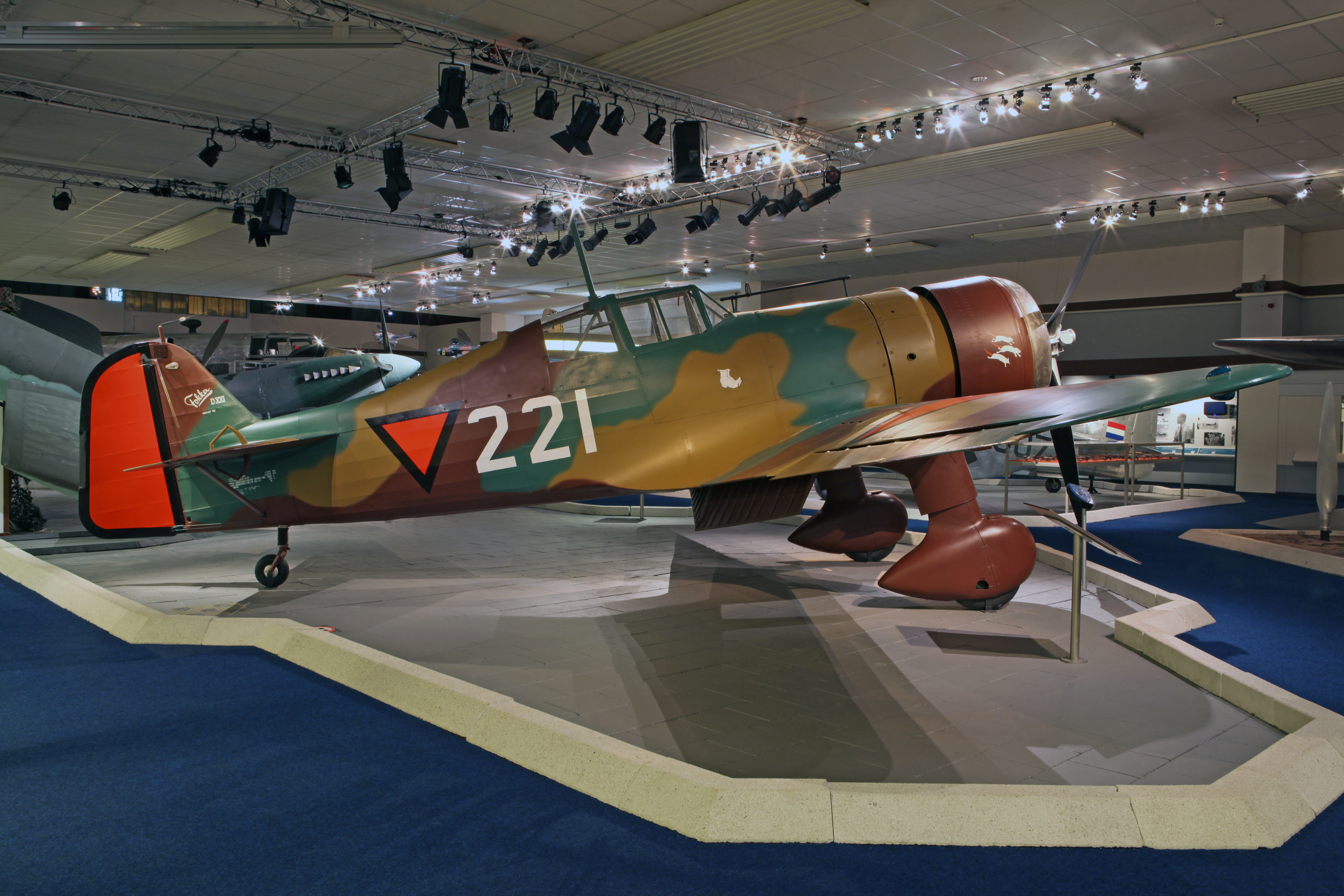
A full-scale wooden replica, No. 221, was constructed in 1988 using original drawings and a Danish fuselage, and is displayed at the Nationaal Militair Museum in Soesterberg.
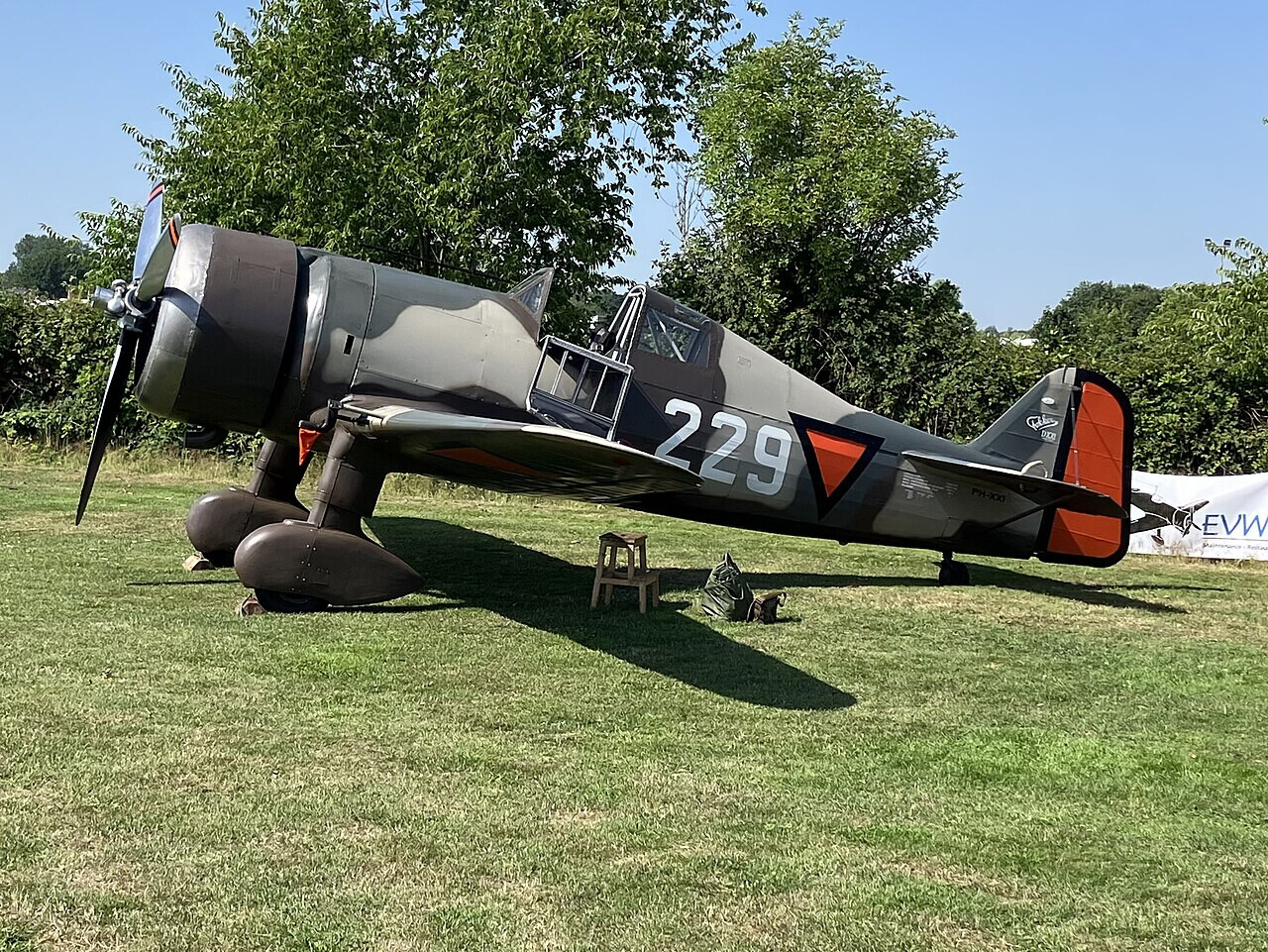
The only airworthy D.XXI, registered PH-XXI and marked as “229”, was completed in 2023 by the Van Egmond family. Built using hundreds of original drawings and authentic components, it first flew on 23 May 2022 and now performs regularly at airshows, serving as a flying memorial to Dutch wartime pilots.
Sources
- Air Power Asia. (2020, September 13). Finnish Ilmari Juutilainen — The double fighter knight. https://airpowerasia.com/2020/09/13/finnish-ilmari-juutilainen-the-double-fighter-knight-highest-scoring-non-german-ace-94-aerial-victories/
- Aces of WW2. (n.d.). Eino Ilmari “Illu” Juutilainen. Retrieved December 28, 2025, from https://acesofww2.com/finland/aces/juutilainen/
- Asisbiz. (n.d.). Finnish Air Force Fokker D-XXI mixed photographs and archives. Retrieved December 15, 2025, from https://asisbiz.com/il2/FAF/Fokker-D-XXI.html
- Beard, P. (2020). Fokker D.XXI: Fifty years of service. Aviation Heritage Press.
- Beeldbank Nederlands Instituut voor Militaire Historie. (n.d.-b). 2157_084-024, Prototype van de Fokker D.21 (registratie FD-322) in de vlucht, gezien aan de linkerzijde over de staartvlakken van het vliegtuig van de fotograaf. Beeldbank Nederlands Instituut Voor Militaire Historie. https://beeldbank.nimh.nl/foto-s/detail/883a5037-5986-edf9-0cd7-bc687dc58210/media/ec80386a-fcce-2761-78d1-6b8249e8c70f
- Beeldbank Nederlands Instituut voor Militaire Historie. (n.d.-e). 2157_001298, Messerschmitt Bf 109E neergeschoten door Lt. H.J. van Overvest met een Fokker D.21. Beeldbank Nederlands Instituut Voor Militaire Historie. https://beeldbank.nimh.nl/foto-s/detail/28c090bf-55aa-0ee8-bb04-41d66aefde00/media/c17421ef-47e7-4d2f-c67a-beaa7e009ad9
- Crash Museum Aalsmeerderbrug. (n.d.). Fokker D.XXI no. 229 remains. AirHistory.net. Retrieved Octobre 06, 2025, from https://www.airhistory.net/aircraft/15608/Fokker-D-XXI
- Finland at War. (2020, January 12). Heroes of Finland — Jorma Sarvanto: World record fighter ace. https://www.finlandatwar.com/heroes-of-finland-jorma-sarvanto-world-record-fighter-ace/
- Fokker-History.com. (n.d.). Fokker D.XXI: Dutch service history. Retrieved December 02, 2025, from https://www.fokker-history.com/d-xxi
- Fokker-History.com. (n.d.). Finnish Air Force Museum collection. Retrieved December 28, 2025, from https://www.fokker-history.com/en-gb/finnish-air-force-museum
- Grokipedia. (n.d.). Ilmari Juutilainen. From https://grokipedia.com/page/Ilmari_Juutilainen
- IPMS Nederland. (2025, November 1). 2. LvA / ML Fokker D.21 (D.XXI). https://ipms.nl/artikelen/vliegtuigen-f-fokker-d21
- Key Aero. (2019, June 13). Fokker D.XXI rolled out. https://www.key.aero/article/fokker-dxxi-rolled-out
- MSN. (2025, November 30). How Finnish aces used the Fokker D.XXI to fight the Soviets. https://www.msn.com/en-ca/entertainment/news/120-victories-and-a-60-degree-dive-how-finnish-aces-used-the-fokker-d-xxi-to-fight-the-soviets/vi-AA1RqJol
- Nationaal Militair Museum. (n.d.). Het Fokker D.XXI jachtvliegtuig met registratienummer “221” (replica, 1988). From https://www.nmm.nl/
- Nedmil-Admin. (2025, November 1). INFO Fokker D.21 (D.XXI). IPMS Nederland. https://ipms.nl/artikelen/nedmil-luchtvaart/vliegtuigen-f/vliegtuigen-f-fokker-d21/vliegtuigen-f-fokker-d21-info
- Panssarivaunut Blog. (2014, November 9). Victories with the Fokker D.XXI. http://panssarivaunut.blogspot.com/2014/11/victories-with-fokker-dxxi.html
- Regimental Art. (n.d.). Eino Ilmari Juutilainen — Pilot profile. From https://www.regimental-art.com/aces.php?PilotID=3407
- Surfcity. (2021, March 12). Soviet biplane fighter aces — Ivan Fedorov. http://surfcity.kund.dalnet.se/soviet_fedorov3.htm
- Van den Broek, L., & Van den Broek, L. (2023, June 23). Fokker D.21 ‘bijna net zo goed als Spitfire’ [Interview]. Up in the Sky. https://upinthesky.nl/2023/06/23/fokker-d-21-bijna-net-zo-goed-als-spitfire-interview/
- Warfare History Network. (n.d.). David vs. Goliath: The Finnish air war. Retrieved From https://warfarehistorynetwork.com/article/david-vs-goliath/
- Wikipedia contributors. (n.d.). Aerial warfare in the Winter War. In Wikipedia. From https://en.wikipedia.org/wiki/Aerial_warfare_in_the_Winter_War
- Wikipedia contributors. (n.d.). Fokker D.XXI. In Wikipedia. from https://en.wikipedia.org/wiki/Fokker_D.XXI
- Wikipedia contributors. (n.d.). Ilmari Juutilainen. In Wikipedia. Retrieved December 28, 2025, from https://en.wikipedia.org/wiki/Ilmari_Juutilainen
- Wikipedia contributors. (n.d.). Jorma Sarvanto. In Wikipedia. from https://en.wikipedia.org/wiki/Jorma_Sarvanto
- Wikipedia contributors. (n.d.). No. 24 Squadron (Finland). In Wikipedia. from https://en.wikipedia.org/wiki/No._24_Squadron_%28Finland%29