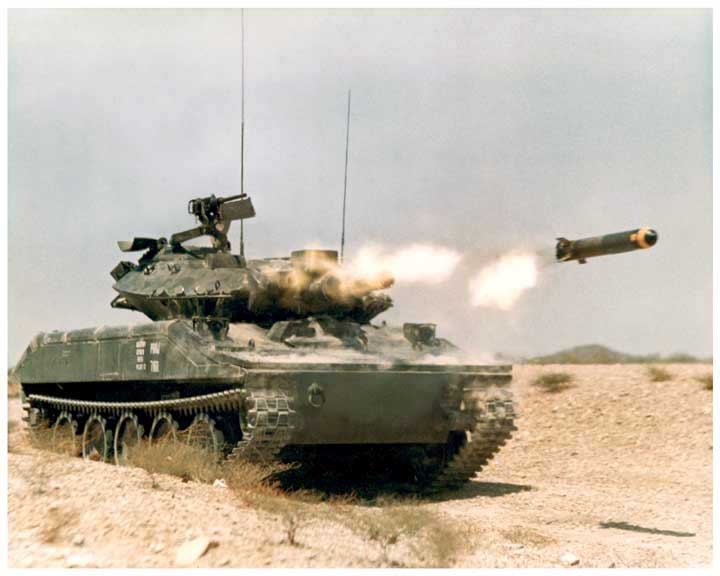
Rockets & Missiles



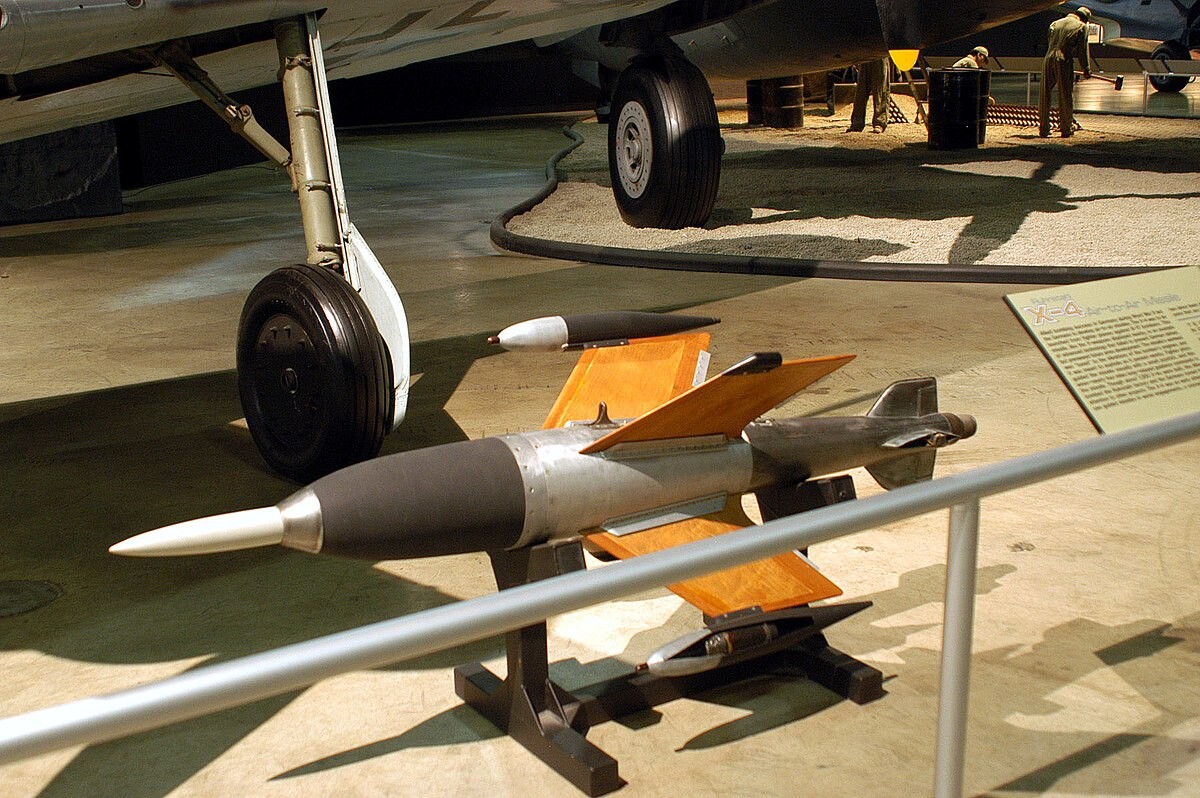
The Ruhrstahl X-4 missile was a World War 2, German-designed air-to-air missile, the first air-to-air missile of its kind to be produced. It is the earliest air-to-air missile that is available in War Thunder, and is available on the tech tree Fw 190 F-8. Let us dive into the interesting history of the missile, and later talk about how to use this unique missile!

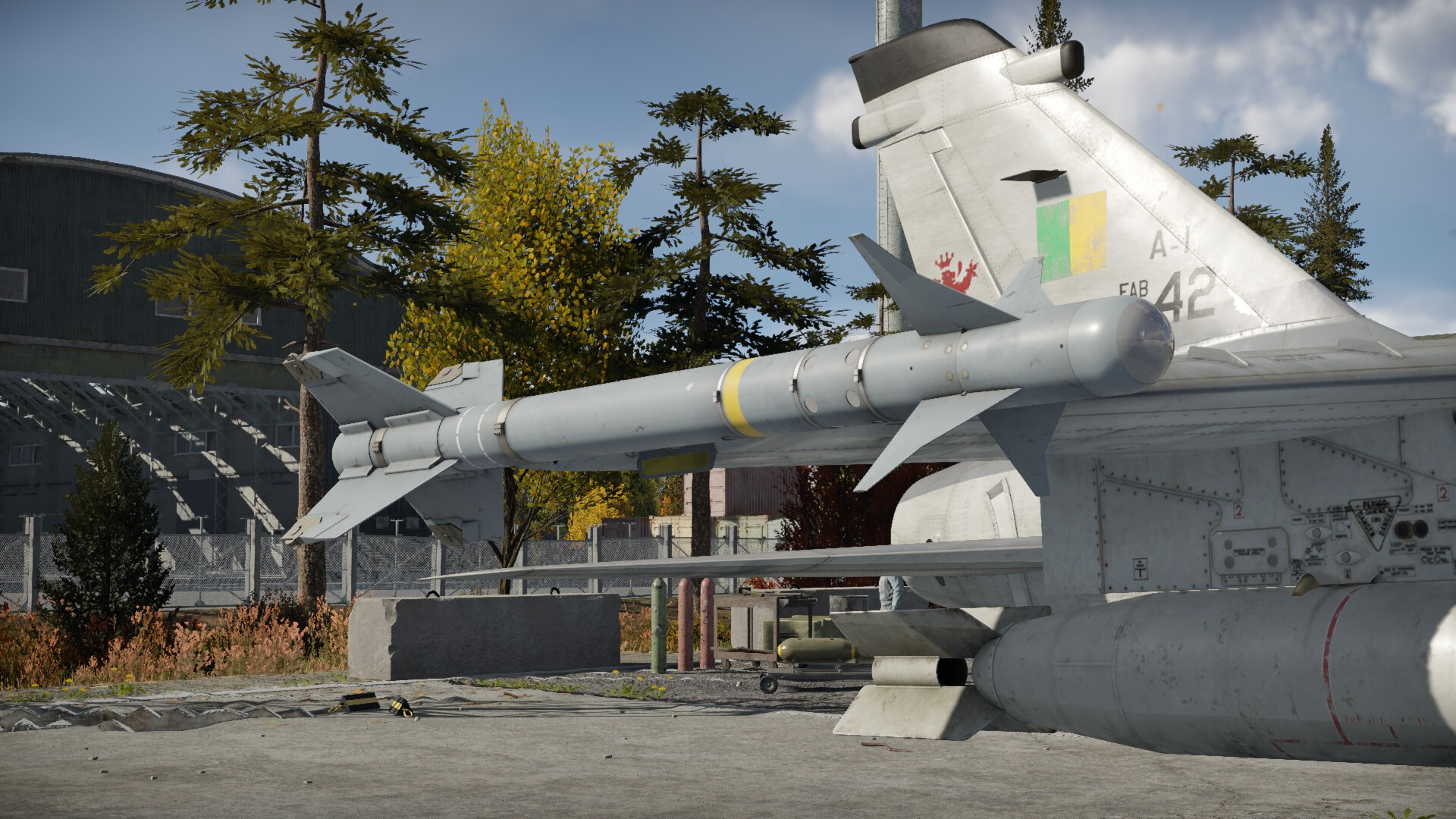
This article examines the history of the MAA-1 Piranha, the first Brazilian domestic air-to-air missile, tracing its conception, development, testings, and the various setbacks and historical contexts that shaped the program. The Piranha was a bold project for its time, that sought to elevate Brazil into the small group of countries that were capable of producing domestic air-to-air missiles, a group which, at the time, consisted of France, the USA, the USSR, Israel, South Africa, the United Kingdom, China, Taiwan, and Japan.

The Ballistic Computer is a system found on some modern aircraft and helicopters used to aid the player in the delivery of unguided air-to-ground munitions. There are two key functions of the ballistic computer: Constantly Computed Impact Point (CCIP) and Constantly Computed Release Point (CCRP). CCIP continually calculates where munitions will land and gives the pilot an accurate impact point to aim with. CCRP allows the player to specify an impact point, the ballistic computer will then continually calculate at which point along the player’s flight path munitions will need to be released in order to hit the player’s designated impact point, and will only allow munitions to be released when that point is reached.

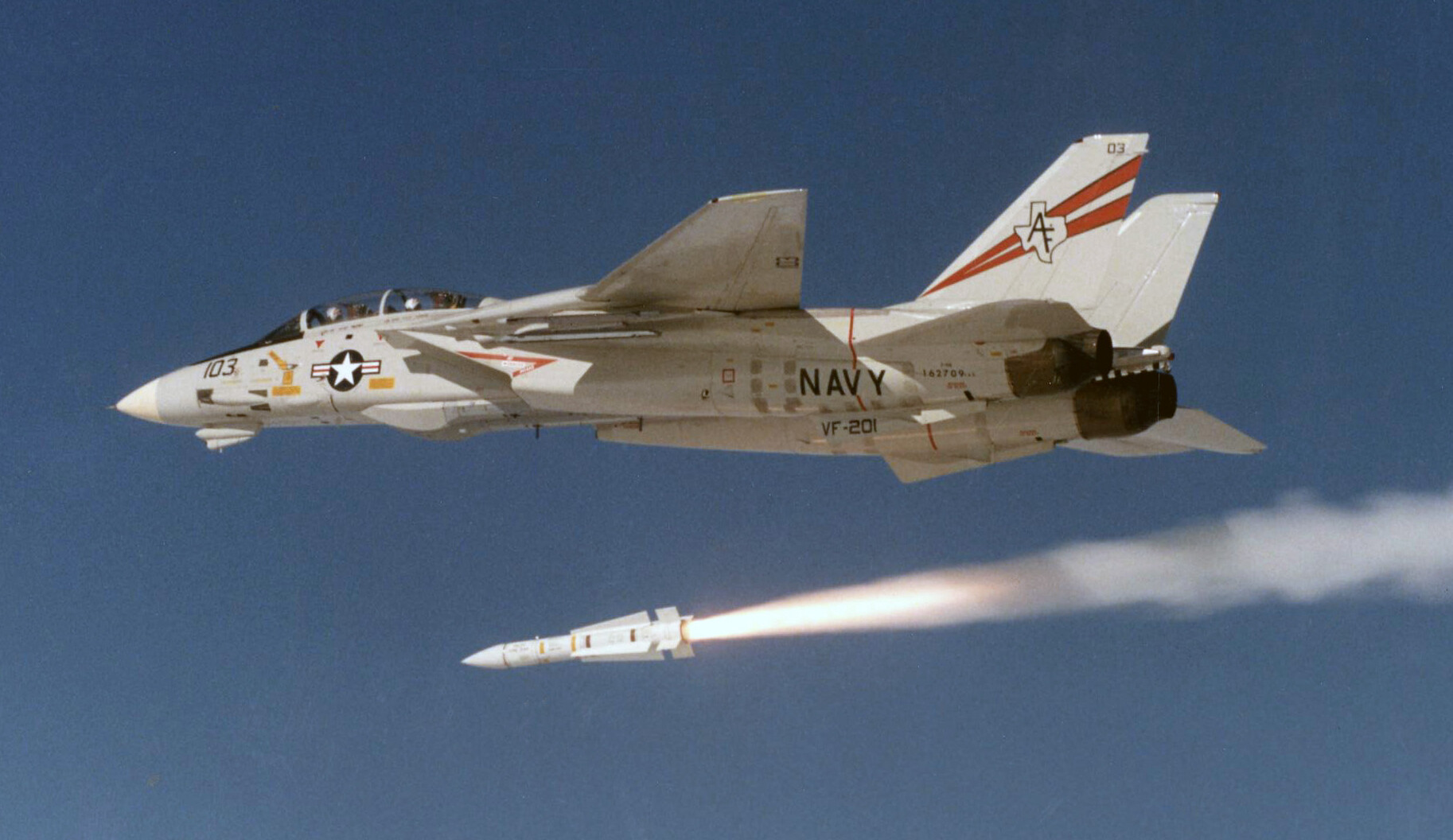
The iconic F-14 Tomcat made its mark in naval aviation for its cultural significance and popularity. However, the defining weapon that sets the Tomcat apart from its peers is the long-range AIM-54 Phoenix missile. This weapon, intended to strike Soviet bombers from a long distance before they could fire deadly anti-ship cruise missiles, allowed the F-14 to perform its "Fleet Defense" role. Thus we will dive into the development behind this fascinating missile, the improvements it had, and how it would not be America writing the tomes on the AIM-54's combat usage, but instead Iran.

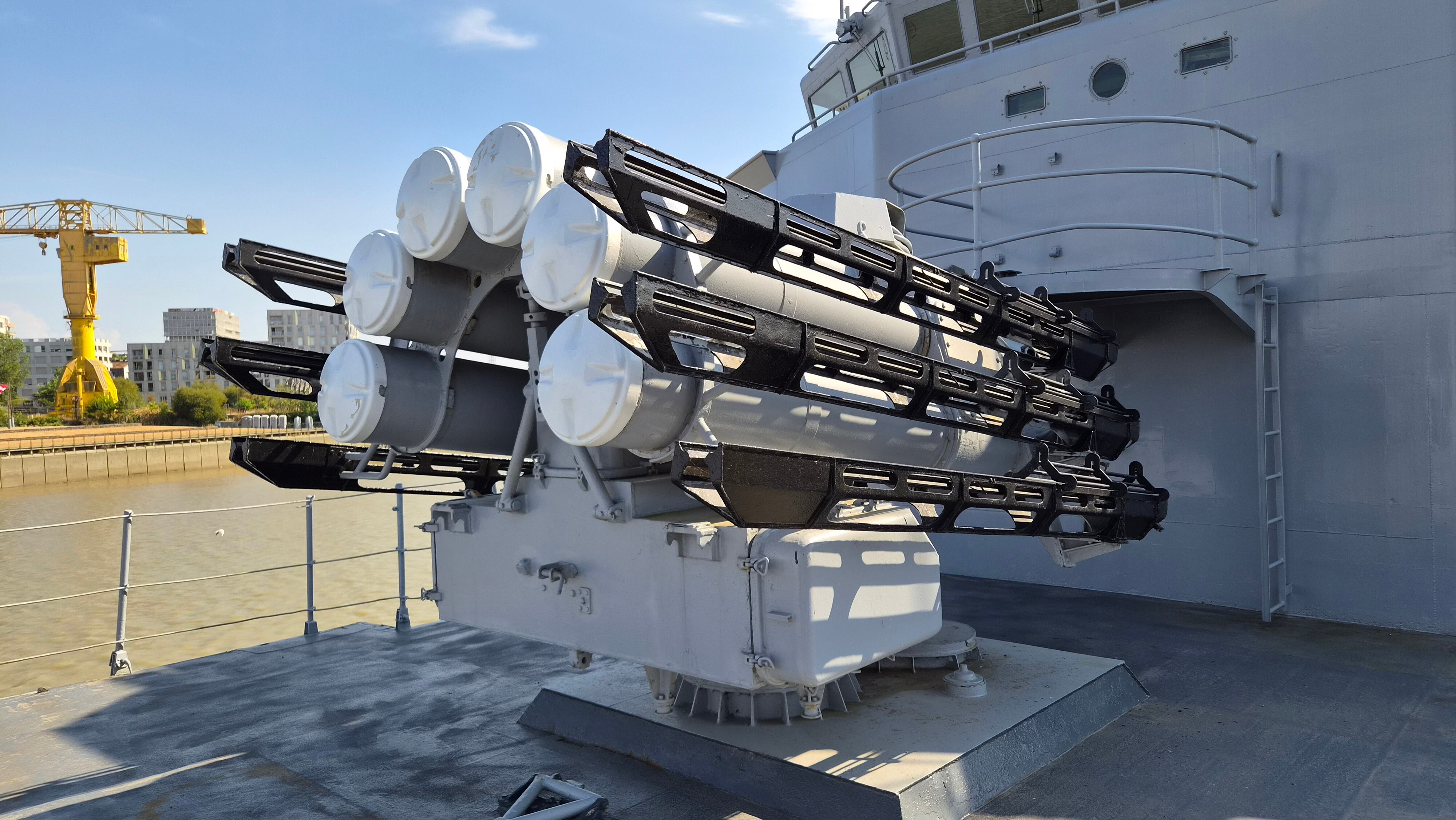
Anti-submarine warfare began soon after the first armed submarines appeared. In WW1, the main weapons were depth charges and mines. Then the first active sonars began to appear, along with a new type of weapon: anti-submarine mortars, with its prime example being the British Hedgehog. These mortars would later be improved into rocket launchers, which had considerably greater range and could launch much larger explosive charges. Bofors would develop one of the first such launchers: the 375 mm M/50 anti-submarine rocket launcher. Adopted by many countries and installed on numerous ships, it revolutionized close-range anti-submarine warfare and is still in use today.

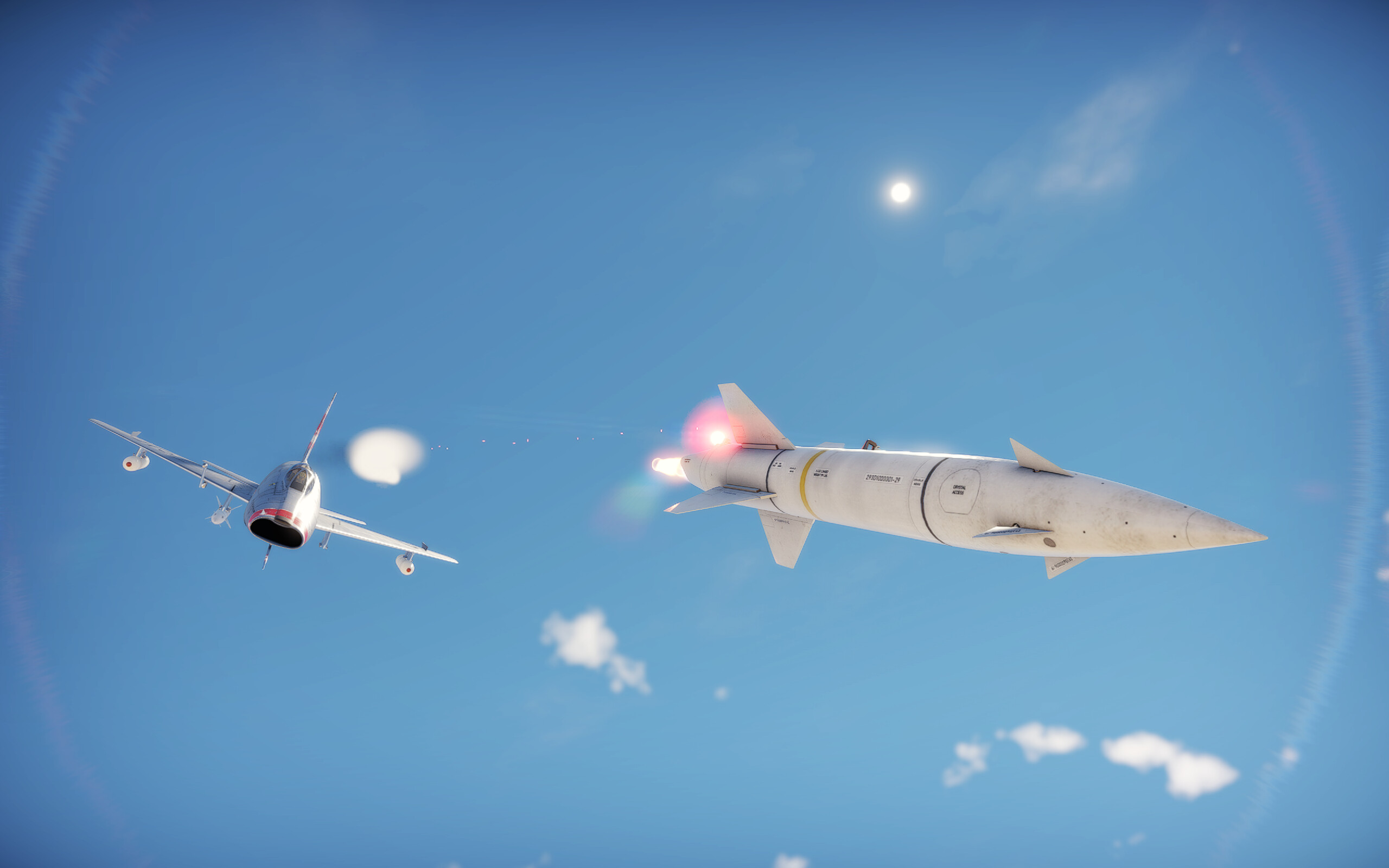
The AGM-12B, also known as the ASM-N-7A or more recognizably the Bullpup, was the world's first mass-produced precision guided Air-to-Ground munition. A fairly large warhead size and its MCLOS guidance give many U.S. vehicles the tools to engage SPAAs at range, at a BR where proximity fused shells and surface-to-air missiles start becoming increasingly lethal to aviation. While they may not be as advanced as Walleyes and Mavericks, which are autonomously guided, a good pilot can easily match them in accuracy with precise manual guidance against even the fastest moving targets.



The Spike-LR II (Long Range 2) is an advanced anti-tank guided missile (ATGM) that is part of the Spike family. Found on many IFVs, it is capable of engaging both non-line-of-sight and beyond-line-of-sight targets. Additionally, it can function as a surface-to-air missile (SAM), being particularly effective against helicopters and low-flying aircraft.