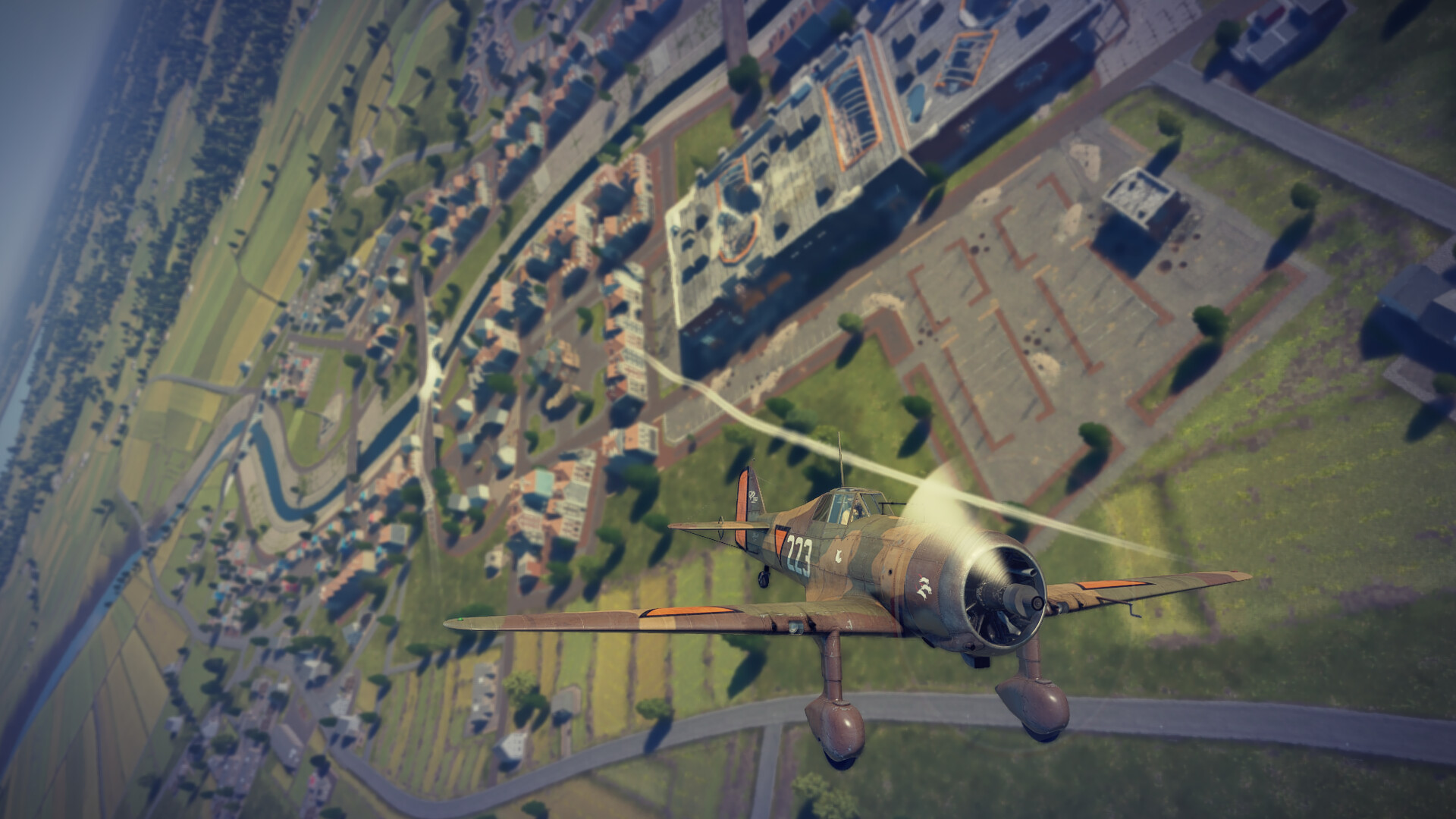
The N.V. Koninklijke Nederlandse Vliegtuigenfabriek Fokker was among the best aircraft manufacturers in WW1, producing some of the most famous planes such as the Fokker Dr.I or the Fokker D.VII. The Fokker D.XXI came on the eve of WW2 and Fokker decided to go the opposite of other aircraft manufacturers and went with a much simpler monoplane design that would do wonders in Finnish hands. The Fokker D.XXI provides an excellent introduction to monoplane fighters after biplane designs and will need you to work around its flaws to achieve its best performance.
Pros & Cons
| Pros | Cons |
|---|---|
| Good maneuverability | Rather slow |
| Good stall performance | Weak armament |
| No compression | Only gets landing flaps |
| Good climb rate | High speed bleed in turns |
Flight performance
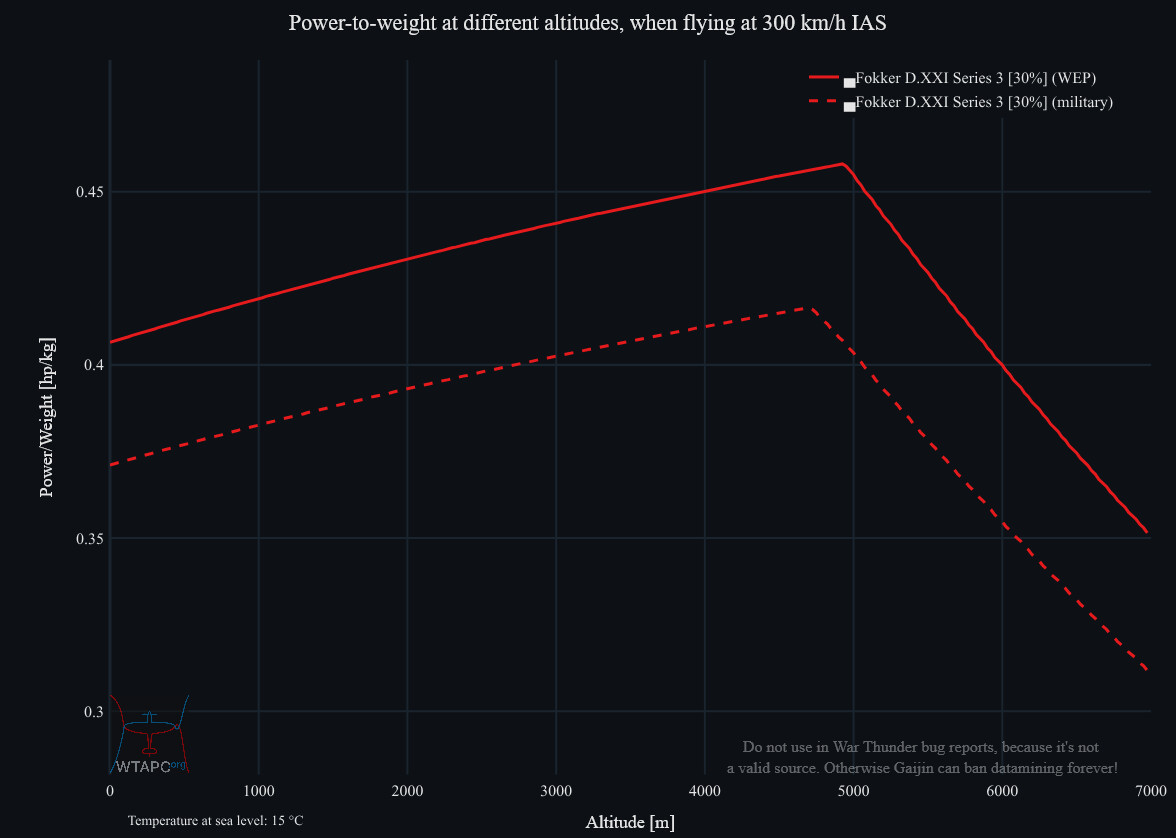
The simple design of the Fokker D.XXI is reflected in its flight performance. By having a relatively light airframe (1 450 kg), the Fokker D.XXI is quite nimble, capable of performing tight turns at a cost of losing quite a bit of speed. In the speed department, the Fokker D.XXI is heavily hindered by its weak engine. Being powered by a Bristol Mercury VIII engine, the Fokker D.XXI is capable of achieving a speed of 373 km/h at sea level but has a climb rate of around 18.8 m/s at 20°. The Fokker D.XXI is an aircraft meant for low-speed maneuvers, but can achieve a very good dive speed of ~600 km/h without suffering from compression.
With a sustainable turn rate of around 24°/s at 300 km/h, the Fokker D.XXI is capable of out turning most aircraft it will face. In a one-circle fight, as long as your opponent turning circle isn’t as good as yours, you will get behind them rather quickly, which is essential as you’ll require a prolonged burst in order to deal significant damage to your opponent.
The landing gear isn’t retractable which produces some drag. However, they are pretty solid and can sustain high-speed dives (+600 km/h). Furthermore, the Fokker D.XXI only has access to landing flaps which are not recommended for use in dogfights except in stall fights.
During a prolonged battle, using WEP for too long will cause the engine to overheat, which will damage the engine or even destroy it.
Survivability
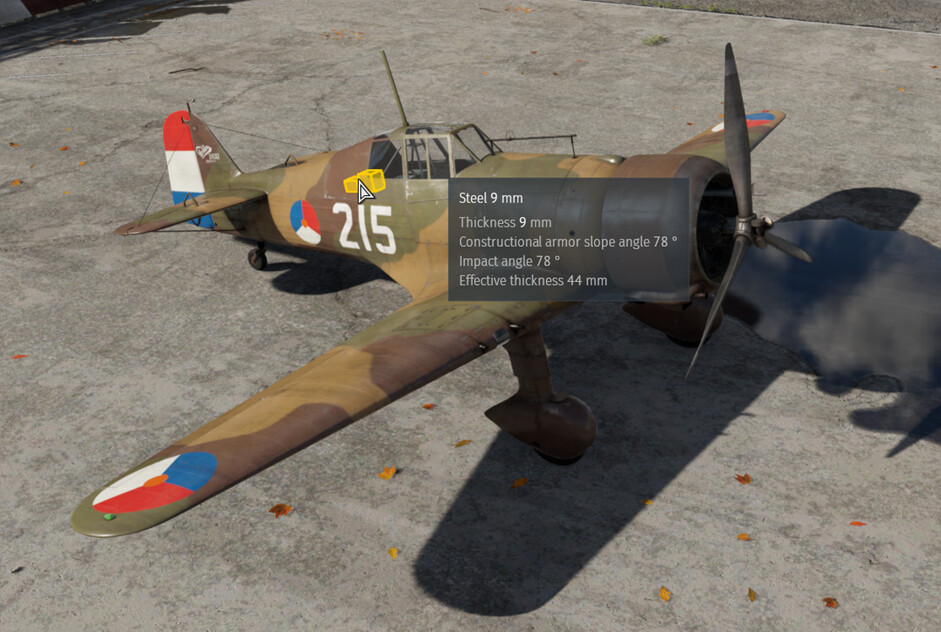
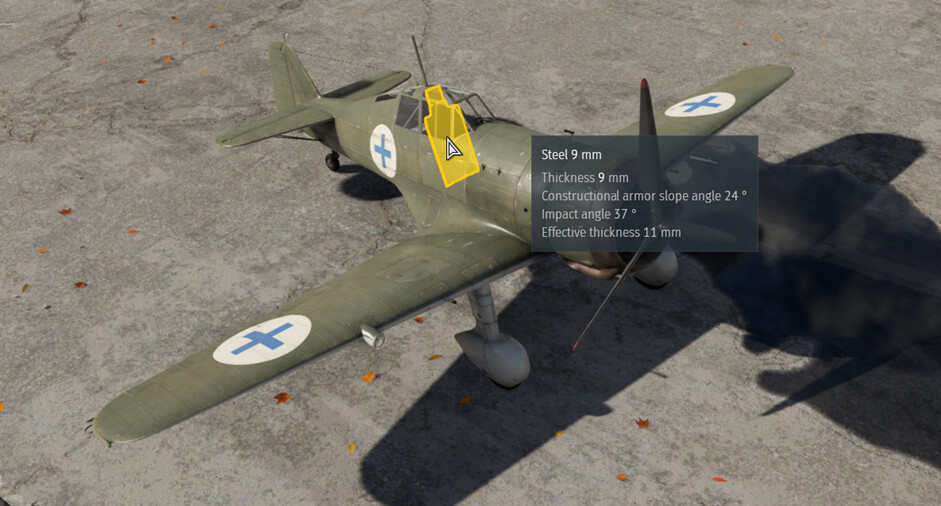
Because of its weight class and airframe composition (steel tube fuselage and wooden wings covered in a mix of fabric and aluminum panels), the Fokker D.XXI is not good at taking hits. Because of its relatively small size, enemies will have trouble hitting you effectively.
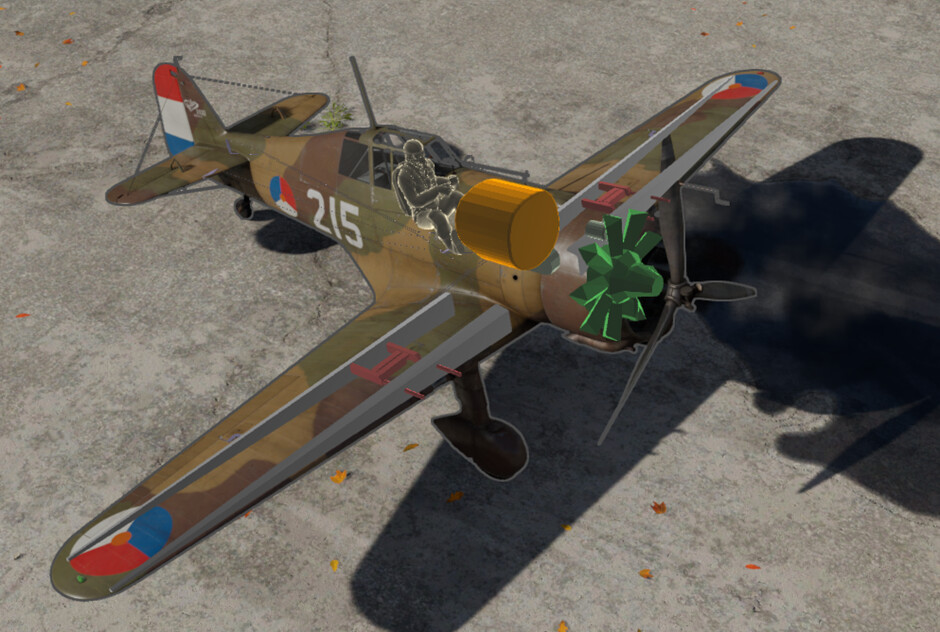
The only fuel tank is placed in the center of the fuselage between the engine and the pilot. Even though it is a self-sealing tank, any fire will turn the Fokker to dust.
Armament
The Fokker D.XXI armament is pretty standard, with the exception of the premium Finnish Fokker D.XXI which gets two 20 mm cannons. Each version has its own gun placement configuration:
- Dutch Fokker D.XXI: 2 machine guns on each side of the wings with 300 rounds each.
- Finnish Fokker D.XXI-3: 2 machine guns on the wings with 300 rounds each and 2 in the fuselage beneath the fuel tank with 500 rounds each.
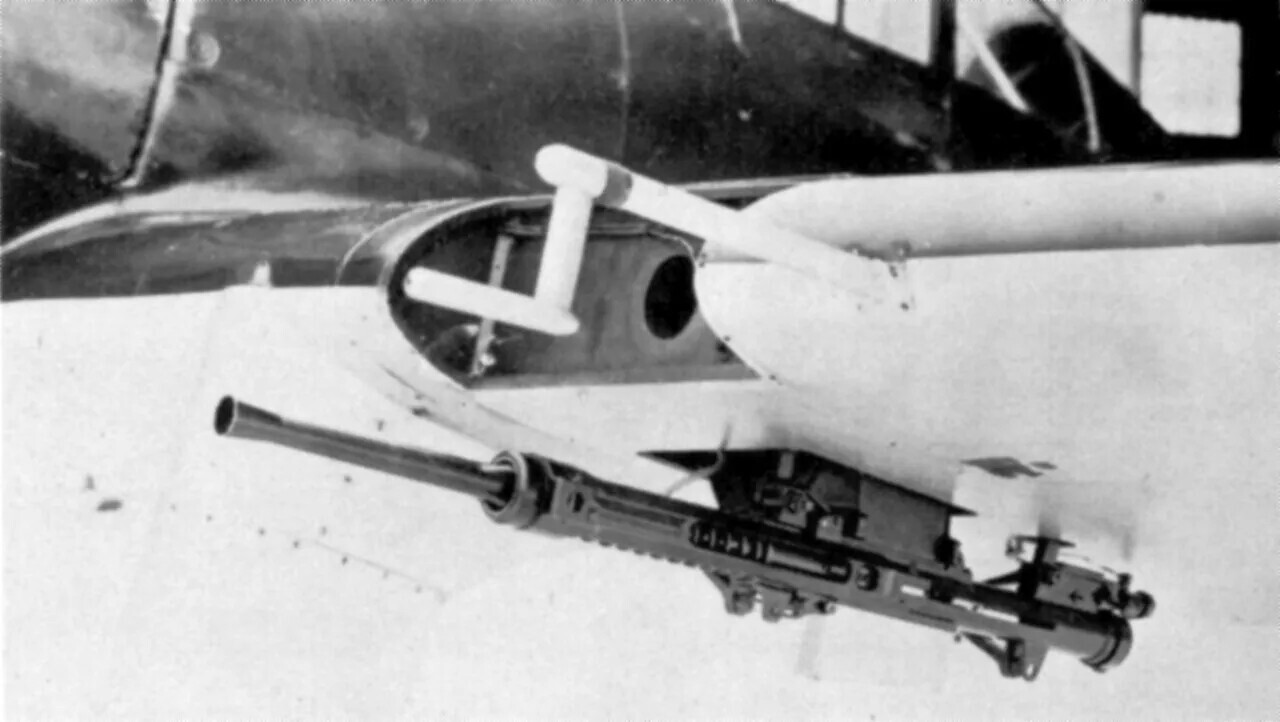
- Finnish Fokker D.XXI: 2 machine guns in the fuselage beneath the fuel tank with 500 rounds each and 2 20 mm Oerlikon FF cannons under each wing with 60 rounds each.
The guns have a pretty low velocity but a high rate of fire of 1,600 shots/min, which makes them ineffective at long ranges. It is advisable to engage targets within 600 m for effective damage and accuracy.
The machine guns don’t provide very good firepower, even against early planes. It will take a prolonged burst to take an enemy fighter down. For heavier targets such as bombers or strike aircraft, it is recommended to aim for critical components such as the engines in order to take them down.
The Fokker D.XXI doesn’t have access to any ground ordnance. You should stay in a fighter role rather than a striker role for greater success.
Finnish Fokker D.XXI with 20 mm
This premium version of the Fokker D.XXI differentiates itself from the others by having two 20 mm cannons under each wing. With only 60 rounds per cannon, it is necessary to fire only short bursts to preserve ammunition. Keep in mind that after running out of 20 mm ammunition, you only have two 7.92 mm machine guns, which greatly reduces your firepower.
Usage in battles
The Fokker D.XXI offers a great introduction to air combat at low tier. While its armament and power aren’t exceptional, it still offers good performance in every aspect. Since the Fokker D.XXI is not a very fast aircraft, you must gain altitude at the start of the match using its excellent climb rate. It is recommended to climb to 3,000 m; this provides a sufficient amount of potential energy, allowing you to perform steep dives on enemies below. Most people don’t climb that high (or don’t climb at all), so you’ll be undisturbed and able to perform your attacks without danger.
Even though the Fokker D.XXI has excellent dive performance, Boom & Zoom tactics are not recommended. Due to heavy speed bleed, you will lose all your energy once you pitch up. Plus, enemy aircraft of this BR have very good stall capabilities, which will make you an easy target. Instead, stick with horizontal turn fights in a one- or two-circle engagement. You can try to go into the vertical with your landing flaps, but be careful not to stall in front of the enemy, as you’ll be an easy target, so try to bleed their speed first.
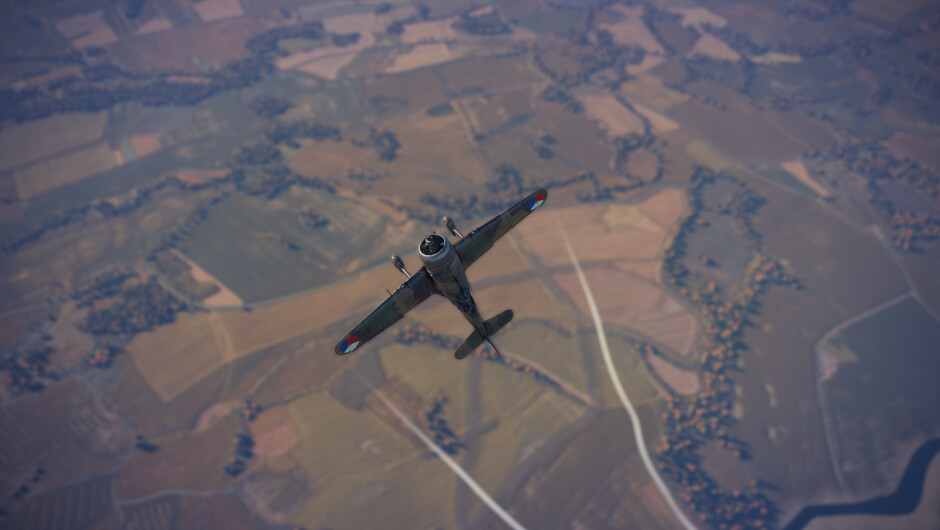
In ground battles, the Fokker D.XXI is pretty much useless as it cannot carry any ground ordnance and is armed with only 7.92 mm machine guns, which cannot damage ground targets except for open-top vehicles.
Enemies worth noting:
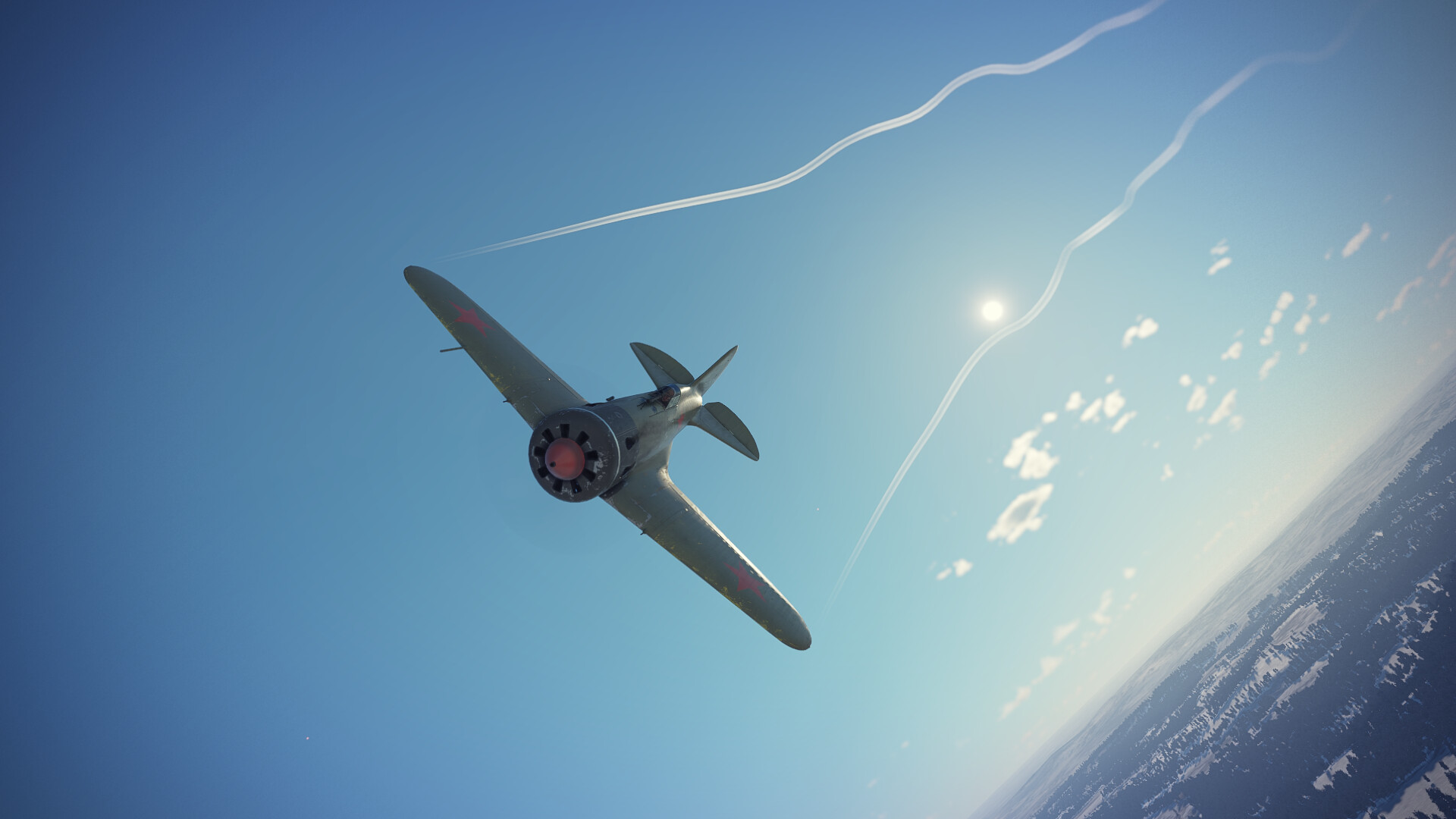
I-153 and I-16 → Early Soviet planes like the I-153 and I-16 can be very dangerous as their dogfight capabilities are exceptional (especially their turn rate). Their armament may seem weak with only four 7.62 mm ShKAS machine guns, but their insane rate of fire will shred your wings very easily. It is recommended to engage them with an ally, as they can easily win in 1v1 engagements.
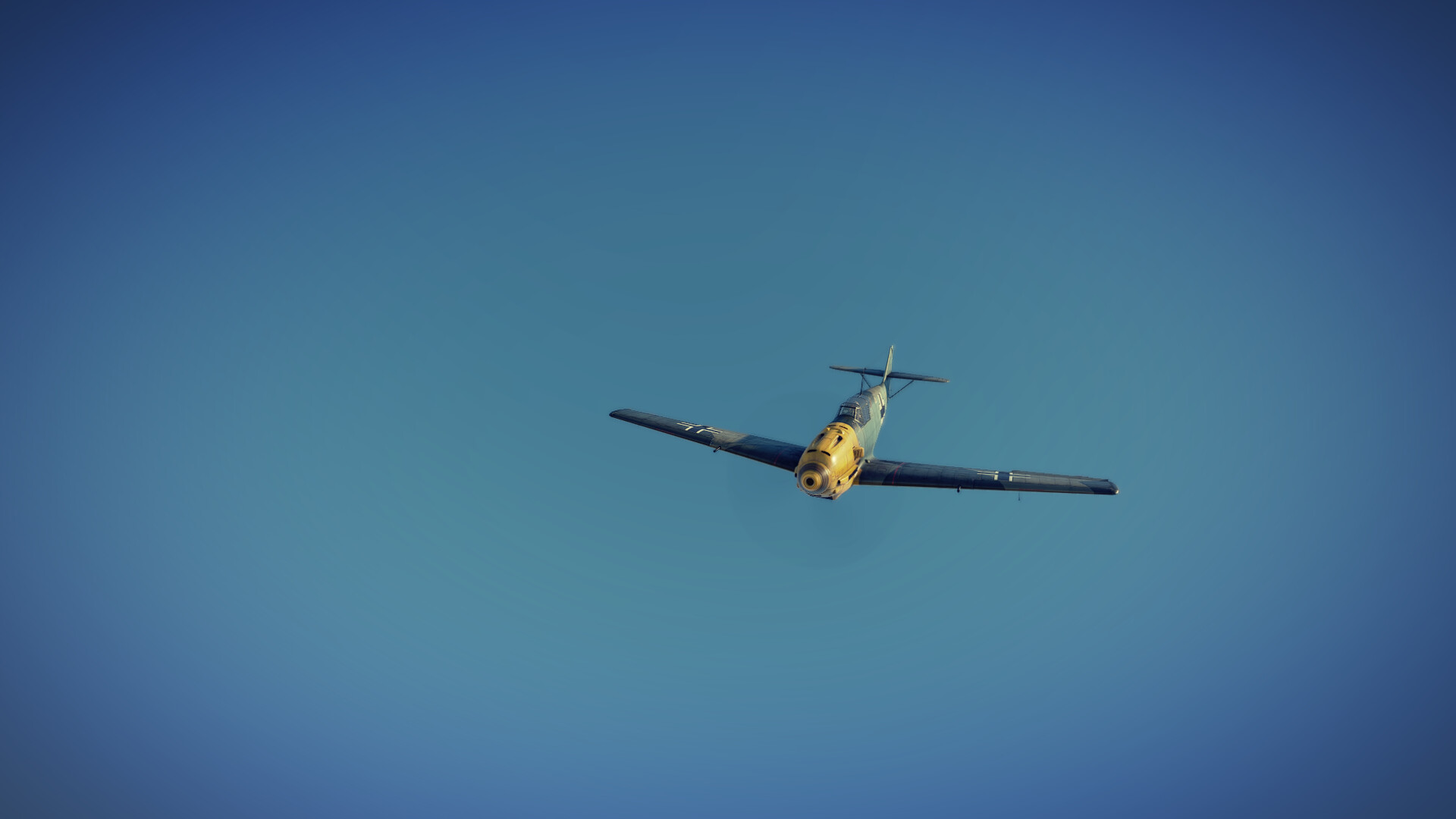
Yak-1, MiG-3-15 and Bf 109 E → As mentioned previously, the Yak-1, early Bf 109 Es and MiG-3-15 are the opposite of you: worse maneuverability but much more powerful engines and firepower. In a dogfight, avoid letting them land a hit on you, as their 20 mm or 12.7 mm will cause severe damage. Try to reverse them by flying much slower (but not too slow to stall) and try to stay behind them as much as possible, as you won’t be able to take them out with a single burst.
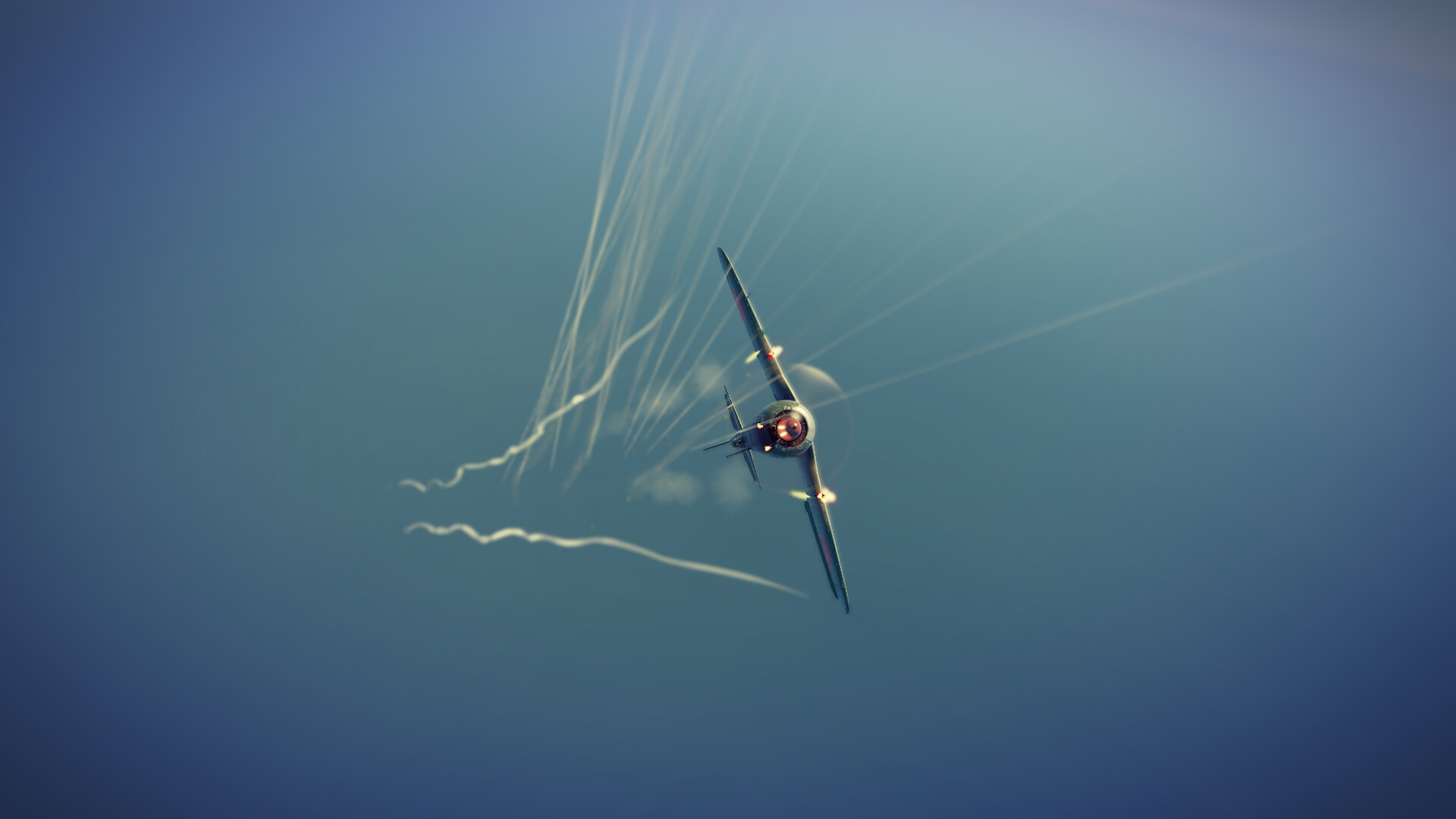
Ki-44 → The Ki-44 will be your worst nightmare. It is better than you in every way. Its engine is much more powerful at any altitude, its armament of 12.7 mm machine guns is capable of shredding your wings with a single hit, and its turn speed (even though slightly worse) will still be dangerous, as it can fight vertically, which you can’t with your engine power. The only advice is not to engage them, or at least not alone.
History
The N.V. Koninklijke Nederlandse Vliegtuigenfabriek Fokker was one of the most important aircraft manufacturers during WW1, producing fighters such as the Fokker Dr.I and D.VII. After the war, Anthony Fokker fled to the Netherlands and expanded into commercial monoplanes while continuing fighter development, including the D.XVI for the LVA.
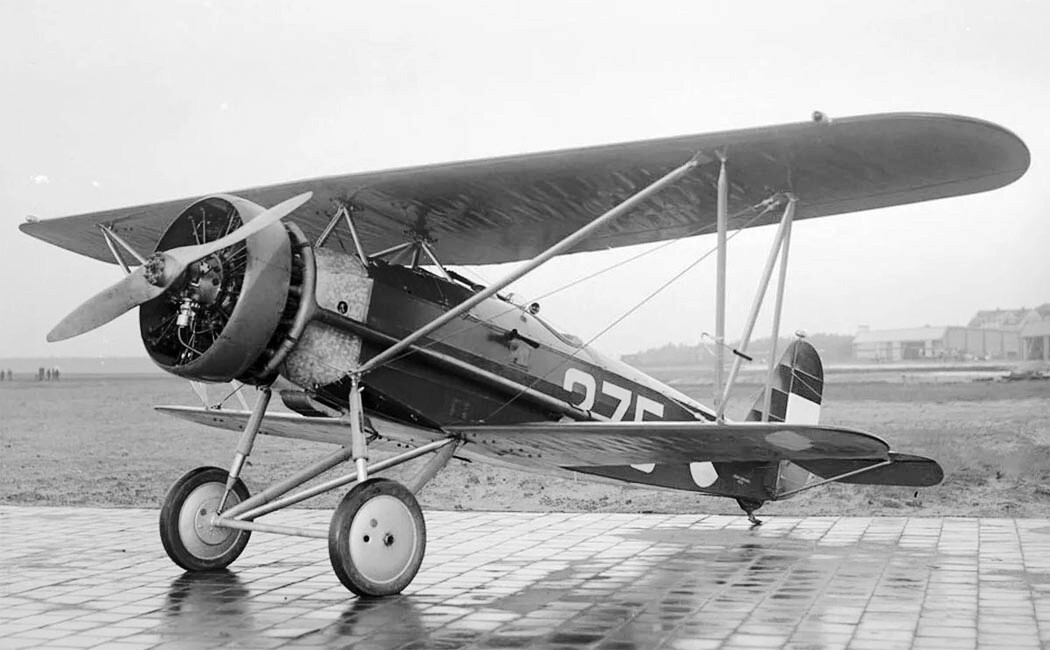
In May 1934, the LA-KNIL issued a requirement for a new fighter. It required a speed of 410 km/h with a fixed undercarriage and mixed construction. The original armament plan included a 12.7 mm fuselage-mounted machine gun and two wing guns adjustable by ten degrees upward and sideways, a requirement that was thankfully later dropped. Fokker’s research bureau, led by Eric Schatzki, proposed the D.XIX in June 1934. It was a refined D.XVII with a closed cockpit, wheel fairings, and a Rolls-Royce Goshawk engine, but its estimated 395 km/h led the LA-KNIL to reject it.
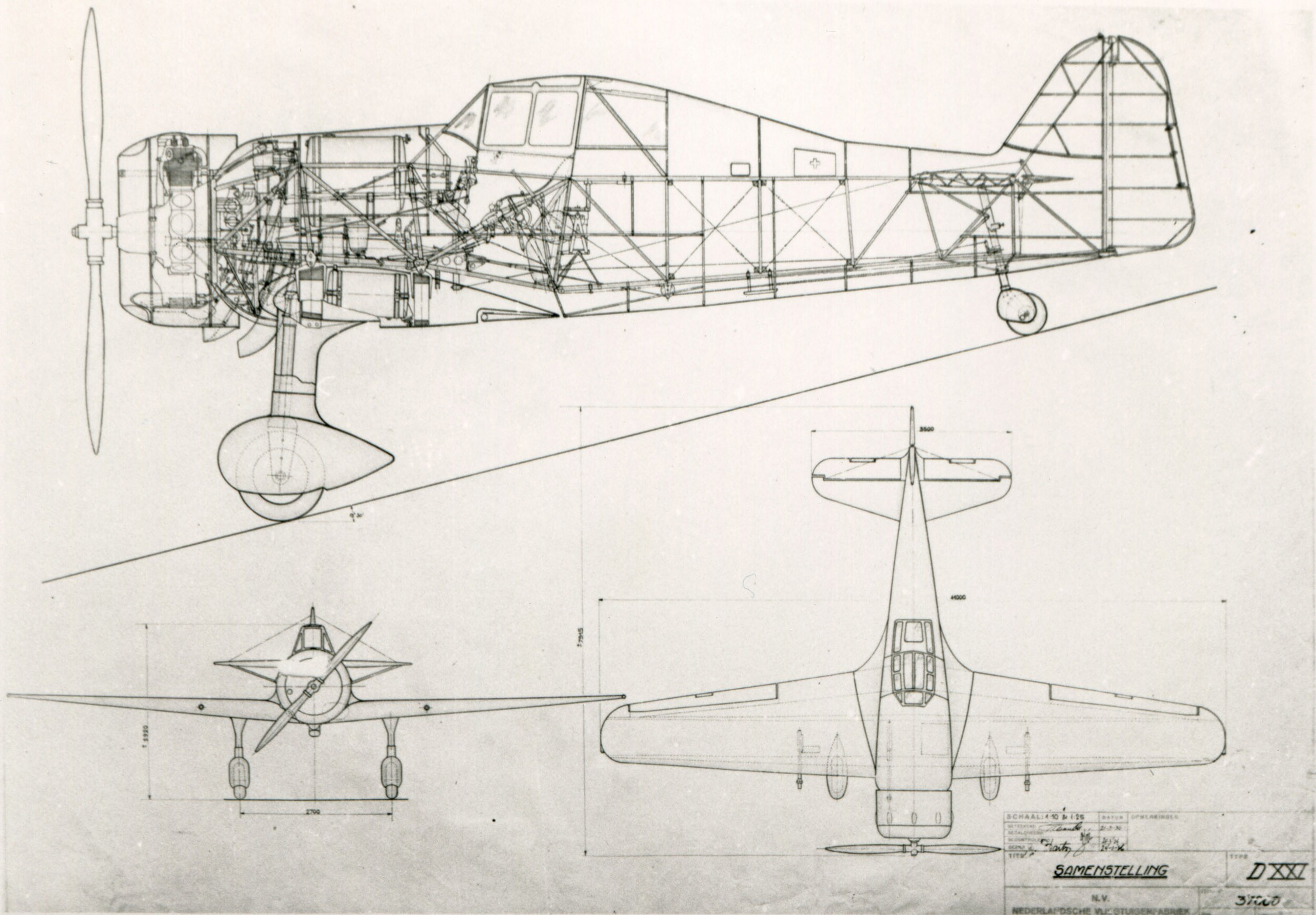
Following this rejection, the LA-KNIL shifted interest to Ontwerp 112, a low-wing monoplane. Originally intended for a Rolls-Royce Kestrel or Hispano-Suiza 12Y, a 1935 telegram mandated a radial air-cooled engine, leading to the Bristol Mercury. This design was eventually designated D.XXI (D.21).
On 4 June 1935, a prototype contract was signed for 63,350 guilders. Despite a tight deadline, the prototype was completed in February 1936. On 27 February, pilot Emil Meinecke made the first flight at Eindhoven-Welschap. The aircraft was 8 m long with an 11 m span, powered by a 645 hp Bristol Mercury VIS, and armed with two Vickers and one 12.7 mm Colt-Browning. Meinecke praised its handling. The LA-KNIL nonetheless cancelled its order to prioritise bombers like the Martin 139 B-10, and the LVA showed little interest. Further modifications included a new rudder and three-blade propeller, and test flights remained positive.
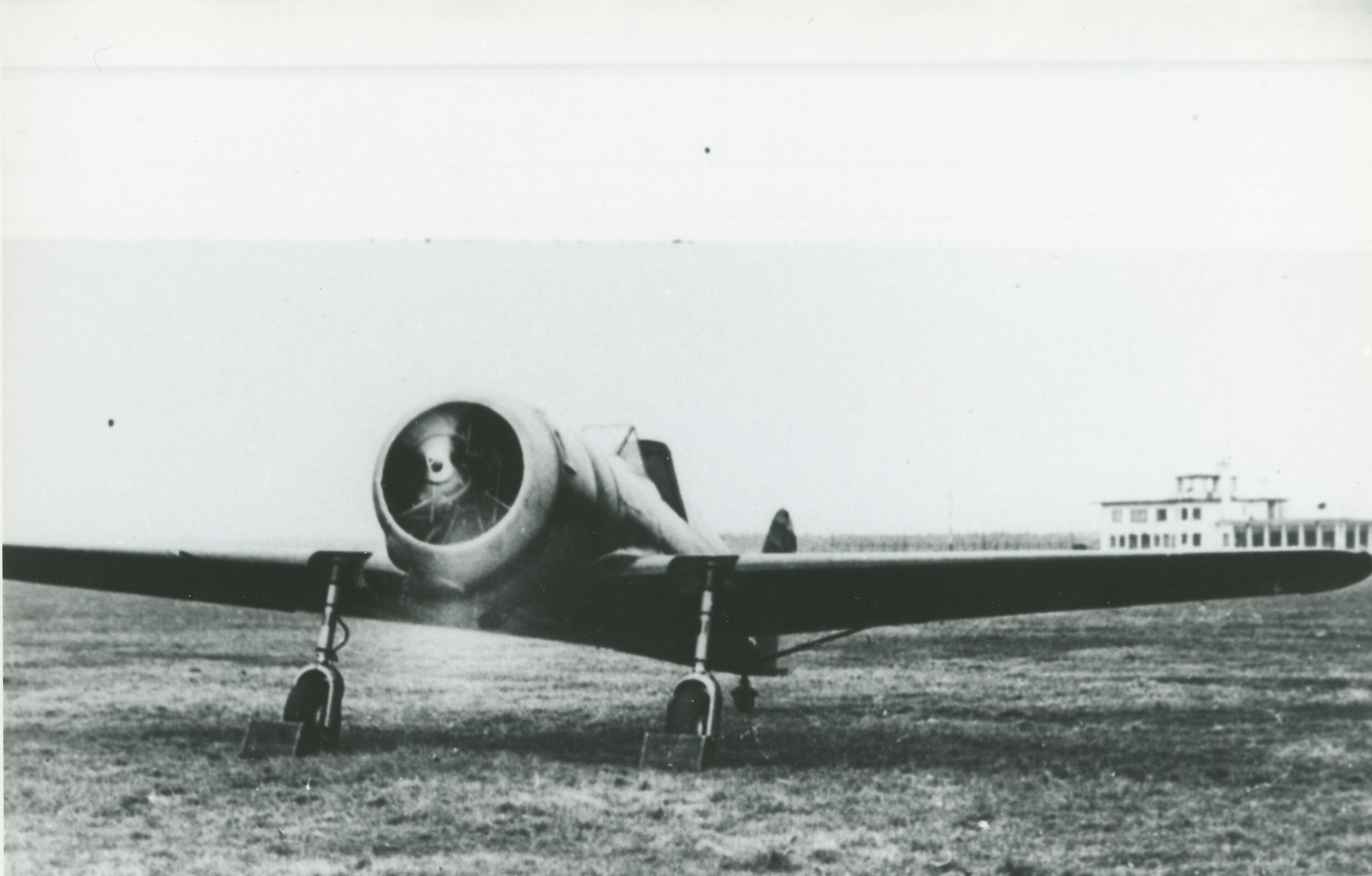
At ILIS 1936 (Stockholm International Aviation Exhibition) in Stockholm, Fokker showcased the D.21 with multiple engine and gear options, and four machine guns. Finland, already operating Fokker C.10s with Mercury engines, ordered 7 D.21s on 18 November 1936—the first export success. Denmark followed with 2 aircraft and a licence in July 1937, and Spain secretly ordered 50. The LVA, in need of modernisation, also began considering the type, and Fokker commenced production in 1937.
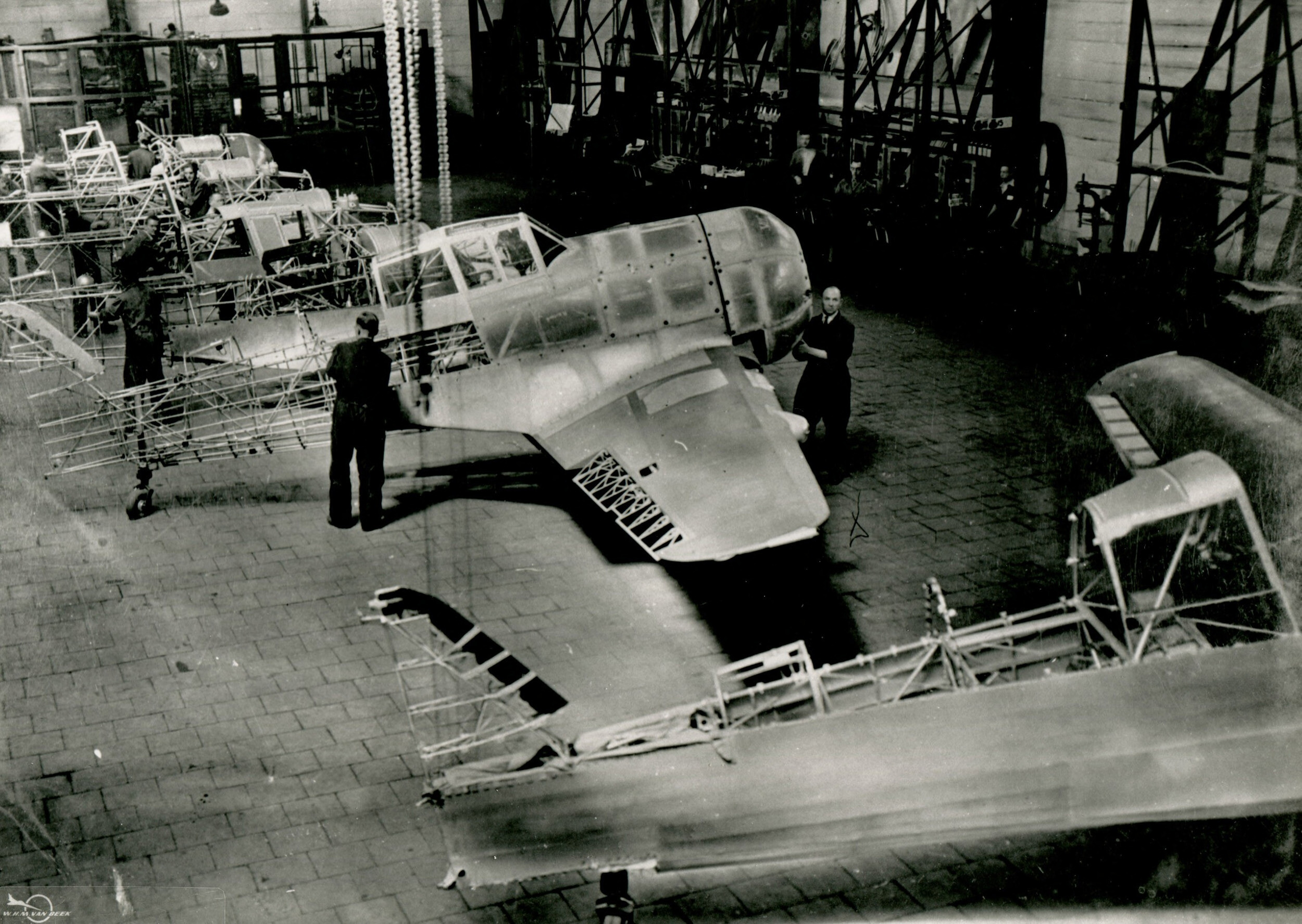
In July 1937, the first production D.21s flew. Finnish pilots tested them and reported positively. The 7 Finnish aircraft arrived in November 1937. They failed to reach Fokker’s promised 460 km/h, achieving only 418 km/h, partly due to Finnish modifications including a Ratier propeller.
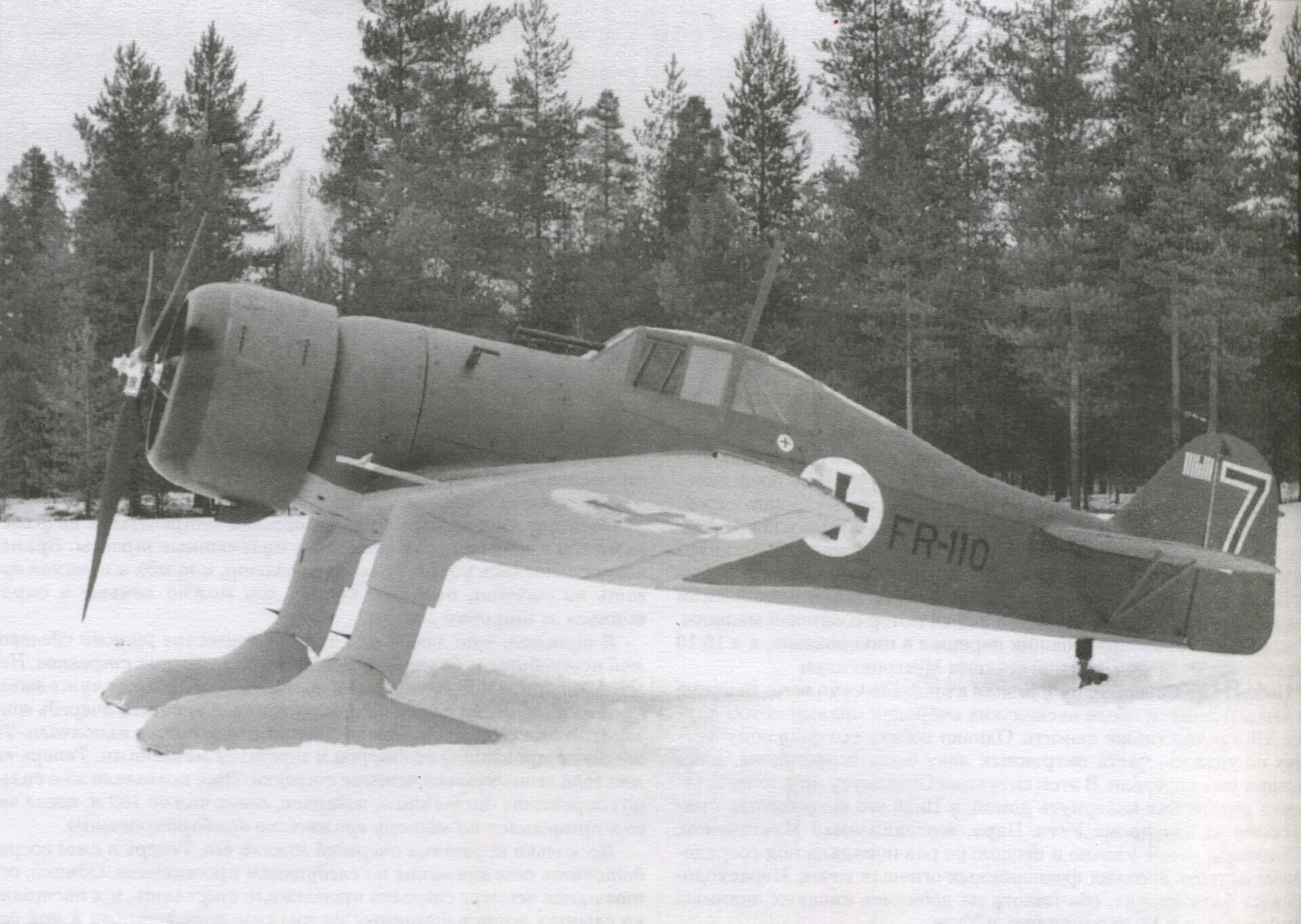
A year after their initial order, Finland received its first Fokker D.XXI, named FR-76, at Utti Air Base. The Finnish government planned a few modifications, including the mounting of underwing 20 mm cannons and ski landing gear for taking off on snow-covered airfields.
On 29 December 1937, the Netherlands ordered 36 D.21s and 36 G.I.s. These Dutch D.21s featured Hamilton propellers and Mercury VIII engines. On 26 May 1938, the first LVA D.21 (212) flew, reaching 446 km/h with full equipment.
The LA-KNIL prototype was shipped to Java in 1937 but saw little use and was likely destroyed in 1942. The D.21 first saw combat in the Winter War. By November 1939, Finland had 45 D.21s, mostly licence-built. The first victory came on 1 December 1939. The type earned respect and the nickname “Ukkomokkeri”. Twelve were lost, half to accidents. In 1941, Finland ordered 50 more, now powered by the Pratt & Whitney R-1535 due to Mercury engine shortages. The D.21 remained in Finnish service until 1949.
During the German invasion of the Netherlands in May 1940, only 28 D.21s were operational. They claimed several victories, including a Ju 88 and Bf 109s, but suffered heavy losses. By the end of the five-day campaign, only 8 remained airworthy. Despite this, Dutch pilots destroyed 18 Ju 52s and achieved 15 confirmed kills.
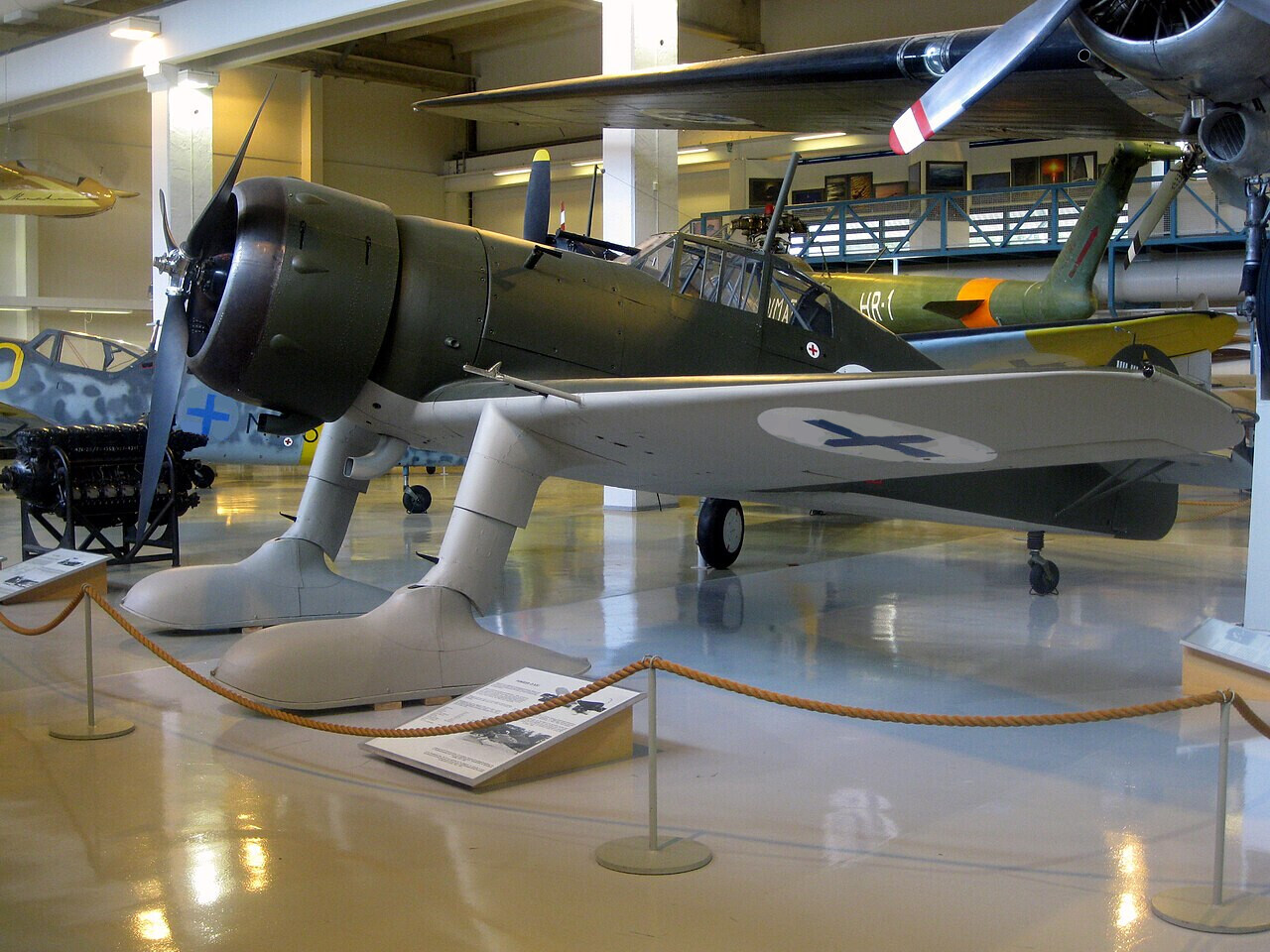
80 years later, not many D.21s still exist. An original Finnish D.21 is displayed at the Finnish Air Force Museum, the FR-110. It was restored after approximately 10,000 man-hours and, during its service, achieved a total of 9 victories.
The only remaining airworthy D.21 is a replica built by Jack van Egmond after a decade. Marked as “229” it made its first flight on July 8, 2023.
For a much more complete historical article, go check out the one made by Thomas_Belgium who did an incredible work.
Sources
- Aircraft Profiles — The Fokker D.XXI
- Fokker D.XXI Aces of World War 2 — Kari Stenman; Peter de Jong
- Le Fokker D.21 — Peter De Jong (french traduction)