#howitzers
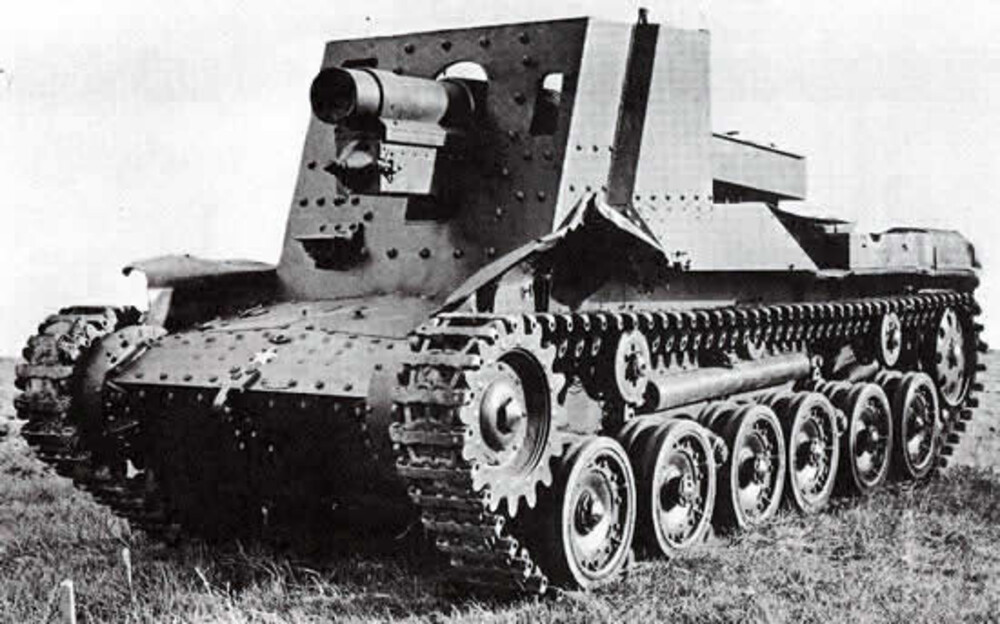
The Type 4 15 cm self-propelled gun Ho-Ro (日本語: 四式十五糎自走砲 ホロ, Imperial Japanese Army Type 4 15 cm self-propelled gun Ho-Ro) was a self-propelled gun (SPG) used by the Imperial Japanese Army during WW2. It was built on the existing chassis of the Chi-Ha medium tank. It was hurried into service, and arrived at the front lines too late to make any lasting impact on Japan’s war effort.

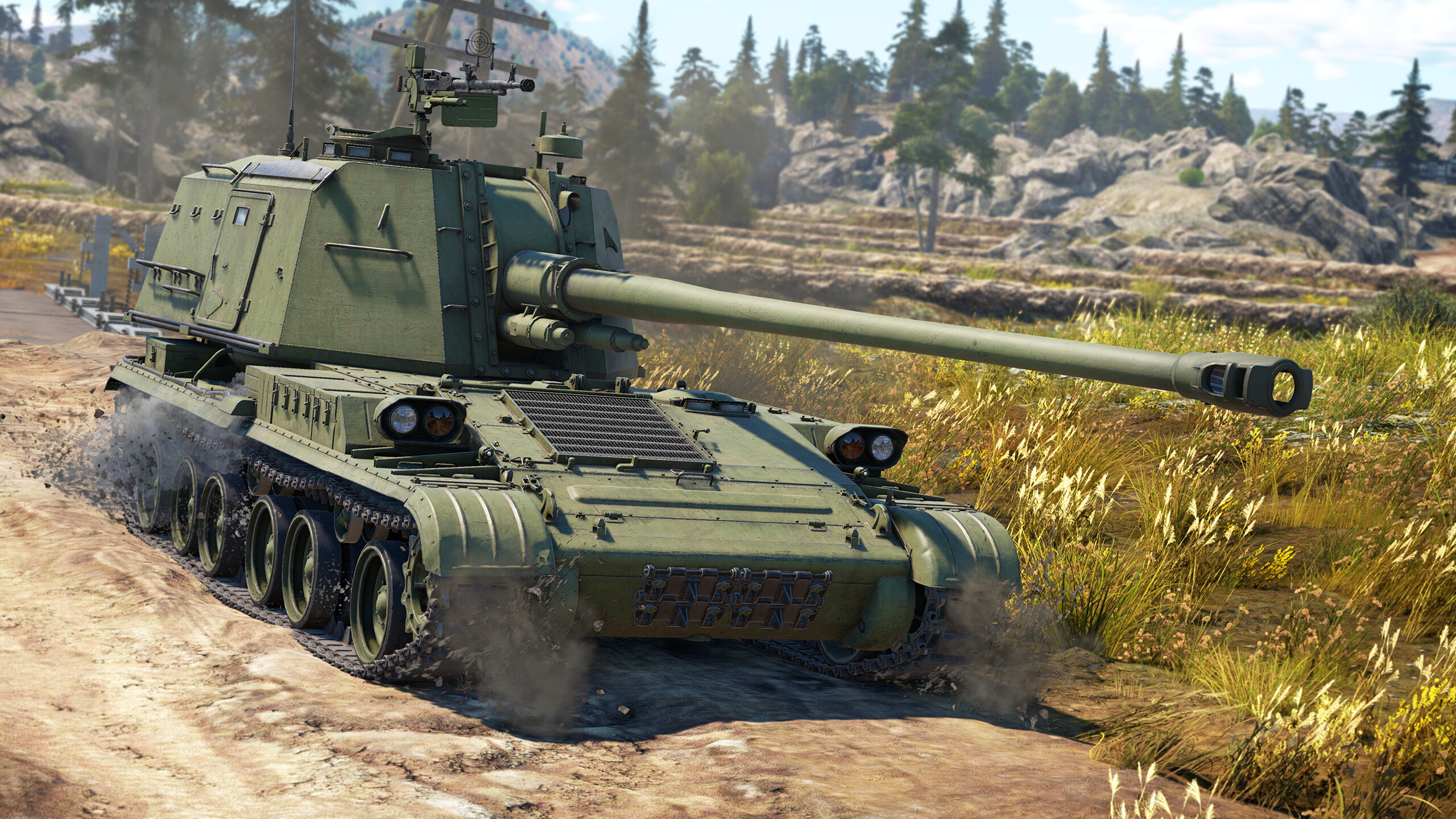
Only the Chinese military could equip the same self-propelled artillery platform with both a powerful 152mm howitzer and an equally formidable 130mm gun. Both vehicles can be characterized as “glass cannons”: despite their formidable firepower, these self-propelled guns possess minimal armor protection. But how, then, can one unlock their full potential and become the most dangerous armored vehicle on the battlefield?

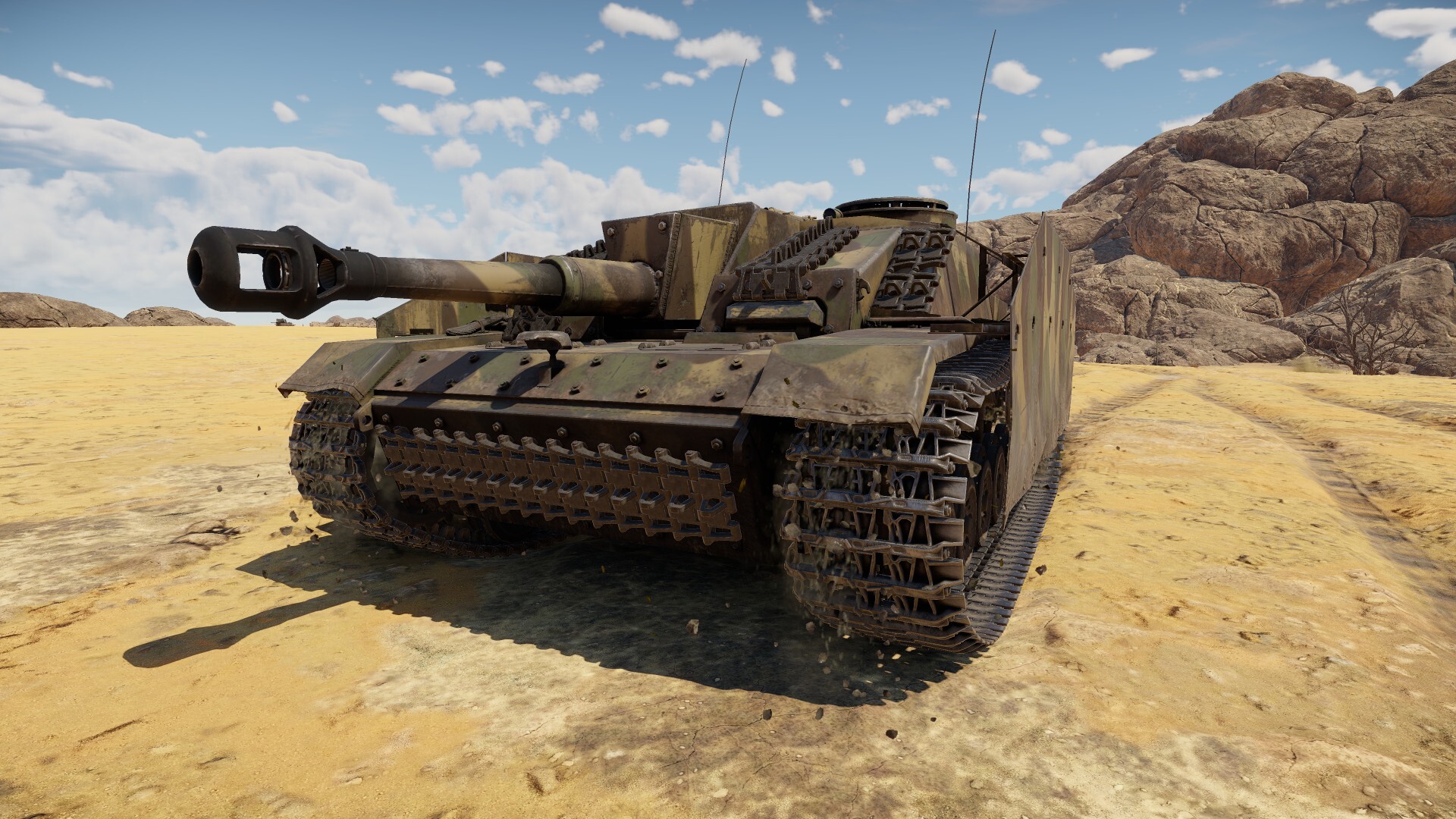
This guide is about the history to the 10,5 cm StuH 42 L/28. These guns were the mainstay of the German Army, from prewar till the very end. With performance upgrades along its life, it was effectively used in a multitude of roles such as direct support/assault artillery fire and counter artillery. The close up field support was effective against structures, infantry and tanks using a wide array of ammo types. It was only late in the war to be replaced by longer barreled variants such as L/30 and L/35. Being a formidable gun both in-game as well as IRL. It was used on all fronts, upgraded over time and used by multiple nations.

As the representation of PLAGF transformation from Warsaw Pact caliber to NATO caliber howitzer, the PLZ05 is the earlier variant of its family with basic digitized equipment. The hybrid of Russian carousel autoloader and NATO caliber howitzer is what makes PLZ05 unique among its counterparts; the introduction of this artillery piece also fills a gap in Chinese tech-tree with a long-anticipated SPH equivalent to NATO counterparts.
