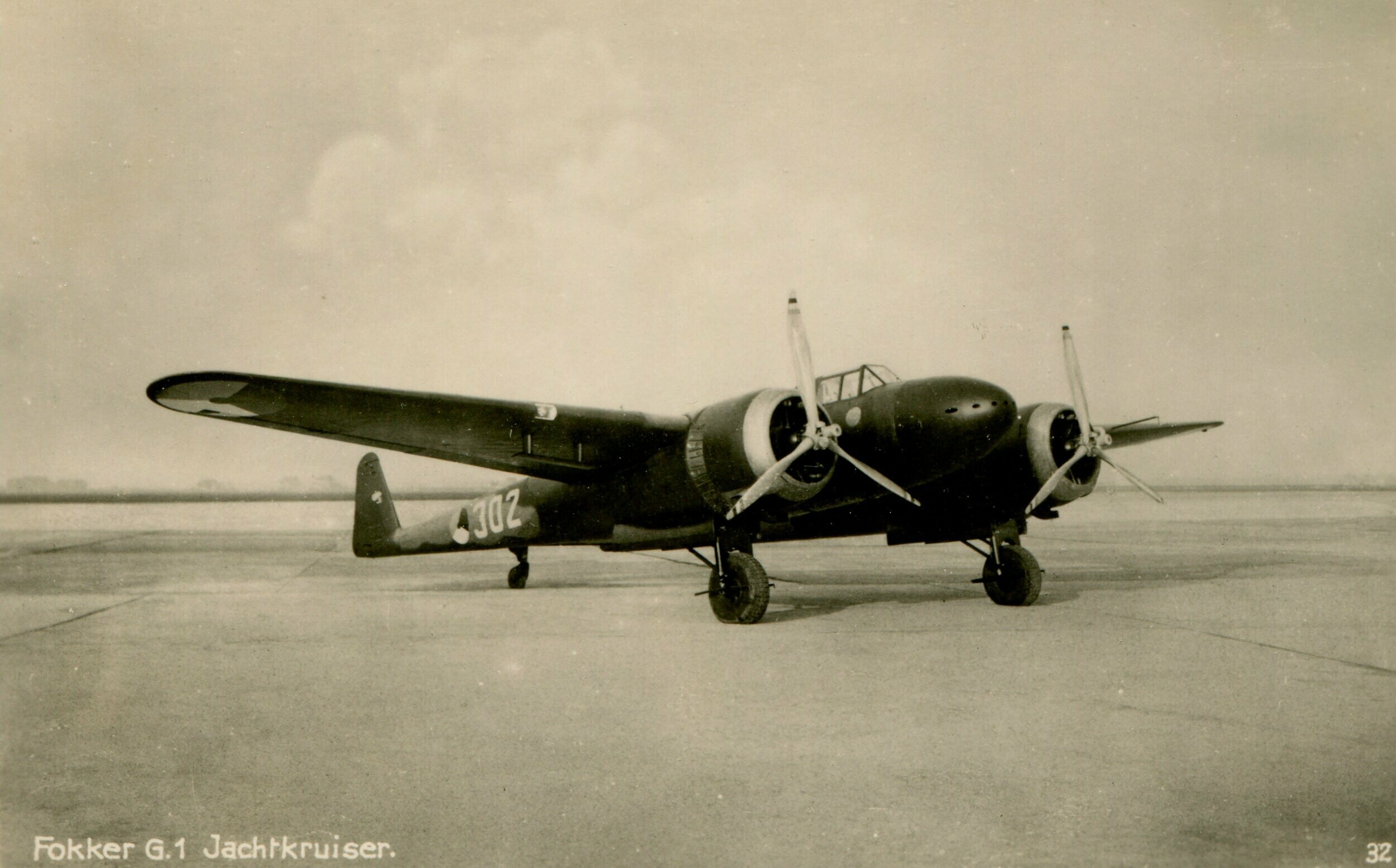
The Fokker G-1 Jachtkruiser was one of the most ambitious aircraft ever developed for the Dutch armed forces in the years preceding the Second World War. Designed in 1934 by engineers Marius Beeling and Erich Schatzki at Fokker, the twin-engined, twin-boom fighter was conceived as a heavily armed multi-role “fighter-cruiser” capable of bomber interception and ground attack. Its distinctive configuration and concentration of nose-mounted firepower made it a technological statement for Dutch aviation. Adopted by the Luchtvaartafdeling (LVA) as the G-1 Mercury variant powered by Bristol Mercury engines, the aircraft entered service only months before the German invasion in May 1940, where it would briefly but fiercely demonstrate its combat potential.
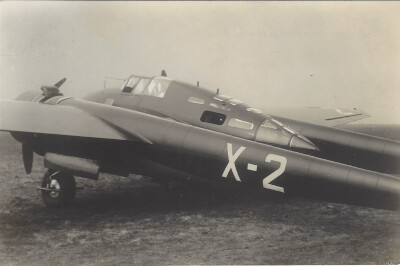
The G-1’s distinctive twin-boom configuration and its heavy concentration of forward-firing machine guns made the design particularly striking. When the aircraft was presented at the 15th Paris Air Salon in 1936, it caused a considerable sensation. French observers quickly gave it the nickname “Le Faucheur”, as will be discussed later.
Although only a limited number of aircraft were completed and the type entered service shortly before the German invasion of the Netherlands in May 1940, the G-1 nevertheless saw operational use during the Battle of the Netherlands. Together with the Fokker D.XXI, it was among the few Dutch fighter aircraft capable of offering meaningful resistance to the Luftwaffe during the opening days of the Second World War.
Operational history
Aircraft Distribution Before May 1940
Neutrality Patrols
The Whitley Incident (March 1940)
German Invasion
Combat Over Waalhaven
Subsequent Combat Operations
The Final Days: 14 May 1940
German Evaluation and use of the Fokker G-1
The Famous Escape Attempt
The End of the G-1
Fate of the G-1
Fokker G-1 Mercury (G.1A), Serials, Units & Fate
Fokker G-1 Wasp (G.1B), Serials, Units & Fate
Modern Reconstruction
Origins of the Jachtkruiser Concept
During the early 1930s, military aviation doctrine in many countries began emphasizing the importance of strategic bombing and long-range aerial warfare. Air forces increasingly anticipated large formations of bombers operating deep behind enemy lines. To counter these threats, aircraft designers explored the concept of heavily armed multi-engine fighters capable of intercepting bombers at long range.
This idea produced a new category of aircraft often referred to as heavy fighters or fighter cruisers. These aircraft were intended to carry heavier armament and longer fuel endurance than conventional single-engine fighters while also providing greater stability as gun platforms.
Several nations experimented with such aircraft during the decade. Germany developed the Messerschmitt Bf 110 (the “Zerstörer”), France produced the Potez 630 series, and the Netherlands entered the field with the Fokker G-1 family.
Design and Construction
The G-1’s most distinctive feature was its twin-boom configuration, in which two tail booms extended rearward from the engine nacelles to support twin vertical stabilizers connected by a horizontal tailplane. The crew were located in a compact central nacelle between the engines.
This layout offered several advantages. By placing the cockpit in a central fuselage pod, the designers were able to dedicate the entire nose of the aircraft to forward-firing armament. This arrangement allowed all offensive weapons to be concentrated along the aircraft’s centerline, eliminating the need for convergence adjustments required with wing-mounted guns.
The aircraft employed mixed construction, a characteristic feature of many Fokker designs of the period. The wings and central fuselage section were constructed primarily from wood, while the forward fuselage incorporated a welded steel-tube framework. Aluminium was used for the nose and the twin tail booms.
This combination allowed the aircraft to remain relatively lightweight while still maintaining structural strength and ease of repair.
The commonly used ‘G.1A’ and ‘G.1B’ designations are postwar and modern conventions and were not used in contemporary Dutch documentation:
As an introduction, it is necessary to clarify the terminology used to distinguish between the various versions of the Fokker G-1. The designation of Fokker aircraft has historically been inconsistent, both within company documentation and in later literature, which has led to a degree of confusion.
Early sources refer to the aircraft variously as G.1, G.I, G I, and G-1, reflecting the absence of a standardised naming convention. This inconsistency has its roots in earlier German practice during the First World War, where type letters, such as “G” for Grossflugzeug (twin-engined aircraft), were combined with Roman numerals, sometimes separated by a space or a full stop. After Fokker relocated to the Netherlands in 1919, elements of this system were retained, but without strict standardisation. By the 1930s, both punctuation and numbering formats were used interchangeably in manuals, promotional material, orders from governments and internal design blueprints.
For the sake of clarity and consistency, this article will adopt the designation “G-1”, as it’s most common in both internal Fokker and declassified Dutch government sources from the late 1930s.
Post-war terms such as “G-1A” / G.1A” and “G-1B” / “G.1B” are not found in original documentation and are therefore avoided. Instead, the variants are distinguished following contemporary Fokker usage, primarily by engine type:
- G-1 Hispano — the original prototype fitted with Hispano-Suiza engines
- G-1 Wasp — the modified prototype and eventual first serie production equipped with Pratt & Whitney Twin Wasp Junior engines
- G-1 Mercury — the main production version powered by Bristol Mercury engines
Prototype Development
Following the publication of the French specifications for a heavily armed twin-engined fighter, Fokker began work, under conditions of strict secrecy, on a corresponding design known as Ontwerp 129. The project was led by chief designer Dr. Erich Schatzki, assisted by engineer M. Beeling. The concept centred on a two-seat “fighter-cruiser”, intended to combine the speed and offensive capability of a single-seat fighter with the greater operational flexibility and combat value of a two-seat aircraft.
The design evolved rapidly. Early proposals equipped the aircraft with Renault inline engines, but these were soon replaced by more powerful radial and ultimately Hispano-Suiza engines delivering up to 750 hp. Correspondingly, the aircraft increased in size and projected performance, with the aim of surpassing contemporary foreign designs.
From Ontwerp 129 to the Fokker G-1 Hispano
Within approximately seven months, a prototype was constructed in a sealed-off section of the Fokker factory in Amsterdam-Noord. This aircraft, later designated the Fokker G-1 Hispano, featured an unconventional twin-boom configuration with a central nacelle. It was developed entirely at Fokker’s expense and in accordance with the latest contemporary military thinking.
Although incomplete, the prototype was presented at the Paris Air Salon in November 1936. There, it attracted considerable international attention owing to its distinctive layout and formidable armament. Marketed as a “fighter-cruiser”, it was informally dubbed Le Faucheur (“De Maaier”). The working armament of two 23 mm Madsen and two 7.92 mm FN-Browning machine guns impressed onlookers.
Following the exhibition, the aircraft was returned to the Netherlands for completion. Delays in the delivery of engines and propellers postponed the first flight, which ultimately took place on 16 March 1937 at Welschap airfield near Eindhoven. The maiden flight, conducted by test pilot Karel Mareš, was successful, with the aircraft demonstrating favourable handling characteristics.
Testing and development
Subsequent flight testing revealed a number of technical shortcomings, particularly concerning the Hispano-Suiza engines. Persistent issues with overheating, oil leakage, and cooling efficiency necessitated repeated modifications. Additional refinements were made to the airframe and systems, including adjustments to aerodynamic features, landing gear mechanisms, and cockpit arrangements.
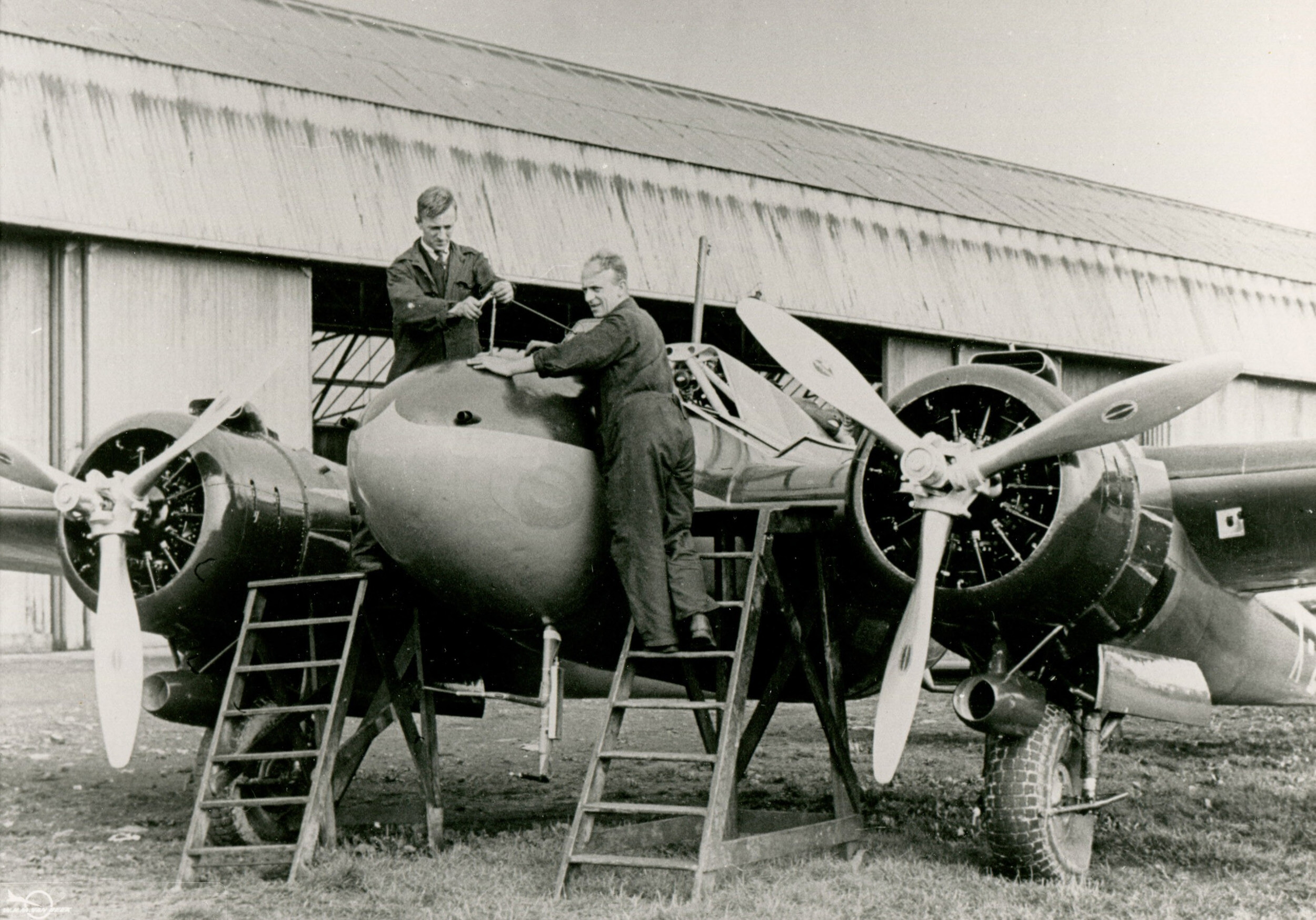
Despite these difficulties, the aircraft underwent an intensive testing and demonstration programme, both for domestic authorities and foreign delegations. Its versatility was evident: the G-1 could operate effectively as a fighter, light bomber, or reconnaissance aircraft, and possessed unusually heavy armament for its class.
Following an accident during demonstration flights and ongoing engine-related problems, it was decided to undertake a major redesign. In 1938, the Hispano-Suiza engines were replaced with more reliable Pratt & Whitney Twin Wasp Junior radial engines. This conversion required structural modifications, most notably the extension of the tail booms by 30 cm to compensate for a shift in the centre of gravity.
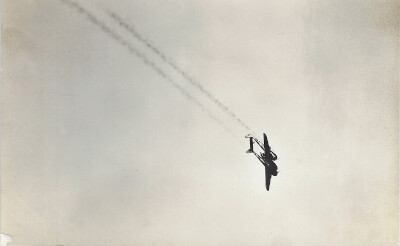
Testing continued through late 1938 and into 1939, with ongoing refinements to systems such as engine cooling, hydraulics, and flight stability. Although the total flying time of the prototype remained limited, it provided valuable data for further development.
By this stage, however, the prototype’s importance had diminished as improved production-standard G-1 aircraft became available, particularly those tailored to export customers such as Spain. The prototype itself remained a developmental platform and did not enter operational service.
Consequently, Fokker began modifying the aircraft to accommodate alternative powerplants, leading to the development of two principal production variants:
Production Variants
G-1 Mercury (G.1A)
Although counterintuitive from its modern name G.1A, the Fokker G-1 Mercury is the youngest and most modern variant of the Fokker G-1 family. The larger version adopted by the Dutch Luchtvaartafdeling was powered by Bristol Mercury VIII radial engines, each producing approximately 830 horsepower.
This variant became known as the G-1 Mercury, later designated G.1A by several historians as discussed here.
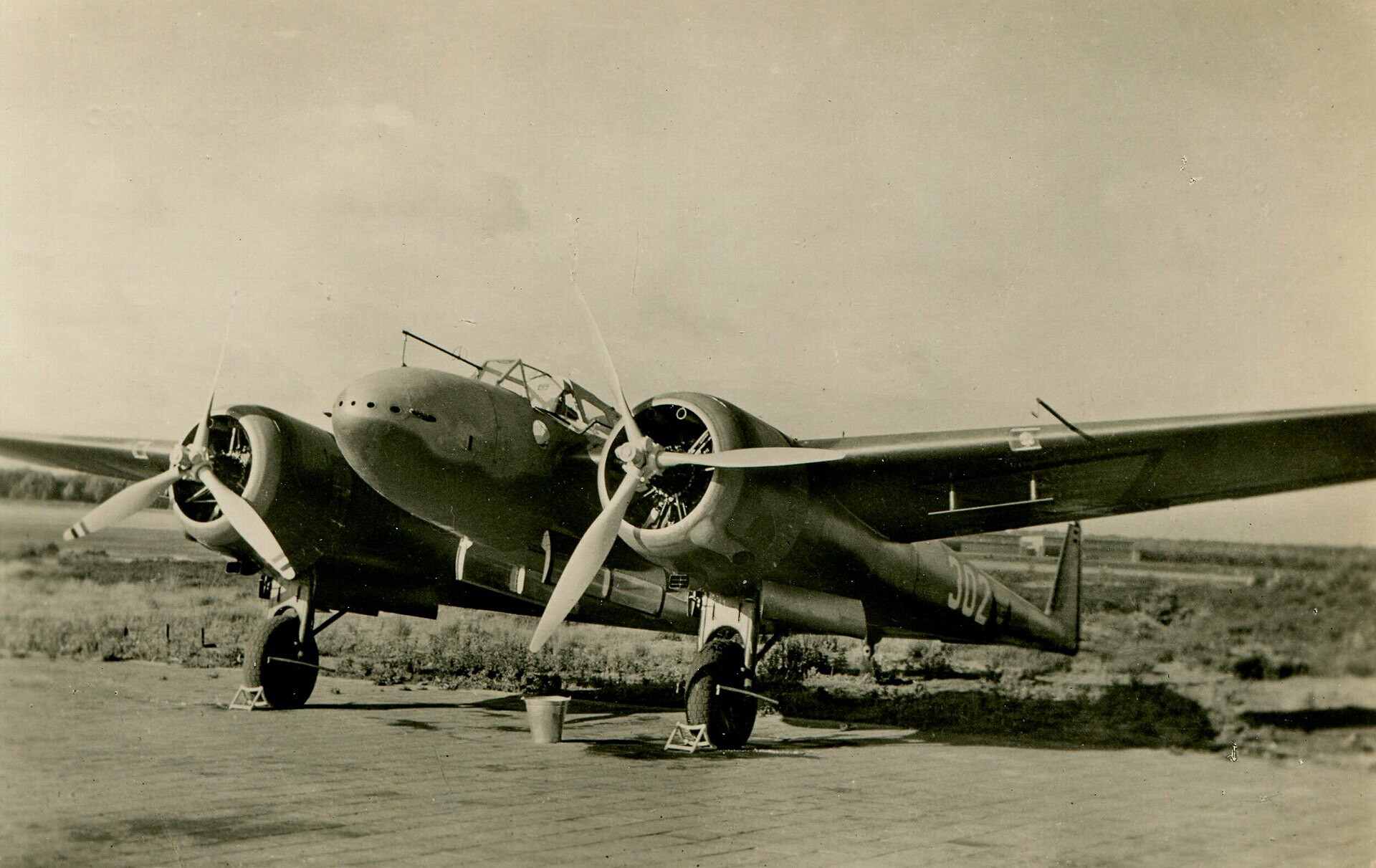
The G-1 Mercury differed significantly from earlier G-1 variants, both in appearance and internal structure. The previous concept of aligning the fuselage centerline with the engines was abandoned. Instead, the engine tops were aligned with the earlier Hispano-Suiza and Wasp installations, while the larger diameter of the Mercury engines raised both the wings and the fuselage. This change altered the angle of incidence with the ground, which was corrected by lengthening the tail booms.
Other modifications included a slight increase in wingspan, from 16.90 m to 17.16 m, and wing area, from 36.8 m² to 38.3 m². The distance between engines increased from 4.40 m to 4.63 m, and the propeller diameter grew from 3.10 m to 3.28 m. Tailplanes were redesigned, and the internal wing structure was modified: the forward spar remained straight, while the rear spar had a horizontal kink near the engines, allowing for a larger spar spacing in the wing center section. The fuselage fuel tank was removed, with the two wing tanks providing increased total capacity. These refinements increased the aircraft’s maximum speed slightly, from 470 km/h to 475 km/h, and extended its operational range.
The G-1 Mercury’s most striking armament consisted of eight 7.92 mm FN-Browning machine guns mounted in two horizontal rows in the nose, firing along the aircraft’s centerline. A ninth machine gun was installed in a rear defensive position for the radio operator/gunner. The arrangement required careful planning to fit ammunition belts, allow maintenance access, and withstand the combined recoil forces.
According to accounts from Fokker engineers, the problem quickly became something of a challenge within the design team (the winner could take home the amount of fitted machine guns in large chocolate bars). The nose section of the aircraft was repeatedly redesigned as different gun arrangements were tested. Eventually the solution was found by stacking the guns in two compact horizontal rows within the steel framework of the forward fuselage. Ammunition boxes were positioned behind the guns, feeding belts forward into the breeches while allowing maintenance access through removable panels.
Production for the Netherlands
The Luchtvaartafdeling eventually ordered 36 G-1 Mercury aircraft. These received serial numbers 300 through 335. Deliveries began in 1939, though production progressed more slowly than originally planned.
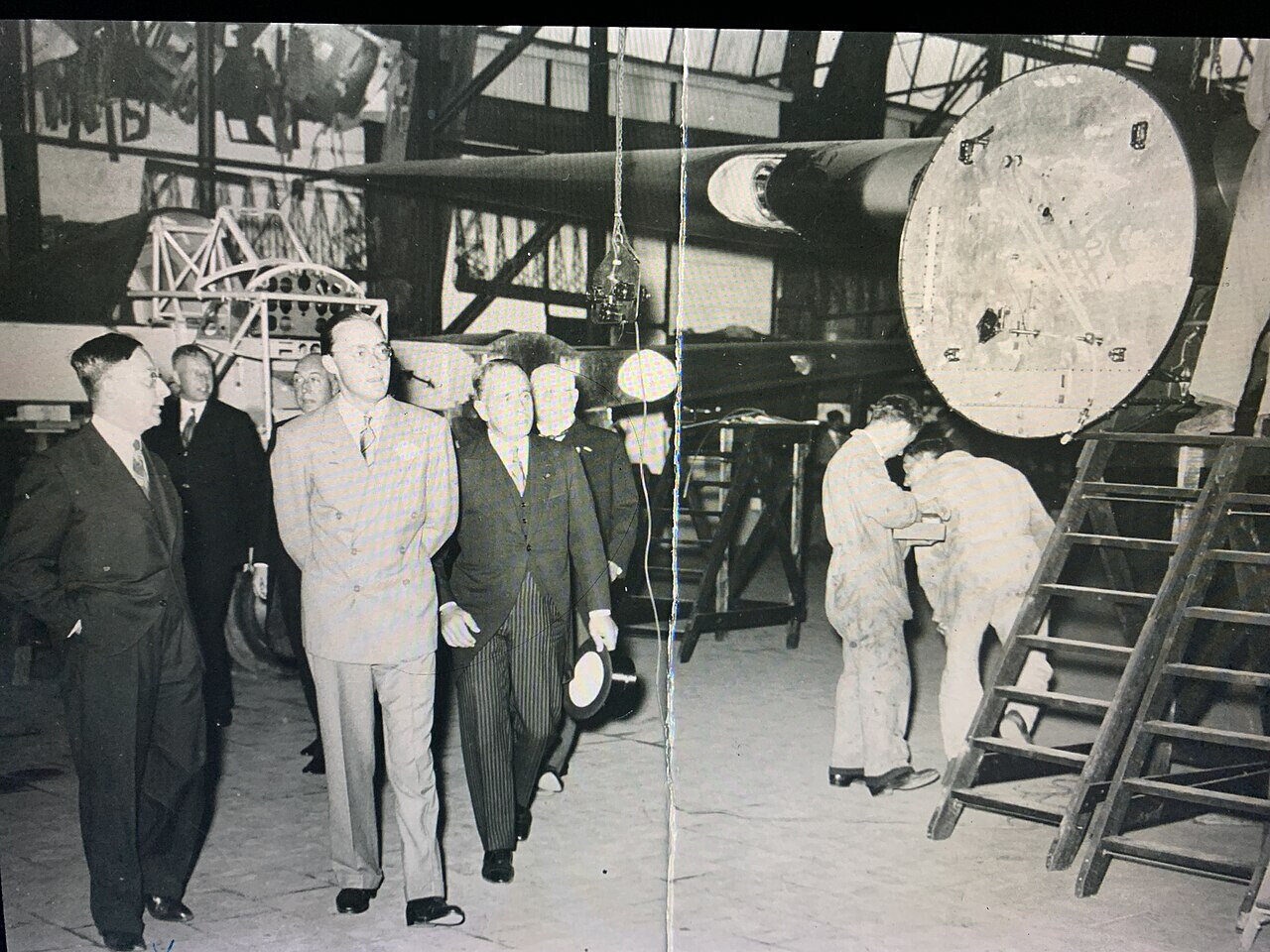
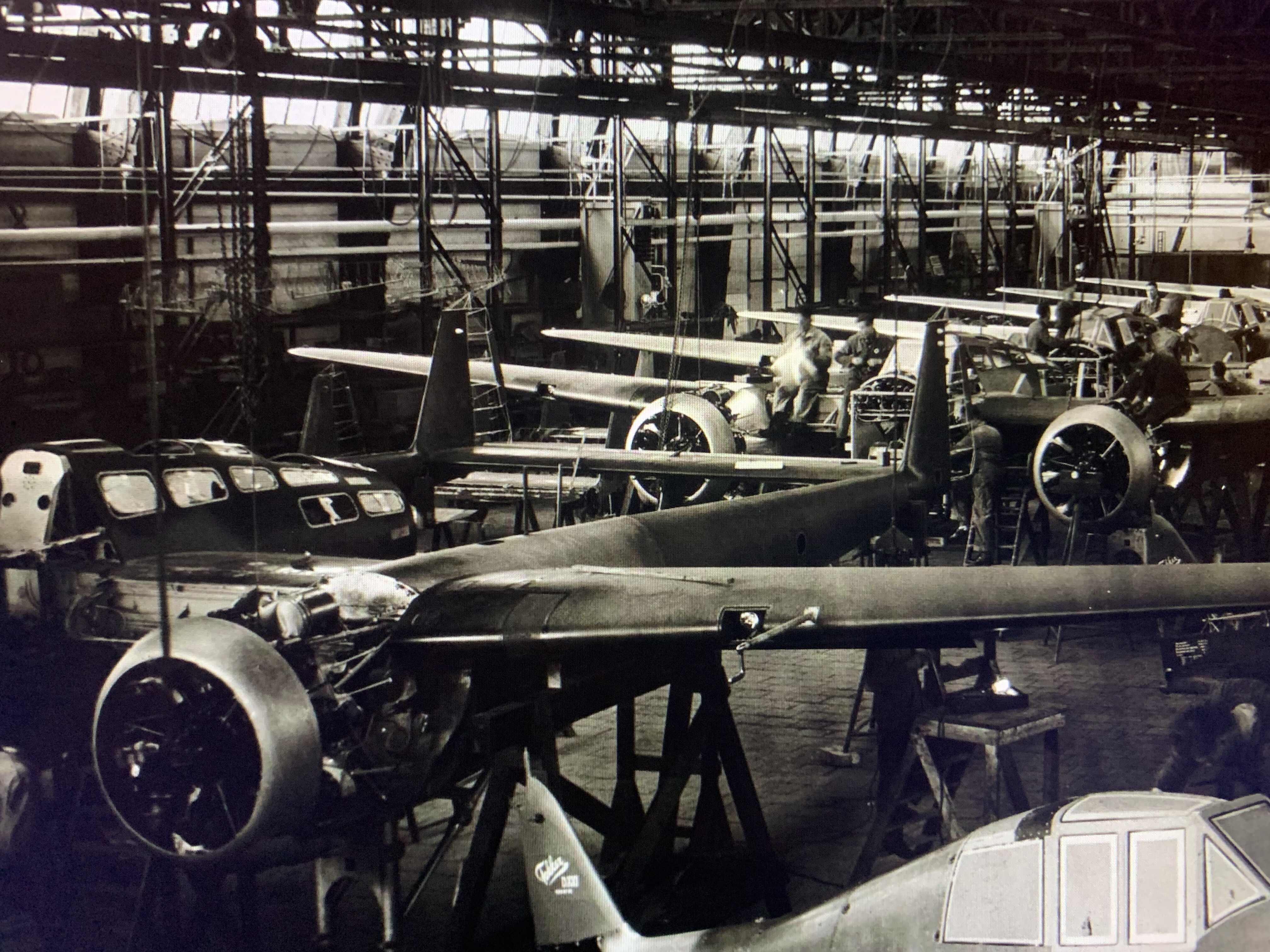
Several factors contributed to these delays. Fokker’s factories were already heavily occupied producing other aircraft types for the Dutch armed forces, including the Fokker D.XXI and the Fokker T.V. Additionally, the relatively complex twin-engine structure of the G-1 required more manufacturing time than simpler aircraft.
As production of the Fokker G-1 Mercury progressed, a number of refinements were introduced to improve reliability, operational safety, and combat effectiveness. The aircraft proved far more complex than earlier Fokker types, such as the D.XXI, and both Fokker and the Dutch Luchtvaartafdeling (ML) had to overcome numerous technical challenges before the aircraft could be considered fully operational.
One of the most critical issues was the installation of the heavy nose armament. The concentration of eight 7.92 mm FN-Browning M.36 machine guns in two horizontal rows created significant recoil forces, requiring careful reinforcement of the steel fuselage frame around the gun mounts. Engineers also faced challenges with ammunition feed and pneumatic loading. Initial test firings revealed that the guns would not load properly, and repeated trials in late 1938 and early 1939 were required to resolve these problems. By mid-1939, both nose and rear armament were fully operational, although the ML initially used slower-firing M.36 guns and temporarily installed M.20 Lewis guns in the tail for lack of immediate availability. These measures ensured that the aircraft could be operated safely and reliably in combat conditions.
Engine installation and performance also demanded extensive attention. The Bristol Mercury VIII engines, delivered between February 1938 and March 1939, were paired with De Havilland adjustable-pitch propellers for the initial test flights. Early test flights revealed issues with engine performance during dives and spins: fuel starvation, tank venting problems, and excessive engine speeds during steep dives could lead to engine fires. Fokker modified the hydraulic systems, introduced calibrated null-throttle injectors, and adjusted propeller operation to improve engine stability at low RPM in spins. These solutions took several months to finalize, with successful dive and spin tests completed by July 1939.
Cockpit and crew ergonomics were also refined based on feedback from pilots and observers. The three-person configuration, pilot, radio operator, and gunner, required careful planning of instrumentation, radios, and communication equipment. Siemens EH.22 telephones and VR 48 radios were installed, and kelemicrophones were tested to facilitate in-flight communication. Modifications to cockpit visibility, control layout, and access were made iteratively during production. In particular, the heavy nose armament made the aircraft nose-heavy, increasing the risk of over-rotation during takeoff. To address safety concerns, later aircraft incorporated reinforced canopy structures and, eventually, provisions for a large, jettisonable Securit canopy to allow crew escape in emergencies.
Other operational improvements included the installation of fire suppression systems. Initial tests used English Essex fire extinguishers, but from mid-1939 the G-1 Mercury was equipped with German Total carbon dioxide extinguishers, one behind each engine in the landing gear compartments. These systems ensured that engine fires could be controlled safely and that emergency landings could be executed without catastrophic risk.
The combination of structural reinforcement, engine and propeller adjustments, improved cockpit ergonomics, and fire safety modifications resulted in a markedly more reliable and effective aircraft. Despite the slow and sometimes hazardous testing process, these iterative improvements allowed the Fokker G-1 Mercury to meet the demanding operational requirements of the ML, ensuring it could function both as a long-range fighter cruiser and, when required, in dive-bombing and reconnaissance roles.
Despite these challenges, the aircraft began entering operational service during 1939.
G-1 Wasp (G.1B)
The Fokker G-1 Wasp, often referred to as the G.1B, was the export-oriented variant of the G-1 family, developed around American-built engines and tailored primarily for foreign customers, most notably the Spanish Republican government. It represented a direct evolution of the original G-1 Hispano prototype, with several early airframes converted from Hispano configuration.
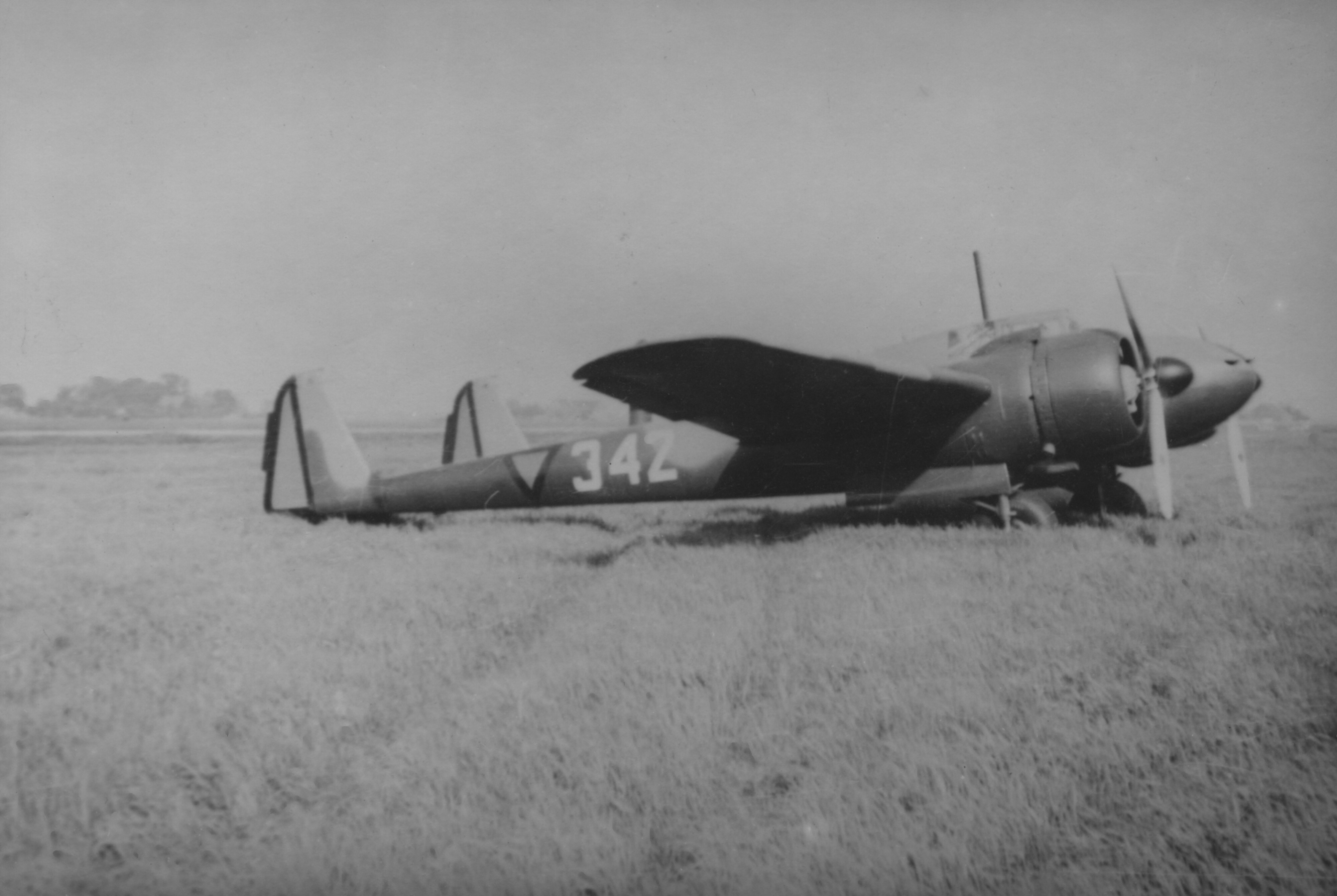
The defining feature of the Wasp variant was its use of Pratt & Whitney R-1535 SB4-G Twin Wasp Junior 14-cylinder radial engines, producing approximately 750–825 hp each. These engines were adopted after the Hispano-Suiza units proved unreliable, particularly due to cooling and lubrication issues. Their different weight distribution required a key structural modification: the tail booms were extended by 30 cm to maintain longitudinal stability.
Compared to the later Mercury-powered version, the G-1 Wasp was smaller and lighter, with reduced overall dimensions (notably a shorter fuselage and lower height due to smaller propellers). It also retained several structural characteristics of the earlier design, including straight wing spars and simpler engine nacelle geometry with flat firewalls. Externally, the Wasp can be recognised by its shorter nose, round fuselage windows, and lower landing gear stance, distinguishing it clearly from the more developed Mercury variant.
In terms of armament, the Wasp reflected its origin as an export design predating Dutch requirements. While foreign specifications envisioned heavier mixed armament (including 20 mm and 23 mm cannons), aircraft taken over by the Dutch Air Force Militaire Luchtvaart (ML), the factory numbers 5557, 5558, 5559, and 5560, were equipped with four 7.92 mm FN-Browning machine guns in the nose and one defensive gun in the rear. This was notably lighter than the eight-gun configuration of the Mercury variant, not due to performance constraints, but because the Wasp design had been finalized earlier under different operational requirements.
The Wasp’s operational history was shaped by the failure of its intended export. A total of 26 aircraft (including the converted prototype) were ordered via Estonia for Spain.
Overall, the G-1 Wasp is best understood as an intermediate and transitional variant within the G-1 programme: technically more mature than the Hispano prototype, notable for being the first production series, but less developed and less heavily armed than the later G-1 Mercury production aircraft.
Comparison between G-1 Hispano, G-1 Wasp and G-1 Mercury
| Specification | G-1 Hispano | G-1 Wasp | G-1 Mercury |
|---|---|---|---|
| Crew | 2 | 2 | 2–3 |
| Armament (main) | 2 × 23 mm Madsen + 2 × 7.92 mm FN-Browning M.36 OR 2 × 7.92 mm FN-Browning M.36 OR 2 × 20 mm Oerlikon + 2 × 7.92 mm FN-Browning M.36 | 2 × 7.92 mm FN-Browning M.36 (during trials) OR 4 × 7.92 mm FN-Browning M.36 (Dutch service) | 8 × 7.92 mm FN-Browning M.36 |
| Armament (rear) | 1 × 7.92 mm FN-Browning M.36 | 1 × 7.92 mm FN-Browning M.36 | 1 × 7.92 mm FN-Browning M.36 |
| Armament (Secondary Weapons) | 8 × 50 kg bombs tested | designed, but no bombing racks fitted | 1 × 400 kg OR 1 × 300 kg OR 2 × 100 kg OR 4 × 50 kg OR 10×25 kg mine bombs |
| Bomb Load | 400 kg to 600 kg | No bomb bay on production variants | 200 kg (3 person plane with observer) 500 kg (Jachtkruiser variant) |
| Length | 10.38 m | 10.38 m | 10.87 m |
| Wingspan | 16.50 m | 16.50 m | 17.16 m |
| Height | 3.35 m | 3.35 m | 3.80 m |
| Wing Area | 35.70 m² | 35.70 m² | 38.30 m² |
| Track Width | — | 4.00 m | 4.63 m |
| Empty Weight | 3,000 kg | 3,150 kg | 3,330–3,345 kg |
| Loaded Weight | 4,400 kg | 4,400 kg | 4,800 kg |
| Max Take-off Weight | — | 4,800 kg | 5,000 kg |
| Wing Loading | — | 123 kg/m² | 125 kg/m² |
| Power Loading | — | 2.95 kg/hp | 2.90 kg/hp |
| Engines | 2 × Hispano-Suiza 80-02 | 2 × Pratt & Whitney Twin Wasp Jr SB4-G | 2 × Bristol Mercury VIII |
| Engine Type | V-12 inline | 14-cyl radial (twin-row) | 9-cyl radial |
| Power Output | 2 × 750 hp (at 3,500 m) | 2 × 825 hp (SL) / 2 × 750 hp (2,850 m) | 2 × 830 hp (at 4,100 m) |
| Range | — | 1,450 km (355 km/h at 3,400 m) | 1,500 km (383 km/h at 4,265 m) |
| Max Speed (0 m) | — | 384 km/h | 399 km/h |
| Max Speed (1,000 m) | — | 400 km/h | 417 km/h |
| Max Speed (2,000 m) | — | 418 km/h | 436 km/h |
| Max Speed (4,000 m) | — | 439 km/h | 473 km/h |
| Max Speed (6,000 m) | — | 421 km/h | 452 km/h |
| Max Speed (7,000 m) | — | 412 km/h | 435 km/h |
| Max Speed (Service Altitude) | 450 km/h (3,500 m) | — | 470 km/h (4,420 m) |
| Climb Rate (sea level) | — | 12.3 m/s | 13.9 m/s |
| Climb to 4,500 m | — | — | 6.8 min |
| Service Ceiling (practical) | 9,300 m | 9,000 m | 9,750–9,900 m |
| Absolute Ceiling | 9,300 m | 8,900–9,300 m | 10,000–10,150 m |
Notes
- The Hispano-Suiza variant represents the original prototype configuration as advertised with the test data and lacks complete performance datasets.
- The bomb load of the G-1 was not fixed per variant; instead, it was a modular system tailored to customer requirements, ranging from light fragmentation loads (~200–400 kg typical in Dutch service) to theoretically up to 600 kg internally, with some export designs incorporating external and dive-bombing capabilities. Shown above are only tested or service options.
- This data was aquired from Gerdessen et al. 2011, using both advertising and internal documents and blueprints of ML and Fokker.
Export
The Spanish Republican Order
The very first order for Fokker G-1 aircraft in the late 1930s came from the Spanish Republican Air Force during the Spanish Civil War (June 1936 — March 1939). Restricted by a weapons embargo, the Republicans arranged purchases through their Technical Delegation in Paris. From December 1937, the Frenchman Godillot acted as their official representative, and orders were placed via the Société Française de Transports Aériens (SFTA), a cover organization.
The Republican government ordered 25 G-1 aircraft, plus a prototype and one Fokker C-10. Because direct exports from neutral Netherlands were prohibited, the order was routed through Estonia. Captain-engineer Ernst Tiivel of the Estonian Ministry of Defence handled the contract, giving the Spanish side full control while keeping Spain out of view.
The aircraft were fitted with Pratt & Whitney R1535 SB4 G Twin Wasp Junior 14-cylinder radial engines, replacing the less satisfactory Hispano-Suiza engines. Deliveries were scheduled from July to November 1938, with phased payments via an Amsterdam bank. The total cost of the 25 aircraft was ƒ 3,000,000, with the prototype priced at ƒ 179,300.
Fokker began production in 1938, but construction was partly delayed by the Dutch G-1 Mercury order. Dozens of test flights were conducted, reaching speeds up to 648 km/h. However, by March 1939 the Republican forces were collapsing, and Francisco Franco’s Nationalists had secured control of Spain. The Spanish Republican government no longer existed, and the new regime had no intention of accepting aircraft ordered by its predecessors.
To facilitate testing and delivery of the export aircraft, Fokker assigned the temporary registration X-2 to both the prototype and early production machines. The original prototype, factory number 5419, first flew on 16 March 1937 in its Hispano-Suiza configuration before being rebuilt in 1938 with Twin Wasp Junior engines to match the Spanish requirements. During this conversion, significant modifications were made, including the extension of the tail booms by 30 cm to correct the centre of gravity.
In addition to the prototype, the first four production aircraft intended for Spain: factory numbers 5557, 5558, 5559, and 5560, also carried the X-2 registration during their test phase. As the same registration was reused, the individual aircraft were identified by their factory numbers, which were applied to the tail. The first of these, 5557, flew on 3 April 1939, followed shortly by the others. One aircraft, 5558, was damaged after a braking failure at Schiphol and subsequently fell into the Ringvaart during transport to the factory. Despite this incident, the aircraft was recovered and repaired.
In the end, after the regime change, the order was never delivered. The three already completed G-1 Wasp aircraft, painted in Spanish olive green and initially registered as X-2, remained in the Netherlands. Attempts to sell them to other countries failed, and Fokker retained the G-1s throughout World War II. In 1950, after twelve years of legal wrangling, Fokker reached a settlement with Spain, with Fokker paying Spain ƒ 2 million plus interest, finally closing the matter.
The “Finnish G-1” Aircraft
The cancellation of the Spanish order left Fokker with a partially completed batch of aircraft. Internally, these aircraft were often referred to as “Finnish G-1’s.”
The origin of this name is somewhat uncertain. Some historians believe that Fokker initially considered offering the aircraft to Finland during the Winter War, when Finland was urgently seeking combat aircraft. Others suggest the designation was simply an administrative label used within the company.
In any case, the aircraft were eventually requisitioned by the Dutch government as tensions in Europe escalated toward war. These aircraft were assigned serial numbers 340 through 365.
Unfortunately, the rapid pace of events in 1940 meant that only ten of these aircraft were completed before the German invasion of the Netherlands.
Danish Interest in the Fokker G-1 and Madsen Armament Trials
Denmark, a long-standing user of Fokker aircraft, became interested in the Fokker G-1 in the late 1930s as a potential replacement for the aging C-5 in the Haerens Flyvertropper (HFT). The G-1’s twin-engine design, mixed construction, and suitability for dive bombing, horizontal bombing, and reconnaissance made it particularly attractive for Danish requirements. Its familiar Bristol Mercury VIII engines and compatibility with existing maintenance infrastructure were additional advantages.
A crucial aspect of Danish evaluation was the aircraft’s armament. HFT specified that the G-1’s nose be equipped with two 23 mm Madsen cannons alongside two 7.92 mm Madsen machine guns. These cannons could be mounted singly or in pairs, offering flexible firepower, and were designed to fire a high-explosive tracer shell capable of damaging fabric-covered aircraft. For practical reasons, the Danish forces ultimately opted for the 20 mm Madsen variant, which could easily be upgraded to 23 mm later if necessary.
The G-1 prototypes also served as a testbed for the cannons. On the Fokker G-1 Hispano prototype X-2, Fokker engineers trialed two 23 mm Madsen guns to assess performance and integration in a twin-engine layout. This allowed HFT to gather operational data on recoil, rate of fire, and ammunition handling before committing to full-scale production under license.
By early 1940, Denmark had secured the license to produce twelve G-1s domestically, incorporating lessons learned from the X-2 trials. These aircraft were intended for 3 Eskadrille and equipped with dive brakes, dual-purpose bomb racks, and the Madsen armament, aligning with Danish doctrinal emphasis on multi-role capability and cost-effective maintenance.
The Danish G-1s, despite careful planning and license agreements, never entered operational service. The outbreak of the Second World War and the subsequent German occupation of Denmark in April 1940 halted production. Only a few airframes were partially completed at Flyvertroppernes Vaerksteder (FV) and Skandinavisk Aero Industri (SAI), while the Bristol Mercury VIII engines originally intended for the fleet were blocked due to wartime export restrictions.
Any ongoing trials, including the armament tests with the 20/23 mm Madsen cannons, were cut short. The aircraft that had been delivered or in progress were either stored or scrapped under occupation orders, and the ambitious plan for a Danish-built series of twelve G-1s never materialized.
Operational history
Aircraft Distribution Before May 1940
By the spring of 1940, G-1 aircraft were distributed among several operational units and facilities. The primary operational squadrons were:
- 3rd Fighter Squadron (3e JaVA) Stationed at Waalhaven Airfield near Rotterdam.
- 4th Fighter Squadron (4e JaVA) Stationed at Bergen Airfield in North Holland.
Additional aircraft were located at:
- Texel flight school
- the Fokker factory for repairs or completion
- various storage depots.
Although 36 aircraft had been ordered, not all were ready for combat. In practice, roughly 23 G-1 aircraft of both types were operational when Germany launched its invasion on 10 May 1940.
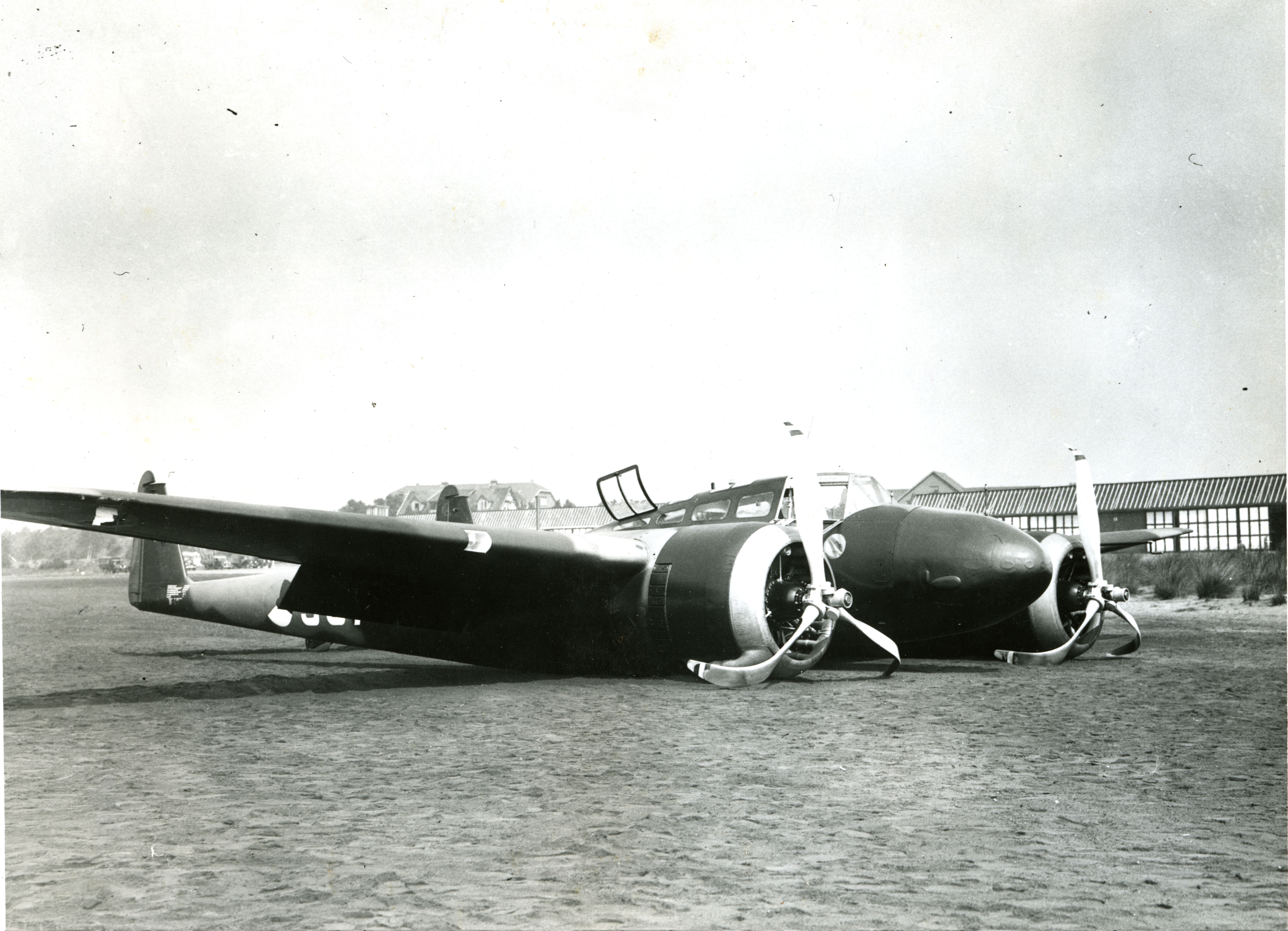
Neutrality Patrols
After the outbreak of World War II in September 1939, the Netherlands declared itself neutral. However, maintaining neutrality proved increasingly difficult as German and Allied aircraft frequently flew near or across Dutch territory.
Dutch fighter units were therefore tasked with enforcing the country’s airspace. G.1 aircraft regularly took off on interception missions whenever unidentified aircraft approached the border or coastal areas.
These flights rarely resulted in combat, but they demonstrated the effectiveness of the G-1 as an interceptor. Its twin engines allowed it to climb rapidly and patrol over relatively long distances, while its powerful nose armament made it a formidable threat to any aircraft that refused to comply with interception signals.
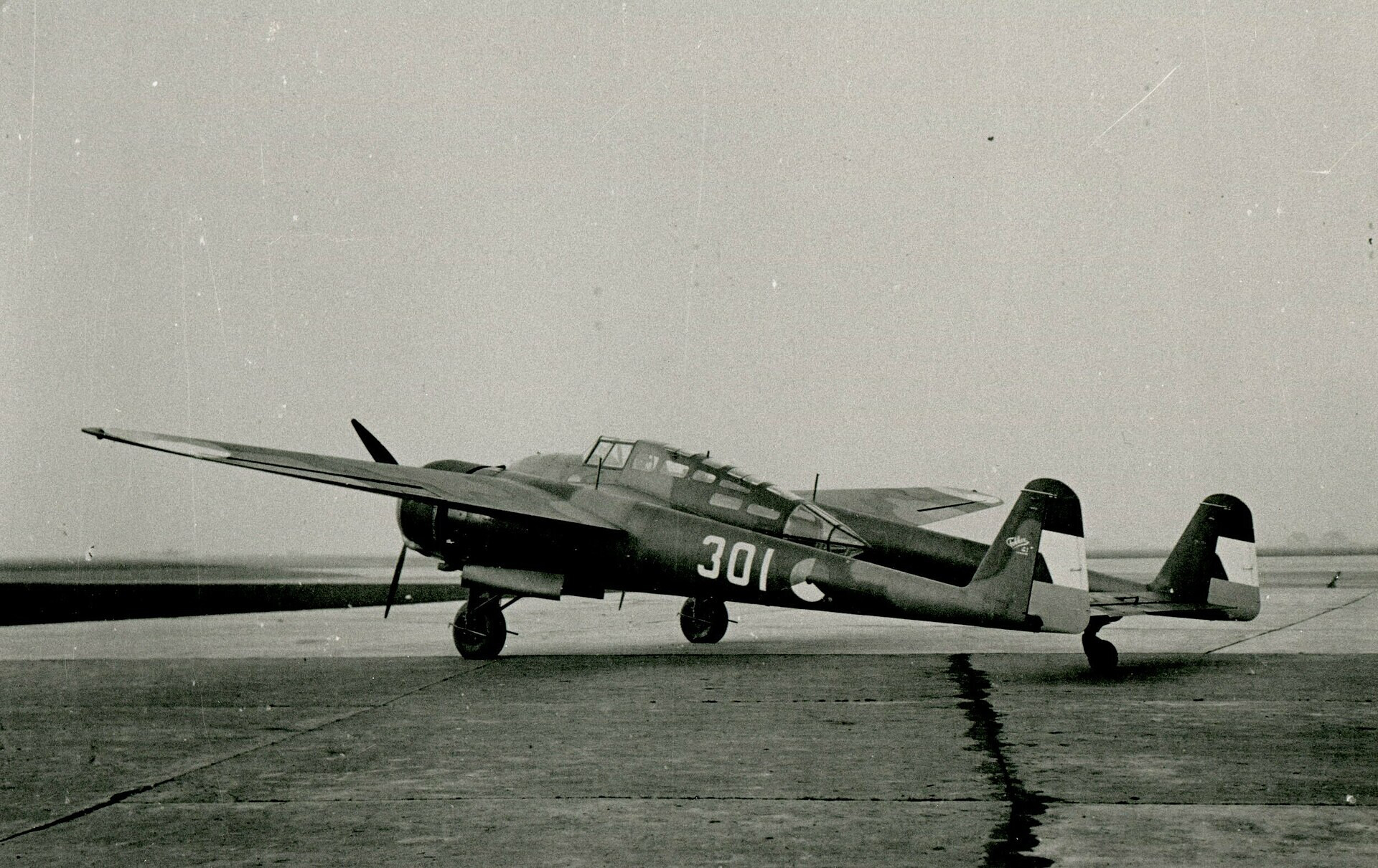
The Whitley Incident (March 1940)
One of the most notable neutrality incidents occurred on 27 March 1940, when Dutch fighters intercepted a British bomber that had violated Dutch airspace.
The aircraft was an Armstrong Whitworth Whitley belonging to the Royal Air Force. During the interception, Dutch fighters forced the bomber to land after it was damaged during the encounter.
The aircraft made an emergency landing near Pernis. One crew member was killed in the incident, illustrating how dangerous neutrality enforcement could become in the increasingly tense atmosphere of early 1940.
For the Dutch pilots involved, the incident provided a preview of the combat conditions they would soon face.
German Invasion
The German invasion of the Netherlands began in the early hours of 10 May 1940 as part of Fall Gelb.
German forces launched a massive surprise attack involving airborne troops, paratroopers, and large numbers of aircraft from the Luftwaffe. Airfields across the Netherlands were among the first targets, as Germany sought to destroy Dutch aircraft on the ground before they could take off.
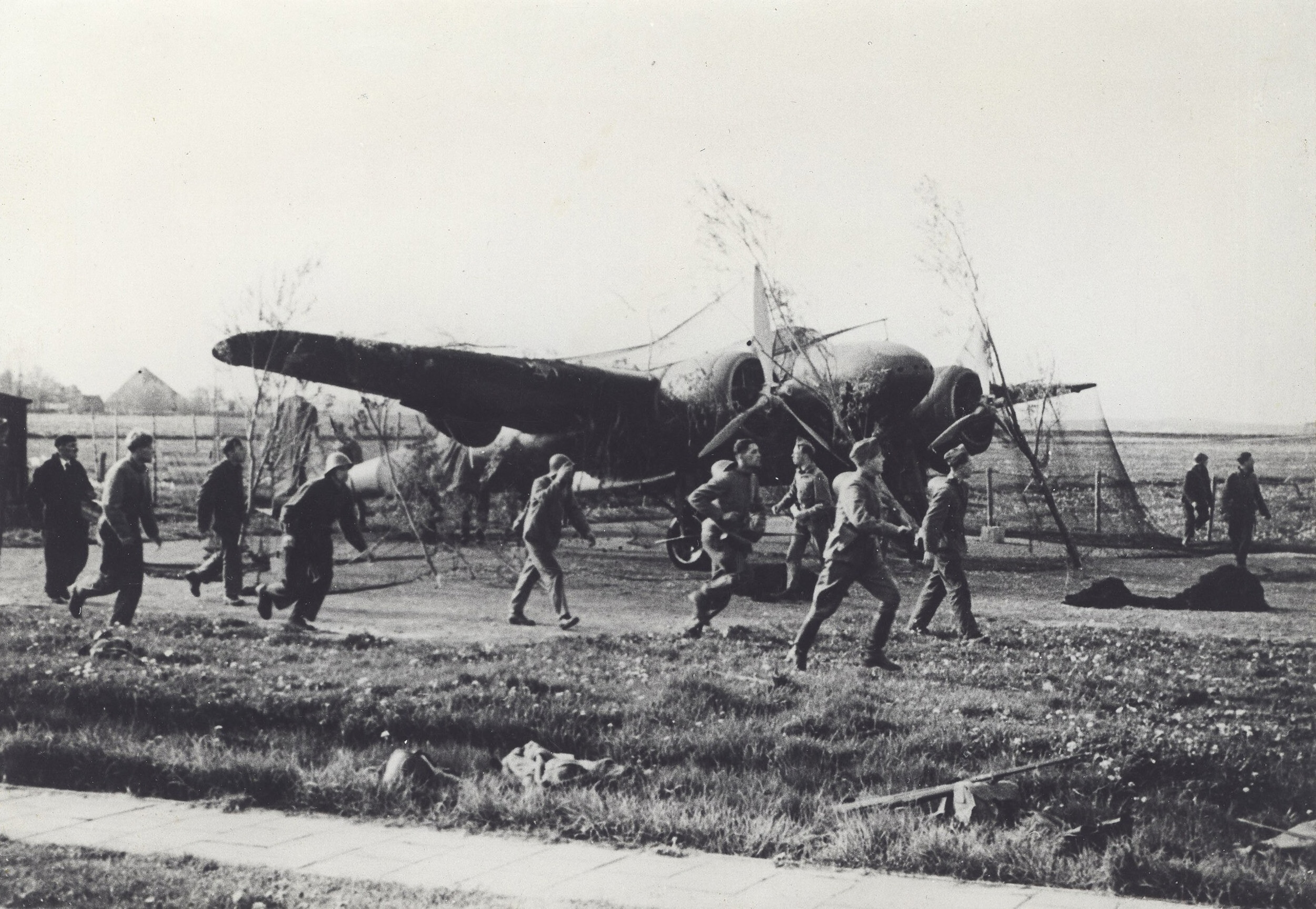
Several Dutch air bases were heavily bombed in the opening hours of the invasion. Nevertheless, a number of G-1 aircraft managed to scramble and engage the attacking formations.
Throughout 10 May 1940, G-1 fighters continued to engage German aircraft over various parts of the Netherlands. Their missions included:
- intercepting bomber formations
- attacking German transport aircraft
- escorting Dutch reconnaissance aircraft
- supporting ground forces by attacking enemy troop concentrations.
Although the Dutch pilots fought with determination, the numerical superiority of the Luftwaffe made sustained resistance extremely difficult. Many Dutch airfields were quickly captured or heavily damaged later throughout the day, forcing aircraft to relocate or operate under increasingly difficult conditions.
Combat Over Waalhaven
One of the most intense engagements occurred at Waalhaven Airfield, where the 3rd Fighter Squadron was stationed.
German bombers and transport aircraft approached the airfield in large formations. Despite the surprise attack, several G-1 fighters succeeded in taking off and intercepting the incoming aircraft.
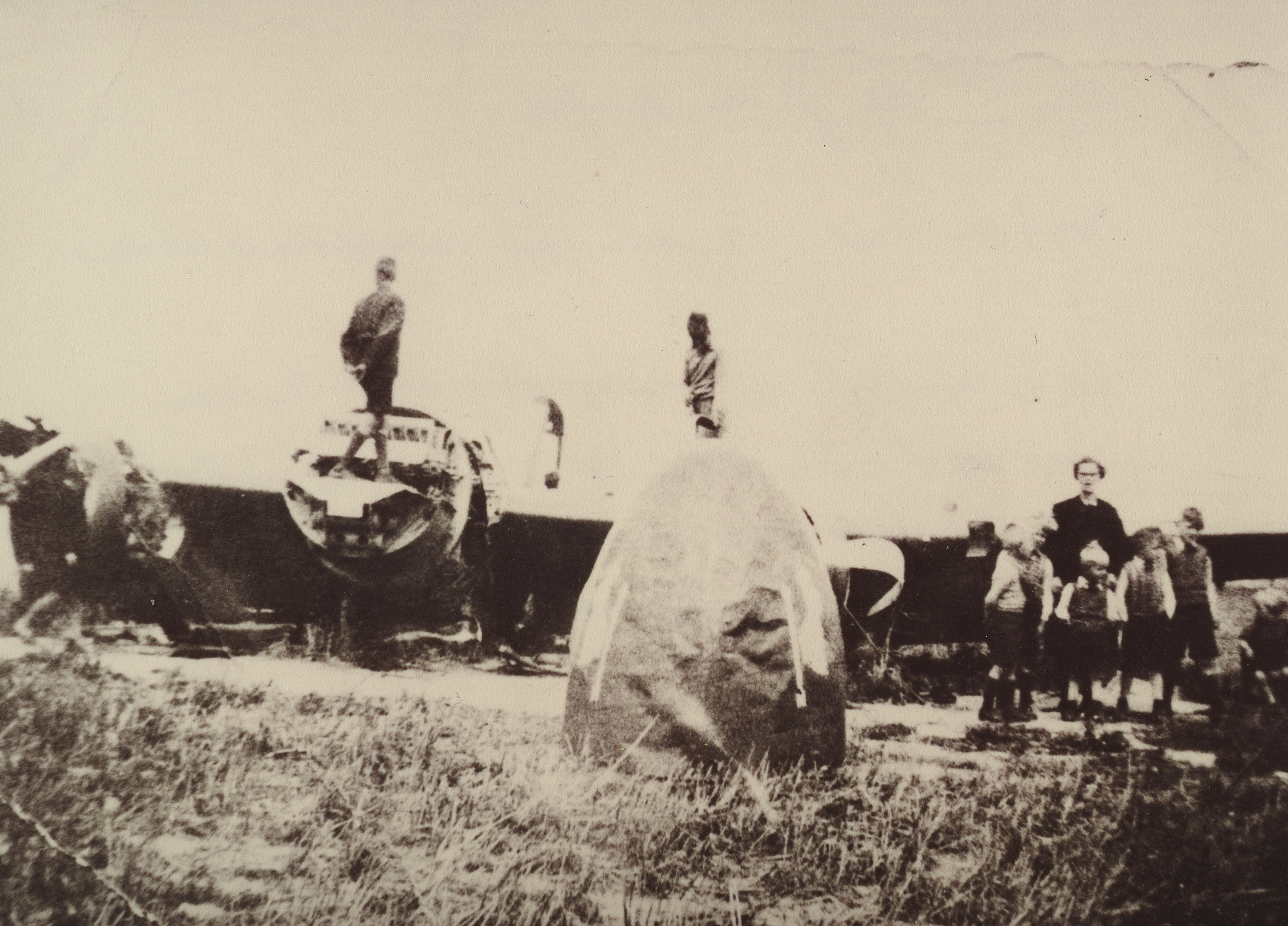
During these engagements, Dutch pilots attacked German Junkers Ju 52 transport planes carrying airborne troops. The Ju 52 formations were particularly vulnerable due to their relatively slow speed and limited defensive armament.
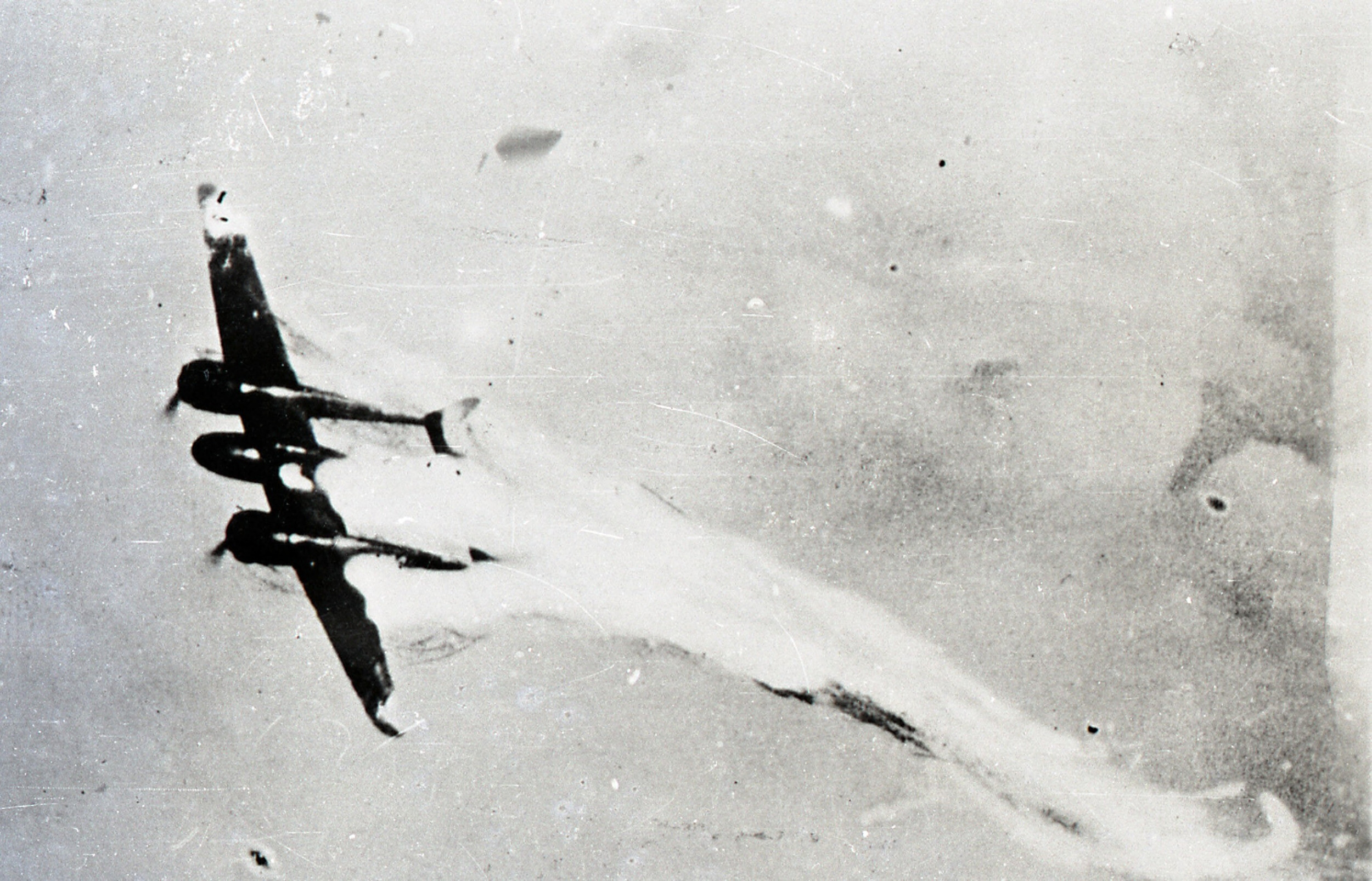
The concentrated firepower of the G-1 Mercury proved extremely effective in this role. Pilots reported that the eight-gun nose battery could severely damage transport aircraft within seconds: Several Ju 52 aircraft were shot down during these engagements, disrupting German airborne operations. However, the Dutch fighters were heavily outnumbered. German escort fighters and anti-aircraft fire quickly began taking their toll on the defending aircraft.
Subsequent Combat Operations
During the following days, 11 to 13 May 1940, the remaining G.1 aircraft continued flying combat missions whenever possible.
On 13 May, G-1 Mercury aircraft from Bergen Airfield escorted a formation of Fokker D.XXI fighters and Fokker C-10 reconnaissance aircraft during an attack on German positions near the Grebbeberg.
The mission encountered heavy resistance from German fighters and anti-aircraft fire. Several aircraft were damaged, and some were forced to withdraw due to severe structural damage.
The Final Days: 14 May 1940
By 14 May 1940, the situation for the Dutch armed forces had become desperate. German forces had captured several key airfields, and the remaining aircraft were increasingly difficult to operate due to lack of fuel, spare parts, and secure bases.
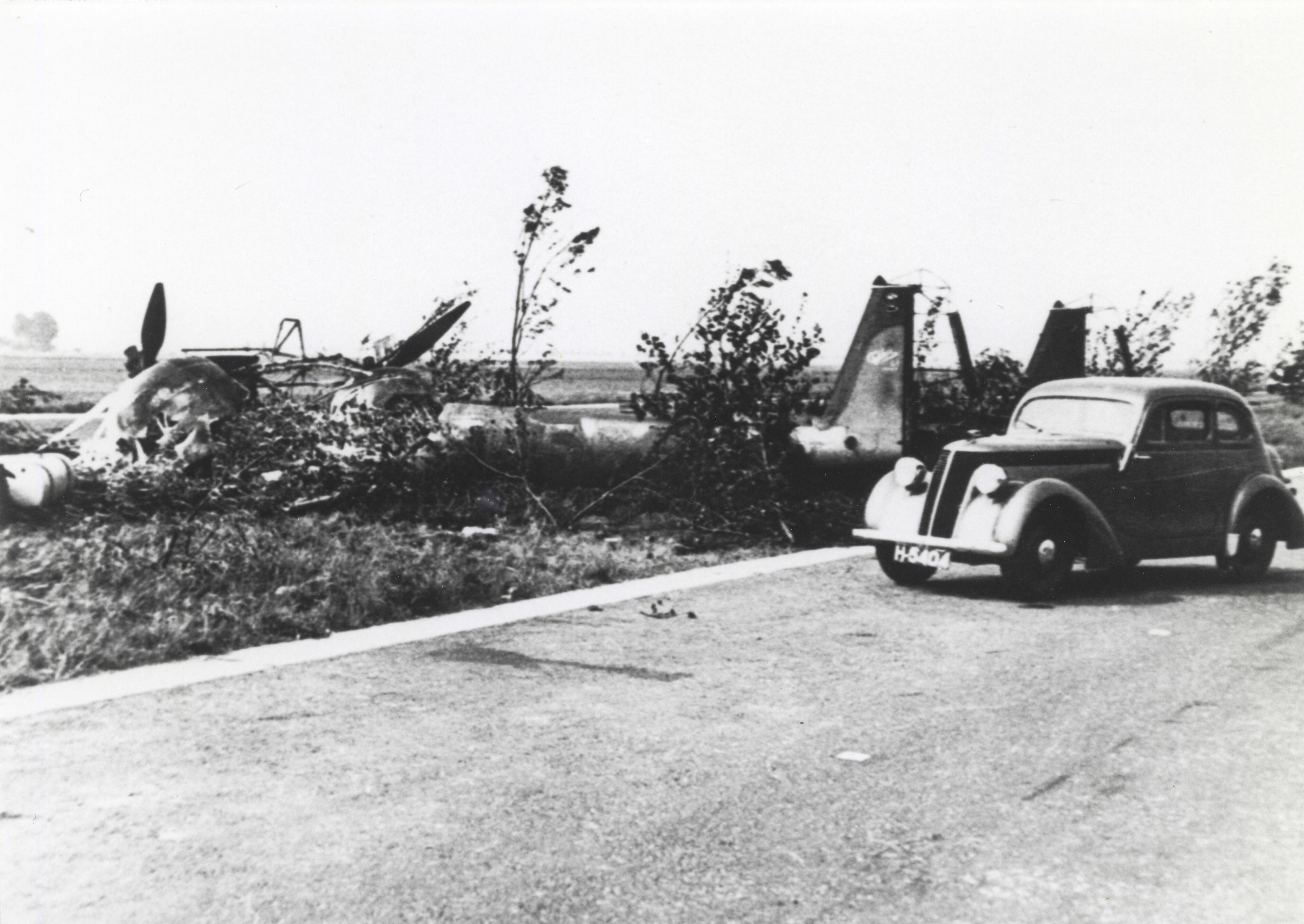
Nevertheless, some G-1 aircraft continued to fly patrol missions and attempted interceptions.
That same day, German bombers launched the devastating Bombing of Rotterdam, which destroyed much of the city and resulted in heavy civilian casualties.
The destruction of Rotterdam forced the Dutch government to capitulate later that day. With the surrender of the Netherlands, the operational career of the G-1 in Dutch service effectively came to an end.
German Evaluation and use of the Fokker G-1
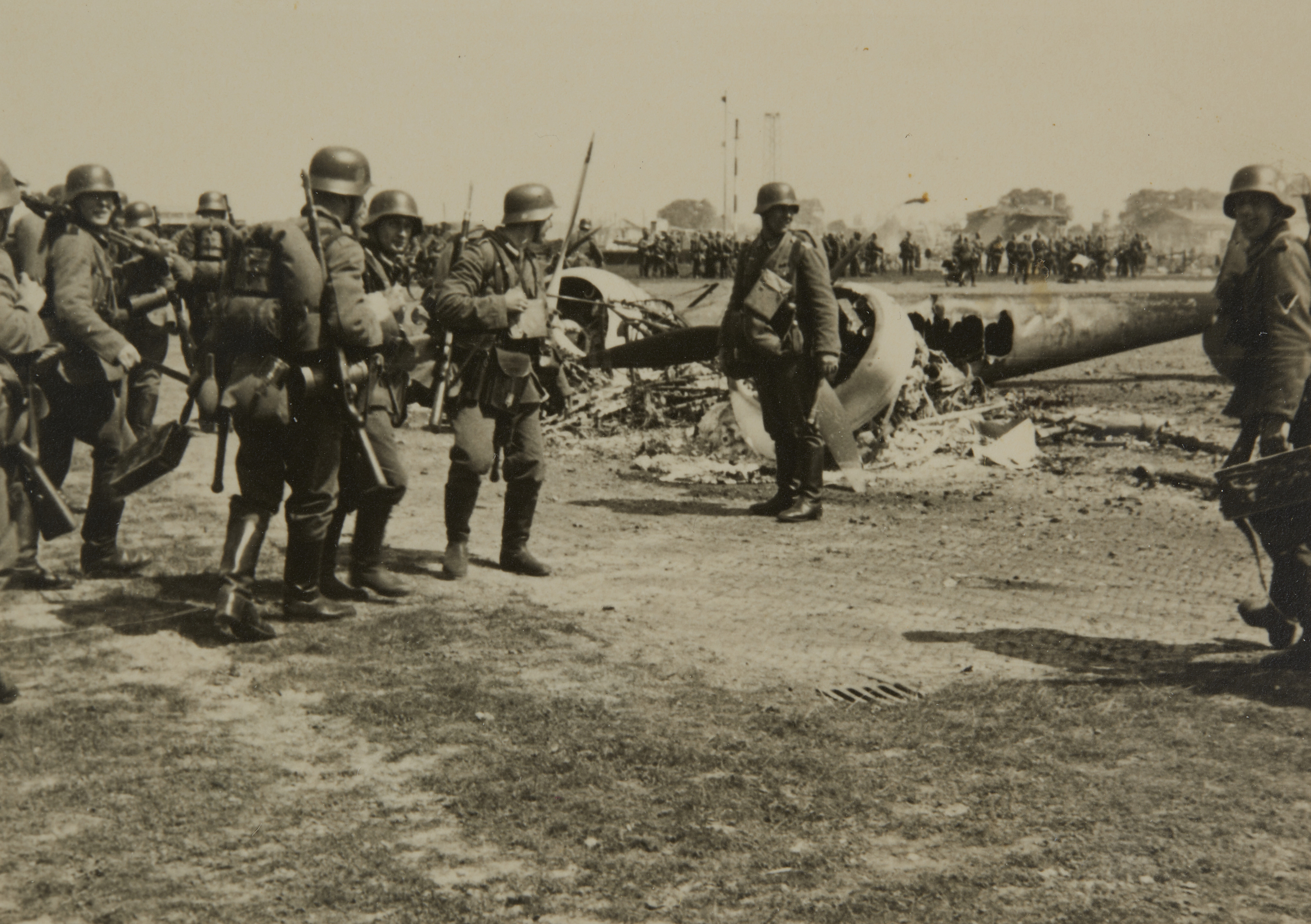
After the capture of the Netherlands, a number of surviving G-1 aircraft were transported to German test centers. One of the most important of these facilities was Rechlin Airfield, which served as the main evaluation site for captured or experimental aircraft.
At Rechlin, German engineers conducted flight tests and technical inspections of the aircraft. Their goal was not necessarily to adopt the aircraft for combat service, but rather to analyze its design and determine whether any features might be useful for German aircraft development.
Particular attention was paid to several aspects of the G-1 design:
- its concentrated nose armament
- the structural layout of the twin-boom configuration
- cockpit visibility
- stability during firing
The heavy nose armament was especially notable. Concentrating all forward-firing guns in the nose eliminated the convergence problems associated with wing-mounted guns. This concept would later appear in several other aircraft designs during the war by the German industries.
However, the Germans also identified several weaknesses. Compared with contemporary German fighters such as the Messerschmitt Bf 110, the G-1 was somewhat slower and less refined aerodynamically. Additionally, its mixed wood-and-metal construction made large-scale production less attractive for Germany’s industrial system.
For these reasons, the aircraft was not considered suitable for front-line service with the Luftwaffe.
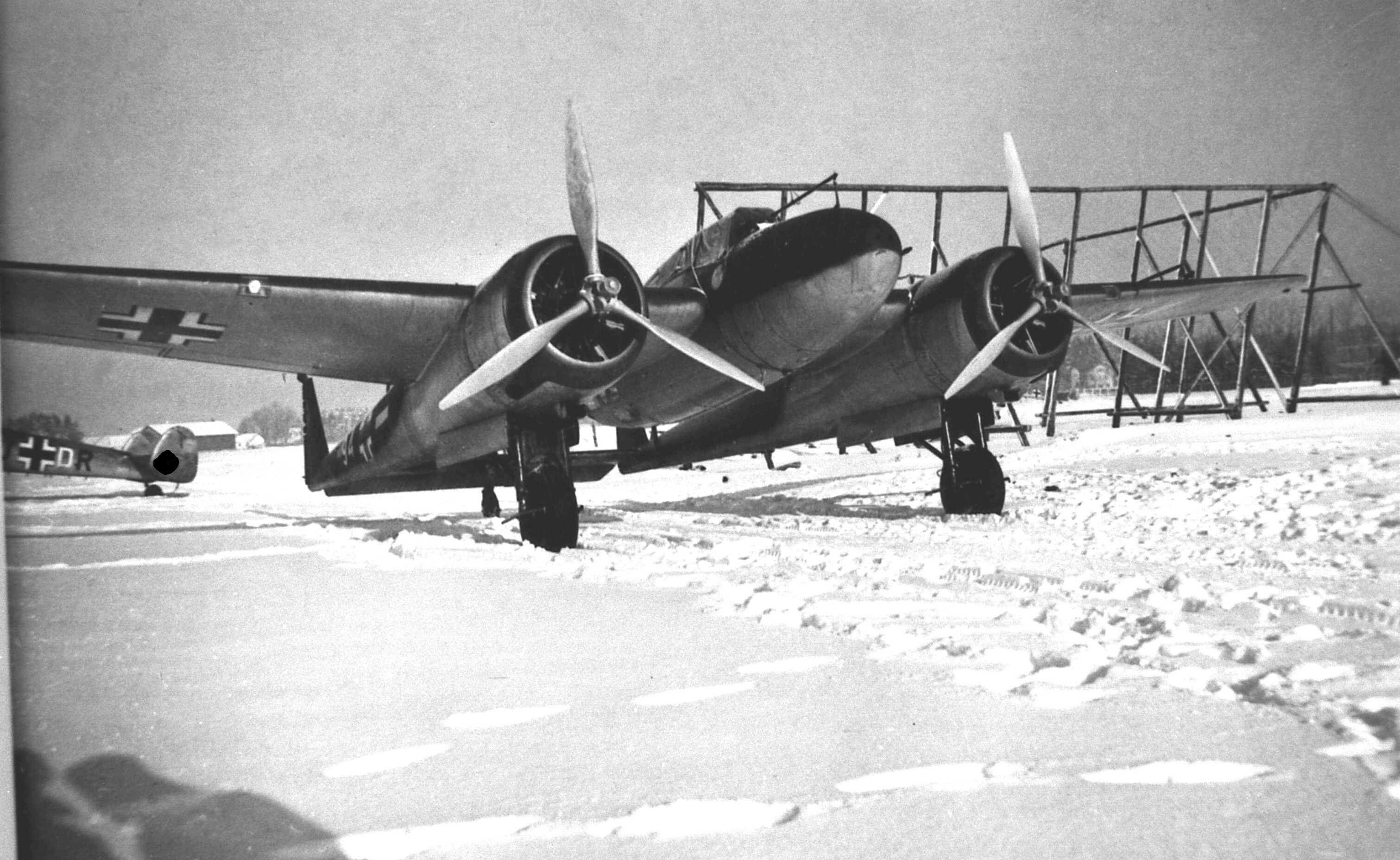
Despite these limitations, the Germans did not immediately scrap the captured aircraft. Instead, several G-1 aircraft were used as training platforms for Luftwaffe crews. Because the aircraft was a twin-engine fighter with relatively forgiving handling characteristics, it proved useful for familiarizing pilots with multi-engine fighter operations. This was particularly valuable for crews transitioning to aircraft such as the Bf 110. Some aircraft were also used for technical training of mechanics and ground personnel.
The number of surviving aircraft was small, and spare parts were scarce. As a result, most of the captured G-1 aircraft were gradually withdrawn from service and dismantled over the course of the war.
The Famous Escape Attempt
On 5 May 1941, Dutch aviators T.H. Leegstra and Ir. P.J.C. Vos pulled off one of the boldest escapes of the war. Under the pretense of performing another test flight with a Fokker G-1 destined for Germany, they managed to fly the aircraft from German-controlled Schiphol Airport to England. Their flight across the North Sea took just forty minutes, making it the fastest escape by a Dutch “Engelandvaarder.”
Upon landing near the port town of Lowestoft, both men quickly exited the aircraft, shouting to approaching British soldiers, “Don’t shoot, we are not Germans!” The troops only believed them after Leegstra and Vos removed their overalls, revealing their civilian clothes underneath.
This episode stands out as one of the most remarkable involving the Fokker G-1. At the time, the aircraft was still operational and under German control, used for training purposes. Leegstra and Vos, both experienced pre-war Dutch airmen, devised a daring plan to seize the plane and deliver it to Britain, where it could contribute to the Allied war effort.
While the mission was extremely risky as Schiphol was heavily guarded and any failure would have meant severe consequences. The successful escape became a symbol of Dutch determination to resist occupation and continue the fight against Germany.
The End of the G-1
By the mid-war years, the remaining captured G.1 aircraft had largely disappeared. Some were dismantled for spare parts, while others were scrapped when they became unserviceable.
No complete original aircraft survived the war.
For many years the G-1 existed only in photographs, documents, and the memories of those who had flown it.
Fate of the G-1
| ML nr. | c/n | Unit / Assignment | Fate |
|---|---|---|---|
| 300 | 5521 | ML (late delivery) | Captured by Germans |
| 301 | 5522 | 4e JaVA (Bergen) | Damaged; captured; Luftwaffe use |
| 302 | 5523 | 3e JaVA (Waalhaven) | Destroyed during attack |
| 303 | 5524 | 4e JaVA (Bergen) | Burned on Haagweg |
| 304 | 5525 | 4e JaVA (Bergen) | Bombed; burned |
| 305 | 5526 | 4e JaVA (Bergen) | Destroyed (bombing) |
| 306 | 5527 | 4e JaVA | Crashed (collision Jan 1940) |
| 307 | 5528 | Depot / training (Texel) | Captured; later crashed |
| 308 | 5529 | 4e JaVA (Bergen) | Damaged; burned |
| 309 | 5530 | 3e JaVA (Waalhaven) | Damaged; burned |
| 310 | 5531 | 4e JaVA (Bergen) | Damaged; captured |
| 311 | 5532 | 3e JaVA | Forced landing; destroyed |
| 312 | 5533 | Depot | Captured |
| 313 | 5534 | 4e JaVA (Bergen) | Burned in hangar |
| 314 | 5535 | Depot | Captured; Luftwaffe test aircraft |
| 315 | 5536 | 3e JaVA → 4e JaVA | Captured; repaired |
| 316 | 5537 | 3e JaVA (Waalhaven) | Under repair; fate unclear |
| 317 | 5538 | 4e JaVA (Bergen) | Destroyed in hangar |
| 318 | 5539 | 4e JaVA | Damaged; likely captured |
| 319 | 5540 | 3e JaVA (Waalhaven) | Destroyed (bombing) |
| 320 | 5541 | ML / unknown | No confirmed data |
| 321 | 5542 | 4e JaVA (Bergen) | Captured; repaired |
| 322 | 5543 | 4e JaVA | Burned by own crew |
| 323 | 5544 | 3e JaVA | Crashed; used for spares |
| 324 | 5545 | ML / unknown | No confirmed data |
| 325 | 5546 | 4e JaVA (Bergen) | Damaged; later burned |
| 326 | 5547 | 3e JaVA | No confirmed data |
| 327 | 5548 | 3e JaVA | Damaged; captured incomplete |
| 328 | 5549 | 3e JaVA | Forced landing; destroyed |
| 329 | 5550 | 3e JaVA | Forced landing; destroyed |
| 330 | 5551 | 3e JaVA | Emergency landing; scrapped |
| 331 | 5552 | 4e JaVA (Bergen) | Destroyed |
| 332 | 5553 | 4e JaVA | Damaged; captured; Luftwaffe |
| 333 | 5554 | 4e JaVA (Bergen) | Destroyed |
| 334 | 5555 | 3e JaVA | Destroyed (Waalhaven) |
| 335 | 5556 | Depot | Captured; tested |
| ML nr. | c/n | Unit / Assignment | Fate |
|---|---|---|---|
| 340 | 5419 | Prototype / Fokker | Converted from G-1 Hispano to G-1 Wasp; captured May 1940 |
| 341 | 5557 | V-2 LvR (training) | Damaged; incomplete; captured, likely cannibalized |
| 342 | 5559 | 4e JaVA (late handover) | Captured at Schiphol |
| 343 | 5560 | 4e JaVA (late handover) | Burned on Haagweg |
| 344 | 5561 | Fokker / storage | Completed by Luftwaffe; later crashed |
| 345 | 5563 | V-2 LvR | Captured; later crashed (Germany) |
| 346 | 5566 | 4e JaVA (13 May delivery) | Ground collision; captured |
| 347 | 5578 | 4e JaVA (late handover) | Captured |
| 348 | 5579 | V-2 LvR | Captured (Ockenburg) |
| 349 | 5580 | V-2 LvR | Captured (defective engine) |
| 350 | 5577 | Fokker (almost complete) | Burned on Haagweg |
| 351 | 5568 | Luftwaffe (FFS training) | Crashed 1941 |
| 352 | 5573 | Fokker → Luftwaffe | Completed by Luftwaffe |
| 353 | 5581 | Fokker → Luftwaffe | Completed by Luftwaffe |
| 354 | 5572 | V-2 LvR | Captured (Waalhaven depot) |
| 355 | 5574 | V-2 LvR | Captured (Waalhaven depot) |
| 356 | 5564 | Fokker → Luftwaffe | Completed by Luftwaffe |
| 357 | 5569 | Fokker → Luftwaffe | Completed by Luftwaffe |
| 358 | 5558 | Fokker (damaged prewar) | Completed by Luftwaffe |
| 359 | 5576 | Fokker → Luftwaffe | Completed by Luftwaffe |
| 360 | 5562 | Schiphol / depot | Burned on Haagweg |
| 361 | 5575 | Fokker → Luftwaffe | Completed by Luftwaffe |
| 362 | 5567 | Luftwaffe → RAF | Escaped to England (1941); scrapped |
| 363 | 5570 | Fokker → Luftwaffe | Completed by Luftwaffe |
| 364 | 5571 | Fokker → Luftwaffe | Completed; flown to Germany |
| 365 | 5565 | Fokker (parts) | Never completed |
Modern Reconstruction
Interest in the G-1 did not disappear after the war. Aviation historians and enthusiasts in the Netherlands recognized the aircraft as one of the most remarkable designs produced by the Dutch aviation industry.
In recent decades, efforts have been made to reconstruct a full-scale replica of the aircraft for museum display. One such project has been undertaken by the Nationaal Militair Museum, which preserves many artifacts from the history of Dutch aviation.
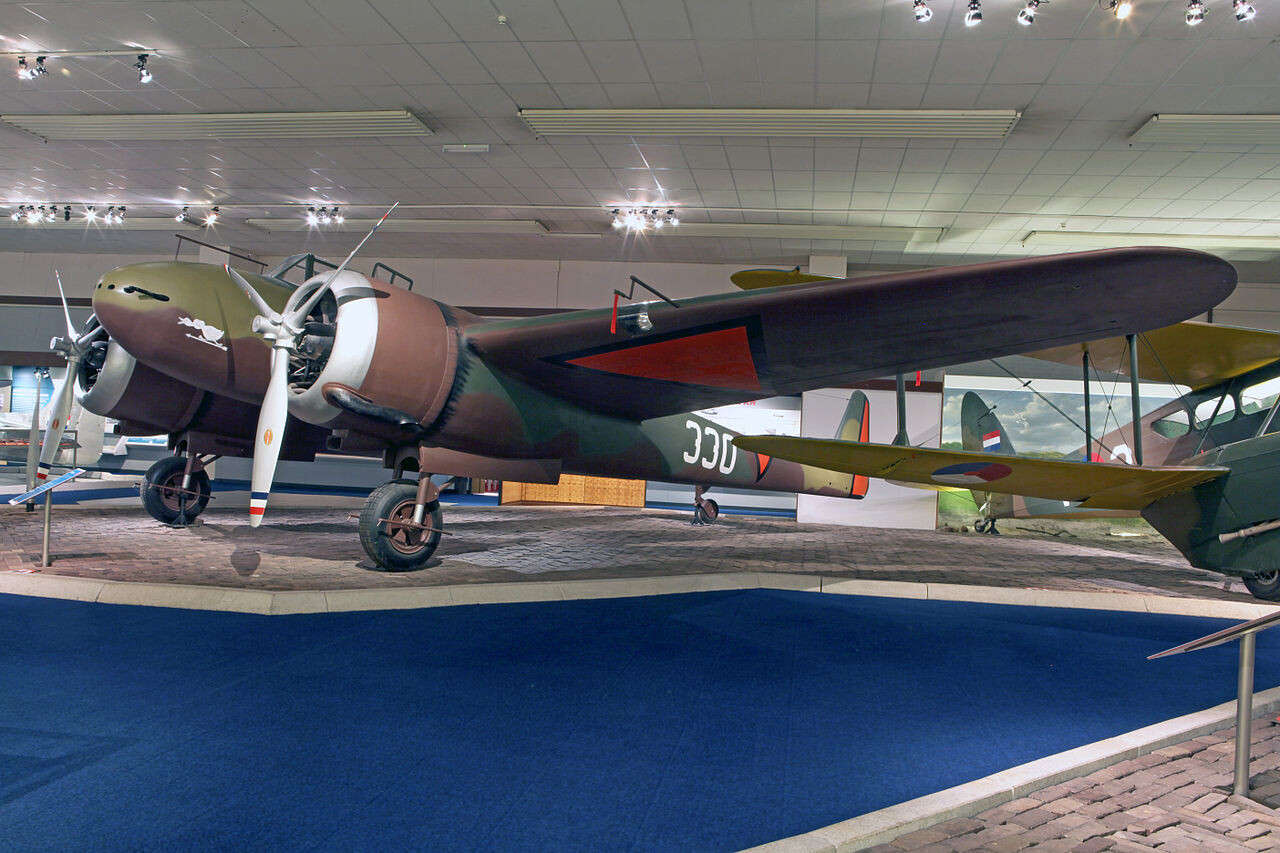
These reconstruction efforts aim to give modern audiences a clearer understanding of the aircraft’s unique design and historical significance.
Legacy
Although the Fokker G-1 saw operational use for only a few days during the Battle of the Netherlands, its legacy endures through the fragments and artifacts that survived the war. The combination of heavy forward armament, twin-engine reliability, and twin-boom layout reflected a daring approach to fighter design in the late 1930s, and its remnants tell the story of both innovation and loss.
Most Dutch G-1s were destroyed during the German occupation or scrapped in the postwar reconstruction, but fragments remain in museums and private collections. These include landing gear castings from the Mercury engines, wing frames and tail sections, propeller blades, cockpit controls, and various aircraft fittings preserved by institutions such as the Aviodrome, the Militair Luchtvaart Museum, the TU Delft, and the Stichting Fokker G-1. Some parts even survived the fires on the beaches of Oostvoorne and from crashes at Nieuw-Lekkerland.
Through these relics, motors, radios, instruments, and pilot gear, historians and enthusiasts can trace the ingenuity of Fokker’s design and the pilots’ courage. The G-1, together with the Fokker D.XXI, stands as a symbol of the Netherlands’ efforts to modernize its air defenses in the pre-war years. Today, while few complete aircraft survive, the G-1’s story endures in these fragments, preserving the memory of a uniquely Dutch fighter and the resilience of those who flew it.
- Van Elk, B., Fokker G-1, de 'nieuwe superjager', Materieelgezien 08, 10 oct 2020.
- Van der Klauw, B., The Fokker G-1. Profile Publications, nr.134, 1966
- Paters, J.D.S., De Wacht (nr 6). Weekblad Voor De Gemobiliseerde Weermacht En Het Nederlandsche Volk — DHZ.Luchtstrijdkrachten w.o. Fokker G-1. Ons Leger, 1939.
- Fokker G-1 institute https://www.fokkerg-1.nl/index.php/nl/
- N.V. Nederlandsche Vliegtuigfabriek Fokker. Technische Beschrijving Levering Fokker G-1 aan ML. Fokker, 1939.
- Gerdessen, Frits, Karel Kalkman, Cor Oostveen en Willem Vredeling: 'Fokker G-1 'Le Faucheur'. Emmen, 2011. ISBN: 978-90-8616-110-2
- Gerdessen, Frits, Karel Kalkman, Cor Oostveen en Willem Vredeling: 'Fokker G-1, Jachtkruiser — deel 2. Emmen, 2013. ISBN: 978-90-8616-212-8
- Gerdessen, Frits, Karel Kalkman, Cor Oostveen en Willem Vredeling: 'Fokker G-1, Jachtkruiser — deel 3. Emmen, 2026. link