Modifications and modules

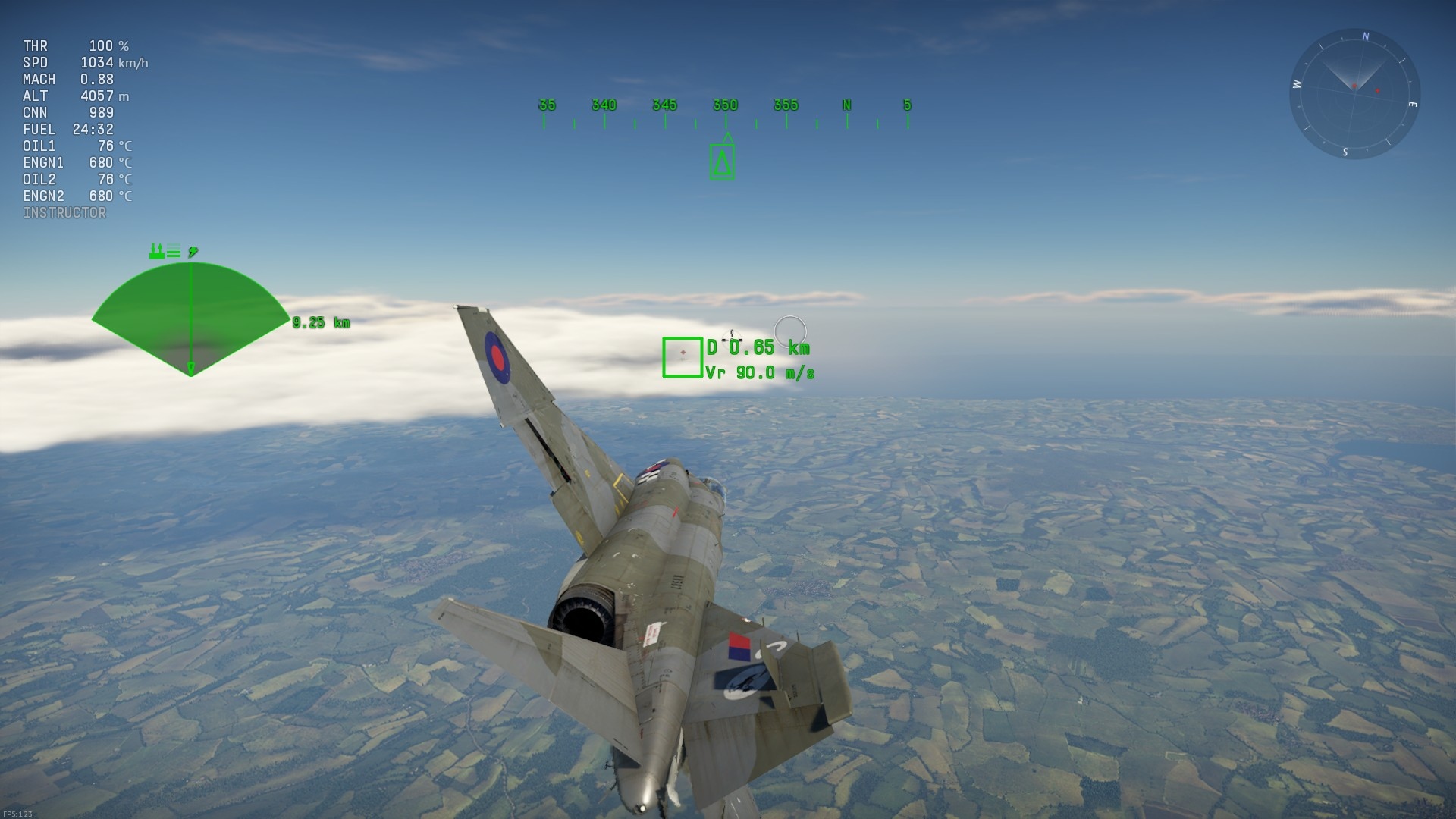
Airborne radars are found on aircraft at both low and high ranks, if an aircraft is equipped with radar then a radar display will be present in the right portion of a player's screen, as well as a compass displaying the player's current heading and the directions to detected targets at the top of the screen.
To increase survivability in a battle, some vehicles have duplicate control functions. For example, in some vehicles, the commander can fire the gun, and in others, the gunner can drive the tank. The mechanic was implemented to War Thunder in Update 2.7 “Red Skies”.

Hydropneumatic suspension, or controlled suspension, is a wheel suspension system that allows a vehicle’s ground clearance to be adjusted. With these types of systems, vibrations are dampened by specially designed hydropneumatic shock absorbers, while the compression force is transmitted by fluid to each shock absorber’s pneumatic receiver chamber.


How does this strange mechanic work? Why is my reload suddenly so slow? And what makes this article on game mechanics so special? Here you’ll get a detailed guide on recognizing which vehicles have this reload type, how it changes gameplay, as well as easily finding relevant yet hidden values through datamining. This article is appropriate for both manual or autoloading tanks with “ready racks” and will inform you on how to successfully navigate one of War Thunder’s most widespread reloading systems.
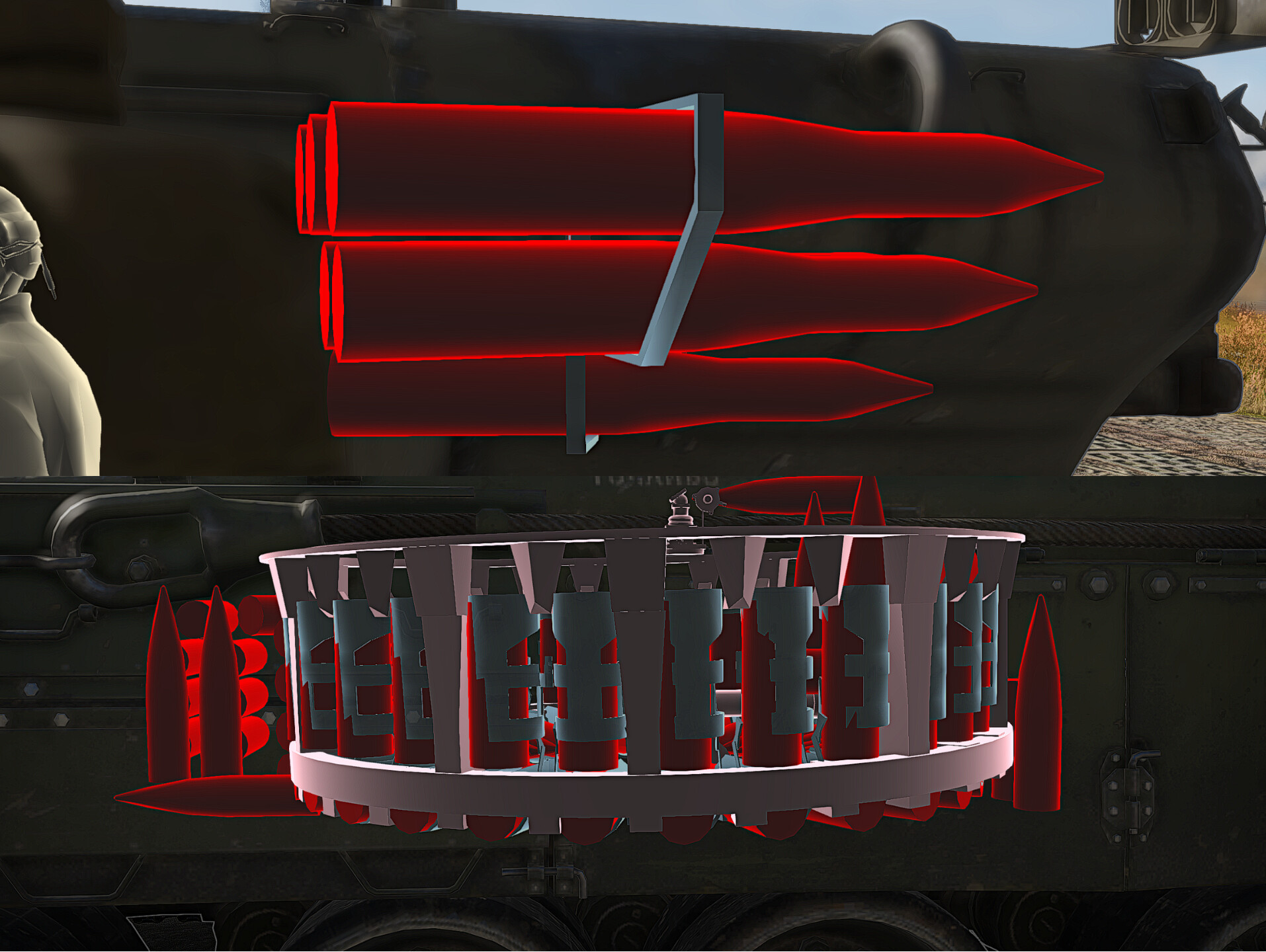
An autoloader is a mechanism that automatically reloads a weapon and removes spent cartridges. Autoloaders are used on various types of military equipment, such as tanks, infantry fighting vehicles, self-propelled guns, and even anti-aircraft guns. The main purpose of this mechanism is to make the crew's job easier, reduce its size, and, in most cases, increase the rate of fire.

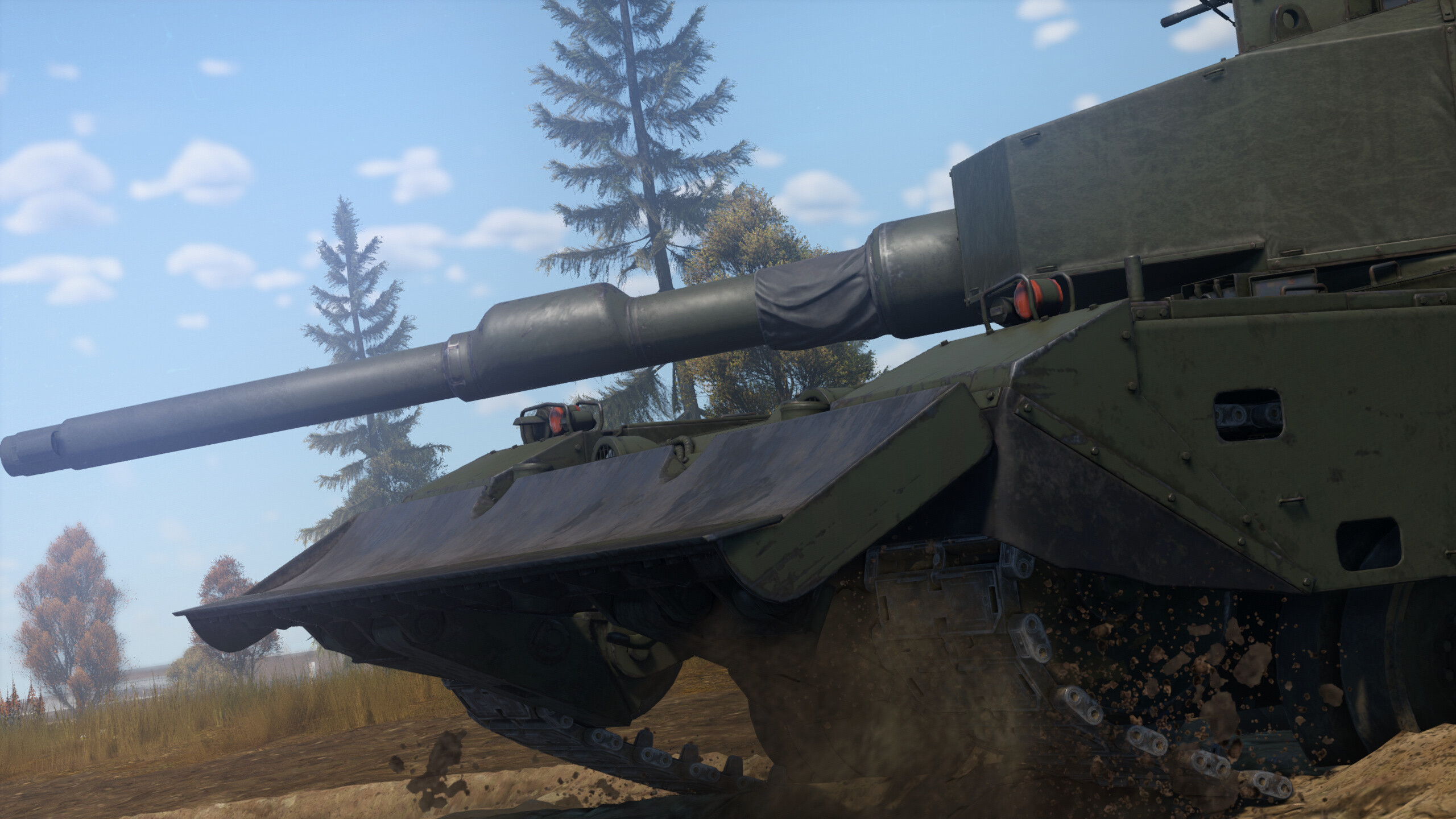
Self‑entrenching equipment is a built‑in or externally mounted device that helps a tank dig in for a firing position. Many armies worldwide equip their tanks with these systems. For example, in the Soviet Army, beginning with the T‑72, all main battle tanks and some armored vehicles were fitted with self‑entrenching devices, and their use became standard in tank‑crew training.
Naval ships vary greatly in size, from the smallest boats to heavy multi-ton cruisers. The greater the displacement of a ship, the more difficult it will be to sink it. But sinking is not the only way to deal with the enemy, which is why it is important to know what parts make up their equipment and where their weakest points are.
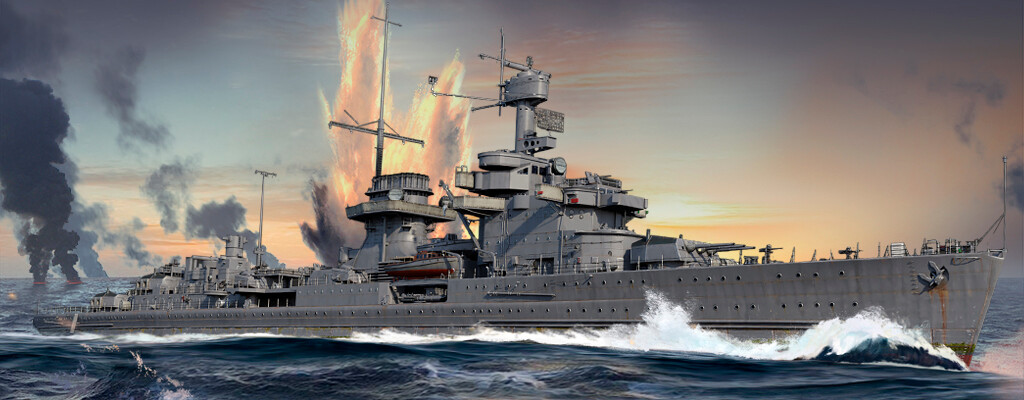
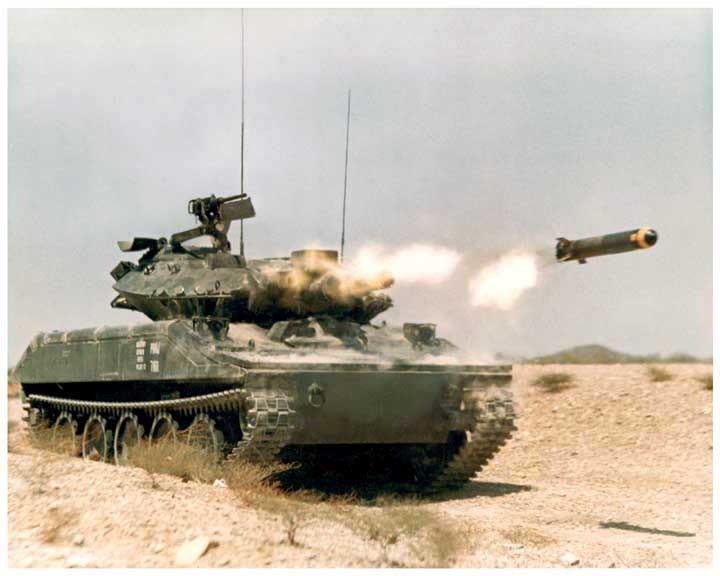
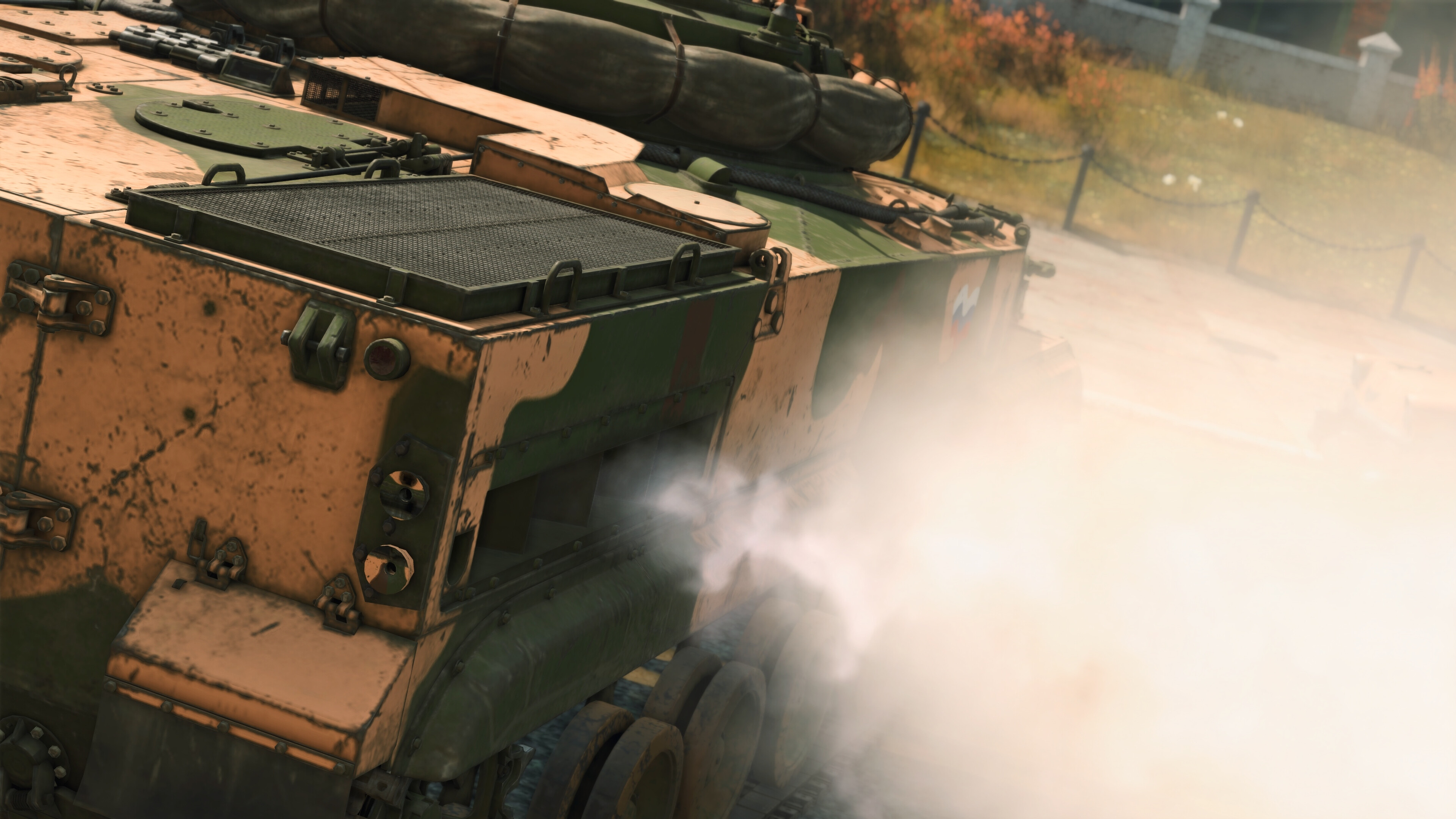
Engine Smoke System is a system used to generate artificial smoke screens, primarily on tanks. The screen is created by spraying fuel onto hot parts inside the engine, such as the turbine blades or the exhaust manifold. The high heat instantly turns the fuel into vapor, which then cools and condenses in the air, forming a thick white screen of smoke that hides the vehicle from view. Many ground units (mostly Cold War-era or modern vehicles) are equipped with ESS, and even some ships and floatplanes can create a smoke screen.
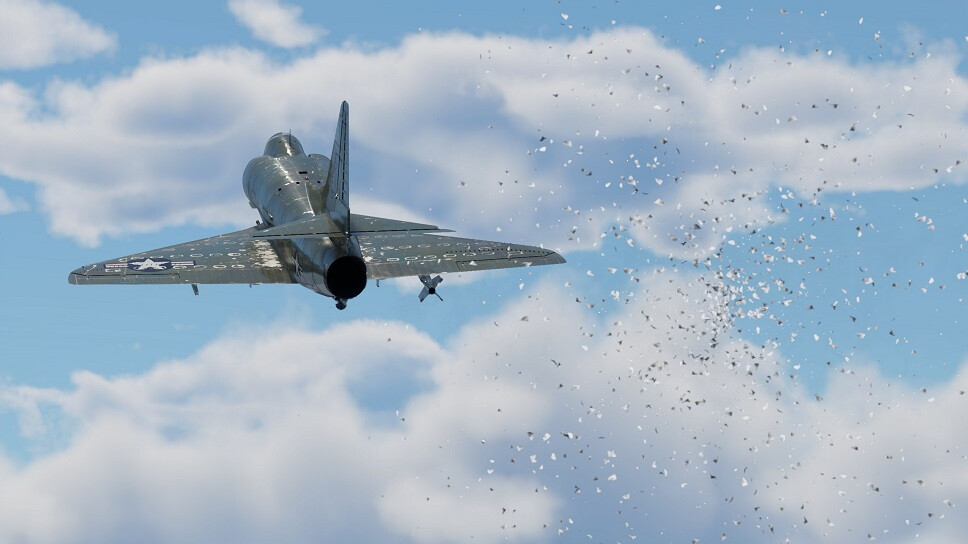
Chaff (also known as “Window” in World War II) are small strips of radar reflecting material (aluminium, metallized paper, fiberglass or metallized polymer based films) that are released in large quantities by an aircraft’s countermeasure dispenser which create a cloud of false radar targets.