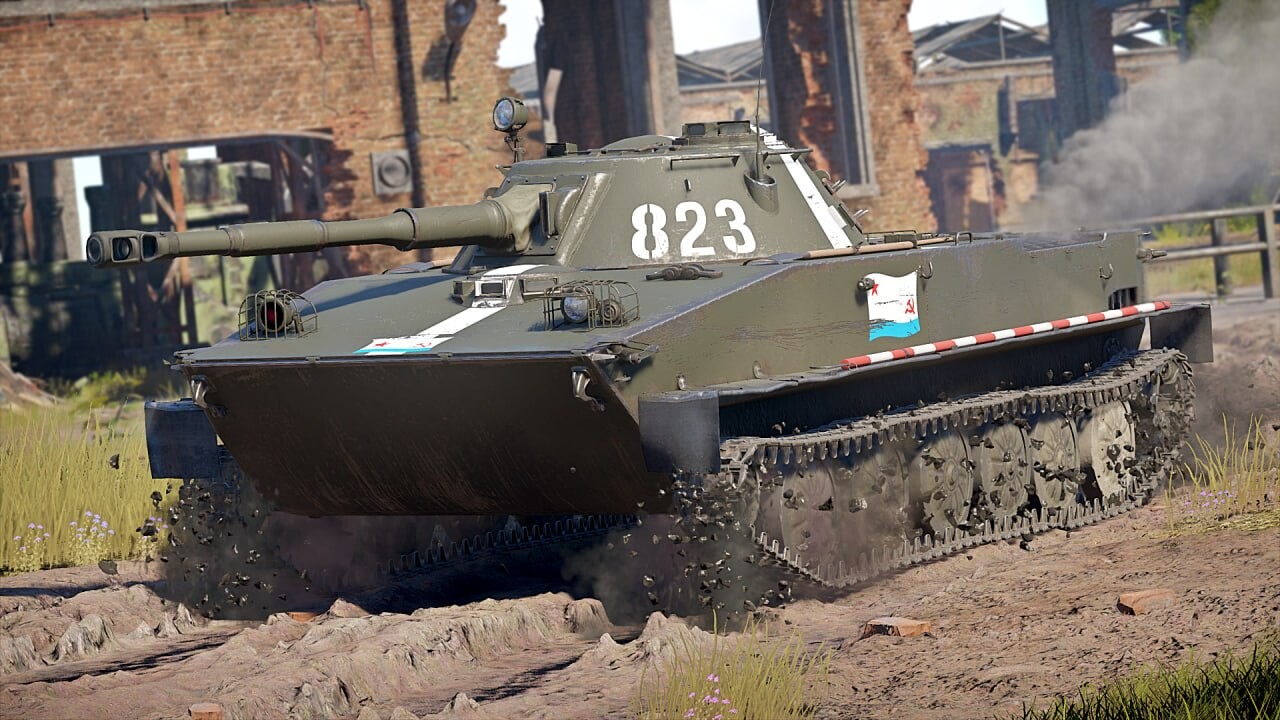
The PT-76 is a legendary amphibious combat vehicle designed by Soviet engineers specifically to cross Europe’s rivers and other water obstacles. Unfortunately, in the game, its amphibious capability is rarely useful, and this comes at the cost of extremely thin armor. On the other hand, this machine has a two-plane stabilizer and HEAT shells that can punch through almost any armor. So, how can you make the most of this unusual “swimmer”? Read on!
| Advantages | Disadvantages |
| Excellent penetration of the HEAT round | Weak post-penetration damage of the HEAT round |
| Two-plane stabilizer on the Soviet PT-76B and Finnish PT-76 | Extremely thin armor |
| Amphibious capability | Only average top speed for a light tank |
| High rate of fire |
Armor Protection and Survivability
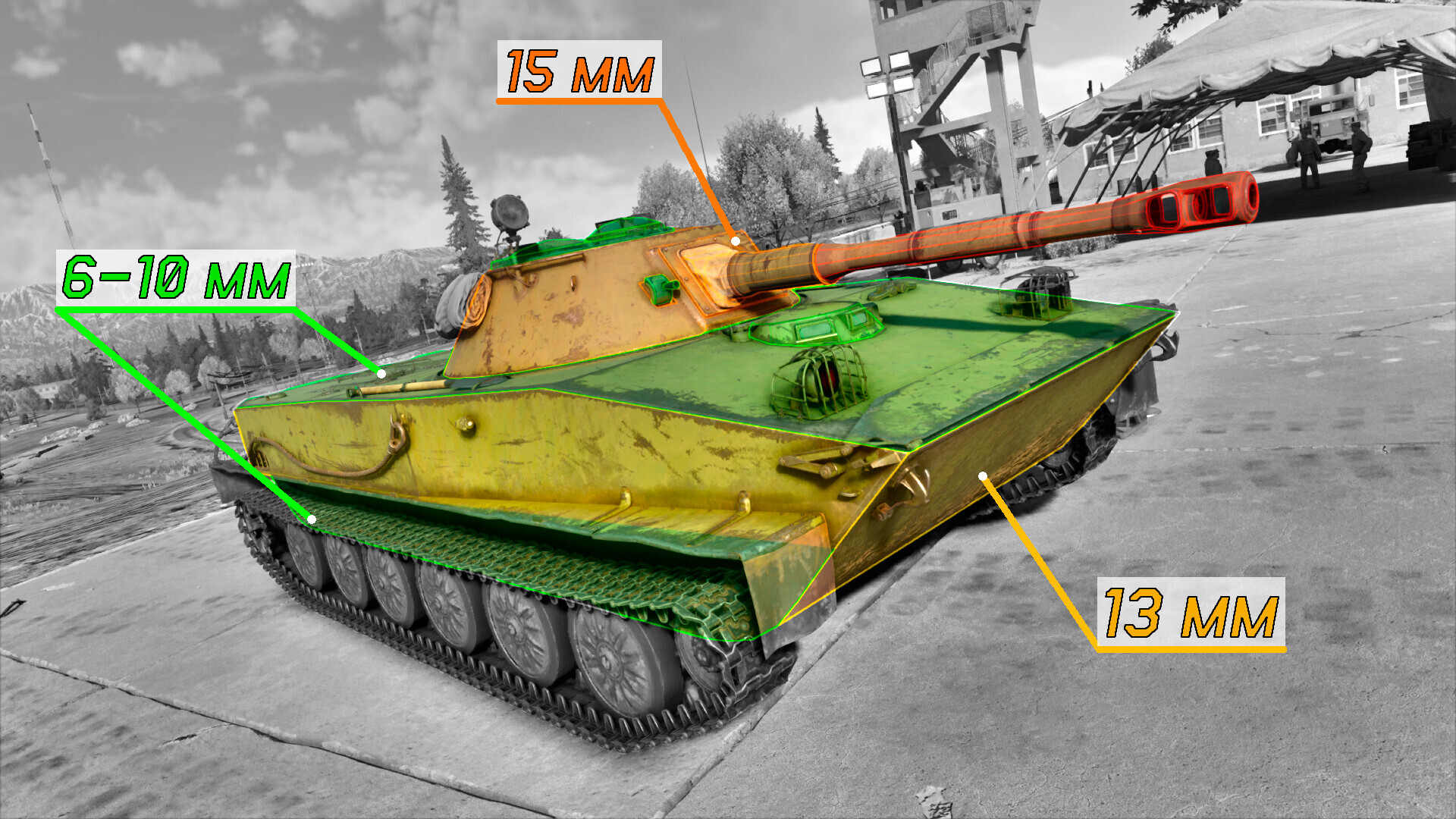
The PT-76’s armor is its biggest drawback. To allow the light tank to swim reliably, its hull had to be made as light and spacious as possible. As a result, the armor plates are no thicker than 13 mm at the front, while the other sides are protected even less. This kind of armor can only reliably protect the “swimmer” from rifle-caliber rounds and small fragments.
There is, however, an occasional benefit to such poor protection: some APHE shells simply fail to fuse when they hit armor this thin. In such cases, there is a good chance that the shell will pass straight through the tank without causing fatal damage.
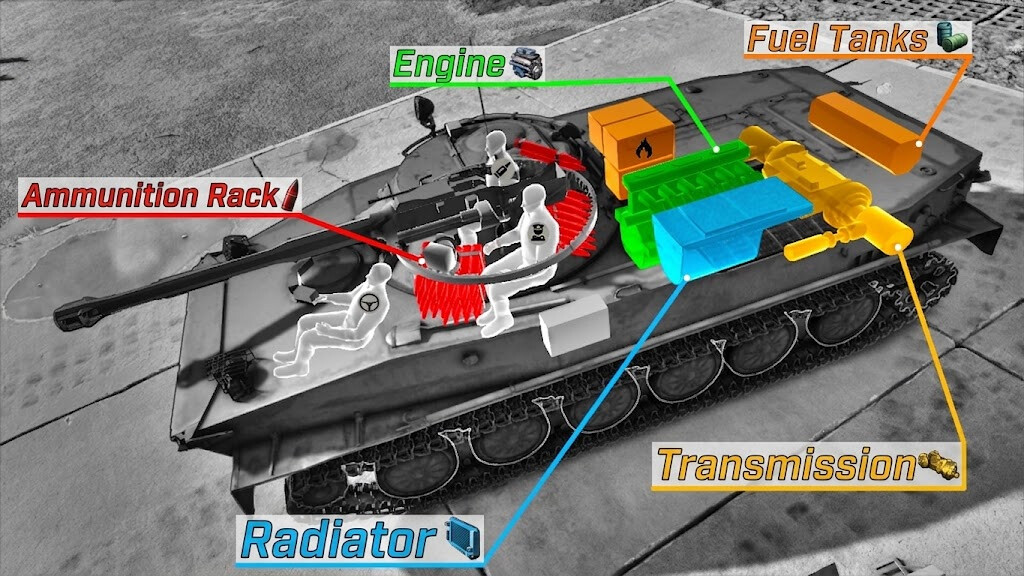
The PT-76's survivability is also far from impressive. The tank has a crew of three: the driver sits in the hull, while the commander, who also serves as the gunner, and the loader are located in the turret. As a result, almost any penetrating hit will either knock out most of the crew or ignite the ammunition rack, either of which will usually result in the loss of the vehicle.
Mobility
The PT-76 does not stand out in terms of acceleration. It is powered by a 240-hp engine, which, at a vehicle weight of 14 tonnes, gives it a power-to-weight ratio of 17.1 hp/t. This is an average figure among its competitors: the M24, for example, has 16.1 hp/t, while the AMX-13 (FL11) has 21.3 hp/t. Nevertheless, this is enough power to accelerate confidently toward its top speed.
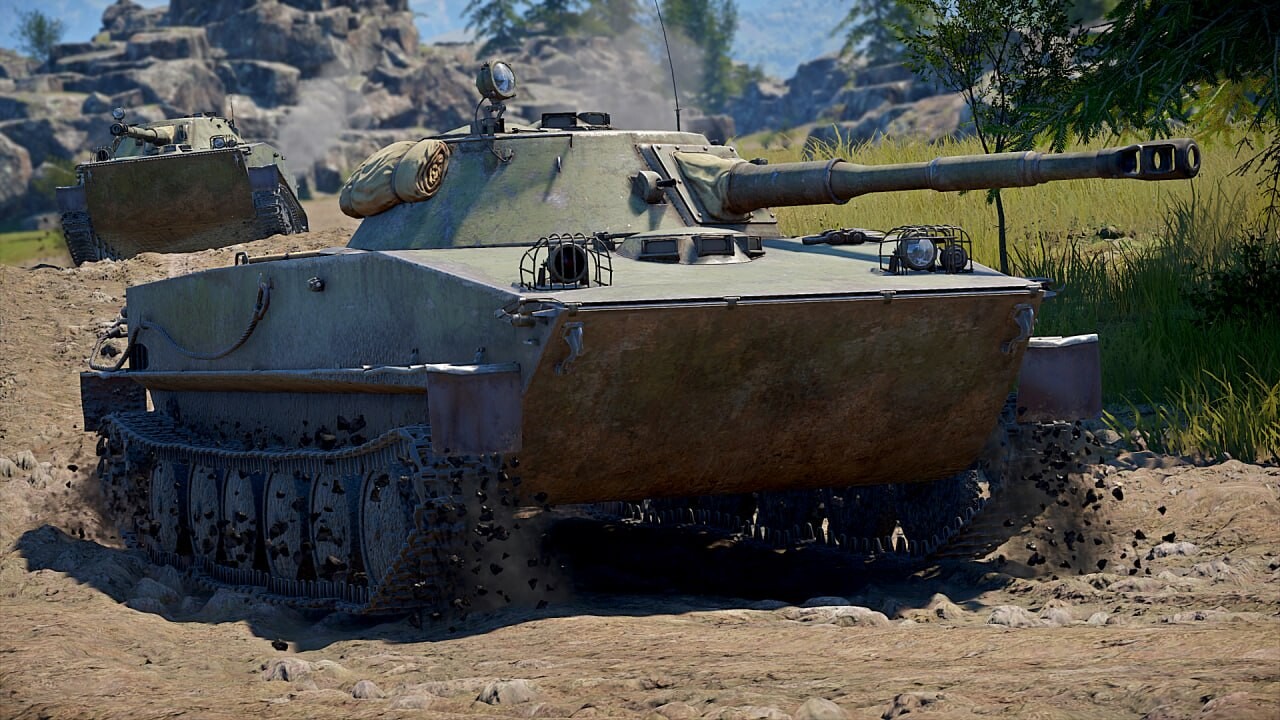
The problem is that the PT-76’s top speed is only 43.9 km/h. In other words, the “swimmer” is even slower than some medium tanks, let alone its direct competitors. Its low speed is one of the main reasons why the tank often fails to reach strategic points and useful positions in time. Its reverse speed is typical of post-war Soviet tanks as well, at just 6.5 km/h. In an emergency, this makes it difficult to retreat or change position quickly.
Armament
Main Armament
The Soviet PT-76B and Finnish PT-76 are armed with the D-56TS 76 mm gun, stabilized in two planes. It is a powerful enough weapon to deal with any potential opponent, and thanks to its stabilizer, these tanks can fire accurately while moving at full speed. This gives them a major advantage in head-on encounters with most opponents, who, unlike the PT-76B, need to come to a complete stop before making an accurate shot. The Chinese PT-76, on the other hand, is fitted with the standard unstabilized D-56T; this is its only major difference from the other variants.
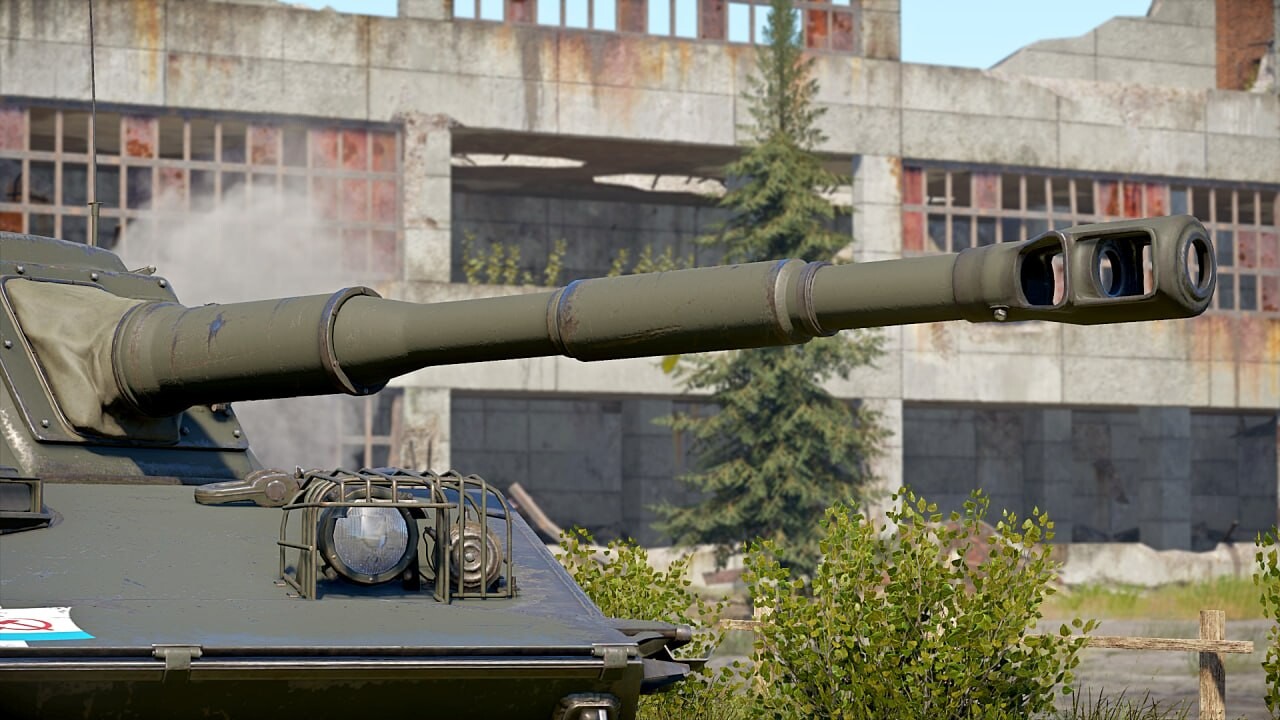
A fast reload time — 5 seconds with an Ace crew qualification — allows to fire more quickly than most opponents. For example, the reload time of the Tigers and Panthers is 7.4 seconds. Only the British Churchill III and Swedish Strv m/42 DT reload faster, at 4 and 3 seconds respectively. However, these opponents are uncommon, so they rarely cause problems.
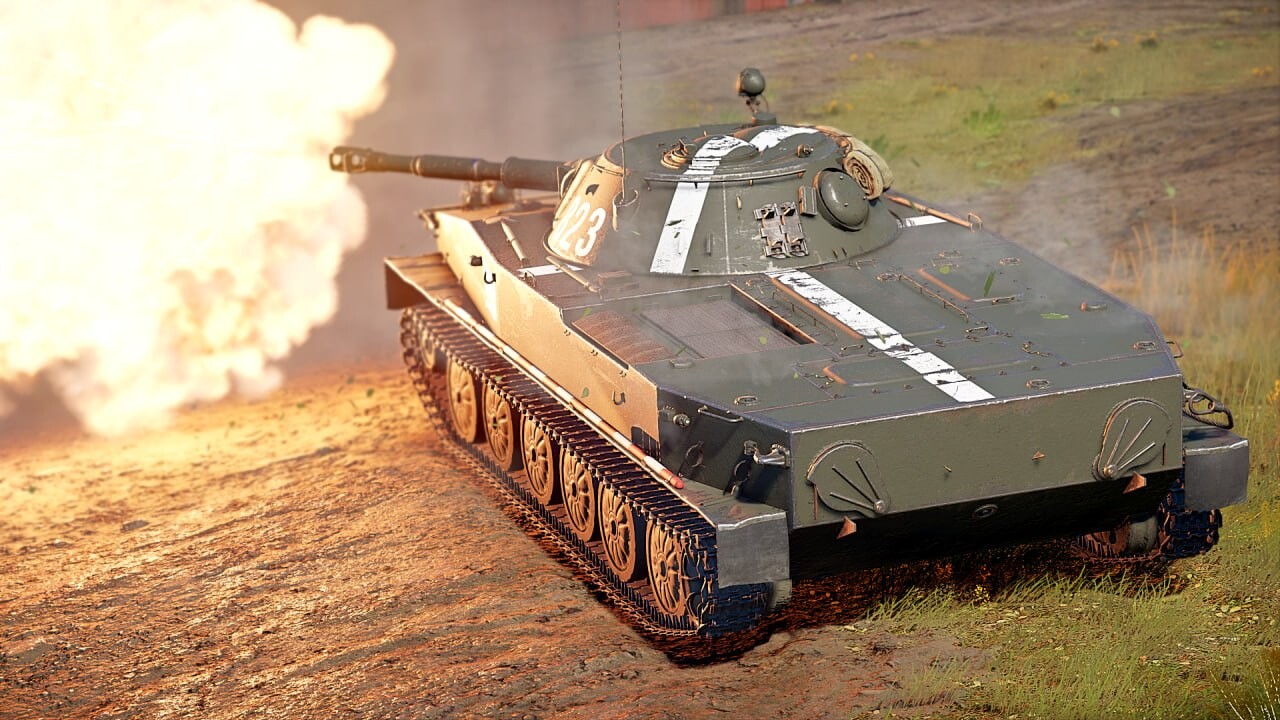
The horizontal aiming speed is 17°/s (20°/s with an Ace crew), while the vertical aiming speed is 4.2°/s (6°/s with an Ace crew). These are respectable figures for its battle rating and allow the gun to be brought onto a target quickly. Unfortunately, the gun’s downward elevation is typical of Soviet tanks: only -4°. This makes active play on maps with varied terrain difficult. At least the upward elevation is a generous +30°, so aiming upward is rarely a problem.
The gun has a varied selection of ammunition for different situations and playstyles:
- BR-354N — an APCR round with a muzzle velocity of up to 950 m/s and good penetration, reaching 152 mm at point-blank range. This is enough to penetrate most opponents, but because it contains no explosive filler, it often lacks the damage needed to destroy an enemy with a single shot.
- BR-354 — an APHE shell with only 99 mm of penetration at point-blank range, which is often insufficient for effectively engaging tanks from the front. Its main advantage over the other rounds is its high post-penetration damage, provided by 49 g of TNT, which is more than enough to destroy a vehicle with one well-placed shot.
- OF-350M — a high-explosive fragmentation shell containing 621 g of TNT. This is more than enough to destroy lightly armored vehicles or open-topped machines through overpressure.
- BK-354M — a HEAT-FS shell with high penetration: 200 mm at any range. This is more than enough to penetrate any potential opponent. Its main drawback is weak post-penetration damage, which may require more than one shot to destroy an enemy. Since the shell contains 550 g of explosive equivalent to TNT, it can also cause overpressure damage, meaning that almost any lightly armored target can be destroyed with a single hit.
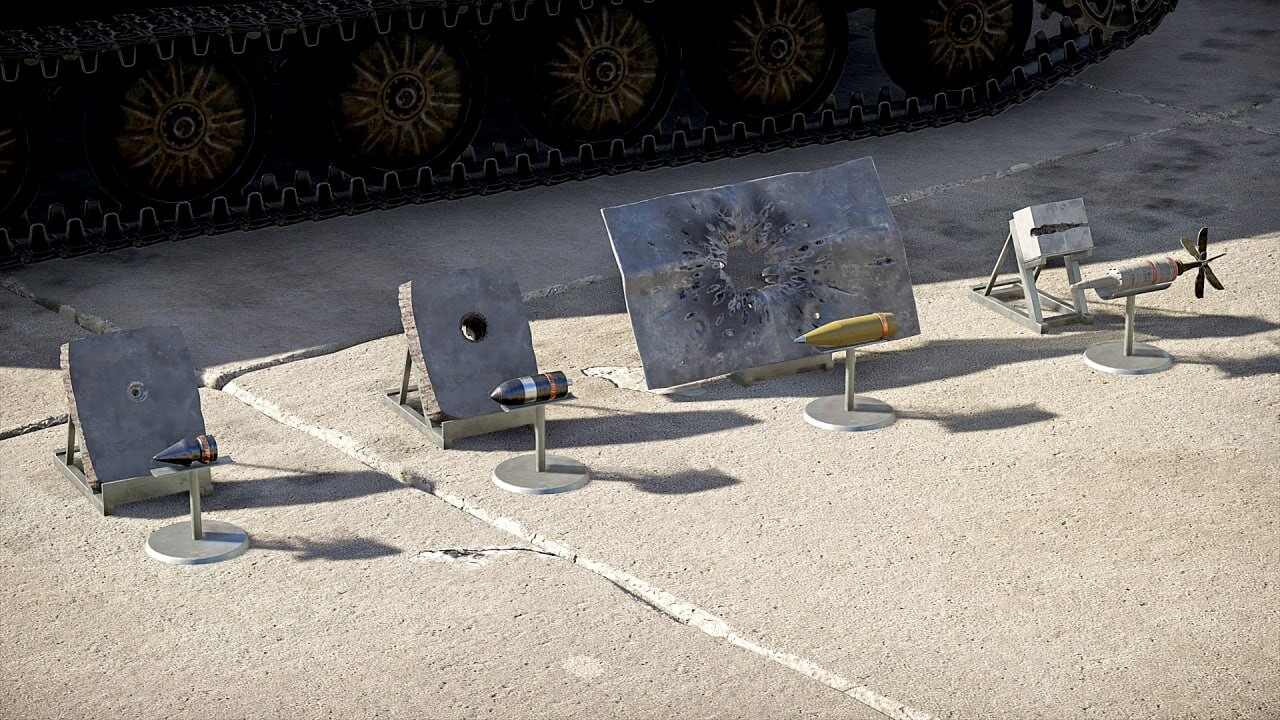
The BK-354M is the recommended round. It allows you to penetrate any enemy regardless of distance. Although it cannot boast high post-penetration damage, this weakness can be compensated for by learning crew and module layouts and carefully targeting ammunition racks. Combined with the stabilizer, this allows to disable enemies very effectively.
Secondary Armament
The PT-76B carries a 7.62 mm SGMT machine gun with 1,000 rounds of ammunition, stored in four belts of 250 rounds each. It can be used to destroy light obstacles such as fences, barriers, and vegetation that can cause HE and HEAT shells to detonate prematurely. It can also be used to eliminate exposed crew members in unarmored vehicles. The Chinese PT-76 mounts a 7.62 mm Type 59 machine gun, though its combat performance is practically identical.
Combat Use
In combat, the PT-76B can significantly influence the outcome of a battle thanks to its combination of HEAT shells and a two-plane stabilizer. Even its modest mobility and thin armor don’t hold it back. The same cannot be said for its Chinese amphibious counterpart, however, as it lacks a two-plane stabilizer.
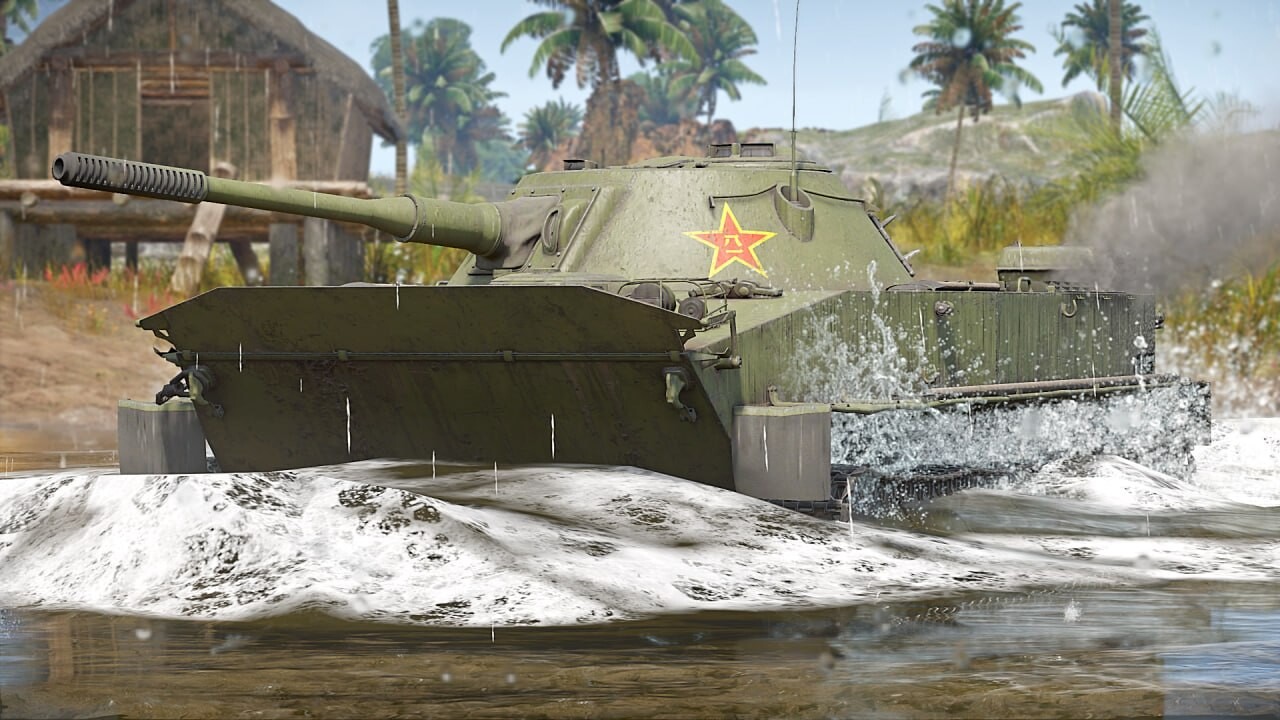
The tank performs best in close-range engagements. When emerging from cover or firing on the move, the PT-76B can usually fire first without wasting time stabilizing the gun or carefully searching for vulnerable areas. These advantages can also be used for traditional flanking attacks or second-line fire support, using the scouting mechanic to reveal enemies and helping allies eliminate the most dangerous targets. The Chinese tank has to play much more cautiously, as its unstabilized gun prevents accurate fire without coming to a complete stop. It is best used from the second line, essentially performing a self-propelled-gun role.
All PT-76 variants perform well against any opponent, especially slow, heavily armored vehicles that rely on their armor. This primarily includes World War II heavy tanks like the Tiger, IS-1, and M4A3E2 Jumbo. While these vehicles boast formidable frontal protection, the BK-354M HEAT shell ignores their armor at any range, allowing you to penetrate targets straight through center mass.
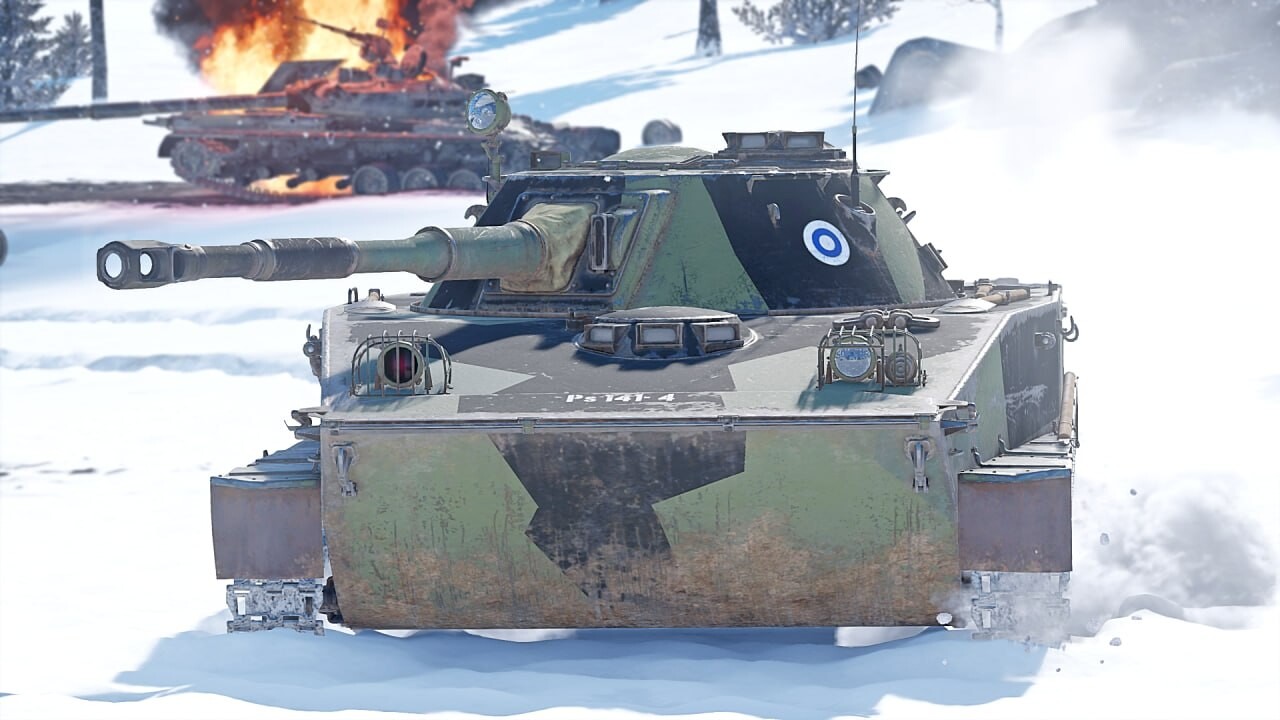
However, remember that the HEAT round has fairly weak post-penetration damage and requires precise targeting of modules, ammunition, and crew. Moreover, the Soviet tank itself has virtually no armor, so a return shot—or even a burst from an M4A3E2 Jumbo’s machine guns—leaves the PT-76B with almost no chance of surviving. Always have a “Plan B” ready in case your first shot fails to finish the job.
Historical Background
After World War II, the Soviet Army and Navy needed a versatile light tank capable of crossing water obstacles without any preliminary preparation, such as installing pontoons, and capable of entering combat immediately after leaving the water. The technical requirements called for a vehicle weighing 13–14 tonnes, armed with a 76 mm gun carrying 40 rounds, with armor up to 10 mm thick.
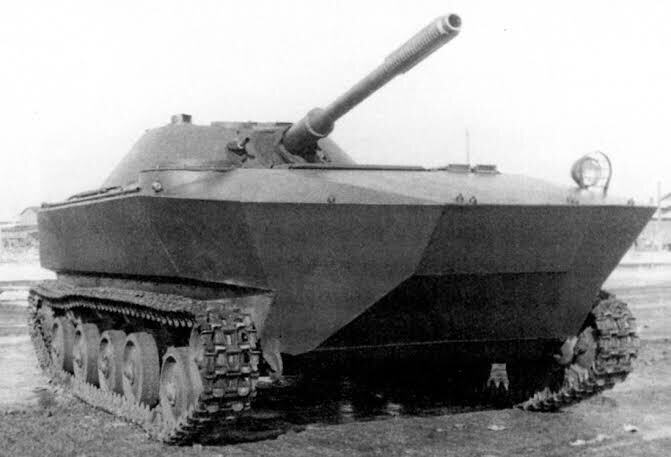
The first attempt to create such a vehicle was the R-39 project, developed in 1947 by the design bureau of Factory №112 “Krasnoye Sormovo” in Gorky (now Nizhny Novgorod). Specifically for this project—and later for the other prototypes—the D-56T gun was developed at Design Bureau №92 under chief designer A. I. Savin. It featured a distinctive slotted muzzle brake that reduced recoil, preventing the tank from capsizing and allowing it to fire while afloat.
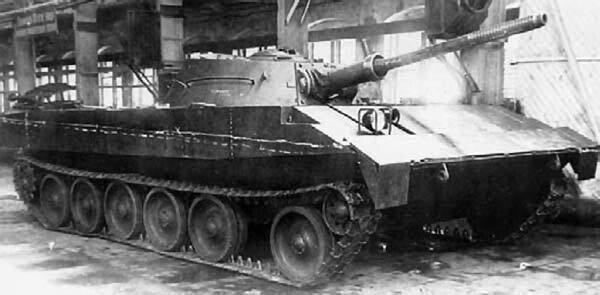
The designers followed a conventional approach: they equipped the tank with propellers and built prototypes as early as 1948. However, testing was unsuccessful and revealed several shortcomings:
- The vehicle’s weight distribution was calculated incorrectly, causing the tank to ride too low by the stern.
- The propellers and rudders were constantly damaged when leaving the water and getting onto the shore, and they became clogged with vegetation.
As a result, the R-39 project was cancelled, and the task of creating a suitable vehicle was transferred to the Leningrad VNII-100 research institute (a branch of Joseph Kotin’s design bureau), together with the Stalingrad Tractor Plant (STZ).
“Object 740” (1949–1950)
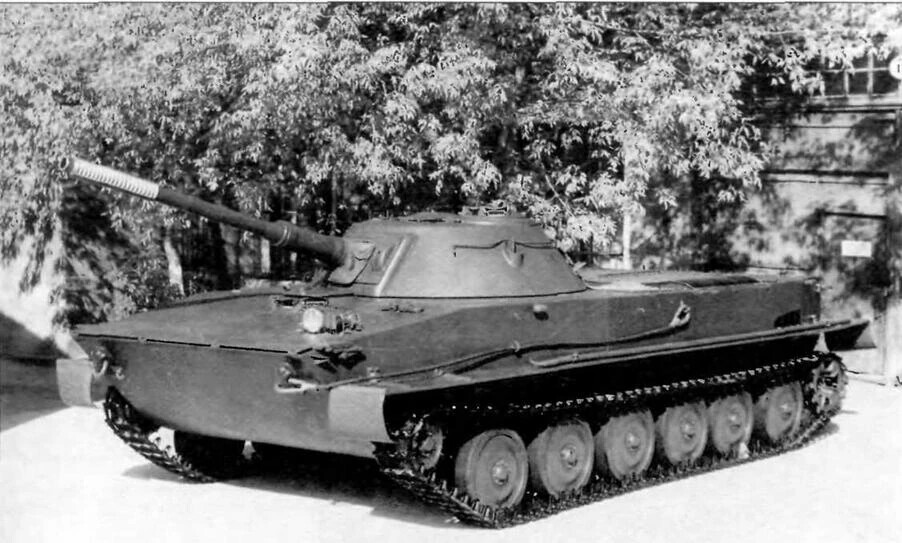
The chief designer of the new project, which received the factory designation “Object 740”, was Nikolai Fyodorovich Shashmurin. The designers simultaneously developed two vehicles on the same chassis: “Object 740” itself and the heavy amphibious armored personnel carrier “Object 740”, which would later become the BTR-50.
To solve the problems of water mobility, VNII-100 introduced several revolutionary solutions:
- Instead of propellers, two powerful water jets were installed inside the hull. Water was drawn in through the bottom and expelled under pressure through outlets at the rear. This protected the propulsion system from damage when leaving the water and provided excellent maneuverability afloat.
- An ejector cooling system was installed. Unlike a conventional fan system, it consumed significantly less power, was compact, and was simple to build and maintain.
At the same time, an alternative vehicle, the K-90, was developed at Moscow Repair Plant №2 using a propeller-driven propulsion system.
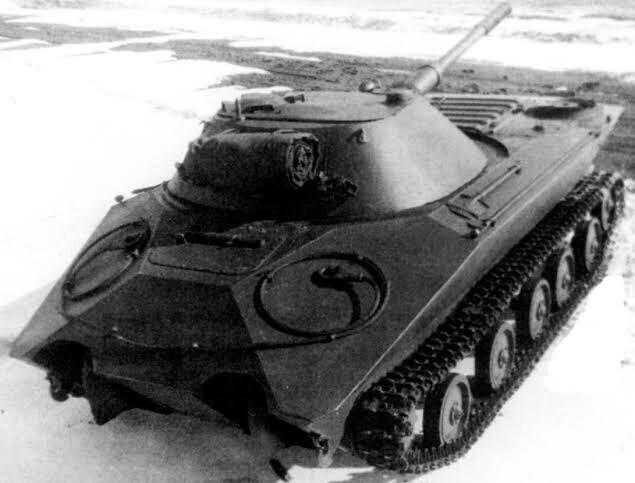
In the summer of 1950, comparative trials were conducted on Lake Ladoga and the Volkhov River. The results of “Object 740” exceeded the commission’s expectations:
- The tank could cross water obstacles without difficulty in waves reaching 4–5 points on the Beaufort scale.
- Unlike the K-90, the water-jet system of “Object 740” propelled the vehicle by drawing in, accelerating, and expelling a stream of water. This meant that shallow water, mud, and vegetation posed far fewer problems.
- The vehicle could move confidently across marshland thanks to its low ground pressure—only about 0.44 kg/cm², roughly comparable to the pressure exerted by a human foot.
The K-90 project was cancelled, while “Object 740” was recommended for adoption.
Adoption and PT-76 Modernization
On August 6, 1951, the Council of Ministers of the USSR officially adopted the tank into service under the designation PT-76. Mass production was launched at the Stalingrad Tractor Plant (STZ).
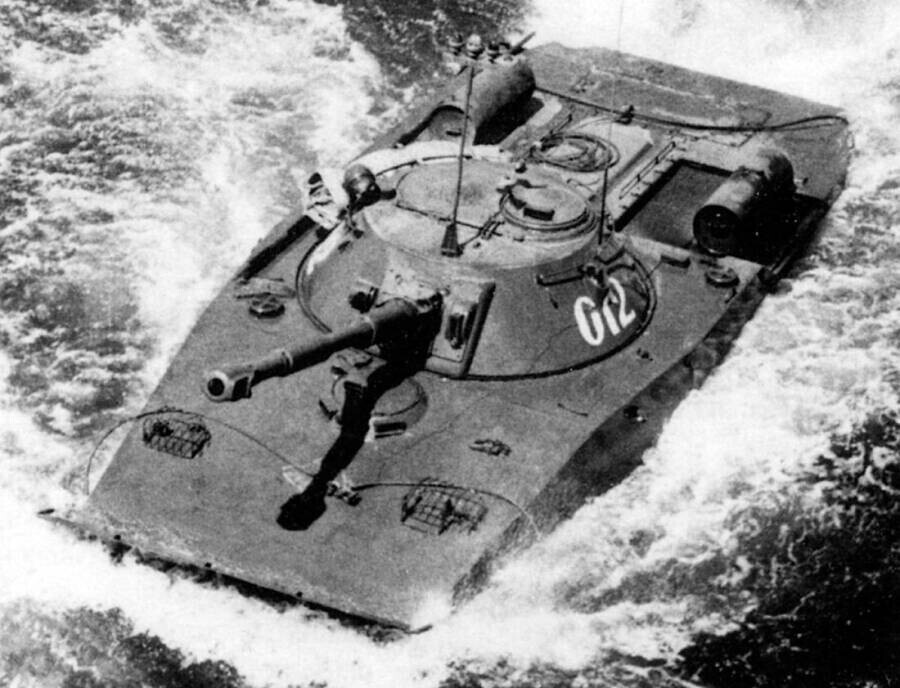
However, the development of anti-tank weapons and armored vehicles soon required further improvements. In 1957, the tank received the new D-56TM gun with a two-chamber muzzle brake and an ejector. In 1959, the vehicle was fitted with the D-56TS gun equipped with the “Zarya” two-plane stabilizer. This modification became known as the PT-76B (Object 740B). Thanks to the stabilizer, the tank could fire accurately while moving and even while traveling on water. The hull was also slightly increased in height to improve buoyancy, while a nuclear, biological, and chemical protection system and additional fuel tanks were added. Serial production of the PT-76B continued until 1967, with more than 3,000 vehicles built. The PT-76B became a mainstay of Soviet naval infantry and reconnaissance units and was exported to more than 30 countries, taking part in dozens of local wars and conflicts.
Service in the USSR
The vehicles entered service with reconnaissance battalions of motor rifle and tank divisions of the Ground Forces, as well as units of the Soviet Navy’s naval infantry. The PT-76B did not take part in large-scale combat operations as part of the Soviet Army, but it was actively used in exercises. Its withdrawal from service began gradually in the 1960s, as the vehicles were replaced by more modern infantry fighting vehicles and other systems in the Ground Forces. However, the final official order removing the PT-76B from service with the Russian Armed Forces and terminating all modernization programs was approved only in 2010.
Service in China
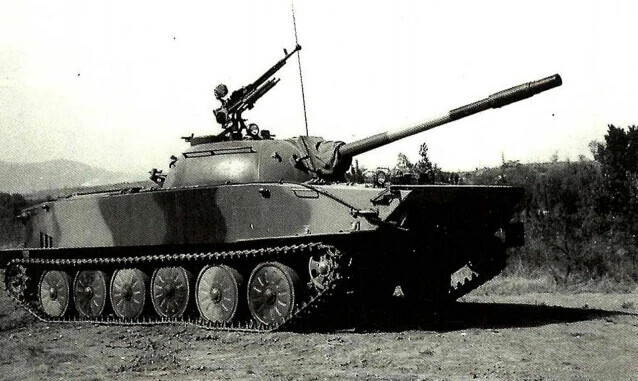
Between 1956 and 1960, the Soviet Union supplied China with approximately 250 PT-76s of various modifications, together with technical documentation. The PT-76 underwent demanding trials in the climatic conditions of southern and southeastern China, with its abundance of rivers, flooded rice paddies, and marshes. Although the PLA liked the concept of a well-armed amphibious vehicle, the tank was considered insufficiently protected, while its gun was deemed somewhat too weak for operations in the Taiwan Strait. The PT-76 became the basis for the development of China’s own amphibious tanks, including the WZ211, Type 63, and ZTS63.
Service in Finland
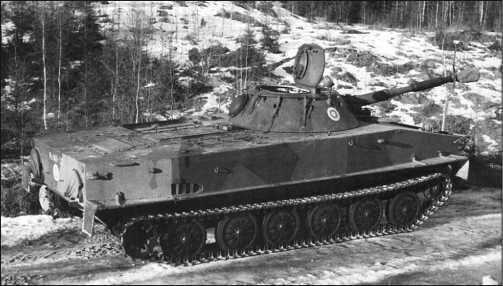
In 1962, an official Finnish military trade delegation visited the Soviet Union, where it examined various armored vehicles, including the PT-76B. The tank was considered suitable for reinforcing reconnaissance companies in tank battalions. In 1963, Finland received 12 of these tanks. The Finnish Defence Forces operated them for thirty years. In 1994, they were retired, and some PT-76s were converted into training tanks for driver-mechanics.
Combat History
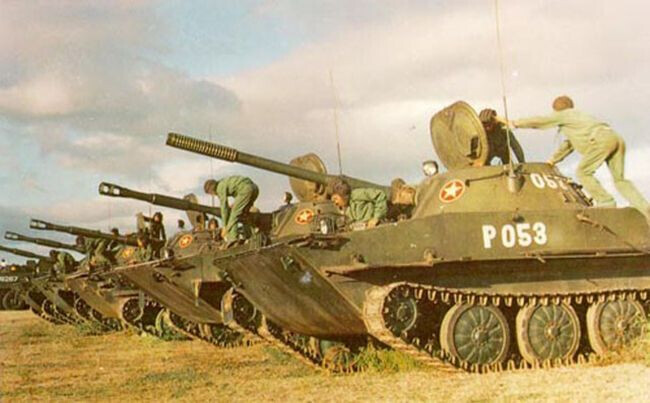
Combat experience showed that when the PT-76B was used for the purposes for which its designers intended it — reconnaissance, ambushes, and surprise attacks across river terrain — it performed very well. Attempts to send it into frontal attacks against armored vehicles and fortified positions, however, resulted in heavy losses. After all, the tank was never designed for such situations. PT-76s served in the armed forces of many countries and saw action in various parts of the world. Below are some of the most notable episodes involving the vehicle.
Vietnam War (1965–1975)
Battle of Lang Vei (1968)
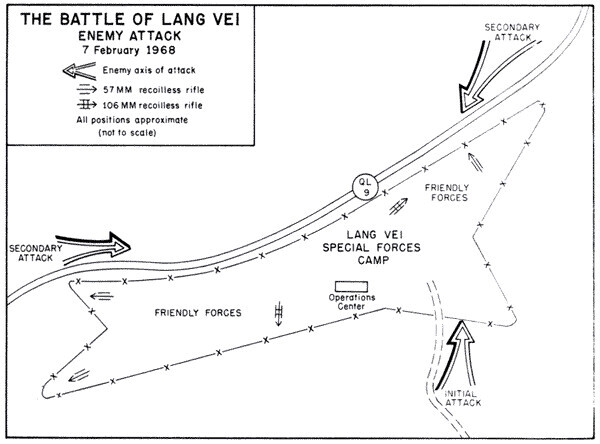
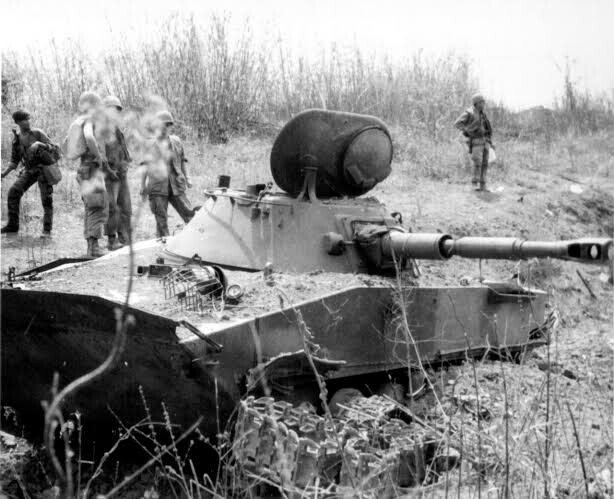
Shortly after midnight on February 7, twelve PT-76 tanks suddenly attacked the fortified base of the U.S. Special Forces “Green Berets” at Lang Vei. The Americans did not expect armored vehicles in the area, while M72 LAW launchers and recoilless rifles often failed to function or missed their targets in the darkness. The North Vietnamese lost only three tanks, while the “Green Berets” were overrun in just 13 minutes.
Battle of Ben Het (March 1969)
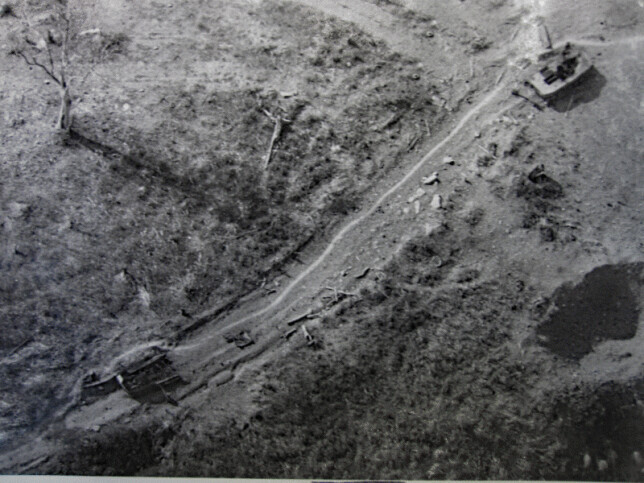
The only direct tank-versus-tank engagement between American and North Vietnamese forces during the war took place on March 3, 1969. A company of PT-76Bs attacked the Ben Het Special Forces camp at night, but encountered a platoon of American M48A3 Pattons from the U.S. Army’s 1st Battalion, 69th Armor Regiment. The M48s destroyed two PT-76Bs, while the American forces lost one tank. The Vietnamese withdrew.
Indo-Pakistani Wars (1965 and 1971)
Liberation of Bangladesh (1971)
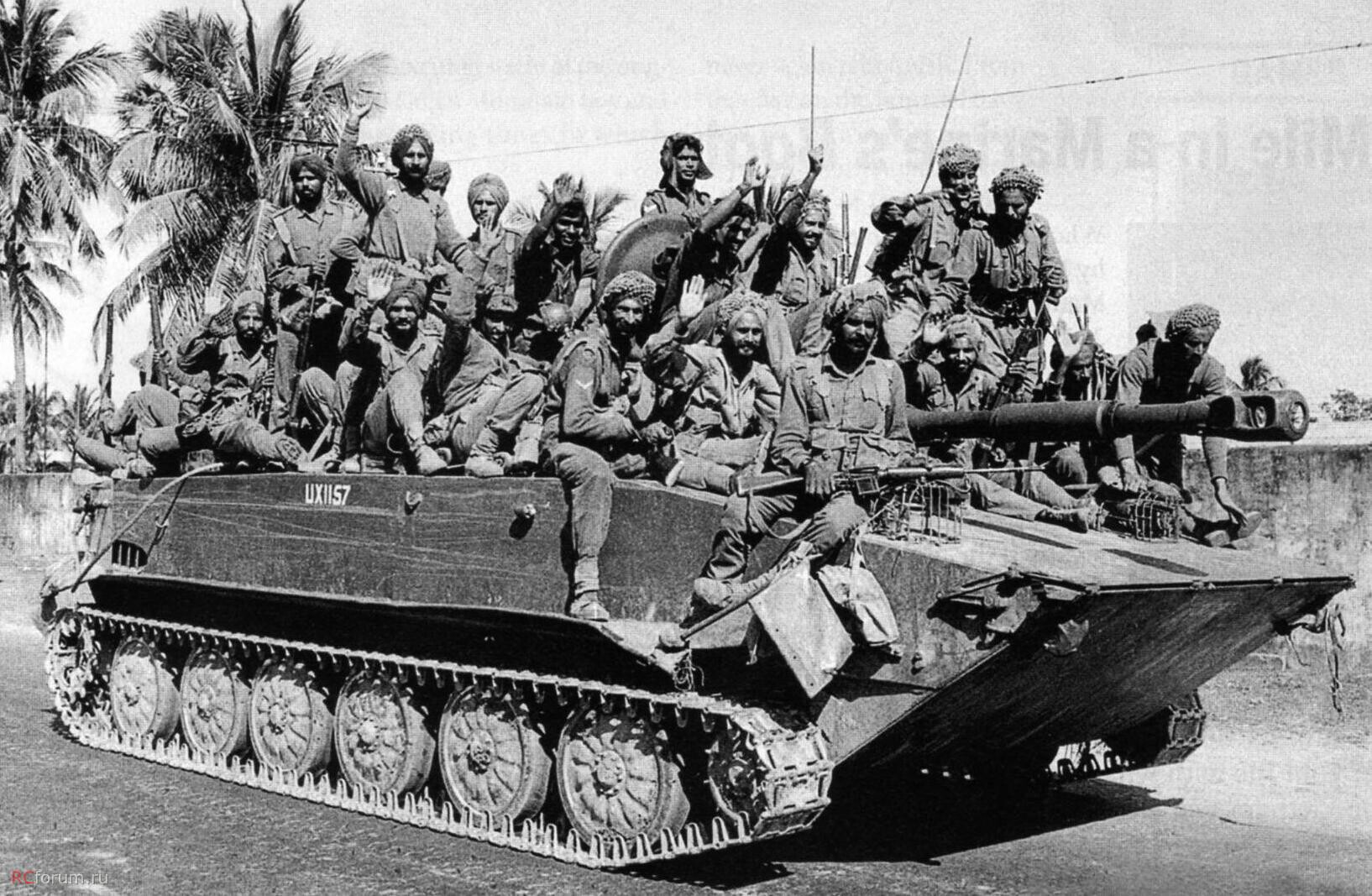
East Pakistan (now Bangladesh) is a vast delta formed by the Ganges and Brahmaputra rivers, covered by seemingly impassable marshes and waterways. Pakistani forces built their defenses along roads and bridges, believing that the swampy terrain was impassable to armored vehicles and infantry. During the war, however, Indian PT-76Bs crossed rivers and marshes afloat without preparation, contrary to the expectations of the Pakistani forces. Although the vehicle’s armor was so weak that the PT-76 earned the nickname “Pippa” (“पीपा”, the Hindi word for a metal drum or can), it played an important role in the conflict by penetrating deep into the Pakistani rear, disrupting supply lines, and capturing key crossings.
Arab–Israeli Wars (1967 and 1973)
Six-Day War (1967)
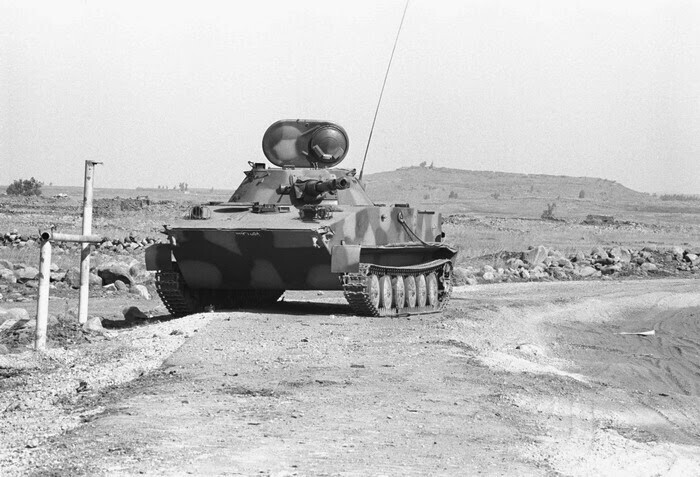
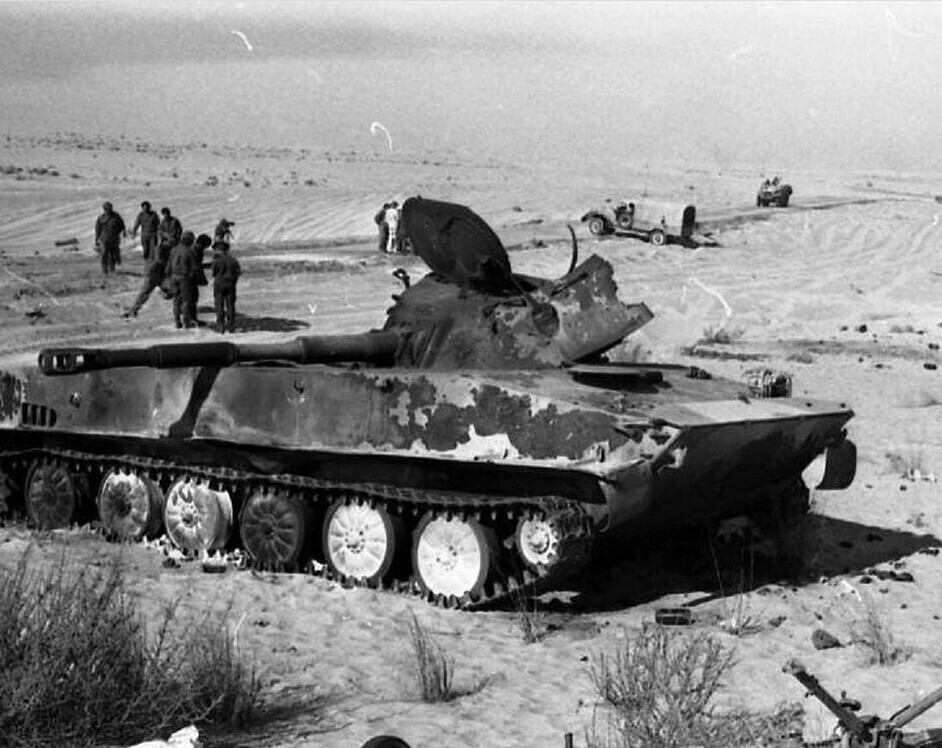
Egyptian and Syrian PT-76Bs were used in the Sinai Desert and on the Golan Heights. In the open desert, their amphibious capabilities were of little use, while their weak armor and relatively low mobility compared with medium tanks made them easy targets for Israeli Magach and Sho’t tanks and aircraft. During the Egyptian retreat across Sinai, dozens of PT-76s were abandoned by their crews because of breakdowns, fuel shortages, or panic, and were captured by Israel in almost intact condition.
Yom Kippur War (1973)
The PT-76B was one of the vehicles Egypt had originally purchased for this war. During the first wave of the Egyptian offensive, amphibious tanks crossed the Suez Canal and Great Bitter Lake under their own power. They quickly secured bridgeheads on the eastern bank and advanced toward the Mitla and Gidi Passes to cut off routes used by Israeli reserves. However, after encountering counterattacking Israeli Magach and Sho’t Kal tanks, the PT-76Bs suffered heavy losses. Their guns could not compete on equal terms with such formidable vehicles operating from cover, especially at long range.
Operation Abirey-Lev (1973)
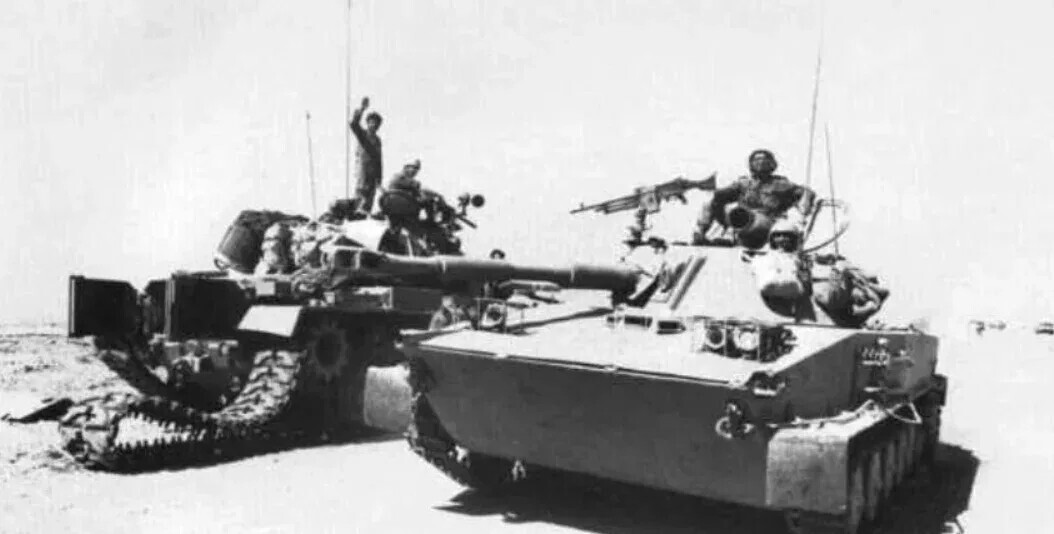
When Egyptian forces became bogged down in Sinai, Israeli General Ariel Sharon planned a counterattack across the Suez Canal to strike the Egyptian army in the rear. The 88th Battalion, using captured PT-76Bs and BTR-50s, was the first to cross the Great Bitter Lake and establish a foothold on the Egyptian shore, while engineering units were still constructing pontoon bridges along congested roads. Because the battalion used Soviet vehicles in the darkness and confusion of the night, Egyptian patrols did not immediately realize that they were facing enemy forces. Once across the canal, the Israeli PT-76Bs immediately began operating in the enemy rear. Their main targets were S-75 and Kvadrat surface-to-air missile positions. By destroying Egyptian launchers and radars, the captured PT-76s helped create a gap in Egypt’s air-defense network, allowing the Israeli Air Force to enter the airspace more freely and strike Egyptian forces.
Other Conflicts
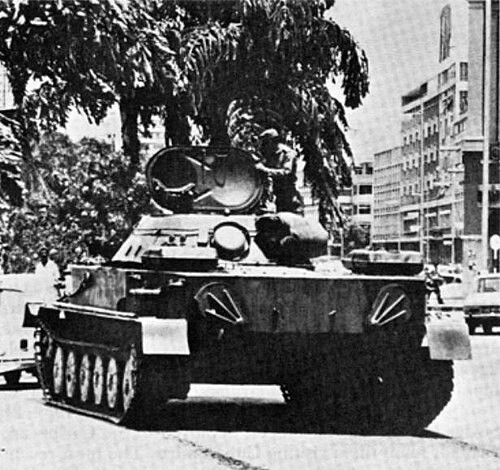
- Angolan Civil War — PT-76s supplied to Cuban and Angolan forces were used against South African troops.
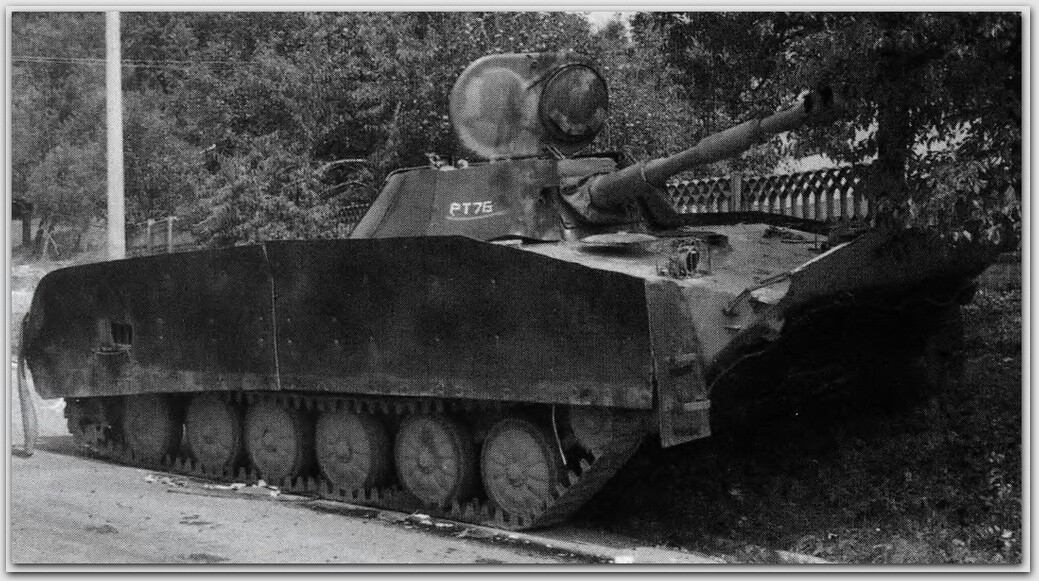
- Yugoslav Wars (1991–1995) — PT-76s were used by the Yugoslav People’s Army.
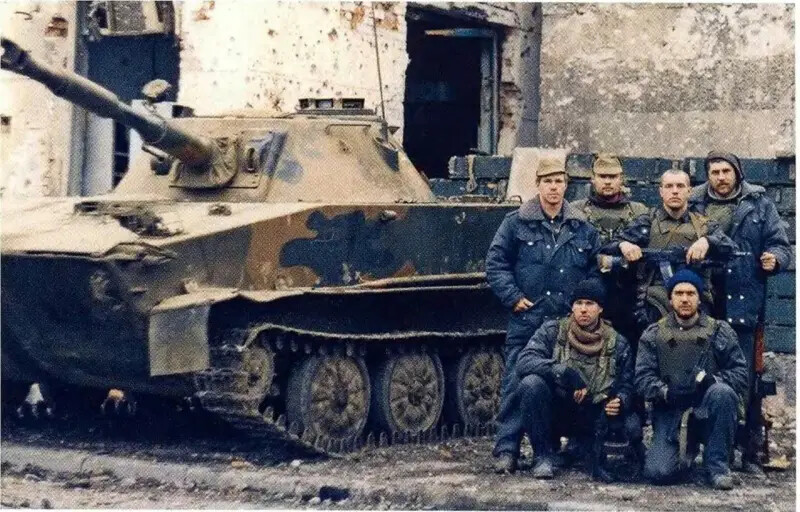
- Chechen Wars (Russian Federation) — PT-76Bs remained in service with naval infantry and Internal Troops units of the Russian Ministry of Internal Affairs. They were used as mobile armored checkpoints and fire-support vehicles, as they could easily cross rivers and navigate muddy mountain roads.
Links
- ПТ-76(страница в Википедии)
- 16 августа 1952 г. на вооружение принят ПТ-76
- ПТ-76
- Объект 740
- История ПТ-76
- ПТ-76: легендарний радянський плаваючий танк у військовій історії
- Когда танки захватили “зелёных беретов”: Битва при Лангвэй
- Единственный за всю Вьетнамскую войну бой между северовьетнамскими и американскими танками.
- The PT-76 Light Tank in the India-Pakistan Wars: The Amphibious Armor Advantage
- Syrian PT-76 in the 1973 Yom Kippur War
- Tanks encyclopedia PT-76