#destroyers

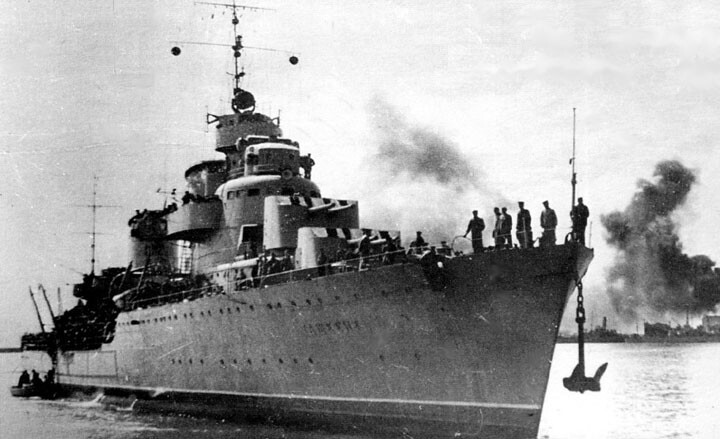
Unsatisfied with their domestically built Leningrad-class destroyer leader, The Soviet Navy sought foreign assistance to help them build a new destroyer. The Italian company Odero-Terni-Orlando (OTO) took on that challenge to build a big destroyer to serve as Soviet Navy Flotilla Leader. This ship would later be the most powerful destroyer the Soviet Navy had during WW2 and would later serve as a reference for future Soviet destroyers.

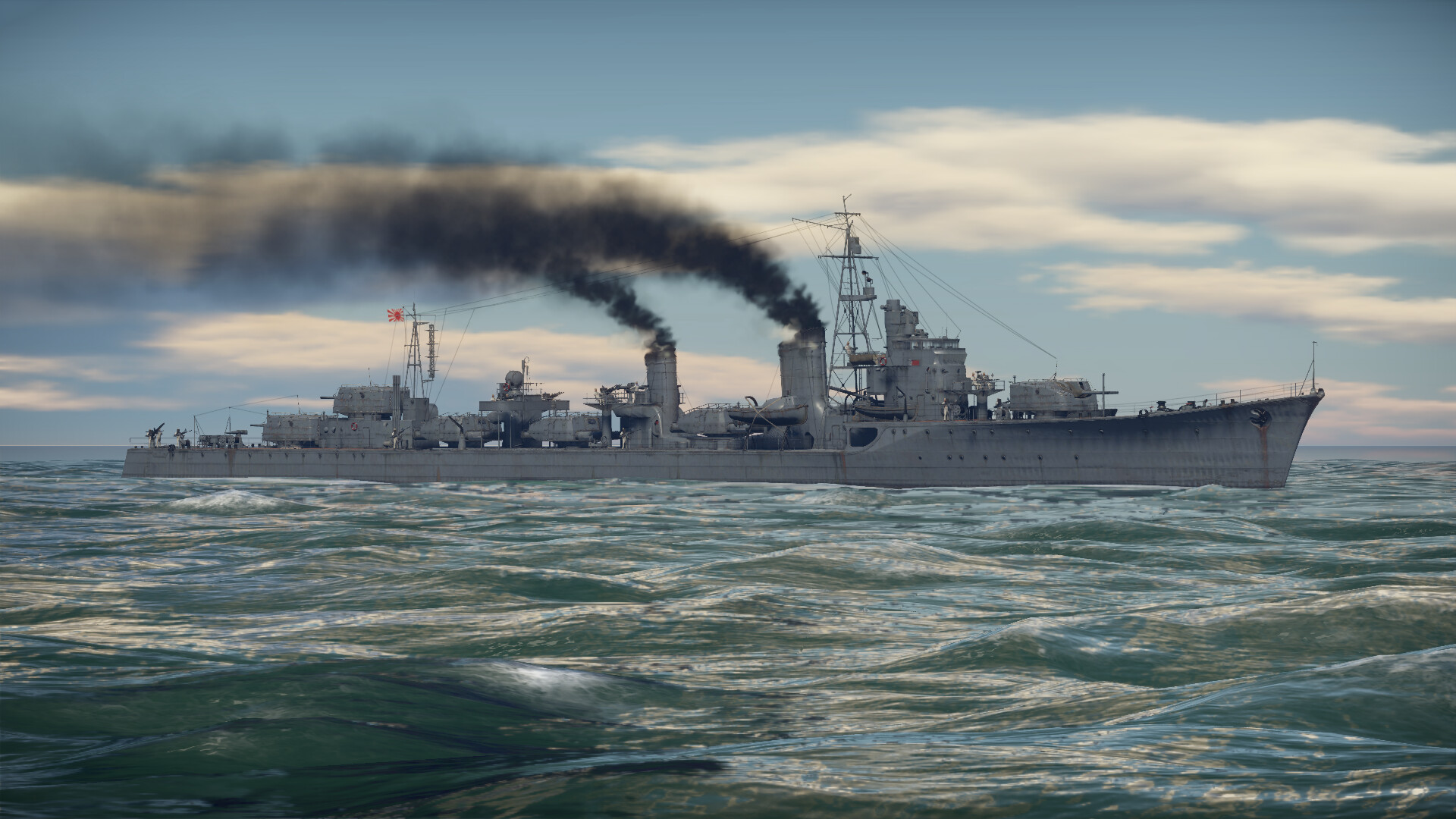
Shimakaze, the only built of her kind, was the fastest large ship of the Imperial Japanese Navy. As part of a three-type modernization of Japanese destroyer roles, Shimakaze served as a Type C, heavy-duty destroyer, utilizing superior speed and more torpedo launch tubes for a quick and decisive torpedo attack before speeding back to safety.
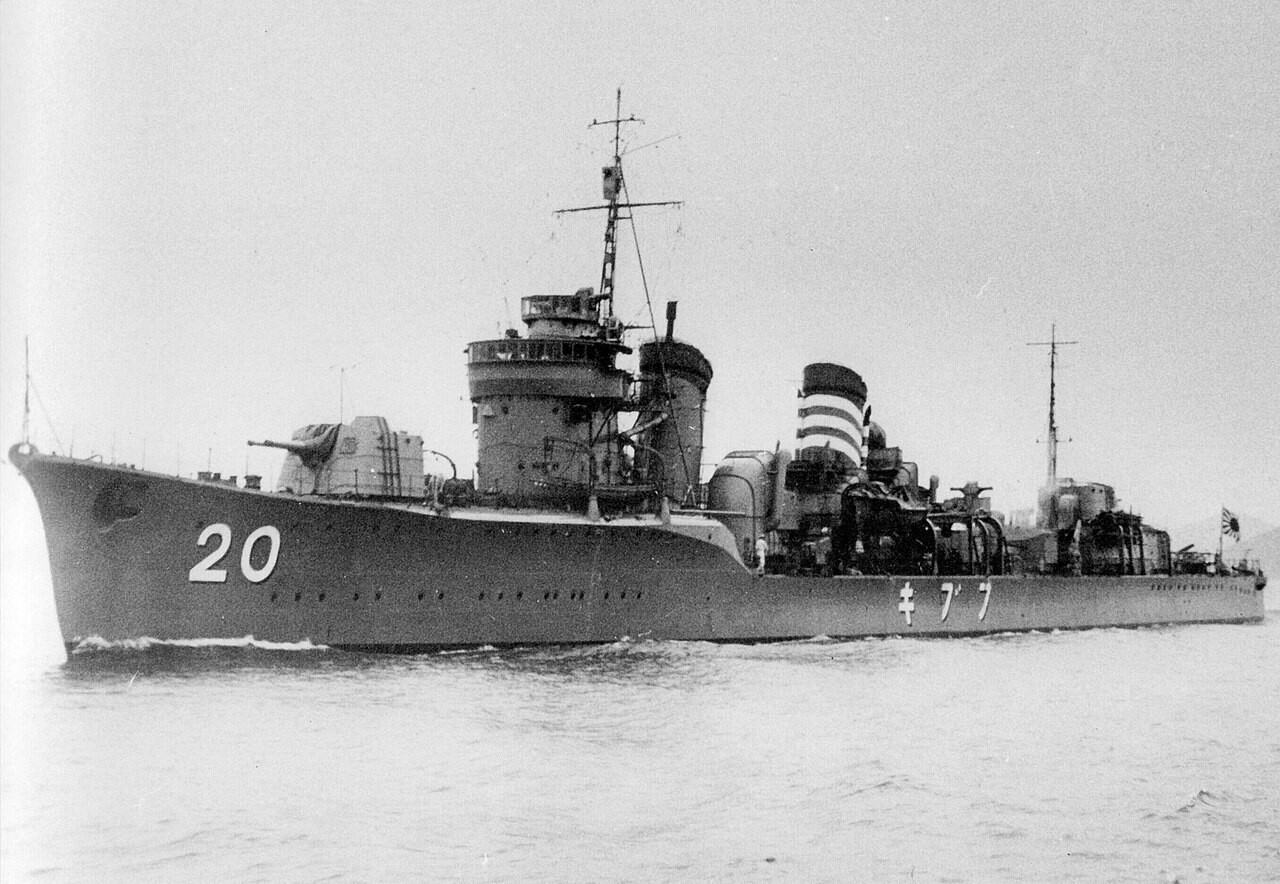
In 1928, a newly commissioned Japanese destroyer would change the way the Imperial Navy, and navies across the world viewed their destroyers. At 1,750 tons standard displacement, the IJN packed their new ship with six 5-inch guns in three waterproof mounts and three 24-inch triple-torpedo tube mounts with a reload for each tube for a grand total of eighteen torpedoes, a significant increase in armament compared to her contemporaries. The world had been introduced to IJN Fubuki, first of the so-called special-type destroyers.

From the spring of 1942, the General Board of the US Navy brought up a new fleet destroyer design for consideration. The design was expected to improve on the existing 2,200-ton Sumner class by raising the top speed from 36.5 to 38 knots with a moderate increase of 300 tons in displacement. This began a series of design studies that evaluated the potential characteristics of an improved Sumner/Gearing class. By the end of 1948, the design was drastically different from the destroyer envisioned 6 years before and formed the basis for the Mitscher class destroyer leaders.


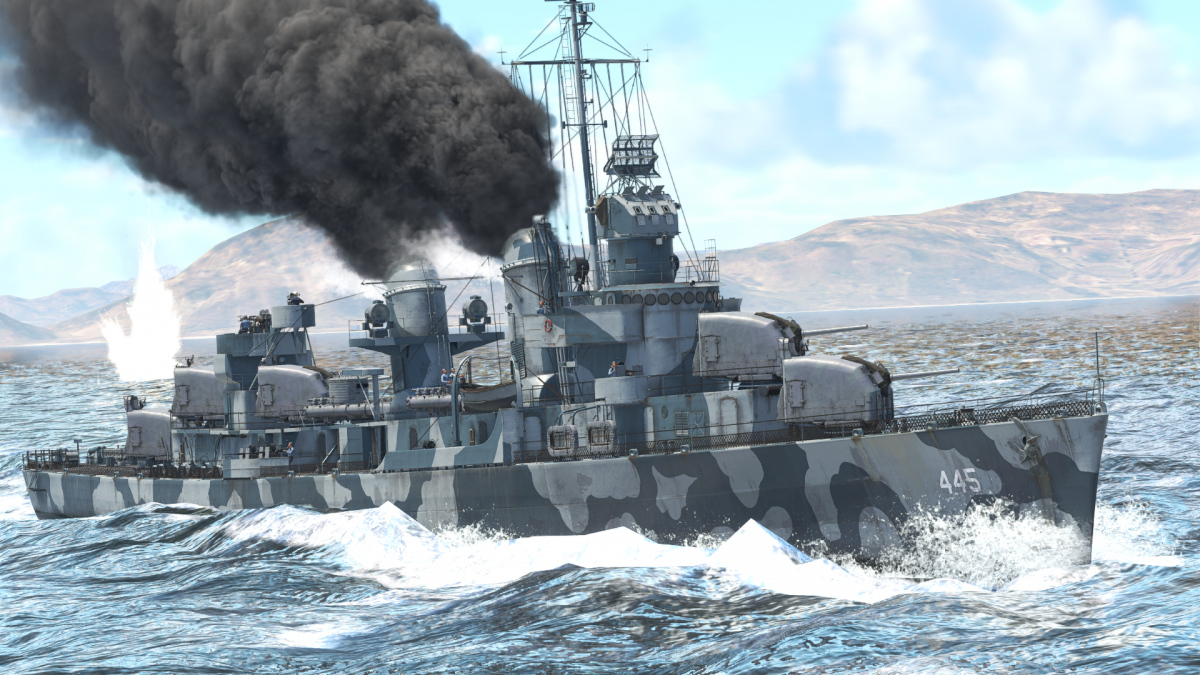
In the early morning of December 7, 1941, Japan launched a surprise attack on Pearl Harbor, taking the lives of many American servicemen and crippling much of the U.S. Pacific Fleet while at port. Outraged and united by the rallying cry “Remember Pearl Harbor,” the United States declared war on Japan. In the rapid industrial mobilization that followed, new warships were named in honor of the courageous officers who perished during the attack; among these was the USS Bennion, named for a valiant battleship commander who made the ultimate sacrifice at Pearl Harbor. This is the story of her service in the war.

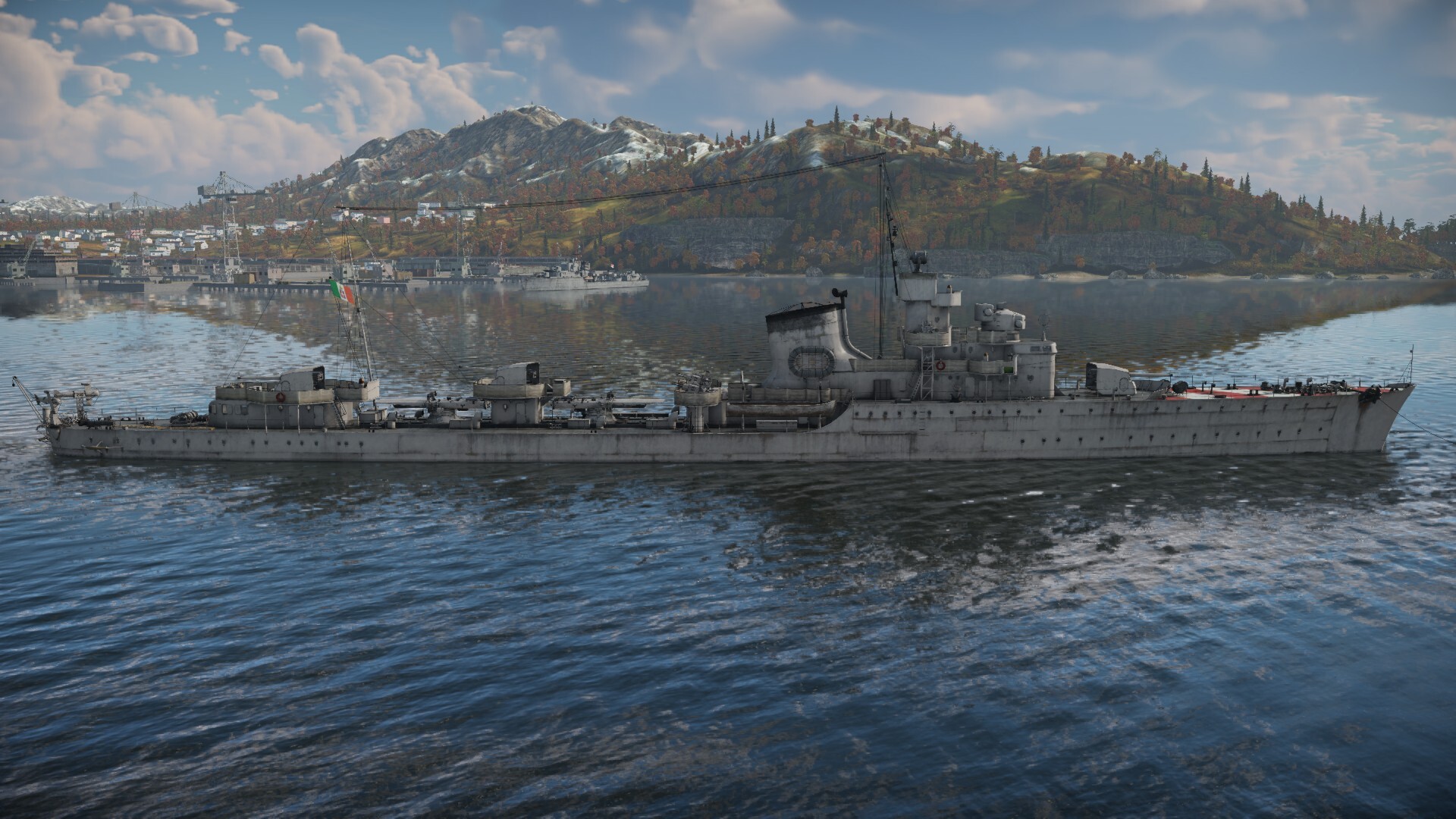
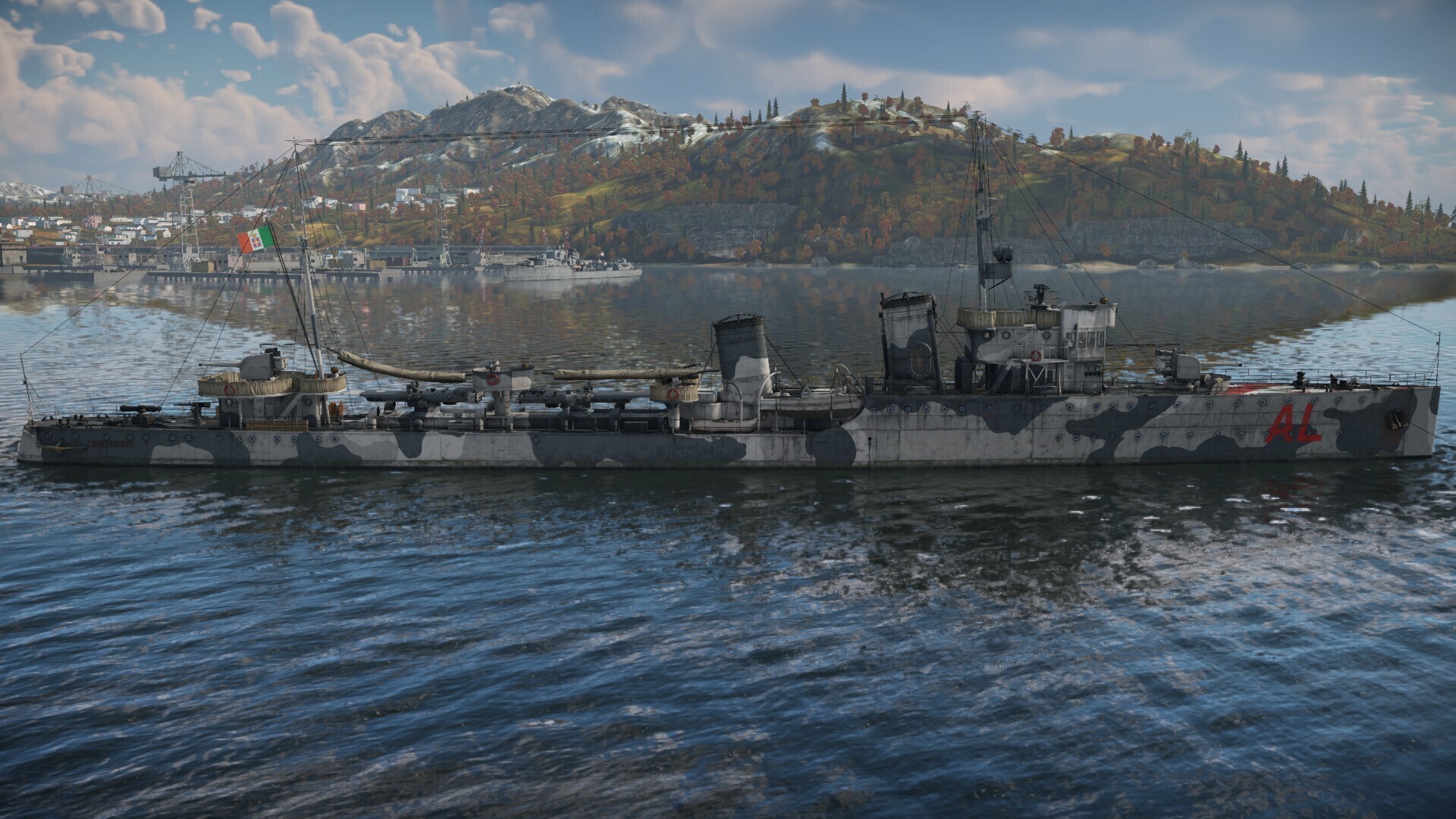
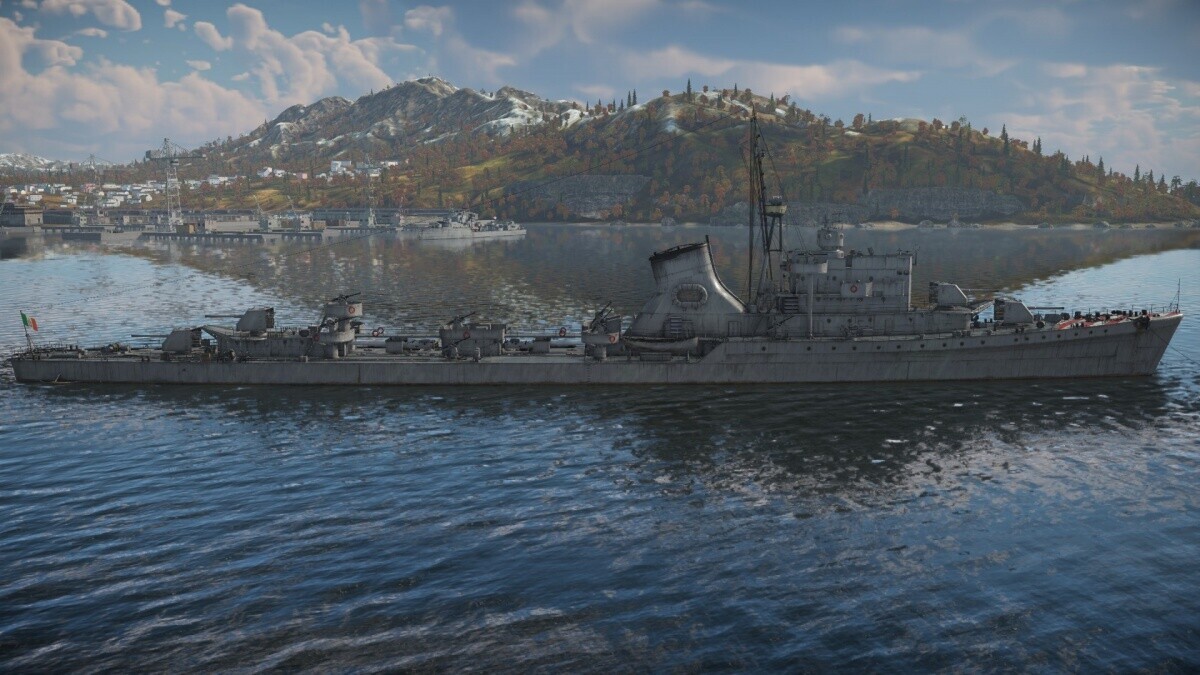
RN Aquilone (1927) built by the Odero Shipyard, entered into service on December 3, 1927. In 1929 RN Aquilone constituted, together with the twins RN Turbine, RN Euro, and RN Nembo, the II Squadron of the 1st Flotilla of the I Division of Torpedoes, framed in the 1st Naval Squadron, based in La Spezia, the ship participated in some cruises in the Mediterranean from 1929 to 1932.