
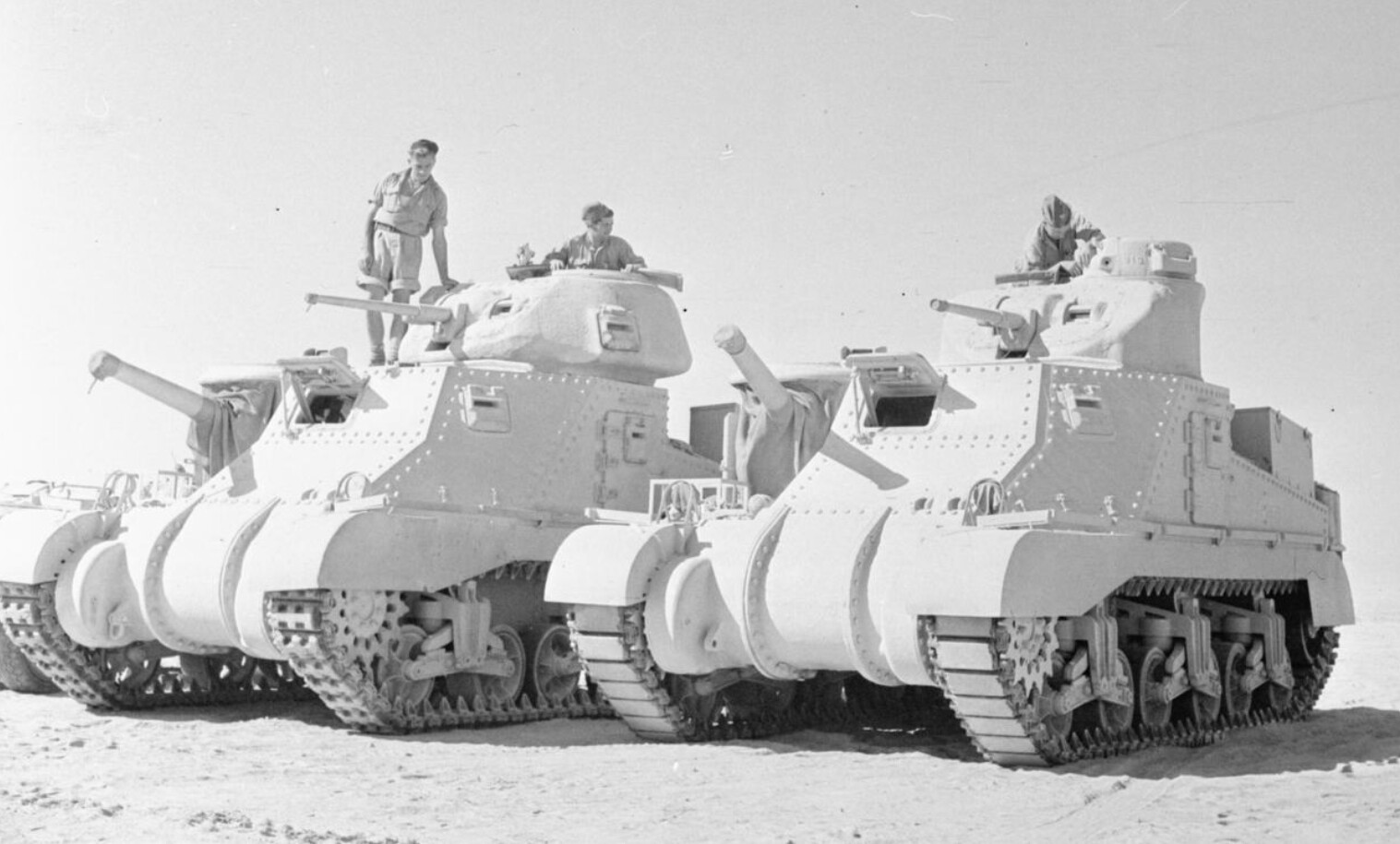
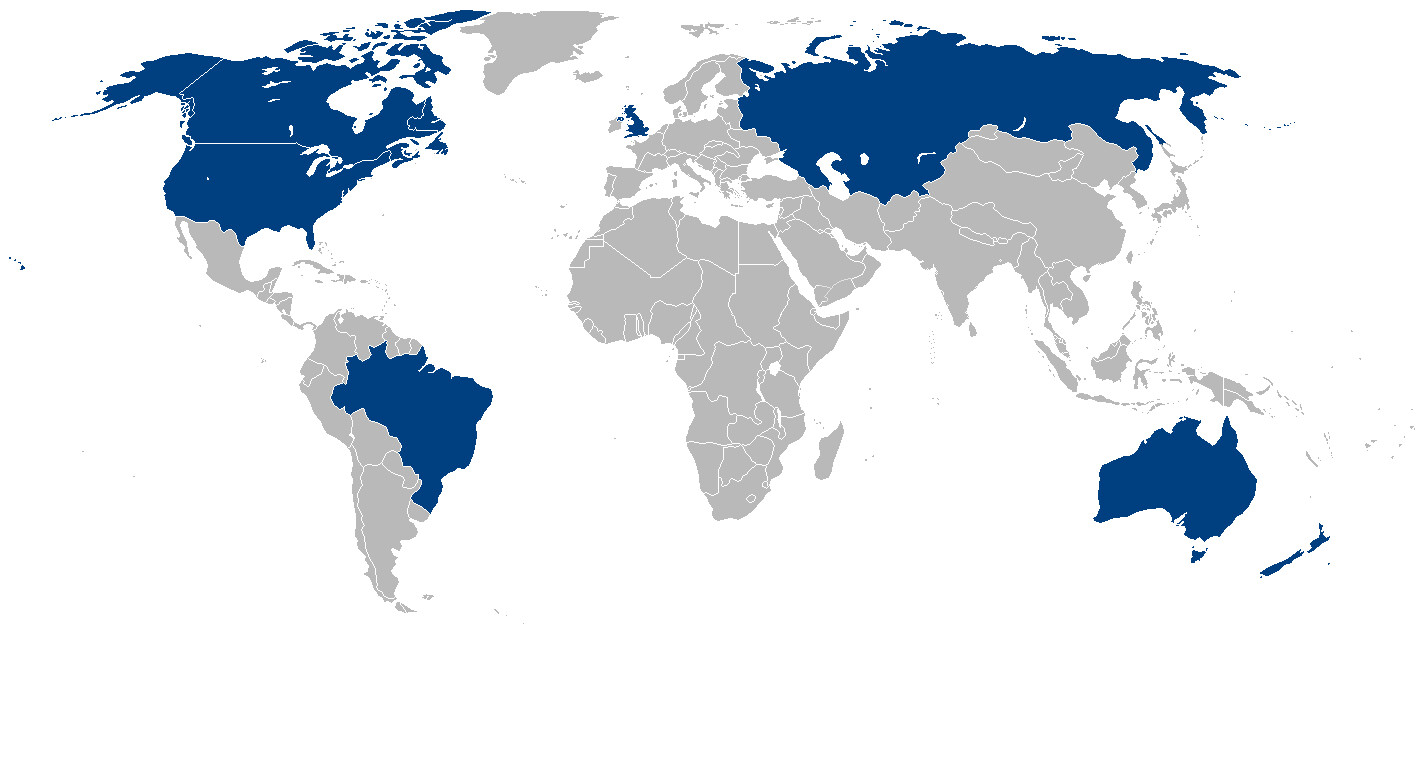
Today, folks, we're going to look at a big hopper, namely the M3 Lee or Grant. These weren't its only names; it was mockingly called the Cathedral by the Americans because of its silhouette, while the Germans called it “Grab für sechs Freunde” (Grave for six friends), making fun of the tank's flammability. However, it not only had many names but also many variations and versions, some of which you've never heard of, are fake, or are among the most famous in the world. It was also operated by a wide variety of users. And that’s not all: Bernard Montgomery (also called “Monty”) even used an M3 Grant as his personal tank; its nickname was also “Monty“.
Interesting Fact:
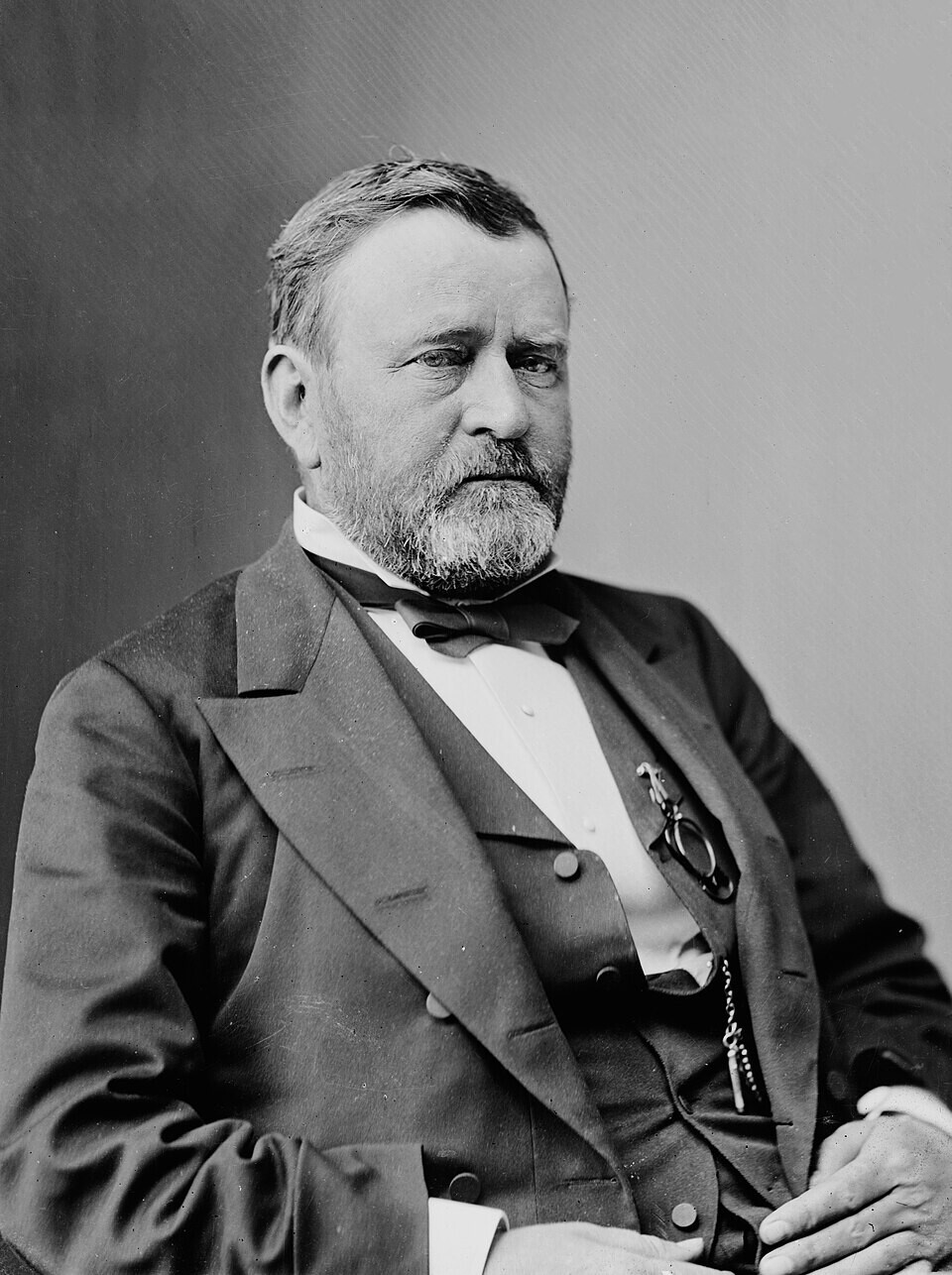
Grant: Ulysses S. Grant was born on April 27, 1822, in Point Pleasant, Ohio. He rose to prominence as the commanding general of the Union forces (also known as Yankees) during the American Civil War (1861–1865). During the Civil War, Grant achieved victory in several battles, including Fort Donelson (February 1862), the Union's first major victory of the war, and Shiloh (April 1862), a two-day engagement that was among the conflict's bloodiest yet still resulted in a Union victory despite heavy losses; he also secured victory at Vicksburg (July 1863), the capture of which is considered a turning point in the Civil War. His strategy involved keeping the Confederate forces under General Lee under constant pressure and wearing them down until they finally surrendered following the Siege of Petersburg in 1865. Shortly thereafter, Grant was elected the 18th President of the United States, serving from 1869 to 1877. He later died on July 23, 1885, in Wilton, New York.
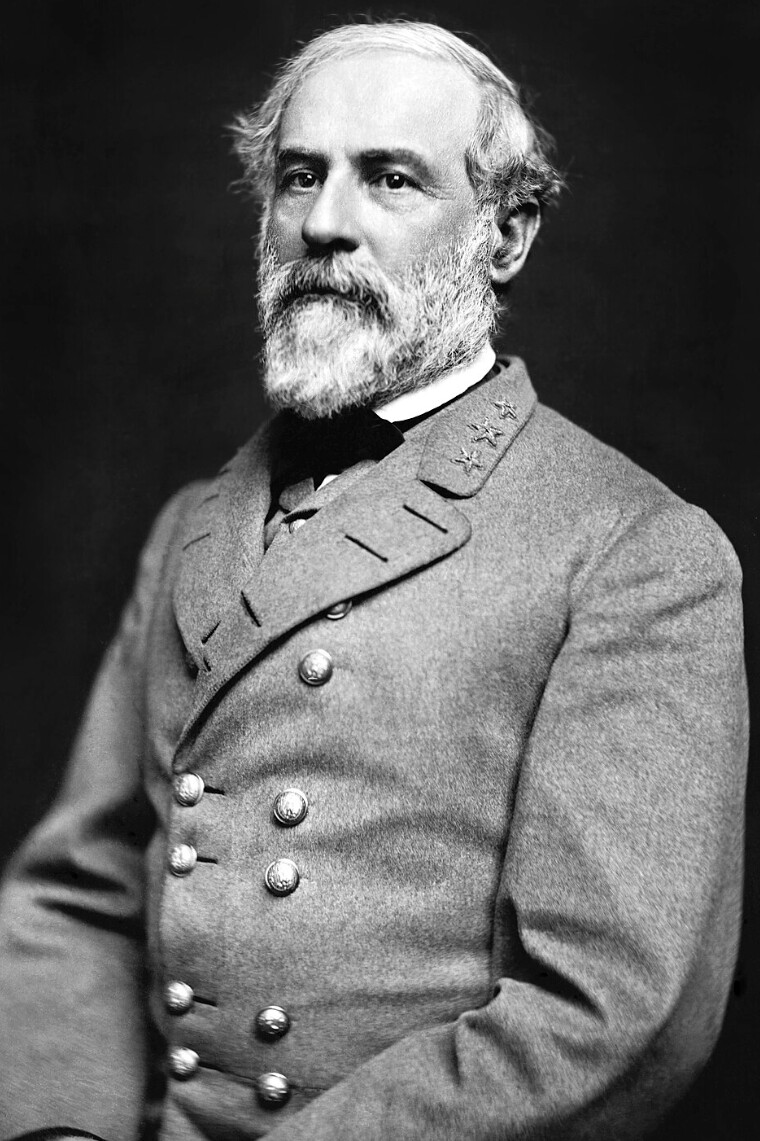
Lee: Robert E. Lee was Grant's direct adversary during the American Civil War. Born on January 19, 1807, at Stratford Hall Plantation in Virginia, he became the most successful and renowned general of the conflict, eventually serving as commander-in-chief of the Confederate forces. His tactical approach involved granting his subordinates the freedom to execute assigned missions however and whenever they deemed appropriate; for instance, at the Battle of Gettysburg, he instructed Lieutenant General Richard S. Ewell to attack at a suitable moment, leaving it to the lieutenant general to decide whether to create such an opportunity himself or seize one that arose spontaneously, rather than waiting and potentially missing the chance. Following the Confederate defeat, General Lee and his army swore an oath never to take up arms against the United States again and were subsequently rehabilitated after taking a further oath of allegiance. However, the document required for Lee to swear this second oath was misplaced, preventing him from formally taking it; nevertheless, he was able to resume a normal life. On October 2, 1865, he was elected president of Washington College in Lexington, where he oversaw the introduction of courses in journalism, Spanish, and economics. Five years later, on October 12, 1870, Lee died from angina pectoris (a heart condition) and heart failure; there were also indications that he had suffered a stroke during the final two weeks of his life, as he had lost the ability to speak properly during that period.
Technical Data
| Height | 3.12 m (Lee) / 3.02 m (Grant) |
| Length | 5.90 m |
| Width | 2.75 m |
| Engine | air-cooled Continental Wright 9-cylinder radial engine |
| Mass | 28 t |
| Power | 400 hp |
| Top Speed | 40 km/h |
| Range | ~170 - 190 km |
| Crew | 7 (Lee) / 6 (Grant) |
| Main Armament | 1 × 75 mm Gun M2/M3 in the hull 1 × 37 mm Gun M5/M6 in the turret |
| Secondary Armament | depending on the variant, 2–4 × .30-06 Browning M1919A4 machine guns |
| Unit Costs | ~1940: 55,250 $ -> Today: ~1,314,000 $ / ~1,151,700 € |
Development
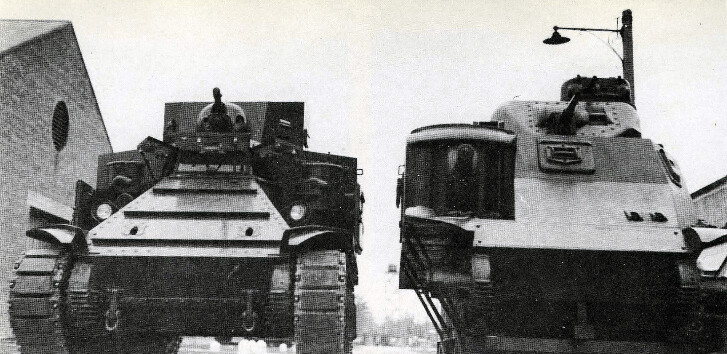
Due to the deteriorating global situation in the late 1930s and an inventory of inadequate, obsolete armored vehicles, consisting of the M2A1 - A3 and the M1 and M1A1 Combat Car, the US military found itself compelled to develop a new tank. The result was the M2 Medium Tank; essentially, it was an enlarged and heavier version of the M2 Light Tank. This design approach was driven by a tight budget and the requirement to manufacture the new tank in large numbers as quickly as possible, necessitating the use of as many components from the M2 Light Tank as feasible.
Following the further global escalation in 1938 and the outbreak of war on September 1, 1939, Nazi Germany launched numerous invasions across Europe, targeting Poland, Denmark, and Norway, and eventually France and the Benelux countries during the Westfeldzug.
Note: General Heinz Guderian’s Blitzkrieg strategies drove this offensive, causing the collapse within just a few weeks of France, a nation previously regarded as a formidable military power. This earned him several nicknames such as “Schneller Heinz” (Speedy Heinz) or “Panzer Admiral” (Tank Admiral).
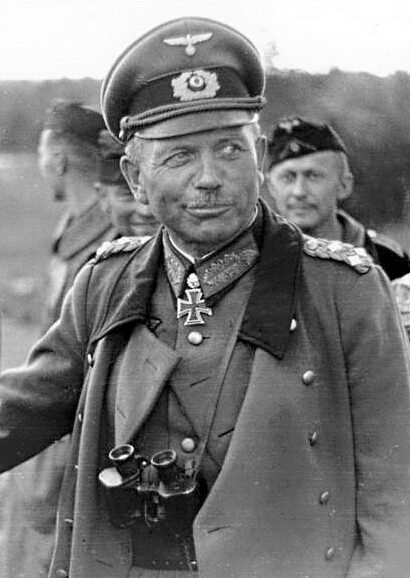
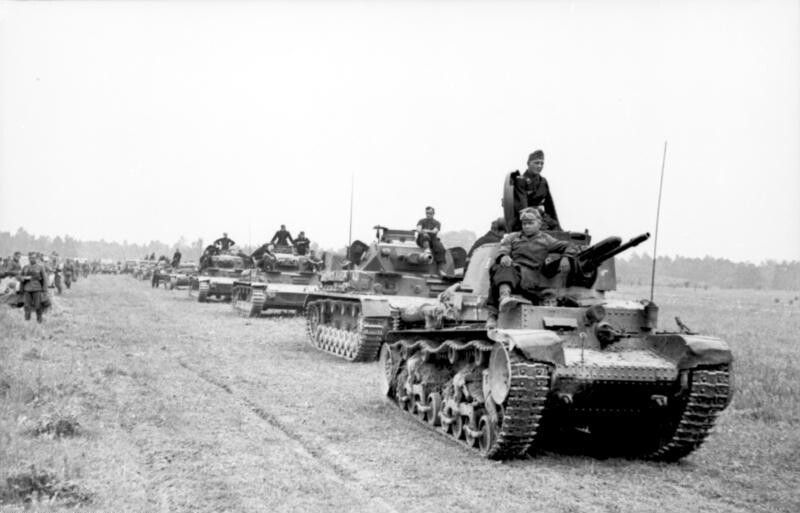
Due to the collapse of France and the defeat of the British Expeditionary Force, as well as the mistaken assumption that German armored units relied primarily or largely on the Panzer IV, the Americans wanted to develop a tank that could effectively counter the Panzer IV. However, this assumption did not reflect reality, as the most widely used German tanks were actually the Panzer II and Panzer III.
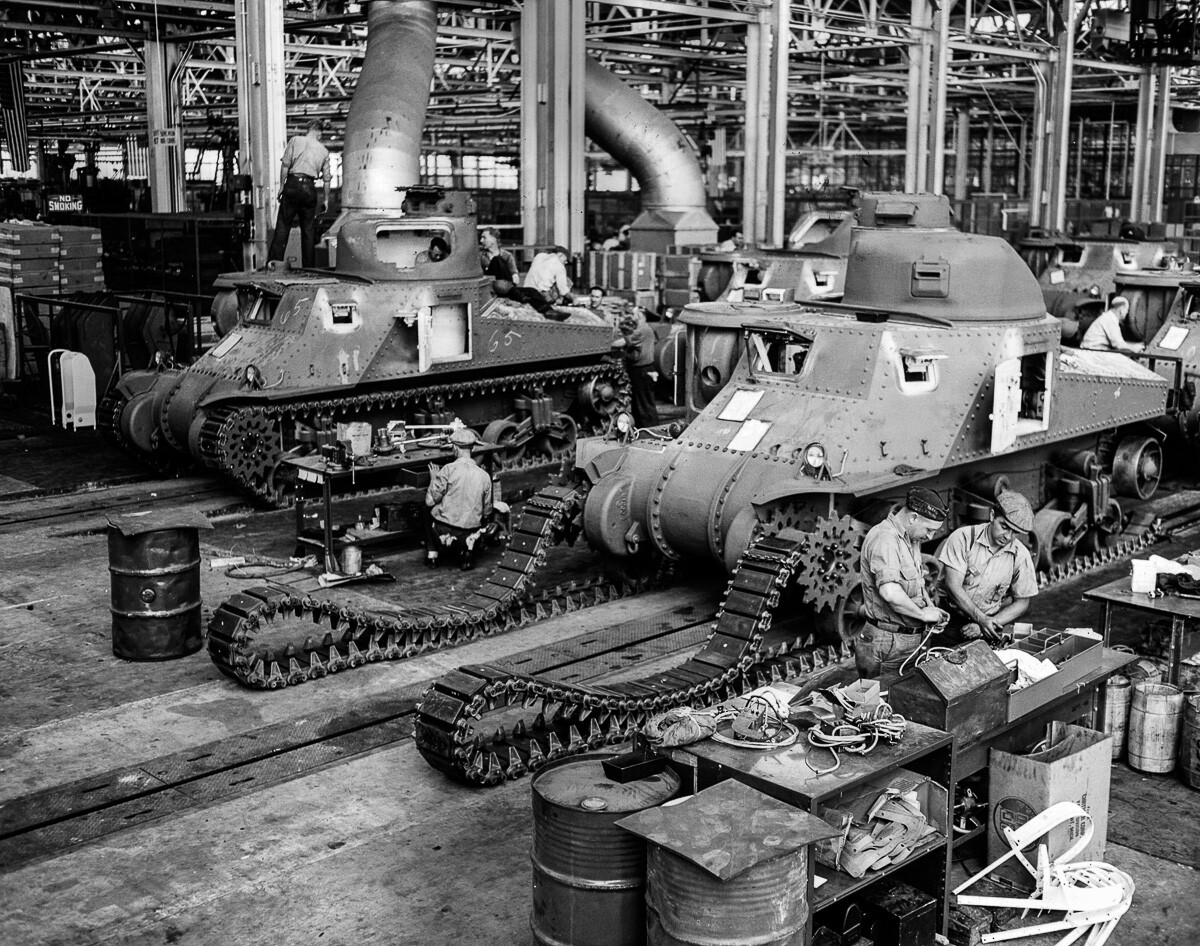
Within just six months, a box-like superstructure was built upon a slightly modified M2 medium chassis; it mounted a 75 mm cannon as its main armament, positioned to the right of the centrally seated driver. Nevertheless, the designers could not forgo comprehensive combat capability, as they lacked the technical know-how to mount the 75 mm gun in a rotating turret, so a smaller turret, equipped with a 37 mm cannon and a M1919A4 Browning machine gun, was placed on the superstructure, offset to the left of the centerline.
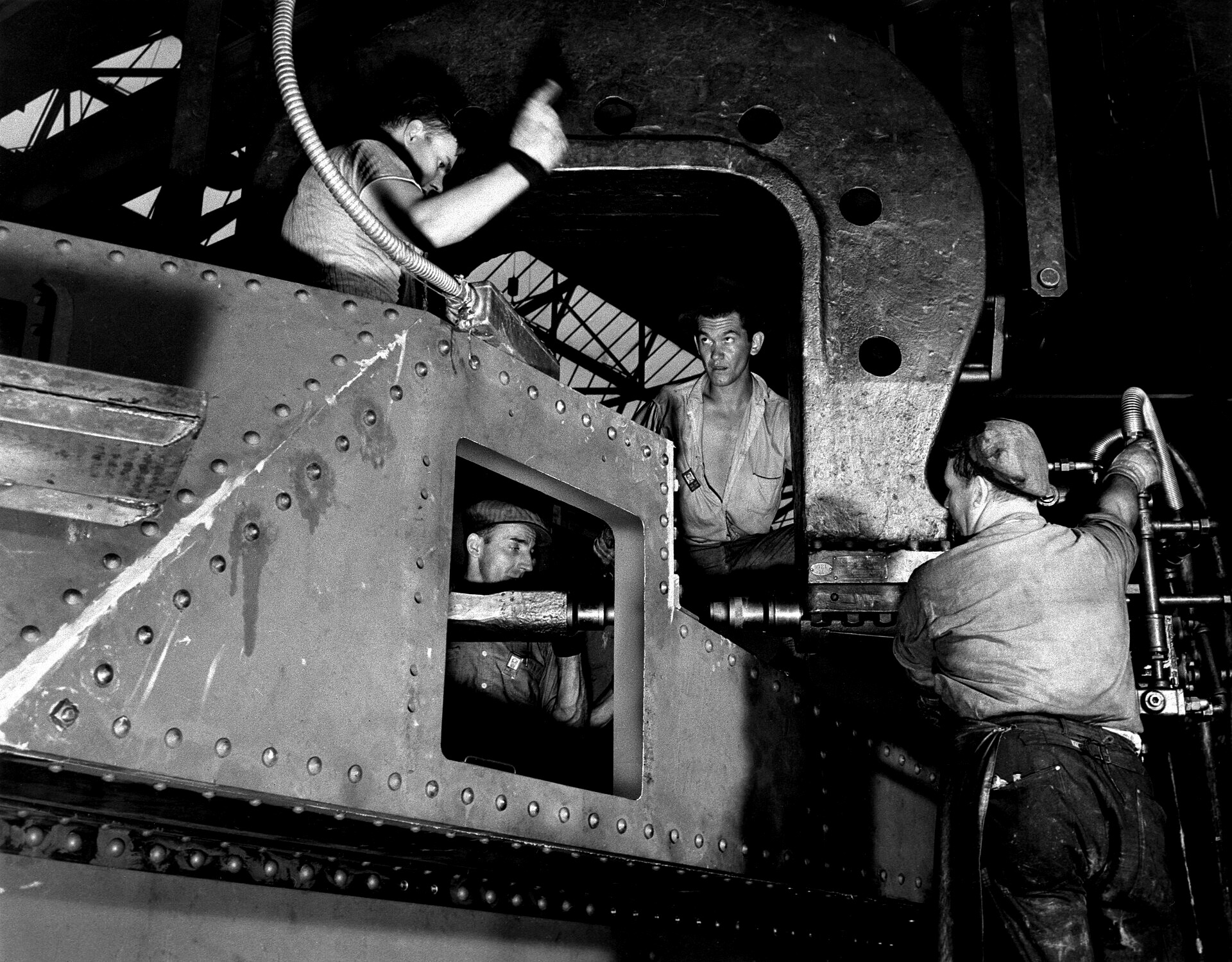
On top of this smaller turret sat an even smaller turret housing an additional M1919A4 Browning machine gun for the commander. The driver also had two fixed M1919A4 Browning machine guns at his disposal, mounted to the left of the centerline. The tank could be equipped with an SCR-506 or SCR-508 radio. The crew within this box-like hull consisted of a driver, a radio operator, two gunners, two loaders, and a commander.
Variants
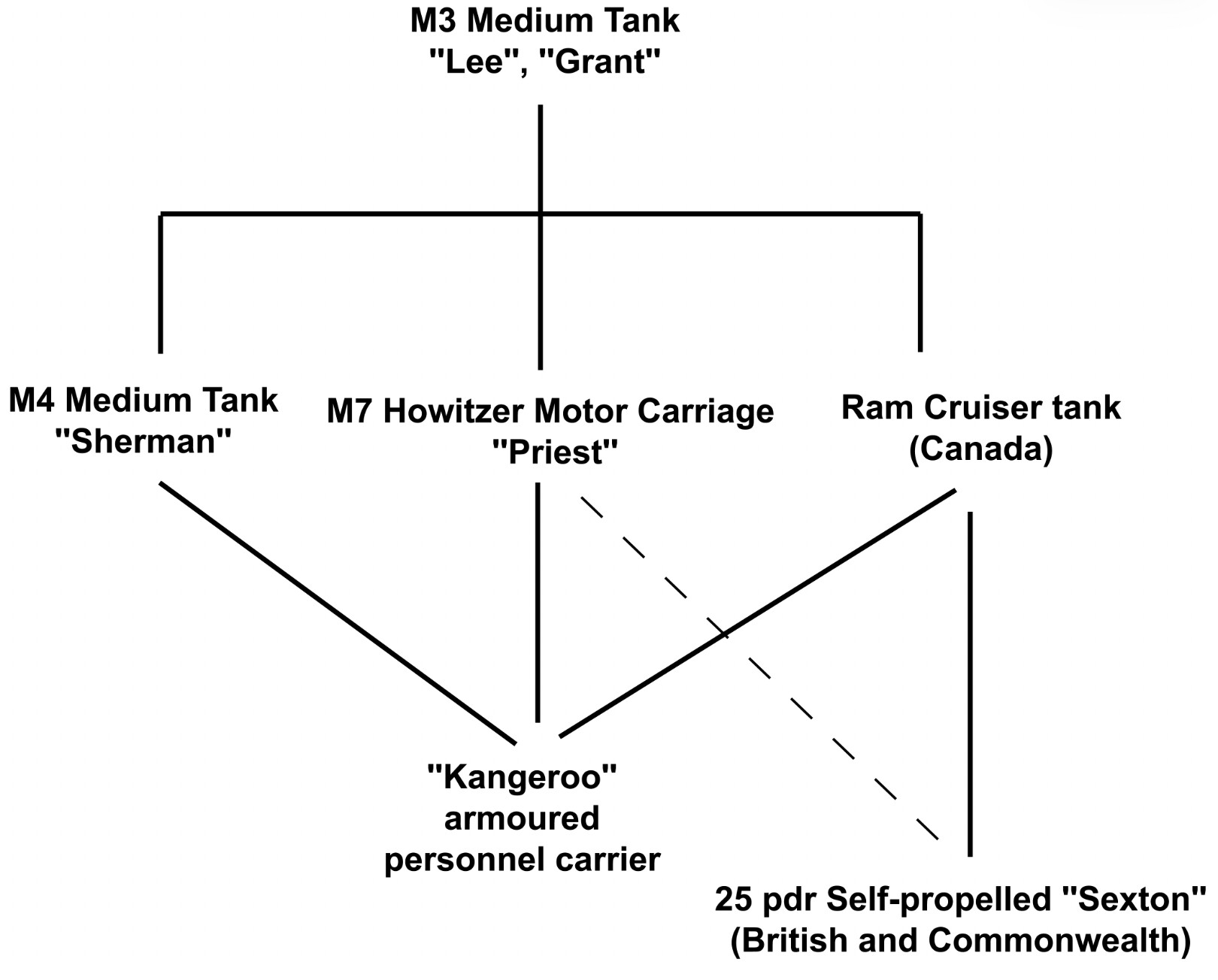
M3 Lee
The standard version as it was introduced after development. About 4,925 were built.
M3A1
This variant featured a cast, more rounded upper hull; approximately 300 were built. Twenty-eight of these were experimentally fitted with a 350 hp Guiberson T-1400-2 diesel radial engine, which, however, proved inadequate and was not adopted.
M3A2
Its hull was welded, but only 12 units were manufactured, 10 of which were completed as Grant Is. At least one was delivered to Australia, and another was converted into a Grant Scorpion.
M3A3
This model was powered by two GM 6-71 diesel engines coupled to the GM6046 power unit; the side doors were welded shut or completely removed. Like the A2 model, it featured welded construction. A total of 239 units were built; 49 went to the United Kingdom and 77 to Brazil, while 83 were completed as Grant II.
M3A4
It featured an extended and riveted hull to accommodate the larger Chrysler A57 Multibank engine; side doors were once again omitted. A total of 109 units were built, used solely for training purposes within the United States.
M3A5
It had a riveted hull; otherwise, it was like the A3. A total of 591 units were built, 381 of which were designated Grant II. They saw virtually no combat use by the United States, though 23 units were sent to Brazil.
Grant I
Some original M3s and M3A2s featured the smaller, rounded, and lower-profile turret built to British specifications and with a different interior layout; the commander's cupola was also removed. A total of 1,211 were produced.
Grant II
The Grant II was based on 83 A3 and 381 A5 models after the US Ordnance ordered the switch in production from gasoline to diesel engines. A total of 464 units were built.
Grant ARV
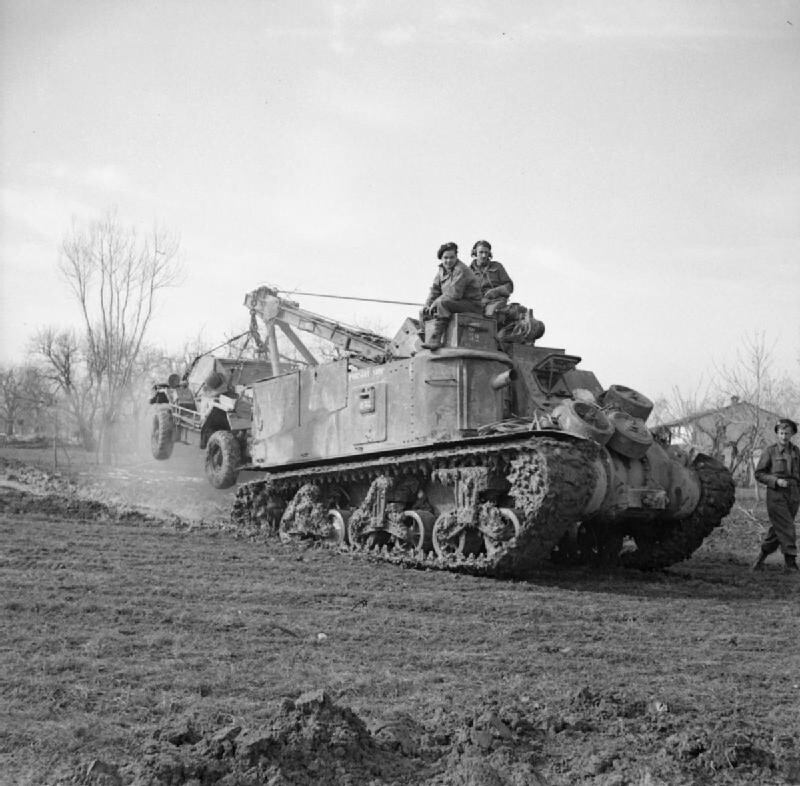
Modifications were made to both Grant models in 1943. Both guns were removed and replaced with recovery equipment, including a towing winch and a boom. Some vehicles were fitted with a dummy turret, while others were equipped with a hatch and a twin mount for Bren machine guns.
Grant ARV I
The British Grant ARV was replaced by the M31 and redesignated as the Grant ARV I.
Grant Command
Equipped with a map table and additional radio equipment, which is why, on some units, the 37 mm guns were completely removed or replaced with dummy guns.
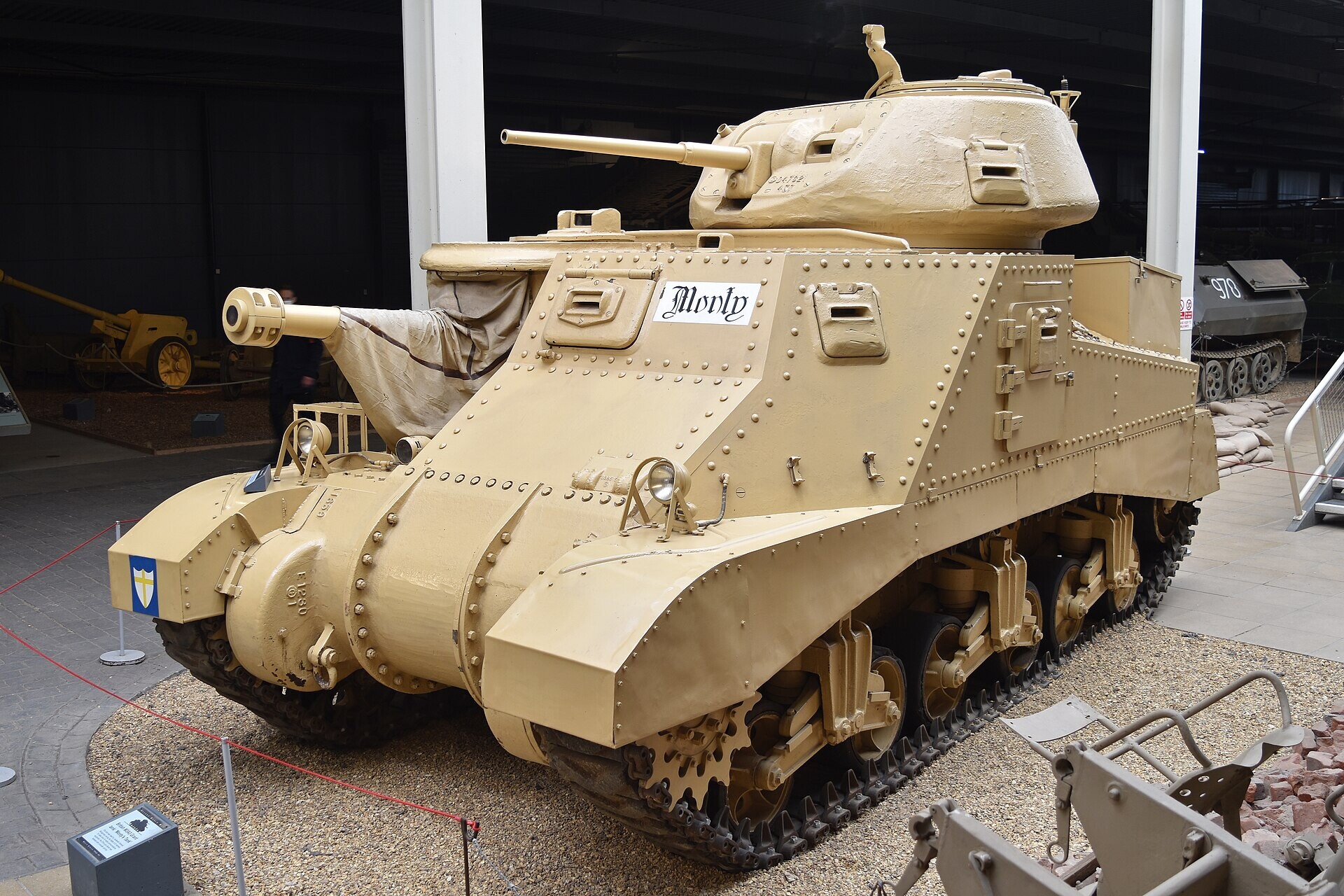
Grant Scorpion III
The 75 mm gun was completely removed to make room for the “Scorpion III” mine-clearing device; a small number were converted for the Tunisia campaign in 1943.
Grant Scorpion IV
In the case of the Scorpion III, the only modification was the installation of an additional Bedford engine at the rear left to increase the power of the flail rotor.
Grant CDL
The Canal Defence Light tanks were modified, lightly armed tanks tasked with securing canals and bridges. In the case of the M3, for instance, the 37mm gun was replaced by a dummy; the upper turret, octagonal and box-like in shape, was fitted with a machine gun, either a Bren or an M1919A4. The 75 mm gun was either removed or left fully intact to maintain the silhouette of a standard-production Lee or Grant model. Additionally, a small turret was equipped with a carbon-arc searchlight capable of flashing to disorient and blind potential adversaries. A total of 335 units were converted by Great Britain, and 497 by the United States itself.
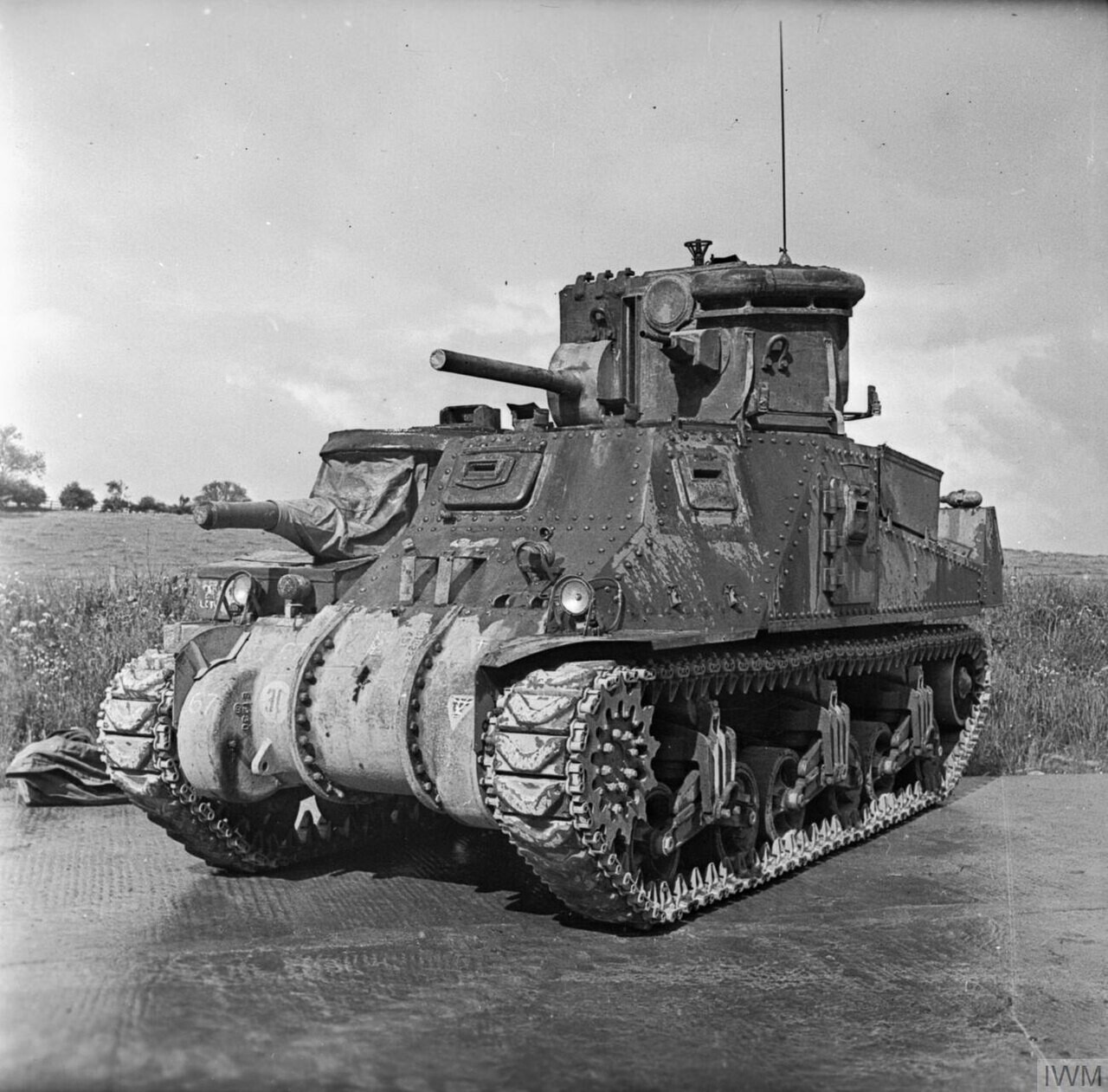
M31
It was based on the chassis of the original M3 and equipped with a forward-facing crane and winch capable of pulling up to 27 tons. The 75mm gun dummy also served as a door that could swing open to the right, replacing the missing side doors.
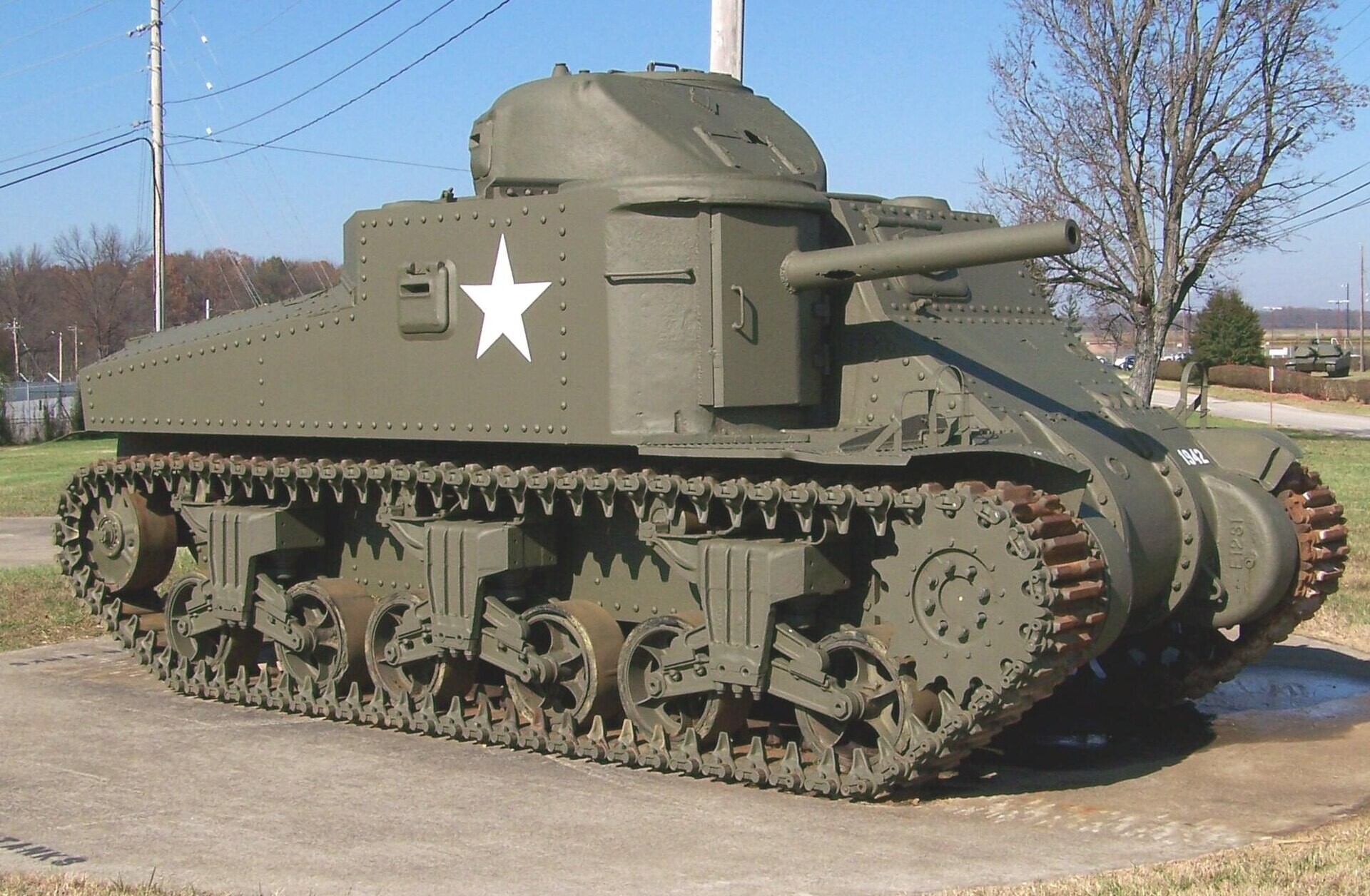
M31B1
Exactly like the M31, but on the A3 chassis and recycled from damaged, used chassis.
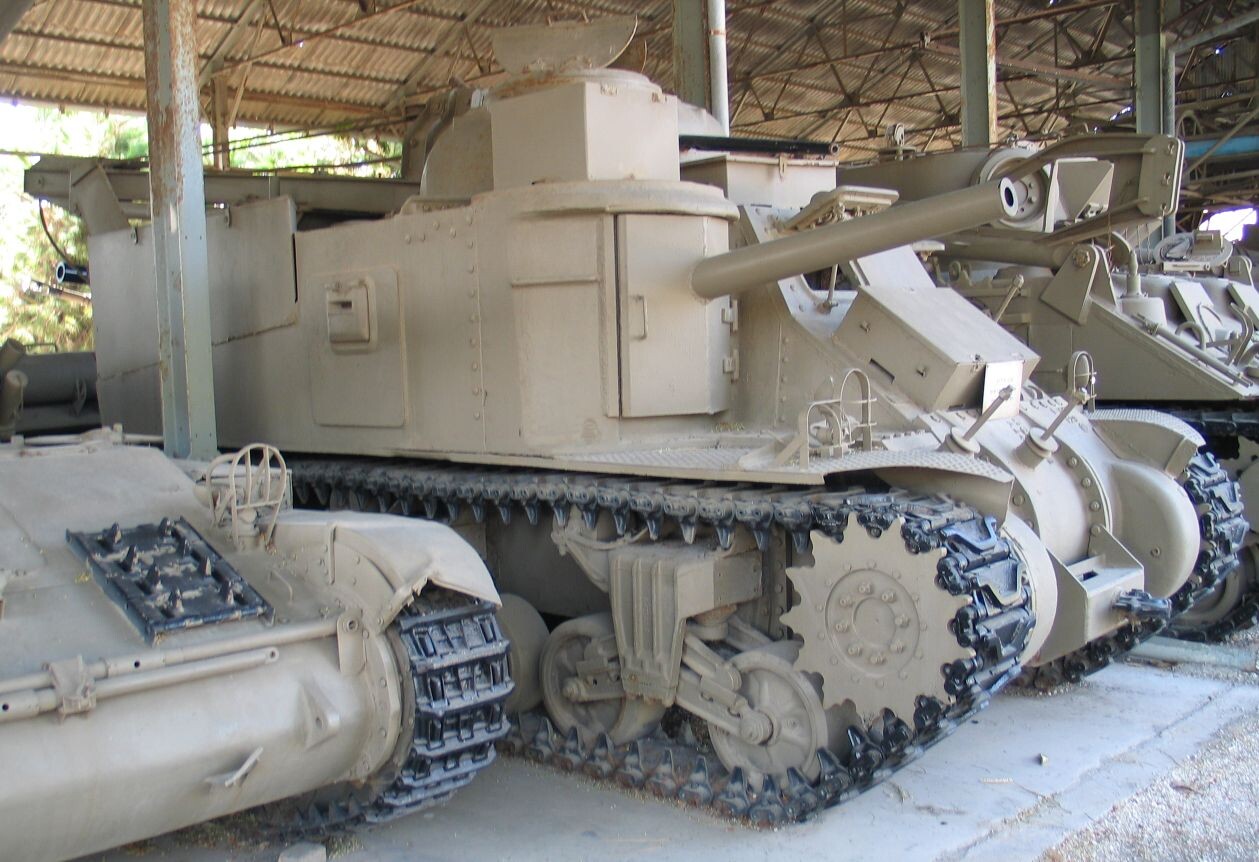
M31B2
Same like the M31 but was built on the A5 chassis and recycled from damaged, used chassis.
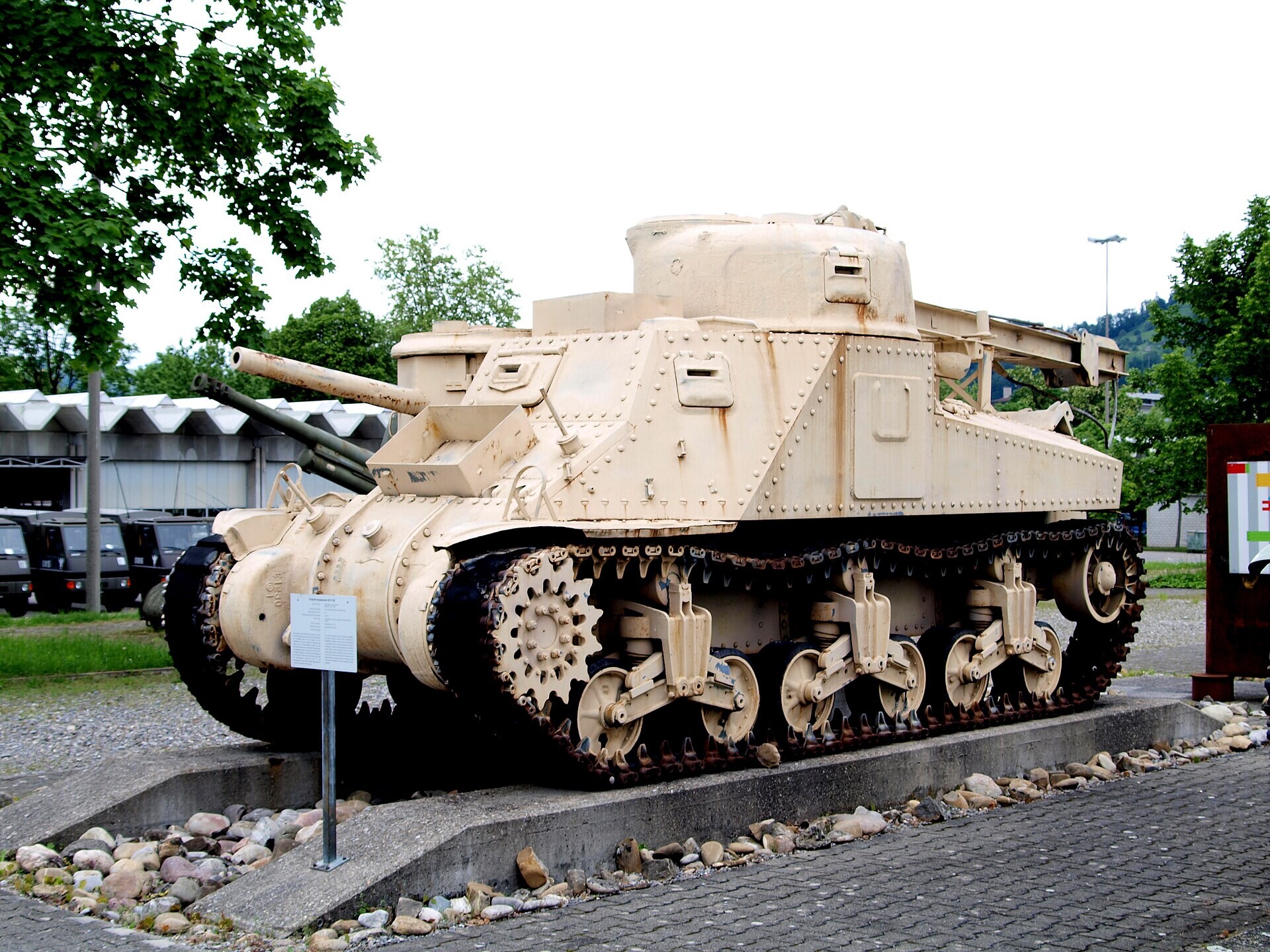
M33
Some M31s were converted into artillery tractors; the turret and crane were removed. A total of 109 were converted between 1943 and 1944.
M12
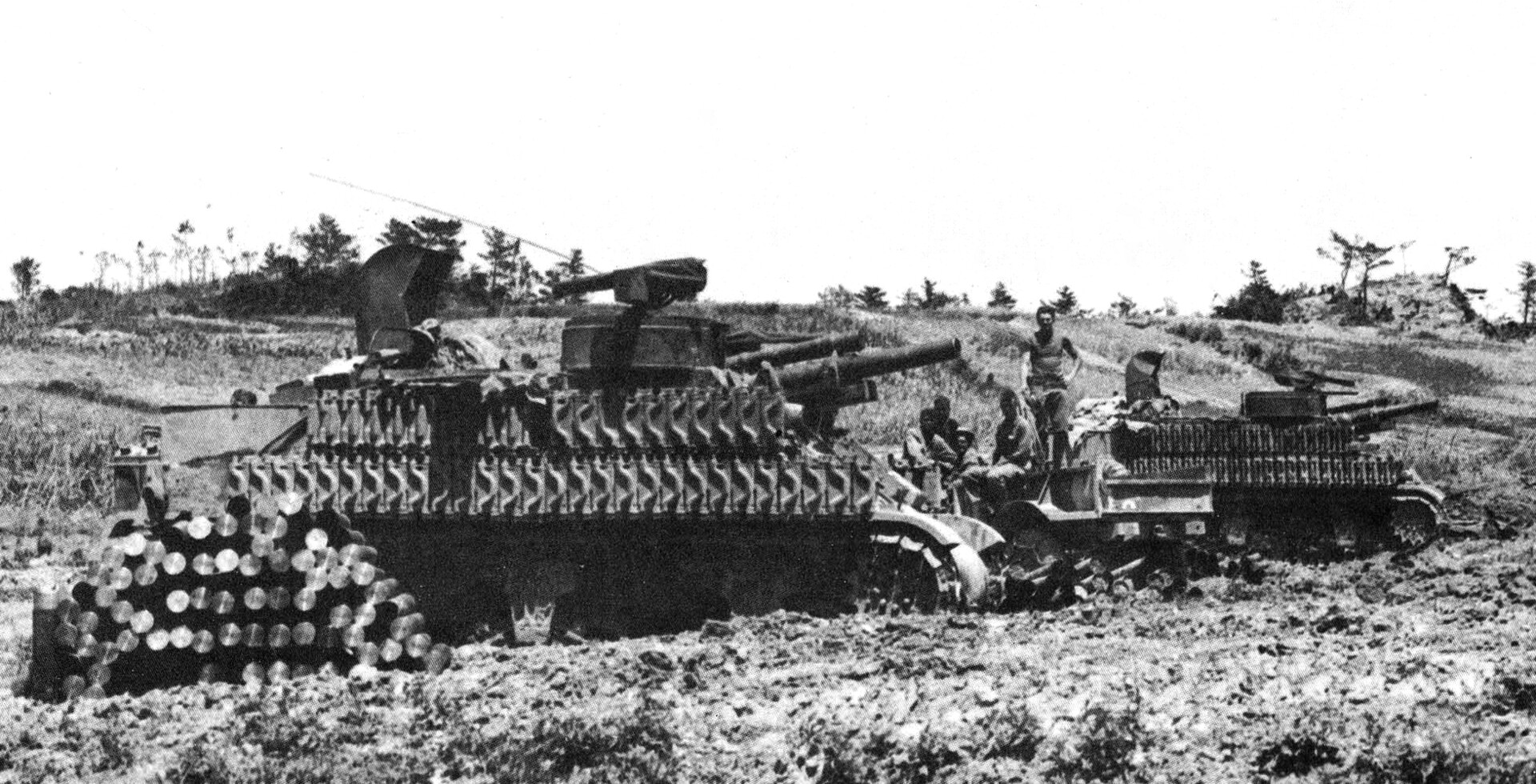
The M12 Gun Motor Carriage, also named “King Kong” or “Door Knocker” was an SPG armed with a French 155mm GPF cannon dating back to World War I. Development took place between 1941 and 1942, with the T6 GMC prototype built during the latter year. Although the Army initially deemed the vehicle unnecessary, the Artillery Command advocated for its adoption, leading to the production of approximately 100 units; these were primarily used for training artillery crews. The M3 Lee chassis was selected as the base vehicle. To accommodate the large cannon, the engine was relocated to the center.
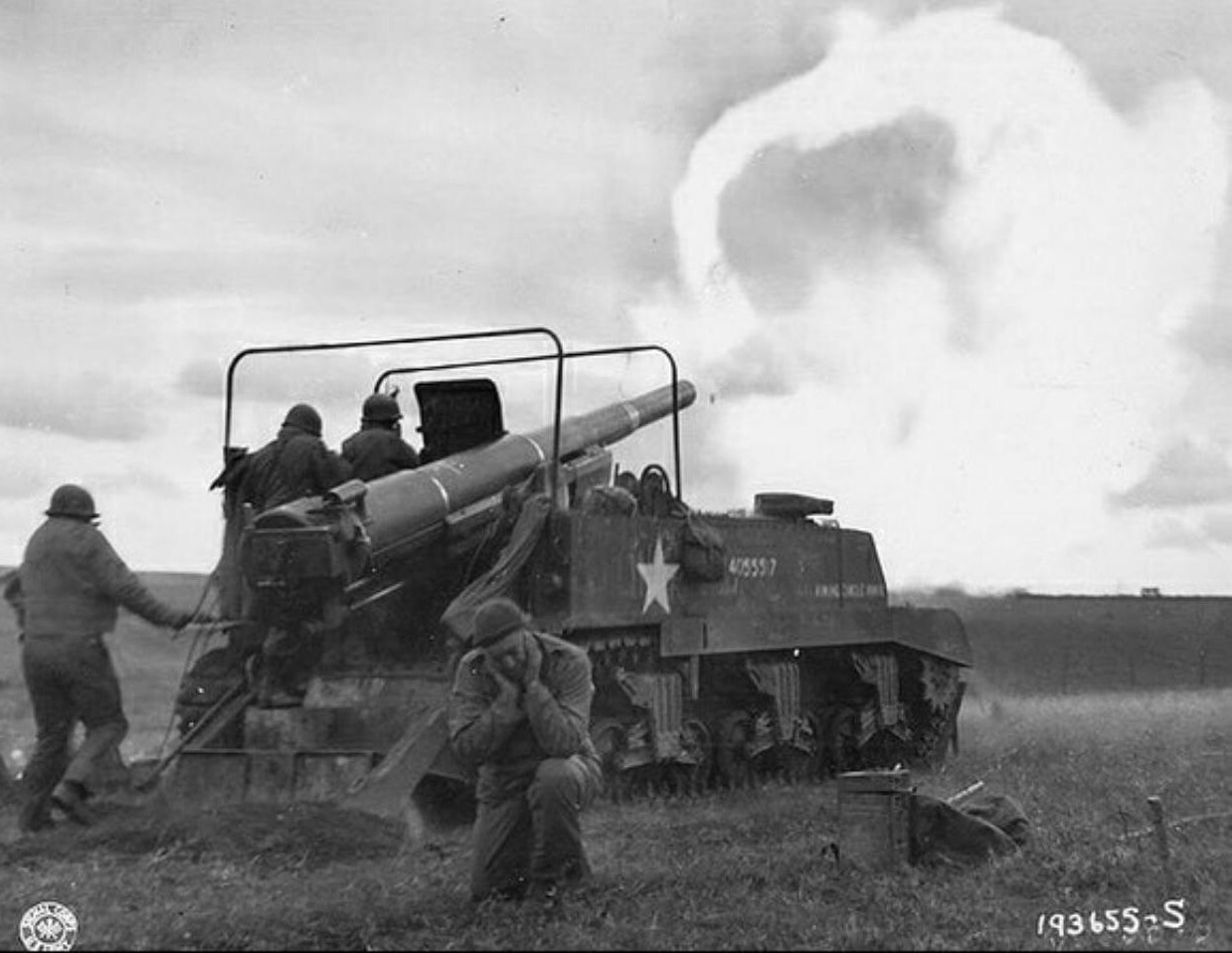
The driver and commander sat in a protected forward section, while the cannon and the rest of the crew were positioned in an open-topped rear compartment. Depending on availability, various gun models, the M1917, M1918, or M1918M1, were installed. To counteract the powerful recoil, the M12 was equipped with a rear spade that dug into the ground when firing. It was used at the Western Front from the Normandy invasion through the end of the war and was later replaced by the M40.
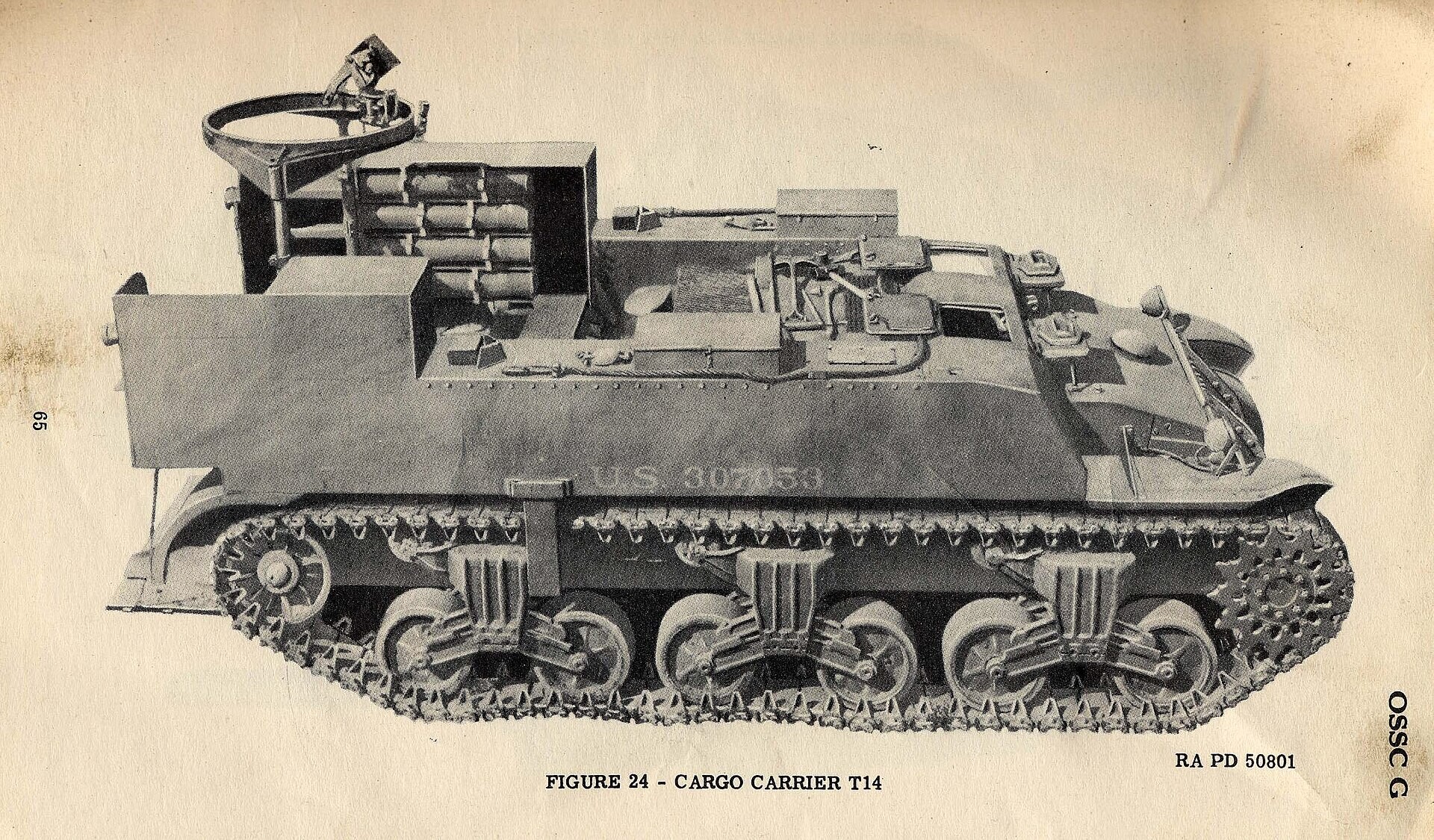
M30 / Cargo Carrier T14
Due to the limited ammunition capacity of the M12, the M30 Cargo Carrier, also named Cargo Carrier T14, was also developed, but it was identical to the M12, except it lacked the cannon. It transported up to 40 rounds of ammunition as well as other supplies. The M12 was always deployed in tandem with the M30.
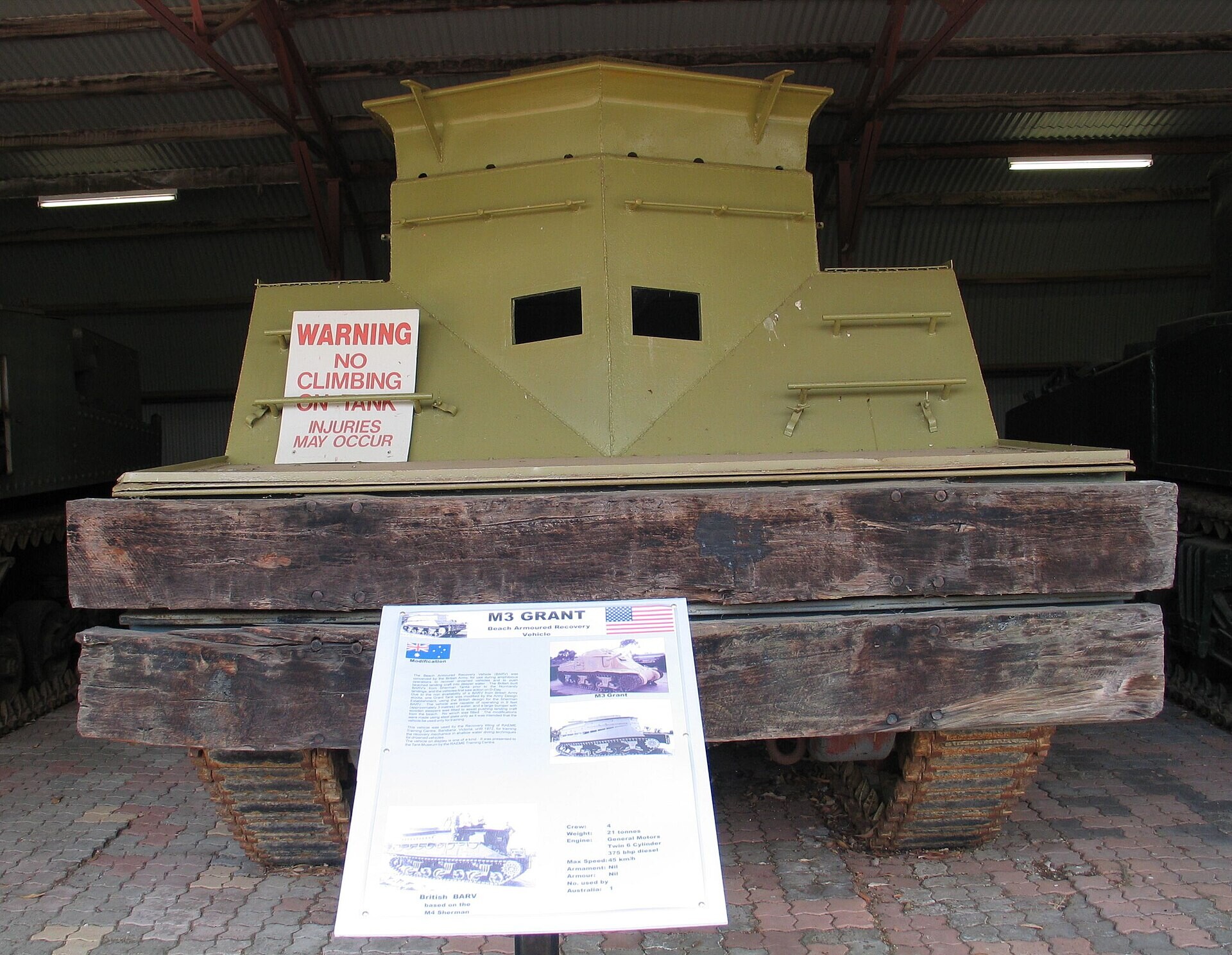
M3 BARV
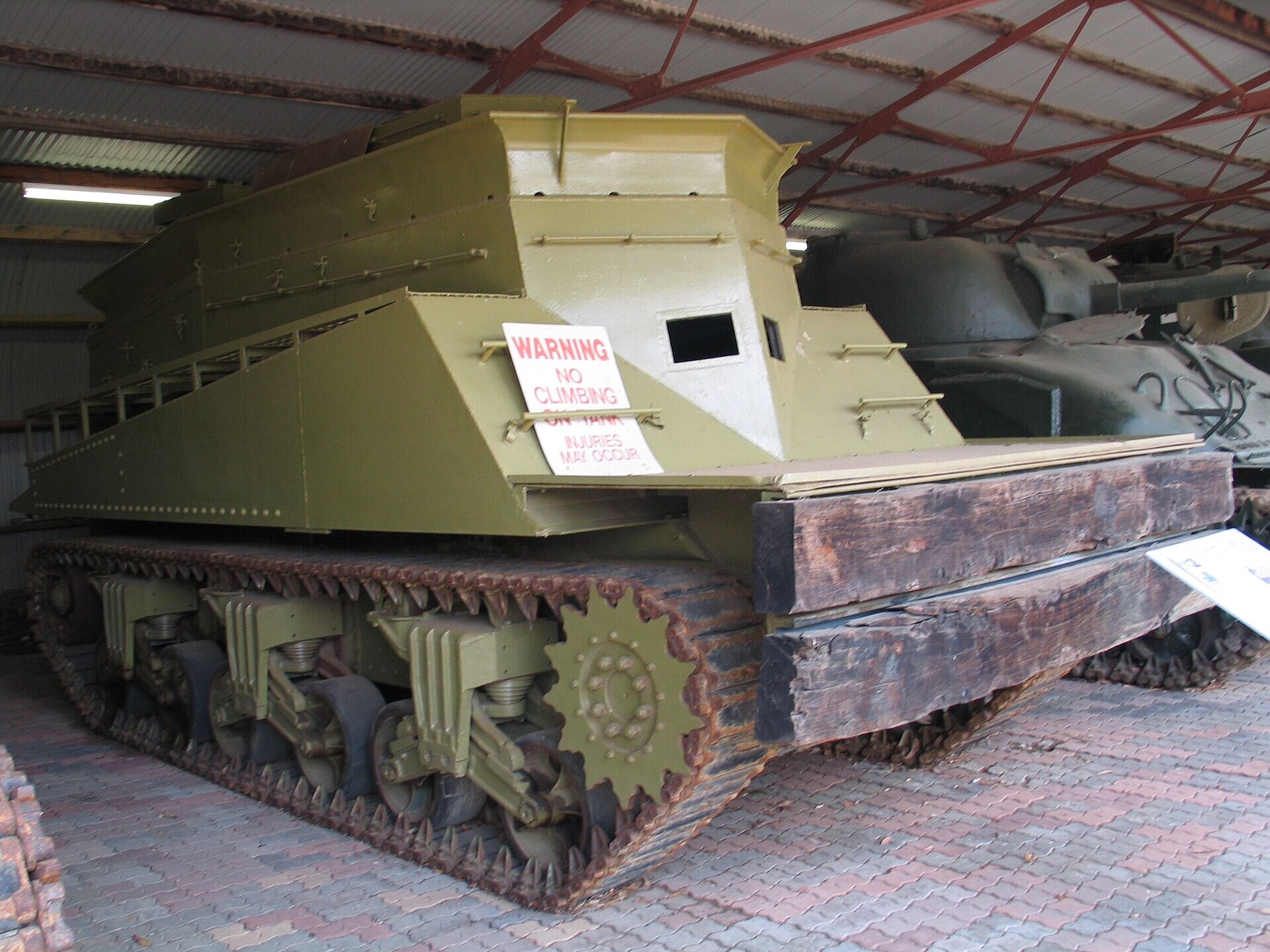
Only one A5 was converted by Australia into a BARV (Beach Armoured Recovery Vehicle), which was used in amphibious landings.
M7 Priest
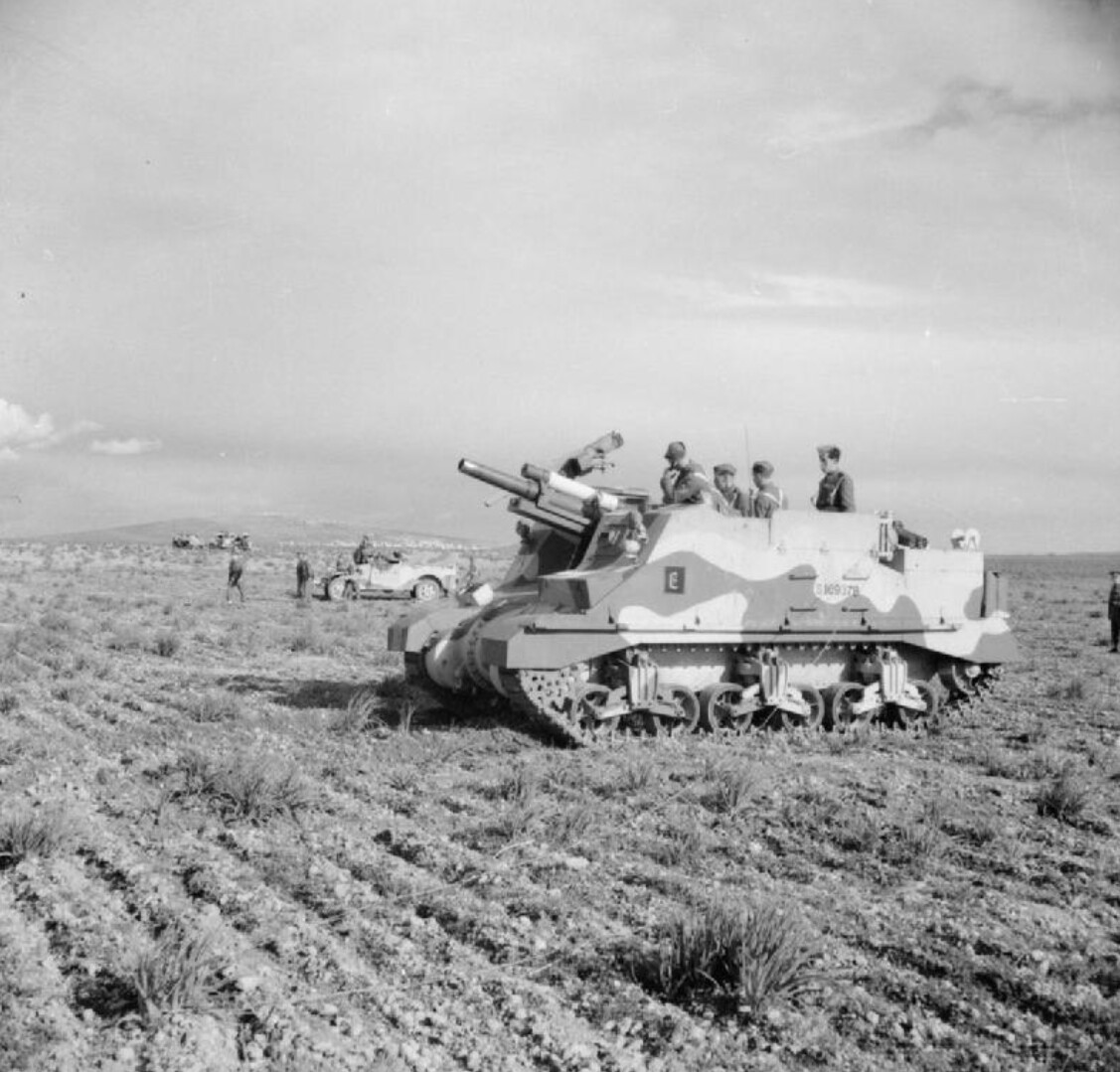
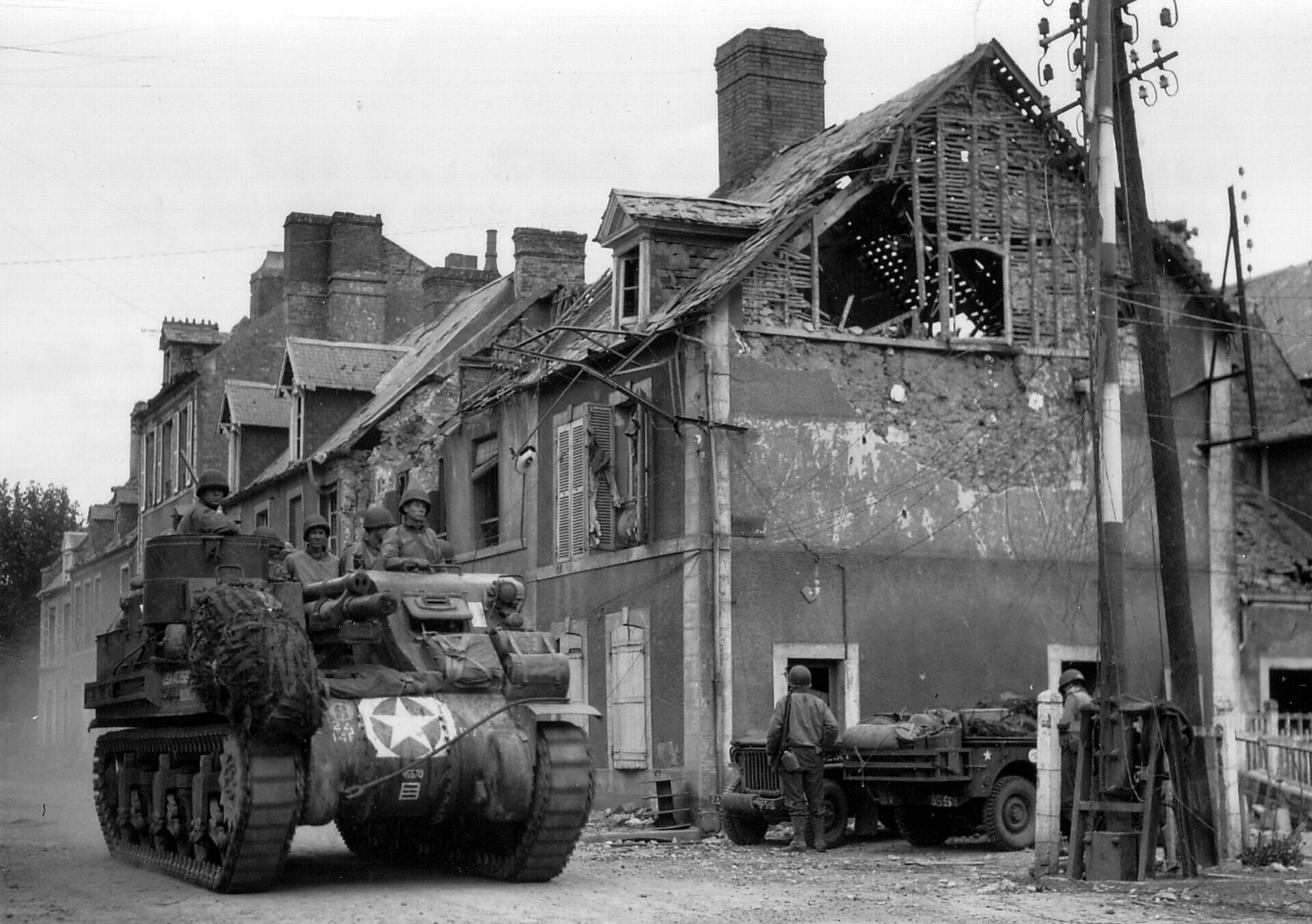
The M7 Priest is arguably the most famous American self-propelled gun (SPG) of World War II. It was conceived in 1941 when it became apparent that U.S. forces required mobile artillery support for their tanks. The M3 Lee was selected as the base vehicle, utilizing the 105mm howitzer, a weapon previously employed on the T19 Gun Motor Carriage.
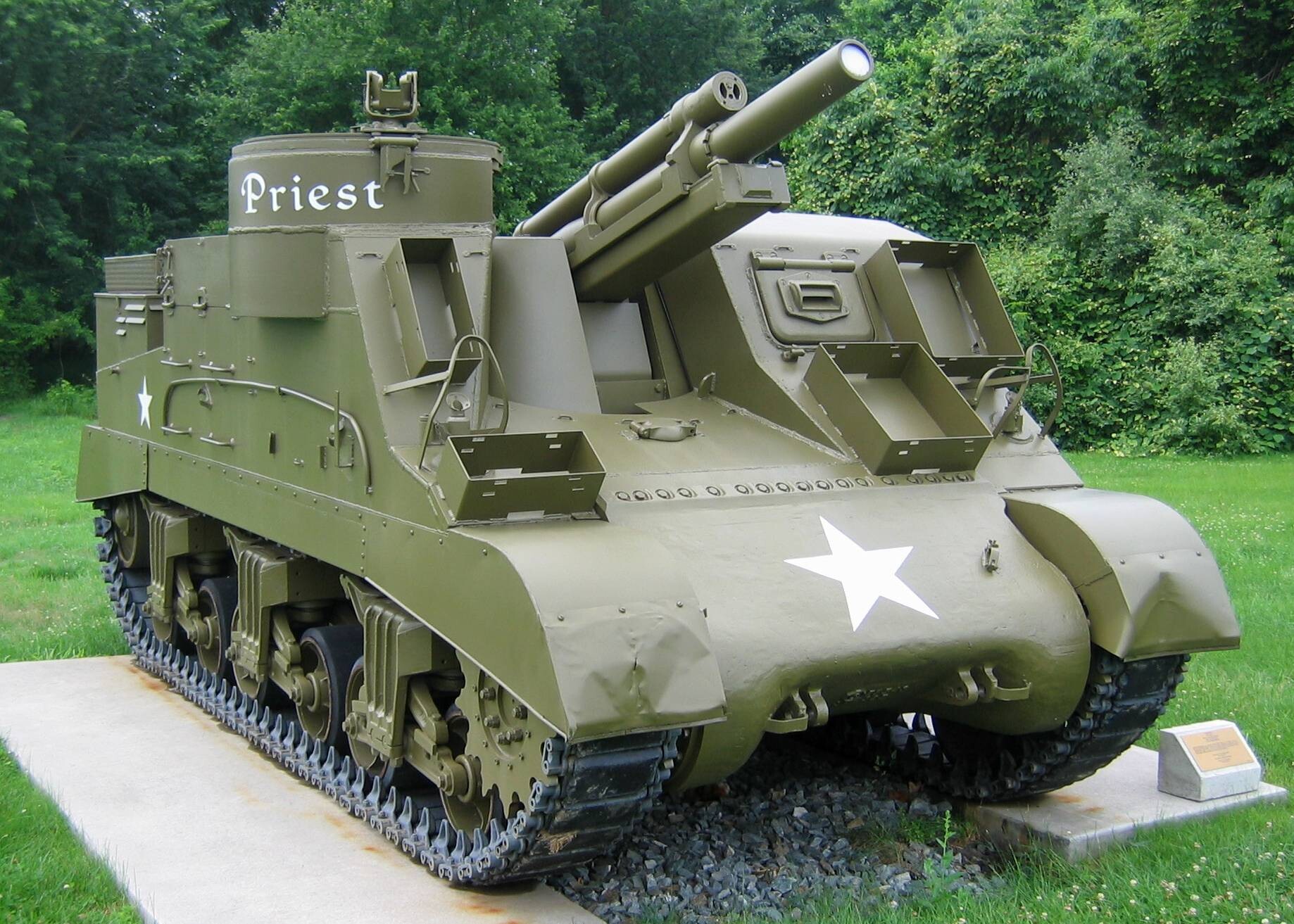
The prototype was designated the T32 and underwent testing by both the United States and the United Kingdom. Following these tests, the vehicle was fitted with the Priest's distinctive machine-gun turret (mounting an M2 Browning) and redesignated the M7.
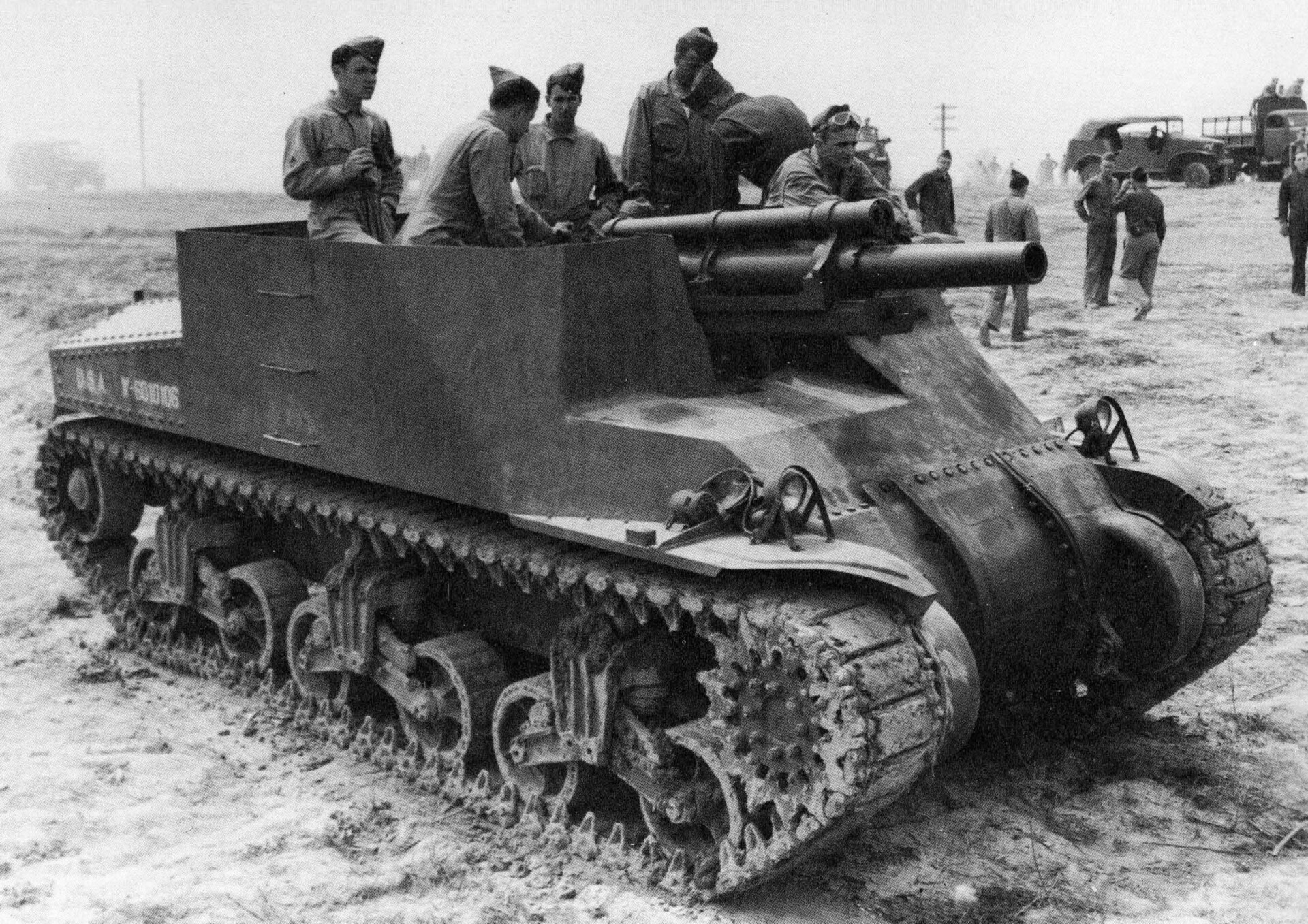
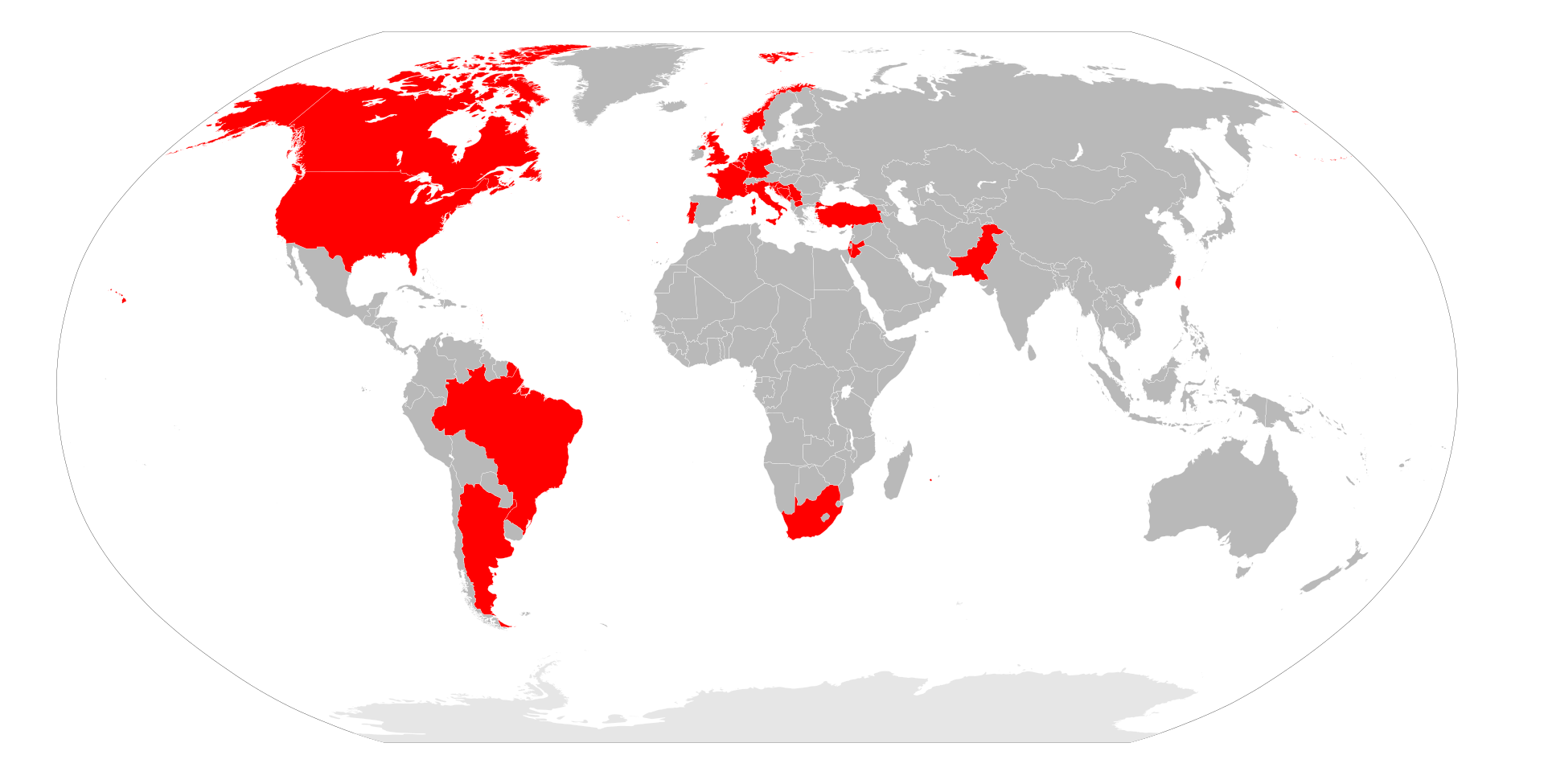
It saw action on virtually every front where Allied forces were deployed. The Priest was also used during the Korean War and the Six-Day War. Additionally, during the rearmament of West Germany in the Cold War, the Bundeswehr was equipped with 127 M7 Priests, which remained in service until the 1960s. But it was also used by Austria, Italy, Argentina, France, South Africa, Pakistan, Turkey, Belgium, the Netherlands, Norway, Taiwan, and some countries in the Balkan region
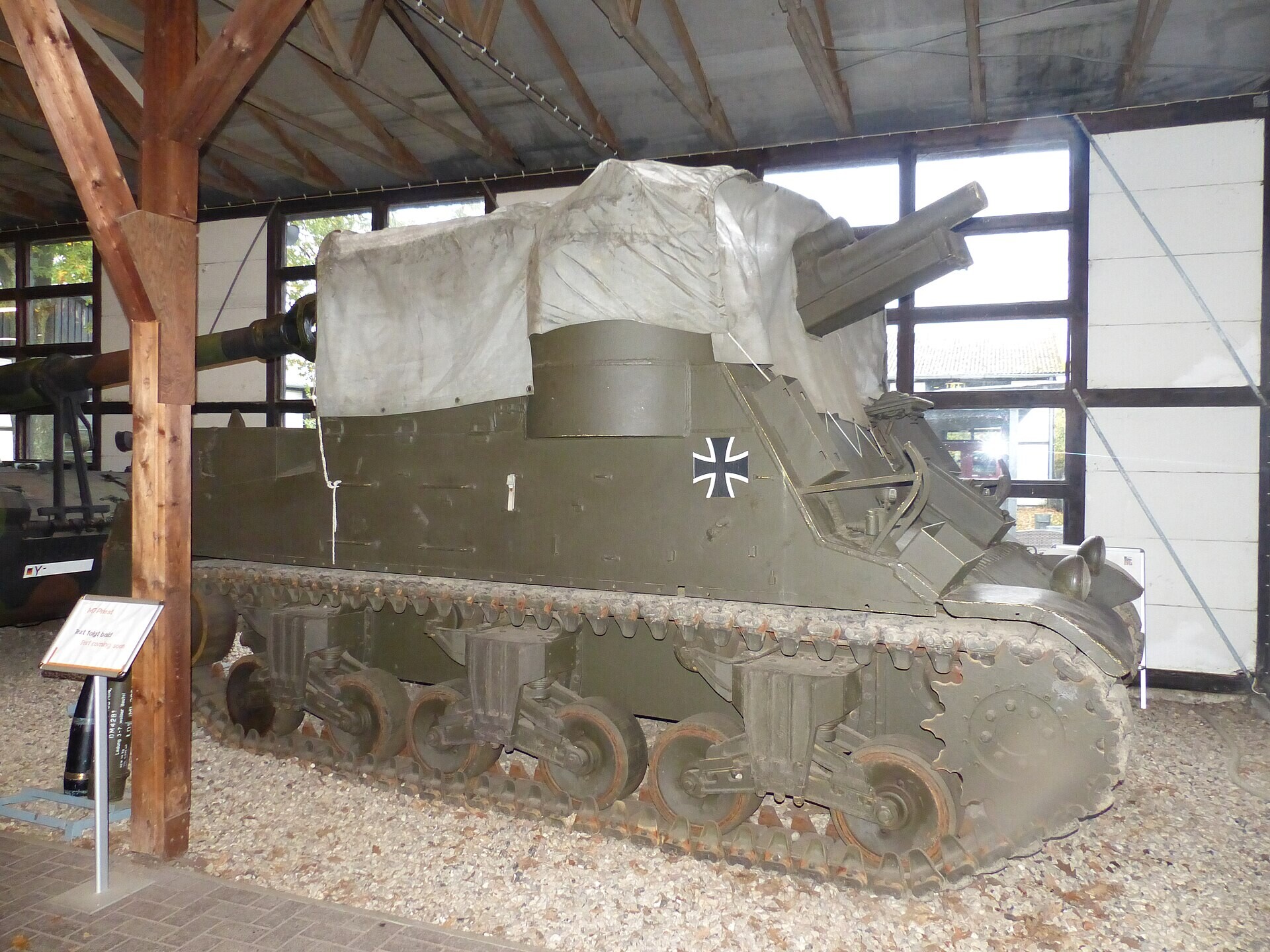
There were five versions of the M7:
- The first was the standard factory model based on the M3 chassis.
- The second, the M7B1, used an M4 Sherman chassis instead of the M3; the howitzer and the machine gun were also mounted higher up. Approximately 826 of these were built during the final two years of the war.
- The third, the M7B2 version, was developed during the Korean War; it featured an improved elevation range of up to 65° to achieve greater effective range. A total of 127 M7B1s were modified to this standard.
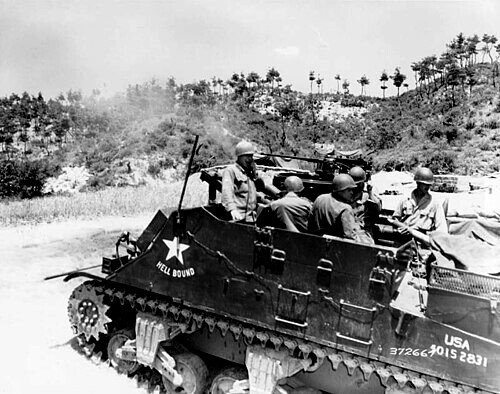
- The fourth was the “Kangaroo” version; Canada, Great Britain, and other Commonwealth nations converted some M7s into armored personnel carriers capable of transporting a total of 22 people (including the vehicle crew).
- Additionally, a small number of M7s were fitted with a 25-pounder gun instead of the standard 105 mm gun and designated as the 25-pounder Howitzer Motor Carriage T51.
Yeramba
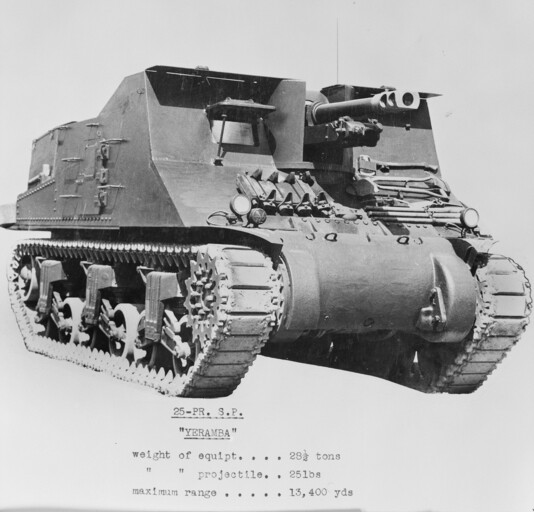
Thirteen A5 hulls were sent to Australia and converted into the Yeramba self-propelled gun; it was armed with a 25-pounder howitzer and resembled the Sexton.
M3 "Lancer" (Fake Tank)
The M3 “Lancer” is a fake tank dating from around 2010. It is based on the concept of German tank destroyers like the StuG or the Jagdpanzer IV and V (Jagdpanther G1 & G2) with its turretless gun mount installed in the hull. The idea behind the “Lancer” was to remove the upper turret, mount the commander's cupola directly onto the hull, and replace the 75mm gun with a QF 17-pounder. An actual example of the Lancer exists, considered the prototype of this fake tank, though it is more of a mock-up than a genuine tank. The Army Museum in Lahore, Pakistan, possessed a turretless M3; the museum built a dummy 17-pounder to replace the 75mm gun, sealed the open turret ring, and, voilà the Lancer was born.
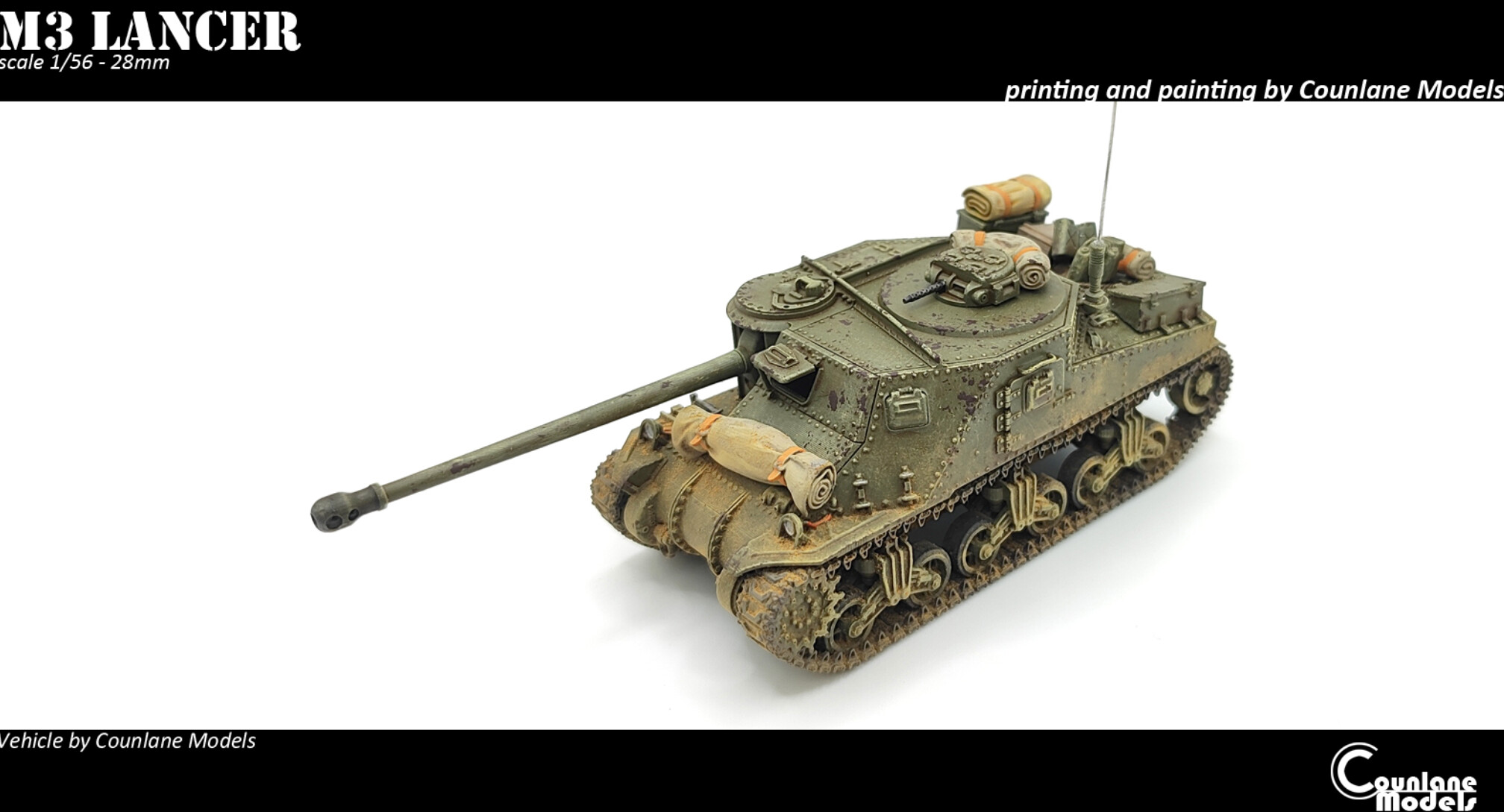
However, such a vehicle would not have been feasible in reality, as the 17-pounder was too long, too large, and possessed too much recoil for the M3 hull to withstand; consequently, it remains a fake tank.
Deployment
North Africa
The M3 was first used in action in Africa by Great Britain. The Britons gave the M3 also its distinctive nicknames: the American version was named “Lee” and the British version “Grant,” after the American generals Lee and Grant. These were based on the American generals Lee and Grant. The first M3s arrived directly in Egypt in January 1942 and were modified there for desert use. This included the installation of sand shields and dust covers for the gun mantlets, as well as the removal of the redundant hull machine guns. The ammunition loadout was changed from 50 to 80 rounds for the 75 mm gun and 80 rounds for the 37 mm gun, with the ammunition racks receiving additional armor protection. Thus, the M3 Grant/Lee became the British main battle tank in Africa, while the Crusader Tanks Mk.I-III replaced the British M3 Stuarts.
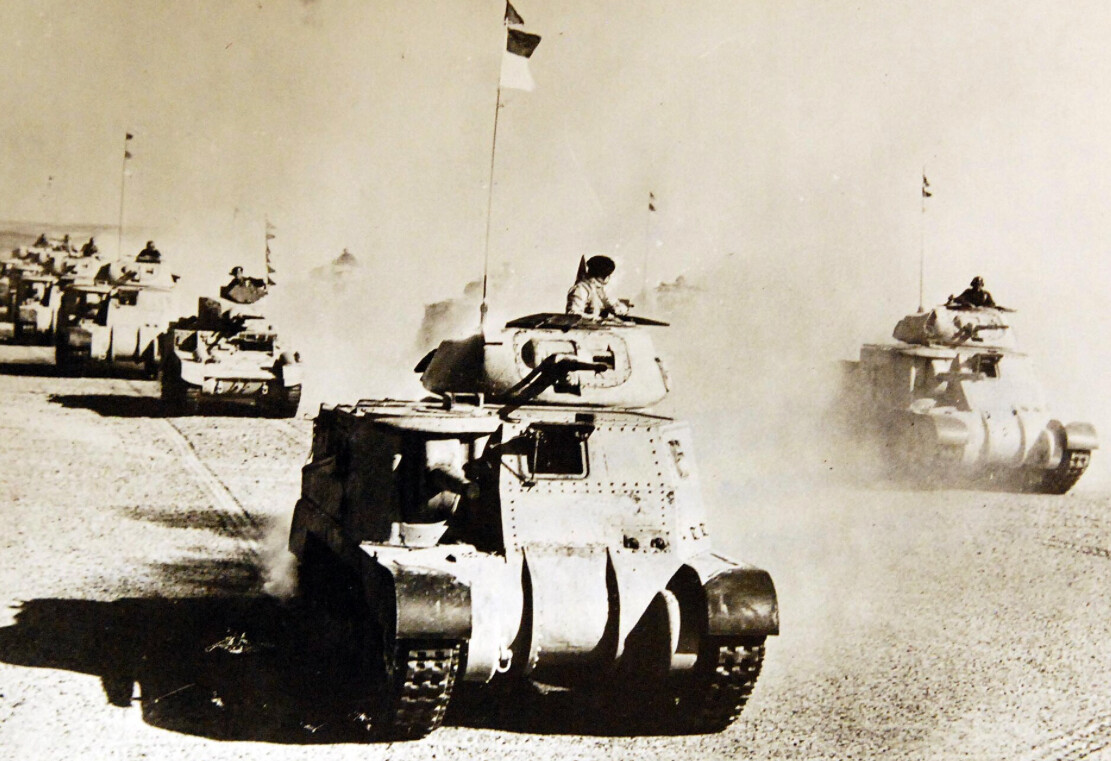
The first major battle in which the M3 Lee/Grant participated was the Battle of Gazala on May 27, 1942, against Rommel's Afrika Korps. A total of 167 vehicles were deployed by the 8th King's Royal Irish Hussars and the 3rd and 5th Battalions of the Royal Tank Regiment.
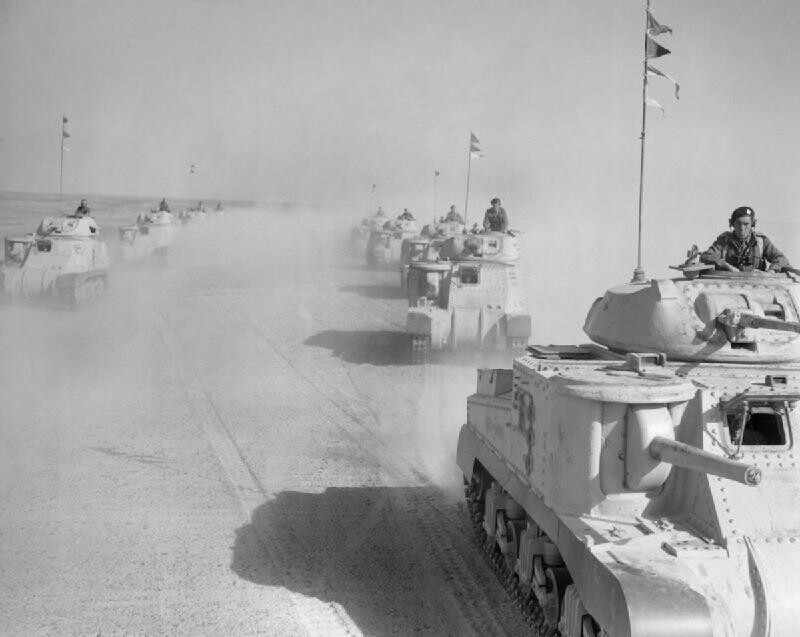
The M3 balanced the power dynamic between Allied and German tanks thanks to its firepower and mobility, as well as the limited number of potential threats—which were confined to anti-tank guns, Panzer IIIs (armed with the 5 cm KwK), 8.8 cm flak guns, and the Semovente da 75/18, not to mention infantry attacks.
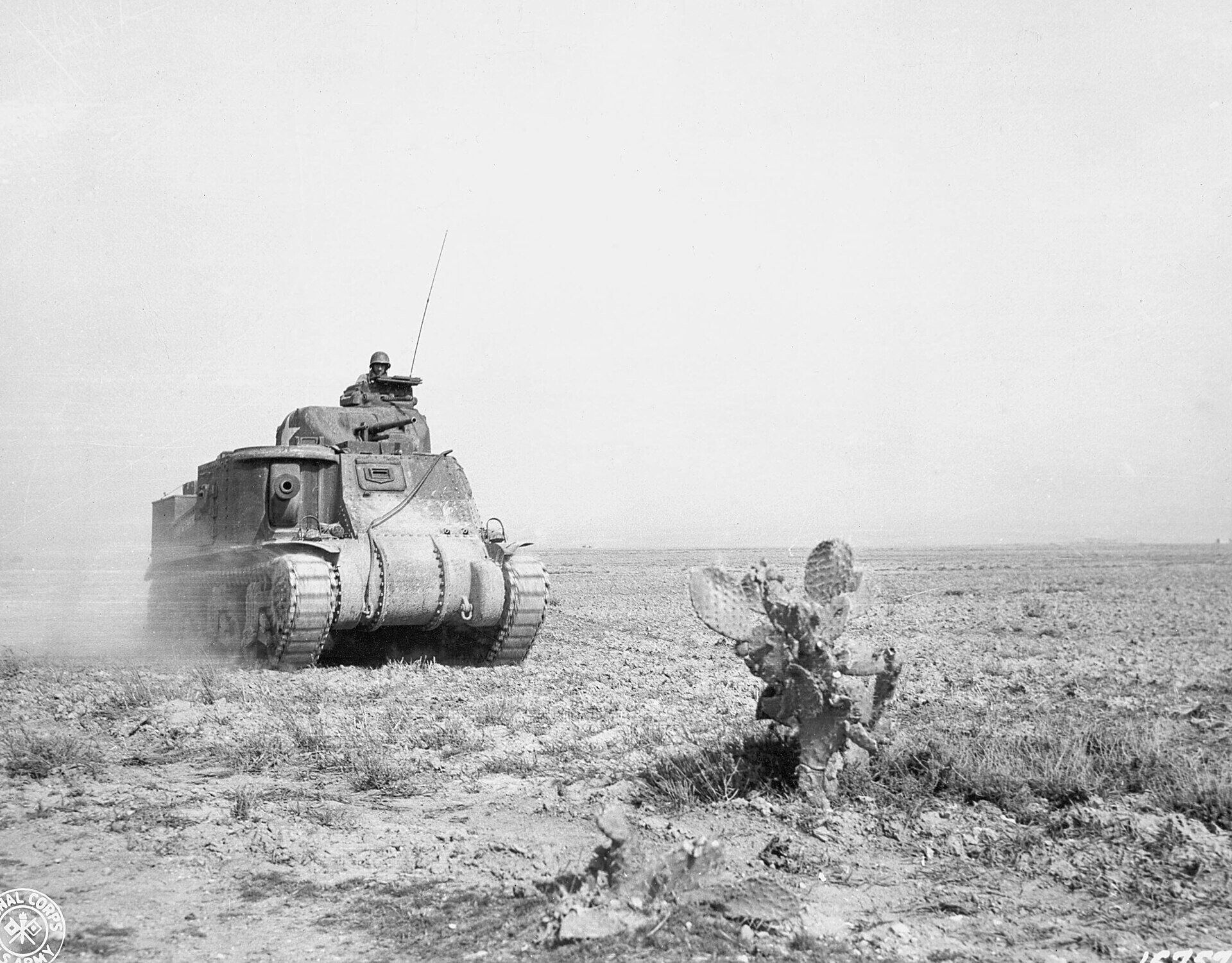
More than 600 M3s also took part in the Second Battle of El Alamein. During Operation Torch in November 1942, which marked the U.S. entry into the African campaign with the M3, the vehicle proved to be a reliable Allied tank; its firepower, armor, and mechanical reliability were praised.
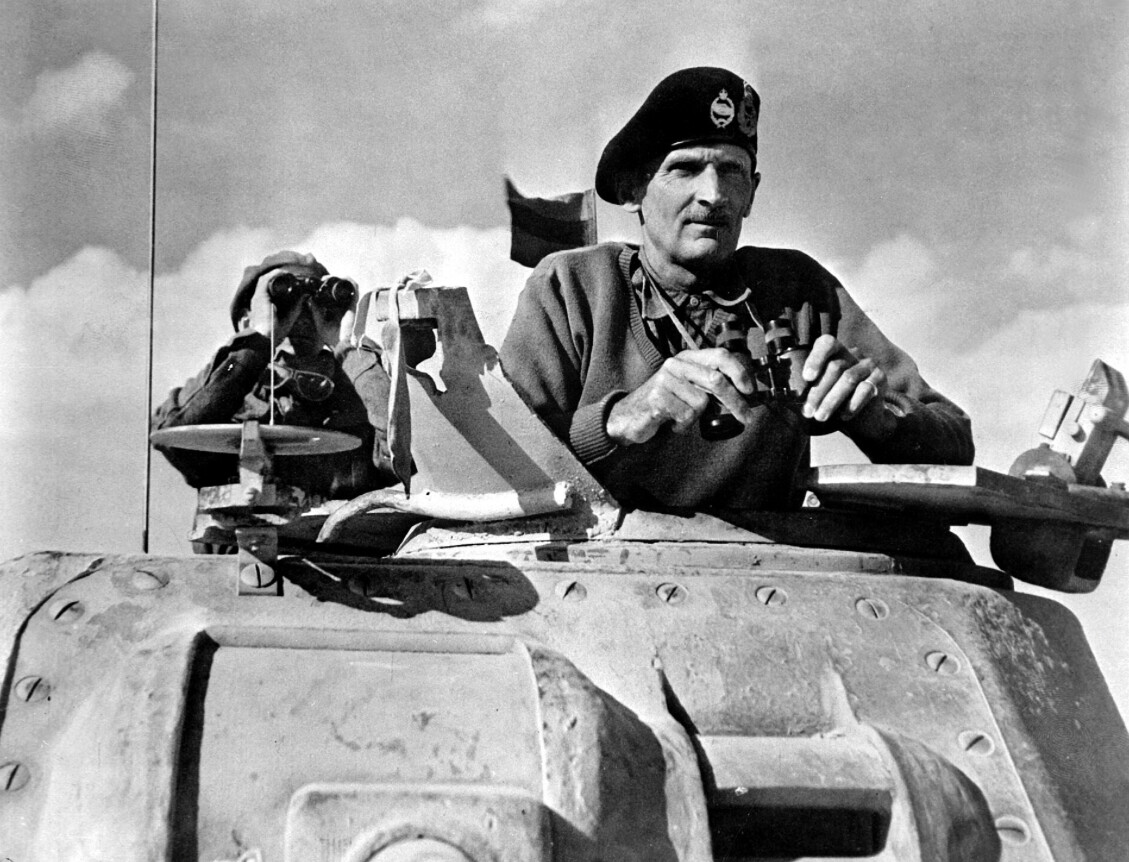
However, its high profile and sheer size also drew ridicule from all sides, earning it nicknames such as “Cathedral” (from the Americans) and “Grave for Six Friends” (from the Germans, mocking the tank's tendency to catch fire). That was not all; in Africa, Field Marshal Montgomery even used the M3 Grant as his personal command tank. Gradually, the M3 was replaced in Africa by its successor, the M4 Sherman, while the M3s were redeployed to the Pacific, away from Rommel's Afrika Korps to fight against the Japanese.
Pacific
In the Pacific, however, armor protection was not a top priority; consequently, the M3 Grant saw limited service, being used primarily by the 193rd Tank Battalion and scattered British-Indian and Commonwealth units. Australia employed the M3 mainly to defend its coastline against the feared possibility of a Japanese invasion, an event that ultimately never materialized.
In 1943, a platoon of M3A5s from the 193rd US Tank Battalion, attached to the 27th Infantry Division, provided support during the amphibious landings on Makin Island.
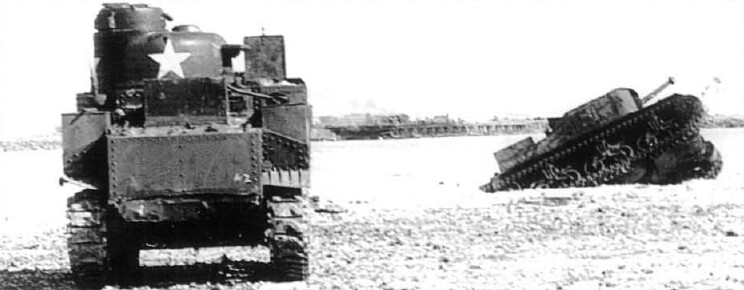
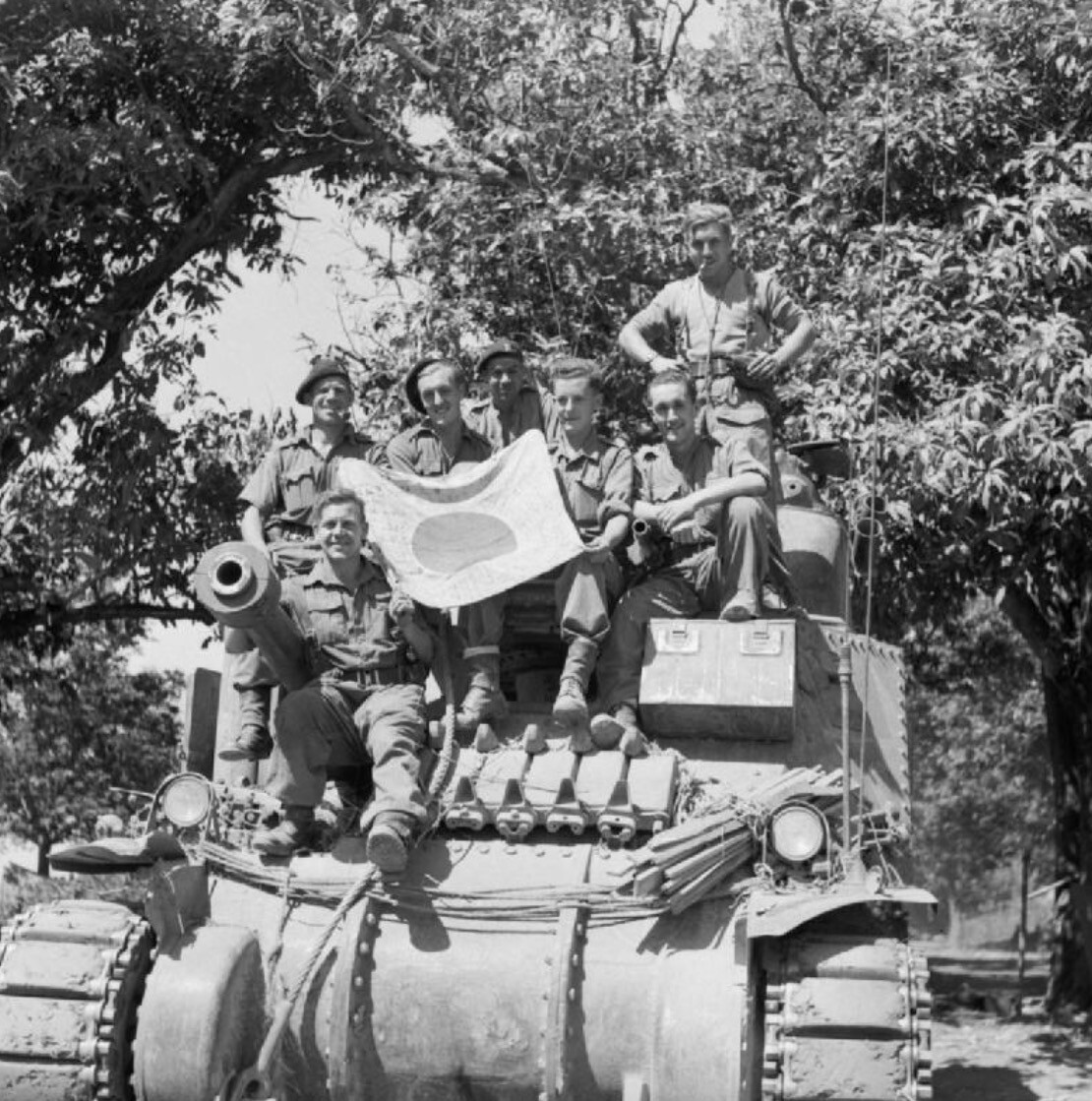
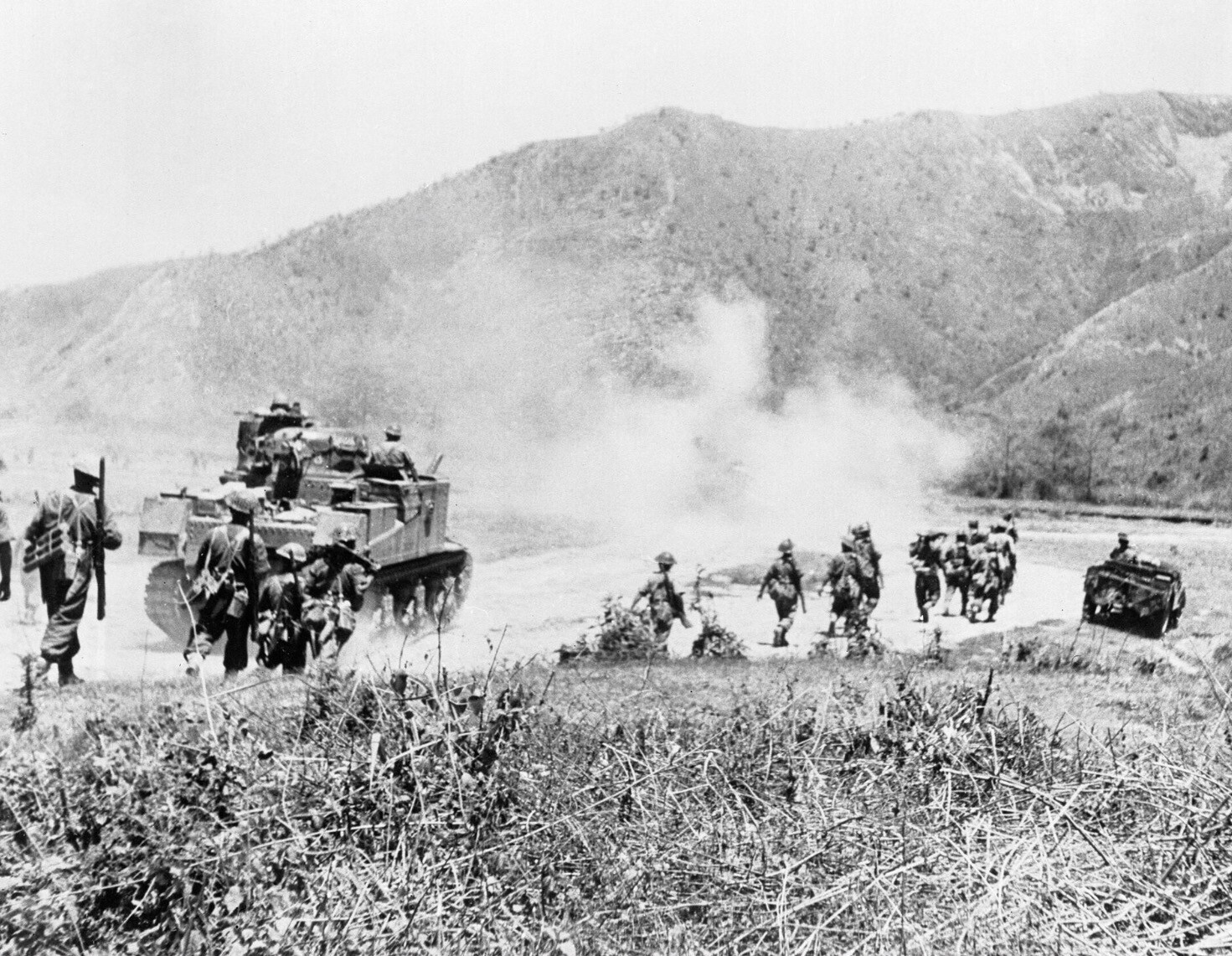
Following the North African campaign, British Commonwealth forces in Southeast Asia received approximately 900 M3s, which were increasingly deployed against the Japanese army during the Burma campaign.
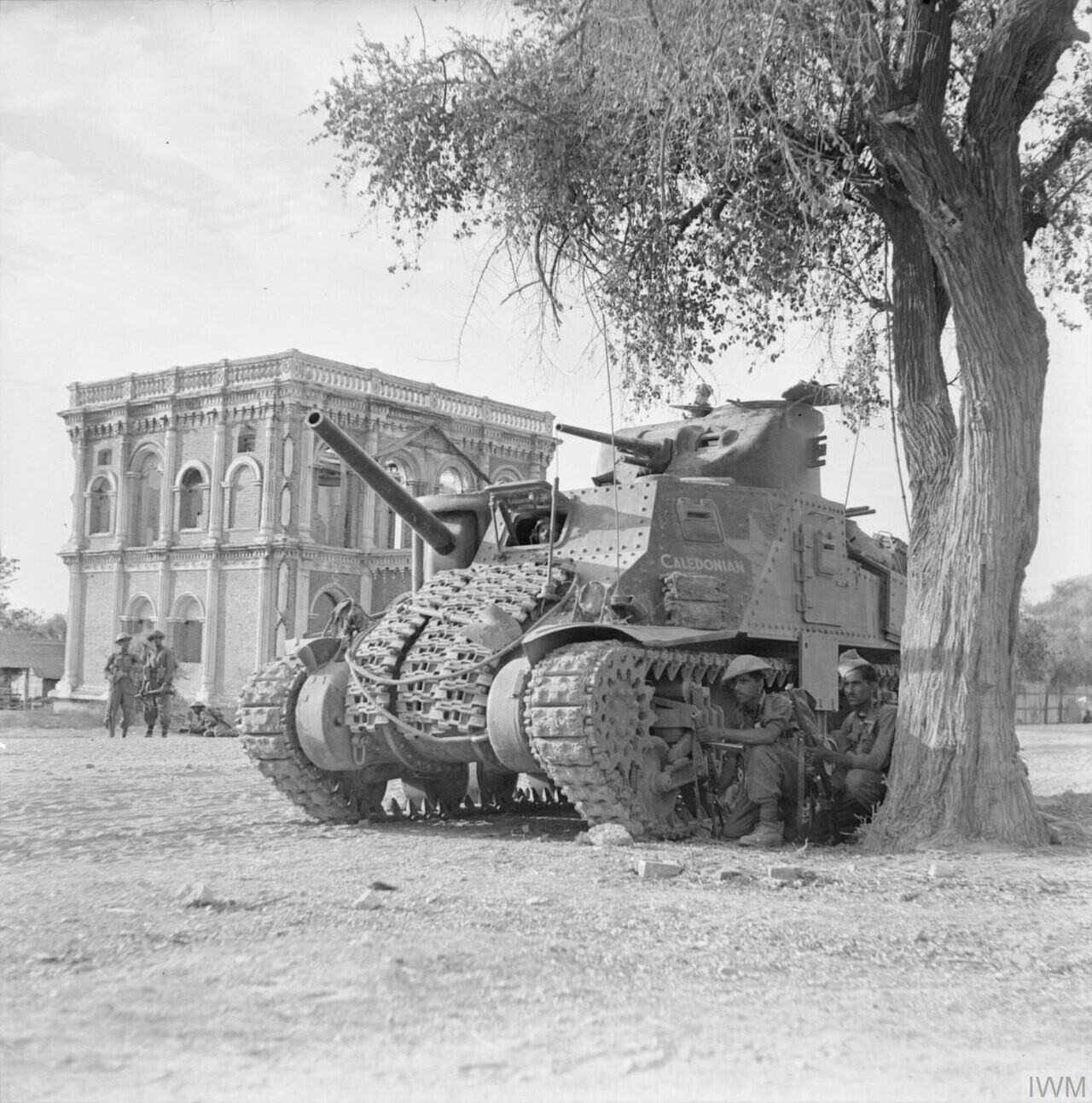
The Battle of Imphal saw major armored formations from both the Commonwealth and Japan clash in Southeast Asia; in these engagements, the Japanese relied almost exclusively on the Type 95 Ha-Go and a few captured M3 Stuarts to face the M3 Lee / Grants, which ultimately emerged victorious. The British Commonwealth continued to use the M3 Lee / Grant against Japan in Southeast Asia until the end of the war.
West Europe
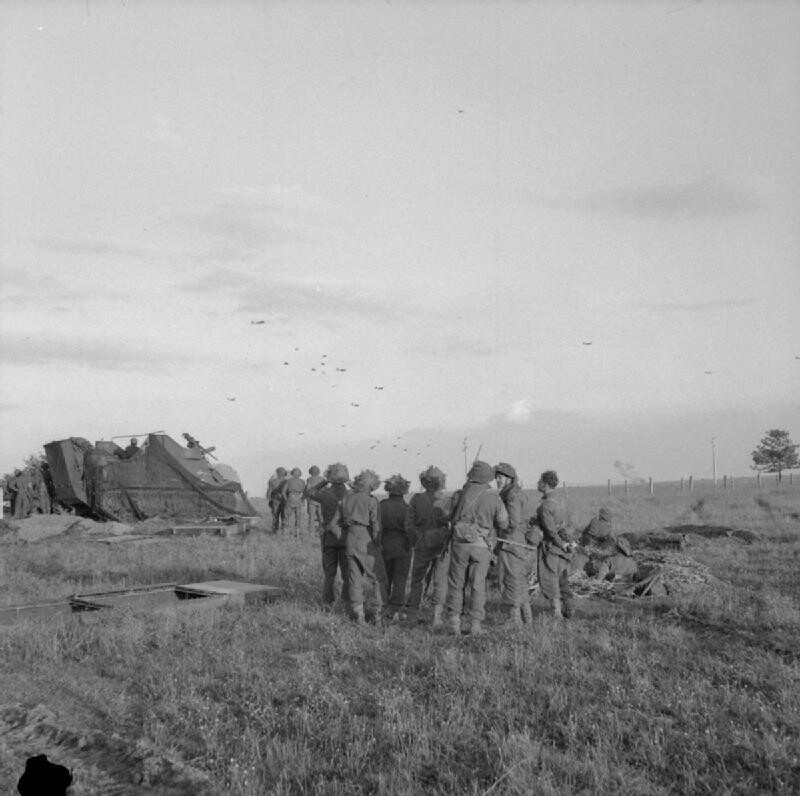
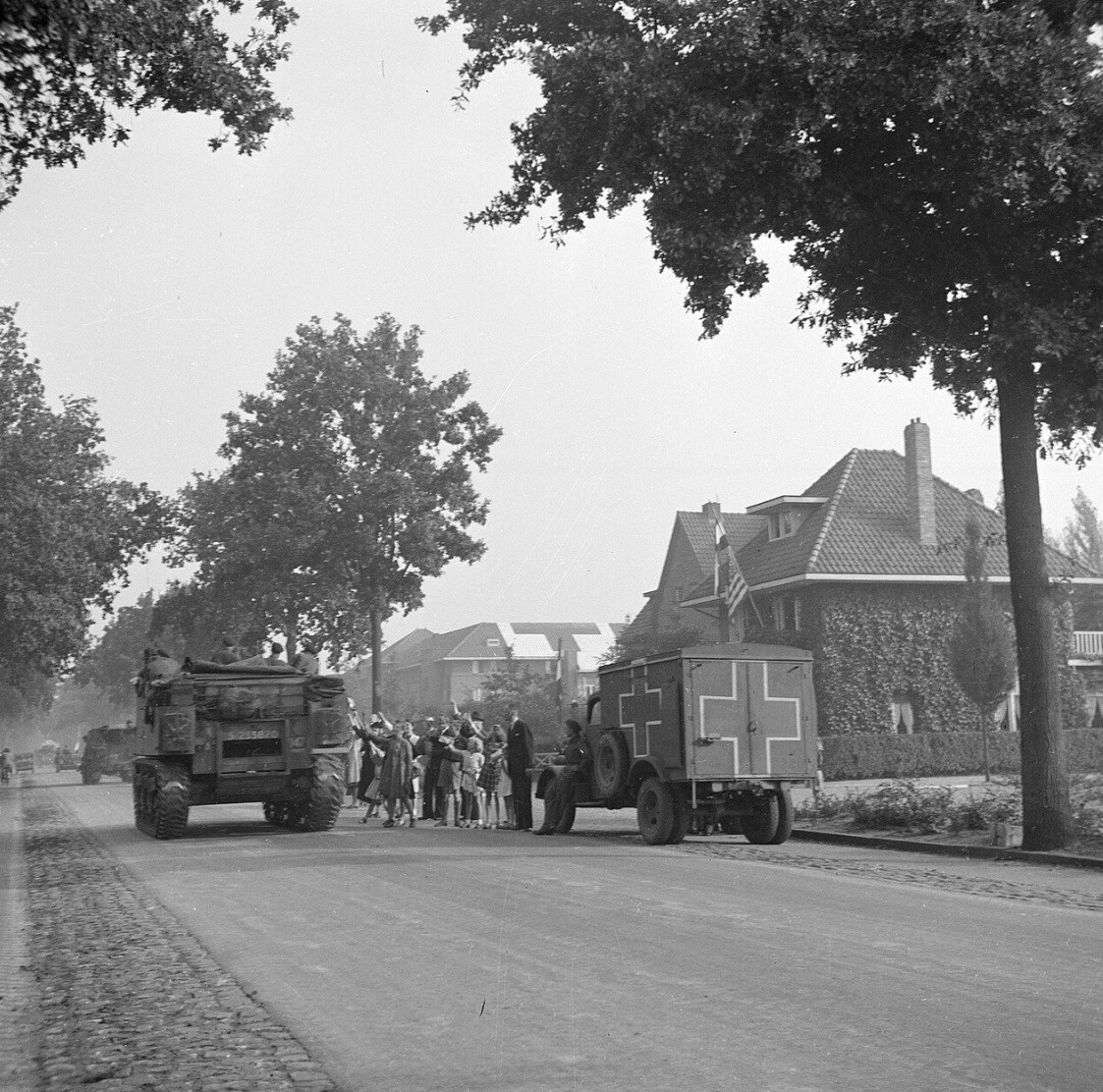
In March 1944, US Ordnance declared the M3 obsolete, prompting the conversion of most units into other variants such as the Priest, CDL, or recovery vehicles. These were subsequently deployed along the Western Front for support, security, recovery, and supply tasks. For instance, they saw action in Normandy on D-Day; M7 Priests provided artillery support during the Battle of the Bulge; and M3 CDLs were used to secure the Ludendorff Brücke following the Battle of Remagen. Ultimately, the M3 had evolved from a main battle tank into the literal backbone of Allied support and supply operations.
East Europe
Starting in 1941, approximately 1,386 M3 Lee/Grant tanks were sent to the Soviet Union under the Lend-Lease program to provide support. Of these, 417 were lost when their transport ships were sunk by German U-boats, bombers, or the Kriegsmarine. Red Army troops simply referred to the vehicle as the “M3 Grant”, even though the units shipped were actually M3 Lees, until the Red Army eventually adopted their official designation “М3 средний” (M3 Medium) to distinguish it from the M3 Stuart, which was consequently designated “М3 лёгкий” (M3 Light).
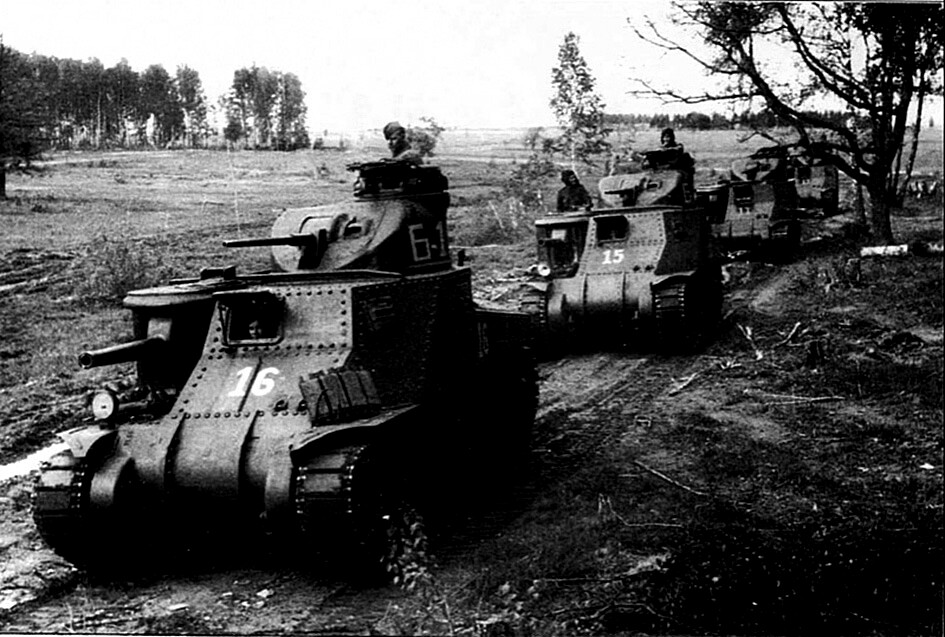
Due to its tendency to catch fire easily, stemming from its vulnerable gasoline engine, the M3 quickly became unpopular with Russian tank crews, particularly from 1943 onwards when they had to face Tiger and Panther tanks, against which the M3 stood virtually no chance. Consequently, it was relegated to roles such as infantry support or engagements against comparable armor, such as SOMUA S.35 tanks captured by the Wehrmacht. As a result, the Red Army relied increasingly on its own T-34, KV, SU, and IS tanks.
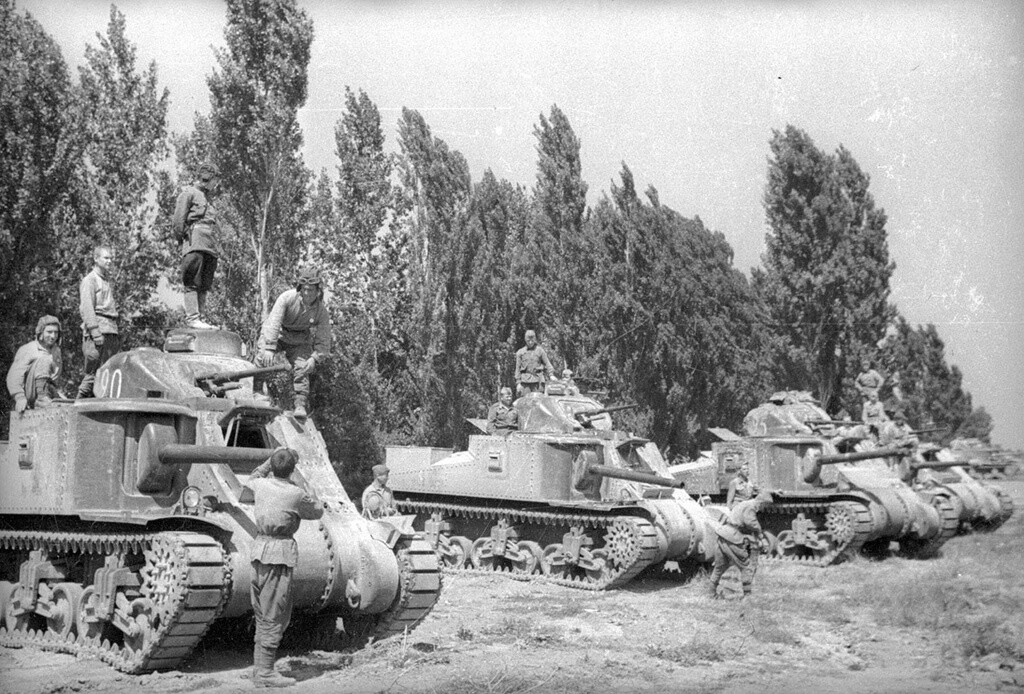
Some M3s were even captured by German troops and subsequently tested and deployed; their designation was M3-747(a).
Italy
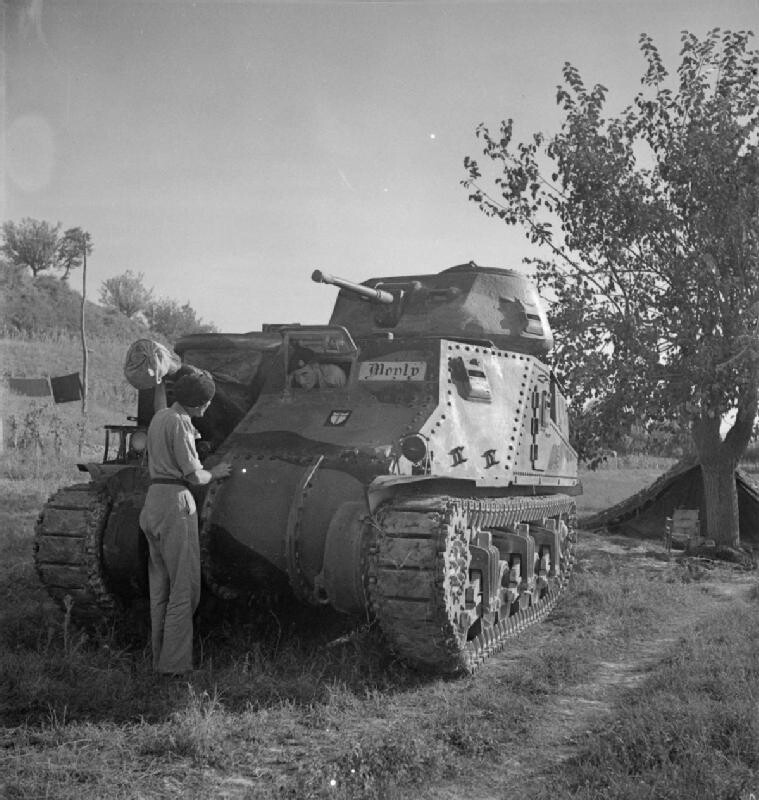
In Italy, just as in Western Europe, the Grant was not deployed in its standard “Lee” or “Grant” configurations; however, support variants such as the M7 Priest, Sexton Kangaroo, and the T31 were used there.
Post-War
Even after World War II, the M3 was no longer used on a large scale in its original “Lee” or “Grant”configurations; instead, variants like the M7 Priest or Sexton were employed by various nations until the late 1960s.
- [Wiki DE] M3 Lee / Grant
- [Wiki DE] M7 (Panzerhaubitze)
- [Wiki DE] M2 Medium Tank
- [Wiki DE] Ulysses S. Grant
- [Wiki EN] Robert Edward Lee
- [Wiki EN] M3 Lee
- [Wiki EN] M7 Priest
- [Wiki EN] M12 Gun Motor Carriage
- [Wiki EN] Kangaroo
- [Wiki EN] Canal Defense Light
- [Wiki EN] Yeramba
- [Tank Encyclopedia EN] M3 Lee / Grant
- [Tank Encyclopedia EN] Medium tank M3 “lancer” (Fake Tank)
- [Tank Encyclopedia EN] Tank Recovery Vehicle M31
- [CPI Inflation calculator EN] The U.S. dollar has lost 96% its value since 1940