
Today, we are looking at a small friend and a big one: the Type 89 I Gō Kō light tank (八九式軽戦車, イ号/ Hachikyū-shiki kei-sensha, I Gō) and its big brother, the Type 95 Ro Go (ロ号) heavy tank (九五式重戦車 / kyūgo-shiki jūsensha). Both are based on their “father,” the Experimental Tank No. 1. (試製一号戦車 / Shisei ichi gō sensha), Type 87 Chi I (チイ). The story began shortly after World War I, following the victory over the Central Powers in 1918. The Japanese Army realized that its infantry needed armored support: a conclusion drawn from the battles of the First World War, particularly those on the Western Front, where tanks were frequently deployed alongside infantry and artillery.
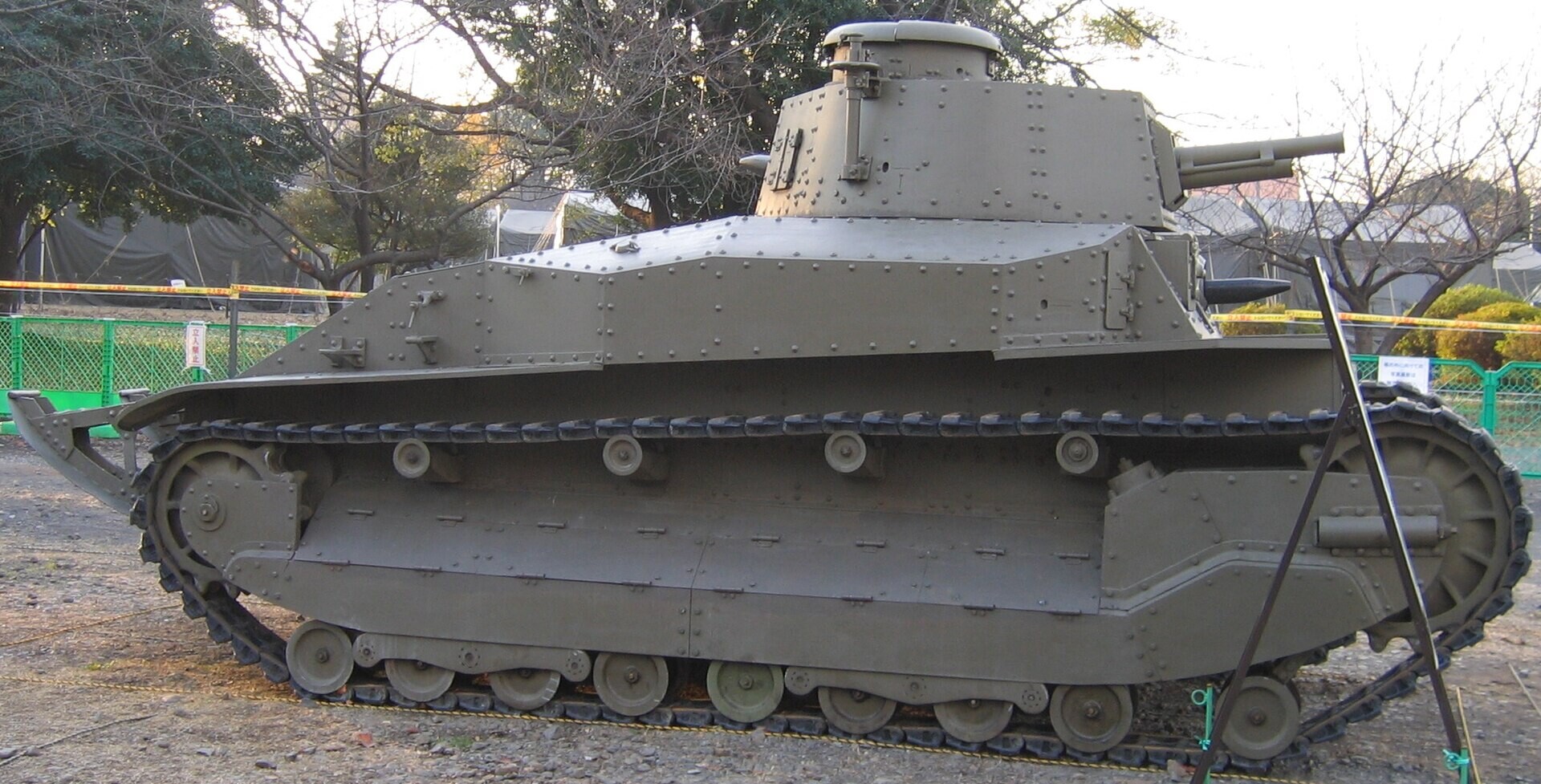
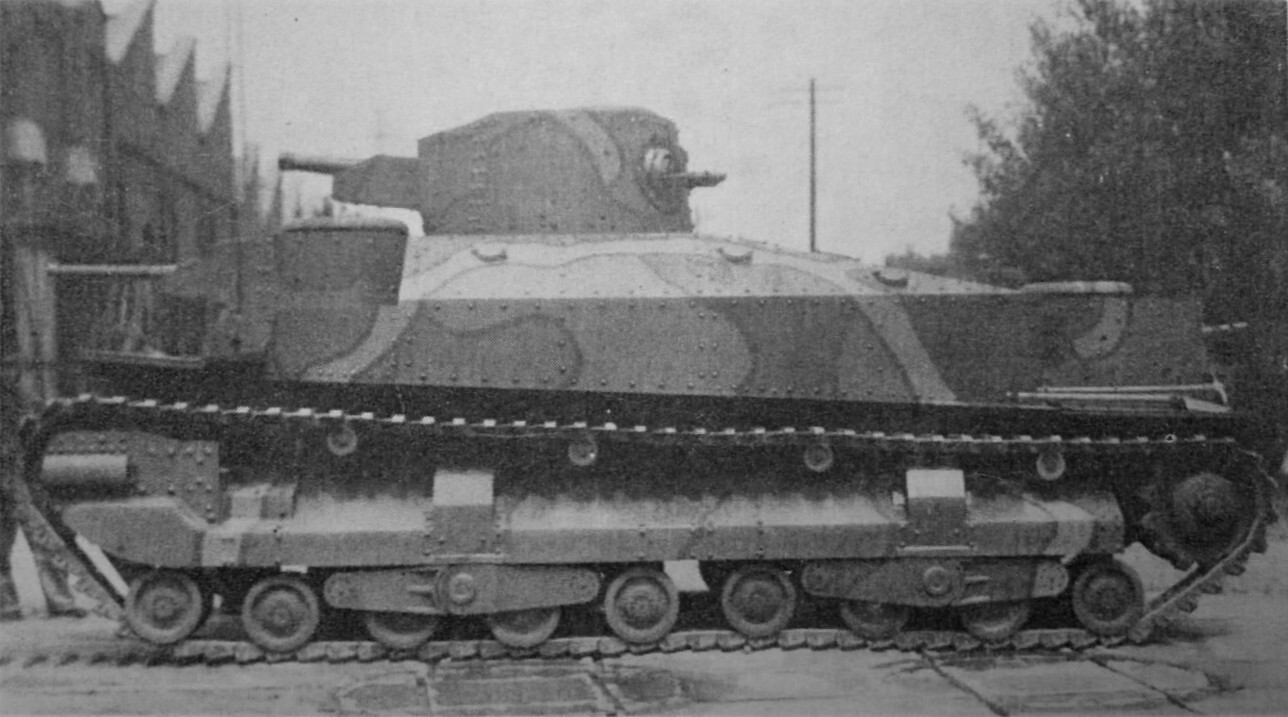
- Experimental Tank No. 1., Type 87 Chi I (チイ)
- Technical Data
- Development
- I Gō (イ号)
- Technical Data
- Development
- Variants
- Type 89 Kō (イ号甲)
- Type 89 Otsu (イ号乙)
- Deployment
- Ro Go (ロ号)
- Technical Data
- Development
- Experimental Sub-Variants
- Experimental 10 cm SPG Hi Ro Sha (ヒロ車)
- Experimental 10 cm SPG Ji Ro (ジロ)
- Experimental 12 cm SPG Ro Go Exp. (ロ号試製)
- Sources
Experimental Tank No. 1., Type 87 Chi I (チイ)
Technical Data
| High | 2.78 m |
| Width | 2.4 m |
| Length | 6.03 m |
| Mass | 18 t |
| Crew | 5 |
| Range | 170 Km |
| Power | 140 Hp |
| Engine | Air-cooled Mitsubishi V8 gasoline engine |
| Speed | 26 Km/h |
| Main Armament | Vickers 6 pdr (57 mm) |
| Secondary Armament | 2 × Typ 3 6,5 mm MG |
Development
Following the end of World War I in 1919, in which Japan emerged victorious as part of the Entente (the Allies), the Japanese army determined that its infantry required tank support to operate more effectively. This realization stemmed primarily from observations of the Western Front, where tanks had been deployed extensively; however, the impetus for modernization was also driven by lessons learned during the Russo-Japanese War (1904–1905) and the Siege of Qingdao (1914).
Accordingly, in 1918 and 1919 the Japanese army acquired one Mk. IV (Female), six Mk. A and 13 Renault FT tanks (Renault Ko-Gata Sensha / ルノー甲型戦車) from Great Britain and France. Five of the FTs were used to form the 1st Tank Detachment, which was assigned to the 12th Division. As a result, the Japanese army wanted to expand its armored forces, so in 1925 they asked Vickers if they could buy the British Vickers Medium Tank Mk. II. However, the British Army refused the request, as it did not yet possess sufficient numbers of the vehicle for itself.
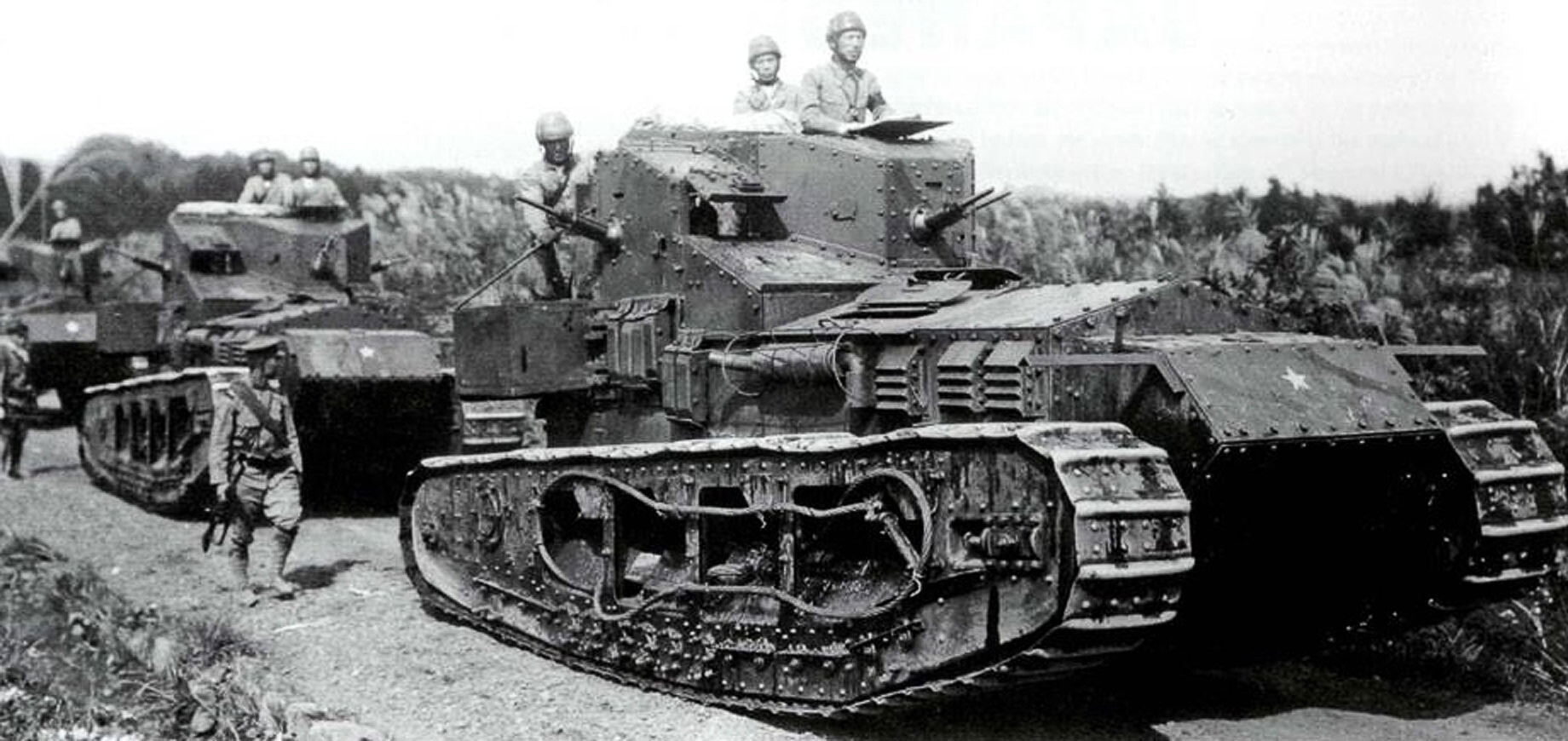
Consequently, the Army decided to award contracts for the development of two Japanese tanks, one light and one medium, sharing technical specifications as closely as possible while differing in size and weight; these requirements were established after Vickers had offered export versions of the Vickers Medium Tank Mk. II, the Vickers 6-Ton model, and the Renault FT.
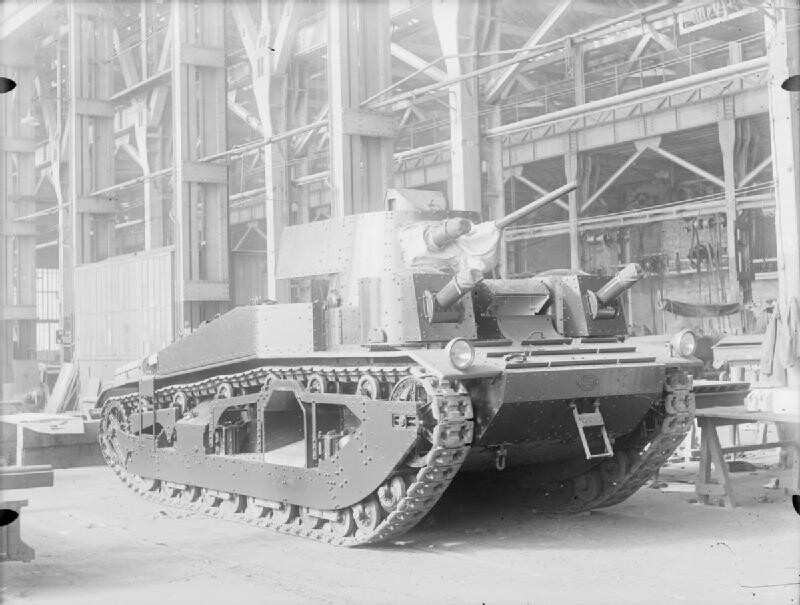
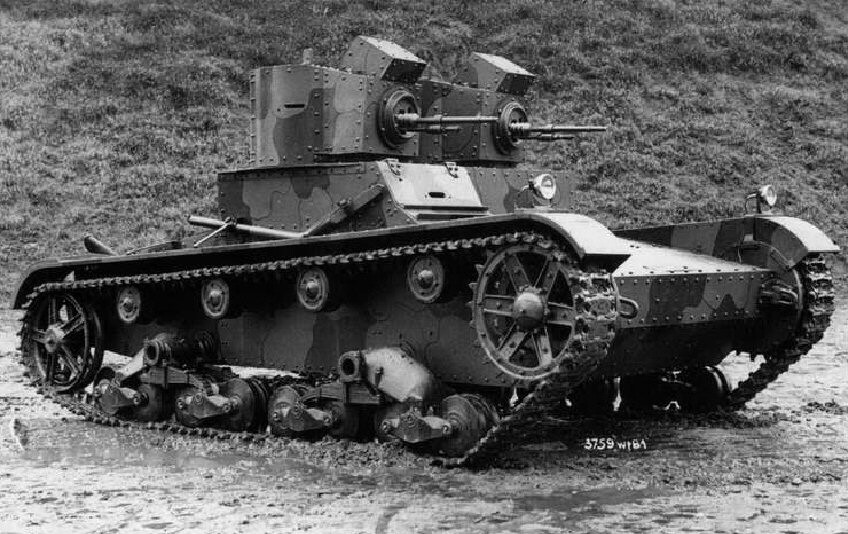
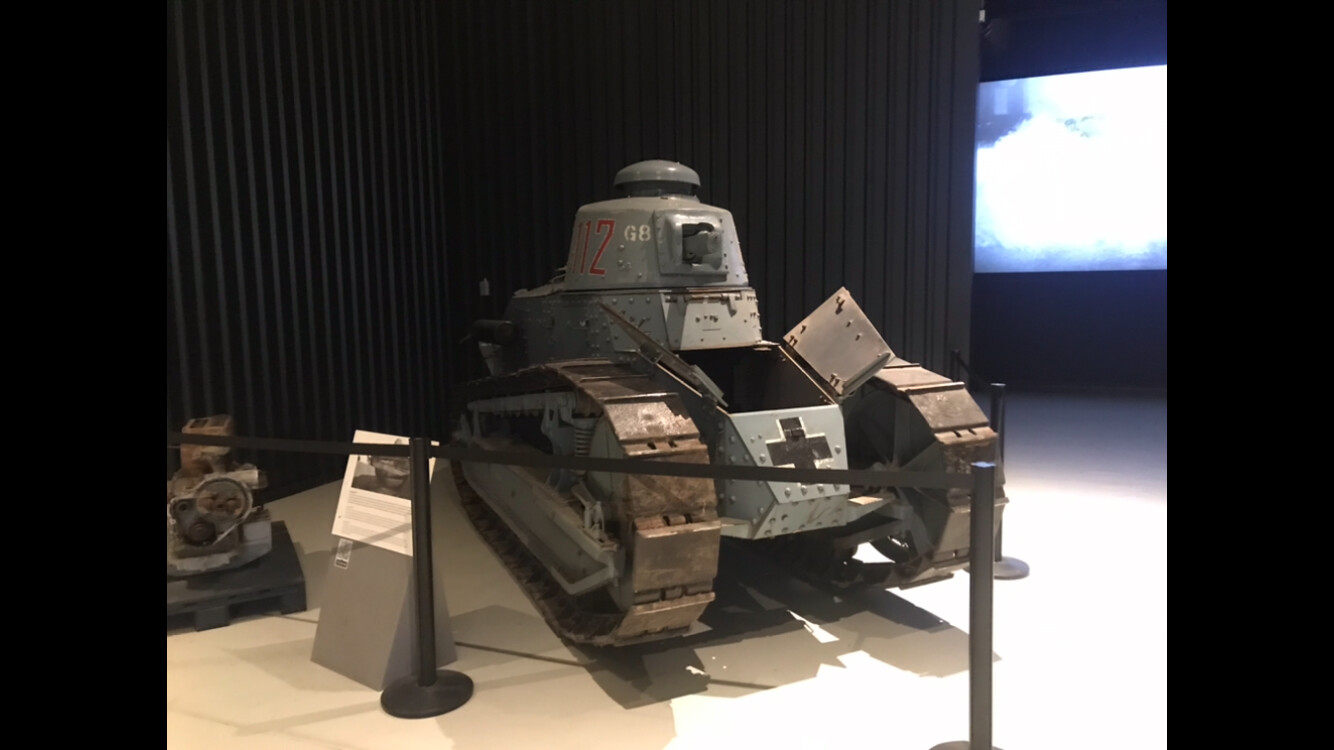
Based on insights gained from trials, the army established the following specifications for the construction of the tanks:
- Ability to engage strong field fortifications.
- Road mobility.
- High firepower with all-round protection, provided by a 57 mm gun and two machine guns (one facing forward, one facing rearward).
- Armor capable of withstanding hits from a 37 mm gun.
- Road speed of approximately 25 km/h.
- Capability to cross trenches 2.5 meters wide.
- A 5 man crew.
- Width and height dimensions compatible with rail transport.
- Full driving control for the driver.
- Operational endurance of at least 10 hours.
- Maximum weight of 15 tonnes.
The development of the initial design was limited to 21 months due to budget constraints; Given this tight timeframe, the 4th Military Laboratory of the Okubo District was commissioned to carry out the construction, and Major Tomio Hara was assigned to lead the project. Since this was their first tank design, the engineers had to personally design every component required for construction; Ultimately, more than 10,000 technical drawings were produced for the tank’s blueprints and parts.
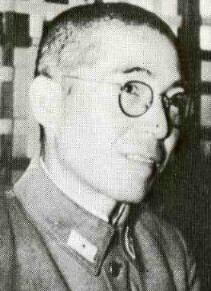
By May 1926, the blueprints were complete, and work began on the first prototype at the Ōsaka Arsenal. The arsenal possessed extensive experience, particularly as an artillery production facility; However, industrial prerequisites such as production machinery were still lacking. Consequently, it was decided to manufacture individual components at various factories, workshops, and shipyards near Osaka, with final assembly taking place at the arsenal itself. Yet, the production of these components faced repeated delays; notably, the armor plate could not be produced on time, forcing the team to settle for conventional structural steel instead. Following its completion in February 1927, a demonstration took place on June 27, 1927, at the testing grounds near Mount Fuji, attended by several high-ranking officers; the tank also garnered public attention in Japan.
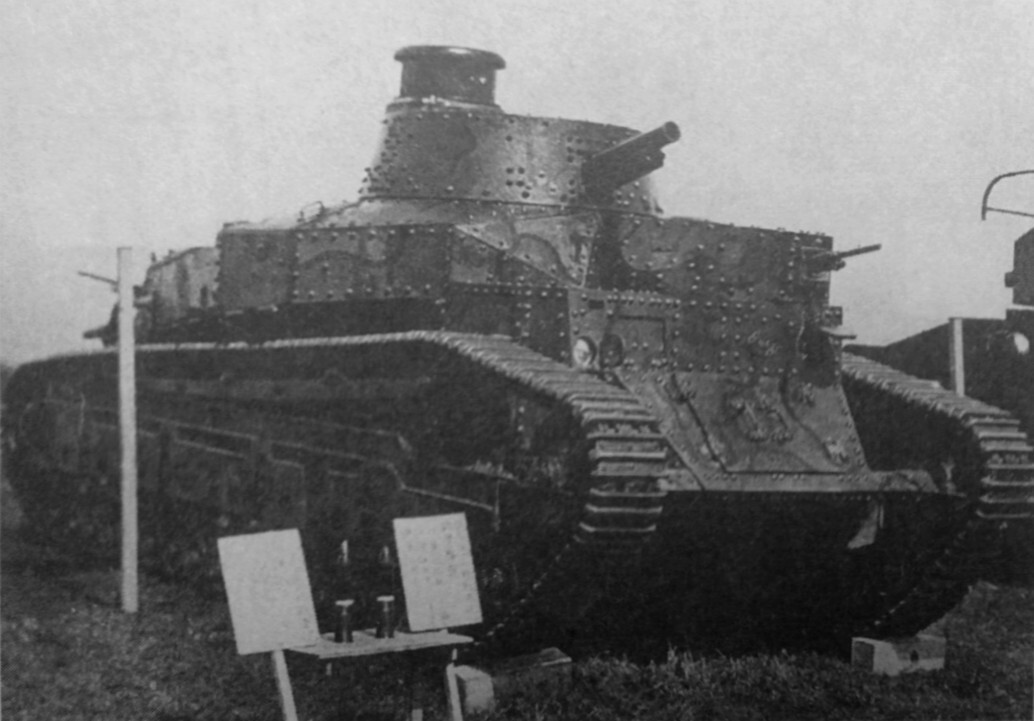
From the officers' perspective, the tank was a complete success; however, it had one problem: it failed to meet the maximum weight limit of 15 tons. The prototype weighed in at a “mere” 18 tons. However, the success did not lie in the area of technical requirements, but was rather of an emotional nature; It meant that, despite all the difficulties, they were now able to develop and build tanks independently. Ultimately, however, this initial design was abandoned and not developed further; it had been designated as Type 87 Chi I (チイ).
I Gō (イ号)
Technical Data
| High | 2.56 m |
| Width | 2.13 m |
| Length | 5.73 m |
| Mass | 14 t (varied depending on the version) |
| Crew | 4 |
| Range | 170 Km |
| Power | 120 Hp |
| Engine | Air-cooled Mitsubishi A6120VD 6-cylinder diesel engine |
| Speed | 26 Km/h |
| Main Armament | 57 mm Typ 90 Canon |
| Secondary Armament | 2 × 6,5 mm Typ 91 MG |
Development
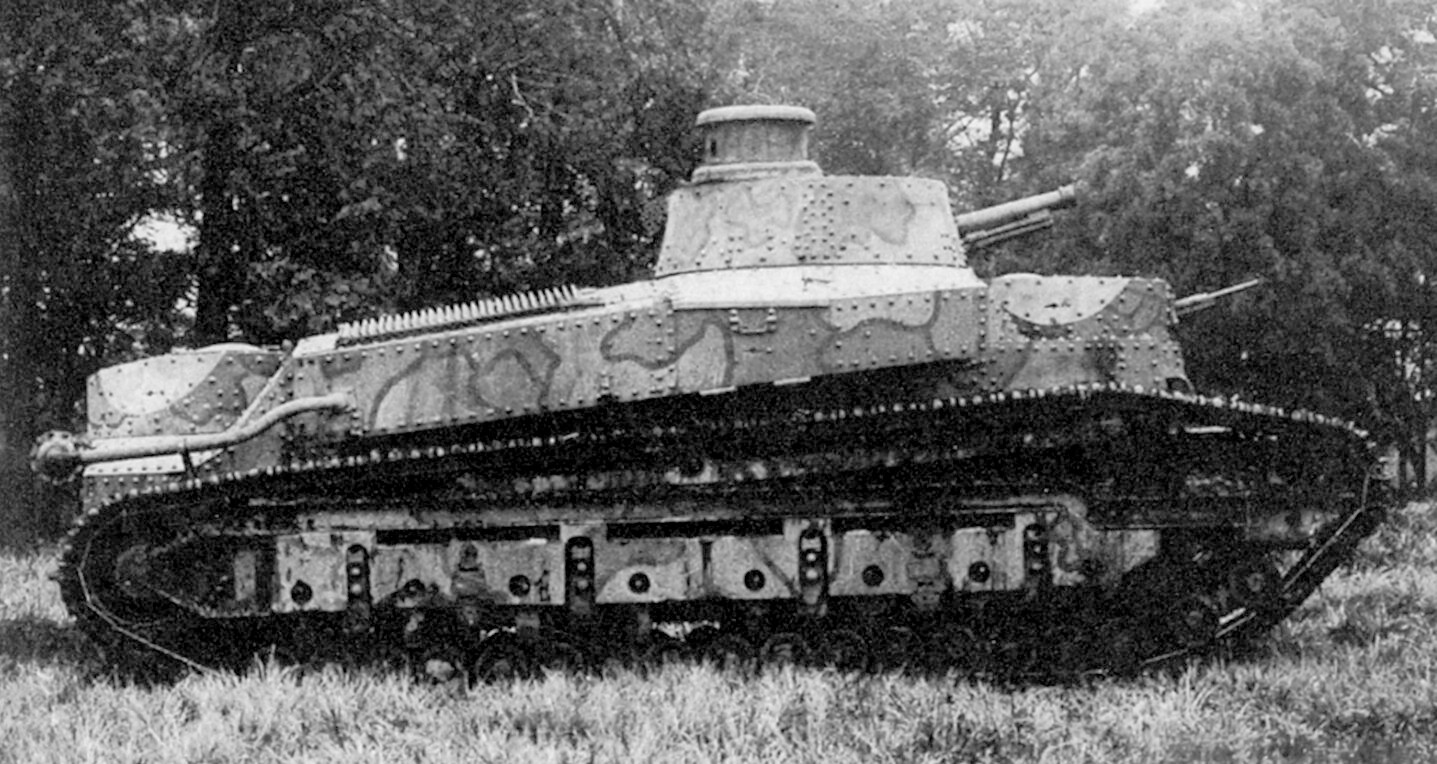
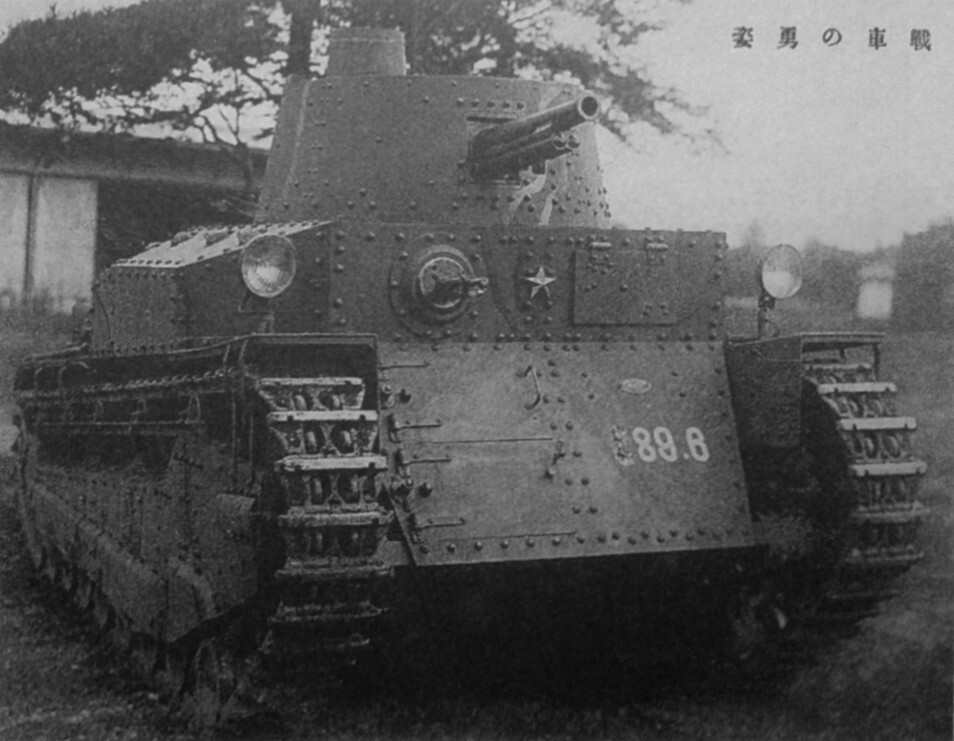
After the Type 87 (Experimental Tank No. 1) exceeded weight limits, a requirement was set that the maximum weight should not exceed 10 tonnes. Consequently, a prototype meeting these specifications was designed and built by 1928; it was immediately adopted and designated “Experimental Tank No. 2” in 1929, and shortly thereafter named the Type 89 I Gō Kō (八九式中戦車, イ号/ Hachikyū-shiki chū-sensha, I Gō) and was classified as light tank.
Shortly thereafter, it was reclassified as a medium tank, and plans were made to begin mass production at the Army’s Sagami Arsenal. However, this effort failed because the Sagami Arsenal lacked the necessary production facilities; consequently, the mass production contract was awarded to Mitsubishi Heavy Industries, which began manufacturing the vehicle at a dedicated facility built near the Sagami Arsenal.
Variants
Type 89 I Gō Kō (イ号甲)
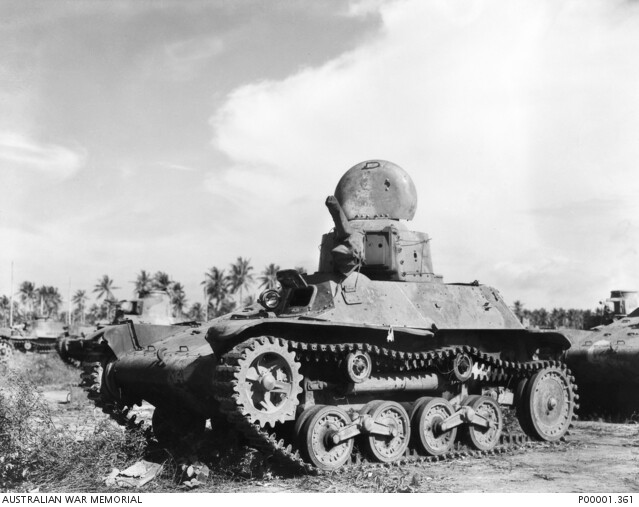
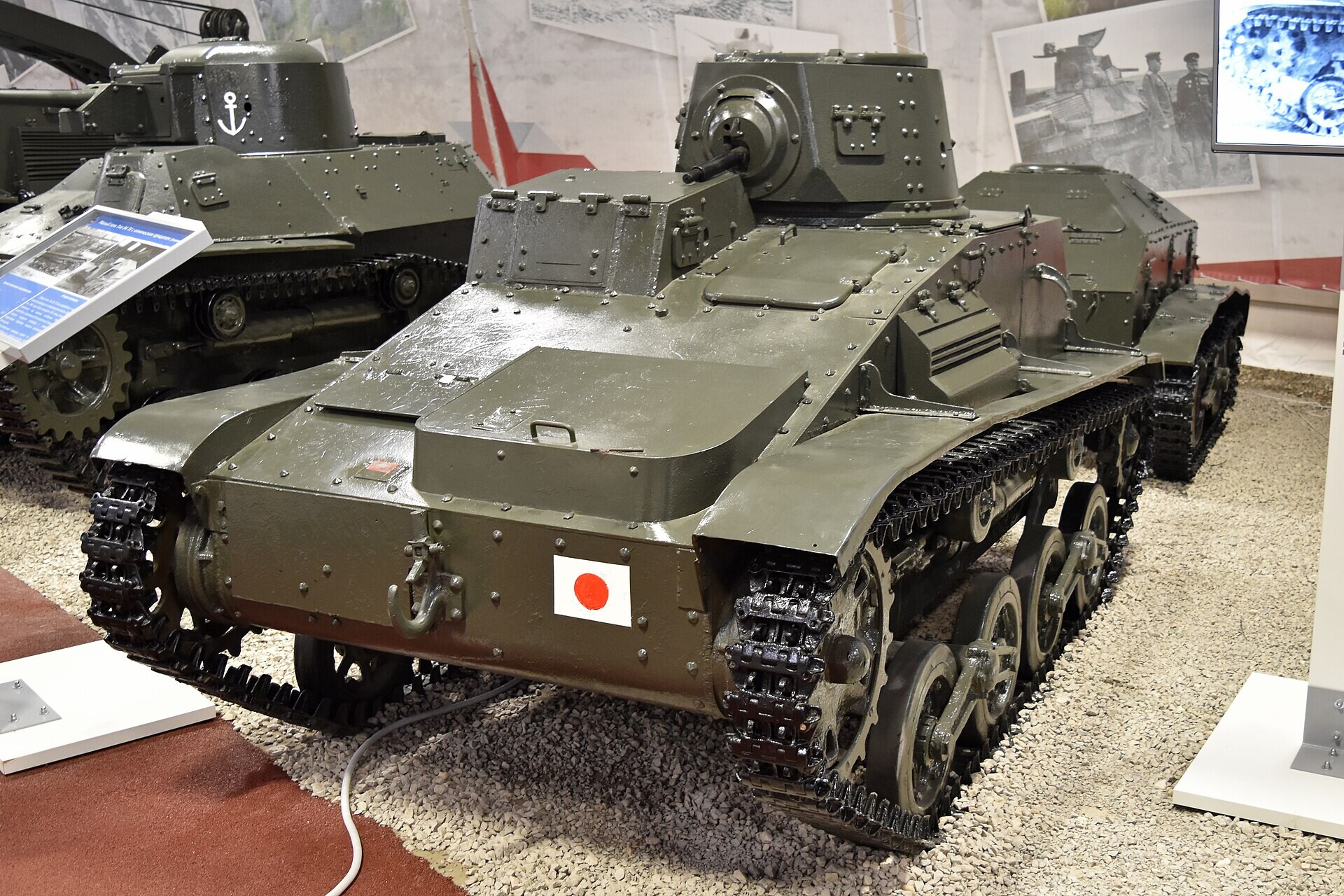
The first production version, the Type 89 Kō, was heavily modeled on the Vickers 6-Ton tank; it featured a 118 hp gasoline engine and a suspension system consisting of two bogies per side—each with four road wheels—sprung by leaf springs. The rear wheel served as the drive sprocket and the front as the idler, while five return rollers were mounted along the top of each side. Armor protection ranged from 6 to 17 mm, utilizing riveted steel plates manufactured by Nihon Seikosho.
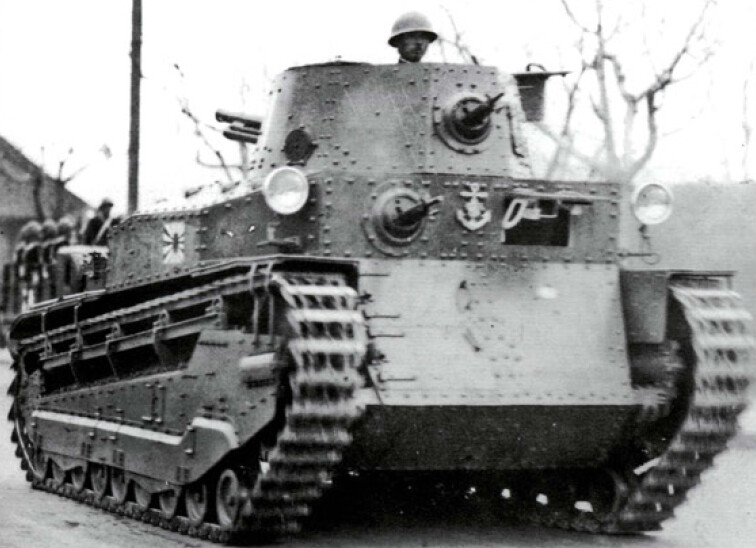
The turret featured an asymmetrical, conical shape, with a rounded left side and an angular right side. The commander’s cupola had a rounded top, giving it a hat-like appearance; it was a raised structure that provided the commander with visibility and facilitated air circulation between the interior and exterior. The tank was armed with a Type 90 57 mm gun, with a stowage capacity of 100 rounds and an elevation range of -15° to +20°. It also carried two machine guns: a Type 11 mounted in the left front hull for the radio operator (seated next to the driver) and a Type 91 mounted in the rear of the turret. Additionally, the Type 89 could be equipped with a Type 94 Mk. 4 radio. About 113 tanks were built.
Type 89 Otsu (イ号乙)
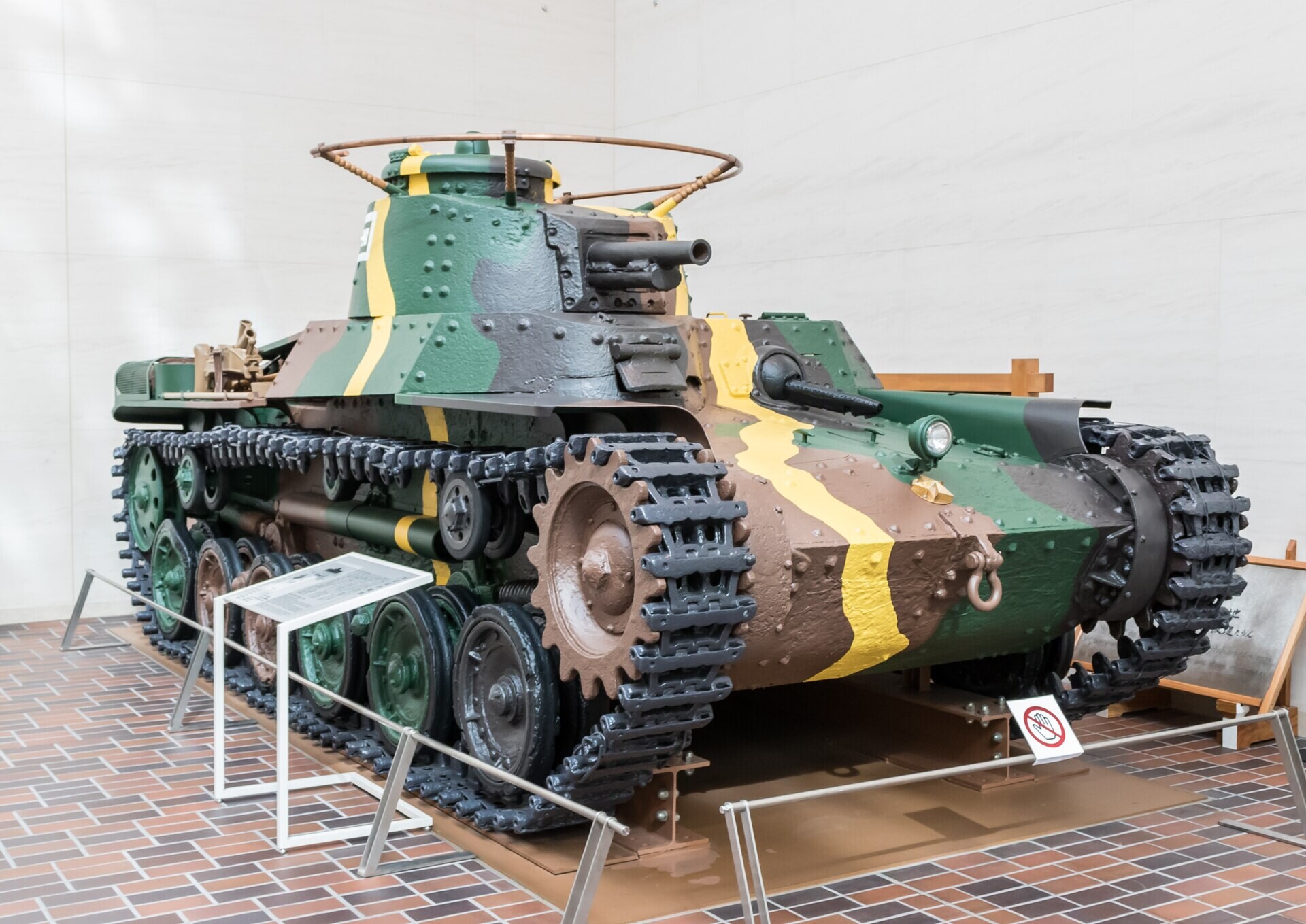
The Type 89 Otsu represented a comprehensive improvement over the Type Kō. The most significant upgrades included the installation of a more powerful Mitsubishi A6120VD 6-cylinder diesel engine; this change was made to boost performance and enhance safety. Testing of the Vickers 6-Ton model had led to the conclusion that a gasoline engine could easily catch fire, prompting the switch to diesel. Furthermore, the Empire could not produce sufficient gasoline at the time, whereas diesel production and utilization were more feasible. The tower was also redesigned, although it still had an asymmetrical form.
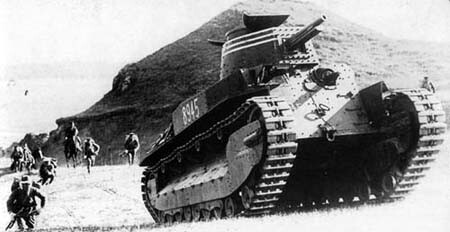
Additionally, the frontal armor was consolidated into a single, large, sloped plate rather than multiple individual plates. The driver and machine gunner swapped positions, and the teeth on the drive and idler wheels were enlarged to improve track grip. Meanwhile, the number of upper track rollers was reduced to four. The main gun was also replaced with the more powerful Type 97 57 mm cannon. Approximately 291 units were built.
Deployment
The Type 89 was first deployed during the First Battle of Shanghai in 1932, where it participated in the second tank campaign with five tanks under the command of Captain Shigemi. Its primary mission was to support the infantry by destroying machine-gun nests, fortified positions, and other light tanks.
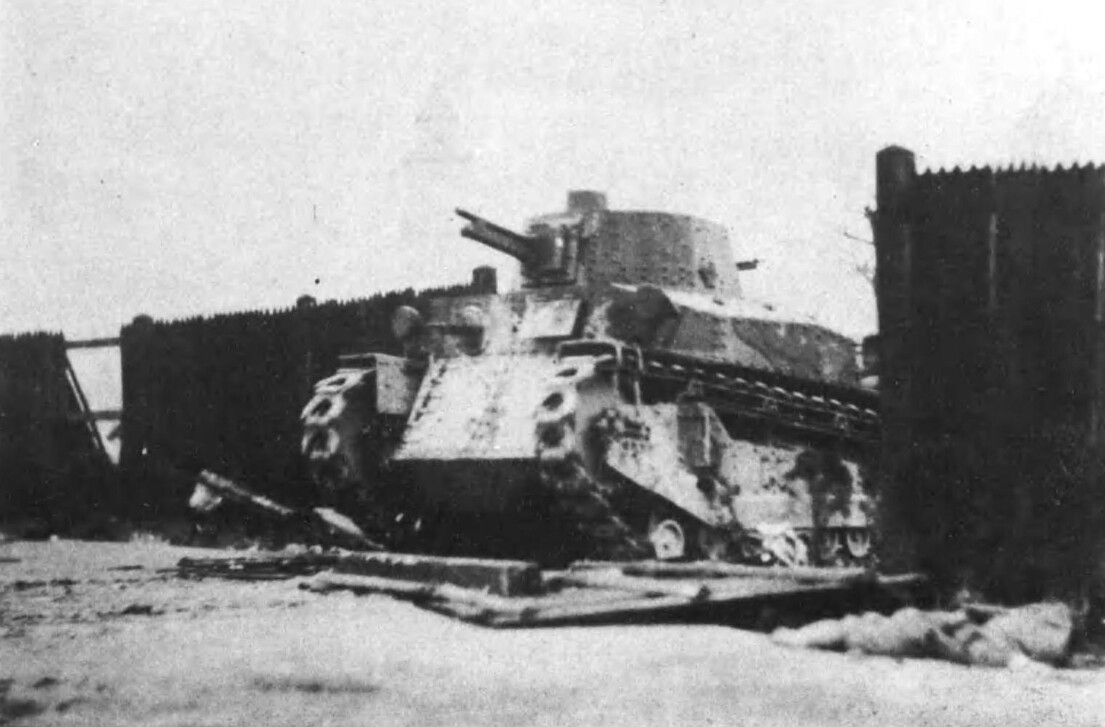
The first four complete tank regiments were established in 1933 and 1934, each consisting of two companies of ten tanks. These four regiments were also deployed for infantry support for the first time during the Second Sino-Japanese War.
From 1935 onwards, it became increasingly apparent that the 6–17 mm thick armor was no longer sufficient, as the Chinese had access to increasingly powerful anti-tank rifles.
Intresting Fact: Kojirō Nishizumi, the most famous commander of the Type 89 I Gō (イ号) tank, was born on January 13, 1914, in Kumamoto Prefecture.
He joined the Imperial Japanese Army during the late 1920s or early 1930s and became an officer. He initially served as an infantry officer in Manchuria before volunteering for the armored corps around 1936; he subsequently underwent training as a tank commander and was assigned to the 1st Tank Regiment. He commanded the Type 89, fighting alongside his tank and crew in more than 34 engagements and battles, including the Second Battle of Shanghai and the Battle of Xuzhou.
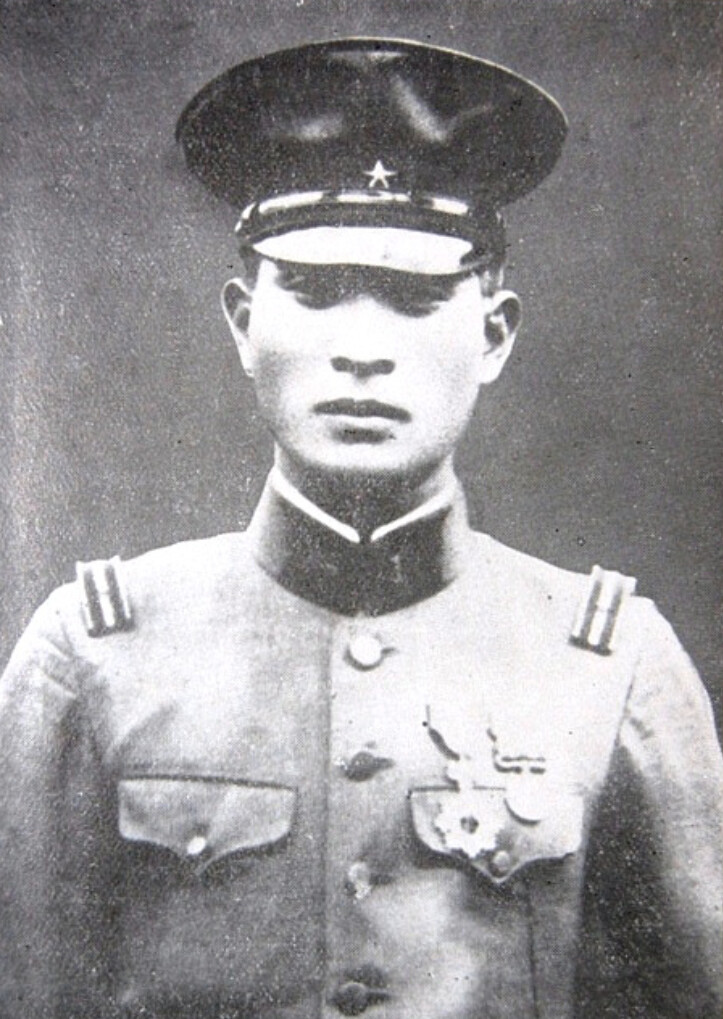
Nishizumi also temporarily assumed command of his company after his superior officer was wounded. On May 17, 1938, he was tasked with scouting for a suitable river crossing. Shortly after locating one, he was shot and critically wounded by a Chinese sniper. He managed to retreat to his Type 89 tank and, just before dying, informed his crew of the crossing’s location. Following his death, his Type 89 was put on public display; the vehicle reportedly bore over 1,300 bullet holes resulting from its numerous engagements. He was also proclaimed the first recognized “Gunshin” (軍神), a term with the meaning “God of War.” This was a propaganda title used to honor fallen soldiers who had performed a “distinguished service” for the Emperor during their deployment.
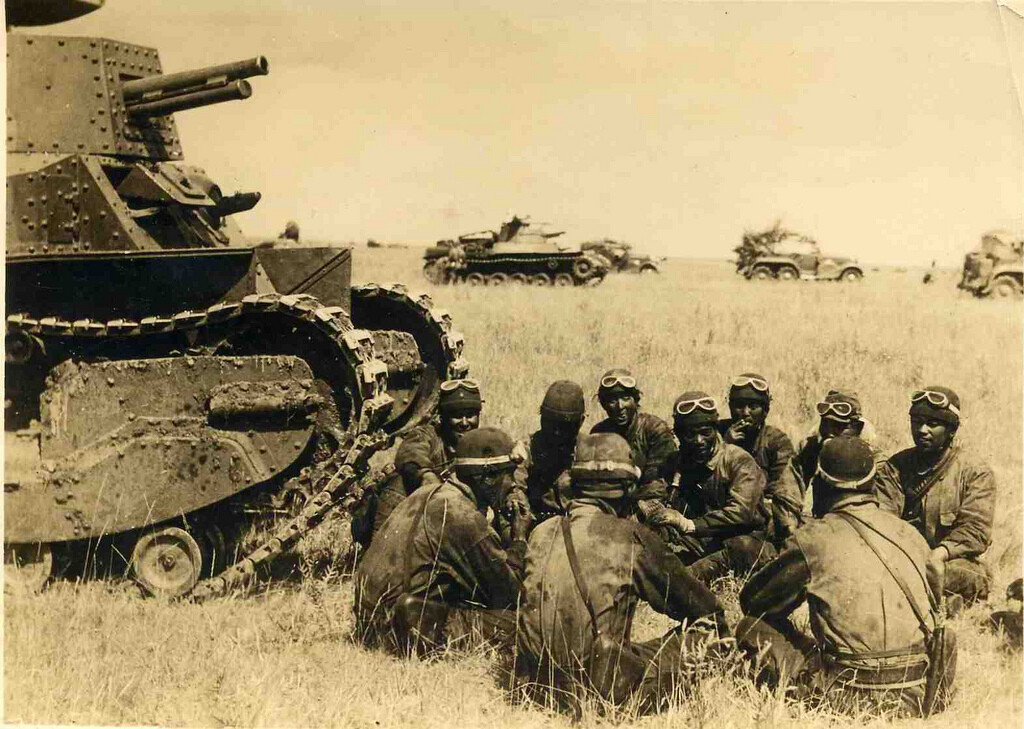
From 1939 onwards, most Type 89 tanks were stationed in China, near the Russian border in Manchuria. Due to the Japanese-Soviet border conflict instigated by Japan in 1938–1939, the Type 89 saw extensive use in the fighting. It was deployed with the 1st Tank Corps, which was divided into two regiments: the 3rd and 4th Tank Regiments. The 3rd Regiment fielded 26 Type 89s, four Type 97 Chi Ha (チハ), seven Type 94 TK (特殊牽引車) “Tokushu Keninsha” (English: “special tractor”), and four Type 97 Te Ke (テケ) tankettes, while the 4th Regiment was equipped with 35 Type 95 Ha Go (ハ号), eight Type 89s, and three Type 94 TKs.
During the Battle of Khalkhin Gol, these tanks fought against both Russian infantry and Russian armor, the latter consisting primarily of T-26 and BT-series tanks. Initial assaults involving the 1st Tank Corps drove deep into Russian territory, but the forces were soon compelled to withdraw. Following this, criticism resurfaced regarding the Type 89's main armament, which was deemed too weak and inadequate. In the offensive—which involved around 73 Japanese tanks from the two regiments—13 tanks were destroyed, and approximately 31 required repairs.
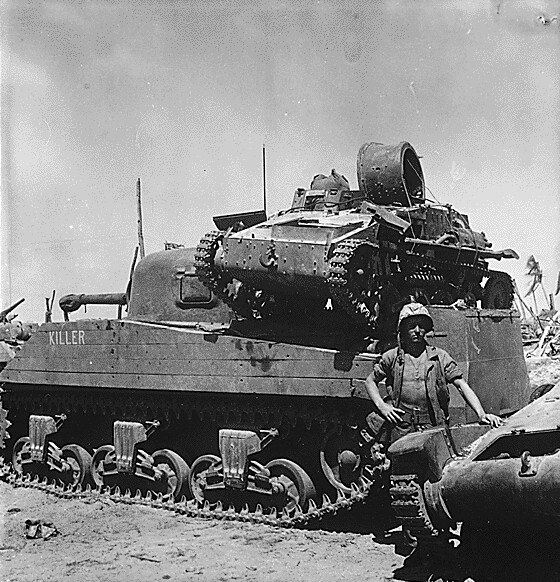
From 1941 onwards, the Type 89 was primarily deployed in the Chinese theater of operations; by that time, it faced stiff competition from the M4 Sherman, the M3 Lee/Grant, and other more modern tanks, which led to its role being taken over by its successor models. Nevertheless, it was used for infantry support during the invasion of the Philippines, the Battle of Malaya, and the Burma Campaign. To remain somewhat useful during the later years of the war despite its thin armor, the tank was also dug into the ground to serve as a static bunker; this practice became increasingly common on the Japanese-occupied islands of the Dutch East Indies and in the South Seas Mandate in a failed attempt to halt the Allied advance.
After World War II, the Dutch Army continued to use some Type 89s during the Indonesian Revolution, employing them as conventional artillery tractors. France also captured a Type 89 model—along with other Japanese tanks—and, at the start of the First Indochina War, fielded a complete unit equipped with these captured Japanese vehicles.
Ro Go (ロ号)
Technical Data
| High | 2.9 m |
| Width | 2.7 m |
| Length | 6.47 m |
| Mass | 26 t |
| Crew | 5 |
| Range | 110 Km |
| Power | 290 Hp |
| Engine | 6-cylinder BMW IV aircraft petrol engine |
| Speed | 25 Km/h |
| Main Armament | 70 mm Typ 94 Canon |
| Secondary Armament | 1 × 37 mm Typ 94 Canon 2 × 6,5 mm Typ 91 MG |
Development
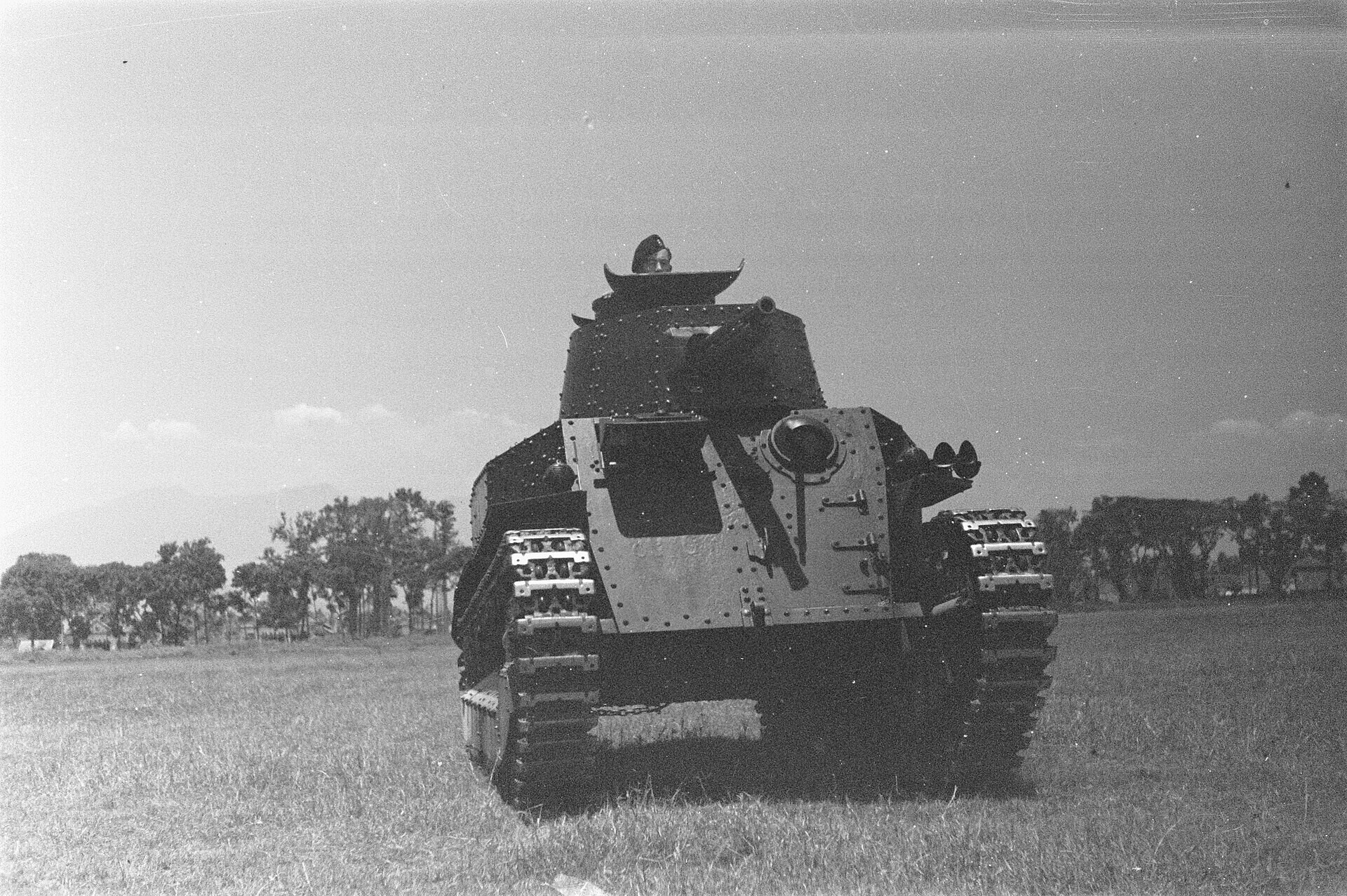
The Type 95 Ro Go (ロ号) was designed as the “big brother” to the Type 89; like its predecessor, it was based on the experimental Tank No. 1 but featured several differences. Since the Type 95 Ro Go (ロ号) was intended to serve as a breakthrough or heavy tank, it was designed to be heavier and possess greater firepower.
The development of a heavy tank was driven by the growing threat posed by the Soviet Union as a potential adversary to Japan along the border with occupied China or in North Asia. In 1931, a prototype designated the Type 91 heavy tank was built; weighing 18 tons and featuring three turrets, it was powered by a 224 hp, 6-cylinder gasoline engine. The Type 91's main turret was equipped with a 57 mm Type 90 gun and a 6.5 mm machine gun, while the two smaller secondary turrets—positioned at the front and rear of the hull—each housed an additional 6.5 mm machine gun. The vehicle featured 17mm armor and seventeen road wheels on each side. The project was ultimately abandoned in favor of the Type 95, as the prototype was deemed underpowered.
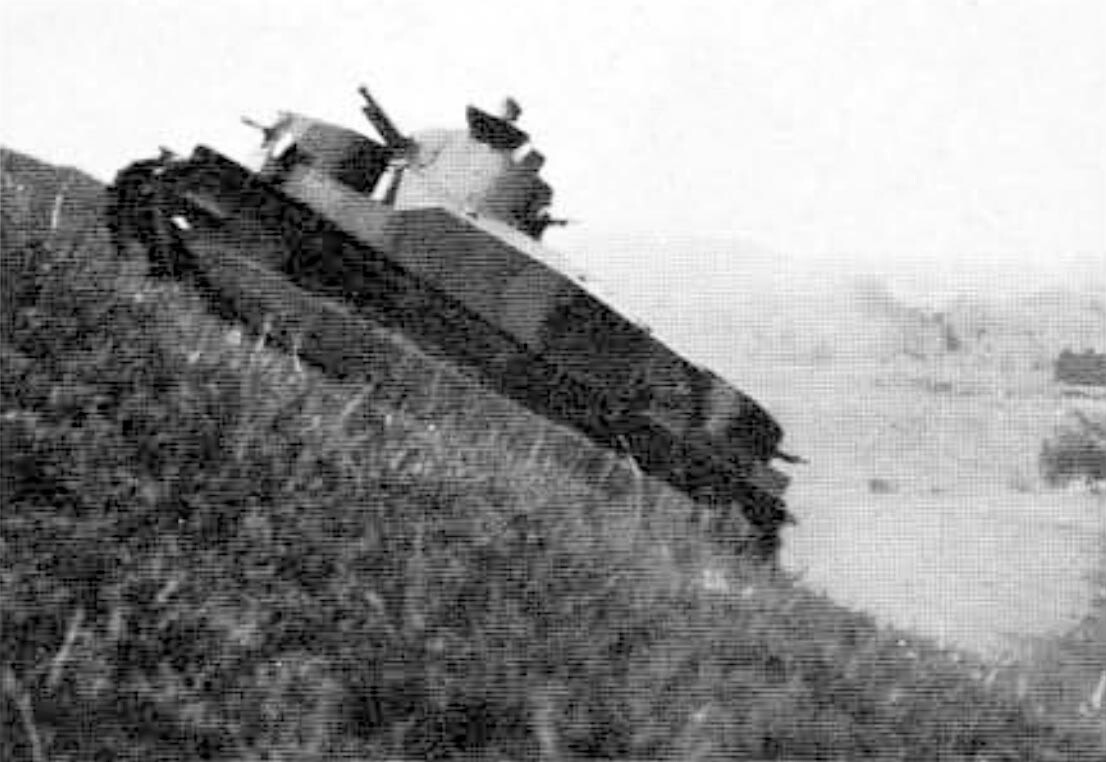
Ultimately, an exterior design closely resembling the Experimental Tank No. 1 and the first prototype was chosen. However, the 26-ton vehicle featured a much more powerful 70 mm Type 94 gun and a rear-facing 6.5 mm Type 91 machine gun in the turret. It also carried a 37 mm Type 94 gun in a separate, smaller turret at the front of the hull, while another Type 91 machine gun was mounted in its own turret at the rear of the hull. The behemoth was powered by a German BMW engine, a BMW 6-cylinder BMW IV aircraft petrol engine, which propelled the tank to 25 km/h. The armor was increased to 30 mm, and the weight rose by another 8 tons, from 18 to 26 tons.
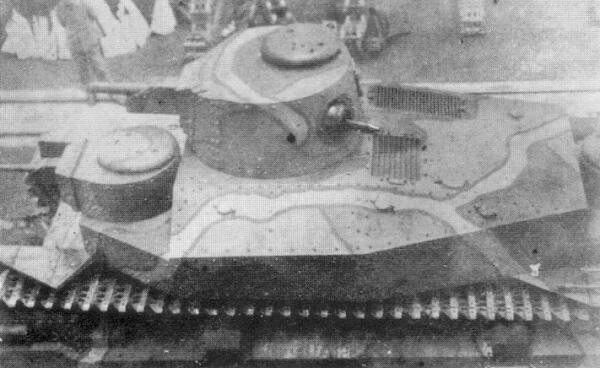
Ultimately, the design did not enter mass production, and the multi-turret tank concept was abandoned; only four prototypes were built.
Experimental Sub-variants
Experimental 10 cm SPG Hi Ro Sha (ヒロ車)
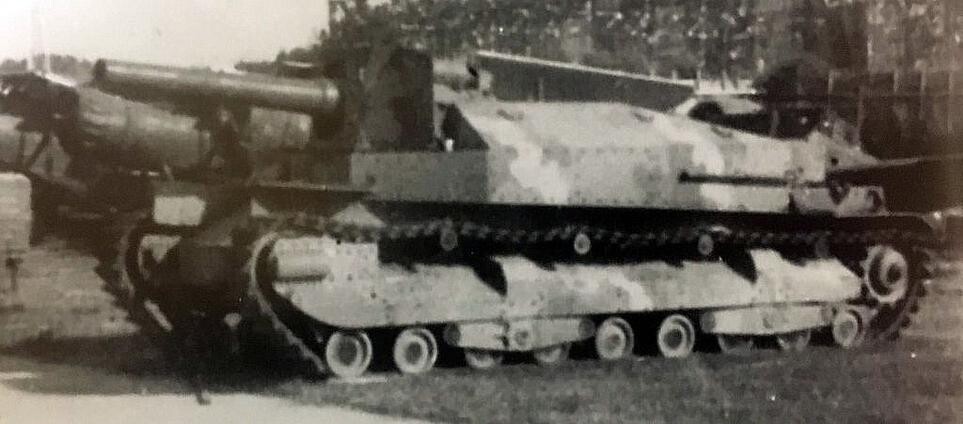
A chassis was used to mount a 105 mm gun in an open-topped casemate; the intention was to design a bunker buster or a heavy tank destroyer.
Experimental 10 cm SPG Ji Ro (ジロ)
Another prototype featured a rear-mounted Type 92 10 cm (105 mm) gun housed in an enclosed casemate on the hull. Although the Ji Ro (ジロ) was originally intended to mount a Type 96 15 cm howitzer, plans for that weapon were abandoned; consequently, the Ji Ro (ジロ) prototype had to make do with the Type 92 howitzer.
Experimental 12 cm SPG Ro Go Exp. (ロ号試製)
Based on the same principle—the destruction of fortified positions and heavy tanks—the Ro-Go Exp. (ロ号試製) was planned and a prototype was built; it featured a 120mm Schneider-Canet Model 1898 cannon mounted on the chassis. There were many plans to mount the various calibers on a Ro Go hull, however, these did not exceed the 100 mm, or rather the 105 mm, of the Hi Ro (ヒロ) or Ji Ro (ジロ)


