In 1944, the Sukhoi Design Bureau started working on a new twin-engine fighter. The design process was slow, but the bureau soon acquired a captured German Me 262 Schwalbe ("Swallow"), which profoundly influenced the project's subsequent development. This culminated in the Su-9 in 1947, which retained the Me 262’s layout but had a different fuselage and wing design. Soon after, the Su-11 was created based on the Su-9, featuring more powerful TR-1 engines. However, in the game, the Su-11’s performance is much superior than that of the Su-9 or the Me 262. It stands out for its excellent acceleration and incredible energy conservation. Is it really that good?
| Pros | Cons |
|---|---|
| Excellent acceleration and speed | Poor roll and rudder behavior at high speeds |
| Good guns damage | Difficult aim |
| Excellent energy retention |
Flight Performance
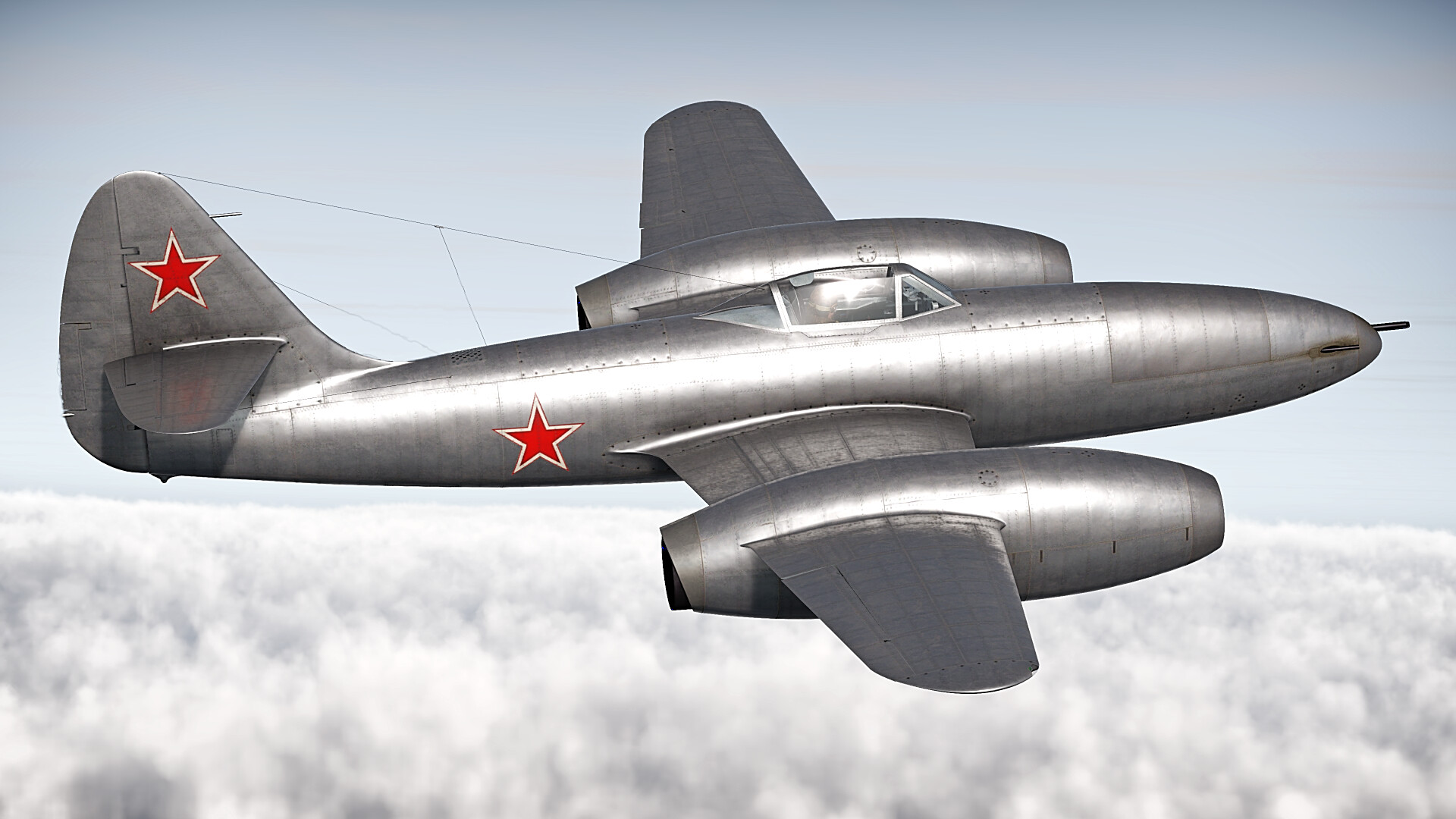
The Su-11 is equipped with two A.Lulka TR-1 engines, each of with thrust of 1,310 kgf under ideal conditions. The engines overheat at full thrust; however, operating at 98% prevents it. These engines enable the aircraft to accelerate easily to a maximum speed of 940 km/h, maintain speed exceptionally well, and climb decently. For comparison, the Me 262 A-1’s engines produce 910 kgf, yet the Schwalbe itself is only 300 kg lighter when empty. Even the Su-9, with its two 870 kg engines—albeit at a significantly lower weight—falls short. The only serious competition comes from the F-80C with its WEP and other more advanced fighters.
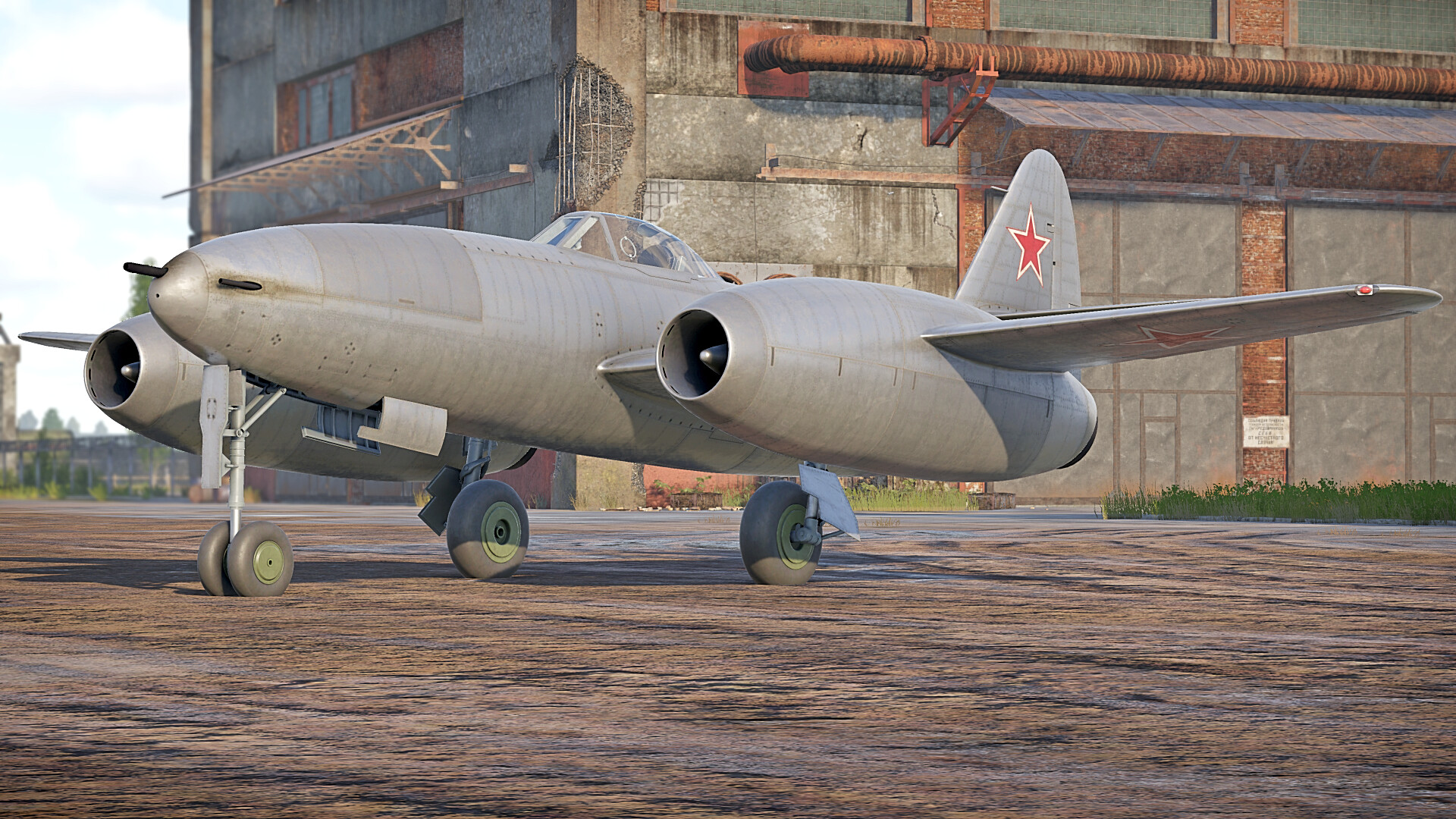
Its maneuverability is also impressive, mainly due to high energy retention. The Su-11 has average pitch and cannot pull much AoA. If a pilot will simply pull towards the enemy, the Su-11 can easily be outmaneuvered by aircraft such as the F-84B, and it will be especially difficult to shake them off from the six. Nevertheless, the Su-11 retains energy exceptionally well during vertical and horizontal maneuvers. This allows it to bait and stall most opponents and consequently shot them down. Exceptions include the Me 163, from which escaping is the only option, as well as aircraft like the MiG-15 or La-200, which conserve or produce energy much better.
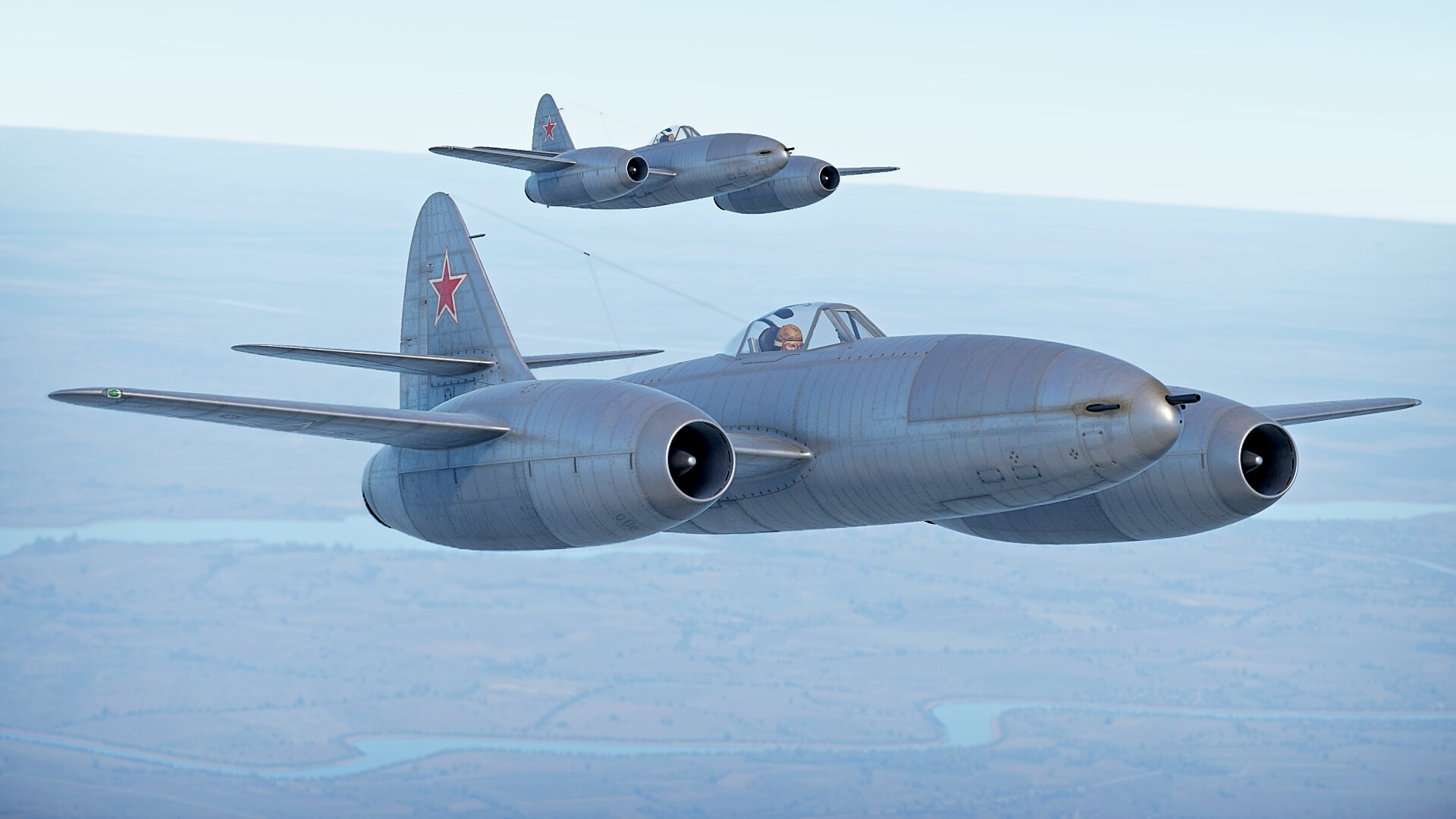
At high speeds, the fighter maintains good pitch, but roll gets weak and rudder begins to behave weirdly. These two will be the most common reason for missing a target while flying fast. At speeds below 350 km/h, the Su-11 loses a significant amount of control, particularly in roll and pitch. To compensate for this, you can try using the combat or even landing flaps, but they're usually only useful on the top of a slow loop.
The Su-11 lacks an air brake. The combat flaps break at speeds above 580 km/h, and the landing gear at speeds above 420 km/h. Without flaps, a stall begins at 170–180 km/h, and with landing flaps, around 140–150 km/h.
Armor and survivability
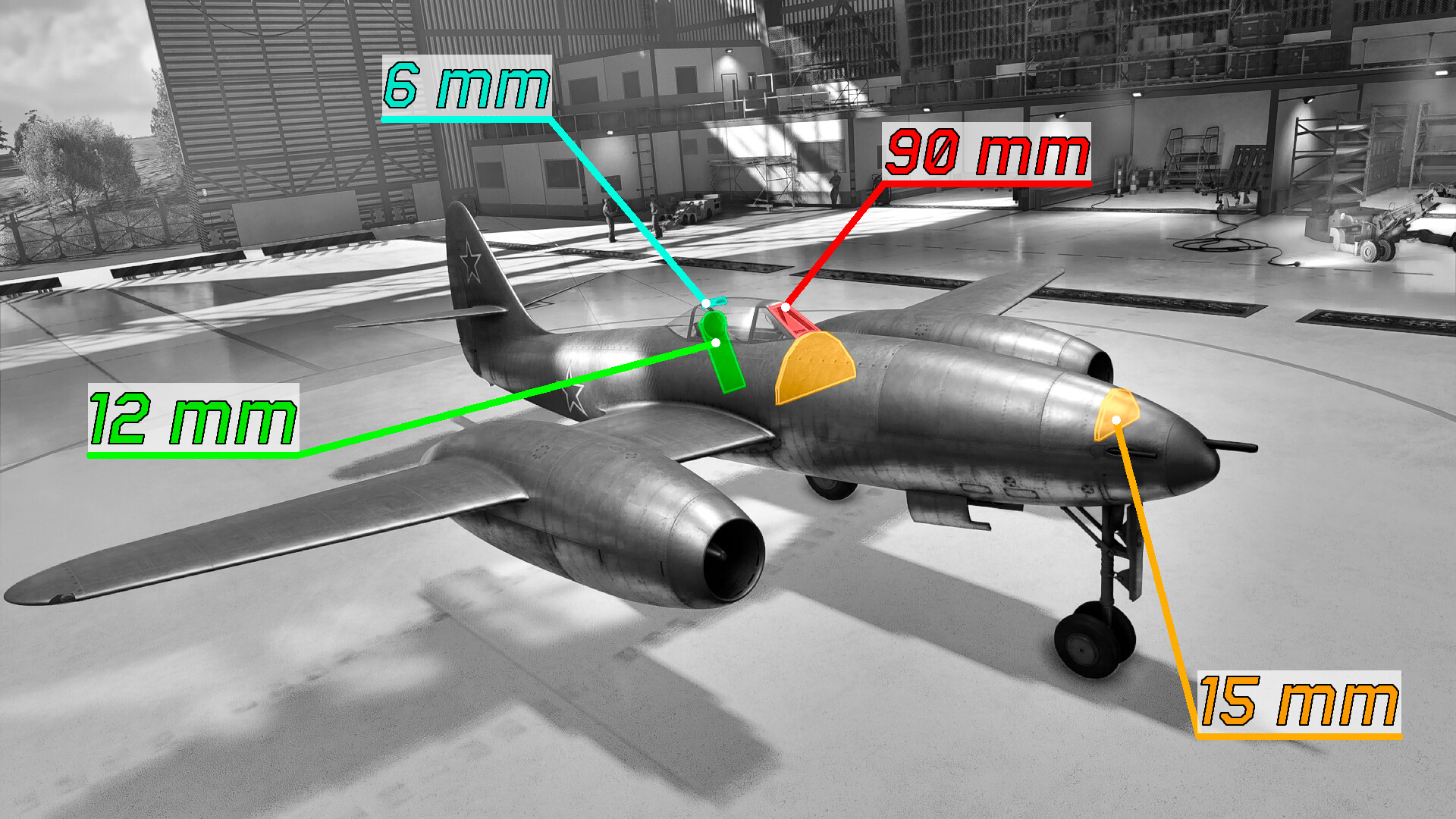
The Su-11 has a surprisingly decent survivability. The pilot is protected by a 12mm armor plate behind the seat and a smaller 6mm plate above the head. In front of the pilot are 90mm bulletproof glass and two 15mm armor plates: one behind the instrument panel and one in the nose in front of the weapons. This armor can protect against a .50 cal bullet but not anything larger.
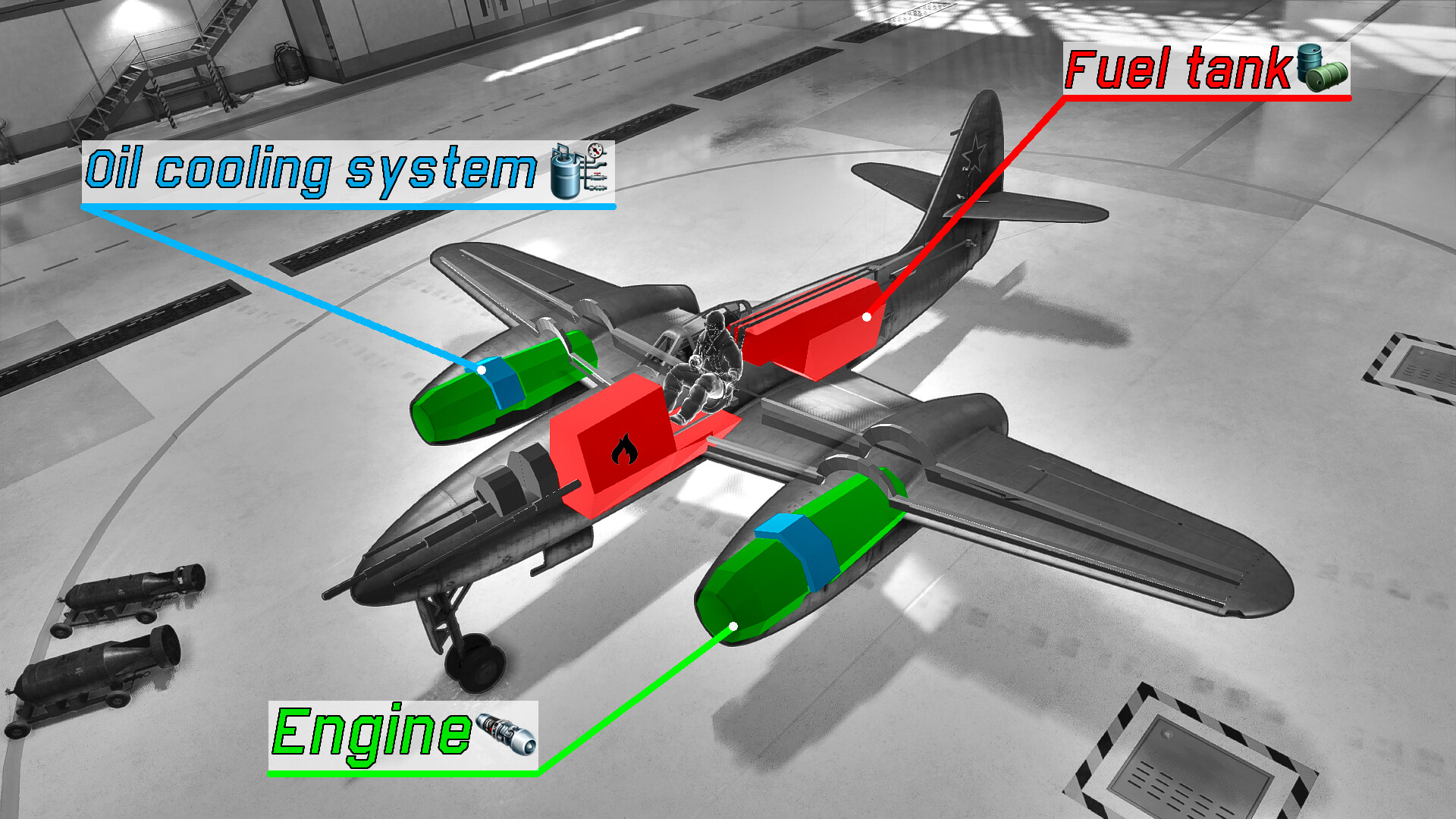
Two fuel tanks—one in front of the pilot and one behind—provide the pilot with additional protection. There are no fuel tanks in the wings; the only critical components located there are the engines, and even then the Su-11 can get to the airfield if one of the two gets damaged.
Armament
Main Armament
The Su-11 is armed with two 23mm NS-23 cannons and one 37mm N-37 cannon, all of which are mounted in the nose. The NS-23 cannons have an ammunition capacity of 100 rounds per barrel and a rate of fire of 600 rounds per minute. Their ballistics are decent and do not differ significantly from those of the 37mm cannon.
Four ammunition belts are available for the NS-23.
- Default: AP-I/FI-T
- Armored targets: FI-T/AP-I/AP-I/AP-I
- Air Targets: FI-T/FI-T/FI-T/AP-I
- Stealth: AP-I
At a range of one kilometer, the AP-I shell only penetrates 11 millimeters of armor at a 30-degree angle, so it will hardly penetrate anything with armor. Therefore, it’s best to focus on engaging aircraft and select the "Air Targets" belt.
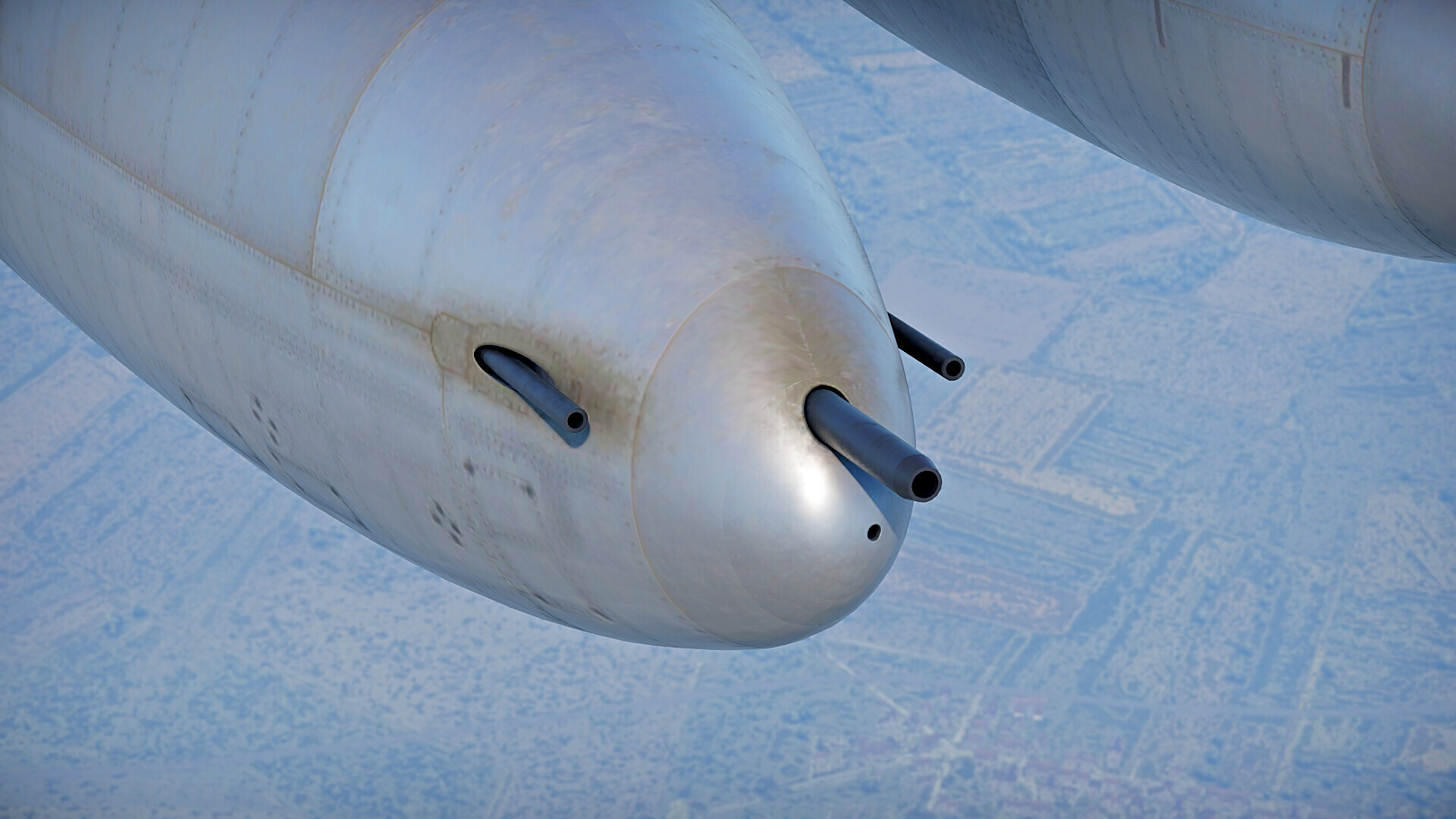
The N-37 has an ammunition capacity of 30 rounds and a slightly lower rate of fire of 400 rounds per minute. As previously mentioned, the gun’s ballistics are similar to those of 23mm guns.
Three types of ammunition are available for the N-37:
- Default: HEFI-T/HEFI-T/API-T
- Air targets: HEFI-T/HEF-I/HEF-I
- Armored targets: API-T
Unsurprisingly "Air Targets" is the most suitable for fighting enemy aircraft. "Armored Targets" however only penetrates 28 mm at 30 degree angle at a distance of 1000 meters, and while it can penetrate lightly armored vehicles, the Su-11 will be very vulnerable to enemy SPAA.
Suspended Armaments
The Su-11 has a pretty small selection of two noteworthy payload options:
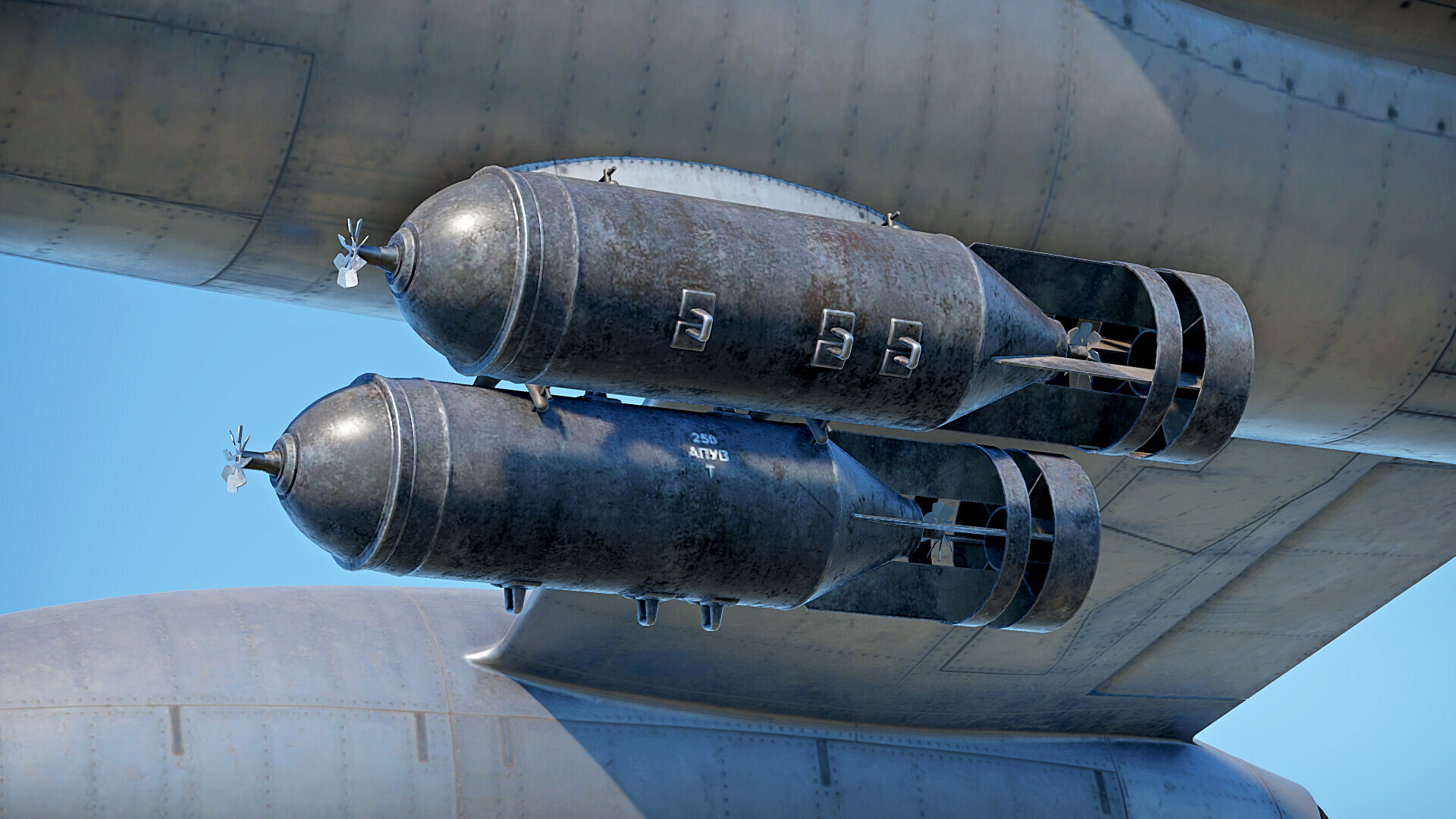
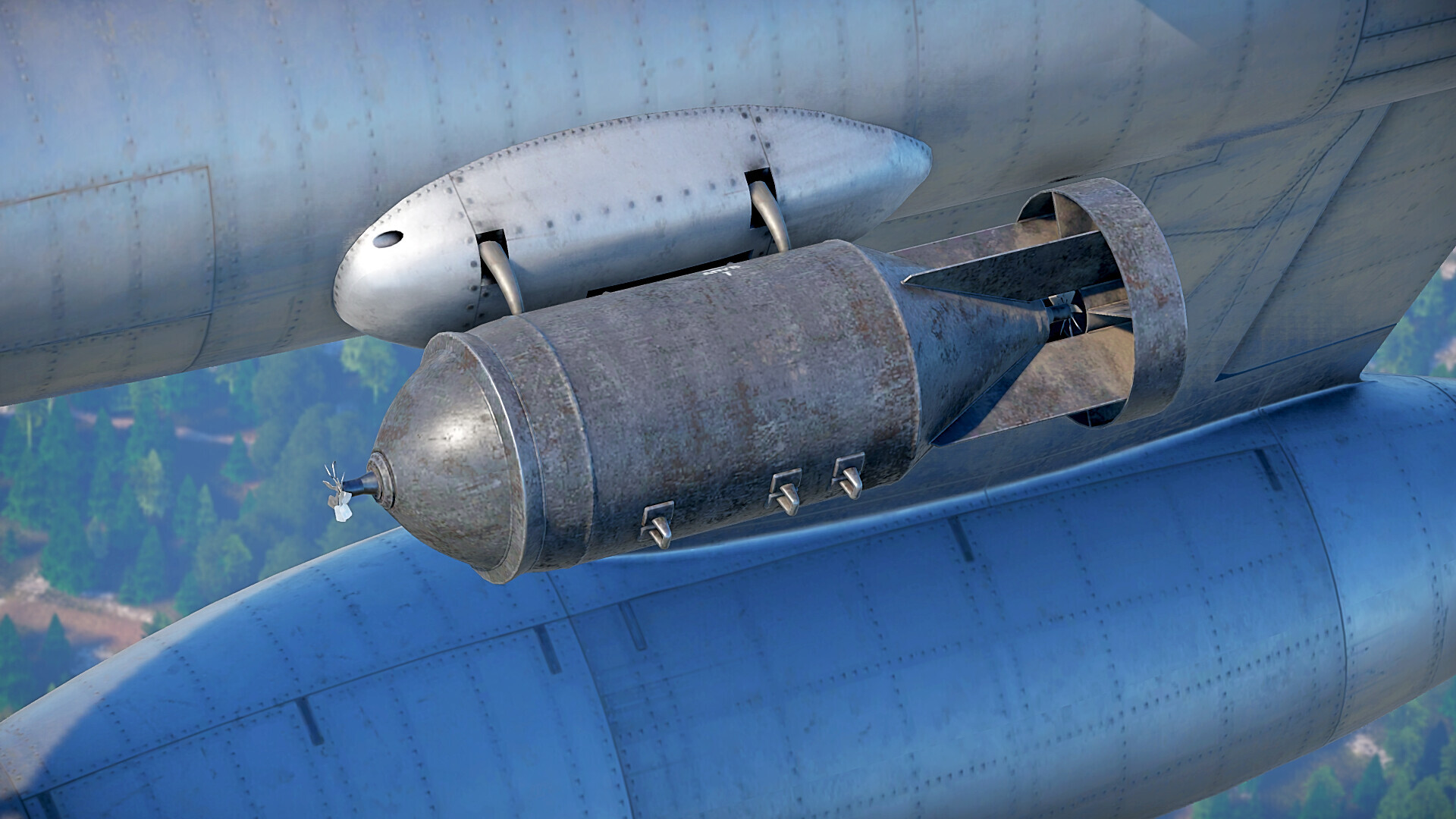
- 2x250 kg FAB-250M-46 bombs with 122 kg of explosives each. A direct hit from one of these bombs is sufficient to destroy any enemy target. These bombs are dropped individually.
- 1x500 kg FAB-500M-46 bomb with 325 kg of TNT inside. This bomb allows for a less precise drop and can destroy the most heavily armored targets. However, there is only one bomb, so it’s uncommon to get more than one kill per drop.
Usage in combat
Air battles
In aerial combat, the Su-11 pilot’s only objective is to fly fast. A minimal amount of fuel is sufficient. The battle begins as it would for any jet fighter: with takeoff and acceleration to ~550 km/h before gaining altitude. Often, the Su-11 is at the same altitude as or slightly higher than enemy fighters. From there, however, tactics diverge.
Things are fairly straightforward against piston-engine fighters and slow jet fighters, such as the F2G or Meteor Mk 3. Simply avoid aggressive turning and try to trade energy with them by pulling upward in a spiral or even luring them into a six. In the latter case, when an enemy is a couple km away you can fly perpendicular to them in a slight climb and even turn into them a bit. As they climb and try to intercept you, enemies often laser focus on the decreasing range number and try to cut you off, all while losing their energy. Sometimes, when such targets have lost energy or become distracted, they may try to turn sharply and force a head-on, which you should avoid. If such an enemy is fleeing nothing stops the Su-11 from catching them up and forcing a dogfight.
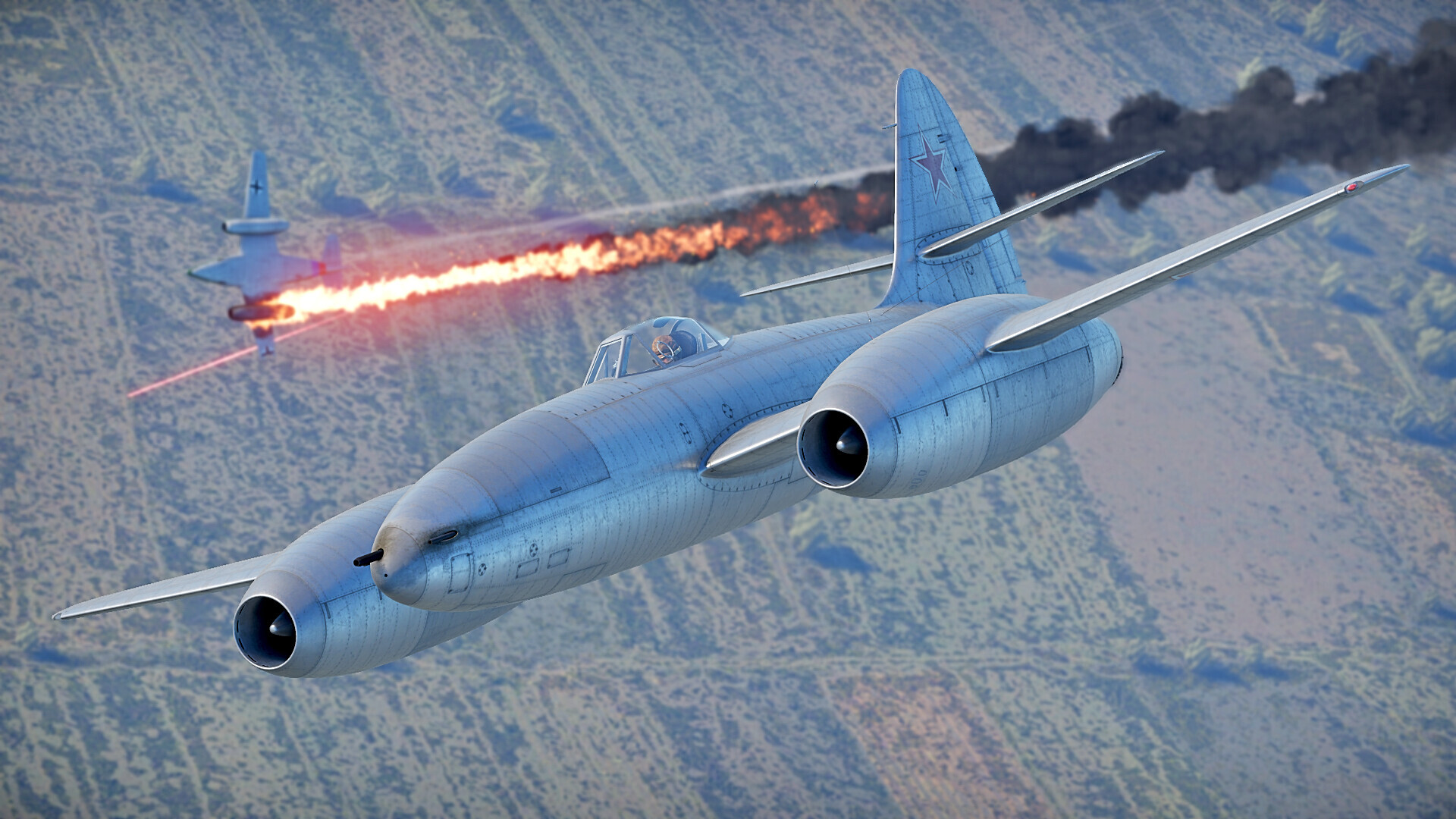
Things get more complicated with aircraft like the British Meteor Mk 8. It has a higher top speed, good acceleration, significantly better maneuverability, and more powerful armament. Its only weakness is its energy loss, which can be exploited against slow or low-flying aircraft, as well as if you met them going head on at around the same speed.
F-89Bs are also a nuisance. The F-89 itself isn’t particularly maneuverable, but it can yank the stick and get a good AoA to put lead, which is especially dangerous when they get on your six. However in a dogfight it will lose speed pretty quickly, and when diving from above they often rip their wings due to flying too fast.
Mixed battles
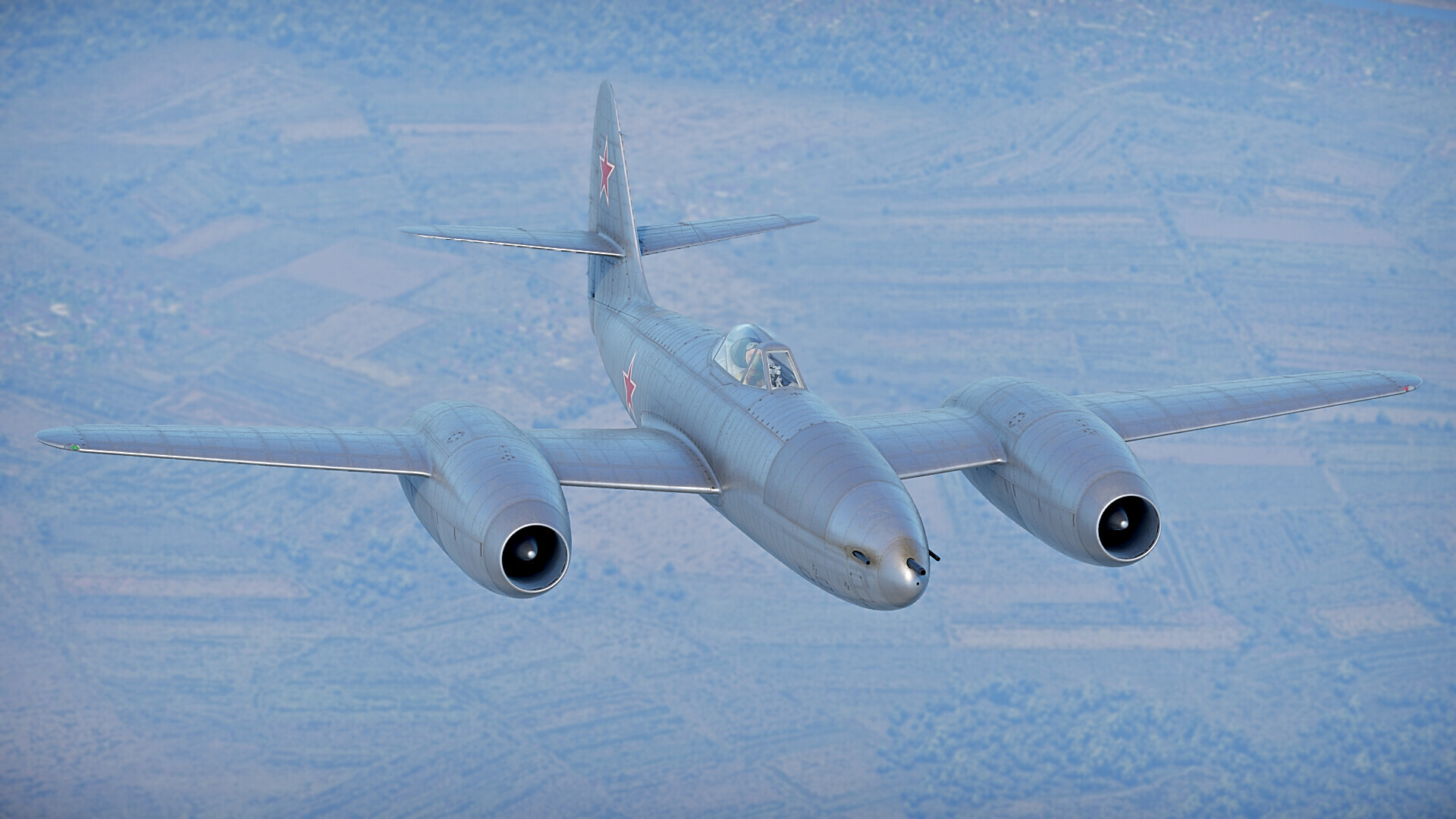
In mixed battles, the Su-11 can serve as a pure fighter and perform ground pounding. In a fighter role it is identical to the section above. However, one should avoid flying directly over the battlefield to avoid enemy SPAAs. You should also be wary of aircraft with similar looks but noticeably different performance. Say, the F-80A and F-80C are very different in how threatening they are.
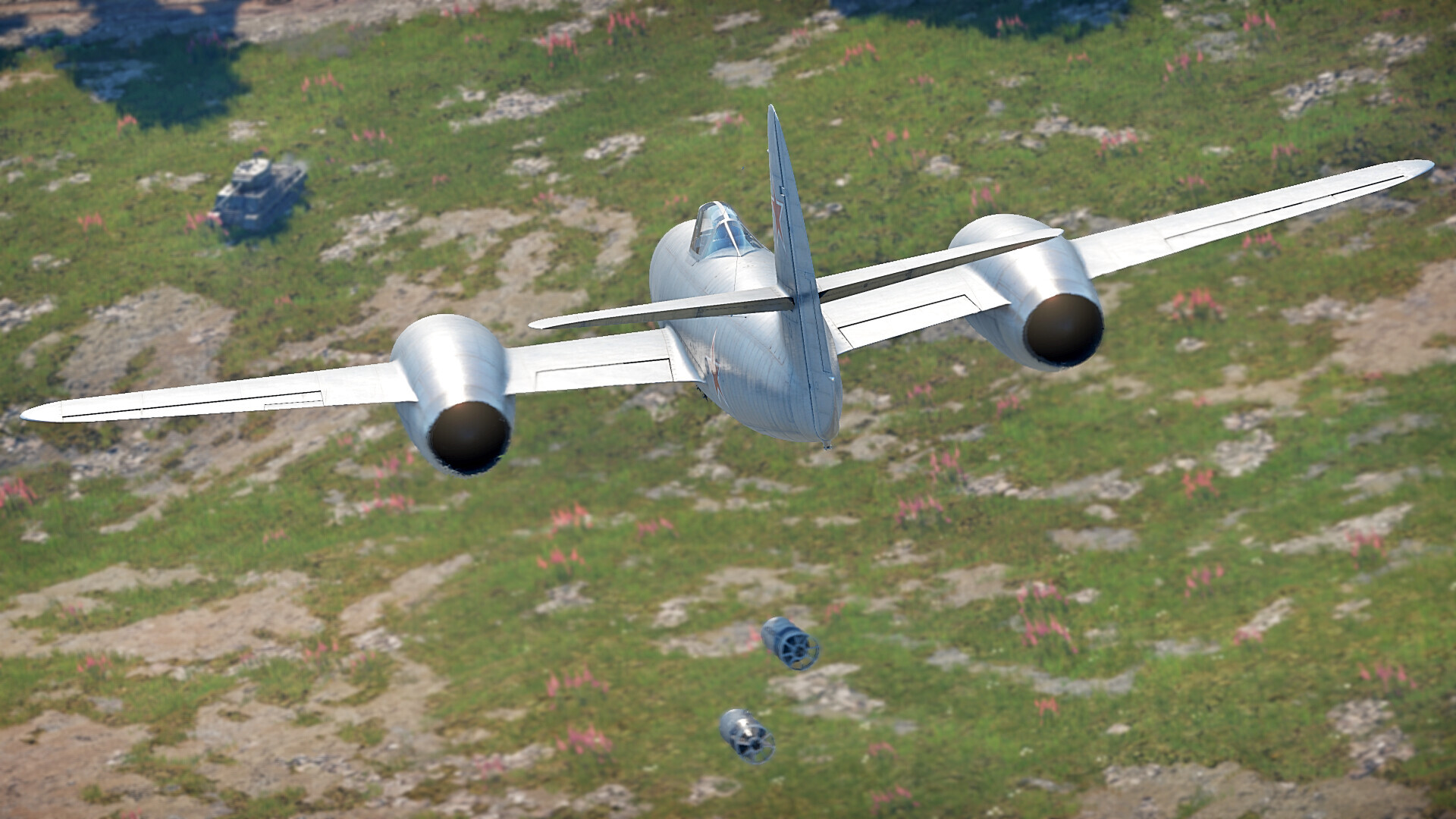
In terms of ground attack, you can use one or two bombs to destroy enemy vehicles trying to flank or ones already behind your your allies. Since so many SPAAs stay at the respawn those areas are usually a bit safer to attack. That said, generally avoid using that 37mm cannon since that would force you to get too close to those SPAAs, making you an easy target.
History
The idea of creating a new jet aircraft emerged at the Sukhoi Design Bureau in 1944 amid rumors of German advances in the field and subsequent test flights of the Me 262. This aircraft served as a basis for the designers' work, and early Soviet designs closely resembled it. However, with the end of the war and the development of the MiG-9 and Yak-15, the idea of copying the aircraft was abandoned—the designers disliked the materials used in it. Furthermore, the military was wary of the "unreliable" German aircraft.
Nevertheless, insights gained from the design were used to create the Su-9, which with later modifications, could compete with the Yak-15 or MiG-9. The new fighter had an identical layout to the Me 262, but its wings and fuselage were shaped differently. Additionally, during development, the plane, which was originally designed as a "pure" fighter, was modified to carry bombs.
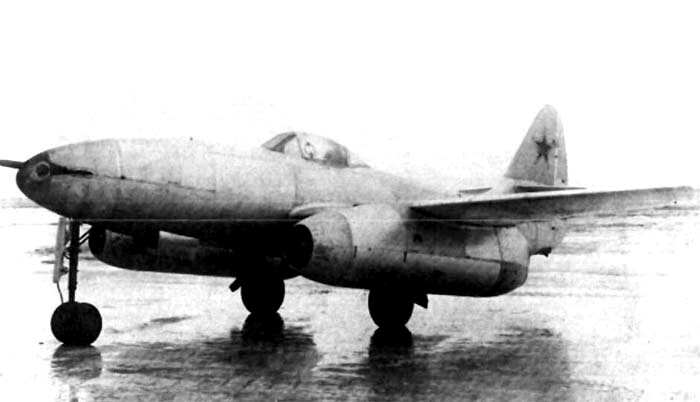
The fighter was initially designed for the Soviet Lyulka TR-1 engine. However, due to compressor stall problems, the aircraft was instead equipped with the German Jumo 004 engine and its Soviet copy, the RD-10. The first prototype was built on September 18, 1946, and its maiden flight took place on November 13. Testing continued until July 1947. The Su-9 project was canceled in 1948 due the Soviets cutting spending on aircraft projects.
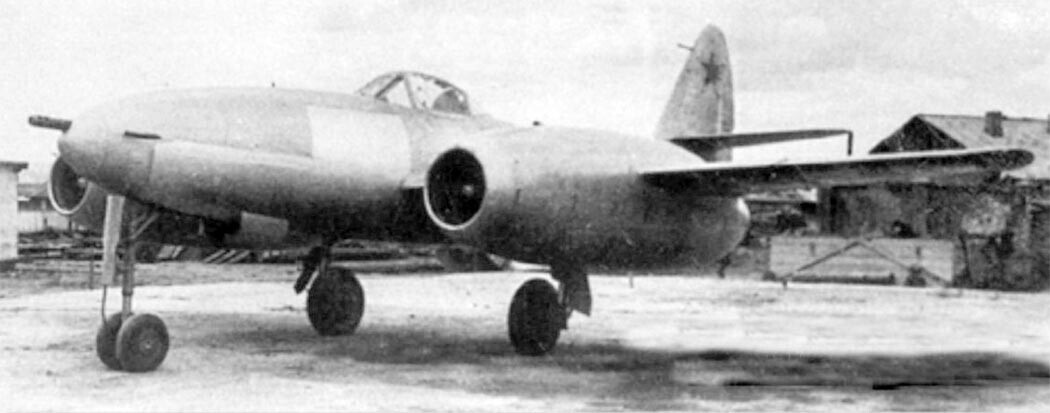
A more advanced variant of the Su-9 prototype was developed with RD-1 engines mounted in the same plane as the wing, rather than under it. After a series of minor modifications, the aircraft was designated the Su-11 and made its first flight on May 28, 1947. Testing continued until April 15, 1948. However, it was halted as the TR-1A engines were still not ready, the military was unhappy with plane performance, and more advanced aircraft, such as the MiG-15, were already being tested. The sole prototype was scrapped, and the development of more advanced models, such as the Su-13, was discontinued.
Sources
- ОКБ П. О. Сухого. Записки в летопись: вооруженцы. - Москва : ИД «Бедретдинов и Ко», 2014.
- Соболев Д.А., Хазанов Д.Б. Немецкий след в истории отечественной авиации. — М.: «Русское авиационное акционерное общество» (РУСАВИА), 2000.
- Page on Airwar
- Wikipedia