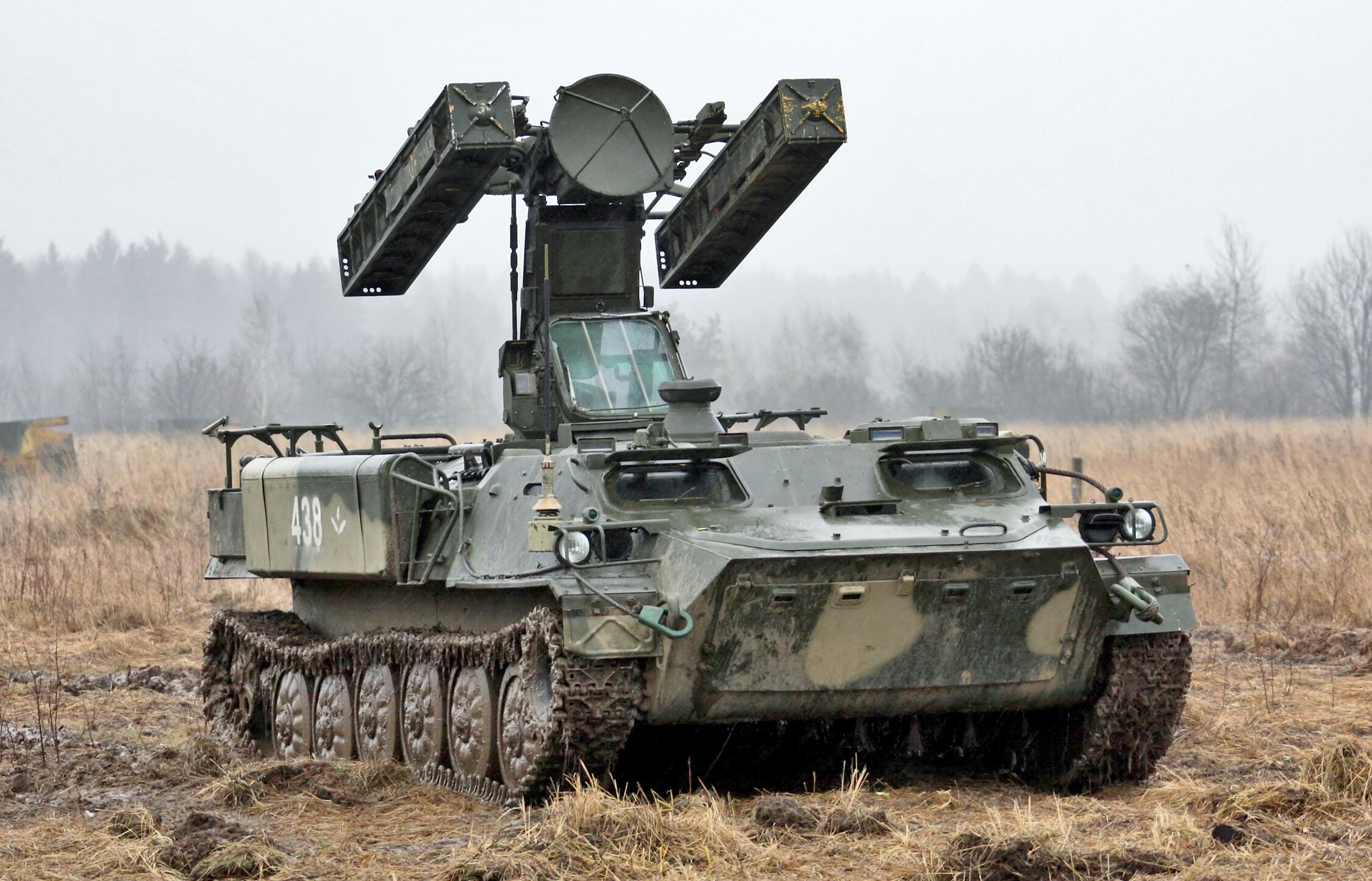
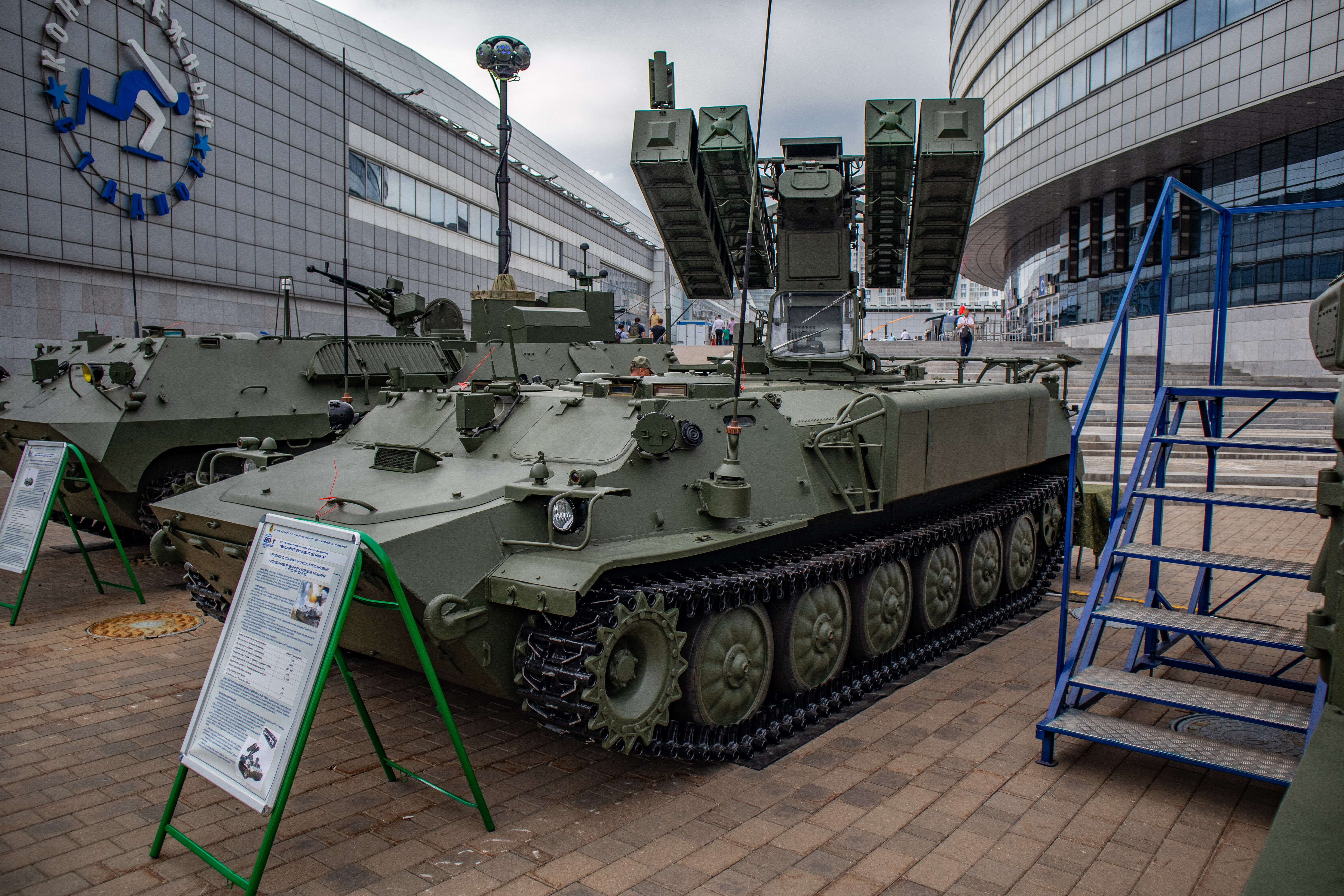
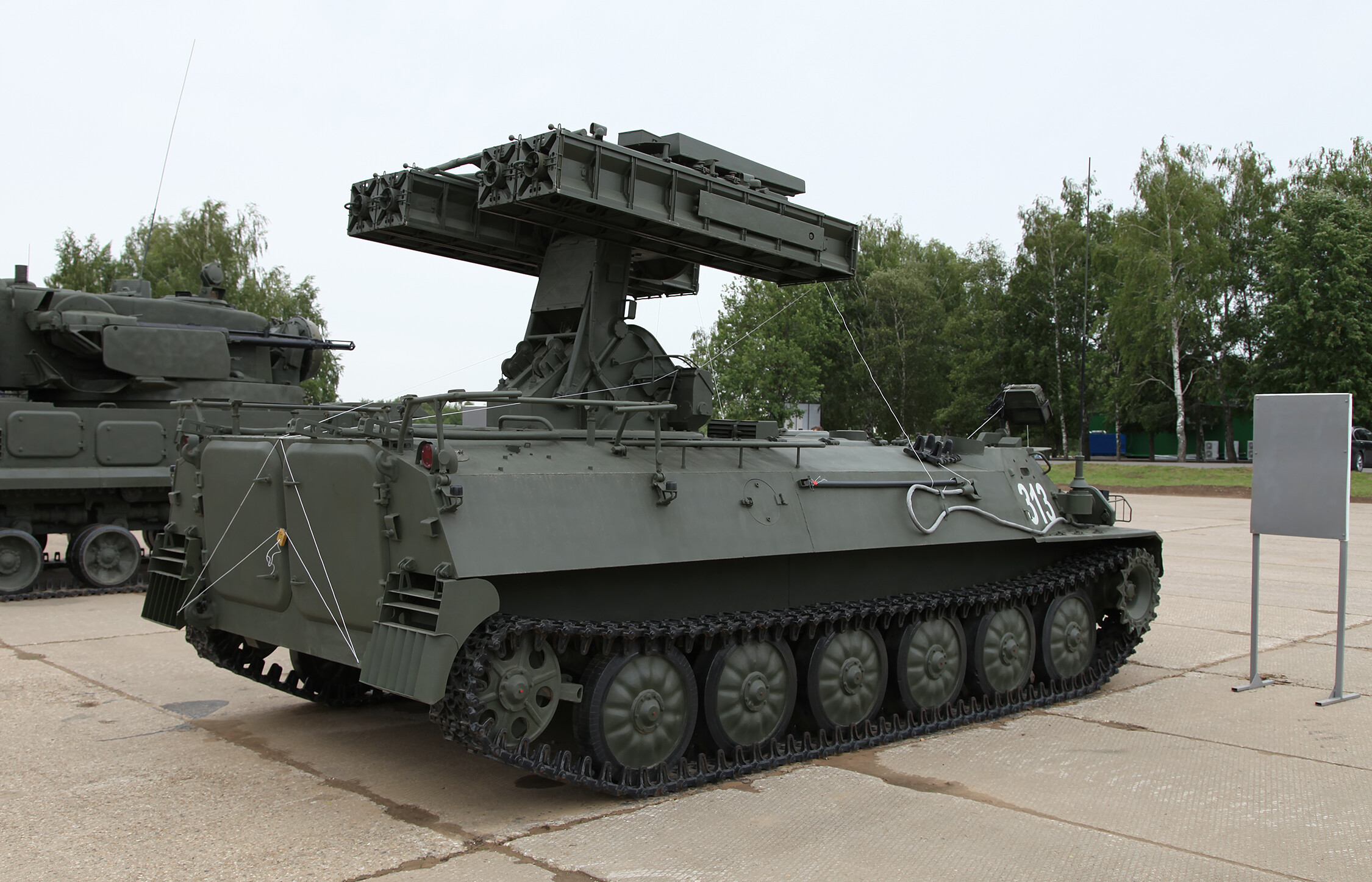
The 9K35 Стрела-10 (Arrow-10) “Gopher” is a Soviet-made, mobile surface-to-air missile launcher conceived in the late 1960s and 1970s. It utilizes the 9M37 and 9M333 surface-to-air missiles. The launcher system is mounted onto a modified amphibious MT-LB chassis. Despite being put into service in the 1970s, the Strela-10 is still in service today in over 10 countries!
Development
Development of the Strela-10 started on July 24 of 1969. The Soviets needed a replacement for the 9K31 Strela-1, as it was becoming apparent that the Strela-1 was increasingly obsolete against new radio-jamming technology. The Strela-10 was intended to improve on all aspects compared to the Strela-1, being equipped with better mobility and more lethal missiles. The KB Tochmash was tasked with developing the new Strela-10.
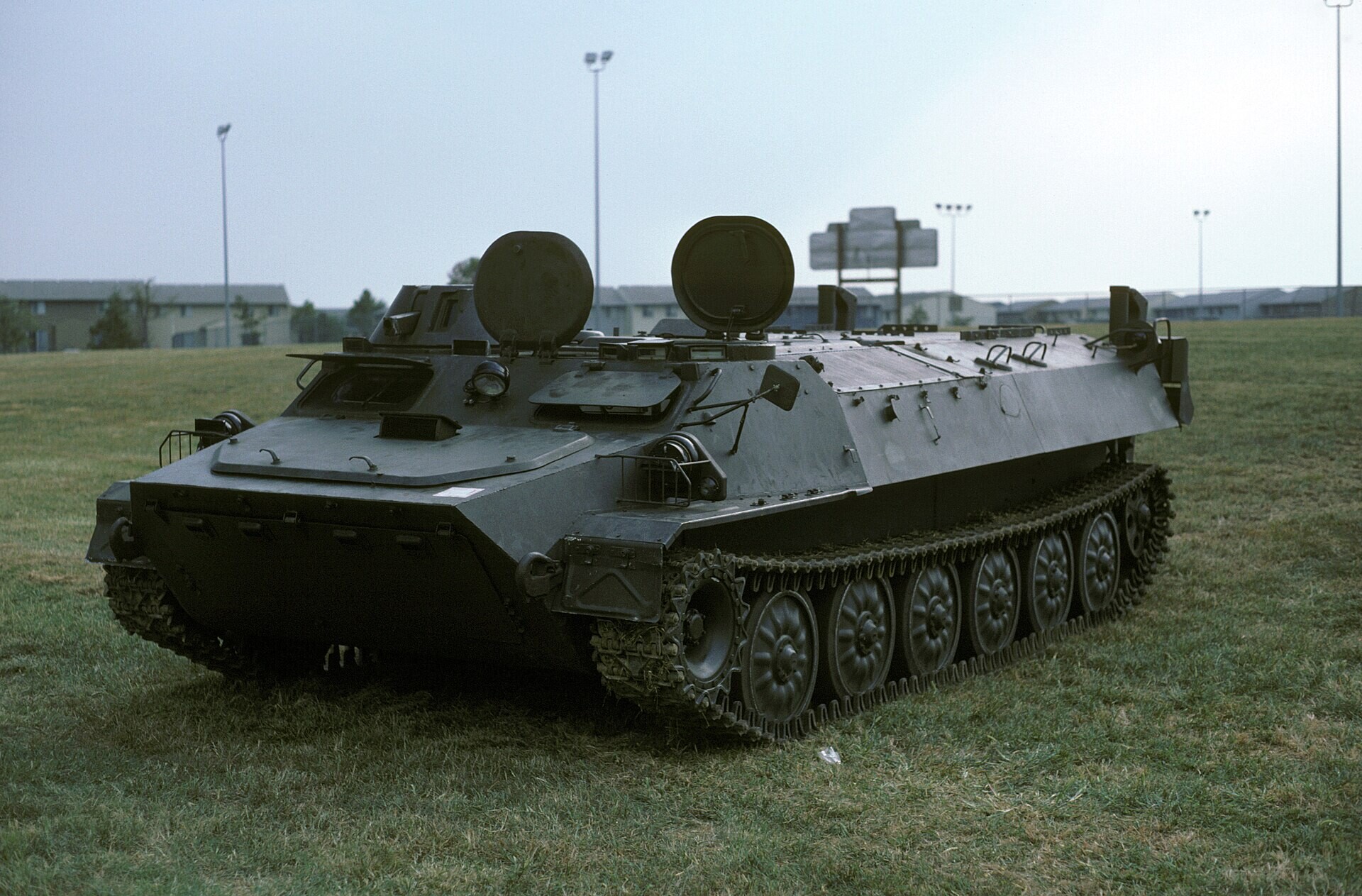
The 9K35 Strela-10 would utilize a modified MT-LB for its lower profile and roomier interior, allowing it to store equipment and additional missiles, something the Strela-1 had lacked. The MT-LB chassis also has better mobility off-road and at lower speeds due to being tracked. Despite being heavier, the 9K35 Strela-10 would retain its amphibious feature. Polyurethane-filled floats would be fitted on the Strela-10 to give it buoyancy while on water.
In 1973, the new anti-air system was tested. The Strela-10SV and the 9M37 surface-to-air missile were tested at the Donguzkom testing range from 1973 to 1974. The results of the testing in 1974 were rather poor in terms of reliability and hit probability, thus preventing the Strela-10 from being put into service that year. Nonetheless, development and testing would continue for the Strela-10 for the next two years, with improvements on both seeker channels' reliability. The 9K35 Strela-10SV would finally be put to service in 1976 for the Soviets, albeit in limited numbers.
Development continued years later with the 9K35M Strela-10 and its newer variants, the 9K35M2 Strela-10 and 9K35M3 Strela-10. For the 9K35M, development started in 1977, featuring a selector for different intercept trajectories and improved IRCCM. Production of the 9K35M Strela-10 was scheduled to begin in 1979, following a series of successful trials.
The 9K35M2's development was to look at improvements to the Strela-10 and integration into the Soviet Army. The development began in 1979, and production started in 1981 after testing proved successful.
The 9K35M3's development would look further into the missile’s capabilities, with increased effectiveness against all targets and improved IRCCM systems. Following testing from 1983 to 1986, a new missile would begin development: the 9M333, a successor to the older 9M37. Production for the Strela-10M3 would begin in 1989.
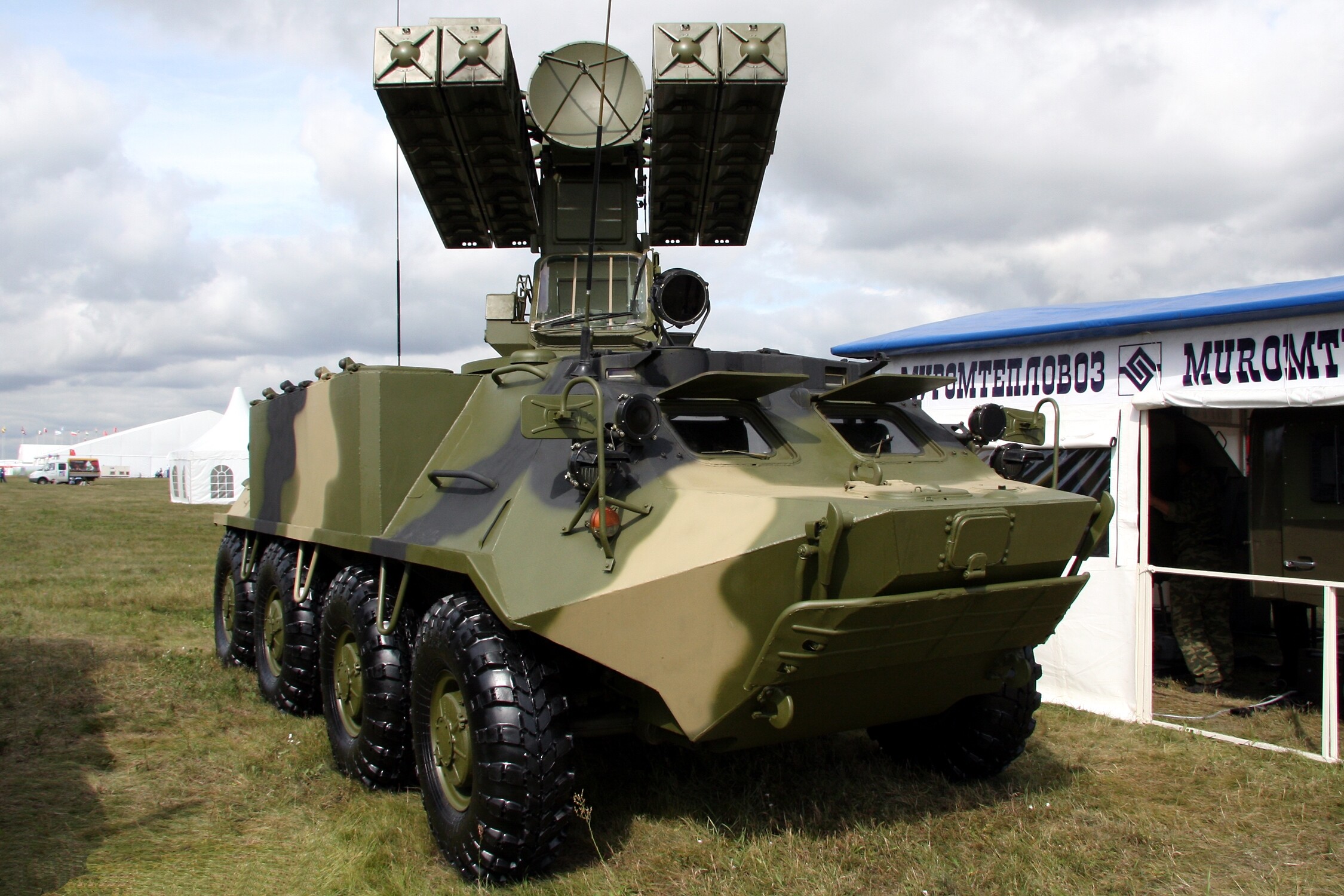
In the 2007 MAKS Arms Show, the 9K35M3-K Kolchan was displayed. This Strela-10 derivative used a BTR-60PBM 8×8 chassis mounted with the 9M35M3 TELAR turret. The BTR-60 chassis would have large protruding containers on the side for four additional missiles. This design choice was due to the chassis’s vast use and being cost-effective.
Fast forward to 2018, when it was reported that the redevelopment of the 9M333 would begin. After testing at the Donguz test site was completed, the redeveloped 9M333 began mass production in 2020 and has continued to serve the Russian Ministry of Defense since.
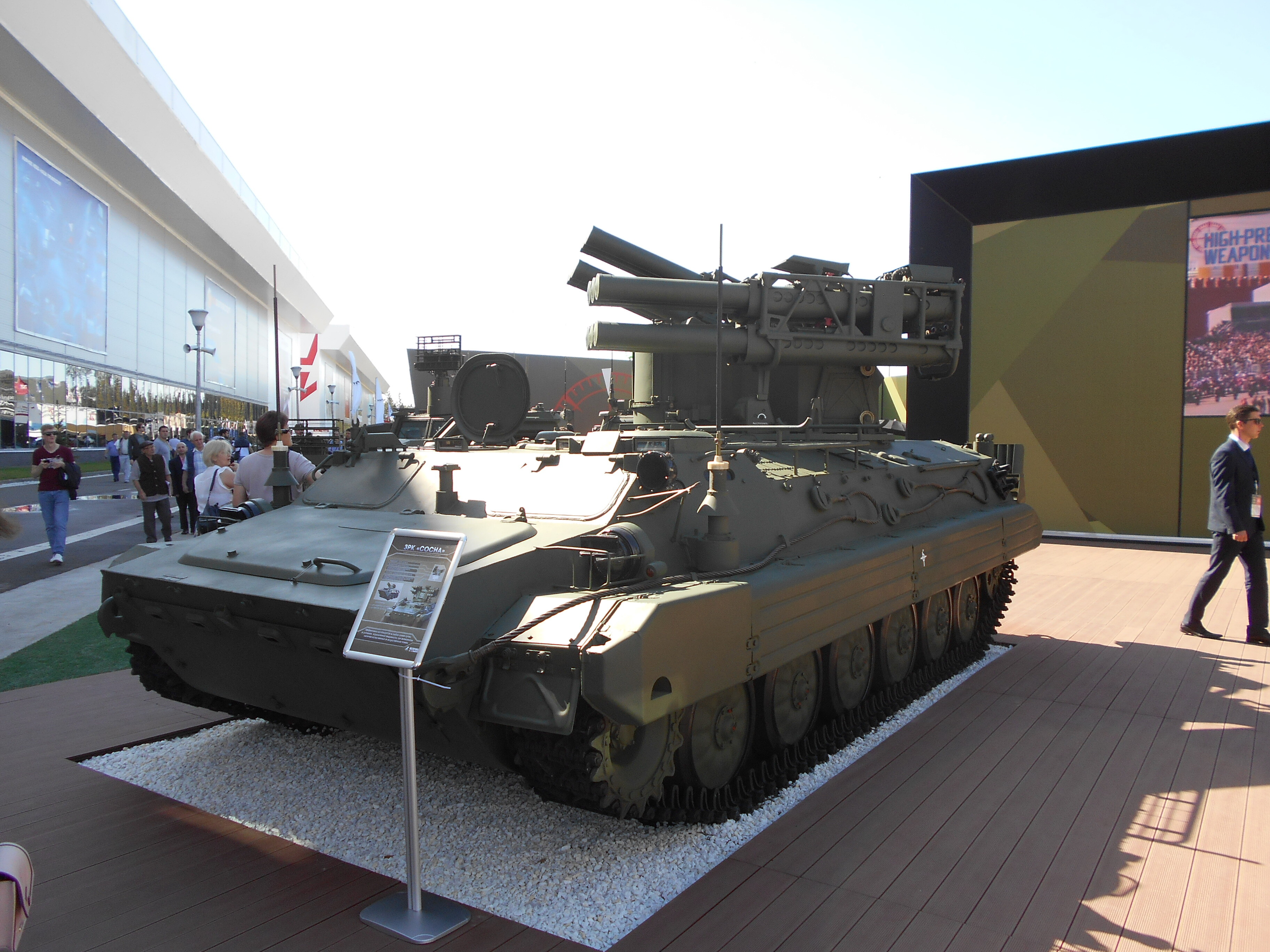
The Sosna “Pine” short-range air defense (SHORAD) system, designed in 2017 and put into service in 2019 to replace the Strela-10, replaces the TELAR turret with the 9P337 Bagulnik turret, firing the 9M337 missile. The Strela-10, however, is still intended to serve the Russian Federation for many more years.
Service
The 9K35 Strela-10 has been sold worldwide and used in numerous conflicts. It is still being produced to this day, though in significantly reduced numbers.
The designation “9K35” represents the Strela-10 system as a whole. “9K” refers to the entire missile system. “35” is the model of the “9K” missile system. “9A” is the launcher. Missiles start with “9M.” Modernizations of the Strela-10 are designated by an 'M' followed by a number to indicate the modernization level. The Strela-10 would then be designated as either “9A35” or “9A34” based on whether it is the lead vehicle or not, respectively.
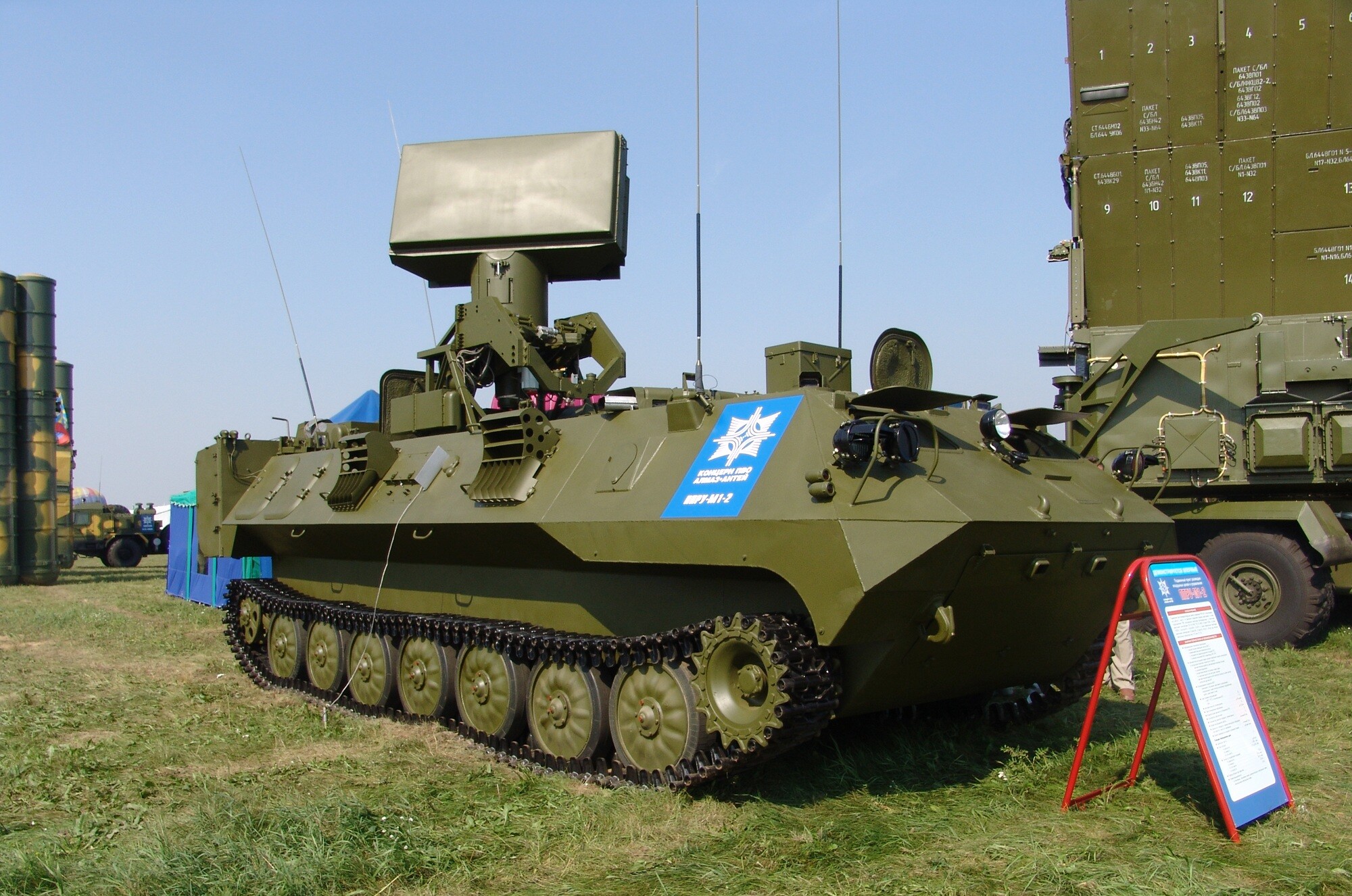
Typically, there are four Strela-10s in a battery: one 9A35 Strela-10 and three 9A34 Strela-10s. Additionally, a PPRU-1 command post with a mobile acquisition radar would be deployed with the Strela-10s to aid in search and command.
Africa
Angolan Civil War
The first recorded combat use of the Strela-10 occurred during the Angolan Civil War. On February 20, 1988, a Cuban Strela-10 struck a Mirage F1 AZ. The Mirage F1 AZ belonged to the 1 Squadron of the South African Air Force and was on its way to strike Southern Angola. 31-year-old Major Edward Richard Every was not seen to have ejected and is likely to have been killed.
Asia
Persian Gulf War
During the Persian Gulf War, Iraq operated many Strela-10s for air defense. On February 15, 1991, two A-10As were likely hit by Iraqi Strela-10s while striking Republican Guard targets. The A-10As were part of the 353rd Tactical Fighter Squadron of the 354th Tactical Fighter Wing. Lieutenant James Sweet was the first to be shot down, followed by Captain Steven Phyllis, who was trying to protect Lieutenant James Sweet, and was killed in action that day when his A-10A was hit.
Syrian Civil War
Conflicting sources claim that on April 14, 2018, 3 out of 105 American allied missiles targeting Syrian sites were shot down by five Strela-10 missiles.
2020 Nagorno-Karabakh War
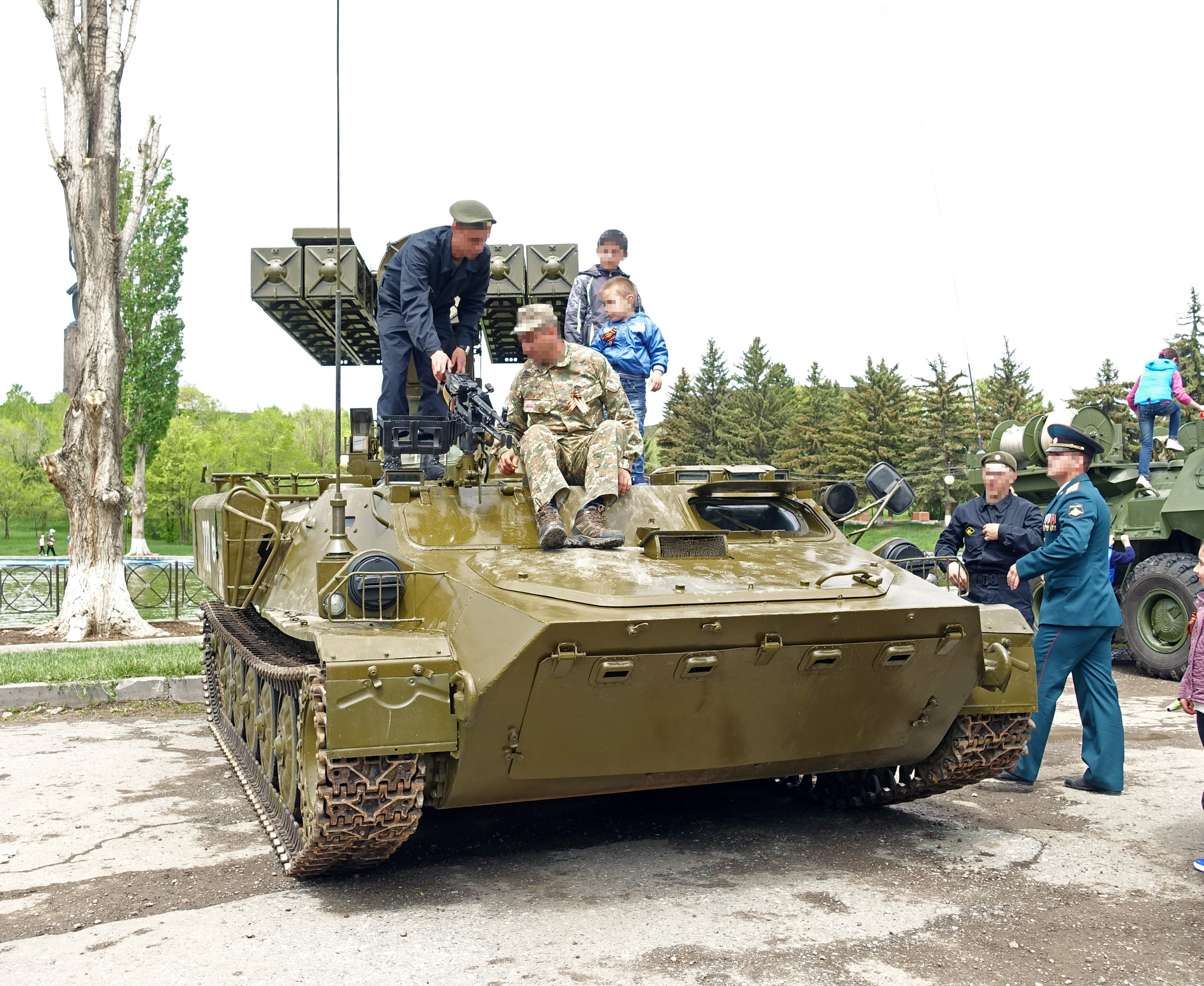
Beginning the conflict between Azerbaijan and Artsakh with Armenia, videos surfaced showing strikes against Armenian 9K33 Osa and 9K35 Strela-10s. At least three Strela-10s were lost, likely to Bayraktar TB2 drones.
Eastern Europe
Kosovo War
The Kosovo War was between the Federal Republic of Yugoslavia and the Kosovo Albanian Separatist Militia. During the war, NATO intervened, sending strikes against military targets in Yugoslavia. On May 11, 1999, a Yugoslav Strela-10 managed to hit an A-10A. Piloted by Captain Chris Short, the A-10A was able to make it back to an airfield and was later repaired.
Specifications
Strela-10
The hull used for the Strela-10 is based on the Многоцелевой тягач легкий бронированный ”multi-purpose towing lightly armoured vehicle” (MT-LB) chassis, which is an amphibious, multipurpose, armoured fighting vehicle. It has 7 mm plating all around with 14 mm around the nose and turret face. The vehicle weighs 12,300 kg with a max of 62 km/h on the road and 6 km/h on water.
The Strela-10 is powered by a YaMZ-238 V8 diesel, providing 240 horsepower and with a power-to-weight ratio of 19.5 hp/t. The Strela-10 can carry 450 litres of diesel, giving it a range of 500 km.
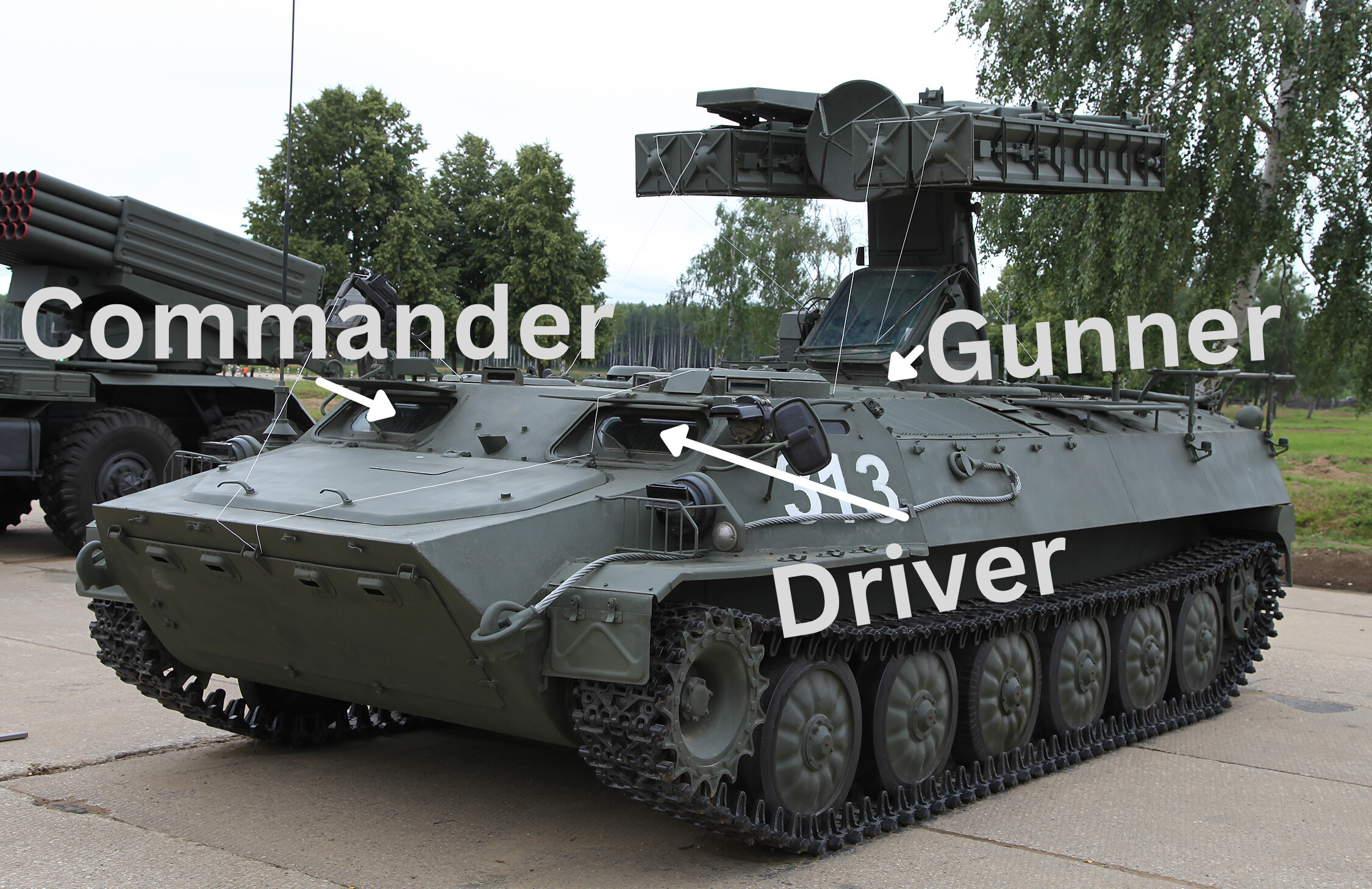
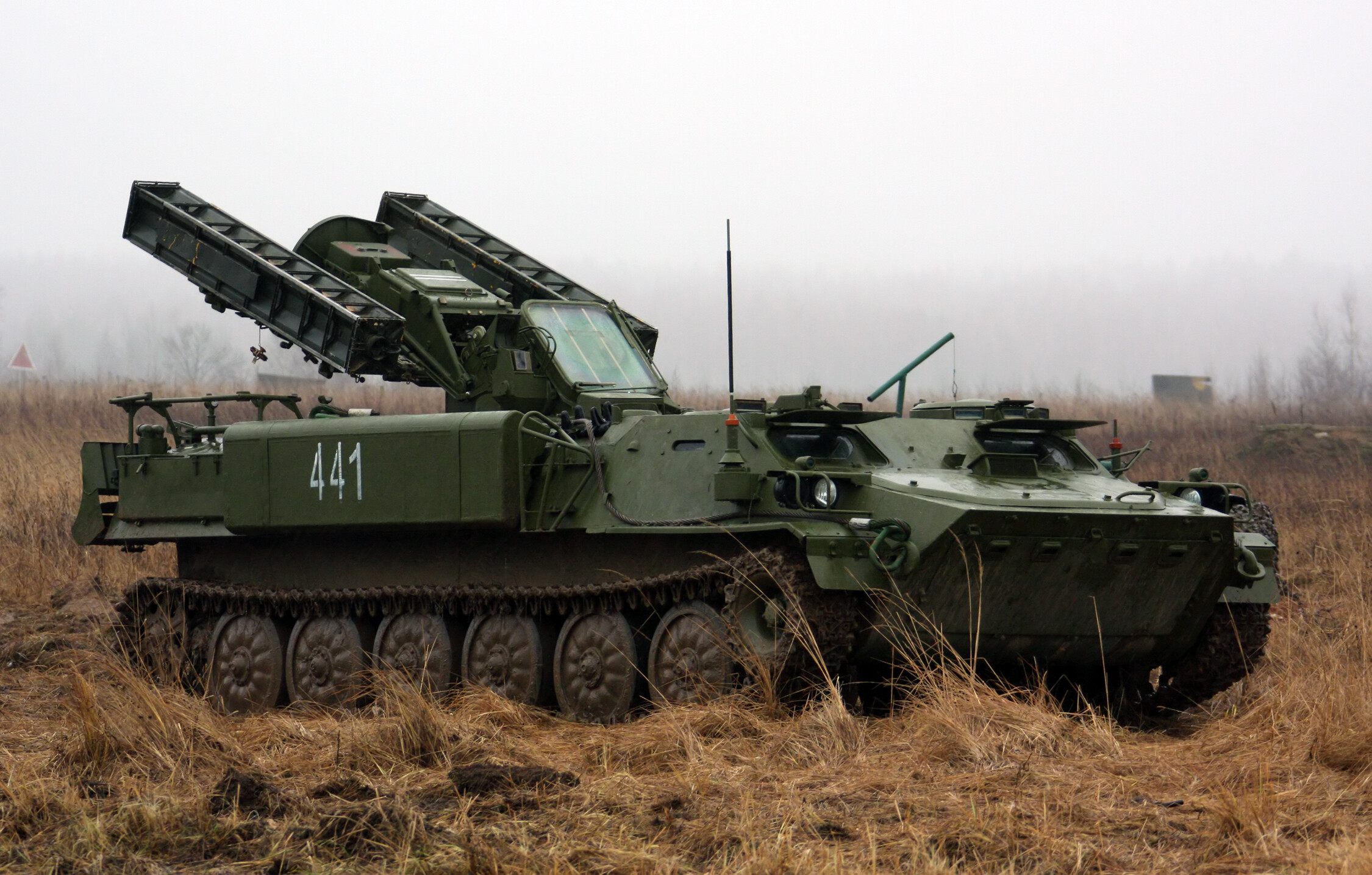
The transporter-erector launcher and radar (TELAR) can be stowed during travel, reducing its height from 3.97 meters to 2.22 meters. The chassis is 6.93 meters long and 2.85 meters wide. It consists of a crew of three: a driver and a commander at the front, and a gunner underneath the launcher system. The Strela-10 has eight missiles, four of which are ready to launch.
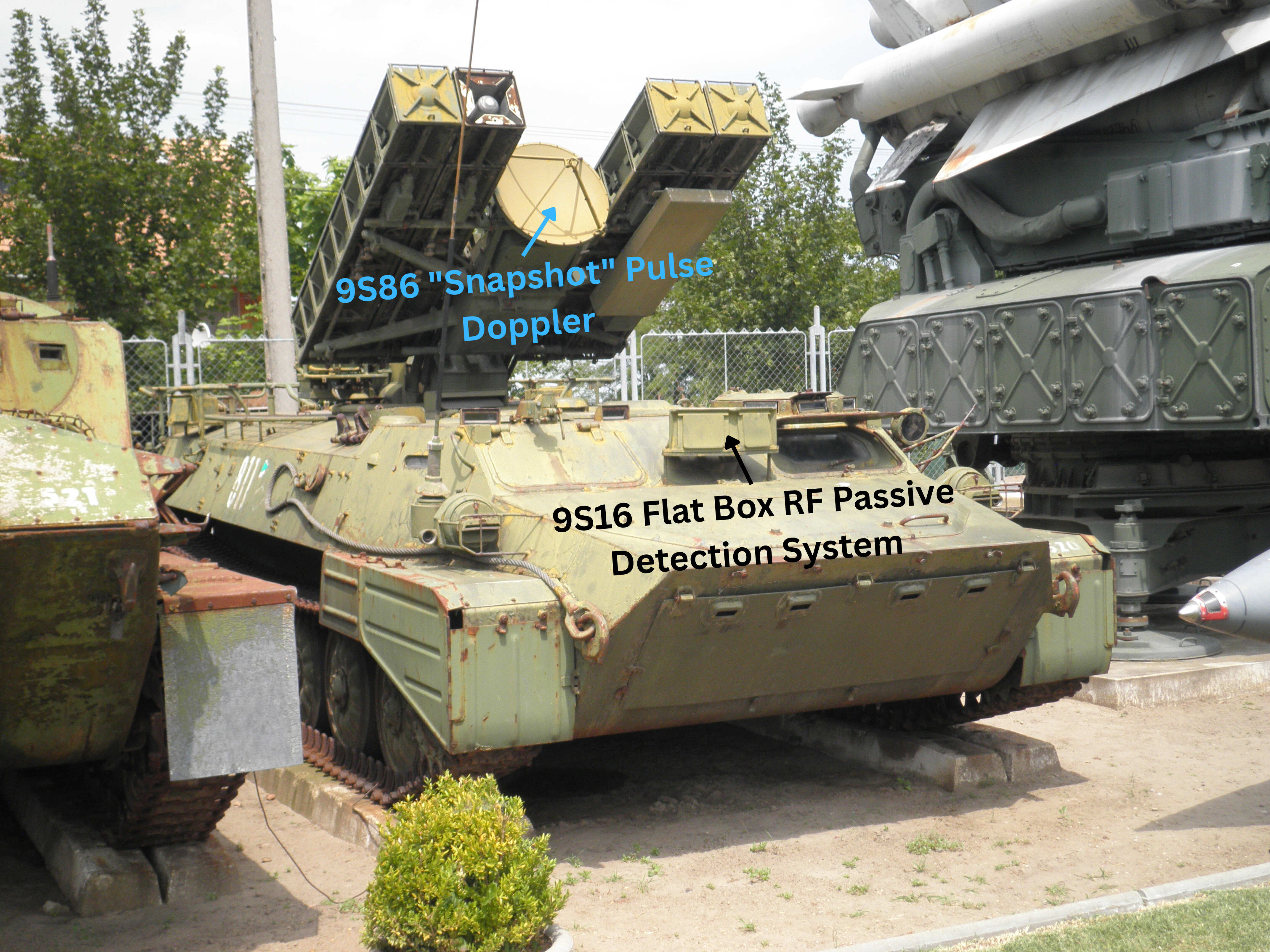
Both the 9A35 Strela-10 and 9A34 Strela-10 use the 9S86 “Snap Shot” pulse Doppler radar system. It is located between the inner missile containers and serves as a tracking-and-ranging radar. However, 9A35 Strela-10 also contains the 9S16 “Flat Box-B” passive radar detection system, located on the front, which detects incoming radio emissions and pinpoints their source.
Modernized 9K35 may have additional equipment to aid in detection. The 9K35M3 Strela-10 Gyurza (Viper) uses the 360º Azov L-136 MAK-F IRST to search for infrared sources.
The 9K35M4 Strela-10 features a thermal/optical two-channel electro-optical block (EOB) and a laser rangefinder mounted on the top-left side of the launcher. It may also be designated the 9K35MN for nightly operations.
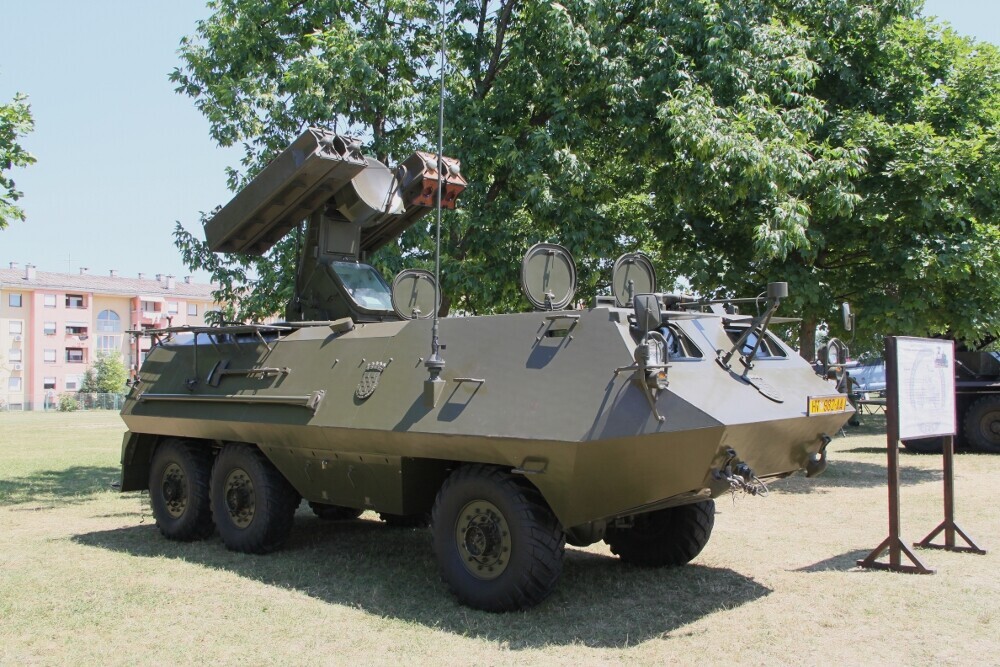
The Croatian Strijela-10CROA1 mounts the TELAR missile system onto a TAM-150 6×6 truck. This allows the vehicle to reach speeds of 90 km/h.
Armament
PK Machine Gun
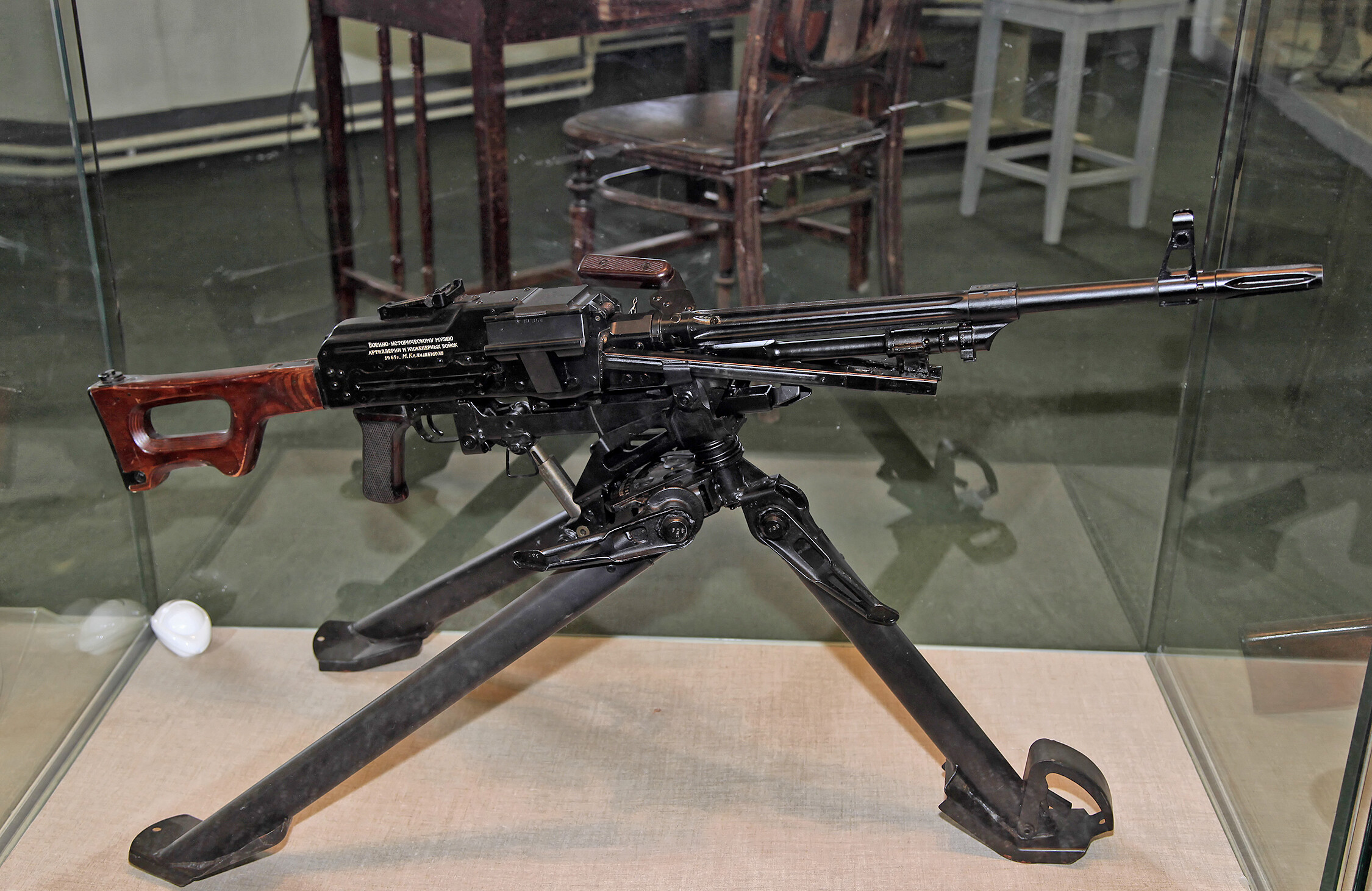
Aside from the launcher system, the Strela-10 had an additional 7.62×54 mm PK machine gun. It is situated in front of the commander’s position, where the commander would have to expose themselves to operate the machine gun. The PK machine gun has 100 rounds ready to fire, with a total of 500 rounds.
9M37 Missile
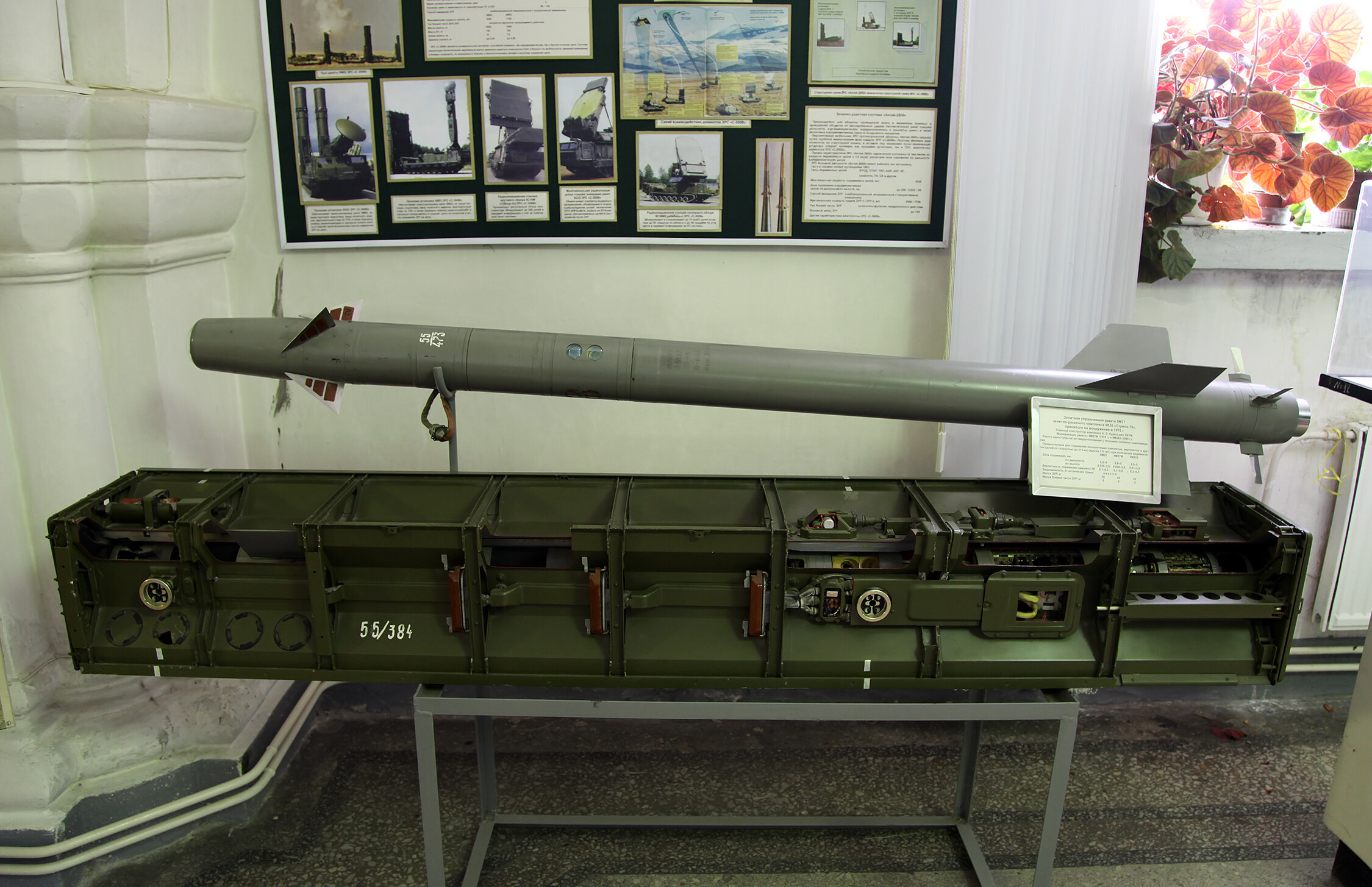
The Strela-10 first used the 9M37 surface-to-air missile (SAM), first introduced in 1976. It weighed 40 kilograms and could reach Mach 2. The missile had a diameter of 0.12 meters and a length of 2.19 meters. The warhead weighed 3 kilograms.
The missile’s seeker used two channels for tracking: a photo-contrast channel, which required cooling before launch, and an infrared channel. It uses a radio proximity fuze for detonation near a target. The 9M37 could effectively reach targets from as close as 800 meters to 5 kilometers away and as low as 25 meters.
A newer variant of the 9M37 SAM, the 9M37M SAM, was introduced in 1981 and featured a better autopilot system, an improved seeker, and a heavier warhead.
9M333 Missile
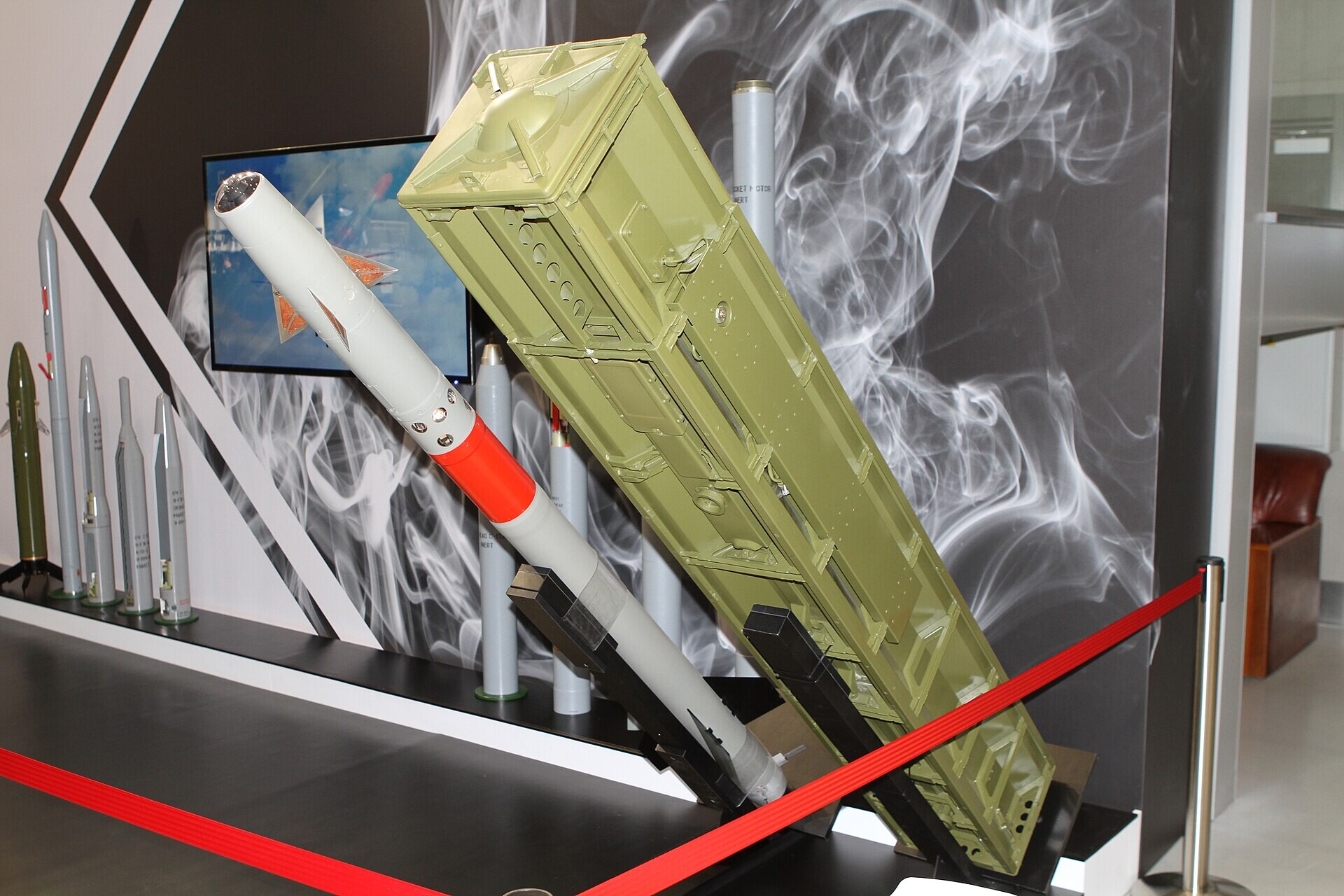
In 1989, the 9M333 SAM started its development. This missile differed from the 9M37 and 9M37M in its electronics. The 9M333 weighed 42 kilograms and reached approximately the same speed, around Mach 2. It had a diameter of 0.12 meters and a length of 2.223 meters. The warhead weighed 5 kilograms.
The seeker used a three-channel seeker instead of a two-channel one: a photo-contrast channel, an infrared channel, and an IRCCM channel. The 9M333 also uses an improved 8-laser array proximity fuze to increase the probability of detonation against smaller targets, such as UAVs. The 9M333 could also engage targets from 800 meters to 5 kilometers and as low as 10 meters from the ground.
Sources
- https://en.wikipedia.org/wiki/9K35_Strela-10
- https://www.mo.gov.cz/scripts/detail.php?id=6323
- https://en.kalashnikovgroup.ru/catalog/raketno-artilleriyskoe-vooruzhenie/sredstva-protivovozdushnoy-oborony/zur-9m333
- https://en.wikipedia.org/wiki/MT-LB
- https://tank-afv.com/coldwar/ussr/9k35-strela-10.php
- https://weaponsystems.net/system/54-9K35+Strela-10
- https://www.ausairpower.net/APA-Legacy-SAM-Upgrades.html#mozTocId634557
- https://www.militaryfactory.com/armor/detail.php?armor_id=315
- https://web.archive.org/web/20110927155306/http://pvo.guns.ru/strela10/strela10_01.htm#%D0%97%D0%95%D0%9D%D0%98%D0%A2%D0%9D%D0%AB%D0%99
- http://www.astronautix.com/s/strela-10sam.html
- https://web.archive.org/web/20100515035736/http://www.pats-world.com/gulfwar/a10_combat_losses.htm
- https://tangosix.rs/2021/04/01/sa-kojim-raketnim-sistemima-zameniti-strele-u-vojsci-srbije/
- https://www.twz.com/36777/everything-we-know-about-the-fighting-that-has-erupted-between-armenia-and-azerbaijan
- https://bulgarianmilitary.com/2023/06/25/ka-52-came-back-from-the-dead-by-dropping-anti-missile-decoys/
- https://www.ausairpower.net/APA-Rus-PLA-PD-SAM.html#mozTocId374010
- https://en.topwar.ru/178489-modernizirovannaja-zenitnaja-upravljaemaja-raketa-9m333-poshla-v-seriju.html
- https://en.wikipedia.org/wiki/9M337_Sosna-R
- https://www.tie.in.ua/en/portfolio/surface-to-air-missile-system-9k35-strela-10/
- https://en.wikipedia.org/wiki/Strijela_-_10CROA1